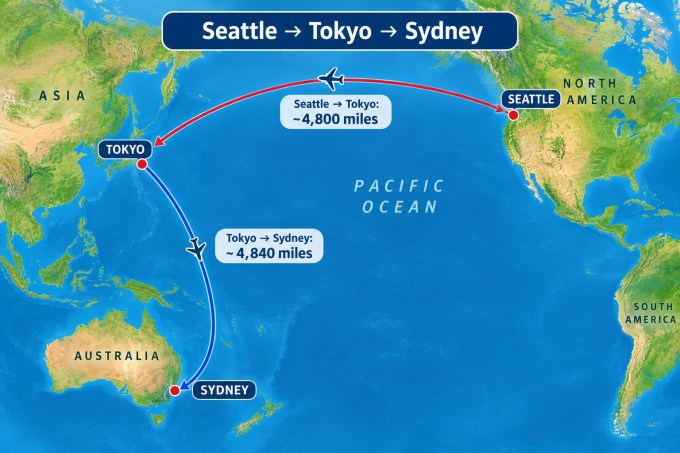
On September 5, 2003, after very long flights – first from Seattle to Los Angeles and then from Los Angeles to Sydney, I was ready to do some birding. This would be my first international trip devoted entirely to birding since a trip with friends to Trinidad and Tobago in May 1978. I had set up every detail on my own online which in 2003 was not as omnipresent in our lives as it is today. The plan was to spend some time in Sydney, then fly to Brisbane where I would meet the only guide I had arranged during the trip, then go further north to Cairns and then return to Sydney. Including travel time, the trip would be for 22 days with much of it being by car – my first experience driving on the left side of the road. It was a great trip without any mishaps. At the start of the trip, my world life list was 987 species and I had photos of only a single species, a Black-necked Swan that I had taken while on what was primarily a fishing trip to Argentina in March 1989. It is a poor photo at best but I include it as a good comparative starting place.
I had a basic point and shoot camera on this Australia trip, but I was not interested in taking bird photos and was just becoming interested in building a life list. Australia would be a great place for this new interest since most of the birds were very different from ones I had seen anywhere else. That proved to be true as evidenced by the fact that I saw 271 species on that trip and 256 were new lifers – the only overlap with previous observations being mostly waders and shorebirds and “junk birds” like House Sparrow, European Starling and Rock Pigeon. I did take some bird photos – seven to be exact – and that is the segue to the purpose of this blog post – the first with more to come about my return to Australia – again after very long flights – this time from Seattle to Tokyo, and then from Tokyo arriving in Sydney on September 8th. Unlike in 2003, I was not alone, now accompanied by wife Cindy, and although she enjoys birding and is very supportive of this passion of mine, also unlike 2003, this trip would include some birding but would also savor other offerings from “Down Under”.
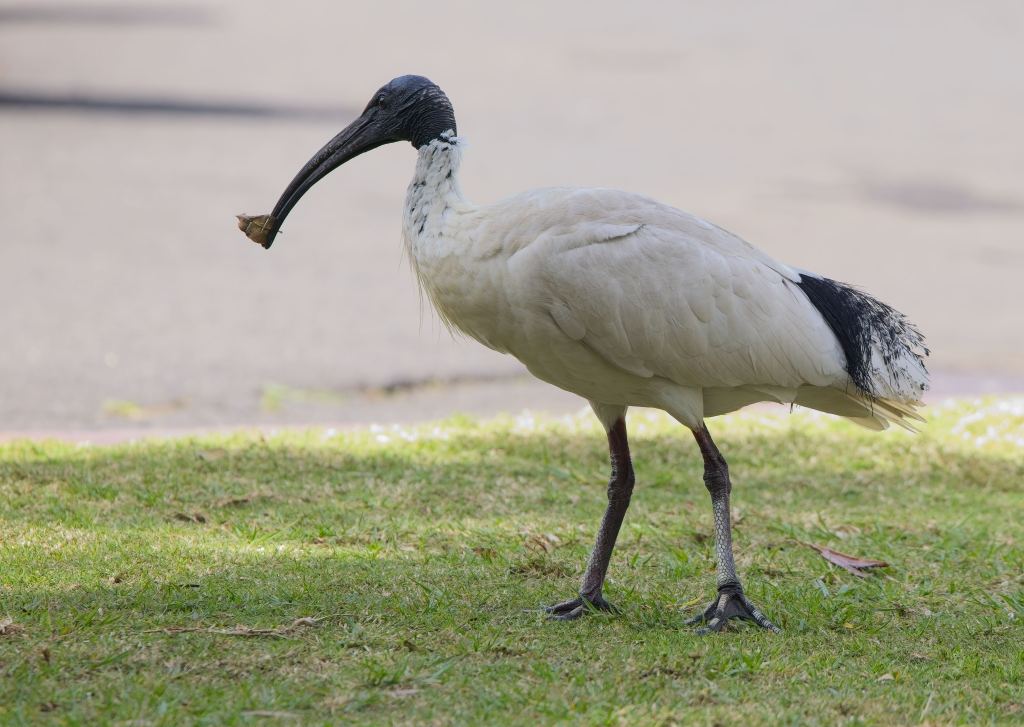
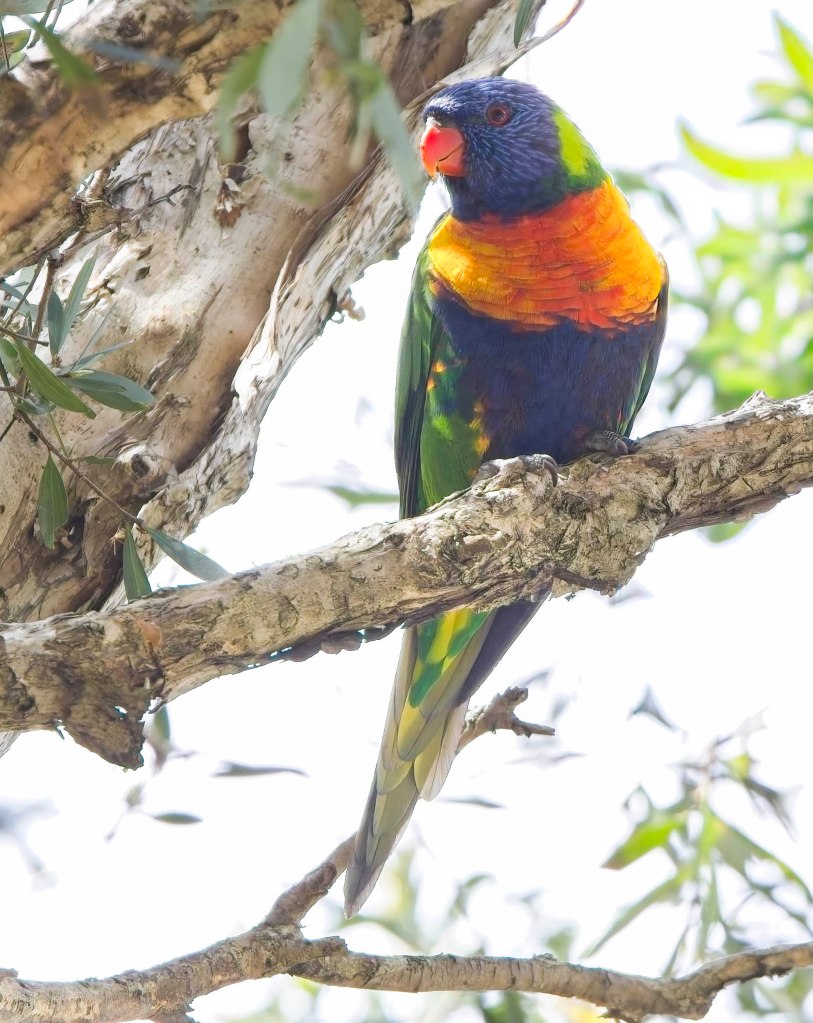
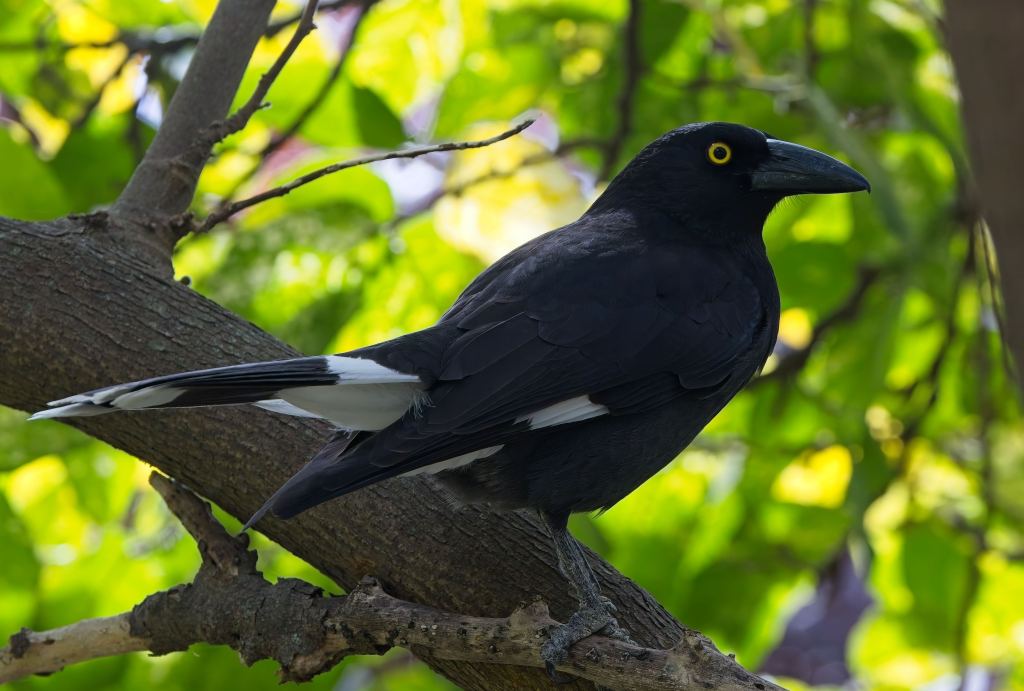
After the two long flights, we took an Uber to the Sofitel Sydney Wentworth which would be home for two nights and which thankfully allowed us to check in many hours early – a welcomed pleasure after those long mostly sleepless flights. It was a great hotel at a great location, essentially across the street from the Royal Botanic Gardens, my first birding stop in 2003 as it would be again on this trip. It is a great park with ponds and birds and incredible plants and full of people enjoying its beauty, and a break from the busy life of the City. In 2003 the first two species I encountered at the park were an Australian Ibis and a Rainbow Lorikeet, both lifers of course. I have no memory as to why but I also took pictures of those first two birds – life pictures #2 and #3. Maybe it is a reflection of my skill as a birder, or of jet lag, or from changes at the Gardens between 2003 and 2026, but I only had 7 other species on my Ebird report for that visit. And to be accurate, I was not using Ebird at the time, as it had only been introduced the year before and was not generally in use. I kept paper lists and only later would I enter that data into Ebird. One of the other species seen in 2003 was a Pied Currawong, another lifer, highlighted because it will be an important species for my 2026 return to the Garden.
Cindy and I went to the Gardens after a short rest at the hotel. Just outside of the park, just before entering, we saw two species – an Australian Ibis and a Rainbow Lorikeet – immediately building a bridge to my first visit almost exactly 23 years earlier. Now, taking pictures (sometimes of sufficient quality to be considered “photographs”) is important to me and while I did not necessarily expect many new life species on this trip, a major goal was to get photos of as many of the species seen but not photographed in 2003 as I could. Since somehow I had taken pictures of these two in 2003, they would not be life photos, but although common and would be seen again and again on our trip, they are pretty spectacular birds and made for good first photos for this trip.
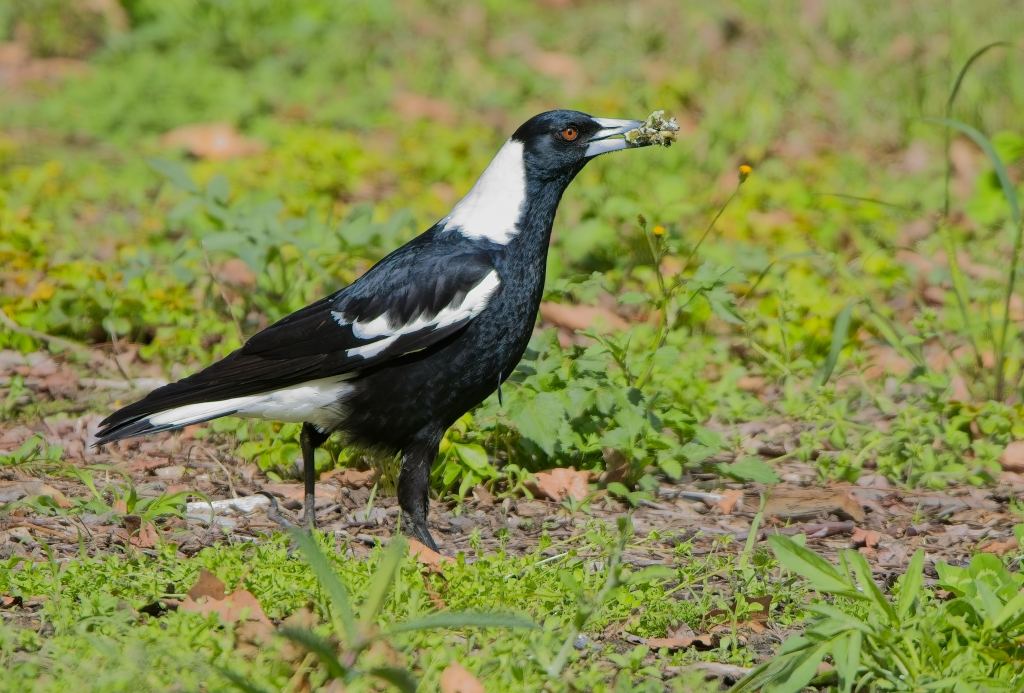
It was a lovely day with temperatures in the low 60’s (Fahrenheit not Celsius as used in Australia and almost everywhere except the U.S.) and we spent a long while exploring the Gardens with binoculars, and now cameras, at the ready for new species and new photos. I quickly added a photo of an Australian Magpie followed by an important photo of a Pied Currawong. It was important because the photos of the Magpie was life photo #2999, so it became a milestone photo #3000 – a goal I had set two years ago and just missed reaching it in Vietnam earlier this year.
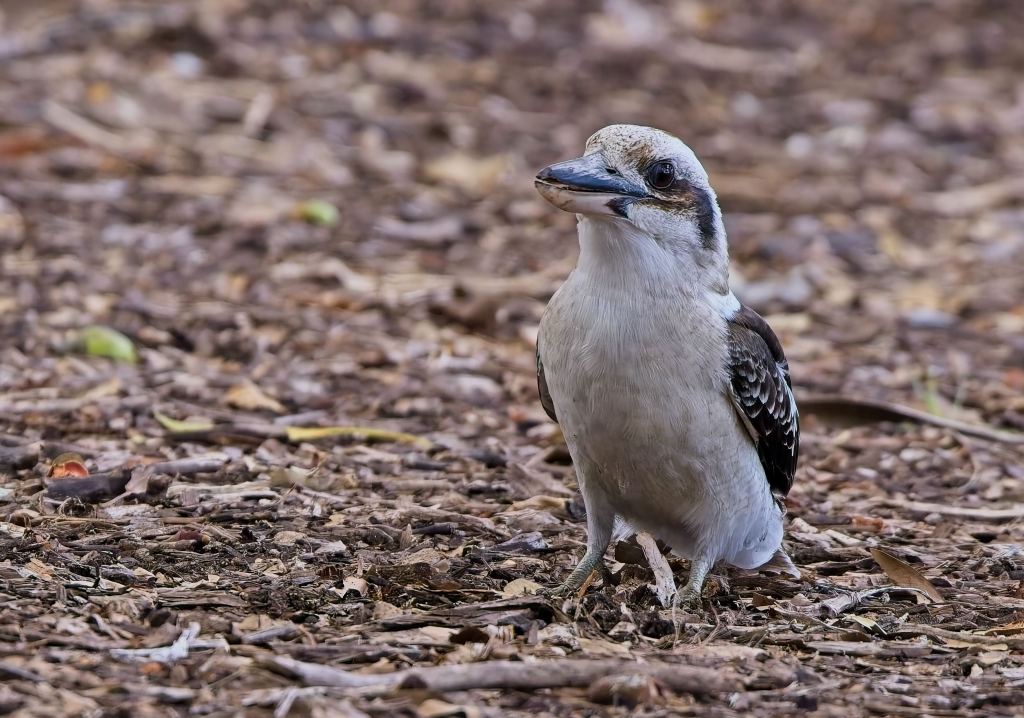
Other species seen and all photographed were Maned and Pacific Black Ducks, Dusky Moorhen, Australasian Figbird, Noisy Miner, Masked Lapwing, Silver Gull, Little Black Cormorant, Welcome Swallow and last but not least, an iconic species of Australia, the Laughing Kookaburra. None were life species, but all except the Pacific Black Duck and Dusky Moorhen were life photos – a pattern of getting photos of most species seen, that would hold true through most of the trip.
The visit to the Royal Botanical Garden had been a good start to the visit and a good start for my birding, but despite our bodies being confused by the long flight and time difference, we thought it best to try to set some kind of schedule so we grabbed lunch at the Grand Cafe Eatery which was on the ground floor of the Chifley Office building just across from both our hotel and the Royal Botanic Gardens It was also an easy and excellent place for coffee and breakfast and we had a breakfast of coffee and croissants there on each morning we were in Sydney. We were tired and needed some sleep so we returned to the comfort of the hotel and closed our eyes for some rest.
A recurring problem during our visit was the challenge of finding good places for dinner. Many would be choices were fully booked with reservations until after 8 pm – late for us. With our pretty loose schedules it was hard to get reservations. Also many of the restaurants were more expensive than we wished – not necessarily overpriced, but with only large heavy choices. On our first night in Sydney we ran into the reservation problem and ended up having hamburgers and fries at the Luca Pub.
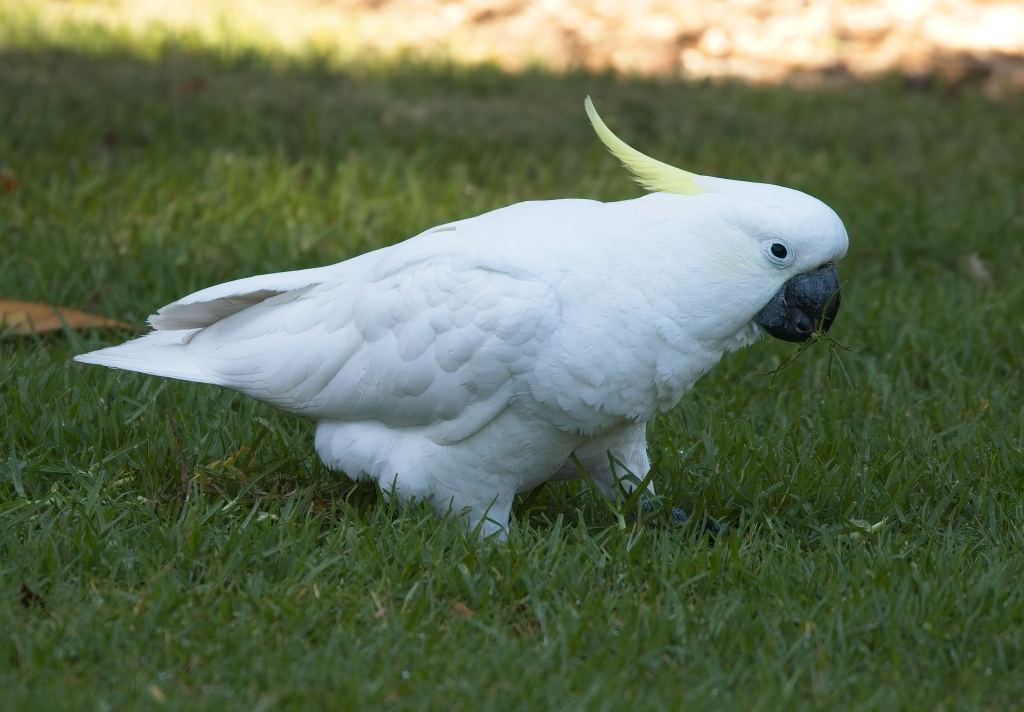
I returned to the Royal Botanic Garden early on the morning of September 9th and added 3 new species to both my life list and life photo list. The most charismatic of the three was a Sulphur-crested Cockatoo. Australia is home to more than 55 species of parrots and cockatoos, many quite spectacular. By the end of this trip I will have seen 19 of these species, so there is definitely incentive tor make a return visit someday. Again no lifers but it was gratifying to keep adding new life photos.
Cindy joined me for breakfast at the Grand Cafe. Two matters of note: first, the coffee there (and stay tuned for more about coffee) and almost everywhere in Australia, was excellent; second, we were struck by the dressiness of the patrons, ourselves excluded, men in suits and sport jackets, although not necessarily with ties and the women also in business attire – few in slacks and definitely none in jeans. By comparison, these folks, who we called the “black and whites”, were the dressiest we saw in Australia and also the least friendly. Not negative but unlike people almost everywhere else, just not engaging with us, caught up in their own stories and the arc of their careers.
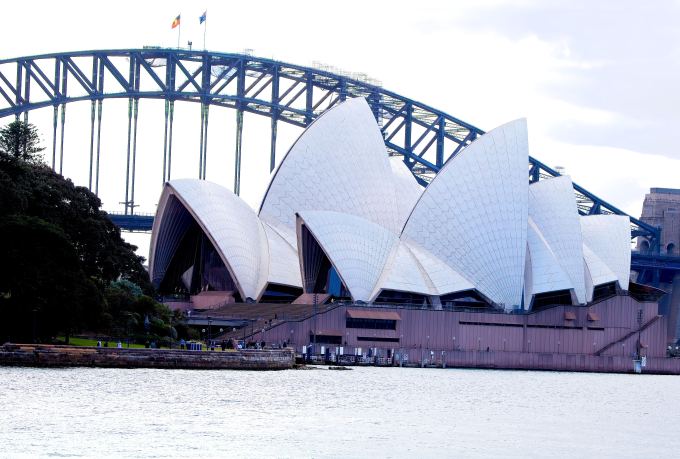
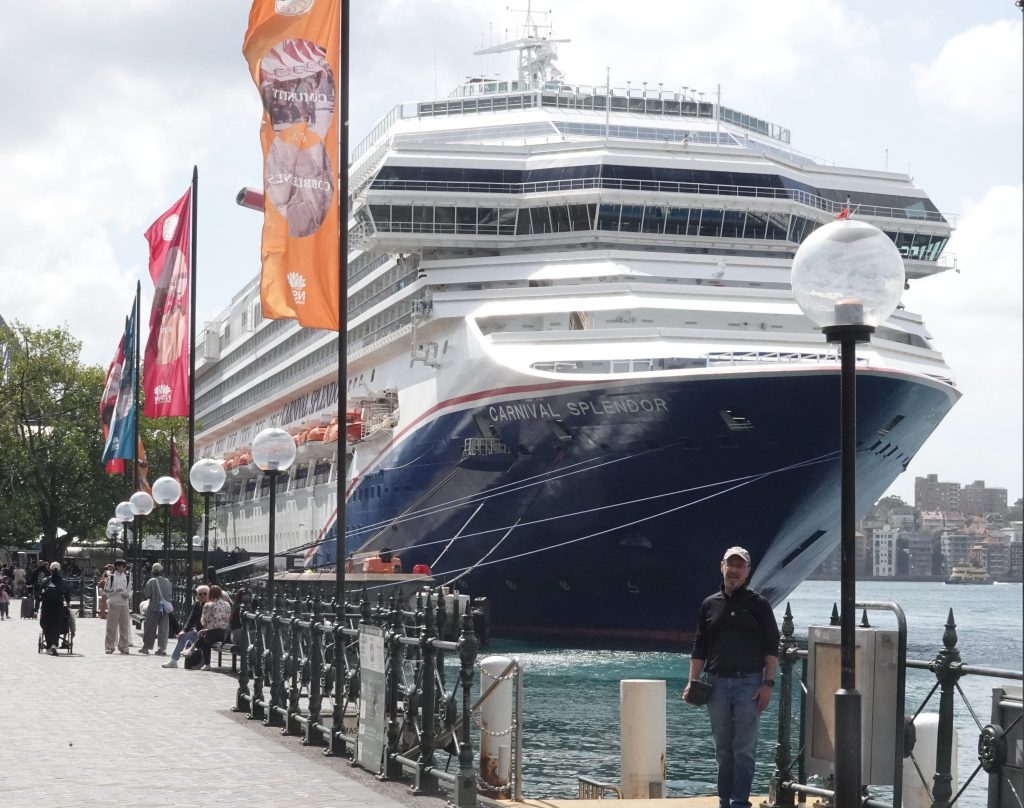
Cindy and I had each visited Sydney on our earlier separate trips to Australia and were not focused on activities here for this trip, so we did not have a specific “to do” list and thus did not include a visit to its world famous and iconic Sydney Opera House, admittedly an architectural landmark. After our coffee, we headed off to “the Rocks” a Sydney neighborhood adjacent to the Harbor with fun shops, galleries and restaurants. It was where the first immigrant and criminal “visitors” to Australia first landed and then settled. No longer rundown, and with a view of the Sydney Opera House, it is very appealing. It is also the mooring spot for the hard to miss enormous cruise ship docked there. It was the Carnival “Splendor” which has 13 passenger decks, a crew of 1,150 and up to 3,012 passengers and is almost 1,000 feet long. Surprisingly when we asked shops about tourist business from the cruise ships, we heard that most of them boarded buses for excursions and did not shop in the area. Nonetheless the restaurants were busy and we enjoyed the shops without hordes of cruisers. Australia is famous for its opals and several shops featured this gemstone. We resisted even going in to those shops but found some interested earrings for Cindy and a pork pie style hat for me.
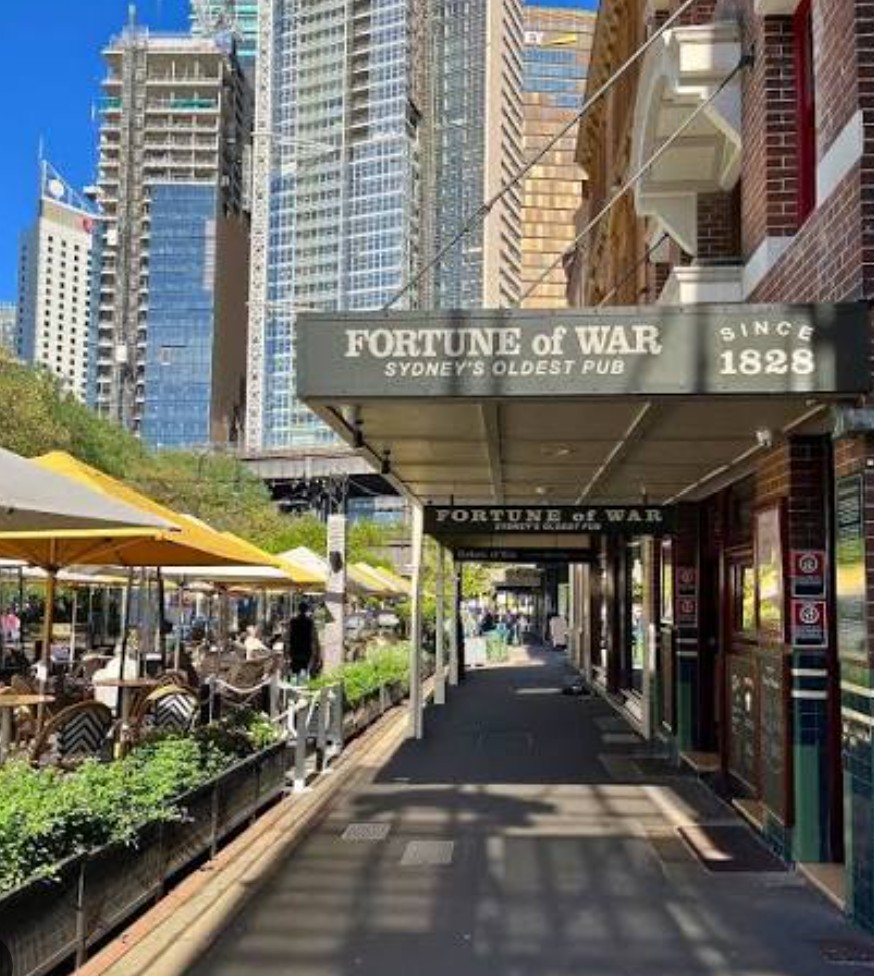
We had lunch at one of the many restaurants at the Rocks which offer seating both inside and out. It was the Fortune of War Pub, established in 1828 and described as the Oldest Pub in Sydney. It was noisy and crowded inside but we were happy with seats outdoors. Not haute cuisine but good for lunch.
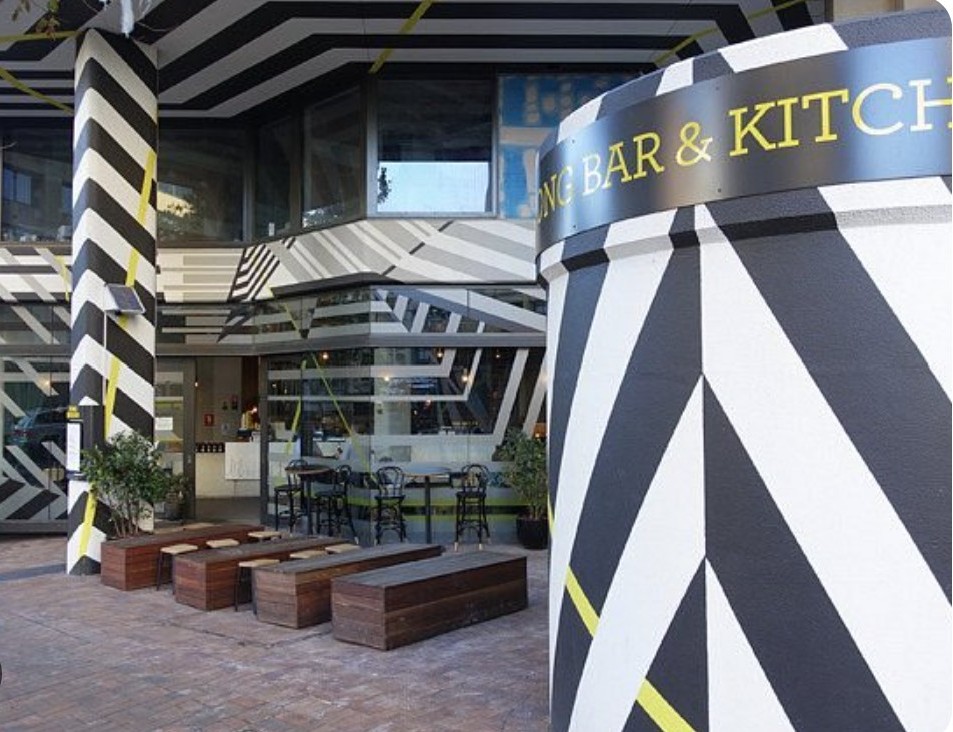
We returned to our room and Cindy got to work finding a restaurant for dinner. She hit a home run finding the Song Kitchen a unique, profit-for-purpose restaurant in Sydney’s CBD, owned by YWCA Australia, dedicated to supporting women and children affected by domestic violence. It is a small and comfortable place and we had a nice table in a small room downstairs from the entry. At the table next to us was a very interesting looking man with a full white beard and a gentle smile. It was not until after we finished our dinner and I don’t know how it started but we then spent a lovely 20 minutes or so in a fascinating conversation. He was a retired professor from Tasmania who favored this restaurant often. After apologizing for the recent behavior of our country, and being told both that it was unnecessary to do so and he sympathized with our agony, we had a far ranging talk that included politics, history, philosophy and travels. We had variations of this kind of interaction throughout our Australian visit – connecting with kind and thoughtful people who were interested in America and in us and our visit.
It was back to the Grand Cafe in the morning and then an Uber to the Sydney Airport for an 11:45 A.M. flight on Qantas Airlines to Melbourne. We would have several interior flights during our stay – some with Qantas and Some with Virgin Airlines. Fortunately none were before 10:00 A.M. which made mornings easier. In general we found the airports and airlines manageable although there were some complications with carry-on luggage regulations. It also seemed like there is much more technology utilized for ticketing, check-in, baggage checking and even security. Once your passport is on file, face recognition basically handled everything.
After Sydney: Species seen:\ 18, Lifers: 0, Life Photos 13

