We were back on the road again in the area around Mendoza in the Uco Valley, Argentina – another beautiful day. A word about weather. All in all the weather was great. The only rain was night. Days were generally clear and dry, sometimes a little cloudiness, little wind and temperatures mostly in the low 80’s but sometimes getting into the 90’s. Even in the higher elevations, it was never very cold and we could have left our colder weather gear at home – if we had known for sure. Even though there was generally sun, photo ops were not always perfect as too often birds were backlit or seen against light sky backgrounds. This was Cindy’s first trip with her new camera – the Sony RX10 – a fabulous bridge camera with zoom that went up to 600 mm. It was an experimental learning experience and she did great.
After breakfast we were packed and birding before 9:00 a.m. – very civilized – although some of the “delay” was because the restaurant at the hotel (again not our favorite) was very slow to get going – with everything out at least 15 minutes later than scheduled. At our first stop on Ruta Provincial #186, a Sandy Gallito was added to our trip list and to my World list and world photo list. We also got great photos of Southern Martins, indistinguishable to me from Purple Martins which fly overhead of us back in Edmonds in the Summer.
Sandy Gallito
Southern Martins
A short while later at a “rest stop”, we had one of the best birds of the trip, an Elegant Crested-Tinamou. While attending to other needs, I almost missed it. Although it had moved from the “even better view” earlier, it fortunately stayed in the area and I was able to get some photos. It would have been very disappointing had I missed this very cool bird.
Elegant Crested-TinamouElegant Crested-Tinamou
There are more than 45 species of Tinamou – found only in Central and South America. Although they can fly, they are essentially terrestrial birds, often skulky, most often in forested habitats although some like this one are found in the open plains, and usually well camouflaged and hard to see. They range in size from the Dwarf Tinamou (6 inches or so) to the Great Tinamou (about 20 inches) – somewhat larger than the Elegant Crested-Tinamou we were fortunate to see. Earlier, we had heard but not seen the Darwin’s Nothura – another species in the Tinamou group. I have seen or heard 10 species of tinamou but have few photos. Again very happy to get these!!
We left the dry grasslands and found some water and water birds at Laguna Llancanelo Provincial Park. Lots of new birds for the trip with more to come at another wetland after lunch – and I am combining those two stops here. All told 14 new species for my Argentina list and 7 new lifers with lots of photo ops. The lifers were: Lake Duck, Chilean Flamingo, Red-fronted Coot, Yellow-billed Tit-tyrant, Yellow-winged Blackbird, Red Shoveler and Correndera Pipit. Three new Argentina birds that I had seen elsewhere but were nice here were the Many-colored Rush Tyrant, Wren-like Rushbird and Grassland Yellow-finch. Much better photos of some of these species will be in later entries. I am also including more photos of Spectacled Tyrant – a group favorite on the trip.
Chilean Flamingoes
Chilean Flamingo
Red-fronted Coot
Yellow-billed Tit-tyrant
Yellow-winged Blackbird (It was surprisingly hard to get photo showing the yellow in the wing – hardly visible except in flight)
Lunch today was a significant departure from our usual approach – although of course there was lots of wine. Today would be a picnic – well sort of. We learned that in addition to his knowledge of birds and wines, guide and tour leader Marcelo Padua was also quite the cook. He and driver Ariel teamed to prepare an extraordinary duck confit lunch prepared over an open fire – sort of in the middle of nowhere. Not really, just felt that way. We were at Campo Carcilauquen Horse Camp sharing the habitat with quite a few equestrians. I will let the photos speak for themselves.
Marcelo and Ariel at Work over the Open Fire
Duck Confit
Duck Breasts on Open Fire
The finished product …Duck Breast, salad and native grown potato chips – Scrumptious!!
As I said, some of the birds and photos were out of order – coming after the duck lunch. I will close the birding photos with two more from later in the day – ones that I really luck. As we were tooling along, I saw a large bird on a post and asked to go back. Somehow it stayed as we pulled alongside and we were all able to get really nice photos of an Aplomado Falcon. The other photo is of one of the many American Kestrels we saw on the trip, caught as it was coming in for a landing.
Definitely my best ever photo of an Aplomado Falcon
American Kestrel Landing
Unfortunately we had a second night at the Hotel Malargue and then an early breakfast (for this trip) and on the road with a really fun day ahead.
February 12, Day 9:
We headed out on Ruta 40 – which seemed to be viewed there something like Route 66 in the U.S. – lots of T-Shirts and souvenirs at gas stops calling that out. This was not going to be a day with lots of birds, but one of them was really important. I got a distant view of a West Peruvian Dove – new for the trip and for Argentina, but seen (and fortunately photographed) 11 years earlier appropriately in Peru – go figure! Motoring further along on Ruta 40, Marcelo called out “Pare, pare”. Ariel stop[ped as requested and we wondered what had been seen. It was a species we had been looking for for several days – a Lesser Rhea – along with the Greater Rhea, South America’s answer to the Ostrich of Africa and the Emu’s of Australia. Also known as Darwin’s Rhea, the flightless Lesser Rhea stands around 3 feet tall and weighs around 40 pounds. A bonus for us was that this was a male and he had young in tow. Males incubate the eggs and then cares for the young for six months or longer. I had seen Greater Rheas in Brazil, and have seen Ostrich and Emu, so I was especially happy to complete the set.
Lesser Rhea
Lesser Rhea with Young
A little further along several small birds flew next to us along the road. My impression was that they were pipits. One landed on a fence post and I was able to get a life photo of the Correndera Pipit through the window. I had seen the species in flight a day earlier, so much better to have the photo.
Correndera Pipit
As I said slow birding this day, but our lunch stop and wine tour was sensational as we visited the La Vigilia vineyard and had lunch at the beyond beautiful Rope Restaurant associated with the winery. It was such a great place I am including lots of photos so people can appreciate that. The food, service and wines were all superb and the setting incredible.
Entrance to Restaurant
Checking In
Rope Menu
At Our Table
Dessert and Dessert Wine
After a very long lunch break, we birded a bit and I added two more lifers, a Glittering-bellied Emerald and a Rufous-tailed Plantcutter. No photo of the hummingbird until later in the trip. My photo that day of the Plantcutter is ID quality at best, so I am including one again from later. Interesting note, that there are three species of Plantcutters – all found only in South America – and currently classified as Cotingas. I included the White-tipped Plantcutter in an earlier post. I saw the third Plantcutter species, the Peruvian Plantcutter in Peru in 2013.
Rufous-tailed Plantcutter
We carried on to Mendoza City with a stop at the Market Manzano Historico. Lots of people having a good time outdoors with some food and trinket booths – a sharp contrast with the luxury of the Rope Restaurant. That night was at the Hotel Huentala in Mendoza. Counting on more but now at 76 lifers for the trip and 143 species for the trip. Hope to get to benchmarks 100 and 200.
We had settled in to the beautiful Salentein Lodge and Winery. We had for us an early morning start birding around the winery at 7:00 a.m. picking up 7 lifers in around 2 hours. The Crested Gallito and Brown Cachalote were seen briefly or heard only but I would get good looks and photos of them later. Then there were the two “Creamy Birds”, Creamy-breasted Canastero and Creamy-bellied Thrush– I thought I had a photo of each but cannot find them possibly confused with other “brown bird” photos. The other lifers were White-banded Mockingbird, Screaming Cowbird, and Ringed Warbling Finch. Here are their photos.
White-banded Mockingbird
Screaming Cowbird
No surprise the breakfast at Salentein was wonderful and then we continued bird on the extensive Salentein holdings adding one more lifer before lunch – a White-tipped Plantcutter, in addition to new birds for the trip like Blue and Yellow Tanager, Banded Seedeater and Mourning Sierra-finch.
White-tipped Plantcutter
Blue and Yellow Tanager
Band-tailed Seedeater
It was great that we had such good birding in the morning because the next many hours would be all about wine. The Salentein Winery was founded in 1997 by a Dutch businessman, Myndert Pon, with the vision of creating a world class winery. One of its vineyards, San Pablo, however, dates back to the 17th Century. Everything we saw and experienced at Salentein was impressive with beautiful buildings, vineyards, facilities and of course food and wines. In 2019 at Mundus Vini, a top European Wine Competition, Salentein was named the best “overseas winery”. Where to start…
Main Building
The Salentein property is over 5,000 acres with 1200 acres currently planted in vineyards. The winery produces red, white, rose and sparkling wines and is probably best known for its Malbec’s. Every architectural detail is beautiful and impressive. We had wonderful food and of course wine including several bottles with the meals in addition to the many wines at a tasting in their exquisite tasing room. I could add dozens of photos taken during our visit but include here just a sampling.
View into one Oak Barrel Storage Area
Marcelo and our host in front of Tasting Room
Our Tasting
Blair and Cindy with the Big Barrels/Vats
Probably My Favorite Wine at Salentein
The architecture was understated but splendid in the details
After the wine at lunch and the tastings but before the wine at dinner, we actually continued birding – all on or near the Salentein property. I added another 3 world lifers: Darwin’s Nothura (unfortunately heard only), White Throated Cachalote and Hudson’s Black Tyrant (a female)- finally photographed after much work. This last photo, despite the poor quality, is noteworthy only because it is a very skulking bird and photos are hard to come by. I also finally got a photo of a Brown Cachalote – a lifer heard only and seen without photo before.
White-throated Cachalote
Hudson’s Black Tyrant – Female
Brown Cachalote
You never know when a bird will appear and just beg to have its photo taken. Such was the case with a Burrowing Owl and a Guira’s Cuckoo near the winery. They were new for the trip but seen by me previously. Both were spied as we drove the access roads to the winery and were seen and photographed from the van. I don’t think I have ever seen any cuckoo so much in the open before.
Burrowing Owl
Guira’s Cuckoo
I also got my best of the trip so far photos of Long-tailed Mockingbird and Chiguanco Thrush and a lovely photo of a Fork-tailed Flycatcher and a posing Chimango Caracara. Lastly I also got a decent shot of a Double Collared Seedeater.
Long-tailed Mockingbird
Chiguanco Thrush
Fork-tailed Flycatcher
Chimango Caracara
Double Collared Seedeater
It had been a great day for wine, food, birds and photos probably as representative of why we chose this tour as any. We had seen 42 species that day with 11 being new lifers and 19 new for my Argentina list. There would be more to come the next day. Dinner this night was another extravaganza at the Gaia Restaurant at the Domaine Bousquet Winery.
February 10, Day 7:
Our first birding on the morning of February 10 added another lifer and a photo of a lifer missed earlier. The new species was a Chaco Earthcreeper and the new photo was of a Crested Gallito, both were again LBJ’s – “little brown jobs” but the crest on the Gallito made that ID a lot easier. Another life photo, but of a bird seen many years ago on that Argentina fishing trip in 1989, was the Red-gartered Coot.
Chaco Earthcreeper
Crested GallitoCrested Gallito
Red-gartered Coot
We were headed to Malargue for the night with lunch along the way at Villa Bonita de Mayo. As was usually the case when we entered the restaurant, Marcelo was embraced by the proprietor – old friends. I wish I had taken notes on all of the meals. Nothing specific on this one except remembering it was very good and the atmosphere was really fun.
After again too much food and wine, it was back to the birds around San Rafael. In fairly short order birding in the scrub habitat, I added 5 more lifers: Short-billed Canastero, Sooty-fronted and Stripe-crowned Spinetails, Greater Wagtail-tyrant and Southern Scrub-flycatcher.
There were not many mammals on this tour but on the road we did see a wild Guanaco.
Guanaco
New for the trip but a nice photo of a species I had seen and photographed in Peru in 2012 was a Golden-billed Saltator.
Golden-billed SaltatorGolden-billed Saltator
The early afternoon had been great for lifers and photos. Late afternoon added 4 more lifers but I only got a photo of one and not a great photo at that. The photo was of a White-winged Black-tyrant. Lifers added without photos were Carbonated Sierra-finch, Patagonian Canastero, and Band-tailed Earthcreeper. The Sierra-finch was a quick drive-by view and the Canastero never unburied itself. I thought I had a photo of the Earthcreeper but it has not been found if it ever existed.
White-winged Black Tyrant – the View Was Much Better than this Photo
Fortunately we were staying at the Hotel Malargue only one night – pretty low quality and I have already repressed details and took no photos. I do not even have notes or photos of dinner that night. Maybe just as well.
We were now half way into our trip (although not quite half way through the tour). Only 32 species were seen that day but,10 more species had been added to my growing life list (64 added so far). Our group trip list was at 120 species. We would not add that many new ones in the second half of the trip, but there were a lot more to come.
If you read my previous blog about Chile (and please do if you did not – https://blairbirding.com/2024/02/29/birds-and-wines-in-chile-and-argentina-let-the-birding-begin-chile-part-i/ ), you know that our lovely first van had mechanical troubles and we had to be rescued from a roadside inn where we had wine and dessert while we waited and had a new van for day 3 in Chile. The original plan had been for the original van to be with us the entire trip transporting us and our gear around both countries. For whatever reasons pertaining to licensing, the first van was licensed to transport people in both countries but the replacement van was only licensed for Chile. This meant that we would need a new van in Argentina.
Simple right? Just drive to the border and leave Van 1, move people and goods to Van 2 and carry on. Hold on there – not that easy. Turns out that the physical geographical border between the two countries is some miles before the Passport Control and Customs location where you actually “enter” the other country. Thus it was necessary somehow to get the van licensed only in Chile to intersect with van licensed in Argentina but where. The “arrangement” had been for Chilean Van to go to the actual administrative border, where the transfer would be made to the Argentinian van. The problem was that Ugo, our Chilean van driver dug in his heels. He felt that every inch he drove on Argentinian dirt threatened his license. Heated discussion between him and Marcelo ensued. Never mind that we were already “in” Argentina, despite whatever had been arranged before, Ugo was a no go. If you can’t get the horse to water, bring water to the horse. Now discussions were between Marcelo and the Argentinian van. Although I am sure it raised some complications with them going through the checkpoint to get from the administrative Argentinian side to the Chilean administrative side – although always in geographical Argentina, they agreed to come to us and make the transfer on the Chilean administrative side – although again I point out (as Marcelo did repeatedly to Ugo) that we were already in Argentina!
This kerfuffle added some time to our already long journey but the Argentinian van got to us and we off-loaded and reloaded and headed to the customs/passport control entry point. The line seemed incredibly long – it is the ONLY way to get by road from Chile to Argentina and vice versa – and I figured we were in for hours of lost time. Maybe 20 minutes into the wait, I noticed that some vehicles were splitting off to the far right and seemed to be moving much faster than the line we were in. I had learned early on not to suggest deviations from whatever plan Marcelo was working with (and that his was a good plan), so I said nothing. A few minutes later – for whatever reason, we split off and joined that line and seemingly sped through and got to the control point booth with the Chilean immigration officer. Marcelo had gathered our passports and had a long and what looked like a pleasant conversation with the officer. It took only moments and now we were through, passports stamped and all.
This is a good point to remember and remind others that there is much more to leading a tour than “just” birding. When things go without a hitch, it may seem easy but even then, the reason things go without a hitch is because of the groundwork done by the guide and the tour company that set the stage and carried out a good plan. And when there are hitches like broken down vans, recalcitrant drivers, road closures, health problems and many other possible mishaps and changes in circumstances, the ability to think on one’s feet, re-imagine and create new plans and to negotiate with all sort of folks is an invaluable skill set. Marcelo had this quality in spades. He made it look easy when I know it probably was far from that. Sure, we pay a bit extra to travel with known companies, but for us it is because of times like these when we are glad we are not on our own that makes it all worth it.
So much for the complications. The way to get from Santiago to Mendoza (our target area in Argentina) means goin East on Route 60 across the Andes and negotiating the windy road up to Los Liberdatores Pass (Elevation 10,499′). It is about 100 miles from Santiago but because of the twists and turns and LOTS of truck traffic, it generally takes 3 hours or more. There is no other way to go by land – so just go with the flow – such as it is.
Twists and turns on the Highway
It may be a slow go, but the scenery is fantastic being in the Andes for many miles, and our vans were very comfortable. We were mentally prepared for cold weather but such was not the case as the outside temperature was maybe in the 50’s. Very comfortable. We made no real birding stops along the way, but as was our usual procedure there was an early stop at a convenience store for snacks and whatever drinks were desired. A lot of Coke Zero was consumed on our trip.
Scenery
Our first real stop in Argentina was the Portillo Hotel and the Portillo Ski Resort. I am not a skier but remember hearing about skiing in Portillo when I was in college. Let’s just say that some kids at my college were “privileged” and that included skiing in Portillo during our Northern Hemisphere summer. Hard to imagine in the absolutely brown and dry conditions when we visited but the ski lifts were apparent and the hotel included pictures of famous Olympians and ski champions. It also included a gift shop, a nice restaurant and spectacular views. Although we ate it with wine, of course, our lunch was a very tasty and very large burger.
Hotel Portillo
Portillo BurgerWhat wine goes with a burger?
View East from Portillo Lodge
After lunch it was finally time for some high elevation birding and we went to Aconcagua Provincial Park including Laguna La Horcones certainly one of the most beautiful areas I have birded including views of Mt. Aconcagua, which at 22,838 feet is the tallest mountain in the Western Hemisphere and the tallest mountain outside of the Himalayas in the world. It was always partially covered by clouds (it produces its own weather) but still impressive. Like most such habitats, it was not full of birds, but our EBird checklist had 14 species and 40 individuals including 4 lifers for me: Andean Goose, Crested Duck, Scale-throated Earthcreeper and Black-fronted Ground-tyrant. I also had nice photos of Rufous-crowned Sparrow and Gray-hooded Sierra Finch and again saw Gray-breasted Seedsnipe. Unfortunately no photo of the Earthcreeper.
Andean Geese
Black Fronted Ground Tyrant
Crested Duck
Gray-hooded Sierra FinchRufous Collared Sparrow
Aconcagua in Clouds
Mule Pack Train
We hiked around in the beautiful spot for a couple of hours. As we were leaving a large pack train of mules, burros and horses came down from a climber/trekker base camp – not an everyday sight.
The scenery was relentlessly beautiful as we continued east moving through and down from the Andes.
We would be staying that night in Uspallata about 45 miles from the Provincial Park, and would be having another fine dinner at the El Rancho Restaurant in Uspallata. From our balcony window at the hotel, I added another lifer – Grayish Baywing, a species that would be seen often over the next few days.
Grayish Baywing
The restaurant was what we think of as a classic Argentinian restaurant – lots of meat – a Parrillada – a restaurant with a variety of grilled and barbecued meats. Portions are endless. It was here that I had what at least at time was my favorite wine of the trip – a Cabernet – Malbec blend. We had so much good red wine later including more blends and pure Cabs and Malbecs, that maybe my impression would have been different later, but that night, it seemed the best.
Merlot – Malbec Blend
I was back in Argentina – 45 years after my only other visit. No fishing ahead but there would be lots of food, wine and birds. With so much time taken up by travel, there had not been a lot of birds (19 species for the day), but it had been a momentous day because the Andean Goose was my 27th lifer for the trip and World Lifer #3300. Not so many compared to many people I know or know of. I hoped for more on this trip of course. With luck maybe I will get to 4,000 someday. With the others seen this day, I was now at 3303 – and counting.
February 8, Day 5:
We were only at the Uspallata Hotel one night, just as well as it was our least favorite on the trip. No big problems, just ok. We birded around the grounds a bit and then had breakfast and packed up birding and for our transfer to our next abode, the Salentein Winery Lodge. There were fields and a river near the hotel that produced five new lifers and a blown chance at an additional lifer photo. The lifers were: Spot-winged Pigeon, Ticking Doradito, White Crested Tyrannulet, Southern Yellowthroat and Great Pampa-finch. The missed photo was of a Plumbeous Rail. It was out in the open for several seconds but I was in the wrong position for a shot. Thinking I already had a photo of this species, I didn’t rush to get a picture and it disappeared. I was wrong. I had seen one before but with no photo. Oh well. I only got a fleeting mostly obscured view of the Doradito so again no photo.
White-crested Tyrannulet
Great Pampa-finch
Southern Yellowthroat – best I could do
Spot-winged Pigeon
I picked up three more lifers at our next stop, a wet area along Route 7. They were Southern Martin, Patagonian Mockingbird and one of my favorites for the trip, Spectacled Tyrant. I also go life photos of a cooperative Yellow-billed Pintail.
Southern Martin
Patagonian Mockingbird
Spectacled Tyrant
Yellow-billed PintailYellow-billed Pintail
We next birded around the Pueblo del Rio Lodge where we had yet another great lunch with wine pairings. Two new birds that were especially appreciated were a Brown-capped Tit-spinetail and a Steinbach’s Canastero, fortunately getting photos of each of these lifers. A third lifer would also be on that especially appreciated list if I had been able to get even a good view let alone a photo, was a very cool hummingbird called a Red-tailed Comet, which has, yes you guessed it, a striking red tail. I had only fleeting and distant views, good enough to count it, but I wanted much more (and would get it later).
Brown-capped Tit-spinetail
Steinbach’s Canastero
We would be spending the next two nights at the Salentein Winery and Lodge, which turned out to be our favorite place on the tour. As we made our way there we birded along Ruta 40 and Calle el Alamo enroute. I picked up two new life birds, Monk Parakeet and Green-barred Woodpecker. The latter would be seen several times again and the former needs some explanation. I had seen Monk Parakeets before – at a now almost extirpated colony in Yacolt, Washington and also in the area around Miami, Florida where they are plentiful. They are introduced non-native species in both places and thus are not countable on official World lists. Being native in Chile and Argentina, they are countable as such there. I had actually seen and mostly heard several on our fist day in Chile, without photo and had not included them on any list. Now with photos, I added them to one of my Argentina lists. Dozens would be seen and heard on this trip.
Green -barred Woodpecker
Monk Parakeet
New life photos from the afternoon included Fork-tailed Flycatcher and Burrowing Parakeet and I was also happy to get an ok shot of a White-collared Swift showing the collar.
Fork-tailed Flycatcher
Burrowing Parakeets
White-collared Swift
My original thought was to include both days 4, 5 and 6 on this Blog post, but I can see that Day 6 is going to be a long post with lots of wine so I am going to end this here. At the end of the day 5, my lifer total stood at 40 for the trip and we had now seen 91 species with lots of photos including life photos.
We checked into the lovely Salentein lodge with a beautiful room and did our bird list outdoors watching Fork-tailed Flycatchers and White-collared Swifts hawking insects with Monk Parakeets flying through frequently. Dinner was at Salentein and although excellent, somehow I only have a photo of a dessert and of course a bottle of Malbec. More later.
After our group first met in the 12th floor lobby of the Hyatt Place Hotel in Santiago, we boarded our van and went of to visit the Central Market (Mercado) in downtown Santiago where we wove our way through the produce, wine and seafood booths arriving at “Richard’s ‘King of Seafood’ Restaurant, a hole in the wall owned by Richard who like most everyone we would meet on the tour, was a long time friend of Marcelo’s. The market was alive with vendors, hawkers, buyers, restaurants and customers.
Santiago Central Market
Central Market interior
Lots of Seafood – Here Weighing Giant Squid Tentacle
Razor Clams and Cheese One of Many Dishes at First Lunch – with Much Wine As Well
After lunch we drove to the Farrelones Ski Resort area for our first birding at the Nevado Ski Resort. It is summer below the equator – so dry with no snow and at elevation pleasantly cool. Our first birds included Diuca Finch, Chilean Mockingbird, Rufous Collared Sparrow, White Crested Elaenia, Tufted Tit-tyrant and Plain-mantled Tit-spinetail. [NOTE: Throughout these blogs I will identify new lifers in bold italics.] I got pictures of all but the latter – a fate which would recur every time I “saw” that skulky bird during the trip.
Shortly thereafter a Black-chested Buzzard Eagle flew overhead shortly followed by our first Andean Condor. I had seen the impressive large Condors in Peru and in Ecuador and would see more later on this trip. Too far away for any meaningful photo. As we continued along our climb into the Andes, Marcelo noted some trees off to our left and said we should keep our eyes open as sometimes Lesser Horned Owls roosted in them. Literally two minutes later, Marcelo called out “Pare, pare”, the signal to our driver to stop. He did and we backed up maybe 50 feet and Marcelo pointed out a Lesser Horned Owl buried in the branches. Magic like this would recur often during the trip.
Lesser Horned Owl
Continuing our climb, we turned onto Camino a La Parva and got out of the van for some “serious” birding just as more Andean Condors flew overhead – a little closer for a first photo – still distant and not very satisfying – but any Condor is a treat.
Andean Condor
This was a good stop with many new birds – all new for Chile as this was my first visit to this country and new lifers including White-sided Hillstar (our first hummingbird), Gray-breasted Seedsnipe (heard only), Rufous-banded Miner, White-browed Ground Tyrant, Gray-hooded Sierra Finch, and Greater Yellow Finch. I also got lifer photos of Austral Thrush, Buff-winged and Gray-flanked Cinclodes, and Black-chinned Siskin.
Neither lifers or life photos but new photos for the trip were two doves that would be seen often on our trip Eared Dove (abundant and everywhere) and Black-winged Ground Dove seen mostly at higher elevations and which I had seen and photographed initially in Ecuador in 2022.
Black-winged Ground Eared Dove
I was disappointed that we never got even a glimpse at the calling Gray-breasted Seedsnipe as especially after great looks and photos of the Rufous-bellied Seedsnipe in Ecuador, it was high on my target list. Not to kill the suspense, those looks and photos would come later. We continued on to the Nevado Ski Resort where I picked up three more lifers: Mourning Sierra-finch, Moustached Turca and both Cordilleran and Sharp-billed Canasteros. No picture of the latter until Argentina. We would see another Turca later, but they are not seen on every tour – great bird.
Mourning Sierra FinchMoustached TurcaCordilleran Canastero
There would be one more lifer and accompanying life picture on this wonderful first day. At a last stop as we retraced our steps back to Santiago, we found a Fire-eyed Diucon, the fire eye quite obvious.
Fire-eyed Diucon
Especially with only a half day of birding, Day 1 was a great success. We had seen 34 species and I had photos of 24 of them. Fully 15 species were world lifers (bringing me to 3289 species) and lots of new world life photos as well. Back to Santiago. We were back to Santiago for dinner ready for Day 2.
February 5, Tour Day 2:
Today was anther day up into the mountains out of Santiago with our prime target being the species I most wanted to see on the trip – the Diademed Sandpiper-plover. We traveled on the Camino Embalse El Yeso in the area of San Jose de Maipo. After a fairly long drive Marcelo had the driver pull over saying that it seemed like a good spot to him for a Crag Chilia. Magic again as we heard its distant song from a rock embankment quite a ways off. Marcelo located it on a rock on got the scope on it. I had a decent ID view and a very distant photo, Appearance and habitat-wise it reminded me of our Canyon Wren. Responding to playback it came in closer, not real close but good enough for a decent highly magnified photo – another lifer.
Crag Chilia
Continuing on we came to a wet area that might be good for the Sandpiper-plover. We covered it extensively without finding it but there were other birds there including lifers Yellow-billed Teal a fast flying Magellanic Snipe, Creamy-rumped Miner and Yellow-rumped Siskin.
More importantly to me, however, was that we had great photo opportunities for the Gray-breasted Seedsnipe – a lifer photo that had been missed the previous day and I was also able to get a good photo of a Black-billed Shrike-tyrant. I had seen one 11 years earlier in Peru but no photo.
Cindy and I had seen Rufous-bellied Seedsnipe at high altitude in Ecuador, a much sought after species that is often missed, so this was a vey pleasing moment for us. And just as had been the case in Ecuador, we also saw Andean Gulls. Although I thought I had gotten a photo of another bird seen in Peru, I could not find a photo of the Rufous-naped Ground-tyrant seen with the Shrike-tyrant. It would have been a lifer photo. Bummer. I should mention that the area was spectacular , made better of course by the birds!!
Gorgeous Area
Andean Gull
So we had good birds but not the prize. When we went over the materials provided by Field Guides, they suggested warm hats and jackets and gloves for the high altitudes and also waterproof boots extending over the ankle for pursuit of the Diademed Sandpiper-plover which prefers watery areas. We had brought all on the trip but never used any of the cold weather clothing. When we got to our next area though, we did use some zip-up waterproof covers that went over our regular books. It was a good idea as there was a fair amount of ankle deep water in the area that Marcelo took us to for the Sandpiper-plover. This was an area that had hot springs and several non-birders were there as well, a concern for a hard to find and possibly skittish bird.
It took some time but finally Marcelo’s keen ears heard its calls and after quite a bit of searching he located one. The good news was that everyone could get good views through the scope. The not so good news was that the really striking bird was backlit and not real close. I took a lot of photos as best I could. This was probably the most frustrating experience on the trip for me. If when first spotted, we had positioned ourselves another 50 yards further along, there would have been good light on the bird enabling a much better picture. Although I understood the decision to stop at the spot where it was first viewed, the group had scattered and it took a while for everyone to get to the scope and get their view. Group protocol rightly requires no movement until everyone has had that first good view. It was very frustrating. When that first view for all was finally accomplished, we began moving to the better lit spot that would have enabled good photos. The bird had been essentially still or foraging in the same area for several minutes. Its patience ran out and it flew off way into the distance never to be seen gain. I include my best photo below but also for the only time I will do so in these blogs, I include a photo from the internet that shows just how cool this bird is.
Diademed Sandpiper-plover – My Photo
Diademed Sandpiper-plover – Photo by Fernando Diaz
Marcelo on the Lookout for the Diademed Sandpiper-Plover
Blair and Cindy at Termas Plomo (hot springs) after Seeing the Diademed Sandpiper-plover
On the return back to Santiago, there was a near disaster. Our van was making odd noises. First we slowed and then carried on a bit but the noises continued. We stopped and a not very happy Marcelo Padua went into to action. Probably best that we did not speak Spanish as there was a very heated conversation between Marcelo and someone – either the transportation company or the ground agent that Field Guides coordinated with in Chile. It could have been a full-on disaster, but this is where Marcelo’s talents in addition to birding paid off. We made our way to a small boutique hotel on the highway and waited as another van was sent to rescue us. Maybe it took an hour, maybe two. We had some desserts and drinks as we waited. It probably cut into some birding options, but the bottom line was that another van came and got us by late afternoon. Serviceable, but it was not nearly nearly as birding friendly as our original carriage – darker windows, with a more constraining seat configuration. It would have to do.
Waiting for the New Van
With our new driver we were off to our hotel back in Santiago and then to dinner at the Bodeguita Miguel Torres Restaurant with local wines of course – except being quite full from several nights of dining and for the first time feeling a bit jet lagged, I chose to sit this dinner out. Marcelo said to order whatever I wanted from room service and just put it on the bill. I passed and had a little snack protein bar and that was it. Cindy enjoyed the restaurant dinner. This thoughtful detail for room service speaks highly of Marcelo and the approach by Field Guides on this trip – always felt like we had first class service. OK we paid for it, but you don’t always get what you pay for.
End of Day 2 – 6 more lifers (now at 3295) and many new life photos. Running trip count now at 49 as we had added a Long Tailed Meadowlark on our way back to Santiago.
February 6, Day 3:
In our new van, in the morning we headed off to Rio Clarillo National Park. On the way I picked up a new lifer, a Picui Ground Dove. The hope was that whatever trouble our first van had could be fixed to enable it to take us to Argentina as there were licensing complications if not. Time would tell. In addition to the Picui Ground Dove, I got a life photo of a Black Faced Ibis, a bird I had first seen in Junín, Argentina in 1989 on my fishing trip.
Picui Ground Dove
Black Faced Ibis
On the way to Rio Clarillo NP, we picked up a couple of birds along the road in Pirque County including a surprising California Quail, introduced as a game bird for hunters in Chile. I also got pretty nice photos of a Tufted Tit-tyrant, a species I had first seen in the Amazon region in Ecuador.
California QuailTufted Tit-tyrant
We birded several hours at Rio Clarillo but did not add that many species although three of them Dusky Tapaculo, Dusky-tailed Canastero and Austral Blackbird were lifers. Another new species for the trip was a Giant Hummingbird (seen previously in Ecuador).
Dusky Tapaculo – a Very Hard Bird to Photograph
Dusky Tailed Canastero
Austral BlackbirdGiant Hummingbird
From Rio Clarillo, we headed to the Santa Rita Winery for another multi-course lunch, a tour of the winery and a wine tasting. There was also a small museum with pottery and weavings. It was an enjoyable and long visit taking most of the afternoon before we headed back to Santiago. We drank a lot of wine with an excellent Carmenere and an equally good (to me) Chardonnay. In the U.S. the Pewen Carmenere sells for over $50/bottle and the Alta Floresta Chardonnay for $20.00. These photos give a taste of what our afternoon was like. Santa Rita is r than 140 years old and is the largest wine producer in Chile.
Carmenere VinesPotteryChardonnayDining RoomCarmenereLunch SaladA VineyardWeavingGroup’s Glasses from Lunch
Our Group at Lunch
BottlingOak BarrelsTour GuideStorage Vats
It was then the drive back to the hotel, a short rest and then dinner at the Peumayen Ancestral Food Restaurant featuring – yes ancestral foods – not the highlight of our gustatory trip, but good and interesting and different. This would conclude the first part of our visit in Chile as we would head off the next morning for the long ride over the Andes to Argentina. We would later return to Chile to visit the coast before concluding with a return for flights home from Santiago.
At the end of day 3, I had listed 56 species for Chile and the trip, added 25 lifers to get to 3298 and again many new life photos.
After a good night’s sleep at El Cielito, it was time to start our last day. When I made the first flight reservations for the trip I had great non-stops both ways and the departure was pretty late on that last day giving us enough time for lots of birding. Unfortunately when I had to reschedule, the nonstop departing flight was not available. Instead I would have to leave several hours earlier and fly to LAX in Los Angeles and then stay overnight with an early flight back to Seattle early the next morning — the joys of international travel. But that was for later, first we headed to El Tuito and the Rancho Primavera.
The Main House at Rancho Primavera
The Rancho Primavera was in some ways the highlight of the trip. I have copied a description of this beautiful place from its website http://ranchoprimaveramexico.com/ with a couple of modifications to update it:
“Rancho Primavera is a quiet retreat just 1 hour south of Puerto Vallarta, but feels world’s away from the city life. Here, you’ll be treated like family by the owner Bonnie – a full time resident of the ranch who enjoys entertaining and cooking for guests. She is a bilingual American who has lived in Mexico for decades. Her family purchased this former mango and cattle ranch and proceeded to heal its overgrazed lands by planting over 5000 native trees on the 200 acres and were quickly rewarded by a return of the native birds and wildlife. Nowadays, it’s a top destination for bird-watching groups and nature lovers…Rancho Primavera is a bird-watcher’s paradise, with its restored woodlands, meadows, creeks and riparian areas supporting over 265 species of birds, including parrots, trogons, cuckoos and 16 types of hummingbirds! Birding tour groups regularly visit and cherish Rancho Primavera for its birdlife and solitude…Over 300 species of birds can be found in this region of Mexico including over 19 regional endemics such as the Citreoline Trogon, Orange-breasted Bunting, Lilac-crowned Parrot and the Mexican Woodnymph.”
We did not stay at the Rancho, but there are three homes available to rent. Were I to return to the area, I would seriously consider renting one for a week and using it as a base of operations to explore and enjoy the area. Greg had called ahead to let Bonnie know we were coming and she graciously delayed stocking the feeders until we were scheduled to arrive. We made ourselves comfortable and watched the show. And what a great show it was. We spent most of the time at the feeders by the main house with a short visit to the large pond on the property. During our two hours there, we had 44 species. Had this been the first place we visited on our trip, 40 of them would have been new year birds, and 12 would have been lifers. I don’t know how many would have been world life photos, but many would have been and beyond that the quality was extremely high. However, since we had already had 5 days of super birding, there were fewer new species, but the quality remained unmatched. There were just 3 new species for both the trip list and my year list and only 2 lifers.
Without question the most spectacular visitors to the feeders were the Magpie-jays. I had had only a brief view of a distant Black-throated Magpie-jay. This was very different with these magnificent birds very close by. So close, that with their magnificent long tails, it was at times difficult to get the whole bird in the viewfinder/photo. In Oaxaca in 2021 I had seen White-throated Magpie-jays. Adding this species was a top priority. An unexpected bonus was that there was a hybrid Black-throated/White Throated Magpie-jay among the visitors to the feeders.
Black Throated Magpie-jay
Black Throated Magpie-jay
Black-throated/White-throated Magpie-jay Hybrid
Two species that had been seen before but without photos appearing in earlier blog posts were the Streak-backed Oriole and Broad-billed Hummingbird. I had seen both in Arizona, the former quite rare and the latter quite common. Another species mentioned in earlier posts without a photo was the Cinnamon-bellied Saltator. We had wonderful views of this somewhat plain but attractive bird frequently on and around the feeders.
Streak-backed OrioleStreak-backed Oriole
Broad-billed Hummingbird
Cinnamon-bellied Saltator
Similarly we had great views and photo ops for other species seen previously with some photos in earlier blogs: Cinnamon Hummingbird, Yellow Grosbeak, White-throated Thrush, Rufous-backed Robin and Golden-cheeked Woodpecker.
Cinnamon Hummingbird
Yellow Grosbeak
White Throated Thrush
Rufous-backed Robin
Golden-cheeked Woodpecker
The birds and photo ops just kept on coming. Not new for the trip or any lists, but such treats to see and photograph were the Groove-billed Ani, White-winged and White-tipped Doves, and Masked Tityra, the latter a species I associate with tropical birding as I have seen them previously in Mexico, in Brazil, Peru, Belize, Costa Rica and Ecuador. I had missed a photo of one earlier, just nice to have one of an “old friend” again.
Groove Billed AniGroove Billed Ani
White-winged Dove
White-tipped Dove
Masked Tityra
If we had not had such great intersections with the Military Macaws at the Sanctuary, this would have been at the top of the list. More than a half dozen visited us and gave us again spectacular views. The photo of the back shows the color mix so well. Truly awesome birds. We also had Orange Fronted Parakeets and Lilac-crowned Parrots fly over.
Military Macaw
Military Macaw from the Back
And then there were the lifers – rewarding and frustrating. First the frustration. In November 2020, I made a quick trip to Arizona chasing several world and/or ABA lifers or life photos. The most important was an Eared Quetzal that was being seen at Cave Creek Canyon. Other targets were a life photo of a Northern Jacana, an ABA Lifer Ruddy Ground Dove, an ABA Lifer White-eared Hummingbird and a barely possible Plain-capped Starthroat. The Jacana was easy but thrilling because I had seen only one in the ABA area before – in 1978 at Maner Lake in Texas where they were regular at the time. After that, however, they essentially disappeared from the ABA area, so this was exciting. Much harder to find was the Ruddy Ground Dove. I failed at several places where they had been seen in this incursion year and then finally got one at Fort Lowell Park in Tucson. [Interestingly we had a Ruddy Ground Dove just before getting to Rancho Primavera and the picture although REALLY poor was the only one I had of it this trip.] The Eared Quetzal was also pretty easy as I found other birders looking at it along he main road into Cave Creek. Ah, then there were the hummingbirds. A White-eared Hummingbird had been seen regularly the previous couple of weeks coming to a feeder in Ramsey Canyon. Unfortunately the regularity had declined by the time I got to Arizona. A Plain-capped Starthroat was seen there as well, but not in the last few days before I arrived.
Eared Quetzal – November 2020
Ruddy Ground Dove – just before Rancho Primavera
With another birder, I staked out feeders at the Ramsey Canyon Inn hoping for the Starthroat and White-eared Hummers.. There were lots of birds. While being essentially stationary, I had 27 species and interestingly that list included 14 species that would have been 2023 Year birds had I not gone to Mexico and 10 of the others would be additional year birds even after this trip. Back to the hummers. There were several Rivoli’s Hummingbirds, a Rufous Hummingbird and at least a half dozen Anna’s Hummingbirds, and they were the problem. Every time a hummer came to the feeder, one of the Anna’s would aggressively chase it off. This continued for the 4 hours that we were there. Lasting no more than 2 seconds, a White-eared Hummingbird came in to one of the feeders and was immediately chased off. Not a chance to get a photo. It happened once more with an even quicker assault by the Anna’s contingent. Did the Plain-capped Starthroat visit? I didn’t see it if it did. The other birder there thought maybe he had, but I think it was mind over matter and wishful thinking. In any event, that species was now on my – “I really want to see one” target list.
After maybe an hour at the Rancho Primavera feeders, Greg called out “Plain-capped Starthroat” – unfortunately, I looked for it at the closest hummingbird feeder and it had been seen – very briefly at the back feeder. Still no lifer Starthroat but now I knew where to look. There were two problems: the first was that the hummer was at best a very infrequent visitor and the second was that there were so many other birds coming in that it was impossible to watch only that feeder. Almost at the end of our stay, I exclaimed that I had the Starthroat as it perched briefly on that rear feeder at a time when I was watching it. Had I been birding through my camera which I often do, I could have gotten a photo. But I wasn’t, so I had to be happy with a really good if quick view that even showed the “star” throat – but no photo. The one below is from someone else who was either luckier or more skilled than me. But that is not the end of the story.
Plain-capped Starthroat – Photo by Luis Vargas
Being so close but not getting a photo of the Starthroat would have felt like a bad ending to what otherwise was an incredible visit to Rancho Primavera and that feeling would have been compounded by missing the one bird we were most looking for at this location. A Blue Mockingbird had been coming in to these feeders regularly. It would be a world lifer for me. When Bonnie met us as we arrived, she said it had been seen. There was no sign of it while we waited for almost 2 hours, and we were preparing to leave after missing the Starthroat photo, when – drumroll please – it finally made an appearance. The joy of seeing and photographing it quickly overcame any disappointment about the Starthroat which is now just a good story. I had looked forward to seeing this species the whole trip, knowing it was only likely at this spot. It was a great moment and the bird stayed and posed for quite a while.
Blue Mockingbird’s First Appearance at the tray Feeder
Blue Mockingbird in a more natural setting
There was one last stop at Rancho Primavera before we moved on. At the beautiful pond on the property we finally saw a Least Grebe, which we had surprisingly had missed at several perfect habitat locations previously. It was not a lifer as I have seen it in Texas many times and in Oaxaca in 2021 and it would be the next to last new bird for the year.
Least Grebe – New Year Bird
There would be two more stops before getting back to Puerto Vallarta for my return flight. The first was forested area along the Camino Sierra Paraiso and the second was back near the Military Macaw sanctuary. We tried hard but unsuccessfully to bring in a Ferruginous Pygmy Owl for a visual and tried very hard and again unsuccessfully to find a Collared Becard. Ironically, the Becard was being seen in Texas, I think an ABA first, and further ironically two species that were supposedly “guaranteed” on this trip but missed were also being seen as mega-rarities there. The two were Bare Throated Tiger Heron and Roadside Hawk. It wasn’t new for the trip but I finally got a decent photo of a Sinaloa Wren. I had seen and got the world’s worst picture of one in Arizona in February 2018. This one was much better and greatly appreciated. We also added a Common Raven to our trip list.
Sinaloa Wren – Finally a Decent Photo
Our final official stop in the area near the Sanctuary produced the final two birds for the trip, and another year bird and world lifer and some good photos including one of a species that was on our trip list but looking back I was not sure I had actually heard.
The new trip birds were a lifer Black Headed Siskin and a Chipping Sparrow. I was really disappointed that I missed what would of course have been a life photo of the Siskin. A small flock flew in directly overhead and I got my camera on one of the birds in the flock. Unfortunately it was a Black-throated Gray Warbler and not a Siskin. The Siskins flew off as quickly as they came in and that was that. The photo I got that made sure that the bird was really on my list was of a Russet-crowned Motmot. The best thing about this photo was that I actually saw the bird at all. In Indonesia earlier in the year I was really frustrated not being able to see many birds seen by others – especially in foliage. I simply could not focus with or without binoculars. It turned out that a film had developed on the lens implanted in cataract surgery a number of years ago. I visited an ophthalmologist who found the problem and removed it with laser surgery. The difference was immediate and positive both actually in what I could see and also emotionally as I had lost confidence in my abilities. I picked the Motmot out of pretty heavy foliage across a ravine and at least 70 yards away and was able to get the very satisfying life photo. Yes it was a colorful bird, but before the corrective surgery, there is zero chance I would have seen it.
Russet-crowned Motmot
I will close out the last birding part of the trip and the stop with three final bird photos and one short story. The three photos are of a Boat Billed Flycatcher with a large insect in that large bill, a Gray Crowned Woodpecker and another Rose Breasted Becard.
Boat Billed
Gray-crowned Woodpecker
Rose-throated Becard
The story is about the Rose-throated Becard. As I have said repeatedly throughout my blog posts, Greg Homel was a fantastic guide and birding companion. He knew everything the about the area, the birds, habitats, calls, notes, songs, behaviors etc. He was great company with fun stories and informed views on subjects ornithological and otherwise. He was also phenomenal at locating birds and helping me to get on them. And then there was the photography. He is an exceptional photographer and not only took care to line up shots when we could but also in teaching me much about photography and my equipment. I hope and expect to engage his services again and look forward to his company and to birding with him. There was this one slip-up however, a tiny one, but magnified only because it would have been really great if it had not happened. The picture above of the Rose-throated Becard is the best one I have. The other two are a horrible distant shot from Arizona and the one from the previous day in the evening of a female or young bird in poor light. When I shot that photo, the bird was fairly distant and somewhat hidden and behind some foliage. Just as the bird came completely into the open and in great light and I was about to get what “obviously” would have been a phenomenal photo of it, Greg barely brushed my arm and by the time I recovered – not even a second, the bird was gone. If you can spend six intense days with someone and that is the sole complaint/transgression, NO BIG DEAL!!
This is the best photo of a Rose-throated Becard I have seen.It is by Owen Deutsch an excellent photographer.At least is my mind this is what my photo would look like.Nice, huh!
We made it back to Puerto Vallarta in plenty of time for my flight. My last photo was of a pretty large Crocodile at a spot near the airport where they hang out. It doesn’t make it on to my list. Here are my final numbers for the marvelous trip. Species for the trip 216; new species for the year 150 to get to 1082; new lifers 29 to get to 3273; and lots of new photos to get to get 1990ish (“ish” because my list and Ebird don’t exactly match and it is just way too much work to figure it out given how Ebird shows photo totals.).
Postscript: I got back home on December 11th. If I had no commitments for the rest of the year, I would have looked at my numbers and said – “Wow, with another 18 species I could get to 1100 for the year – not as “special” as 1000, but doubting I would ever be close to that number again, 1100 is another nice round number so why not?” And seeing a photo total of 1990 or so, I would have said – “Wow, only 10 more photos to get to a really nice number, 2000”. Well, first of all I did have lots of commitments (including relieving Cindy of dog and other responsibilities that she had shouldered alone while I was gone” and 18 more species was maybe a lot but not impossible with well planned trips, time and luck. Ten new life photos was out of the question without another foreign trip and that was out of the question. But what about 1100? Well there were commitments and I should just call it a year and tend to other matters. And that’s what I did for 10 days – happy to have gotten my thousand plus.
But on the 11th day – December 21st – I took a look at my actual list for Washington for the year and realized that there were a fair number of birds that I had just assumed I had seen, because they are so easy, but I had not. And there were some rarities still around – the itch to list and count – wanted to be scratched. I made a target list that was a little stretch and would need good luck – but was possible over on the Olympic Peninsula. The target list was LesserBlack-backed Gull (returning to the farm in Sequim where it has been seen the past 2 winters), Harlequin and Long Tailed Ducks (the first a given and the second maybe 50/50); Common Murre, and both Marbled and Ancient Murrelets (all for sure at the right place), Red Throated and Yellow-billed Loons (the first probable and the second a long shot), Herring Gull (probable with the Lesser Black-backed), White Winged Scoter (how could I have missed one this year), and American Dipper (strong possibility in Sequim, but it has been a nemesis this year, missed in several likely spots). I figured if I could get at least 10 of these 11 targets, then with one long (overnight) and one all day trip to Eastern Washington and/or maybe also a long trip to Neah Bay, I could have a chance at another 10 species – so count on 8 and Voila – 1100. (Of course my indebtedness to Cindy would grow – deal with that later.)
Not to draw out the story, I only found 7 of the targets, missing both loons, the Long Tailed Duck and yet again the damn Dipper. I swallowed my pride, recognized that it was better to be very happy with more than 1000 rather than be disappointed missing a less charismatic 1100 and quit. Four days passed and a Yellow-billed Loon was discovered about 2 miles from my home. It was very rare for the County and would be a great last bird for the year – better than a White-winged Scoter. If it was seen again the next day, I would give it a go. It was so I went the next morning and got it – a new county bird for me and everyone else who saw it )lots of people) and species 1090 for the wonderful year of 2023. I am writing this on New Year’s Day morning – so the chapter for Year 2023 is done. Time to start a new list. If the Yellow Billed Loon remains, I will go to see it. But travel this year while birdy, will be far less birdy. If it even comes close to as much fun, it will be a wonderful year.
Yellow-billed Loon – #1090 for 2023 and #271 for Snohomish County
The little cabins at El Cielito were comfortable – well except for the croaking geckos and the chirping crickets. I know it comes with the territory but I needed sleep. Actually the geckos were pretty well behaved – going off in chorus only once, but the crickets started early and persisted. Stop complaining Blair, the setting was beautiful, hot weather was ahead but there was no rain or wind, beautiful birds awaited AND most importantly when we returned that night and I switched cabins – no wildlife – no noise!! Staff was great and it was the kind of place that Cindy would also love with views of the beach, the ocean nearby and lovely grounds. I am sure there were birds right there, but we were off again – Day 5 awaiting us.
The View at El Cielito
Birding mostly in the nearby scrublands, we fairly quickly added three of the species I most wanted to see: Black Throated Magpie Jay, Golden Vireo and Orange Breasted Bunting – all lifers and I also finally got a photo of a Happy Wren. We had heard the latter before but I had never gotten a look. The view of the jays was not great and Greg promised great views later at another spot – so no picture of that one, but oh my, the others. The Orange Breasted Bunting is simply spectacular – even gives Painted Bunting some competition. And the Golden Vireo is really special as well. Nifty little bird and quite the contrast from Warbling Vireo which we also saw.
Orange Breasted Bunting Male – Lifer
Orange Breasted Bunting Female
Another Orange Breasted Bunting Male
Golden Vireo
Golden Vireo
Warbling Vireo – Most Common Vireo in Washington
The Happy Wren gets its name from its truly happy sounding song, but I was not very happy when I failed to get a good look at in Oaxaca in 2021 or on the two occasions when we had heard it earlier on the trip. But I was very HAPPY when this fellow cooperated coming into the open long enough to be both admired and photographed. I continued to miss seeing Sinaloa Wren which we also heard in the area and which we had heard before as well. Greg suggested patience.
Happy Wren – Finally a Photo
Happy Wren – Happy Song
We had lots of birds – 49 species in about 2 hours with other new birds for the trip being Laughing Gull – flyby and I had seen it earlier in the year at Tokeland in Washington – a rarity there, Blue Bunting – which somehow I missed getting a photo, Lucy’s Warbler, and Black Headed Grosbeak, a species common in Washington. We had many Blue Gray Gnatcatchers adding to those seen on other days and of course many other species seen earlier in the trip.
Lucy’s Warbler – About as Plain as It Gets
Blue Gray Gnatcatcher
As an aside, I note that both the Blue Gray Gnatcatcher and Lucy’s Warbler, like the Laughing Gull are rare in Washington, although the number of Gnatcatchers seems to be growing and they are seen regularly now at Neah Bay, which is also where I was present when another birder found the first state record for Lucy’s Warbler – in a terrible downpour. Painted Buntings have been seen in Washington. Lazuli Buntings breed there and Indigo Buntings are seen occasionally. So far no Varied or Blue Buntings and an Orange Breasted Bunting would draw every birder immediately.
Varied Bunting – Somehow I Missed the Blue Bunting that was right next to it
Nashville Warbler
MacGillivray’s Warbler
With apologies, I acknowledge that this is not the best approach, but I see that I omitted to mention Summer Tanagers and include photos in earlier blog posts. We did NOT see one on this leg of our journey, but hey they were almost certainly in the area. Anyhow, here is a photo of one from yesterday – maybe I will go back and edit the blog post, but since it has already been shared, maybe not. I love all tanagers in part because of their wild mix of colors. Not so with the Summer Tanager – red on red only.
Highly Magnified Summer Tanager
We moved higher up and into more forested areas and had 63 species in the next couple of hours. Seven were new for the trip, getting us to over 200!! And six were new for the year – getting me to 1076!! The Golden Vireo and Orange Breasted Buntings had been lifers and I would add 2 more here to get to 3270!! As best I could tell there would not likely be many more ahead – unless we went high into the mountains. That would have been possible with one more day but tomorrow would be my last day and there was a great spot ahead and not enough time to get to the higher habitats and still catch my flight. The seven new species for the trip were White Bellied Wren, Ovenbird, Broad-winged Hawk, Gadwall, Ferruginous Pygmy Owl, Citreoline Trogon and Red Breasted Chat. The Gadwall of course was the one not new for the year and the last two were the lifers. Although we heard many Ferruginous Pygmy Owls and used its hoots to attract birds, we could never get one to come in close for a photo. Fortunately I have a photo of one in Texas at the King Ranch hotspot.
I was very pleased to get photos of the White Bellied Wren. I had seen it in Belize but no photo then. The Broad-winged Hawk disappeared as quickly as it first came in – no photo. And the Ovenbird skulked and hid as usual – no photo of it either. But there is a nice life photo of the Citreoline Trogon and a photo of the Red Breasted Chat – but you have to use your imagination. It is a gorgeous bird but stays hidden. We heard more than one during our adventure and tried really hard to get one in the open, but the best I could do was of one buried deeply in foliage – lucky even for that.
White Bellied Wren – Lifer Photo
White Bellied Wren
Citreoline Trogon
Red Breasted Chat – ReallyRed Breasted Chat – Really
What A Good Picture of a Red Breasted Chat Looks Like – Sadly not Mine
We were able to have lunch and then get back to our cabins at El Cielito for a little siesta. Greg had not originally planned for a two night stay so we had to move to different cabins. Worked for me as it was gecko and cricket free. After a nice rest we were back to the birds continuing roads in the area as before. We had 36 species with nothing new but I added a couple of photos – Squirrel Cuckoo and Tropical Parula.
Squirrel Cuckoo
Tropical Parula
We then moved on to a birdy area where the river ran into the sea – so lots of waders and shorebirds. New for the trip were a Long Billed Curlew, a Reddish Egret and a Wilson’s Snipe. An unexpected new species was a Rose Throated Becard. It was hanging out with a flock of passerines that included mostly Orchard Orioles but also had Hooded Orioles, and a Golden Cheeked Woodpecker.
Orchard Oriole
Long Billed Curlew
Reddish Egret
Rose Throated Becard
It was then back to El Cielito for my last night in Mexico. No crickets and no partying by neighbors. It was a good night’s sleep.
My little home away from home at El Cielito
View from the Cabin at El Cielito
At the end of day 5, the trip list was at 210 species, my world list was at 3270 and I had 1078 species for the year. It had been an incredible trip. I was sorry there was only one day left.
December 8th/Day 4 – Again less than decent sleep because of the noisy central AC in the hotel. Fortunately the adrenalin kicked in and I needed it this morning. We were heading south going to start Day 4 at a very special place, the Rancho El Santuario in Cabo Corrientes where there was a successful conservation project going to expand the population of Military Macaws (Mexican subspecies) which are endangered in part because of habitat loss but also due their young being captured for the pet trade. We arrived at the sanctuary around 7:30 a.m. and were welcomed by the manager/owner of the area – a good friend of Greg’s. (On that note, everyone seemed to be a good friend of his as he was welcomed with hugs, smiles and laughs at each place we stopped by some owner/manager/supervisor/server with whom he had built a strong relationship and friendship over the years).
We spent many hours at the reserve and the surrounding area. Again the weather was perfect, there were no bugs, and there were lots of birds. Macaws are large, colorful and raucous birds, so not surprisingly we heard them before we saw them. Fairly soon some of the large parrots flew by and then others flew closer overhead. Finally several came into trees very close to us and cameras were clicking – actually that was not the case as we were both on silent mode. The parrots really are spectacular with both bold and subtle colors. They form very strong bonds with pairs staying together for many years. It was another lifer for me with accompanying photos.
Military Macaw
Military Macaw
Military Macaws
This photo shows one of the Macaws peeking out of a nest box. They are cavity nesters so generally would need large tracts of aged forest for nesting/breeding. Building nest boxes and placing them high up on big trees together with strong protection has been the key to the conservation efforts.
Military Macaw at nest box.
The Macaws were definitely the stars of the show, but there were other great birds as well. In and around the sanctuary we had 58 species including 23 that were new for the trip with all but one of them being new for the year as well, and that is a story. When I got Greg’s target list for the trip, one of the sure things was a Black and White Warbler. A very rare bird in Washington, I had only seen my first one there last year. Then in the last week of November a few days before I had originally planned to depart for Mexico, one showed up at Greenlake in Seattle. It quickly became a sensation and many Washington birders, including me raced to see it. It was very active but remained in the same general area so not too hard to find. That was the only species of the 23 that I had seen previously and then only because of that fortuity in Seattle. [As a side note the Black and White Warbler is still being seen in essentially the same area at Greenlake today making it a 5 week wonder!!]
Black and White Warbler – Washington
Of the 22 that were new for the trip, only three were lifers (although the peek at Military Macaws earlier in the trip should now be overwritten as there was simply no comparison). The other lifers were Yellow Grosbeak, Golden-Crowned Emerald and Orange Billed Nightingale Thrush (heard only). I got photos of the first two but not the last.
Golden Crowned Emerald – Only Hummingbird Lifer of the Trip
Yellow Grosbeak – Lifer
I also got photos of many but not all of the other 18 and would get photos of others of them later. Just below the Military Macaws on my rating system for the morning was finally getting a photo opportunity for Pale Billed Woodpecker. One had been seen/heard briefly earlier, but this was the real deal.
Pale Billed Woodpecker – Life Photo
Pale Billed Woodpecker
Gray Crowned Woodpecker – Life Photo
Northern beardless Tyrannulet
Rufous Capped Warbler – Much better photo than of the one seen in Arizona
Painted Redstart
Yellow Throated Warbler
Grace’s Warbler
After our birding in and around the sanctuary, we visited the Jardin Botanico Vallarta – the Puerto Vallarta Botanical Gardens – a famous and wondrous place with a great restaurant, indoor and outdoor gardens, a gift shop and bird feeders. It was started in 2004 by Bob Price – and of course he greeted Greg warmly when we arrived. There is a fee for entry – well worth it for botany lovers as well as birders. It preserves the native plants as well as showcasing many others. Our bird watching was limited to the feeders watched during our lunch, but it has many walking trails and the Ebird hotspot lists more than 260 species!!
Our lunch spot at the Botanical Gardens RestaurantWelcome to the Botanical Garden
Officially our only new bird for the trip, and for my year, was West Mexican Chachalaca, but we had 13 species with Green and San Blas Jays, Yellow Winged Caciques and Golden Cheeked Woodpeckers coming to the tray feeders and Cinnamon Hummingbirds only feet away from us at the feeders next to the restaurant porch.
Yellow Winged Cacique
Green Jay
San Blas Jay
West Mexican Chachalaca
Staying in the Cabo Corrientes area, we next birded along Camino La Bascula which translates to something like Scale Street. I have no idea why. It was again a relatively early close to the day (around 7:00 p.m.) as we would be driving to the coast for a two night stay at a beautiful little resort with private cabins – used mostly by Mexican holiday seekers. So we spent almost three hours birding in the area. I had 42 species (and Greg heard a couple I did not). Six were new for the trip and they were also new for my year. None were lifers nor were there any life photos. The new year birds were Calliope and Violet Crowned Hummingbirds, Brown Backed Solitaire (heard only), Hepatic Tanager, Black Throated Green Warbler (truly a terrible photo) and Arizona Woodpecker. In the morning we had heard an Elegant Trogon and we heard another one later on this part of the trip – but I never got even a glimpse.
Arizona Woodpecker
Berylline Hummingbird– Seen Previously with no Photo
Dusky Capped Flycatcher – Seen Previously with no Photo
Black Throated Green Warbler
It was now off to El Cielito, something like little heaven or little sky, where we would be staying for two nights in cabins by the beach. At day’s end our trip list was 190 species; my year list was up 1065 species; my world list was 3266 and I have lost track of photos. More to follow.
It was bonus or gravy time. The goal that had initiated this trip to Mexico, reaching 1000 species for the year had been achieved with more than ten species to spare. There really had not been any pressure to achieve that and focus had turned to new species for life and photo lists, for the trip and to add to that year total. Moreso, however, the tone of the trip had already changed to just having fun and today with another early start would continue on that path. Greg Homel and I had really good rapport and we saw eye to eye on what could have been controversial topics like politics, religion, guns, diversity, humor and economics. Story telling came easily and there was no need to impress or compete. On that score it was very easy not to compete with Greg. He had traveled the world birding in over 100 countries, had seen more than 9000 bird species and had been doing this seemingly since he was old enough to walk. He was the expert on this trip and even though I was compensating him for that, it never felt that way – just out birding.
We again were off to an early start and would be birding in a number of habitats around San Blas in the Mexican State of Nayarit. We began birding along the Camino Crocodilario – the Crocodile Path. We would see crocodiles on several occasions on the trip, but the concentration was always on the birds. Not too far into the morning I yelled “Stop” as I had seen what seemed to be a very large woodpecker on a palm tree maybe 50 yards off the road. Repeating maneuvers familiar to all birders, Greg quickly found a place to make a U-turn and we got back to the palm where a large woodpecker was on the left side of the tree (later to move all around the trunk) and a smaller one was on the right side. One should never be disappointed seeing a Lineated Woodpecker as this turned out to be, but I was hoping for a very similar Pale Billed Woodpecker which I had heard earlier to count as a lifer but never saw or photographed. And the smaller guy on the left was a Golden Cheeked Woodpecker, another lifer seen briefly earlier but not photographed. It is a truly gorgeous bird.
Lineated WoodpeckerLineated Woodpecker
Golden Cheeked Woodpecker
Soon thereafter Greg called out Muscovy Ducks – “real ones” – in a field on the right side of the road. Another U-turn and I was able to get a photo. These were “real ones” as compared to the domesticated ones that are “countable” in the ABA area but are released/domesticated and gone wild in many urban parks, particularly in Florida. The only other real one I had seen was at Iguassu Falls in Brazil in 2005. In another field later, we had a partially blocked view of a Limpkin and later in another field some Cinnamon Rumped Seedeaters. I had seen and photographed both species before, but they were nice adds for the trip and year.
Muscovy DuckMuscovy Duck
Limpkin
Cinnamon Rumped Seedeater
The first lifer added that morning was a Rufous Bellied Chachalaca, the 6th Chachalaca species on my world list and was later followed by a Cinnamon Bellied Saltator. No photos of the latter here, but there would be many more in the future. Keeping on the cinnamon theme, however, we had our first Cinnamon Hummingbird, seen and photographed before in Oaxaca, but new for 2023.
Rufous Bellied Chachalaca
Cinnamon Bellied Hummingbird
Altogether during this part of our birding day, we had 49 species and I added 14 species for the trip list and 12 species for my 2023 year list. A species that we worked very hard to find, see and photograph was one that I usually have each year in Washington – Green Tailed Towhee – usually found in wild rose thickets in the Blue Mountains East of Walla Walla. I had not gone their in my reduced year of birding in-state this year, so when we finally got it, it added to the 2023 World Year list. Not the greatest shot, I am including it only because we worked so hard to get any shot at this notorious skulker.
Green Tailed Towhee
We moved on to bird the area around Chacalilla noted as a “Pueblo” on the Ebird list. That is a good segue to an important appreciated detail on the trip. For reasons I do not want to discuss here, my cell phone carrier (Comcast) does not provide service in foreign countries unless one uses a “Global Pass” at the exorbitant charge of $10/day and even then with limitations. So I keep my phone on “Airplane Mode” when travelling and rely on Wi-Fi connections including to make free calls to those who use WhatsApp. This of course means that I cannot use my GPS in the field and cannot do accurate Ebird reports. Our arrangement was that Greg would keep and file Ebird reports every day and then share them with me later. This worked very well, except, and this will be the only time I will say it, Greg was close to perfect in almost every way, but even he missed some species when he recalled them from memory after the fact. Details. Details. (Actually I will say it again – with a big grin – in the post for December 8th to follow.)
On this Chacalilla part of our day, we had 53 species, repeating many previously seen but adding 10 new species to our trip list of which 6 were new for my year and two were lifers with photos – well sort of photos for one. The two lifers were Elegant Quail and Mexican Parrotlet. Trying to get a photo of the first was as frustrating as almost anything on the trip. The only one(s) we saw were on a small dirt track/road with high grass on both sides. One would walk briefly on the side of the road and then disappear in the grass, repeating this several times, but never getting fully in the open from my position in the car, and we dared not get out. The only time it was sort of clear, I was not fast enough so I settled for a very poor shot. I did better on the Mexican Parrotlet, an endemic species in the region so an important one to see, but not by a whole lot as a small flock flew in overhead mostly buried in foliage atop a fairly tall tree in not great light. But – I saw it, heard it and got my photo – a great new lifer.
Elegant Quail (Lifer) in a Very Inelegant Photo – Use your Imagination
Mexican Parrotlet – An Important Endemic – Lifer
Below I am including images of some other birds seen on this leg of the trip, some seen earlier as well but I had not included photos in earlier blog posts.
Black Necked Stilt and Blue Winged TealBlue Black GrasseaterBlue Wings of Blue Winged TealCommon Ground DoveAnother Gray HawkGreat Tailed GrackleLittle Blue HeronNorthern Jacana and ChickRuby Throated HummingbirdTricolored HeronInca DoveVermilion Flycatcher (female)American AvocetBell’s VireoBell’s Vireo
Two species deserve special attention here: West Mexican Euphonia and Nutting’s Flycatcher. Both were seen (or heard) earlier on the trip but on this morning we got good views and I got good photos. Both were new world life birds and the pictures also new world photos.
West Mexican Euphonia
Nutting’s Flycatcher
The last leg of our trip this morning included a number of shrimp ponds – great habitat for waders, shorebirds and ducks. Of the 45 species seen, 4 were ducks, 13 were shorebirds (somewhat broadly defined) and 12 were waders. The 4 new species for the year were Roseate Spoonbill, Wood Stork, Yellow Crowned Night Heron and Ridgway’s Rail, none life birds and all photographed before but great birds for the year and nice photo ops. Finding the Ridgway’s Rail was particularly fun. We went to a pond that Greg thought would be really good for the Rail. There were lots of waders and ducks and just as we stopped at a corner of the pond, we heard a loud “bang” and many dozens of birds took off in flight. More importantly a Ridgway’s Rail called as well. The bang was probably a vehicle backfiring, but the response confirmed we were at the right place. With not too much playback, we coaxed the Rail into the open. I had seen one in California before and had photos, but this was definitely better.
Roseate Spoonbill Flight
Roseate Spoonbill
Wood Stork Flight
Yellow Crowned Night Heron
Ridgway’s Rail
Although we had Orange Fronted Parakeets earlier on the trip, as is often the case with this and related species, “had” was mostly “heard” with a very fast flyover. This time we heard them, saw them fly over and then land – and better yet, sort of pose while they preened. Photo op presented – photo taken.
Orange Fronted Parakeets
After another good lunch it was back to the hotel for a little rest and then we were back out birding in late afternoon. It was a bit confusing to keep track of time as there are different time zones in Jalisco and Nayarit, with the former 2 hours earlier than my usual Pacific Standard Time and the latter only an hour earlier as it is further west. A benefit of that and of course from being much further south was that it did not get dark as early. We have just passed the Winter Solstice which meant it was starting to get dark by 5:00 p.m. in Edmonds – at least 2+ hours later where we were in Mexico. Our birding now took us to Tepic, the capital of Nayarit about an hour from San Blas. As is almost always the case, it gets harder to add new species as the trip goes along since so many new species were seen in each preceding birding day.
In this afternoon and evening of birding we had 42 species of which 9 were new for our trip, only 3 were new for the year and none were lifers. No new ones were especially exciting but I will add a few photos of some of the species seen. Interestingly one was a Lincoln’s Sparrow which would have been a new for the year species had I not seen one in Washington the week before I departed.
Hooded Oriole
Lincoln’s Sparrow
Rufous Backed Robin
Groove Billed Ani
Black Vulture
There would be no late birding into the night because we were on the move again, this time a long drive back to Puerto Vallarta where I thought I would be staying at the Holiday Inn Express hoping it would be quieter than the “fancier” Holiday Inn Suites which had very noisy AC. When I went to check in there, however, I was told I had been upgraded to the Holiday Inn Suites. I should have refused as the AC was just as noisy as the first night…Sigh! It would be another early start the next morning as we would be off to the Coast and birding south of Puerto Vallarta.
There are ten species in the Sulidae bird family which includes Gannets and Boobies. During my various birding trips I have seen 7 of them: Red Footed Booby, Brown Booby, Peruvian Booby, Nazca Booby, Masked Booby, Northern Gannet and Cape Gannet. The three species I had not seen were Australasian Gannet, Abbott’s Booby and Blue Footed Booby. The Australasian Gannet is found in Australia and New Zealand. If I had made it a point to find one during my visit to Australia in 2003, I probably could have. The Abbott’s Booby has a very small population and a limited range. I have never been close and do not expect to ever see one. BUT Blue Boobies are common around the Puerto Vallarta area and seeing one was high on my list. My second day in Mexico would be the day. Greg Homel picked me up early at the hotel – packed and ready to go as we would be moving to a new location, but first on the agenda was a boat trip to a National Park, Islas Marietas, in Nayarit State – north of Puerto Vallarta.
Blue Footed Booby – Targeted Sulid #8
Islas Marietas is made of several small islands and two larger ones, Isla Larga and Isla Redonda, the ones we would be visiting after maybe a 20 minute boat ride across the open but pretty calm sea. Brown and Blue Footed Boobies, Magnificent Frigatebirds and some other species are abundant on the two large islands and some breed there. Seeing these birds was guaranteed and there was a chance to find Red Billed Tropicbirds, another potential lifer. The waters around the uninhabited islands are popular with snorkelers and several outfitters bring hordes of them to the protected waters. Venturing onto the islands themselves is not permitted.
It was an awesome trip in perfect weather with lots of sun and no wind. Greg knew the operator of the boat well and together they positioned and repositioned the boat continuously for the best views and great photos. The trip was not species rich number wise, only 17 seen, but what great birds and spectacular views and photo ops!! Most impressive were the dozens of Blue Footed Boobies and Magnificent Frigatebirds with fewer but also impressive Brown Boobies. There were also numerous Black and Turkey Vultures and we picked out a single Zone Tailed Hawk in one group and then watched it take a lizard for a meal. On the rocks at the base of the island, we had a Snowy Egret and a Wandering Tattler foraging for food. All of these birds except the Turkey Vulture were new birds for the year and the Blue Footed Booby was the only lifer and life photo. I wish I could say it was Year Bird #1000 for 2023, but that would come a little later. Even though we were in a boat and the birds were on the island cliffs, they often were not very high off the water and we got quite close and especially enjoyed courtship displays between the boobies. With telephoto lenses and the sun behind us and thus on these fascinating subjects, there were lots of photos.
Blue Footed Boobies Preening
Those are definitely Blue Feet
Blue Footed Booby Courtship Display
Blue Footed Booby Flight
Brown Booby Flight
Magnificent Frigatebird Flight
Magnificent Frigatebirds – Female and Nonbreeding
Magnificent Frigatebird with Airsack
Zone Tailed Hawk with Lizard
Wandering Tattler
Snowy Egret
Another new bird for the year (#994) was Gray Breasted Martin. Martins, Swallows and Swifts are notoriously difficult to capture in a good picture – unless you catch them roosting. And this was the case now as they nested/roosted in crags in the cliffs and thus I was able to get an ok photo.
Gray Breasted Martin
The boat ride back was smooth and pleasant and the two hours spent at the islands could not have been better. We would spend the next hour and a half birding areas near the coast in the State of Nayarit – Bahia de Banderas on the Ebird report. Many of the species were repeats from the previous day but we also added Common Black Hawk and Gila Woodpecker and a first look at Black Throated Magpie Jay – a lifer that we would see much better later. My year list was now at 996 species.
White Winged Dove – Seen the Previous Day as Well
Gila Woodpecker
We continued northward not far from the coast, birding in Compostela including the Rio Boca de Chila (the mouth of the Chila River). Lots of new inland water oriented birds for the trip but I had seen most of them the previous day or elsewhere earlier in the year. Two new year birds were Sinaloa Crow and Happy Wren. I got photos of the former – a lifer – but would not get photos of the latter until later in the trip.
Lifer Sinaloa Crow
Social Flycatcher
We drove into San Blas and had a super lunch at one of Greg’s favorite eateries – the Wala Wala Restaurant. Excellent shrimp and a fun time chatting with the owner. We would return the next day as well. After lunch it was to our hotel to check in and have a short rest.
Wala Wala Restaurant – San Blas
Leaving the hotel we headed to the Rio La Tovara where we would have another boat trip – now through the Mangroves. The first new bird on the river would be species number 1000 for the year – successful execution of the project, but hardly the end of the story. The previous day we had seen and heard numerous Yellow Warblers, a common species in breeding season near me in Washington. By all rights the Yellow Warblers we saw in the mangroves should be a separate species and as the first birds we saw there would have been the 1000th bird for the year. These “Mangrove Warblers” have a distinctly different range and utilize a distinctly different habitat from their more common relatives and are quite different in appearance with a striking cinnamon head. Maybe someday there will be a split – but not yet so the 1000th bird for the year may have been a Black Bellied Whistling Duck although it might instead have been a Least Bittern that I saw flying across the lagoon or possibly the Little Blue Heron that was perched on a snag seen at a distance or why not that Green Kingfisher that was buried among the mangroves, scoping out its next meal. The truth is I had not kept track of new year birds as we saw them and if I can’t count the Mangrove Yellow Warbler which was for sure the first bird seen, then I just don’t know. Most likely, though, it was a Mangrove Swallow as we saw many as we motored down the lagoon. Unfortunately, however, I did not get a photo of the Mangrove Swallow, so I am declaring the Green Kingfisher as the “unofficial official” 1000th species for 2023.
Mangrove Yellow WarblerMangrove Yellow Warbler
Green Kingfisher – “Unofficially the Official 1000th Species for 2023”
We worked our way down the lagoon and then into the mangroves with lots of species along the way. All told there would be 12 new species for the year, but only the last and most impressive was a new lifer for me (just wait) and it would be the only new life photo as well. By the end of the trip, my Mexican trip list would be at 114 species and counting. Some more photos from the boat trip.
Black Crowned Night Heron
Snail Kite
Boat Billed Heron
Anhinga
I really have saved the best for last. The main reason to be at this beautiful place was to hopefully see a Northern Potoo – which would be new for the trip, new for the year, a world lifer and a new world photo and a really cool bird related to the nightjars and nighthawks. Potoos are famously known for blending in to the logs or poles or snags that they often choose for their perch. Depending on your view and whether it’s eyes are open or not, they can be almost impossible to see and they have such a small protruding bill that it is often buried in its head feathers. They are nocturnal insectivores but are often seen on day roosts. We did not see any for a long while and then we saw first one and then another and another – at least five in all. The boatmen were constantly shifting the position of the boat to line us up with the front of the Northern Potoos and as they shined the powerful spotlight on our quarry, we snapped away hoping for the “killer shot” with its bulging yellow eyes wide open ala Marty Feldman in “Young Frankenstein” (and other roles). We succeeded.
Northern Potoo – World Lifer
It had been a long, wonderful, bird filled, beautiful, successful and milestone achieving day. My 2023 year list was at 1011, and my World list was at 3259. I don’t know what my world photo list was but something around 1930. We headed back to San Blas and had really tasty and filling enchiladas at King Taco’s – wish we had this food in Edmonds. We would have another early start for more birding around San Blas tomorrow.
It is embarrassing to admit that I know very little about the geography of Mexico. Before this trip I had been there just twice – once over 40 years ago on a week long vacation to Mazatlán – and how I wish I had been birding then – and then in 2021 to Oaxaca on a birding trip with Cindy – her first. Now I knew I was in Puerto Vallarta – a seaside tourist city – and that it was in Western Mexico in the state of Jalisco, but I really had little geographical sense of where that was. I knew it was between Mazatlán and Oaxaca but little more. I knew there were mountains nearby and that we would be visiting them. I also knew we would be birding in the San Blas area which was in the state of Nayarit but I honestly had a mental map that was totally wrong as to that location. Before leaving Edmonds, I had gone over some field guide information about the birds in the area, but my thoughts were focused mostly on getting to 1000 species for the year rather than on specific targets. I was confident I was in good hands and the details would take care of themselves.
I wrote up the 2021 trip to Oaxaca in two previous blog posts almost exactly two years ago. There were great parts of that trip, but the birding was disappointing as the leaders did not use playback at all and others in the group seemed to be satisfied with distant views. We had 170 species in 10 days but there were many really good species missed (seen by friends who birded the same area much more aggressively a couple of weeks later) and photos (except at the Lagoon) were too few and far between. I guess on that trip I was still in good hands as the logistics worked very well; but those were hands with different goals, responsibilities and expectations. How different this trip would be. We birded intensely from the start, and Greg Homel in addition to being a fabulous guide and birder is also a superb photographer. Much attention would be paid to getting pictures of our finds. Better yet Greg also was using the same camera set up as me – a Canon R5 body and the Canon RF 100-500 zoom lens. The only difference was that he was using a 2X extender while mine was 1.4X. Actually the biggest difference was that he really knew what he was doing and the intricacies of the camera very well. I have a long way to go to really get it down. By the end of the trip, however, I learned a lot from him and there would be many great photos.
From the airport, we made a quick stop for me to check in and drop off luggage at the Holiday Inn Suites Hotel pretty close to the airport, and then we were off heading east and a little north of town birding along the way to Mirador de Mojoneras – the Mojoneras viewpoint. It was great birding. Habitats included agricultural land, some ponds, and varying kinds of forest. We essentially birded the entire afternoon and then into the night grabbing a late dinner at an authentic hole in the wall kind of restaurant – terrific enchiladas. Covering more than 30 miles over maybe 7 hours we had a total of 75 species of which more than 50 were new for 2023 and 11 were World Lifers. If I faithfully recounted all the details of this day (and the succeeding ones), I would fill many blog pages and consume way too many hours – so I will just cover the highlights – of which there were many. Not surprisingly we saw many vultures on the trip, more Black Vultures than Turkey Vultures but probably well over a hundred of each. Greg cautioned to always look for other raptors in the soaring groups we saw. In one early group there was a bird that I most likely would have missed entirely and definitely would have misidentified without Greg. It was a Short Tailed Hawk – dark phase. I had seen this species several times in Florida and also in Costa Rica, but never the beautiful dark phase. Getting a picture was important as I had missed doing so in Florida. I thought I had taken one but it was instead of a Northern Harrier (there is a long story, but not going to that length here), so this was a new year bird and a new life photo.
Dark Phase Short Tailed Hawk – Life Photo
A more common hawk was the Gray Hawk – which I have seen and photographed in Texas and Arizona. These are my best pictures of the species though.
Gray HawkGray Hawk TakeoffGray Hawk
On this first day the numbers were high but many of the species were either seen just briefly or even heard only – and Greg was awesome at hearing and then identifying calls and songs of the various species – always making sure that I heard the distinctive sounds as well. There were many different flycatchers – a species group common in the Tropics. Especially common, and noticeable, were the many somewhat similar appearing Great Kiskadees, Social Flycatchers, and both Tropical and Thick Billed Kingbirds. Much less common but also seen were Nutting’s Flycatcher (a lifer that I would photograph well later), Brown Crested, Ash Throated, Dusky Capped and Boat Billed Flycatchers.
Thick Billed KingbirdThick Billed Kingbird
The birds just kept on coming. Lifers were the Nutting’s Flycatcher, Military Macaw, San Blas Jay, Stripe-Headed Sparrow, Lilac Crowned Parrot, West Mexican Euphonia, Bright Rumped Attila, Pale Billed Woodpecker, and Colima Pygmy Owl and two more that I have saved for later – and last. We had better looks or photos later, some of which will be in later blog posts. Here are a couple.
Stripe Headed Sparrow – one of only two seen
Colima Pygmy Owl – heard frequently and a great playback to attract other species
As darkness approached we went to a special spot where Greg was confident we would see both Common Pauraque and Buff Collared Nightjar, the former seen and photographed in the U.S. and the latter a rare visitor to the U.S. that I had never seen. Right on cue a Pauraque flushed up from the road ahead of us and we heard others. We never had the chance for a photo. Then Greg brought the car to a stop and said there was a nightjar up ahead. I could barely make it out – visible by the light shine of the reflected headlights. Greg saw that one had settled on the road, so we quietly got out maybe 100 feet away and slowly approached it. Greg put his spotlight on it and fortunately it stayed. I started taking photos and continued to approach closer, stopping every ten feet or so for a better shot. This continued until I was no more than 10 feet away – with dozens of ever improving photographs. I kneeled down on the dusty road to try for a low level shot. I got a couple and then the bird finally flew almost grazing my head as it went past. An incredible experience and a photo I never expected to get. We would see a total of 4 birds of this species that night.
Buff Collared Nightjar – with Collar Visible
Someday I hope to get a Buff Collared Nightjar in the U.S. and now with this photo, it will be okay even if it is just seen as a shadow in the darkening sky. I have 34 species related to the Buff Collared Nightjar on my World list – nighthawks, nightjars, frogmouths and potoos. I consider myself fortunate to have photos of almost half of these species and to have actually seen a couple of others in flight with the rest heard only. Not sure if it applies to all of these species, but they are known as Caprimulgiformes – Goatsuckers, the term coming from the ancient belief that they latched on to goats’ udders and sucked their milk…nah, don’t think so! Any way very cool birds.
And now that we are speaking of very cool birds, how about owls. There is just something special about them. We had already seen a lifer Colima Pygmy Owl, had heard it often and had used its calls with playback to attract other species. Now we would go for something bigger. It was time for Greg to stand and deliver – a Black and White Owl. He had discovered a territory a couple of weeks ago – the first in Jalisco and then had found a second territory. I really, really, really wanted to see this owl. We went to the location where Greg first found them and even before we began to call, we heard one. Adrenalin started to flow. Within a couple of minutes of playing back its own call, first one and then a second owl flew in and perched – IN THE OPEN – very near us. Greg located its perch and turned on the spotlight. WOW! There he was – just as spectacular as hoped for. Although it was seemingly very unconcerned about us, we moved only very slowly to get into position for photos, and then more photos and then more again. Prior to Greg’s message that he had located this owl, it was not even on my dreamed of list – just not going to happen. Definitely the highlight of the day and one of the top highlights of the trip. We later found and photographed a second Black and White Owl and at another nearby territory had another.
First Black and White Owl
A Second Black and White Owl
We were almost done for this first marvelous day. There would be one more stop – at the territory of some Mottled Owls. I had heard this species in Oaxaca but had not seen it and obviously thus did not have a photograph. The procedure and the results were the same as with the Black and White Owls. First heard, then called in, then located with spotlight and then photographed – over and over. Day one in Mexico was awesome with a great start and an even better finish – Buff Collared Nightjar, Black and White Owls, and Mottled Owls. We returned to Puerto Vallarta for at least some sleep. Early the next morning we would be off for a boat trip to Islas Marietas National Park. I couldn’t wait. Gracias Mexico and Gracias Greg Homel.
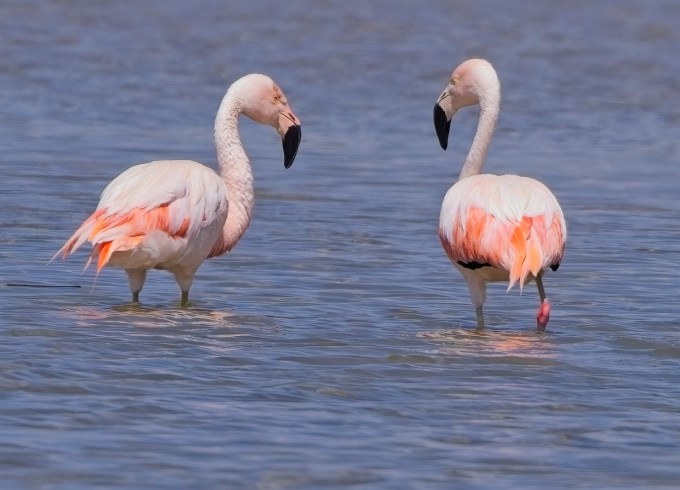


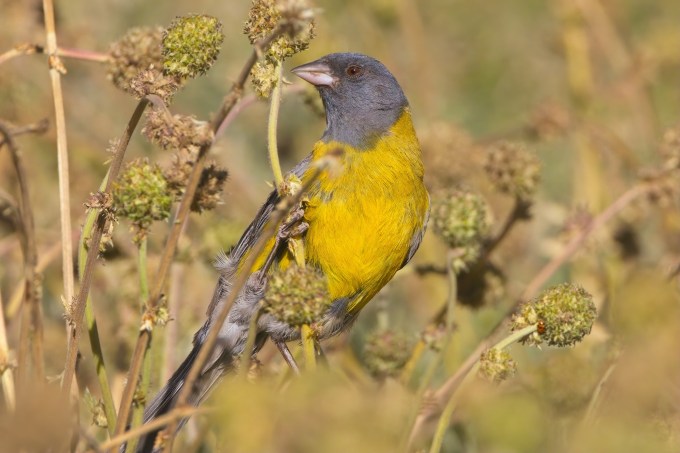


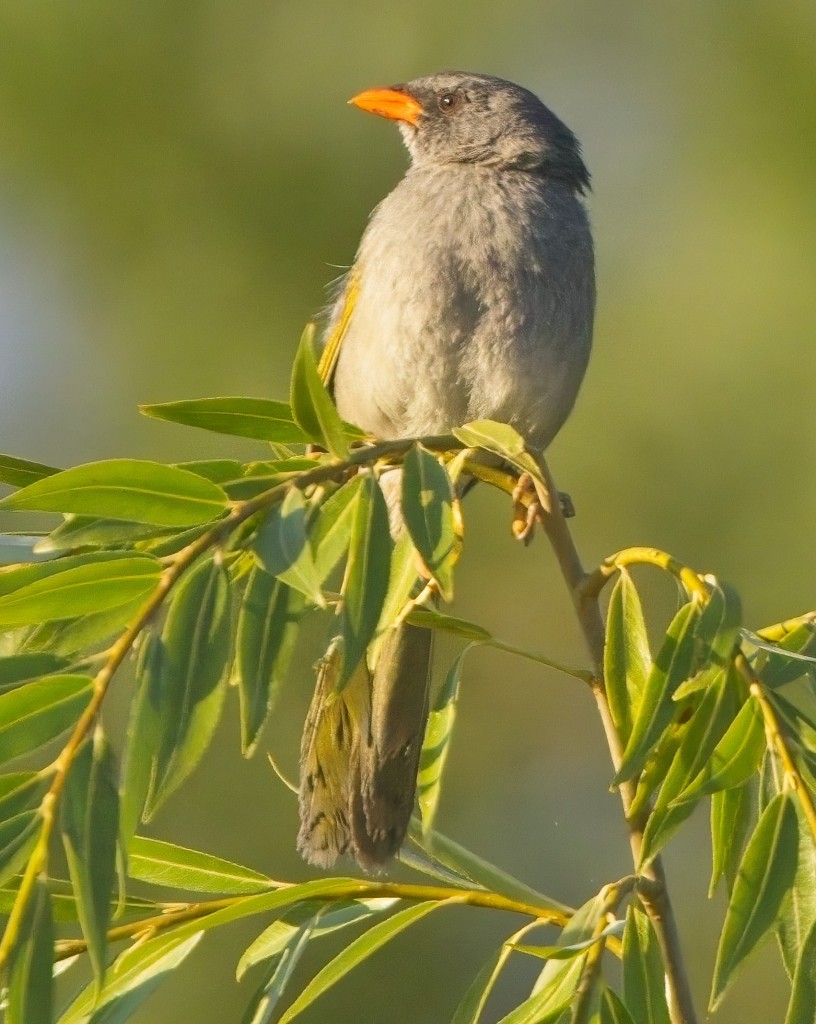


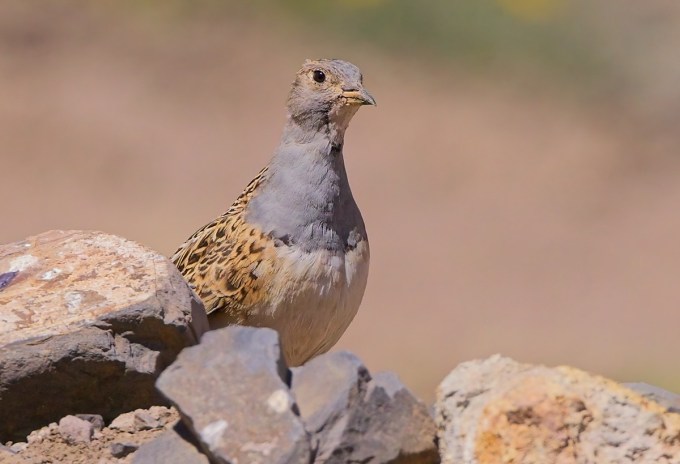


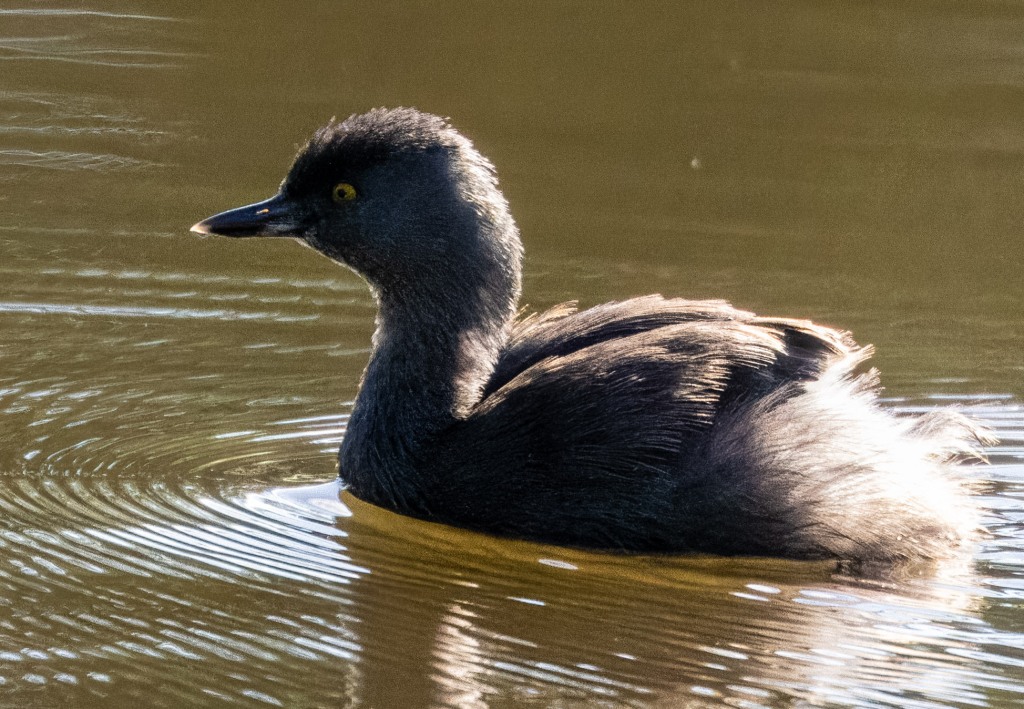


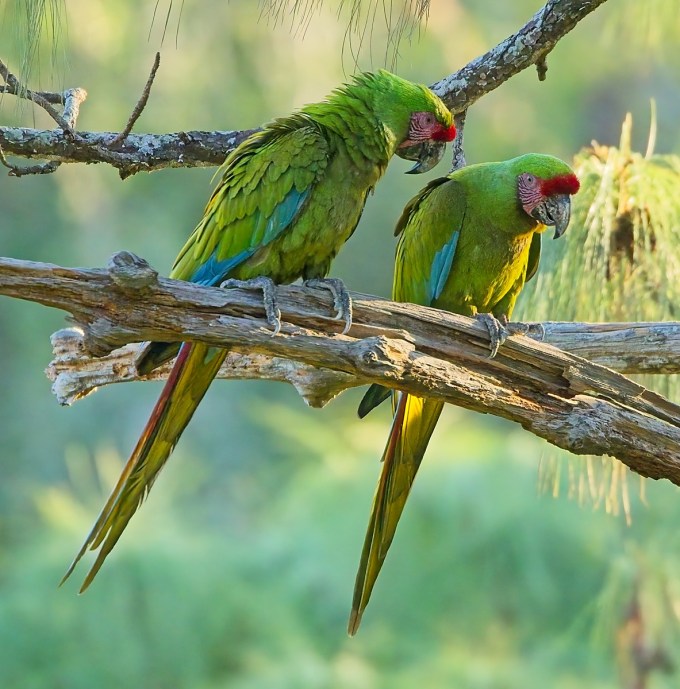


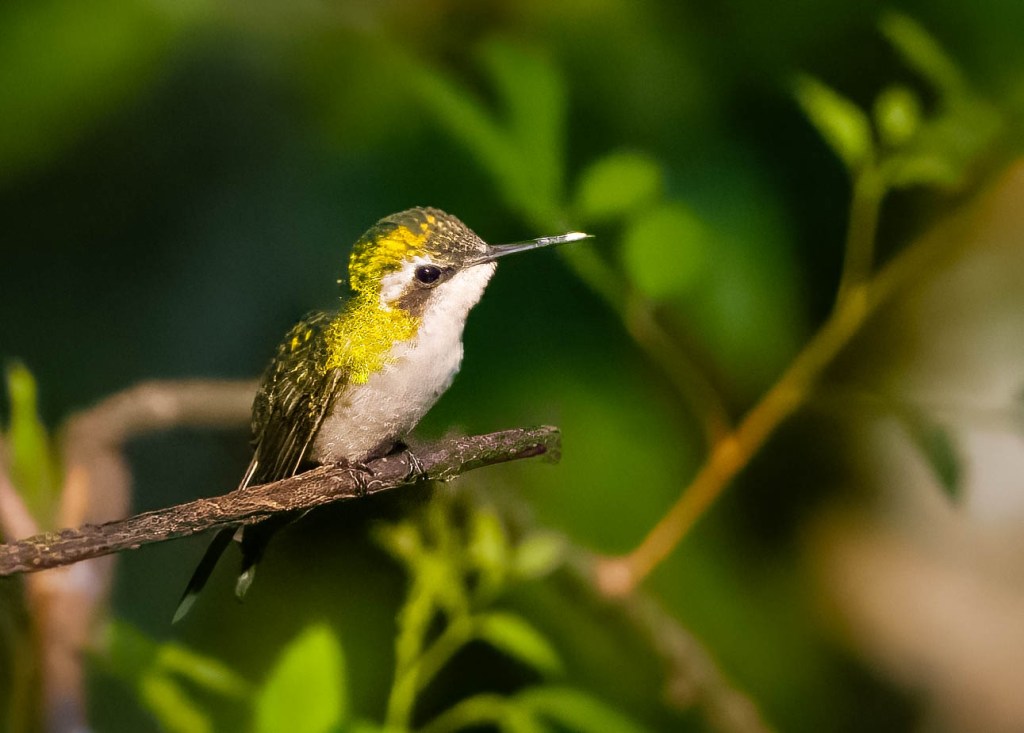


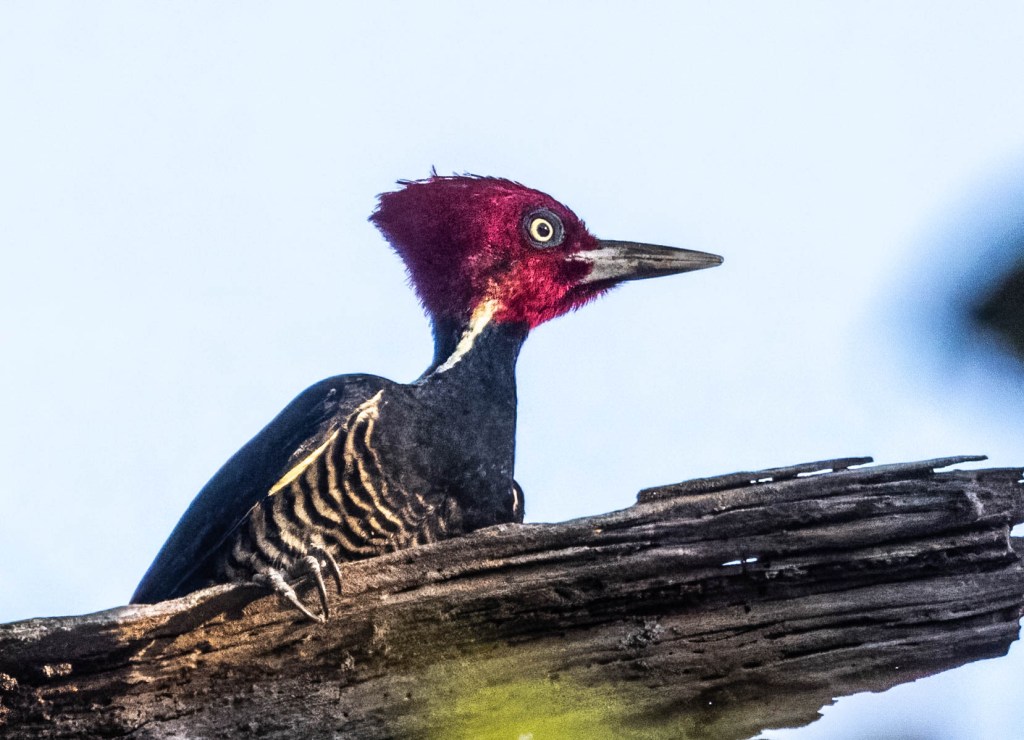
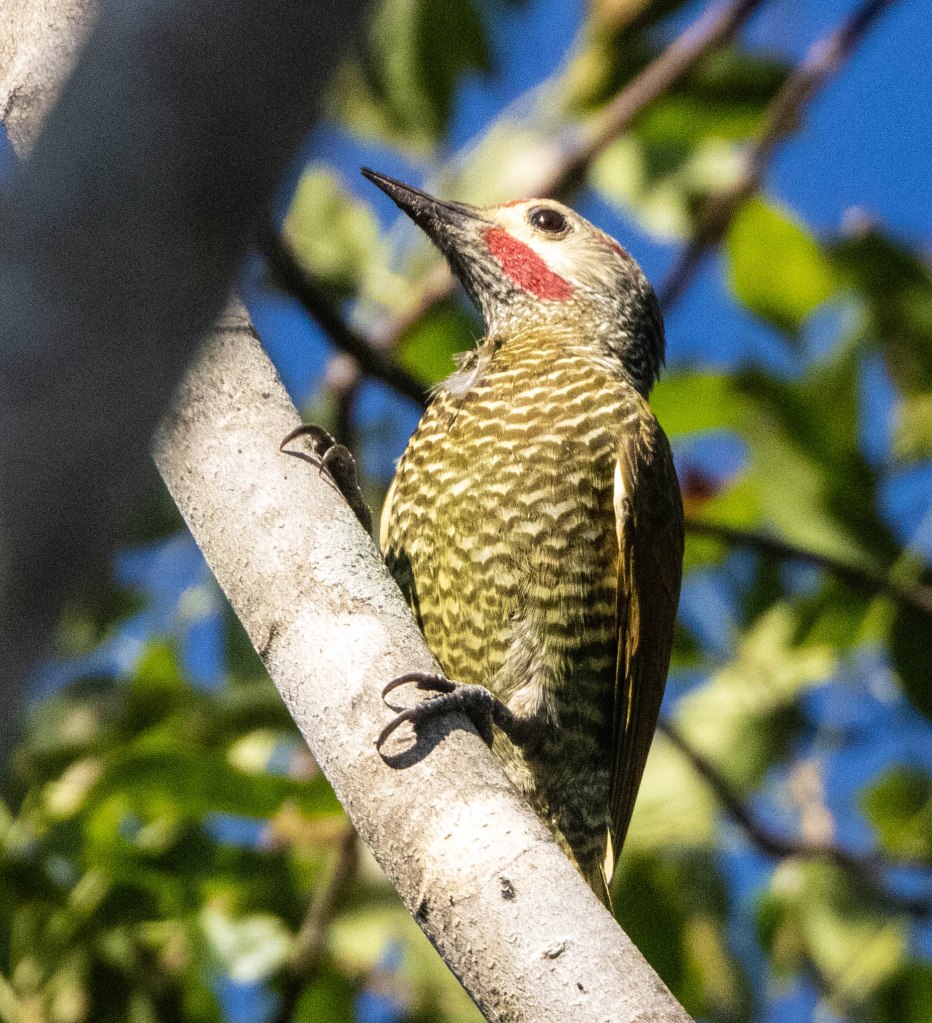
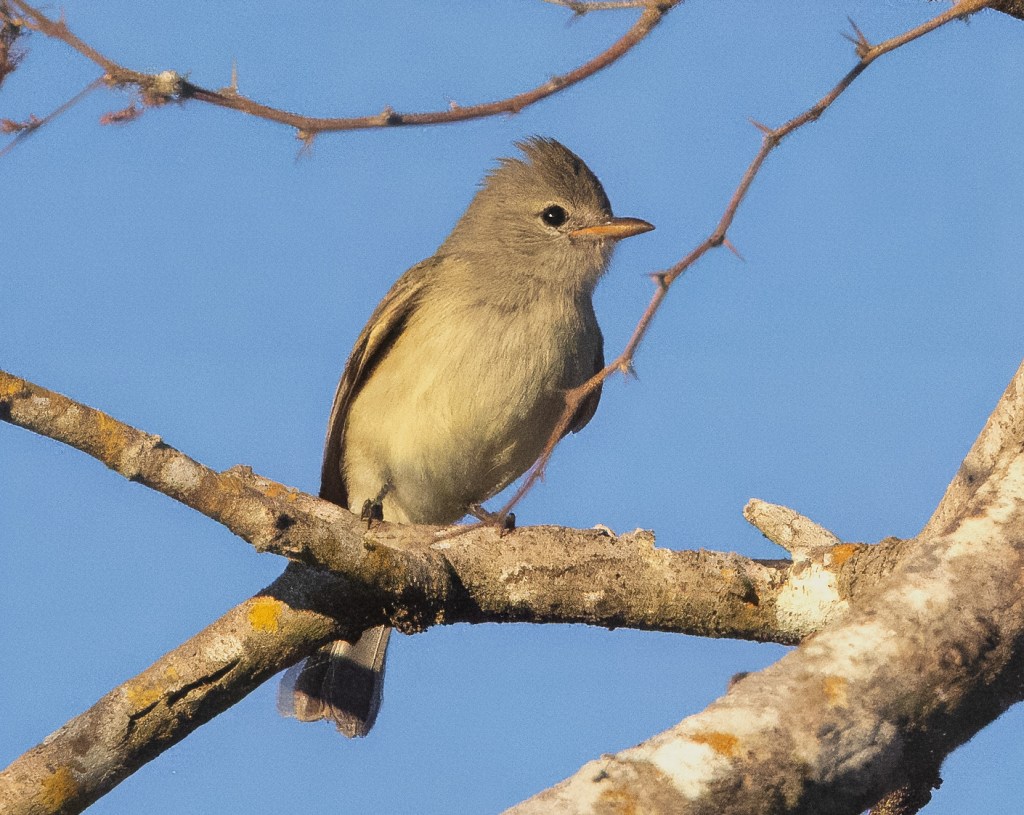


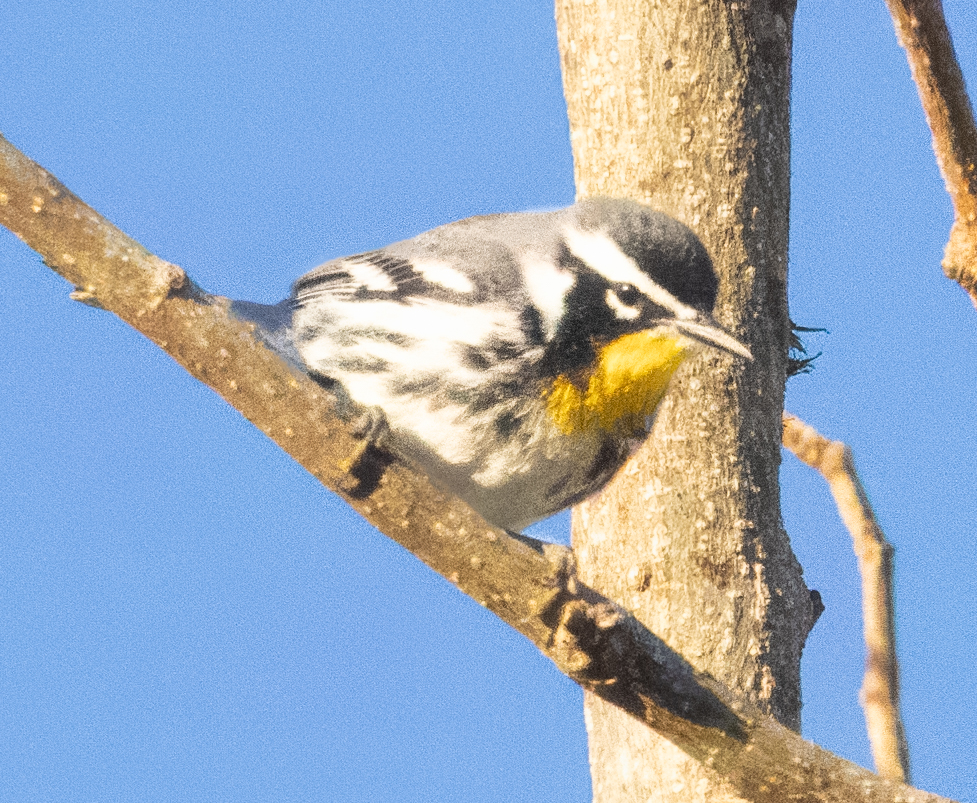


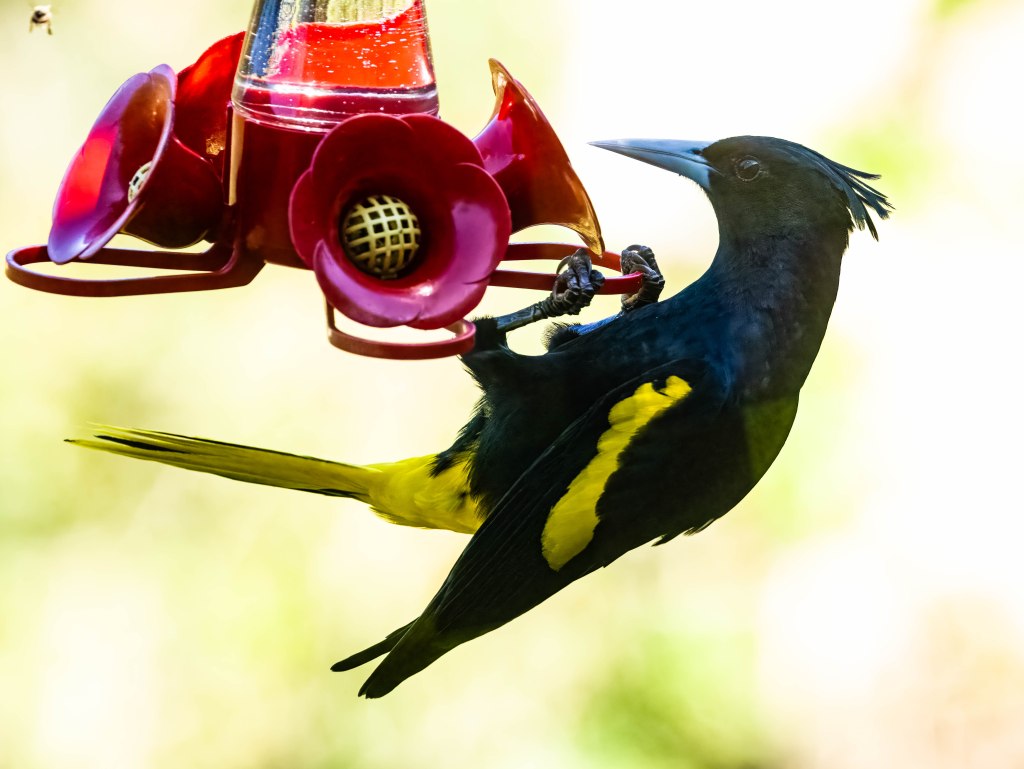
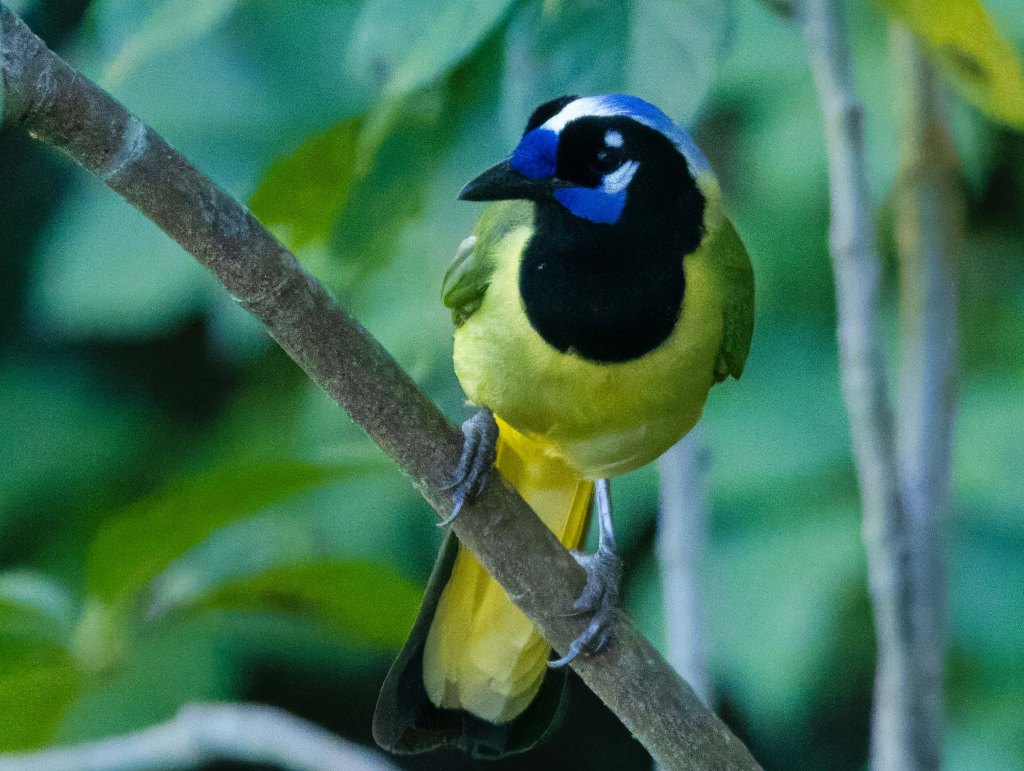

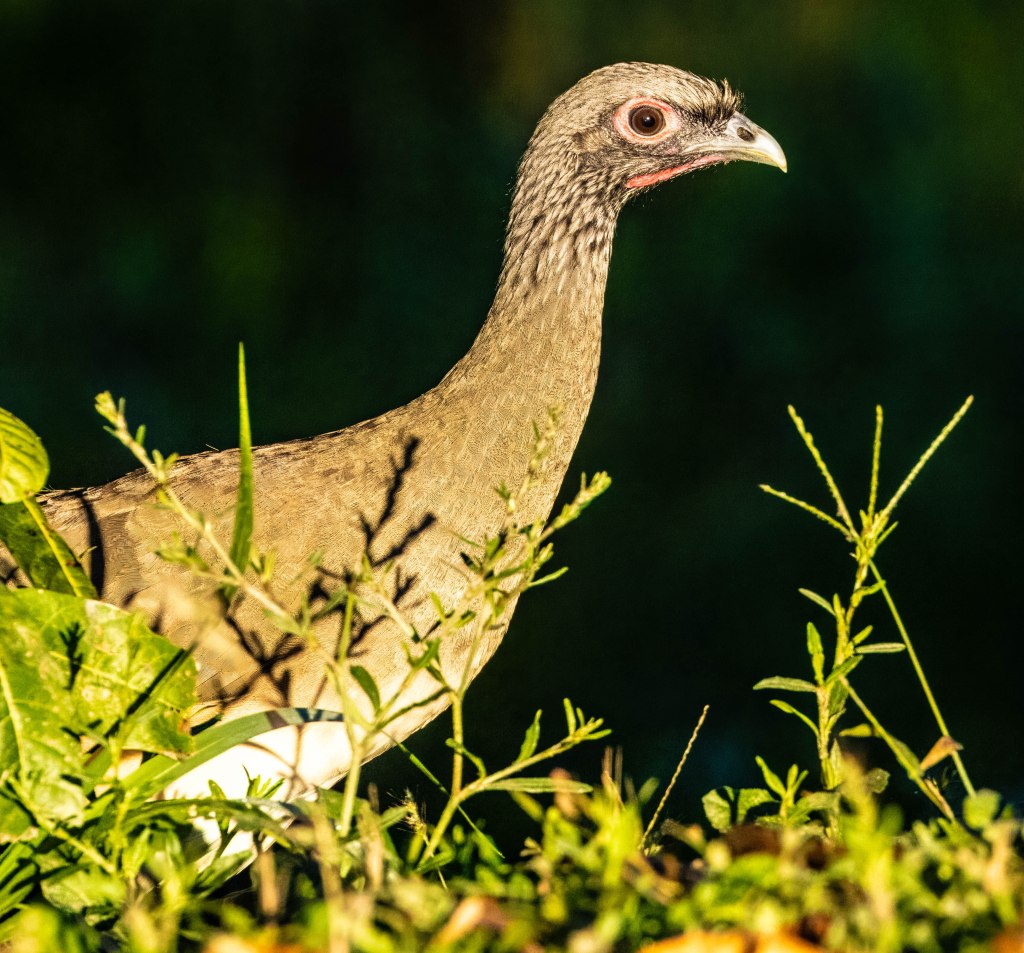
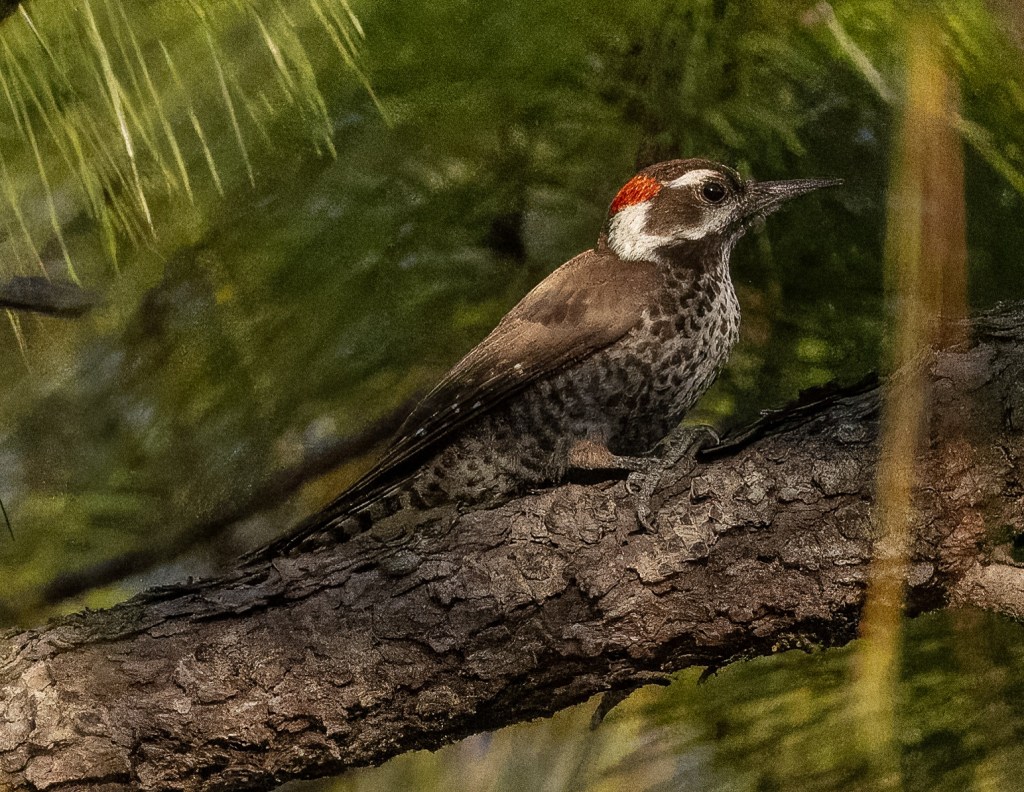

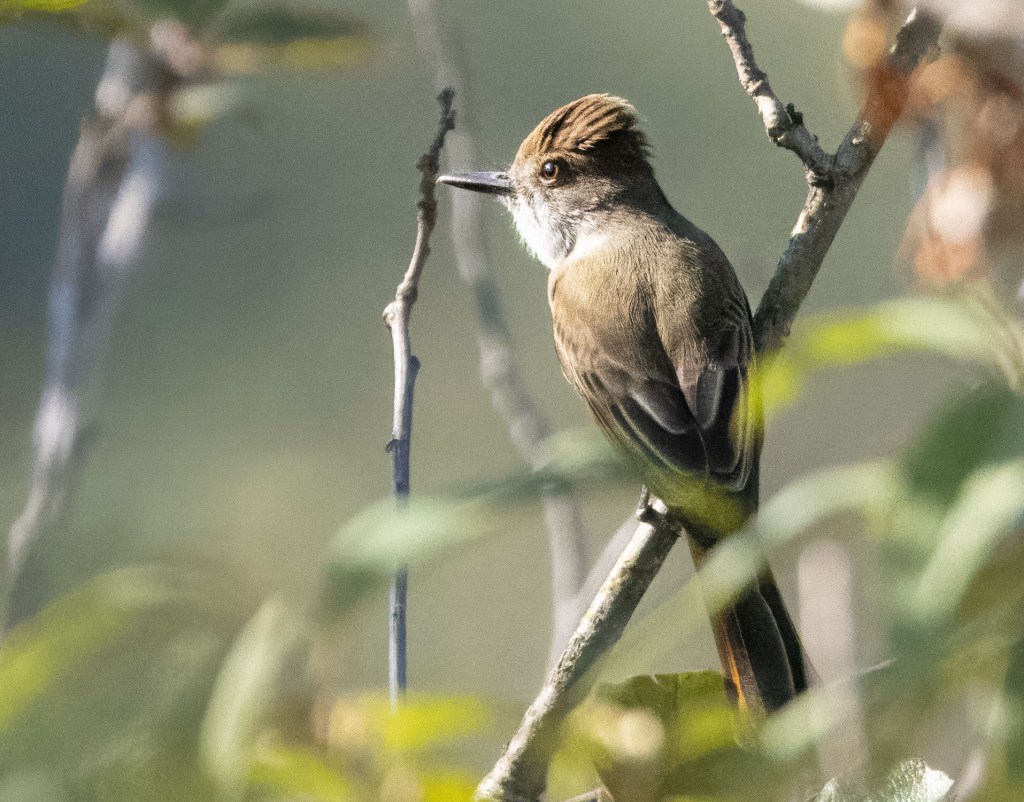


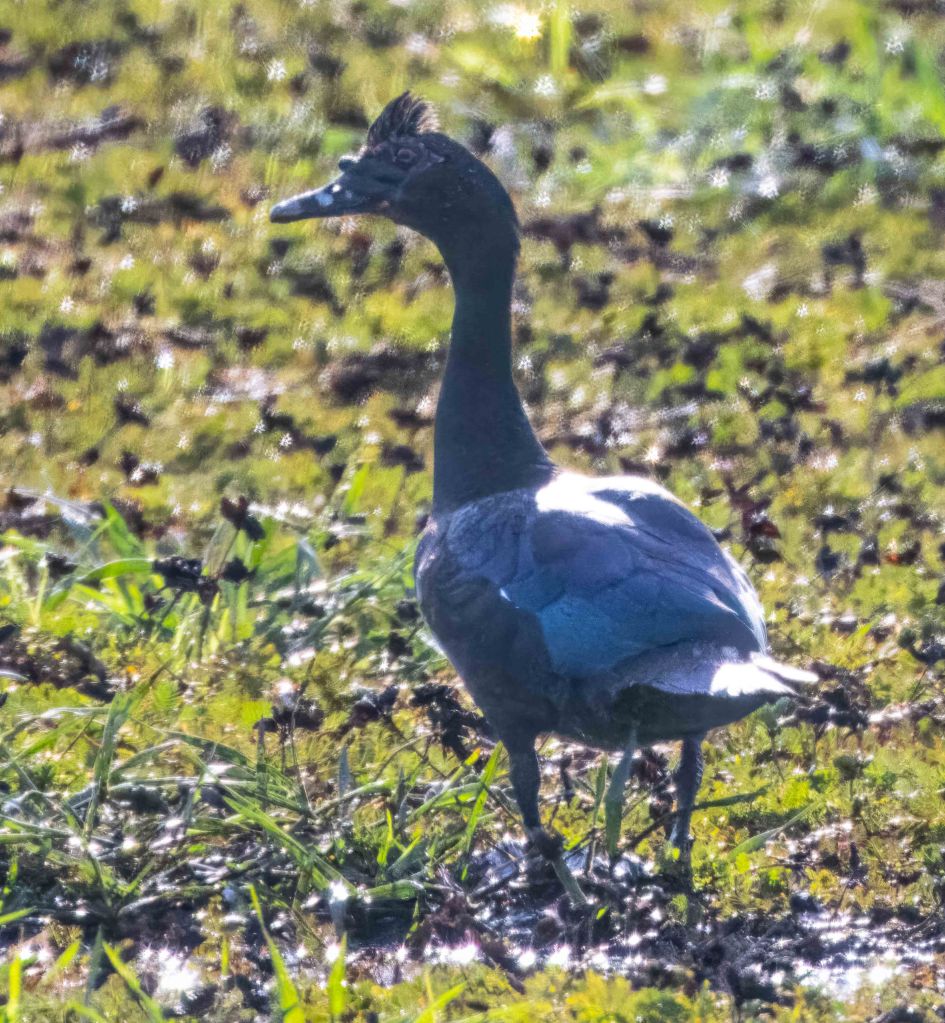
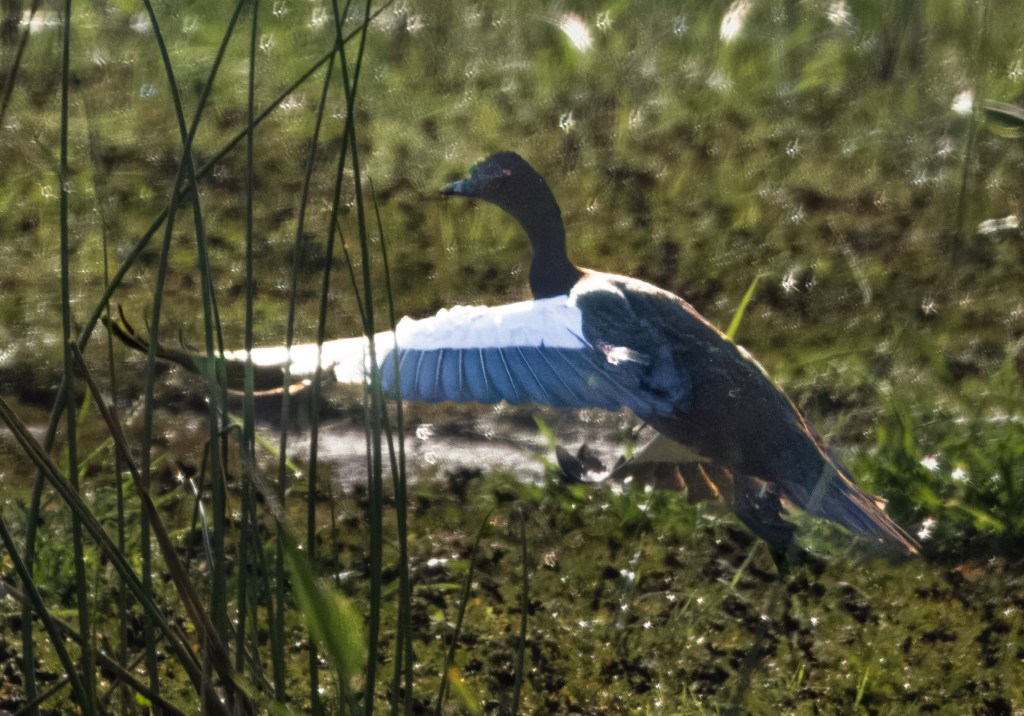


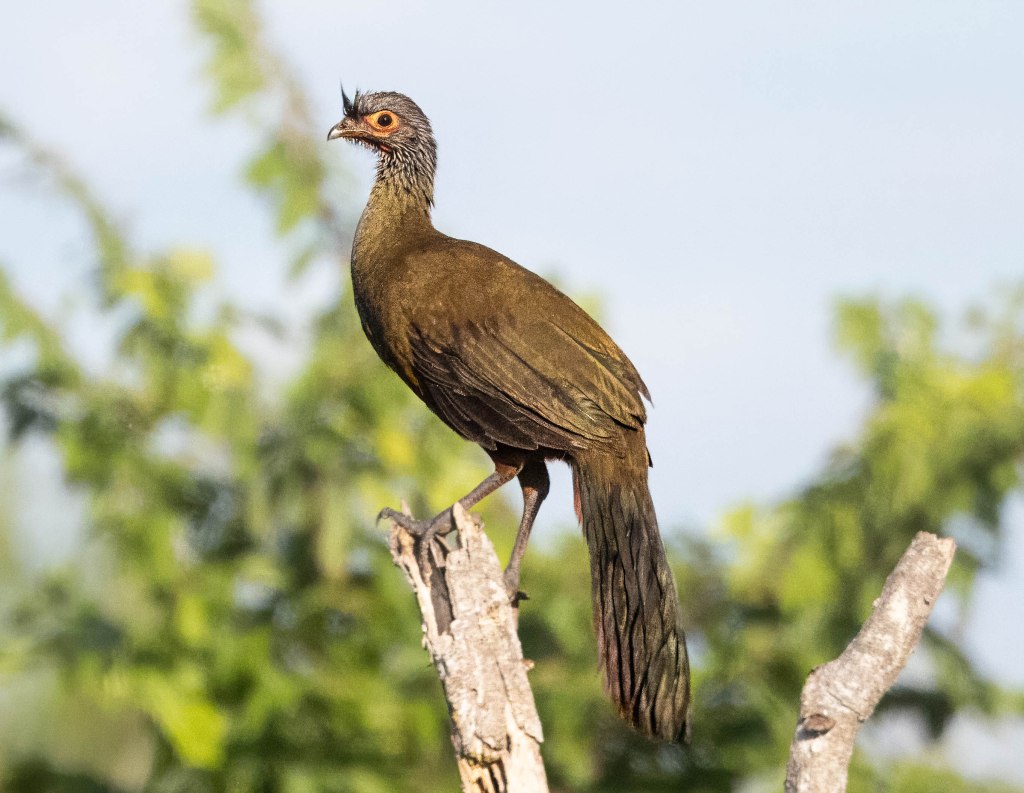

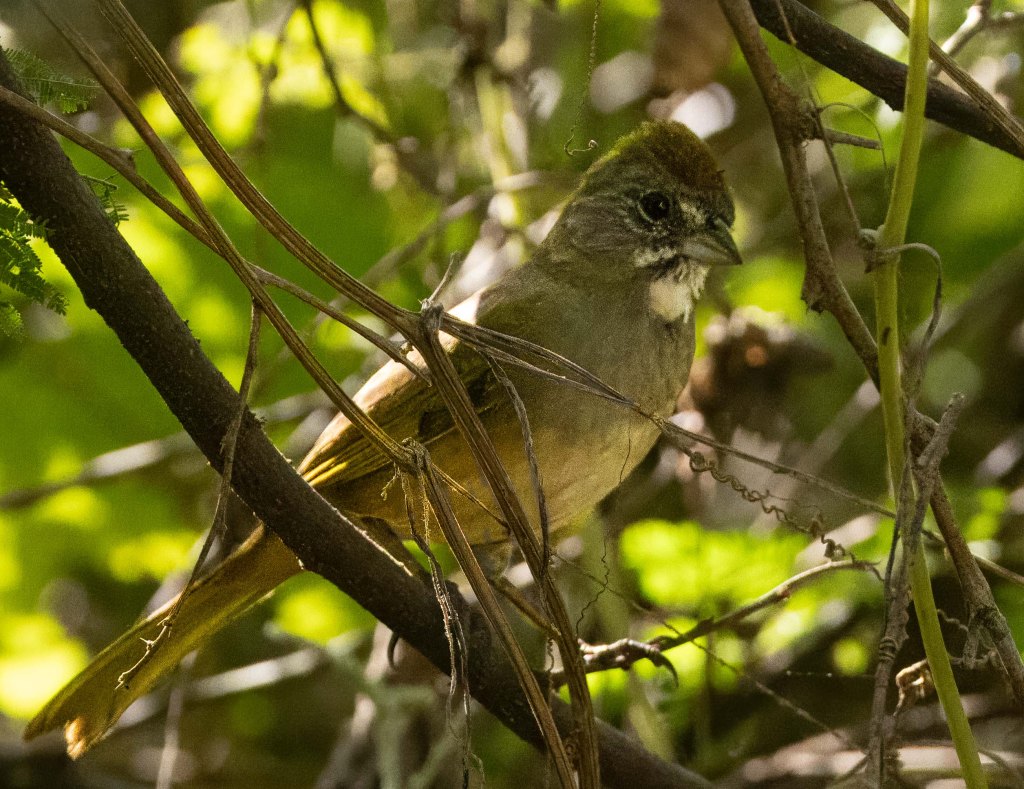
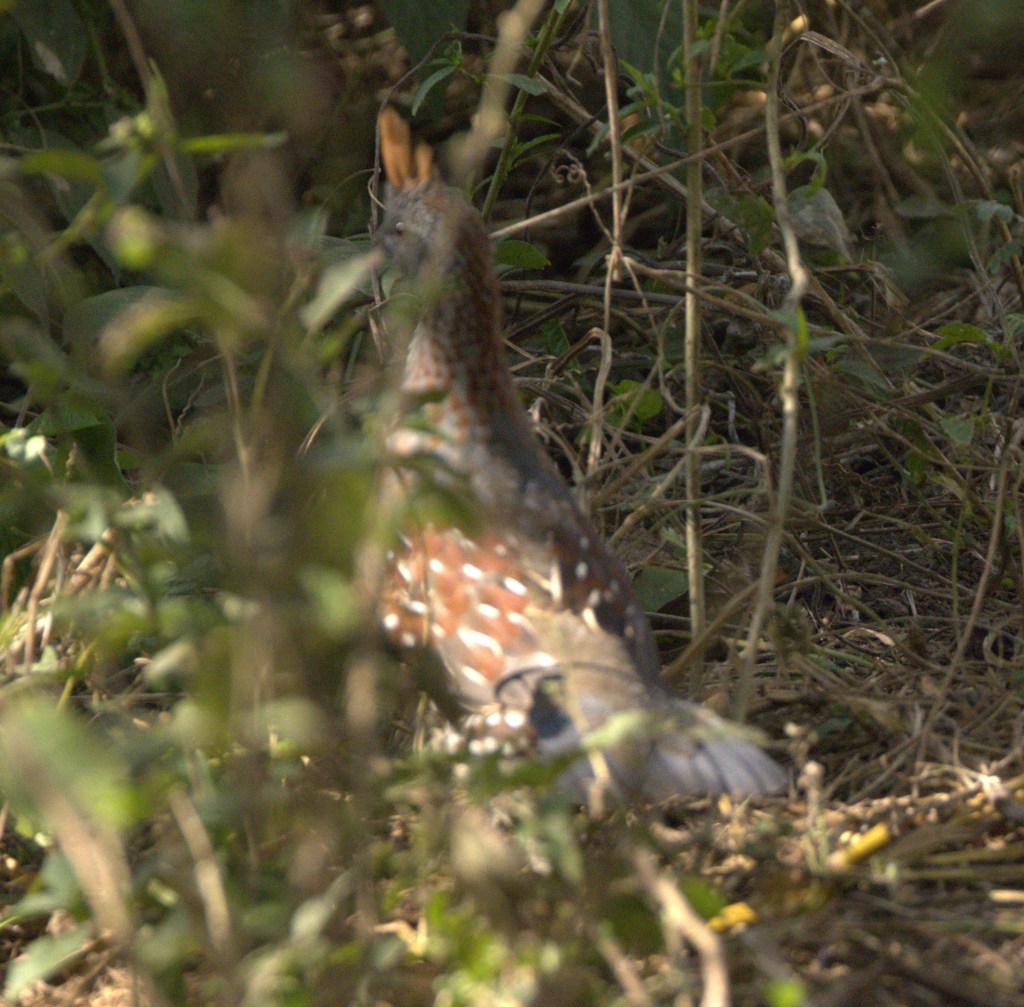
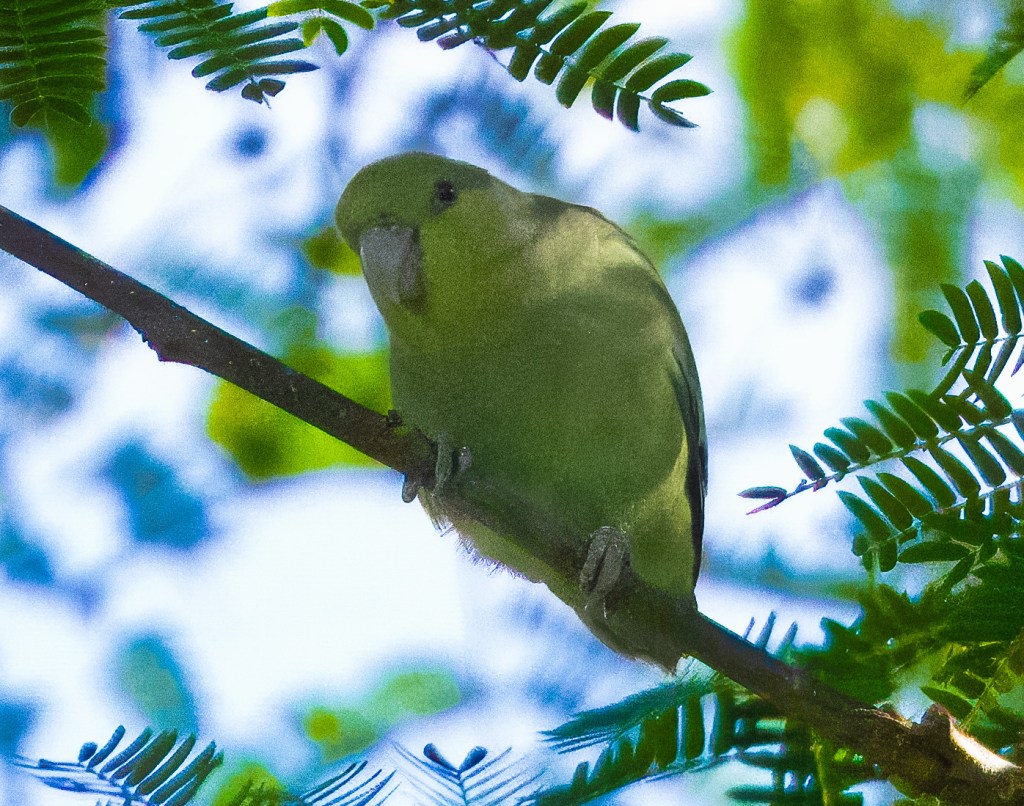
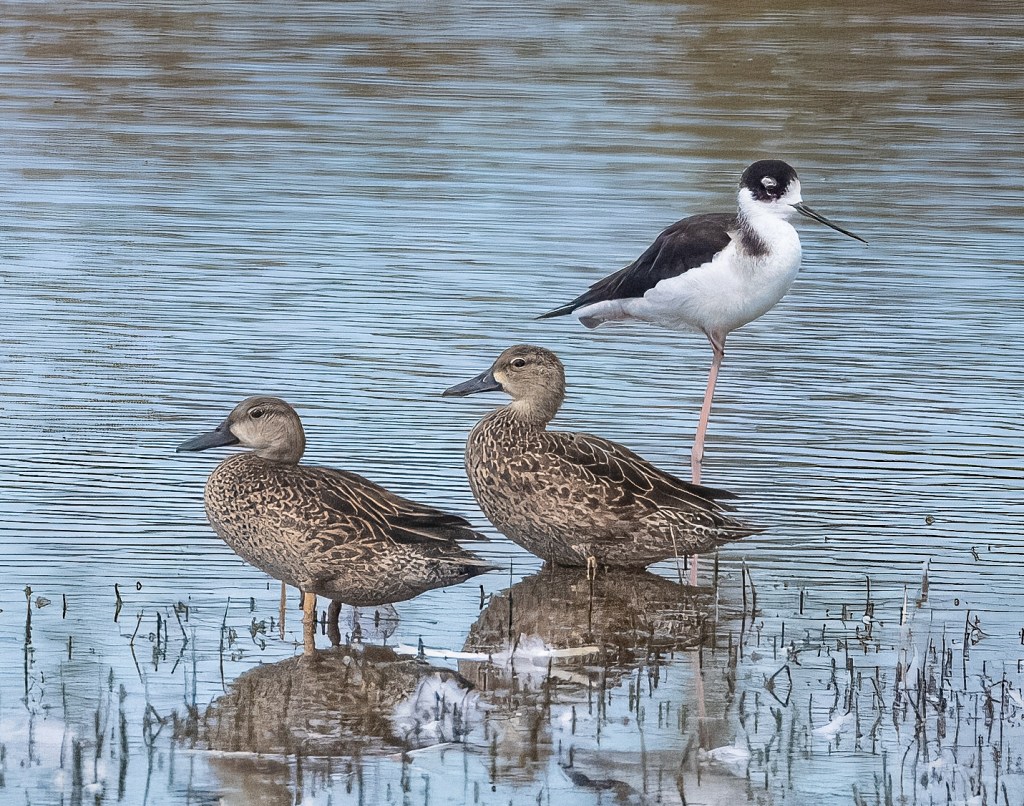

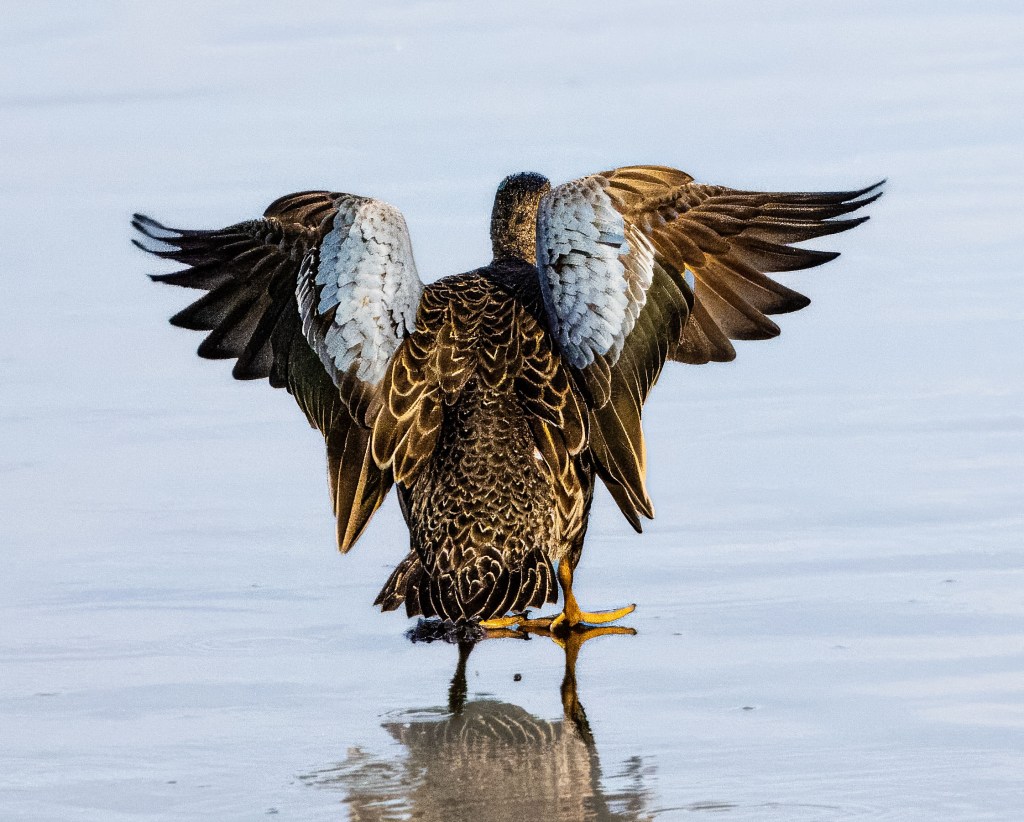


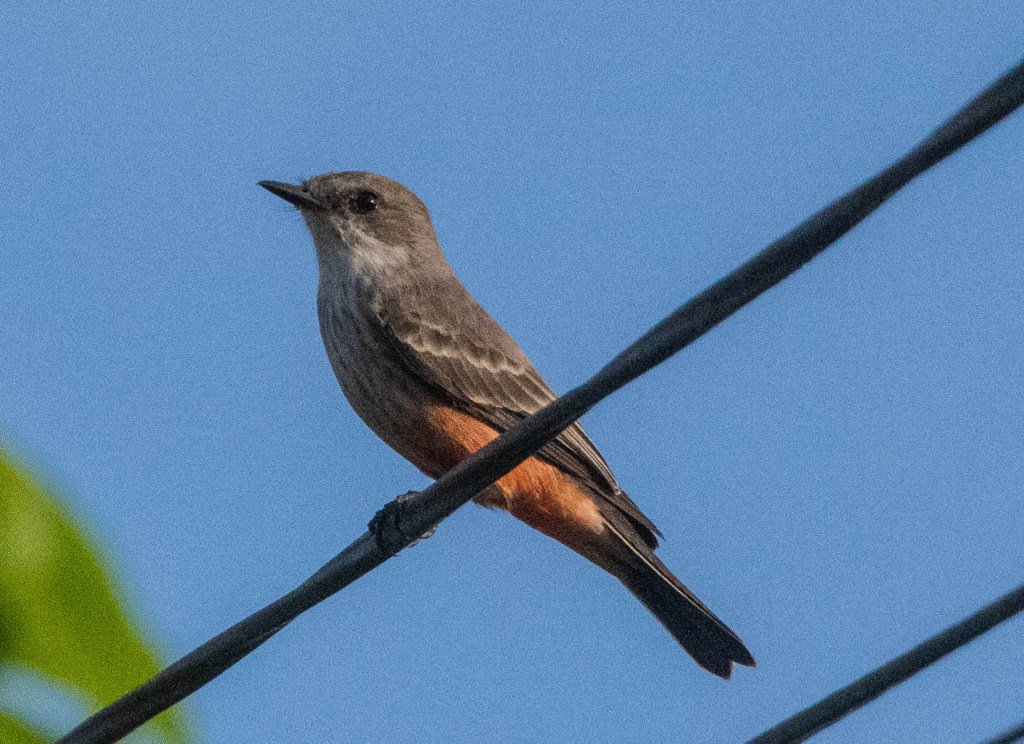
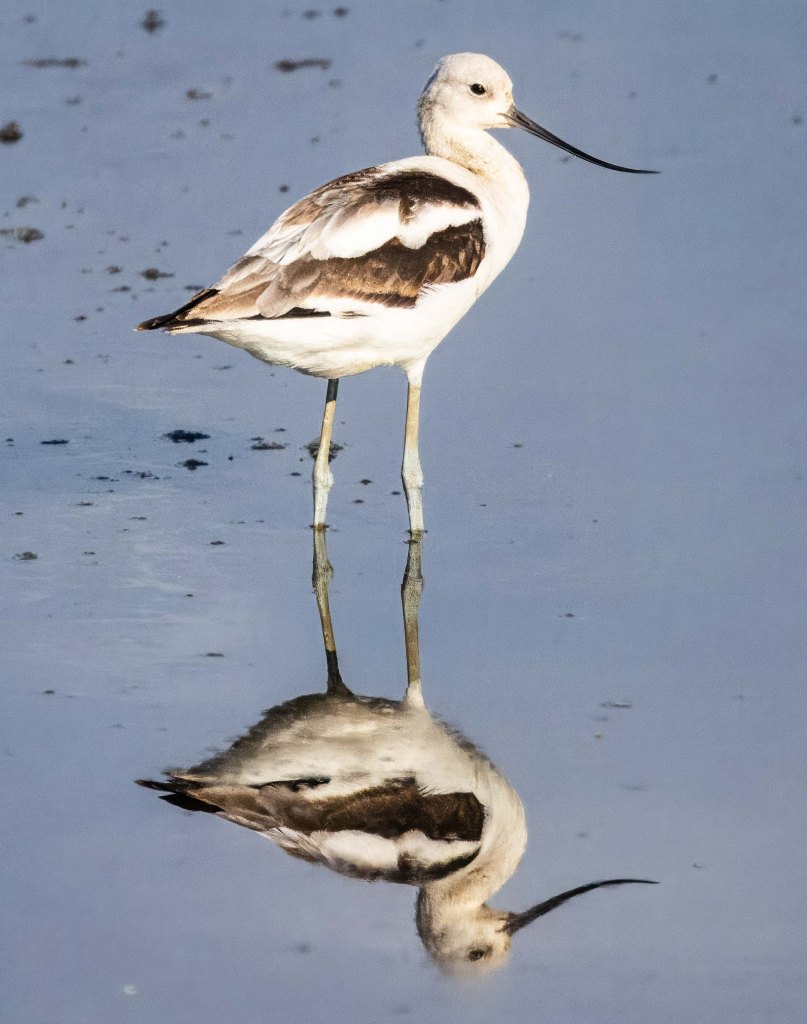

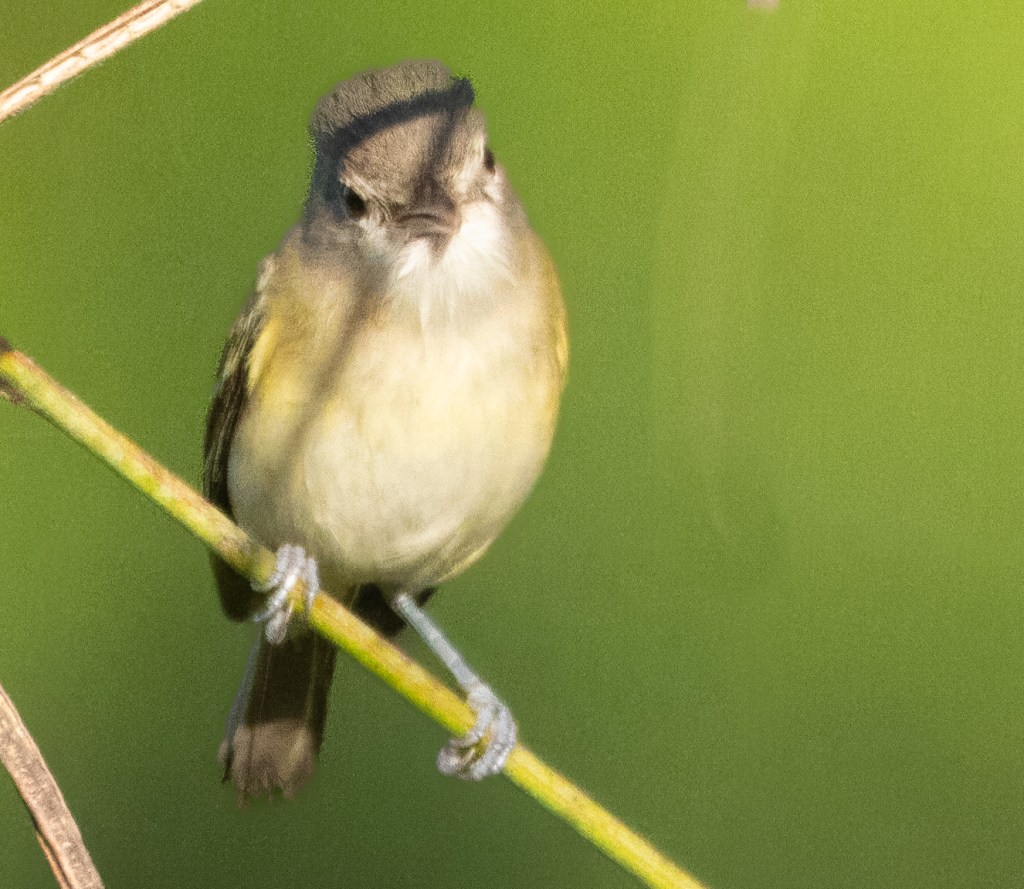

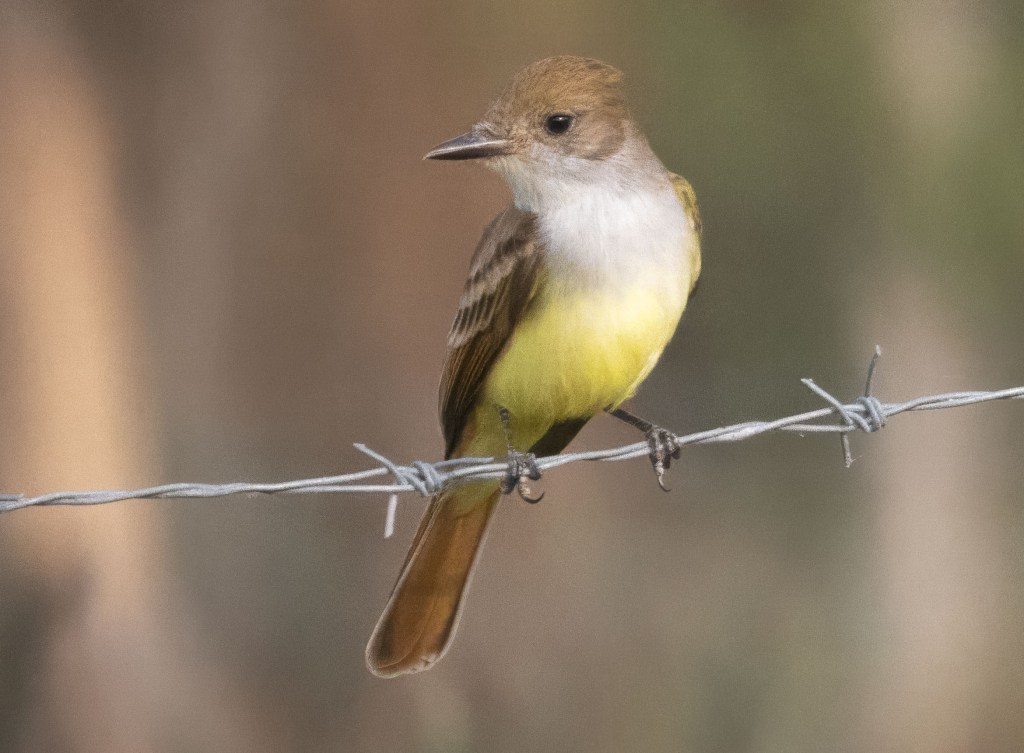


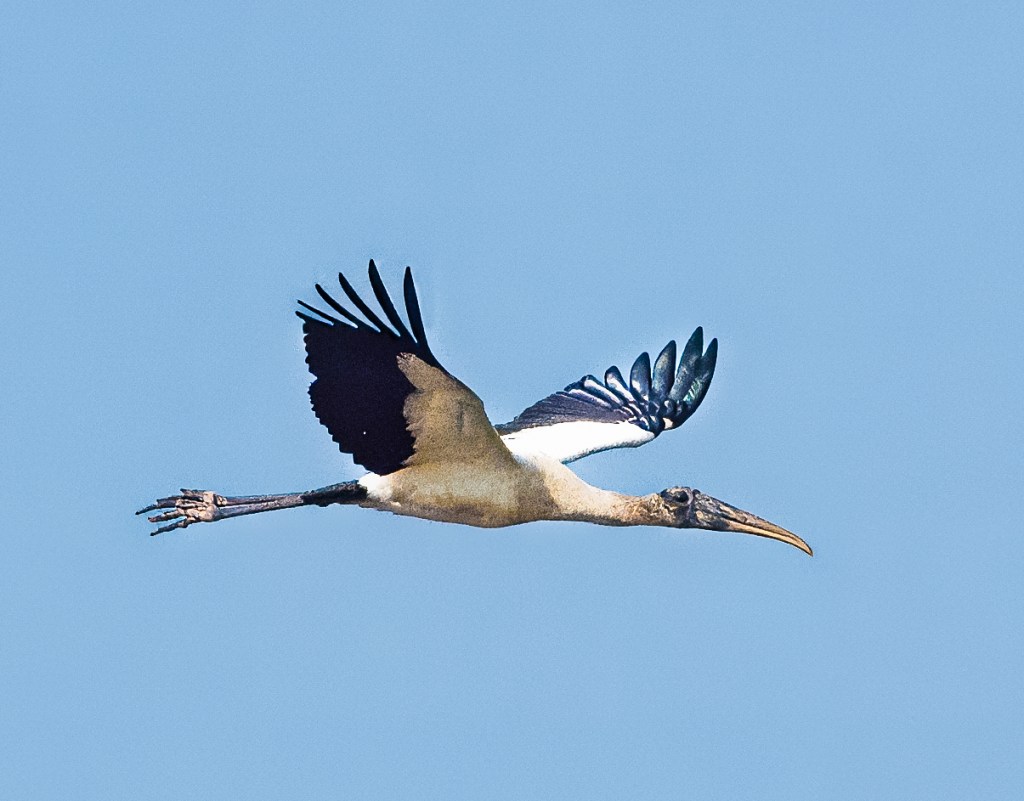
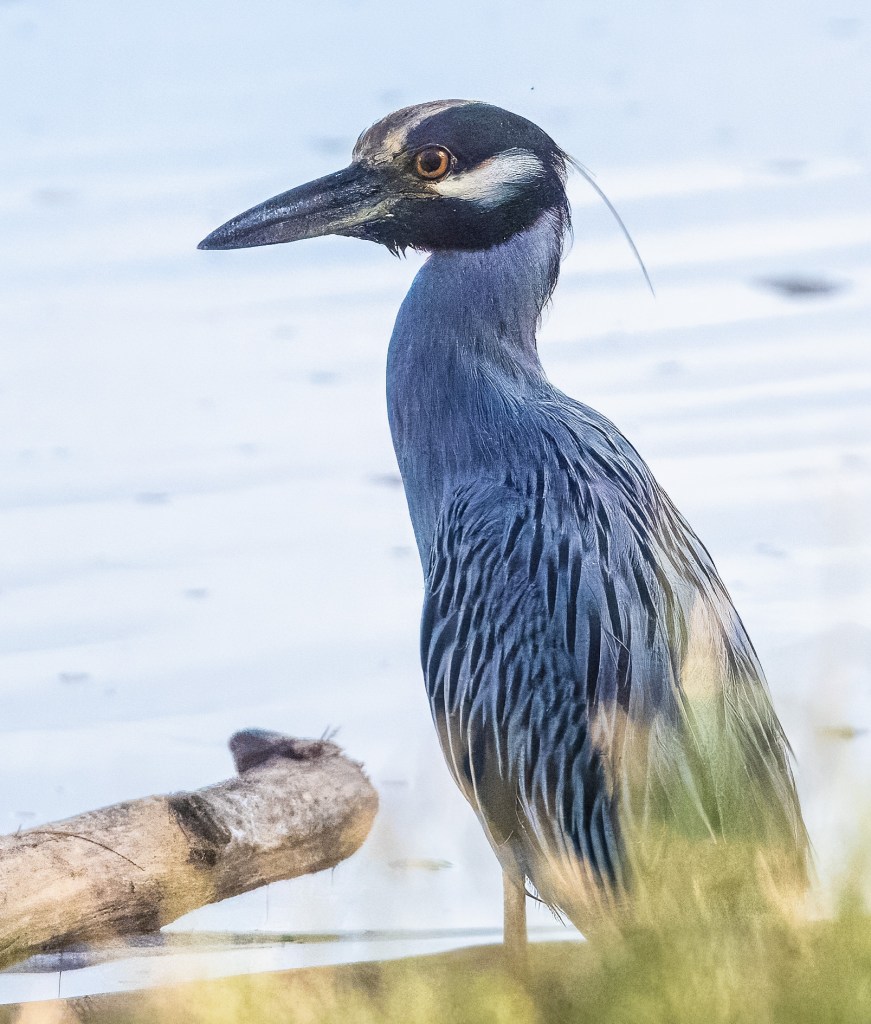

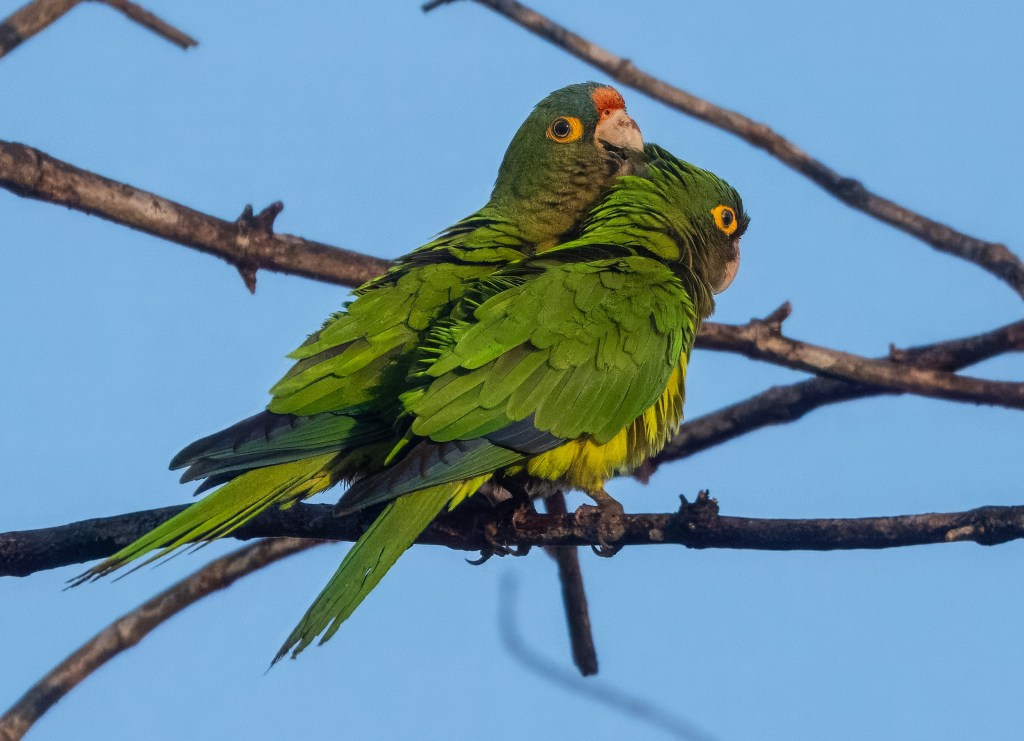

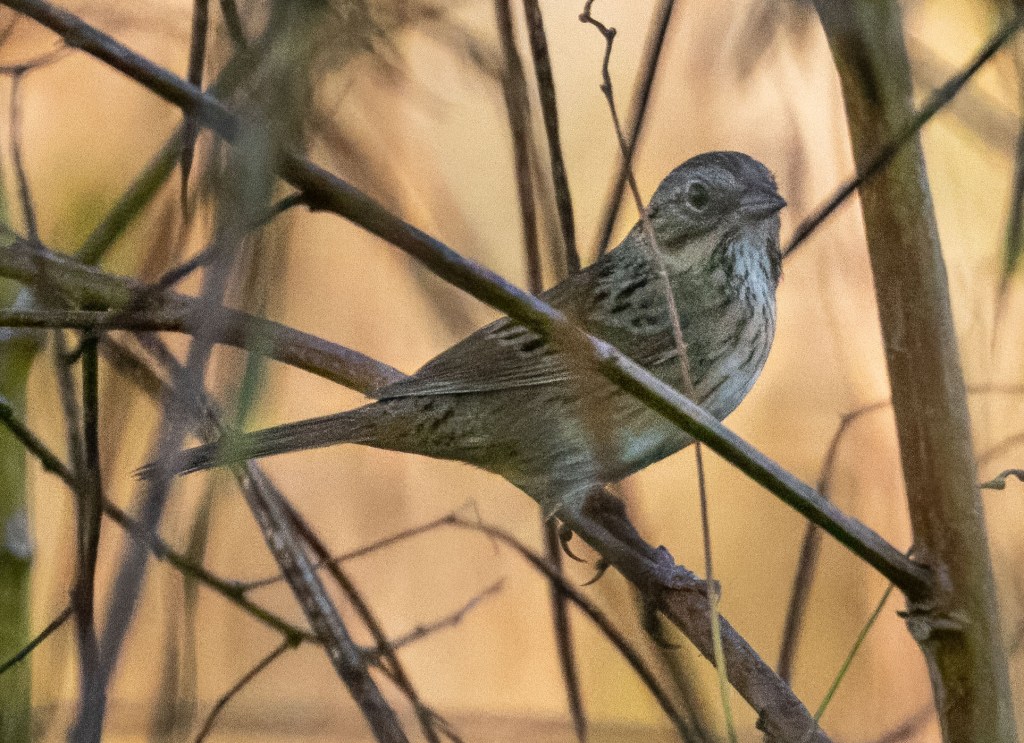


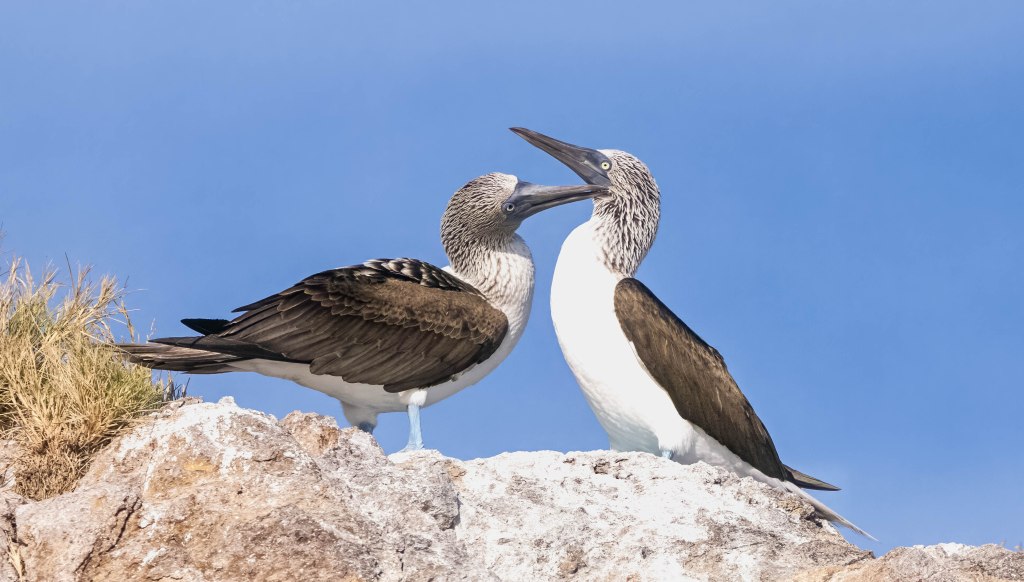


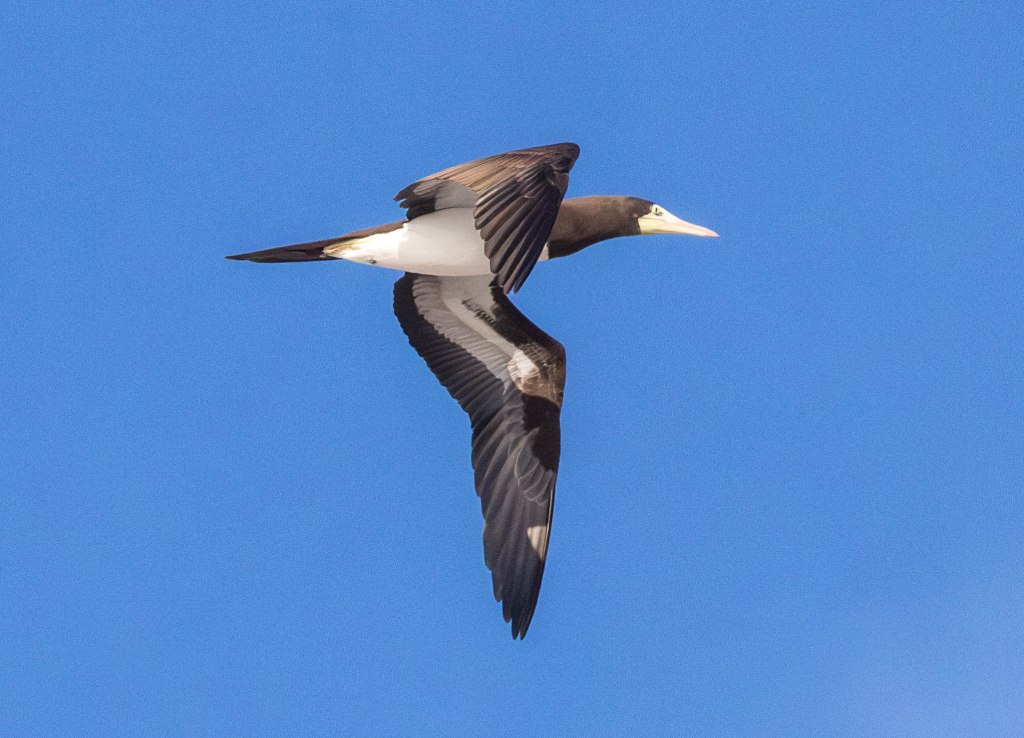


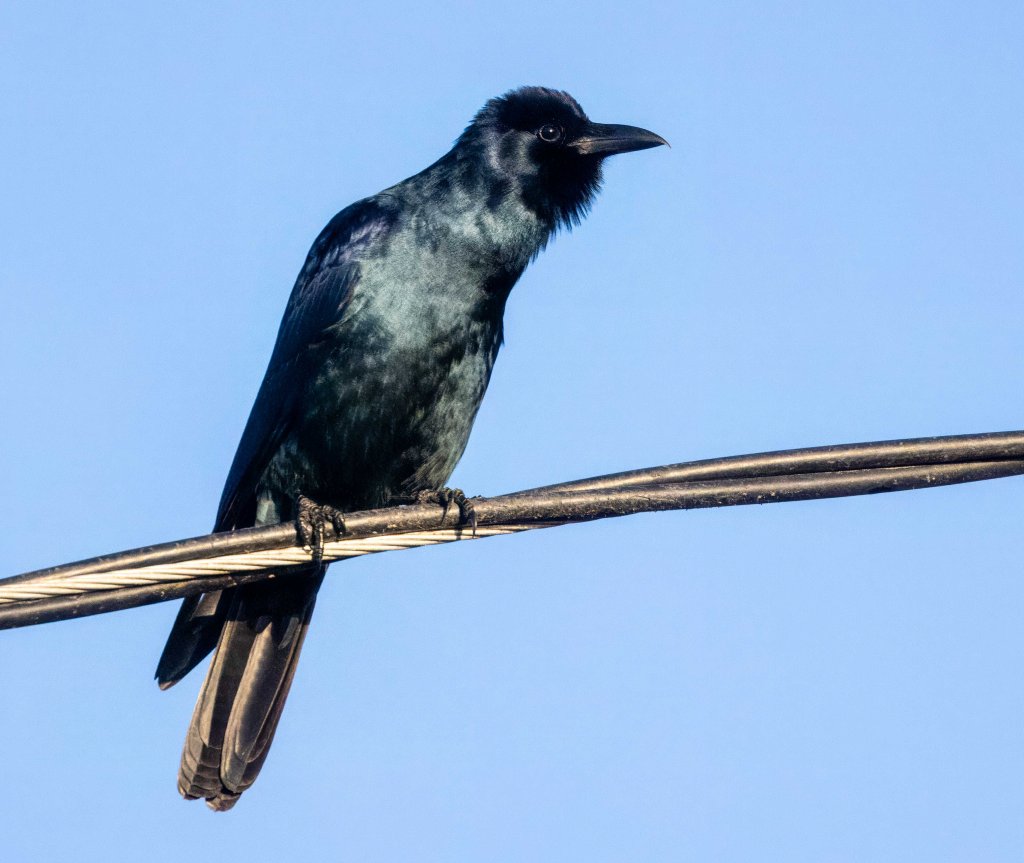



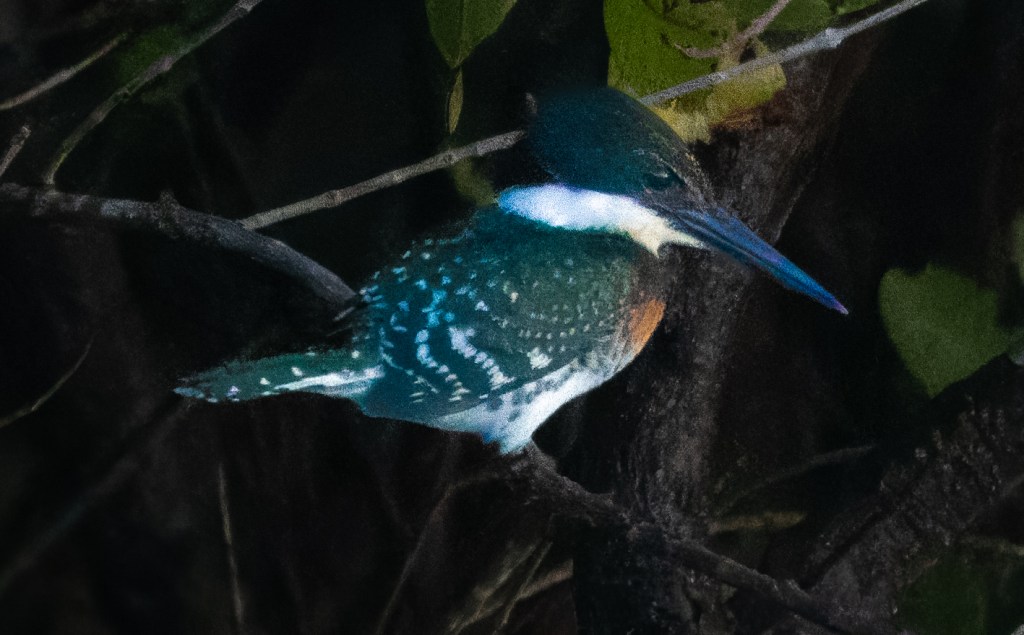

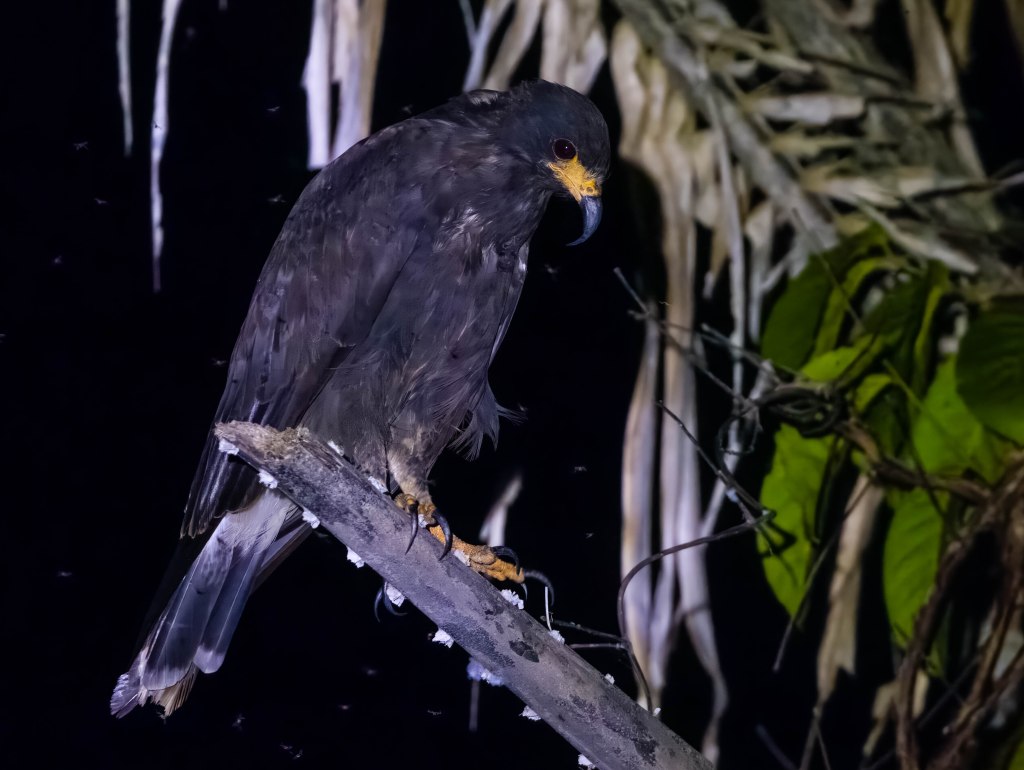


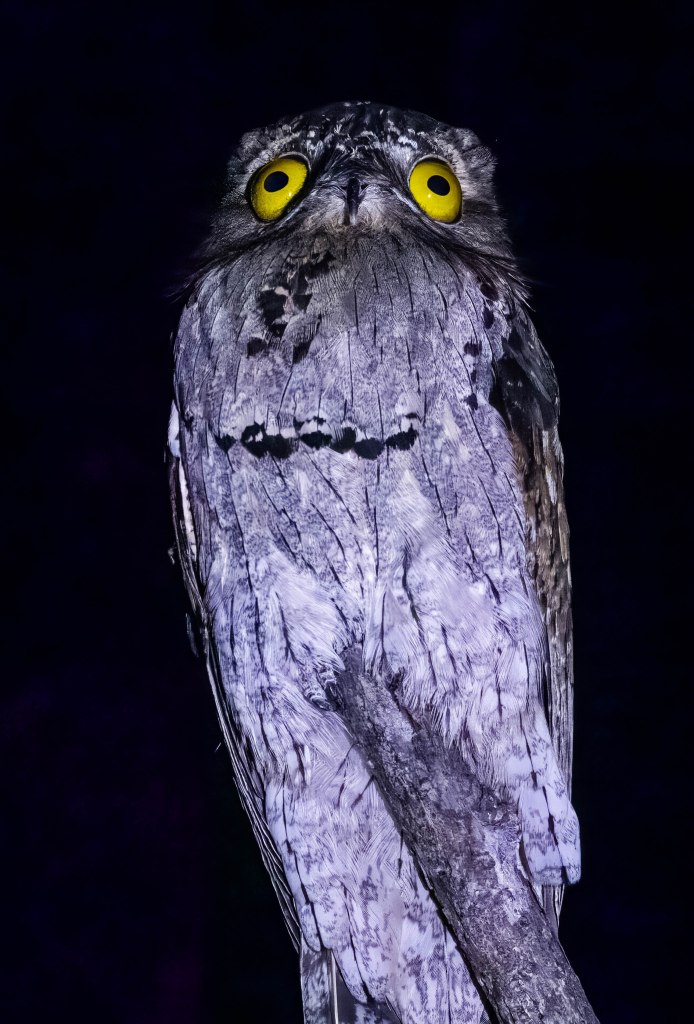

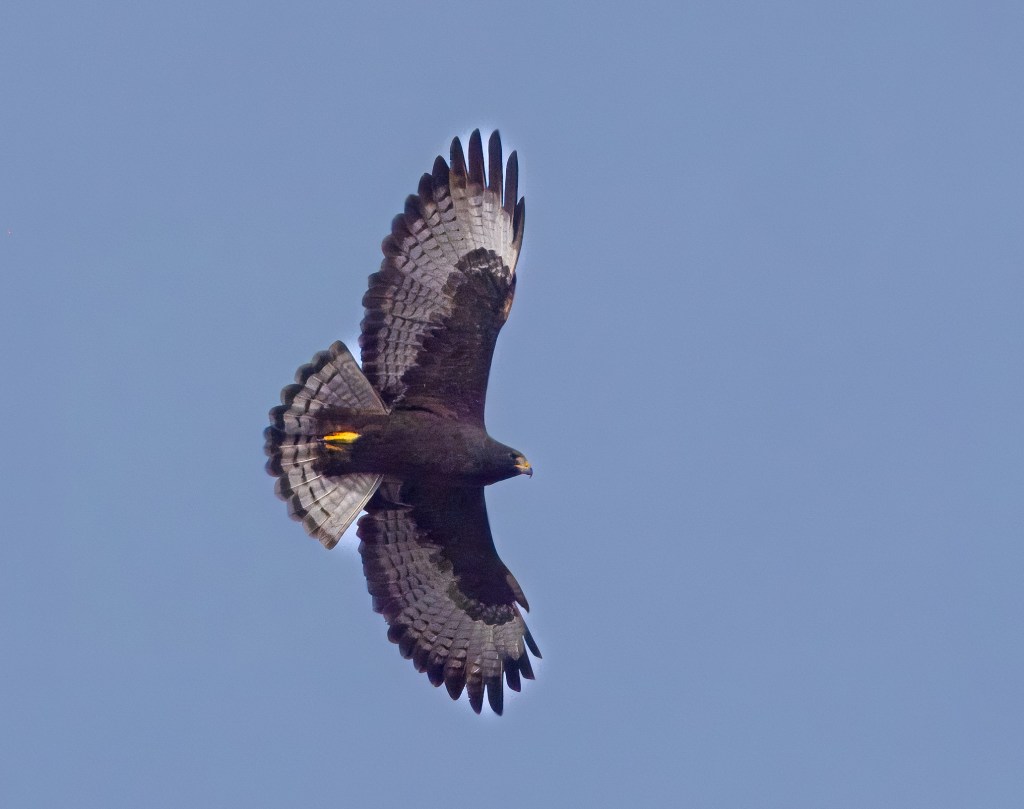
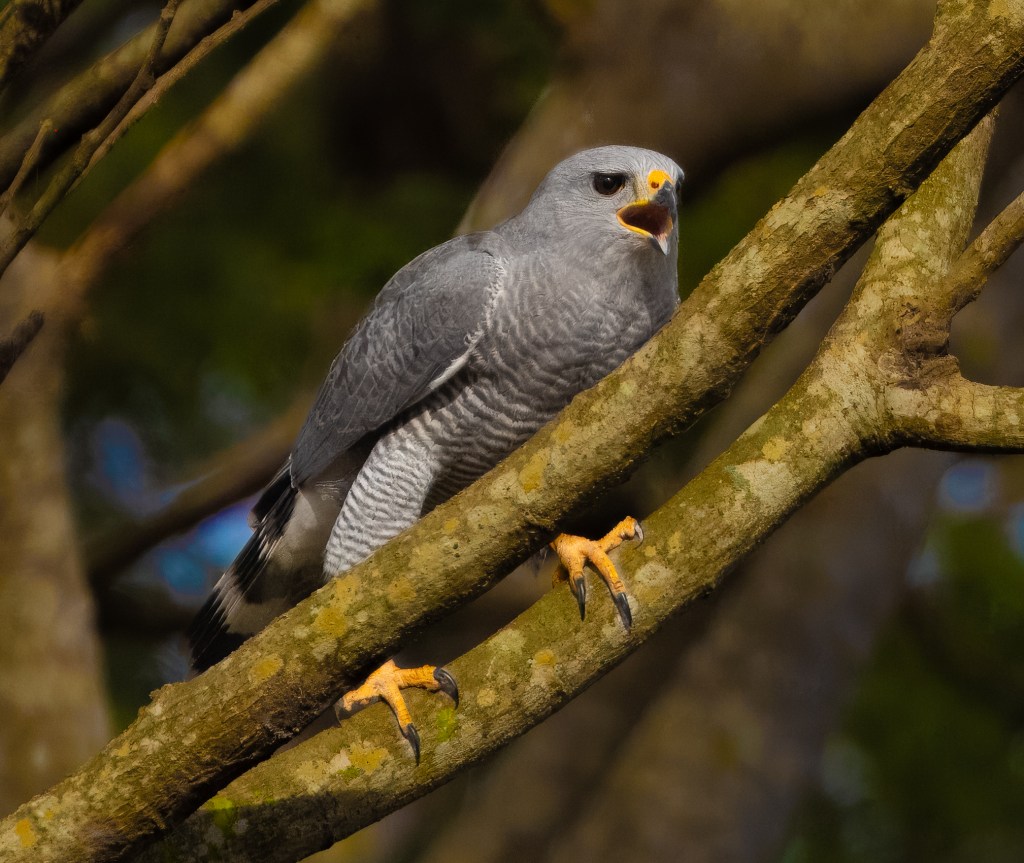
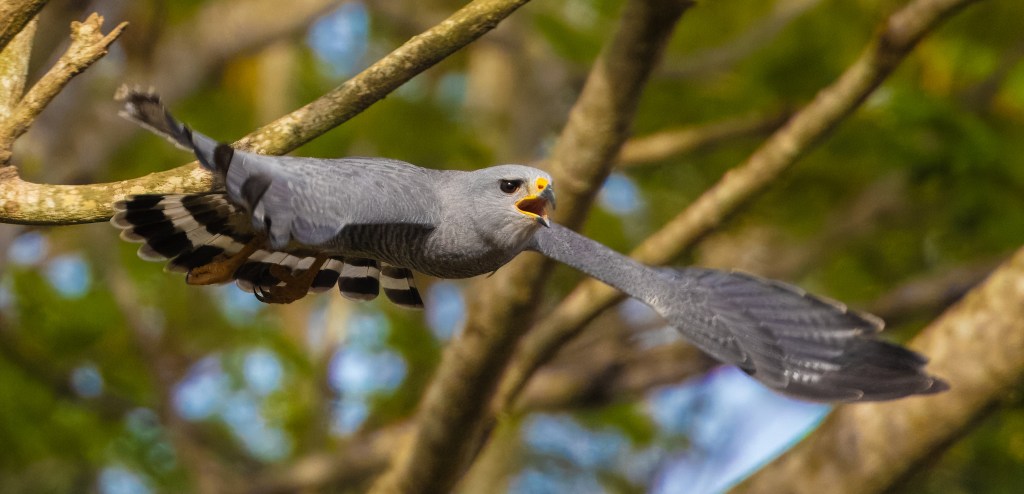
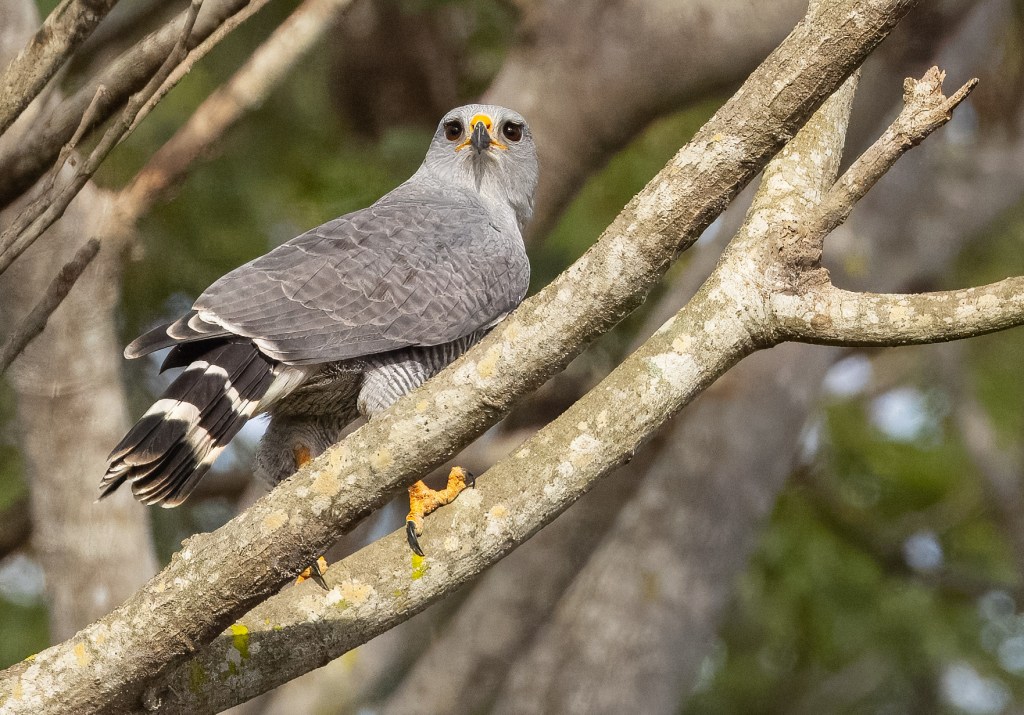
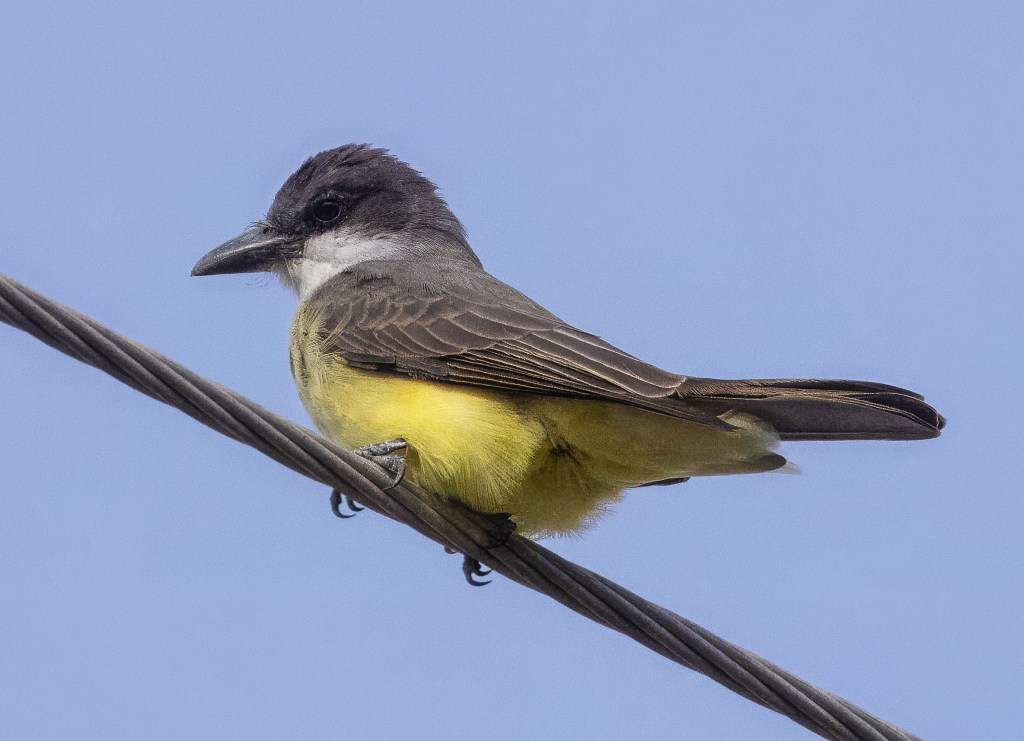

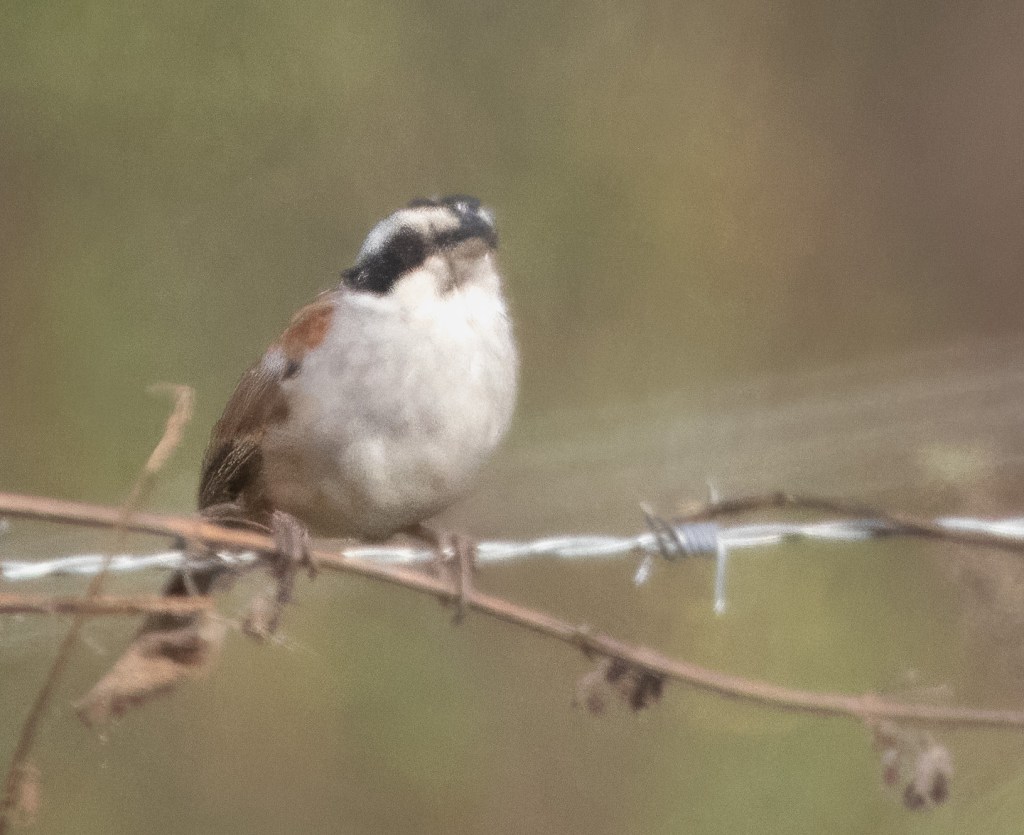
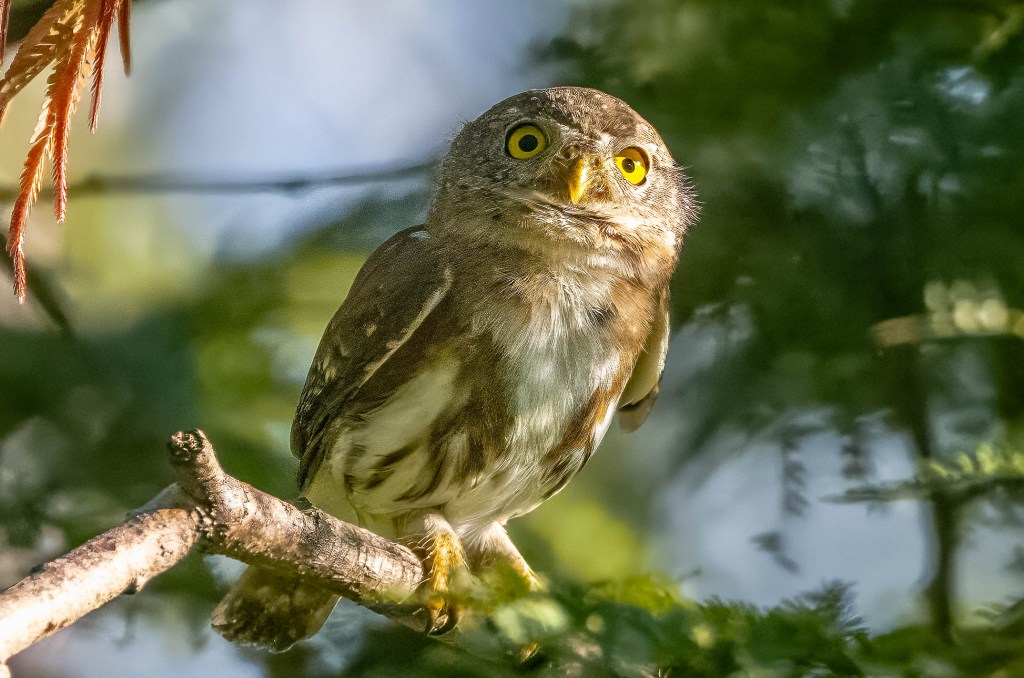


 blairbirding