
On May 7th I ended my long Eastern Washington trip with my stop at Sentinel Bluffs in Grant County, WA adding a Bullock’s Oriole for Washington species #208 for the year and then getting a bit too close to an unseen Bald Eagles nest which had both parents soaring overhead a bit too close for comfort. The remainder of May would be some birding near home in Snohomish County, adding 7 more newly arrived migrants to the state list (Black Headed Grosbeak, Warbling Vireo, Swainson’s Thrush, Purple Martin, Western Flycatcher, Wilson’s Warbler and Western Wood Pewee). I got ok photos for the Wilson’s Warbler and the Black Headed Grosbeak, obviously new for the year, and also had nice photo ops for a Red Breasted Sapsucker, Anna’s Hummingbird and a distant Barred Owl – always a good find.


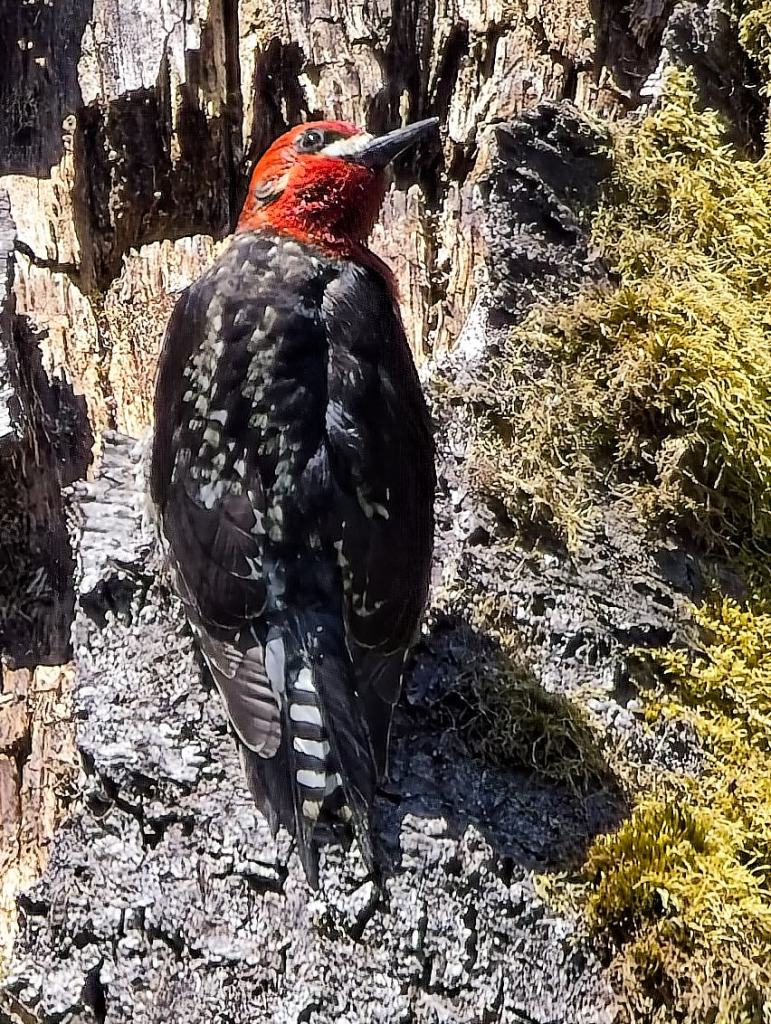
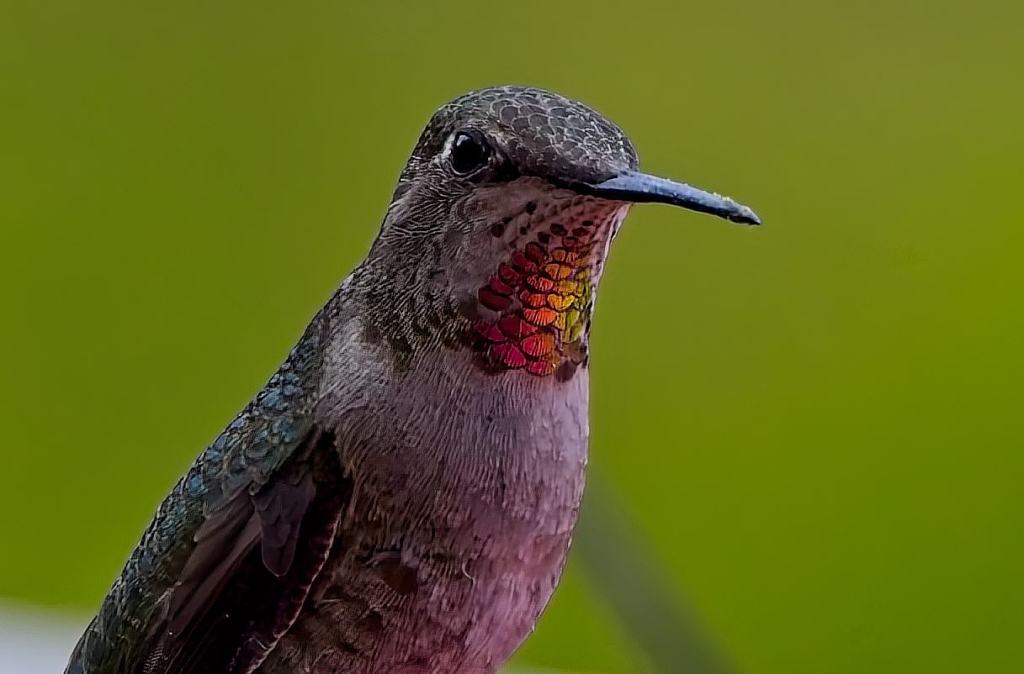
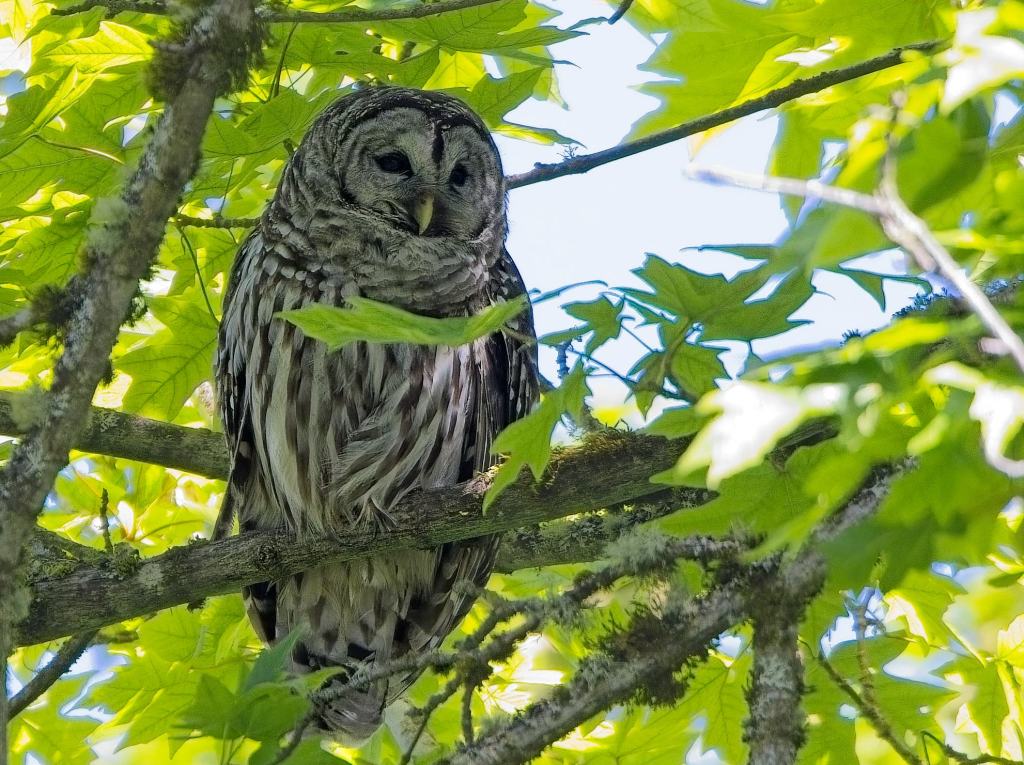
There were a lot of things going on in my personal life – nothing terrible, just a lot to do, so I thought there might be only one more trip to Eastern Washington before leaving for Colombia on June 19th. Ideally that would have been a marathon trip picking up some new arrivals and then ending with a visit to Liberty, Washington, my go to spot for a Flammulated Owl and just maybe finally get my first photo of one in Washington. Almost but not quite. Instead there would be only a shorter trip to Eastern Washington on May 28th with the possibility of a Liberty trip in June.
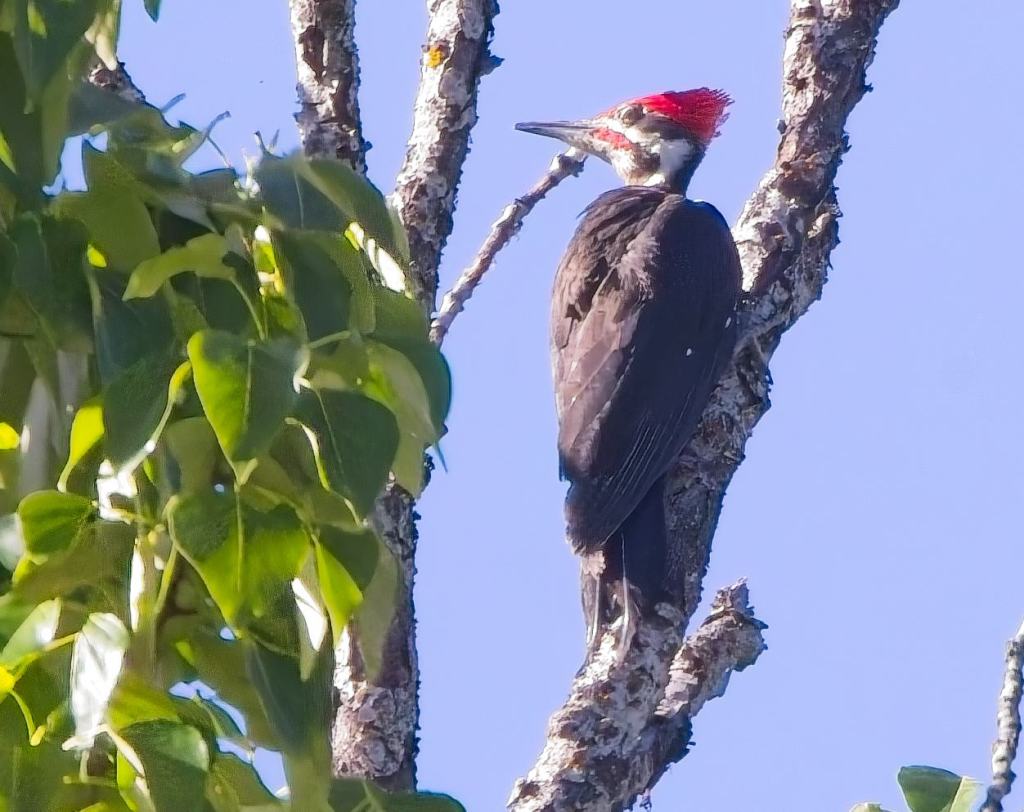
Our May 28th trip (again with Tom St. John) began with a FOY MacGillivray’s Warbler at what has become an almost guaranteed spot for them at Snoqualmie Pass and then a good visit to Bullfrog Pond just West of Cle Elum where we picked up FOY Veery and Willow Flycatcher and also grabbed my only photos this year of a Pileated Woodpecker.
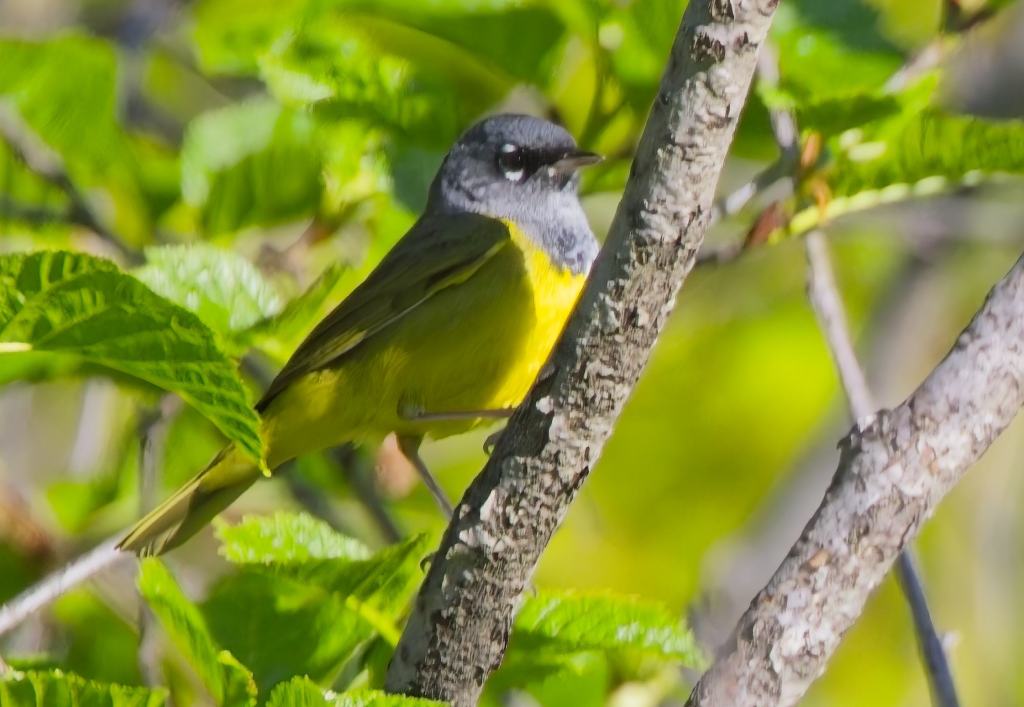

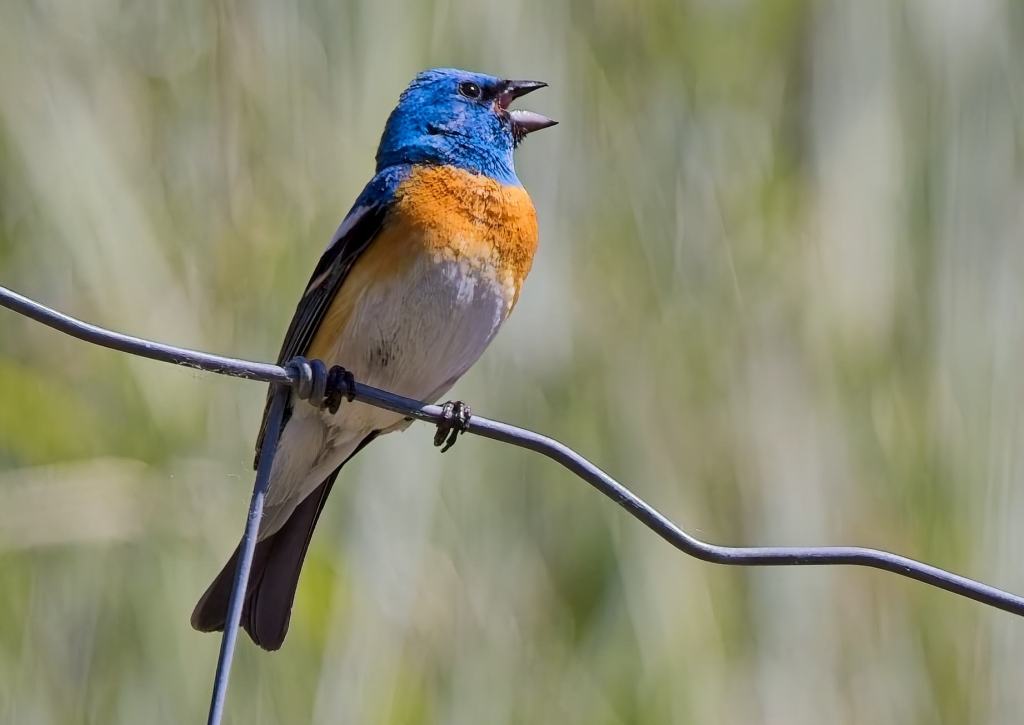
Rather than heading to the Northern Pacific Railroad Ponds which is my usual stop after Bullfrog, we instead visited Robinson Canyon where among other species we would look for and find Yellow Breasted Chats. Also there were several Lazuli Buntings and FOY Cedar Waxwing and Townsend Solitaire.

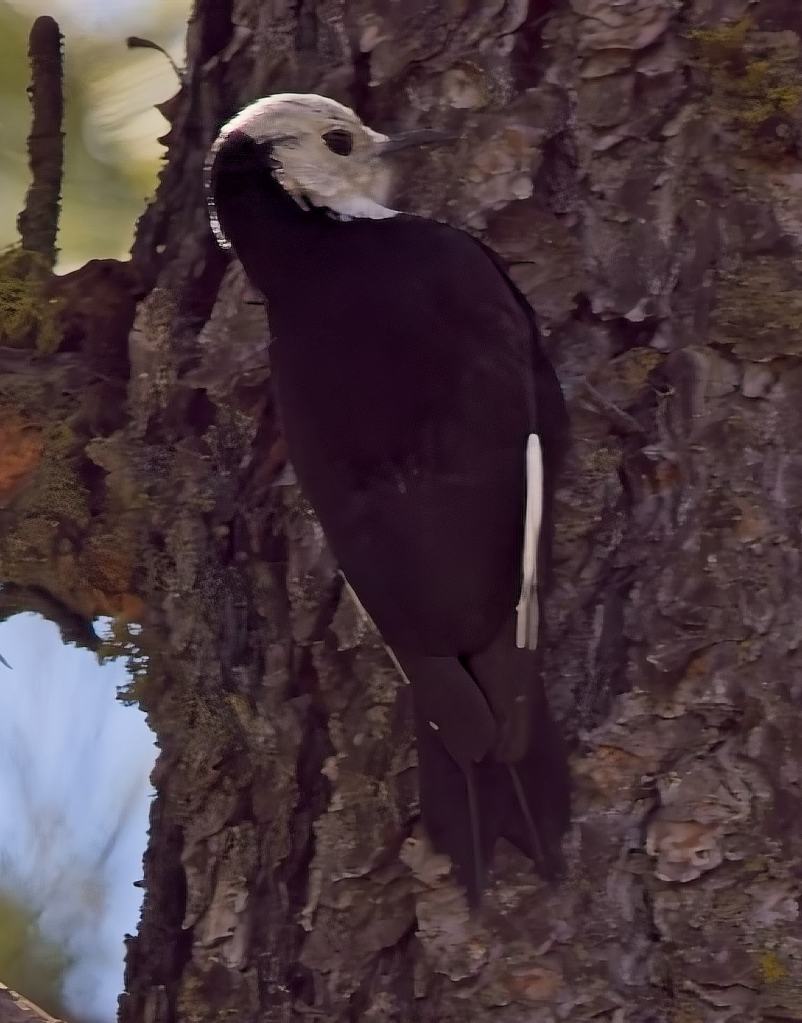
When Tom and I planned the trip, the top targets, in addition to new migrant arrivals were two woodpecker species – Lewis’s and White Headed. We thus headed to North Wenas Road where we found a White Headed Woodpecker near a private road, Kindle Lane, where I have had them in the past. Before that we made a brief tour up Durr Road where we found our usual Mountain Bluebirds and both Brewer’s and Vesper Sparrows and along N. Wenas Road we had FOY Dusky Flycatcher, Vaux’s Swift and Eastern Kingbird. It took awhile, but I finally heard the call of a White Headed Woodpecker which gave us decent looks and a chance for a photo. We also heard a Gray Flycatcher (FOY) and had a really crappy look at a Lewis’s Woodpecker, not good enough to change our plans to carry on to Oak Creek and then to Bethel Ridge.
At Oak Creek I was shocked to see no Lewis’s Woodpeckers as we moved up the road into the Canyon and back. In years past I have had many close sightings there. At the base of the road, along the highway we finally got some decent looks, but never the eye level closeups I had expected in the Canyon. We also failed to find my much wanted Ash Throated Flycatcher, a species I have seen there in past visits and which had been reported this year as well.

Although it was getting late, we decided to carry on to Bethel Ridge Road. In years past, its a place where I have had every woodpecker species found in Washington except Acorn Woodpecker and it has been good for White Headed Woodpecker and both Red Naped and Williamson’s Sapsuckers which were at the top of our target list there. It was really slow with only five species and our only woodpecker was a Hairy Woodpecker. The Chipping Sparrows we heard and saw but did not photograph were new for the year.

All told for the day, we had 82 species of which 12 were new for the year for me bringing my Washington year total to 228. Including species seen earlier in the year in Japan and in South Carolina, my world year total was 357 which compares to the 432 species seen by this time last year which turned out to be by far the biggest world list of my birding life with more than 1420. Although I have several international trips (Colombia, Brazil and Costa Rica) later this year, the total will be nowhere close to that but hopefully there will be at least another 290 lifers getting me to 4,000!!
As it turned out, Tom and I would be able to do a trip to Liberty, Washington. Rather than a full day birding, we left at an unheard of late hour of 1 pm and began our birding at almost 3:30 pm at a place that was new for me, King Horn Slough, a couple of miles west of Bullfrog Pond near Cle Elum. The main reason for the visit was that American Redstarts had been found there. Although I had seen them in 5 other counties in Washington, this would be my first sighting of them in Kittitas County where they are rare. I have also seen them in 17 other states (all in Eastern or Central US) and two other countries, Mexico and Belize. The area was very birdy but with most birds either heard only or seen very briefly. We heard multiple American Redstarts, at least 3 and possibly as many as 5, but views were challenging and photos are ID quality only. Unexpected but not surprising as I have had them in most other areas where I have seen the Redstarts we also had at least one Red-Eyed Vireo, another new species for Kittitas County for me.

On the way to Liberty, we stopped at the Swauk Cemetery which can be very birdy and is definitely interesting as some of the “inhabitants” date back to the 19th Century. I was hoping for a White Breasted Nuthatch but we found only Pygmy and Red Breasted Nuthatches in addition to Evening Grosbeaks, Chipping Sparrows and Cassin’s Finches.

The history of Liberty Washington can be traced back to the discovery of some gold there in 1867. My history traces back to May 2016 when a midday visit yielded nothing of note, but got a lot more interesting in July 2017 when a several hour trip beginning at 8:30 pm produced 24 species including Common Poorwill, Common Nighthawk, Great Horned Owl and most importantly 2 Flammulated Owls which were “heard only”. After that visit I had returned 8 more times and altogether had a total of 26 Flammulated Owl observations – again all of which were heard only. This was definitely a nemesis bird as the only photo I had of one was from Utah in June 2019 and there had been an additional 11 trips observing at least another 20 Flammulated Owls in Washington with only a single brief visual and NO PHOTOS! So you can understand why I really wanted a photo this time. So I came with more “artillery” in the form on an infrared spotting scope, two powerful flashlights and the keen eyes of Tom St. John.

My strategy at Liberty is to bird along the Liberty Road and Forest Service roads for about 5 miles getting to a higher elevation where several Forest Service Roads intersect and then wait until dark and only then begin the search for the owls and also for Common Nighthawks, Common Poorwills and possibly other owl species. On earlier visits in addition to the Flammulated Owls, I have had Long Eared, Barred, Great Horned and even a Spotted Owl there. It is also a good place for Sooty Grouse, seven species of flycatcher and 5 thrush species, especially Hermit Thrush, and Western Tanagers and Cassin’s Vireos. Tom and I began birding there around 6:30 pm and then killed time until it began getting dark around 9:40 pm hearing many Hermit Thrushes (FOY). In the past I have had Common Nighthawks at dusk and then generally first hear Common Poorwills. A bit later as I make my way downhill with stops every quarter mile I listen for owls.
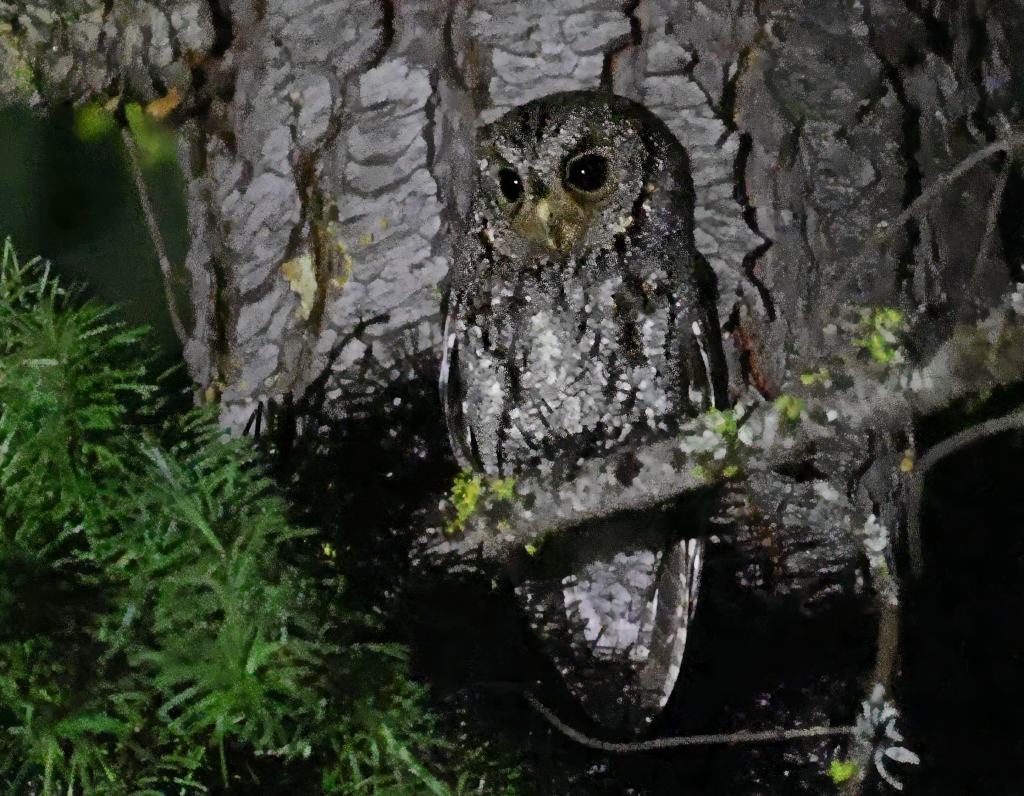
The good news is that it was not very cold. The better news was that there was very little wind. News I was not so sure about was that there was an almost full moon. On at least one other occasion I had very bad owling with a full bright moon. As almost 20 minutes passed before we heard anything, I wondered if the moon really was an issue. Then not far from a spot that I have marked as a place where I have heard seemingly close Flammulated Owls in the past, we finally heard something. Glad to get it, but the FOY Common Nighthawk above us was not our prime target. It continued and then we heard something else in the distance. I am not 100% certain but the notes matched the call of a Long Eared Owl. We got out of the car and began walking along the road in silence listening for any calls. Tom went back uphill and I started downhill. Maybe ten minutes later, and not much further down from my “favorite spot” I heard the unmistakable patterned hoots of a Flammulated Owl. “Tom, I’ve got one.” Using both the single note and multiple note calls on one of my apps, I began a long conversation with the owl and slowly it seemed to come in closer. This is where team work is critical. Tom joined me and began searching the trees with his bright light looking for eyeshine or better yet an owl. It took only a little while and now it was Tom’s turn, “It’s here.” And there it was, in the open in a tree maybe 25 feet back from the road and also 25 feet up in the tree. And let me repeat: “In the open”. These owls are very small, no more than 8 inches and if there is foliage, they are very hard to see; but they do come into the open and this was it. After so many misses, here was a photo op. Click, click, click, click. Finally a first Flammulated Owl photo in my home state of Washington, photo number 420 (of the 432 seen).

If the night had ended right then, it would have been a massive success, but now it seemed like the time had come as we heard more calls. Working our way further down the road, I finally heard a distant Common Poorwill and then another. And another Common Nighthawk. And another Flammulated Owl and then another and another. It is always hard to know if you are hearing the same owl in a different spot or if it is a new one. At one time, however, we heard calls in rapid succession from three different spots. It was far enough from the first owl, that we were pretty certain we had 4 Flammulated Owls and with more calls seemingly further off, we are pretty confident that there were 5 and possibly 6. Importantly for me, one of them was again pretty close and this time I found it with my spot light and then when Tom got his light on it, it was again picture time. And unlike the first owl which always had its back to us or was turned sideways, this time there were brief moments with direct views – and yes they really do have two eyes!! A bit later we saw an owl fly from tree to distant tree on the other side of the road. Maybe it was an owl heard earlier or maybe another, but for sure a third visual.
We had been owling for over 90 minutes and knew that we had a 2.5 hour drive to return home. I am sure that we could have found more owls if we had retraced steps and gone down one of the other Forest Service roads. We opted to be happy (ecstatic?) with our success and head home, listening for calls on our way back down to the highway. Nothing new. No traffic and we were back in Edmonds before 2:00 a.m. Not the best for sleeping but it comes with owling and in fact I still was somewhat high from finally get a long hoped for photo and that coupled with an early “I need to go out” call from our dog Chica, meant I probably got at most a few hours of sleep. But I will pay that price anytime!!
Missing Photos in Washington
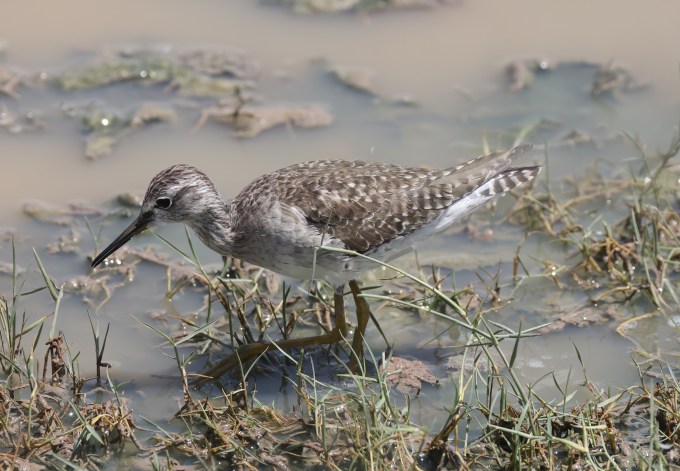
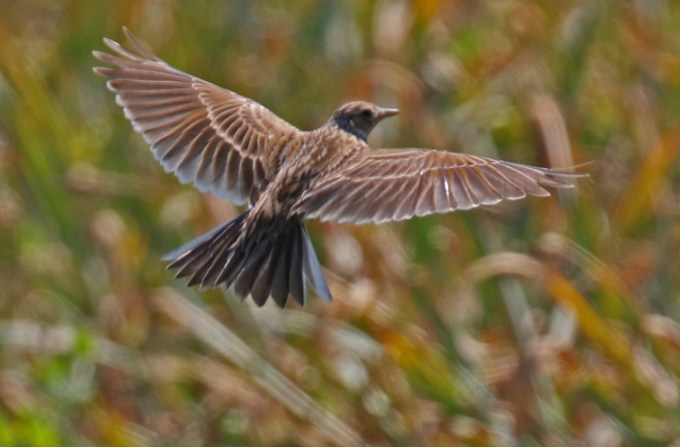
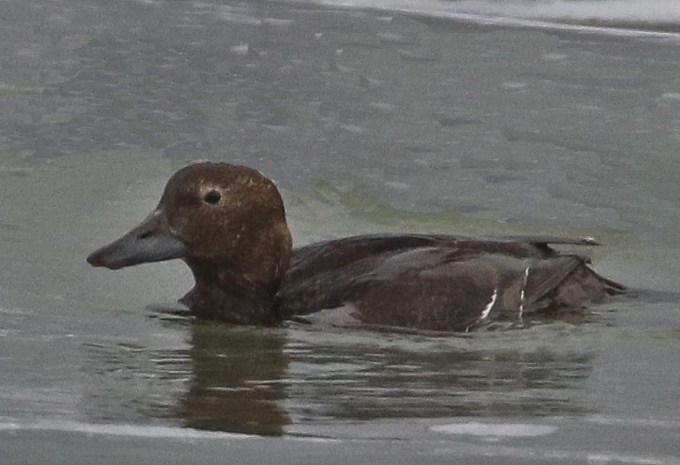
Although I started birding in Washington when I was here as a summer law clerk in 1972, I did not start taking photos until 2011 and what an awesome first photo that was – a Ross’s Gull at Palmer lake on December 21st. From then on, adding pictures became a regular part of my birding. The Ross’s Gull was species #278 on my Washington list so there was a lot of catching up to try for a new goal – not just adding to my state life list, but now having a state photo list as well. Not surprisingly some of those birds seen earlier without photos, the real rarities, are still on my list of missing state photos. Those include: Black Tailed Gull (September 2011), Wood Sandpiper (August 2011), Steller’s Eider (November 1986), McKay’s Bunting (February 1979), and Eurasian Skylark (June 1976). Also not surprisingly, I have not seen any of those species in Washington since those initial, camera-less occasions. There are 7 more species I have seen but not photographed in the state: Boreal Owl, Upland Sandpiper, Eurasian Hobby, Nazca Booby, Eurasian Tree Sparrow, Red Flanked Bluetail, and Lucy’s Warbler. With the exception of the Boreal Owl, all are mega-rarities each with its own “why I missed a photo story”:
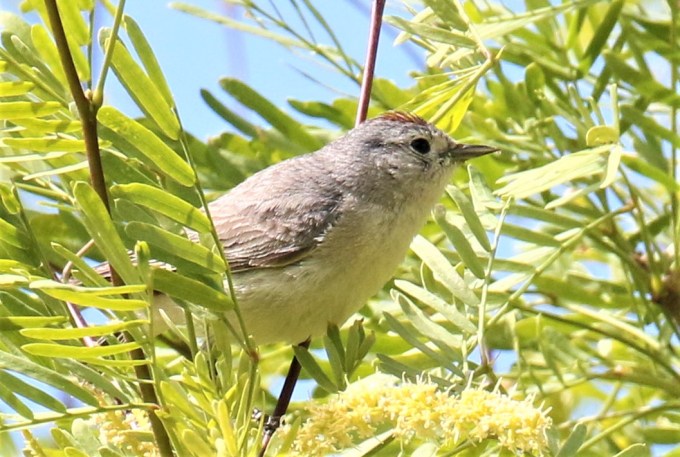
Lucy’s Warbler – seen very briefly in thick foliage and a pelting rainstorm in Neah Bay in November 6, 2014 and only a single state record the following year.
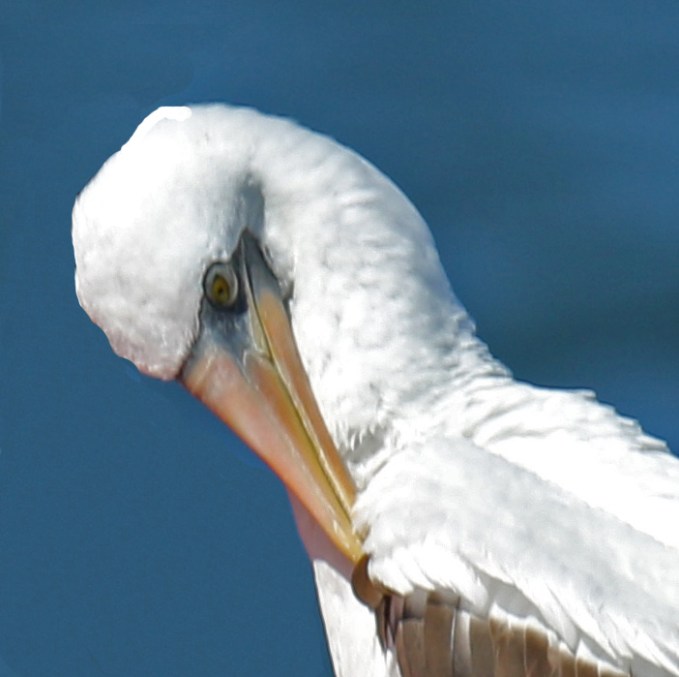
Eurasian Hobby – my fault, missed photo on quick flyover at Neah Bay, October 30, 2014. Seen by others that day but no photo. The following day it was photo friendly but I was not able to stay over. No records since.

Nazca Booby – scope view August 17, 2022 from my condo in Edmonds, WA as it perched on ship going north on Puget Sound. One subsequent record the following year.
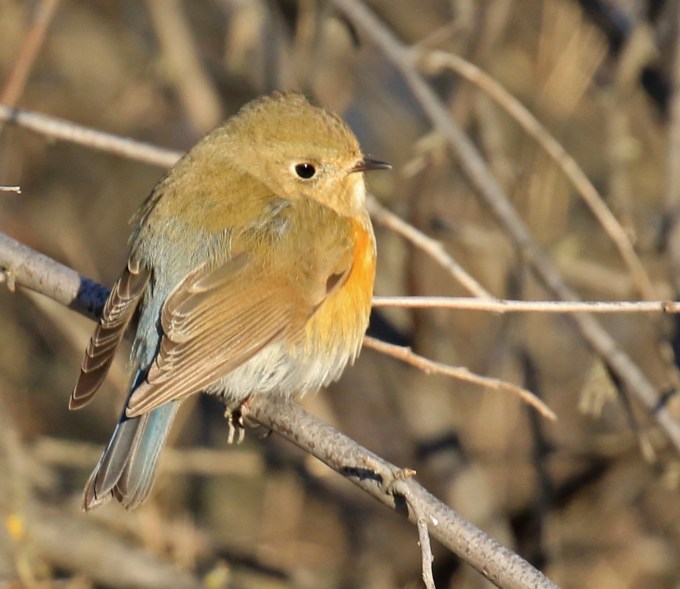
Red-flanked Bluetail – seen in heavy rain on March 19, 2022 in Lake Forest Park – no photo op.
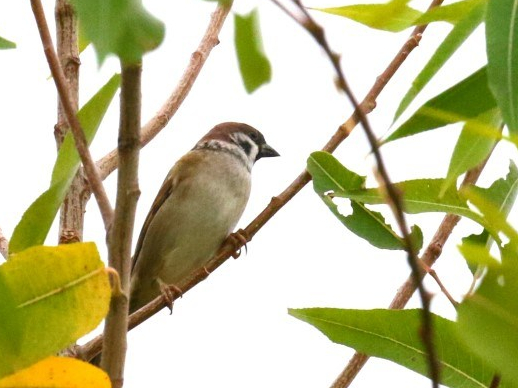
Eurasian Tree Sparrow – my worst miss. I actually saw it in Neah Bay and had a photo op on October 26, 2019, but stupidly had assumed it was an odd House Sparrow since “how could a Eurasian Tree Sparrow have been there”. Field notes confirmed my error and it was seen and reported by others the next day.
Upland Sandpiper – a flyover at the Game Range at Ocean Shores on June 6, 2013 as I was standing next to Dennis Paulson with no photo op. There have been two records in Washington since then. I was 30 minutes late for one of them again at Ocean Shores (in October 2020) and was not aware of the other in Douglas County in August 2022).

Wood Sandpiper – no camera when seen in Skagit County on August 11, 2011. Have many international (South Africa, India, Kenya, Tanzania and Indonesia) but no other ABA sightings.
Boreal Owl – with the Flammulated Owl now off this list, the Boreal Owl is my official nemesis. I have heard them 5 times at Salmo Pass in Pend Oreille County (in September and October with a single brief visual of a flyover) and 4 times at Sunrise at Mount Rainier (Late September to early October with a distant view of one buried in foliage).
What are the odds of getting photos of any of these 12 misses? First off, I have photos from other places for all of these species except the Black Tailed Gull, Boreal Owl and McKay’s Bunting. It is possible that the McKay’s Bunting will be lumped with Snow Bunting to lose its “species status”. Very unlikely I will ever see one. I may someday get a photo of a Black Tailed Gull in Asia but it is extremely unlikely to see one let alone get a photo of one in Washington. The same holds for Eurasian Hobby, Nazca Booby, Lucy’s Warbler, Eurasian Tree Sparrow or Red Flanked Bluetail. Wood Sandpiper is a possibility but very unlikely. I have a fairly recent photo of a Steller’s Eider from Oregon – not far from coastal Washington, so it is a possibility someday. Eurasian Skylark has been seen at Neah Bay – unsure if it was from the now almost non-existent group from British Columbia or a true Asian vagrant. So it is a highly unlikely possibility.
So that leaves Upland Sandpiper and Boreal Owl. There is a small chance for the former and I AM GOING TO GET A PHOTO OF A BOREAL OWL IN WASHINGTON!!!! Maybe this year.
 blairbirding