
June 23rd – Afternoon
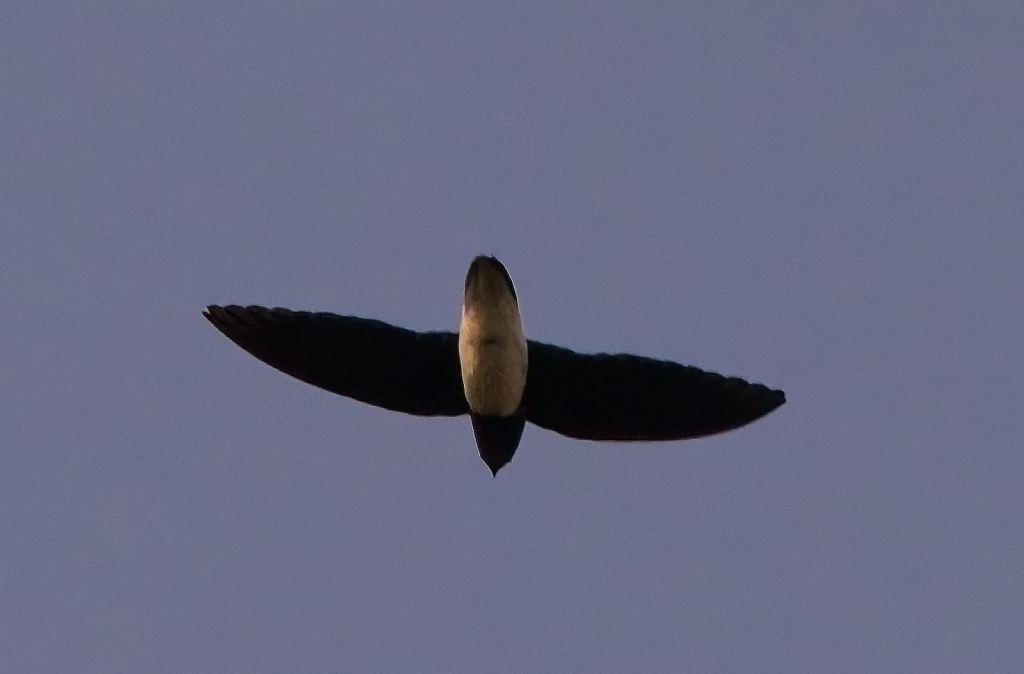
My last blog post ended with our arrival at Queen Elizabeth II National Park around noon on June 23rd marking the halfway point for our scheduled tour. My Uganda bird list stood at 294 species and we had had a taste of the big mammals of Africa. Both lists would grow starting with our first afternoon in the park which had 68 bird species. We were now mostly in habitat that we had birded before but the 6 new species brought our tour list to 300 and one of these was a much desired new lifer for me – Madagascar Bee-eater. Even better, both individuals we saw provided great photo ops. Two birds were also new life photos – Alpine Swift and Golden-crowned Woodpecker.

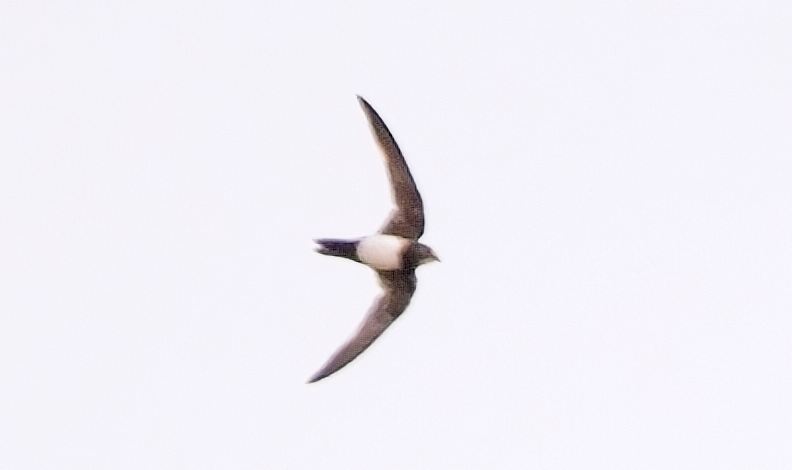
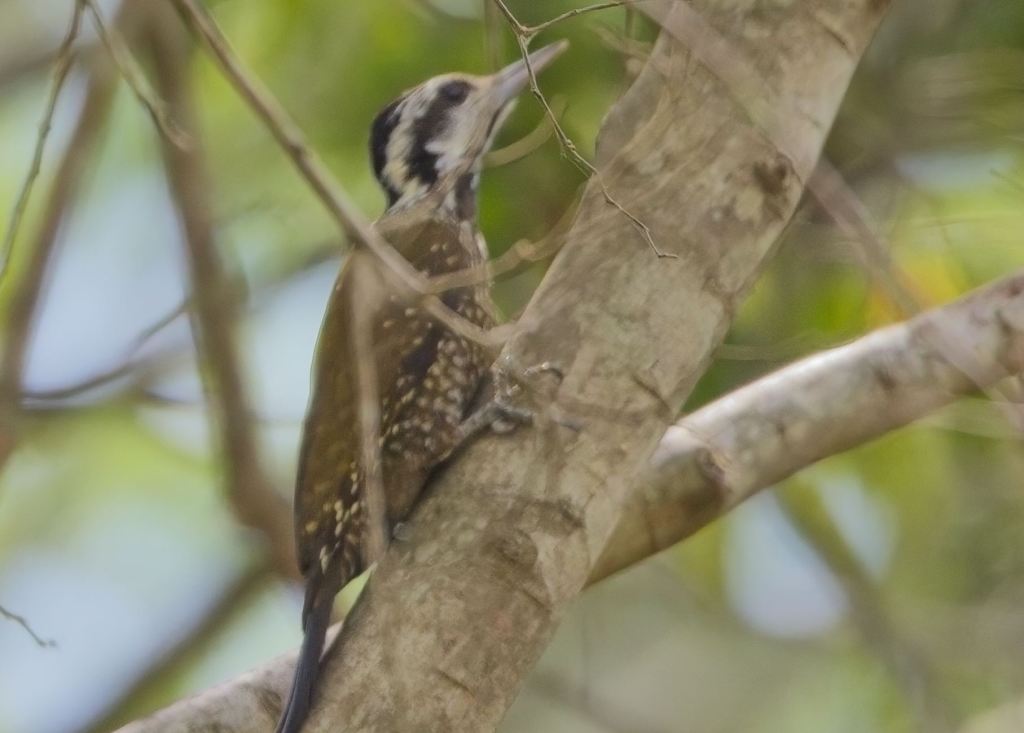
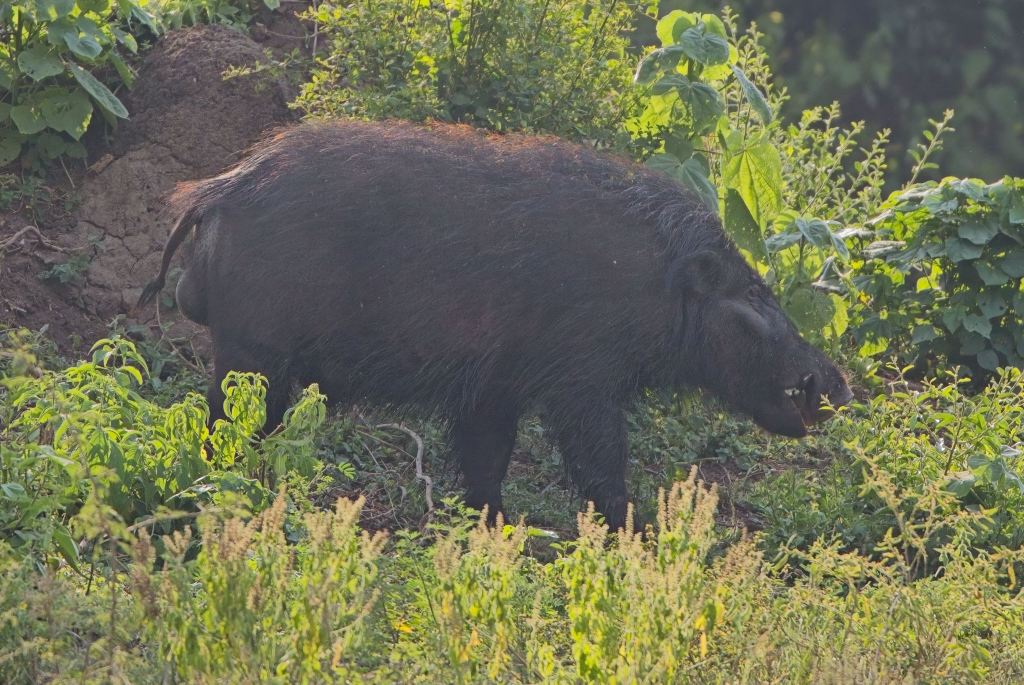
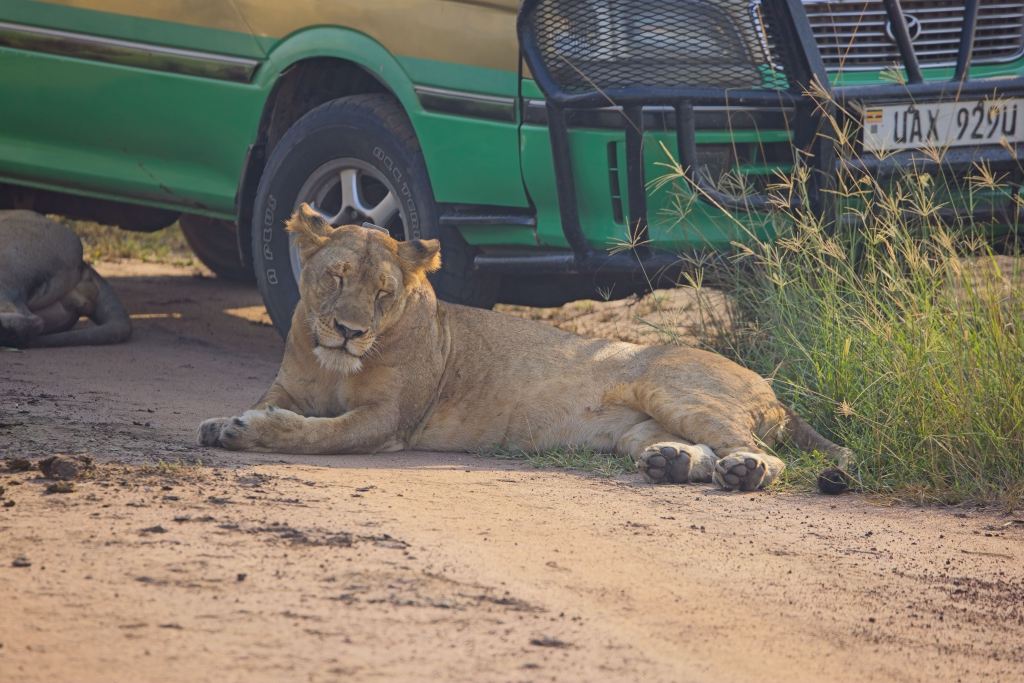
There were also several mammals of note although with one exception, our intersections with them would improve later in the park. It was here that we had our first Lions, our first Elephants, our first Uganda Kob and our first Giant Forest Hogs. The latter two were “life mammals”. We would see hundreds of Kob over the next week but the one small group of the Giant Hogs would be our only ones. The lions were surrounded by and immediately next to several vehicles – definitely not the natural setting you would want for any lion encounter. Fortunately we would have others including another on our last day in the Park and others much later at Murchison Falls on a night game drive.

June 24
We stayed that night (and the next) at the Mweya Safari Lodge in the Park – comfortable with a great location overlooking the Kazinga Channel connecting Lake George and Lake Edward. As always service was great and every Ugandan we met was super. After an early breakfast, we were out in the Northern sector of the Park looking for new birds and for animals. In 4 hours we found 75 species, 15 new for the tour, two lifers for me and some life photos including two lark species – Flappet and Rufous-naped. It was a real challenge finding let alone photograhing the lifer Small Buttonquail in the grass. Unfortunately I was not up to the challenge of grabbing a photo of the lifer Banded Martin that flew quickly by us.


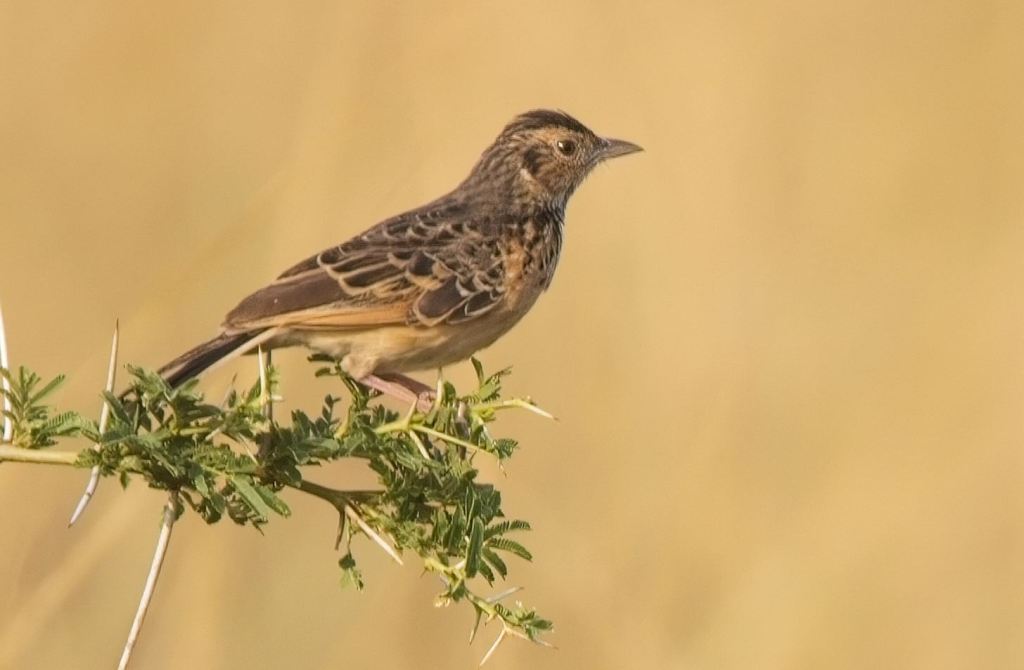
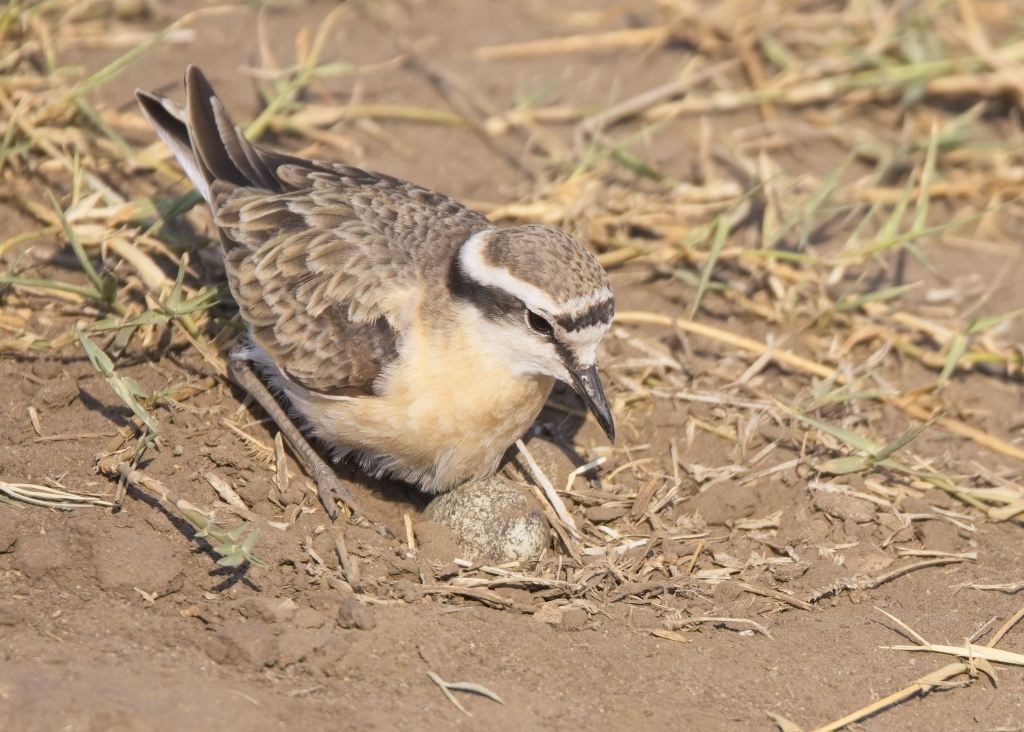
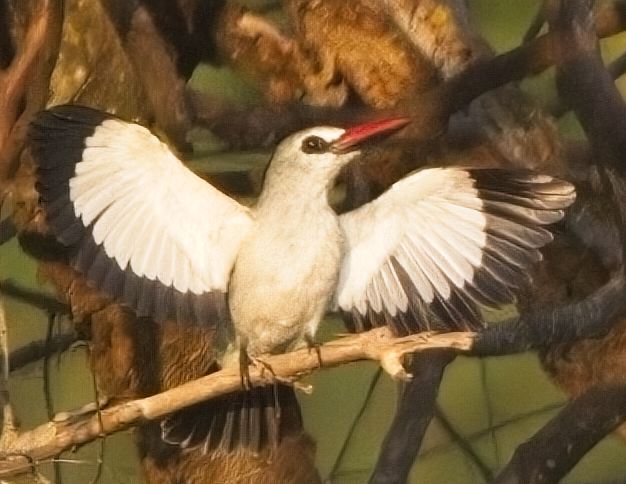
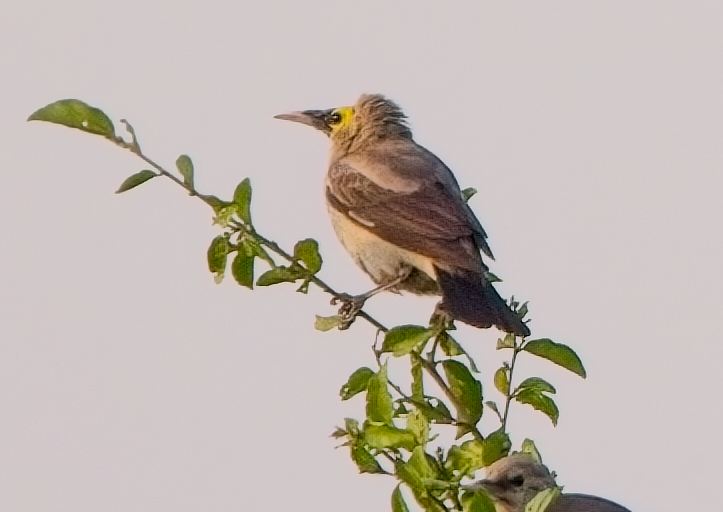
Although I had seen and photographed these species before, either earlier on this tour or during earlier tours elsewhere in Africa, some really fun photos were of a Village Weaver at our lunch stop, a nesting Kittzlitz’s Plover on an egg it its nest, a Saddle-billed Stork surrounded by Cattle Egrets, a Woodland Kingfisher with its wings spread and a Wattled Starling – just an odd looking bird.



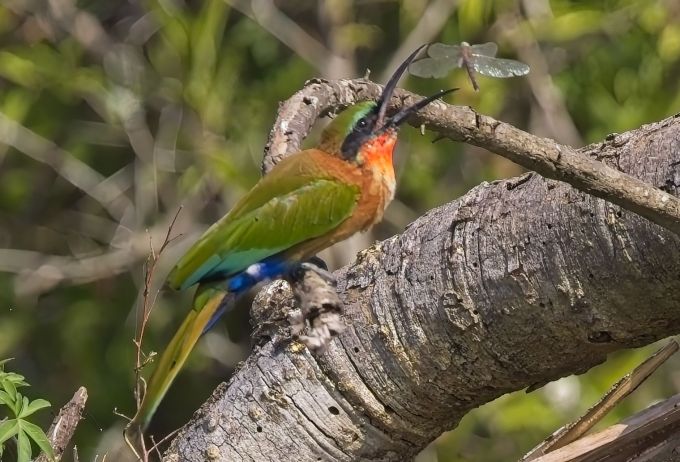
The morning had been great but our afternoon boat trip on the Kazinga Channel surpassed it and was definitely among the best parts of our entire tour. Combining bird lists from the morning and the afternoon, we had 107 species for the day with especially great looks at both mammals and birds on the boat trip that lasted 4 hours. As tours progress, it becomes harder to add new species, yet in addition to the 15 new Uganda species in the morning, we managed to add another 10 on the boat ride. Like in the morning, only two were lifers (both photographed) and another two were life photos, but there were unlimited photo ops for familiar species and our interactions with elephants and hippos were wonderful and photo-rich. The two lifers were African Skimmer and Red-throated Bee-eater and the additional new photos were Angola Swallow and Northern Black Flycatcher. Pure luck that I got the Bee-eater just as it was about to grab a dragonfly.
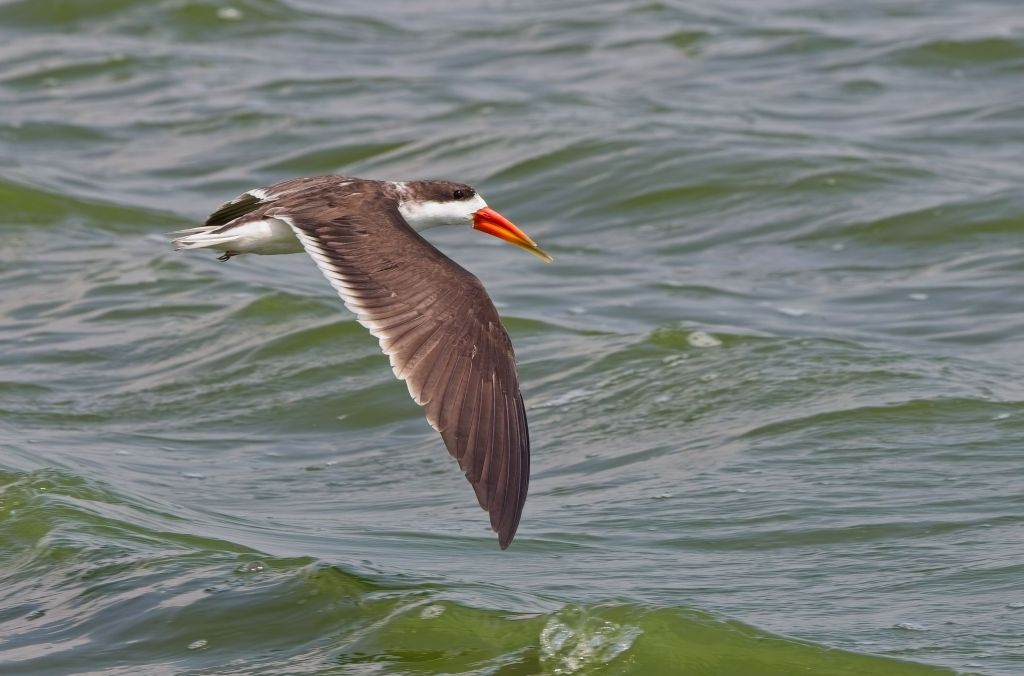

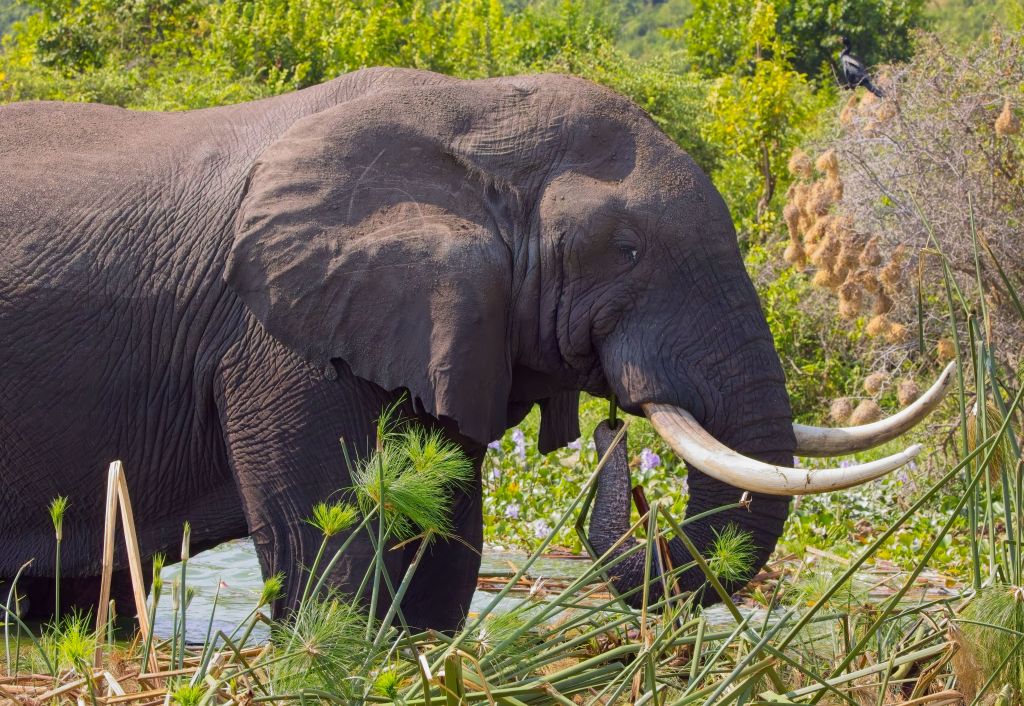
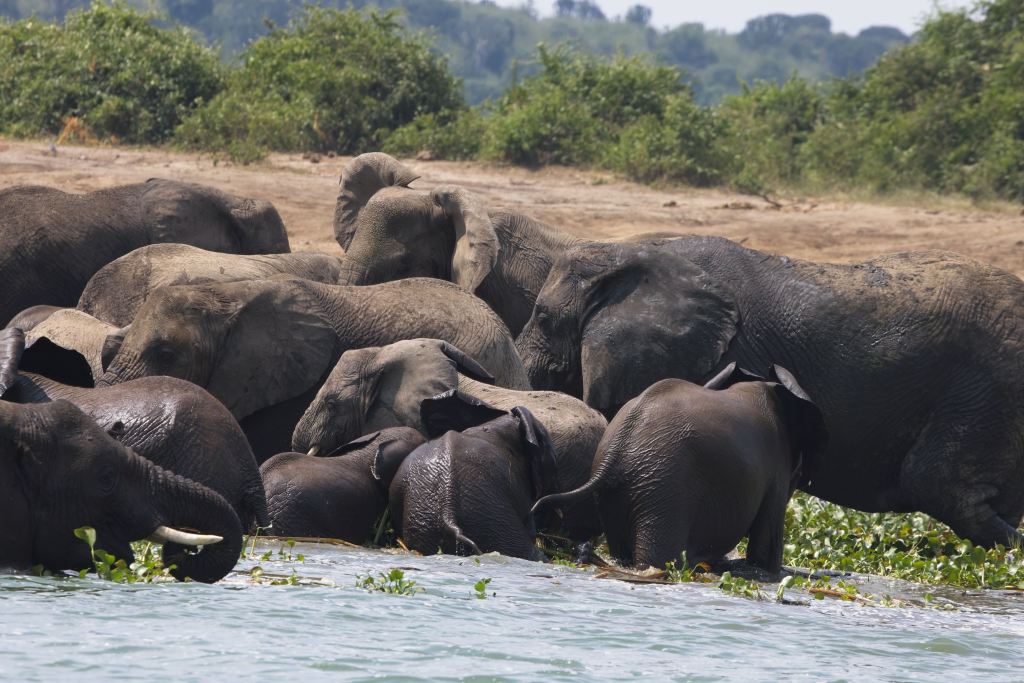
As we approached the dock to load onto our boat, we had a good if distant look at a large group of elephants directly across from us – with more than a hundred African Skimmers flying near and around them. It looked like they would stay as we made our way across the channel and they did, providing the photo above – and many more of the Skimmers – but more impressively some great views of the elephants as they devoured a floating island of vegetation. We watched them for 15 minutes with a number of them in various interactions – mostly friendly but in a couple of instances jostling for better access to the food.


As we were watching the elephants maybe 60 feet away from the boat to our left, we were being watched by several hippos about the same distance way to our right.

The Channel was great for close-up looks at many water related birds – waders, shorebirds, Egyptian Geese and three species of kingfishers including at least 200 Pied Kingfishers which nest in the dirt banks, and we often could see a dozen or more at one time. One stood out from the others, an almost pure white Pied Kingfisher – not albino but highly leucistic. The other kingfishers were numerous Malachite Kingfishers.


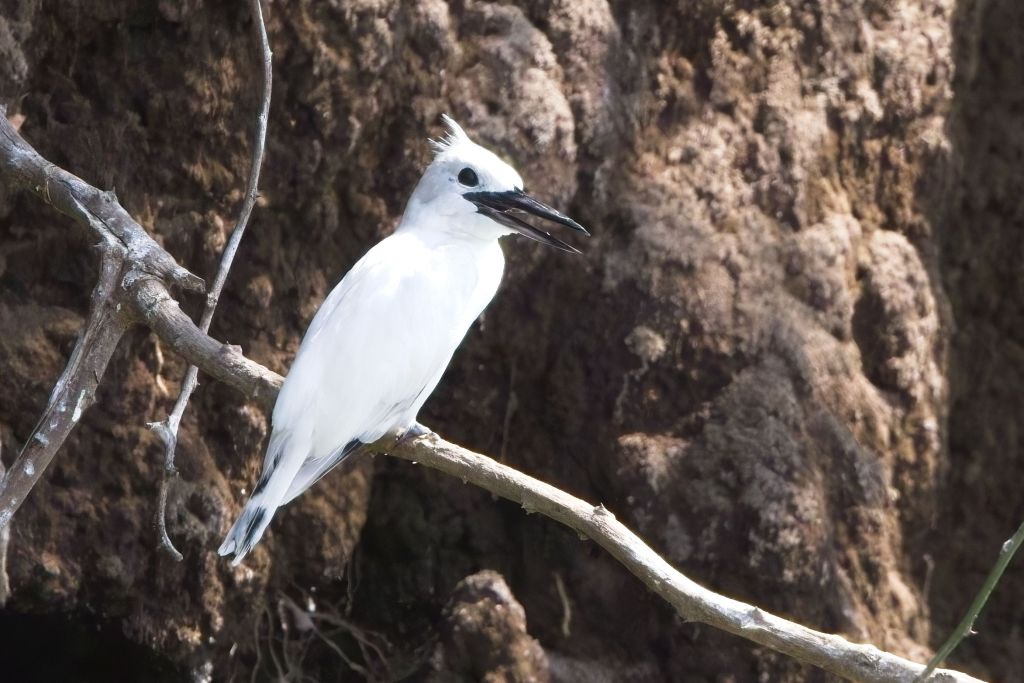


As we continued our boat trip in the channel, there were almost always birds in view. In no particular order I am including photos of most of these species.
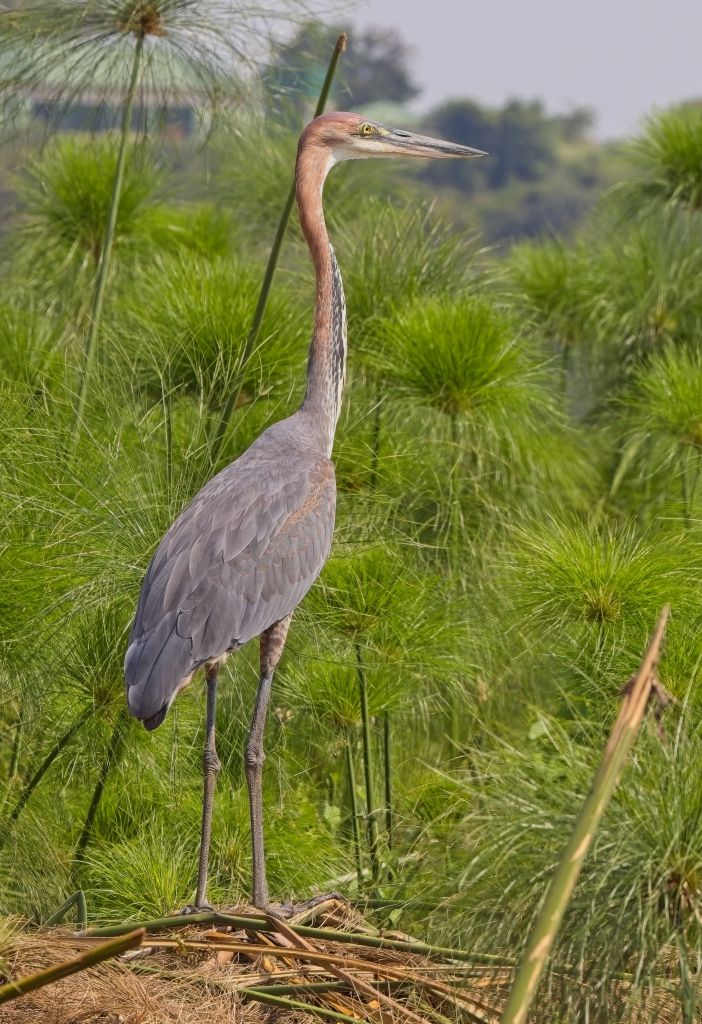
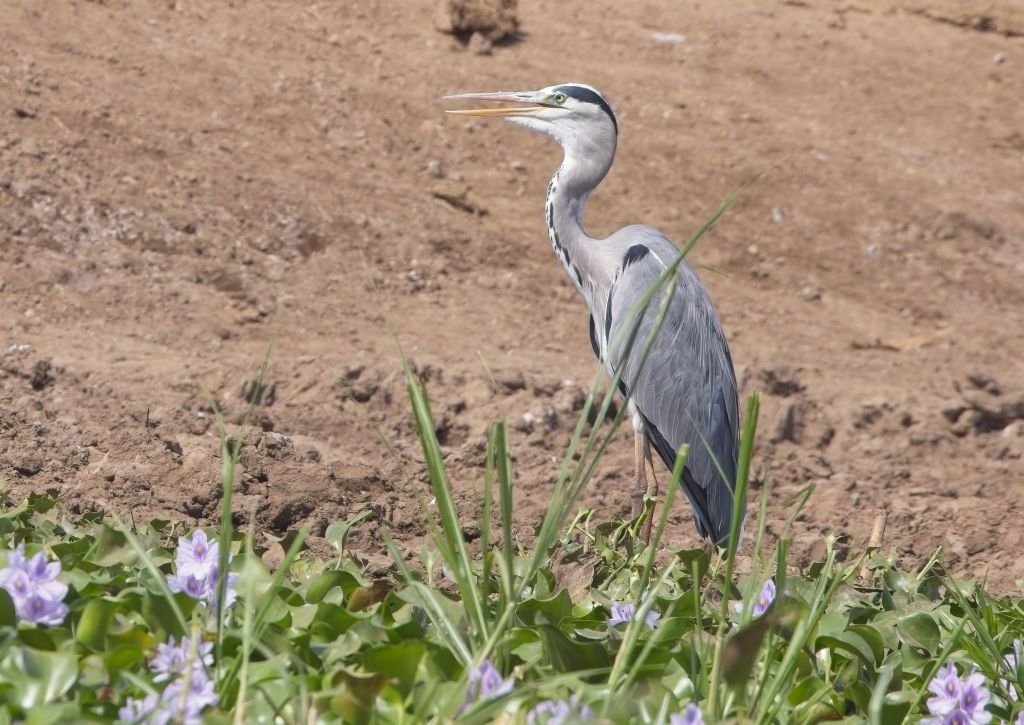
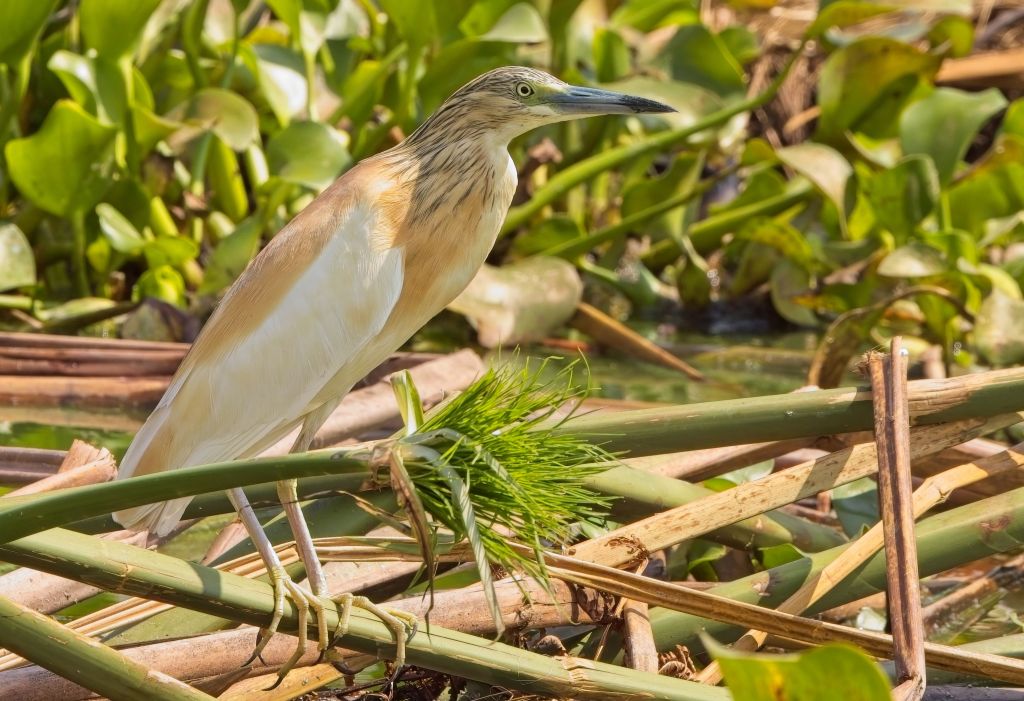
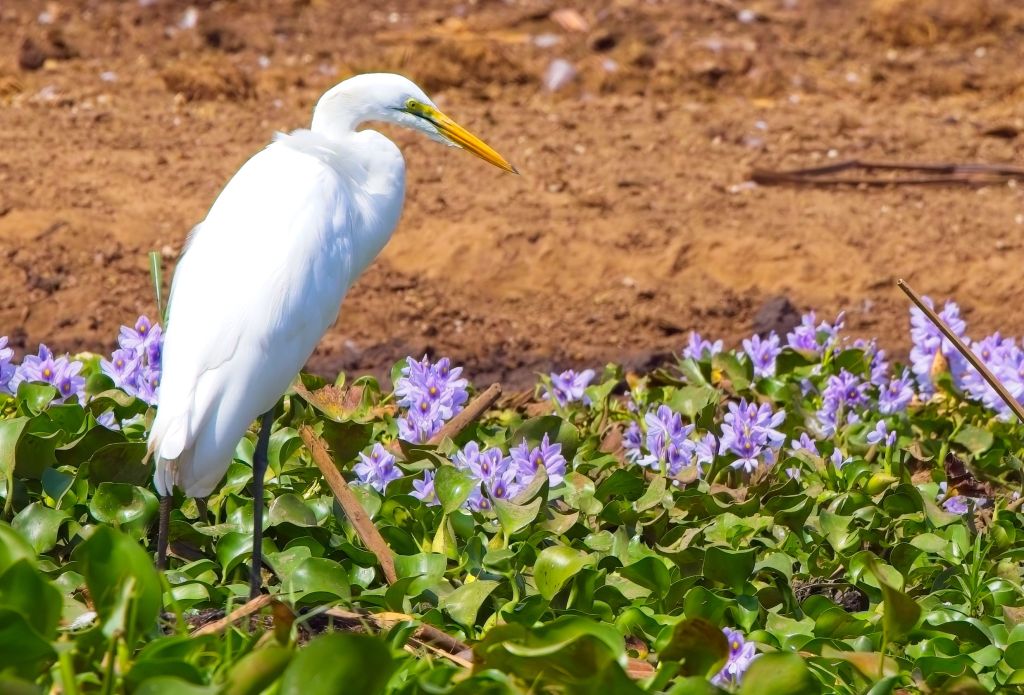


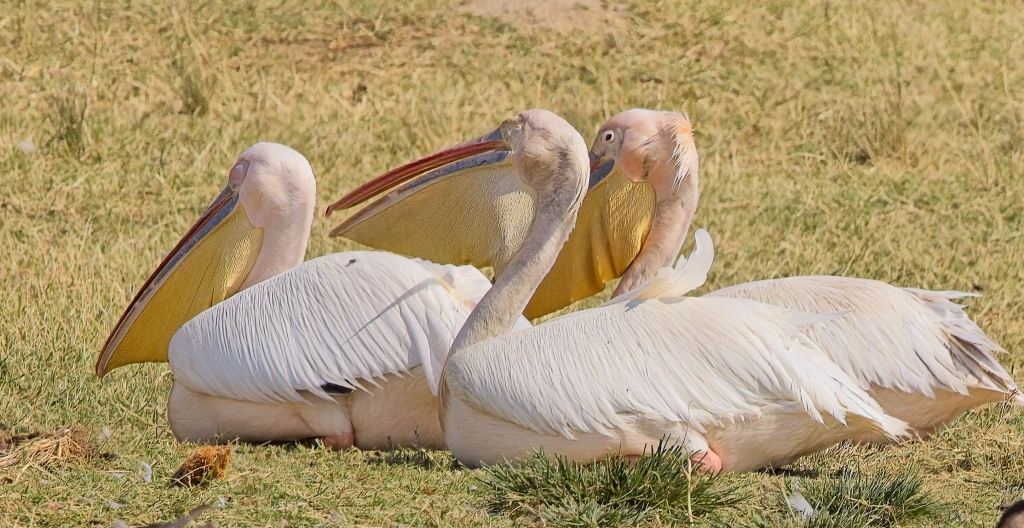
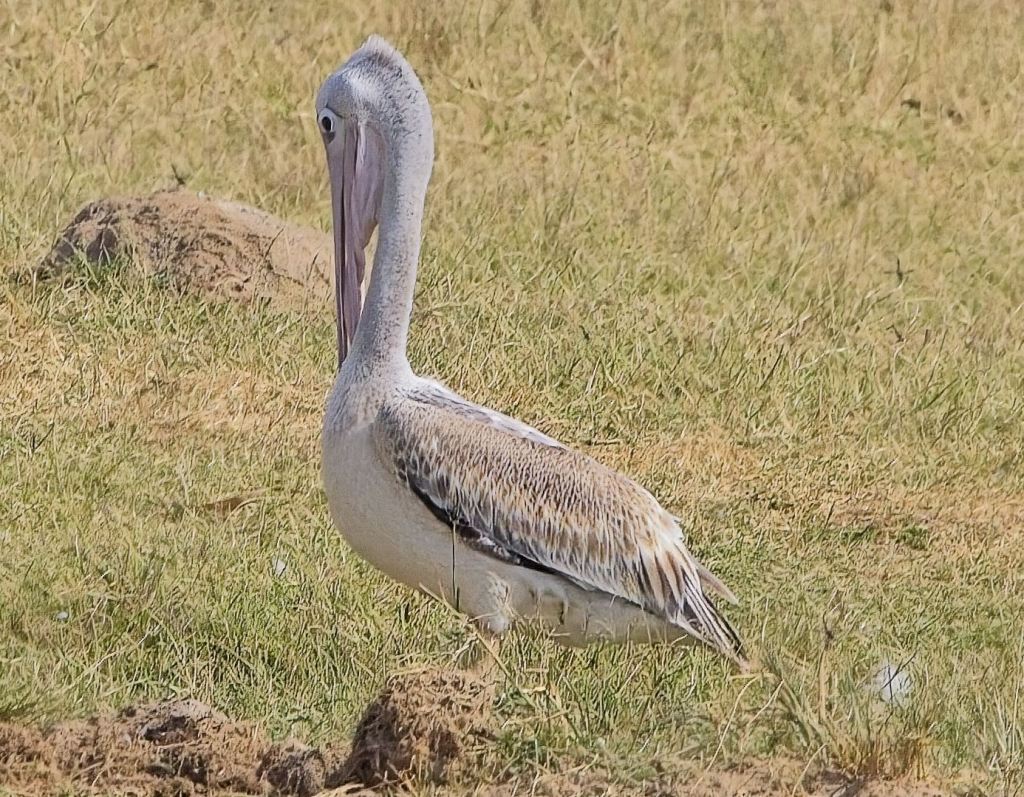

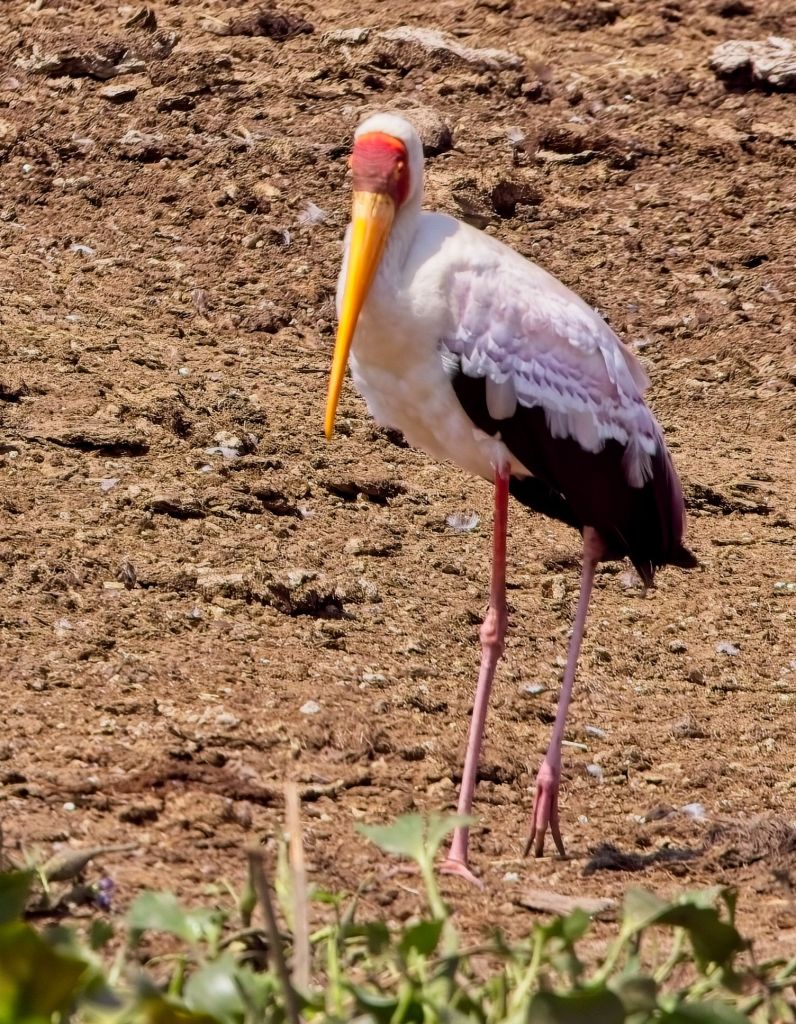


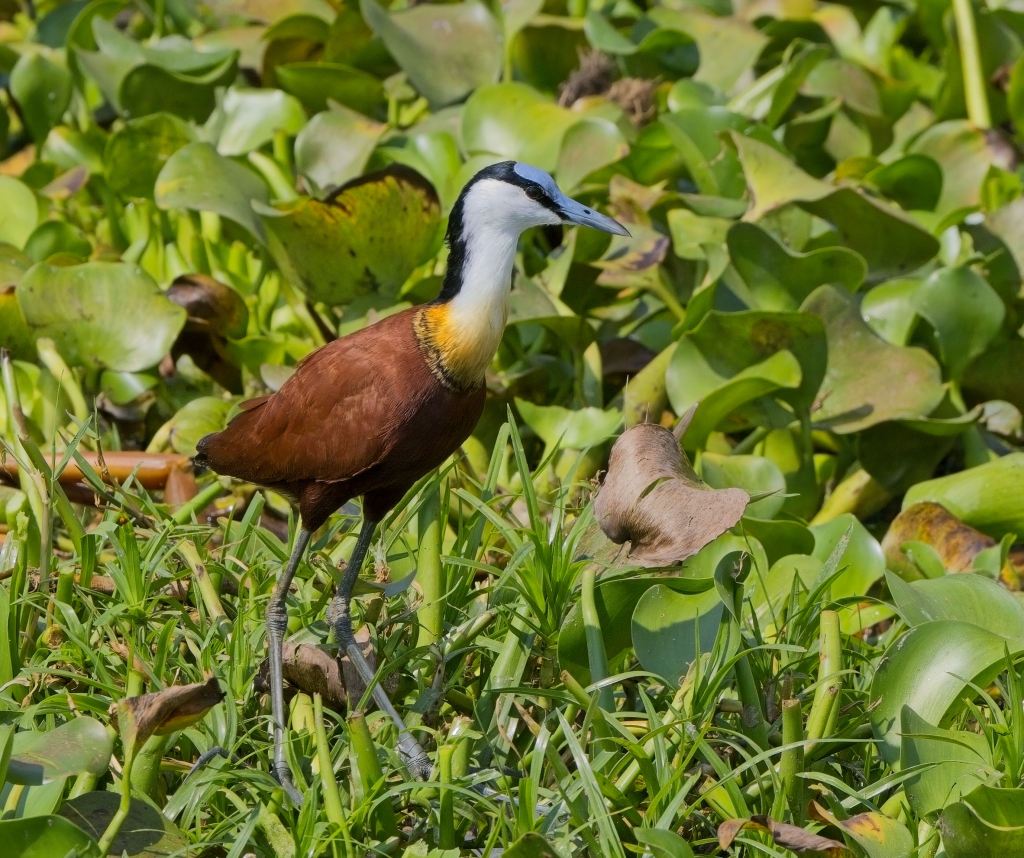

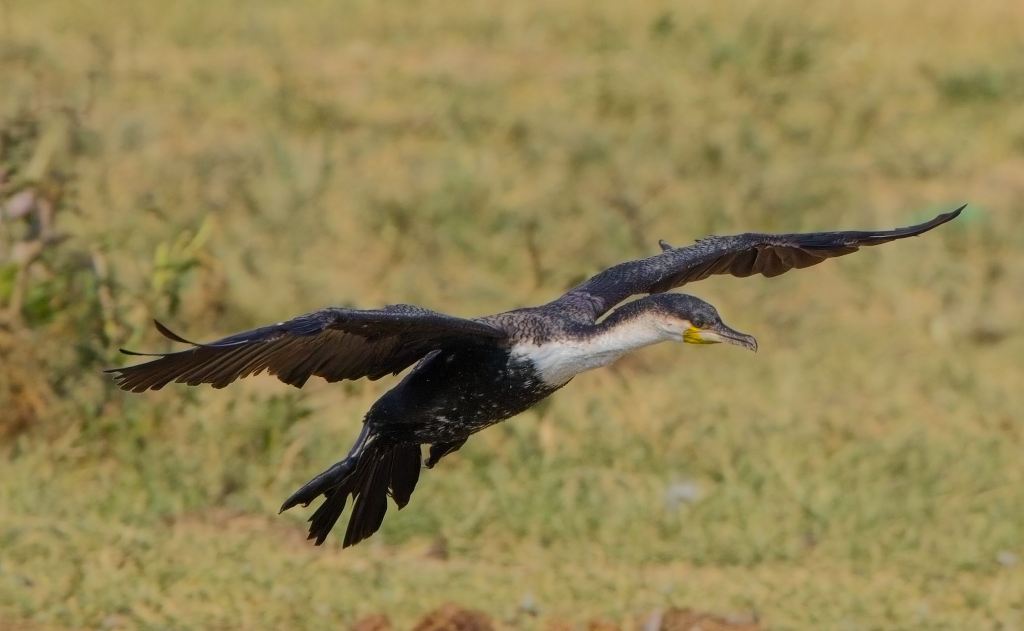
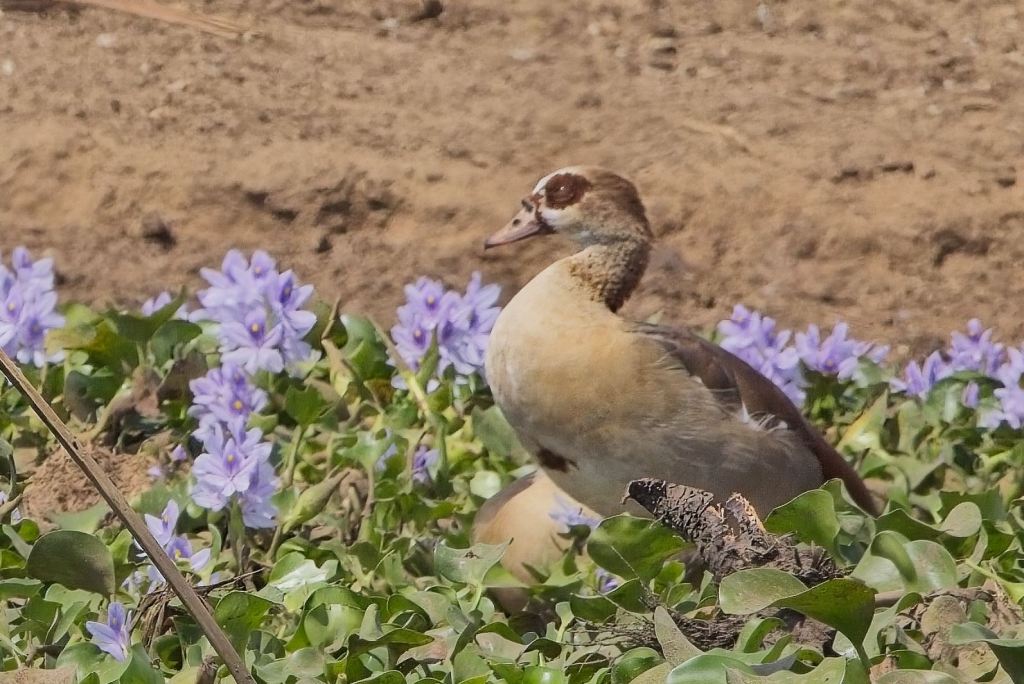


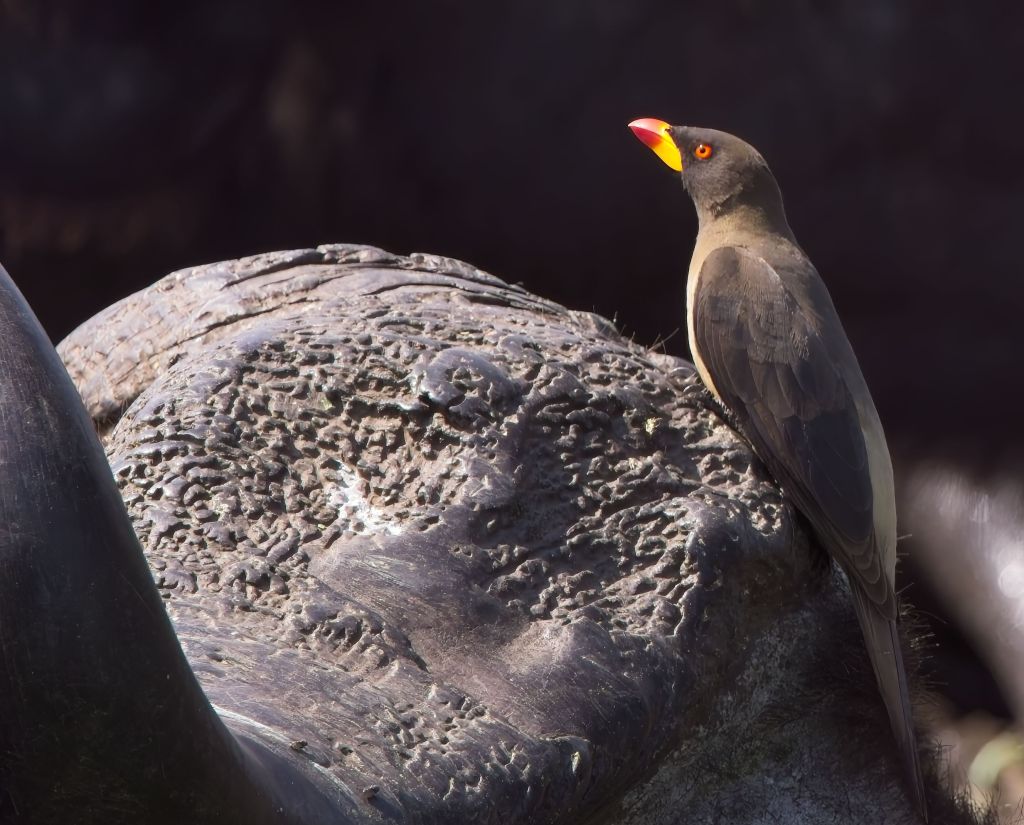
Midway through our boat trip we came across another group of elephants. This time they were not so engaged with a meal, and after we had observed them for awhile, continuing to get closer and closer, it became clear that we were near that boundary where a further approach could be dangerous. Maybe it was because there were some babies, and when one of the larger elephants flared its ears and stared right at us, it was time to back off and move on.
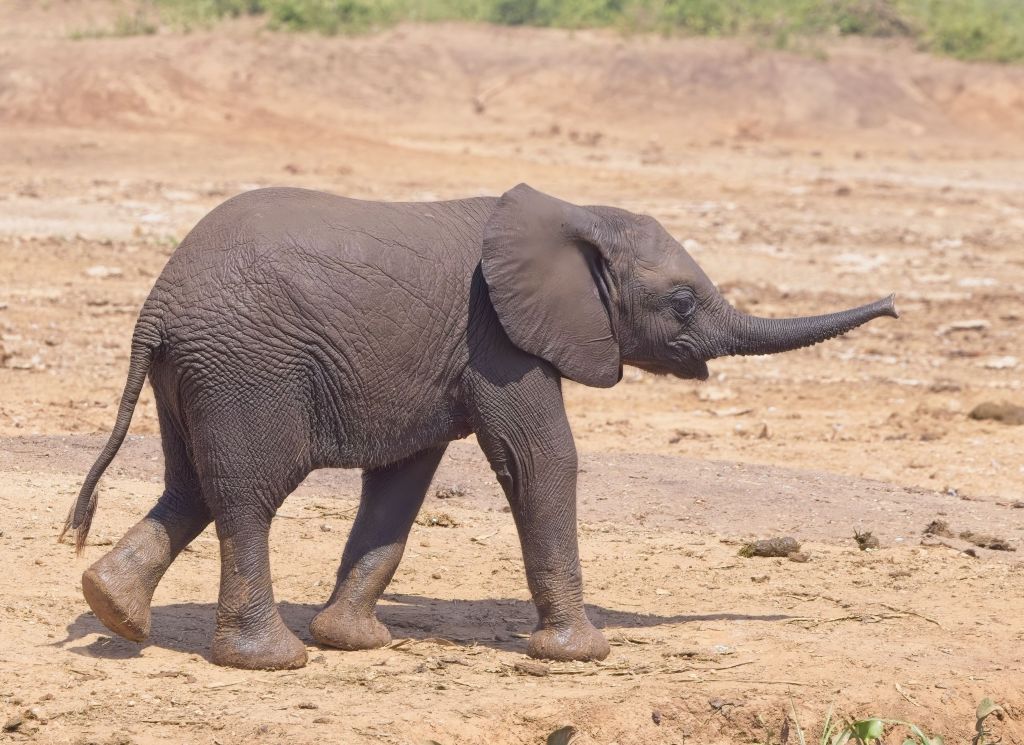
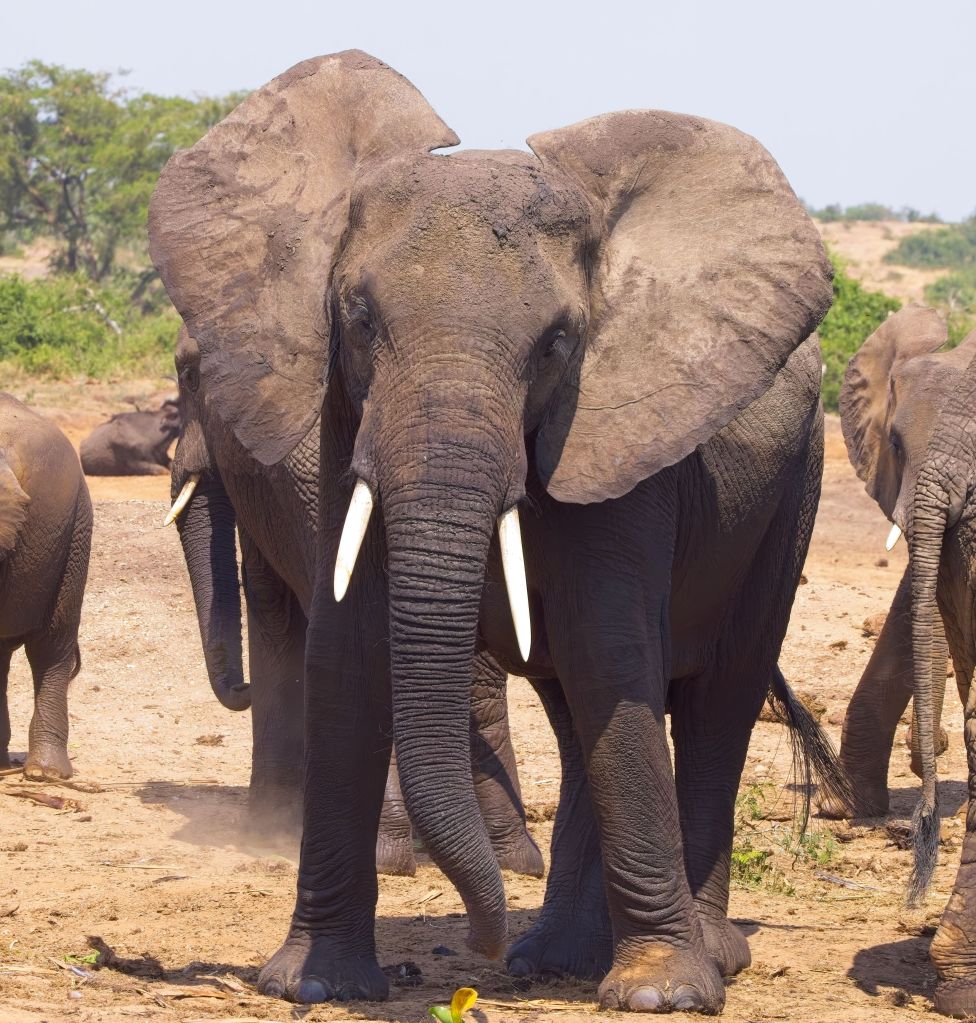
We saw more hippos and a few antelope on the shores of the Channel together with numerous Buffalo. There had been a couple of smaller ones earlier, but finally we found a pretty large Nile Crocodile with a mouthful of very serious teeth.

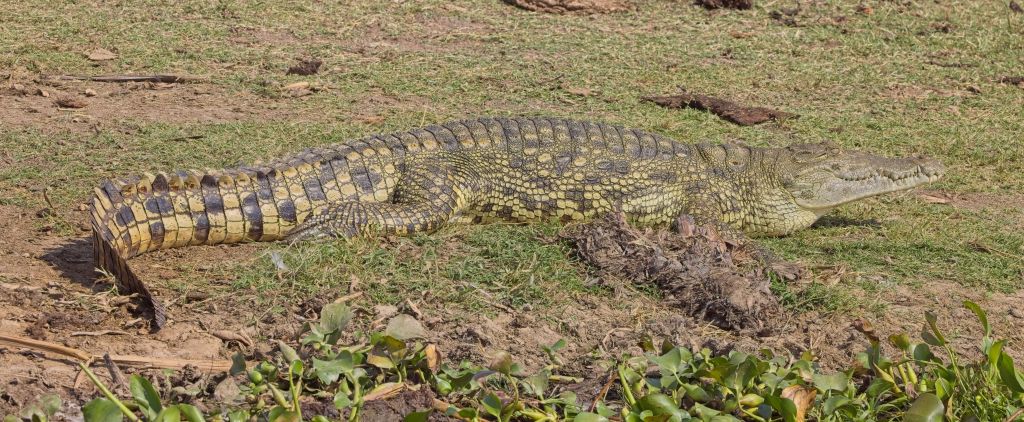
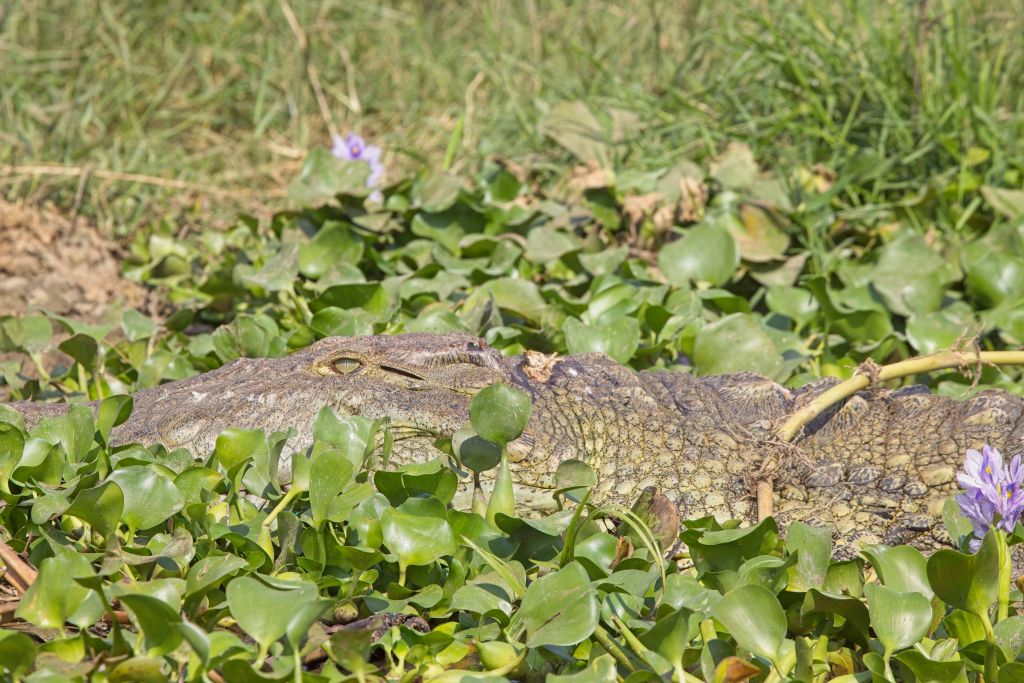
The boat ride was a wonderful experience with good weather and calm water. Great birds and great animals. Our intersection at the beginning with the African Skimmers and the feasting elephants could not have been a better start. As we returned to the dock, another boat was heading out and we noted that the African Skimmers had moved on and so had the elephants. They had completely consumed the floating vegetation. Our timing had been perfect. We returned to the lodge for a rest and a relatively early dinner. We would be out at a reasonable time the next morning continuing our journey through the Park and moving on to the Chimpanzee Forest Lodge.
June 25
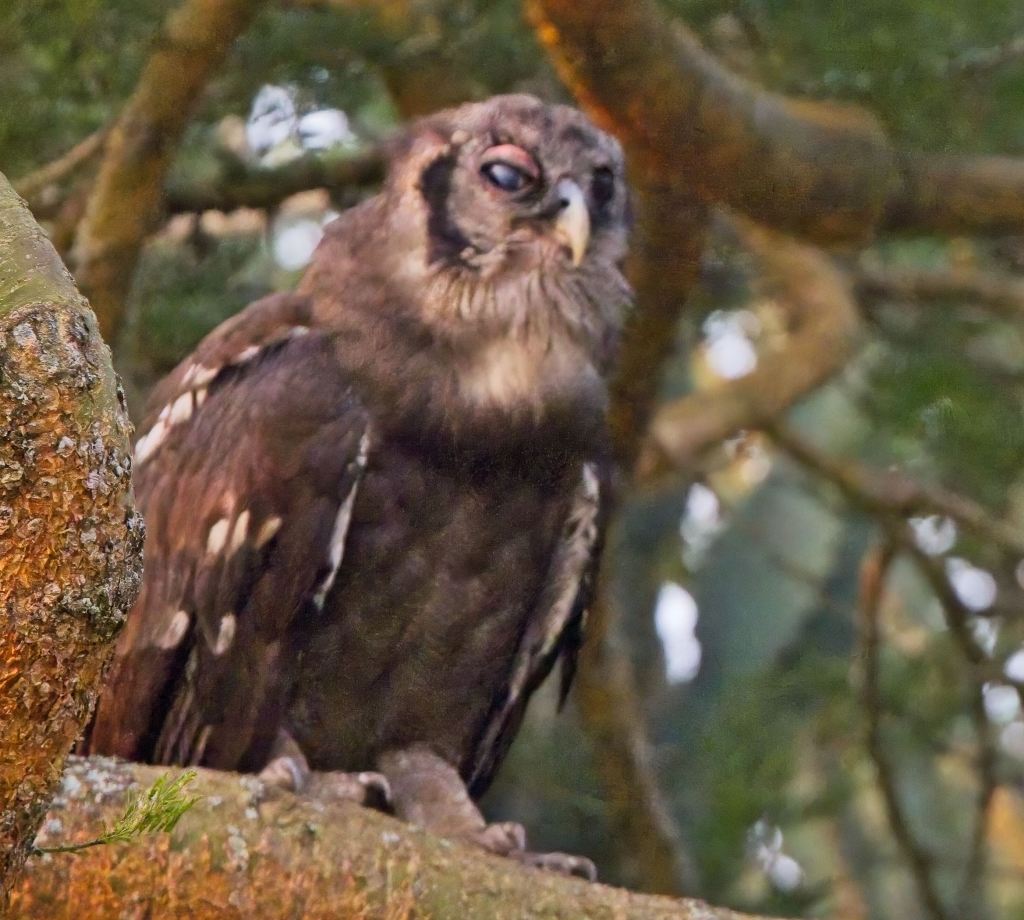
I saw my first Verreaux’s Eagle Owl at Lake Nakuru in Kenya in November 2007 and my second in South Africa in October 2014. Last year Cindy and I saw one at Lake Manyara in Tanzania in February. This morning I would keep the streak alive with one seen on an abandoned Hamerkop nest almost as soon as we left the lodge. All owls are great. What makes this one special is it’s decidedly pink eyelids. A great way to start the morning.
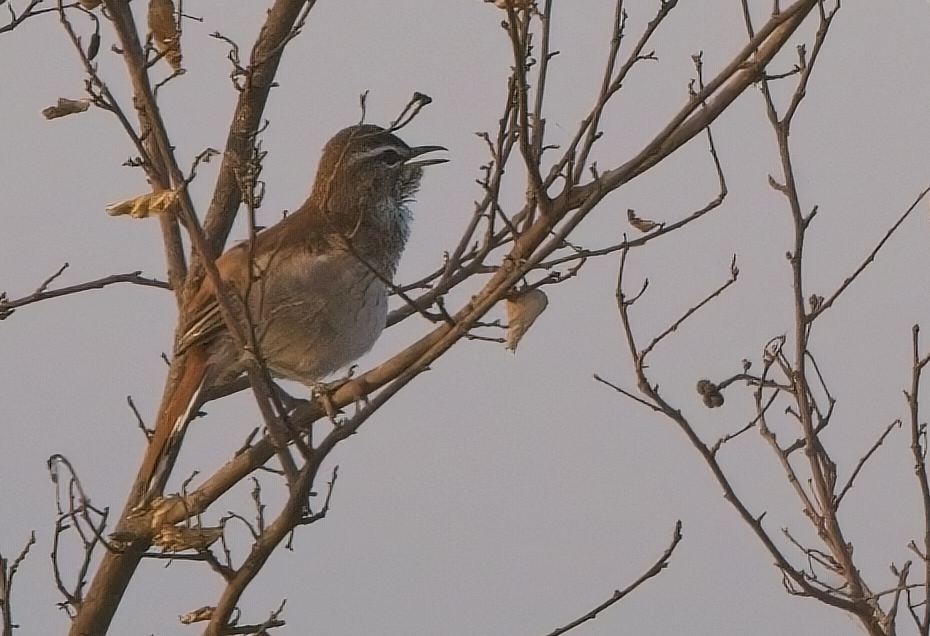
Shortly after the Eagle-Owl I added a lifer – a Brown-backed Scrub-robin. Although I am sure this photo is of the bird we saw, it looks to me more like a Red-Backed Scrub-robin. I will let the Ebird reviewers let me know. We had another Brown-backed Scrub-robin later, so I won’t lose a lifer in any event. I had Red-backed in Kenya, so nothing to gain either way.
Shortly after the Scrub-robin we added three birds to our Uganda trip list: Red-faced Cisticola, Green-winged Pytilia and Crimson-rumped Waxbill, all of which I had seen and photographed before during earlier Africa trips.


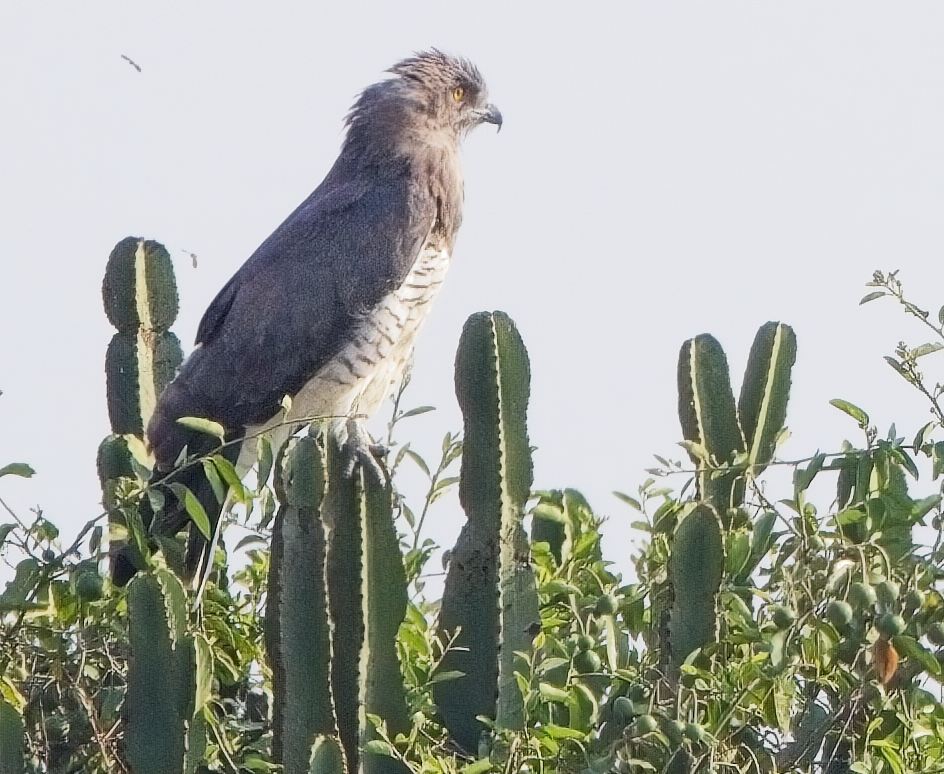
We had one more birding drive through Queen Elizabeth II Park and then headed to Chimpanzee Forest Lodge. An apparently pretty unusual find was a Beaudouin’s Snake-Eagle distinguished by the very fine complete barring across its chest and belly. We first saw it in flight and I got a quick photo, improved when it landed on an Euphorbia and perched for a few seconds. A second lifer was an African Crake – a fleeting view that did not include a photo.

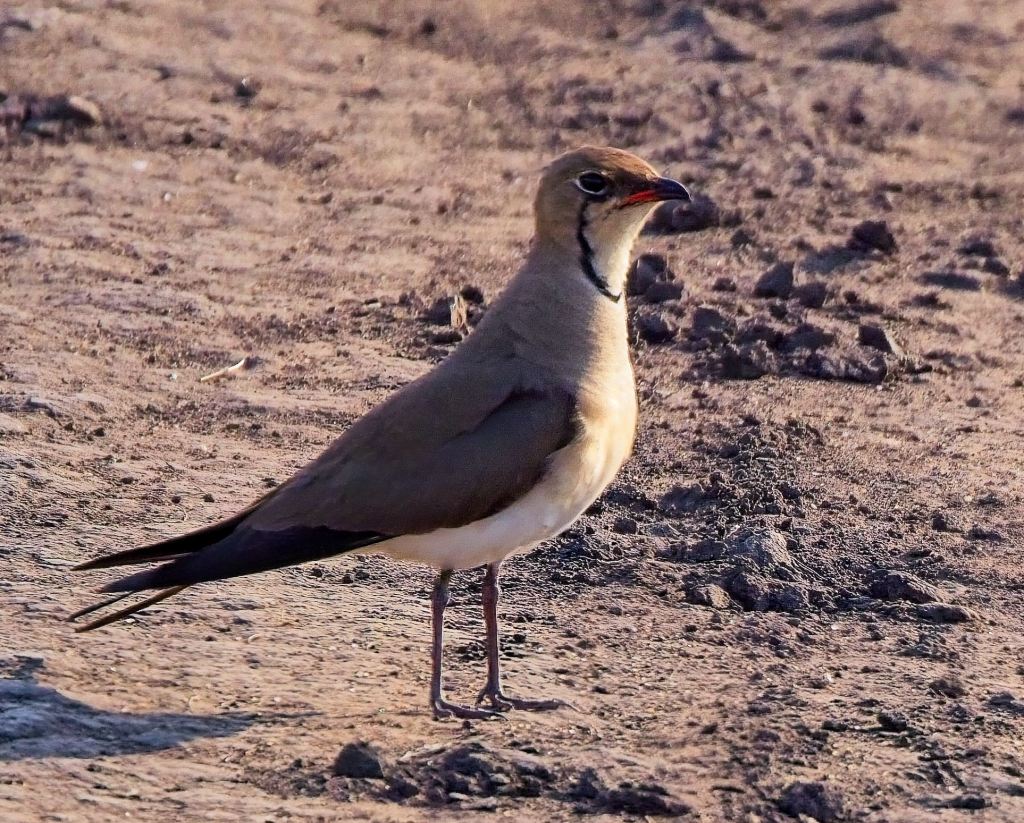
Although not a lifer or even a life photo, for me by far the best birds of the morning were a flock of Collared Pratincoles that landed on the road ahead of our vehicle, would allow us to get a little closer and then move on a bit, repeating this every time we followed but eventually resulting in some nice photos – definite improvements over the ones from distant Collared Pratincoles last year in Tanzania. They look like a mix between shorebirds and swallows with striking markings.

Probably the most notable birds of the morning were the Senegal Lapwings which seemed to be everywhere, more than 100 of them, sometimes joined by a few Crowned Lapwings. We also had a couple of Wattled Lapwing’s and a Kittzlitz’s Plover – so a four plover morning.
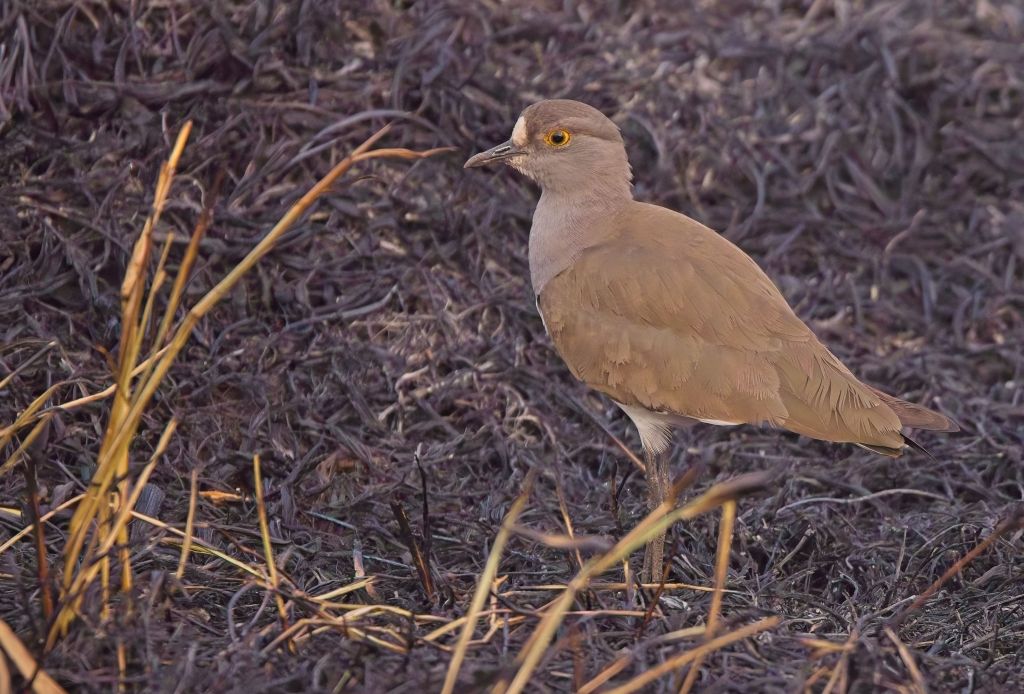
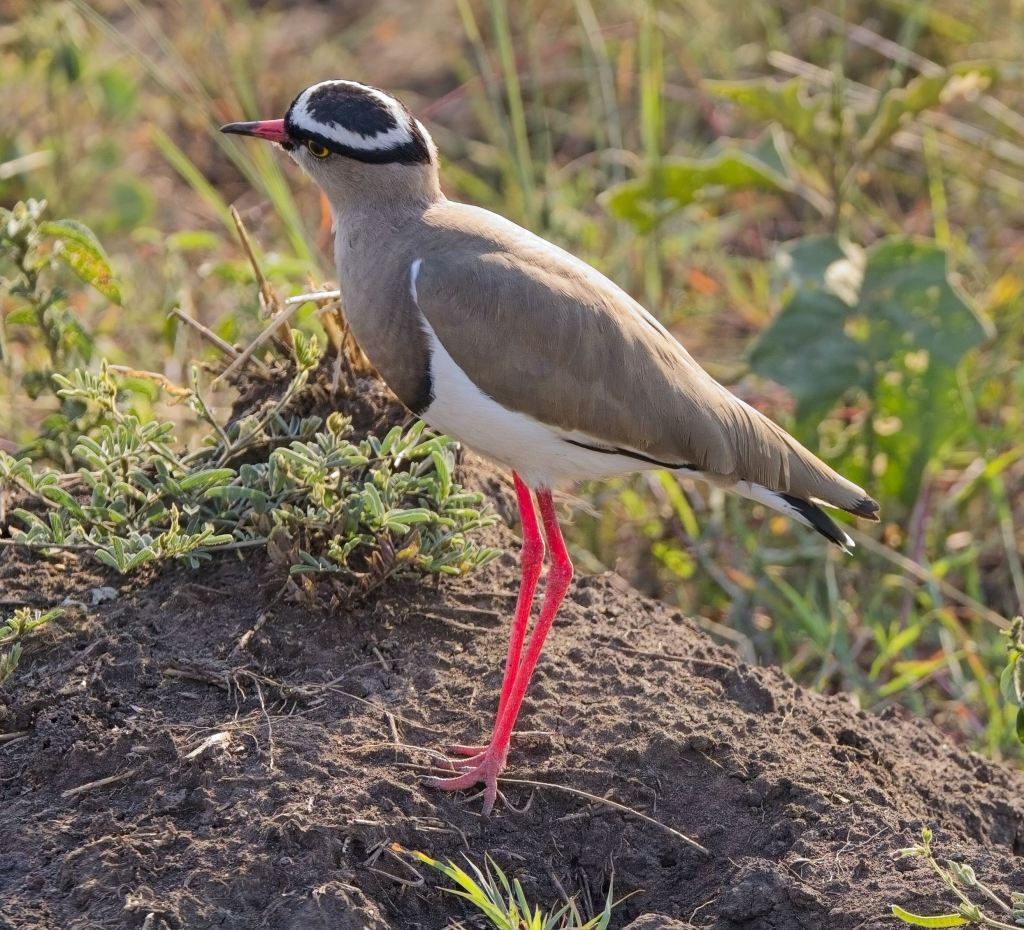
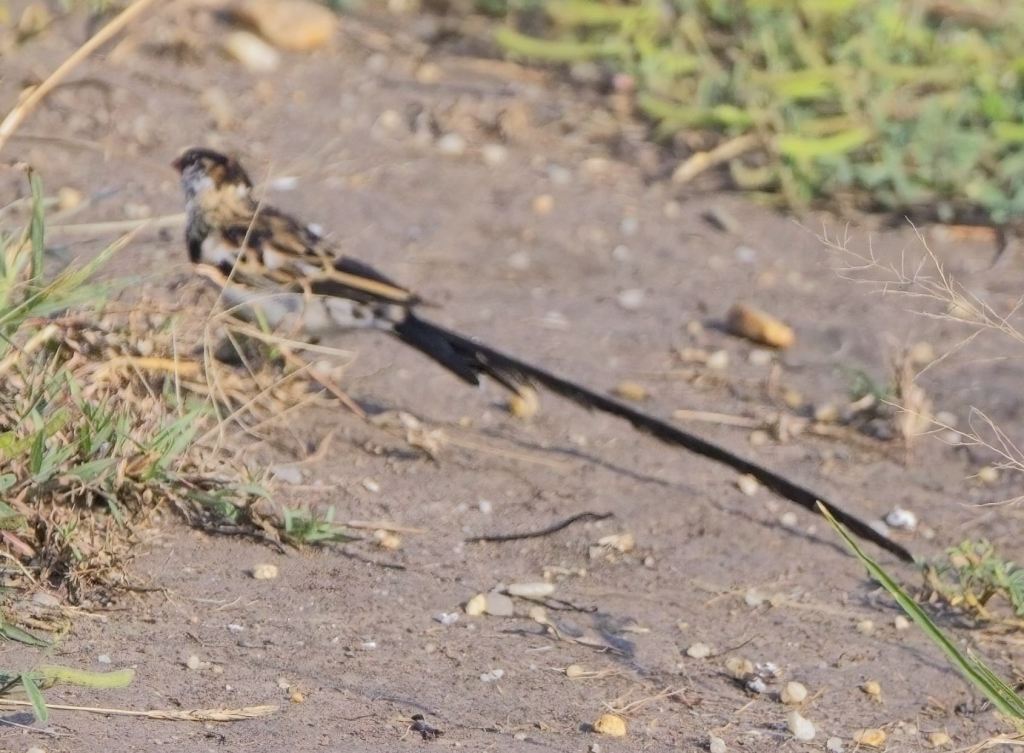
It was also a good morning for cisticolas as we had Zitting Cisticolas singing everywhere and a couple of Croaking Cisticolas as well. We had seen a number of Pin-tailed Whydahs earlier, but they were plentiful here with a number of long tailed males.


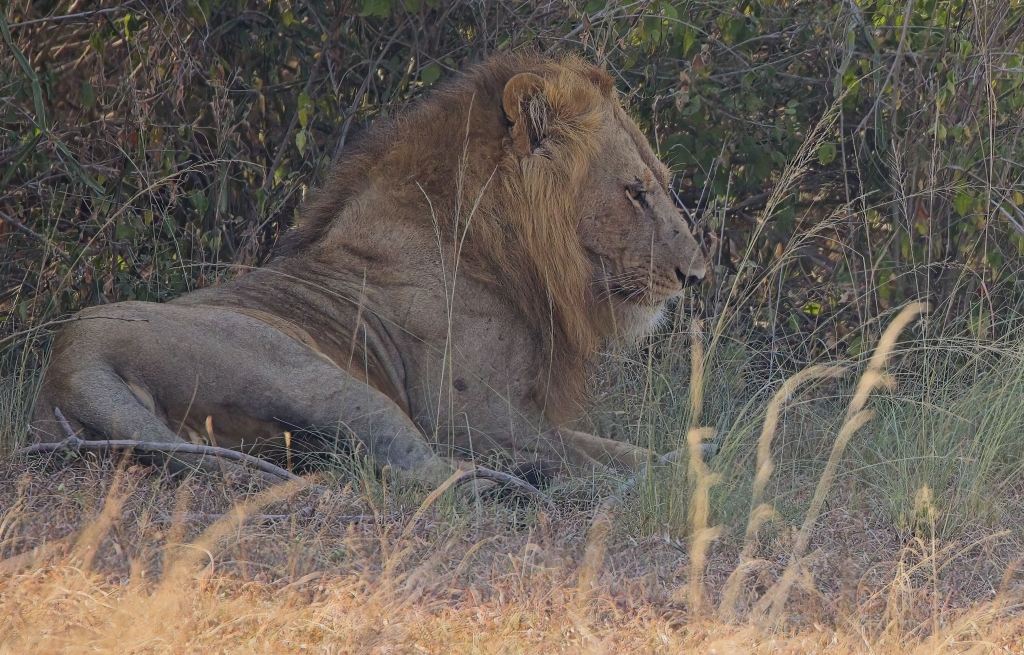
There were two non-bird highlights of the morning. The first was watching a male Uganda Kob try to have hhis way with a female. It did not work but believing in “if at first you don’t succeed, try try again”, he did and it still did not work – rejection. The second was seeing our first “real Lion“. Sure the two Lions seen two days earlier surrounded by safari vehicles, indeed almost touching them, were real, but this one – a male sitting in the grass just off the road in front of us with nobody else around was many times better even more so as were we were in the Lion Savannah area of the Park. A fitting farewell to Queen Elizabeth II National Park.


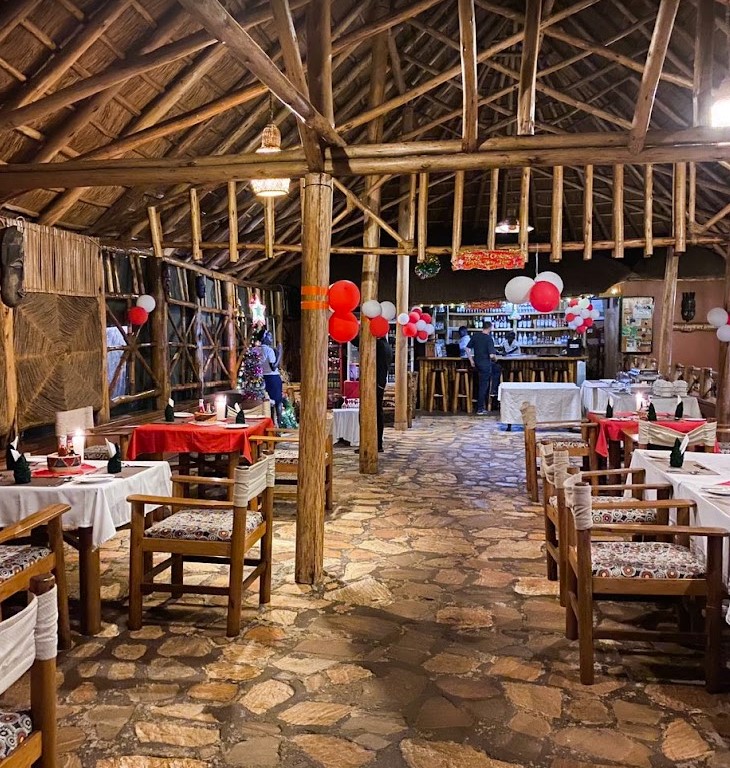
We arrived at the Chimpanzee Forest Lodge in the early afternoon and checked in. The lodge was comfortable with each of us having our own cottage. These pictures from the website give an idea of the accommodations.


We birded at the lodge and surrounding area for an hour and then birded for another hour in Kibaale National Park where we would do our Chimpanzee trek the next morning. We added another half dozen species for our Uganda list (mine was then at 341) and four were also lifers for me: Afep Pigeon (fast flyover without time to get a photo and then never seen again), Speckle Breasted Woodpecker (seen only by me with a poor photo), Black Crowned Waxbill – photographed, and Sabine’s Spinetail – also photographed.


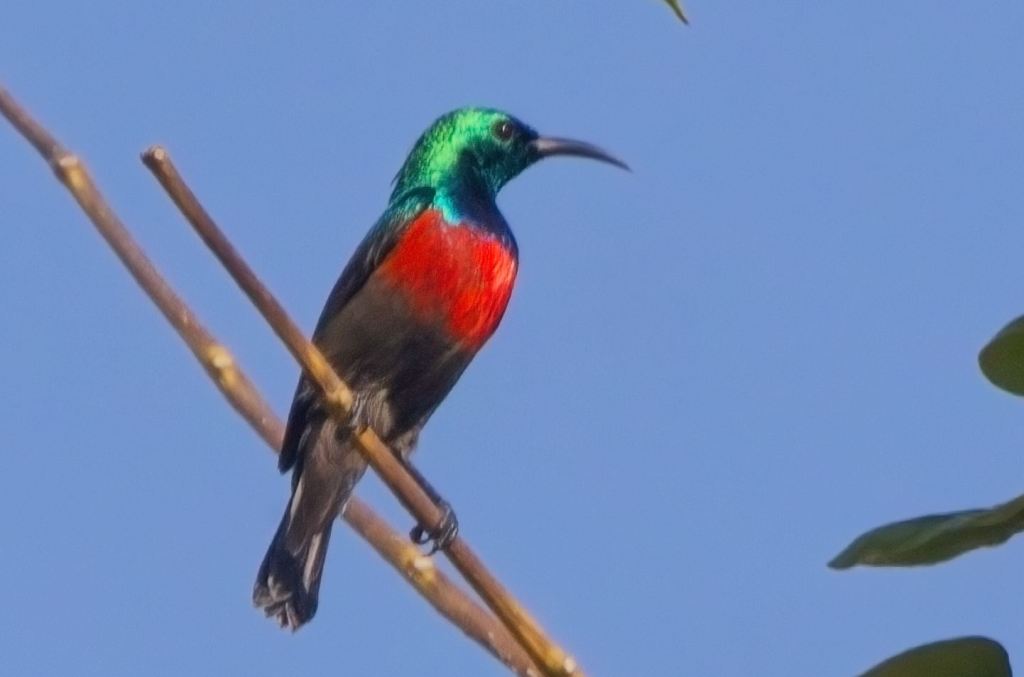
I also got lifer photos of two sunbirds, Olive-bellied and Green-throated or was it Blue-throated Brown-Sunbird – or did I get photos of both? After much debate I am close to sure that the for sure photo is of the latter and just not sure about the other.


A last photo for the day and a lifer photo for me was of a Hairy-breasted Barbet – an odd name for a bird as clearly no birds have hair, but I guess I can see how the plumage could lead to the name.

Somehow we had added 15 species to our Uganda trip list – or at least to mine as there were species seen by others that I had missed either because I sat out a couple of walks or just could not find or hear birds seen by others – especially Dion our guide. So as I said my Uganda list was at 341 species and the tour list was probably approaching 350 species. There would be birds the next day, too, but our main quest really did have hair as we would be looking for Chimpanzees.
 blairbirding