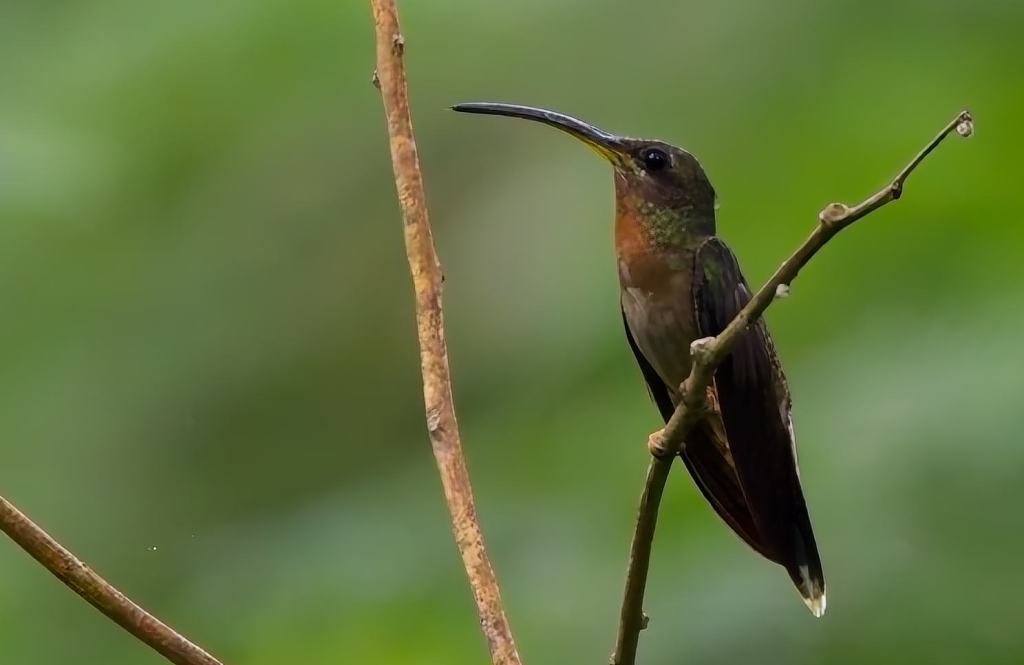
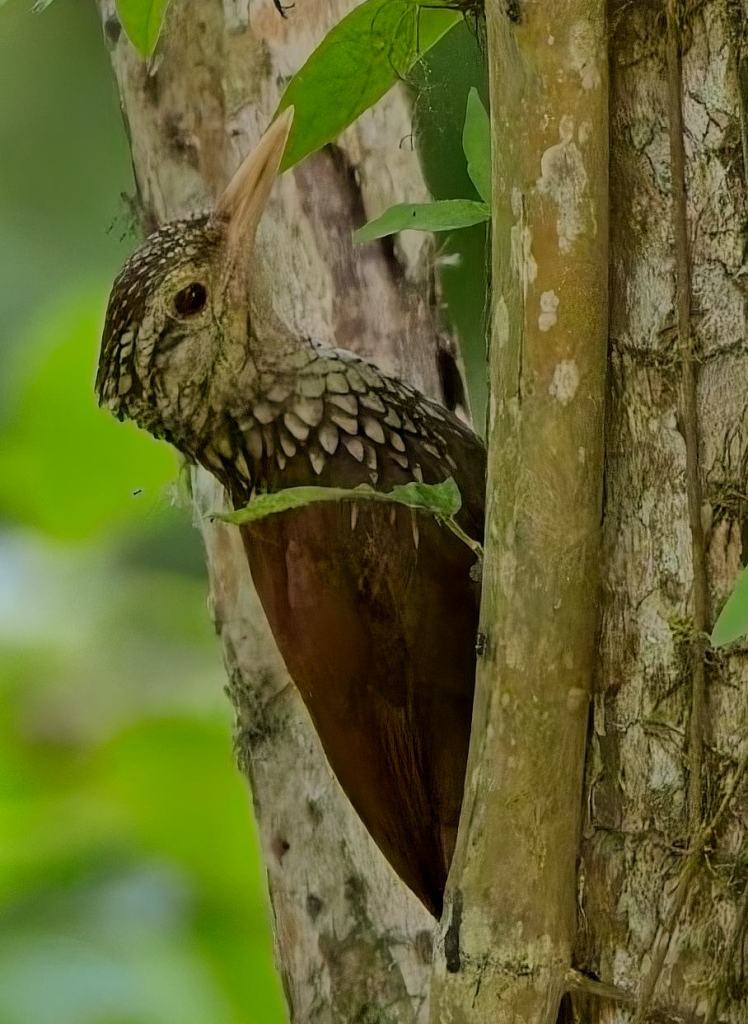
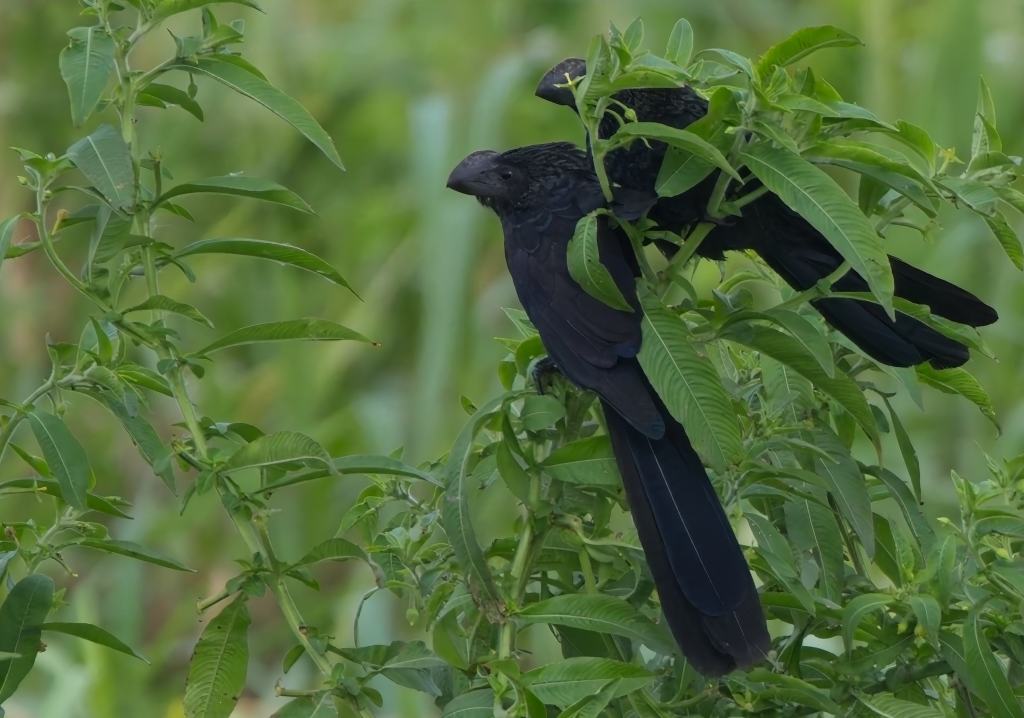
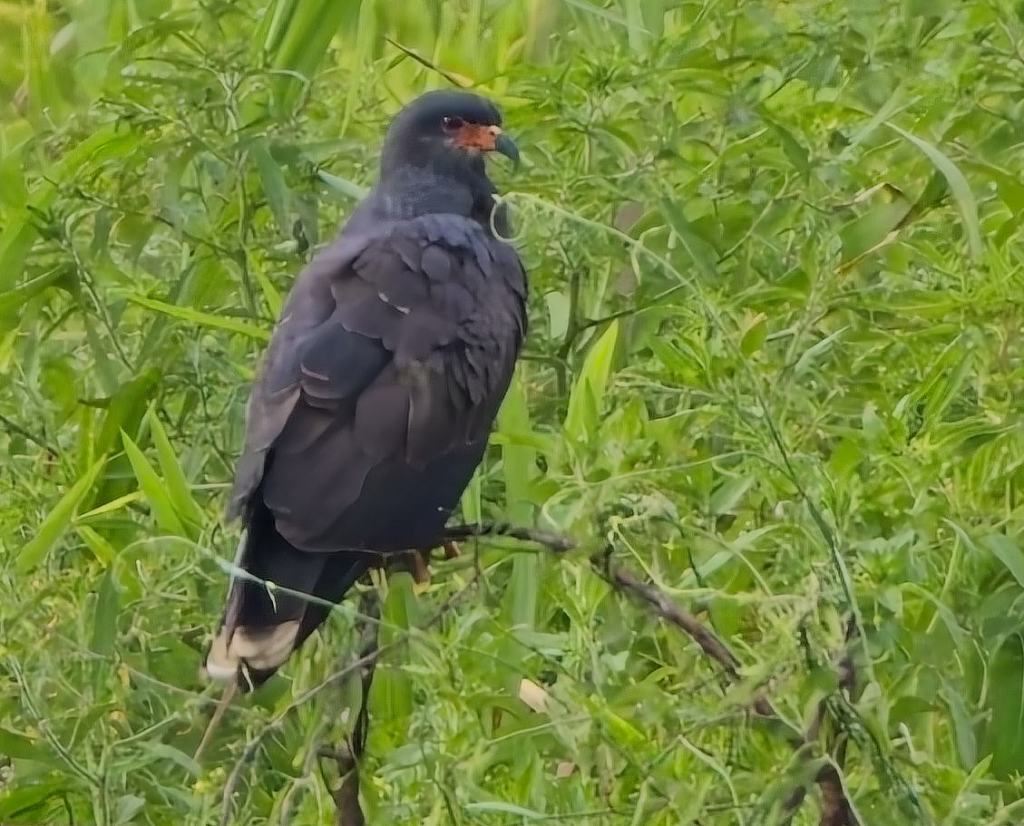
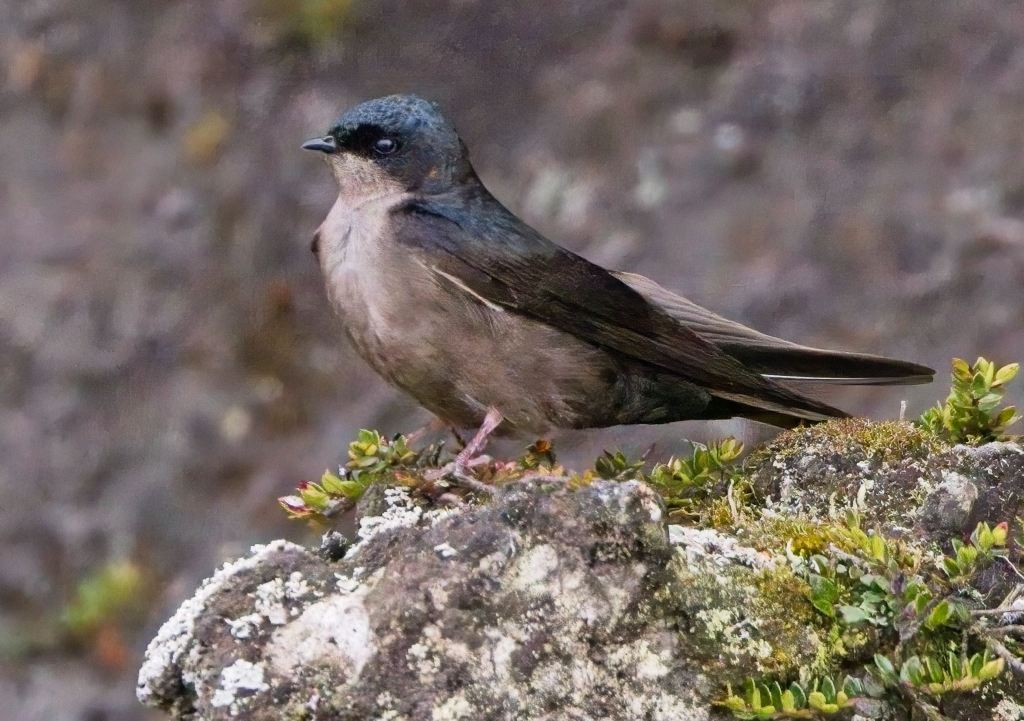
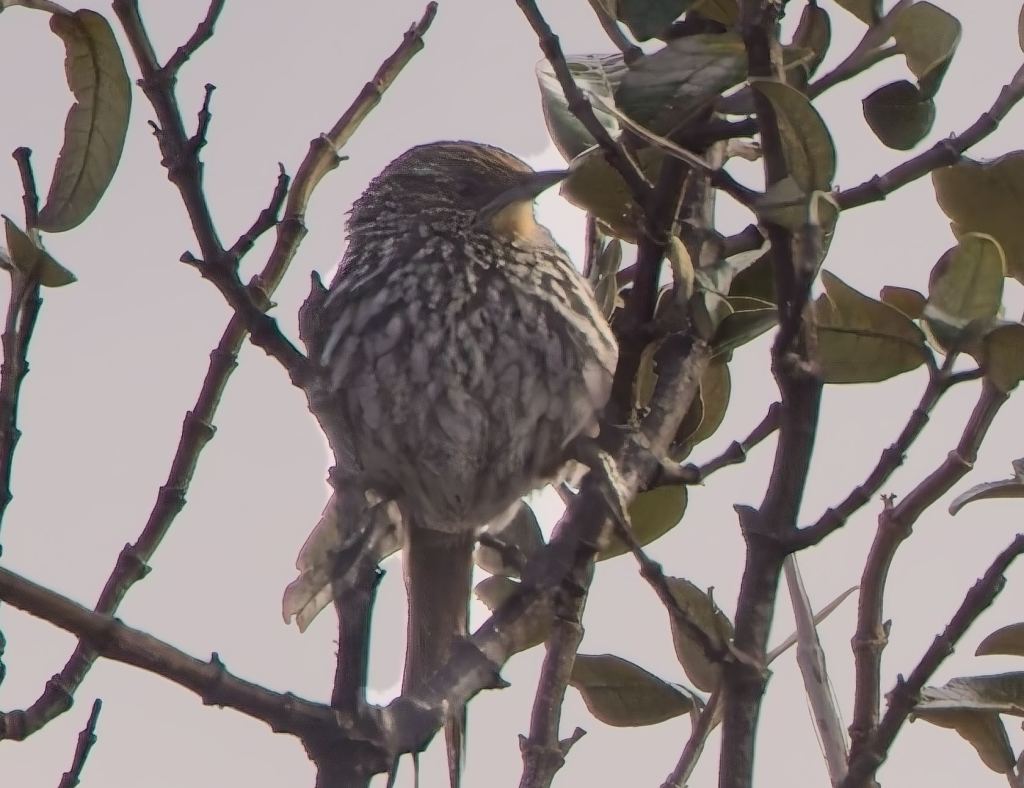
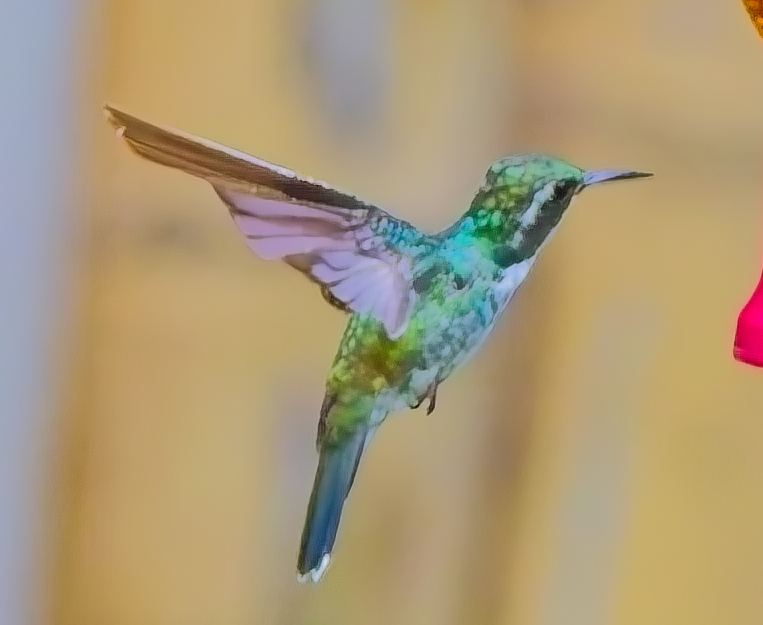
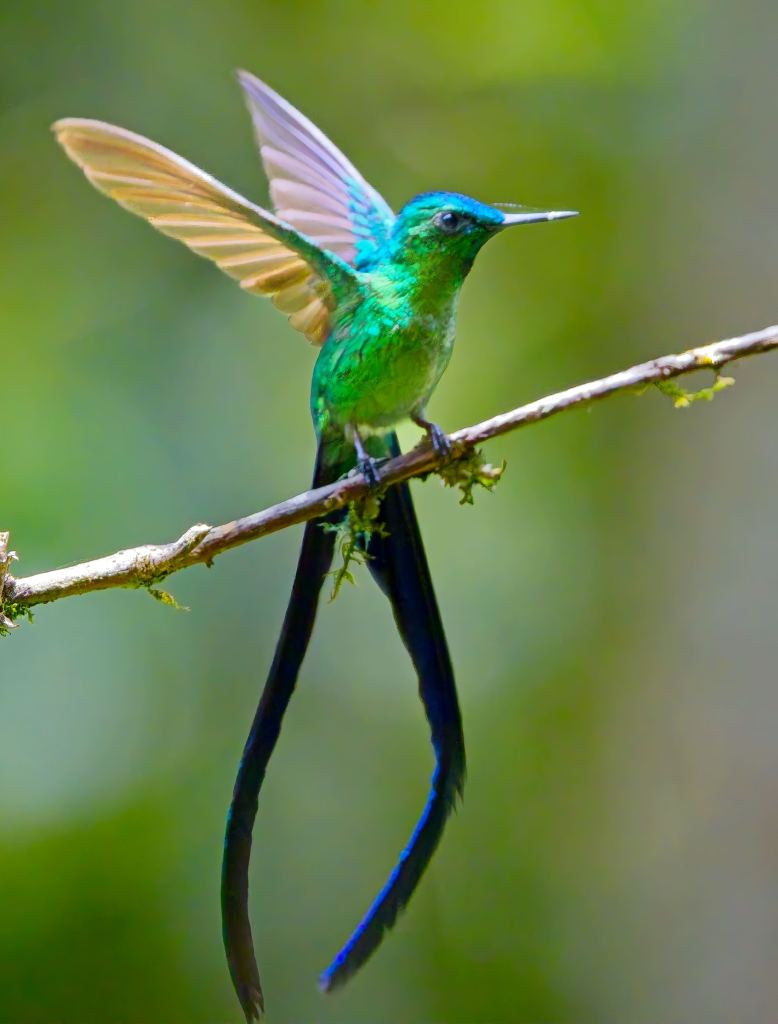
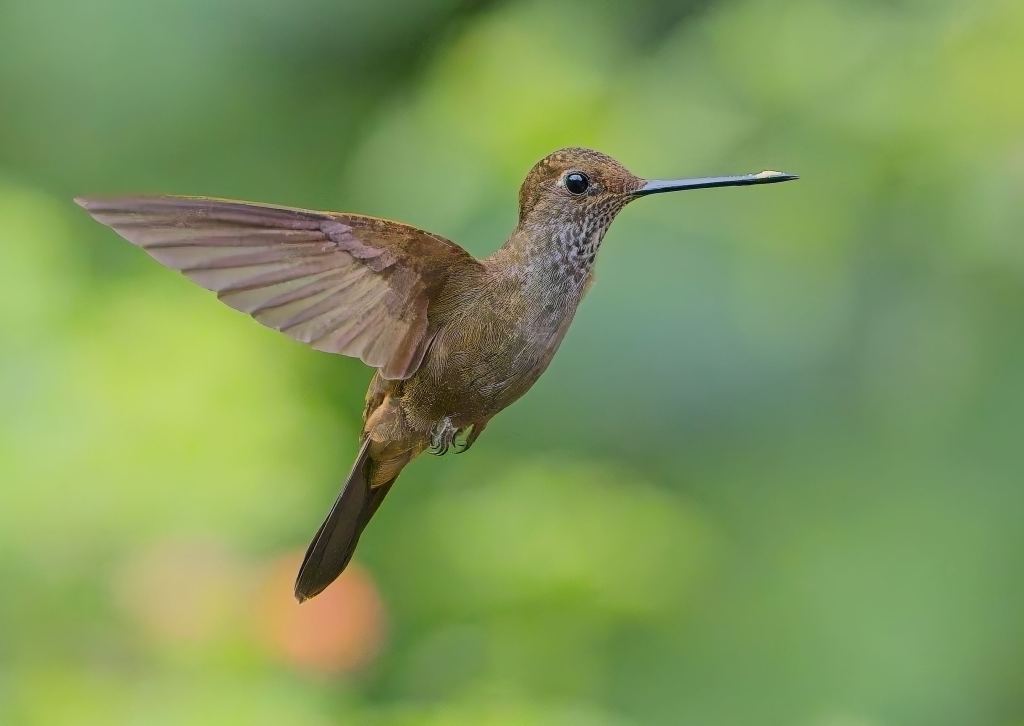
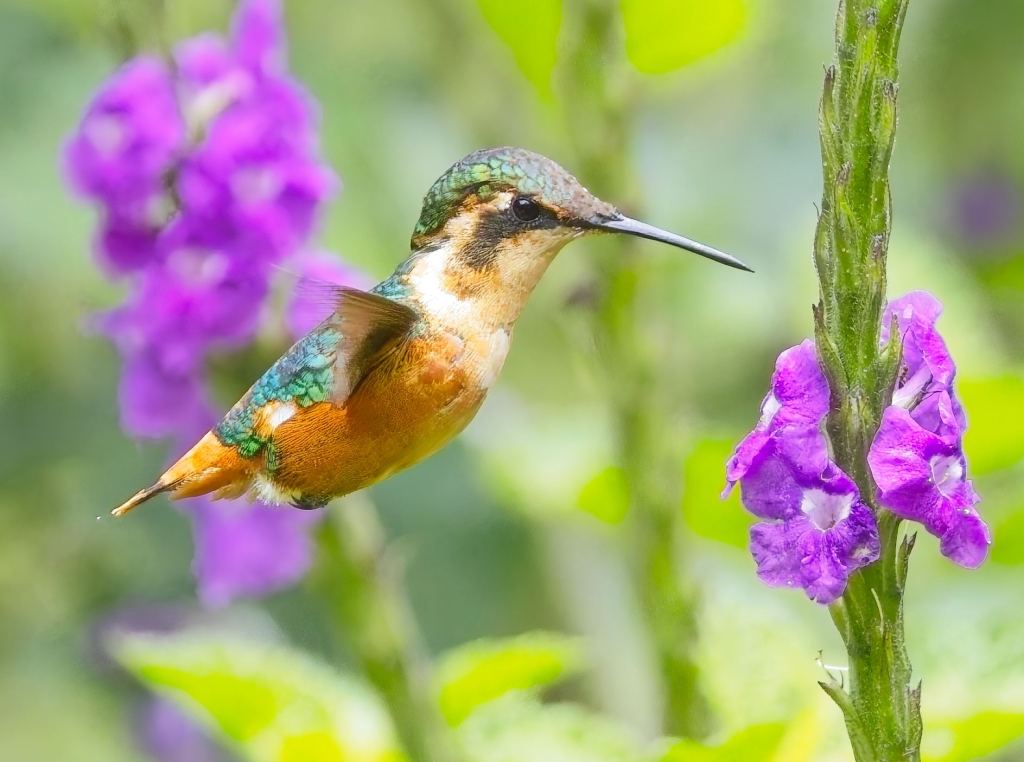
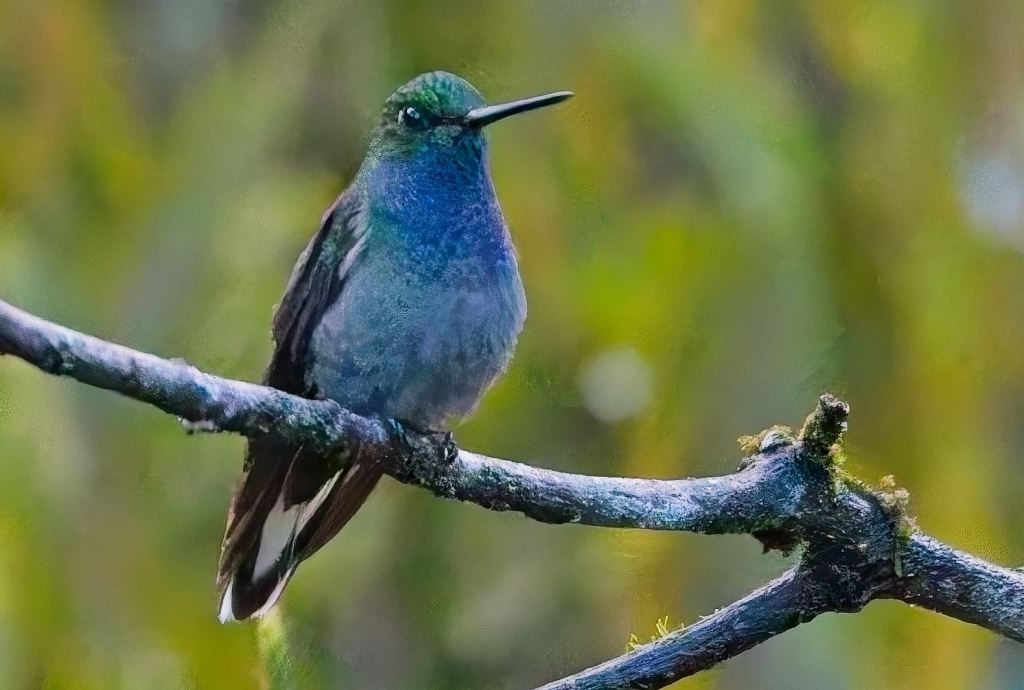
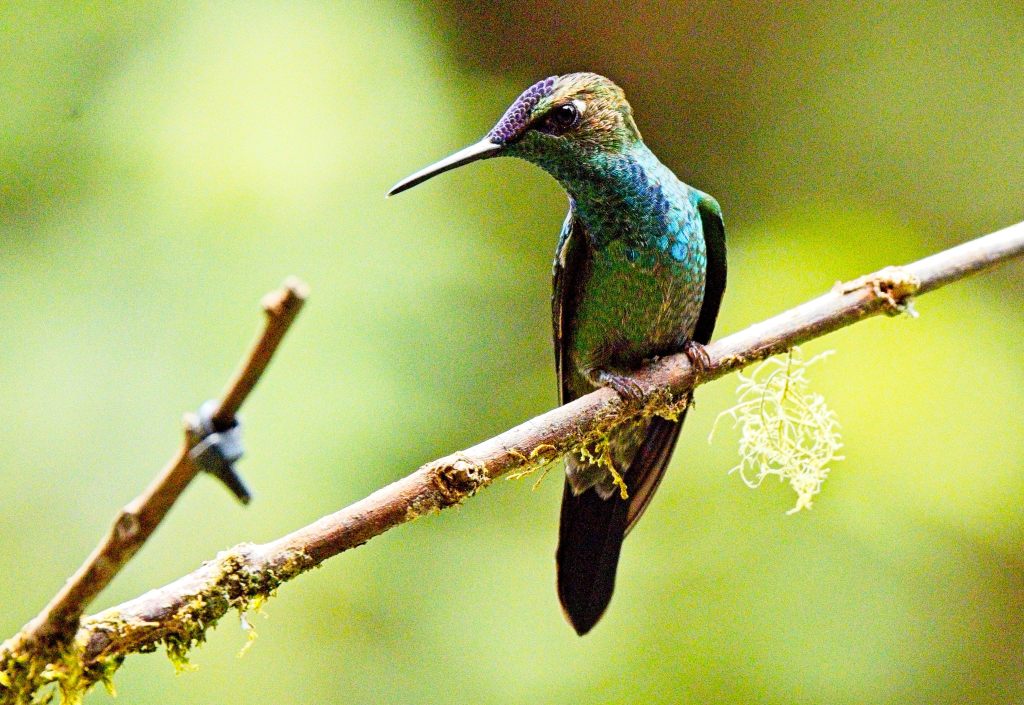
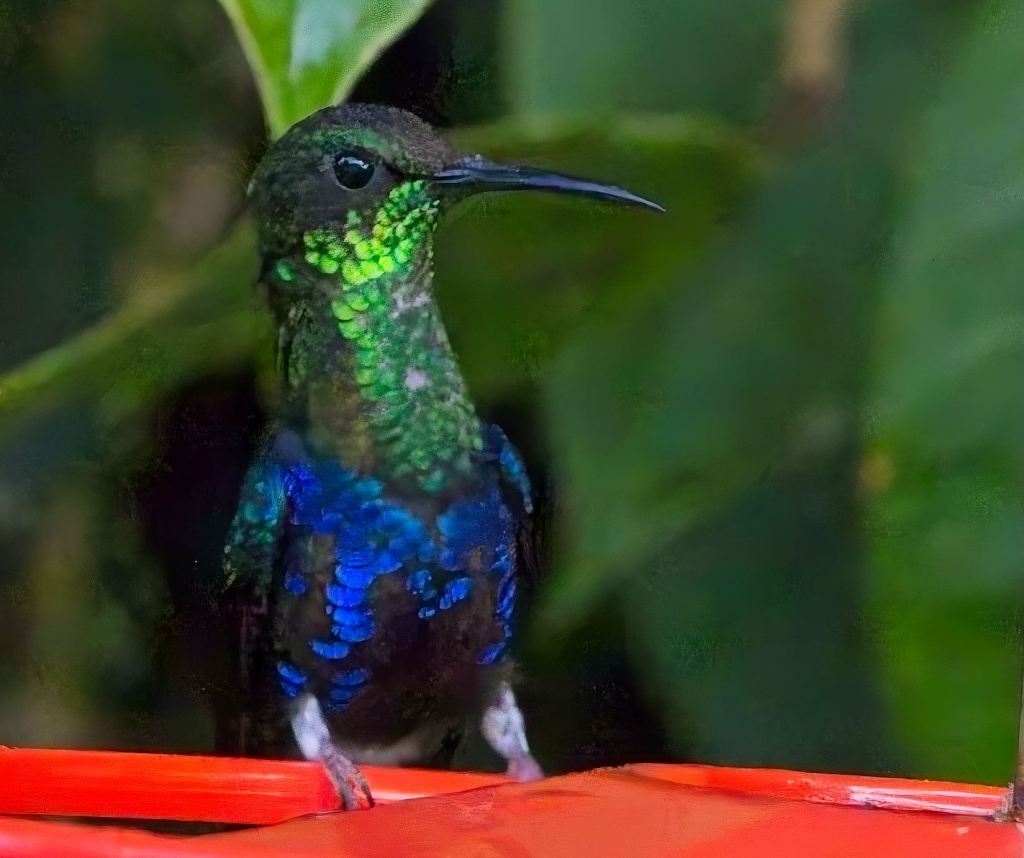
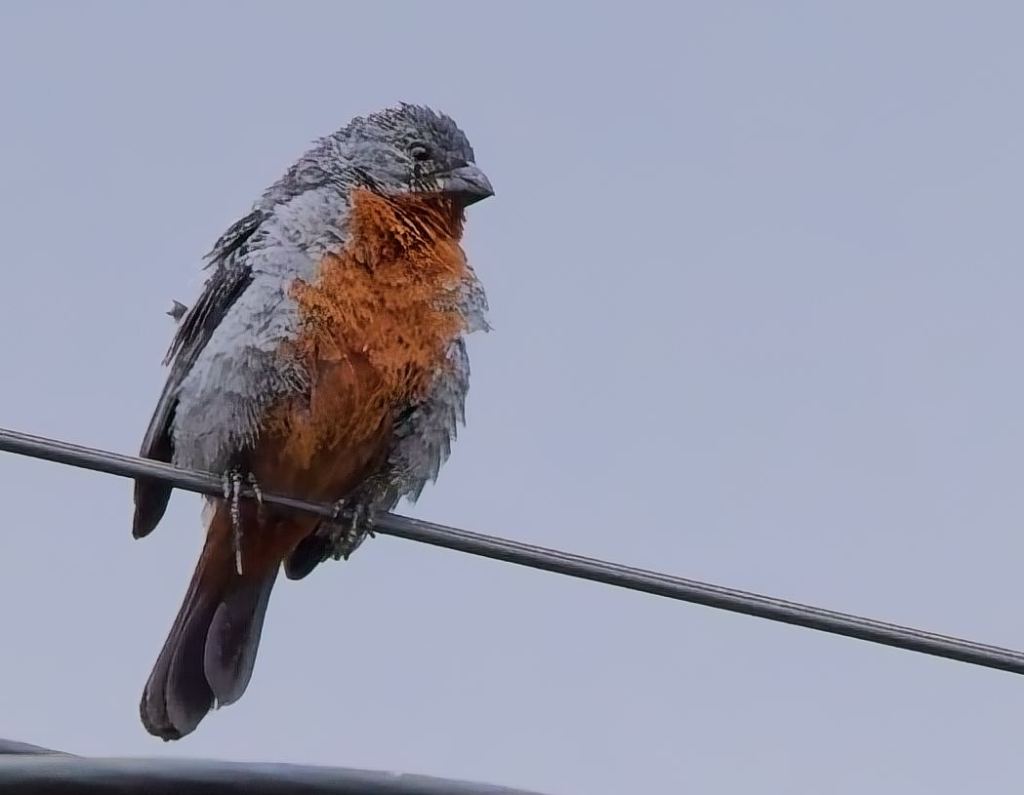
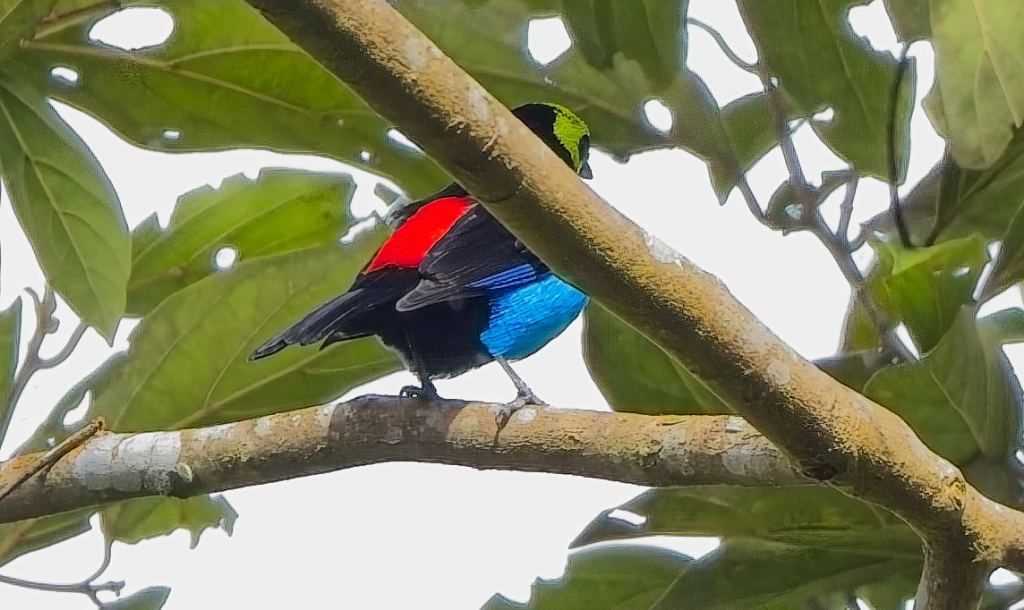
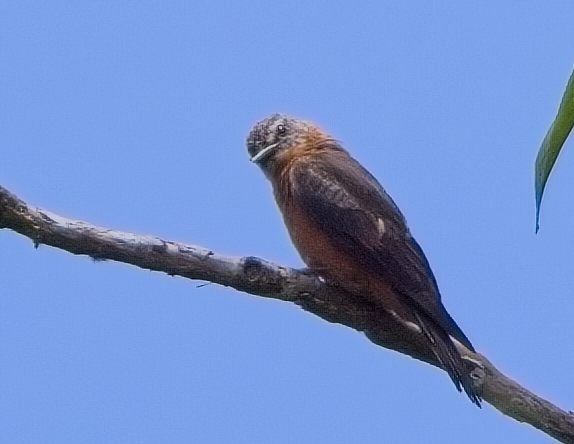
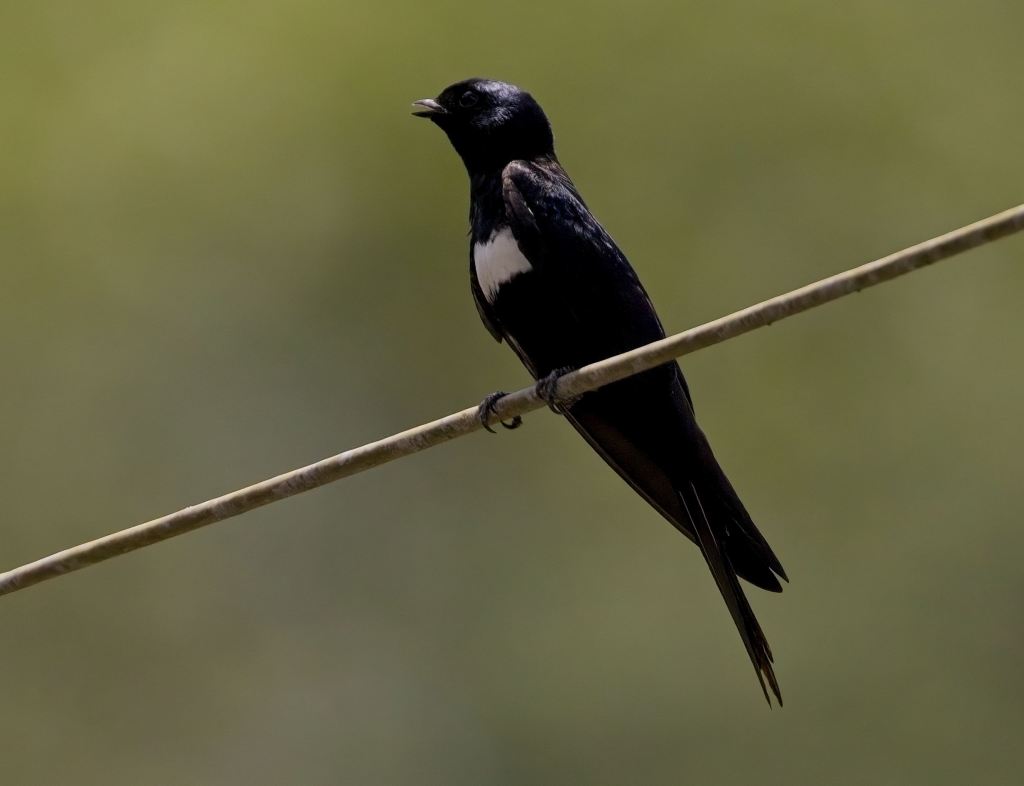
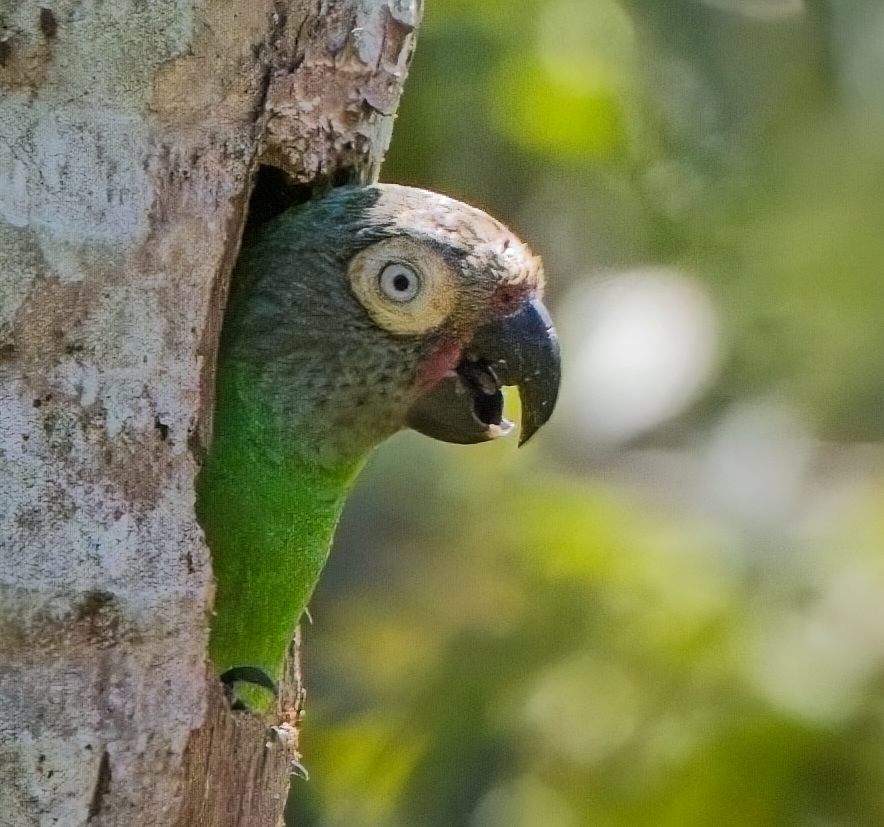
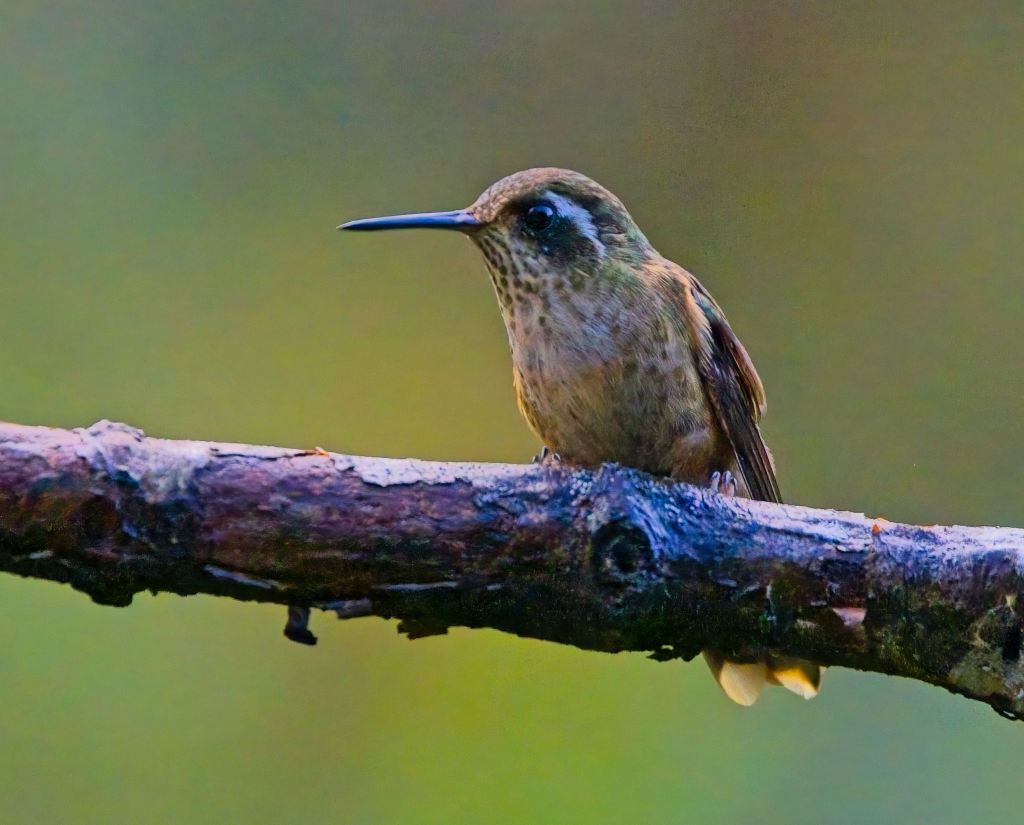
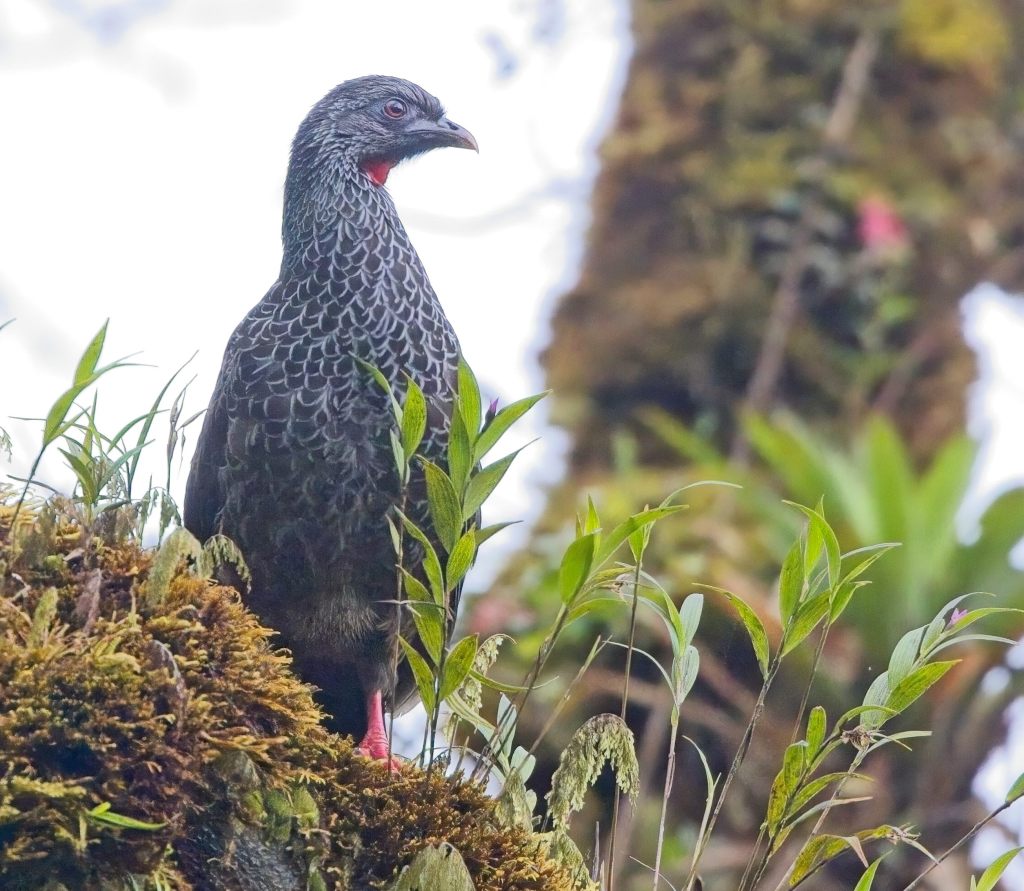
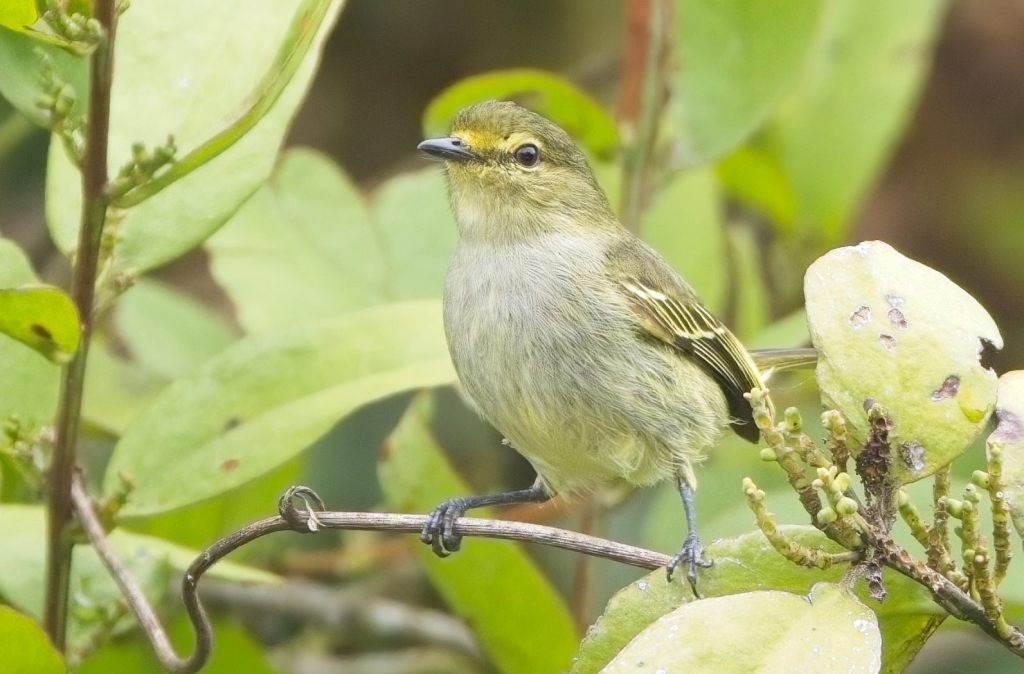
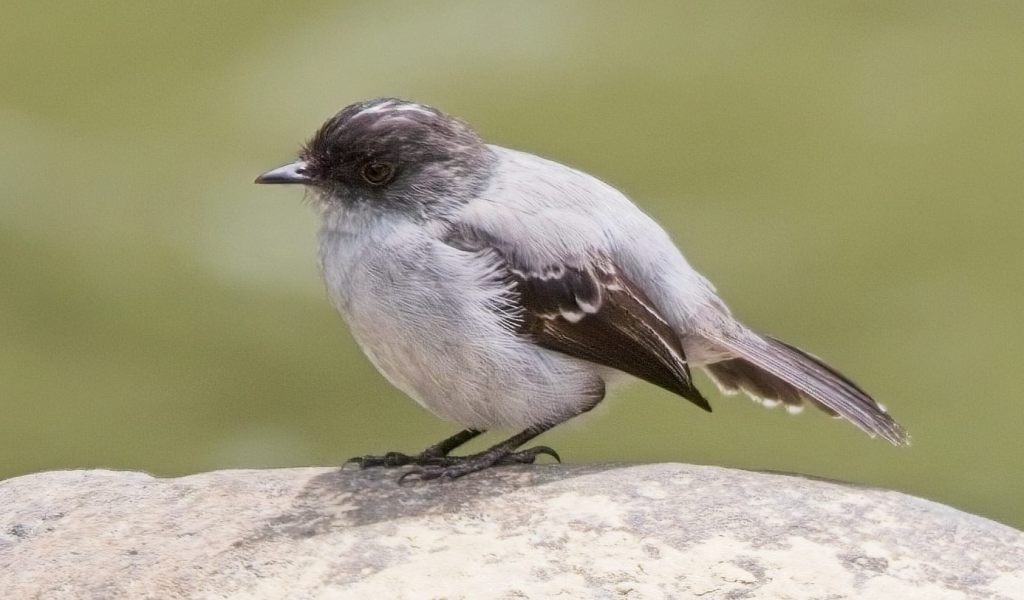
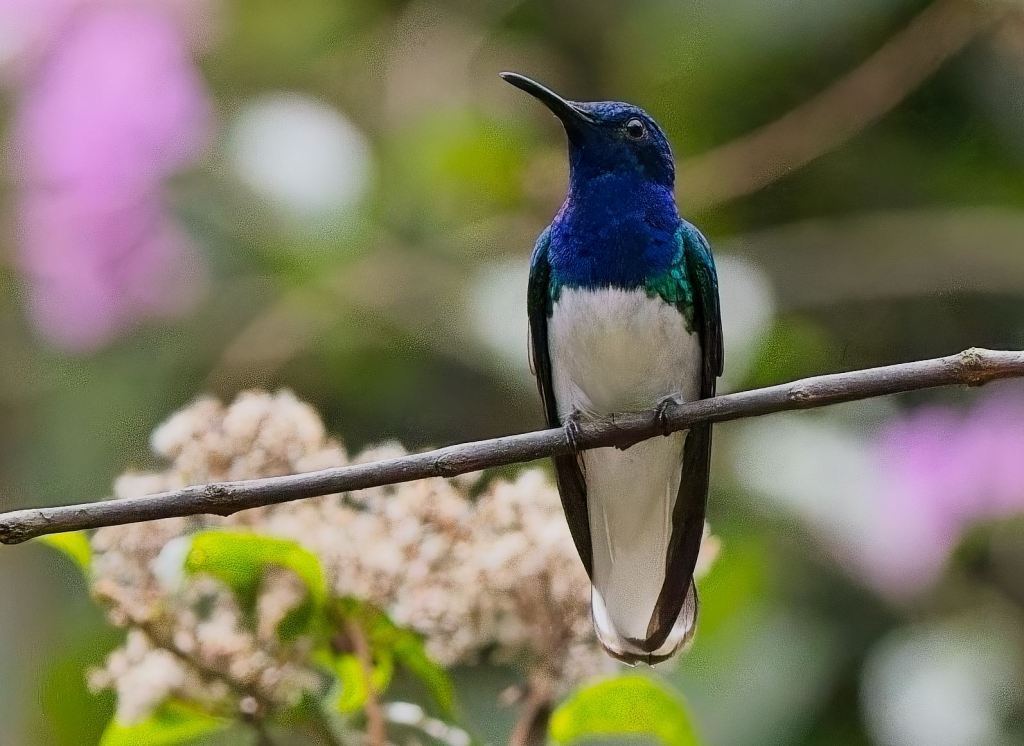
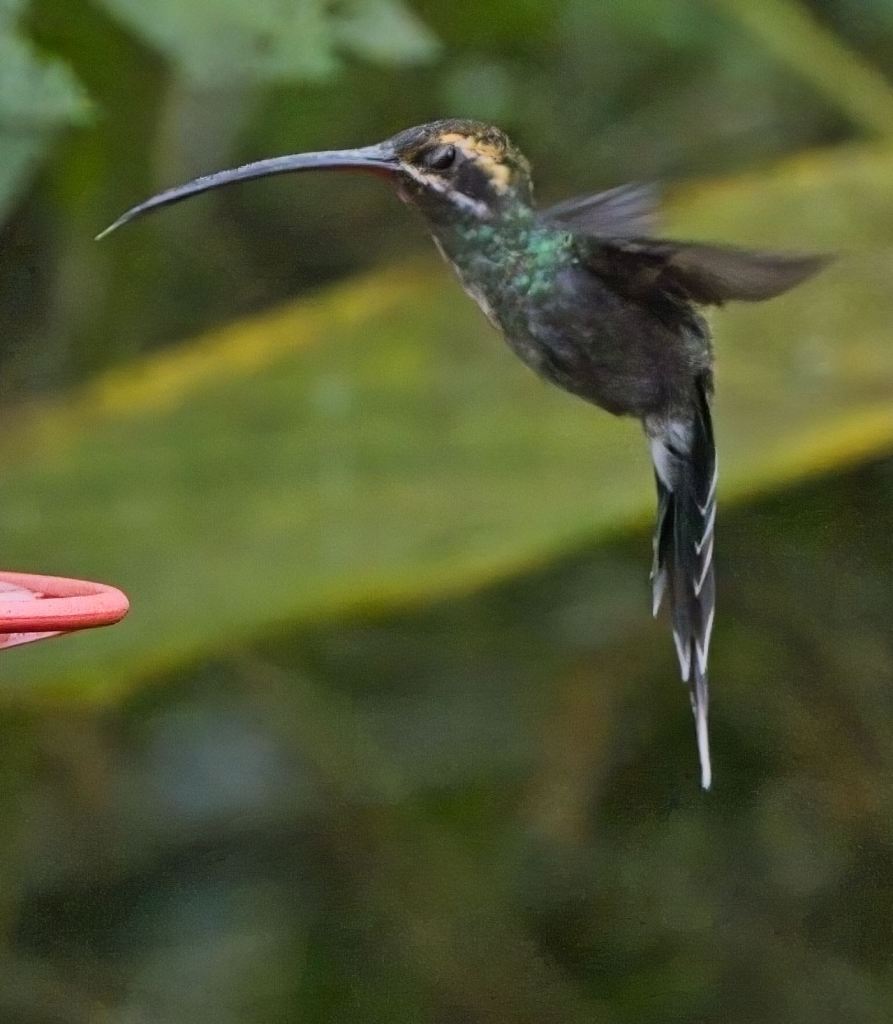
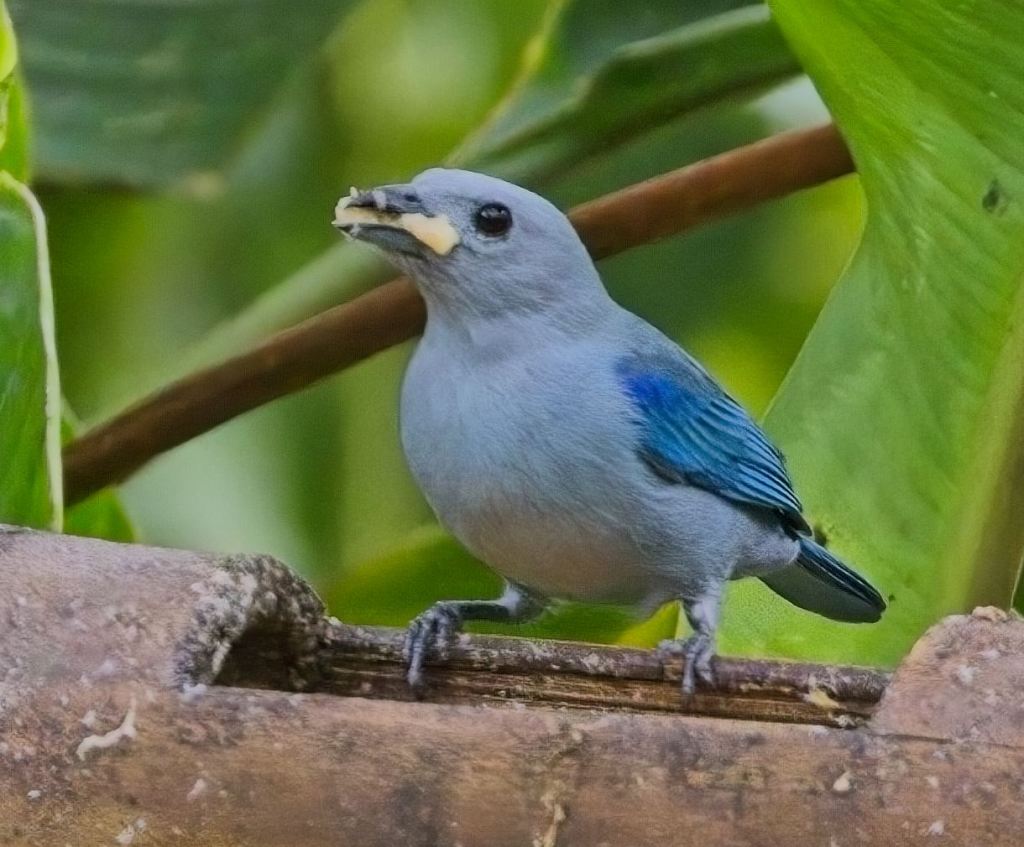
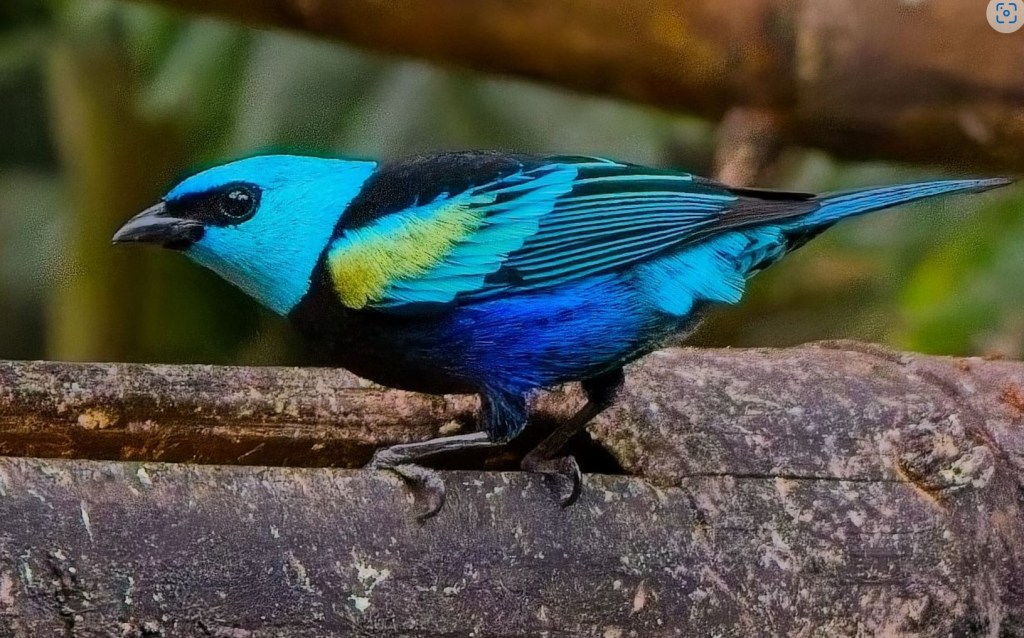
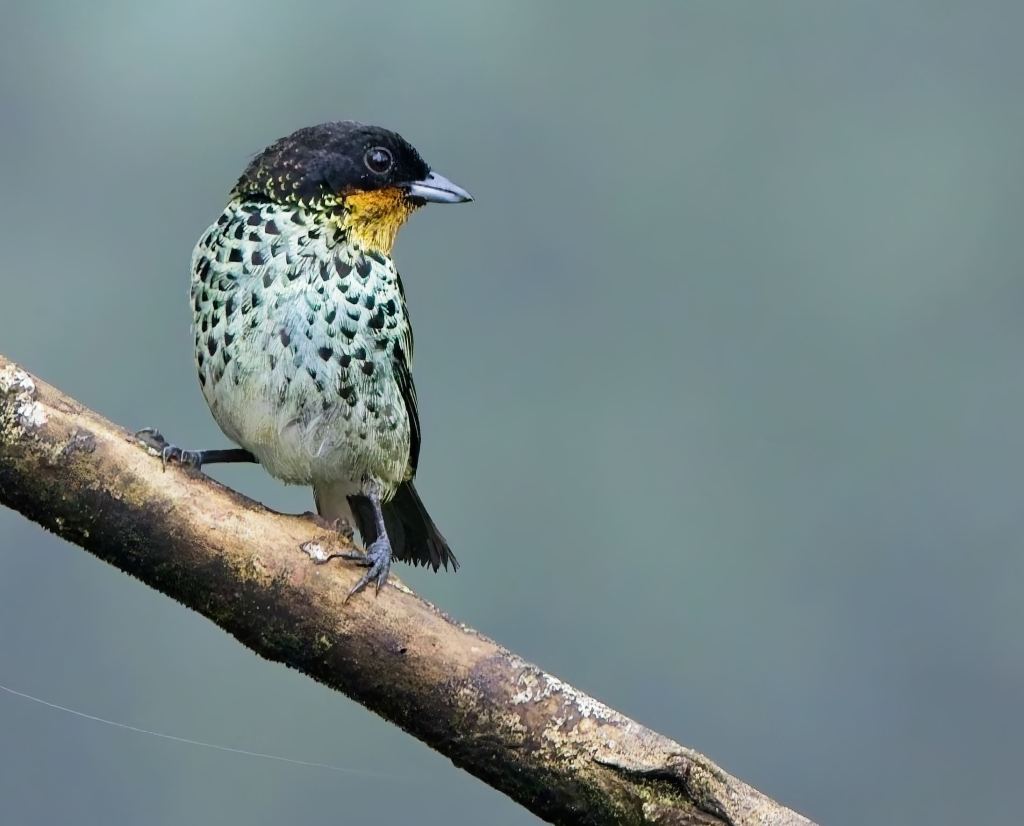
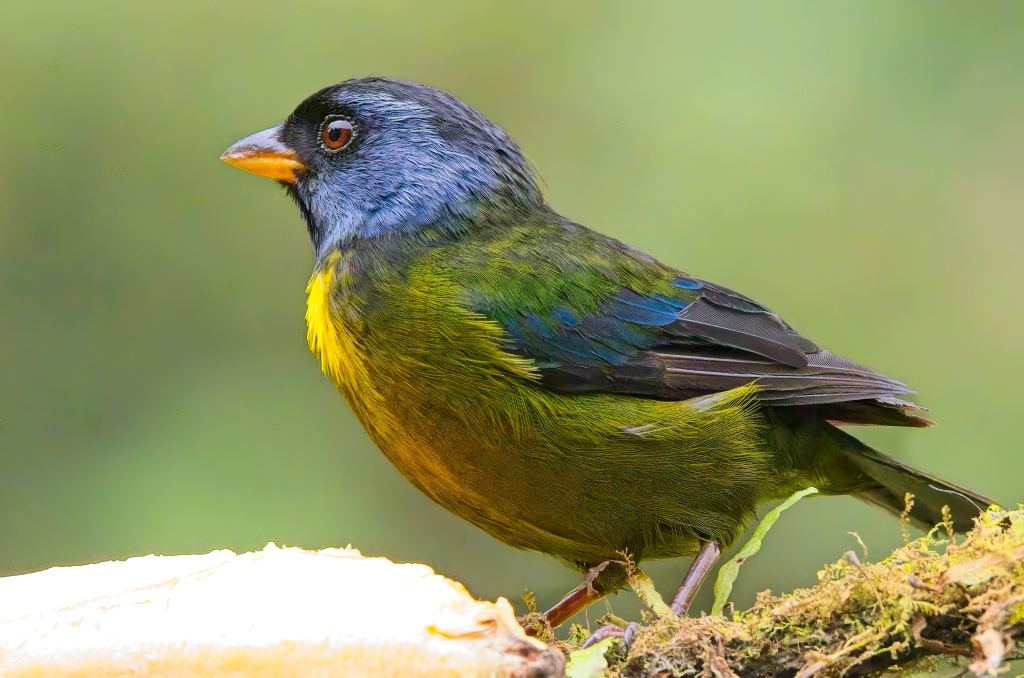
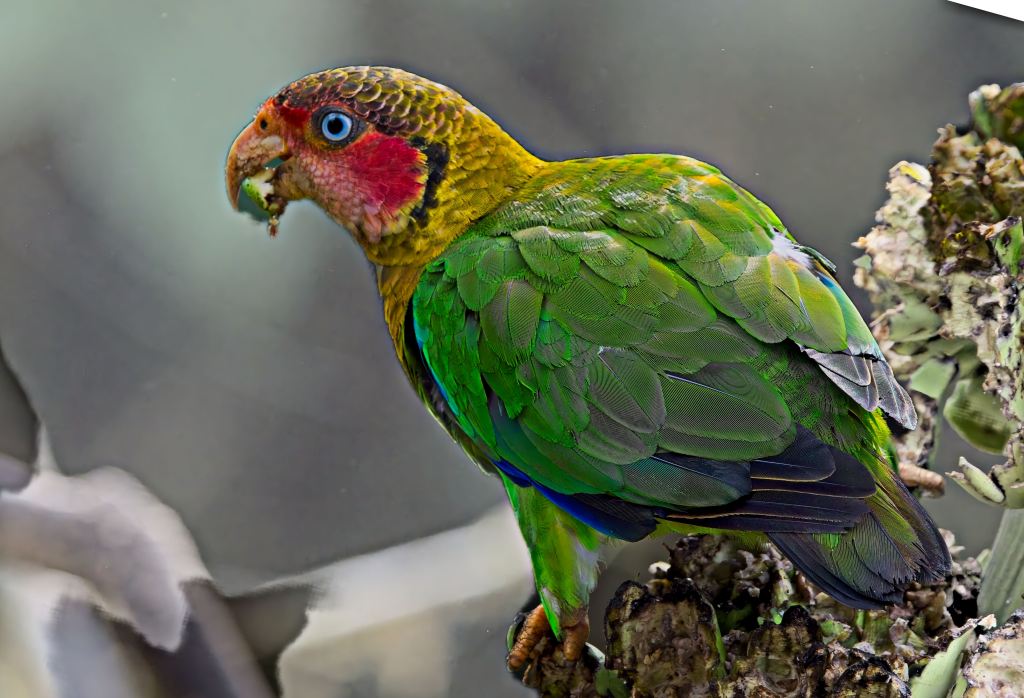
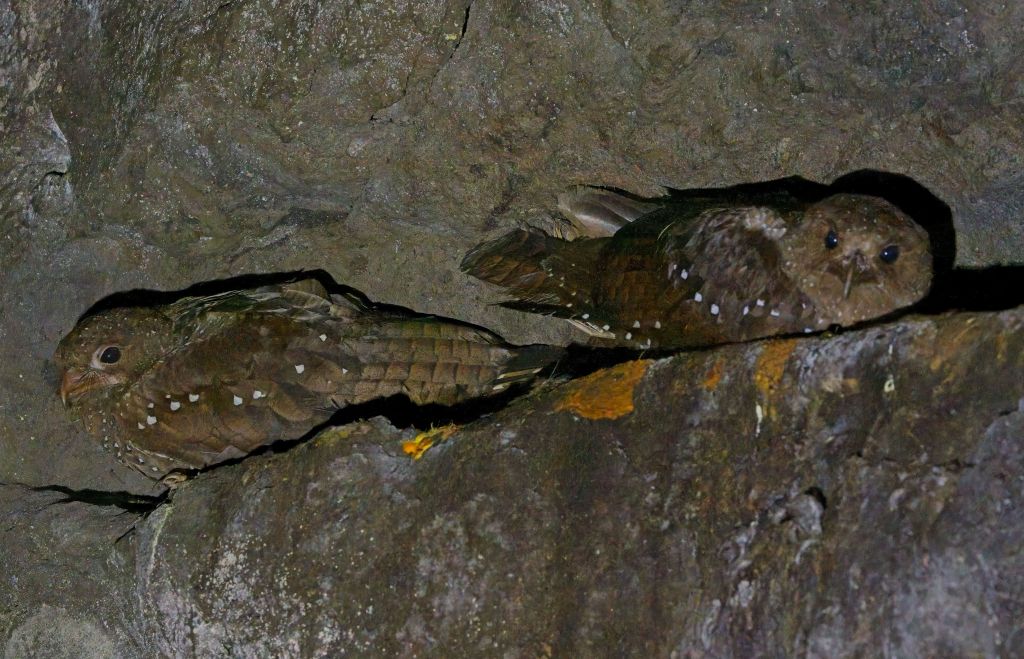
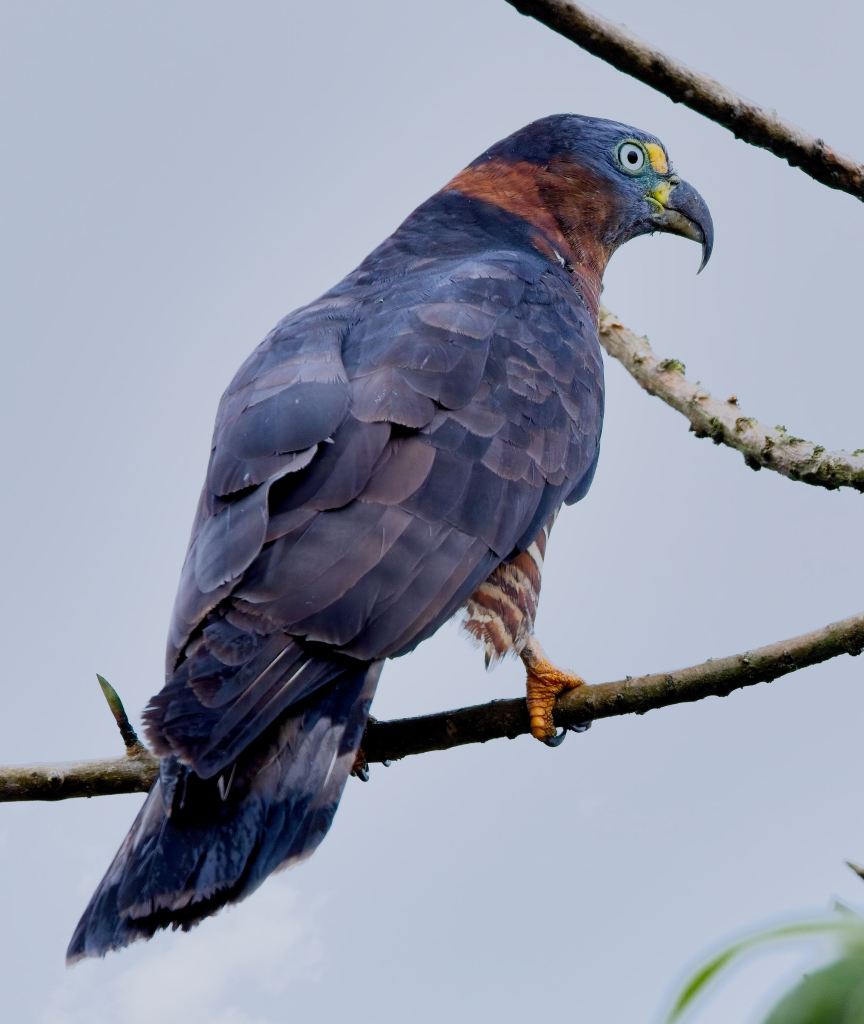
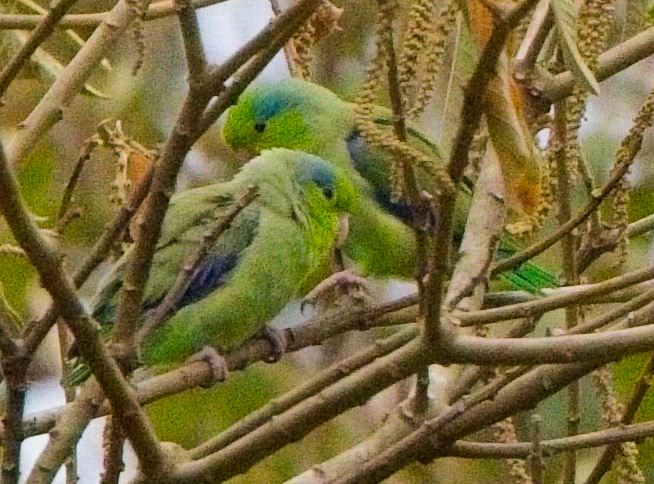
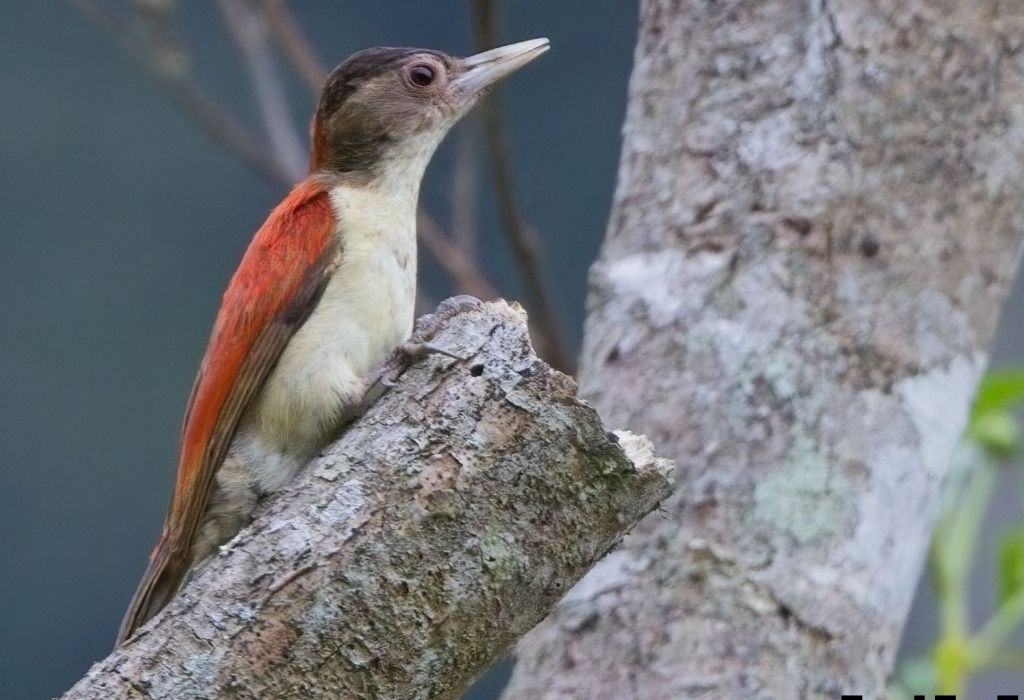
Colombia 2025 – The Tour Begins – Days 1 through 5 – Barranquilla through Santa Marta

Before this trip I had never heard of the city of Barranquilla. It is the 4th largest city in Colombia, behind Bogota, Medellin and Cali with a metro population of 2,370,000. Like many South American cities there is a striking contrast between the wealthier and poorer sections. Barranquilla, situated on the Caribbean Coast is the the capital of Colombia’s Atlántico Department, a bustling seaport flanked by the Magdalena River. The city is known for its enormous Carnival and a major attraction along the Riverwalk is a very large statue of perhaps its most famous citizen, Shakira. My first night would be at the Hotel Barranquilla, a very nice hotel in a lovely area, about 25 minutes from the international hotel. Guide Breiner Tarazona was waiting for me as I came out of the easily managed entry process at the airport – and then I could relax. I have never had a problem with a guide or driver meeting me upon arrival, but it is always a tense moment – “What if there is nobody there?” With that hurdle passed, it was almost 1 p.m. and it was time for some birding.

Day 1 – June 20th

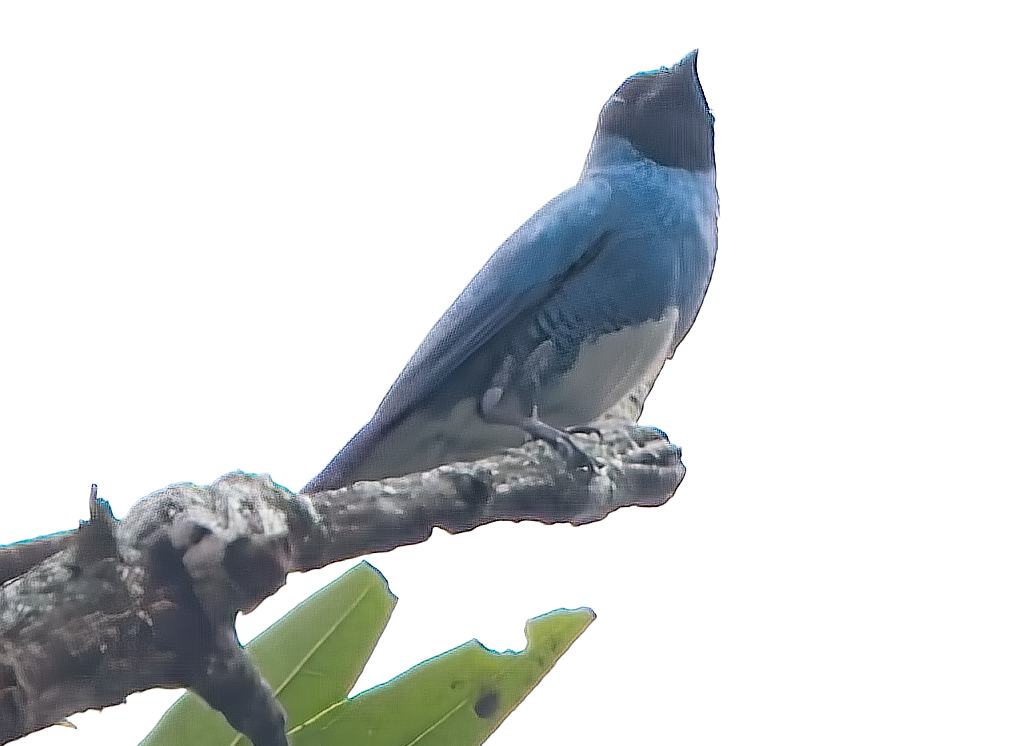
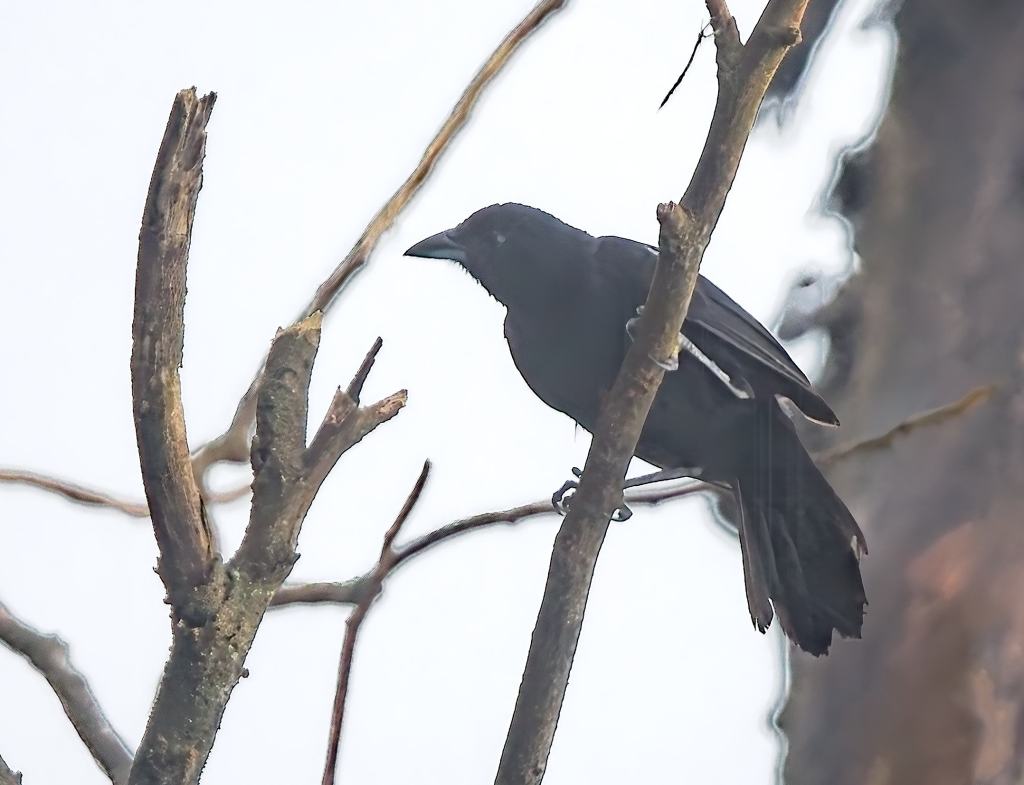
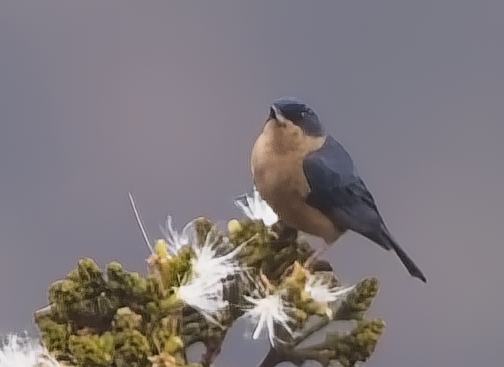
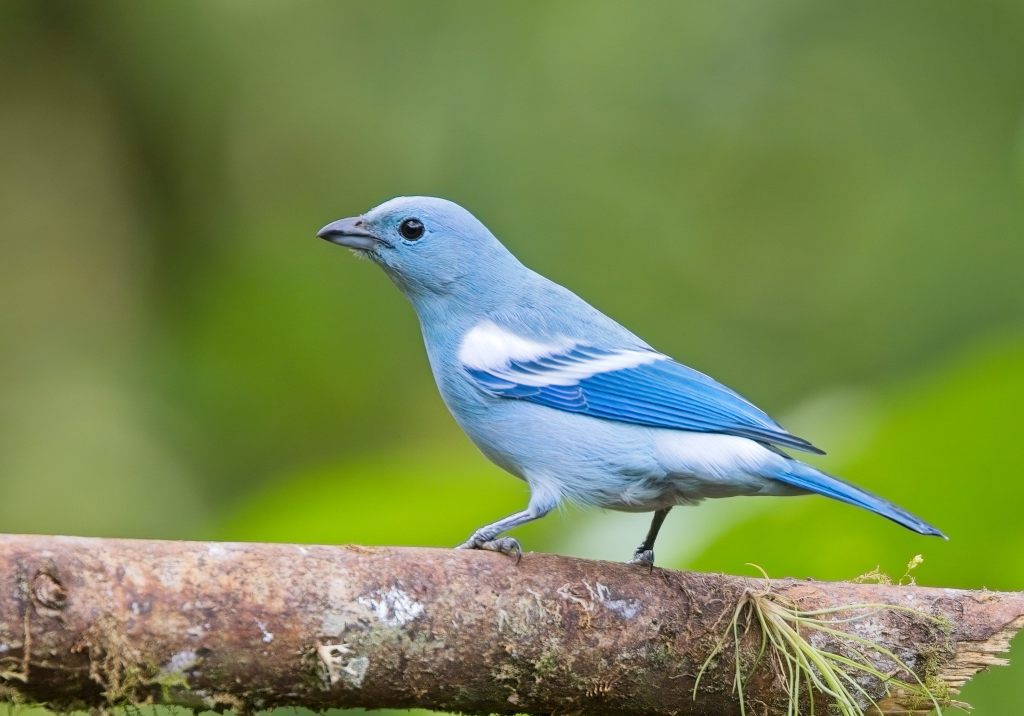
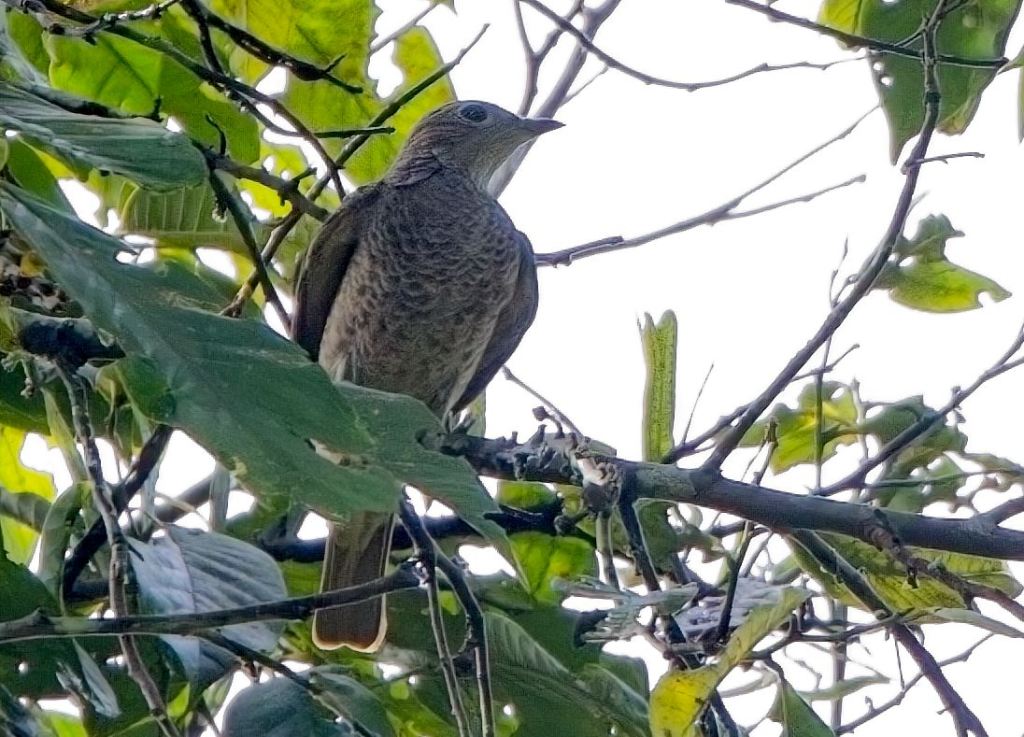
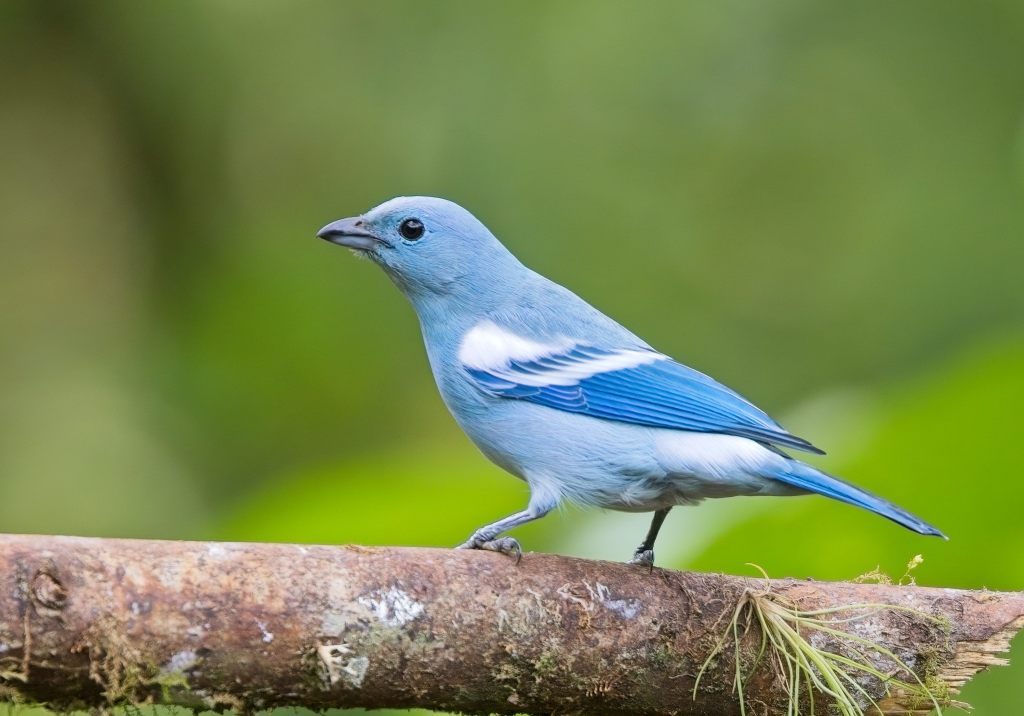
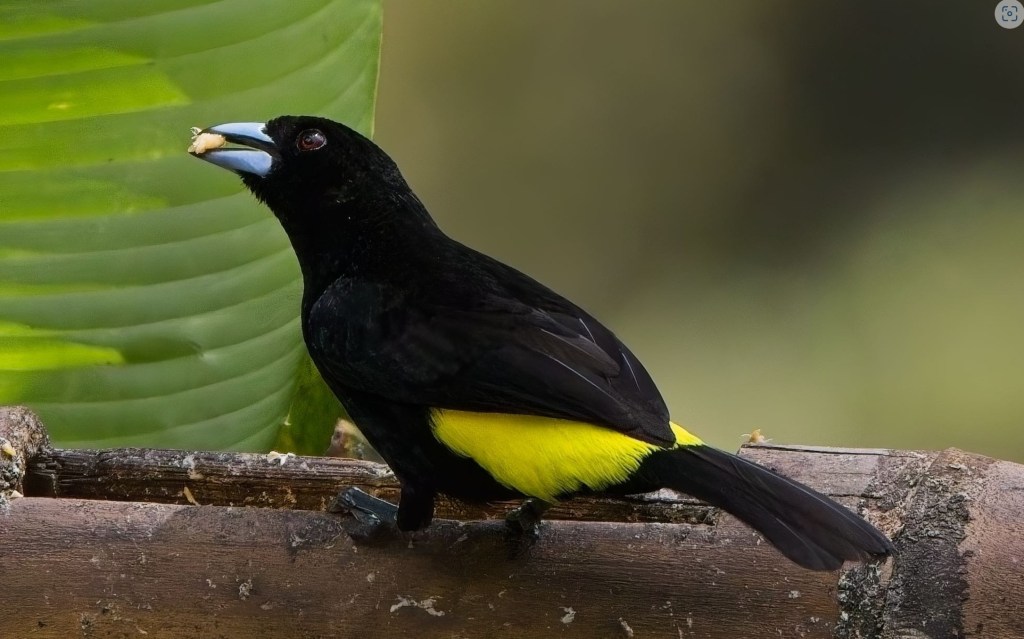
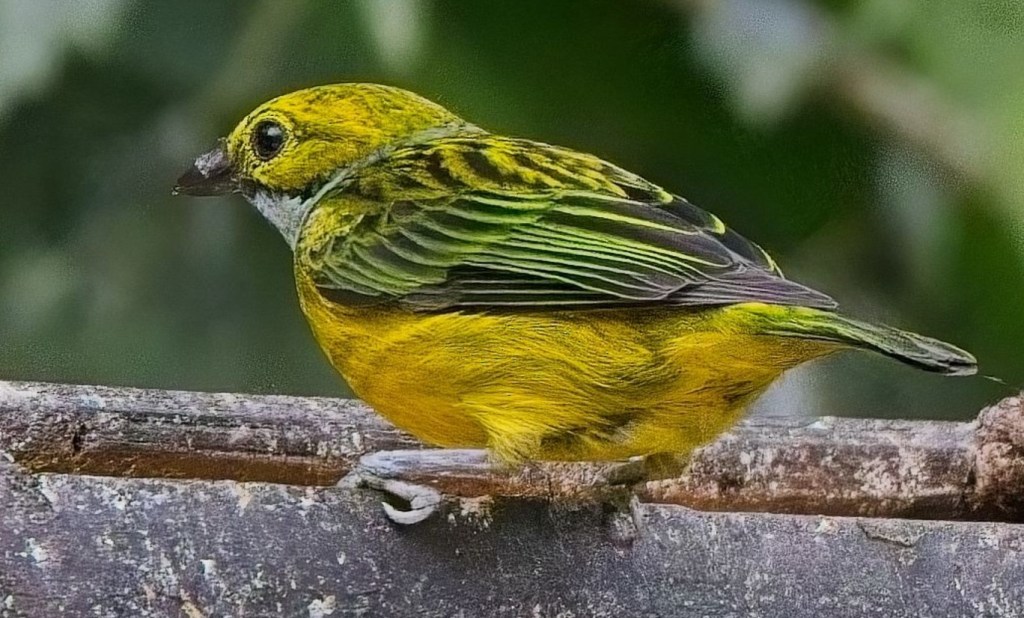
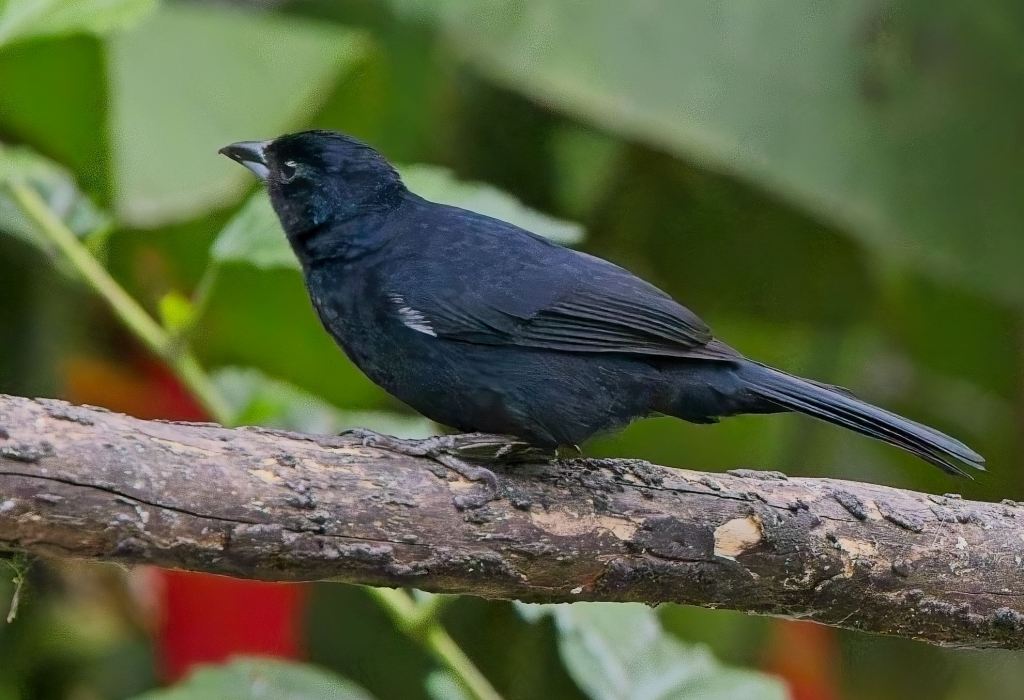
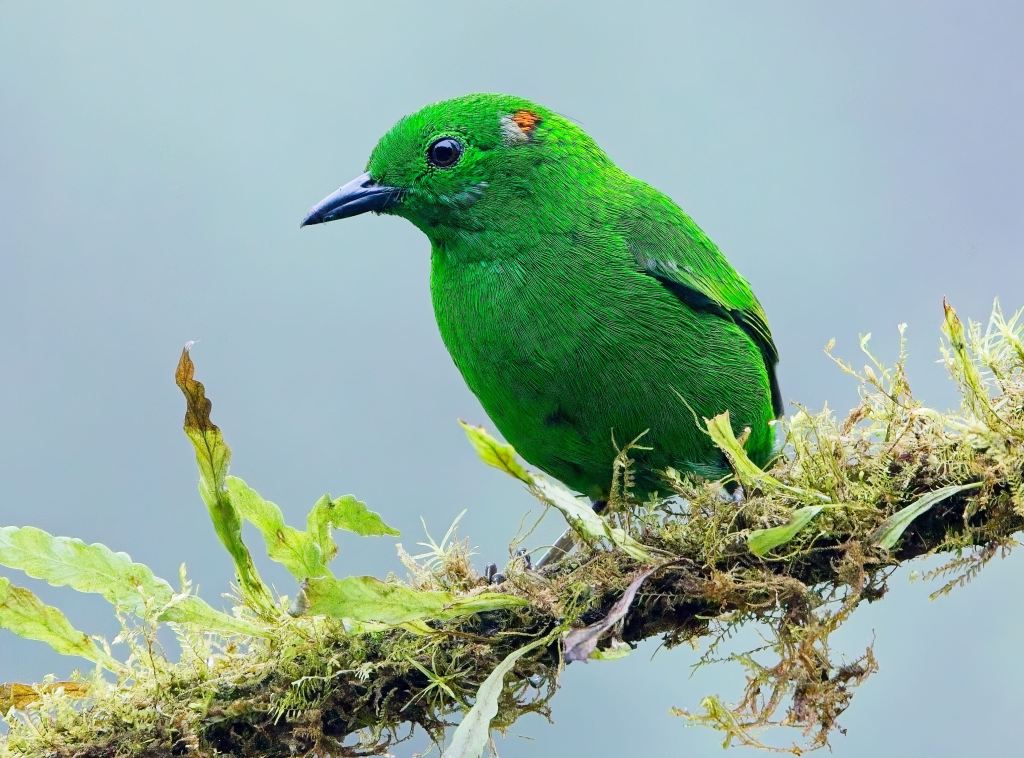
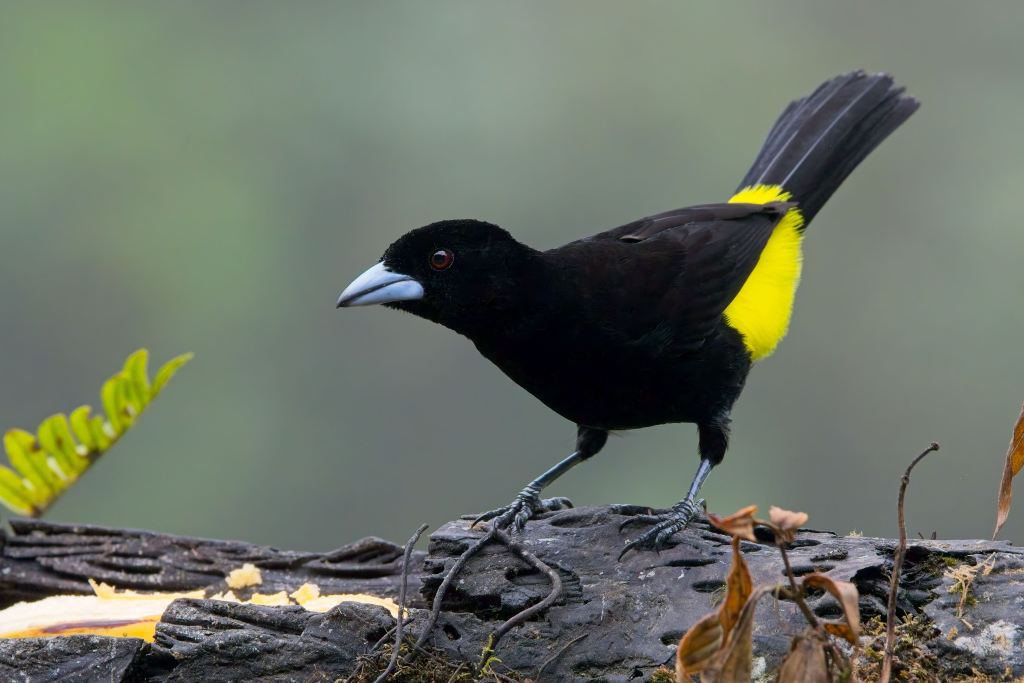
Our first targeted destination was to be the Ciénaga del Totumo–Volcán del Totumo, a large wetland located behind the Totumo volcano. There were birds along the way including some that would later be seen better at our first real stop and become life photos: Carib Grackle, Lesser Yellow-Headed Vulture, and Gray-Headed Martin. I also got my first lifer, a Glaucous Tanager, which brought my Colombia life list to 11 before reaching the Ciénaga. This was a fabulous first Colombia birding experience as we headed off to explore in a small motorized boat which brought us to many more birds and many photo opportunities.

Glaucous Tanager – First Lifer in Colombia

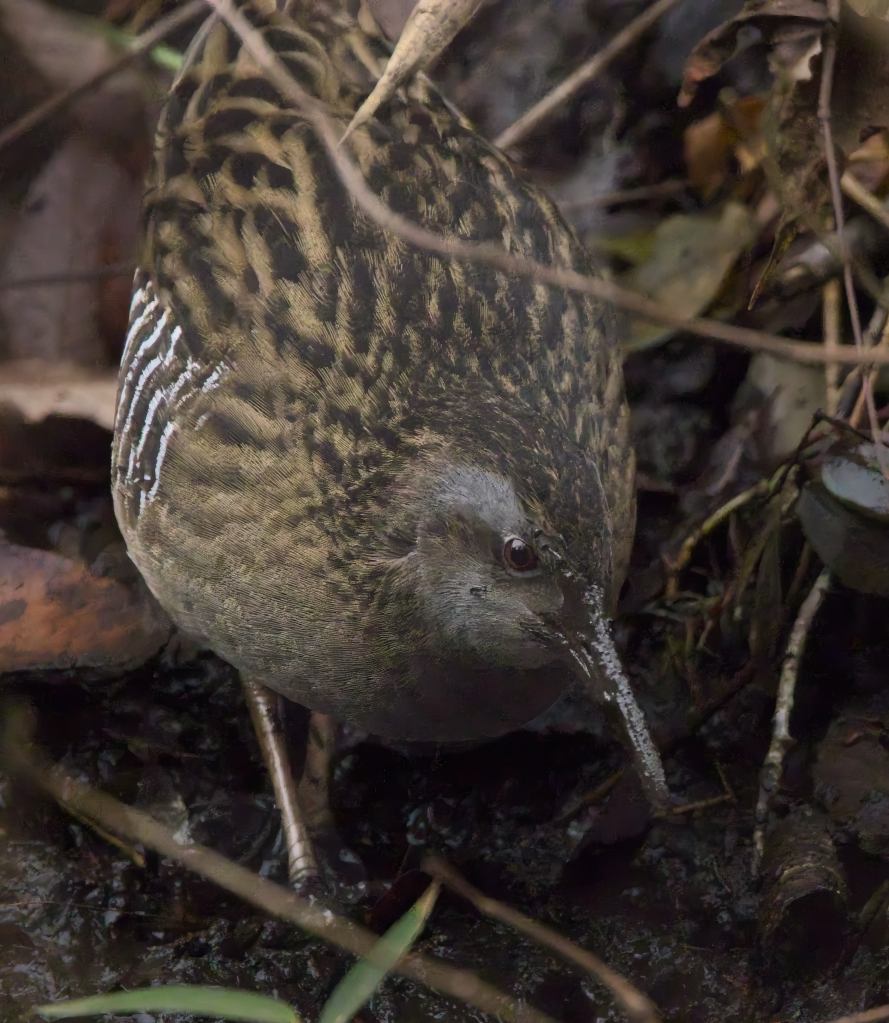
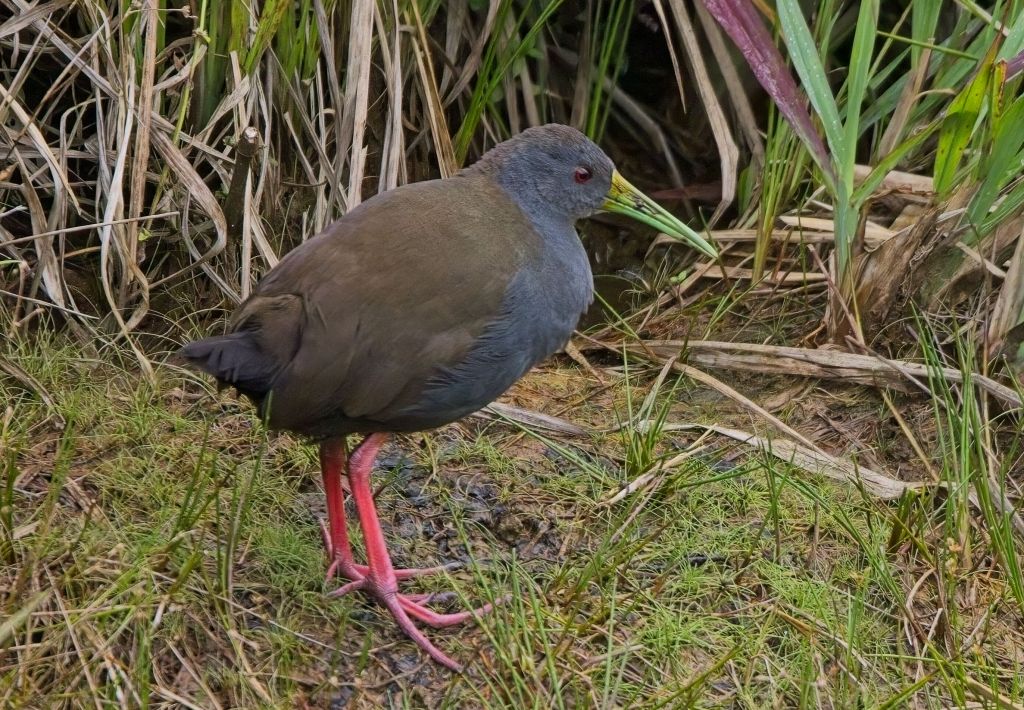
The Ciénaga was a great location with 47 species split almost 50/50 between water-related species and others. The same even split applied to the 6 world lifers and despite the water orientation, there were actually more life photos of the non-water birds. This visit also included one of the rarest birds and photos of the entire trip as Breiner expertly found and then called out a very rare Yellow-breasted Crake an early demonstration of Breiner’s expertise and skill. Previously there had been fewer than 10 photos of this species in all of Colombia. It is hard not to include all of the 25 species photographed on this visit, but I will limit them here to just the lifers (life list or photo) — and well a few others.
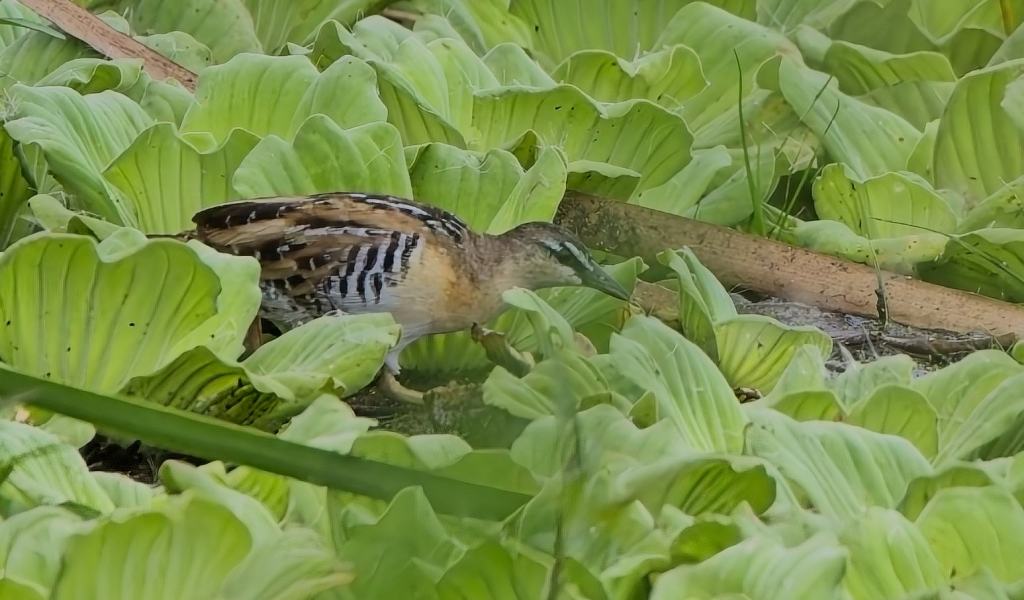
Rarely photographed Yellow-breasted Crake
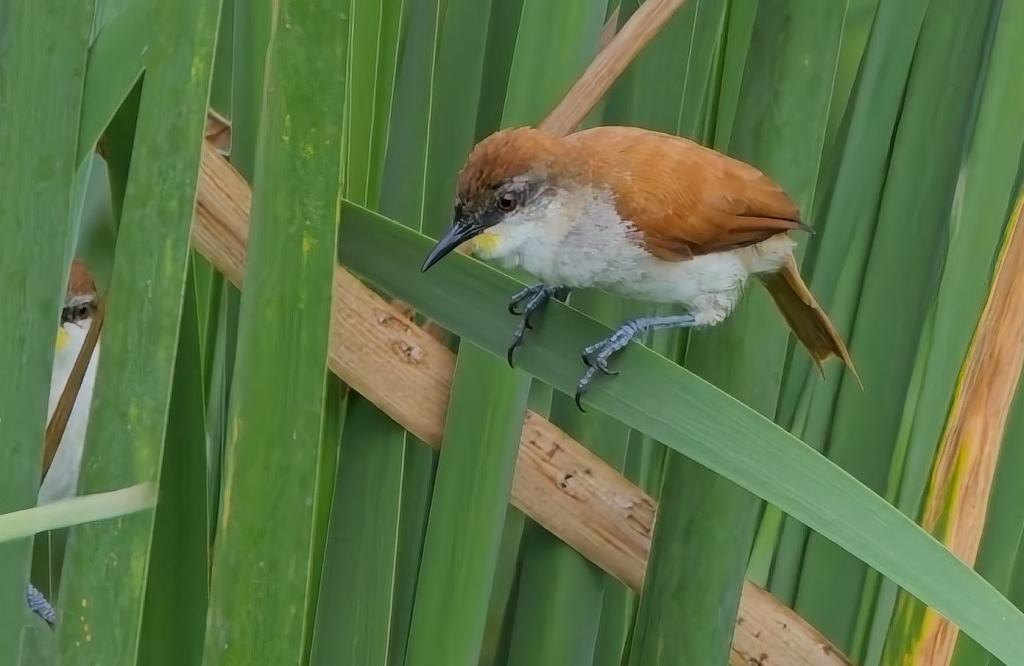
Yellow-chinned Spinetail – Lifer
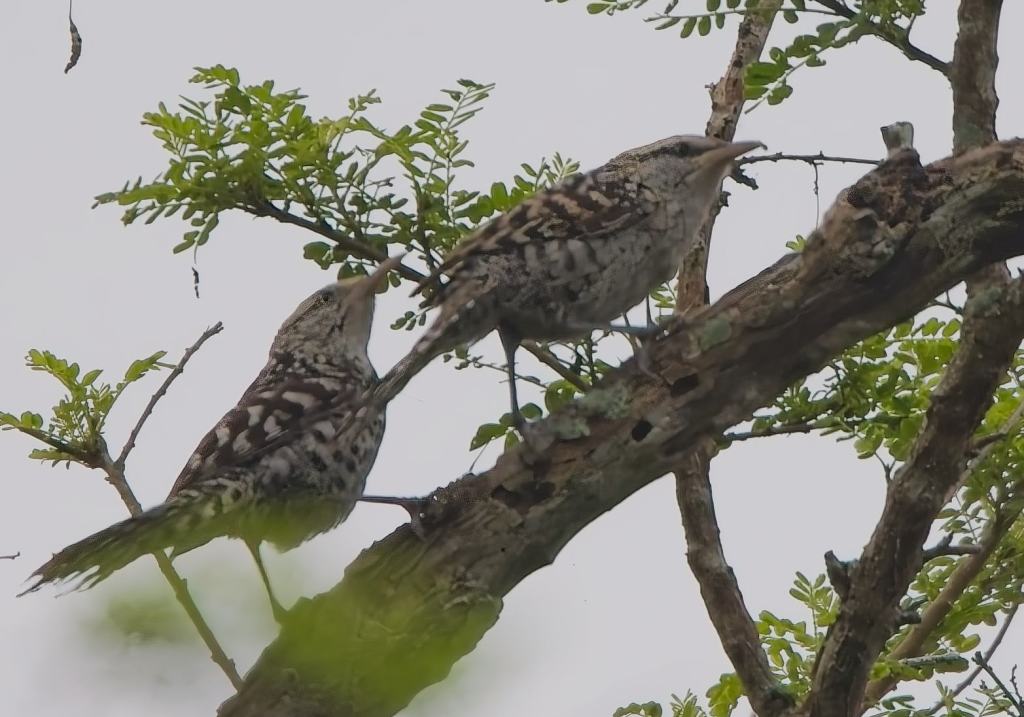
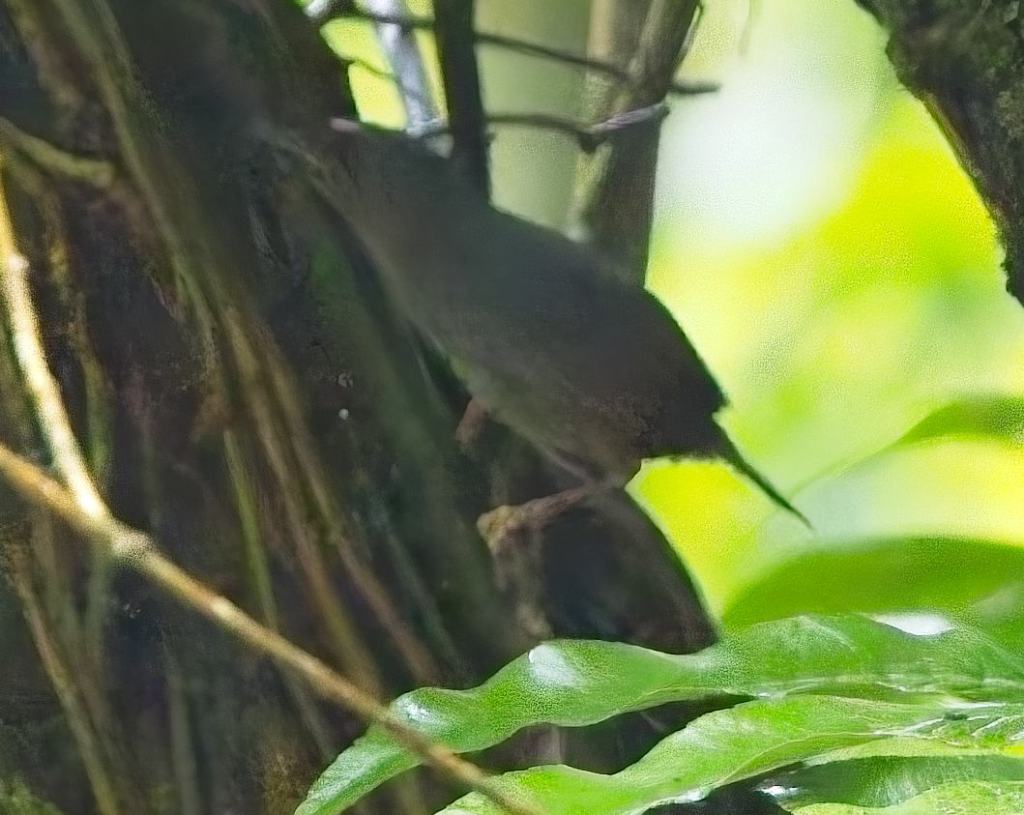
Bicolored Wren – Lifer
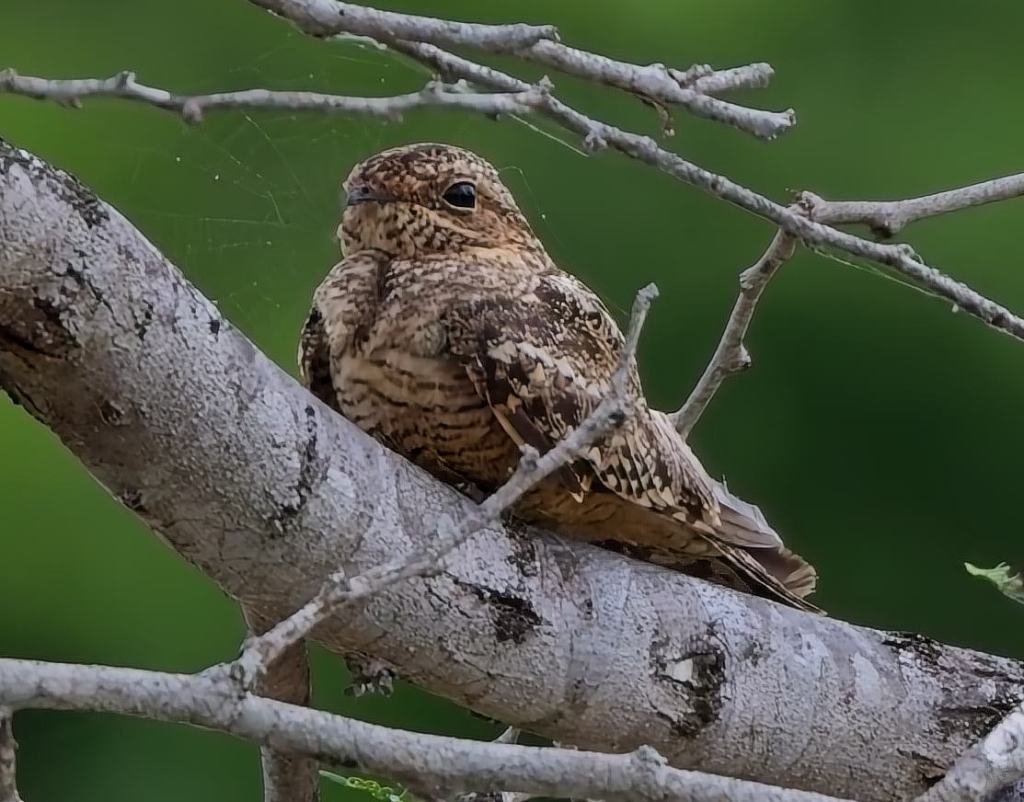
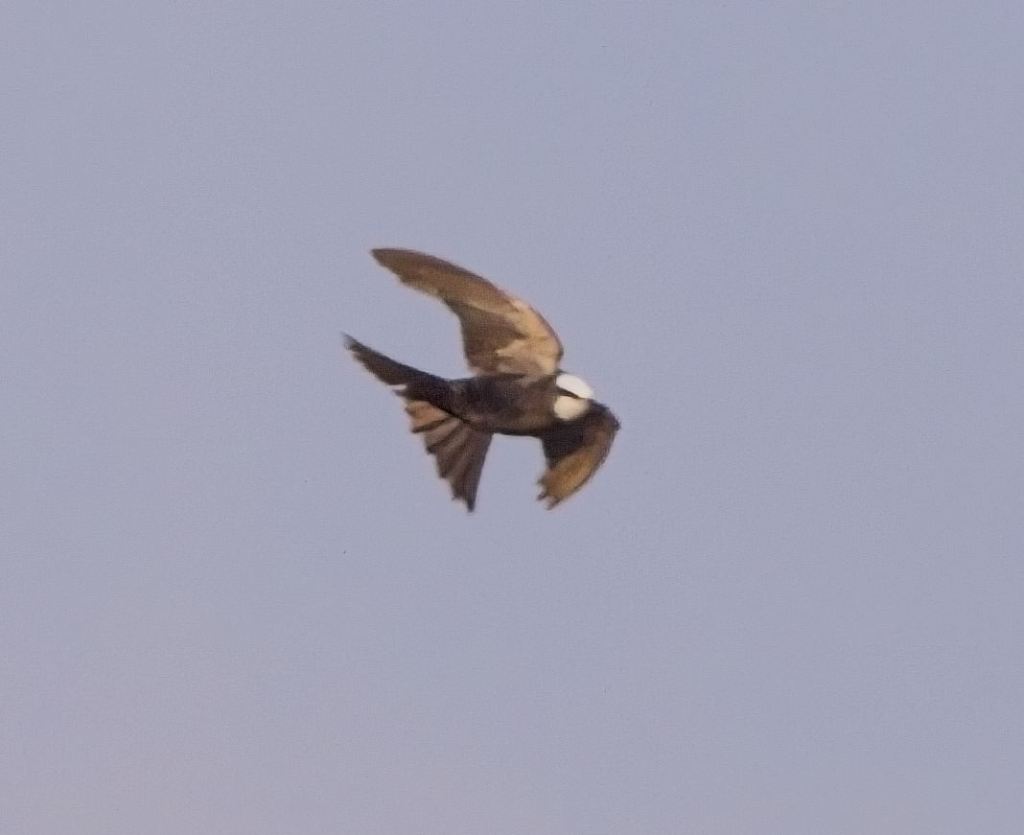
White-tailed Nightjar – Lifer
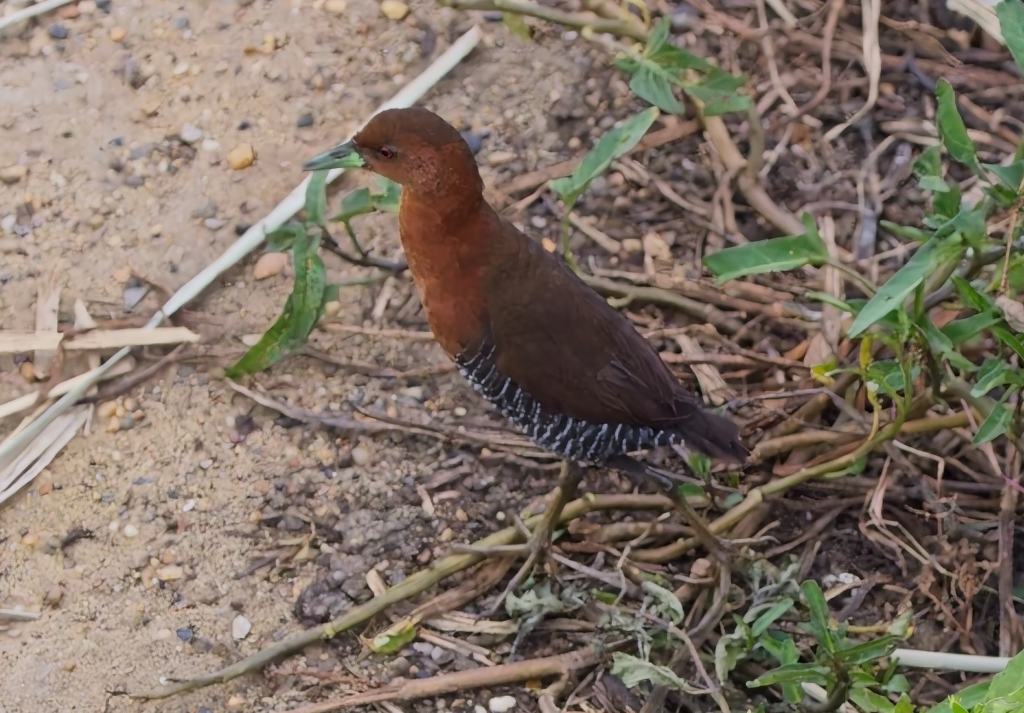
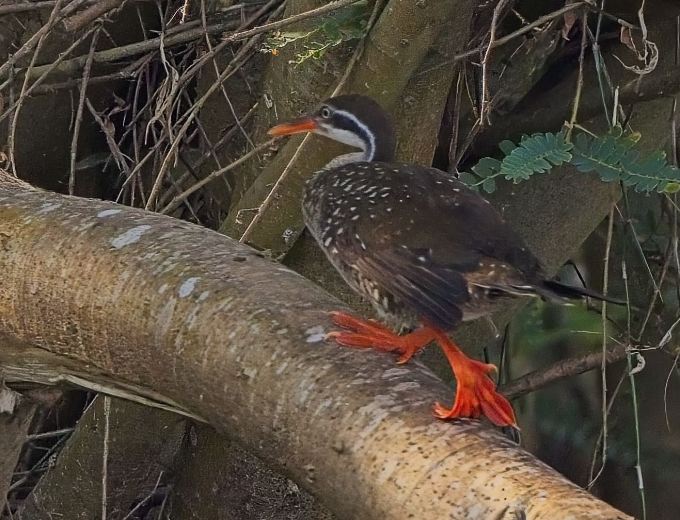
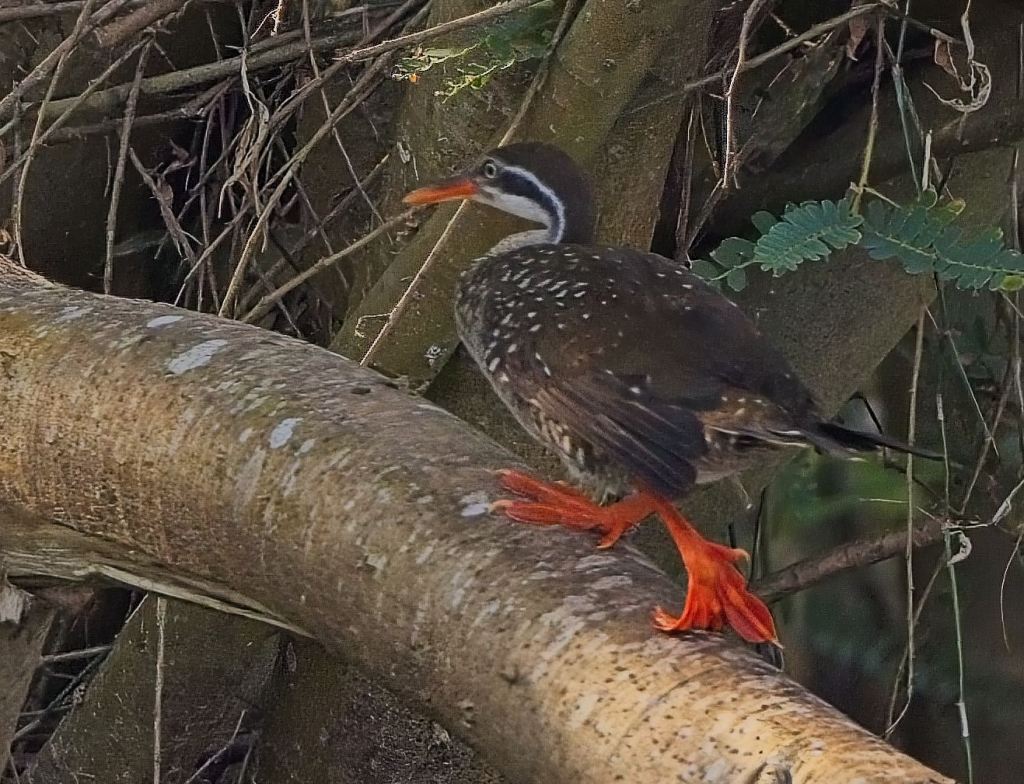
White-throated Crake – Lifer
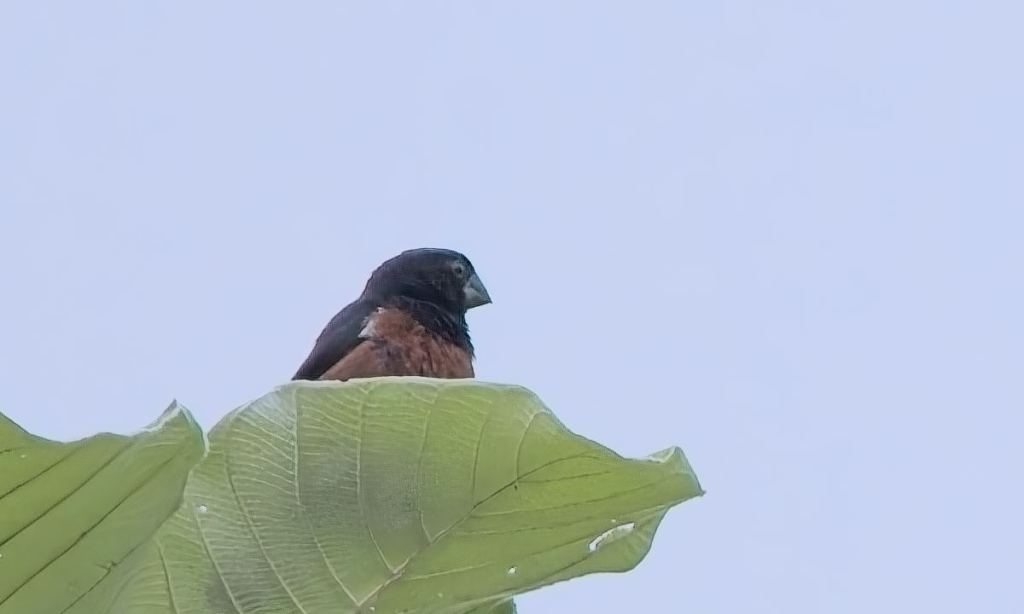
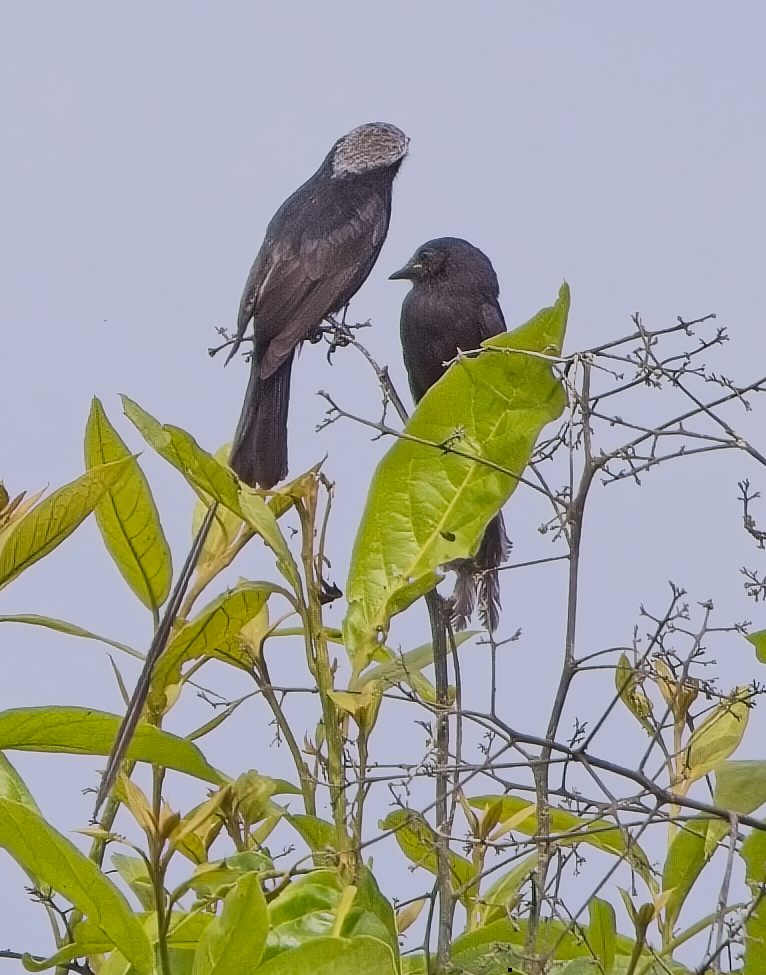
Black-crested Antshrike – Life Photo
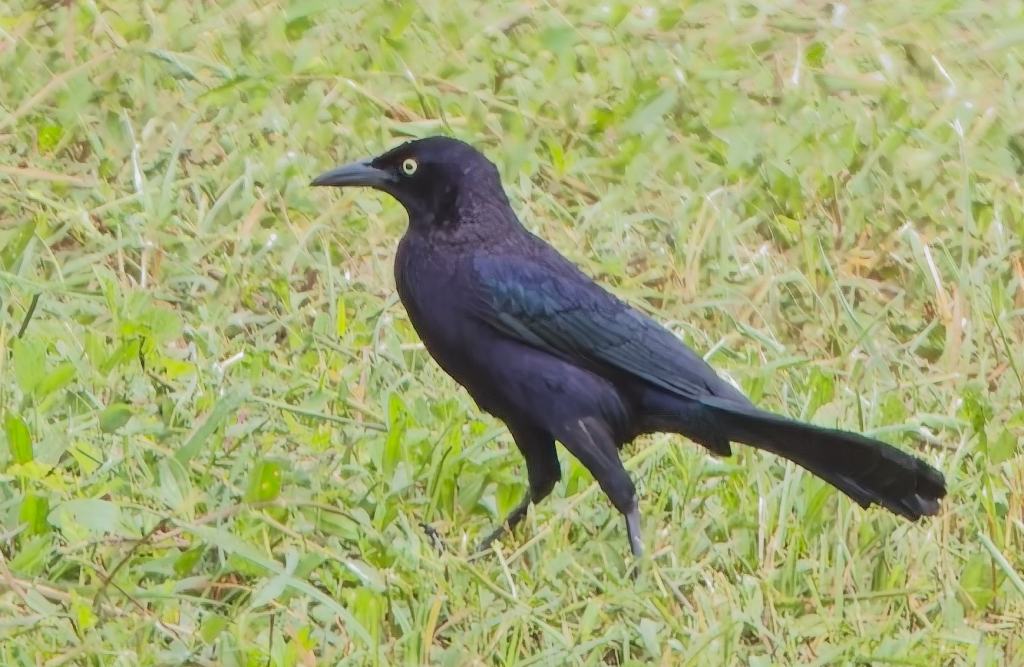
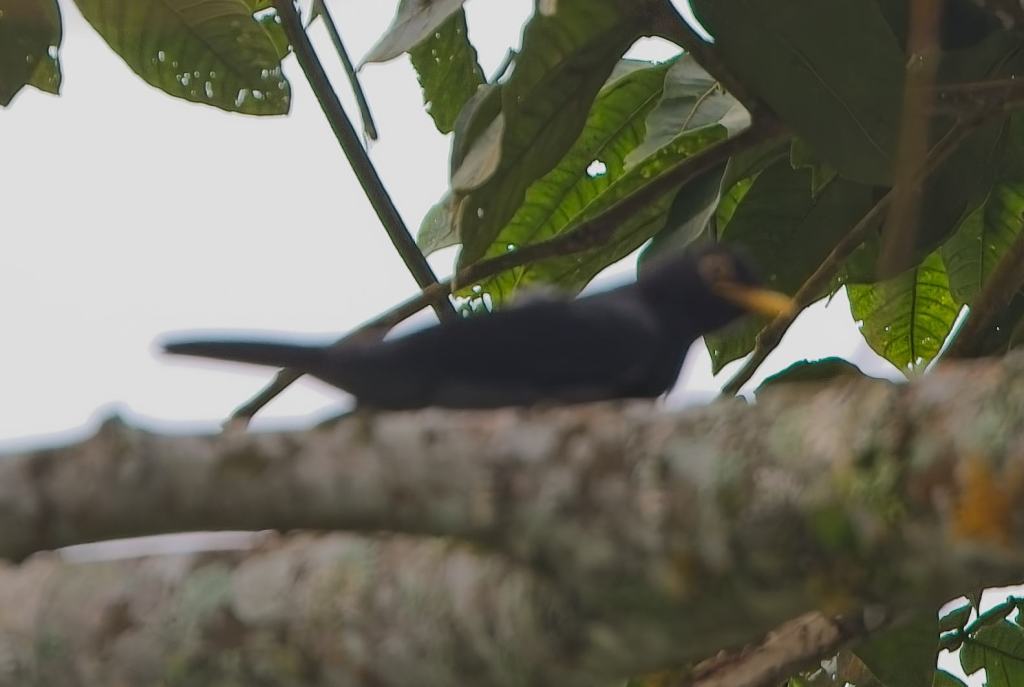
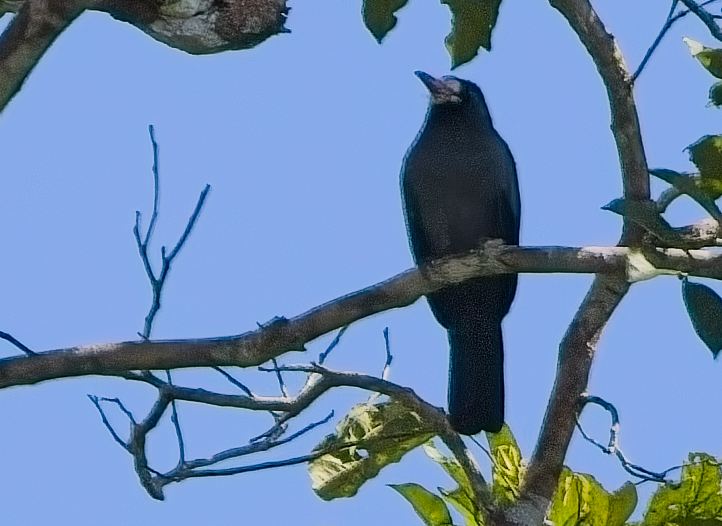
Carib Grackle – Life Photo
Bare-faced Ibis – Life Photo
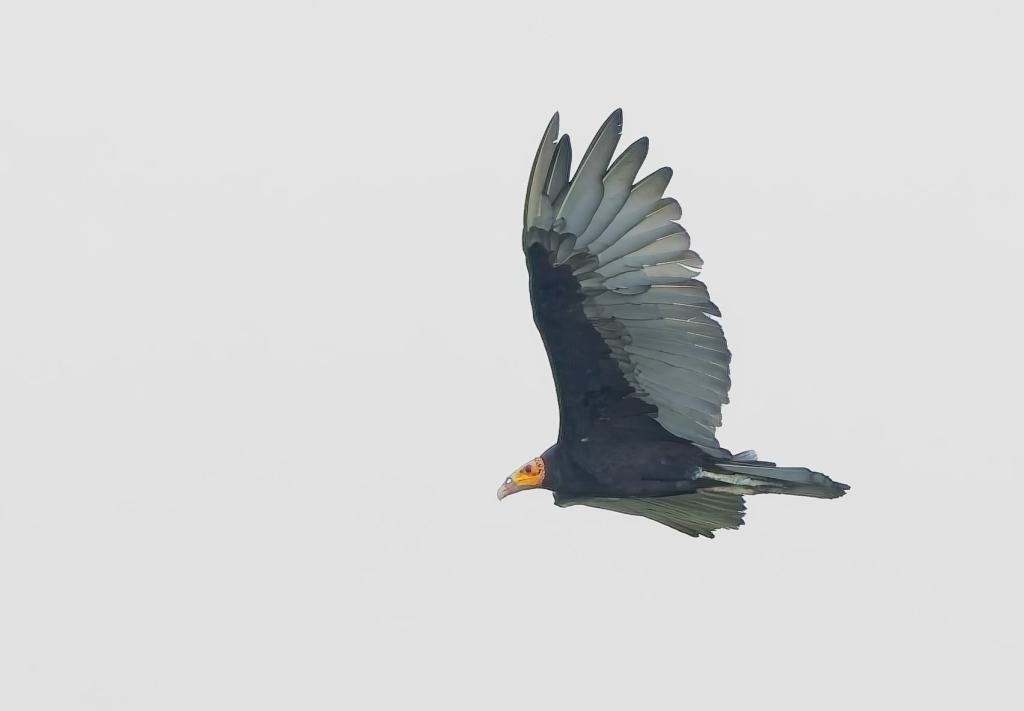
Lesser Yellow-headed Vulture – Life Photo
Gray-breasted Martin – Life Photo
Yellow-hooded Blackbird – Life Photo
Cocoi Heron – Life Photo

Other photos that were not lifers or life photos.

We added a few more species at a last stop for the day and headed to our hotel. Totals for the day: 57 species; 7 lifers and 11 life photos – excellent for barely a half day of birding.

Day 2 – June 21st

As is often the case with birding trips it was an early morning start to be able to get to our target area for the morning – the Matute Birding Nature Reserve, in a tropical dry forest south and west of Barranquilla, fairly close to Cartagena. We birded there from just past 6 a.m. until noon. Seventeen of the 46 species seen there were lifers for me. The 32 species photographed included 10 of those lifers (getting photos of two of the others later in the trip) and life photos of 8 other species. I have grouped the lifers with photos in the first gallery and life photos but not lifers in the second.
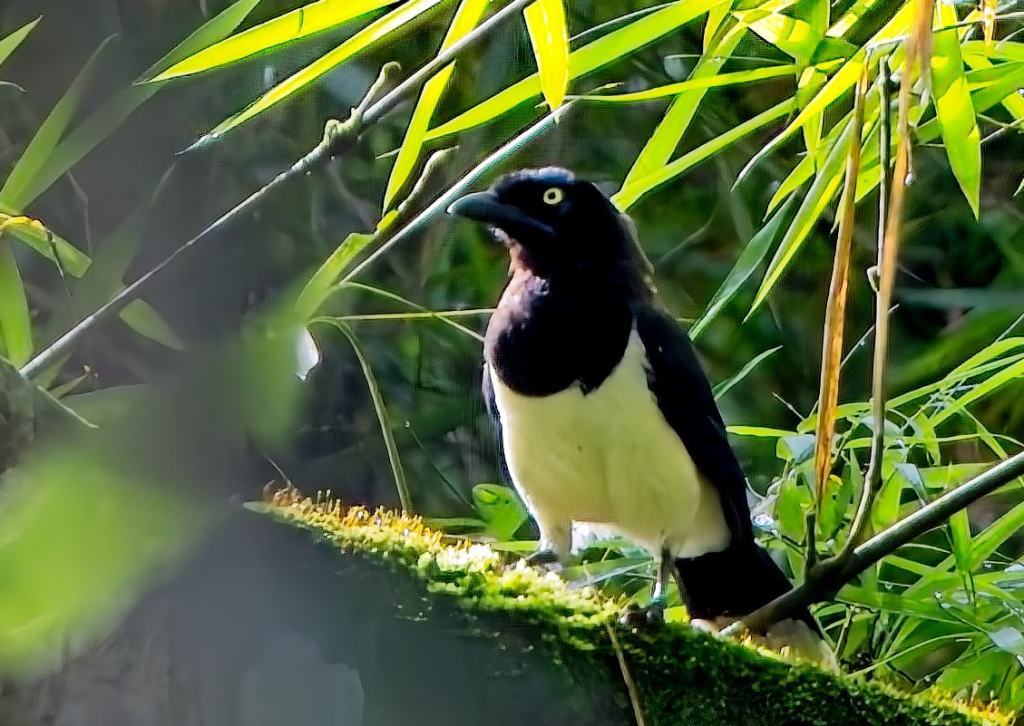
Life Photos of Non-lifers

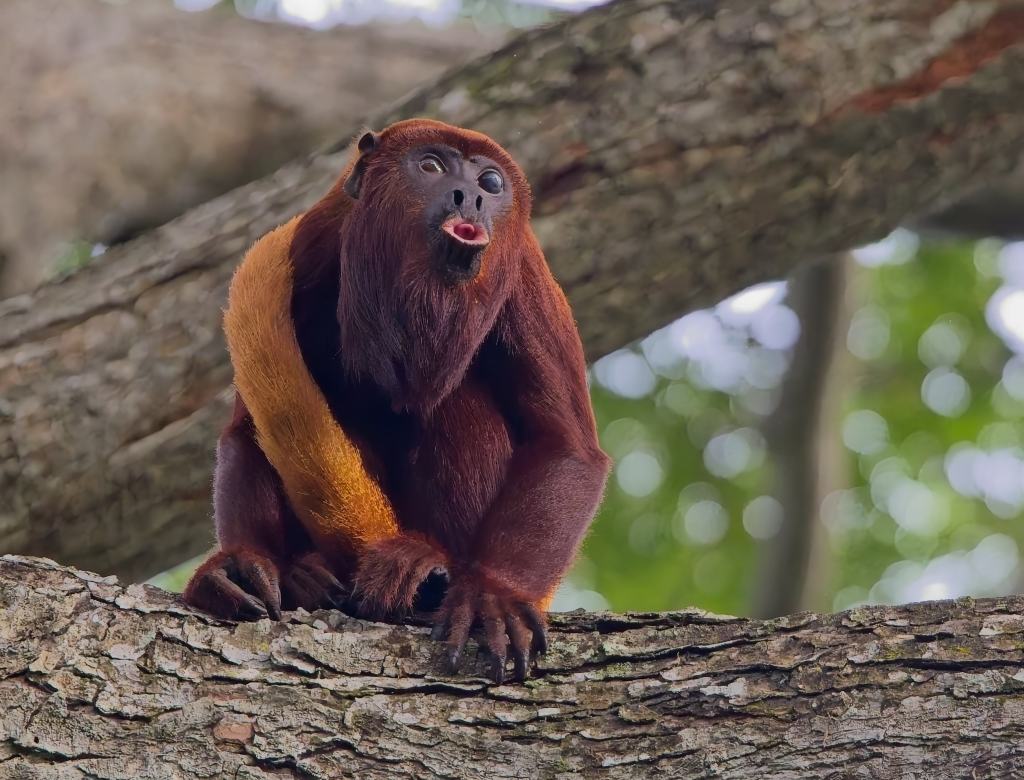
A highlight of our visit to the Matute Reserve was several interactions with resident Red Howler Monkeys with some excellent views and photo opportunities. We also had our only Capybara of the trip – a brief distant view before it scurried off the road in front of us providing a single quick chance for a photo.
Capybara

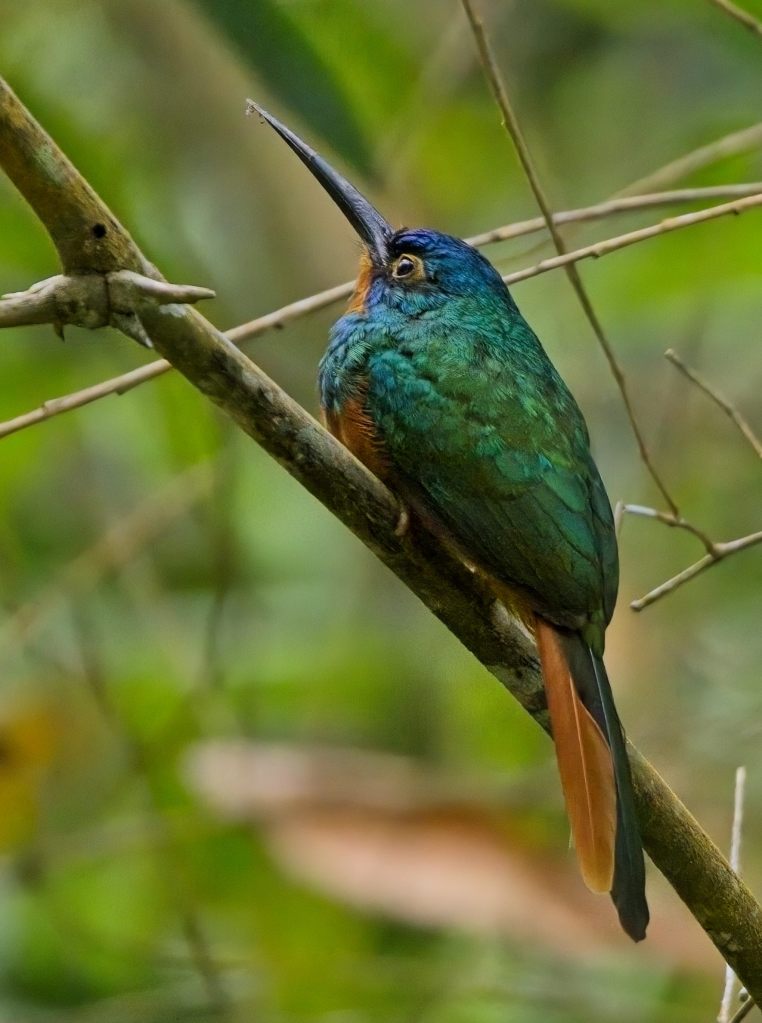
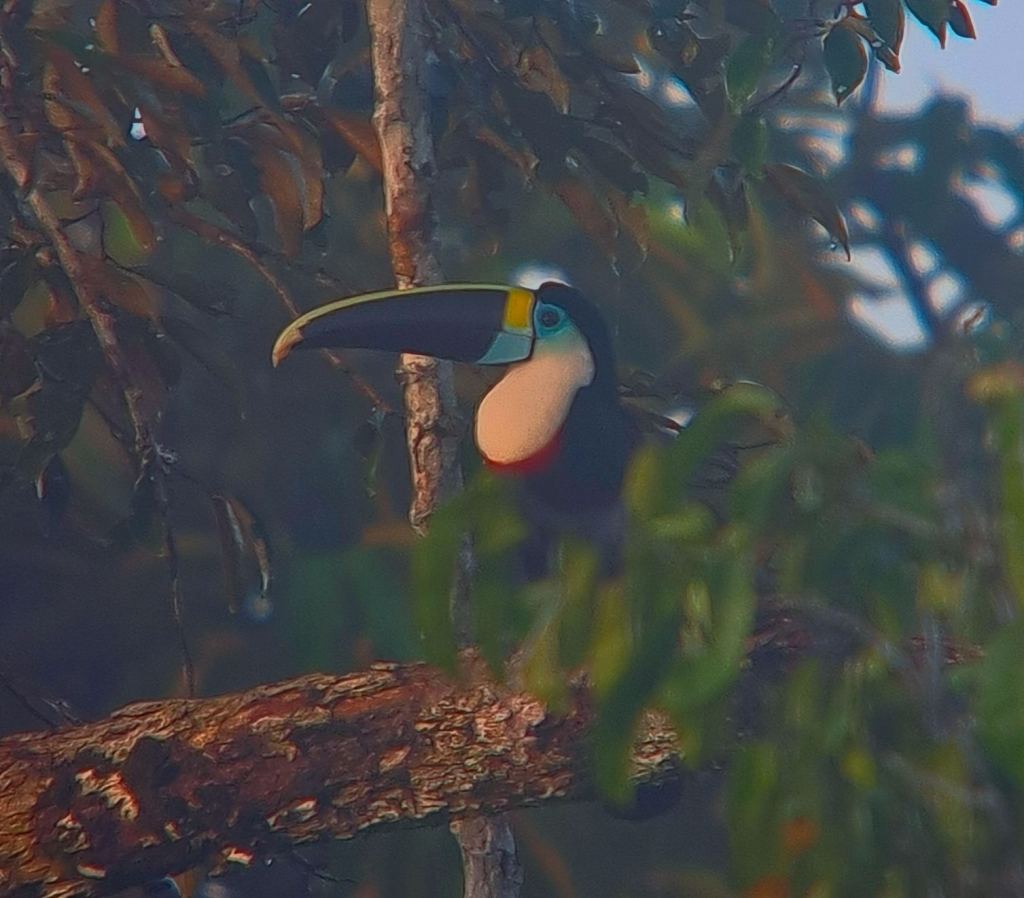
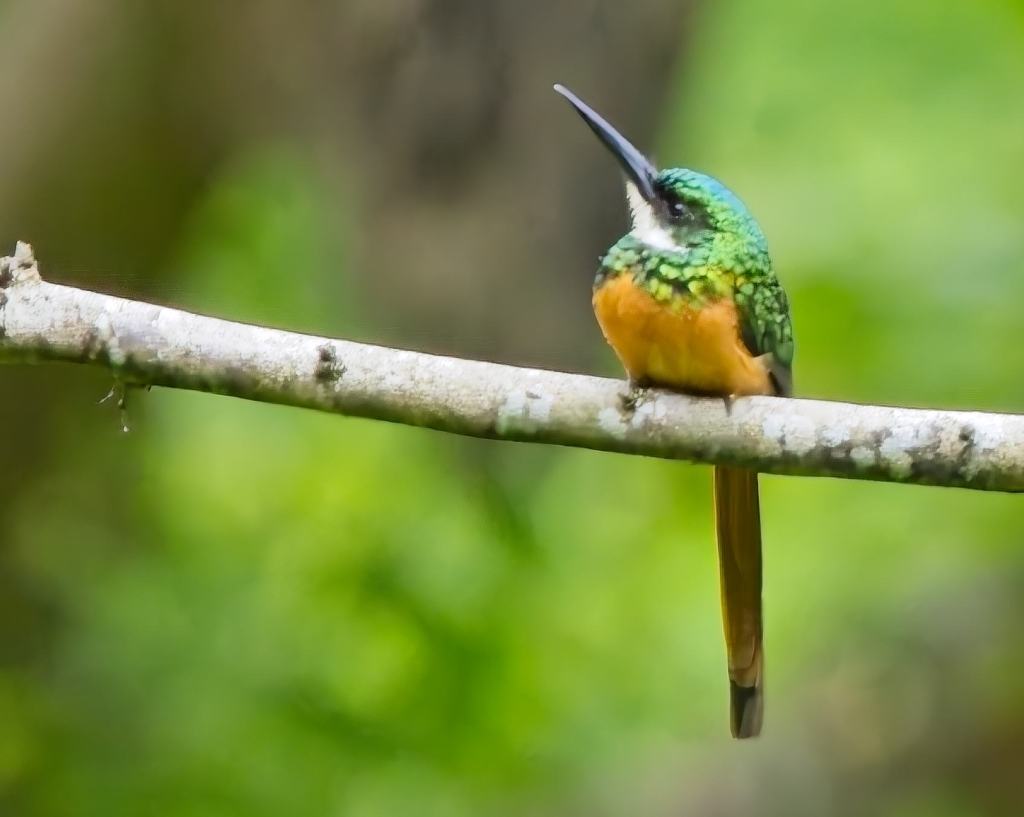
Although neither lifers nor life photos, I have to include photos of some iconic tropical species: Rufous-tailed Jacamar, Whooping Motmot (it actually does “whoop”) and Keel-billed Toucan.
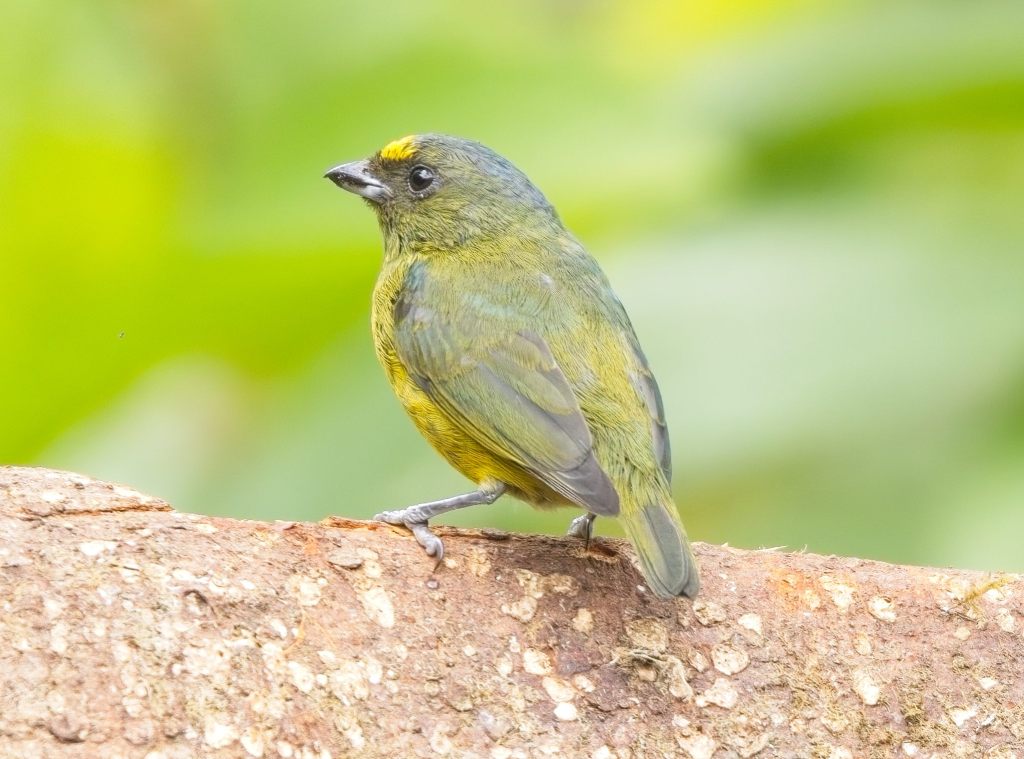
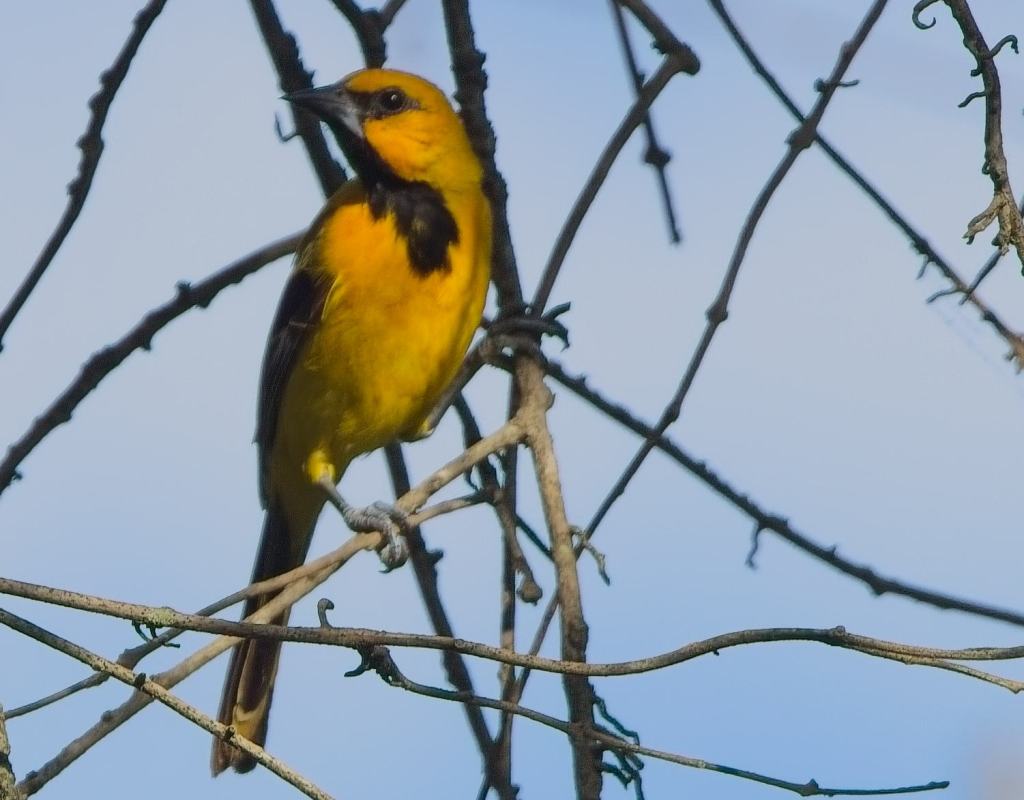
After a long and large lunch on the road, we headed back to Barranquilla with a productive stop at a marshy/wetland area along a branch of the Magdalena River. The only lifer was of an unphotographed Yellow Billed Tern but I did get life photos of a Yellow Oriole, Northern Screamer, and Olive-gray Saltator as well as nice photos of Snail Kite, Ruddy Ground-Dove, Smooth Billed Anis, and Southern Lapwing.
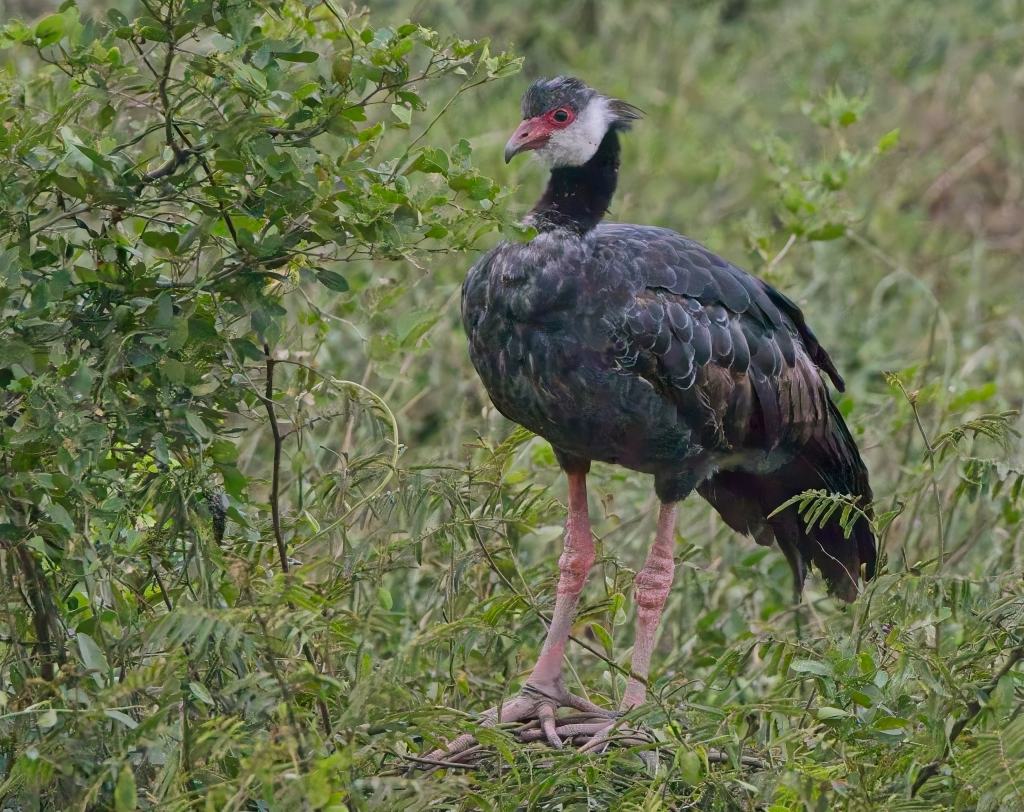
Northern Screamer – Life Photo
Yellow Oriole – Life Photo
Olive-gray Saltator – Life Photo

Totals for the day: 70 species; 18 lifers and 21 life photos. My Colombia list was at 102 species.

Day 3 – June 22

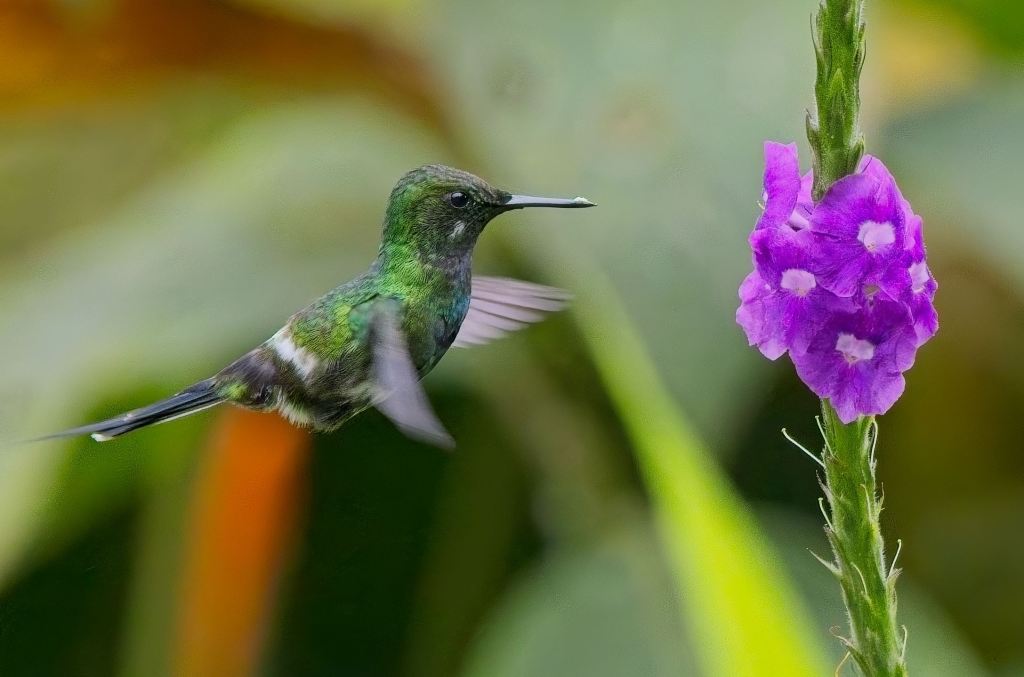
W were off on an early start evidenced by a first Ebird list beginning at 5:36 a.m. We would be working our way East towards Santa Marta but after picking up some miscellaneous species, we stopped at a somewhat odd mixed habitat place noted as the first of many stops along Troncal del Caribe in our Ebird reports which is much better sounding than the translation which is “Caribbean Trunk Road” – essentially a mix of places known to Breiner. Altogether there were 5 lists from the area and we had 69 species (not including the pet Muscovy Ducks or Peacocks). Twenty-five were new for Colombia, 7 were lifers and I added 9 life photos (a couple not worth sharing!). Unfortunately I was not quick enough to get what would have been a life photo of a flyby Amazon Kingfisher. It could have landed on any of a number of photo friendly perches, but just kept on going – little bastard!

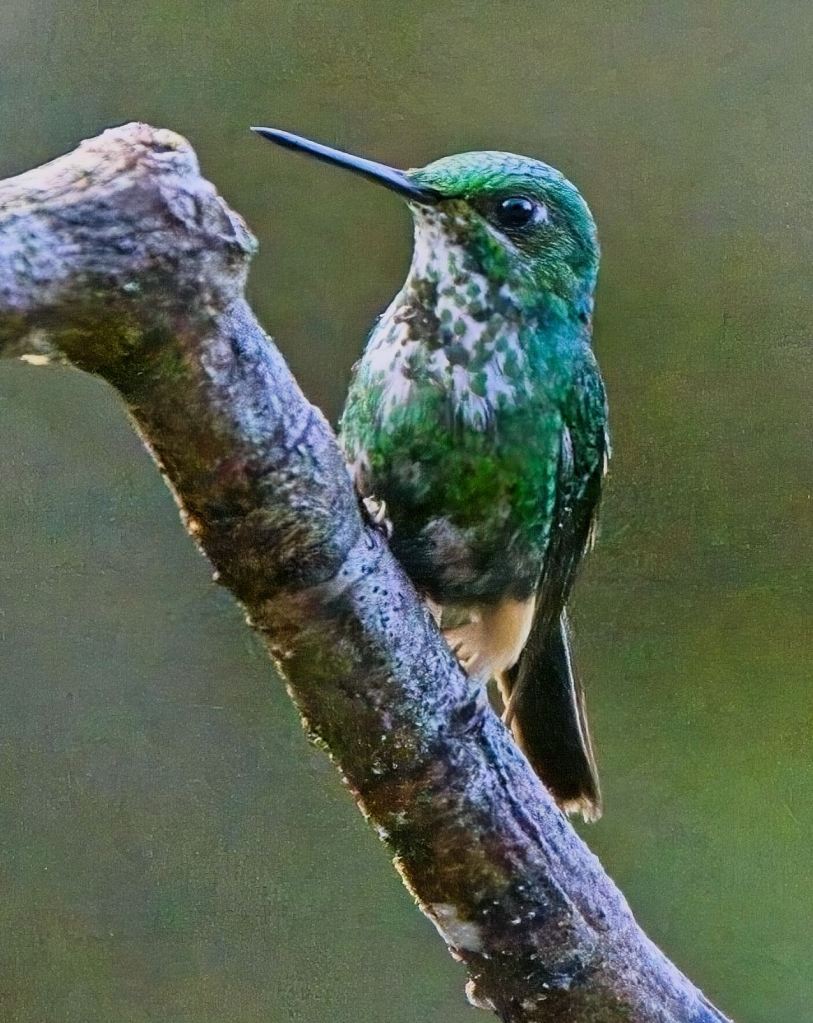
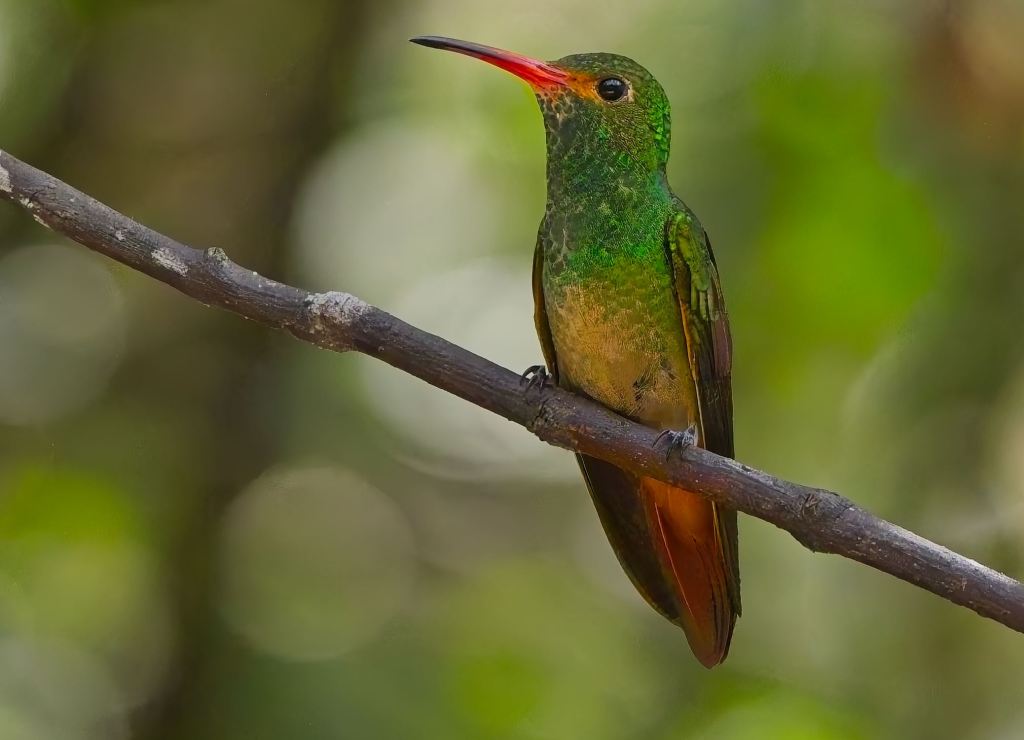
Shining Green Hummingbird – Lifer
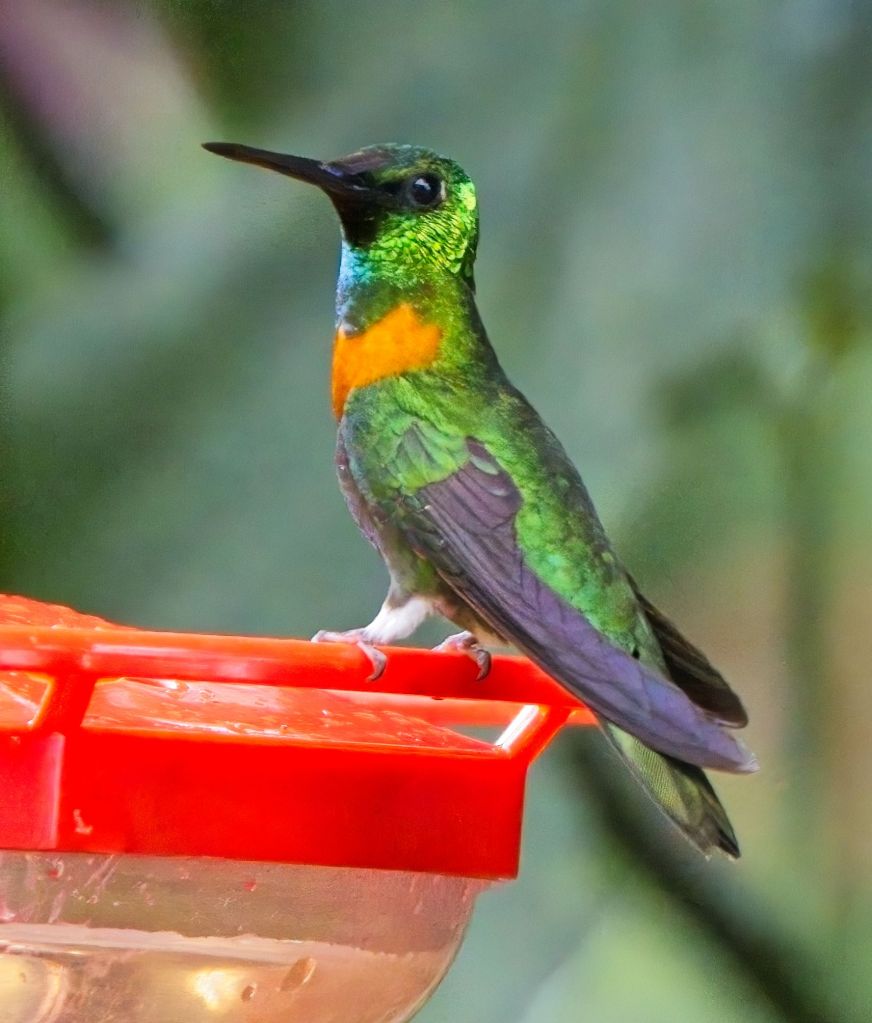
Sapphire-bellied Hummingbird – Lifer
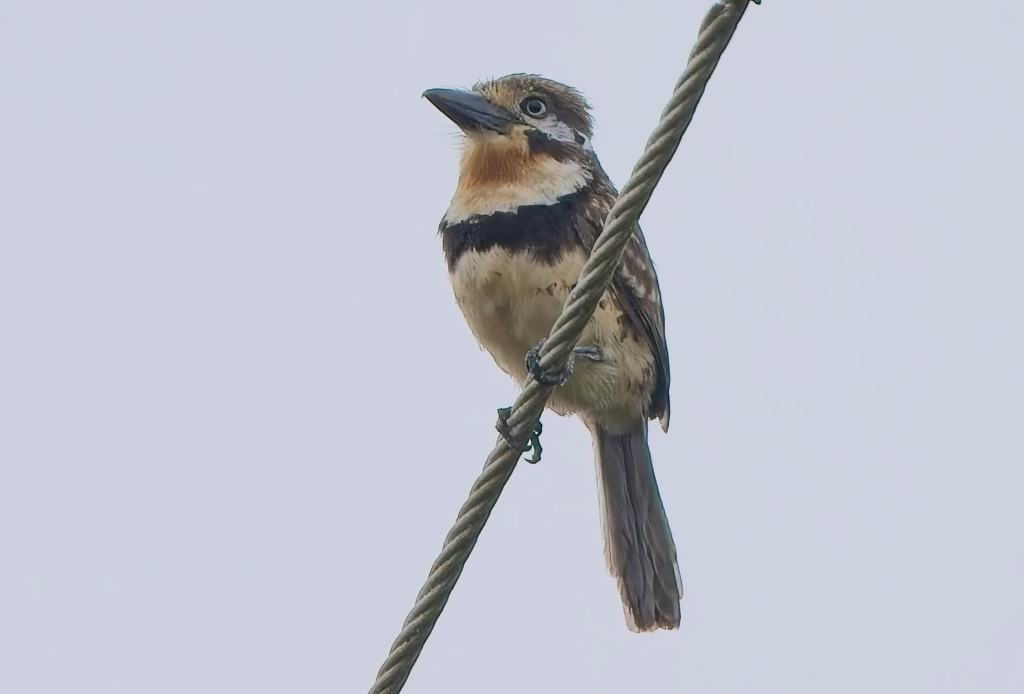
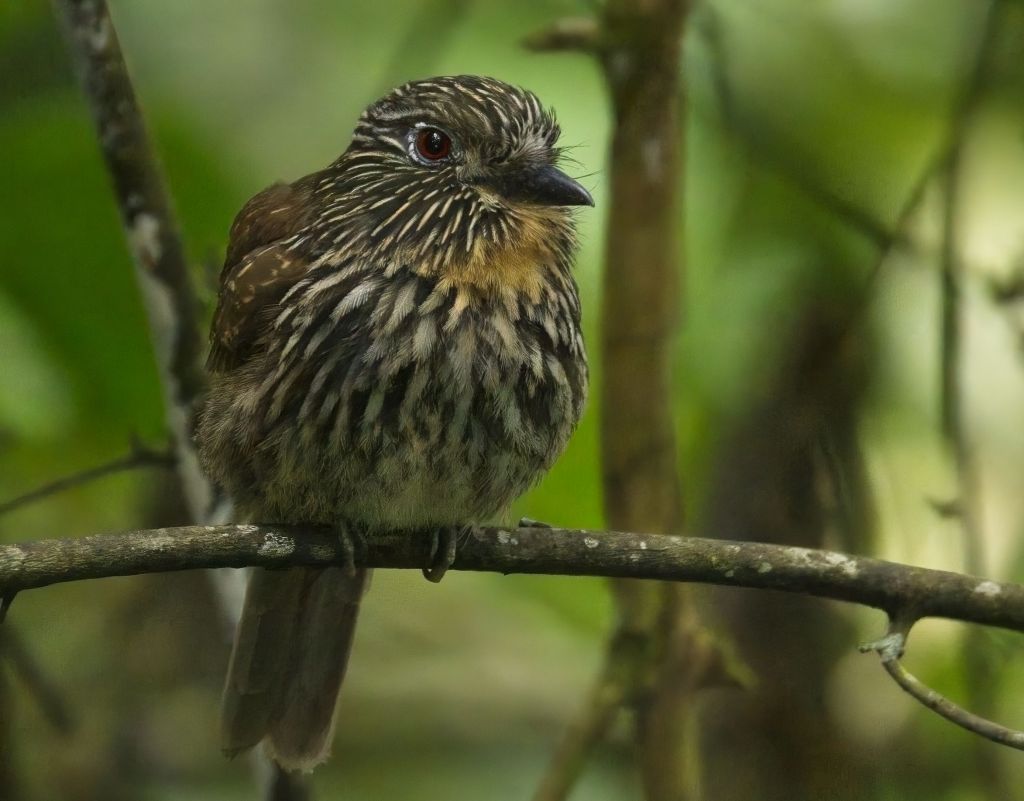
Russet-throated Puffbird – Lifer
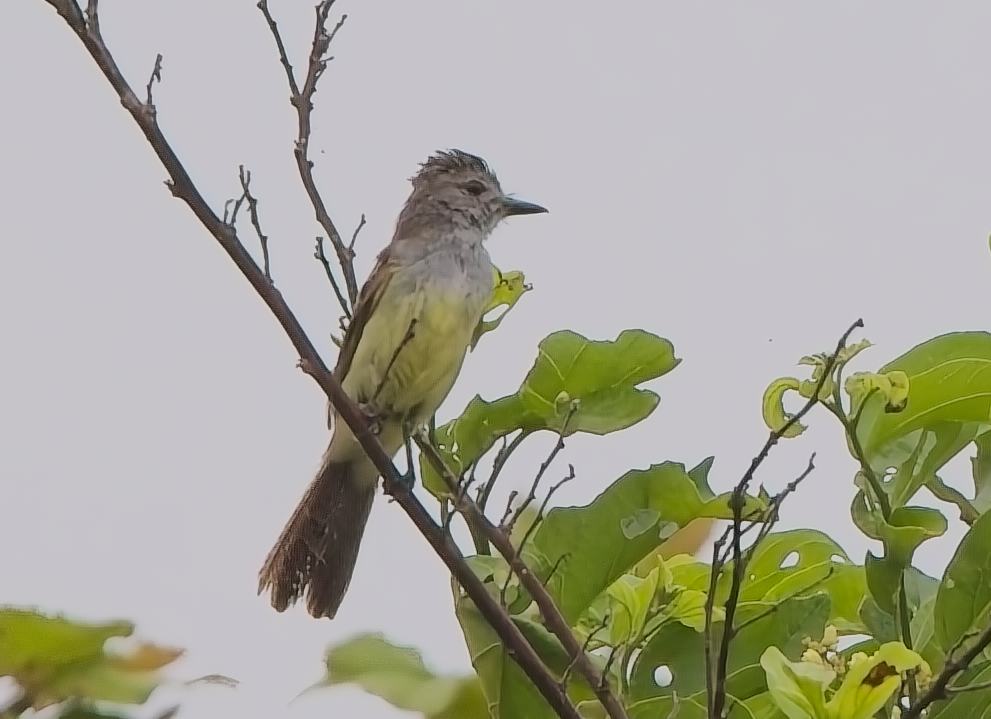
Panama Flycatcher – Lifer
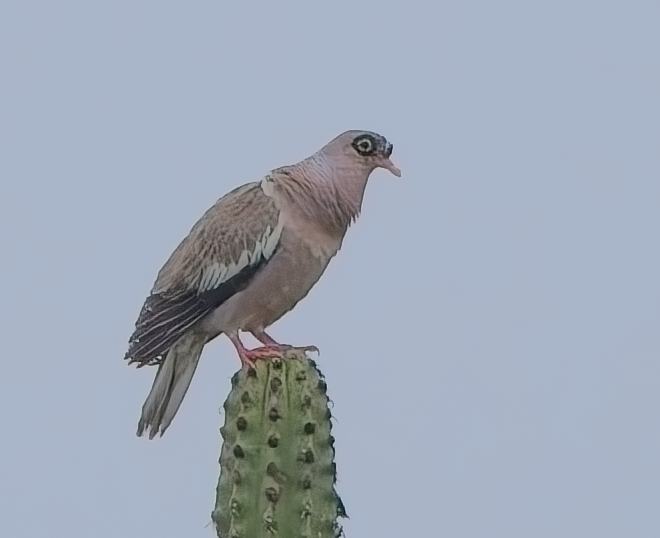
Bare-eyed Pigeon – Lifer
Caribbean Hornero – Lifer
Yellow-bellied Elaenia – Life Photo

I also had my best photos for the trip for Fork-Tailed Flycatcher, Yellow-headed Caracara and Pale-vented Pigeon among other photos.

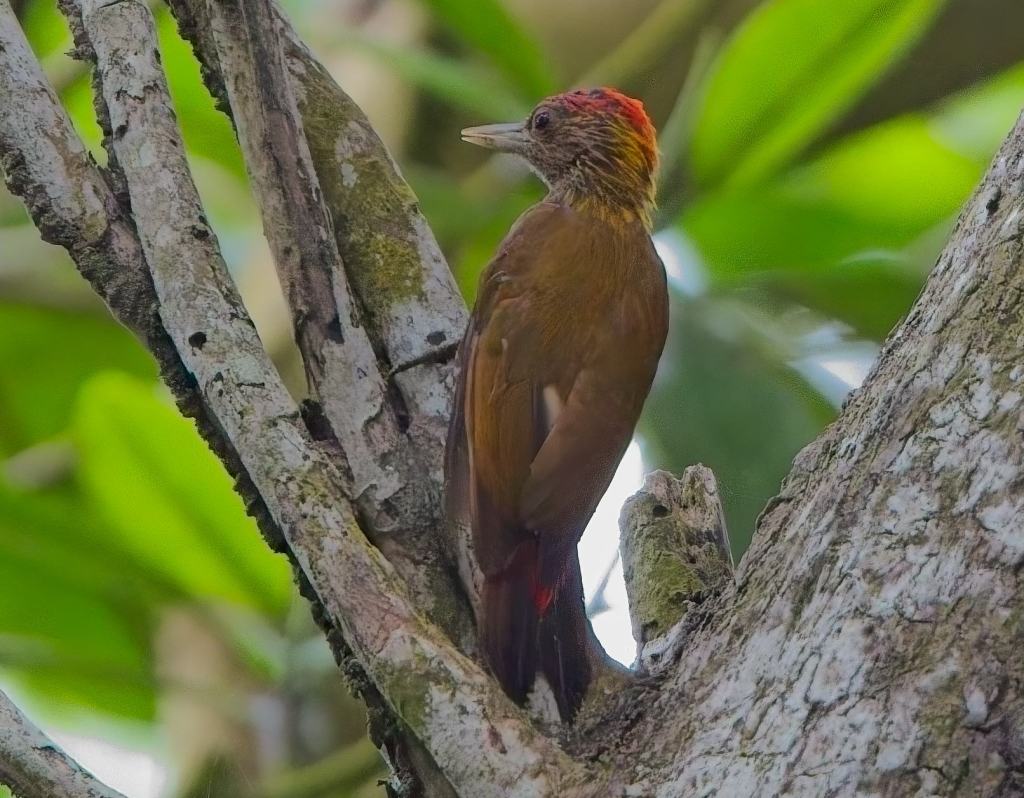
Continuing East towards Santa Marta and before lunch, we birded at Parque Isla de Salamanca, with 22 species, half of which were new for our trip including 3 more lifers: Sapphire-throated Hummingbird, Pied Puffbird and Northern Scrub-flycatcher (all with photos) and additional life photos of Red-rumped Woodpecker and Scaled Dove.

Sapphire Throated Hummingbird – Lifer
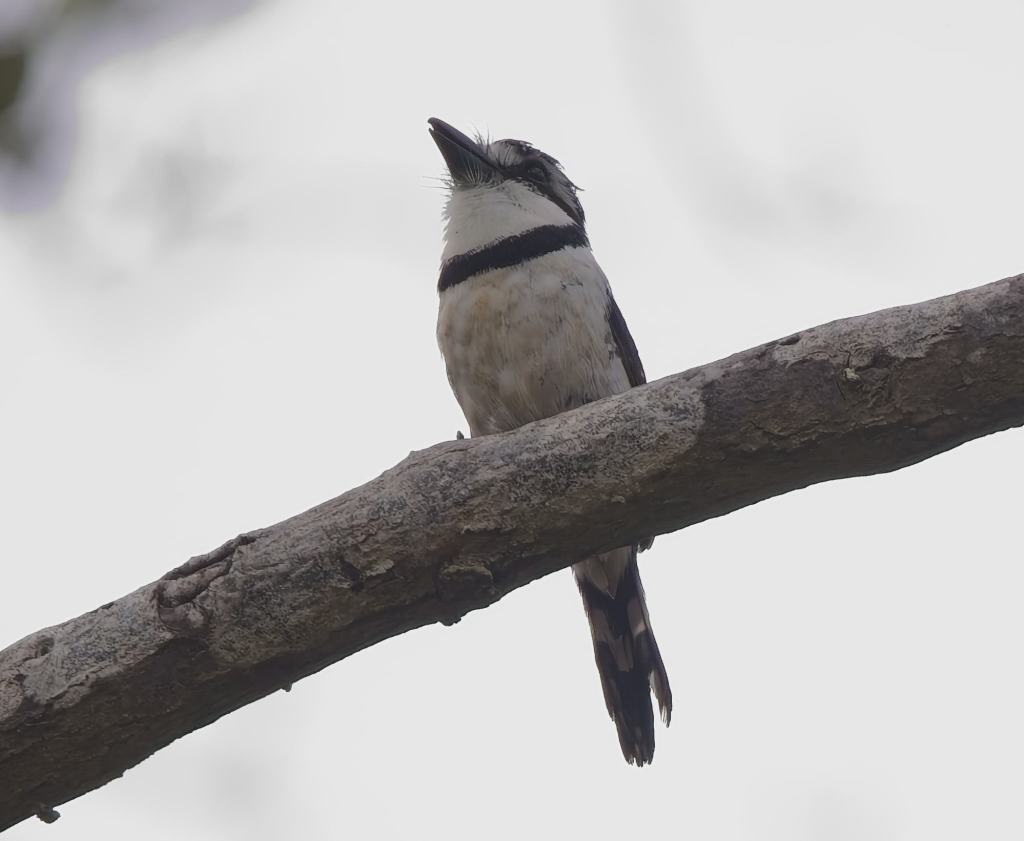
Pied Puffbird – Lifer
Northern Scrub Flycatcher
Red-rumped Woodpecker – Life Photo
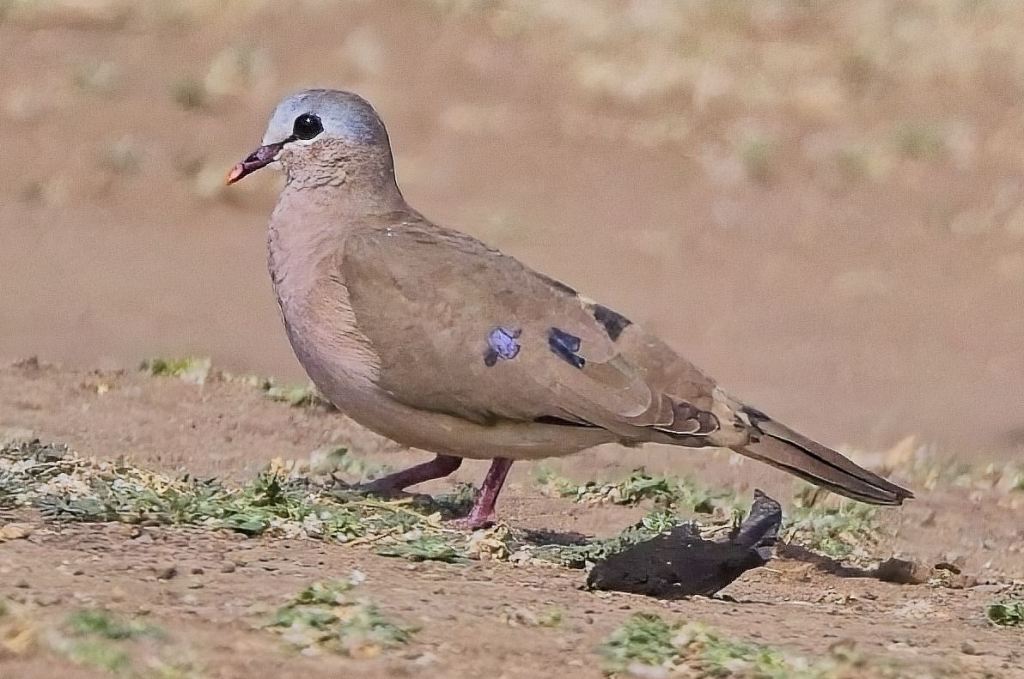
Scaled Dove – Life Photo

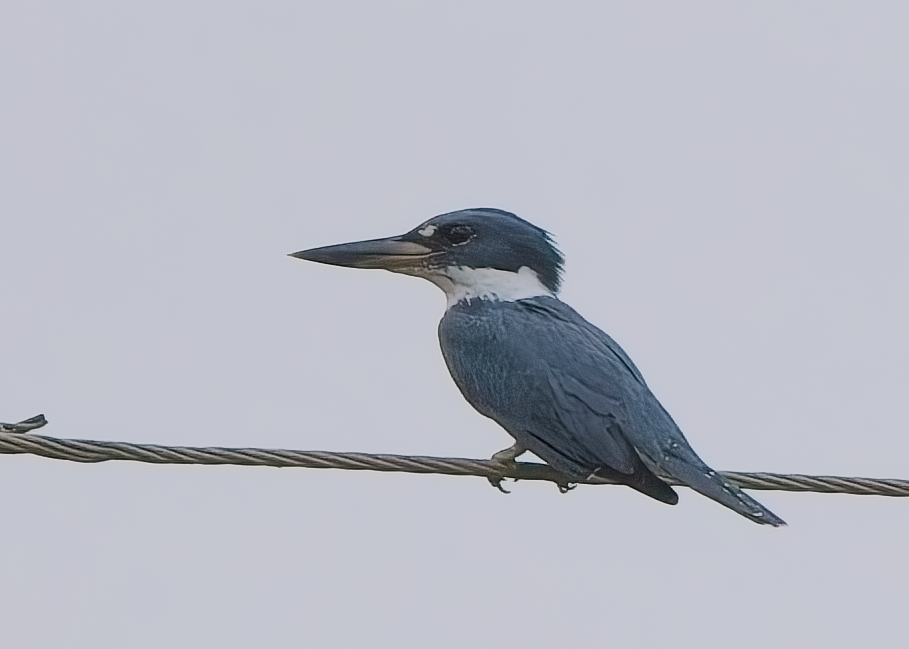
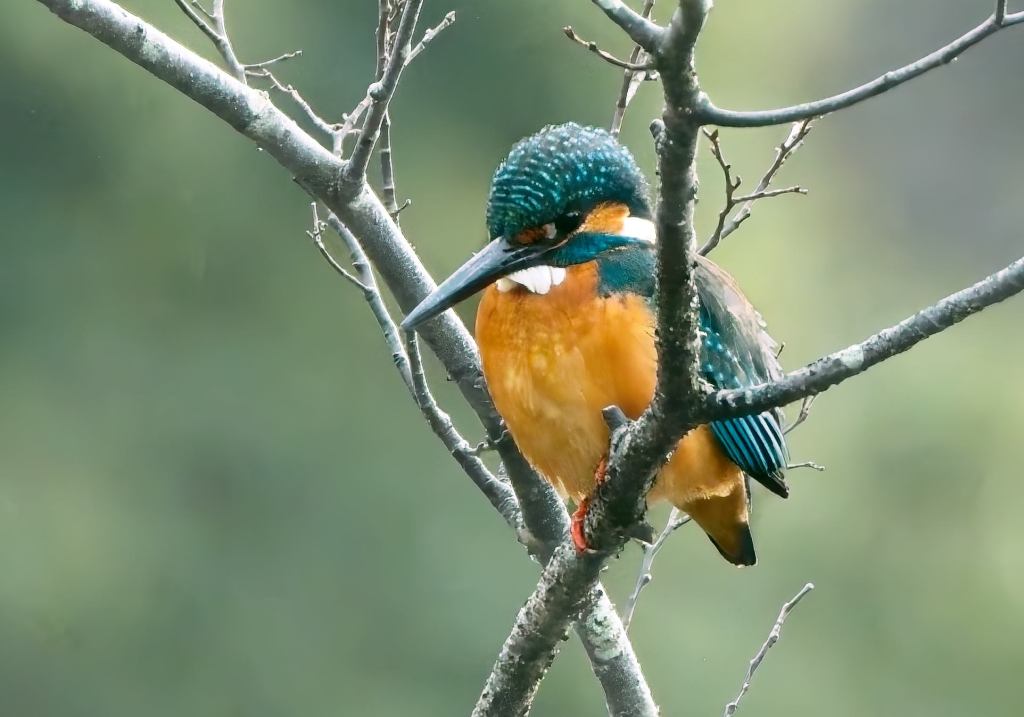
We also had both Green and American Pygmy Kingfishers, joining Ringed Kingfisher and Amazon Kingfisher to total 4 kingfishers that day, missing only the Belted Kingfisher and Green and Rufous Kingfishers to cover all the kingfishers seen in Colombia. (I have now seen all 6 of these kingfishers with photos of all but the Amazon Kingfisher that eluded me in the morning.) It is surprising to me that there are only these six kingfishers in all of South America with its great bird diversity and suitable habitat as there are as many as 118 kingfisher species worldwide with 16 in Africa, 50 in Australia and Oceania and 45 in Asia but only 1 in Europe and 3 in North America. I have seen 35 species altogether.

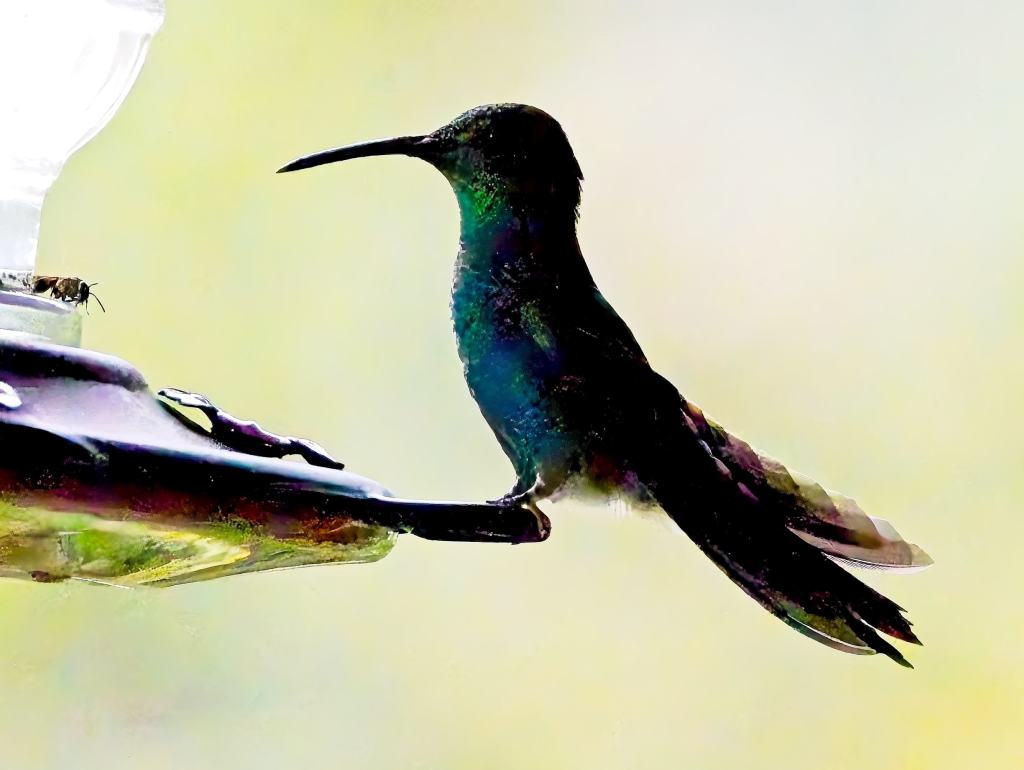
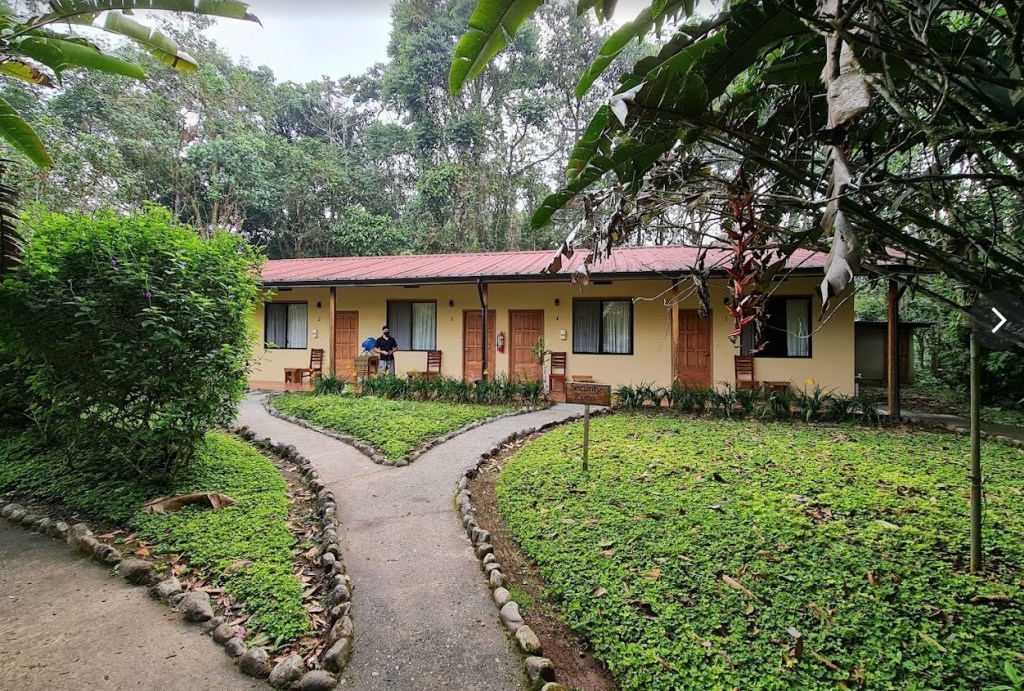
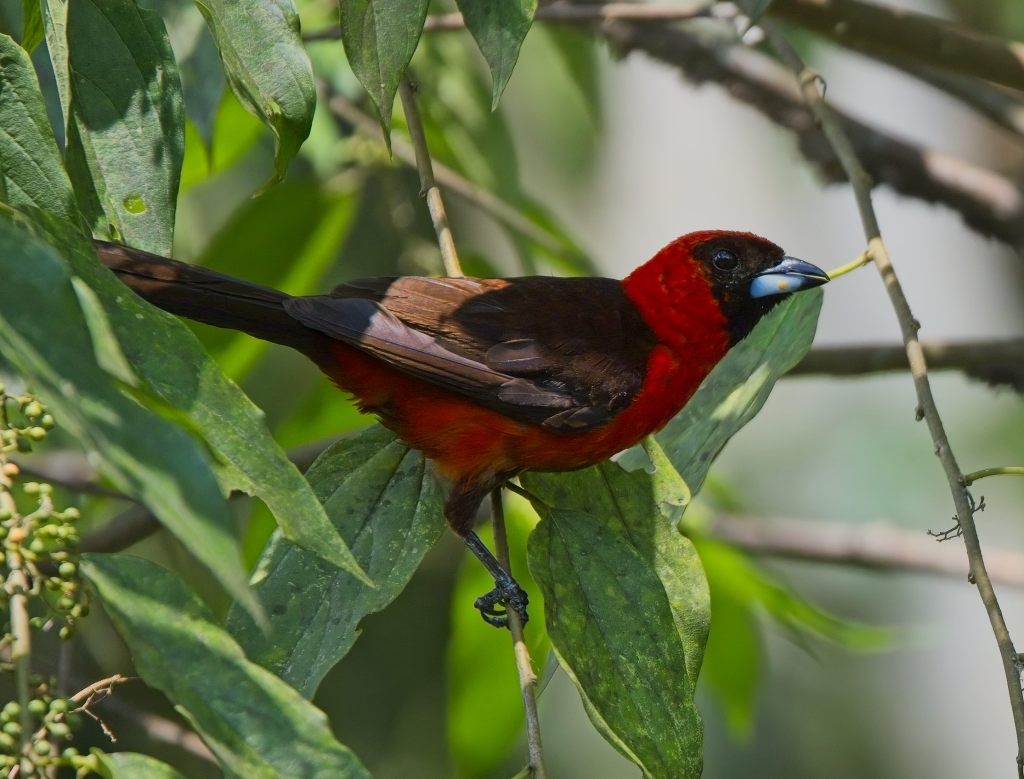
We continued on to the Hotel Colonial in Minca with Breiner’s sharp eyes picking out a Double Striped Thick-knee on the way. A lifer with a photograph it is the 6th thick-knee I have seen, the 2nd in South America, joining Peruvian Thick-knee. And at the feeders at the hotel, I added 3 more lifers: Lesser Elaenia, Crimson-backed Tanager and White-Vented Plumeleteer.
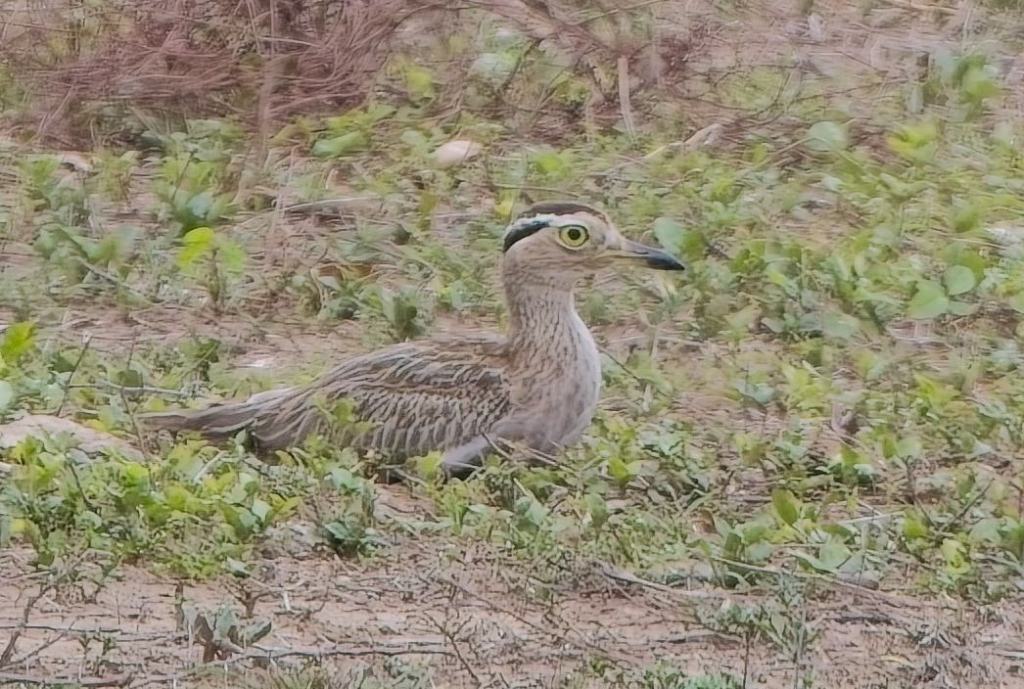
Double-striped Thick-knee – Lifer
Lesser Elaenia – Lifer
White-vented Plumeleteer – Lifer
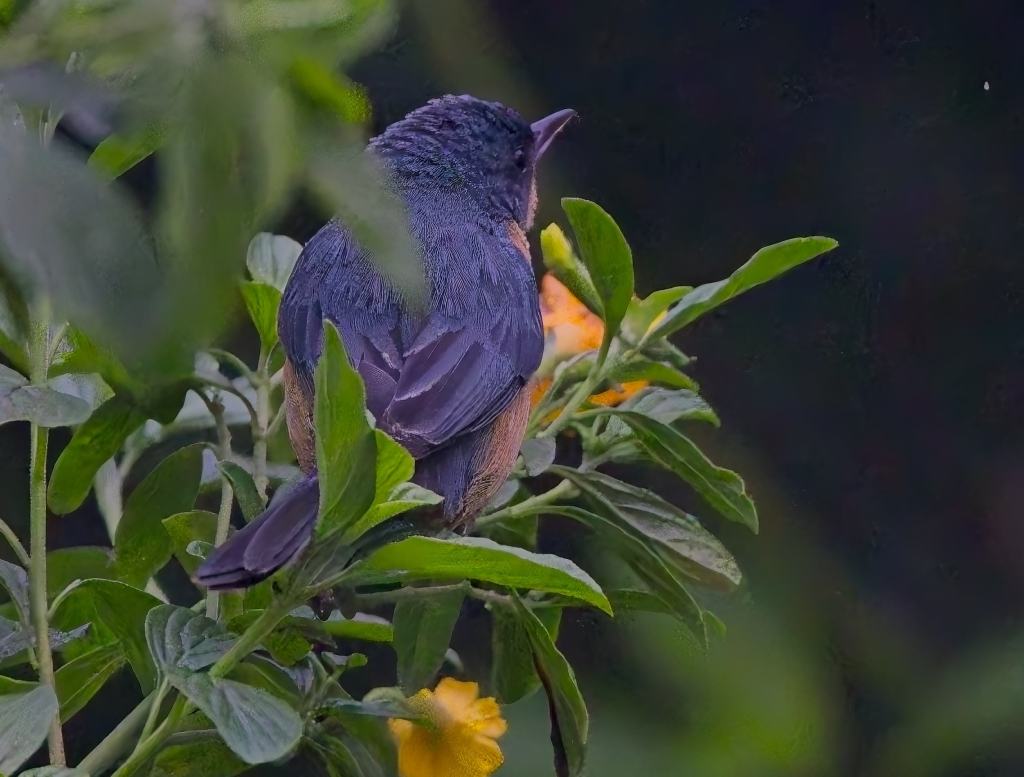
Crimson-backed Tanager – Poor Photo of a Beautiful Lifer

Totals for the day: 88 species; 14 lifers and 18 life photos. My Colombia list was at 145 species. Night at the Minca Veranda Hotel.

Day 4 – June 23rd

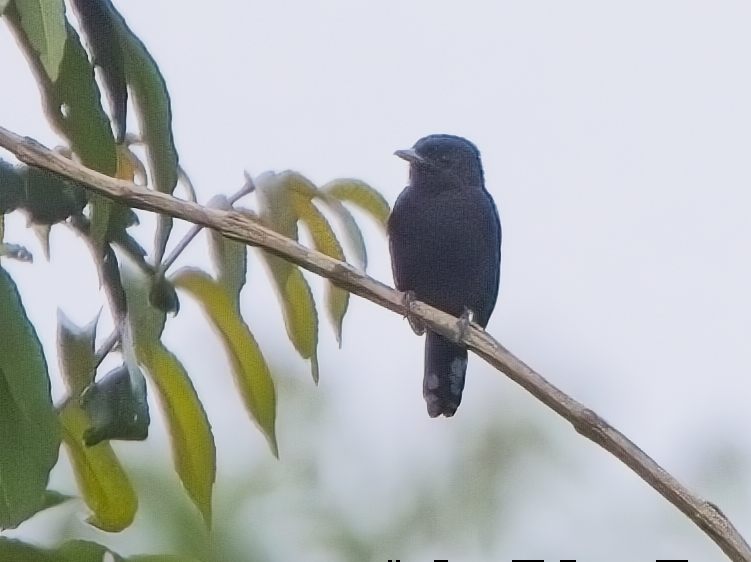
It was another early start picking up our first Plumbeous Kite for the trip at 5:40 a.m. at the hotel. Then we continued on towards Santa Marta with a first stop at the Gairama Reserve in the foothills of the Sierra Nevada mountains. An hour at the reserve produced 16 species, half of which were new for the trip, including only a single lifer, Band Rumped Swift (no photo). I did get life photos of a White-bearded Manakin and an Ochre-lored Flatbill but missed what would have been a life photo of a Long-billed Gnatwren.

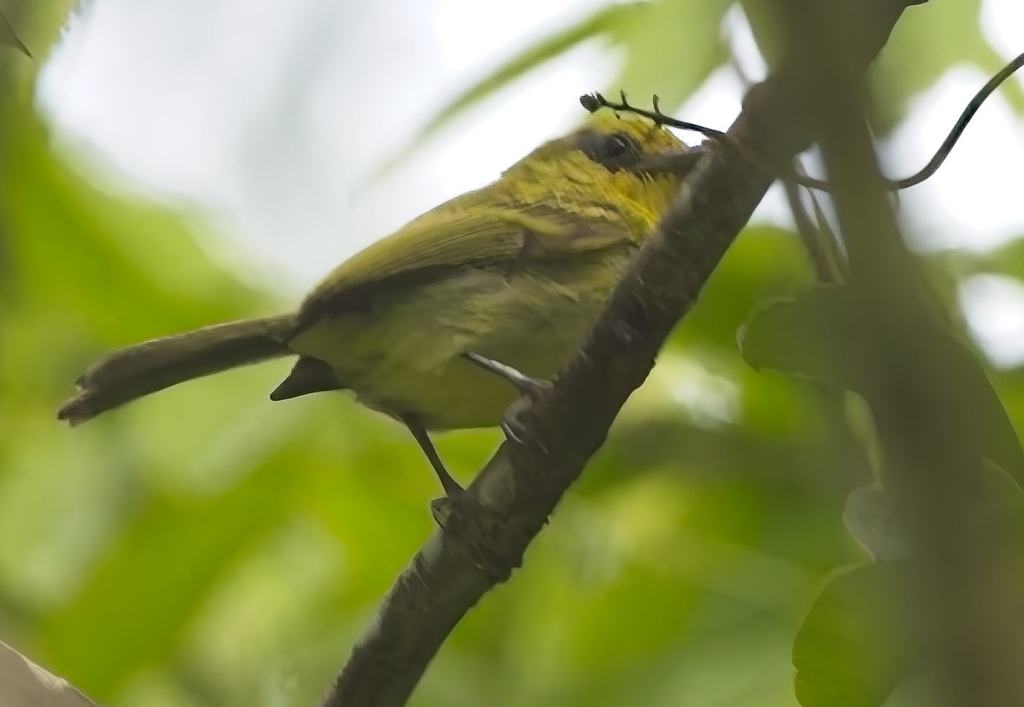
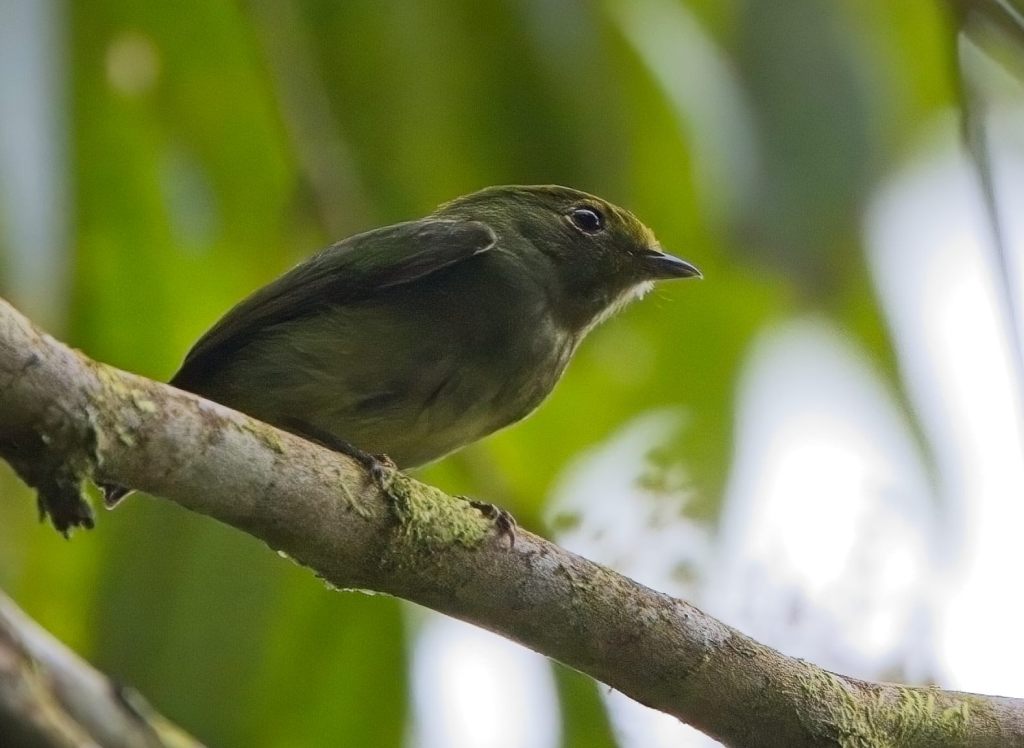
White-bearded Manakin – Life Photo
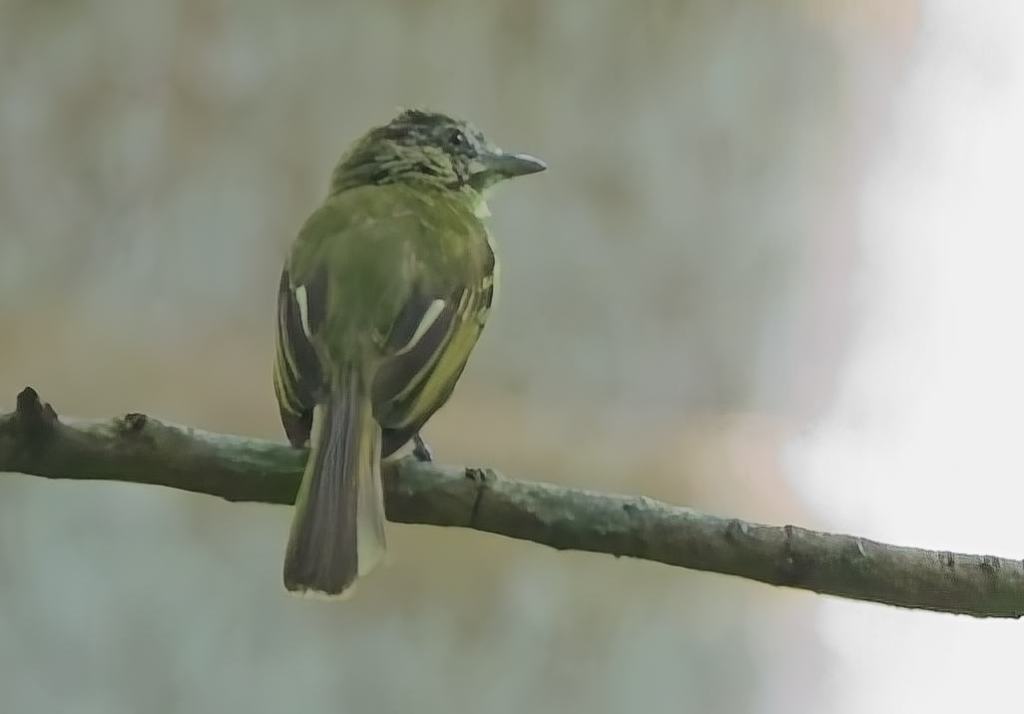
Ochre-lored Flatbill – Life Photo

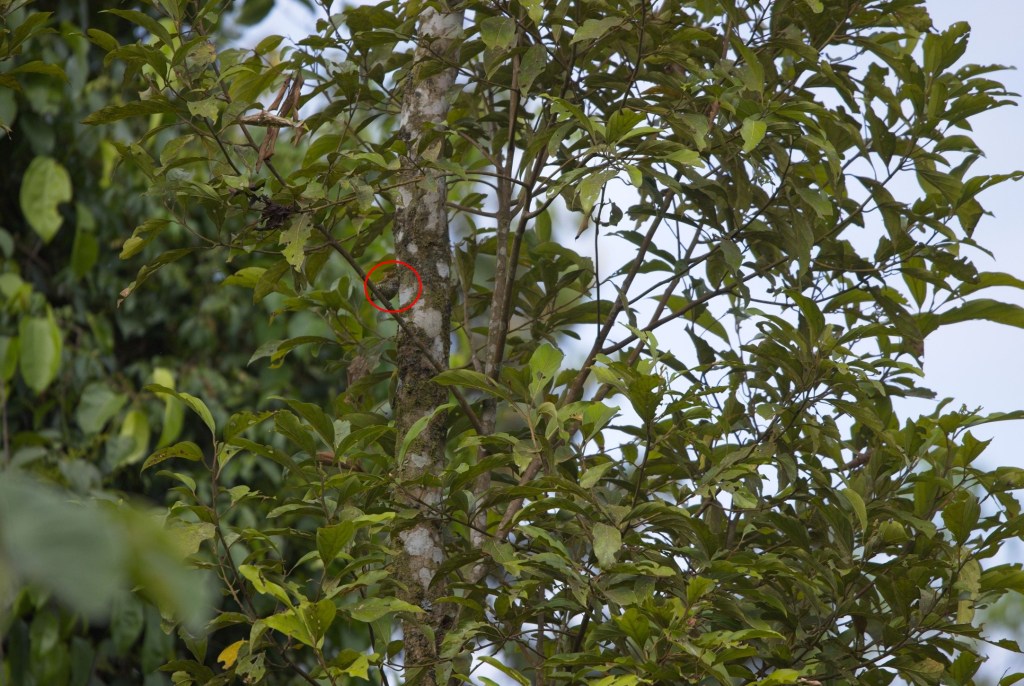
A stop on the road produced another lifer, a Scaled Piculet. Piculets are essentially miniature woodpeckers, generally less than 4 inches long. This piculet is found only in Colombia and Venezuela. Since I will likely never visit Venezuela, this was essentially an endemic for me. At the same stop I got a life photo of a Red-billed Parrot and missed a life photo opportunity for a Pale-eyed Pygmy-Tyrant. A comment about parrots and their kin. The literature says that the length of the tail is a specific feature that clearly distinguishes parrots and parakeets and that parrotlets are “smaller”. All are in the parrot family. My trouble is that my usual view of these birds is a brief one as they fly quickly by and I do not have sufficient experience to always distinguish a “longer” from a “shorter” tail. Identifying the specific species is even more challenging as field marks like “red or orange or blue chins or cheeks” are generally unseen by me as they fly overhead and quickly disappear. At least when they perch, there is a fighting chance – even if the tail is invisible so there goes that distinguishing field mark. In this case, the bird was perched and the tail appeared “short” but where is that red bill? Not clear to me, but the red vent is clear and that confirms the ID.
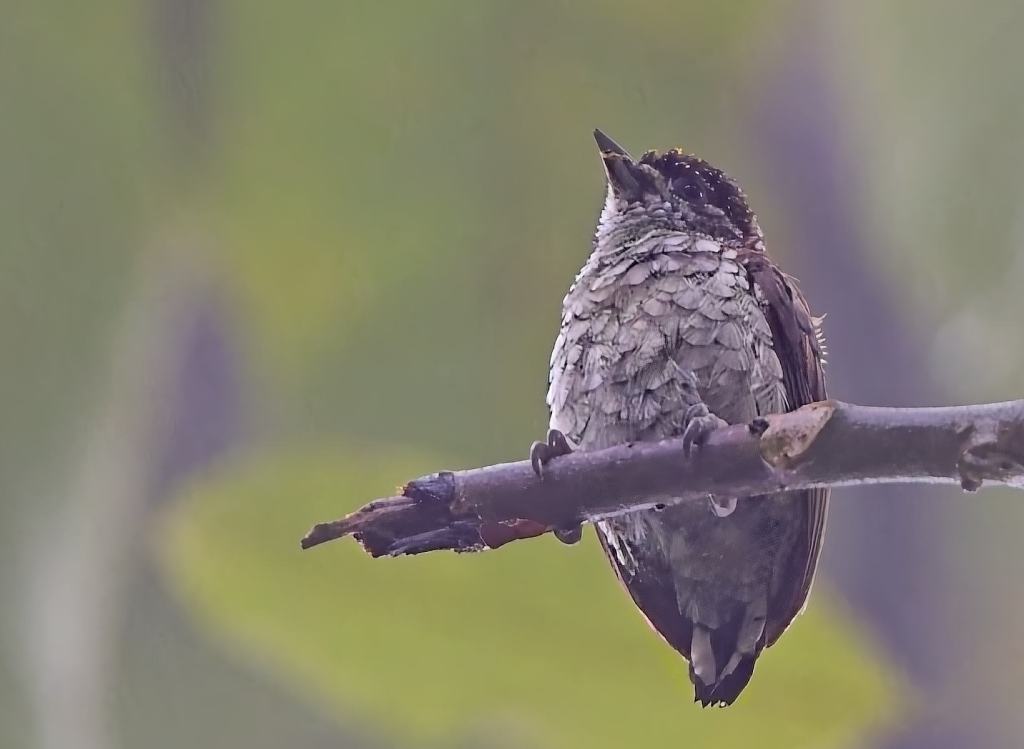
Scaled Piculet
Red-billed Parrot

We were now on the road going up to the Santa Marta Mountain-House Bird Lodge where we would spend the next two nights. The Santa Marta area is bird rich with many endemics and is a favored birding location in Colombia and the focal point of the design of my trip. I used the phrase “road going up” and although accurate, it falls far short of an accurate description as this was the most difficult, rough and challenging road I had ever travelled – good four wheel drive an absolute must. The road was uneven, unpaved, full of rocks and gouges, narrow, steep, full of sharp turns, and demanding the driver’s full attention just in case another vehicle was coming from the other direction. That did not happen often and was generally signaled by a beeping horn, but on two occasions we met another vehicle and expert maneuvering was required – generally meaning one vehicle backing down or backing up the treacherous road to a somewhat wider spot. Once we cleared each other with literally one inch separating the two side mirrors (pulled in). As mentioned in my introductory blog post, driver Jeferson was terrific, negotiating each twist and turn and bump and gouge often at less than a walking pace, but without any hesitation or danger.

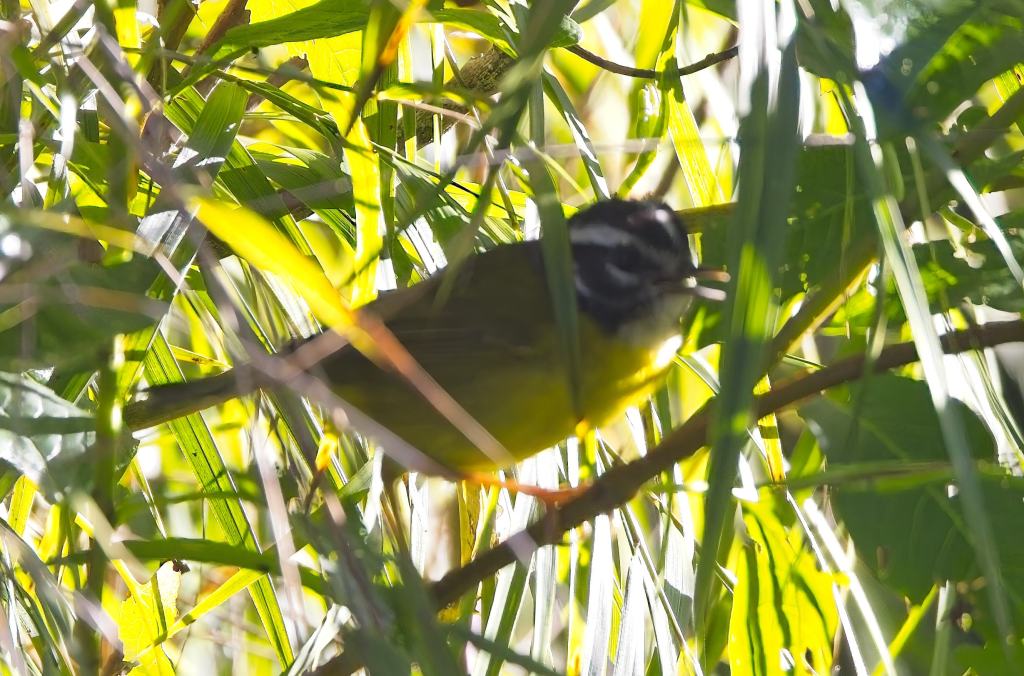
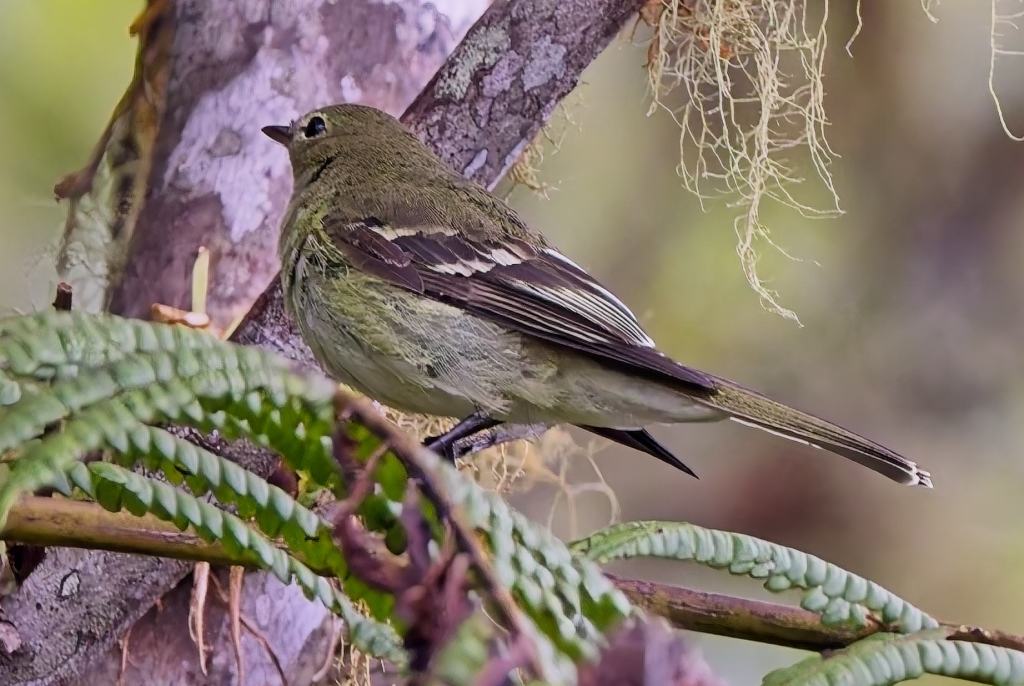
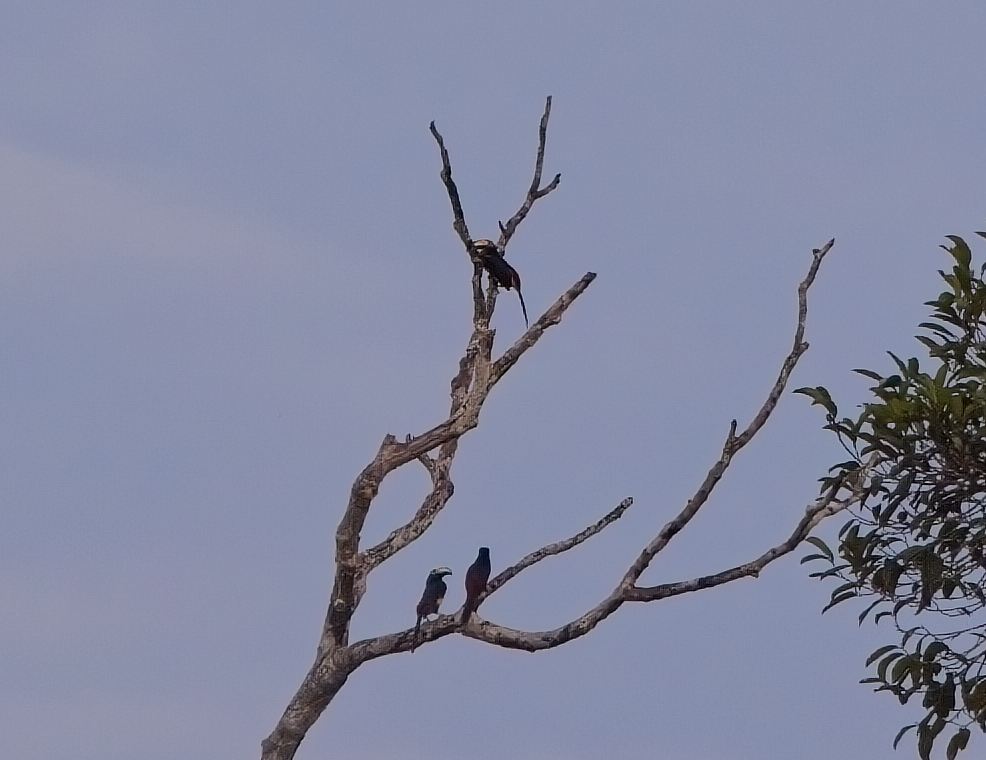
It was not always easy or even possible to pull over to bird along the road. Typically Breiner would find a good spot to bird and he and I would get out of the car and walk the road while Jeferson went ahead to find a somewhat wider place to pull over and wait for us. Honestly even walking some stretches of the road was challenging, but the birds were worth it. We spent over three hours birding and driving along the road covering the less than 4 miles to get to our lodge. At the three stops along the way we had 23 species of which 14 were new for the trip, 9 were lifers and I got 6 life photos, missing the Santa Marta Woodstar which I would photograph later and the Santa Marta Foliage Gleaner and Santa Marta Antbird. Some barely ID quality photos of several as birds were hard to locate let alone see in the open (or even nearly so) and often in poorly lit dense forest. But as he always did, Breiner excelled in locating the birds, drawing them closer and getting me into position to see them and have a chance at a photo.
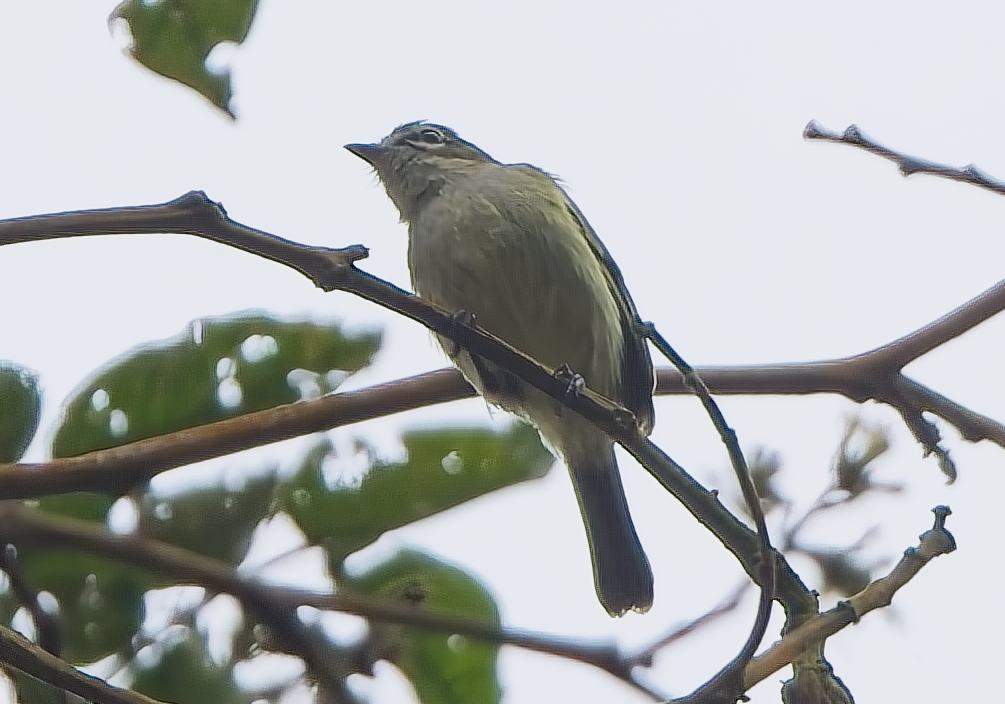
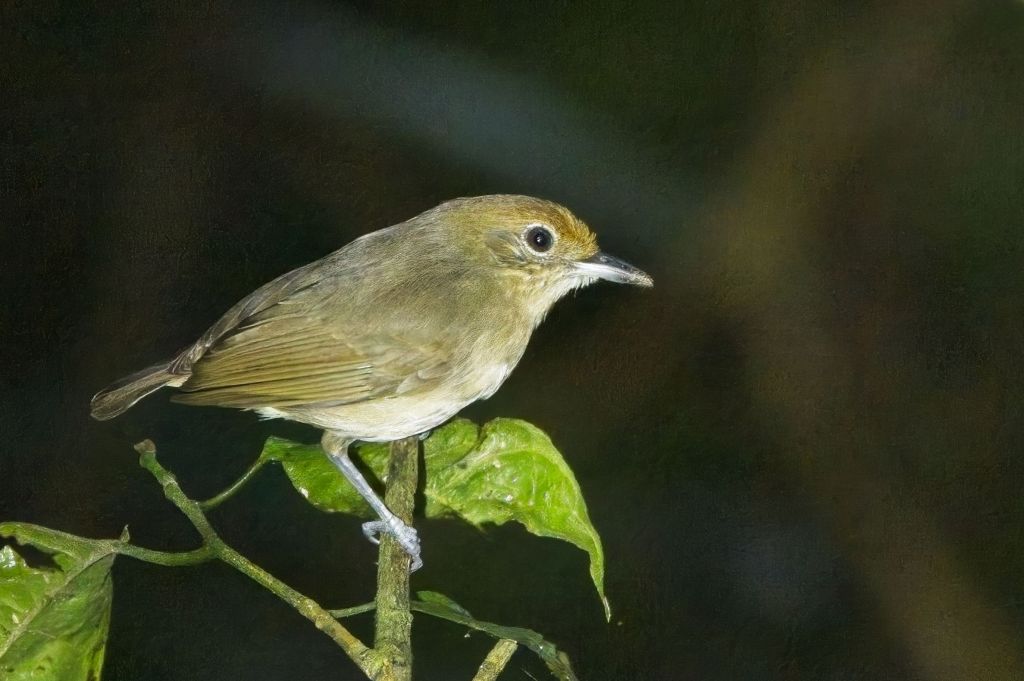
Spectacled Tyrannulet – Lifer
Sierra Nevada Brushfinch – Endemic Lifer
White-lored Warbler – Lifer
Santa Marta Tapaculo – Endemic Lifer (happy for any Tapaculo photo)
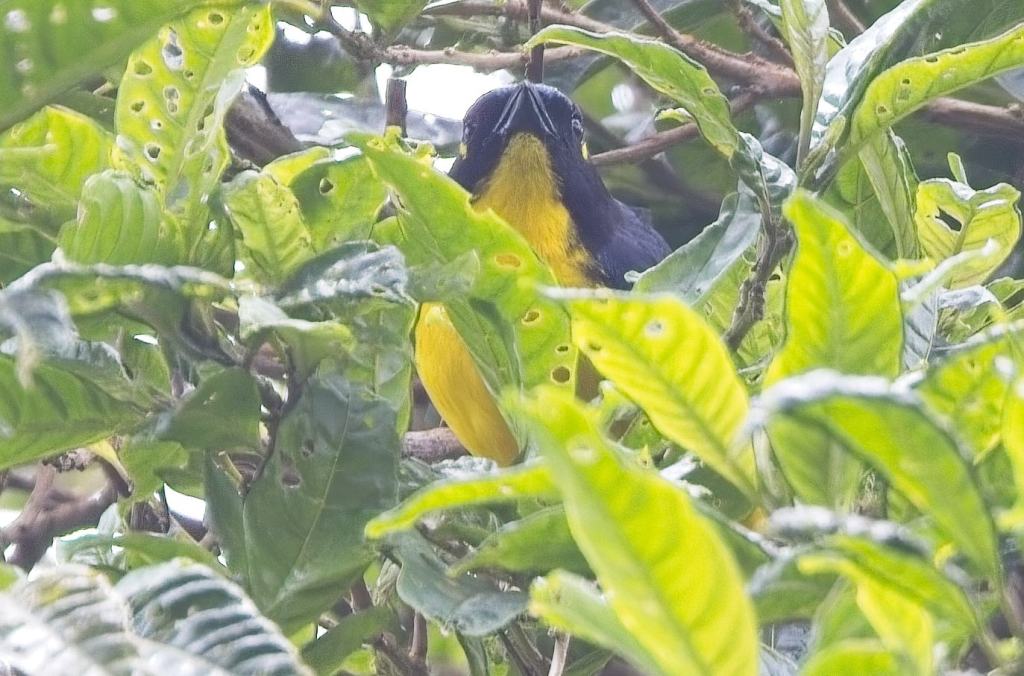
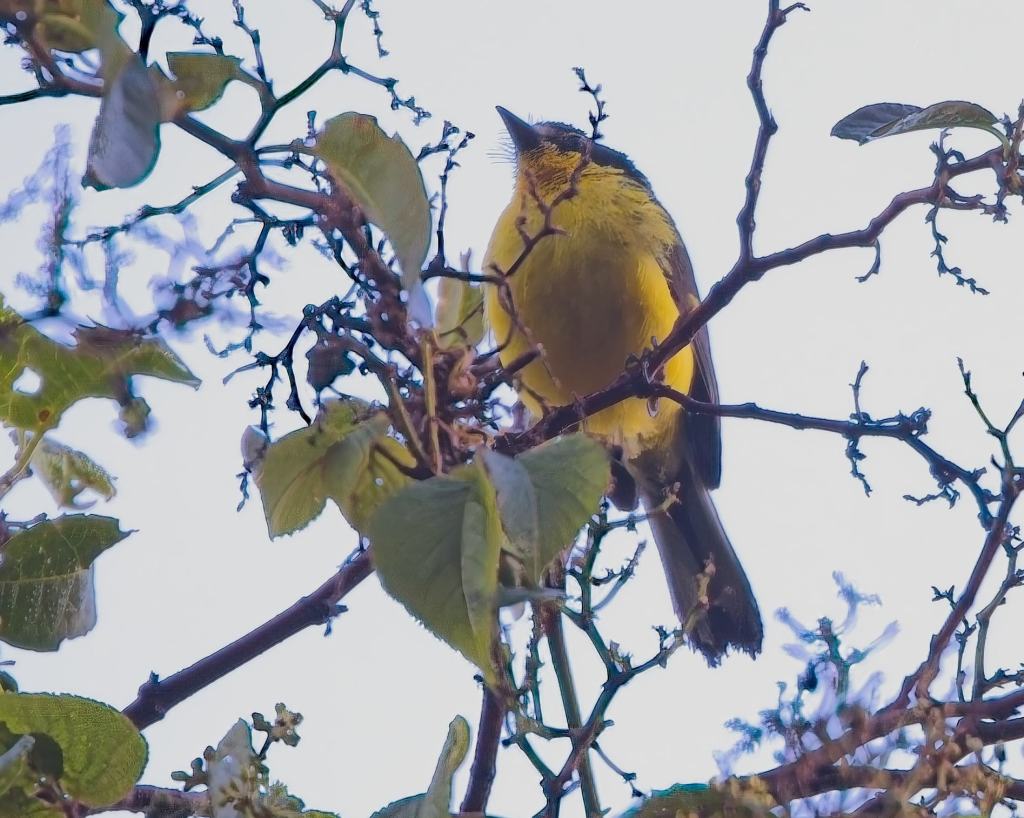
Yellow-Legged Thrush(Not happy with this one)
Black-headed Tanager – Lifer
Swallow Tanager – Poor Life Photo

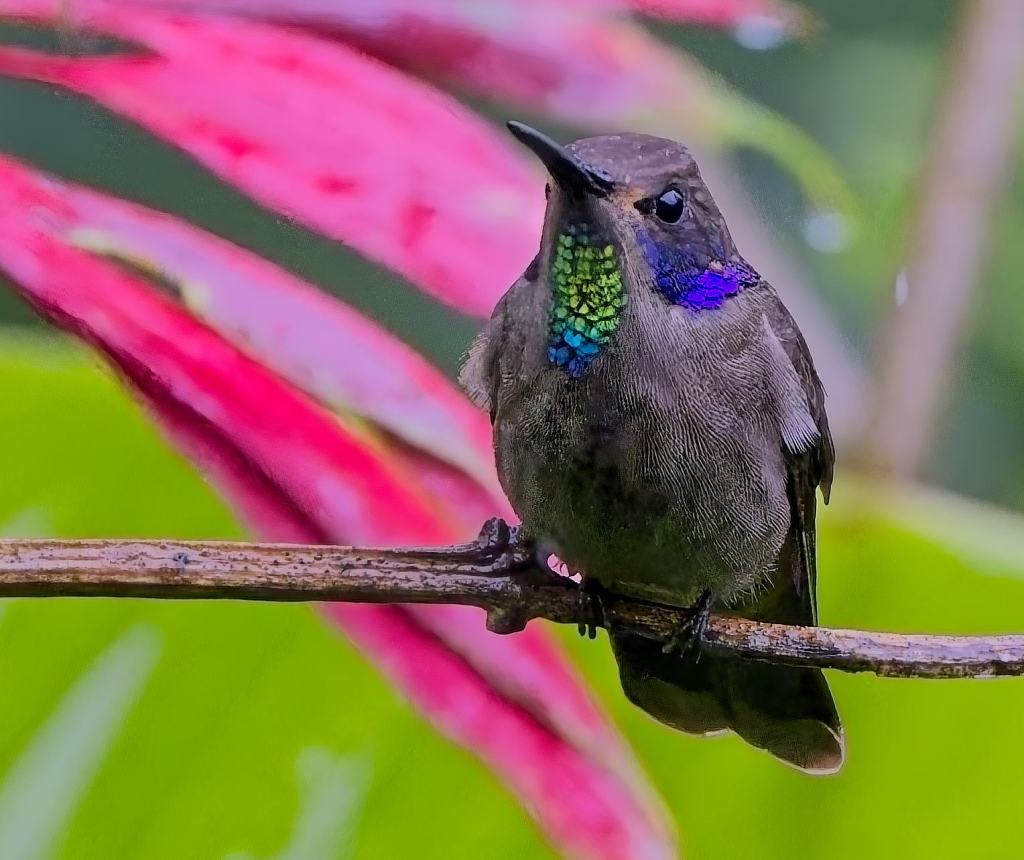
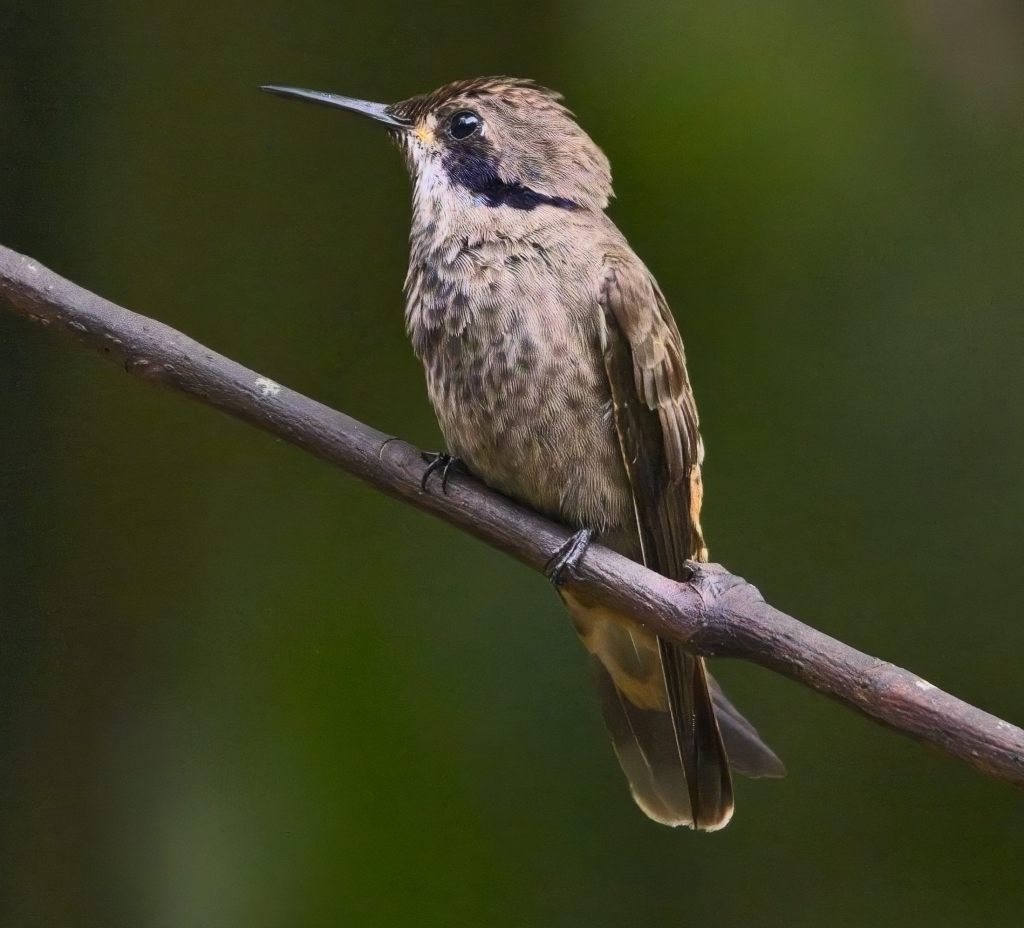
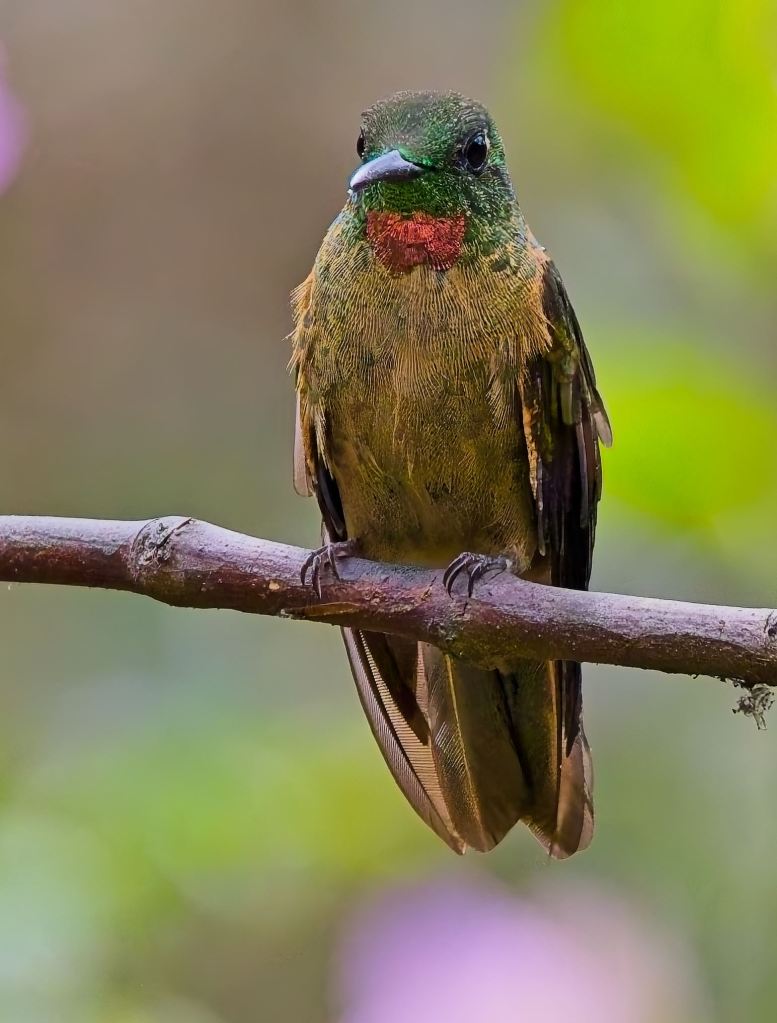
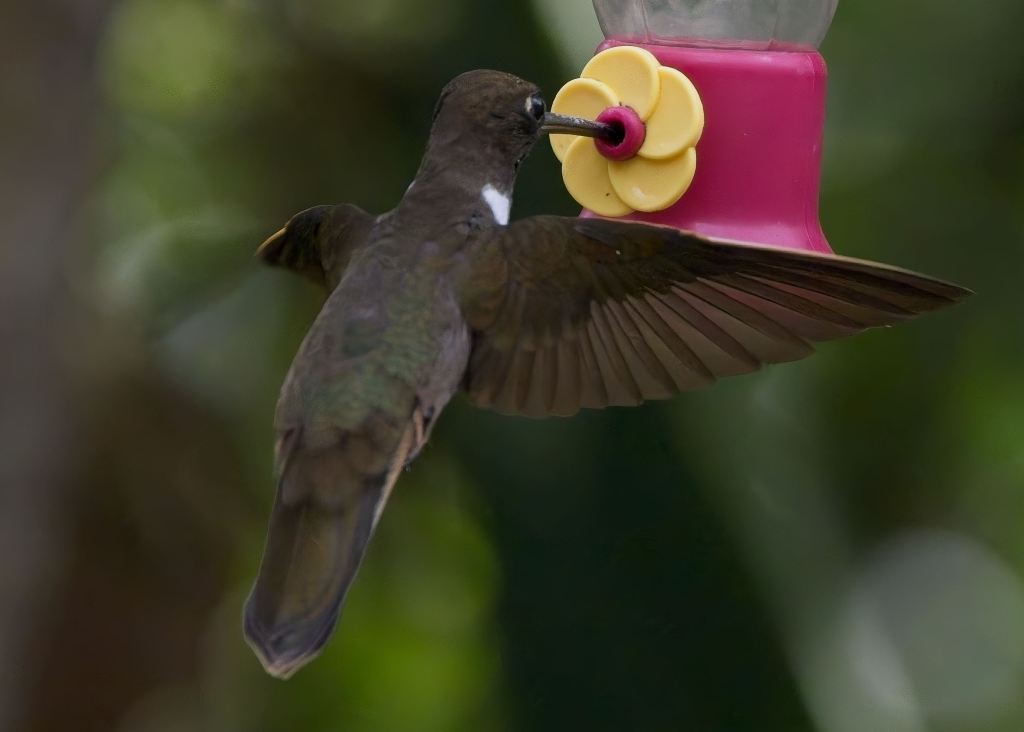
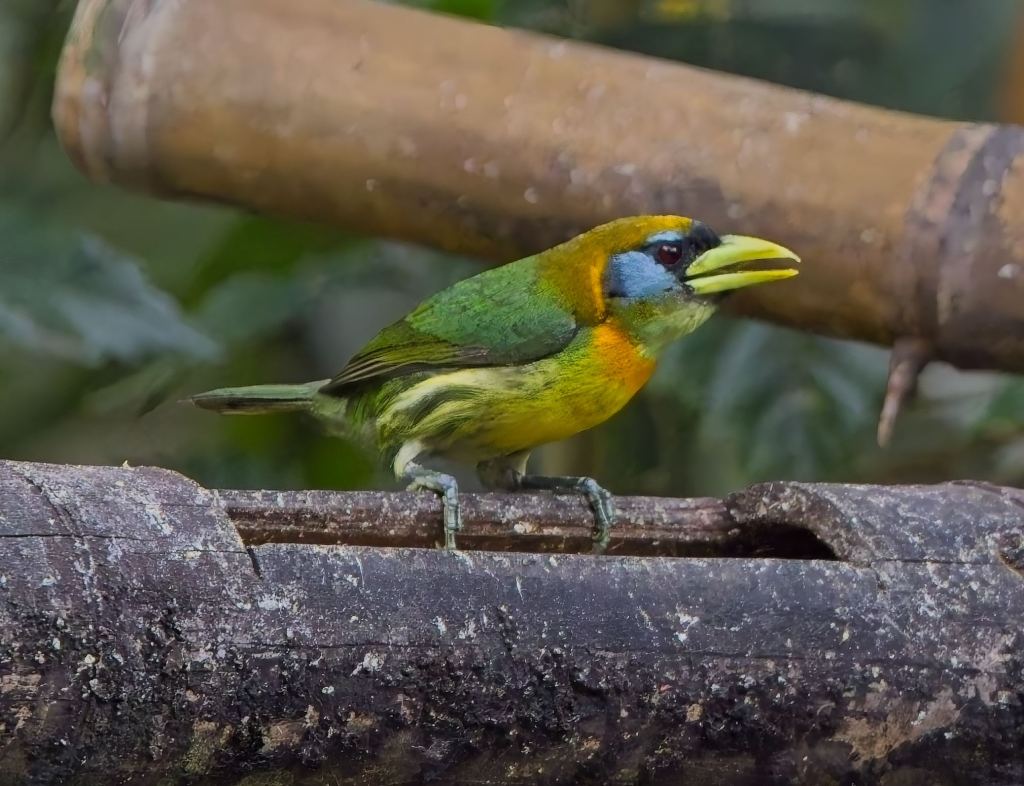
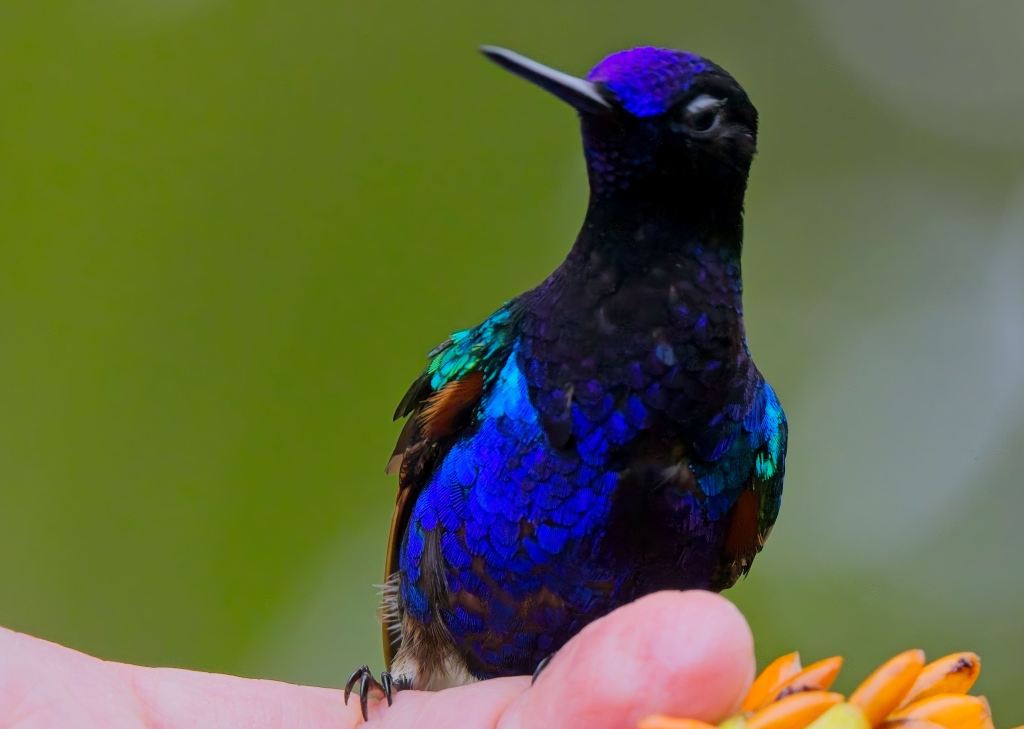
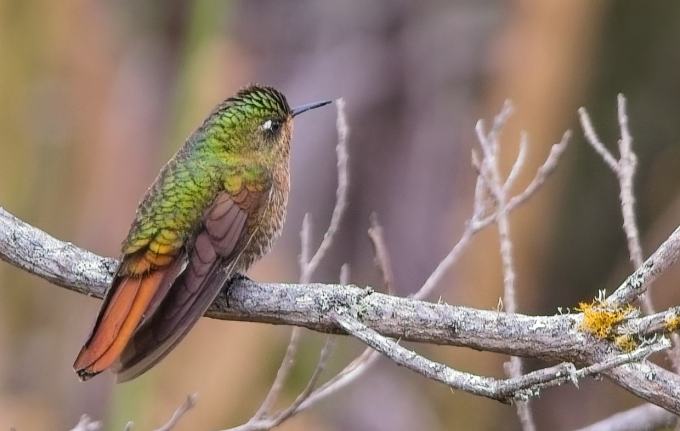
We arrived at Mountain House a little before noon and after unloading immediately began watching the hummingbird feeders which were very active and a couple of banana filled bamboo feeders attracting other species. In less than 10 minutes we had 12 species with photos of them all including 4 lifers: Santa Marta Blossomcrown, Santa Marta Brushfinch, Blue Naped Chlorophonia and Lazuline Sabrewing. I also got a much improved photo of the Black Headed Tanager and a life photo of a Rusty Flowerpiercer. Other hummers were Brown and Sparkling Violetears, and Crowned Woodnymph.

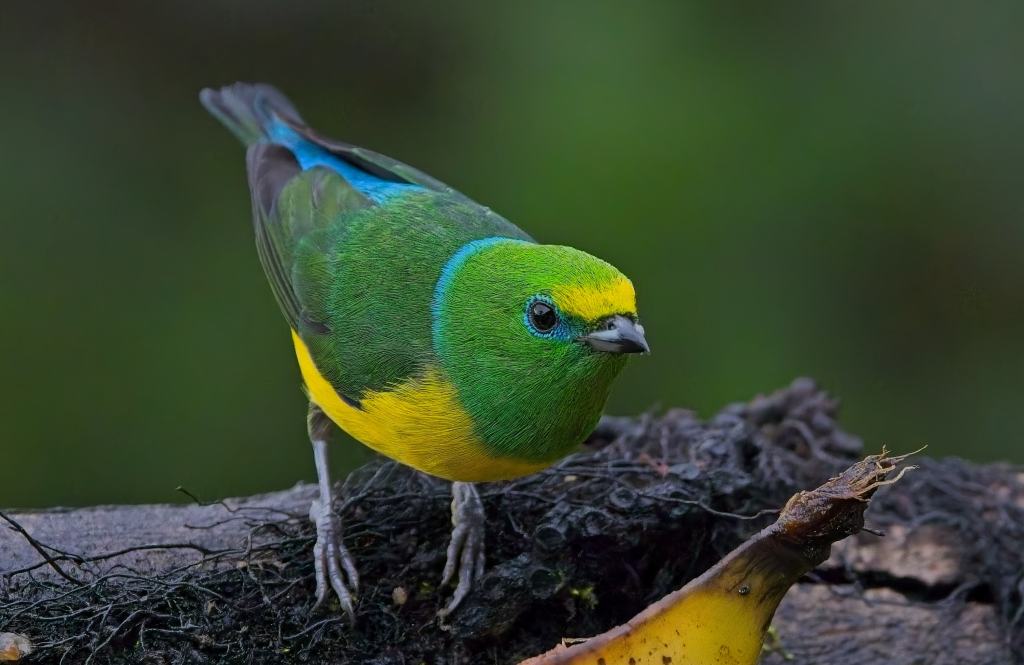
Santa Marta Brushfinch – Endemic Lifer
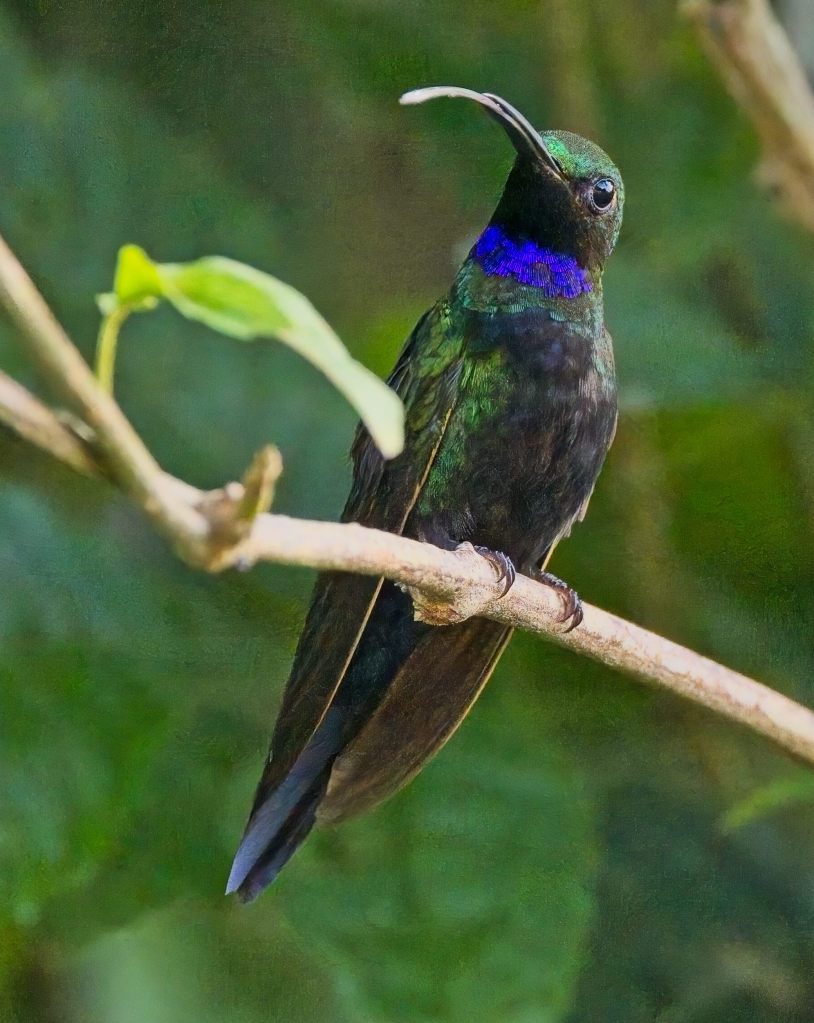
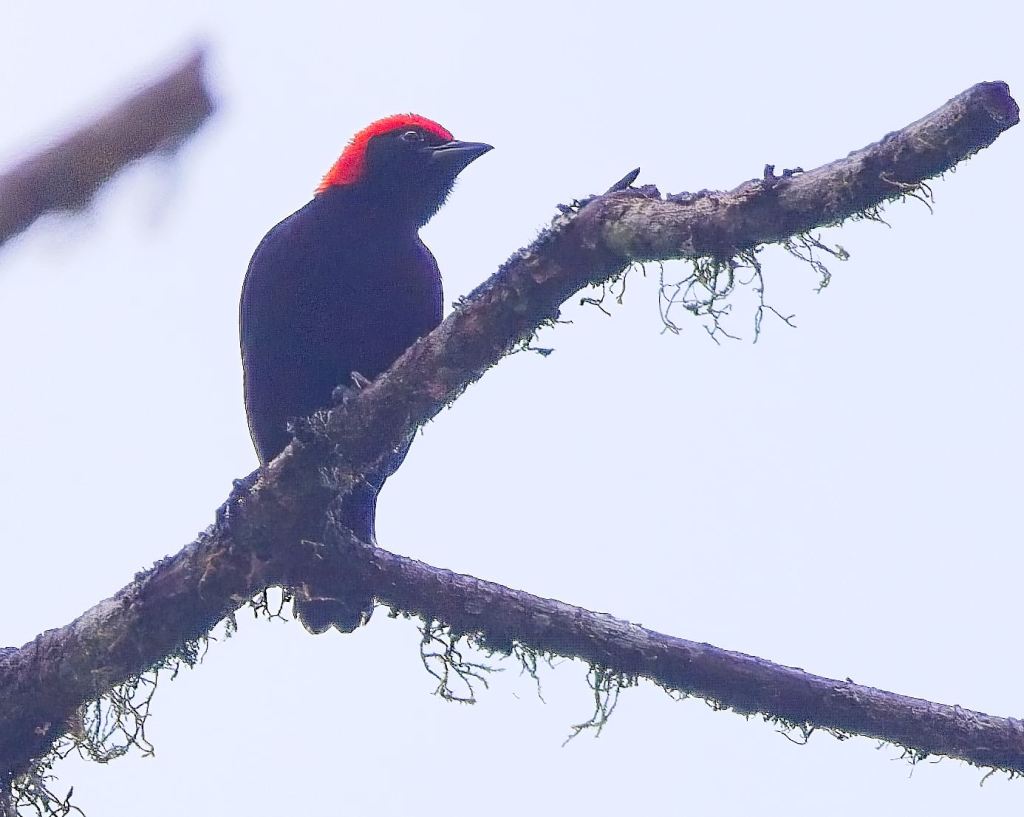
Blue-naped Chlorophonia – Lifer and one of the prettiest birds of the trip
Lazuline Sabrewing – Endemic Lifer
Santa Marta Blossomcrown – Endemic Lifer (and a major disappointment as I got this photo just as it flew off – expecting better chances later – but never got another opportunity)
Rusty Flowerpiercer – Life Photo
Black Headed Tanager on Feeder – Much Better Photo
Brown Violetear
Sparkling Violetear
Crowned Woodnymph

Our timing was excellent as it began to rain shortly after we arrived – it is a tropical cloud forest after all – so we had lunch and took a break for a siesta planning to begin birding again at 3:00 pm hopefully without rain. It worked perfectly as the clouds and rain moved on and we were back birding in the area around the lodge adding 10 trip species in the afternoon including lifers Coppery Emerald, Streak-capped and Pale-breasted Spinetails, Yellow-backed Oriole and Steely-vented Hummingbird. Other photos included a Streaked Saltator (Life photo), White-lined Tanager, Golden-olive Woodpecker and Scaled Pigeon.

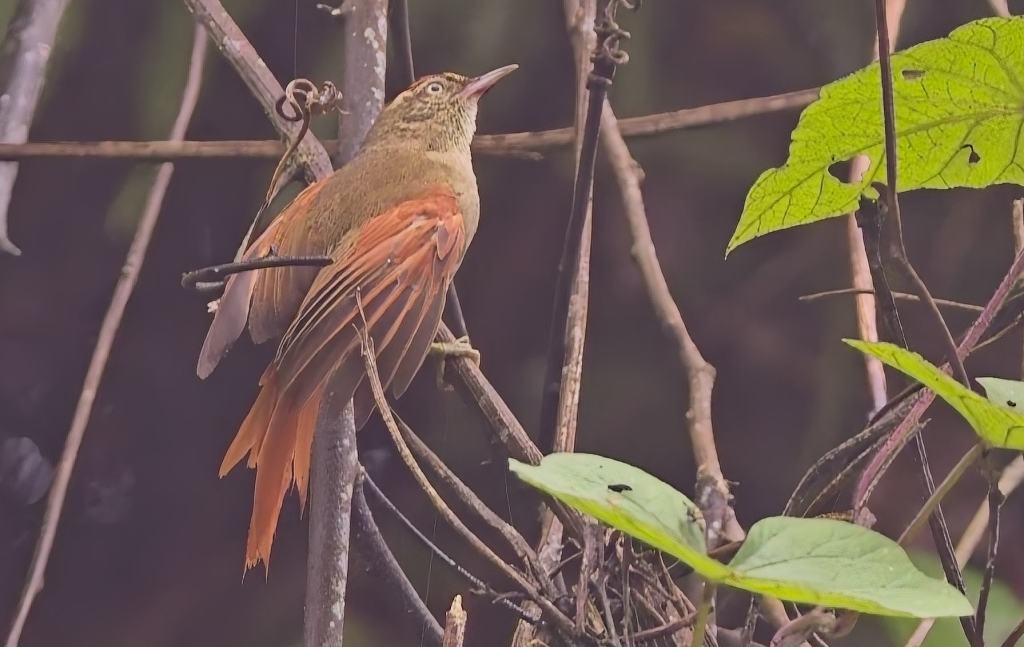
Coppery Emerald – Lifer
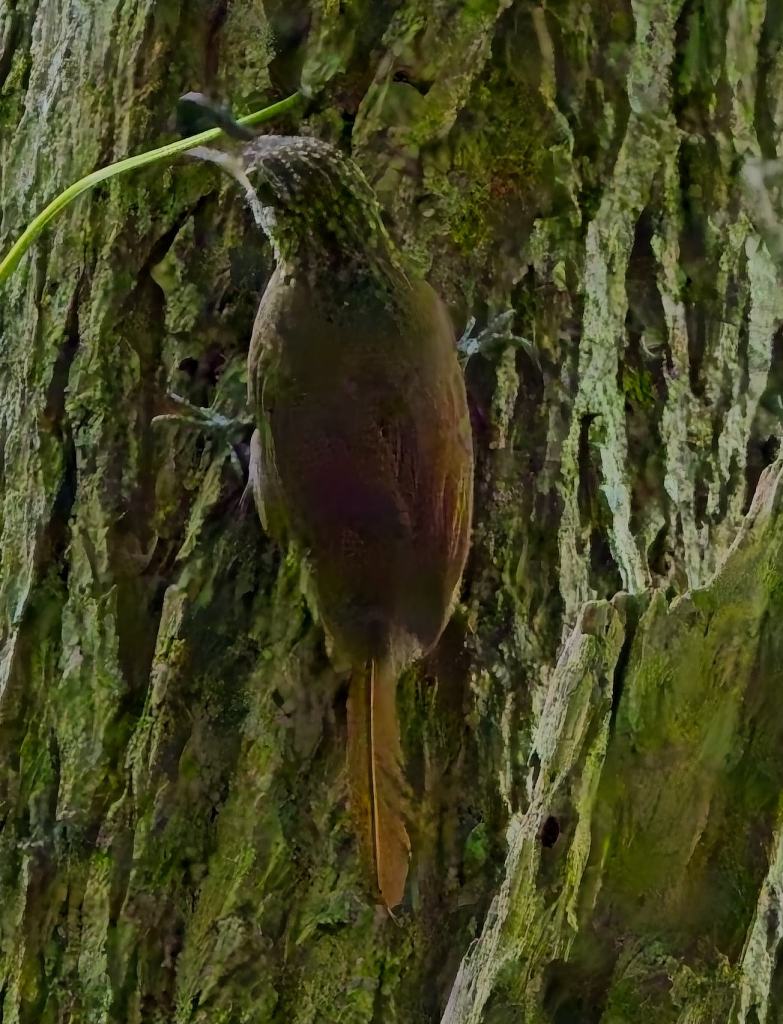
Streak-capped Spinetail – Lifer
Pale-breasted Spinetail – Lifer
Yellow-backed Oriole – Lifer
Steely-vented Hummingbird – Lifer
Streaked Saltator – Life Photo
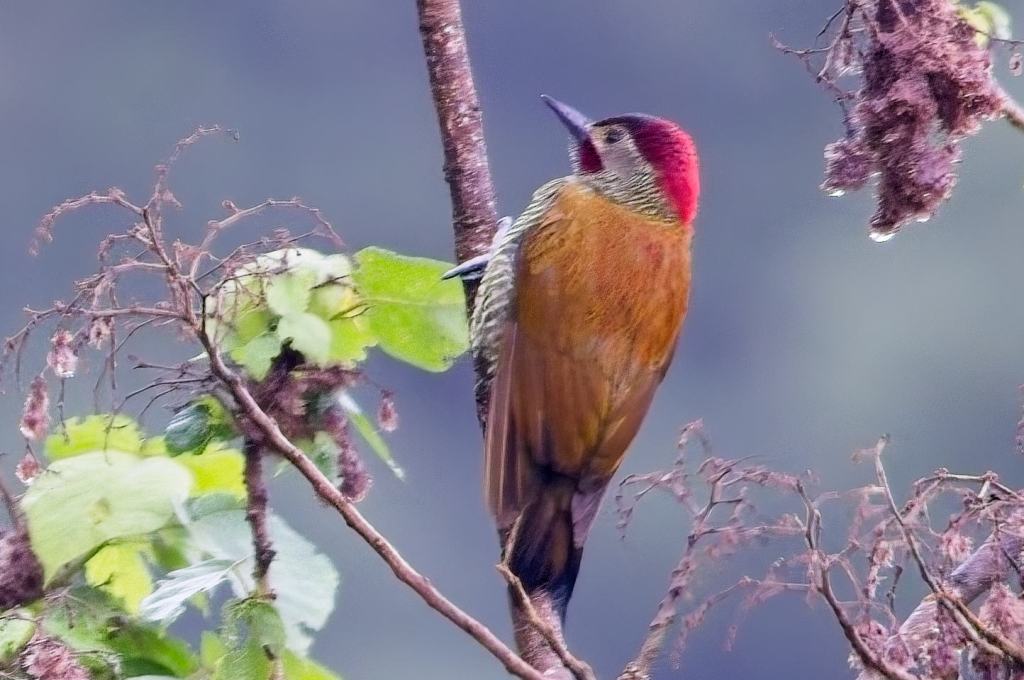
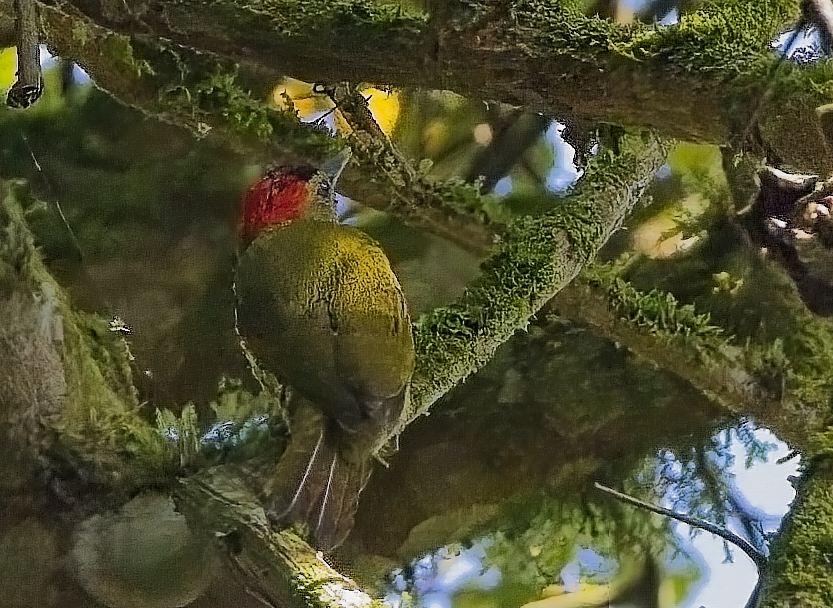
Golden-olive Woodpecker
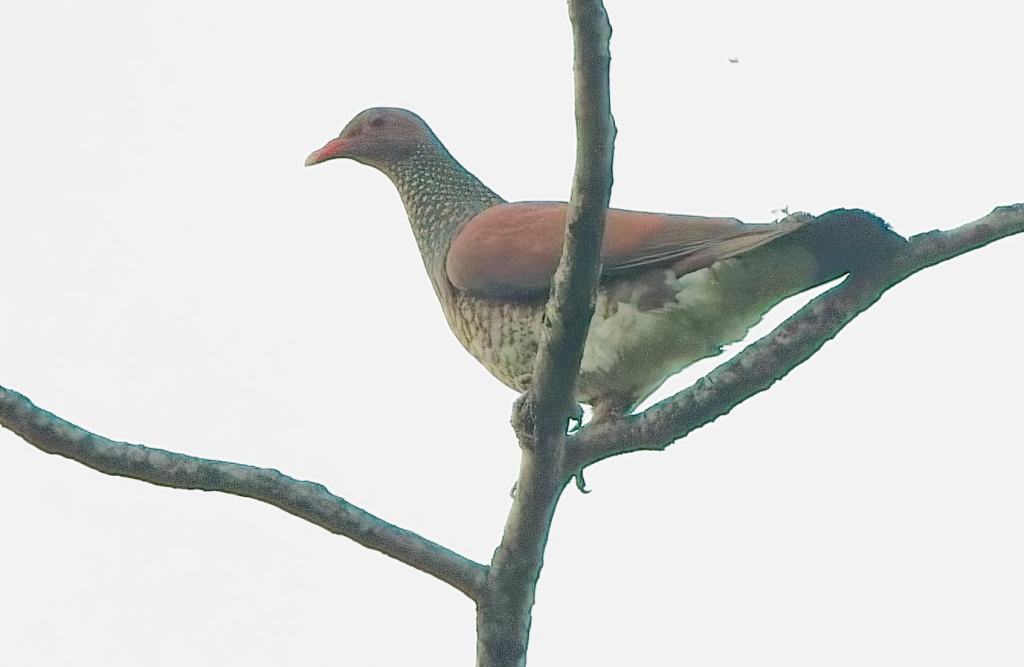
Scaled Pigeon
White-lined Tanager

We wee back at the Lodge around 5:00 p.m. in time to add a life photo that I wanted very much, a Bay-headed Tanager. I had seen this striking species many times, 13 in all, including in Trinidad, Costa Rica, Peru and Ecuador but had always failed to get a photo. Now I had one. I also improved earlier photos of Red-billed Parrot and Rusty Flowerpiercer and got a life photo of the endemic tiny Santa Marta Woodstar seen earlier in the day without a photo.

Bay-headed Tanager – Life Photo, Finally
Santa Marta Woodstar – Endemic, Life Photo
Red-billed Parrots – Improved Photo Showing the Red Bills
Rusty Flowerpiercer

Totals for the day: 71 species; 20 lifers and 22 life photos. My Colombia list was at 194 species. Night at Mountain House Lodge

Day 5 – June 24th

We were up very early again, leaving Mountain House Lodge and birding our way down the rocky road in the Santa Marta range. It was a good day starting with 5 heard only species not far from the lodge: Lifer Band-winged Nightjar, Stygian Owl, and Slaty-backed Nightingale Thrush and two others – Collared Forest Falcon – seen previously in Mexico, and White-throated Tyrannulet seen previously in Ecuador. I would later get a photo of the nightjar, but the others remain only on my “wanted photos” list.

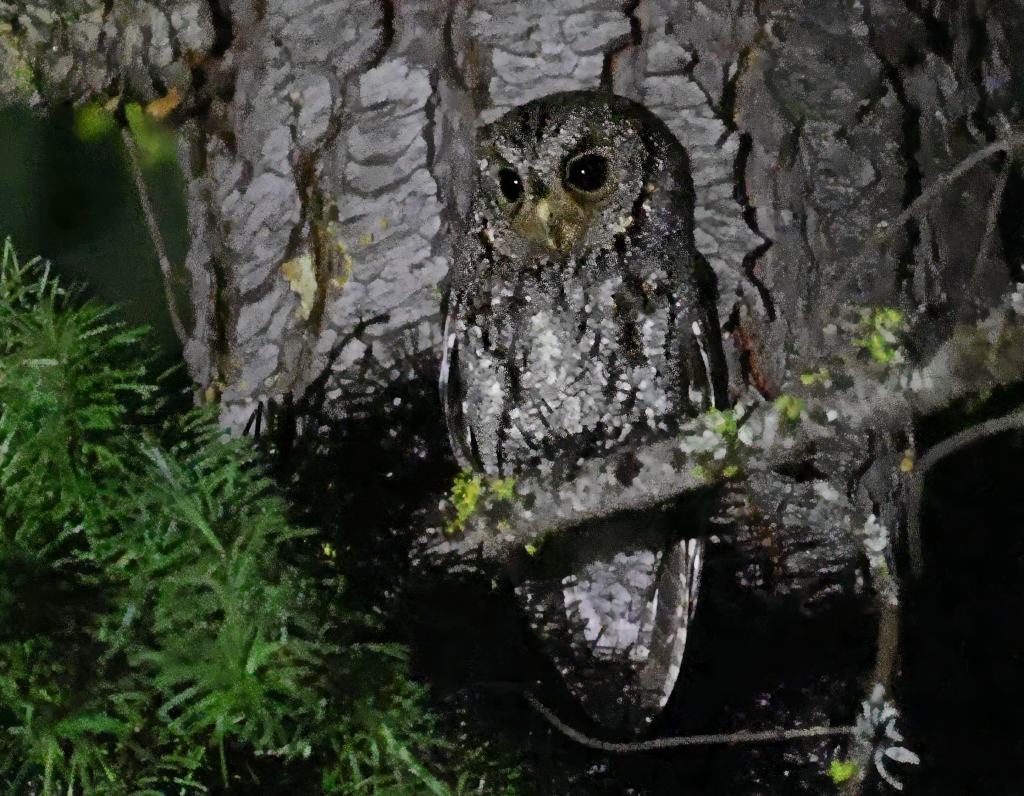
We may have missed the wonderfully named Stygian Owl, but not much later, making great use of his heat detecting spotting scope, Breiner was able to locate and get me on an endemic Santa Marta Screech Owl high up in dense foliage almost directly overhead. One of the best birds of the trip, it is not the greatest photo, but one I never thought I would get, even after he located it. At the same location we also heard but never saw a Lined Quail-Dove, our fifth lifer for the day and it was not yet 5:50 a.m. We later had several more Lined Quail-Doves including one seen very briefly that I was able to photograph – just barely, and distantly. We also heard a Southern Emerald Toucanet, a species I had seen (or maybe heard only) in Peru 12 years ago, this one is the Santa Marta version and may someday be recognized as a separate species.

Santa Marta Screech-Owl – Endemic, Lifer
Lined Quail Dove – Very Distant Lifer

We spent almost 3 hours continuing our birding coming down the Santa Martas picking up 29 species, 21 new for the trip, including 12 lifers and 8 life photos (including the Lined Quail-Dove above). Not surprisingly lifers not photographed were the always difficult to see Brown-Rumped Tapaculo, Santa Marta and Sierra Nevada Antpittas and Rusty-headed Spinetail. If only that pace could continue for the rest of the trip!! A species also seen the previous day and heard and seen many times later in the trip was a surprise. It is the Band-rumped Pigeon, a species that is often seen near my home in Edmonds, Washington where they can be found all year. Their range is shown from Canada all the way down the West Coast through Mexico and all the way to southern South America. I had seen one in hometown Edmonds in May this year. On our checklists, the species we saw was designated as “White-necked”. I don’t know if that is a different race or subspecies (or someday different species) compared to ours in the Northwest.

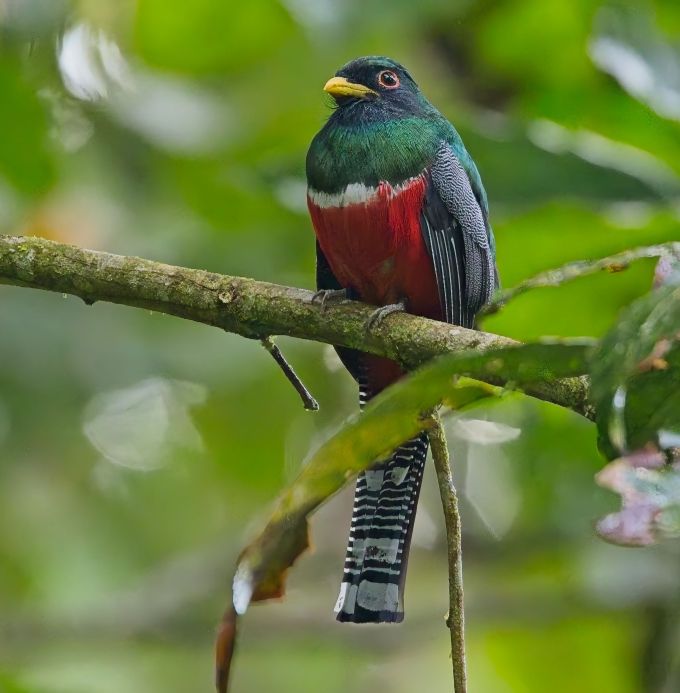
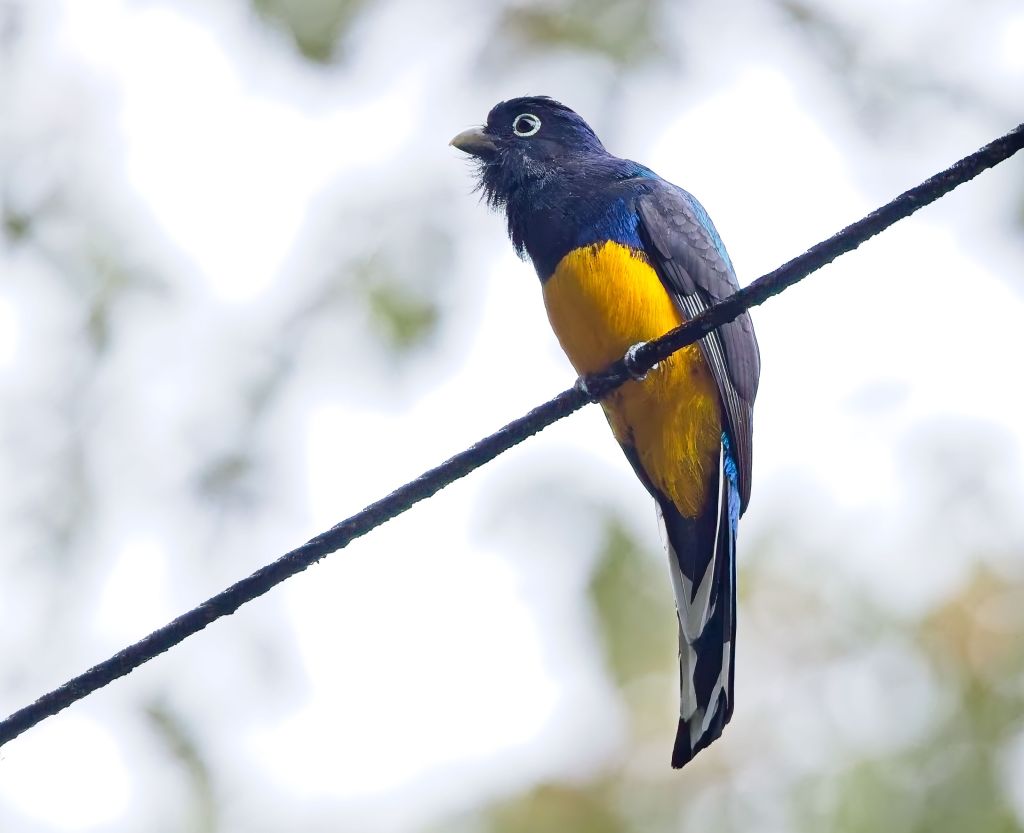
We had two more short stops before returning to the Lodge picking up a lifer at each – a White Tipped Quetzal and a Rusty-breasted Antpitta, the latter heard clearly but only – which would be repeated the next day. Quetzal’s and trogons are always prized additions to any trip as are antpittas. The former tend to be out in the open and the latter, like tapaculos, are skulkers that are often seen only briefly if at all. We had a number of interactions with the latter two types of birds that were frustratingly close to providing photos, but stayed out of sight. Of the 8 species of antpittas and tapaculos seen during the entire tour, I was able to get photos of only one and a poor one at that, but all but one were lifers. On the other hand, we only had 3 quetzals or trogons and I have photos of all of them with only the White-tipped Quetzal being a lifer and a good photo to end this blog post, essentially covering the first half of my trip.
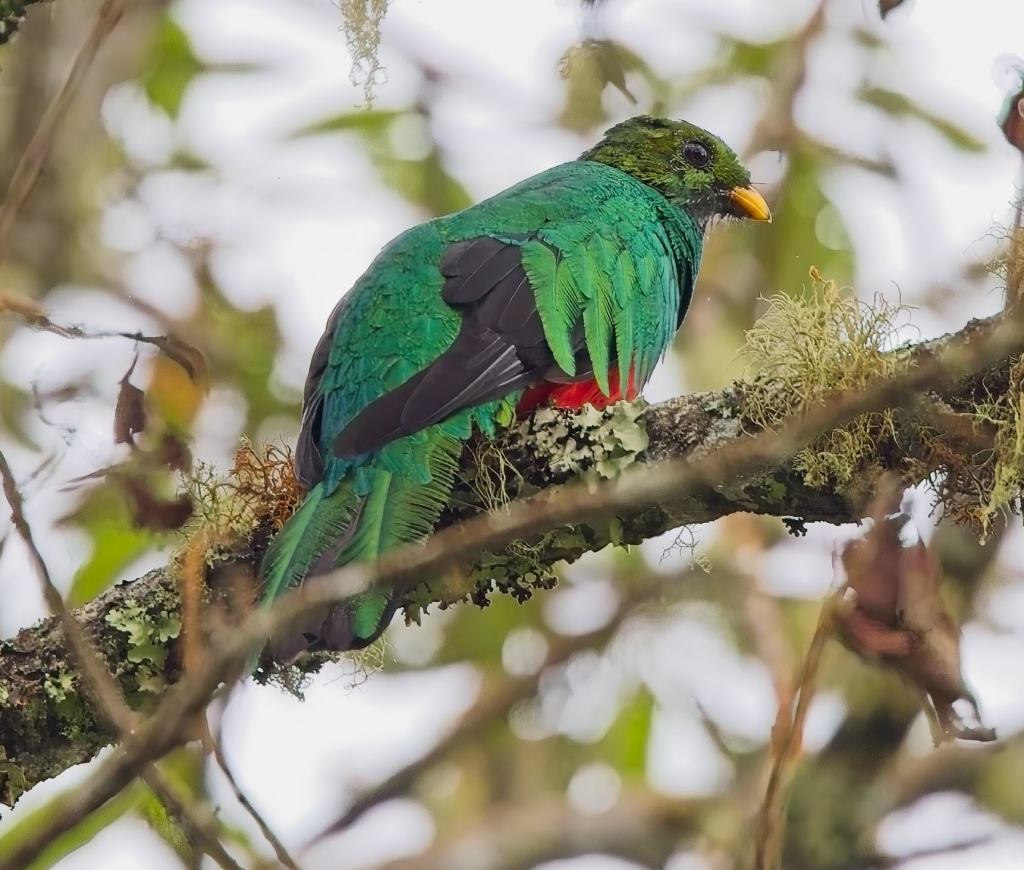
White-tipped Quetzal – Lifer

Totals for the day: 38 species; 19 lifers (78 cumulatively) and 10 life photos (82 cumulatively). My Colombia list was at 226 species. Night again at Mountain House Lodge.
Colombia September 2025 – Introduction and Overview

Some International Background

My first trip to South America was to Argentina in March 1989 mostly in the area of Junin de Los Andes with 4 buddies fly fishing and enjoying great food and spectacular scenery in addition to the wonderful trout. At that time I was more interested in flyfishing than birding but had done a fair amount of birding as well so I kept track of species seen, a total of 41 species and somehow a photo of just one – a Black Necked Swan. My first international birding had been in Trinidad in May 1978, finding 97 species on a trip with friends courtesy of an amazing airfare deal through the now long gone Eastern Airlines that had included birding stops at ABA Biding meccas in South Texas and South Florida. Altogether on that trip we had 178 species of which 143 were new for my then pretty short World Life List (no camera). My next international trip was to the Mai Po Nature Preserve outside of Hong Kong on Christmas Day 1979. The 79 species there was followed three months later in March 1980 with 13 species seen casually on a definitely non-birding vacation visit to Jamaica. No camera on either trip.

It would be another 3.5 years until my next international birding adding 31 species from a single afternoon of birding squeezed into another non-birding vacation, this time to Japan in July 1983. That was it until that flyfishing trip to Argentina which was followed by another flyfishing trip, a very exotic one to the very remote Christmas Island (Kiribati) where only 7 species were seen incidentally as we concentrated on bonefish and other saltwater species in May 1989. By that time, a daughter and a son had been added to our family and birding and fishing both took back seats to child rearing, work and family activities. By April 1997 both kids were old enough to enjoy their first exotic vacation – a week in Costa Rica that included visiting some great lodges with birds, monkeys, butterflies, frogs etc. but no camera – the standard fare for an introduction to the natural history of the tropics and giving me the chance to see 155 species of which 99 were added to my World Life list which then reached 938. Concentration remained on kids and my career including starting my own consulting company in 2000. There was little birding and little fishing until 2002 when as a half time chaperone on my daughter’s trip with the Seattle Youth Symphony to Hungary and the Czech Republic I was able to get away for a half day guided trip in Hungary which produced 54 species – all World lifers.

Snapshot – After the foregoing it was July 2002. My daughter had graduated from high school and would be starting college. My son would be entering high school. My business was underway but with lots of pressure and uncertainty. In 2003 my only “vacation” was a solo mostly birding trip to Australia. With some guiding help only around Brisbane and on my own otherwise, I managed to see 267 species and actually got photos of 7 species. The one guide I was with, Bill Jolly, took photos of many of the species we saw. I have those photos but since I did not take them, I did not use them. So at the end of that trip, my world photo list was 8!! But I was over 1000 species for the world – 1243.

Galah – One of Seven Species Photographed in Australia – 2003

I don’t know if Ebird had yet been invented but I would not start using it for another 7 years until 2010. I am sure I did a little birding in those intervening years but I did not keep lists or records except for new life birds and apparently there were none of those – at least in Washington or elsewhere in the U.S. as I have no records of any except for a single Barred Owl record in Lincoln Park in West Seattle in 2007. For the 8 years following that Hungary excursion, my recorded birding trips (paper records and then later entered into Ebird after the fact) were all international with trips on my own to Australia (2003) as above, Brazil (2005), Kenya (2007) and then Belize (2010). I began taking pictures (I would not yet call them “photographs”) in 2005.

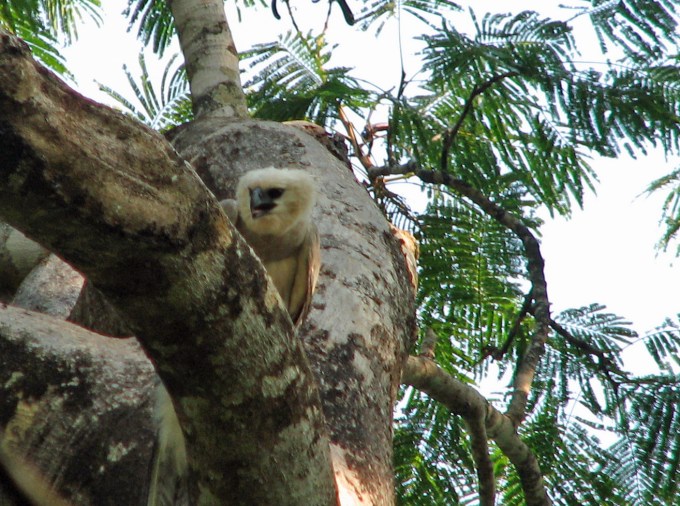
Harpy Eagle Chick – Brazil 2005

In large measure these trips enabled me to deal with pressures from business and domestic issues as I found that birding allowed me to take my mind away from those matters, re-energize and continue on. In 2010 I discovered Ebird and have 10 real time lists from that year, adding 35 species to my then very meager state list but evidencing that birding was becoming an important part of my being. At the end of 2010, Ebird showed that my Washington State Life List was at 235 species; my World Life List was 1959 and I had entered a total of 198 checklists – a number much lower than would have been the case if I had done lists as they occurred instead of retrospectively and only when new lifers were found. And per the above, I had finally started to take photos with only a handful in Australia but with another 59 in Brazil, 142 in Kenya and 19 in Belize. Those percentages would later be seen as unacceptable, but it was a start on a path that would become very important later and is very much so now.

Lilac Breasted Roller – A Favorite from Kenya in 2007

Major Transition – 2011 would begin a number of major changes in my life. My son would be graduating from college. My daughter would be in her first year of residency after Med School. Some major deals in my business would either be closing or falling apart, I would be looking at a separation in my marriage (to be followed by a divorce) and I would be undergoing my first surgery since my tonsils had been removed 60 years earlier. As I confronted all of those matters and especially the surgery for a full replacement of my right shoulder, I was at least unsure of my future and probably a little scared as well. What if that future was one of limited possibilities instead of the creation of new ones? At the top of my bucket list was a desire to see a tiger, in the wild, in India. In January, the month before the scheduled surgery I joined a Victor Emanuel Nature Tour to India that promised birds, the Taj Mahal and a good possibility of seeing my tiger. It was a wonderful trip with several tigers, the magnificent Taj Mahal and 278 bird species with photos of 150 of them.

2011 Tiger in India

Back in the U.S. after India, I had the surgery which at first seemed to have gone well, closed at least one of the pending important business deals, went forward with the separation and continued to use birding in my home state as a diversion – an increasingly active one. My shoulder was not doing well and a re-examination determined that the replacement had not worked and would have to be done again. During that surgery in 2012, it became obvious that the reason it had not at first succeeded was because there was an undetectable infection. The recovery was not fun and I have never regained the full use expected, but now 13 years later, it still works, so I cannot complain. It was a momentous year in other ways as well. We proceeded to a divorce; after another business deal closed and an option was entered that could result in a significant fee later, I contemplated retirement; and I left Seattle and relocated to Edmonds, Washington where I still reside.

When I sat down to write this blog post, I originally intended to just give a background of my birding trips to South America in anticipation of this trip to Colombia, the country which has more species than any other in the world and unlike as in my case is often the first in South America visited by birders since there are so many species to see and get on our lists. Maybe I just needed to revisit those early years and some of my own ghosts and demons and how birding has been so important in dealing with them. But enough of that – back to South America.

South America – That first South America trip to Argentina had great fishing and just the barest taste of bird life. On my own in Brazil in 2005, it had been a perfect escape for 3 weeks combining a visit to Rio, unguided birding at a large ranch in the Pantanal, time in the Amazon with help by a guide for two days and then time on my own at the incredible Iguassu Falls. At the time I was very pleased to have found 280 species but was not really looking to expand a World list. Later in 2013 I went on a guided trip to Peru with 413 species and 127 photos. Now after that trip to Peru and later visits to Ecuador (twice), with trip lists of 450 and 540 species each that Brazil list seems small, and I know that if I did it again with guides, the number would have been twice what I had in 2005.

In 2022 after canceling a number of trips in the Covid Doldrums, spouse Cindy Bailey and I went on a private birding trip to Ecuador and in 2024, even though there were too many “little brown jobs” for her taste, Cindy joined me on a wonderful Wine and Birds tour to Chile and Argentina. We had more birds (153 in Argentina and 104 in Chile) than wine (56 varieties tasted) and a great time. Cindy has learned a lot more about birds than she acknowledges and kindly tolerates my obsession but when a friend and I committed to another trip to Ecuador in 2024, she passed but together we planned a visit to the Galapagos which was wonderful and except for all the Darwin finches, the birds, especially like the boobies and albatrosses were fun for Cindy. When I looked into this Colombia trip, Cindy passed and continued that stance when I committed to a trip back to Brazil – a very different area in that very large country where I might expect 300+ species many of which would be new lifers and/or new life photos.

Enough background except for these numbers: It is June 19th as I start to write this and wait to board my plane for Miami and then on to Barranquilla. My World Life List is 3712 species. I have photos of 2,430 species. We will be birding for 10 and I half days in Northeastern Colombia, an area that includes Santa Marta and Perija with many endemics. For this trip, my organizer, ICARO BIRDING sent a potential list of more than 575 species. After comparing those possibilities with species on my World Life List, I calculated that there is a longshot chance to add 170+ new lifers and 175+ life photos. More realistically maybe 150 of each. My goals are to eventually have 4000 to 4500 species on my World Life List and to have photos of 3000 species. I sure wish I had been taking pictures on those early trips before 2005. Here is the itinerary. I will return to writing this after I have returned, gone over pictures and lists and reflected on the visit.

Colombia Itinerary

  • Day 1 – June 20 Arrival in Barranquilla at 12:50 PM – drive to Cartagena – PM Birding Cienaga de la Virgen  Hotel Cartagena
  • Day 2 – June 21 Matute Birding Reserve: Scaly-breasted Hummingbird, Red-throated Ant Tanager, Black-bellied Wren and others. eBird checklist – 3 hours late afternoon drive back to Barranquilla BH Barranquilla
  • Day 3 – June 22 Km 4 via Palomino and Salamanca – Minca Veranda Hotel
  • Day 4 – June 23 Birding Minca towards Mountain House Lodge Mountain House
  • Day 5 – June 24 San Lorenzo Ridge and around the lodge Mountain House
  • Day 6 – June 25 Minca – Gaviotas – Camarones – Riohacha Hotel Taroa
  • Day 7 – June 26 Los Flamencos Flora & Fauna Sanctuary: Camarones – Valledupar Hotel Sonesta
  • Day 8 – June 27 Tananeos Reserve and Perija Perija Bird Reserve
  • Day 9 – June 28 Birding the Perija Mountain range Perija Bird Reserve
  • Day 10 – June 29 Perija and Valledupar Hotel Sonesta
  • Day 11 – June 30 Valledupar – Barranquilla (birding all the way) BH Hotel
  • Day 12 – July 1 BH – Airport flight at 1:50 PM

Back Home – Reporting/Reflecting on my trip – Overview

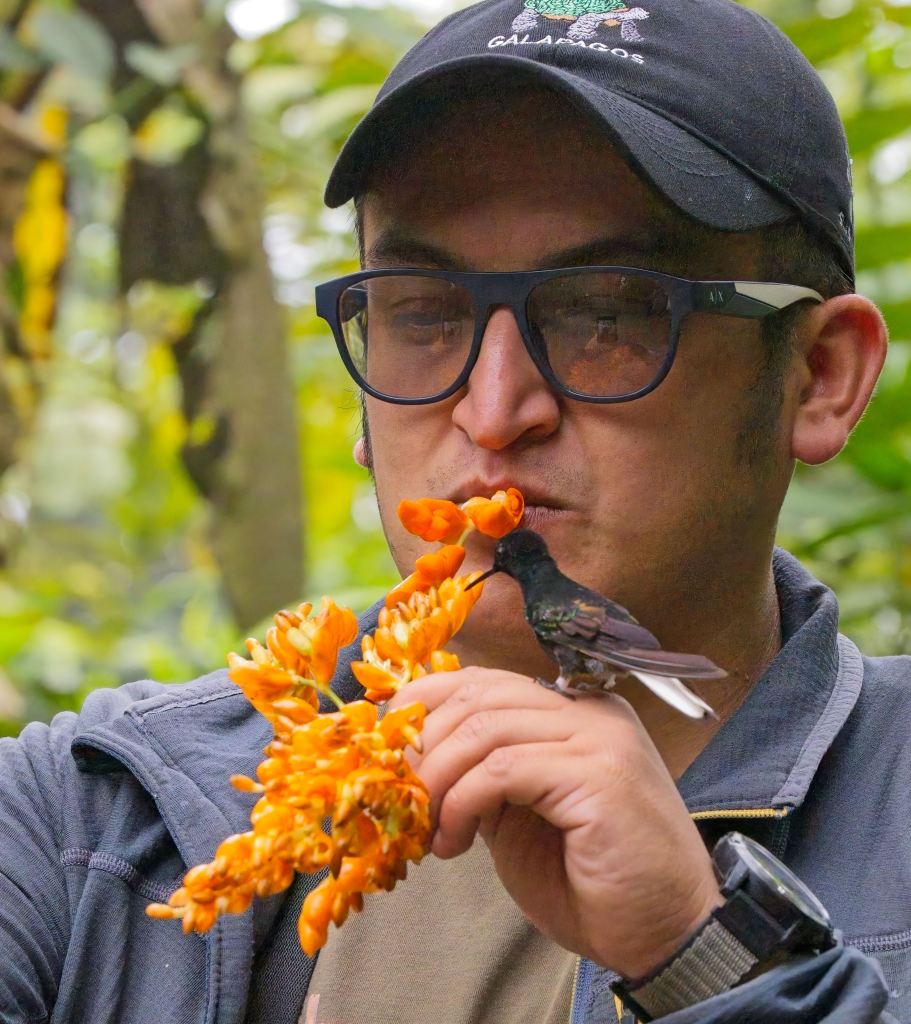
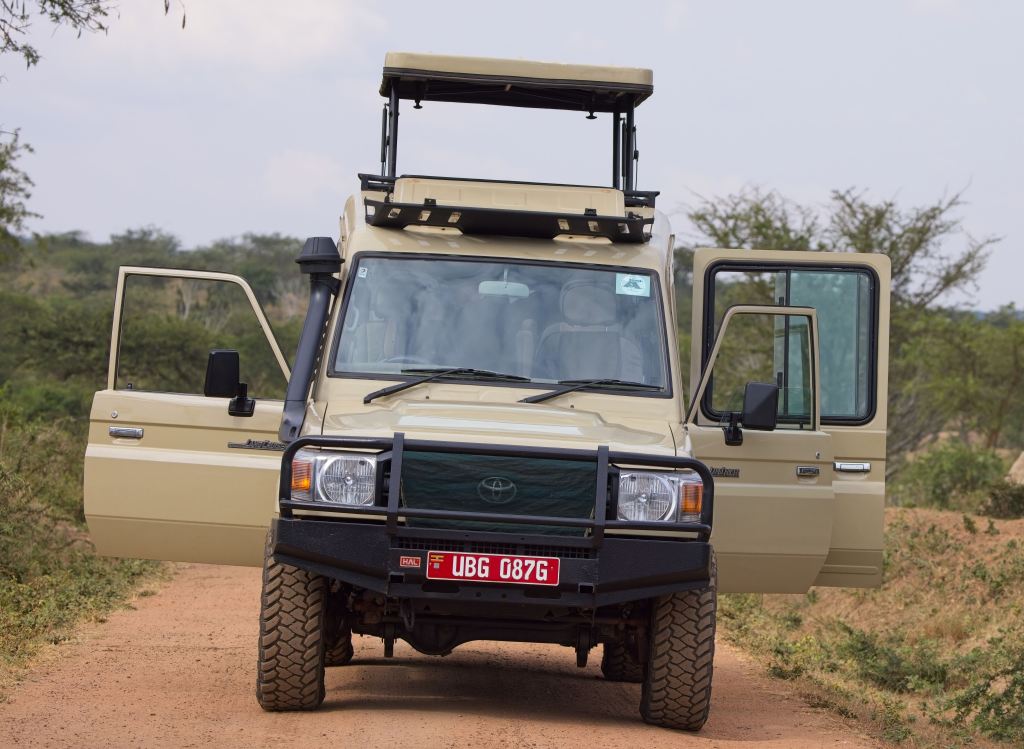
I am going to start with the most important comments. Overall the trip went very well – no dangers, no illness, everything went according to schedule, weather was good, guide Breiner Tarazona was great, lots of birds and lots of photos. Flights all worked although some delays and gate relocations caused more stress than I would choose. This was a solo tour with guide Breiner and driver Jeferson in a very comfortable and very capable 4 wheel drive Toyota Fortune. With maybe one exception the lodging was very good to excellent. Food was mostly unremarkable but in quantities significantly greater than needed. Everyone I met, including police officers on FOUR road stops were all friendly or more. Lots of dogs enabling me to send photos back to dog lover Cindy. More city travel than expected or compared to other international trips, but traffic was not bad, roads in general were very good with the exception of the two incredibly challenging “dirt” roads leading up to key areas in the Santa Marta and Perija mountains which were as rough as any roads I had ever traveled. Jeferson was an exceptional driver and often with speeds less than 5 kilometers an hour, got us easily through the tough roads.

Breiner was a great guide and a great human being. Very easy to travel with, good English, friends with everyone we met, and definitely on top of bird identification by sight and sound. He was very patient and particularly good at helping me get on birds buried in the foliage, a major problem for me, aided by his own keen eyes and ears, top notch binoculars, excellent recordings, a good scope, a good laser pointer and a new tool in the arsenal, a very effective heat sensor scope that helped find numerous species.

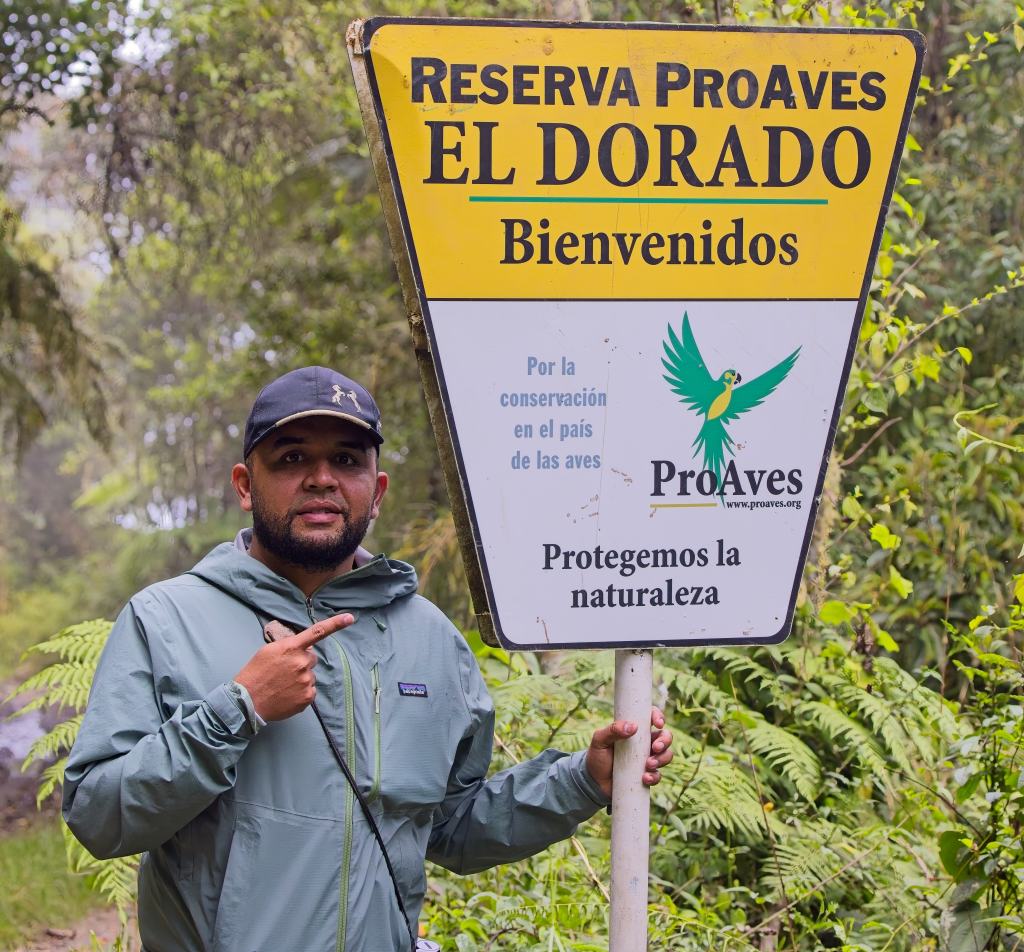
Breiner Tarazona

Let me get the only two somewhat negatives out of the way: (1) the “potential list” of 500+ species was somewhat misleading as it was not a trip list from a specific similar tour in the past – rather a compendium of all species that were possible to find in the geographic area. This kind of list is often used in tour descriptions and is certainly honest, just not as useful as a list of actual experiences in the past – like an Ebird Trip List from an earlier tour. So the reality was that the likely number of species to be actually seen was maybe 400 at most. I should/could have realized this and in no way would the smaller number have changed my mind about taking the trip. The second minor matter was that with Jeferson and Breiner in the front seats and me in the back, when they conversed in Spanish, as they did often, I felt somewhat left out/isolated. This emphasizes that I wish I had taken Spanish instead of French. Breiner never failed to communicate to me or respond to me in excellent English, just would have been nice to have been more engaged – especially since I understand that Jeferson, who had very little English, is quite the story teller. And in addition to his driving skill, Jeferson was helpful in numerous ways including in spotting some of the birds. Very minor negatives completely overweighed by many positive.

The geography of the trip was essentially in Northeastern Colombia along the Caribbean coast, almost to Venezuela and especially focused on the endemics of Santa Marta and Perija (endemics shared with Venezuela). This is a tiny part of the country and other trips would have produced very different bird lists. Bottom line on this trip was that we had 367 species, with only a few heard only. As expected there was significant overlap with species seen elsewhere so total lifers were 124 and total life photos were 142 (out of a total of 272 species for which I got a photo). Not quite the quantity I had hoped for on either account, but definitely acceptable and worthwhile and the quality was great including some unexpected and unusual finds and photos and excellent coverage of the Santa Marta and Perija endemics (altogether we had 21 endemics). So those life lists that probably get more attention than they should are now at 3836 World Lifers and 2572 photos. With trips that are scheduled for later this year (Amsterdam, hopefully with a day of birding and a birding trip to Southeastern Brazil), I think there is a reasonable chance to get to 4000 species and maybe 2750 to 2800 life photos. And if all goes well trips to Costa Rica and Thailand in 2026 should get me to that 3000 photo goal as well. But those reports are for later. My next post will get into the details of Colombia!!

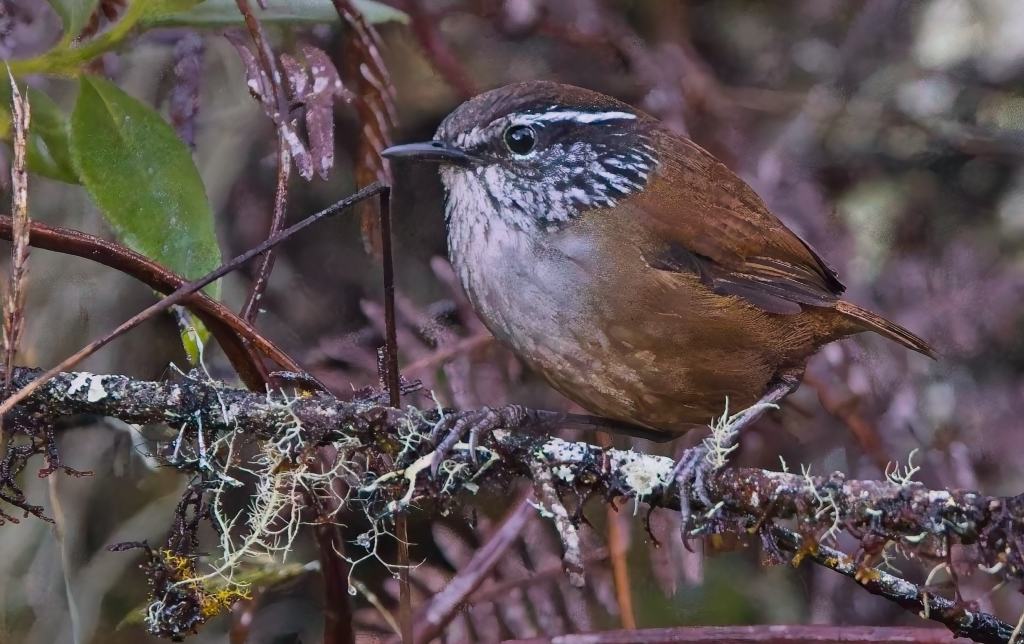
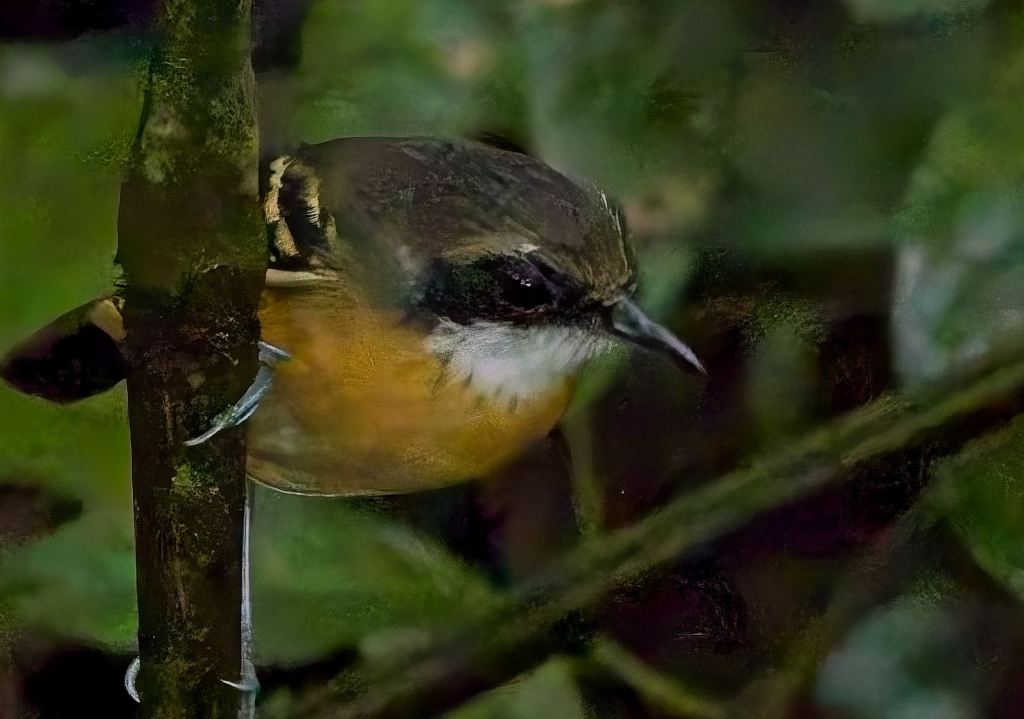
Hermit Wood-Wren – Santa Marta Endemic

As Colombia Approaches, More Migrants and FINALLY a Flammy Photo!!

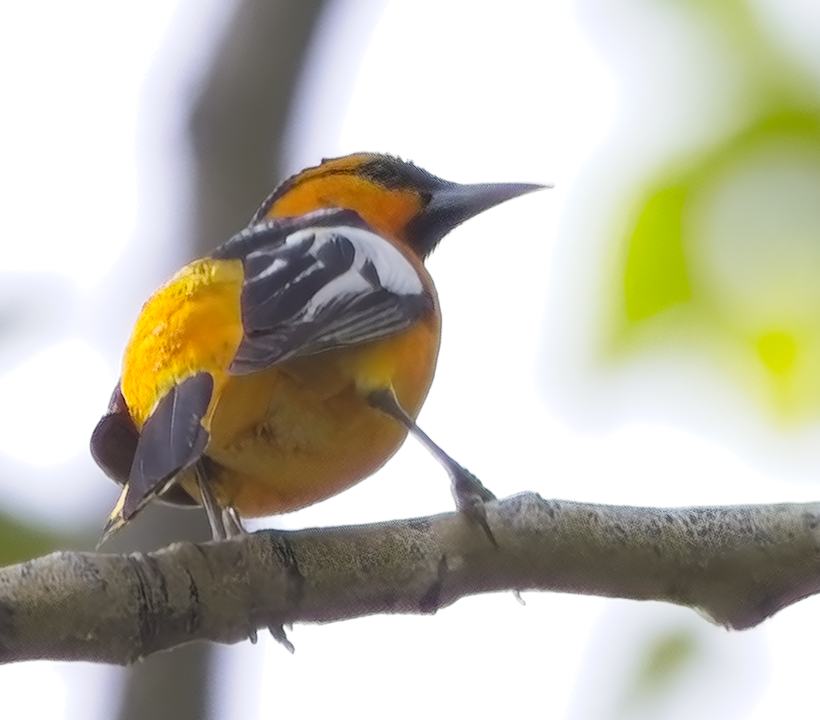
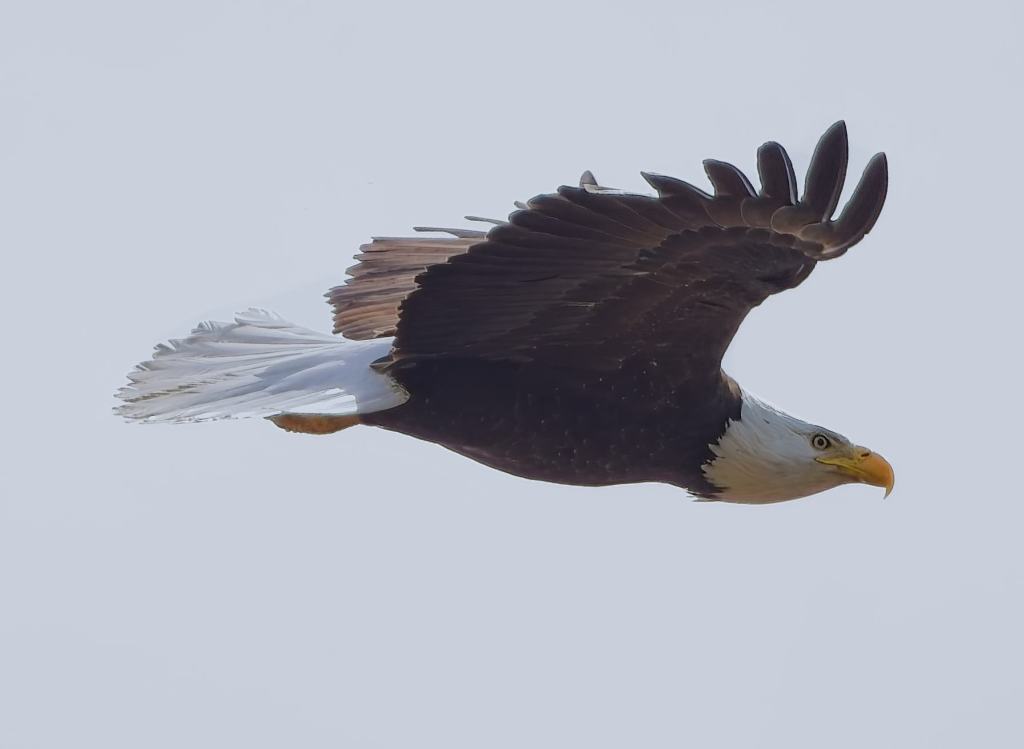
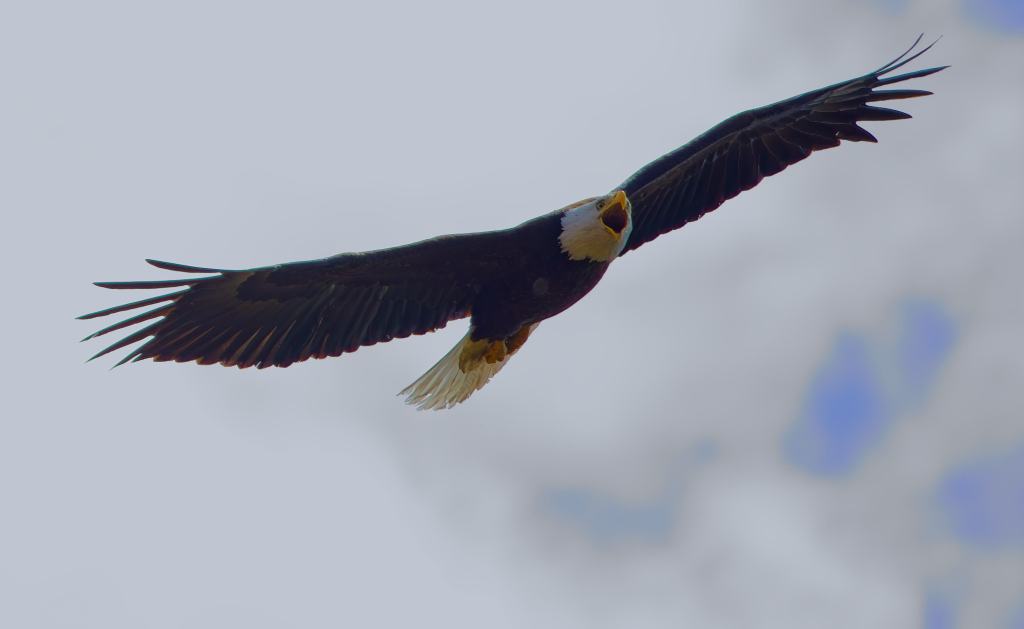
On May 7th I ended my long Eastern Washington trip with my stop at Sentinel Bluffs in Grant County, WA adding a Bullock’s Oriole for Washington species #208 for the year and then getting a bit too close to an unseen Bald Eagles nest which had both parents soaring overhead a bit too close for comfort. The remainder of May would be some birding near home in Snohomish County, adding 7 more newly arrived migrants to the state list (Black Headed Grosbeak, Warbling Vireo, Swainson’s Thrush, Purple Martin, Western Flycatcher, Wilson’s Warbler and Western Wood Pewee). I got ok photos for the Wilson’s Warbler and the Black Headed Grosbeak, obviously new for the year, and also had nice photo ops for a Red Breasted Sapsucker, Anna’s Hummingbird and a distant Barred Owl – always a good find.

Black Headed Grosbeak FOY
Wilson’s Warbler FOY
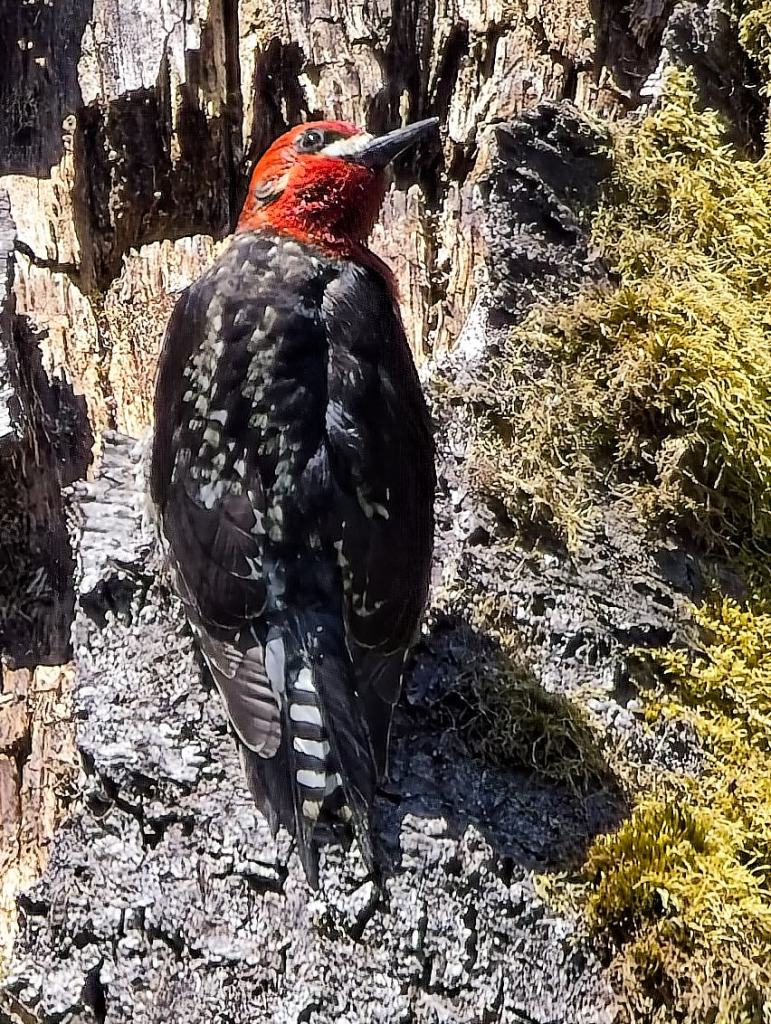
Red Breasted Sapsucker
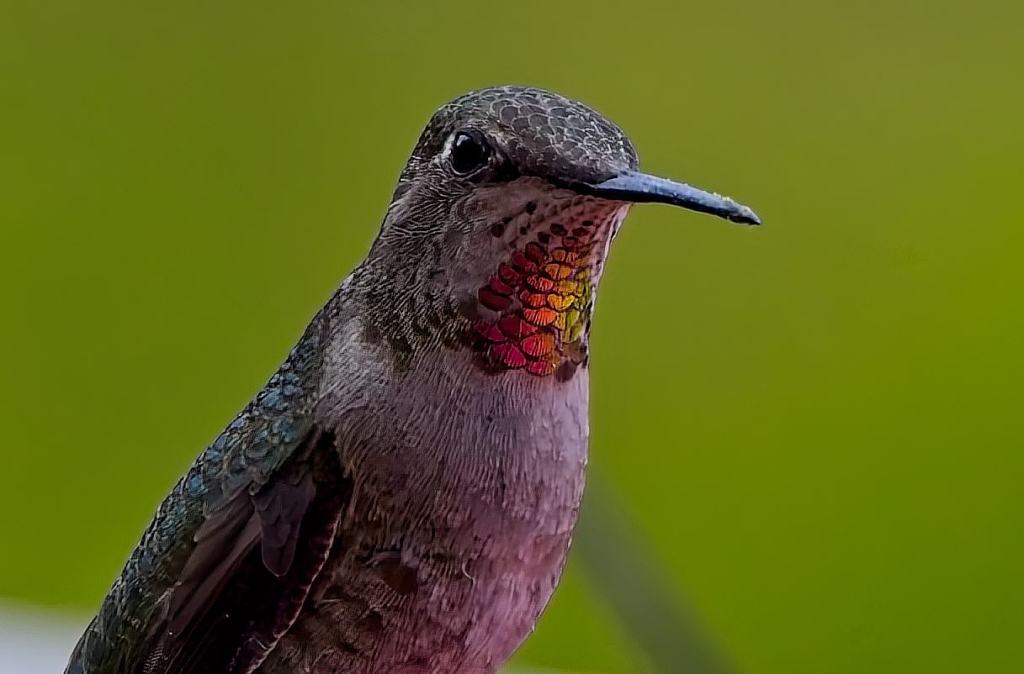
Anna’s Hummingbird
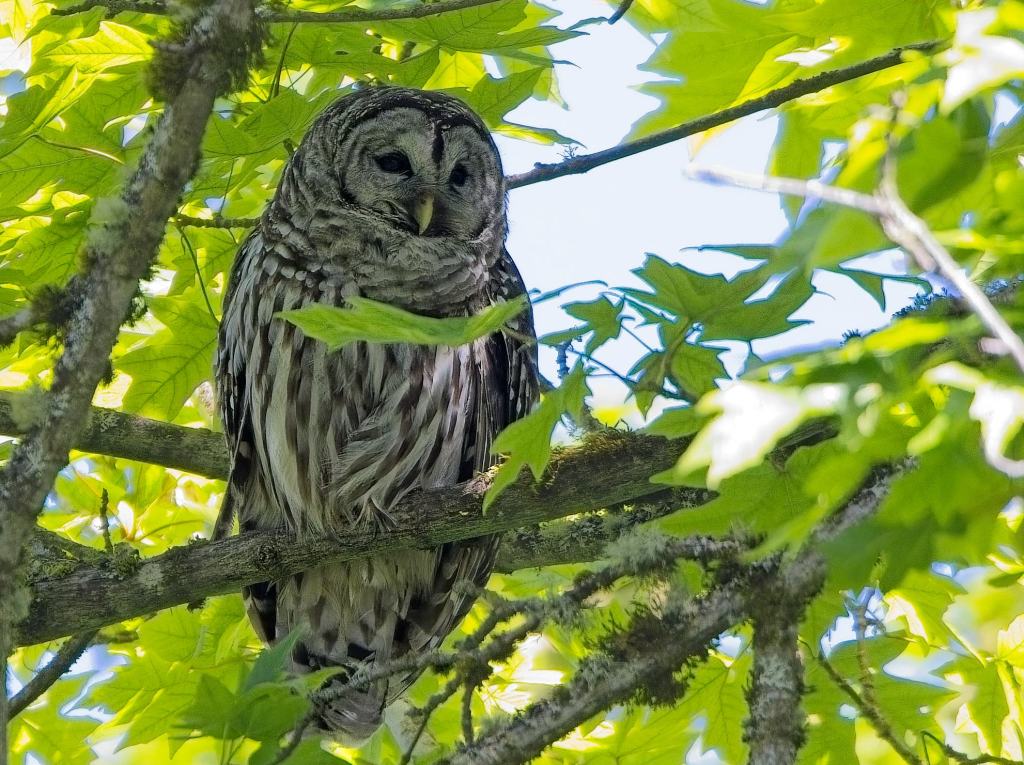
Barred Owl

There were a lot of things going on in my personal life – nothing terrible, just a lot to do, so I thought there might be only one more trip to Eastern Washington before leaving for Colombia on June 19th. Ideally that would have been a marathon trip picking up some new arrivals and then ending with a visit to Liberty, Washington, my go to spot for a Flammulated Owl and just maybe finally get my first photo of one in Washington. Almost but not quite. Instead there would be only a shorter trip to Eastern Washington on May 28th with the possibility of a Liberty trip in June.

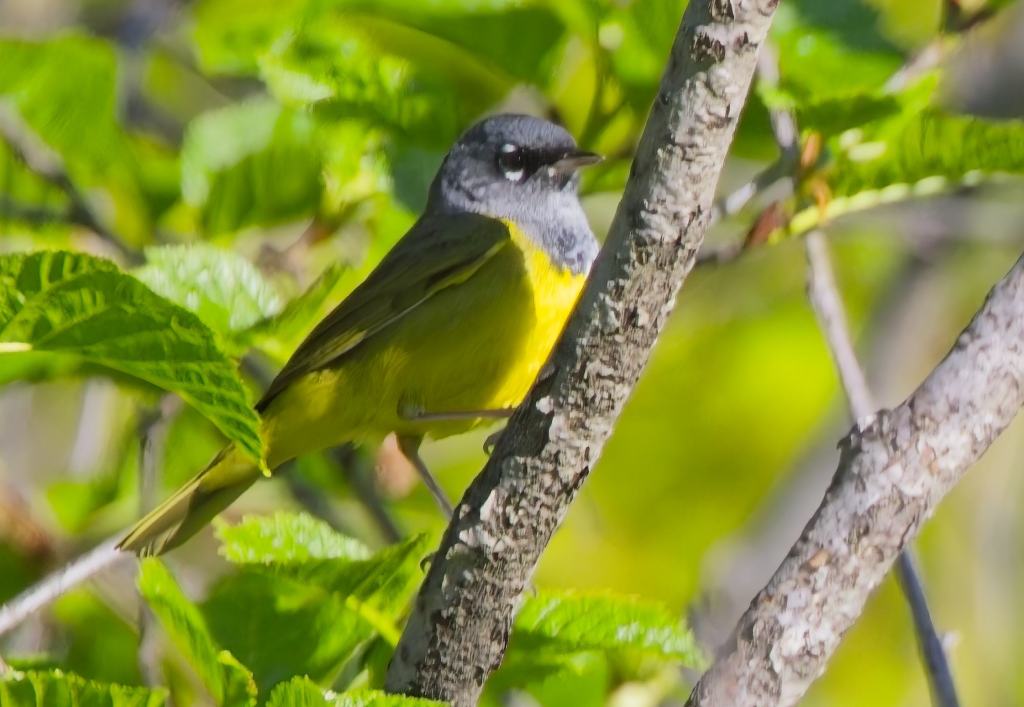
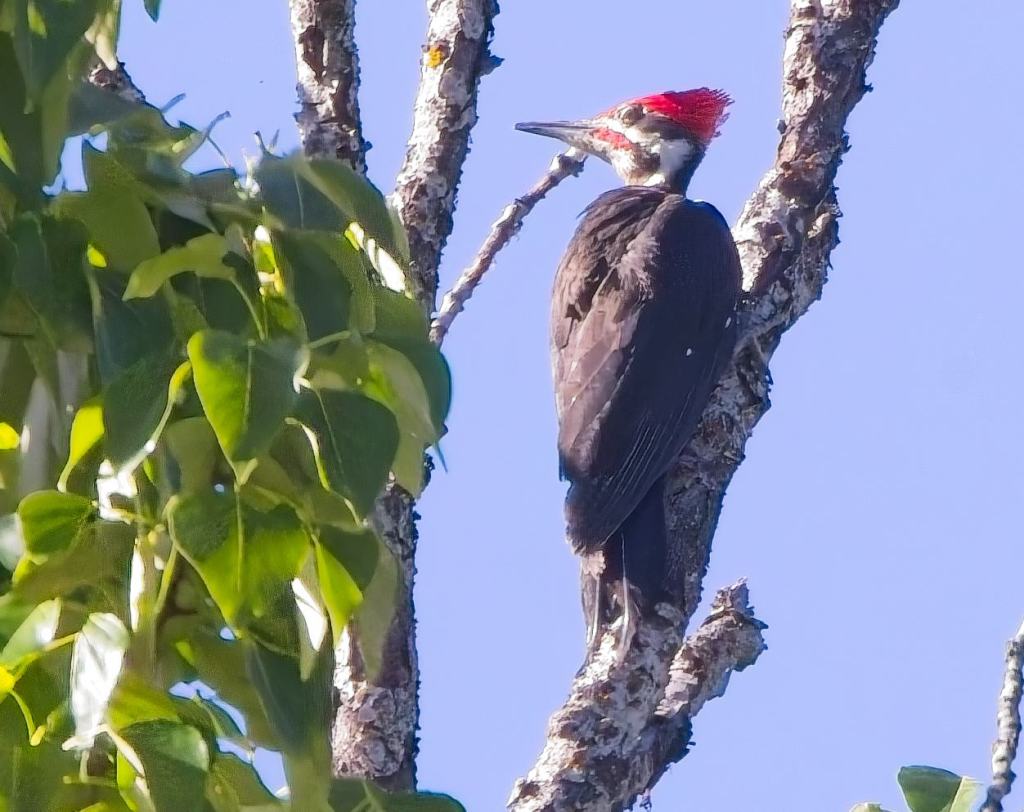
Our May 28th trip (again with Tom St. John) began with a FOY MacGillivray’s Warbler at what has become an almost guaranteed spot for them at Snoqualmie Pass and then a good visit to Bullfrog Pond just West of Cle Elum where we picked up FOY Veery and Willow Flycatcher and also grabbed my only photos this year of a Pileated Woodpecker.

MacGillivray’s Warbler FOY
Veery – FOY
Pileated Woodpecker

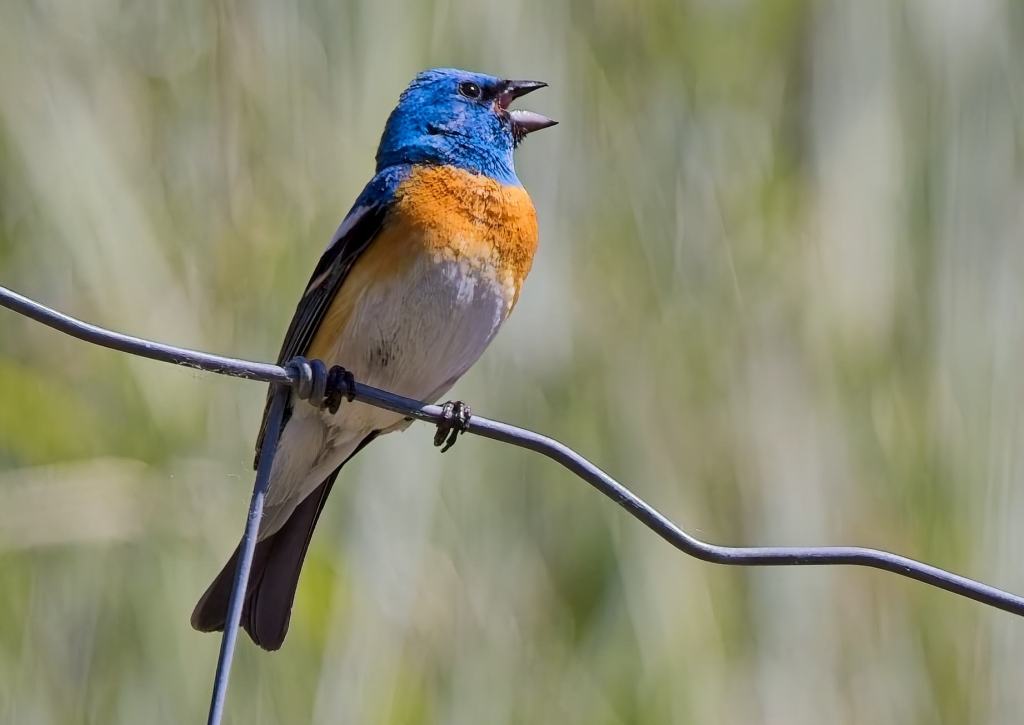
Rather than heading to the Northern Pacific Railroad Ponds which is my usual stop after Bullfrog, we instead visited Robinson Canyon where among other species we would look for and find Yellow Breasted Chats. Also there were several Lazuli Buntings and FOY Cedar Waxwing and Townsend Solitaire.

Yellow Breasted Chat FOY
Lazuli Bunting

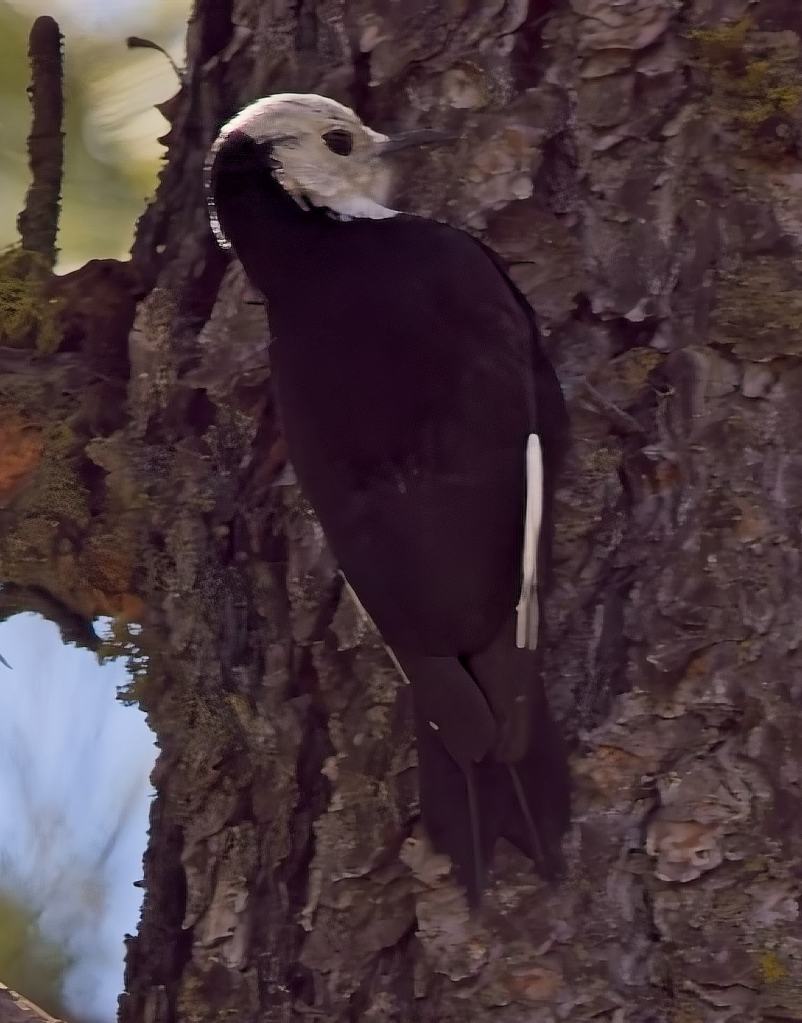
When Tom and I planned the trip, the top targets, in addition to new migrant arrivals were two woodpecker species – Lewis’s and White Headed. We thus headed to North Wenas Road where we found a White Headed Woodpecker near a private road, Kindle Lane, where I have had them in the past. Before that we made a brief tour up Durr Road where we found our usual Mountain Bluebirds and both Brewer’s and Vesper Sparrows and along N. Wenas Road we had FOY Dusky Flycatcher, Vaux’s Swift and Eastern Kingbird. It took awhile, but I finally heard the call of a White Headed Woodpecker which gave us decent looks and a chance for a photo. We also heard a Gray Flycatcher (FOY) and had a really crappy look at a Lewis’s Woodpecker, not good enough to change our plans to carry on to Oak Creek and then to Bethel Ridge.

White Headed Woodpecker FOY

At Oak Creek I was shocked to see no Lewis’s Woodpeckers as we moved up the road into the Canyon and back. In years past I have had many close sightings there. At the base of the road, along the highway we finally got some decent looks, but never the eye level closeups I had expected in the Canyon. We also failed to find my much wanted Ash Throated Flycatcher, a species I have seen there in past visits and which had been reported this year as well.

Lewis’s Woodpecker

Although it was getting late, we decided to carry on to Bethel Ridge Road. In years past, its a place where I have had every woodpecker species found in Washington except Acorn Woodpecker and it has been good for White Headed Woodpecker and both Red Naped and Williamson’s Sapsuckers which were at the top of our target list there. It was really slow with only five species and our only woodpecker was a Hairy Woodpecker. The Chipping Sparrows we heard and saw but did not photograph were new for the year.

Hairy Woodpecker

All told for the day, we had 82 species of which 12 were new for the year for me bringing my Washington year total to 228. Including species seen earlier in the year in Japan and in South Carolina, my world year total was 357 which compares to the 432 species seen by this time last year which turned out to be by far the biggest world list of my birding life with more than 1420. Although I have several international trips (Colombia, Brazil and Costa Rica) later this year, the total will be nowhere close to that but hopefully there will be at least another 290 lifers getting me to 4,000!!

As it turned out, Tom and I would be able to do a trip to Liberty, Washington. Rather than a full day birding, we left at an unheard of late hour of 1 pm and began our birding at almost 3:30 pm at a place that was new for me, King Horn Slough, a couple of miles west of Bullfrog Pond near Cle Elum. The main reason for the visit was that American Redstarts had been found there. Although I had seen them in 5 other counties in Washington, this would be my first sighting of them in Kittitas County where they are rare. I have also seen them in 17 other states (all in Eastern or Central US) and two other countries, Mexico and Belize. The area was very birdy but with most birds either heard only or seen very briefly. We heard multiple American Redstarts, at least 3 and possibly as many as 5, but views were challenging and photos are ID quality only. Unexpected but not surprising as I have had them in most other areas where I have seen the Redstarts we also had at least one Red-Eyed Vireo, another new species for Kittitas County for me.

American Redstart FOY and Kittitas County Lifer – #217

On the way to Liberty, we stopped at the Swauk Cemetery which can be very birdy and is definitely interesting as some of the “inhabitants” date back to the 19th Century. I was hoping for a White Breasted Nuthatch but we found only Pygmy and Red Breasted Nuthatches in addition to Evening Grosbeaks, Chipping Sparrows and Cassin’s Finches.

Cassin’s Finch

The history of Liberty Washington can be traced back to the discovery of some gold there in 1867. My history traces back to May 2016 when a midday visit yielded nothing of note, but got a lot more interesting in July 2017 when a several hour trip beginning at 8:30 pm produced 24 species including Common Poorwill, Common Nighthawk, Great Horned Owl and most importantly 2 Flammulated Owls which were “heard only”. After that visit I had returned 8 more times and altogether had a total of 26 Flammulated Owl observations – again all of which were heard only. This was definitely a nemesis bird as the only photo I had of one was from Utah in June 2019 and there had been an additional 11 trips observing at least another 20 Flammulated Owls in Washington with only a single brief visual and NO PHOTOS! So you can understand why I really wanted a photo this time. So I came with more “artillery” in the form on an infrared spotting scope, two powerful flashlights and the keen eyes of Tom St. John.

Flammulated Owl – Life Photo – Utah 2019

My strategy at Liberty is to bird along the Liberty Road and Forest Service roads for about 5 miles getting to a higher elevation where several Forest Service Roads intersect and then wait until dark and only then begin the search for the owls and also for Common Nighthawks, Common Poorwills and possibly other owl species. On earlier visits in addition to the Flammulated Owls, I have had Long Eared, Barred, Great Horned and even a Spotted Owl there. It is also a good place for Sooty Grouse, seven species of flycatcher and 5 thrush species, especially Hermit Thrush, and Western Tanagers and Cassin’s Vireos. Tom and I began birding there around 6:30 pm and then killed time until it began getting dark around 9:40 pm hearing many Hermit Thrushes (FOY). In the past I have had Common Nighthawks at dusk and then generally first hear Common Poorwills. A bit later as I make my way downhill with stops every quarter mile I listen for owls.

The good news is that it was not very cold. The better news was that there was very little wind. News I was not so sure about was that there was an almost full moon. On at least one other occasion I had very bad owling with a full bright moon. As almost 20 minutes passed before we heard anything, I wondered if the moon really was an issue. Then not far from a spot that I have marked as a place where I have heard seemingly close Flammulated Owls in the past, we finally heard something. Glad to get it, but the FOY Common Nighthawk above us was not our prime target. It continued and then we heard something else in the distance. I am not 100% certain but the notes matched the call of a Long Eared Owl. We got out of the car and began walking along the road in silence listening for any calls. Tom went back uphill and I started downhill. Maybe ten minutes later, and not much further down from my “favorite spot” I heard the unmistakable patterned hoots of a Flammulated Owl. “Tom, I’ve got one.” Using both the single note and multiple note calls on one of my apps, I began a long conversation with the owl and slowly it seemed to come in closer. This is where team work is critical. Tom joined me and began searching the trees with his bright light looking for eyeshine or better yet an owl. It took only a little while and now it was Tom’s turn, “It’s here.” And there it was, in the open in a tree maybe 25 feet back from the road and also 25 feet up in the tree. And let me repeat: “In the open”. These owls are very small, no more than 8 inches and if there is foliage, they are very hard to see; but they do come into the open and this was it. After so many misses, here was a photo op. Click, click, click, click. Finally a first Flammulated Owl photo in my home state of Washington, photo number 420 (of the 432 seen).

Washington Life Photo of a Flammulated Owl

If the night had ended right then, it would have been a massive success, but now it seemed like the time had come as we heard more calls. Working our way further down the road, I finally heard a distant Common Poorwill and then another. And another Common Nighthawk. And another Flammulated Owl and then another and another. It is always hard to know if you are hearing the same owl in a different spot or if it is a new one. At one time, however, we heard calls in rapid succession from three different spots. It was far enough from the first owl, that we were pretty certain we had 4 Flammulated Owls and with more calls seemingly further off, we are pretty confident that there were 5 and possibly 6. Importantly for me, one of them was again pretty close and this time I found it with my spot light and then when Tom got his light on it, it was again picture time. And unlike the first owl which always had its back to us or was turned sideways, this time there were brief moments with direct views – and yes they really do have two eyes!! A bit later we saw an owl fly from tree to distant tree on the other side of the road. Maybe it was an owl heard earlier or maybe another, but for sure a third visual.

Our Second Cooperative Flammulated Owl

We had been owling for over 90 minutes and knew that we had a 2.5 hour drive to return home. I am sure that we could have found more owls if we had retraced steps and gone down one of the other Forest Service roads. We opted to be happy (ecstatic?) with our success and head home, listening for calls on our way back down to the highway. Nothing new. No traffic and we were back in Edmonds before 2:00 a.m. Not the best for sleeping but it comes with owling and in fact I still was somewhat high from finally get a long hoped for photo and that coupled with an early “I need to go out” call from our dog Chica, meant I probably got at most a few hours of sleep. But I will pay that price anytime!!

Missing Photos in Washington

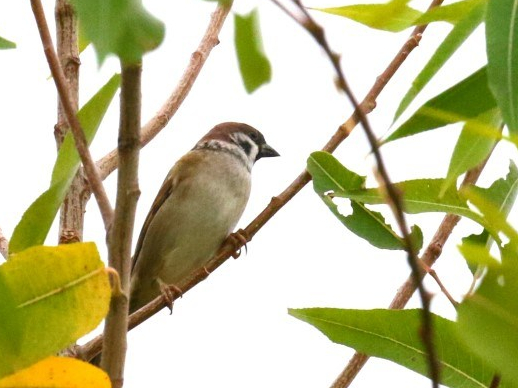
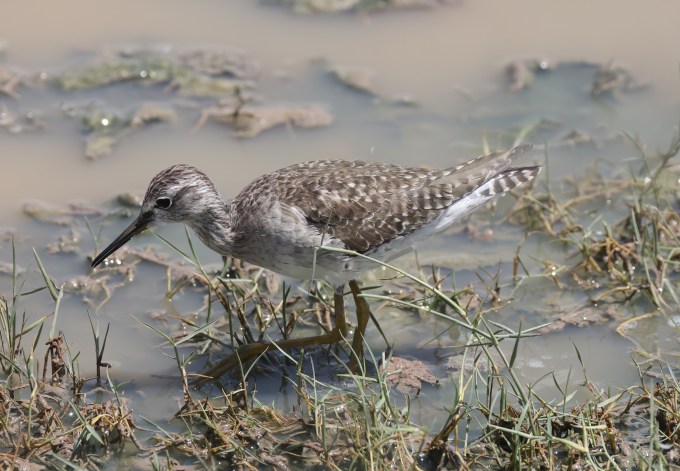
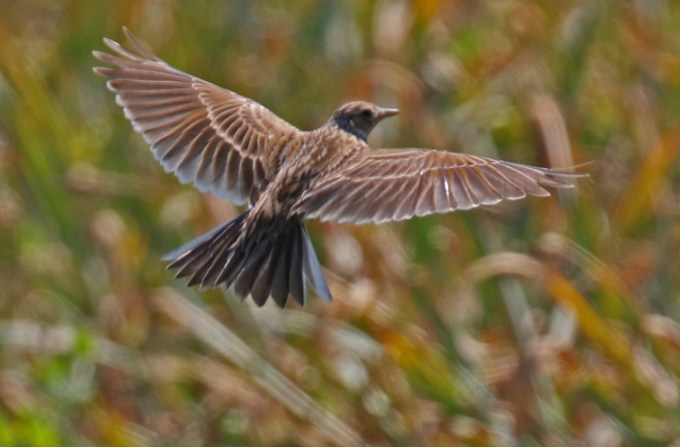
Although I started birding in Washington when I was here as a summer law clerk in 1972, I did not start taking photos until 2011 and what an awesome first photo that was – a Ross’s Gull at Palmer lake on December 21st. From then on, adding pictures became a regular part of my birding. The Ross’s Gull was species #278 on my Washington list so there was a lot of catching up to try for a new goal – not just adding to my state life list, but now having a state photo list as well. Not surprisingly some of those birds seen earlier without photos, the real rarities, are still on my list of missing state photos. Those include: Black Tailed Gull (September 2011), Wood Sandpiper (August 2011), Steller’s Eider (November 1986), McKay’s Bunting (February 1979), and Eurasian Skylark (June 1976). Also not surprisingly, I have not seen any of those species in Washington since those initial, camera-less occasions. There are 7 more species I have seen but not photographed in the state: Boreal Owl, Upland Sandpiper, Eurasian Hobby, Nazca Booby, Eurasian Tree Sparrow, Red Flanked Bluetail, and Lucy’s Warbler. With the exception of the Boreal Owl, all are mega-rarities each with its own “why I missed a photo story”:

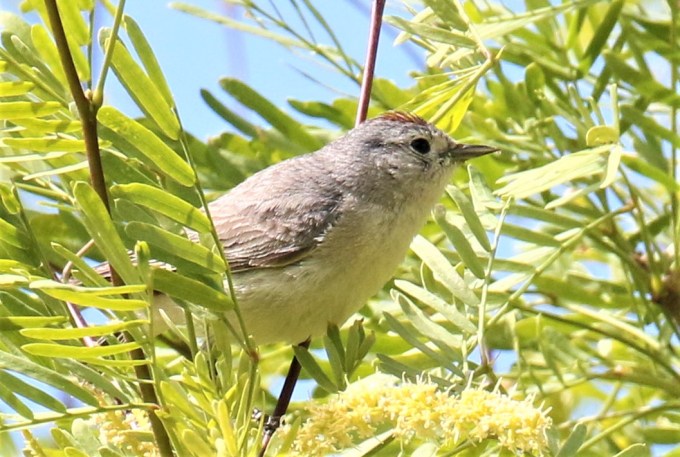
Lucy’s Warbler – seen very briefly in thick foliage and a pelting rainstorm in Neah Bay in November 6, 2014 and only a single state record the following year.

Lucy’s Warbler – May 2019 – New Mexico

Eurasian Hobby – my fault, missed photo on quick flyover at Neah Bay, October 30, 2014. Seen by others that day but no photo. The following day it was photo friendly but I was not able to stay over. No records since.

Eurasian Hobby – Tanzania February 2023

Nazca Booby – scope view August 17, 2022 from my condo in Edmonds, WA as it perched on ship going north on Puget Sound. One subsequent record the following year.

Nazca Booby (San Diego Bay) – March 2018

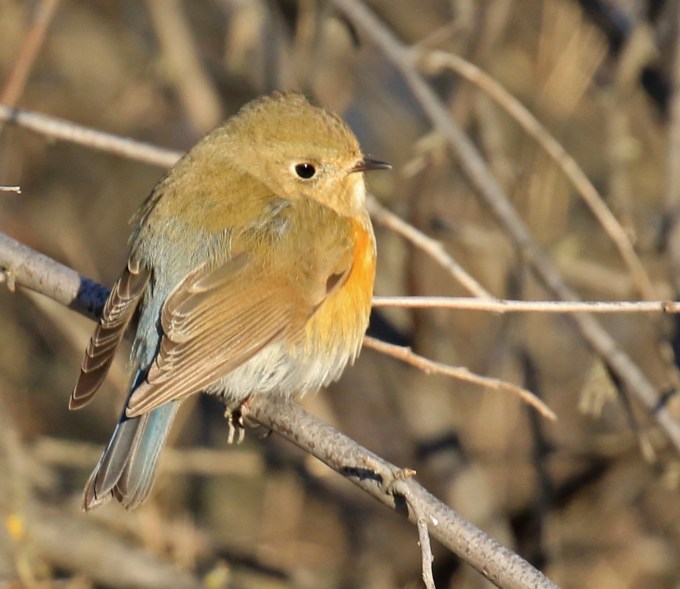
Red-flanked Bluetail – seen in heavy rain on March 19, 2022 in Lake Forest Park – no photo op.

Red-flanked Bluetail – Idaho January 2017

Eurasian Tree Sparrow – my worst miss. I actually saw it in Neah Bay and had a photo op on October 26, 2019, but stupidly had assumed it was an odd House Sparrow since “how could a Eurasian Tree Sparrow have been there”. Field notes confirmed my error and it was seen and reported by others the next day.

Eurasian Tree Sparrow – Introduced – Missouri October 2018Also have photo in Japan 2025 of natural

Upland Sandpiper – a flyover at the Game Range at Ocean Shores on June 6, 2013 as I was standing next to Dennis Paulson with no photo op. There have been two records in Washington since then. I was 30 minutes late for one of them again at Ocean Shores (in October 2020) and was not aware of the other in Douglas County in August 2022).

Upland Sandpiper – Maine – June 2015

Wood Sandpiper – no camera when seen in Skagit County on August 11, 2011. Have many international (South Africa, India, Kenya, Tanzania and Indonesia) but no other ABA sightings.

Wood Sandpiper – Tanzania 2023
Eurasian Skylark – British Columbia May 2018 (Introduced) Also have photo of natural in Japan 2025
Steller’s Eider June 2018 Oregon Coast

Boreal Owl – with the Flammulated Owl now off this list, the Boreal Owl is my official nemesis. I have heard them 5 times at Salmo Pass in Pend Oreille County (in September and October with a single brief visual of a flyover) and 4 times at Sunrise at Mount Rainier (Late September to early October with a distant view of one buried in foliage).

What are the odds of getting photos of any of these 12 misses? First off, I have photos from other places for all of these species except the Black Tailed Gull, Boreal Owl and McKay’s Bunting. It is possible that the McKay’s Bunting will be lumped with Snow Bunting to lose its “species status”. Very unlikely I will ever see one. I may someday get a photo of a Black Tailed Gull in Asia but it is extremely unlikely to see one let alone get a photo of one in Washington. The same holds for Eurasian Hobby, Nazca Booby, Lucy’s Warbler, Eurasian Tree Sparrow or Red Flanked Bluetail. Wood Sandpiper is a possibility but very unlikely. I have a fairly recent photo of a Steller’s Eider from Oregon – not far from coastal Washington, so it is a possibility someday. Eurasian Skylark has been seen at Neah Bay – unsure if it was from the now almost non-existent group from British Columbia or a true Asian vagrant. So it is a highly unlikely possibility.

So that leaves Upland Sandpiper and Boreal Owl. There is a small chance for the former and I AM GOING TO GET A PHOTO OF A BOREAL OWL IN WASHINGTON!!!! Maybe this year.

Mid April to Mid May – Migration Begins in Washington

In general the peak of migration in Washington is probably the first week or so in May but some of the migrating species begin to return as early as February and in-migration continues into June and out migration begins as early as late July for some species. Although I could certainly put together a timeline for my intersections with each migrating species using the hundreds of Ebird reports I have for April through June (I have 800 checklists just for May), I am not yet willing to undertake that project. I know other birders keep track of the arrival dates each year for species first appearing in their yards and they suggest that there are pretty tight windows for each appearance – a species returning each year within even the same two or three day period. With our earlier trip to Japan and upcoming trips to Colombia and Brazil, this will be another year with lots of international birding and not unlike most of the past 5 years, I again will be doing less birding in Washington than I did say in the 2010’s. But every year as migrating birds are returning, some internal switch is pulled and the urge to see the returning species compels me to get in the car and go look.

There have only been a few such trips this year, but the birding has been good and this blog post covers that experience, birding in Washington from April 14th through May 7th. I have another visit to Eastern Washington planned for next Tuesday. If it goes well, maybe I may revisit this post and add those observations. If it goes really well, maybe it will become a new blog post on its own. On April 13th my Washington State year list was 155 species – all but 6 of which were seen in relatively short forays in Western Washington. On April 17th Cindy was scheduled for foot surgery that would require me to stick around home both to look after her, a very undemanding patient, and more relevantly at least for birding activities to be in charge of dog Chica’s two walks a day making anything other than short departures from home impossible. Anticipating that period of constraint, I planned two trips to Eastern Washington – solo trip to Kittitas County on April 14th and a trip with Tom St. John on April 16th covering some of the same ground as the trip on the 14th but adding a venture into Grant County primarily to see a Burrowing Owl.

April 14th

On the 14th I followed my usual route for a first Eastern Washington trip in the Spring with stops at Bullfrog Pond, Wood Duck Road and the Burlington Northern Railroad Ponds in Cle Elm. Bullfrog Pond was almost birdless and the only new species added at Wood Duck Road was a Cassin’s Finch. It wasn’t much different at the Railroad Ponds where at least I did add Pygmy Nuthatches (they nest there) and Northern Rough Winged Swallows. On the way to my next important stop, the sagebrush area on Durr Road, just south of Ellensburg, I added my first of year Osprey and Turkey Vulture. I arrived at Durr Road just after 9:00 a.m. and although I had seen 29 species, only 5 were new for the year.

Pygmy Nuthatch – Railroad Ponds
First of Year Osprey

First of Year (FOY) targets at Durr Road were Brewer’s and Vesper Sparrows with Sage Thrasher likely and Loggerhead Shrike and Prairie Falcon possible. I found the first three but not the last two, however a surprise was a FOY Wild Turkey that crossed the road in front of me and then disappeared in the sagebrush.

Brewer’s Sparrow
Vesper Sparrow
Sage Thrasher

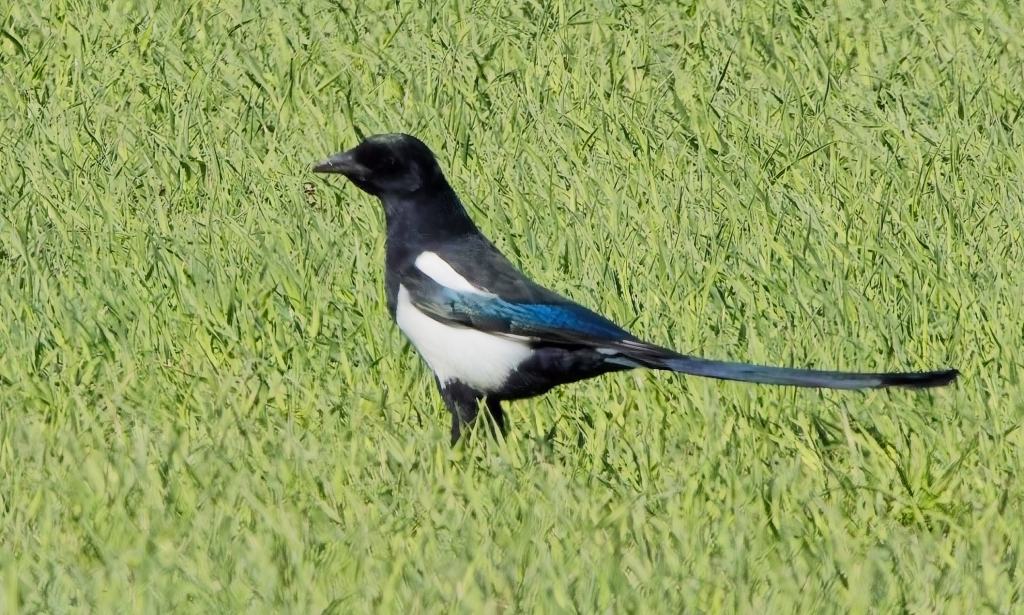
Durr Road is one of the best places in Washington to find both Mountain and Western Bluebirds. I had seen both earlier in the year on my first Eastern Washington foray but it is hard to pass up a photo of the electric blue Mountain Bluebird and any time I get a photo of a seemingly camera-phobic Black-billed Magpie, I like to include them.

Mountain Bluebird
Black Billed Magpie

I had an ulterior motive for this trip that determined the next part of this journey. Although I am not a dedicated “County Lister”, Ebird automatically tracks how many species I have seen in each county in Washington so I am aware of the totals. I do try to see every new species in my home Snohomish County but otherwise generally do not chase a new species for any other county. I had noted that my county list for Yakima County was 199 species. I had also noted that surprisingly I had never seen a Cackling Goose in Yakima County. So also noting that they were reported at Kerry’s Pond in Yakima County and knowing that some other species new for the year were likely there, I back tracked to Interstate 5 and then headed south on Interstate 82 and after a brief and unsuccessful attempt to find White Throated Swifts at the Selah Canyon rest area where at least I did add FOY Cliff Swallows I made a quick stop at Pumphouse Road and the Toppenish National Wildlife Refuge where I missed a couple of targets and then headed east on Yakima Valley Highway to get to Kerry’s Pond.

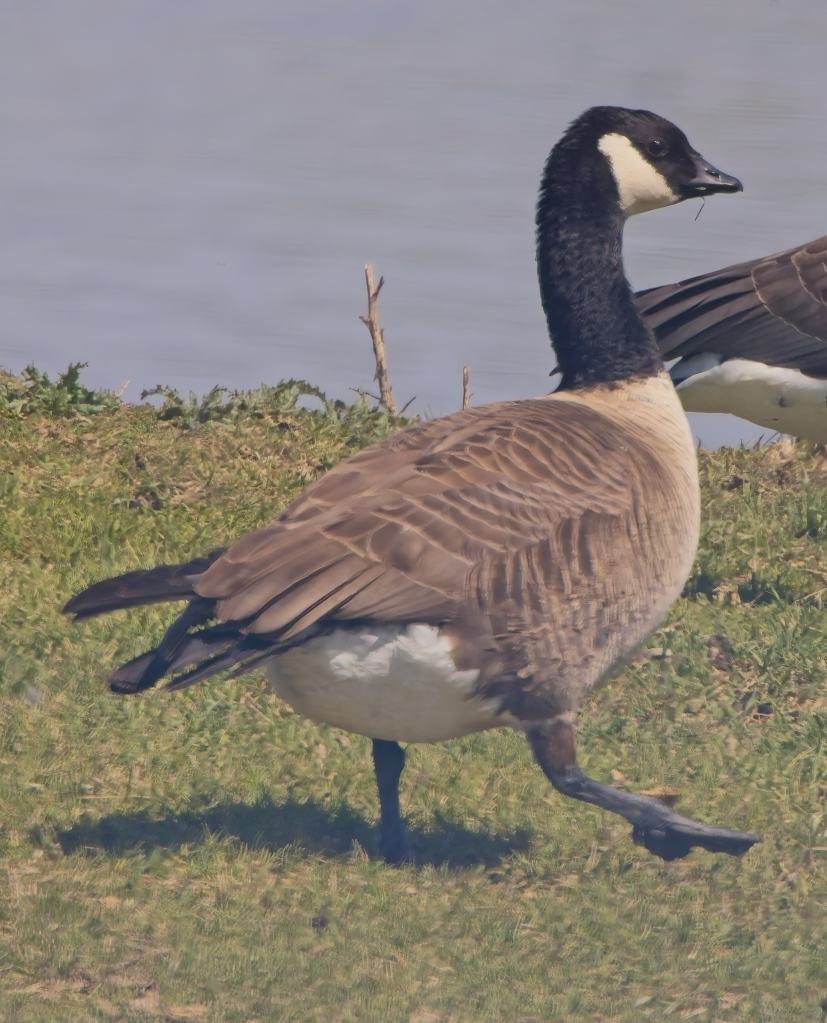
Indeed there was a Cackling Goose at the pond – in fact lots of them, estimated at 250 but maybe more. Thus Yakima County became the 10th county in Washington where I have seen 200 or more species. I had seen Cackling Goose in Western Washington earlier in 2025, so not new for the year, however three other species at the Pond were new for the year – American Avocet, Black Necked Stilt and Redhead.

Cackling Goose – Species #200 for Yakima County
Black Necked Stilt – FOY
Distant American Avocet – FOY

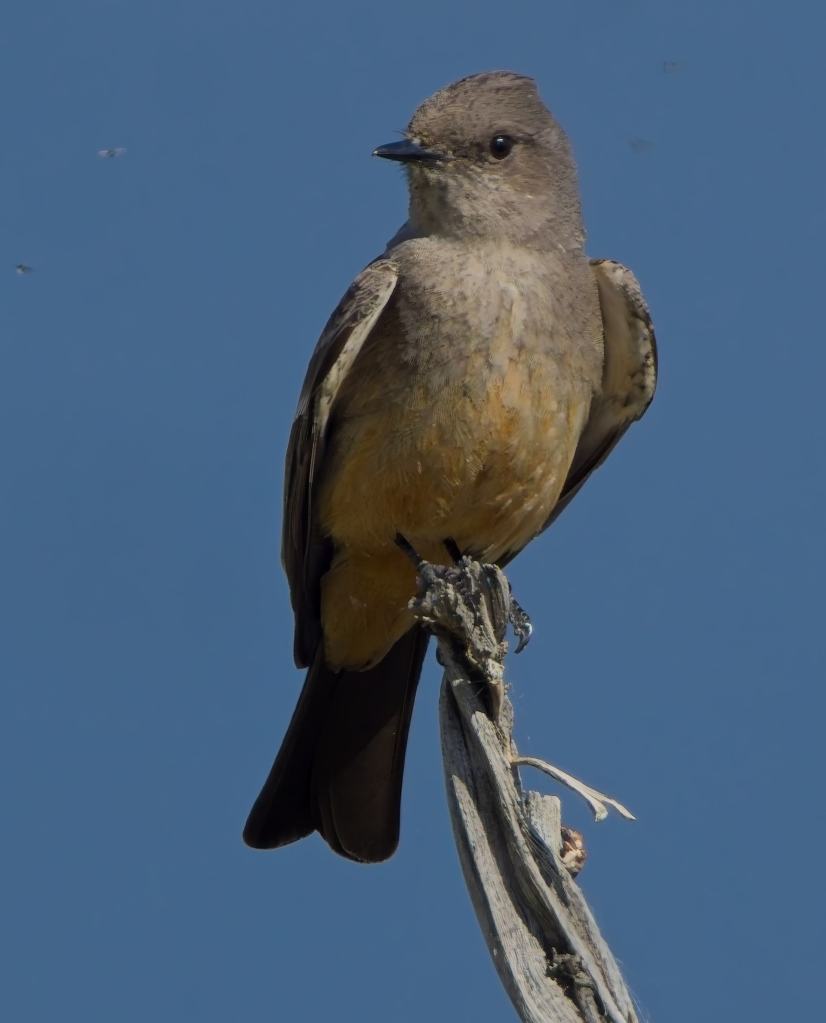
I retraced my steps and headed back north to Kittitas County again on Interstate 82 where I had a White Throated Swift fly overhead – species 170 for Washington at that point. I then headed east on Interstate 5 getting to Vantage and then accessing Recreation Road looking for new species for the year. I added Say’s Phoebe, California Quail and Rock Wren but was unable to add either Canyon Wren or Chukar which were both possible. It was getting late as I started towards home (160 miles away) heading west on Old Vantage Highway with a stop at the Wildhorse Wind Farm hoping again for a possible Loggerhead Shrike, Prairie Falcon or Chukar, all of which I have seen there. No luck on any of those but I did find a rather uncommon for the area Rough Legged Hawk, a species I had somehow missed in Western Washington previously.

Say’s Phoebe – FOY
Rock Wren
Rough Legged Hawk

There were no exceptional sightings that day but I had seen 61 species, added 19 FOY’s and reached 200 species for Yakima County – and had thoroughly enjoyed the long day in good weather. I would be back to Eastern Washington in two days.

April 16th

Tom St. John and I got off to a reasonably early start that allowed us to get to Cle Elum at 7:45 a.m. Based on my experience two days earlier, we decided to skip Bullfrog Pond and Wood Duck Road and head straight for the Railroad Ponds in South Cle Elum. We spent over an hour there and had 30 species. We missed an almost great photo op for a picture of a Sharp Shinned Hawk (FOY) that flew by us and perched in the open – only to fly off as soon as we were able to get cameras ready. My only photos were again of a Pygmy Nuthatch and its close relative Red Breasted Nuthatch. White Breasted Nuthatch is also possible there but I have not seen one there recently.

We made a quick search in South Cle Elum itself hoping for Cassin’s Finch or better yet, Evening Grosbeaks – nada. So we continued east to Durr Road. Nothing uncommon there with pictures again of Mountain Bluebird and Brewer’s and Vesper Sparrows. No Wild Turkey but a nice photo of one of the many Western Meadowlarks. We visited the reliable Osprey nest at the intersection of Canyon Road and Thrall Road and decided to then skip the sage area between Ellensburg and Vantage and head directly to Grant County across the Colombia River.

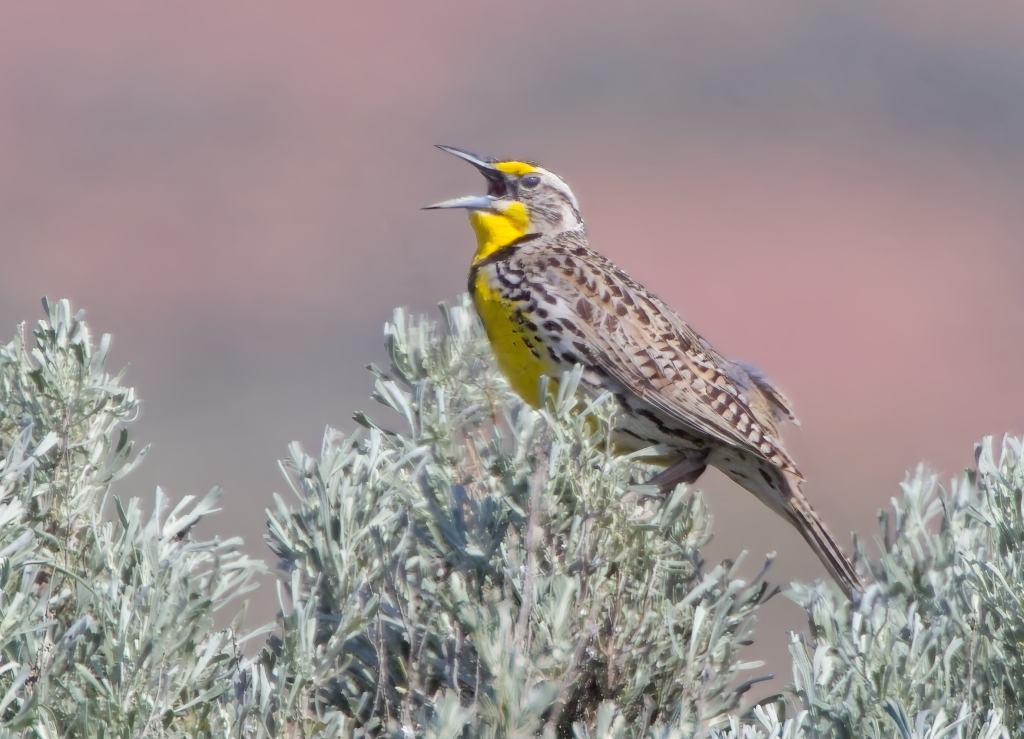
Western Meadowlark
Osprey Near Nest

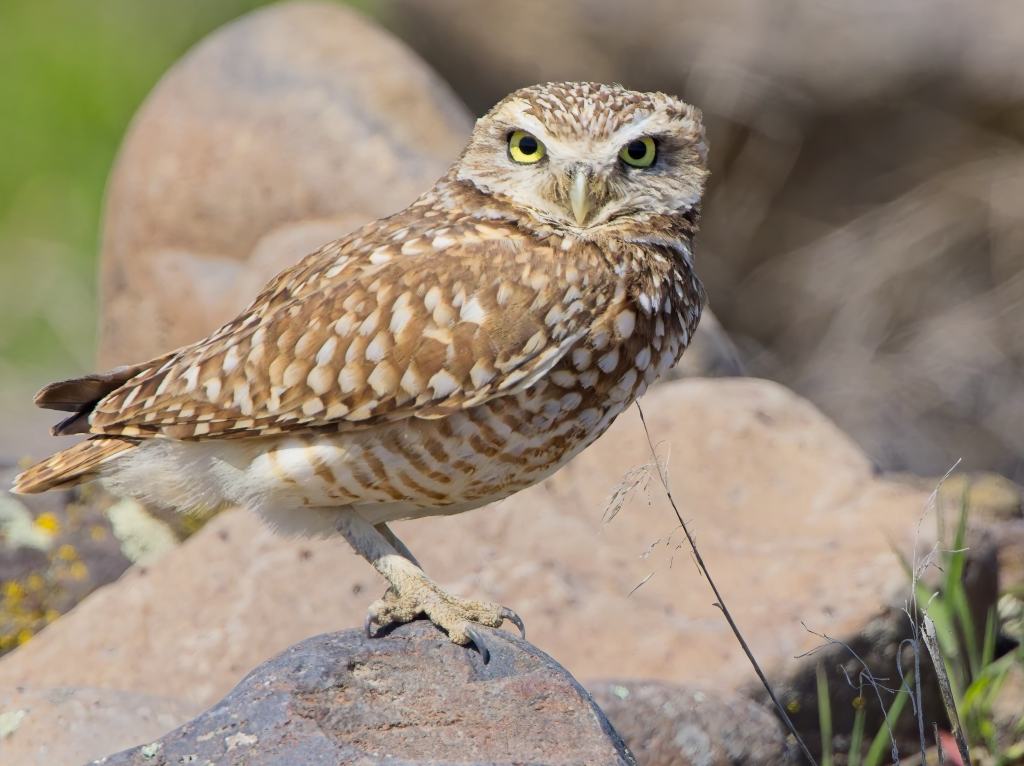
Tom and I had seen Burrowing Owls in Grant County in 2023. They are regular there in the Spring and seem to particularly like a large rockpile on Road D Northwest near Ephrata where they were being seen every day. We got to the rockpile and began our search – nothing for more than 30 minutes. Just as I was about to give up and head home, Tom spotted one flying from one rocky area to another – but then it disappeared. So we knew one was “there”, but where exactly was “there”? Tom kept watch from his spot near the road and I hiked around the entire rock pile – still nothing. I stopped at a spot maybe 30 yards from Tom and “clapped my hands” – not expected to draw out the owl, but just to feel like I was trying something. Immediately it flew up from its to us invisible perch maybe 15-20 feet from where I was standing. It had clearly been there the whole time but was so well camouflaged against the rocks, that we had missed it. It landed on a conspicuous rock at the top of the large pile in the open and posed for photos for the next 15 minutes plus. A photographer’s dream in good light.

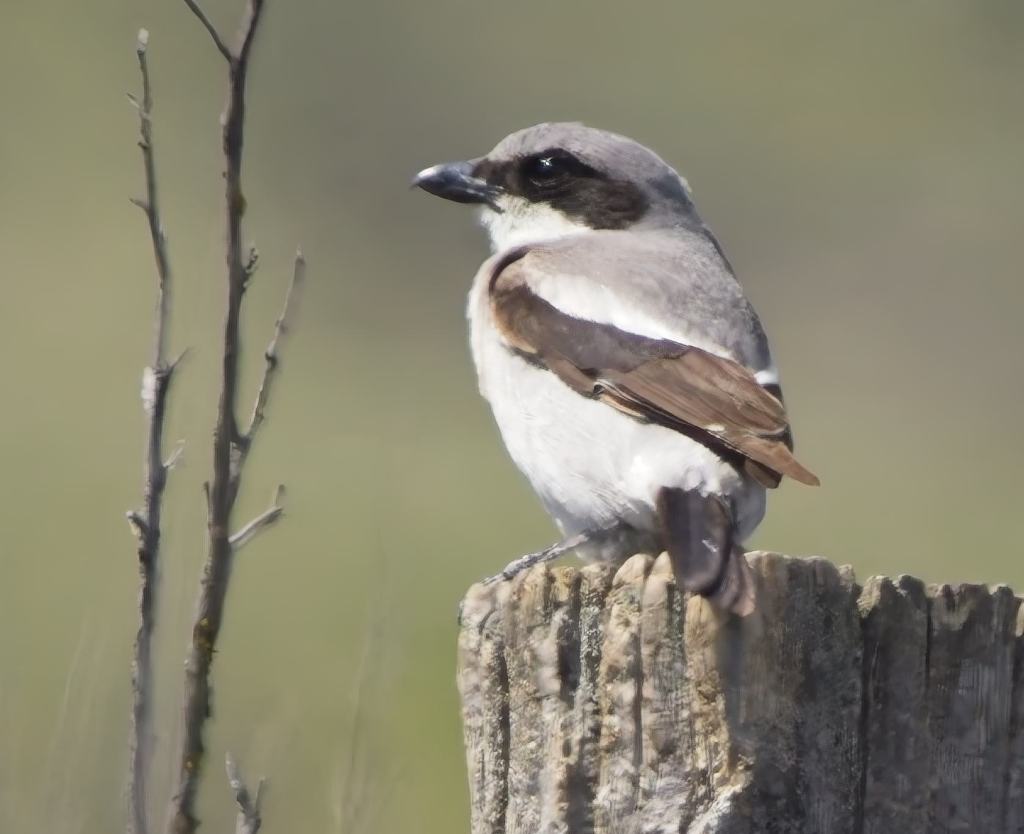
The Burrowing Owl was new for the year and I also saw an “interesting” sparrow fly by on one of my circumnavigations of the rockpile. Later I heard the buzzy call of a Grasshopper Sparrow, known to be in the area and new for the year. I had seen a report of a Loggerhead Shrike on Baird’s Springs Road not too far from us and a place I had not visited in a while. We only had three species there but one was the Loggerhead Shrike, a good FOY.

Loggerhead Shrike – FOY

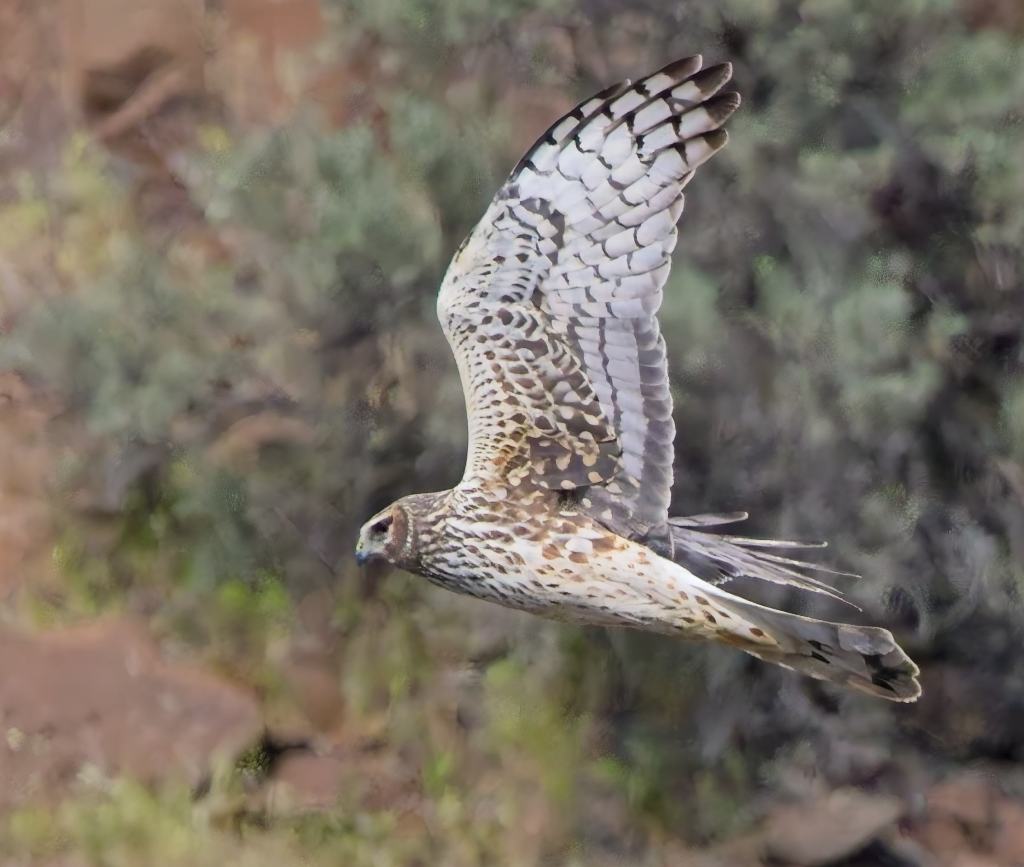
Continuing West, we stopped at Frenchman’s Coulee – no Canyon Wren or White Throated Swifts but we enjoyed distant views of male and female Northern Harriers hunting the northern canyon walls – once swooping down and apparently missing some prey animal. We crossed the Colombia where work continues on the bridge but there were no traffic delays. We briefly birded the Rocky Coulee area on Recreation Road but it was very quiet and we added only California Quail for the day. At the Wild Horse Energy site we again added a single species – Horned Lark – probably saw a dozen or so. That was it for the day – 46 species for the day including 4 new year birds for me. The highlight was clearly the Burrowing Owl – glad Tom’s patience paid off.

California Quail – Recreation Road
Horned Lark

Cindy’s foot surgery went well but she would be wearing a heavy duty air cast walking boot for 6 weeks. She was able to walk from the start but anything major was out of the question for at least a couple of weeks. She was hoping to go on a long planned trip to Tucson with girlfriends on May 5th. Her two week after surgery visit with her doctor was positive and she got a greenlight to make the trip if she took it easy. She needed the break and was able to go. We took Chica to her favorite vacation place – Klaus Mountain Dog Ranch and that enabled me to be free for a few days and get in a trip to Okanogan and Grant Counties seeking to add new birds for the year and hopefully to add Okanogan County to my 200 species list. I had added Black Throated Gray Warbler and Cinnamon Teal to my 2025 Washington year list on short trips between my dog walking duties while Cindy was in the early stage of recovery, so my 2025 state list was at 180 species. In addition to getting to 200 species for Okanogan County, I also hoped to pass 200 species for the year for Washington.

May 5th

Cindy had an early flight out on May 5, and I was able to drop her off at the airport where a wheel chair awaited to get her to the plane, and still get a relatively early start for what was sure to be a very long three day birding trip. It had been 3 weeks since I had visited Bullfrog Pond in April. Surely some new birds had arrived. As soon as I got out of the car, I heard a FOY Yellow Warbler. Later I would hear and briefly see a FOY Nashville Warbler in addition to previously seen Common Yellowthroats and Yellow Rumped Warblers. I also had a FOY Hammond’s Flycatcher and heard a distant Red Naped Sapsucker. I was expecting Swainson’s Thrush, Black Headed Grosbeak and Warbling Vireo but had none of them. I also had my FOY Rufous Hummingbird, a good thing since the hummingbird feeders Aja Woodrow’s house in Cle Elum seemed inactive. But at the Ranger’s Station in Cle Elum I had a very active feeding flock of 25+ FOY Evening Grosbeaks. Unfortunately due to operator error later that night I erased all pictures from the first day of this trip including what may have been my best ever photo of a Rufous Hummingbird. The only photo I can add from the first part of the day is a decent shot of a Common Yellowthroat at Bullfrog Pond.

Common Yellowthroat – Bullfrog Pond

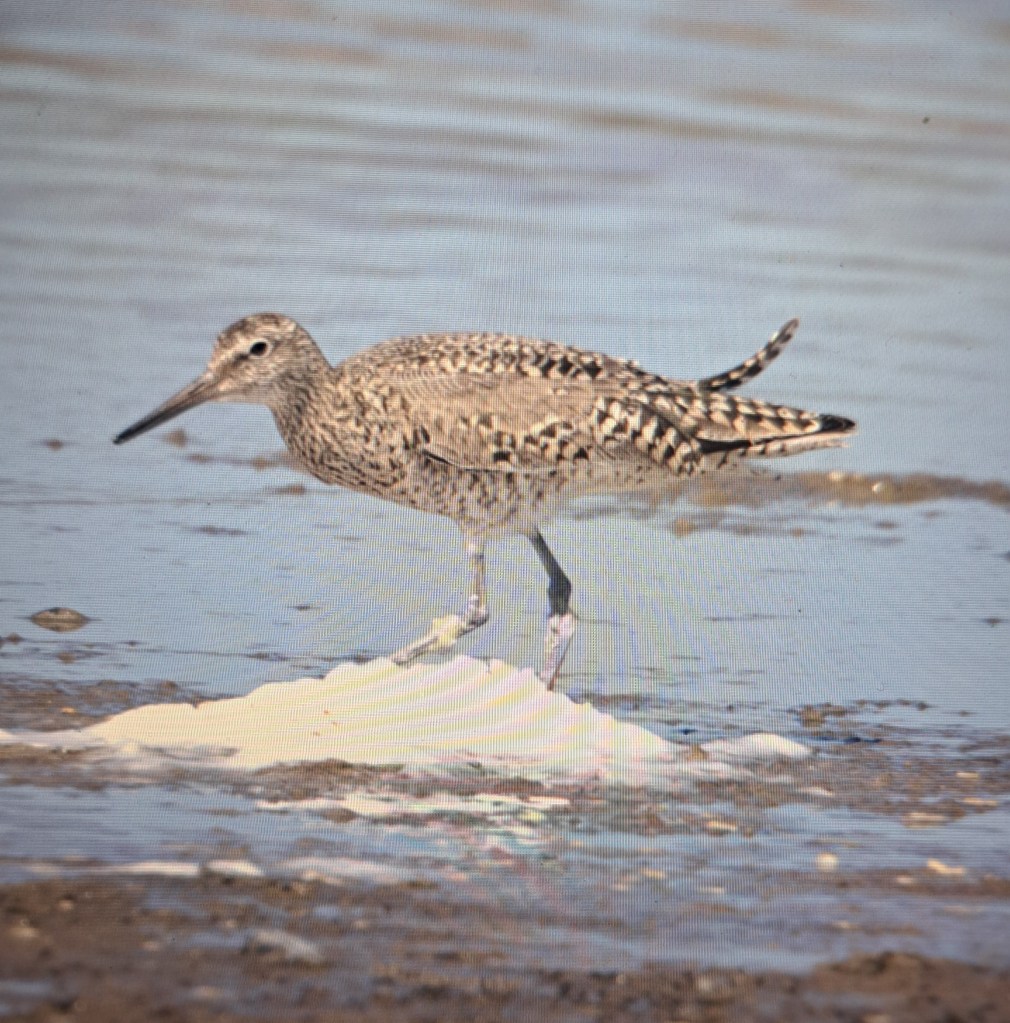
In addition to adding new species to my 2025 year list, I had defined specific goals of adding species to my Grant County List (then at 185 species) and Okanogan County (then at 194 species). I figured I would be able to add maybe 6 species for Grant County and that many or more for Okanogan County. Accordingly I skipped my usual birding haunts and following data from Ebird either for recent observations or observations from May 2024, headed to targeted spots in Grant County where my first official stop was at Soap Lake looking for new waterfowl or shorebirds for my list. On Interstate 90 on the way I had my FOY Swainson’s Hawk. At Soap Lake, I did not find any of the ones I had thought possible but did add a very surprising Willet. At the time there had been no reports of this species here so I thought I might be the first, but it turned out someone else had seen it a couple of hours before but the report had not yet been posted. Both a First of Year for me in addition to being new for the county and also my first east of the Cascades and possibly the first I had seen in breeding plumage in Washington.

Willet – Soap Lake

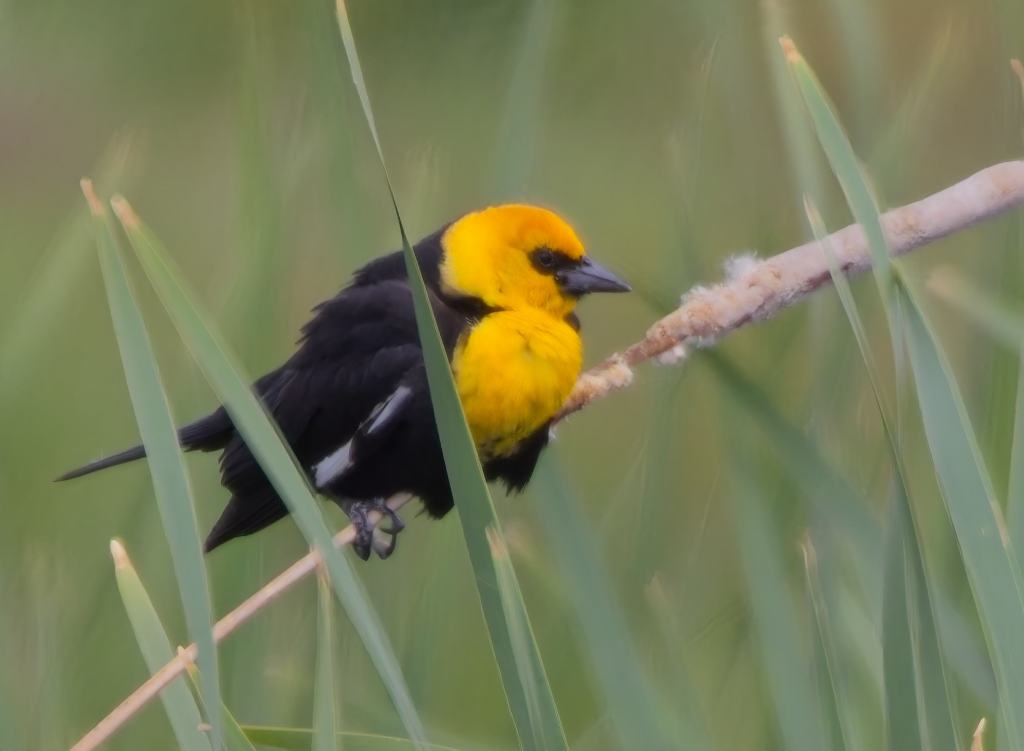
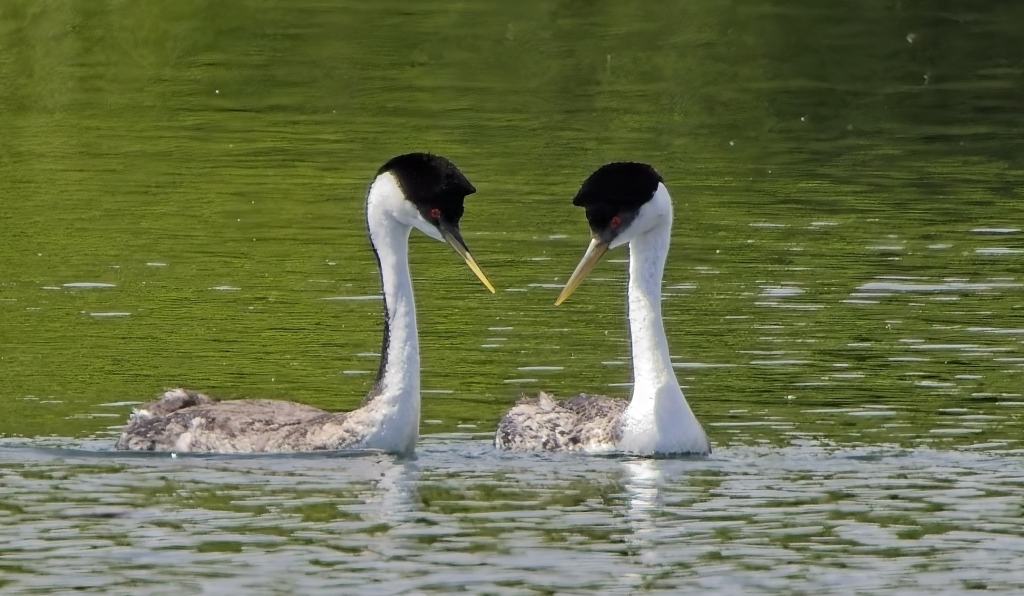
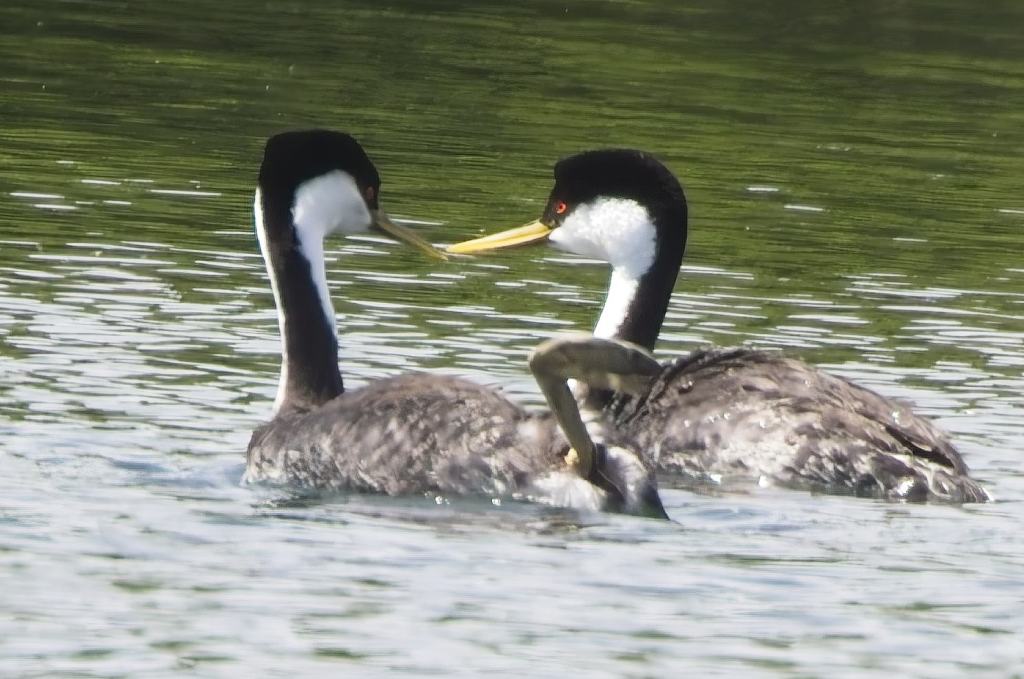
Not new for the County, but new for the year, I also had Least Sandpipers and Yellow Headed Blackbirds at Soap Lake in addition to the many Ruddy Ducks and Eared Grebes in breeding plumage that are easy to find there. Continuing to look for new shorebirds and waterfowl for the County I continued north to Lake Lenore and then Blue Lake and Banks Lake. These are large bodies of water and I acknowledge that my search was not meticulous, but not much was seen. I had a surprising Peregrine Falcon at Dry Falls SP in addition to some White Throated Swifts. Along the way I also numerous FOY Western Kingbirds, often in pairs. Leaving Grant County I continued on through part of Douglas County to get to my real destination southern Okanogan County where hopes were high for shorebirds that had been reported at two places I had never visited – Cassimer Bar and the Monse River. The former was very interesting and I probably did not cover the right spots in the very large area. The latter was confusing as I never found any spots that looked like shorebird habitat. There had been reports of good target lifer species at both places from the day before.

At Cassimer Bar I did add a new Okanogan County species – a FOY American Bittern – buried and invisible but noisy in a reed bed and also a FOY Bank Swallow. I had spent more time than intended at Cassimer Bar and it was getting late. My initial plan had been to spend the night in Omak 30 miles north of the Bar. It was already 6:00 p.m. There had been a number of good reports with county lifer possibilities from Cameron Lake Road which was close to halfway to Omak. It is a favorite birding place but is mostly a dirt road and takes a long time to bird the 30 mile loop. Should I bird it now or wait until tomorrow? I decided to “go now” and that turned out to be a really good decision as I added 4 new species for Okanogan County: Lark Sparrow (also a FOY), Black Necked Stilt, American Avocet and Long Billed Dowitcher. I had photos of all of them – but with a single keyboard error, poof!! Gone. But the observations hold and now my county list was at 199!! I got into Omak at just after 9 p.m. and grabbed a late dinner at the Mexican Restaurant next to the Omak Inn where I would stay. By the time I got into my room at the motel it was almost 10 p.m. and I had been on the road for 16 hours – my excuse for the operator error deleting my photos. I needed one more species to get to 200 – many reports said that White Throated Swift was essentially guaranteed at Pipestone Canyon, That was plan for the next day.

May 6th

This was going to be an interesting day. My targeted destination, Pipestone Canyon, was about 43 miles from the Omak Inn, heading south on Highway 97 and then turning west on Highway 20 towards Twisp and Winthrop turning off to Upper Beaver Creek Road then to Lester Road and finally to Campbell Lake Road which dead ended at the Pipestone Canyon Trailhead. For the last 10 miles or more I did not see another vehicle or human being – just beautiful scenery on a beautiful day. I had never been to this area and it was easy to fall in love with the rolling hills, forests, snow clad mountains in the distance and clear blue skies. Just before reaching the trailhead I ran into a parked car. A couple was walking their dog. I was not yet sure that I was near the trailhead and they assured me I was close – just past Campbell Lake and be careful of rattlesnakes – but only later when it got warmer. The temperature then at around 8:00 a.m. was barely over 40 degrees and it felt that cold at least in the shadows of the trees in the forest.

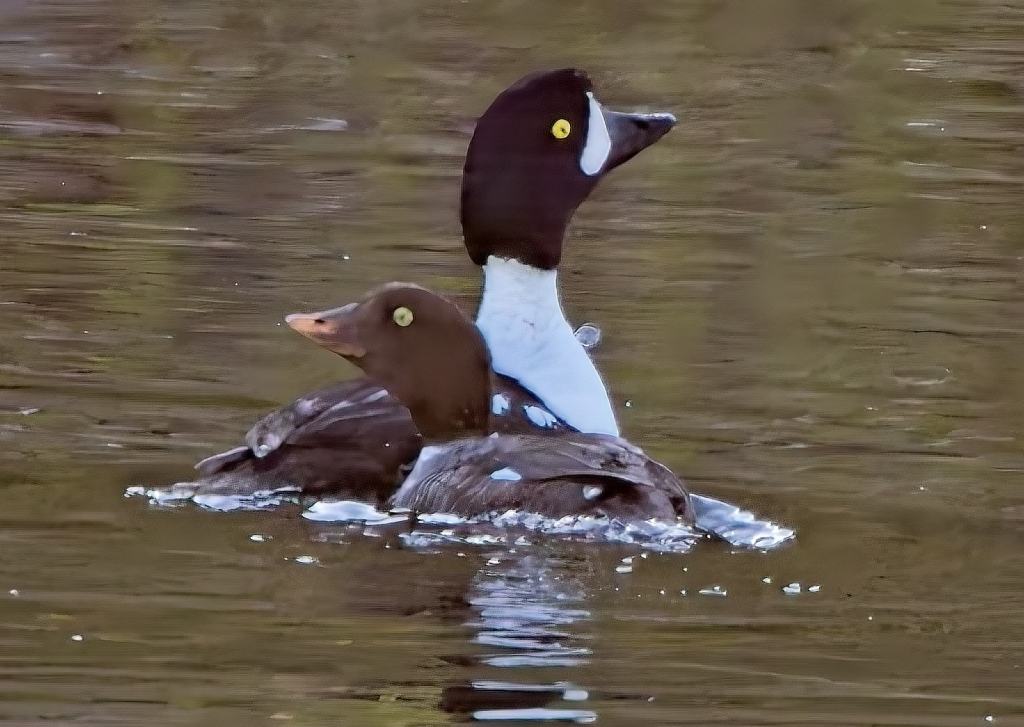
At Campbell Lake I found what I thought was going to be species #200 for Okanogan County as I saw first a female Barrow’s Goldeneye which was then joined by a male. I was mistaken as the Barrow’s Goldeneye was one of my unfound targets in Grant County the day before but had been seen in Okanogan County in June 2013. Any disappointment at that error was replaced by the very fun spectacle of watching the two ducks go through a very touching courtship ritual, the first time I had seen such a display.

It was then into Pipestone Canyon itself. I have to rank it as one of the loveliest places I have birded. Tall trees, wildflowers in bloom, “pipestones” atop the canyon walls and blue skies. A bit cool to start and then warmer as the morning progressed. I did not see a soul for the first hour and then a mountain biker rode by, stopping for a short pleasant chat. The serenity, beauty, quiet and being alone made it a spiritual experience as my eyes and ears were concentrating on song and movement of any birds to be found. It helped, too, that I quickly found White Throated Swifts flying along the canyon walls – species #200 for Okanogan County a fait accompli.

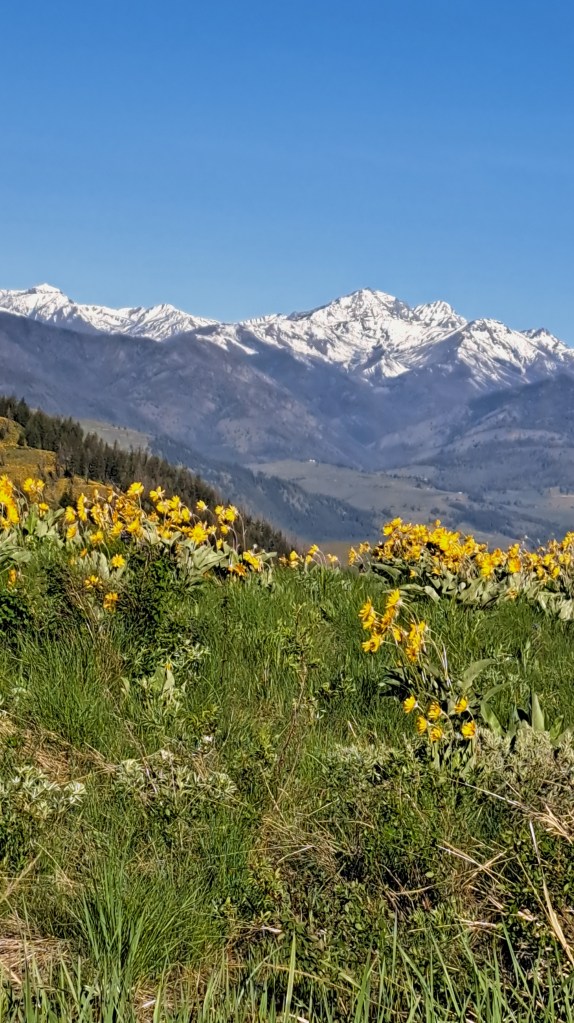
Scenery Approaching the Canyon

I spent almost two hours at Campbell Lake and in Pipestone Canyon and between them had 25 species. The most frustrating one was a Williamson’s Sapsucker. I heard its slow syncopated tapping and then its “chyaah” call. It was several layers back in the trees and not visible. I heard it again and then played some drumming calls on my phone. I got a response and it flew past me, circled and returned to the distant trees. I tried again and just got the distant response, probably translated to something like – “Ha, you are not a potential mate or competitor, so forget it.” I would have loved a photo but did not want to further disturb the quiet of the place or the sapsucker. I left Merlin on sound identification mode but that was my last use of playback. Much more cooperative were the Lewis’s Woodpeckers. They seemed to be everywhere, at least a half dozen. They remained up high as they flew from tree to tree so not the greatest photos, but they are such unique woodpeckers and any photo is worthwhile.

Lewis’s Woodpecker

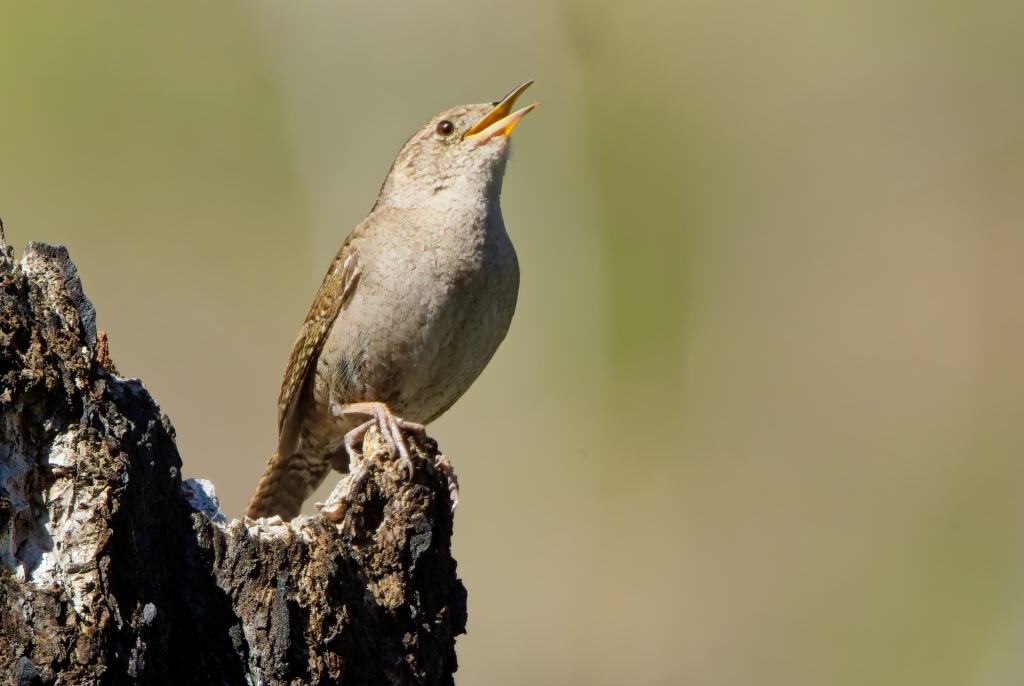
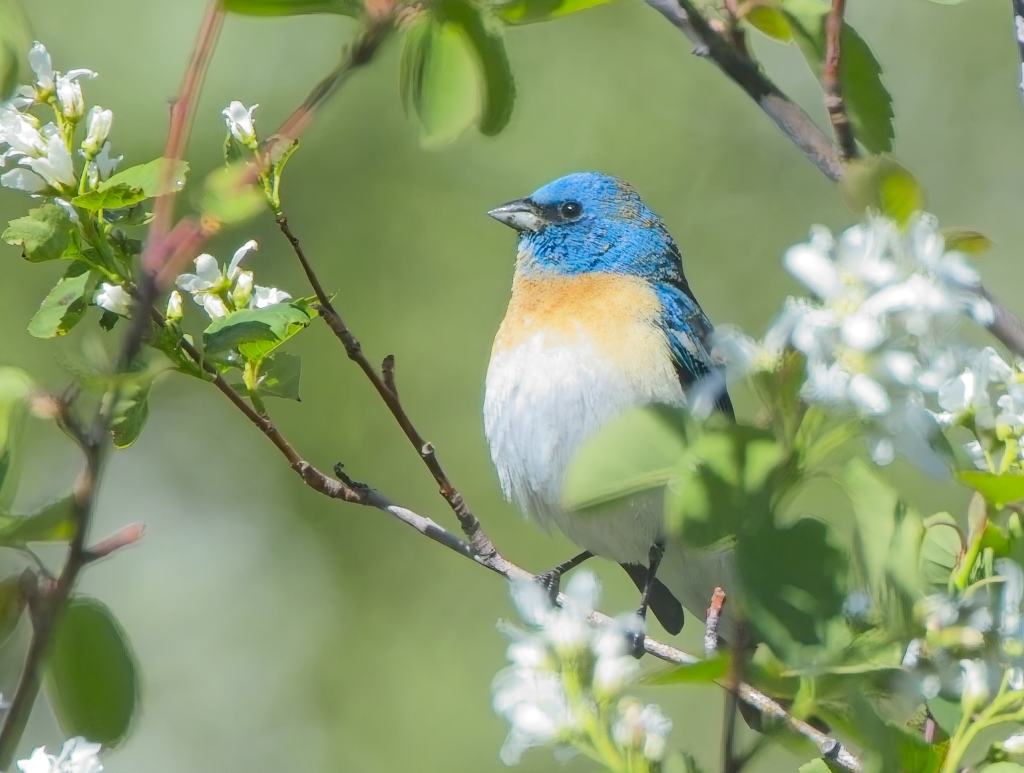
A bird that did accommodate the camera at eye level was a Northern House Wren which began singing/scolding as I passed by its favorite little area and continued for several moments. At several times during my hike, I also heard the beautiful cascading song of the Canyon Wren, my first of the year. I separated at least three calling from both sides of the canyon, up high, and I suspect there were more than that. No photos. Cassin’s Finches and Mountain Chickadees were also quite active. As I was leaving the Canyon, I heard a seemingly familiar song but as is often the case, my hearing was better than my processing and I just could not recall what it was. Merlin to the rescue as it told me that we were hearing a Lazuli Bunting. Of course, the habitat of brushy slopes was perfect, but I think I was not expecting it “so far north” or maybe that early. It was easy to track down and obliged with a lovely photo op. The Williamson’s Sapsucker, Canyon and Northern House Wrens, Lewis’s Woodpecker and Lazuli Bunting were all new for Washington in 2025.

Northern House Wren Singing
Cassin’s Finch
Lazuli Bunting

With one county listing mission accomplished it was time to embark on a new one although I would have enjoyed more time in Pipestone Canyon. It looked like a great place for owls, but I was surprised to check Ebird records and find only a single owl species report there in the past 5 years – a Northern Pygmy Owl in November 2021. My new county listing mission was to finally do some birding in Ferry County. There are 39 counties in Washington State. As I was leaving Pipestone Canyon. I had seen birds in all of them except Ferry County. The lowest county total was a paltry 26 species for Skamania County more than half of which were from a chase to find a Hooded Warbler on the Cape Horn Trail in July 2013. Twenty-six is a bit embarrassing but ZERO is downright shameful. I had another day and a half of “freedom” to keep on birding, so it was time to bird in Ferry County which was the next county to the east of Okanogan County. Well it may have been the next county east but Okanogan is a big county and there are just not that many roads between the two, so to get to Republic in Ferry County was going to be almost 100 miles and take almost two hours.

And it would have taken just those two hours except…as I was heading out on Campbell Lake Road, a small deer bounded out in front of me coming from brush to the right of my car. I was not going very fast – maybe 30 mph, but I most definitely did not want to hit that deer having had a disastrous encounter with a small group and avoiding three but hitting one five years ago near Cle Elum. I braked and swerved to the right and thankfully missed the deer. BUT…the road was narrow and there was almost no shoulder so I ran into some of the brush that had hidden the deer. I hit it so softly that I honestly felt that at most there would be some scratches. Today’s cars however are pretty flimsy, plastic not metal, so there was a dent – actually more like a puncture in the passenger side front fender as shown below.

Car Damage

At first I had not even gotten out to look at the damage – expecting just a scrape as indicated but a warning light on my dashboard told me that my front right turn signal was not working, so I got out to check and got the bad news. But OMG it could have been so much worse as there was zero impact on drivability. Had it been worse it would have been a disaster – miles from anywhere, no cell reception, and no traffic on the road over the last few hours other than that mountain biker and the dog walkers. Nothing to do about it then, so I got back into the car and headed towards Ferry County.

It was just after noon when I added my first birds for Ferry County as I drove into a forested area on a side road just off State Route 20 near Republic. I think the first species was actually an American Robin and it was then followed by Mountain Bluebird, Mountain Chickadee, Red Breasted Nuthatch, Pine Siskin and Yellow Rumped Warbler. Nothing exciting but at least I was on the board. I had not planned any specific birding in the unfamiliar county and did not know of any don’t miss hotspots, so I just kept birding as I drove on stopping at a couple of ponds/small lakes along the road.

Mountain Bluebird

I added a species here and a species there with the first species of note being my FOY Sora heard whinnying at one of the roadside ponds. I had at least 4 more Soras at other stops – all heard, none seen. The only other noteworthy species for me was my first Blue Winged Teal of the year, seen together with Cinnamon Teal at one of the ponds with Sora. Altogether I had 44 species with the last being a Northern Rough-winged Swallow at the Keller Ferry which would take me across the Columbia River to Lincoln County.

FOY Blue winged Teal – Ferry County
Northern Rough Winged Swallow – Keller Ferry – Ferry County

It was 5:30 p.m. when I drove off the ferry onto Lincoln County. Now what? My county list for Lincoln County was an unimpressive 137 species mostly (99 species) from trips in May and June when I was birding along the way as I was heading to Spokane or Pend Oreille Counties with the others being from October again as I was headed to Pend Oreille County. My options were either to continue birding in Lincoln County spending the night who knows where or to continue on back to Grant County and try once again for some new birds there to at least get in sight of 200 species (then being at 186). I made it back to Soap Lake where I spent the night at the Masters Motel – let’s just say it is “dated”.

May 7th

My motel was just across the street from the south end of Soap Lake so I was there early hoping for something new. No Willet this morning but I did find a FOY Semipalmated Plover which I thought might be new for the county but saw that I had one there in September 2022 – it is not common. It was surprisingly my first for the year – I have not yet visited the Coast. I then moved on to first Lion’s Park and then Oasis Park in Ephrata – places that are migration traps and my hope was to find Nashville and or MacGillivray’s Warblers, both of which had been reported there earlier in the week. I missed both of those warblers but had a quick glance at a Townsend’s Warbler which was new for Grant County. My best sighting was of Matt Yawney who also could be called “Mr. Grant County”. He is a great birder and I am sure has the largest list for Grant County and has also found many rarities. As I was talking with Matt a pair of Western Kingbirds flew into the tree right over my head – an irresistible photo op. I also had a FOY Western Tanager there.

Semipalmated Plover – Soap Lake – FOY
Western Kingbird – Lion’s Park, Ephrata – Note thin white outer tail feathers

I checked recent reports and did not find any realistic opportunities to add new species for Grant County so I decided to go to some of my regular Grant County stops and maybe add some new year birds and to include Sentinel Bluffs – a birdy area south of Vantage that Matt said might be a good bet for a Nashville Warbler. My first stop was at the Warden Lake Access Road. The only new bird was a FOY Ring Necked Pheasant and I also got photos of one of the very loud Marsh Wrens and Yellow Headed Blackbirds and a posing Western Meadowlark.

Marsh Wren – Warden Lake
Yellow-Headed Blackbird – Warden Lake
Western Meadowlark

My next stop was at Lind Coulee where I hoped to find Clark’s Grebe or any tern. No birds in the water at all except a Double Crested Cormorant. Then it was on to Potholes State Park stopping at both the boat launch in the park and also the one at the Blythe Public Access just before the park itself. At the latter I had my first Spotted Sandpiper of the year and then had a real treat. No Clark’s Grebe but I got to watch courtship behavior between two Western Grebes. They never got to the point where they would dance/run across the water but the interaction was very fun.

Spotted Sandpiper – FOY

I moved on to the Potholes State Park itself hoping for some warblers in the trees. Passerines were almost totally absent, although I acknowledge that I may not have been as thorough as I should. At the boat launch I found no terns only a couple of California Gulls, numerous Ring Necked Gulls and distant grebes that all seemed to be Western. But there were two more Spotted Sandpipers that took turns with a Least Sandpiper parking on favored rocks.

California Gull
Spotted and Least Sandpipers

At Para/McCain’s ponds, I could not find any Tricolored Blackbirds but there was another surprise Willet – new for Adams County, and I was treated to a show of a hunting Great Egret that stalked quietly for a few moments and then with a lightning strike caught some kind of rodent. There was also a large number of Long Billed Dowitchers – maybe 100.

Willet (Adams County Lifer) with Long Billed Dowitcher and Killdeer
Long Billed Dowitcher

My next stop was at the County Line Ponds back in Grant County. This is a usually reliable place for Black Necked Stilts (there were at least 9), American Avocets (there were at least 2) and Wilson’s Phalaropes – FOY – (earliest and there were 3) and Red Necked Phalaropes (later none). Sometimes, and this was one of those times, you can find an American White Pelican – FOY.

American Avocet
Two of the Three Distant Wilson’s Phalaropes – FOY

My next and last stop in Grant County was at Sentinel Bluffs. I picked up my first Bullock’s Oriole of the year and yet again failed to find a Nashville Warbler, thus ending my Grant County list at a disappointing 187 species. A good if somewhat scary experience occurred when I inadvertently got too close to an unseen Bald Eagle nest. As I was concentrating on shrubs and trees looking for passerines, I heard a Bald Eagle calling not far away and then closer and closer. Both adults were unhappy with my unintended intrusion and continuously circled back and forth overhead getting perhaps as close as forty feet as I retreated when I realized what I had done. Eagles are big birds and look really big when they are that close and looking right at you – and are unhappy!!

Bullock’s Oriole – FOY

The eagles were a good close to my three day birding trip. There had been great experiences (definitely not including the car vs. brush incident), some great birds, some nice new county birds for Okanogan and Ferry County and not enough new County birds for Grant County, The interactions with the hunting Great Egret and the Barrow’s Goldeneyes and Western Grebes as they courted each other and then with the Bald Eagles as they chased me off were special. Finding Willets first at Soap Lake and then at Para’s Ponds were the rarest moments. For the three days I had seen 123 species of which 29 were new for me in Washington for 2025. I had gotten my targeted 200th species for Okanogan County and finally seen some birds in Ferry County. I had visited beautiful places, banged up my car, put on a lot of mileage, eaten some rather unhealthy food, had too little sleep and very much enjoyed myself. Adding species seen on those earlier trips in April would have only brought the total to 140. An interesting aside – at least to me – is that there were 19 species of duck seen on my three day trip.

I am hoping to get back again this month to look for some of the newly arrived migrants and maybe to find some owls. As indicated previously a trip to Colombia is scheduled for late June and there is a possible trip ahead to Brazil in October. My world list for the year so far is 342 species. If all goes well on those two trips and with some more Washington birding maybe 1000 is possible which I hit in 2023 and 2024, but that number really matters not. I hope to add a number of new world lifers and world life photos – and just to enjoy the journey! That’s birding!

Birding in Japan Part 2 – Hokkaido

Even without the Smew, yesterday had been a great day, but of course it was the Smew that made it one of my very best birding days ever. Our bodies were still adjusting to the jet lag and time differences, but we were doing fine – ready for more – with the plan being to fly to Hokkaido for several days birding there looking for some very special species

Day 2 – Birding in Hokkaido – Maybe

As Koji planned it, we would have flown from Haneda Airport to Kushiro Airport on Hokkaido on a 7:50 AM flight arriving in Kushiro at 9:30 AM. We would then rent a car and drive to spots to see Red Crowned Cranes, and a Ural Owl, look for eagles on the coast and also look for some seabirds including the Stejneger’s Scoter which would be a lifer. We would stay that night and the next at the Yuyado Daiichi Onsen where we would have a good chance of seeing the Blakiston’s Fish Owl. Unfortunately that plan did not take into account that there would be record snowfall (up to 36 inches) that night canceling all flights to Kushiro and closing all roads to travel in the area. Among the many reasons that I bird with local guides rather than striking out on my own is that they are really good at coming up with a Plan B when necessary. It was necessary and Koji came up with a Plan B that would effectively mean that we would lose a day but would also get us to Hokkaido to be in a position to touch all intended bases when (if?) conditions improved. So we took a later flight into the Memanbetsu Airport and rented a car which would take us to alternative lodging as we learned that the road was still closed to the Yuyado Daiichi Inn. It still meant hours driving on snowy roads, but hopefully the next morning the roads would open and we could get to Rausu for one of the big treats of the trip, a boat trip to see the magnificent Steller’s Sea Eagles.

Day 3 – Birding in Hokkaido – For Real

On short notice Koji had been able to find lodging. It was the least appealing of the places we stayed on the trip but was safe, convenient and comfortable. And fortunately the roads became passable the next morning for our 90+ minute drive (with not too many white-knuckle patches) to the port of Rausu and in beautiful weather we were able to take the boat trip. The departure time for the boat was pushed back an hour to allow more people to get there over the snowy roads. This gave us time to do a little pre-boat birding including seeing our first (and lifer) White Tailed and Steller’s Sea Eagles which were flying overhead and perching on trees on the nearby hillside. Not knowing what would follow, I took pictures, distant and low quality but good enough to ID the species if no others were seen. I needn’t have worried. There was a small stream flowing into the bay and species there included Tufted Ducks, Red Breasted Mergansers and Whooper Swans. I had seen the latter on two occasions in home state Washington where one appeared as a mega-rarity bringing in birders from all across the ABA area in the winters of 2022, 2023 and 2024. This was the first time seeing them on their home turf. Also seen were both Carrion and Large Billed Crows and several gull species although predominantly Slaty Backed Gulls, another rarity I had seen in Washington. One lifer gull was a Common Gull, recently split from Mew Gull. The split left us in Washington with Short Billed Gull and now I had both parts of the split.

Whooper Swan – on Its Home Turf
Carrion Crow – Life Photo
Slaty Backed Gull
Common Gull – Lifer – Note the thin all yellow bill
Glaucous Gull – rare but seen annually in Washington
Glaucous Winged Gull – Larger Gull behind smaller Slaty Backed Gull – Common Gull in Washington but often hybridized with Western Gull
Red Breasted Merganser Male – Common in Washington

So much for the preliminaries. It was now time for the real show as we boarded the boat in the Rausu Harbor for our Eagle Watching Cruise. No other noticeable birders but many Japanese tourists. We were told that the cruise would be shortened by 30 minutes. I didn’t know if that was due to the late start, the not quite full boat or sea conditions, but not being familiar with the operation, early on I was concerned as our views of the eagles were pretty distant or of an occasional flyby. Many eagles had stationed themselves on a snow covered breakwater and in the outgoing part of the trip the boat did not get close and I was disappointed. Patience please. On the return journey the boat returned on the inside of the breakwater and it was “SHOWTIME” – time for chumming. Crew on the boat throw whole fish to the eagles, in the water and on the breakwater and it is a fish feast for them and a photo feast for tourists on the boat – aided today by perfect light and blue skies. It was now obvious. There are many eagles in the area, but the numbers, hundreds, we saw seemed disproportionate to the area, but a symbiotic relationship has developed. The eagles have learned that the boats will be providing easy food and they arrive early en masse to take advantage. In turn the tourists benefit from the number and proximity of eagles. Win/win. Many Slaty Backed Gulls and Large Billed Crows come for the party as well.

There are two eagle species that come to Rausu: the White Tailed Eagle with a light brown body and white tail and about the same size as our American Bald Eagle; and the much larger and showier Steller’s Sea Eagle which along with the Harpy Eagle of South America and the Philippine Eagle is the largest eagle in the world. It can weigh up to 20 pounds with a wingspan of up to 8 feet and a height of almost 3 feet. It’s talons are described as ” like those of a grizzly bear”. With beautiful black and white plumage and a huge orange beak to go with those huge orange talons, it is a very impressive animal. Its range is essentially Japan, Korea and Russia with some records in Alaska and over the past few years in the northeastern U.S. and Canada as a single individual was seen by many. It was an awesome show, one of my favorite birding experiences.

Lifer Steller’s Sea Eagle with Russian Mountain in the Background
White Tailed Sea Eagle – Lifer
Steller’s Sea Eagle – Flight
White Tailed Eagle Flight

More Eagle Photos

With so much action and so many photo ops it was not possible to keep an accurate count of the number of eagles we saw. Our conservative number for the Ebird report was 150 Steller’s Sea Eagles and 100 White Tailed Eagles but there were probably many more than that. Anyone not getting a great photo, even with a Smartphone, had only themselves to blame. We also saw many Harlequin Ducks, some Common Goldeneyes and some Pelagic Cormorants. Unfortunately no scoters or alcids.

Harlequin Ducks
Common Goldeneye

Koji’s Plan B had worked well. We had 15 species at Rausu (with good photos of all). There were the three lifers (both eagles and the Common Gull) and another life photo – Carrion Crow. We would spend the rest of the afternoon stopping at various places along the coast looking for alcids and the much desired Stejneger’s Scoter and would then make it to our hotel, Yuyado Daiichi and the Youroushi Hot Springs in time to watch the feeders for awhile and hopefully have an owl visitor.

Koji noted that there seemed to be far fewer birds in the water than expected and we were generally unsuccessful finding any targets. We added a Black Scoter, some Greater Scaup and some Great Crested Grebes and that was it. We did see our first wild mammals of the trip – Red Fox and Sika Deer. There were two foxes and the deer were plentiful. Both gave us good photo ops in the barren landscape.

Black Scoter – Unfortunately Not a Stejneger’s
Greater Scaup
Great Crested Grebe
Red Fox – Our First Mammal
Sika Deer – Two of the More than a Hundred Seen

We got to our lodging around 3:30 PM. It was our favorite place on the tour so far and remained as such until we got to Kyoto. Beautiful room looking out onto the creek flowing by. There were hot springs there and Cindy braved a visit to this very Japanese bathing place – picking up some cultural guidance along the way. I passed on the opportunity and elected to sit in the lobby watching two feeders along the creek that attracted both birds and birders. Light was already beginning to fade, but the birds were still active and I added lifer Marsh Tit and Eurasian Bullfinch and got a lifer photo of a Great Spotted Woodpecker. The only other one I had seen was almost 23 years ago during a few hours of birding in Hungary! I also got decent photos of Asian Tit, Eurasian Nuthatch and another Japanese Pygmy Woodpecker. I saw a Coal Tit (my first one in 42 years) and thought I had a lifer photo but cannot find it.

Marsh Tit – Lifer
Eurasian Bullfinch – Lifer that came in for a few seconds and seen only by me
Great Spotted Woodpecker – Life Photo
Eurasian Nuthatch
Asian Tit

Dinner at the hotel was a mix of traditional Japanese food. This is one area where Cindy and I differ. There are definitely Japanese dishes that I do not particularly like, like most pickles, but I am fairly adventurous and enjoy most Japanese food. Cindy is less adventurous and this was not her favorite meal but as I will discuss much later in the part of this blog covering our stay in Kyoto, this was an important lesson learned. But there would be something far more important this evening. The Inn is famous as probably the best place in Japan (the world?) to see a Blakiston’s Fish Owl. It is the largest species of owl and one of the rarest, found only in China, Japan, and the Russian Far East with an estimated world population of between 1000 and 1500 individuals. There is a small pond/bathing area at the Inn where the owl regularly comes to visit to get an easy meal of trout that are stocked in the pond by the Inn, thus creating a rare opportunity to see the owl – available only to guests of the Inn, a good business promotion. There is a chart at the Inn telling when the owl has recently visited. It generally makes two stops – once around 10:00 PM and then again around 2:00 or 3:00 AM. It is such an important part of life at the Inn that you can arrange for the front desk to call you when it appears.

Even though it was before the regular visiting hours, several birders were camped out at seats with a view of the log near the pond where the owl usually sat. After dinner Cindy and I joined them, both with fingers crossed and also just to socialize. Not more than 15 minutes later, the magnificent owl made an appearance. Photos were through glass and affected by the artificial light but who cares, the opportunities were awesome as the owl stayed longer than usual and caught two fish in front of us. Apparently it usually only takes one, so the suspicion was that eggs had already been laid and this owl was fishing for two. Of all the hoped for lifers on the trip, this was the one that seemed the least likely – maybe a 50/50 chance it would show at the pond and then the question of being there for what might be a short visit. It could not have been better this night.

Blakiston’s Fish Owl – The Lifer’s first appearance
Blakiston’s Fish Owl – Perhaps Viewing Its Appreciative Audience
Blakiston’s Fish Owl with its First Fish
Blakiston’s Fish Owl with Second Fish

Nothing was going to beat a day with my bucket list Smew followed by a Baikal Teal, but this day with Steller’s Sea Eagle and Blakiston’s Fish Owl was a very close second. I slept well that night – despite the adrenalin rush.

Day 4 – Hokkaido in the Morning

Having lost a day due to the heavy snow, the pressure was on for a make-up morning. There were two important objectives – Ural Owl and Red Crowned Cranes. Koji’s plan had us first driving to a stakeout spot to hopefully see a Ural Owl on its favorite roost and then we would head to the Ito-Tsurui Red Crowned Crane Sanctuary to see the beautiful Red Crowned Cranes, an iconic species often seen in Japanese art and very much on the top of Cindy’s want list. Then we would get to the Kushiro Airport for our long flight to Kagoshima on Kyushu Island in southern Japan. We had a fairly tight schedule – enough time to hit both target places but no time to linger. When we got to the Ural Owl spot, there was fortunately a trail of sorts heading downhill through deep snow. We had followed Koji’s suggestion to get cleats for our boots to better handle ice and snow, and this was when we needed them and they were great. The trail down to the viewing spot was no more than a quarter mile. At the end there was a small flat area where we could look across a ravine to a tree with a large hollow – the place the owl liked to roost. Sure enough, we could see the owl almost completely in the open as soon as we arrived. It was not real close and the light was not perfect, but it was a beautiful sight. It is found from Japan through the norther coniferous and mixed forests all the way to Scandinavia. Like many owls, Ebird treats it as a “sensitive” species, hiding locations, but it is not greatly endangered. On our way out several birders were coming down the trail as we returned to the car.

Ural Owl – Lifer

Our last Hokkaido stop was both wonderful and disappointing. It was wonderful because we were able to spend 20 minutes watching the majestic Red Crowned Cranes. Only a few were there when we arrived joining a small crowd of observers. Then 4 more flew in and they were later joined by 4 more. The disappointment was only that we could not spend more time with them. Under the original plan we would have visited the crane sanctuary and possibly other crane gathering spots in the afternoon and there would have been many more of them, with closer views and possibly with them more active. Sorry for what we may have missed. we were thankful for any chance to see these graceful birds – both adults and juveniles. Snow covered the ground both fitting for the wintering mostly white cranes but also challenging for photographs. We saw only a few moments of interaction, none of the elaborate courtship displays that we hoped for in a romanticized world, but there was no denying their appeal, their beauty, their elegance.

Red Crowned Crane – Lifer
Adult REd Crowned Crane
At first there were 3 cranes, then four more flew in.
Juvenile Red Crowned Crane on Left and Adult on Right
As close as we got to Red Crowned Cranes “Dancing”

More cranes were arriving as we had to leave. Maybe if we had another hour we would have gotten better shots. It was sad to leave them, but we had a flight to catch and there would be more cranes in Kyushu after a long flight of almost 4 hours including a stop back at Haneda Airport. The actual air distance is about 1070 miles not much different than the air miles between Seattle and Los Angeles.

Kushiro Airport, Hokkaido to Kagoshima Airport, Kyushu

Next up…Kyushu…

My Bucket List Takes Us to Japan – Part I

It has been almost 30 years since I was last in Japan and over 40 years since I last birded there. That birding was a one day happening during a longer vacation visit in July of 1983 with my former wife, Mary, that resulted in a Japan life list of 30 species and far more importantly the creation of one of the most important people in my life, my daughter, Miya who was born in April 1984 – do the math. At that time and on the later visit ten plus years later, building a birding life list was just not on my mind. I had done a fair amount of birding prior to that including some international birding in Jamaica, Trinidad and Hong Kong and had been to some ABA hotspots in Arizona, Texas and Florida and had a respectable life list of 750 species. Adding 30 species in Japan was great, but honestly at that time, pre-dating Ebird, I really had no idea of what my numbers were and whether a new bird was a “lifer” or not. And, oh yeah, that was before the age of digital cameras and my life photo list was – ZERO.

Asa Wright Nature Center – Trinidad – my first international birding – 1978

Fast forward to 2025. That daughter is fully grown, a professor at Harvard Medical School, practicing as a Pediatric Neurologist at Children’s Hospital in Boston with a great husband and two great kids of her own, and I know it can’t be impossible but is now 40 years old. Yikes. Sadly Mary and I have gone our separate ways but happily six years ago Cindy Bailey came into my life, we got married and have been very fortunate to have traveled the world often centered around my birding trips and while she is not a “birder”, she has learned much about birds and birding and if she kept track, which so far she does not, she would have a life list larger than the one I had before Japan. I have definitely acquired a camera and definitely keep and care about a life list and a life photo list, and after this trip the former is now over 3700 species and the latter over 2400 species. Cindy has acquired a camera, too, and that has definitely raised her interest in birds – at least the charismatic ones as opposed to those LBJ’s – little brown jobs.

2024 was an especially fortunate and productive year for travel with visits to Chile, Argentina, Ecuador (including the Galapagos Islands) and Uganda. Those were all bird rich countries and my bird list for 2024 was over 1400 species, by far the most I have seen in any one year. Despite having been to Argentina and Ecuador before and having birded extensively in Tanzania and Kenya with much overlap with Uganda, I still added 400 species to that now important life list. Yes my daughter is really 40 and in a few years, I will be twice that, so who knows how many birding adventures lie ahead. While I would love to get to 5,000 species, I think that is unlikely so I have lowered my aim to 4,000 hoping in addition to significantly raising the number of species photographed to get to 3,000. I am pretty sure the first goal will be reached and since I did not take any photos in the early years, while repeat trips to bird rich places like Costa Rica and Australia may not add all that many “lifers” seen, the opportunity to add new photos is pretty good and both of those places are on our “want to visit list”. No guarantee and it won’t be easy, but I think 3,000 is doable.

So now you know some goals and aspirations that have been in place for a while and will guide travel planning for the future. How does/did Japan fit into that picture? Especially given the overlap with birds seen previously in Japan and Hong Kong and elsewhere in Australasia, from a numbers perspective Japan is not a target rich environment. When first thinking of the trip I thought that 50 new lifers were possible but something closer to 30 was far more likely – small potatoes compared to possible trips to Southeast Asia, Colombia, Brazil, India, or China, which could each add 100 to 200 species to those now important to me life lists. Forgetting the birds for a minute, Japan is a fascinating place with a unique culture and history. I have been fortunate to have been there to see the cherry blossoms and the fall foliage – well worth a visit. And Cindy had never been to Japan, or anywhere else in Asia, so that was appealing. But visiting Japan when the cherry blossoms are out, or the foliage is in full color means gigantic crowds and peak season expenses and high temperatures and high humidity – not very appealing. How about in the winter? There would be smaller crowds; lodging would be available and less expensive. OK, it might be much colder, but there would be no humidity or temperatures in the 90’s. Those factors went into the plus column. And there was more thing – a small black and white duck that had been at the top of my birding list for many years – a species that breeds in the far north, is almost never seen in the U.S. outside of remote Alaskan islands, and with good planning is a certainty in Japan – but only in winter.

On our first date I learned about Cindy’s passion for dogs – especially Black Labs, like our dog Chica; and she learned about my passion for birding. At that time, I knew nothing about dogs and she knew nothing about birding. Also at that time, I told her that if I ever got word that a certain little duck was reported anywhere in the U.S. outside of Alaska, I would immediately drop whatever I was doing, go pack, grab my gear, book the next available flight, and go chase it – but only if it was a male!!! That bucket list bird was a Smew, a small merganser duck. The female is quite non-descript with some rust or chestnut on its head with some feathers sticking up in front of its eyes but otherwise a pretty drab little girl.

Female Smew

The male features only two colors – black and white – and a crest, and yet somehow, evolution had combined those two colors and that crest to perfection. A male Smew is striking, gorgeous without being ostentatious, perfectly patterned and for whatever reason it had become my dream bird. I showed her a picture and she sort of understood my interest and at least acknowledged that it was a pretty good looking bird. I should add that later I would show her Harlequin Ducks, Hooded Mergansers, and Wood Ducks, and if she were being honest, the Smew would likely rank lower than all of them. Yeah, those ducks are spectacular, in a showy kind of way, and maybe if I lived elsewhere and had never seen them, one of them might top the bucket list, but those birds can be found easily, and a Smew is definitely not easy. There have been only 2 or 3 sightings of a male Smew in the U.S. outside of Alaska in the last 34 years. The only photos are from a male seen along the Columbia River in Oregon and Washington in 1991. I was in quiet mode for birding at that time fully concentrating on work and young kids, and I did not even hear of its existence. If I had, without there even being a bucket list, I would have traveled to see it.

For me, the Smew would have been enough, but it helped to sell the idea to Cindy that there were some other great birds to be seen in Japan – only in the winter – several species of cranes, two very cool owls, two very impressive eagles and some other ducks that, although not nearly as cool as a male Smew (at least to me) were pretty awesome – Baikal Teal, Mandarin Duck and Falcated Duck to name just a few. There would be no cherry blossoms or fall foliage, but even in winter the many cultural sights of Japan, the temples, the castles, the gates and gardens, the Bullet Train, the Ryokans and Onsens, the geishas and maikos of the Gion district and even the awesome department store – Takashimaya – were well worth experiencing. Cindy was sold. We would be going to Japan. Now how to do it.

I have gone on birding tours with many of the large bird tour companies. They offer birding trips to Japan in winter, but Cindy and I agreed that we did not want this to be 2 or 3 weeks of just birding. We had hired independent guides before and agreed this was the way to go. One of the lead guides for Wings Birding Tours is Susan Myers who leads their Japan trip as well as many other tours in Asia and Australia (her native land). I had met Susan many years ago in Seattle when she was living there and thought she would be the perfect private guide scheduling a trip after her Wings tour. But she had other engagements and suggested her local Japanese co-leader, Koji Tagi. It turned out to be the perfect solution as he was available and put together a great itinerary that would include 7 days of birding on three of Japan’s main islands, Kyushu in the south, Hokkaido in the north and Honshu in the middle. We would then have 3 or 4 days for sightseeing on our own in Kyoto. Most importantly, Koji-san almost guaranteed we would see the Smew. Airline tickets were bought, details were filled out, and our lodging in Kyoto was committed. Koji would meet us at Haneda Airport near Tokyo on February 2 with us flying there nonstop leaving on Delta Airlines on February 1st at 11:30 AM It was only a 10 hour flight but since we were crossing the International Dateline, we would lose a calendar day arriving at 3:30 PM too late for anything but meeting Koji (fortunately he was there as promised), checking into our first Hotel – very nice within the Airport itself, and getting some dinner. Birding would start on January 3rd.

Our First Hotel at the Haneda Airport – 2 nights

February 3, 2025 – A Good Day for Ducks

There have been times on my previous birding trips with tour companies or private guides when movement from one part of a country to another involved air travel, short domestic flights. Otherwise all travel was on the road by car with the guide/driver or depending on the size of the group, by van or safari vehicle. This trip was going to be different, utilizing two domestic flights, and with some private car travel (rental cars) but otherwise using Japan’s well developed rail system. Our first foray exposed that to us immediately as we would be traveling by rail from Haneda Airport to Odawara, a “town” of almost 190,000 people on Sugami Bay, southeast of Tokyo. We had chosen a flight into Haneda airport instead of Narita airport (the other large airport serving Tokyo) to be closer to Odawara and the Yokohama area where we would bird later, but it was still more than an hour to get to Odawara by train. I had impressed on Koji early and often that unless we had a decent look at a male Smew, the trip would be a failure. He did excellent work tracking sightings of the species in Japan before our arrival and had changed our itinerary to begin at the Odawara Castle accordingly because a pair of Smew had been seen there regularly, and if there, should be pretty close for a photo op. There is never a guaranty that any bird will be at any particular place at any time, but they are often creatures of habit, and our odds were good – better than 50/50.

There are many restored castles in Japan, drawing many tourists especially at Cherry Blossom time. If this had been a sightseeing trip only, it is unlikely that the Odawara Castle would be the castle we would have chosen to visit, but since it was our top Smew viewing spot, it was a great place to go with a view of the castle as a bonus. It was a short walk from the train station and the weather was good – no rain, no snow, no wind and in the mid thirties (note although temperatures in Japan are given in degrees Celsius, any references I make will be converted to Fahrenheit.) Now we just needed a cooperative Smew.

Odawara Castle

As is typical with Japanese castles, there was a moat surrounding the castle, with a walkway crossing the moat to gain entrance to the castle itself. As we approached the castle I could see a white object moving in the moat/pond. Was it going to be that easy? Not quite. The first species I saw was a Black Headed Gull, almost all white in its nonbreeding winter plumage. Common in Japan and elsewhere in Eurasia and Africa, it is a rarity in the U.S. including in my home state of Washington, where I seen it twice, once discovered first by me in 2016. Then I saw some ducks: a Mallard (seemingly nearly as common in Japan as in Washington), a Eurasian Wigeon (common in Eurasia and a regular “rarity” among the American Wigeon flocks in my home state) and some Tufted Ducks (again commonplace in Eurasia and a rarity found annually in Washington). I was still at the corner of the moat, and while happy with ducks being there, as generally happens during a “chase” unless the bird is seen immediately, the thought of missing it was already forming in my “lister’s brain”. The thought passed quickly as two small ducks swam out from near the walkway into the center of the moat/pond. There it was, my bucket list male Smew, along with his better looking than expected mate. A sigh of relief, a shot of adrenalin, a big smile and immediate movement by me towards the walkway to get a better view and some photos. YES!!!!!!!!!!!!

First Look at the Male Smew with its Head Tucked

Koji and Cindy caught up to me, and we all watched as the pair of Smews swam about in the pond, but solely with their heads tucked back into their feathers, pretty close but not the dreamed of killer profile shot with crest exposed that I had thought about for years. This continued for 10+ minutes with brief seconds when the male would lift his head and then immediately put it back down. It was great but not great enough and I figured it had to get more energetic and lift its head, and I was not going to leave until it did. There were some fun photos ops but I wanted “the one”.

Male Smew – a Fun Different Angle

Then finally the two Smew woke up and turned to give the look I wanted and I was ready. These were the full-on photos I wanted, first of just the male then of the female and then of the pair. I was a happy birder.

The “SHOT– Male Smew
Female Smew – Better Looking than Expected
Male and Female Smews Together

There was more ahead on this day and another 7 days of birding plus the sightseeing in Kyoto, but now all the pressure was off (for me and Koji) and if the trip had ended then, it still would have been a success – I had my Smew and now for the gravy, the whipped cream or whatever additional pleasures were ahead. I have included more photos of a single bird on a trip than usual because it was that special for me. There will be many more special albeit less special birds ahead, and with a few exceptions, only single photos will be included. Here are photos of the other species seen at Odawara Castle including lifer photos of Asian Tit, Japanese Wagtail and Blue Rock Thrush taken as we were leaving.

Asian Tit – Life Photo

Blue Rock Thrush – Life Photo

It was not yet 10:00 AM. I had my Bucket List Smew and an additional three life photos. What next? Next was the second most wanted duck on this tour, a lifer Baikal Teal. Koji’s itinerary would take us to Zama Yatoyama Park. I do not have notes or a specific memory but believe this meant another short railway ride. It would be a good visit as we spent an hour at the park walking through some sparse forest and visited the pond where the teal was expected. We had 15 species at the park including that lifer Baikal Teal and 3 more lifers: Pale Thrush, Ryuku Minivet and Japanese Grosbeak plus life photos of Long Tailed and Varied Tits, Large Billed Crow, Japanese Pygmy Woodpecker and Brown Eared Bulbul. Unfortunately the Grosbeak was “heard only”, the only species in that category for the trip. But I had photos of all the others. But first more on that Baikal Teal.

The Baikal Teal is definitely a striking bird with a very unusual facial pattern. It is seen primarily in northeastern Asia with a very few records in the U.S. including a couple in Washington, again during my quiet period for birding. We found it in the pond where it was regularly seen within the park, probably 5 individuals including two males, but three of them were at the distant end of the pond, visible but terrible photo ops. The other two, a male and a female were on an island not too far out in the pond, surrounded by Mallards. The female remained almost entirely hidden in weeds and the male was in the open but rarely lifted its head to reveal the facial markings that set the species apart. The photo was only okay, but is treasured nonetheless as it was definitely in the top ten targets list for the trip.

Baikal Teal – What a Face!

We would see many Pale Thrush during our trip, but one in the open briefly at the park was our best look at this lifer that Koji said is generally pretty shy. A surprising find, discovered by me only as I looked at a photo that I could not identify, was a Ryuku Minivet. Found almost exclusively in Japan and Eastern China, I had not been aware of its existence so it was not on the target list and was a very welcomed and completely unexpected addition to my life list.

Pale Thrush – Lifer
Ryuku Minivet – Surprise Lifer

I had life photos of Brown Eared Bulbul, Varied and Long Tailed Tit, Large Billed Crow and Japanese Pygmy Woodpecker. All were photographed again later as they were seen more than once, and in the case of the Crow and Bulbul many, many, many times. But you can’t have a second one until there is a first one, so they were welcomed additions to my photo life list.

Brown Eared Bulbul – Life Photo of a Species Seen Everywhere
Large Billed Crow – Life Photo of Another Species Seen Almost Everywhere and Looking and Behaving Like our Northern Raven
Long Tailed Tit – Life Photo
Varied Tit – Life Photo
Japanese Pygmy Woodpecker – Life Photo

I am including two more photos from the park – Eurasian Turtle Dove and Warbling White Eye. I have seen each many times and have photos of both, but the photo of the White-eye is better than others and the photo of the dove could turn out to be a life photo as the only other photo is of a Eurasian Turtle Dove seen and photographed by me in British Columbia last year which just might turn out to be of a released or escaped bird rather than a wild one. Both species are common and were seen often during this Japan trip.

Oriental Turtle Dove
Warbling White-eye

There would be two more stops this day. The first was at the Sagamihara Reservoir, where the main target was a Mandarin Duck. A ridiculously gorgeous bird maybe competing with our American Wood Duck for the most beautiful duck prize, as the name suggests, it is typically found in East Asia, including in good numbers in Japan. I had seen and photographed one in Washington in 2021 and again in 2022 in Lake Washington, almost certainly an escapee from a collection. So these (there were at least 40) were my first birds seen in the wild. Unfortunately an iron fence prevented us from getting real close but even with that constraint and less than ideal light, the ducks are so spectacular that we got good photos. There were two other important species at the reservoir, a lifer Eastern Spot Billed Duck and a Falcated Duck, another striking species. I had seen and photographed a wild Falcated Duck in Washington in 2017, a mega-rarity that was in a flock of hundreds, maybe thousands of American Wigeon. The Eastern Spot-billed Duck was recently split off as a separate species from Indian Spot Billed Duck which I had seen in India in 2011.

Male and Female Mandarin Ducks – First Wild Ones Seen
Eastern Spot-billed Duck – Lifer
Falcated Duck – Second Ever, First In Japan

Two other duck species were seen at the reservoir: Green Winged Teal (Eurasian subspecies) and Gadwall. The Eurasian subspecies of the teal is seen rarely but regularly in the U.S. and Washington and the Gadwall is abundant in Washington. The last photo is of a Great Cormorant – common in Eurasia and Africa and in the Northeastern U.S. I keep expecting one to show up in Washington but as far as I know, it has never happened.

Gadwall
Eurasian Green Winged Teal
Great Cormorant

Our last stop was at the Yokohama Children’s Park where the main target was a bird that is common in Washington but the one wintering there was a big rarity in Japan – a Ring Necked Duck. It was easily found and photographed but of far more interest to me were a lifer Brown Cheeked Rail expertly found by Koji and fortunately seen and photographed by me, a Chinese Hwamei and some Oriental Greenfinches both being life photos. In other circumstances I would also have been excited at some really good photos of a Red-flanked Bluetail, a striking bird common in Asia but a mega-rarity in the U.S.. I had been fortunate to see one in Idaho with a good photo and in both Washington and British Columbia in pouring rain precluding photos. There were not many misses on our trip, but there was one at the park – a missed photo of an Eurasian Jay – a species I had seen or heard 5 times in Italy without ever getting a photo. That would be the case here as well.

Ring-necked Duck Female – a Rarity in Japan
Brown Cheeked Rail – Lifer
Chinese Hwamei – Life Photo
Oriental Greenfinches – Life Photo
Red Flanked Bluetail

And one last photo for the day – a Common Kingfisher. All kingfishers are photo worthy and I am happy to include it here. I had seen and photographed it before in India, but this was the first for Japan.

Common Kingfisher

Even without the Smew, it had been a great day, but of course it was the Smew that made it one of my very best birding days ever. We ended the day with 43 species including 7 lifers and 17 life photos. We had 11 duck species including 5 or six that would have to be considered special. We took the train back to the Haneda Airport where we returned to our hotel rooms and had dinner there as well. It would be another early start the next morning. Our bodies were still adjusting to the jet lag and time differences, but we were doing fine – ready for more – with the plan being to fly to Hokkaido for several days birding there looking for some very special species.

Blair and Tom’s Excellent Ecuador Adventure – Part 2

It would be a 4 hour drive south and east from Zaysant Ecolodge to our destination for the last two days of September – WildSumaco Lodge. Our route would take us over Papallacta Pass and in addition to birding there, we would also have birding stops at La Brisa and at Wayra Reserve. At our first stop up high into the Andes we were on the lookout for Andean Condors and Spectacled Bears. Scanning the cliff face across the road and quite distant, Nelson picked out the bear and then shortly later Tom found a pair of Condors. With a wingspan of up to 10 feet, the Andean Condor is the largest bird of prey in the world. I had been fortunate to see them in Chile, Argentina and Peru in addition to my earlier trip to Ecuador. Still not a real close look for a great photo, but every Condor sighting is special. We also had nice looks at another high-altitude raptor, Variable Hawk. A great start to the day.

Andean Condor
Variable Hawk – Puna Form

Still relatively early we birded a bit higher on the way to the pass at Bosque de Quishuar and picked up a number of mountain species including a lifer White-throated Tyrannulet that appeared in the open for brief seconds only. Thirteen of the 15 species seen were new for the trip, but I had seen them in 2022. Getting photos was great though.

A very brief stop at Laguna Papallacta added another five species including a distant lifer Buff-breasted Mountain Tanager. I thought I had a photo but could not find it. We left the high pass and moved on to the hummingbird feeders at La Brisa (The Breeze). In just over 75 minutes there we had 29 species, including 12 hummingbirds of which remarkably 9 were new for the trip, and two were lifers for me. Two non-hummers were lifers as well. Earlier I posted a photo of the White-booted Racket-tail. With its long tail feathers with rackets, the equally special Peruvian Racket-tail was recently split as a separate species – its boots are orange.

Geoffrey’s Daggerbill – Lifer
Chestnut-bellied Thrush – Lifer
Long-tailed Sylph – New for Trip

New for the trip and new for Tom was one of the more striking birds of the trip – a Green Jay. This bird which is also called an Inca Jay makes its way into South Texas and is seen throughout Central America and Northwestern South America.

Green Jay

It was not the greatest look, but a species we had searched for and had eluded us at every river crossing was finally found from the bridge crossing the Cosanga River as we drove south on the Troncal Amazonica, the Pan American Highway. It was a male Torrent Duck. Cindy and I had seen only a female in 2022 but had great looks as it somehow managed to navigate the raging waters. This was a very distant view, but still very welcome.

Coming Up onto the Bridge over the Cosanga River
Surprisingly Decent Photo of a Very Distant Torrent Duck

As we continued on our way to Wild Sumaco, we made a quick stop at the Wayra Reserve, a family owned reserve on a river with yet more hummingbird feeders. Of the 18 species we saw there in just over an hour, 10 were new for the trip, including 4 more hummingbirds, all of which were new for me in Ecuador and one of which, the Golden-tailed Sapphire was a lifer as well. This is a good place to expand discussion on two of the amazing aspects of birding in species-rich Ecuador. As mentioned before, birding at hummingbird feeders can be challenging, exciting and chaotic as multiple species swarm a single feeder, and especially when there is another swarm at adjacent feeders. I do not have other photos from Tom St. John for the trip, but I asked him to send one with many hummers around a single feeder to evidence that point. It is included below. The second point is how just traveling a short distance, especially with a change in altitude can bring so many new species into the mix. There are dozens of reserves in Ecuador, many with hummingbird feeders, and as we saw many times on this trip and with Wayra Reserve being a great case in point, each reserve can have a very different assortment of species. They may seem similar surrounded by a forest, but there are so many different mini-habitats that one species but not another finds appealing.

Tom’s Photo of Multiple Species at a Single Feeder
Golden-tailed Sapphire – Lifer
Black-throated Mango – New for the Trip and for My Ecuador List
Many-spotted Hummingbird – New for the Trip and for My Ecuador List
Fork-tailed Woodnymph – New for the Trip and My Ecuador List

Other new birds for the trip were Black-billed Thrush, Yellow-browed Sparrow, Silver-beaked Tanager, Golden-faced Tyrannulet, Chestnut-bellied Seedeater and Red-crested Finch. Not new for the trip, but finally seen well and photographed was an Orange-billed Sparrow and the Blue-gray Tanager here was different than ones seen earlier with white wing bars.

Blue-gray Tanager – White-winged
Orange-billed Sparrow

As we neared Wild Sumaco Lodge, Nelson made a stop on a promising section of road and during the half hour there we had 24 species, 9 new for the trip, of which 5 were new for my Ecuador life list and one hummingbird, a Glittering-throated Emerald, was a lifer – no photo on the road but I would get one soon later at the Wild Sumaco feeders. Many species did not provide photo ops, and I was especially unhappy to miss a photo of a Violaceous Jay, but although not a great photo, I did get one later.

Chestnut-bellied Seedfinch – New for the Trip and My Ecuador Life List
Magpie Tanager – New for the Trip
Blackpoll Warbler – a North American Warbler that Migrates South for the Winter (New for both the trip and My Ecuador Life List)
Common Tody-flycatcher

We made it to Wild Sumaco Lodge just after 4:30 with enough time left in the day to spend time at the feeders and watching the grounds of the lodge. We had 13 hummingbirds of which 4 were new for the trip, 3 new for my Ecuador list and two lifers. Altogether we had 21 species including flybys of two parrot types and two toucans and the first barbet we had had in a while, a Gilded Barbet.

Ecuadorian Piedtail – Lifer
Black-throated Brilliant – Lifer
Gilded Barbet

It had been a long and very productive day with 99 species including an awesome 23 species of hummingbirds, 12 tanagers and a great mix of other species including ducks, warblers, sparrows, woodpeckers, raptors and more. Sixty-four species were new for the trip; 22 were new for my Ecuador Life List and 11 were lifers. We would spend the next three nights at the Wild Sumaco Lodge with lots of birds ahead.

Our Rooms at Wild Sumaco Lodge

It was another early start as we would bird the grounds around Wild Sumaco and then visit the feeders as the light improved. We started with two new birds for the trip and for my Ecuador list, Plain Antvireo and Western Fire-eye which was also a world lifer. And it just kept getting better as we added a Spotted Tanager and then two iconic birds, Collared and Green-backed Trogons all providing great photo opportunities.

Plain Antvireo – Life Photo and New Ecuador Lifer
Western Fire-eye – Lifer
Spotted Tanager – New for Trip and Life Photo
Collared Trogon
Green-backed Trogon – Life Photo

Then it was two lifers in succession, a Black-streaked Puffbird and Gould’s Jewelfront Hummingbird, both cooperating for photos. In my planning for the trip, I had noticed the Jewelfront and was hopeful that we would find one. It was a good morning for charismatic birds as we also had three parrot species – Military Macaw, Maroon-tailed Parakeet and Blue-headed Parrot, two Aracari species – Many-banded and Chestnut-eared, and three toucan species – Golden-collared Toucanet, and Yellow-throated and Channel-billed Toucans.

Black-streaked Puffbird – Lifer
Gould’s Jewelfront – Lifer

It was another hummingbird rich location with 13 species in the morning highlighted by the Gould’s Jewelfront and two other lifers: Napo Sabrewing and Rufous-vented Whitetip.

Napo Sabrewing – Female – Lifer

We birded at Wild Sumaco for more than 6 hours before our lunch break and had an amazing 102 species some of which have been included above. Unfortunately many of the birds were either heard only or seen poorly, but there were some exceptions like those above and the Black-faced Antbird, White-crowned Manakin and the White-winged Becard, all of which I had seen previously but not photographed.

White Crowned Manakin
White Winged Becard
Black-faced Antbird

And then there was one more – a lifer Band-bellied Owl buried deep in foliage with just enough clearance that using manual focus I could at least get an ID photo.

Band-bellied Owl Photo

Photos were even harder to come by in the afternoon as I got photos of only 7 of the 62 species seen one of which was of a Blue-rumped Manakin, a lifer seen but not photographed in the morning, and another was of a lifer Blackish Rail. Probably the best photos were of Plain-backed and Ochre-breasted Antpittas. I had seen and photographed the latter at Refugio Paz in 2022 and heard the latter as a lifer at Reserva Mashpi-Amagusa earlier on this trip.

Blue-rumped Manakin Female – Lifer
Blackish Rail – Lifer
Ochre-breasted Antpitta
Plain-backed Antpitta

There would be one more species at Wild Sumaco that day – a Common Pauraque seen and photographed at night, new for Ecuador but seen in a number of other countries including the U.S. We also heard but were unable to get a visual of a lifer Rufescent Screech Owl.

Common Pauraque – New for the Trip and my Ecuador List

Planning for the trip I had known that Wild Sumaco was species-rich with a lot of potential lifers. Including the previous afternoon we had seen 129 species: 66 were new for the trip; 46 were new for my Ecuador list; and 26 were lifers. The next day promised to be very birdy as well as we would be birding roads near the lodge.

Welcome to October. We had really only been on the official tour for barely 5 days but we had covered a lot of territory. Today we would be birding near the Wild Sumaco Lodge and then would work our way into the beginning of the Amazon region at Gareno near the Napo River. Another day with lots of birds but again with many heard only or seen only briefly. No more feeders and many fewer photo ops. In three hours along Sumaco Road we had over 70 species. Only seventeen were new for the trip as many were species already observed at Wild Sumaco, but most of them were new Ecuador birds for me and nine were lifers – but without photos of any of them many of which were in the dark foliage of the early morning or heard only. A word about lifers. Everyone has their own standards for counting new birds. Mine are different for various lists. In my home Washington State, I will only count a new state bird if I get a photo. In the ABA area, I will only count it with a visual. So in neither case is “heard only” sufficient. Disagree with me if you wish, but for other areas I will count a heard only species if (1) I hear it clearly (2) my guide is certain of the ID; (3) I can recognize the call/song and match it to a recording and (4) I hear it again and match it to the first time I heard it and to that recording. That satisfies me and I am sticking to that.

A highlight of the morning was a large kettle of more than 50 Swallow-tailed Kites soaring overhead. My photos were ID quality only but I was so spoiled by an up close and personal interaction with them in the Everglades in Florida seven years ago, that I don’t even care about photos again after that experience. A photo from then is included below. There were some other photos from the morning as well including lifer photos of Coppery-chested Jacamar and White-thighed Swallow. The Jacamar had been on the list from the previous day as a lifer but without a photo, so it was a particularly well appreciated photo that morning.

Swallow-tailed Kite from the Florida Everglades in 2017 – Soaring within 10 Feet of Me
One of 50+ Swallow-tailed Kites in Kettle
Coppery-tailed Jacamar – Lifer from the Day Before
White-thighed Swallow – Life Photo

Piculets are essentially tiny stub-tailed woodpeckers found primarily in tropical South America with 20+ species and a few species in Africa and Asia. We had two this morning with a decent photo of a Lafresnaye’s Piculet. They are very small – only 4.5 inches on average and are very easily missed as they are mostly brown looking for insects on brown barked trees. I have often heard them described as “cute”. The second photo is the original uncropped or processed from the camera – already magnified 10 times by the 500 mm lens – a testament to the amazing sensors in modern digital cameras.

Lafresnaye’s Piculet – Highly Magnified
This is original photo from which the Lafresnaye’s Piculet photo above was produced – already magnified 10 times by the 500mm lens on my camera. The Piculet is in the circle.

One of the new birds for the trip was a Long-tailed Tyrant. Tyrants are flycatchers with many species found in tropical Central and South America. This species indeed has a very conspicuous long tail. I tried to capture that tail in flight – not so great but definitely makes the point

Long-tailed Tyrants
Long-tailed Tyrant Flight Shot

The last photo from the morning is of one of the most spectacular of the many spectacular tanagers that we observed, an aptly named Paradise Tanager. One subspecies has bright red on the back. I could get only a partial photo of that one.

Paradise Tanager
Paradise Tanager – Red Backed Subspecies

I am a strong believer in using local guides. Yes, it is more expensive than birding on one’s own, but acknowledging that I am fortunate to be able to allocate funds for this, there are just so many benefits starting with the obvious of familiarity with species that are not known by me. But it goes way beyond just the identification of species. These guides know both general areas and specific places to find particular species, know local roads and people and restaurants and cultures. They both broaden and deepen the experience with their knowledge of all of the above. I might be able to learn from Ebird that a particular species might be found at a certain park, but I could spend hours at that park looking for the specific location while my guide would know exactly where to look. A great example was our stop on Loreto Road at “the Cliff Flycatcher Spot” a hotspot recognized on Ebird. Nelson knew exactly where to stop and as expected we had Cliff Flycatchers there – a species I had seen but not photographed in Peru in 2013. We are all eco-tourist birders and the money we bring into local economies for lodges, tourism companies, restaurants and guides helps support and sustain conservation in these localities and builds a culture of environmental awareness and care in the process.

Cliff Flycatcher – Life Photo

After lunch on the road, we stopped at the Ama Ecolodge and Reserve, near the Napo River in the Amazon region. Almost half of the 50 species we found there were new for our trip, 12 were new for my Ecuador List and 7 of those were lifers. The only photos of lifers were terrible photos of Yellow-bellied Dacnis and Orange-fronted Plushcrown. I did get life photos of White-banded Swallow, Scarlet-crowned Barbet, Dusky-headed Parrot, Masked Crimson Tanager and Violaceous Jay (the latter really poor). And there was another very welcomed photo – a Hoatzin, one of the truly bizarre birds, that I had seen often before but was new for and greatly appreciated by Tom.

White-banded Swallow – Life Photo
Dusky-headed Parrot – New for Trip and Life Photo
Masked Crimson Tanager – New for Trip and Life Photo
Scarlet-crowned Barbet – New for Trip and Life Photo
Hoatzin – New for Trip
Lemon-throated Barbet – New for Trip

There are almost always regrets on a day of birding in the forest – birds missed or photos missed – but of course the first regret also includes the latter as you cannot take a picture of a bird not seen. There was one species at Ama that I really regret not being able to photograph, a lifer White-eared Jacamar. Including one from Ebird here, because they are really cool birds.

White-eared Jacamar – Lifer – Ebird Photo by Stephen Gast

We arrived at Hostal Yuralpa, scheduled to be our last lodging stop on the tour just before dusk. As one reviewer termed it – a mixed bag. Located by the Napo River in the Gareno area within Waorani Indigenous area it is a mix of a birding hostel and a dormitory for oil company workers. Food was just ok and served in a large cafeteria shared by all. Our rooms were also OK. The grounds were utilitarian/industrial rather than “in nature” but the birding in the vicinity was great. There was an immediate problem when we arrived as we were informed that there was no electricity – explained as “a problem in the system”. This was the warmest of our locations and the prospect of a night without AC or fan was pretty daunting as was the prospect of no hot water, no Wi-Fi and no ability to recharge equipment and then there would be the darkness. Especially since it was critical for me to be able to communicate with spouse Cindy who was about to fly down to meet me for our upcoming trip to the Galapagos, none of this was well received. I still don’t know if it was poor communication or a change in circumstances, but what started off looking like a disaster turned out to be just a big inconvenience. There was electricity but only during limited hours due to blackouts caused by water shortages due in turn to the many months long drought that had curtailed hydroelectric power production in much of the country. We ate more than once by candlelight and only had electricity in the rooms after 8 or so, but it was survivable.

And there were lots of birds in this very different habitat. Now not all of them were seen clearly if at all, as the forest was very thick and many of the species were canopy dwellers – a big challenge without a tower. But the numbers were impressive. During our time in the Gareno Waorani area, we had 134 species adding 73 for the trip list, 47 for my Ecuador list and 31 for my Life List. Unfortunately most were not photographed. Not distinguishing by day, I am including some of the photos that I was able to get.

Yellow-browed Antbird
Peruvian Warbling Antbird
Lanceolated Monkbird
Double-toothed Kite
Black-bellied Cuckoo
Blue-capped Manakin
Roadside Hawk
Crimson-crested Woodpecker
Yellow-tufted Woodpecker
Purple-throated Fruitcrow
Spangled Cotinga Female
Mealy Parrots
White-throated Toucan
White-fronted Nunbird

The original plan had been to spend three nights at Yuralpa but Nelson, perhaps recognizing some of the issues there and also wanting to shorten the return trip to Quito made arrangements to spend our last night instead at the Cabanas Tamiaju very close to the San Isidro Lodge. After our morning birding at Gareno, we moved on to the Cabanas and its very active hummingbird feeders with a dozen species of hummingbird with one, the Greenish Puffleg, a lifer for me . At night we went owling and found a lifer Rufous-banded Owl which called a number of times but would not come into the open.

The next morning, our last with Nelson, we birded first at the Cordillera Guacamayos continuing to Borja Road. Of the 35 species at the first location, 8 were new for my Ecuador list and 4 of them were lifers, but conditions were challenging with a lot of early morning mist, so I only got a photo of one of them – Smoky Bush Tyrant. Other photos are below as well.

Smoky Bush Tyrant
Andean Guan
Pearled Treerunner
Smoke Colored Pewee
Grass Green Tanager – Ecuador Lifer
Black Crested Warbler
Turquoise Jay
Common Chlorospingus

On Borja Road, we added new species for the trip including Torrent and Golden-faced Tyrannulets and my Ecuador lifer Spotted Sandpiper as well as a few new species for the trip – heard only.

We then spent a couple of hours at the Rio Quijos Ecolodge where Cindy and I had stayed and birded in 2022. There were a number of new species for the trip but only one Ecuador lifer for me, a Yellow-olive Flatbill, a species I had seen in Belize and earlier in Trinidad 46 years ago. No photo of that but I did get photos of a Bronze Green Euphonia (life photo), Scarlet-rumped Cacique, several tanagers and another photo of a Torrent Duck.

Bronze-green Euphonia
Scarlet-rumped Cacique
Our Second Torrent Duck of the Tour

There would be one more stop – back at Papallacta Pass. Seventeen species seen including two new lifers for me – Purple-backed Thornbill and Giant Conebill. Nelson worked very hard on the first and we just got quick glimpses as it darted around against a thick vegetation background. He worked even harder to get the Conebill to finally get out into the open. Two other new birds for the trip were a Red-crested Cotinga and a Brown-backed Chat-tyrant.

Giant Conebill
Red-crested Cotinga
Brown-backed Chat-tyrant

And we were done…back to Quito and the Wyndham Quito Airport Hotel where my family waited for me and Tom would be able to get a little sleep before his early morning departure to return to Seattle. Hopefully the stories and photos in these two blog posts have successfully conveyed the success of this trip. Lots of great birds and good times at lovely places with the excellent care and guidance from Nelson Apolo Jaramillo.

Yes, I wish there had been more birds and especially more photo opportunities, but that is often the case, and forest birding is really tough. My 482 species did not reach my hoped for goal of 500 species, although there were 10 species seen or heard only by Nelson that I did not count. At the beginning of the trip I felt that 125 new lifers would be the minimal acceptable number. It was only 126 but that at least crossed the threshold and brought my life list to 3654. And there were 216 new species for Ecuador bringing that Country list to 672. (Both would be larger after our visit to the Galapagos Island.) I don’t have an exact count on the new life photos on the trip, but I managed to get photos of 220 species. Sadly I only got photos of just over 26% of my new world lifers. The ratio of photos for the new life species speaks to the challenges of forest birding. I generally try to get photos of at least two thirds of the species seen and I was at just about that level before this trip on a worldwide basis. Fortunately I did much better in the Galapagos where I had photos of all but one of the 21 lifers.

This had been my second trip to Ecuador and it continued with our family trip to the Galapagos Islands. Cumulatively after the Galapagos, I have now birded more in Ecuador than in any country other than the U.S. The total time spent in Ecuador is not quite a month, while the time spent birding in the U.S. spans more than 50 years. The numbers are striking as my U.S. list is 780 while the Ecuador list is now 714 species (much larger than my third largest country list – Kenya with 515 species – although I have seen a higher percentage of the birds in Kenya (44%) compared to Ecuador (42%) and of course far less in either case than for the U.S. (70%)).

I love Ecuador with its beautiful mountains and forests and wonderful lodges, birds and people. I doubt I will ever return as the years are running out and there are many places still on the wish list. It was great visiting in 2022 with Cindy and to share it with Tom St. John was special as well. My next birding trip is set for Japan in February – finally to see the bird that is atop my birding bucket list – a male Smew. Stay tuned.

Birding Ecuador with Tom and Nelson – Part 1

Ecuador ranks high on every birder’s must do list. At about 109,500 square miles, Ecuador is just a little larger than the state of Colorado. By North American standards, Colorado with 519 species is a bird rich state. With habitats including the Amazon basin, the Andes mountains and the Pacific Coast, Ecuador is the most bird species dense country in the world with more than 1,666 species in essentially the same area. In June 2022, Cindy and I spent two weeks there birding on a private tour arranged by Neblina Forest that included lodges in the Andes and 4 days in the Amazon. We had 455 species of which 208 were “lifers” – new for my world list – for me. The reason there were not more lifers was because of the overlap with places I had birded before – especially Peru and Brazil, and to a lesser extent Costa Rica, Belize and Trinidad. It was a great trip – but as comments from others we met along the way and after our return, it was missing two things – a visit to the Galapagos Islands and more birding at lodges and areas we did not visit on that first trip.

As covered in two blog posts on our trip to the Galapagos, Cindy and I took care of one of those omissions in October (https://blairbirding.com/2024/11/01/the-magical-galapagos-islands/ and https://blairbirding.com/2024/11/12/the-galapagos-islands-birdies-and-beasties/) and since we were going to be in Ecuador anyhow, it provided a chance for me to go earlier and visit some of those other locations. When Cindy and I knew we would be going to the Galapagos I contacted Nelson Apolo Jaramillo, an excellent guide in Ecuador and after sending him details of my earlier trip, he put together a very appealing itinerary that meshed well with the Galapagos schedule. Tom St. John is a friend that is new to birding but not to photography and is a wonderful photographer. He has taught me much about that and I have taught him about birds and birding. Earlier attempts to find a birding trip for the two of us had not worked out. His calendar was good so this would be a great opportunity. It was easy for Nelson to add Tom to the trip and the cost was attractive so he signed on.

Tom St. John, Nelson Apolo Jaramillo and Blair Bernson

Our trip would leave Seattle early on September 24th on a United Airlines flight to Los Angeles then a switch to Copa Airlines for a flight to Panama City and a final leg to Quito, Ecuador arriving very early on September 25th. After the rest of the day to catch up, we would then meet Nelson late on the 26th at Sachatamia Lodge to begin the official tour. The early departure from Seattle gave us a chance to see a beautiful sunrise over Mt. Rainier. We would be spending many days in the Andes in Ecuador, but for me, nothing is better than our own mountain.

Sunrise over Mount Rainier

Air travel is never fun and every time there is a stop along the way, there is a chance for trouble. That was our fate in Los Angeles. After a very long walk from the arrival gate to the scheduled departure gate for our Copa Airlines flight, we learned there would be a delay due to an equipment problem. The plane was at the gate but there was no sign of leaving on time, and we started to worry about making our connection in Panama City. After maybe an hour we were finally allowed to board and although it would be tight, there was still a chance to make that connection. Then…nothing. After a very unhappy 30 minutes waiting we learned that there was some kind of electrical problem at the gate that would preclude our departure. So we off loaded and moved on to a new gate – more than a half mile away where another Copa Airlines plane would take us south. Of course by this time, any chance of making our connection was long gone and the new worry was whether we would ever see checked baggage in Quito.

We had sprung for business class for the 6+ hour flight to Panama City so it was comfortable but with some anxiety about what was ahead. One fun thing was that Copa had a very clever video for the safety routine that is usually onboard performed by flight attendants in a mechanical manner that 90% of the passengers ignored. I took some photos of pieces of the video with my phone. The one below was used to show where the emergency exits were located. We were told that we would get “hotel vouchers” in Panama City since we would have to spend the night and then leave on a flight to Quito in the morning. Well, not really. Instead we got passes to the Copa Lounge – a tacky bright and noisy room with some drinks and snacks and where the only possibility for any sleep was by pulling three chairs together for an uncomfortable horizontal “bed”. So maybe an hour of sleep and then a departure on an early morning flight to take us to Quito. There was good news: our luggage arrived on our same plane, we were met by someone from Nelson’s company (he was out with another client as we knew), and finally we would be arriving at our first stop, the Zaysant Ecolodge, mid morning (rather than at two in the morning which would have been the case on the original flight schedule) enabling us a little time for a nap and then some time to look for birds.

The Zaysant Ecolodge was convenient to the airport and was both very comfortable and also gave us a good introduction to birding in Ecuador and the first chance for Tom to see some hummingbirds coming to feeders, one of the highlights of any trip to Ecuador. We birded in the afternoon and then caught a little sleep before dinner. We would bird there again the next morning and then Nelson had arranged for a driver to take us on to Sachatamia Lodge with a great stop at the Alambi Reserve. This was a change from the original plan which Nelson added – a brilliant move. At Zaysant we only had 15 species, but that included 5 hummingbirds and a Vermilion Flycatcher – always a treat. None of the species were new for me but as would be the case for every new bird we would see, all were lifers for Tom – welcome to Ecuador.

Zaysant Ecolodge
Black-tailed Trainbearer
Vermilion Flycatcher

Alambi Reserve proved to be an exceptional stop. Our 26 species included 13 hummingbirds and 7 tanagers with photos for all of them and oh yeah, the Red-headed Barbet, definitely one of the best looking birds anywhere. None of those were lifers for me, but two others were: Choco Brushfinch and Orange-crowned Euphonia. As a bit of background, on my 2022 visit to Ecuador, I had also visited Alambi Reserve and had 28 species including 12 hummingbirds and 10 tanagers. As evidence of the diversity of birdlife in Ecuador, only 6 of the tanagers were seen on both visits and 2 of the hummers seen in 2022 were not seen in 2024.

Purple-throated Woodstar

Choco Brushfinch – Lifer

I cannot recall any other stop on any tour where I was able to get photos of such a large percentage of the species seen as at Alambi. Unfortunately none of Tom’s photos will be included in this blog post but from what I have seen, they are often better than the ones I took. It was great fun for both of us, and this continued when we arrived for lunch at Sachatamia Lodge. There would be no new lifers there but when we left Alambi, our species count for the trip was 40 species. That afternoon at Sachatamia, we added another 28 including 3 more hummingbirds and 3 more tanagers. We heard but never saw our first Quetzal and first Trogon, saw our first Toucan and also saw 4 very striking Aracaris among others. Nelson joined us for dinner. In addition to being an exceptional birder and guide, he is very personable, has excellent English, must have hot sauce on everything he eats and has a great sense of humor. It was going to be a great trip.

Collared Aracaris
Blue Winged Mountain Tanager
Palm Tanager
Golden-naped Tanager
Velvet Purple Coronet
Purple-bibbed Whitetip
Violet-tailed Sylph
Montane Woodcreeper
Ornate Flycatcher

On September 27th, with Nelson behind the wheel of his comfortable SUV, we were off early headed for Rio Silanche Bird Sanctuary. With our knowledgeable guide and his keen hearing and eyesight, birding for the rest of our trip would be different in two distinct ways: first we would find many more birds than Tom and I had on our own and second a much larger percentage of them would not provide photo opportunities as often they were either heard only or seen at distance, perhaps mostly hidden in foliage. There would still be many feeders but not like at our first locations. In the 5+ hours we spent at Rio Silanche, we had 82 species, of which 65 were new for our trip including 15 lifers for me. The photos below are a mix of lifers and favorites from Rio Silanche.

Purple Crowned Fairy
Purple-chested Hummingbird
Black-cheeked Woodpecker
Northern Barred Woodcreeper – Lifer
Maroon Tailed Parakeet -Lifer
Peruvian Pygmy Owl – One of Six Owls on Our Trip
Brown-capped Tyrannulet – Lifer
Black-capped Pygmy Tyrant – Lifer and Sometimes You Just Cannot Get a Good Shot
Scarlet-thighed Dacnis – Life Photo

We continued birding in the area and mostly on forested roads where birds were mostly either heard or glimpsed briefly and distantly – a good way in this bird-rich area to pick up new species but not to get photos. All told we added 91 species to the trip list for the day, 19 of which were lifers for me. The last was an Ochre-breasted Tanager. It was the end of the first “official day” of the guided trip although it was actually day 4 including the travel days and the time before we met up with Nelson. Our trip list stood at 161 species. There would be a lot more.

Ochre Breasted Tanager

We spent the night of the 27th at Reserva Mashpi-Amagusa in the cloud forest in the Choco area which is very bird rich. An aerial photo of the area is shown below and another shows the veranda at the lodge – ideal for bird watchers. That night we heard a Common Potoo with no visual of this very odd looking nocturnal species. After an early breakfast we started birding on the grounds of the lodge and the surrounding area.

We had a great mix of species, some seen and photographed, some seen without photos and some heard only. All told including species seen later at the feeders, we had 95 species. I got photos (of varying quality) of almost half and I had 18 lifers. One of the lifers was a species that was near the top of my wish list for the trip – Glistening-green Tanager, and another was one that would have been near the top if I had realized how spectacular it is – Orange-breasted Fruiteater. As is often the case at lodges with feeders, there were lots of tanagers – 12 species in all. The photos below are some I like best. The last one is of a Black-Striped Sparrow, a life photo of a species I had seen only once before – in Costa Rica 27 years ago.

Rufous-throated Tanager
Glistening-green Tanager – Lifer
Golden-naped Tanager
Chivi Vireo – A Much Wanted Life Photo
White-throated Quail-Dove – Lifer
Scaly-throated Foliage Gleaner
Zeledon’s Antbird – Lifer
Moss-backed Tanager – Lifer
Rose-faced Parrot – Lifer
Black-winged Saltator
Black-chinned Mountain-Tanager
Orange-breasted Fruiteater – Lifer
Golden-olive Woodpeckers at Nest
Black-Striped Sparrow – Life Photo

At most Ecuadorian lodges there are feeders for the hummingbirds and bamboo pole feeders with bananas and other fruit to attract other species. The hummingbirds are both wonderful and frustrating as they zip in and out sometimes feeding for only the briefest of moments and often with more than one species at multiple feeders – a challenge to find the one you want and get a photo. That is not a complaint as it is a great experience. At this lodge there is also an area where visitors can hold flowers in their hands and the hummers will land on the flowers, or the hands, providing unique photo opportunities. Altogether we had 8 hummingbirds species at the lodge feeders: White Whiskered Hermit, White Throated Daggerbill, Green Thorntail, Violet-tailed Sylph, Violet-purple Coronet, Purple-bibbed White-tip, and Green-crowned and Empress Brilliants. The Dagger-bill, Thorntail and White-tip were new for the trip and the Daggerbill was a lifer. Sadly I missed catching the Daggerbill for a photo the only two times it showed up.

Empress Brilliant
Green Thorntail
Purple-bibbed Whitetip
Velvet-purple Coronet
Nelson and Friend (Velvet-purple Coronet)

We would spend the next night back at Zaysant Lodge and we could either head directly there or go an hour out of our way and visit a special spot which had Oilbirds, a unique species found in only a very few locations anywhere. Of course we chose the latter – a great decision as we were able to get very close to these odd birds which got their name because the young birds are so fat that they were once rendered for oil for cooking and lighting by indigenous people. They are nocturnal and generally roost in caves, or in our case a cave-like crevasse blocking out all sunlight. I had seen them only once before – in Trinidad 46 years ago!

Oilbirds

There were several other good birds along the way to the Oilbirds and then on to Zaysant. My favorite was a rare close up of a Hook-billed Kite that was perched adjacent to the road for no more that three seconds after we stopped – just enough time for a quick life photo. No lifers but other life photos were of Pacific Parrotlet, White-browed Gnatcatcher and Scarlet-backed Woodpecker.

Hook-billed Kite – Life Photo
Pacific Parrotlet – Life Photo
White-browed Gnatcatcher – Life Photo
Scarlet Backed Woodpecker – Life Photo

We were only a few days into our trip and we had seen 216 species including 28 hummingbirds and 19 tanagers and 40 lifers for me plus many life photos. Our next destination was Wild Sumaco Lodge – a species rich new location for me. On our way we would pass over Papallacta Pass at an elevation over 10,800 feet. And I will continue that story in my next blog post.

Uganda Day 8: Birds in the Morning – Ride 4 A Woman in the Afternoon; Uganda Day 9: On to Queen Elizabeth II National Park

June 22

After a good night’s sleep followed by a good breakfast (custom omelets really help) at Mahogany Springs, our favorite lodge on the trip, our morning would be a long birding session along the Buhoma Tract still in the Bwindi Impenetrable Forest, a very bird rich area. We would be rewarded with lots of new species but once again much frustration for me as this was deep forest/jungle birding with many birds high up in the big trees, buried in dense foliage – or both. Honestly, I had barely ID quality looks at many of the birds and photos were very hard to come by. Of the 56 species on our list for the 4 hours of birding, I was only able to get photos of 9 and some of those were not very good. At least 6 species were heard only (but distinctly) and another dozen were seen poorly at best. Again, very frustrating.

But there were birds. Twenty-three were new for our trip and 14 were lifers for me including 2 new sunbirds, a new woodpecker and a new bee-eater. Another lifer, found by Veronica and in the open briefly, was the Red-headed Malimbe, a kind of weaver. It is was the first time I have seen a bird with that very African sounding name although there are three other Malimbes in East Africa.

Red-headed Malimbe – Lifer
Black Bee-eater – Lifer
Eliot’s Woodpecker – Lifer
Luhder’s Bushshrike – Lifer
Black-tailed Oriole – Life Photo
Sooty Flycatcher – Lifer
African Emerald Cuckoo – Life Photo
Golden Breasted Bunting

Those were the best of the photos. There were many others that had unidentifiable parts of birds buried in the foliage – probably greenbuls (we had 7 species) but not really enough to even go with an ID suggestion. We had already gone over 2 miles and the question was what would be next. Dion really wanted to carry-on farther in search of a new Uganda bird for him (and of course for all of us as well) but that would involve at least another mile out and back and maybe more.

I probably could/should have included these photos above or even in the previous post as along with the many birds, we also had lots of monkeys – often just a movement high in the trees but sometimes at least relatively in the open for photo ops. The most common monkeys were Red Tailed Monkeys with incredibly long tails (yes red) and L’Hoest’s Monkeys which were somewhat more common and more in the open.

Red-Tailed Monkeys which Might Have Been Named Blue-Masked Monkey Just as Easily
L’Hoest’s Monkeys

We had been given the option to continue on with Dion or to walk back to the vehicle with Veronica who would return us to Mahogany Springs. One of the party chose to continue with Dion and the rest of us went back. Veronica dropped the other tour member back at the lodge but Cindy and I very much wanted to visit a women’s cooperative that Cindy had learned about at dinner the previous night. It was called “ride 4 a Woman” and was not far from the Lodge. Veronica drove us there. It turned out to be one of the highlights of our trip.

Ride 4 a Woman

Cindy and I spent several hours at this inspirational place. Its website http://www.ride4awoman.org introduces the organization perfectly: “Ride 4 a Woman was set up in 2009 by Evelyn Habasa and her husband Denis Rubalema. The organization exists to support local women struggling at home with issues associated with HIV, domestic violence and poverty….More than 300 women from 11 villages now use or work at the Ride 4 a Woman community center, where they can learn to pedal sew, weave baskets, dance, sing and drum; learning new skills, making a living and making it possible for their children to gain an education…The organization also offers microfinance, helping women to help themselves and support their families. To date over 100 women are actively engaged in the Ride 4 a Woman Microfinance Program…This retreat in the local community offers local women a place to stay, something to eat and a wage while they learn new skills. Every day we welcome visitors to Stay With Us, Learn From Us, Shop or simply drop by to see what is going on.

When Veronica dropped us off, we met by a young woman, Shallon, who became our guide as we toured the impressive retreat/community center interacting with many of the 30 or more women who were all busy weaving, sewing, serving food or attending to other matters for the organization. Shallon gave us the background and history of the place and told us a lot about Ugandan culture which is slowly changing especially related to the place of women in society and in the villages. Ride 4 a Woman started with She also introduced us to the founders Evelyn Habasa and Denis Rubalema and took us through the different buildings including some lovely rooms which provide a respite for women who have experienced domestic violence. Every woman we met was busy, completely engaged in their work and certainly outwardly and in interactions with us, smiling and happy.

Cindy with Founder Evelyn Habasa
Shallon Showing Us one of the Pedal Sewing Machines in Action

Evelyn and Denis started out renting bicycles to tourists who visited the area primarily for gorilla trekking. With those funds and hard work and some donations, they have expanded the operations to reach many women in the nearby small villages. There is a small gift shop where items made by the women can be purchased – at very reasonable (actually very low) prices. We had seen some particularly appealing fabric as we had toured and asked if it was possible to have a tablecloth made with it. Several women immediately went to work calculating how much fabric would be needed, laying out the design and then beginning to cut and sew it. We found some complementary cloth for a set of napkins and added that and a couple of weavings to our purchase. It was getting late and we had to return to our lodge. We were told that the finished goods would be delivered to us there. Right after dinner we found them in a beautiful colorful bag waiting for us in the lobby.
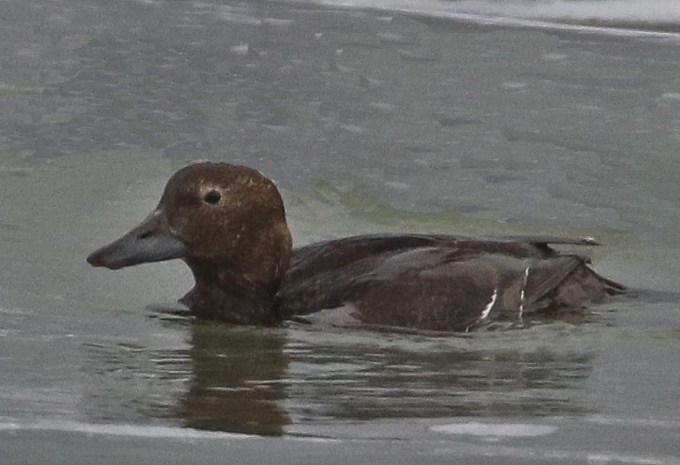
Gift Shop – Photo from Ann Lauer who visited with NatHab
Working on Our Tablecloth

Most of the people in these villages live at not much above subsistence level with no electricity or running water in their simple homes. Getting clean water generally involves long walks returning with heavy jugs. Goats are an incredibly important and valuable addition to any family. Ride 4 A Woman has made it an aim to be able to provide a goat for all of the families they serve. It is also undertaking a program to provide solar panels to bring electric power to the communities. All of this of course costs money and opportunities to bring in significant revenue at such a remote area are limited. When Covid seriously cut into the tourism in the area, Ride 4 A Woman was seriously hurt. Private donations helped them weather the storm. Cindy and I have committed to try to aid this worthy organization both with some of our own personal funds and also through some fund raising activities tarting to develop that we are starting to develop. Stay tuned. Interpret this comment as you wish: it was disappointing to us that the tour and all of the other tour members showed no interest in this remarkable place. There was no interest in visiting it or frankly in hearing about it. OK, it’s a birding tour, but Cindy and I felt much enriched from our visit.

Women of Ride 4 A Woman Photo – Ann Lauer

June 23

After breakfast we packed up to sadly leave Mahogany Springs but with excitement as we were heading to Queen Elizabeth II NP with the promise of big mammals, another boat trip and of course more birds. To start we again birded the Bwindi Impenetrable Forest Entrance Road with 21 species – six new for the tour, 2 lifers for me and a couple of new life photos. Again the birding and especially the photography was tough with birds high in dense foliage. A particularly sad miss for a photo was a Yellow-billed Barbet. I had seen one in Kenya 17 years ago and we would have them later on this trip, but I love barbets and this is a very striking one. I have a photo that is possibly of this bird but it is truly awful and does not do even a bit of justice to the real deal and I am not counting it.
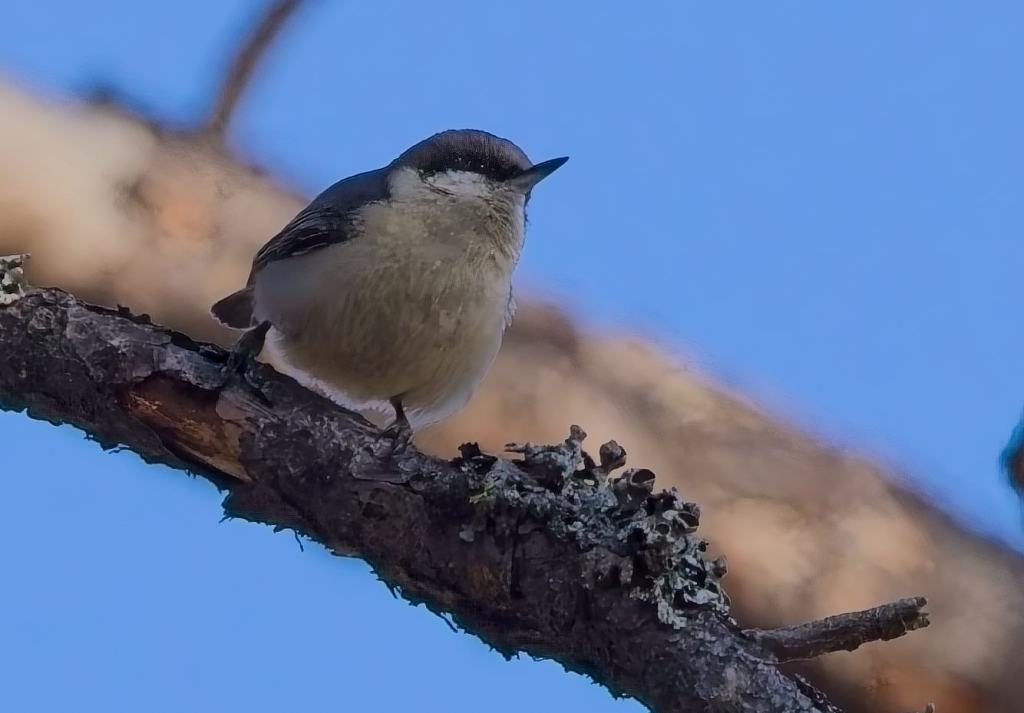
Least Honeyguide – Lifer
Olive Sunbird – Life Photo
Gray-winged Robin-chat
Yellow-Billed Barbet – Photo Frederic Pelsy

We had a few incidental species as we continued on towards the Park. At one spot we had a field full of Red-billed Quelea, one of the most numerous birds in Africa. I had seen them before but somehow never got a photo. Today would be the day.

Red Quelea – Life Photo
A Bush full of Queleas

A little further along, we had our first Village Indigobird. The previous day I got a fairly poor photo of a perched Wire-tailed Swallow showing the wire tail. Now I added one of another perched Wire-tailed Swallow better showing its face etc.

Village Indigobird

We had another box lunch (always way too much food) and then spent the next 5 hours mammal and bird watching in Queen Elizabeth II National Park. It was founded in 1952 by combining the Lake George and Lake Edwards Games preserves, first named at Rwenzori National Park and then changed to its current name. The 764 square mile park, like many parks in Africa, has a somewhat tainted history due to the forced relocation/removal of many tribal people. With a large mammal and bird population, it is a very popular safari location. There are no Zebra, Giraffes or Impala as we had seen previously, but it was here that we had our first lions and elephants. We would also add 31 species to our growing Uganda bird list. Our boat trip on the Kazinga Channel connecting the two lakes was once again a trip highlight. Our time at the park will be covered in the next blog post.

Please visit the Ride 4 A Woman website. ride4awoman.org

Uganda – On to Lake Mburo

June 17 – Day 2 (or 4)

It seems like all the tour companies now add days in transit to the advertised length of their tours. So even though this was really only the second full day of the tour, it is reflected as Day 4 since the travel day to get to Uganda and the day of the meeting dinner were included. Since it was our 4th day in country and we had birded on all the days, it did not matter to me. BUT another timing issue did matter. I forgot to reset the time on my camera so it was actually still recording photos on Pacific Daylight time. Thus a photo date stamped as 10 pm on June 15th was actually taken on the morning of June 16th. I did not catch this error until late in the tour and then reset the time but by then I had a lot of photos that were out of place. Theoretically easy to fix, but since I had processed and/or downloaded some photos as we progressed, it was more of a challenge than it should be. I promise I will never do that again…but that only matters if my memory recalls the promise.

We had breakfast at the Boma and said goodbye, loading our goods onto the Land Cruiser. One nice thing about this tour was that we stayed at least two nights at every stop, so the packing and unpacking was not too bad. Of course, this also meant that there were some places where a single night might have been preferred had stays of two or more. From the Boma Guesthouse we set out for our first stop at the Mpanga Central Forestry Reserve traveling through Kampala, the Ugandan capital. Kampala is a large metropolitan area with a population approaching 4.0 million with the population of the whole country being around 48 million. The traffic is pretty staggering with the mix of buses, jitneys, motorbikes, trucks, and perhaps even thousands of pedestrians feeling pretty chaotic to my western eyes – not dissimilar though to other large cities in un- or under- developed countries. Veronica masterfully handled the traffic and although it looked like accidents should happen every moment, we saw none. We got out of the urban density and arrived at the Mpanga Forest Reserve. Unfortunately so did a lot of clouds.

Our Trusty Land Cruiser – two seats up front and six in the back – with a pop top

With the threat of rain seeming certain, we began birding and cautiously added only a few species to our trip list. But apparently the birds knew that rain was coming and it very quiet and birds, if active at all, were seeking shelter. Photo ops were non-existent in the wind, under gray skies and with birds hiding in the brush. I got glimpses only of two species that would have been nice to photograph: Brown-throated and Green-throated Sunbirds, the former a lifer. Then the threat of rain became actual rain, starting slow and picking up to a pretty hard downpour. We tried to wait it out for 30 minutes, but no go – so we left. This would be our only rain of the tour so hardly a reason for complaint, but still a disappointment as in addition to the two sunbirds, it was supposed to be a good place for Green-backed Twinspot and Fire-crested Alethe – two would-be lifers.

We continued on with a few brief birding stops or observations along Masaka Road with the best being a field with 100+ Gray Crowned Cranes – the National bird of Uganda. We also had what would turn out to be our only look at a Lilac-breasted Roller, one of the most beautiful birds anywhere and maybe the most frequently photographed bird in Africa. No photos this time, but I had many from previous African trips. We finally arrived at Lake Mburu National Park, birding first along the entrance road and then in the park itself – now under clear skies. We added lots of new Uganda birds at both places but no new lifers and in part because of the camera time error and maybe some other mishap on my part, I have not been able to find/retrieve many photos from this day – noting however, that I have photos from later for all of the species we saw then. One of the photos I did find was of an African Penduline-tit – a life photo but not a lifer. Two other photos are from a little pond outside the park where several birds were seen together. Good photo ops for African Woolly-necked Stork and one of my favorites, Saddle Billed Stork.

Gray-crowned Crane – National Bird of Uganda
African Penduline-tit

This was the first day when we would see some large mammals which are what most people associate with Africa – albeit just a small taste of what would come later. We saw our first Zebra, Warthogs, and a variety of species of antelope: Topi, Impala, Bushbuck and Defassa Waterbuck, the latter would be the antelope seen most often throughout the trip.

Common Zebra
Defassa Waterbuck Male

We moved to the Mantana Tented Camp for the night. Very much like the Kubu Kubu Tented Camp in Tanzania, this was not my idea of a tent. It was a significant if somewhat soft walled structure on a wood platform with nettings and zip up doors and a zip up wall dividing the sleeping area from the self contained bathroom with shower and flush toilet. As would turn out to be the case in some other accommodations, the only internet service (wi-fi) was at the main hall/reception/dining room and there was limited if any ability to charge electronic devices except there as well. These were NOT major issues but were another example of a difference between our lodgings in Tanzania and in Uganda. We were the only people at the camp and were treated very well by friendly, competent and gracious staff. Showers were by hot water that was delivered at whatever time was requested. It took a little tinkering to get the mix between hot and cold water right but the water pressure and availability was great. As with everywhere else in Uganda (and in Tanzania as well), bottled water was provided for drinking and tooth brushing etc.

June 18

Today would feature another boat ride – this time motorized as we would explore part of Lake Mburo NP, starting at the Nyarutegura River mouth. There were many of what I would call water-oriented birds, but the majority of of the birds seen were on the land adjacent to the lake. Over 4+ hours we had 66 species with photos of almost half. Ten were lifers and 14 were life photos. Without question, the most special of the birds seen, and one on my ten most wanted list for the trip, was the African Finfoot. It took some doing and lots of luck, but I was able to get a decent photo of the Finfoot running on a log showing its huge finned feet.

African Finfoot

Many of the views were distant and of small birds in foliage, so not as many great photos as I would like, but as has been the case with all of my birding boat rides, being able to see the birds from the water was great. Not going to include all the photos – just a sampling.

I am including these Barbet pictures not because they are great photos, but because Barbets are one of my favorite groups of birds – found in South America, Africa and Asia – all with something special.

That afternoon birding continued in the National Park and Cindy was finally feeling a bit of jet lag so she sat this trip out. This would hopefully not turn out to be a big mistake as we saw more mammals and had really great close encounters with some giraffes – one of her favorite animals. At first we saw only a couple off in the distance and I was not worried about what she had missed. Later we had giraffes very close and I debated whether I should tell her. Fortunately it was a moot point as we would have excellent intersections with these amazing animals again.

A Magnificent Giraffe

We had good birds as well including lifer Sooty Chat and Tabora Cisticola. Altogether we had 50 species, of which only 8 were new for the trip including Bare-faced Go-Away Bird, African Scops Owl, Common Scimitarbill and Gray-headed Kingfisher, but together with the morning birding in the park our day list was 92 species. We spent another night in our “tents” and then the next morning we would head off to the Gorilla Mist Camp in Ruhija and the promise of Mountain Gorillas.

Tabora Cisticola – Lifer
Bare-faced Go-away Bird
African Scops Owl
Gray-headed Kingfisher

June 19

Our bags were packed and we ready to go with a relatively late (7:30 a.m.) start for more birding in Lake Mburo NP and then our trip to Ruhija and Gorilla-land. In 2 1/2 hours we had 42 species including 8 new species for our tour list, no lifers but one life photo – White-chinned Prinia. My photo of a Red-faced Crombec was not new but any photo of the tiny little tail-less crombecs is appreciated.

White-chinned Prinia
Red-faced Crombec

An Aside: As all birders know, there are rarely guarantees that a species will be seen at a given time or place. Weather, time of day, luck and other factors may produce very different bird lists for the same place comparing one year to another. In their descriptions of their tours, the tour companies generally provide a list in one form or another of birds that might be seen at various stops on the tour. We had seen a lot of birds, good birds at Lake Mburo NP including the prized African Finfoot. It was interesting, however, in retrospect to compare our Lake Mburo list with the birds named in the list of species “recorded in the park” included in VENT”S promotional materials. Not included were any of the three nightjars that we observed, but 17 of the species that were listed (more than 1/3) were not observed – 3 of which would have been lifers. The list of birds from the park had NO impact on my decision to take this trip and the same result would be found from any promotional material for any bird tour. By our nature, we want to see all the birds that are possible, but we know that is rarely if ever the case. If we had spent another day or two or three at the park, I bet we would have seen some if not many of the “missed” birds. The only reason I included this “aside” is because I am planning some future trips and I was thinking about my priorities and expectations. Bottom line here is that as long as we found that Finfoot, I was going to be happy – even a crappy view would have sufficed. We did much better than that with great views of more than one Finfoot and a total of 120 species in the Park – even without those from the “recorded in the park” list that were not found.

It was a long and somewhat torturous drive from Mburo to Ruhija – about 4 hours much of which was on two lane roads, mostly dirt and winding through a number of small villages/towns, some very rough and with many slow going trucks slowing things down. Thus as was as stated in an earlier post, this was a very different experience than Tanzania where we had much less intersection with the towns. Rather than go into details here, there will be a separate post about day to day life in Uganda, at least as seen by us in our transit through these towns. This was definitely not 1st world travel as the towns were very busy, crowded with small shops, markets, and people, lots of people – carrying goods, on motorbikes and bicycles, mostly on foot, basic housing, and then more of the same. Between the towns, there were still many people on foot and often children on the way to or from school or just together with their mothers or each other – almost always waving and smiling as they noted our presence. As I said much more on this later in a blog illustrated mostly with Cindy’s pictures. There were intermittent stops along the way as we saw a bird here or there, on wires, in the brush or trees, on the road, in the papyrus and then on the Bwindi Forest Road approaching our lodging for the nights ahead at the Gorilla Mist Camp. In Bwindi, I added 5 lifers, not especially well seen or heard only – too often the case over the next days as well, but there were some photo ops as well. There were 36 new species for the trip – evidence of how speciation is so related to habitat change.

Black-faced Apalis – Lifer
Stripe-breasted Tit – Lifer
Black Sawwing – Life Photo
Chubb’s Cisticola – Life Photo

We were only a third of the way through the tour itinerary and we had 215 species. I had added 34 lifers and at least as many life photos. As I planned for the trip, my hopes were for at least 100 lifers and maybe as many as 150 as a long shot. I also hoped for at least that many life photos with most being of those life birds and then others species I had seen previously in Africa without a photo. At this point, it wasn’t clear if those goals would be met. The next day we would find out if another goal would be met. Would we see a Mountain Gorilla?