Many (A)Mazing Mexican Military Macaws (and) More

December 8th/Day 4 – Again less than decent sleep because of the noisy central AC in the hotel. Fortunately the adrenalin kicked in and I needed it this morning. We were heading south going to start Day 4 at a very special place, the Rancho El Santuario in Cabo Corrientes where there was a successful conservation project going to expand the population of Military Macaws (Mexican subspecies) which are endangered in part because of habitat loss but also due their young being captured for the pet trade. We arrived at the sanctuary around 7:30 a.m. and were welcomed by the manager/owner of the area – a good friend of Greg’s. (On that note, everyone seemed to be a good friend of his as he was welcomed with hugs, smiles and laughs at each place we stopped by some owner/manager/supervisor/server with whom he had built a strong relationship and friendship over the years).

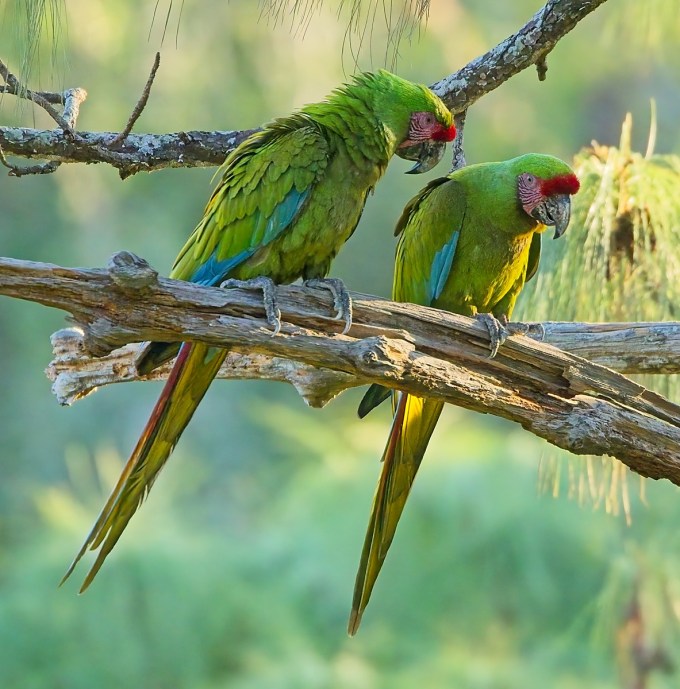
We spent many hours at the reserve and the surrounding area. Again the weather was perfect, there were no bugs, and there were lots of birds. Macaws are large, colorful and raucous birds, so not surprisingly we heard them before we saw them. Fairly soon some of the large parrots flew by and then others flew closer overhead. Finally several came into trees very close to us and cameras were clicking – actually that was not the case as we were both on silent mode. The parrots really are spectacular with both bold and subtle colors. They form very strong bonds with pairs staying together for many years. It was another lifer for me with accompanying photos.

Military Macaw
Military Macaw
Military Macaws

This photo shows one of the Macaws peeking out of a nest box. They are cavity nesters so generally would need large tracts of aged forest for nesting/breeding. Building nest boxes and placing them high up on big trees together with strong protection has been the key to the conservation efforts.

Military Macaw at nest box.

The Macaws were definitely the stars of the show, but there were other great birds as well. In and around the sanctuary we had 58 species including 23 that were new for the trip with all but one of them being new for the year as well, and that is a story. When I got Greg’s target list for the trip, one of the sure things was a Black and White Warbler. A very rare bird in Washington, I had only seen my first one there last year. Then in the last week of November a few days before I had originally planned to depart for Mexico, one showed up at Greenlake in Seattle. It quickly became a sensation and many Washington birders, including me raced to see it. It was very active but remained in the same general area so not too hard to find. That was the only species of the 23 that I had seen previously and then only because of that fortuity in Seattle. [As a side note the Black and White Warbler is still being seen in essentially the same area at Greenlake today making it a 5 week wonder!!]

Black and White Warbler – Washington

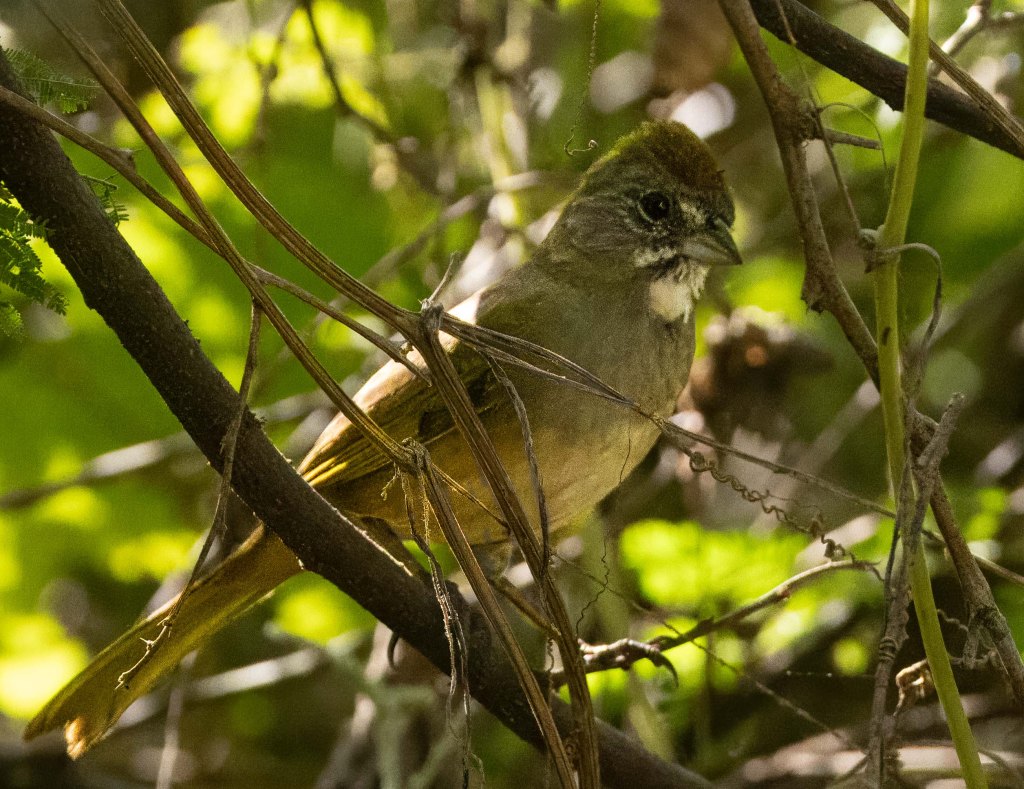
Of the 22 that were new for the trip, only three were lifers (although the peek at Military Macaws earlier in the trip should now be overwritten as there was simply no comparison). The other lifers were Yellow Grosbeak, Golden-Crowned Emerald and Orange Billed Nightingale Thrush (heard only). I got photos of the first two but not the last. 
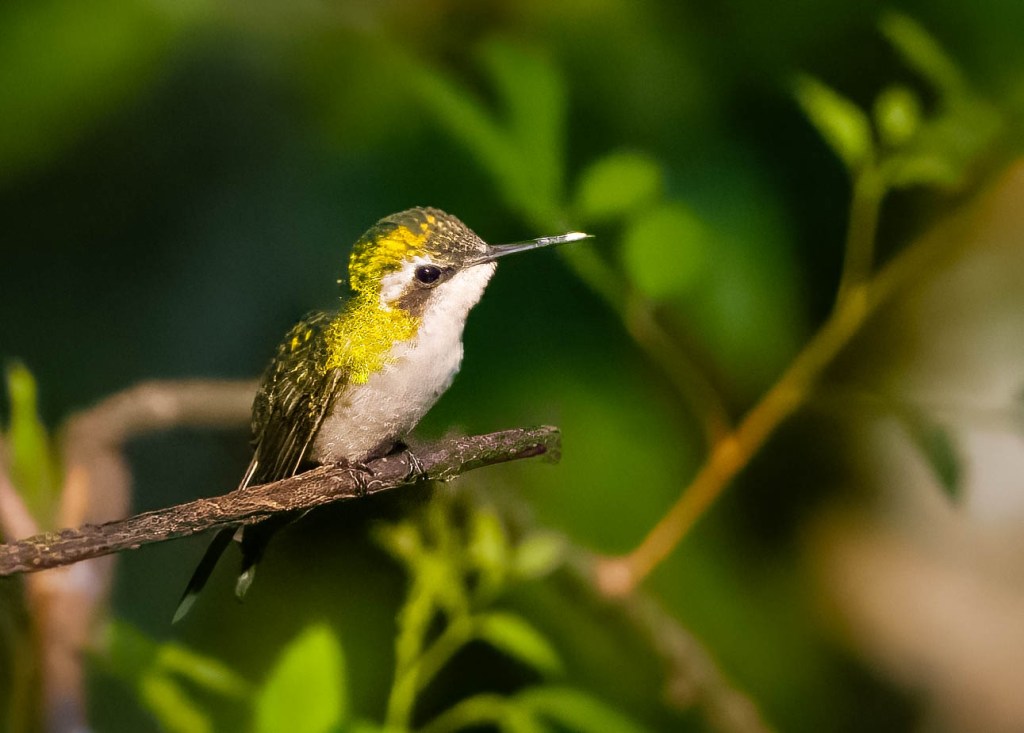
Golden Crowned Emerald – Only Hummingbird Lifer of the Trip
Yellow Grosbeak – Lifer

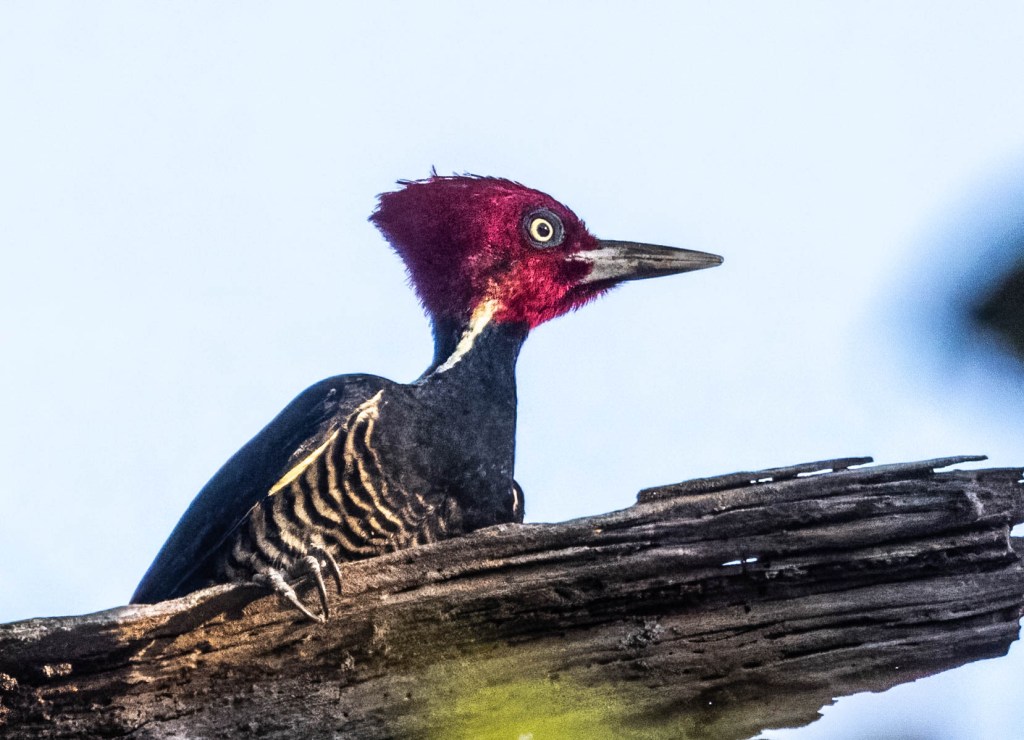
I also got photos of many but not all of the other 18 and would get photos of others of them later. Just below the Military Macaws on my rating system for the morning was finally getting a photo opportunity for Pale Billed Woodpecker. One had been seen/heard briefly earlier, but this was the real deal. 

Pale Billed Woodpecker – Life Photo
Pale Billed Woodpecker
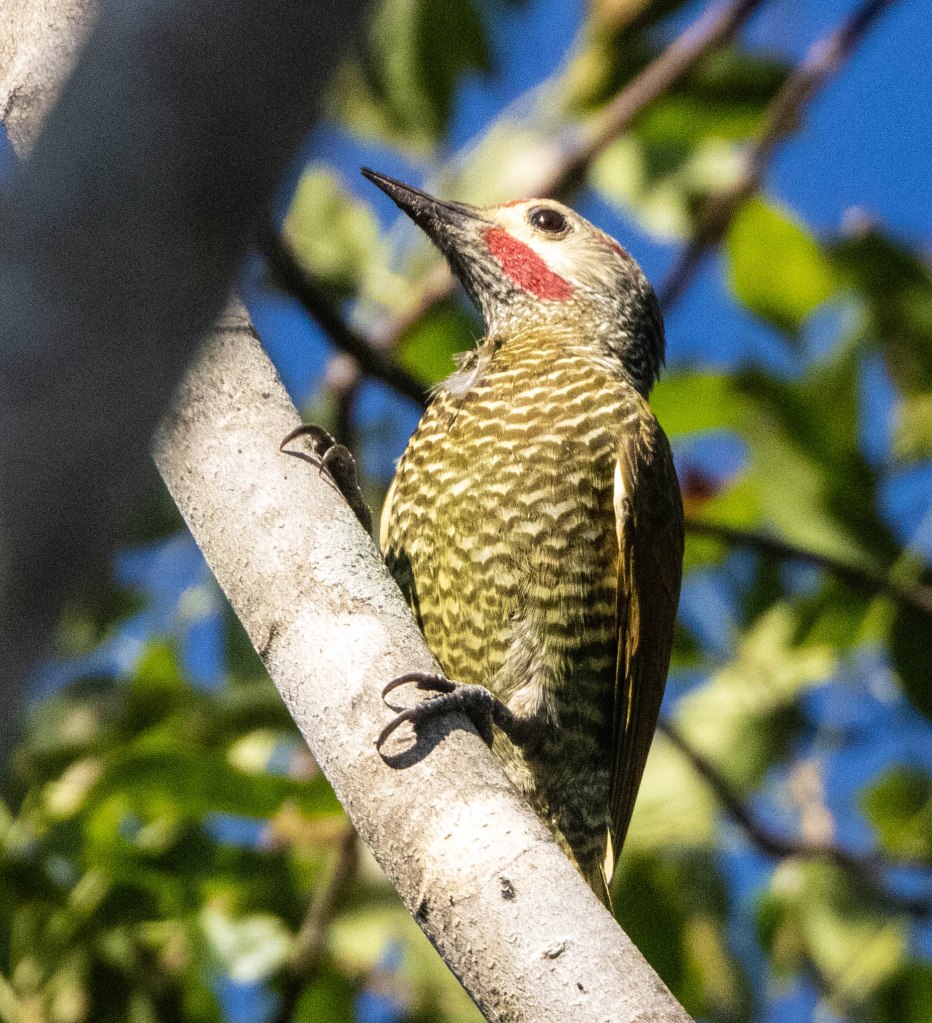
Gray Crowned Woodpecker – Life Photo
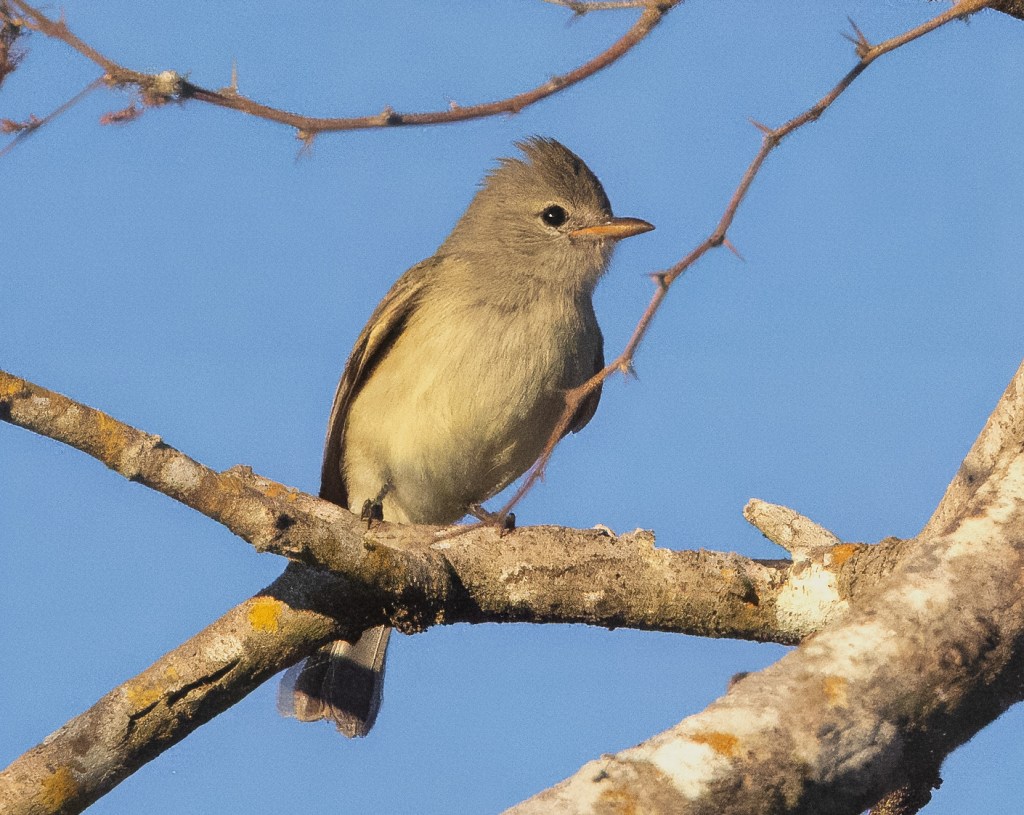
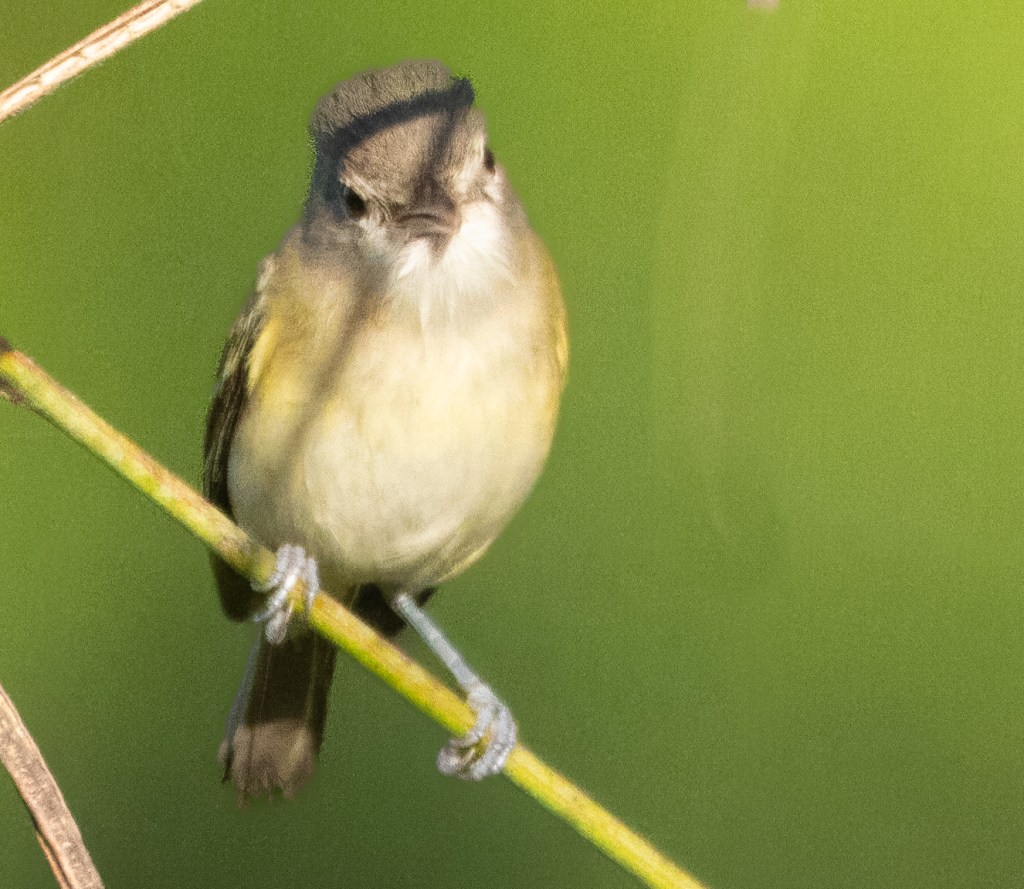
Northern beardless Tyrannulet
Rufous Capped Warbler – Much better photo than of the one seen in Arizona
Painted Redstart
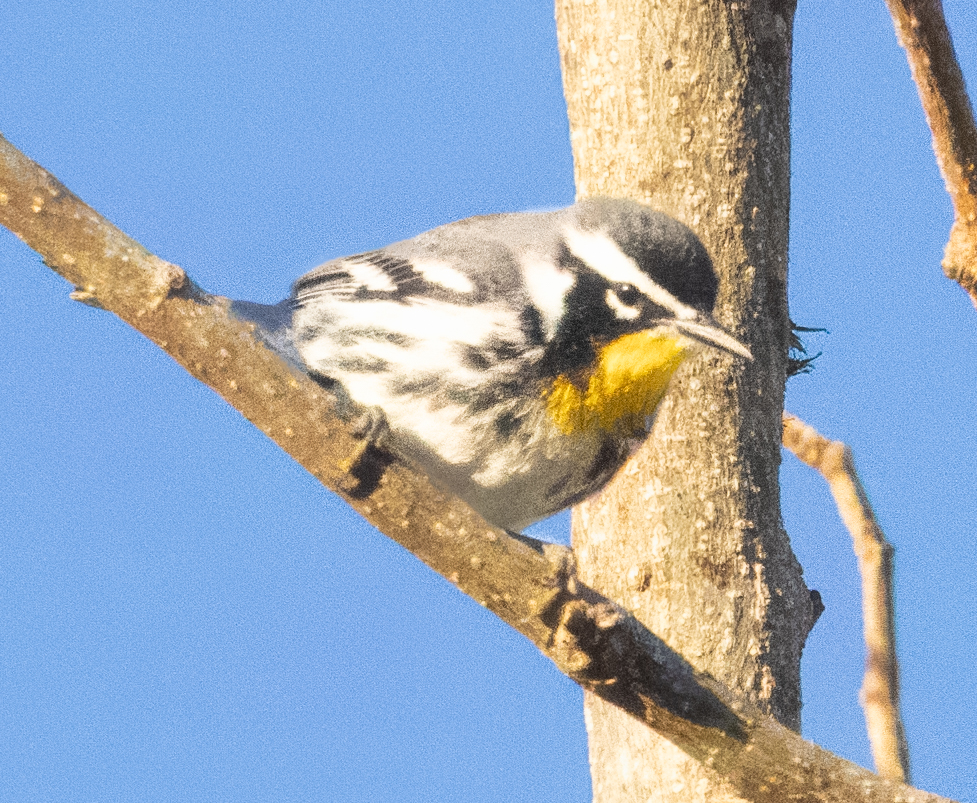
Yellow Throated Warbler
Grace’s Warbler

After our birding in and around the sanctuary, we visited the Jardin Botanico Vallarta – the Puerto Vallarta Botanical Gardens – a famous and wondrous place with a great restaurant, indoor and outdoor gardens, a gift shop and bird feeders. It was started in 2004 by Bob Price – and of course he greeted Greg warmly when we arrived. There is a fee for entry – well worth it for botany lovers as well as birders. It preserves the native plants as well as showcasing many others. Our bird watching was limited to the feeders watched during our lunch, but it has many walking trails and the Ebird hotspot lists more than 260 species!! 

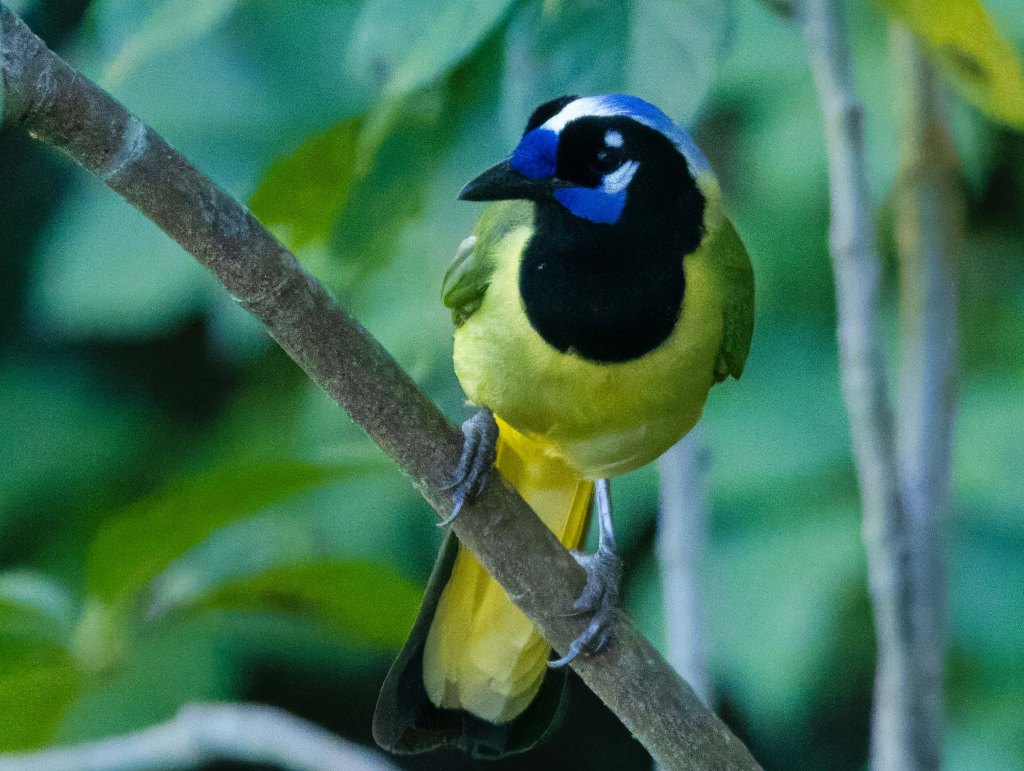
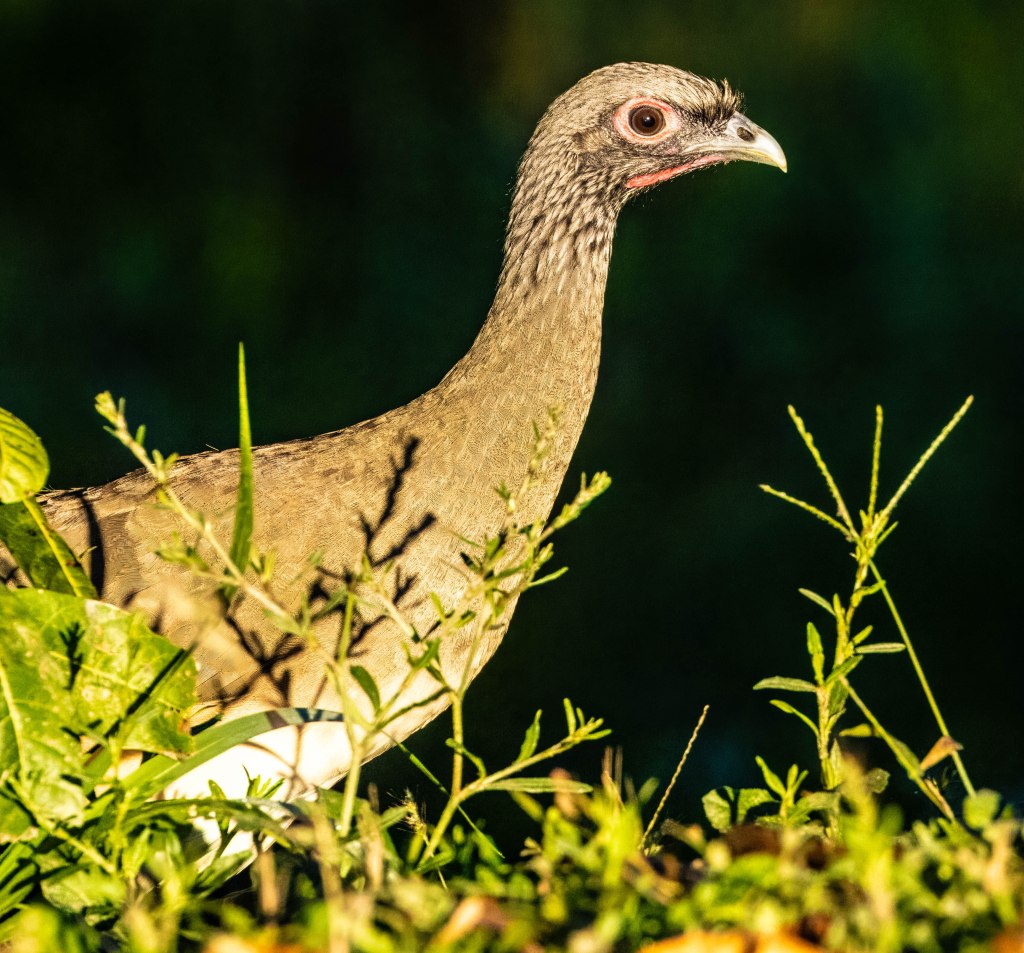
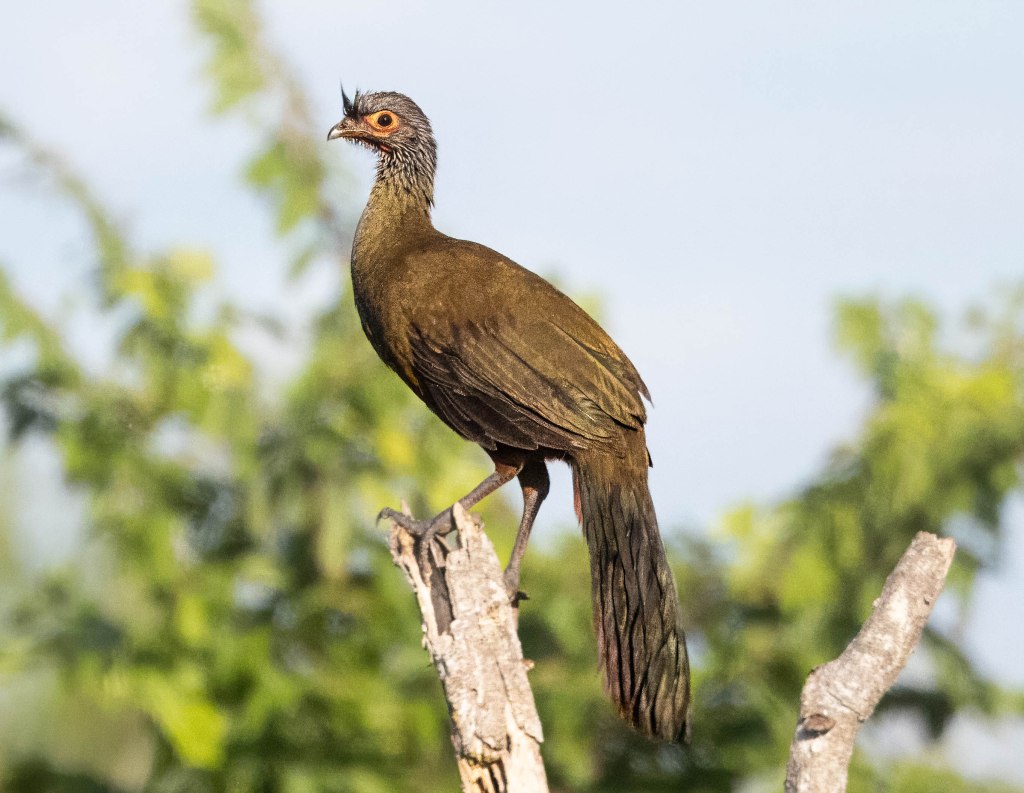
Officially our only new bird for the trip, and for my year, was West Mexican Chachalaca, but we had 13 species with Green and San Blas Jays, Yellow Winged Caciques and Golden Cheeked Woodpeckers coming to the tray feeders and Cinnamon Hummingbirds only feet away from us at the feeders next to the restaurant porch.
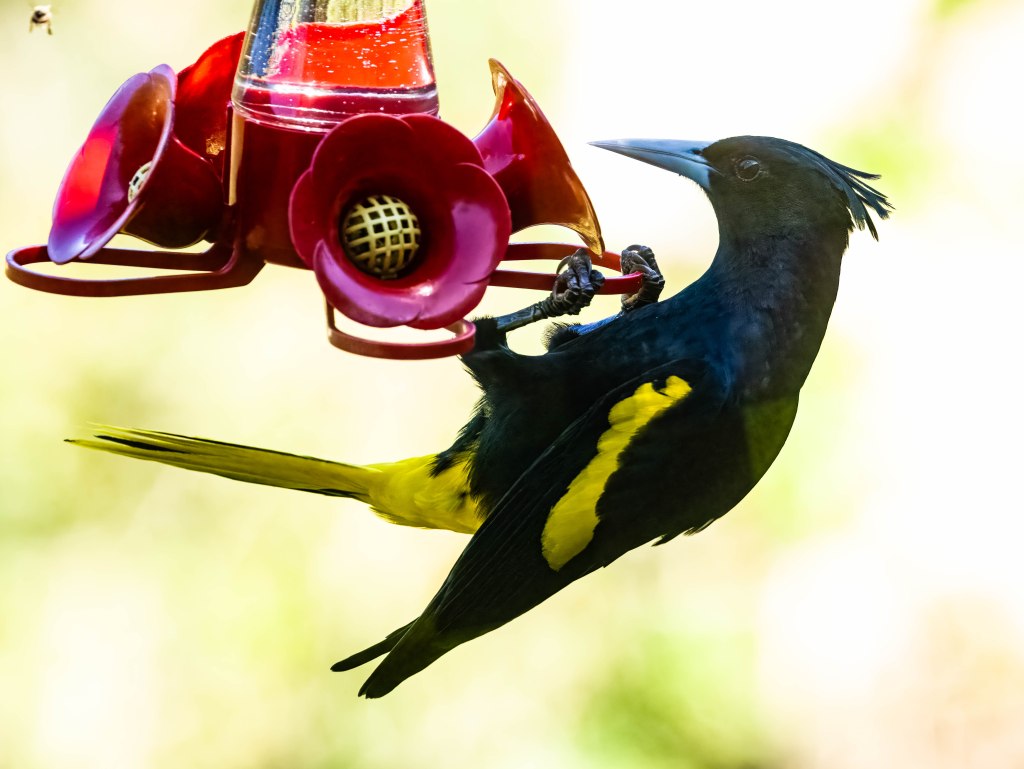
Yellow Winged Cacique
Green Jay
San Blas Jay
West Mexican Chachalaca

Staying in the Cabo Corrientes area, we next birded along Camino La Bascula which translates to something like Scale Street. I have no idea why. It was again a relatively early close to the day (around 7:00 p.m.) as we would be driving to the coast for a two night stay at a beautiful little resort with private cabins – used mostly by Mexican holiday seekers. So we spent almost three hours birding in the area. I had 42 species (and Greg heard a couple I did not). Six were new for the trip and they were also new for my year. None were lifers nor were there any life photos. The new year birds were Calliope and Violet Crowned Hummingbirds, Brown Backed Solitaire (heard only), Hepatic Tanager, Black Throated Green Warbler (truly a terrible photo) and Arizona Woodpecker. In the morning we had heard an Elegant Trogon and we heard another one later on this part of the trip – but I never got even a glimpse.
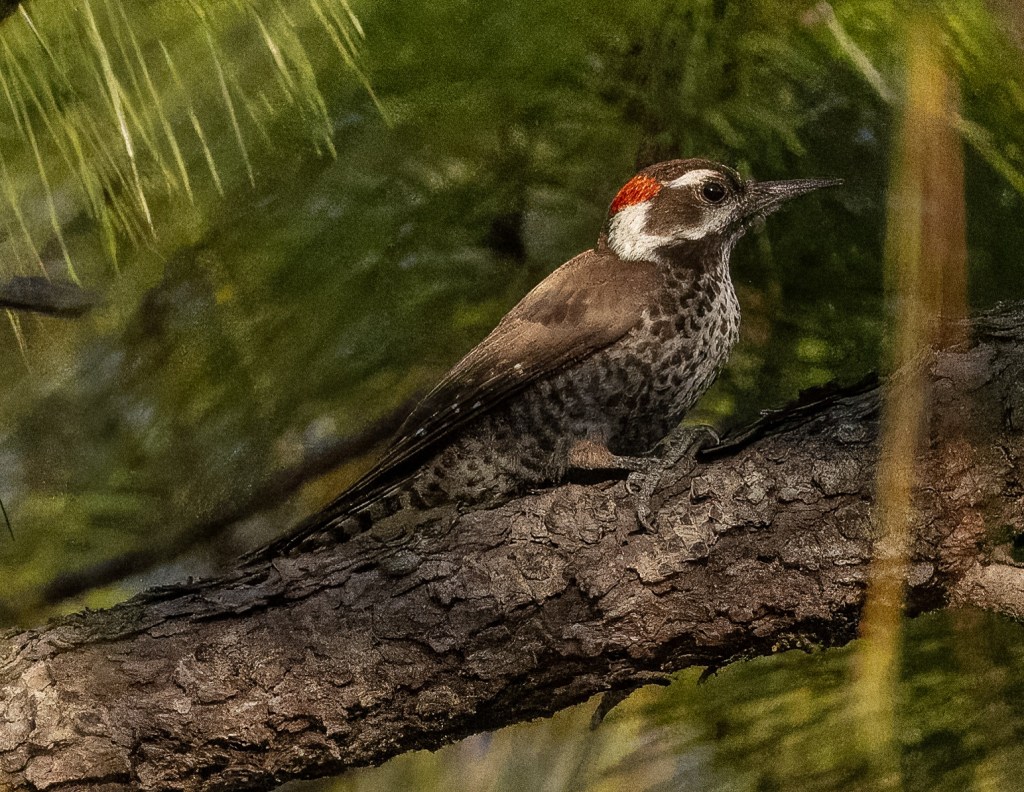
Arizona Woodpecker
Berylline Hummingbird – Seen Previously with no Photo
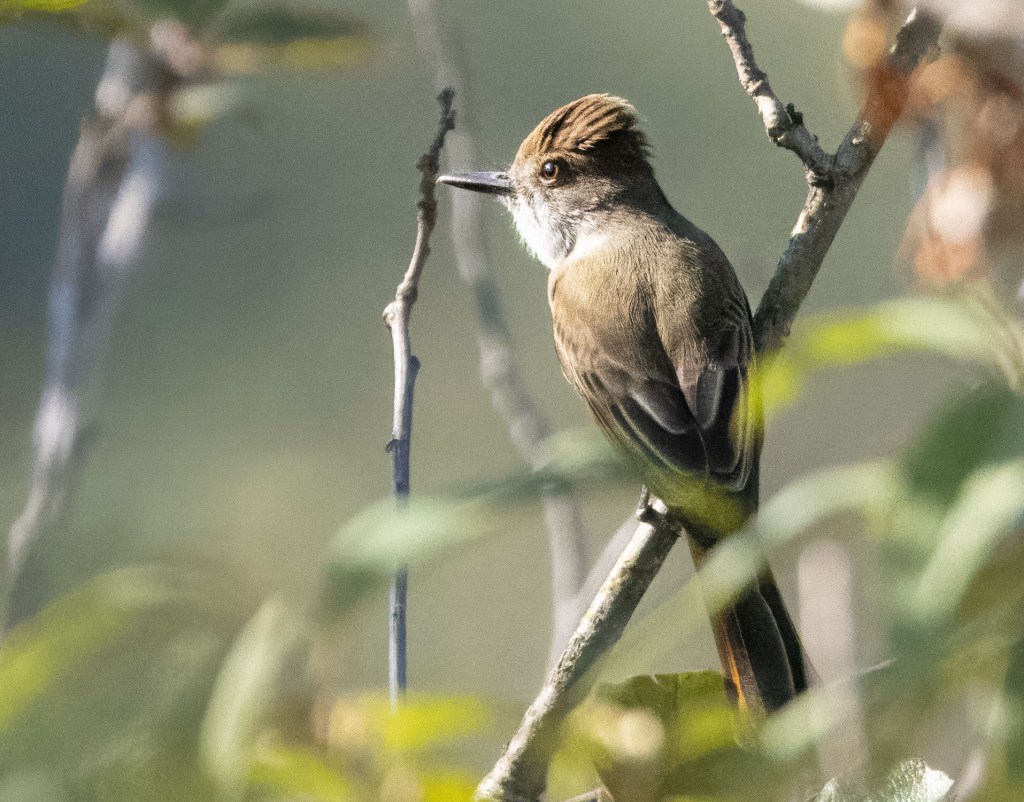
Dusky Capped Flycatcher – Seen Previously with no Photo
Black Throated Green Warbler

It was now off to El Cielito, something like little heaven or little sky, where we would be staying for two nights in cabins by the beach. At day’s end our trip list was 190 species; my year list was up 1065 species; my world list was 3266 and I have lost track of photos. More to follow.

Mexico Day 3 – Birding around San Blas and then Back to Puerto Vallarta

It was bonus or gravy time. The goal that had initiated this trip to Mexico, reaching 1000 species for the year had been achieved with more than ten species to spare. There really had not been any pressure to achieve that and focus had turned to new species for life and photo lists, for the trip and to add to that year total. Moreso, however, the tone of the trip had already changed to just having fun and today with another early start would continue on that path. Greg Homel and I had really good rapport and we saw eye to eye on what could have been controversial topics like politics, religion, guns, diversity, humor and economics. Story telling came easily and there was no need to impress or compete. On that score it was very easy not to compete with Greg. He had traveled the world birding in over 100 countries, had seen more than 9000 bird species and had been doing this seemingly since he was old enough to walk. He was the expert on this trip and even though I was compensating him for that, it never felt that way – just out birding.

We again were off to an early start and would be birding in a number of habitats around San Blas in the Mexican State of Nayarit. We began birding along the Camino Crocodilario – the Crocodile Path. We would see crocodiles on several occasions on the trip, but the concentration was always on the birds. Not too far into the morning I yelled “Stop” as I had seen what seemed to be a very large woodpecker on a palm tree maybe 50 yards off the road. Repeating maneuvers familiar to all birders, Greg quickly found a place to make a U-turn and we got back to the palm where a large woodpecker was on the left side of the tree (later to move all around the trunk) and a smaller one was on the right side. One should never be disappointed seeing a Lineated Woodpecker as this turned out to be, but I was hoping for a very similar Pale Billed Woodpecker which I had heard earlier to count as a lifer but never saw or photographed. And the smaller guy on the left was a Golden Cheeked Woodpecker, another lifer seen briefly earlier but not photographed. It is a truly gorgeous bird.

Golden Cheeked Woodpecker

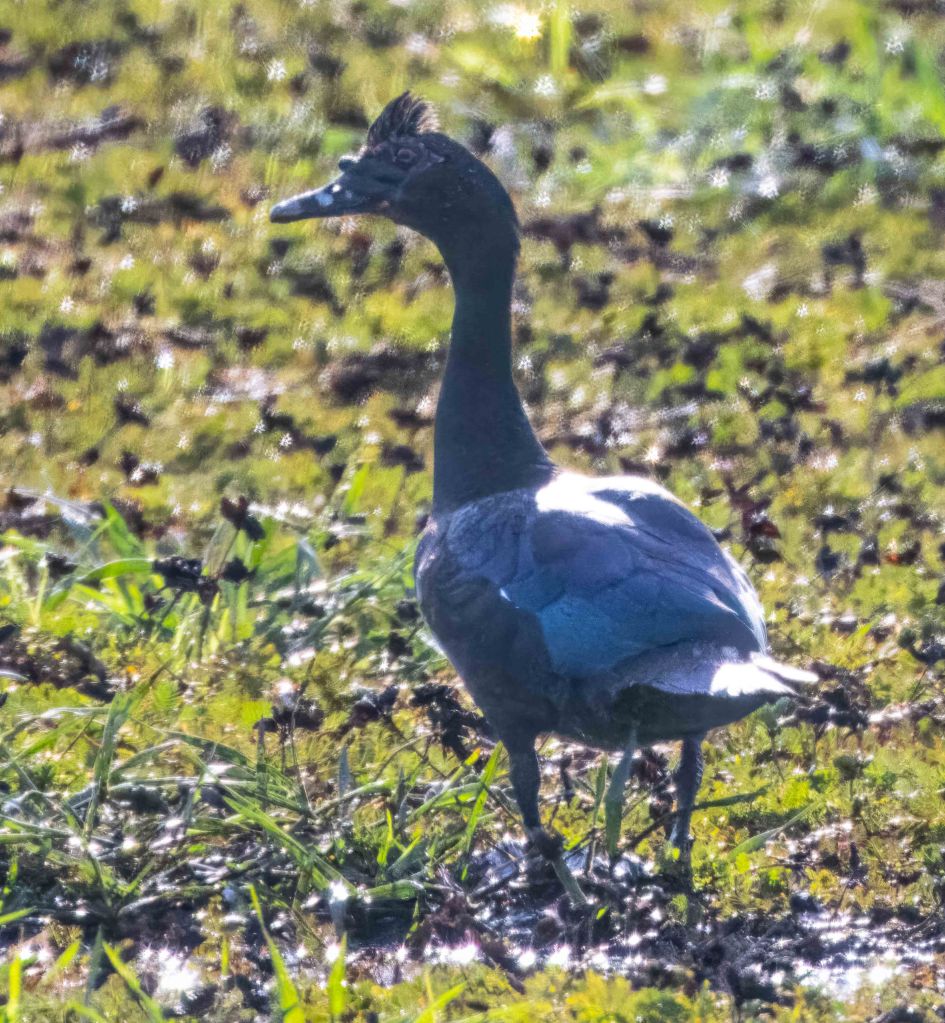
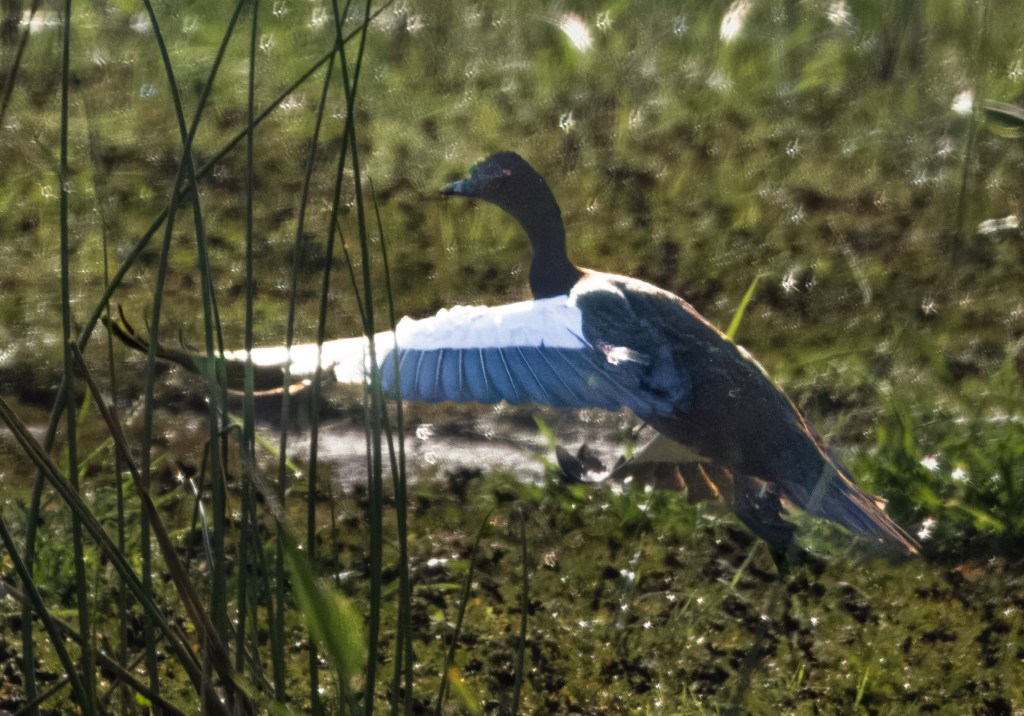
Soon thereafter Greg called out Muscovy Ducks – “real ones” – in a field on the right side of the road. Another U-turn and I was able to get a photo. These were “real ones” as compared to the domesticated ones that are “countable” in the ABA area but are released/domesticated and gone wild in many urban parks, particularly in Florida. The only other real one I had seen was at Iguassu Falls in Brazil in 2005. In another field later, we had a partially blocked view of a Limpkin and later in another field some Cinnamon Rumped Seedeaters. I had seen and photographed both species before, but they were nice adds for the trip and year.

Limpkin
Cinnamon Rumped Seedeater

The first lifer added that morning was a Rufous Bellied Chachalaca, the 6th Chachalaca species on my world list and was later followed by a Cinnamon Bellied Saltator. No photos of the latter here, but there would be many more in the future. Keeping on the cinnamon theme, however, we had our first Cinnamon Hummingbird, seen and photographed before in Oaxaca, but new for 2023.

Rufous Bellied Chachalaca
Cinnamon Bellied Hummingbird

Altogether during this part of our birding day, we had 49 species and I added 14 species for the trip list and 12 species for my 2023 year list. A species that we worked very hard to find, see and photograph was one that I usually have each year in Washington – Green Tailed Towhee – usually found in wild rose thickets in the Blue Mountains East of Walla Walla. I had not gone their in my reduced year of birding in-state this year, so when we finally got it, it added to the 2023 World Year list. Not the greatest shot, I am including it only because we worked so hard to get any shot at this notorious skulker.

Green Tailed Towhee

We moved on to bird the area around Chacalilla noted as a “Pueblo” on the Ebird list. That is a good segue to an important appreciated detail on the trip. For reasons I do not want to discuss here, my cell phone carrier (Comcast) does not provide service in foreign countries unless one uses a “Global Pass” at the exorbitant charge of $10/day and even then with limitations. So I keep my phone on “Airplane Mode” when travelling and rely on Wi-Fi connections including to make free calls to those who use WhatsApp. This of course means that I cannot use my GPS in the field and cannot do accurate Ebird reports. Our arrangement was that Greg would keep and file Ebird reports every day and then share them with me later. This worked very well, except, and this will be the only time I will say it, Greg was close to perfect in almost every way, but even he missed some species when he recalled them from memory after the fact. Details. Details. (Actually I will say it again – with a big grin – in the post for December 8th to follow.)

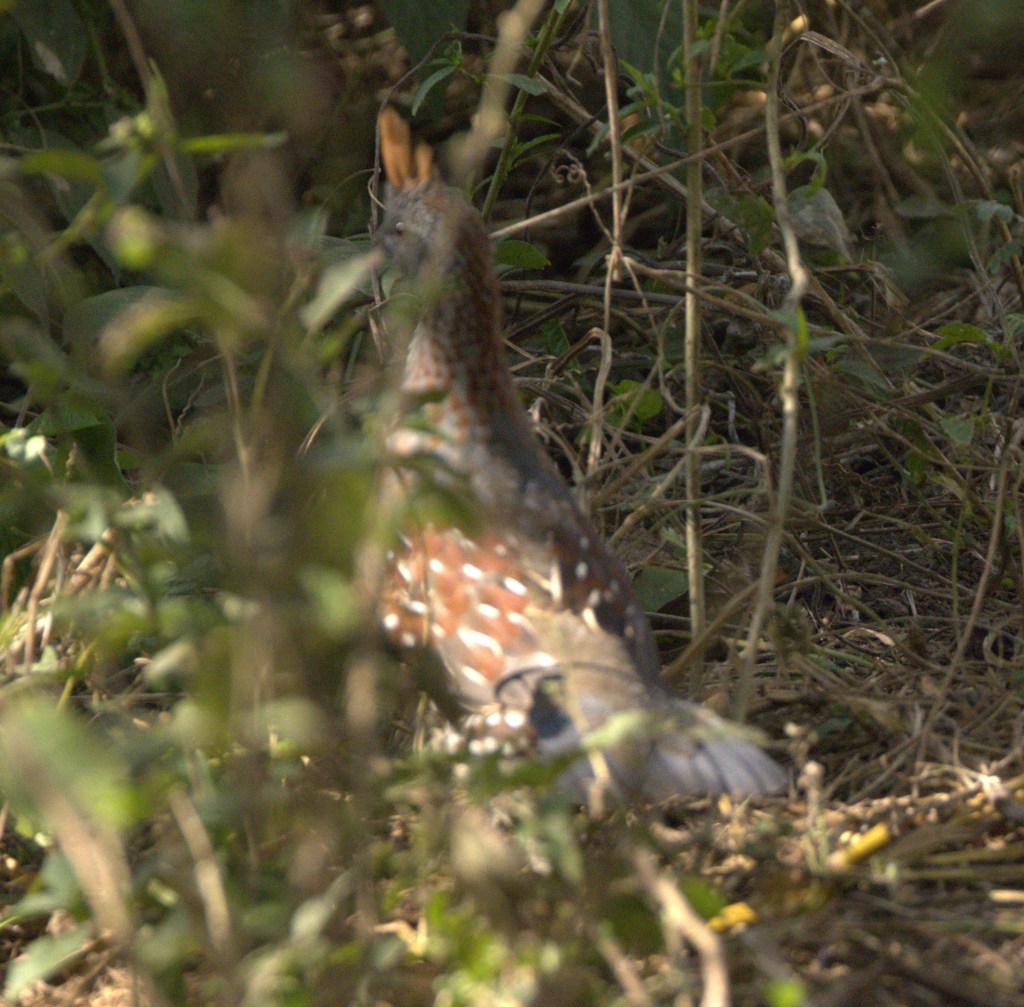
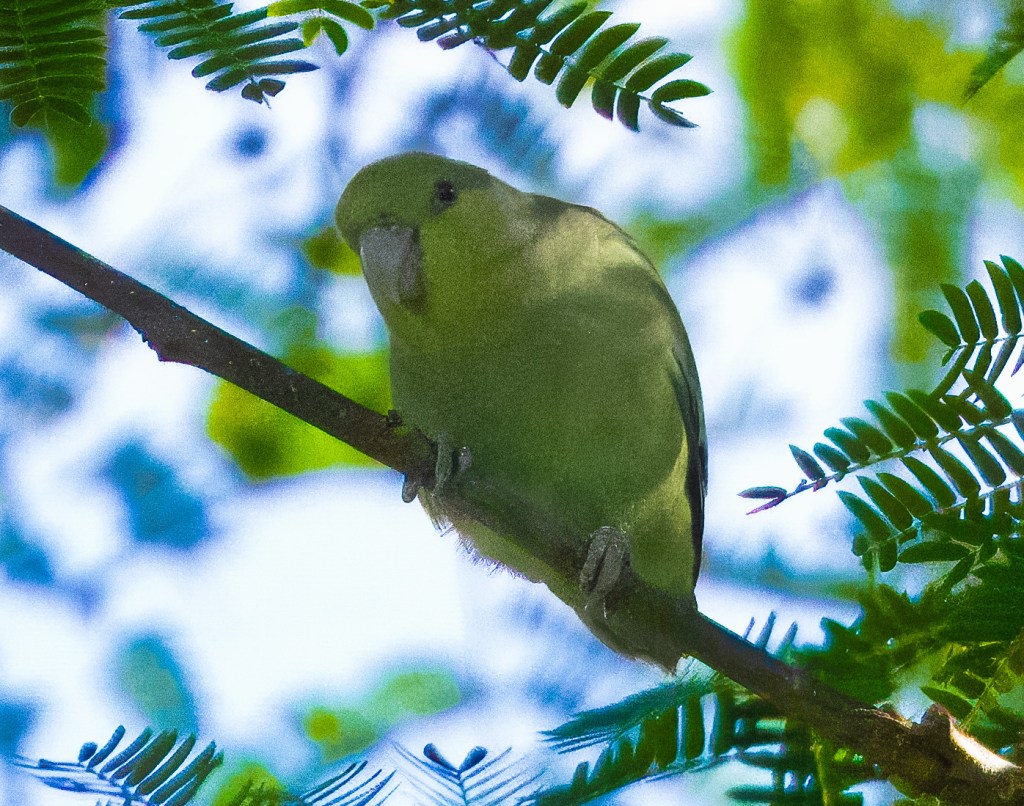
On this Chacalilla part of our day, we had 53 species, repeating many previously seen but adding 10 new species to our trip list of which 6 were new for my year and two were lifers with photos – well sort of photos for one. The two lifers were Elegant Quail and Mexican Parrotlet. Trying to get a photo of the first was as frustrating as almost anything on the trip. The only one(s) we saw were on a small dirt track/road with high grass on both sides. One would walk briefly on the side of the road and then disappear in the grass, repeating this several times, but never getting fully in the open from my position in the car, and we dared not get out. The only time it was sort of clear, I was not fast enough so I settled for a very poor shot. I did better on the Mexican Parrotlet, an endemic species in the region so an important one to see, but not by a whole lot as a small flock flew in overhead mostly buried in foliage atop a fairly tall tree in not great light. But – I saw it, heard it and got my photo – a great new lifer.

Elegant Quail (Lifer) in a Very Inelegant Photo – Use your Imagination
Mexican Parrotlet – An Important Endemic – Lifer

Below I am including images of some other birds seen on this leg of the trip, some seen earlier as well but I had not included photos in earlier blog posts.

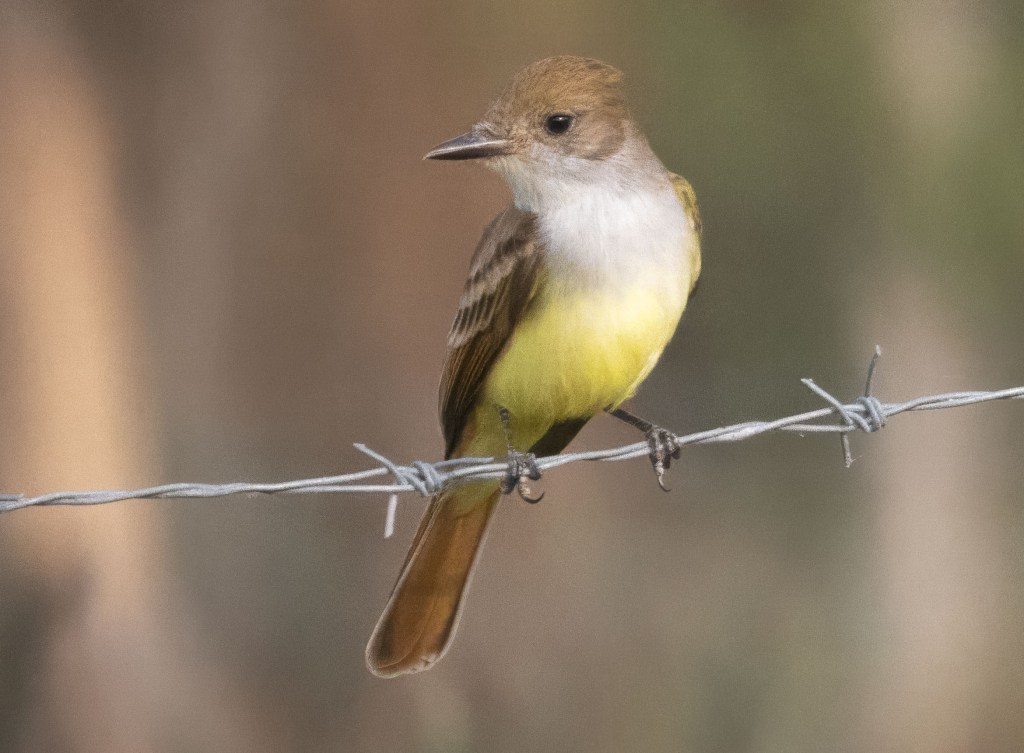
Two species deserve special attention here: West Mexican Euphonia and Nutting’s Flycatcher. Both were seen (or heard) earlier on the trip but on this morning we got good views and I got good photos. Both were new world life birds and the pictures also new world photos.

West Mexican Euphonia
Nutting’s Flycatcher

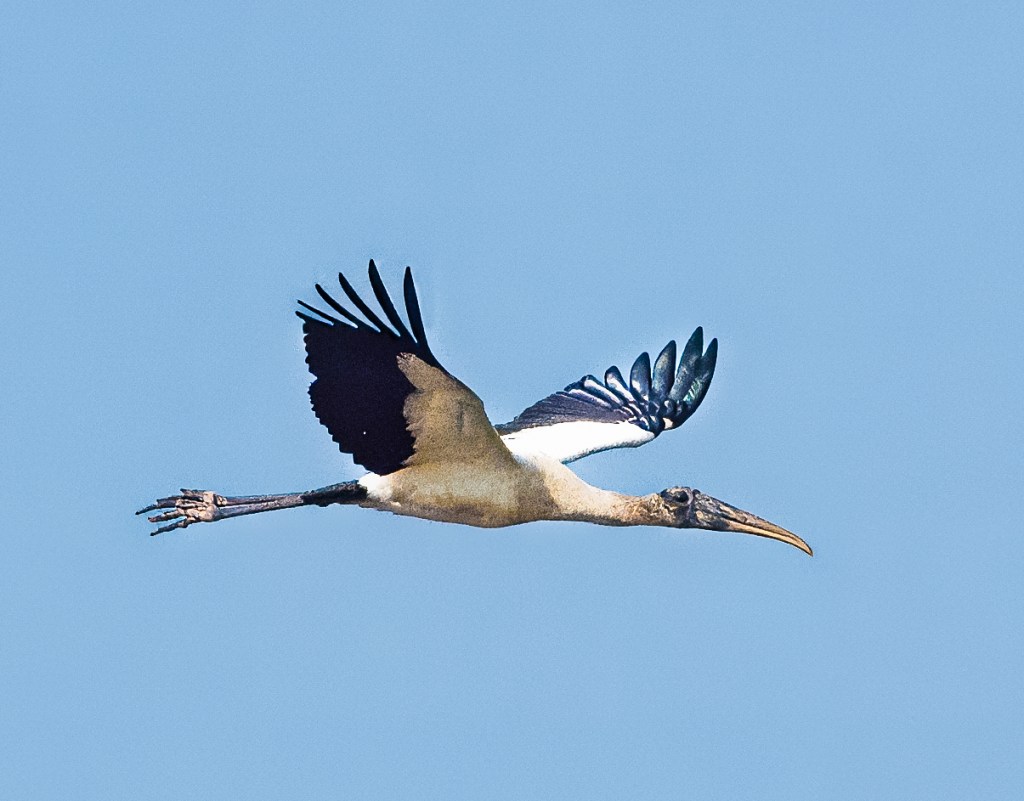
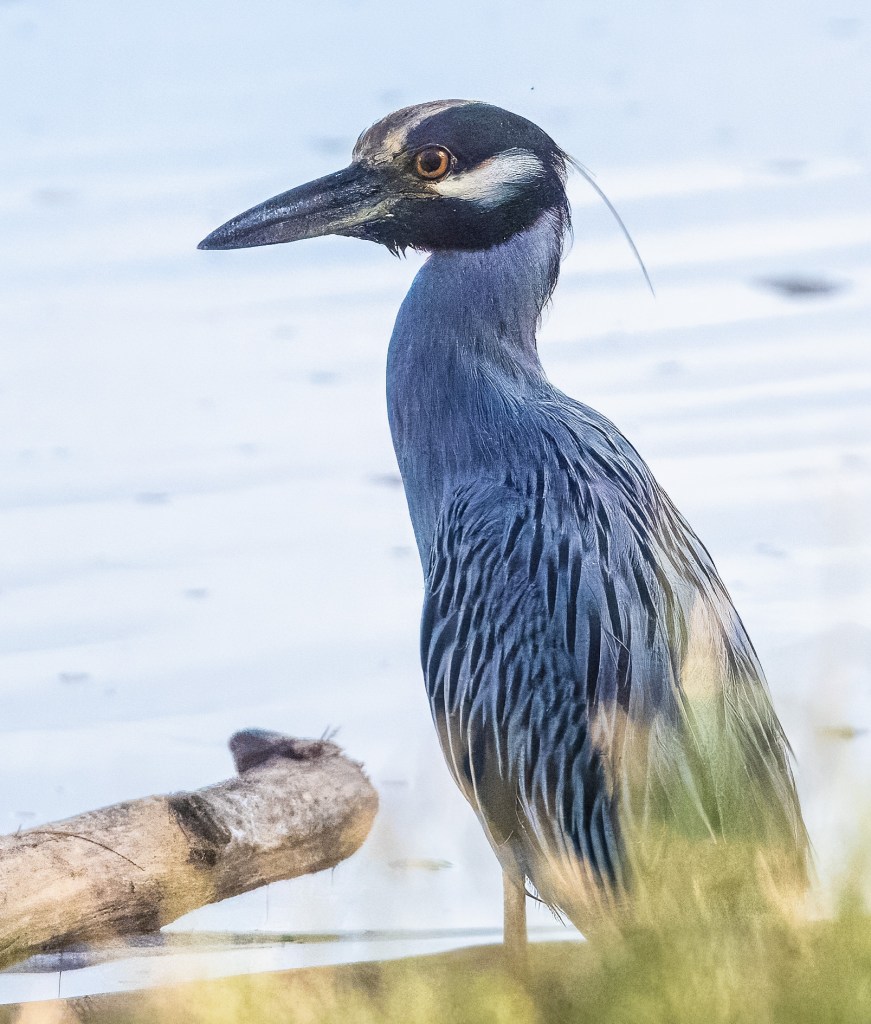
The last leg of our trip this morning included a number of shrimp ponds – great habitat for waders, shorebirds and ducks. Of the 45 species seen, 4 were ducks, 13 were shorebirds (somewhat broadly defined) and 12 were waders. The 4 new species for the year were Roseate Spoonbill, Wood Stork, Yellow Crowned Night Heron and Ridgway’s Rail, none life birds and all photographed before but great birds for the year and nice photo ops. Finding the Ridgway’s Rail was particularly fun. We went to a pond that Greg thought would be really good for the Rail. There were lots of waders and ducks and just as we stopped at a corner of the pond, we heard a loud “bang” and many dozens of birds took off in flight. More importantly a Ridgway’s Rail called as well. The bang was probably a vehicle backfiring, but the response confirmed we were at the right place. With not too much playback, we coaxed the Rail into the open. I had seen one in California before and had photos, but this was definitely better.

Roseate Spoonbill Flight
Roseate Spoonbill
Wood Stork Flight
Yellow Crowned Night Heron
Ridgway’s Rail

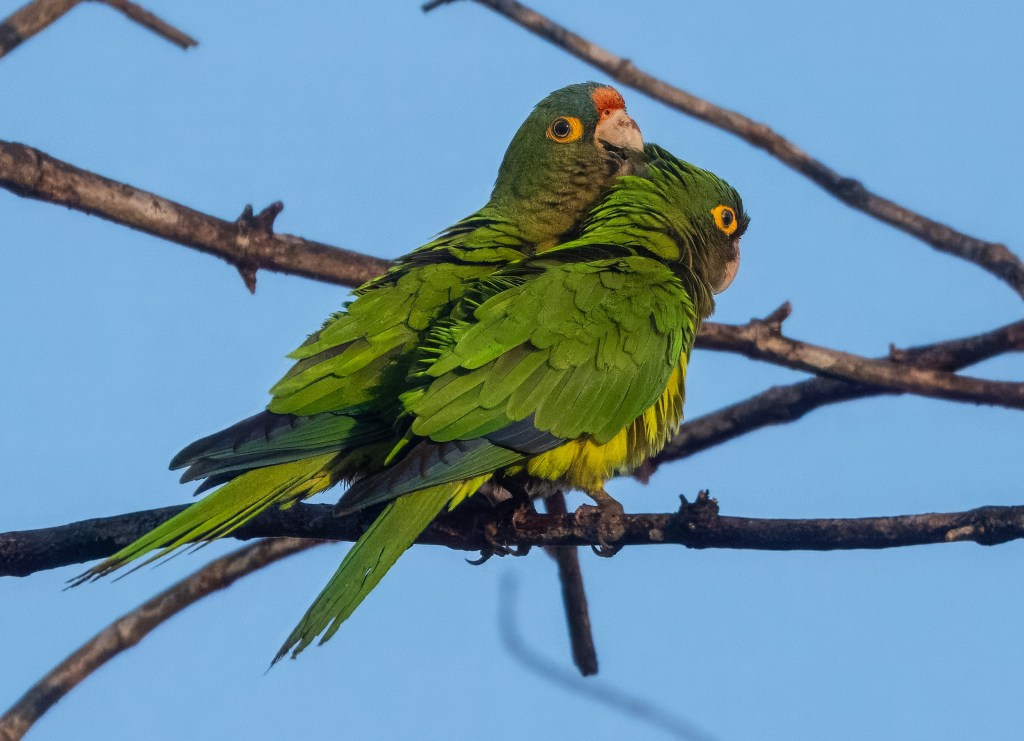
Although we had Orange Fronted Parakeets earlier on the trip, as is often the case with this and related species, “had” was mostly “heard” with a very fast flyover. This time we heard them, saw them fly over and then land – and better yet, sort of pose while they preened. Photo op presented – photo taken.

Orange Fronted Parakeets

After another good lunch it was back to the hotel for a little rest and then we were back out birding in late afternoon. It was a bit confusing to keep track of time as there are different time zones in Jalisco and Nayarit, with the former 2 hours earlier than my usual Pacific Standard Time and the latter only an hour earlier as it is further west. A benefit of that and of course from being much further south was that it did not get dark as early. We have just passed the Winter Solstice which meant it was starting to get dark by 5:00 p.m. in Edmonds – at least 2+ hours later where we were in Mexico. Our birding now took us to Tepic, the capital of Nayarit about an hour from San Blas. As is almost always the case, it gets harder to add new species as the trip goes along since so many new species were seen in each preceding birding day. 

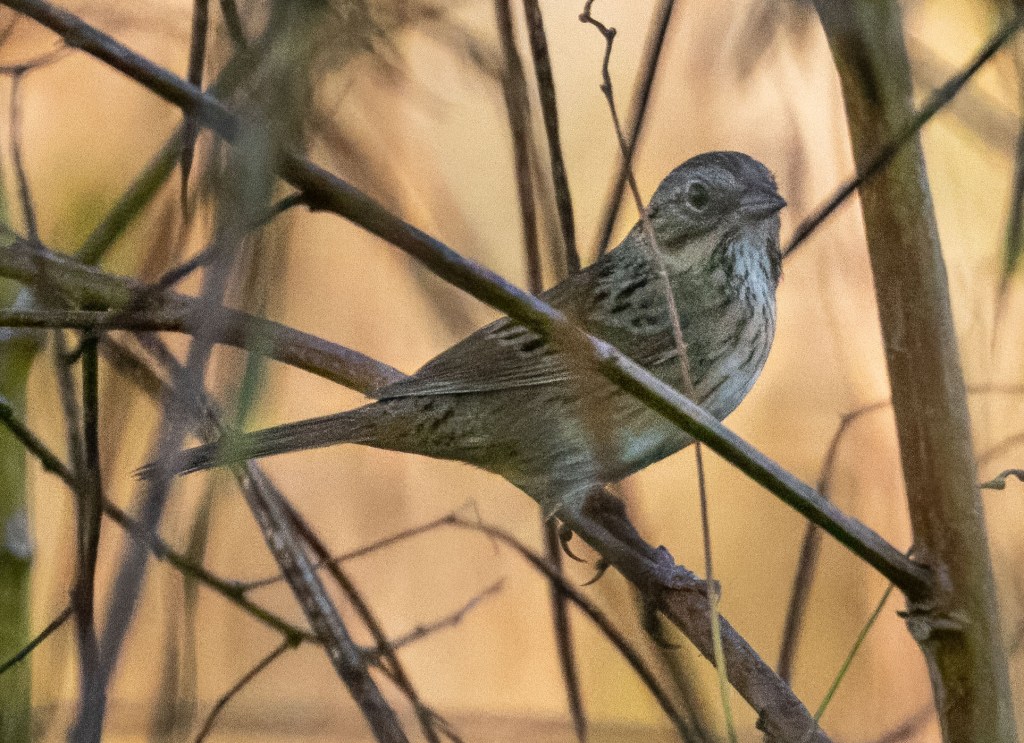
In this afternoon and evening of birding we had 42 species of which 9 were new for our trip, only 3 were new for the year and none were lifers. No new ones were especially exciting but I will add a few photos of some of the species seen. Interestingly one was a Lincoln’s Sparrow which would have been a new for the year species had I not seen one in Washington the week before I departed.

Hooded Oriole
Lincoln’s Sparrow
Rufous Backed Robin
Groove Billed Ani
Black Vulture

There would be no late birding into the night because we were on the move again, this time a long drive back to Puerto Vallarta where I thought I would be staying at the Holiday Inn Express hoping it would be quieter than the “fancier” Holiday Inn Suites which had very noisy AC. When I went to check in there, however, I was told I had been upgraded to the Holiday Inn Suites. I should have refused as the AC was just as noisy as the first night…Sigh! It would be another early start the next morning as we would be off to the Coast and birding south of Puerto Vallarta.