
In general the peak of migration in Washington is probably the first week or so in May but some of the migrating species begin to return as early as February and in-migration continues into June and out migration begins as early as late July for some species. Although I could certainly put together a timeline for my intersections with each migrating species using the hundreds of Ebird reports I have for April through June (I have 800 checklists just for May), I am not yet willing to undertake that project. I know other birders keep track of the arrival dates each year for species first appearing in their yards and they suggest that there are pretty tight windows for each appearance – a species returning each year within even the same two or three day period. With our earlier trip to Japan and upcoming trips to Colombia and Brazil, this will be another year with lots of international birding and not unlike most of the past 5 years, I again will be doing less birding in Washington than I did say in the 2010’s. But every year as migrating birds are returning, some internal switch is pulled and the urge to see the returning species compels me to get in the car and go look.
There have only been a few such trips this year, but the birding has been good and this blog post covers that experience, birding in Washington from April 14th through May 7th. I have another visit to Eastern Washington planned for next Tuesday. If it goes well, maybe I may revisit this post and add those observations. If it goes really well, maybe it will become a new blog post on its own. On April 13th my Washington State year list was 155 species – all but 6 of which were seen in relatively short forays in Western Washington. On April 17th Cindy was scheduled for foot surgery that would require me to stick around home both to look after her, a very undemanding patient, and more relevantly at least for birding activities to be in charge of dog Chica’s two walks a day making anything other than short departures from home impossible. Anticipating that period of constraint, I planned two trips to Eastern Washington – solo trip to Kittitas County on April 14th and a trip with Tom St. John on April 16th covering some of the same ground as the trip on the 14th but adding a venture into Grant County primarily to see a Burrowing Owl.
April 14th
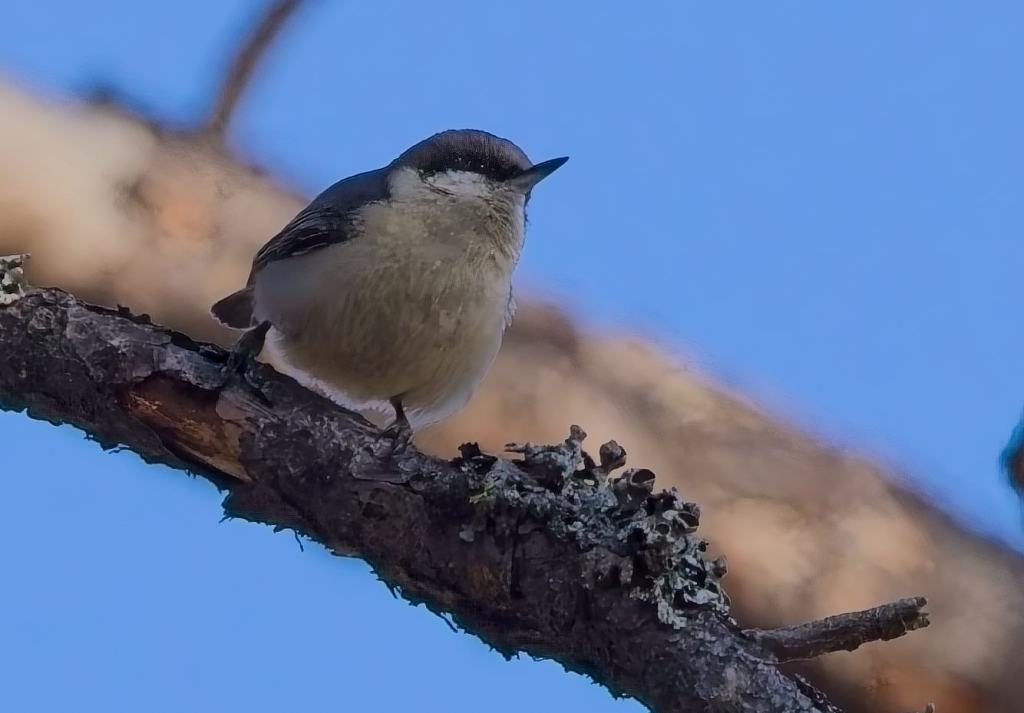
On the 14th I followed my usual route for a first Eastern Washington trip in the Spring with stops at Bullfrog Pond, Wood Duck Road and the Burlington Northern Railroad Ponds in Cle Elm. Bullfrog Pond was almost birdless and the only new species added at Wood Duck Road was a Cassin’s Finch. It wasn’t much different at the Railroad Ponds where at least I did add Pygmy Nuthatches (they nest there) and Northern Rough Winged Swallows. On the way to my next important stop, the sagebrush area on Durr Road, just south of Ellensburg, I added my first of year Osprey and Turkey Vulture. I arrived at Durr Road just after 9:00 a.m. and although I had seen 29 species, only 5 were new for the year.

First of Year (FOY) targets at Durr Road were Brewer’s and Vesper Sparrows with Sage Thrasher likely and Loggerhead Shrike and Prairie Falcon possible. I found the first three but not the last two, however a surprise was a FOY Wild Turkey that crossed the road in front of me and then disappeared in the sagebrush.


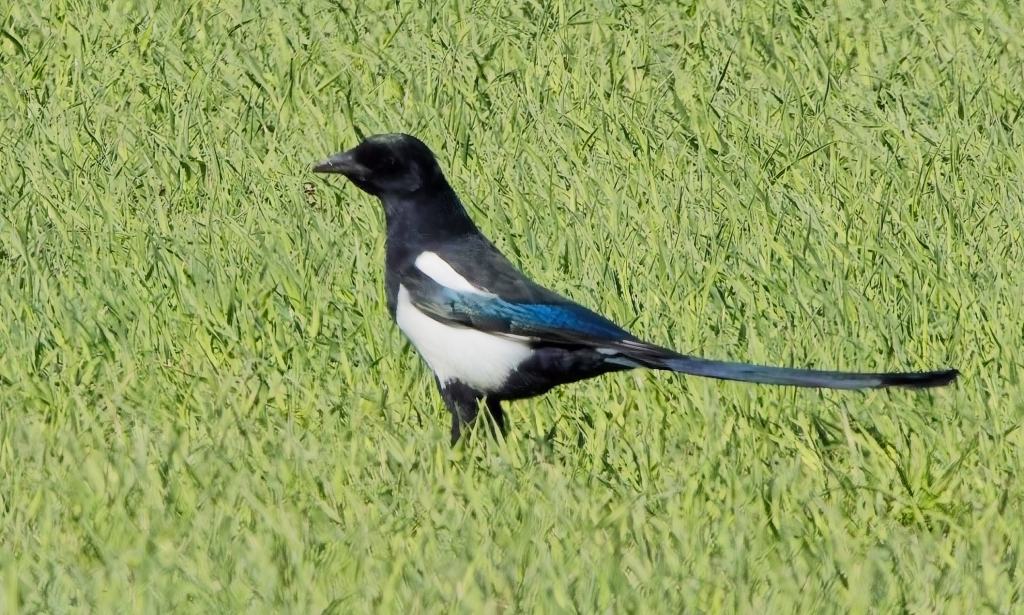
Durr Road is one of the best places in Washington to find both Mountain and Western Bluebirds. I had seen both earlier in the year on my first Eastern Washington foray but it is hard to pass up a photo of the electric blue Mountain Bluebird and any time I get a photo of a seemingly camera-phobic Black-billed Magpie, I like to include them.

I had an ulterior motive for this trip that determined the next part of this journey. Although I am not a dedicated “County Lister”, Ebird automatically tracks how many species I have seen in each county in Washington so I am aware of the totals. I do try to see every new species in my home Snohomish County but otherwise generally do not chase a new species for any other county. I had noted that my county list for Yakima County was 199 species. I had also noted that surprisingly I had never seen a Cackling Goose in Yakima County. So also noting that they were reported at Kerry’s Pond in Yakima County and knowing that some other species new for the year were likely there, I back tracked to Interstate 5 and then headed south on Interstate 82 and after a brief and unsuccessful attempt to find White Throated Swifts at the Selah Canyon rest area where at least I did add FOY Cliff Swallows I made a quick stop at Pumphouse Road and the Toppenish National Wildlife Refuge where I missed a couple of targets and then headed east on Yakima Valley Highway to get to Kerry’s Pond.
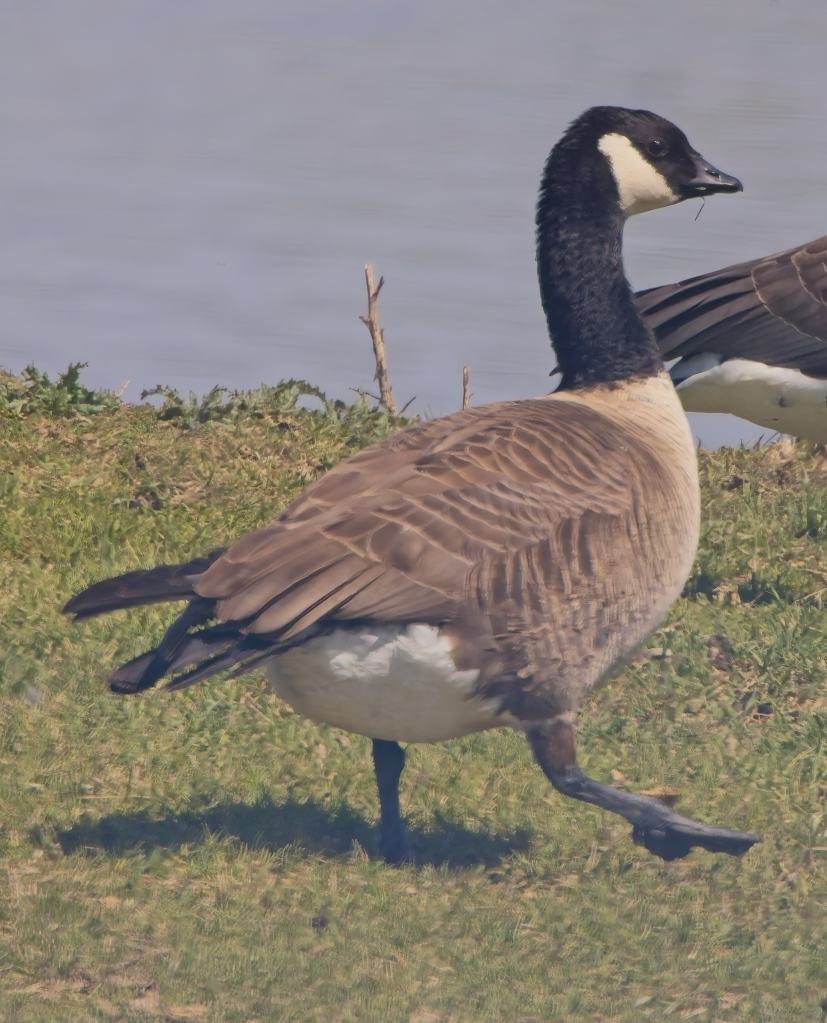
Indeed there was a Cackling Goose at the pond – in fact lots of them, estimated at 250 but maybe more. Thus Yakima County became the 10th county in Washington where I have seen 200 or more species. I had seen Cackling Goose in Western Washington earlier in 2025, so not new for the year, however three other species at the Pond were new for the year – American Avocet, Black Necked Stilt and Redhead.


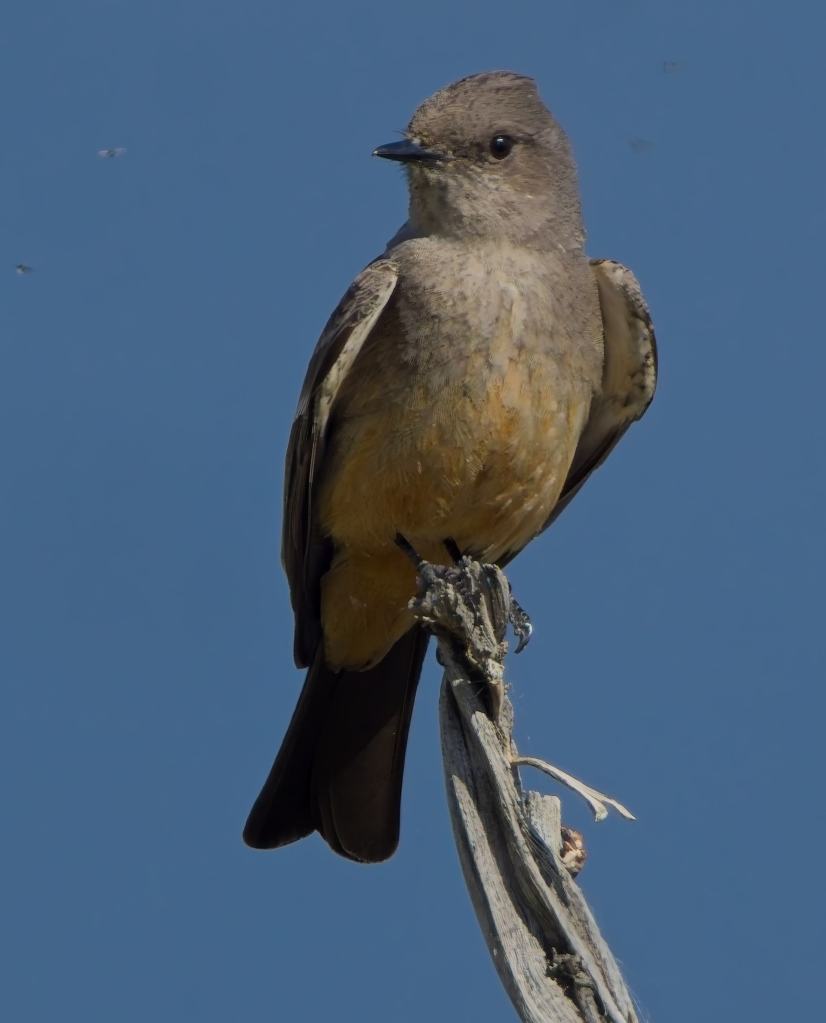
I retraced my steps and headed back north to Kittitas County again on Interstate 82 where I had a White Throated Swift fly overhead – species 170 for Washington at that point. I then headed east on Interstate 5 getting to Vantage and then accessing Recreation Road looking for new species for the year. I added Say’s Phoebe, California Quail and Rock Wren but was unable to add either Canyon Wren or Chukar which were both possible. It was getting late as I started towards home (160 miles away) heading west on Old Vantage Highway with a stop at the Wildhorse Wind Farm hoping again for a possible Loggerhead Shrike, Prairie Falcon or Chukar, all of which I have seen there. No luck on any of those but I did find a rather uncommon for the area Rough Legged Hawk, a species I had somehow missed in Western Washington previously.
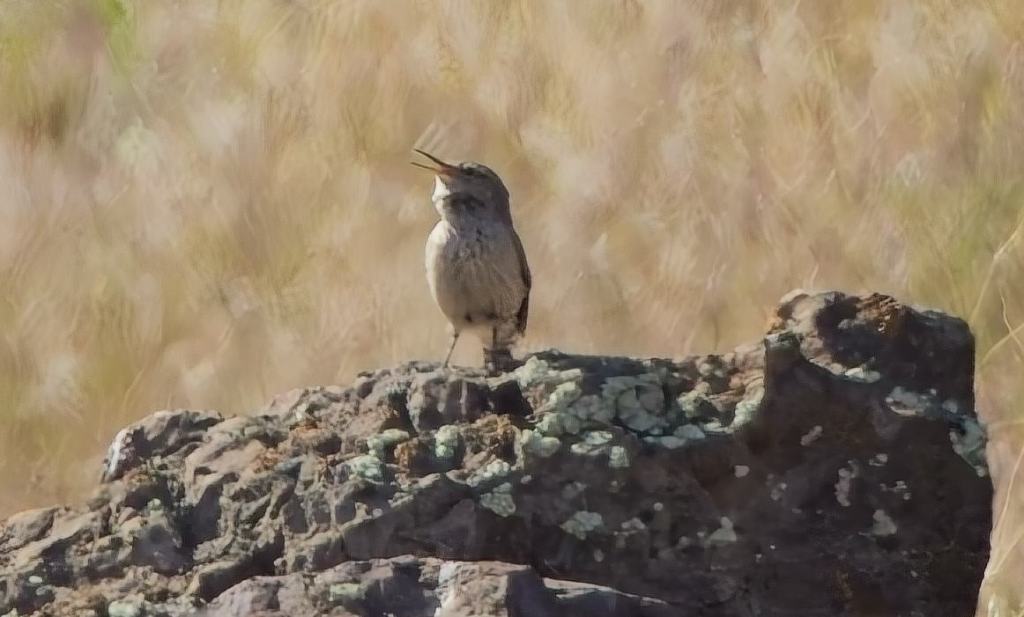
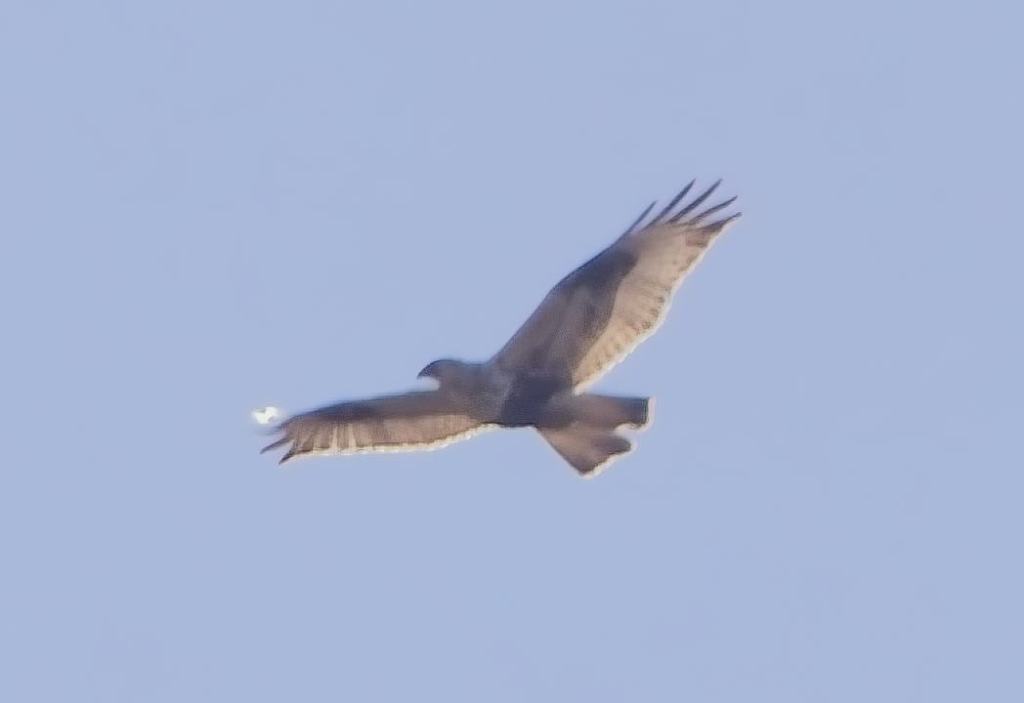
There were no exceptional sightings that day but I had seen 61 species, added 19 FOY’s and reached 200 species for Yakima County – and had thoroughly enjoyed the long day in good weather. I would be back to Eastern Washington in two days.
April 16th
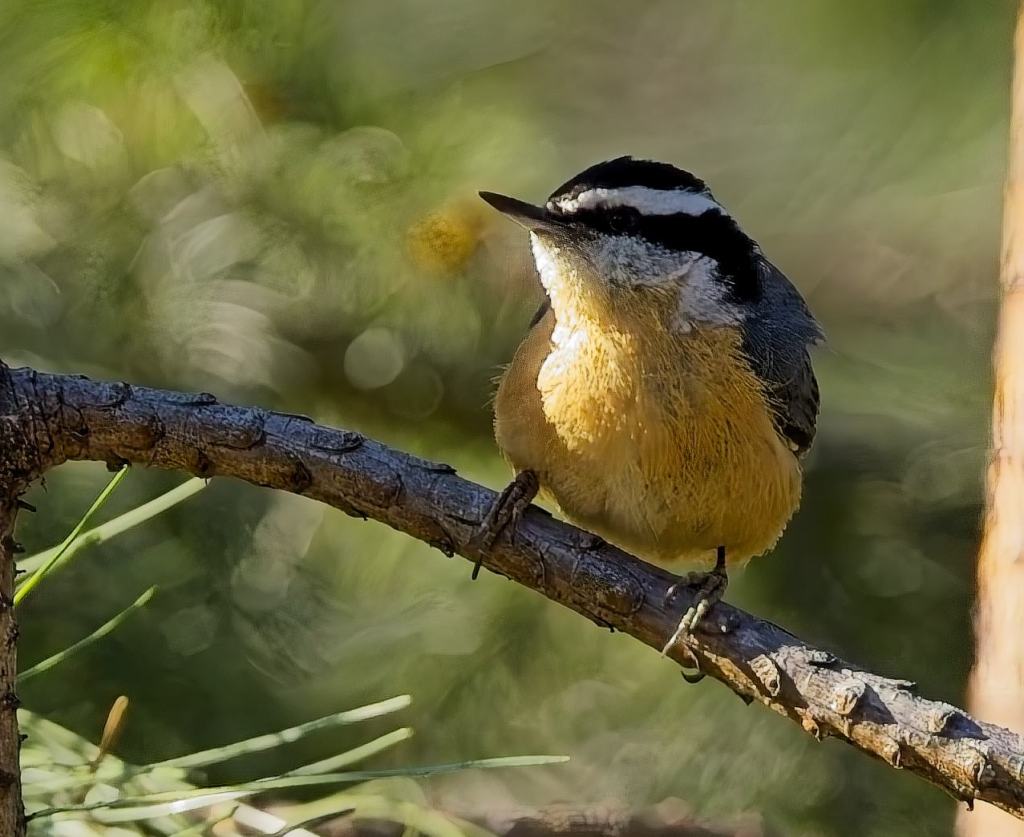
Tom St. John and I got off to a reasonably early start that allowed us to get to Cle Elum at 7:45 a.m. Based on my experience two days earlier, we decided to skip Bullfrog Pond and Wood Duck Road and head straight for the Railroad Ponds in South Cle Elum. We spent over an hour there and had 30 species. We missed an almost great photo op for a picture of a Sharp Shinned Hawk (FOY) that flew by us and perched in the open – only to fly off as soon as we were able to get cameras ready. My only photos were again of a Pygmy Nuthatch and its close relative Red Breasted Nuthatch. White Breasted Nuthatch is also possible there but I have not seen one there recently.

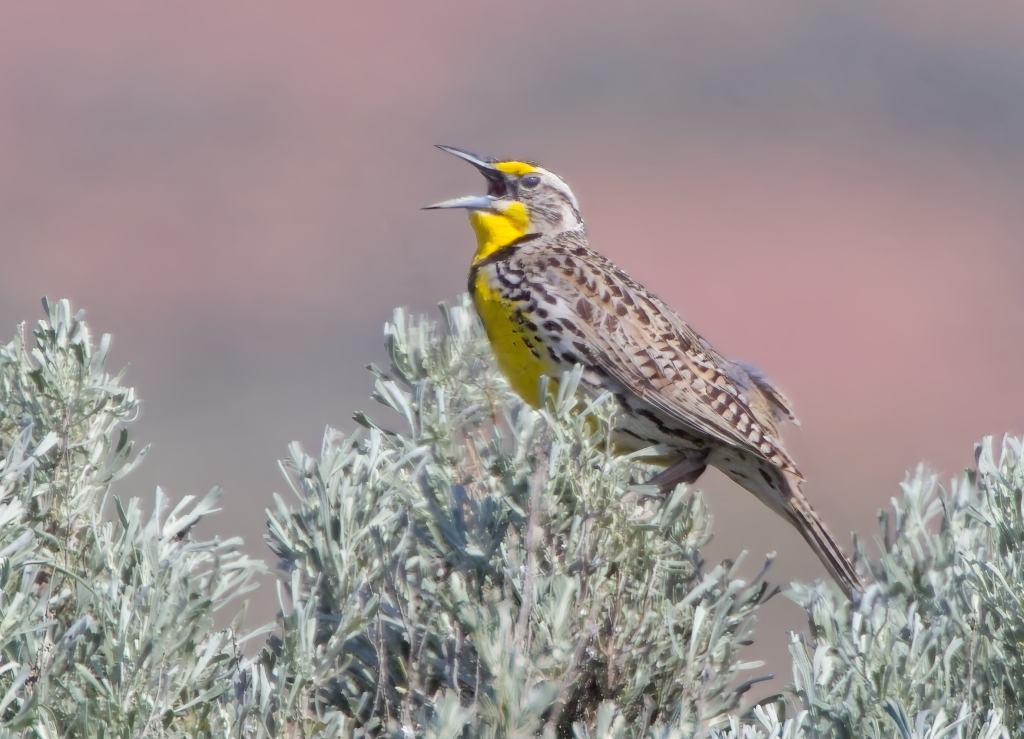
We made a quick search in South Cle Elum itself hoping for Cassin’s Finch or better yet, Evening Grosbeaks – nada. So we continued east to Durr Road. Nothing uncommon there with pictures again of Mountain Bluebird and Brewer’s and Vesper Sparrows. No Wild Turkey but a nice photo of one of the many Western Meadowlarks. We visited the reliable Osprey nest at the intersection of Canyon Road and Thrall Road and decided to then skip the sage area between Ellensburg and Vantage and head directly to Grant County across the Colombia River.


Tom and I had seen Burrowing Owls in Grant County in 2023. They are regular there in the Spring and seem to particularly like a large rockpile on Road D Northwest near Ephrata where they were being seen every day. We got to the rockpile and began our search – nothing for more than 30 minutes. Just as I was about to give up and head home, Tom spotted one flying from one rocky area to another – but then it disappeared. So we knew one was “there”, but where exactly was “there”? Tom kept watch from his spot near the road and I hiked around the entire rock pile – still nothing. I stopped at a spot maybe 30 yards from Tom and “clapped my hands” – not expected to draw out the owl, but just to feel like I was trying something. Immediately it flew up from its to us invisible perch maybe 15-20 feet from where I was standing. It had clearly been there the whole time but was so well camouflaged against the rocks, that we had missed it. It landed on a conspicuous rock at the top of the large pile in the open and posed for photos for the next 15 minutes plus. A photographer’s dream in good light.
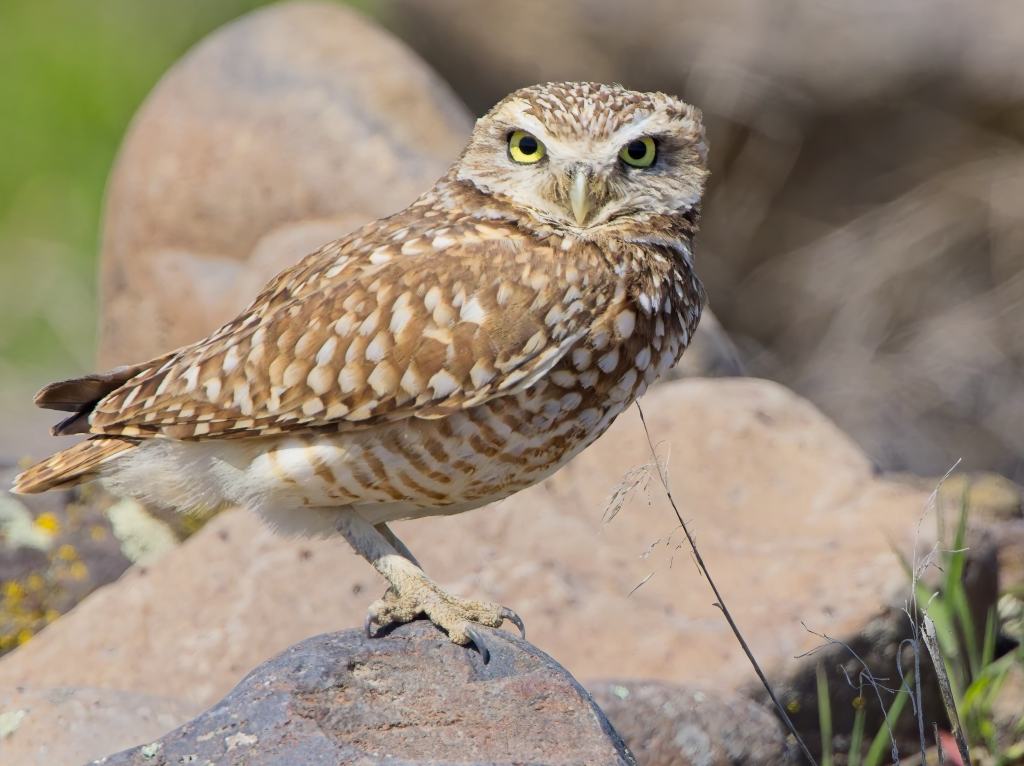


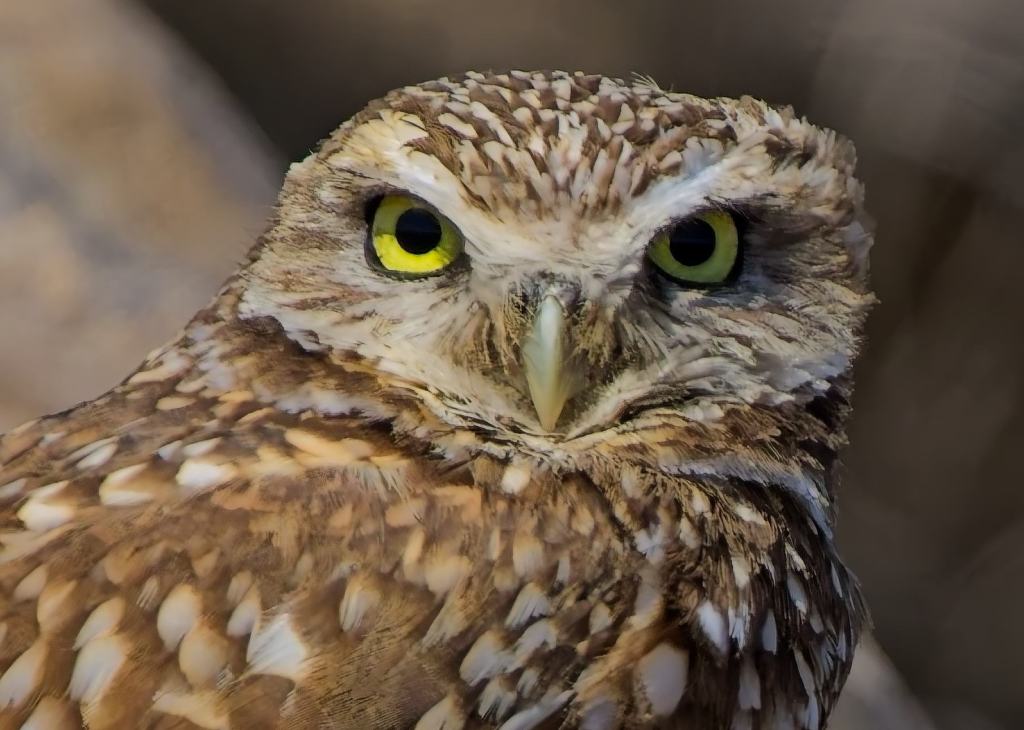
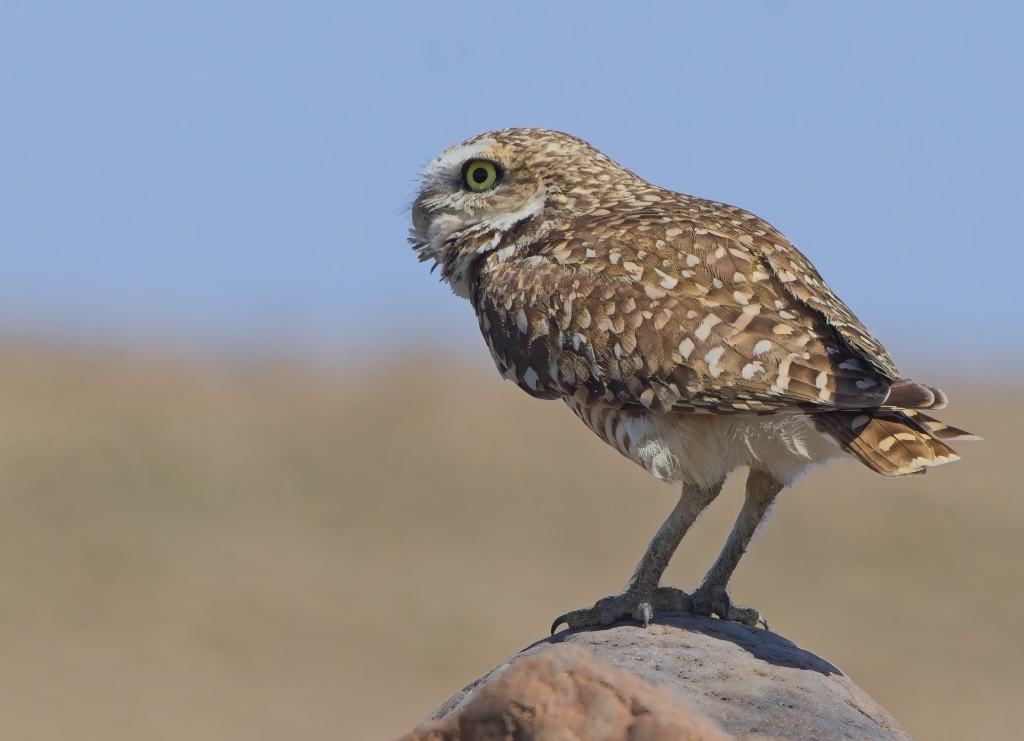

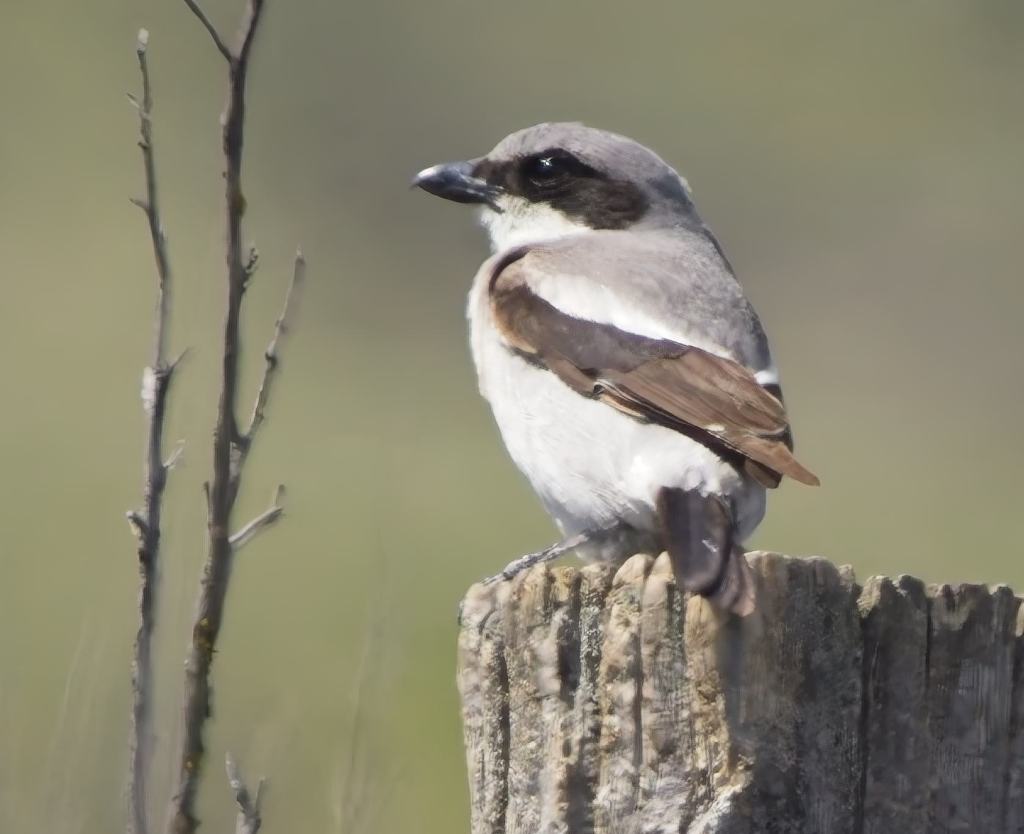
The Burrowing Owl was new for the year and I also saw an “interesting” sparrow fly by on one of my circumnavigations of the rockpile. Later I heard the buzzy call of a Grasshopper Sparrow, known to be in the area and new for the year. I had seen a report of a Loggerhead Shrike on Baird’s Springs Road not too far from us and a place I had not visited in a while. We only had three species there but one was the Loggerhead Shrike, a good FOY.
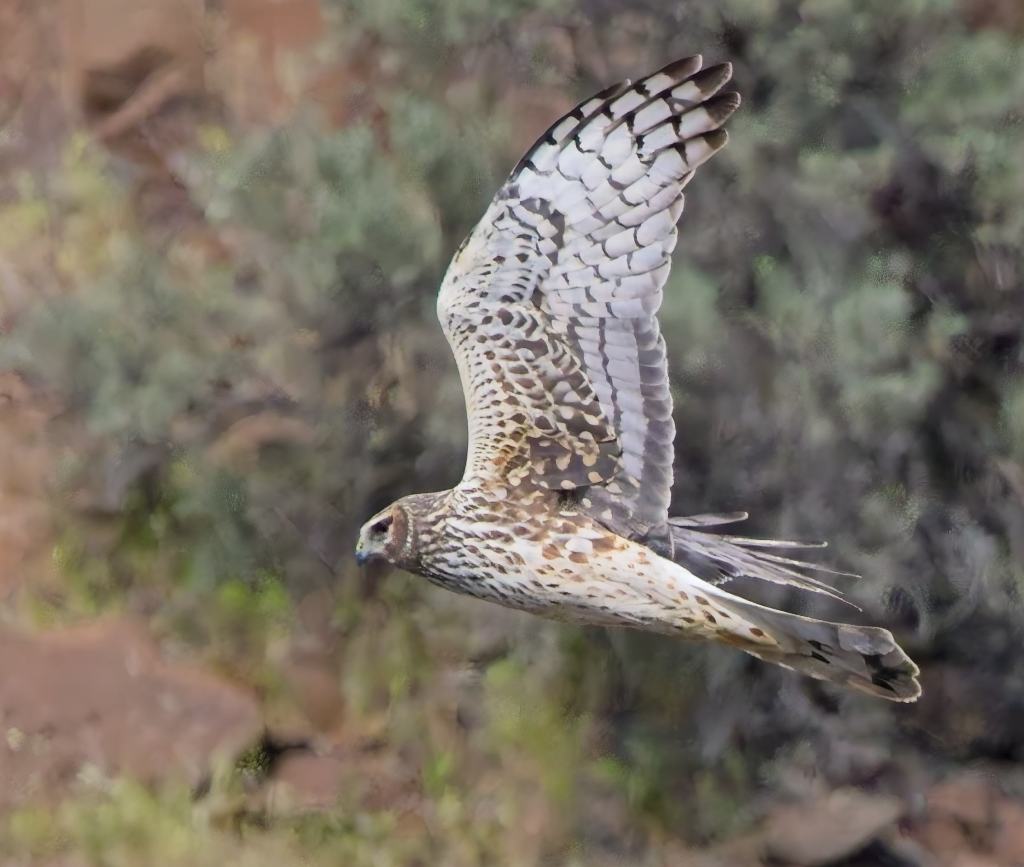
Continuing West, we stopped at Frenchman’s Coulee – no Canyon Wren or White Throated Swifts but we enjoyed distant views of male and female Northern Harriers hunting the northern canyon walls – once swooping down and apparently missing some prey animal. We crossed the Colombia where work continues on the bridge but there were no traffic delays. We briefly birded the Rocky Coulee area on Recreation Road but it was very quiet and we added only California Quail for the day. At the Wild Horse Energy site we again added a single species – Horned Lark – probably saw a dozen or so. That was it for the day – 46 species for the day including 4 new year birds for me. The highlight was clearly the Burrowing Owl – glad Tom’s patience paid off.


Cindy’s foot surgery went well but she would be wearing a heavy duty air cast walking boot for 6 weeks. She was able to walk from the start but anything major was out of the question for at least a couple of weeks. She was hoping to go on a long planned trip to Tucson with girlfriends on May 5th. Her two week after surgery visit with her doctor was positive and she got a greenlight to make the trip if she took it easy. She needed the break and was able to go. We took Chica to her favorite vacation place – Klaus Mountain Dog Ranch and that enabled me to be free for a few days and get in a trip to Okanogan and Grant Counties seeking to add new birds for the year and hopefully to add Okanogan County to my 200 species list. I had added Black Throated Gray Warbler and Cinnamon Teal to my 2025 Washington year list on short trips between my dog walking duties while Cindy was in the early stage of recovery, so my 2025 state list was at 180 species. In addition to getting to 200 species for Okanogan County, I also hoped to pass 200 species for the year for Washington.
May 5th
Cindy had an early flight out on May 5, and I was able to drop her off at the airport where a wheel chair awaited to get her to the plane, and still get a relatively early start for what was sure to be a very long three day birding trip. It had been 3 weeks since I had visited Bullfrog Pond in April. Surely some new birds had arrived. As soon as I got out of the car, I heard a FOY Yellow Warbler. Later I would hear and briefly see a FOY Nashville Warbler in addition to previously seen Common Yellowthroats and Yellow Rumped Warblers. I also had a FOY Hammond’s Flycatcher and heard a distant Red Naped Sapsucker. I was expecting Swainson’s Thrush, Black Headed Grosbeak and Warbling Vireo but had none of them. I also had my FOY Rufous Hummingbird, a good thing since the hummingbird feeders Aja Woodrow’s house in Cle Elum seemed inactive. But at the Ranger’s Station in Cle Elum I had a very active feeding flock of 25+ FOY Evening Grosbeaks. Unfortunately due to operator error later that night I erased all pictures from the first day of this trip including what may have been my best ever photo of a Rufous Hummingbird. The only photo I can add from the first part of the day is a decent shot of a Common Yellowthroat at Bullfrog Pond.

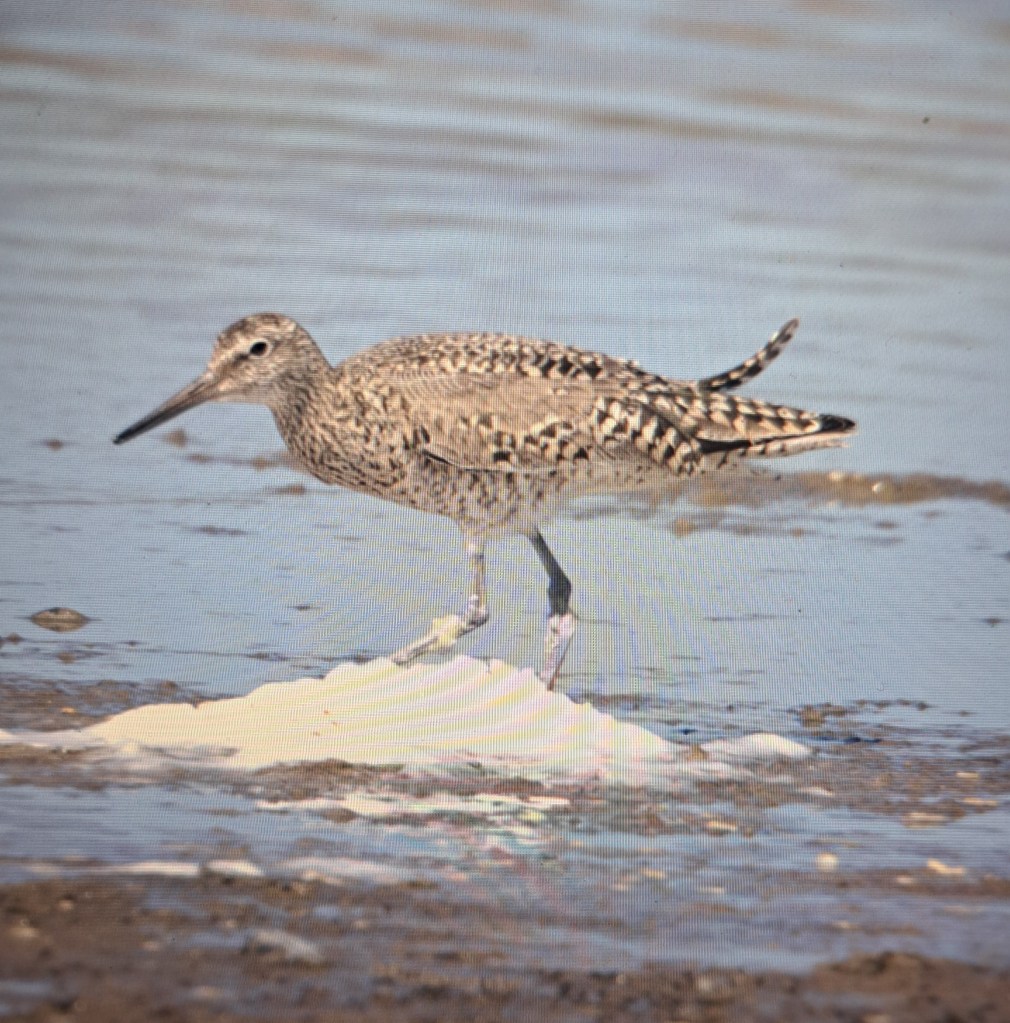
In addition to adding new species to my 2025 year list, I had defined specific goals of adding species to my Grant County List (then at 185 species) and Okanogan County (then at 194 species). I figured I would be able to add maybe 6 species for Grant County and that many or more for Okanogan County. Accordingly I skipped my usual birding haunts and following data from Ebird either for recent observations or observations from May 2024, headed to targeted spots in Grant County where my first official stop was at Soap Lake looking for new waterfowl or shorebirds for my list. On Interstate 90 on the way I had my FOY Swainson’s Hawk. At Soap Lake, I did not find any of the ones I had thought possible but did add a very surprising Willet. At the time there had been no reports of this species here so I thought I might be the first, but it turned out someone else had seen it a couple of hours before but the report had not yet been posted. Both a First of Year for me in addition to being new for the county and also my first east of the Cascades and possibly the first I had seen in breeding plumage in Washington.
Not new for the County, but new for the year, I also had Least Sandpipers and Yellow Headed Blackbirds at Soap Lake in addition to the many Ruddy Ducks and Eared Grebes in breeding plumage that are easy to find there. Continuing to look for new shorebirds and waterfowl for the County I continued north to Lake Lenore and then Blue Lake and Banks Lake. These are large bodies of water and I acknowledge that my search was not meticulous, but not much was seen. I had a surprising Peregrine Falcon at Dry Falls SP in addition to some White Throated Swifts. Along the way I also numerous FOY Western Kingbirds, often in pairs. Leaving Grant County I continued on through part of Douglas County to get to my real destination southern Okanogan County where hopes were high for shorebirds that had been reported at two places I had never visited – Cassimer Bar and the Monse River. The former was very interesting and I probably did not cover the right spots in the very large area. The latter was confusing as I never found any spots that looked like shorebird habitat. There had been reports of good target lifer species at both places from the day before.
At Cassimer Bar I did add a new Okanogan County species – a FOY American Bittern – buried and invisible but noisy in a reed bed and also a FOY Bank Swallow. I had spent more time than intended at Cassimer Bar and it was getting late. My initial plan had been to spend the night in Omak 30 miles north of the Bar. It was already 6:00 p.m. There had been a number of good reports with county lifer possibilities from Cameron Lake Road which was close to halfway to Omak. It is a favorite birding place but is mostly a dirt road and takes a long time to bird the 30 mile loop. Should I bird it now or wait until tomorrow? I decided to “go now” and that turned out to be a really good decision as I added 4 new species for Okanogan County: Lark Sparrow (also a FOY), Black Necked Stilt, American Avocet and Long Billed Dowitcher. I had photos of all of them – but with a single keyboard error, poof!! Gone. But the observations hold and now my county list was at 199!! I got into Omak at just after 9 p.m. and grabbed a late dinner at the Mexican Restaurant next to the Omak Inn where I would stay. By the time I got into my room at the motel it was almost 10 p.m. and I had been on the road for 16 hours – my excuse for the operator error deleting my photos. I needed one more species to get to 200 – many reports said that White Throated Swift was essentially guaranteed at Pipestone Canyon, That was plan for the next day.
May 6th
This was going to be an interesting day. My targeted destination, Pipestone Canyon, was about 43 miles from the Omak Inn, heading south on Highway 97 and then turning west on Highway 20 towards Twisp and Winthrop turning off to Upper Beaver Creek Road then to Lester Road and finally to Campbell Lake Road which dead ended at the Pipestone Canyon Trailhead. For the last 10 miles or more I did not see another vehicle or human being – just beautiful scenery on a beautiful day. I had never been to this area and it was easy to fall in love with the rolling hills, forests, snow clad mountains in the distance and clear blue skies. Just before reaching the trailhead I ran into a parked car. A couple was walking their dog. I was not yet sure that I was near the trailhead and they assured me I was close – just past Campbell Lake and be careful of rattlesnakes – but only later when it got warmer. The temperature then at around 8:00 a.m. was barely over 40 degrees and it felt that cold at least in the shadows of the trees in the forest.
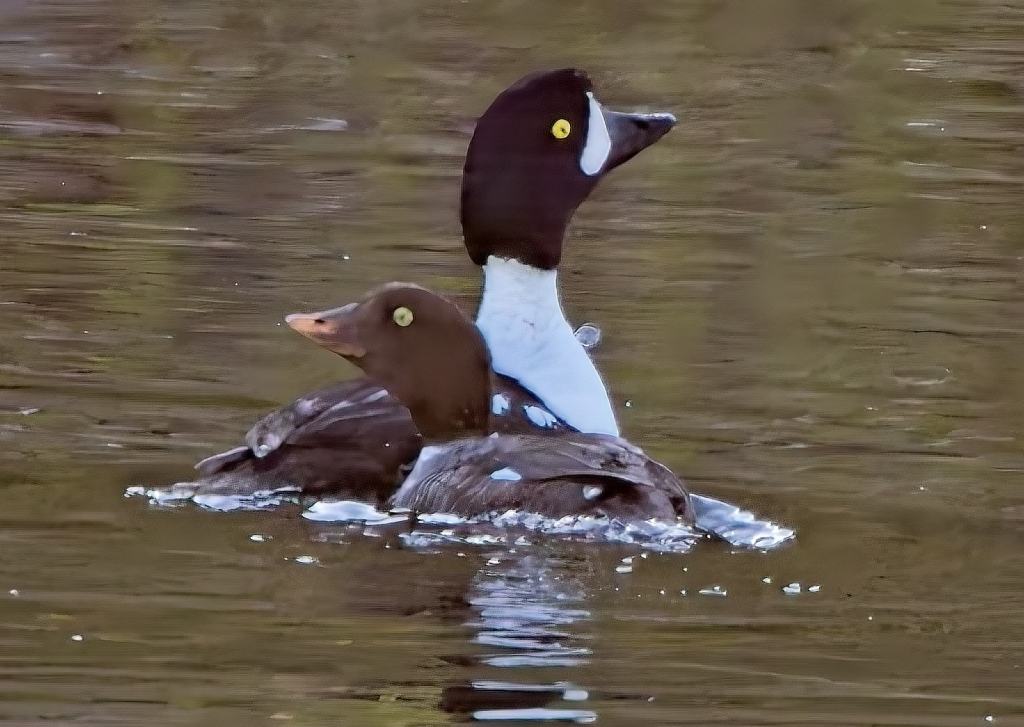
At Campbell Lake I found what I thought was going to be species #200 for Okanogan County as I saw first a female Barrow’s Goldeneye which was then joined by a male. I was mistaken as the Barrow’s Goldeneye was one of my unfound targets in Grant County the day before but had been seen in Okanogan County in June 2013. Any disappointment at that error was replaced by the very fun spectacle of watching the two ducks go through a very touching courtship ritual, the first time I had seen such a display.


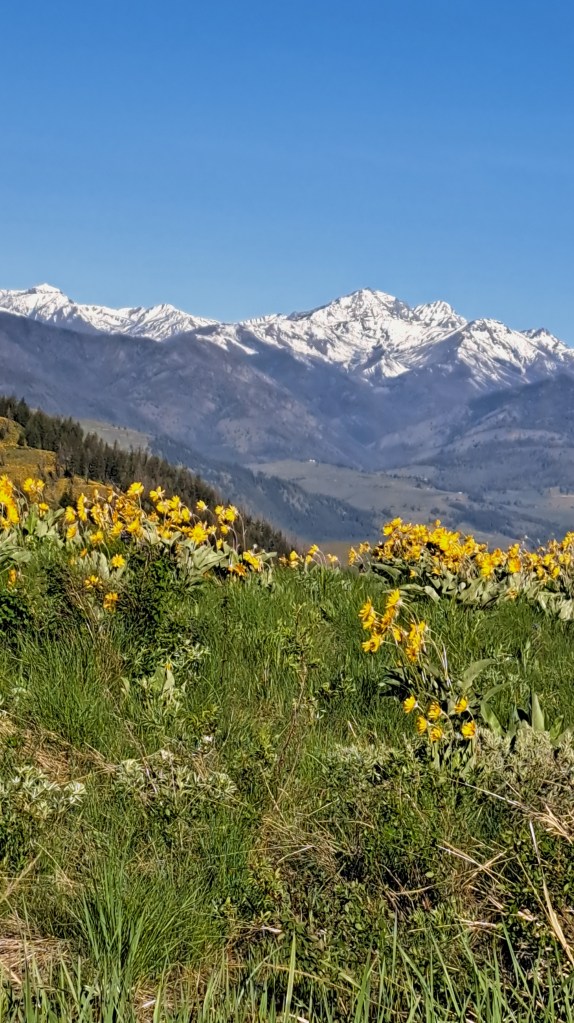
It was then into Pipestone Canyon itself. I have to rank it as one of the loveliest places I have birded. Tall trees, wildflowers in bloom, “pipestones” atop the canyon walls and blue skies. A bit cool to start and then warmer as the morning progressed. I did not see a soul for the first hour and then a mountain biker rode by, stopping for a short pleasant chat. The serenity, beauty, quiet and being alone made it a spiritual experience as my eyes and ears were concentrating on song and movement of any birds to be found. It helped, too, that I quickly found White Throated Swifts flying along the canyon walls – species #200 for Okanogan County a fait accompli.


I spent almost two hours at Campbell Lake and in Pipestone Canyon and between them had 25 species. The most frustrating one was a Williamson’s Sapsucker. I heard its slow syncopated tapping and then its “chyaah” call. It was several layers back in the trees and not visible. I heard it again and then played some drumming calls on my phone. I got a response and it flew past me, circled and returned to the distant trees. I tried again and just got the distant response, probably translated to something like – “Ha, you are not a potential mate or competitor, so forget it.” I would have loved a photo but did not want to further disturb the quiet of the place or the sapsucker. I left Merlin on sound identification mode but that was my last use of playback. Much more cooperative were the Lewis’s Woodpeckers. They seemed to be everywhere, at least a half dozen. They remained up high as they flew from tree to tree so not the greatest photos, but they are such unique woodpeckers and any photo is worthwhile.

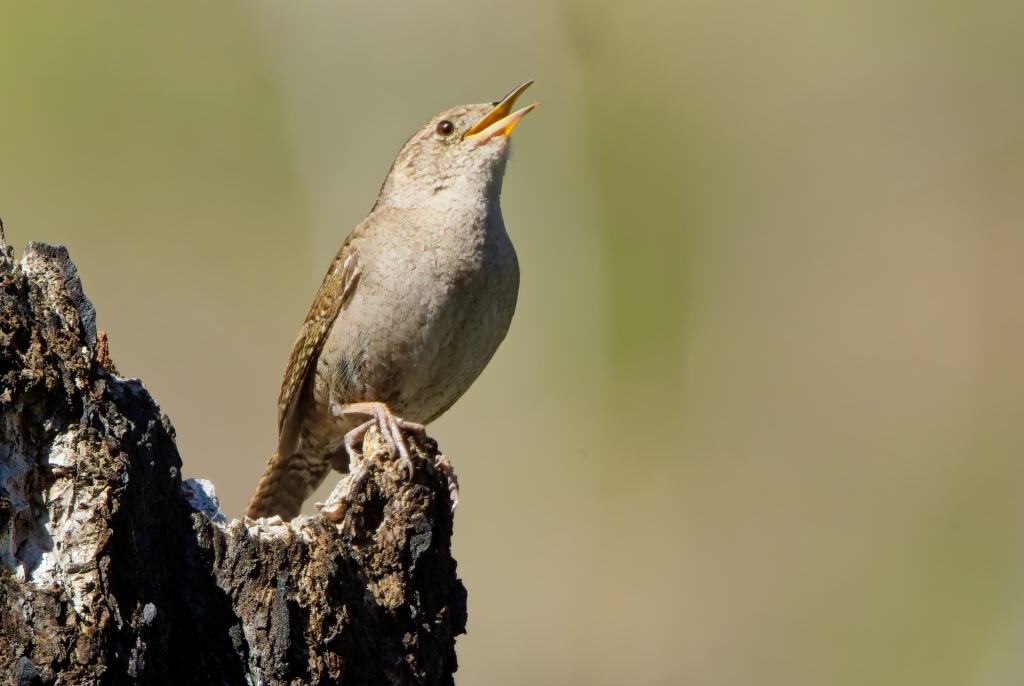
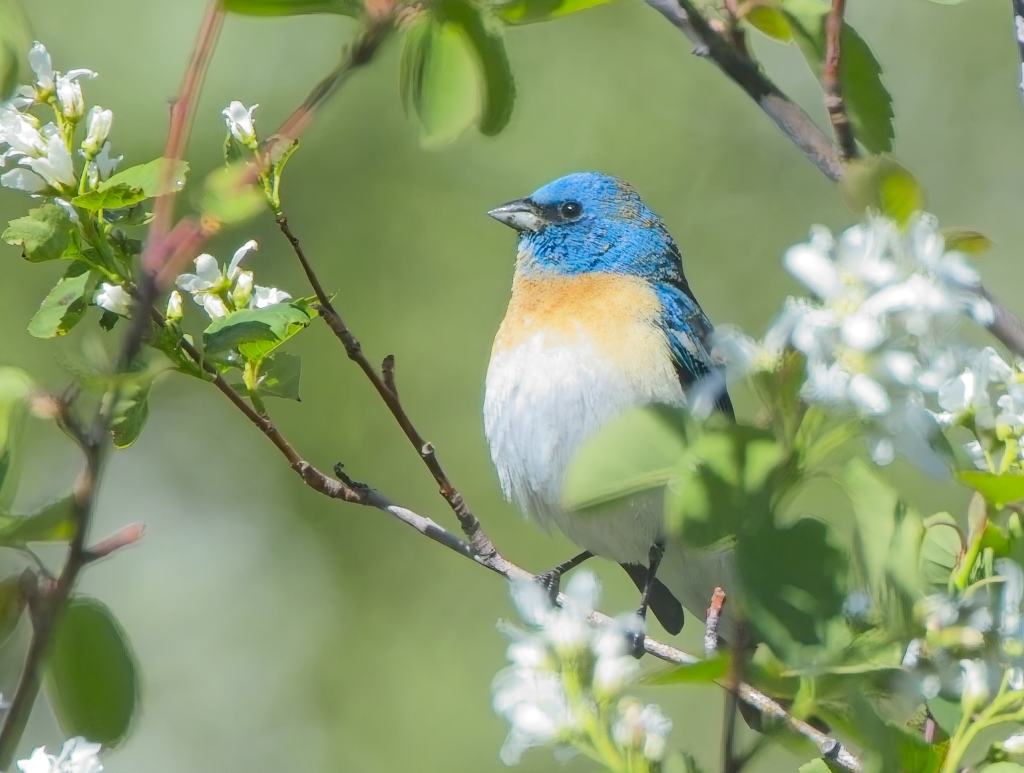
A bird that did accommodate the camera at eye level was a Northern House Wren which began singing/scolding as I passed by its favorite little area and continued for several moments. At several times during my hike, I also heard the beautiful cascading song of the Canyon Wren, my first of the year. I separated at least three calling from both sides of the canyon, up high, and I suspect there were more than that. No photos. Cassin’s Finches and Mountain Chickadees were also quite active. As I was leaving the Canyon, I heard a seemingly familiar song but as is often the case, my hearing was better than my processing and I just could not recall what it was. Merlin to the rescue as it told me that we were hearing a Lazuli Bunting. Of course, the habitat of brushy slopes was perfect, but I think I was not expecting it “so far north” or maybe that early. It was easy to track down and obliged with a lovely photo op. The Williamson’s Sapsucker, Canyon and Northern House Wrens, Lewis’s Woodpecker and Lazuli Bunting were all new for Washington in 2025.

With one county listing mission accomplished it was time to embark on a new one although I would have enjoyed more time in Pipestone Canyon. It looked like a great place for owls, but I was surprised to check Ebird records and find only a single owl species report there in the past 5 years – a Northern Pygmy Owl in November 2021. My new county listing mission was to finally do some birding in Ferry County. There are 39 counties in Washington State. As I was leaving Pipestone Canyon. I had seen birds in all of them except Ferry County. The lowest county total was a paltry 26 species for Skamania County more than half of which were from a chase to find a Hooded Warbler on the Cape Horn Trail in July 2013. Twenty-six is a bit embarrassing but ZERO is downright shameful. I had another day and a half of “freedom” to keep on birding, so it was time to bird in Ferry County which was the next county to the east of Okanogan County. Well it may have been the next county east but Okanogan is a big county and there are just not that many roads between the two, so to get to Republic in Ferry County was going to be almost 100 miles and take almost two hours.
And it would have taken just those two hours except…as I was heading out on Campbell Lake Road, a small deer bounded out in front of me coming from brush to the right of my car. I was not going very fast – maybe 30 mph, but I most definitely did not want to hit that deer having had a disastrous encounter with a small group and avoiding three but hitting one five years ago near Cle Elum. I braked and swerved to the right and thankfully missed the deer. BUT…the road was narrow and there was almost no shoulder so I ran into some of the brush that had hidden the deer. I hit it so softly that I honestly felt that at most there would be some scratches. Today’s cars however are pretty flimsy, plastic not metal, so there was a dent – actually more like a puncture in the passenger side front fender as shown below.

At first I had not even gotten out to look at the damage – expecting just a scrape as indicated but a warning light on my dashboard told me that my front right turn signal was not working, so I got out to check and got the bad news. But OMG it could have been so much worse as there was zero impact on drivability. Had it been worse it would have been a disaster – miles from anywhere, no cell reception, and no traffic on the road over the last few hours other than that mountain biker and the dog walkers. Nothing to do about it then, so I got back into the car and headed towards Ferry County.
It was just after noon when I added my first birds for Ferry County as I drove into a forested area on a side road just off State Route 20 near Republic. I think the first species was actually an American Robin and it was then followed by Mountain Bluebird, Mountain Chickadee, Red Breasted Nuthatch, Pine Siskin and Yellow Rumped Warbler. Nothing exciting but at least I was on the board. I had not planned any specific birding in the unfamiliar county and did not know of any don’t miss hotspots, so I just kept birding as I drove on stopping at a couple of ponds/small lakes along the road.
I added a species here and a species there with the first species of note being my FOY Sora heard whinnying at one of the roadside ponds. I had at least 4 more Soras at other stops – all heard, none seen. The only other noteworthy species for me was my first Blue Winged Teal of the year, seen together with Cinnamon Teal at one of the ponds with Sora. Altogether I had 44 species with the last being a Northern Rough-winged Swallow at the Keller Ferry which would take me across the Columbia River to Lincoln County.


It was 5:30 p.m. when I drove off the ferry onto Lincoln County. Now what? My county list for Lincoln County was an unimpressive 137 species mostly (99 species) from trips in May and June when I was birding along the way as I was heading to Spokane or Pend Oreille Counties with the others being from October again as I was headed to Pend Oreille County. My options were either to continue birding in Lincoln County spending the night who knows where or to continue on back to Grant County and try once again for some new birds there to at least get in sight of 200 species (then being at 186). I made it back to Soap Lake where I spent the night at the Masters Motel – let’s just say it is “dated”.
May 7th
My motel was just across the street from the south end of Soap Lake so I was there early hoping for something new. No Willet this morning but I did find a FOY Semipalmated Plover which I thought might be new for the county but saw that I had one there in September 2022 – it is not common. It was surprisingly my first for the year – I have not yet visited the Coast. I then moved on to first Lion’s Park and then Oasis Park in Ephrata – places that are migration traps and my hope was to find Nashville and or MacGillivray’s Warblers, both of which had been reported there earlier in the week. I missed both of those warblers but had a quick glance at a Townsend’s Warbler which was new for Grant County. My best sighting was of Matt Yawney who also could be called “Mr. Grant County”. He is a great birder and I am sure has the largest list for Grant County and has also found many rarities. As I was talking with Matt a pair of Western Kingbirds flew into the tree right over my head – an irresistible photo op. I also had a FOY Western Tanager there.


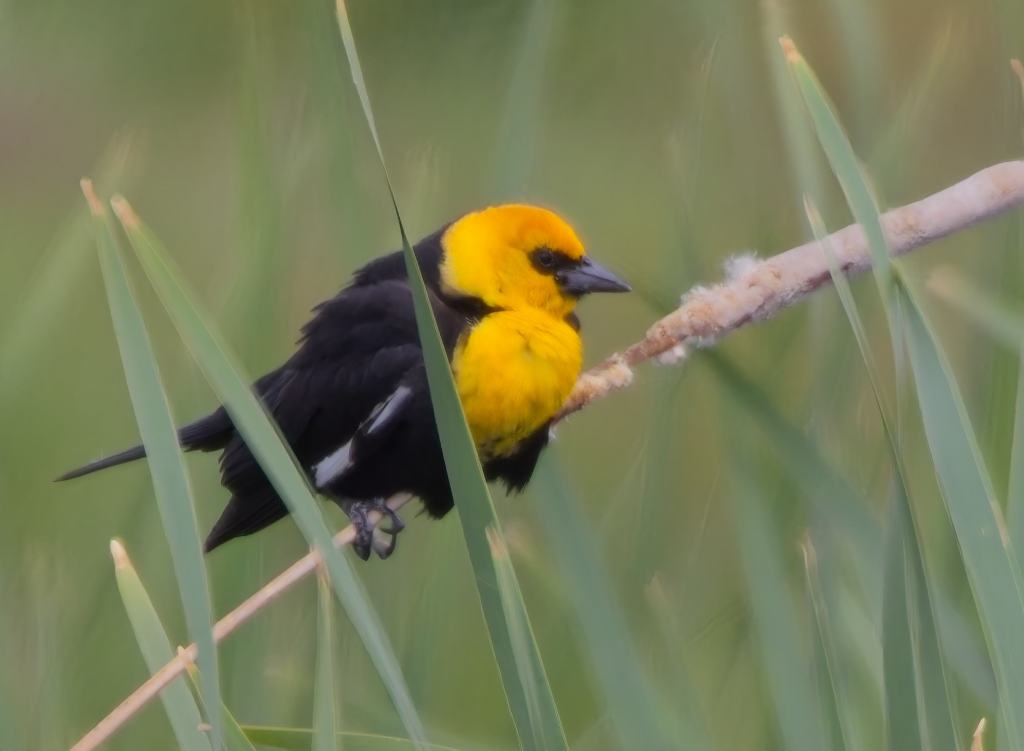
I checked recent reports and did not find any realistic opportunities to add new species for Grant County so I decided to go to some of my regular Grant County stops and maybe add some new year birds and to include Sentinel Bluffs – a birdy area south of Vantage that Matt said might be a good bet for a Nashville Warbler. My first stop was at the Warden Lake Access Road. The only new bird was a FOY Ring Necked Pheasant and I also got photos of one of the very loud Marsh Wrens and Yellow Headed Blackbirds and a posing Western Meadowlark.

My next stop was at Lind Coulee where I hoped to find Clark’s Grebe or any tern. No birds in the water at all except a Double Crested Cormorant. Then it was on to Potholes State Park stopping at both the boat launch in the park and also the one at the Blythe Public Access just before the park itself. At the latter I had my first Spotted Sandpiper of the year and then had a real treat. No Clark’s Grebe but I got to watch courtship behavior between two Western Grebes. They never got to the point where they would dance/run across the water but the interaction was very fun.

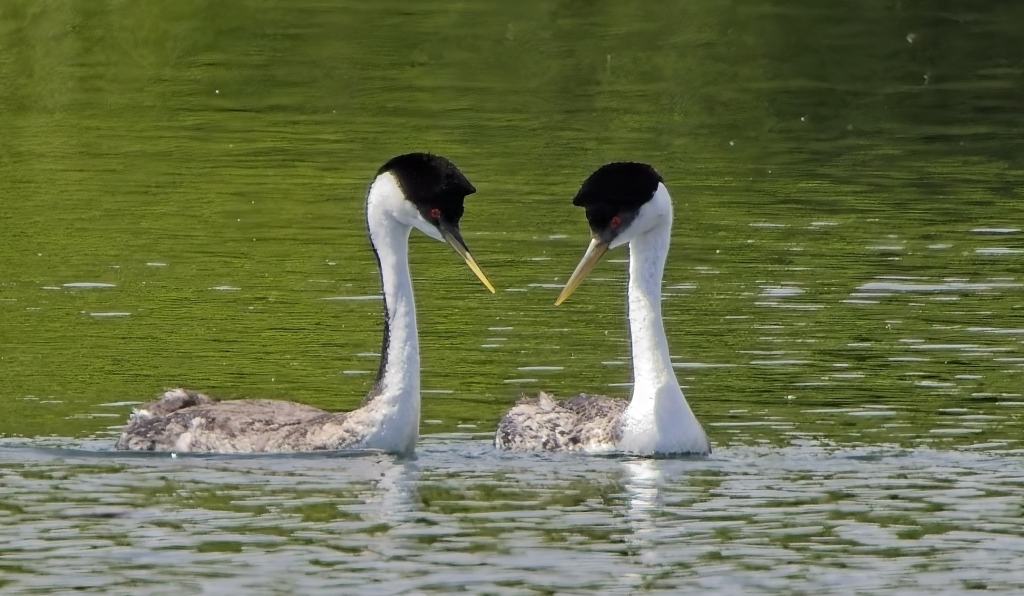


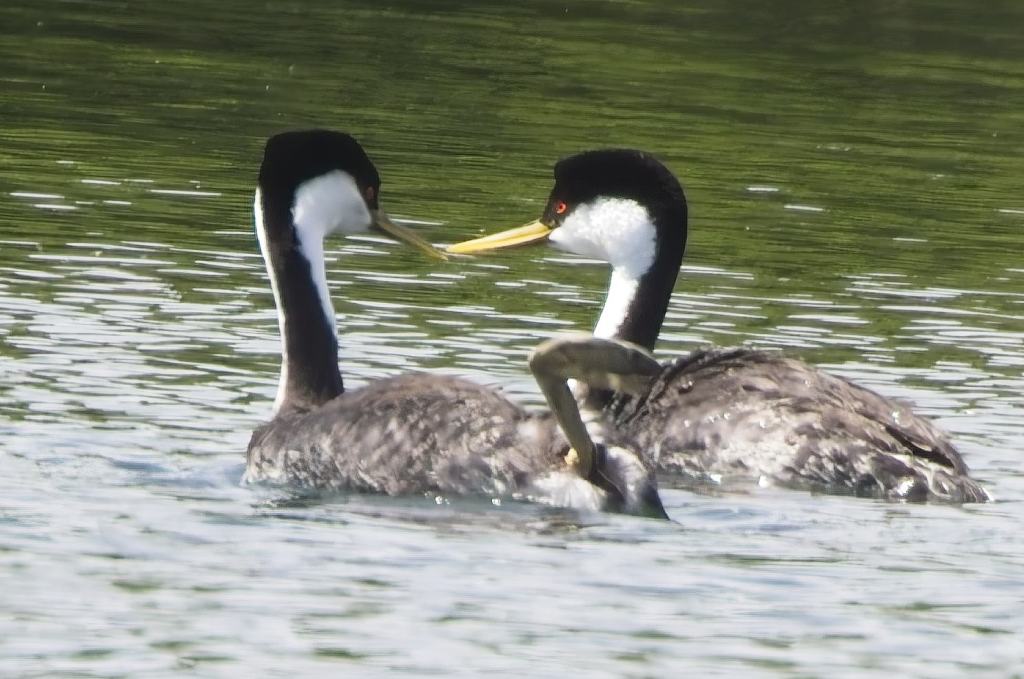

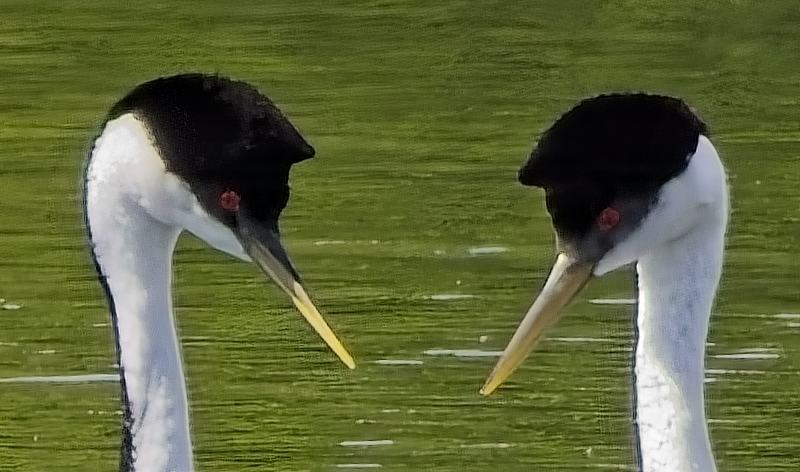
I moved on to the Potholes State Park itself hoping for some warblers in the trees. Passerines were almost totally absent, although I acknowledge that I may not have been as thorough as I should. At the boat launch I found no terns only a couple of California Gulls, numerous Ring Necked Gulls and distant grebes that all seemed to be Western. But there were two more Spotted Sandpipers that took turns with a Least Sandpiper parking on favored rocks.
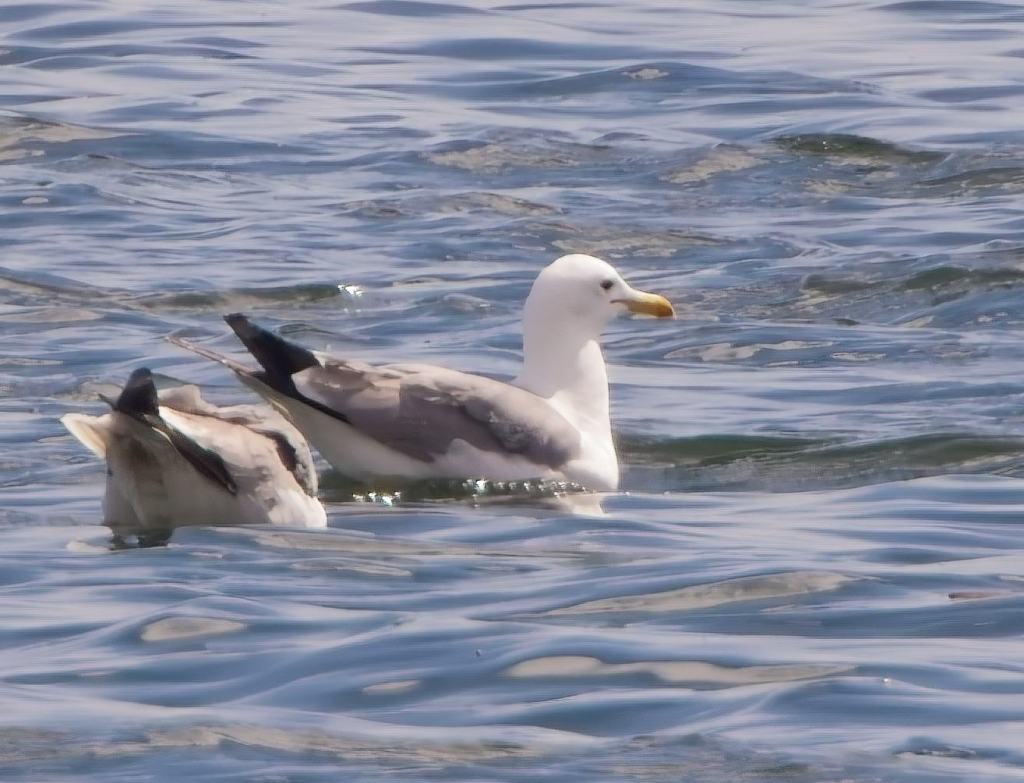

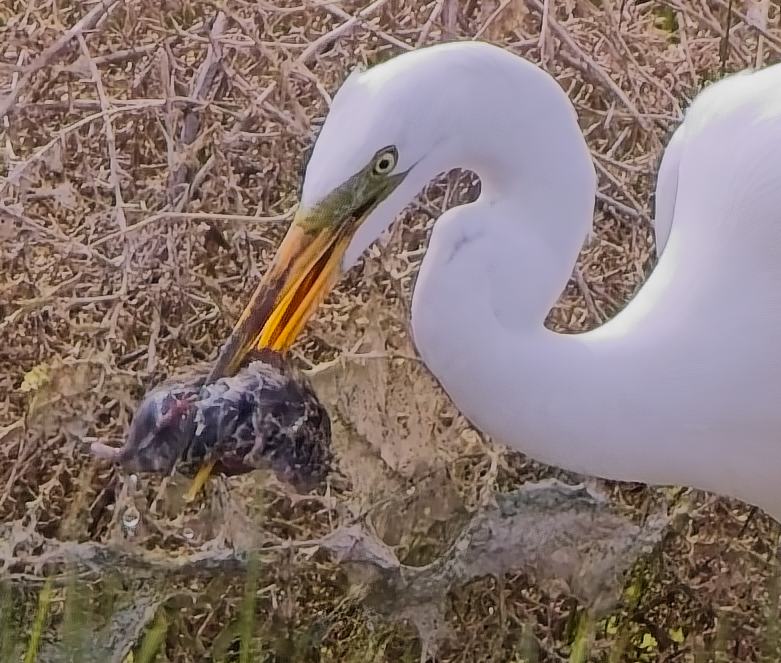
At Para/McCain’s ponds, I could not find any Tricolored Blackbirds but there was another surprise Willet – new for Adams County, and I was treated to a show of a hunting Great Egret that stalked quietly for a few moments and then with a lightning strike caught some kind of rodent. There was also a large number of Long Billed Dowitchers – maybe 100.

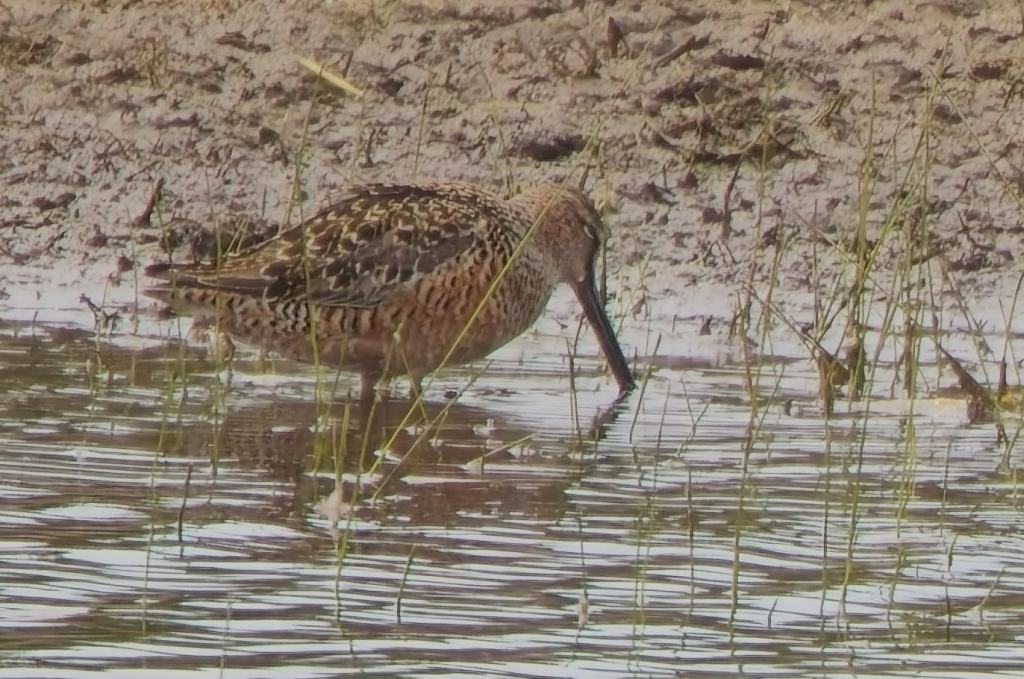



My next stop was at the County Line Ponds back in Grant County. This is a usually reliable place for Black Necked Stilts (there were at least 9), American Avocets (there were at least 2) and Wilson’s Phalaropes – FOY – (earliest and there were 3) and Red Necked Phalaropes (later none). Sometimes, and this was one of those times, you can find an American White Pelican – FOY.


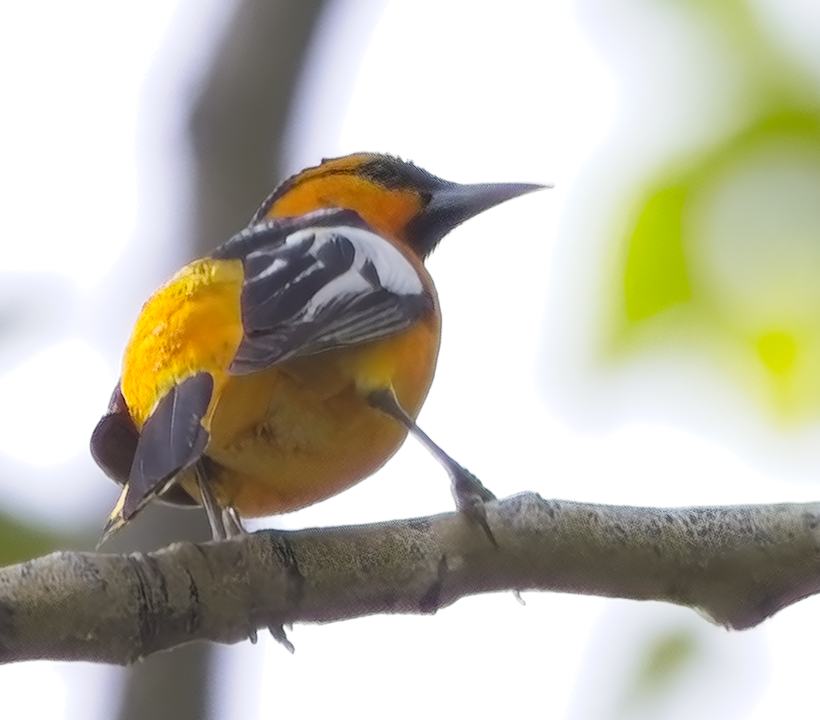
My next and last stop in Grant County was at Sentinel Bluffs. I picked up my first Bullock’s Oriole of the year and yet again failed to find a Nashville Warbler, thus ending my Grant County list at a disappointing 187 species. A good if somewhat scary experience occurred when I inadvertently got too close to an unseen Bald Eagle nest. As I was concentrating on shrubs and trees looking for passerines, I heard a Bald Eagle calling not far away and then closer and closer. Both adults were unhappy with my unintended intrusion and continuously circled back and forth overhead getting perhaps as close as forty feet as I retreated when I realized what I had done. Eagles are big birds and look really big when they are that close and looking right at you – and are unhappy!!
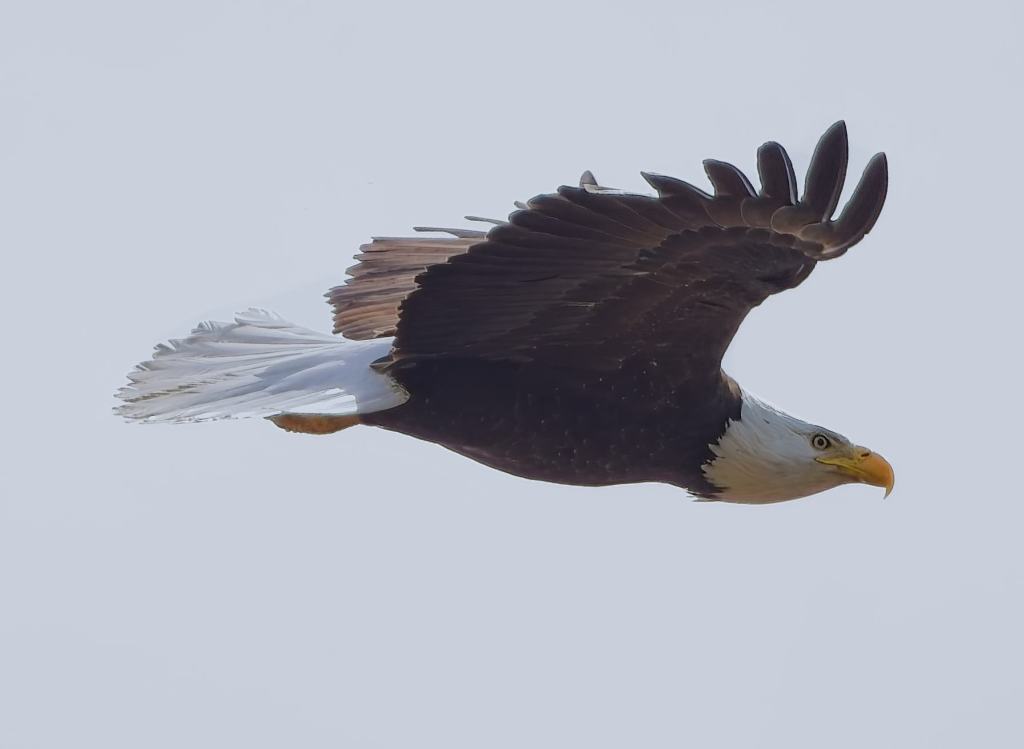
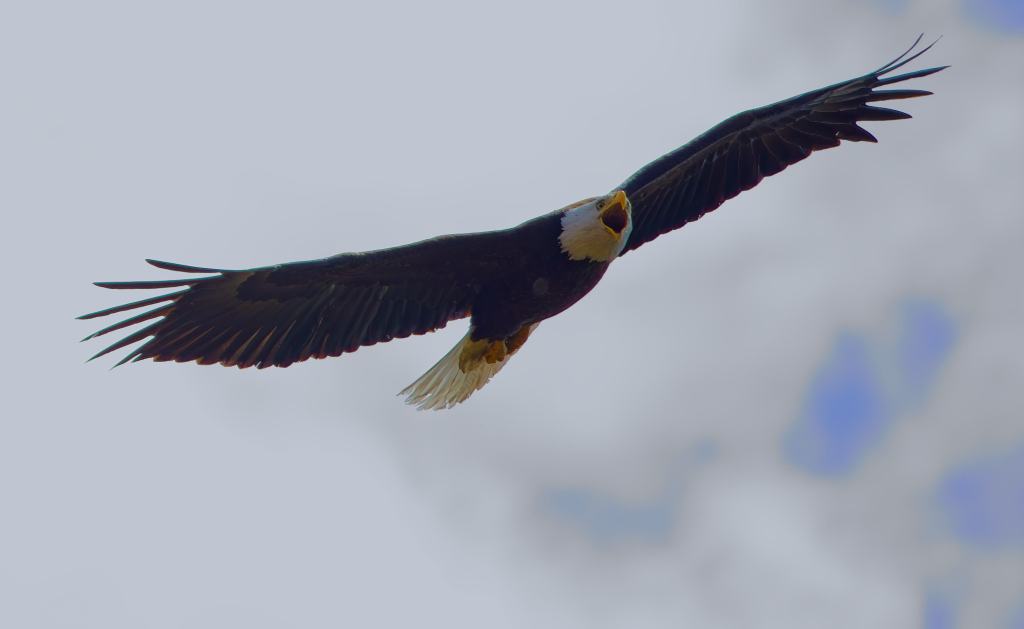
The eagles were a good close to my three day birding trip. There had been great experiences (definitely not including the car vs. brush incident), some great birds, some nice new county birds for Okanogan and Ferry County and not enough new County birds for Grant County, The interactions with the hunting Great Egret and the Barrow’s Goldeneyes and Western Grebes as they courted each other and then with the Bald Eagles as they chased me off were special. Finding Willets first at Soap Lake and then at Para’s Ponds were the rarest moments. For the three days I had seen 123 species of which 29 were new for me in Washington for 2025. I had gotten my targeted 200th species for Okanogan County and finally seen some birds in Ferry County. I had visited beautiful places, banged up my car, put on a lot of mileage, eaten some rather unhealthy food, had too little sleep and very much enjoyed myself. Adding species seen on those earlier trips in April would have only brought the total to 140. An interesting aside – at least to me – is that there were 19 species of duck seen on my three day trip.
I am hoping to get back again this month to look for some of the newly arrived migrants and maybe to find some owls. As indicated previously a trip to Colombia is scheduled for late June and there is a possible trip ahead to Brazil in October. My world list for the year so far is 342 species. If all goes well on those two trips and with some more Washington birding maybe 1000 is possible which I hit in 2023 and 2024, but that number really matters not. I hope to add a number of new world lifers and world life photos – and just to enjoy the journey! That’s birding!
 blairbirding