It has been almost 30 years since I was last in Japan and over 40 years since I last birded there. That birding was a one day happening during a longer vacation visit in July of 1983 with my former wife, Mary, that resulted in a Japan life list of 30 species and far more importantly the creation of one of the most important people in my life, my daughter, Miya who was born in April 1984 – do the math. At that time and on the later visit ten plus years later, building a birding life list was just not on my mind. I had done a fair amount of birding prior to that including some international birding in Jamaica, Trinidad and Hong Kong and had been to some ABA hotspots in Arizona, Texas and Florida and had a respectable life list of 750 species. Adding 30 species in Japan was great, but honestly at that time, pre-dating Ebird, I really had no idea of what my numbers were and whether a new bird was a “lifer” or not. And, oh yeah, that was before the age of digital cameras and my life photo list was – ZERO.

Fast forward to 2025. That daughter is fully grown, a professor at Harvard Medical School, practicing as a Pediatric Neurologist at Children’s Hospital in Boston with a great husband and two great kids of her own, and I know it can’t be impossible but is now 40 years old. Yikes. Sadly Mary and I have gone our separate ways but happily six years ago Cindy Bailey came into my life, we got married and have been very fortunate to have traveled the world often centered around my birding trips and while she is not a “birder”, she has learned much about birds and birding and if she kept track, which so far she does not, she would have a life list larger than the one I had before Japan. I have definitely acquired a camera and definitely keep and care about a life list and a life photo list, and after this trip the former is now over 3700 species and the latter over 2400 species. Cindy has acquired a camera, too, and that has definitely raised her interest in birds – at least the charismatic ones as opposed to those LBJ’s – little brown jobs.
2024 was an especially fortunate and productive year for travel with visits to Chile, Argentina, Ecuador (including the Galapagos Islands) and Uganda. Those were all bird rich countries and my bird list for 2024 was over 1400 species, by far the most I have seen in any one year. Despite having been to Argentina and Ecuador before and having birded extensively in Tanzania and Kenya with much overlap with Uganda, I still added 400 species to that now important life list. Yes my daughter is really 40 and in a few years, I will be twice that, so who knows how many birding adventures lie ahead. While I would love to get to 5,000 species, I think that is unlikely so I have lowered my aim to 4,000 hoping in addition to significantly raising the number of species photographed to get to 3,000. I am pretty sure the first goal will be reached and since I did not take any photos in the early years, while repeat trips to bird rich places like Costa Rica and Australia may not add all that many “lifers” seen, the opportunity to add new photos is pretty good and both of those places are on our “want to visit list”. No guarantee and it won’t be easy, but I think 3,000 is doable.
So now you know some goals and aspirations that have been in place for a while and will guide travel planning for the future. How does/did Japan fit into that picture? Especially given the overlap with birds seen previously in Japan and Hong Kong and elsewhere in Australasia, from a numbers perspective Japan is not a target rich environment. When first thinking of the trip I thought that 50 new lifers were possible but something closer to 30 was far more likely – small potatoes compared to possible trips to Southeast Asia, Colombia, Brazil, India, or China, which could each add 100 to 200 species to those now important to me life lists. Forgetting the birds for a minute, Japan is a fascinating place with a unique culture and history. I have been fortunate to have been there to see the cherry blossoms and the fall foliage – well worth a visit. And Cindy had never been to Japan, or anywhere else in Asia, so that was appealing. But visiting Japan when the cherry blossoms are out, or the foliage is in full color means gigantic crowds and peak season expenses and high temperatures and high humidity – not very appealing. How about in the winter? There would be smaller crowds; lodging would be available and less expensive. OK, it might be much colder, but there would be no humidity or temperatures in the 90’s. Those factors went into the plus column. And there was more thing – a small black and white duck that had been at the top of my birding list for many years – a species that breeds in the far north, is almost never seen in the U.S. outside of remote Alaskan islands, and with good planning is a certainty in Japan – but only in winter.
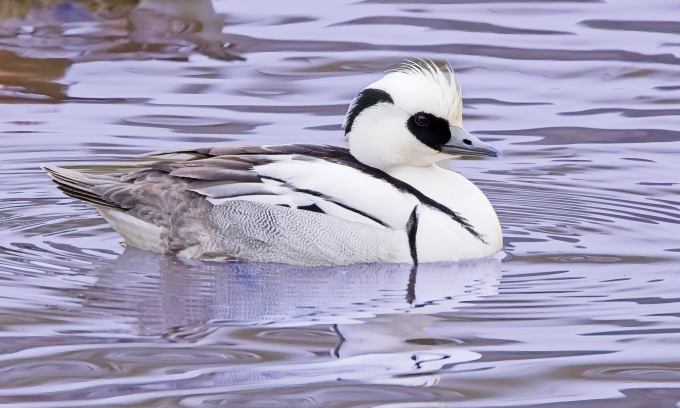
On our first date I learned about Cindy’s passion for dogs – especially Black Labs, like our dog Chica; and she learned about my passion for birding. At that time, I knew nothing about dogs and she knew nothing about birding. Also at that time, I told her that if I ever got word that a certain little duck was reported anywhere in the U.S. outside of Alaska, I would immediately drop whatever I was doing, go pack, grab my gear, book the next available flight, and go chase it – but only if it was a male!!! That bucket list bird was a Smew, a small merganser duck. The female is quite non-descript with some rust or chestnut on its head with some feathers sticking up in front of its eyes but otherwise a pretty drab little girl.

The male features only two colors – black and white – and a crest, and yet somehow, evolution had combined those two colors and that crest to perfection. A male Smew is striking, gorgeous without being ostentatious, perfectly patterned and for whatever reason it had become my dream bird. I showed her a picture and she sort of understood my interest and at least acknowledged that it was a pretty good looking bird. I should add that later I would show her Harlequin Ducks, Hooded Mergansers, and Wood Ducks, and if she were being honest, the Smew would likely rank lower than all of them. Yeah, those ducks are spectacular, in a showy kind of way, and maybe if I lived elsewhere and had never seen them, one of them might top the bucket list, but those birds can be found easily, and a Smew is definitely not easy. There have been only 2 or 3 sightings of a male Smew in the U.S. outside of Alaska in the last 34 years. The only photos are from a male seen along the Columbia River in Oregon and Washington in 1991. I was in quiet mode for birding at that time fully concentrating on work and young kids, and I did not even hear of its existence. If I had, without there even being a bucket list, I would have traveled to see it.
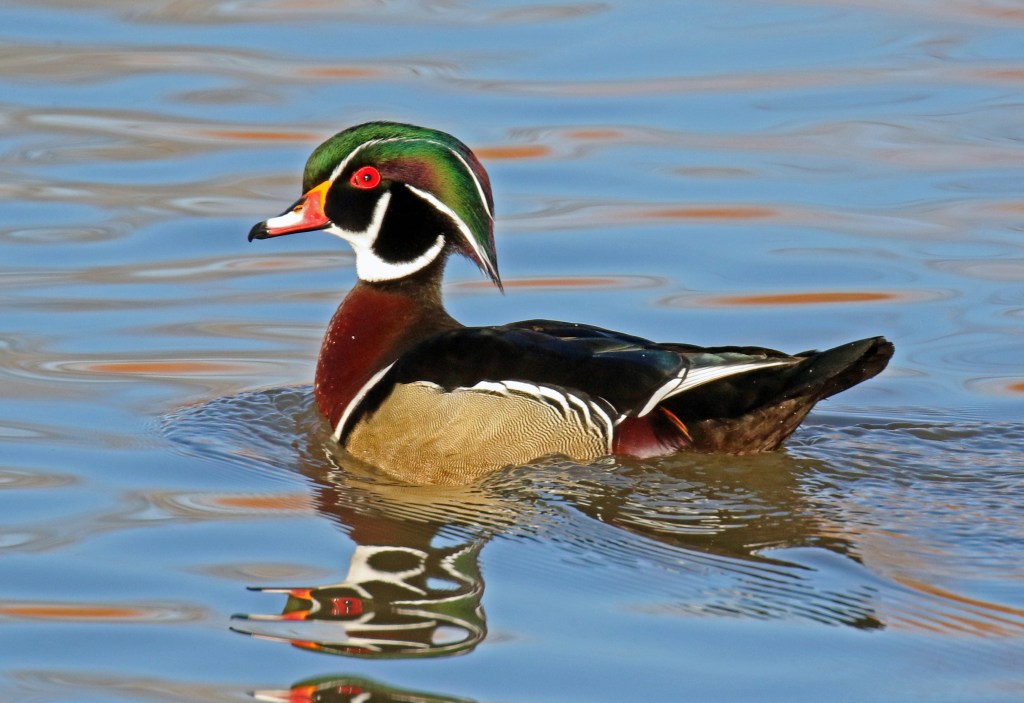


For me, the Smew would have been enough, but it helped to sell the idea to Cindy that there were some other great birds to be seen in Japan – only in the winter – several species of cranes, two very cool owls, two very impressive eagles and some other ducks that, although not nearly as cool as a male Smew (at least to me) were pretty awesome – Baikal Teal, Mandarin Duck and Falcated Duck to name just a few. There would be no cherry blossoms or fall foliage, but even in winter the many cultural sights of Japan, the temples, the castles, the gates and gardens, the Bullet Train, the Ryokans and Onsens, the geishas and maikos of the Gion district and even the awesome department store – Takashimaya – were well worth experiencing. Cindy was sold. We would be going to Japan. Now how to do it.
I have gone on birding tours with many of the large bird tour companies. They offer birding trips to Japan in winter, but Cindy and I agreed that we did not want this to be 2 or 3 weeks of just birding. We had hired independent guides before and agreed this was the way to go. One of the lead guides for Wings Birding Tours is Susan Myers who leads their Japan trip as well as many other tours in Asia and Australia (her native land). I had met Susan many years ago in Seattle when she was living there and thought she would be the perfect private guide scheduling a trip after her Wings tour. But she had other engagements and suggested her local Japanese co-leader, Koji Tagi. It turned out to be the perfect solution as he was available and put together a great itinerary that would include 7 days of birding on three of Japan’s main islands, Kyushu in the south, Hokkaido in the north and Honshu in the middle. We would then have 3 or 4 days for sightseeing on our own in Kyoto. Most importantly, Koji-san almost guaranteed we would see the Smew. Airline tickets were bought, details were filled out, and our lodging in Kyoto was committed. Koji would meet us at Haneda Airport near Tokyo on February 2 with us flying there nonstop leaving on Delta Airlines on February 1st at 11:30 AM It was only a 10 hour flight but since we were crossing the International Dateline, we would lose a calendar day arriving at 3:30 PM too late for anything but meeting Koji (fortunately he was there as promised), checking into our first Hotel – very nice within the Airport itself, and getting some dinner. Birding would start on January 3rd.

February 3, 2025 – A Good Day for Ducks
There have been times on my previous birding trips with tour companies or private guides when movement from one part of a country to another involved air travel, short domestic flights. Otherwise all travel was on the road by car with the guide/driver or depending on the size of the group, by van or safari vehicle. This trip was going to be different, utilizing two domestic flights, and with some private car travel (rental cars) but otherwise using Japan’s well developed rail system. Our first foray exposed that to us immediately as we would be traveling by rail from Haneda Airport to Odawara, a “town” of almost 190,000 people on Sugami Bay, southeast of Tokyo. We had chosen a flight into Haneda airport instead of Narita airport (the other large airport serving Tokyo) to be closer to Odawara and the Yokohama area where we would bird later, but it was still more than an hour to get to Odawara by train. I had impressed on Koji early and often that unless we had a decent look at a male Smew, the trip would be a failure. He did excellent work tracking sightings of the species in Japan before our arrival and had changed our itinerary to begin at the Odawara Castle accordingly because a pair of Smew had been seen there regularly, and if there, should be pretty close for a photo op. There is never a guaranty that any bird will be at any particular place at any time, but they are often creatures of habit, and our odds were good – better than 50/50.
There are many restored castles in Japan, drawing many tourists especially at Cherry Blossom time. If this had been a sightseeing trip only, it is unlikely that the Odawara Castle would be the castle we would have chosen to visit, but since it was our top Smew viewing spot, it was a great place to go with a view of the castle as a bonus. It was a short walk from the train station and the weather was good – no rain, no snow, no wind and in the mid thirties (note although temperatures in Japan are given in degrees Celsius, any references I make will be converted to Fahrenheit.) Now we just needed a cooperative Smew.
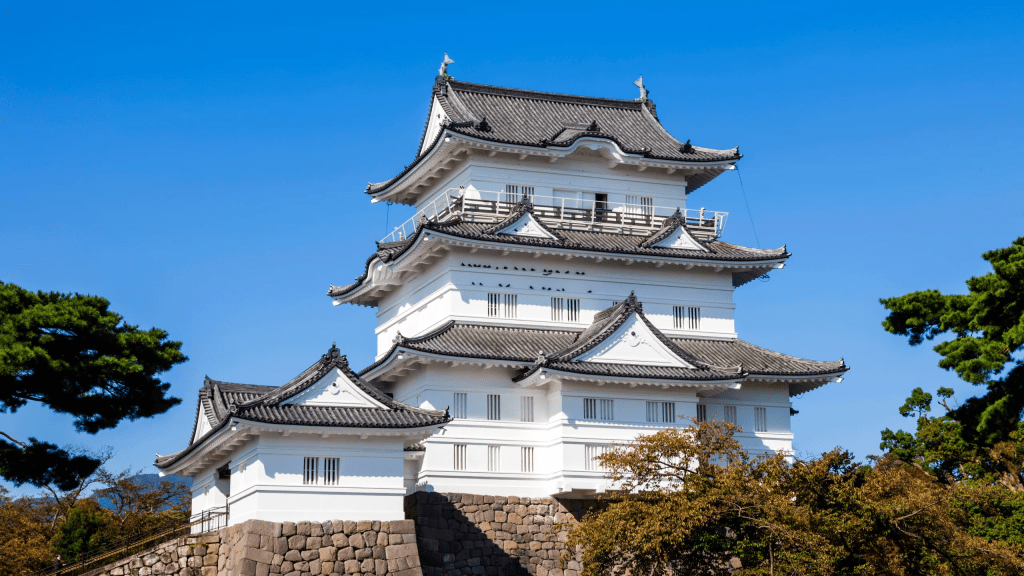
As is typical with Japanese castles, there was a moat surrounding the castle, with a walkway crossing the moat to gain entrance to the castle itself. As we approached the castle I could see a white object moving in the moat/pond. Was it going to be that easy? Not quite. The first species I saw was a Black Headed Gull, almost all white in its nonbreeding winter plumage. Common in Japan and elsewhere in Eurasia and Africa, it is a rarity in the U.S. including in my home state of Washington, where I seen it twice, once discovered first by me in 2016. Then I saw some ducks: a Mallard (seemingly nearly as common in Japan as in Washington), a Eurasian Wigeon (common in Eurasia and a regular “rarity” among the American Wigeon flocks in my home state) and some Tufted Ducks (again commonplace in Eurasia and a rarity found annually in Washington). I was still at the corner of the moat, and while happy with ducks being there, as generally happens during a “chase” unless the bird is seen immediately, the thought of missing it was already forming in my “lister’s brain”. The thought passed quickly as two small ducks swam out from near the walkway into the center of the moat/pond. There it was, my bucket list male Smew, along with his better looking than expected mate. A sigh of relief, a shot of adrenalin, a big smile and immediate movement by me towards the walkway to get a better view and some photos. YES!!!!!!!!!!!!

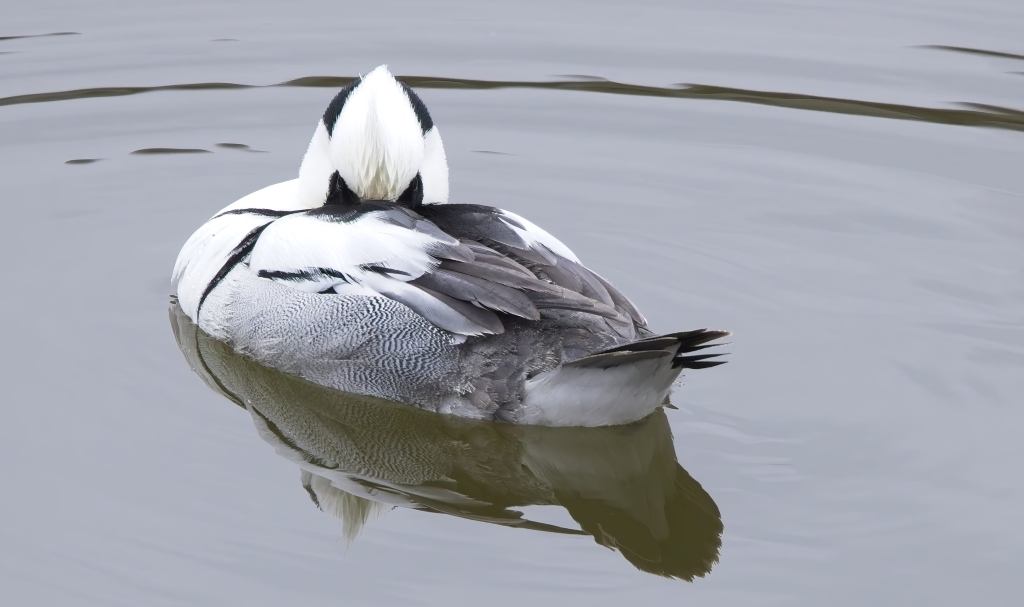
Koji and Cindy caught up to me, and we all watched as the pair of Smews swam about in the pond, but solely with their heads tucked back into their feathers, pretty close but not the dreamed of killer profile shot with crest exposed that I had thought about for years. This continued for 10+ minutes with brief seconds when the male would lift his head and then immediately put it back down. It was great but not great enough and I figured it had to get more energetic and lift its head, and I was not going to leave until it did. There were some fun photos ops but I wanted “the one”.
Then finally the two Smew woke up and turned to give the look I wanted and I was ready. These were the full-on photos I wanted, first of just the male then of the female and then of the pair. I was a happy birder.
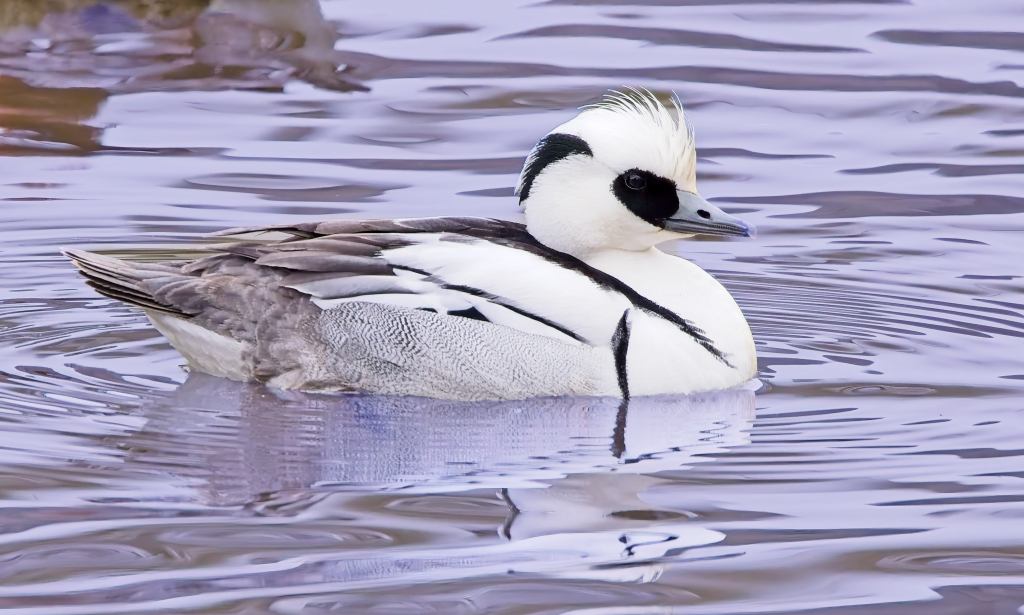

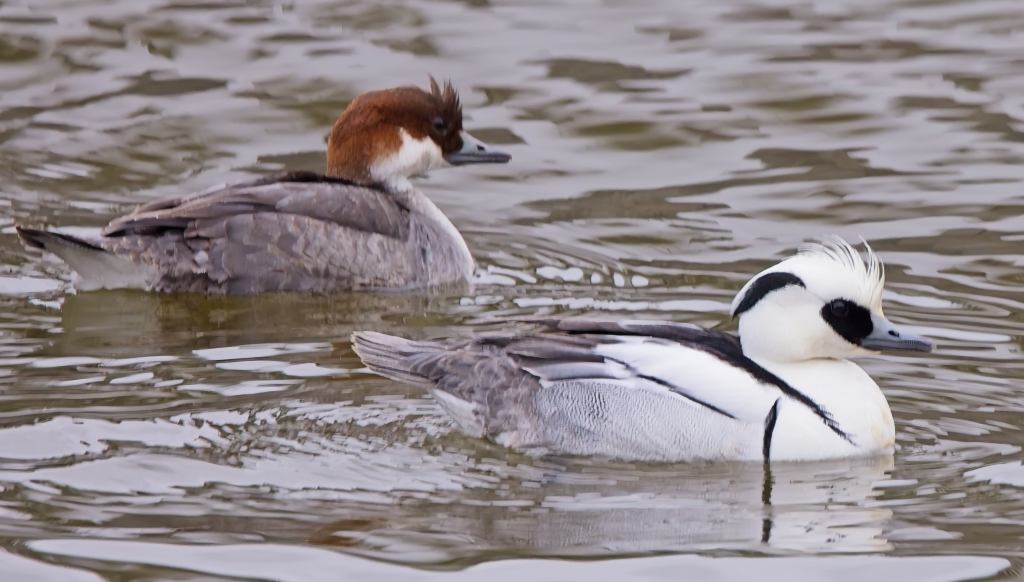
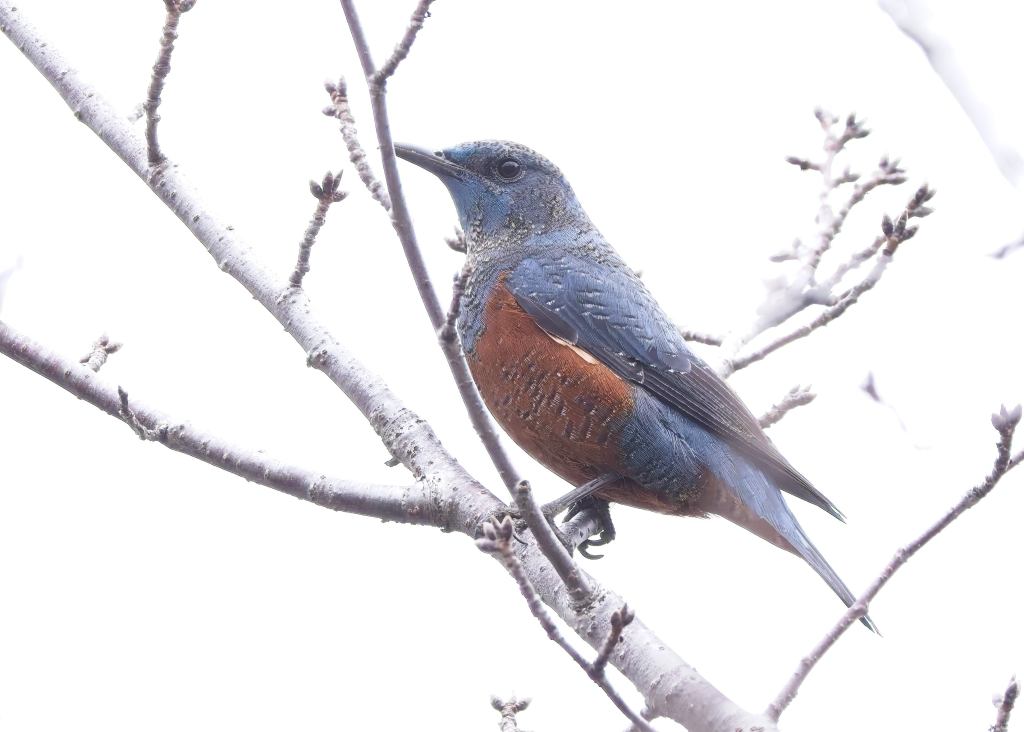
There was more ahead on this day and another 7 days of birding plus the sightseeing in Kyoto, but now all the pressure was off (for me and Koji) and if the trip had ended then, it still would have been a success – I had my Smew and now for the gravy, the whipped cream or whatever additional pleasures were ahead. I have included more photos of a single bird on a trip than usual because it was that special for me. There will be many more special albeit less special birds ahead, and with a few exceptions, only single photos will be included. Here are photos of the other species seen at Odawara Castle including lifer photos of Asian Tit, Japanese Wagtail and Blue Rock Thrush taken as we were leaving.


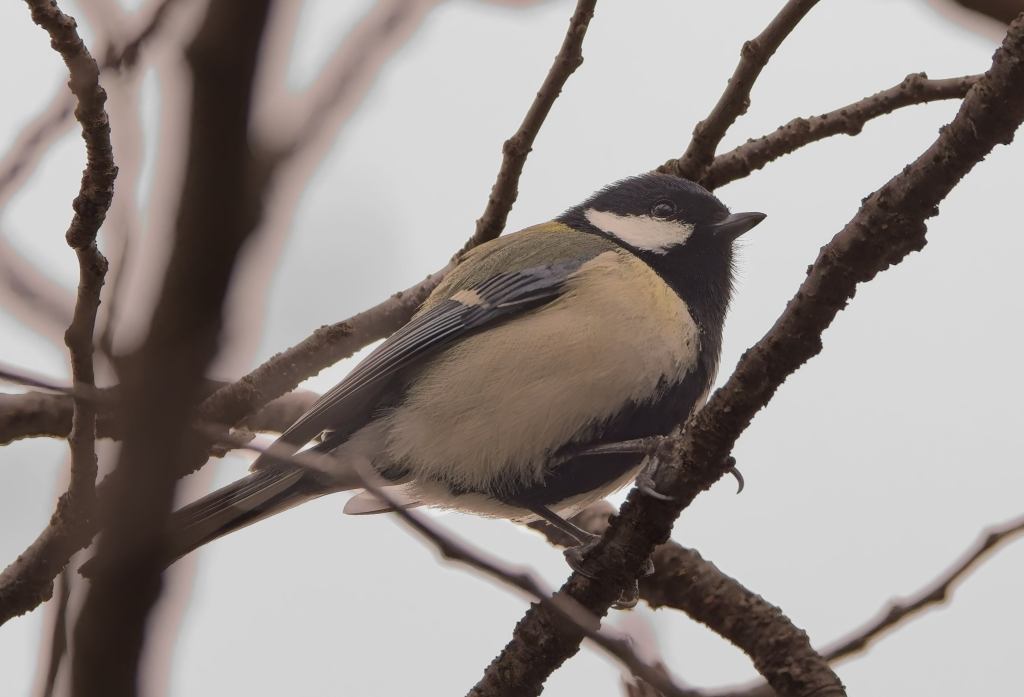
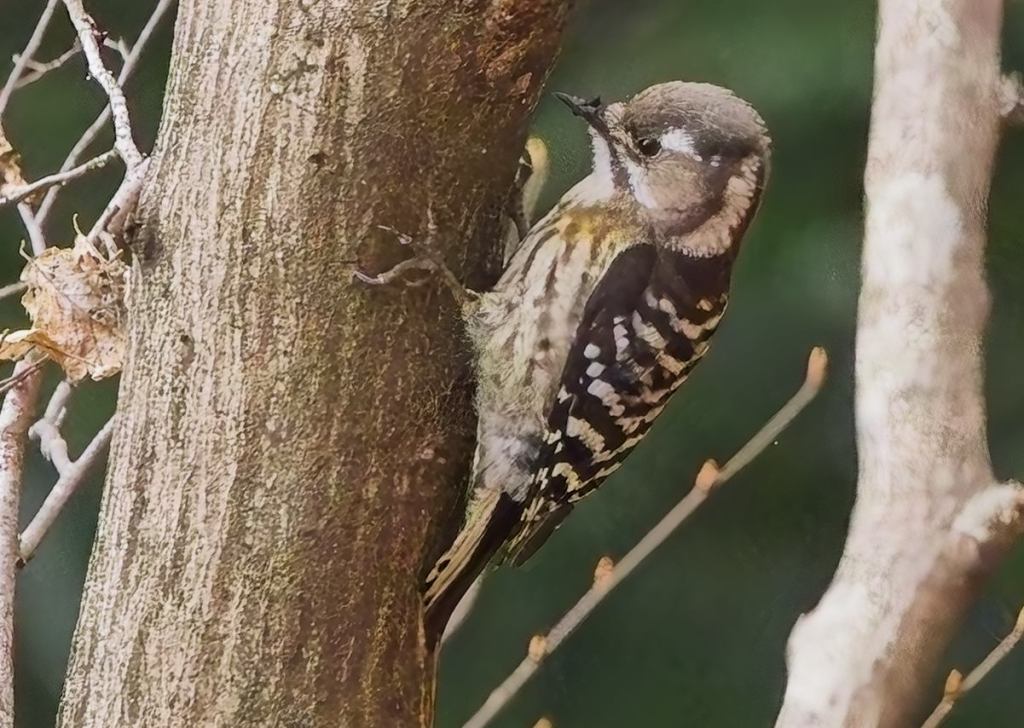
It was not yet 10:00 AM. I had my Bucket List Smew and an additional three life photos. What next? Next was the second most wanted duck on this tour, a lifer Baikal Teal. Koji’s itinerary would take us to Zama Yatoyama Park. I do not have notes or a specific memory but believe this meant another short railway ride. It would be a good visit as we spent an hour at the park walking through some sparse forest and visited the pond where the teal was expected. We had 15 species at the park including that lifer Baikal Teal and 3 more lifers: Pale Thrush, Ryuku Minivet and Japanese Grosbeak plus life photos of Long Tailed and Varied Tits, Large Billed Crow, Japanese Pygmy Woodpecker and Brown Eared Bulbul. Unfortunately the Grosbeak was “heard only”, the only species in that category for the trip. But I had photos of all the others. But first more on that Baikal Teal.
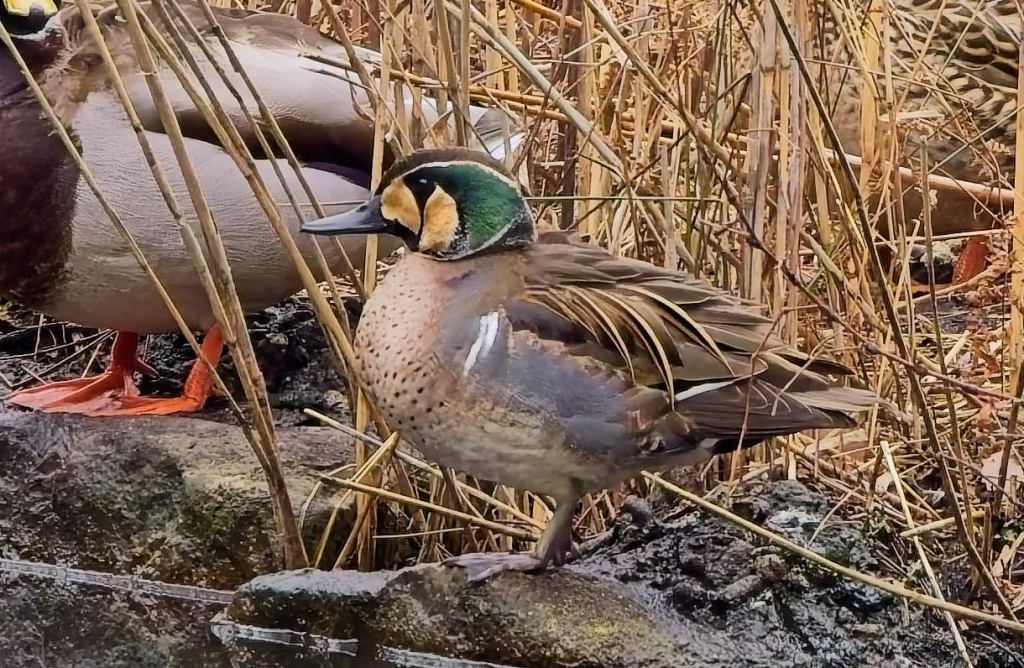
The Baikal Teal is definitely a striking bird with a very unusual facial pattern. It is seen primarily in northeastern Asia with a very few records in the U.S. including a couple in Washington, again during my quiet period for birding. We found it in the pond where it was regularly seen within the park, probably 5 individuals including two males, but three of them were at the distant end of the pond, visible but terrible photo ops. The other two, a male and a female were on an island not too far out in the pond, surrounded by Mallards. The female remained almost entirely hidden in weeds and the male was in the open but rarely lifted its head to reveal the facial markings that set the species apart. The photo was only okay, but is treasured nonetheless as it was definitely in the top ten targets list for the trip.
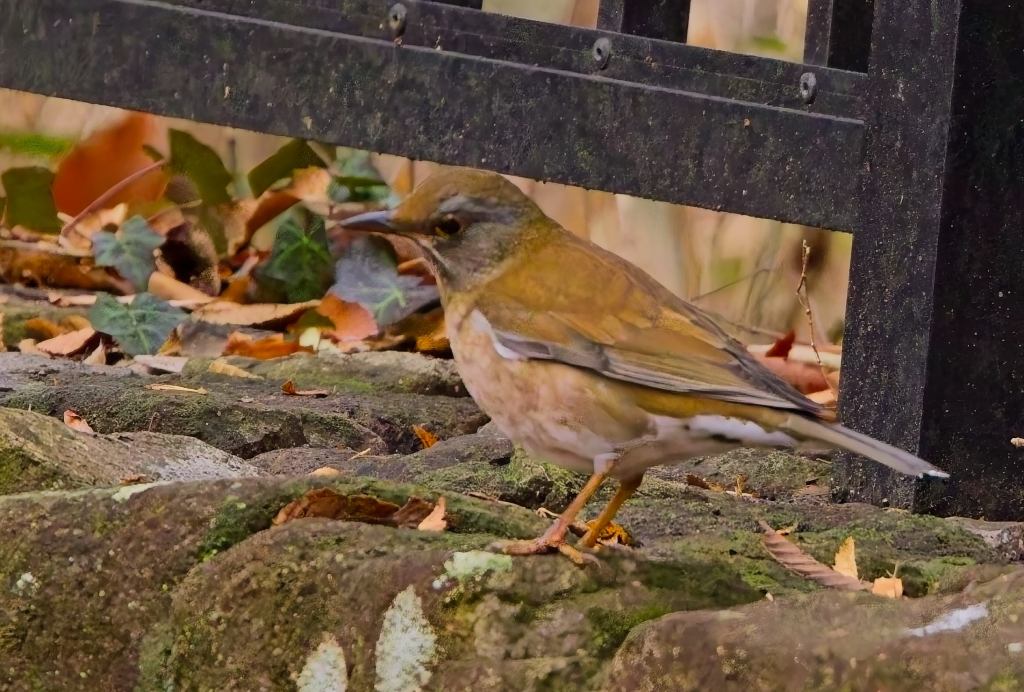
We would see many Pale Thrush during our trip, but one in the open briefly at the park was our best look at this lifer that Koji said is generally pretty shy. A surprising find, discovered by me only as I looked at a photo that I could not identify, was a Ryuku Minivet. Found almost exclusively in Japan and Eastern China, I had not been aware of its existence so it was not on the target list and was a very welcomed and completely unexpected addition to my life list.

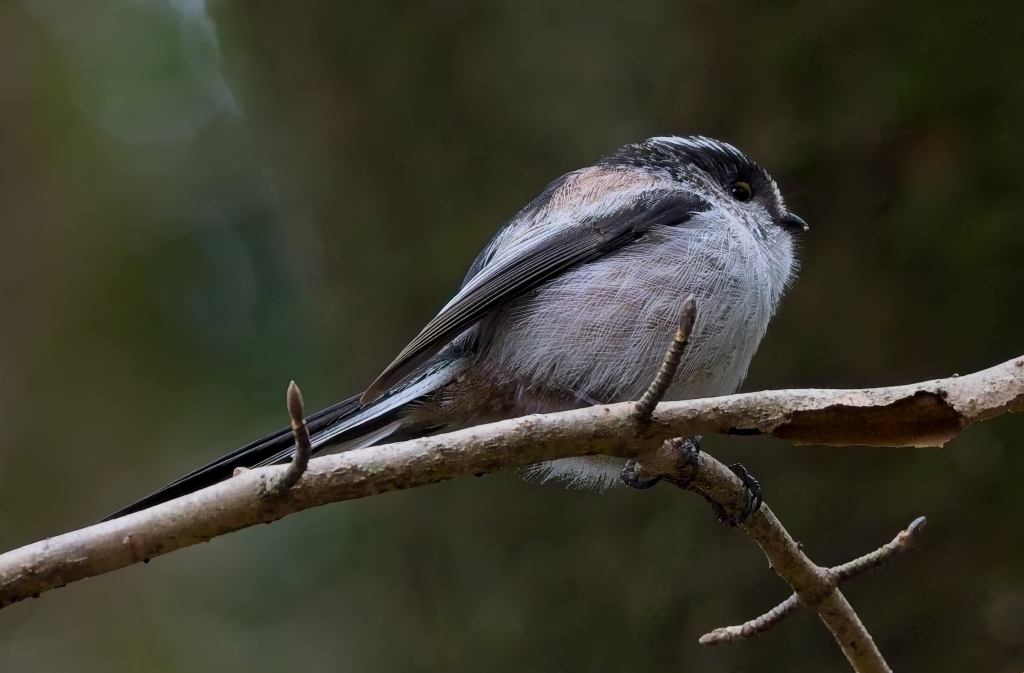
I had life photos of Brown Eared Bulbul, Varied and Long Tailed Tit, Large Billed Crow and Japanese Pygmy Woodpecker. All were photographed again later as they were seen more than once, and in the case of the Crow and Bulbul many, many, many times. But you can’t have a second one until there is a first one, so they were welcomed additions to my photo life list.



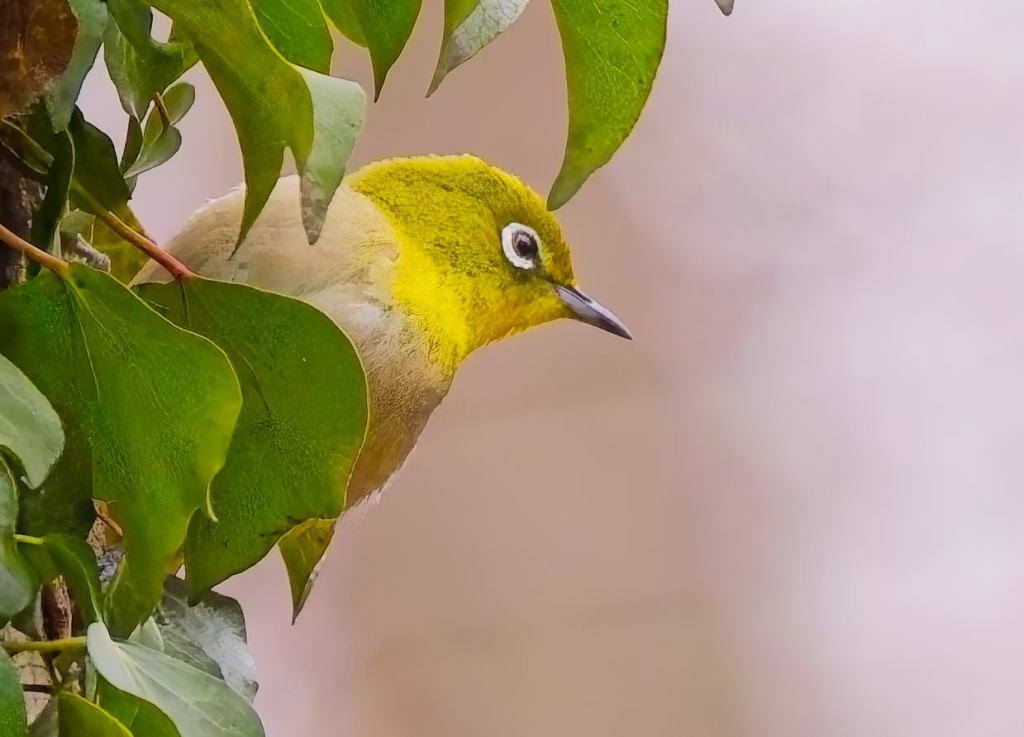
I am including two more photos from the park – Eurasian Turtle Dove and Warbling White Eye. I have seen each many times and have photos of both, but the photo of the White-eye is better than others and the photo of the dove could turn out to be a life photo as the only other photo is of a Eurasian Turtle Dove seen and photographed by me in British Columbia last year which just might turn out to be of a released or escaped bird rather than a wild one. Both species are common and were seen often during this Japan trip.

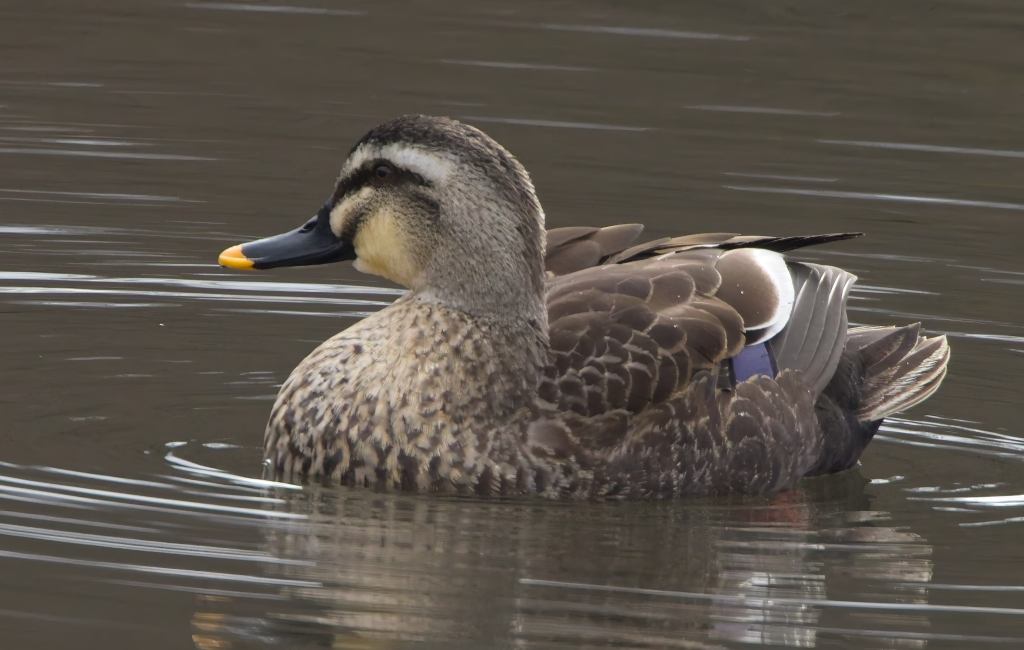
There would be two more stops this day. The first was at the Sagamihara Reservoir, where the main target was a Mandarin Duck. A ridiculously gorgeous bird maybe competing with our American Wood Duck for the most beautiful duck prize, as the name suggests, it is typically found in East Asia, including in good numbers in Japan. I had seen and photographed one in Washington in 2021 and again in 2022 in Lake Washington, almost certainly an escapee from a collection. So these (there were at least 40) were my first birds seen in the wild. Unfortunately an iron fence prevented us from getting real close but even with that constraint and less than ideal light, the ducks are so spectacular that we got good photos. There were two other important species at the reservoir, a lifer Eastern Spot Billed Duck and a Falcated Duck, another striking species. I had seen and photographed a wild Falcated Duck in Washington in 2017, a mega-rarity that was in a flock of hundreds, maybe thousands of American Wigeon. The Eastern Spot-billed Duck was recently split off as a separate species from Indian Spot Billed Duck which I had seen in India in 2011.


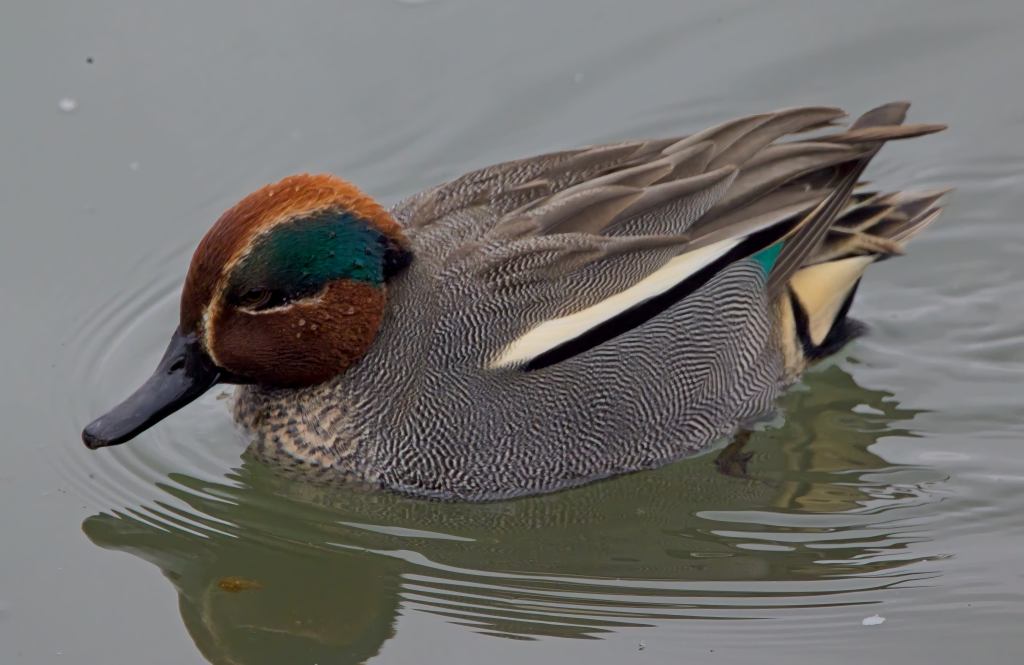
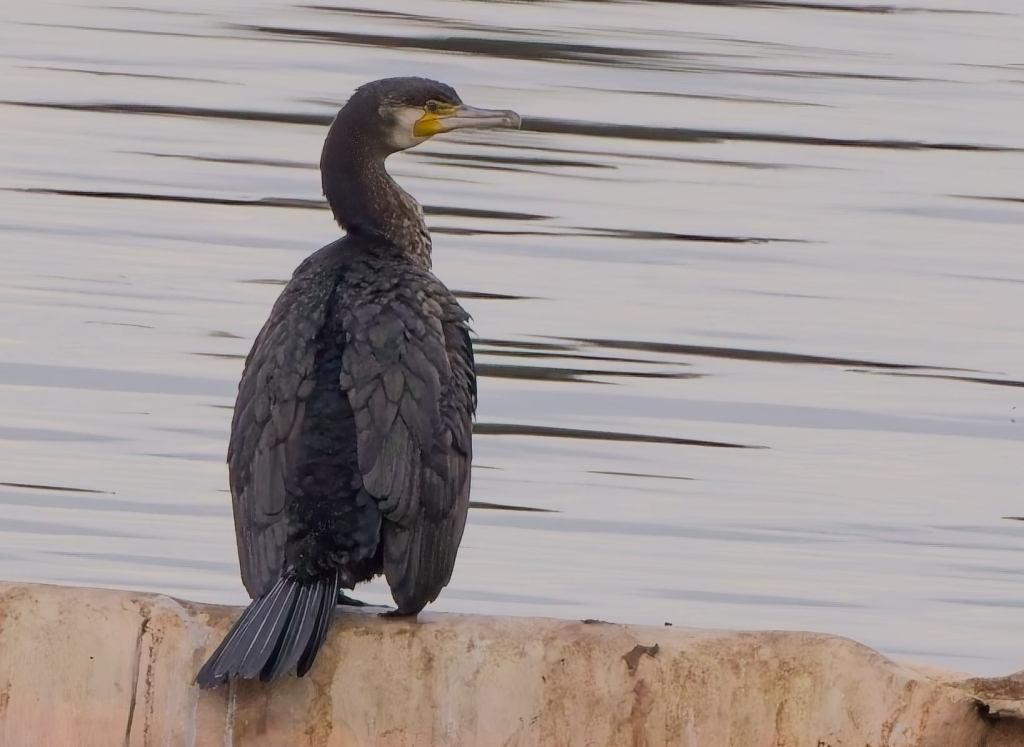
Two other duck species were seen at the reservoir: Green Winged Teal (Eurasian subspecies) and Gadwall. The Eurasian subspecies of the teal is seen rarely but regularly in the U.S. and Washington and the Gadwall is abundant in Washington. The last photo is of a Great Cormorant – common in Eurasia and Africa and in the Northeastern U.S. I keep expecting one to show up in Washington but as far as I know, it has never happened.

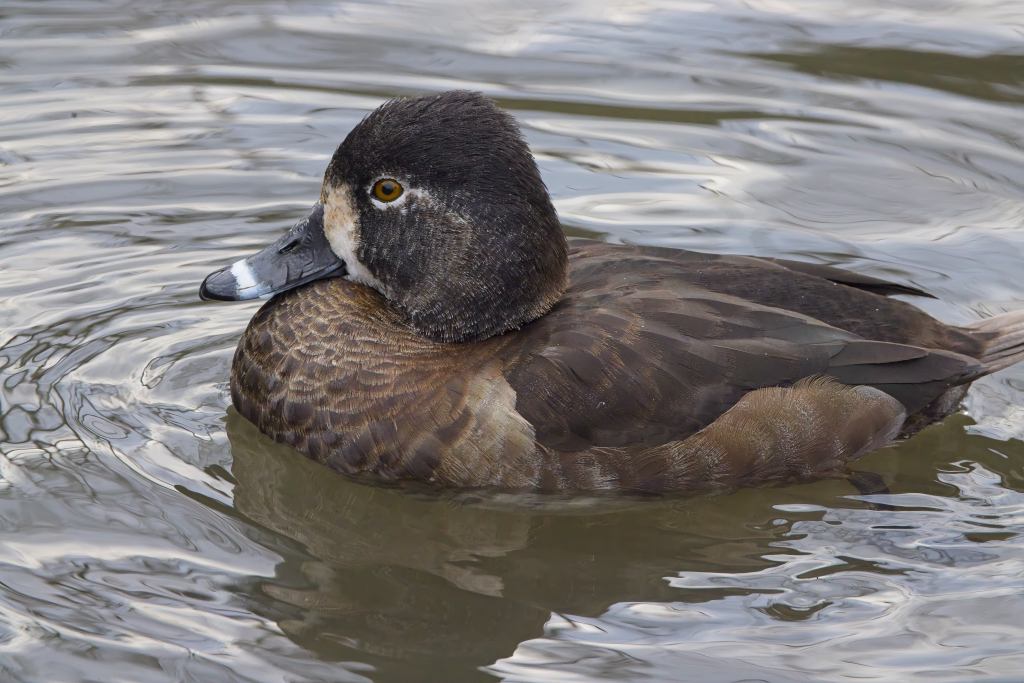
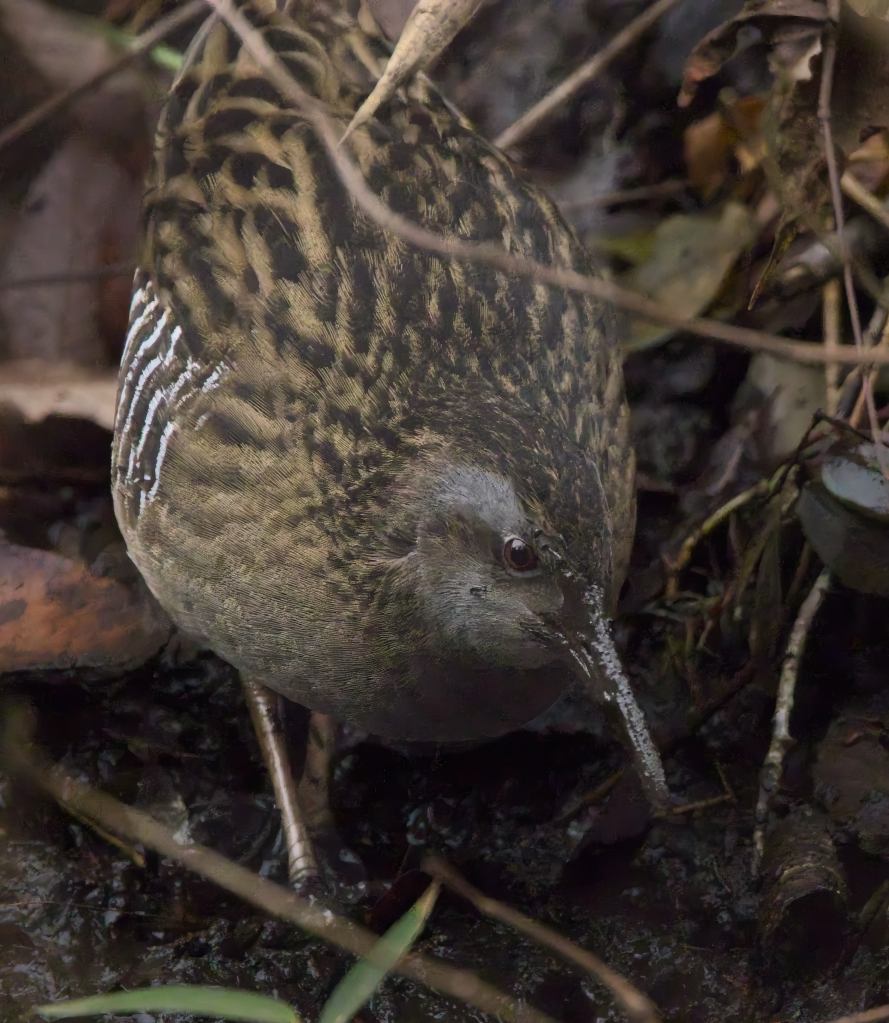
Our last stop was at the Yokohama Children’s Park where the main target was a bird that is common in Washington but the one wintering there was a big rarity in Japan – a Ring Necked Duck. It was easily found and photographed but of far more interest to me were a lifer Brown Cheeked Rail expertly found by Koji and fortunately seen and photographed by me, a Chinese Hwamei and some Oriental Greenfinches both being life photos. In other circumstances I would also have been excited at some really good photos of a Red-flanked Bluetail, a striking bird common in Asia but a mega-rarity in the U.S.. I had been fortunate to see one in Idaho with a good photo and in both Washington and British Columbia in pouring rain precluding photos. There were not many misses on our trip, but there was one at the park – a missed photo of an Eurasian Jay – a species I had seen or heard 5 times in Italy without ever getting a photo. That would be the case here as well.


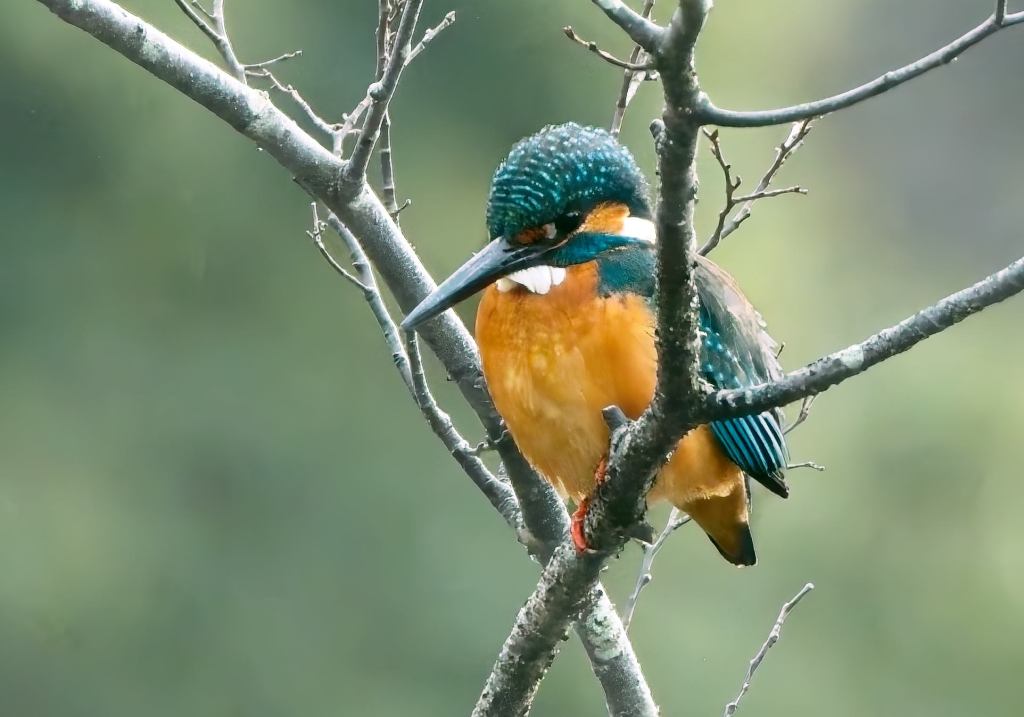
And one last photo for the day – a Common Kingfisher. All kingfishers are photo worthy and I am happy to include it here. I had seen and photographed it before in India, but this was the first for Japan.
Even without the Smew, it had been a great day, but of course it was the Smew that made it one of my very best birding days ever. We ended the day with 43 species including 7 lifers and 17 life photos. We had 11 duck species including 5 or six that would have to be considered special. We took the train back to the Haneda Airport where we returned to our hotel rooms and had dinner there as well. It would be another early start the next morning. Our bodies were still adjusting to the jet lag and time differences, but we were doing fine – ready for more – with the plan being to fly to Hokkaido for several days birding there looking for some very special species.
 blairbirding