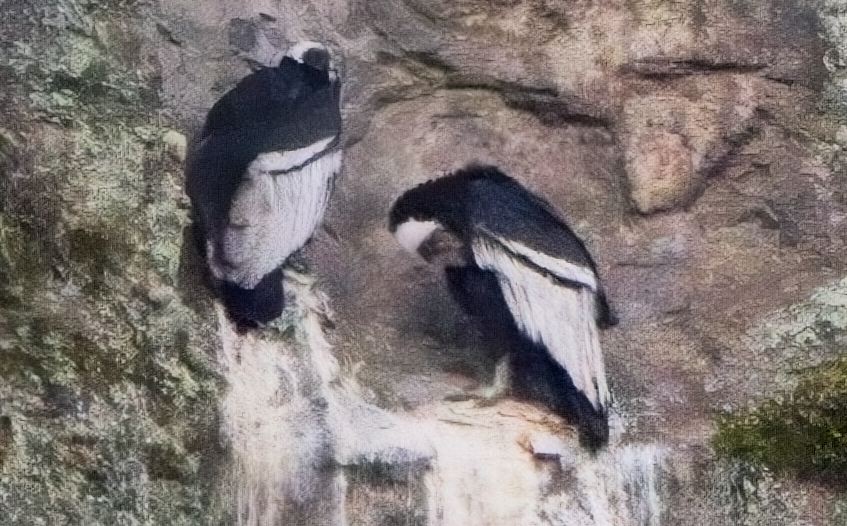
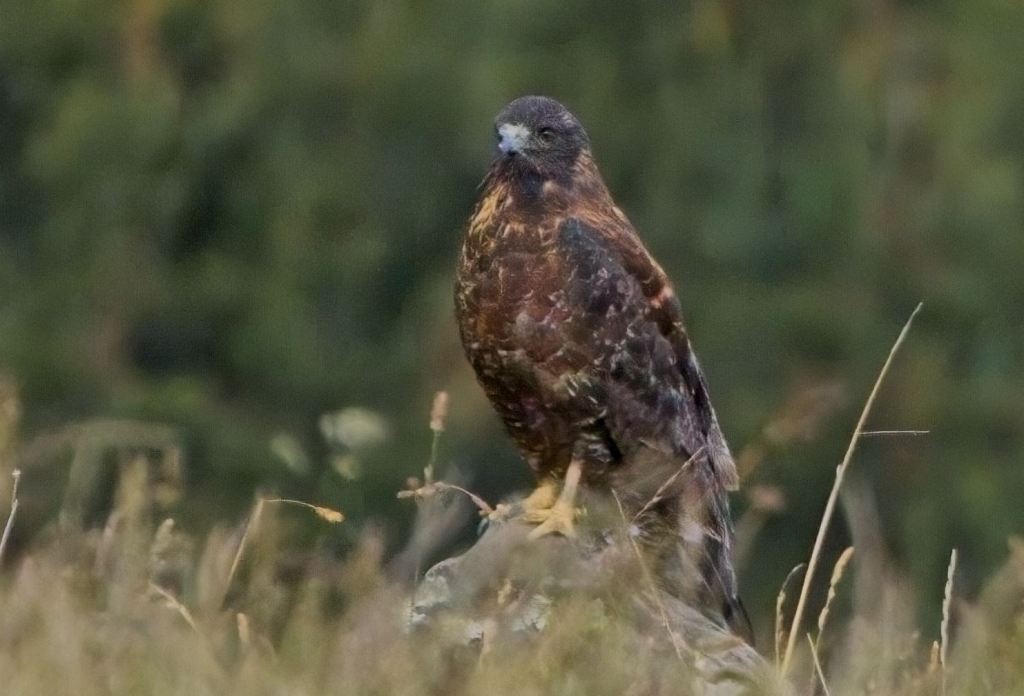
It would be a 4 hour drive south and east from Zaysant Ecolodge to our destination for the last two days of September – WildSumaco Lodge. Our route would take us over Papallacta Pass and in addition to birding there, we would also have birding stops at La Brisa and at Wayra Reserve. At our first stop up high into the Andes we were on the lookout for Andean Condors and Spectacled Bears. Scanning the cliff face across the road and quite distant, Nelson picked out the bear and then shortly later Tom found a pair of Condors. With a wingspan of up to 10 feet, the Andean Condor is the largest bird of prey in the world. I had been fortunate to see them in Chile, Argentina and Peru in addition to my earlier trip to Ecuador. Still not a real close look for a great photo, but every Condor sighting is special. We also had nice looks at another high-altitude raptor, Variable Hawk. A great start to the day.
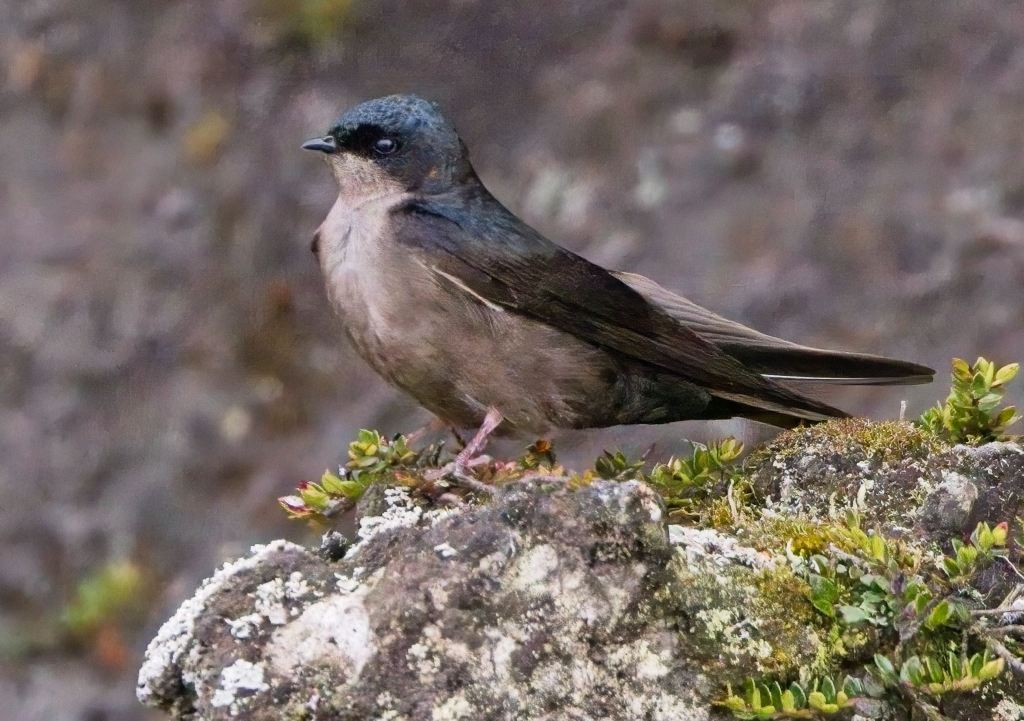
Still relatively early we birded a bit higher on the way to the pass at Bosque de Quishuar and picked up a number of mountain species including a lifer White-throated Tyrannulet that appeared in the open for brief seconds only. Thirteen of the 15 species seen were new for the trip, but I had seen them in 2022. Getting photos was great though.


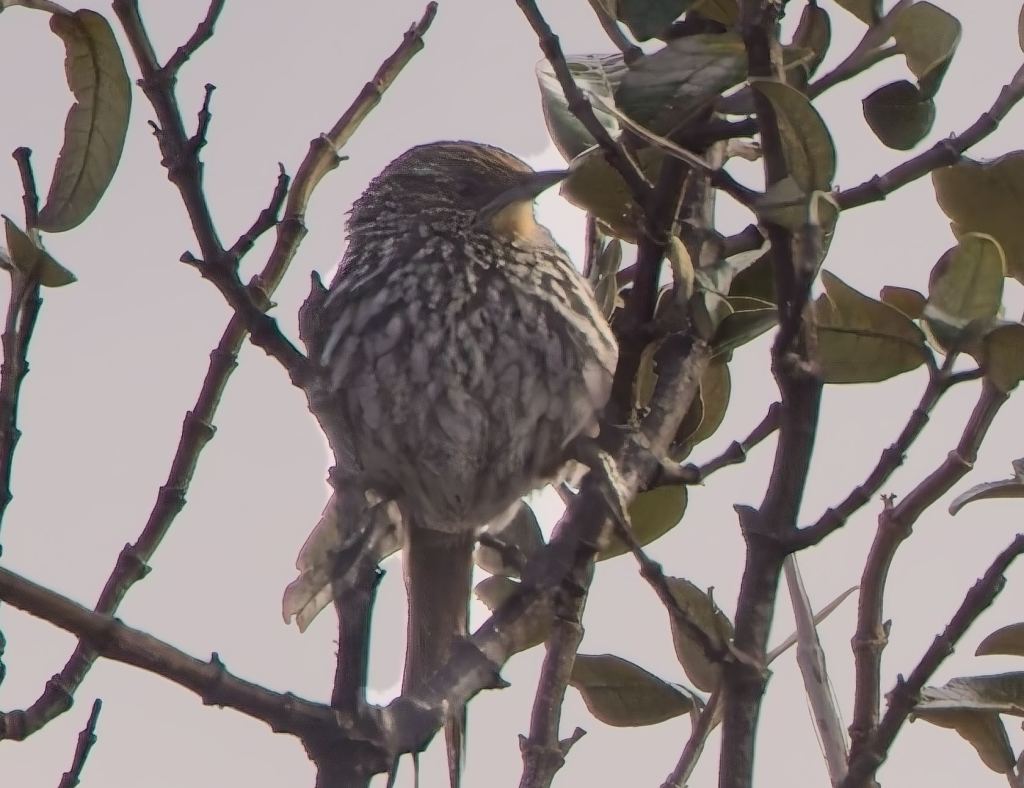


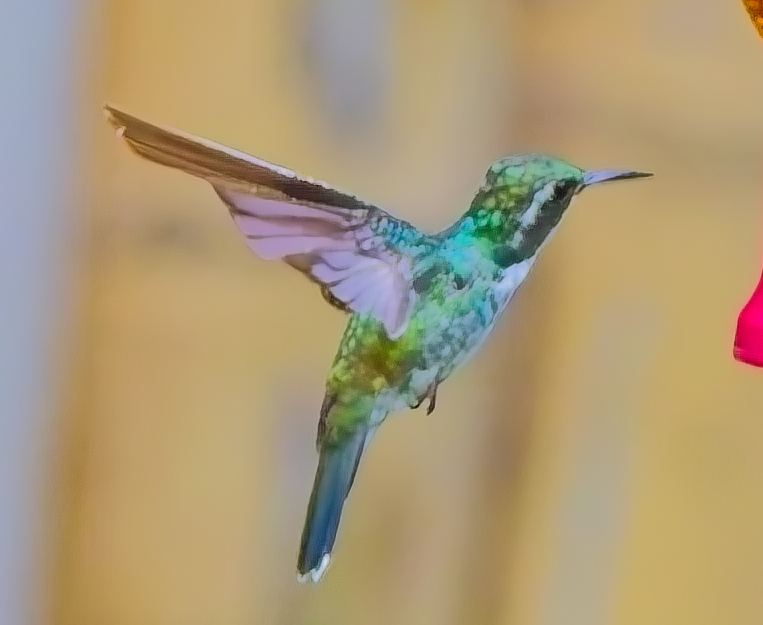
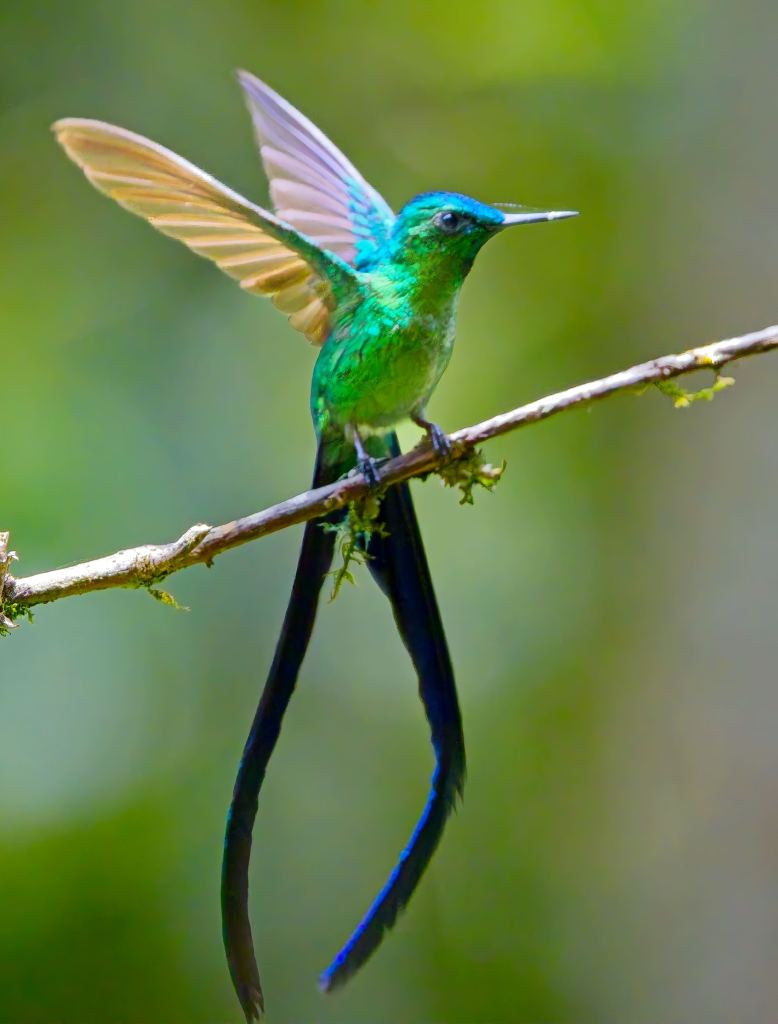
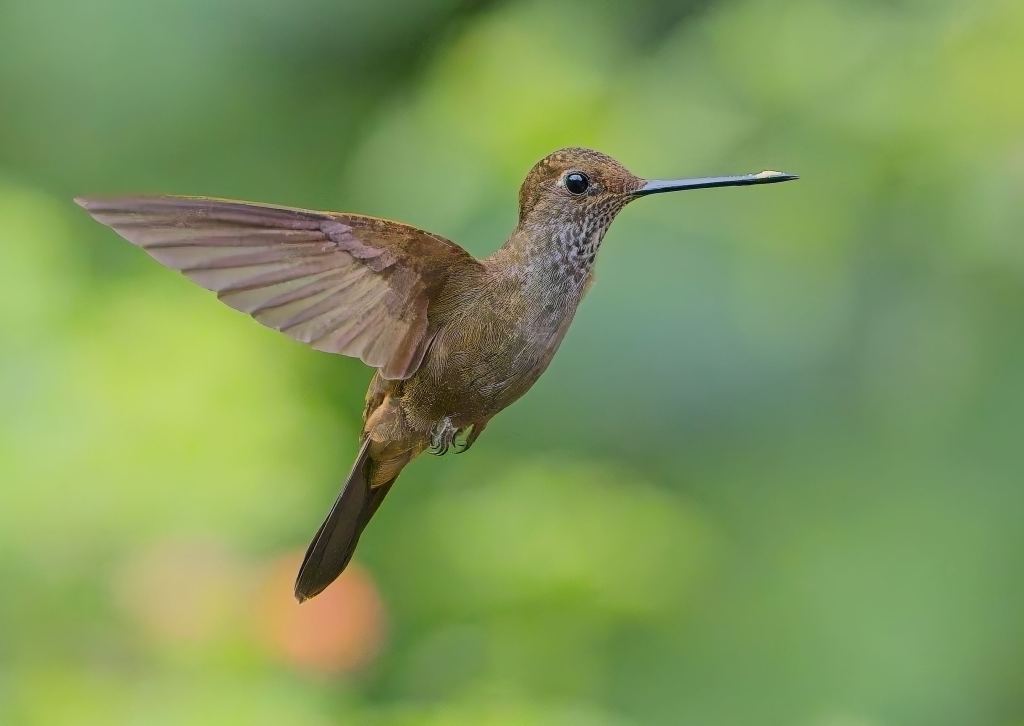
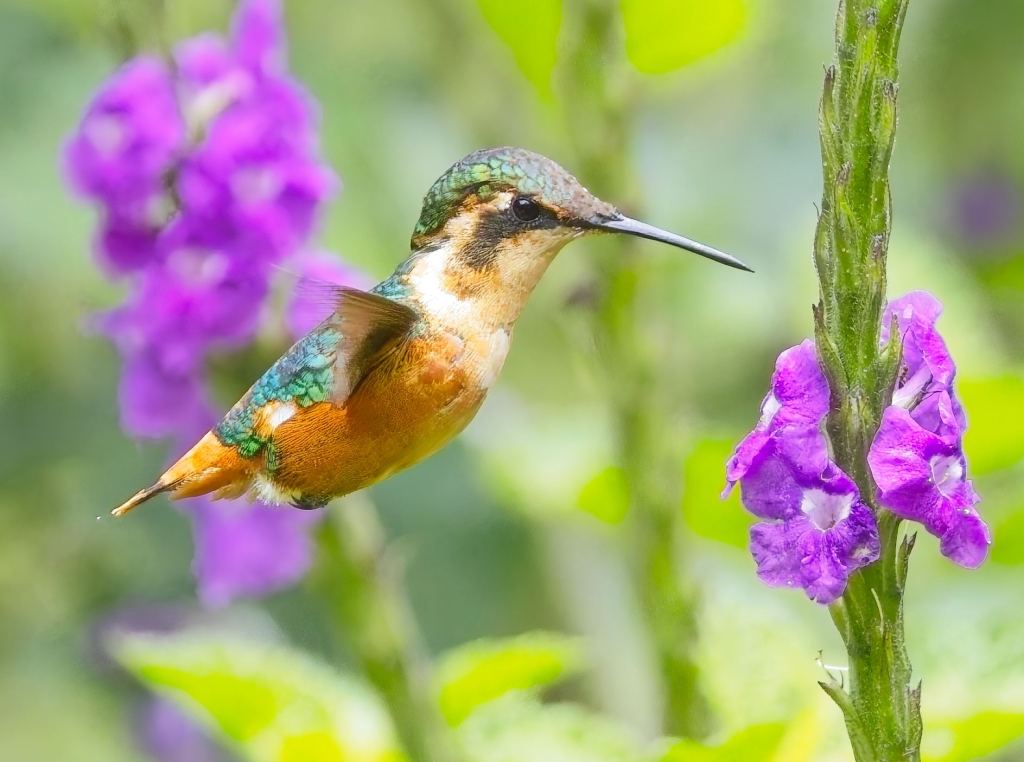
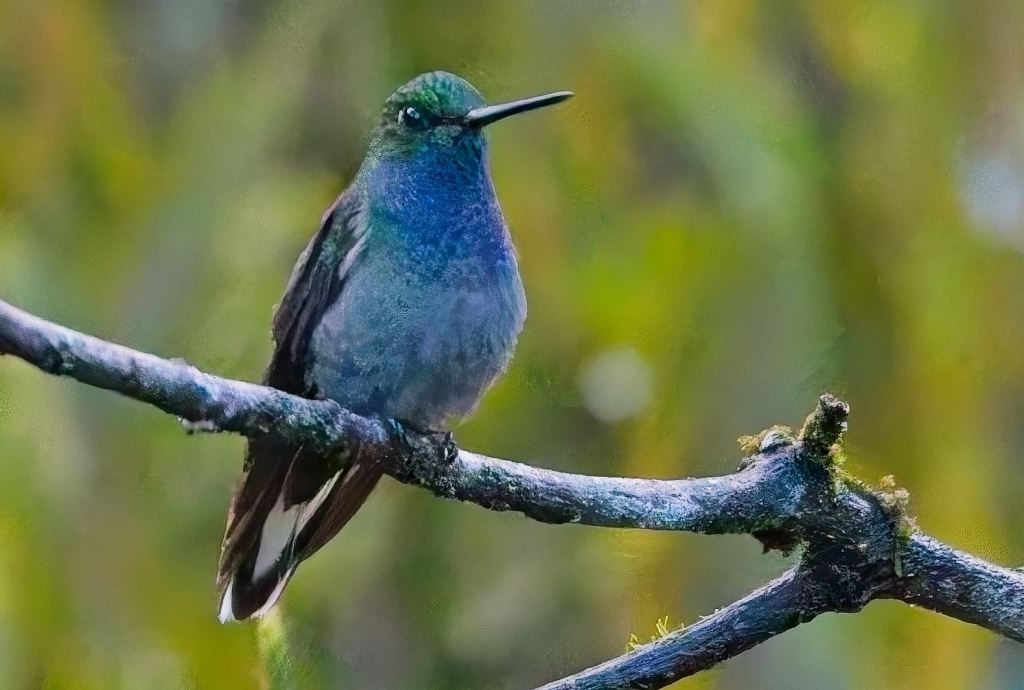
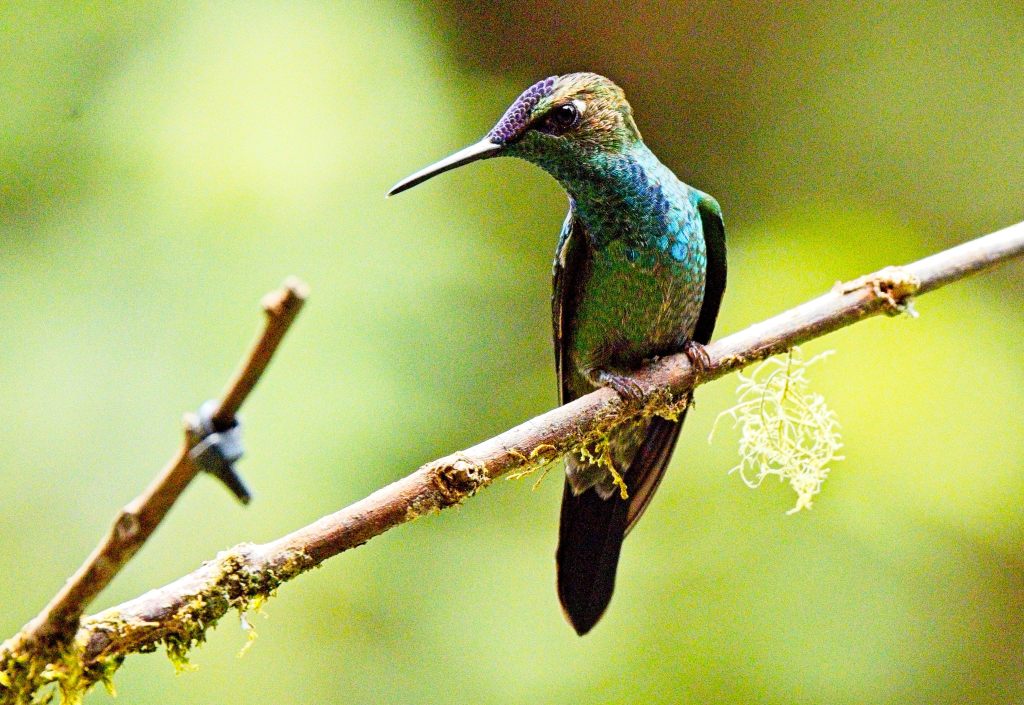
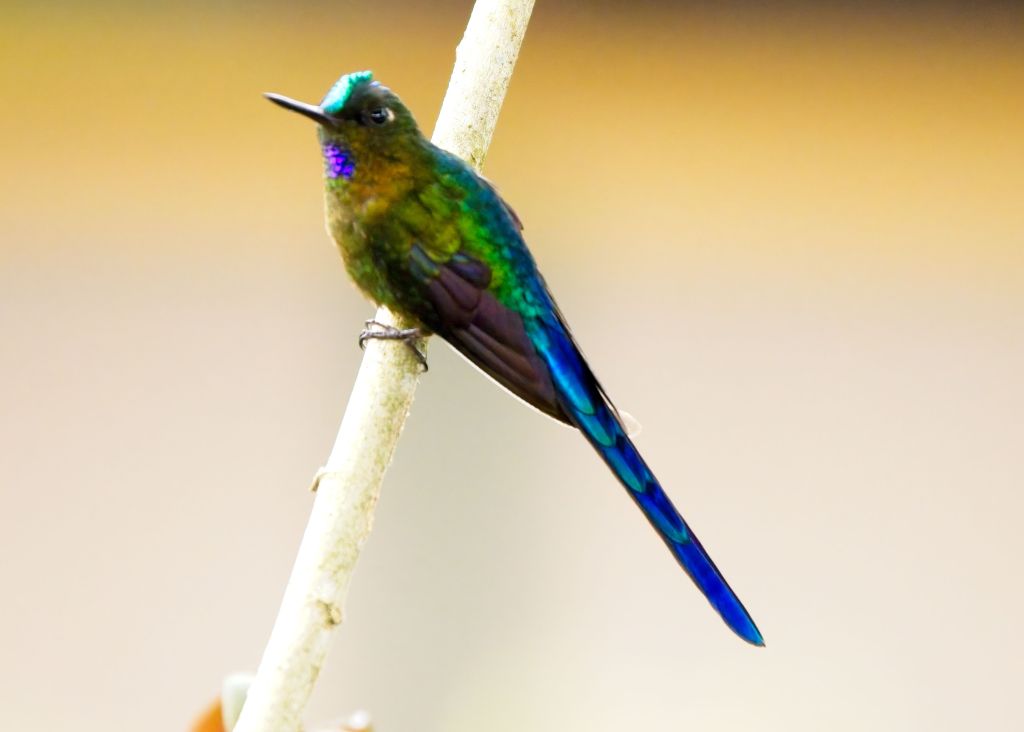
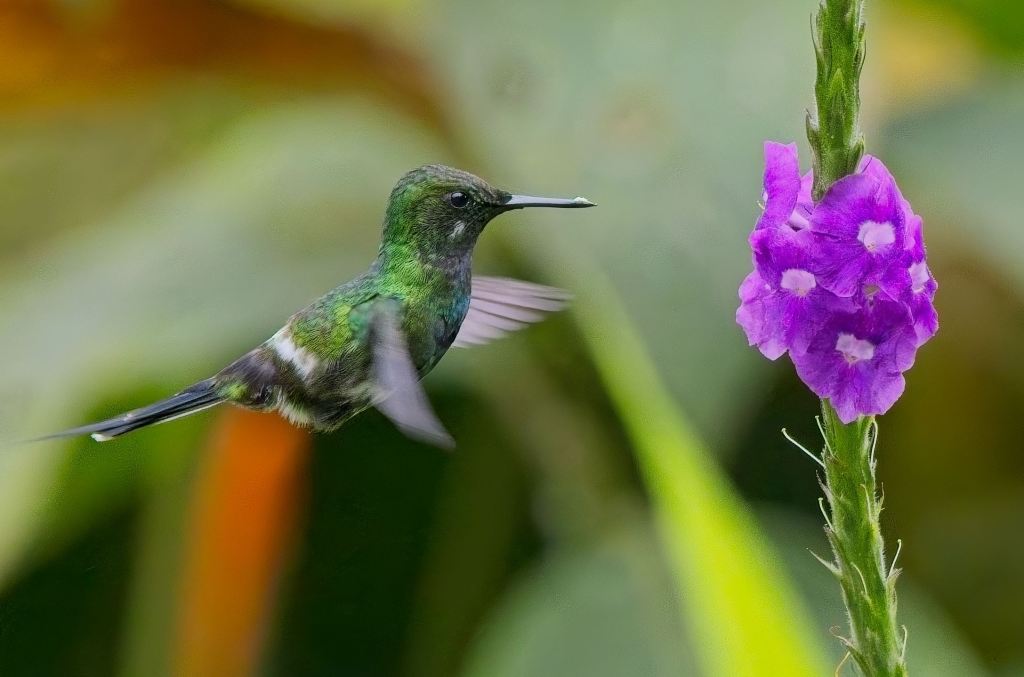
A very brief stop at Laguna Papallacta added another five species including a distant lifer Buff-breasted Mountain Tanager. I thought I had a photo but could not find it. We left the high pass and moved on to the hummingbird feeders at La Brisa (The Breeze). In just over 75 minutes there we had 29 species, including 12 hummingbirds of which remarkably 9 were new for the trip, and two were lifers for me. Two non-hummers were lifers as well. Earlier I posted a photo of the White-booted Racket-tail. With its long tail feathers with rackets, the equally special Peruvian Racket-tail was recently split as a separate species – its boots are orange.




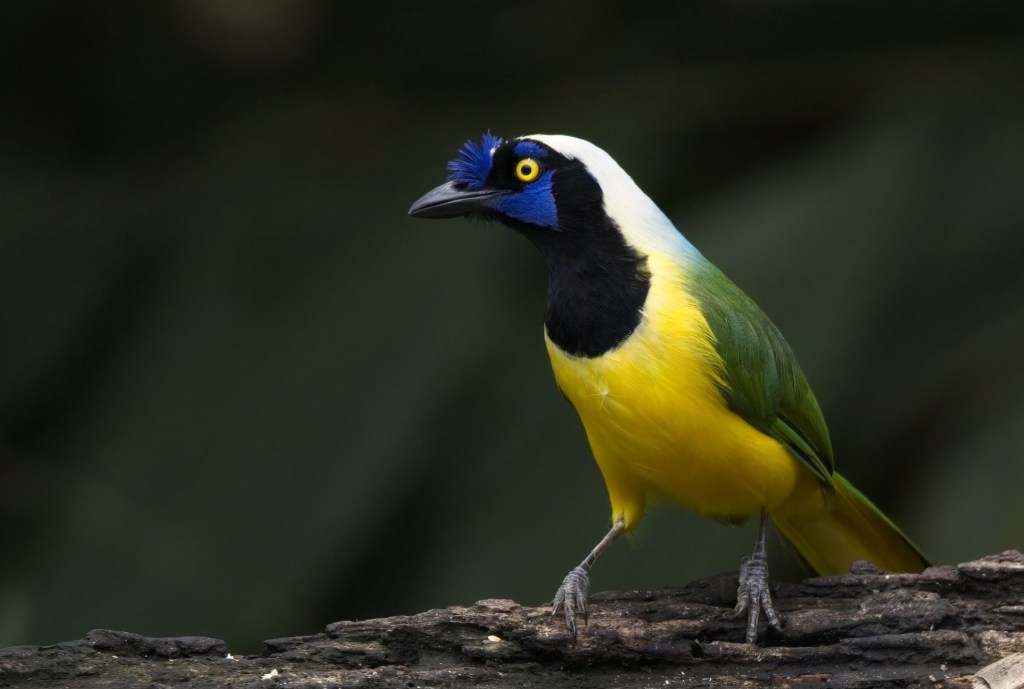
New for the trip and new for Tom was one of the more striking birds of the trip – a Green Jay. This bird which is also called an Inca Jay makes its way into South Texas and is seen throughout Central America and Northwestern South America.
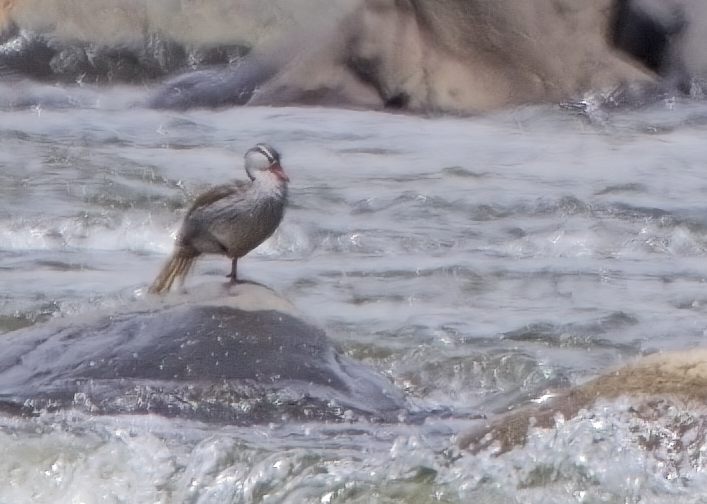
It was not the greatest look, but a species we had searched for and had eluded us at every river crossing was finally found from the bridge crossing the Cosanga River as we drove south on the Troncal Amazonica, the Pan American Highway. It was a male Torrent Duck. Cindy and I had seen only a female in 2022 but had great looks as it somehow managed to navigate the raging waters. This was a very distant view, but still very welcome.


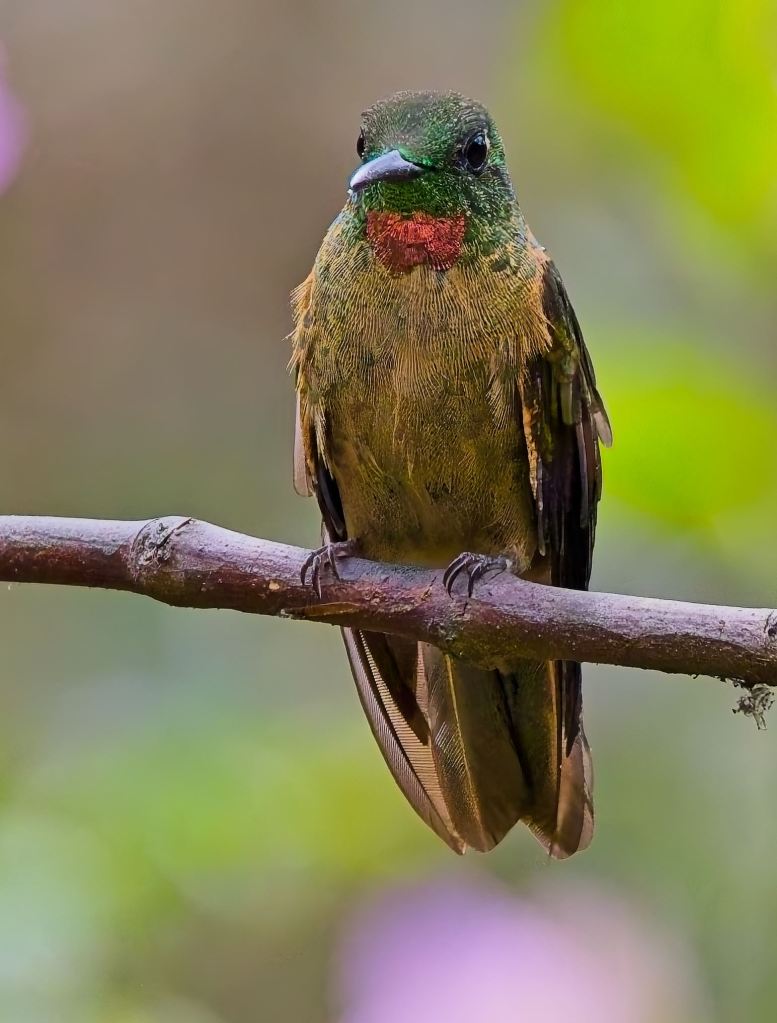
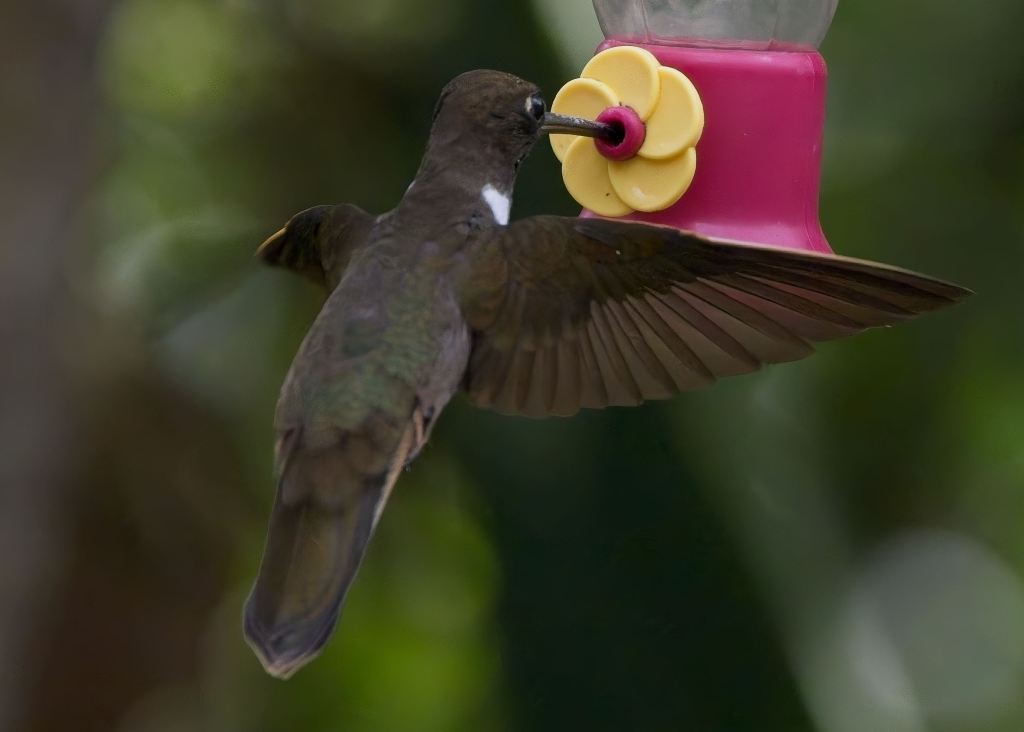
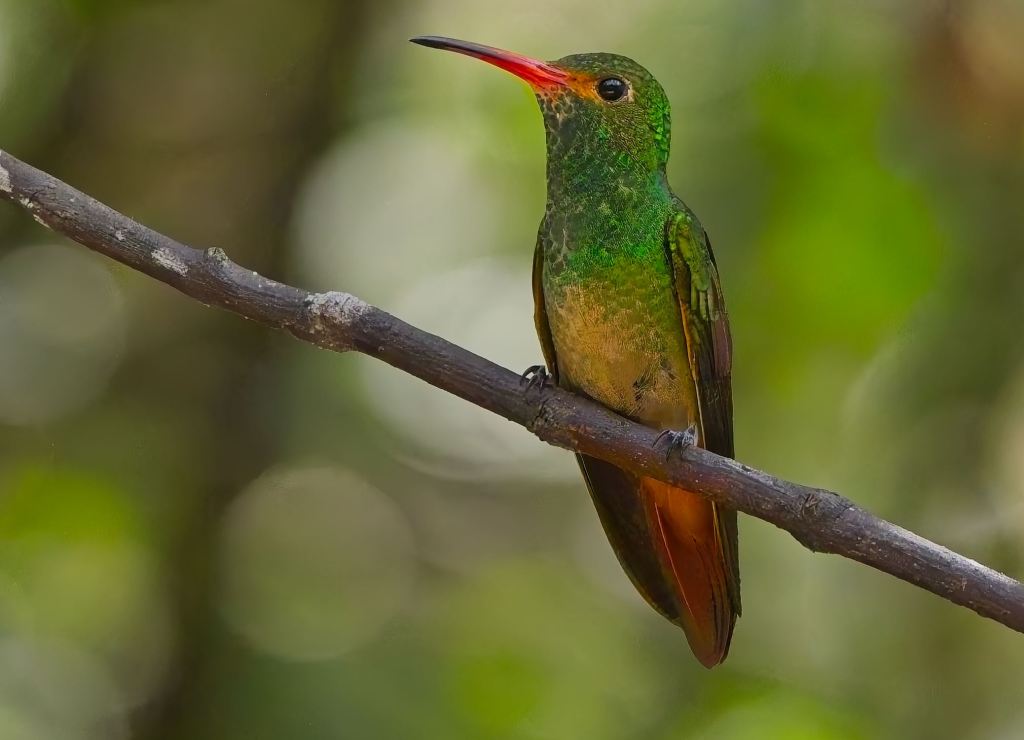
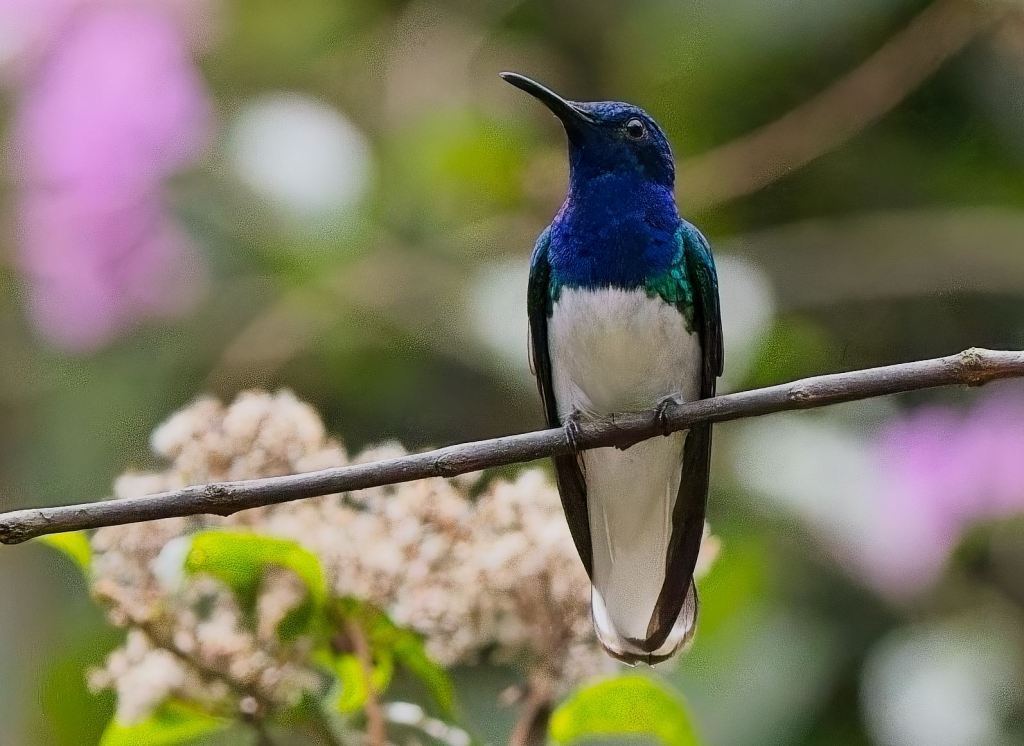
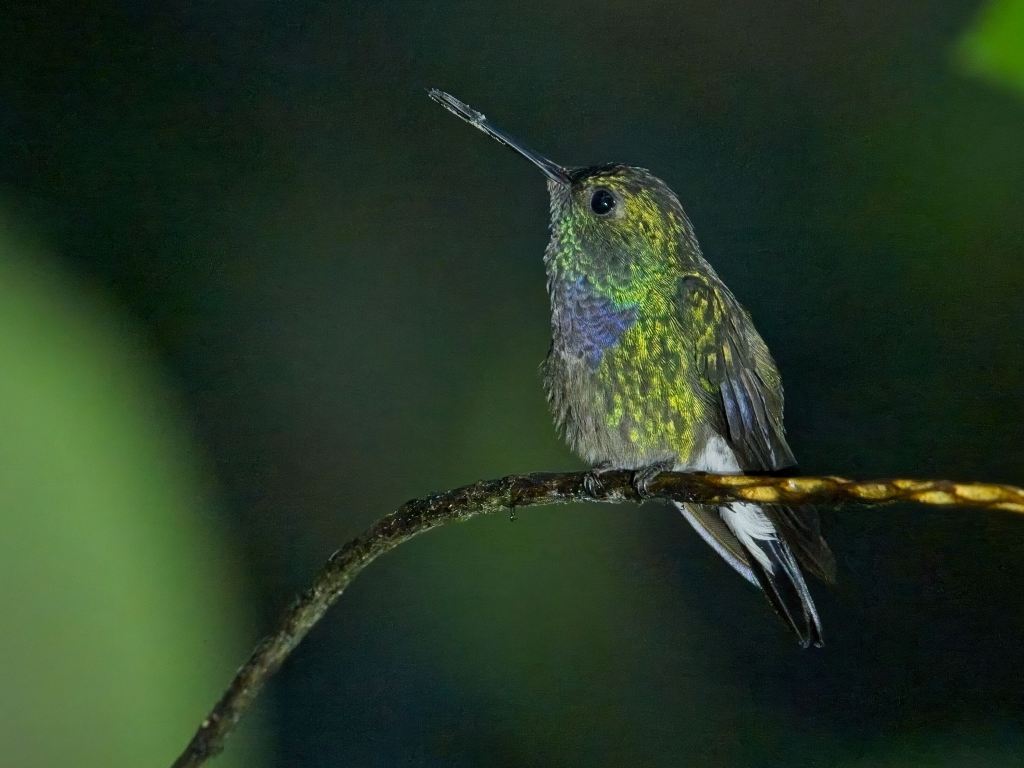
As we continued on our way to Wild Sumaco, we made a quick stop at the Wayra Reserve, a family owned reserve on a river with yet more hummingbird feeders. Of the 18 species we saw there in just over an hour, 10 were new for the trip, including 4 more hummingbirds, all of which were new for me in Ecuador and one of which, the Golden-tailed Sapphire was a lifer as well. This is a good place to expand discussion on two of the amazing aspects of birding in species-rich Ecuador. As mentioned before, birding at hummingbird feeders can be challenging, exciting and chaotic as multiple species swarm a single feeder, and especially when there is another swarm at adjacent feeders. I do not have other photos from Tom St. John for the trip, but I asked him to send one with many hummers around a single feeder to evidence that point. It is included below. The second point is how just traveling a short distance, especially with a change in altitude can bring so many new species into the mix. There are dozens of reserves in Ecuador, many with hummingbird feeders, and as we saw many times on this trip and with Wayra Reserve being a great case in point, each reserve can have a very different assortment of species. They may seem similar surrounded by a forest, but there are so many different mini-habitats that one species but not another finds appealing.

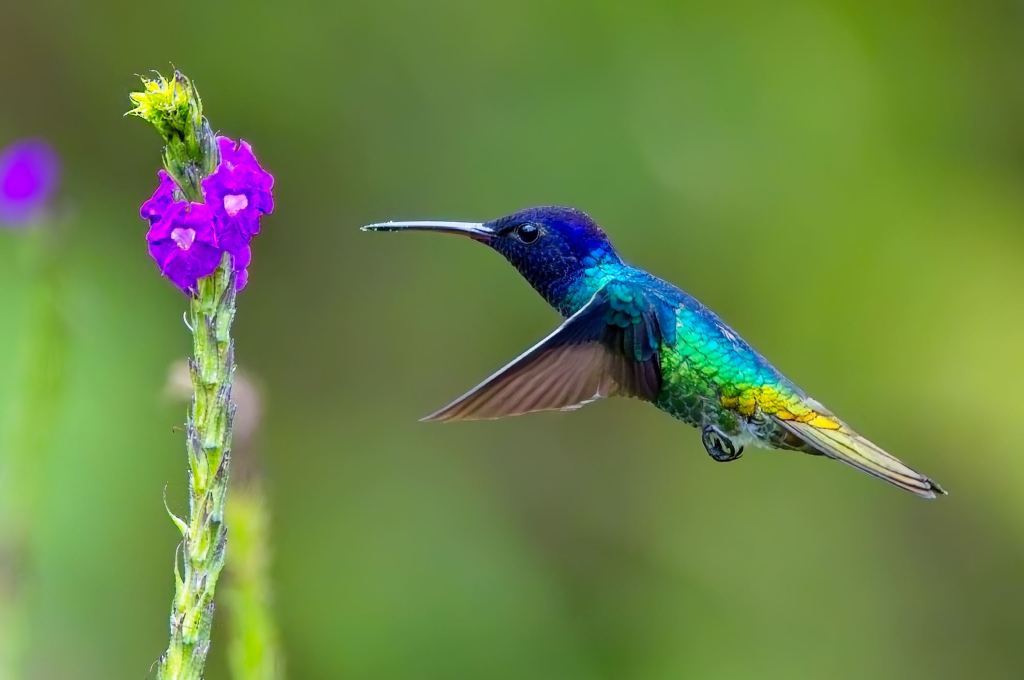
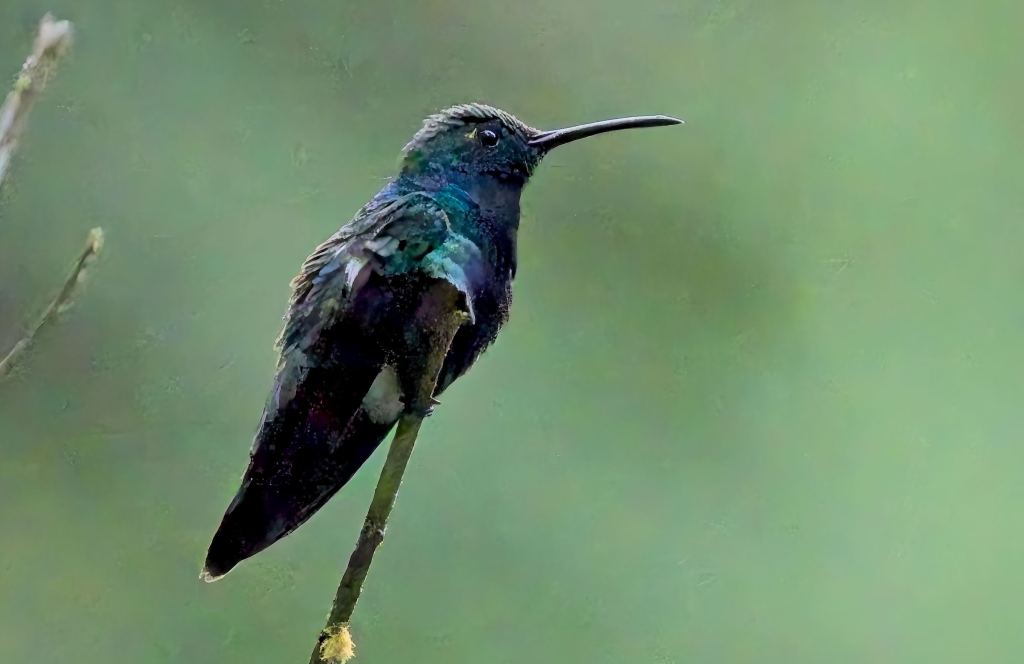
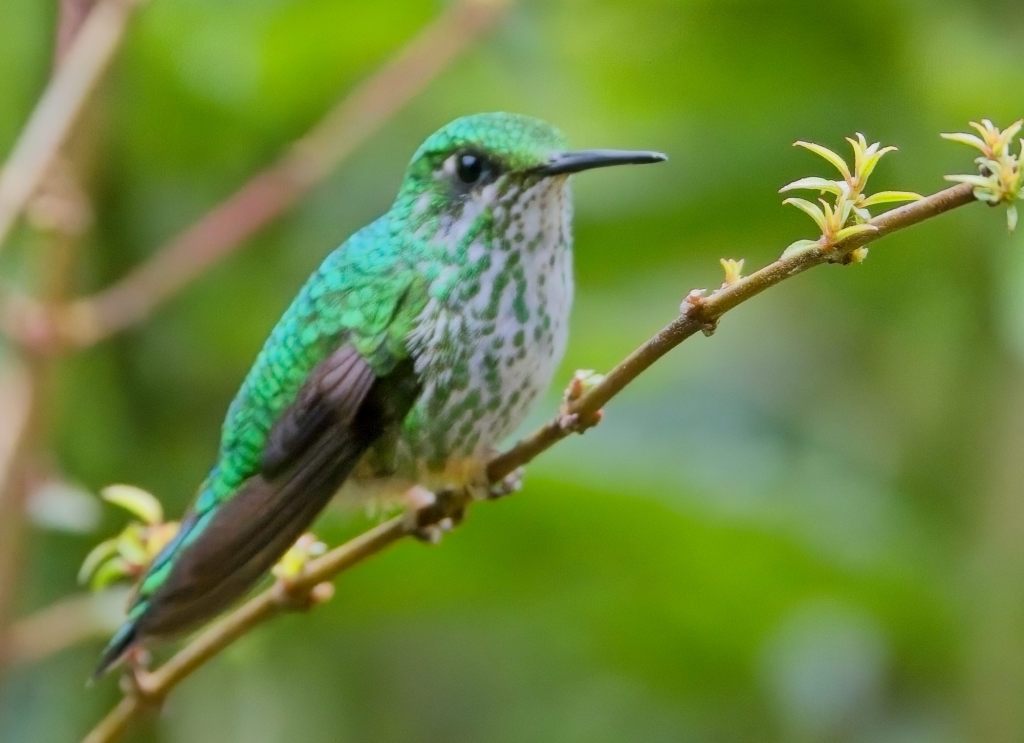
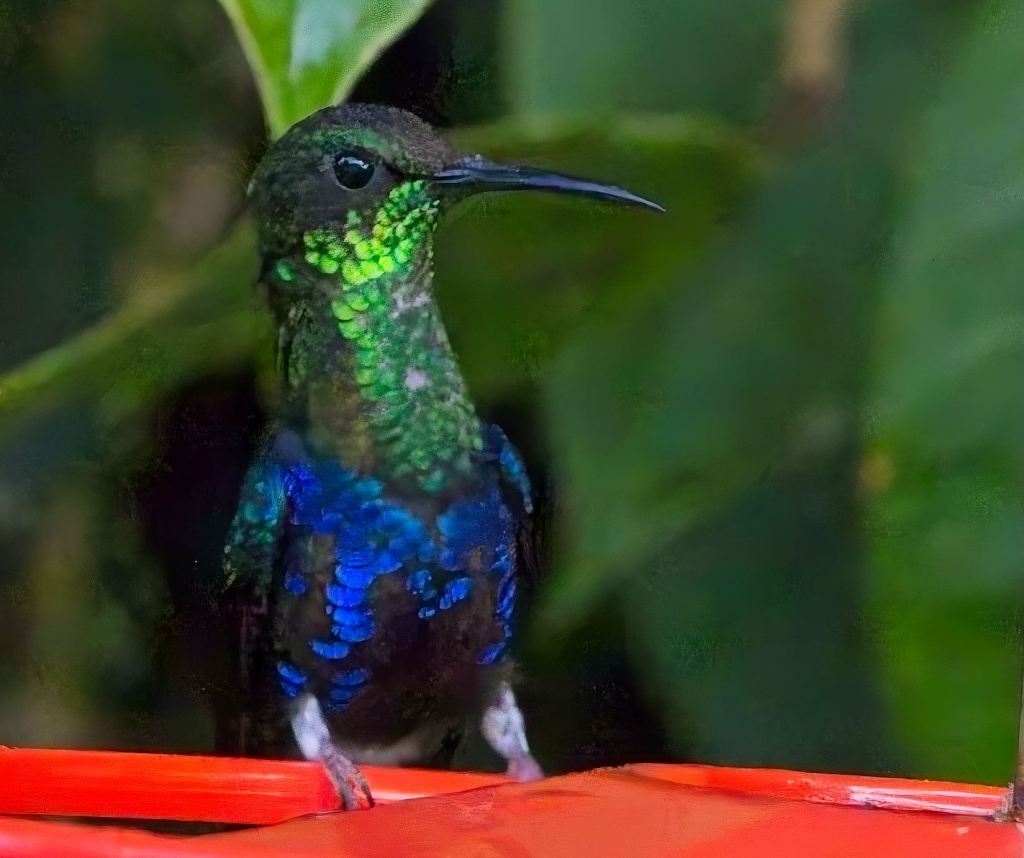
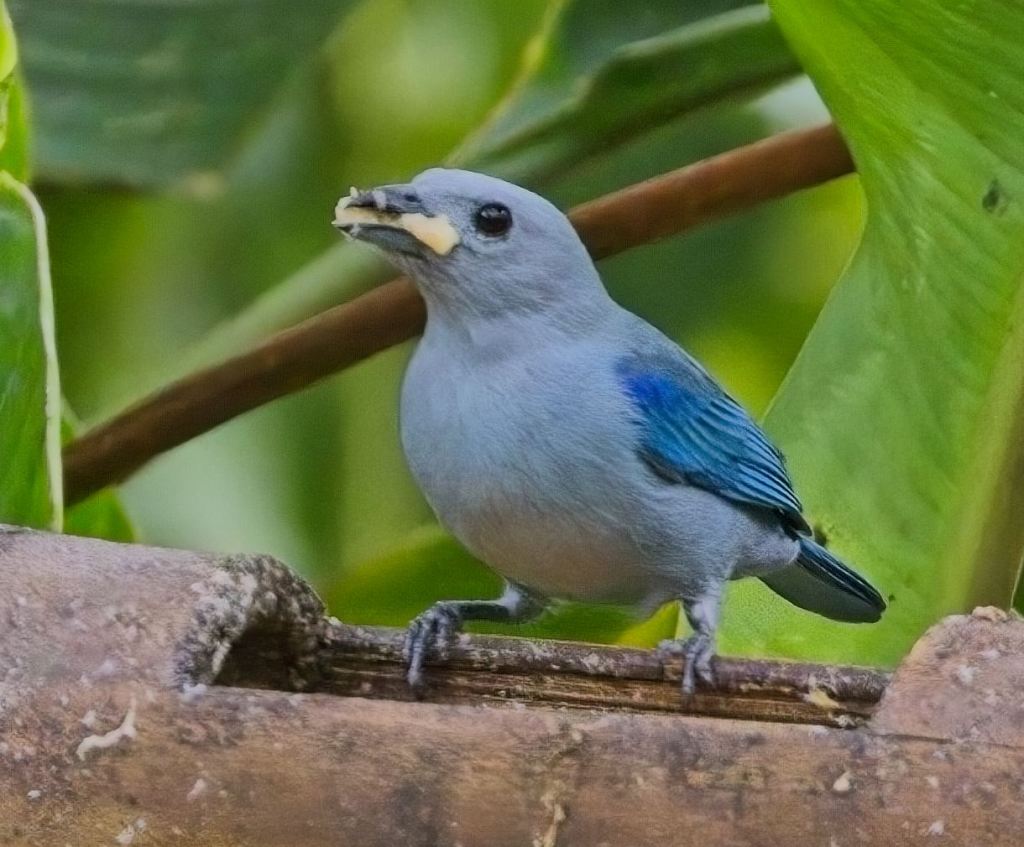
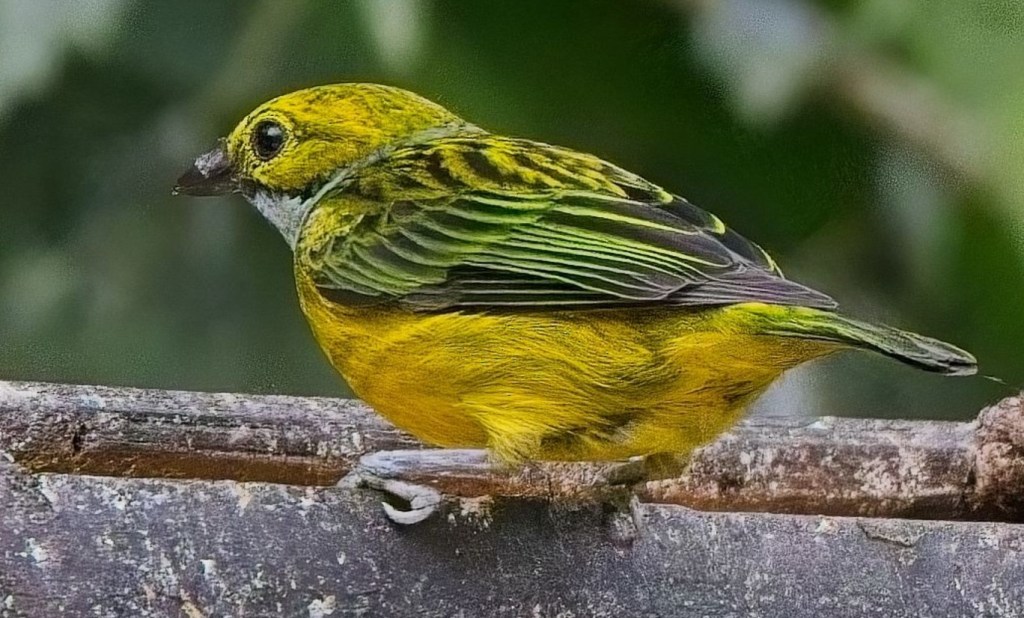
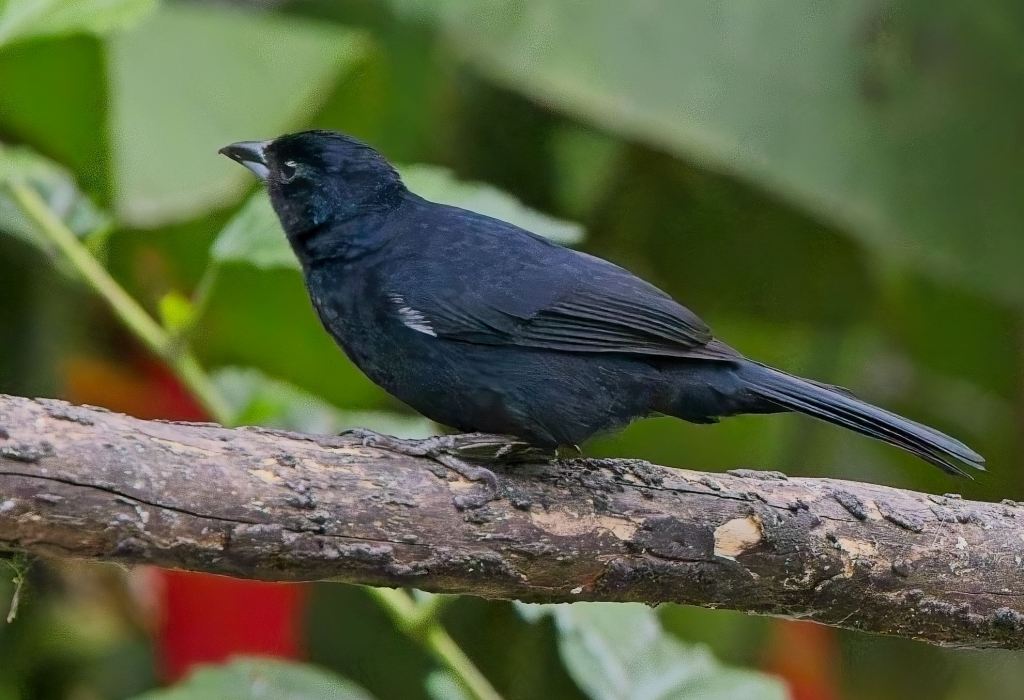
Other new birds for the trip were Black-billed Thrush, Yellow-browed Sparrow, Silver-beaked Tanager, Golden-faced Tyrannulet, Chestnut-bellied Seedeater and Red-crested Finch. Not new for the trip, but finally seen well and photographed was an Orange-billed Sparrow and the Blue-gray Tanager here was different than ones seen earlier with white wing bars.
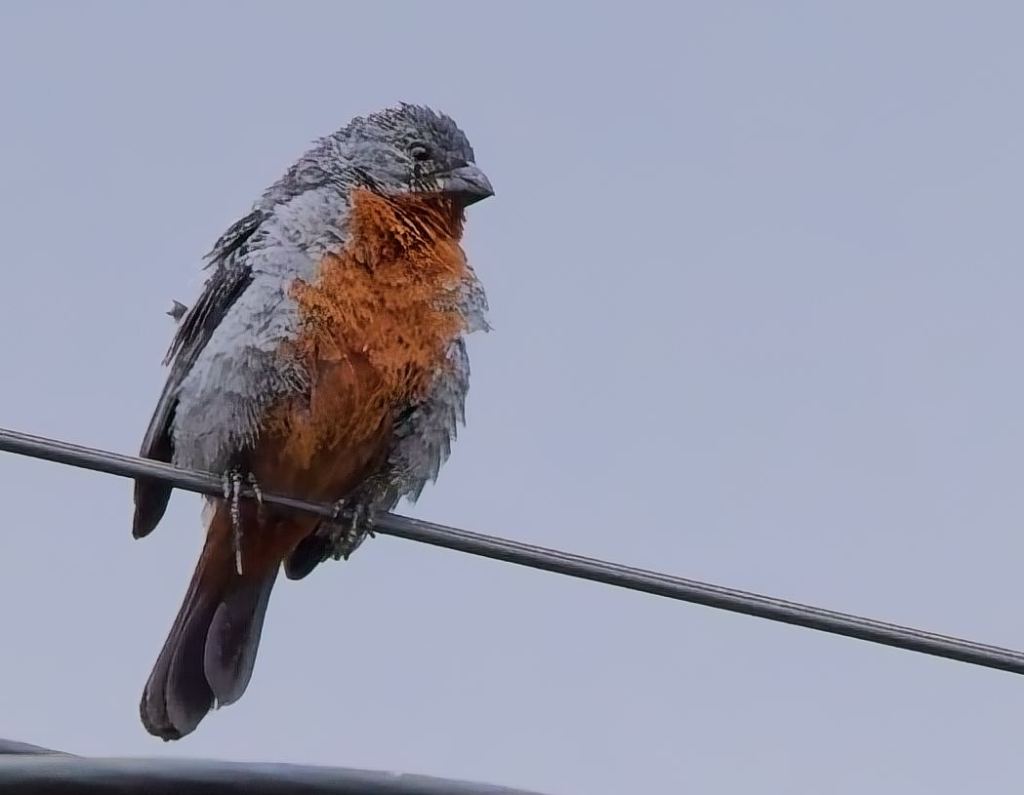

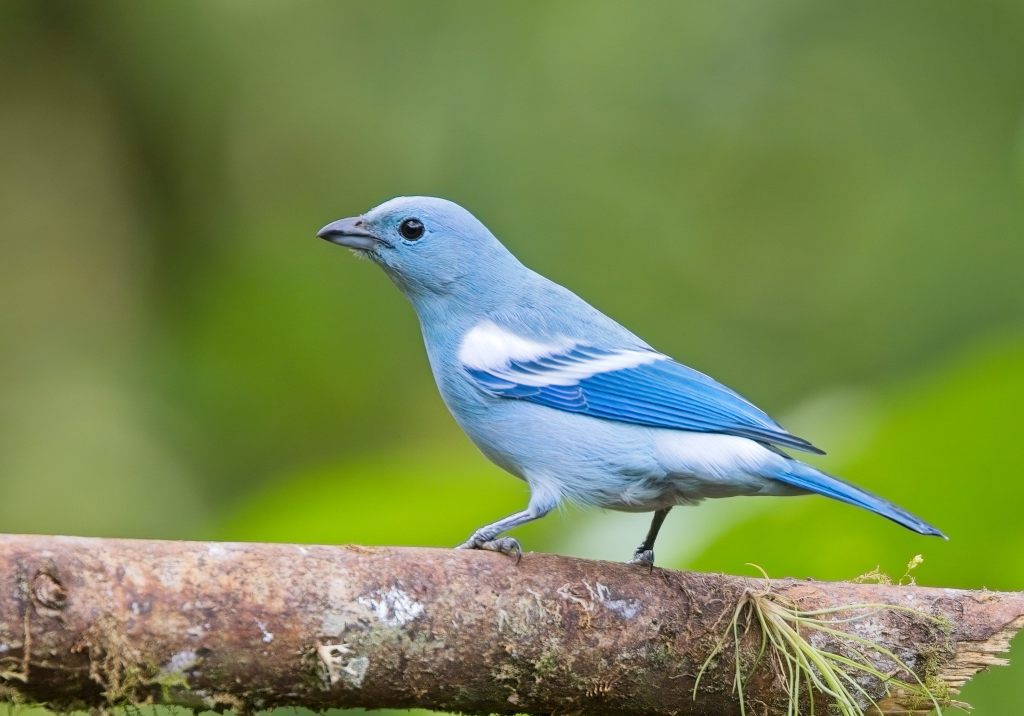
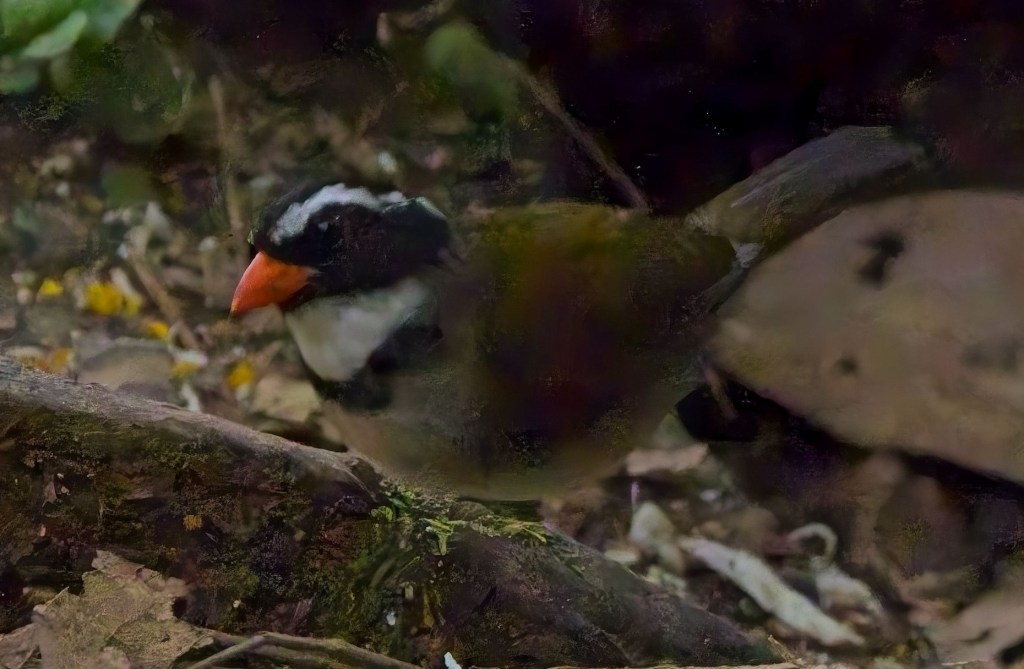
As we neared Wild Sumaco Lodge, Nelson made a stop on a promising section of road and during the half hour there we had 24 species, 9 new for the trip, of which 5 were new for my Ecuador life list and one hummingbird, a Glittering-throated Emerald, was a lifer – no photo on the road but I would get one soon later at the Wild Sumaco feeders. Many species did not provide photo ops, and I was especially unhappy to miss a photo of a Violaceous Jay, but although not a great photo, I did get one later.
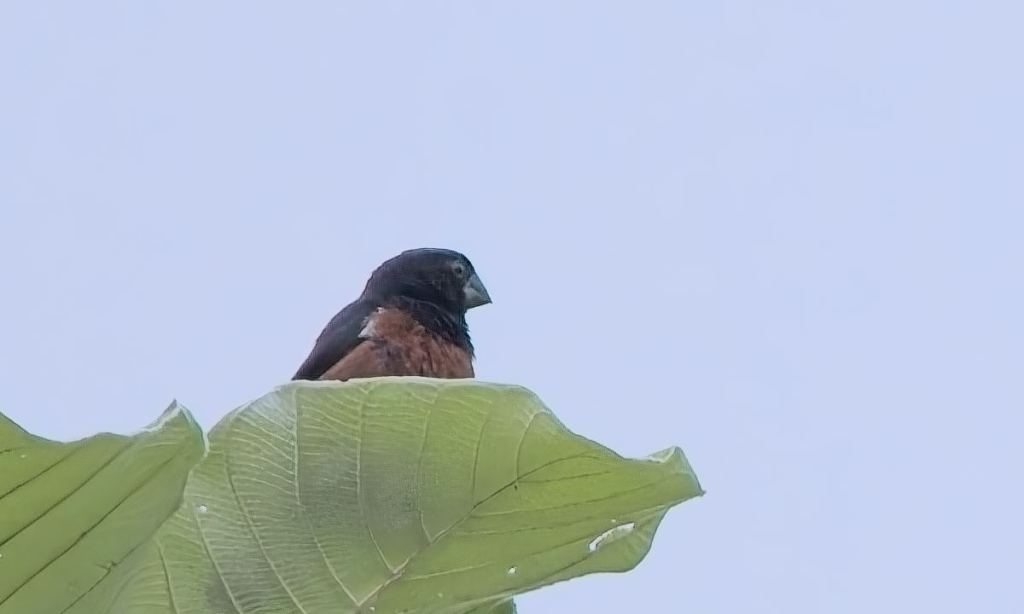


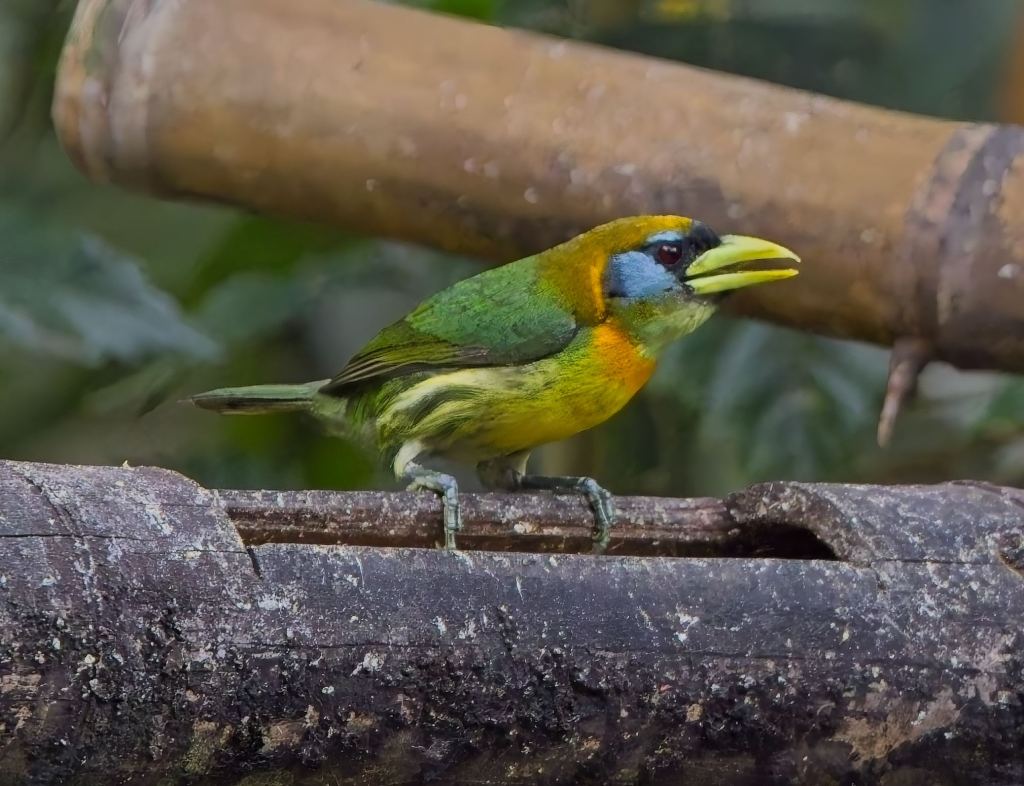
We made it to Wild Sumaco Lodge just after 4:30 with enough time left in the day to spend time at the feeders and watching the grounds of the lodge. We had 13 hummingbirds of which 4 were new for the trip, 3 new for my Ecuador list and two lifers. Altogether we had 21 species including flybys of two parrot types and two toucans and the first barbet we had had in a while, a Gilded Barbet.

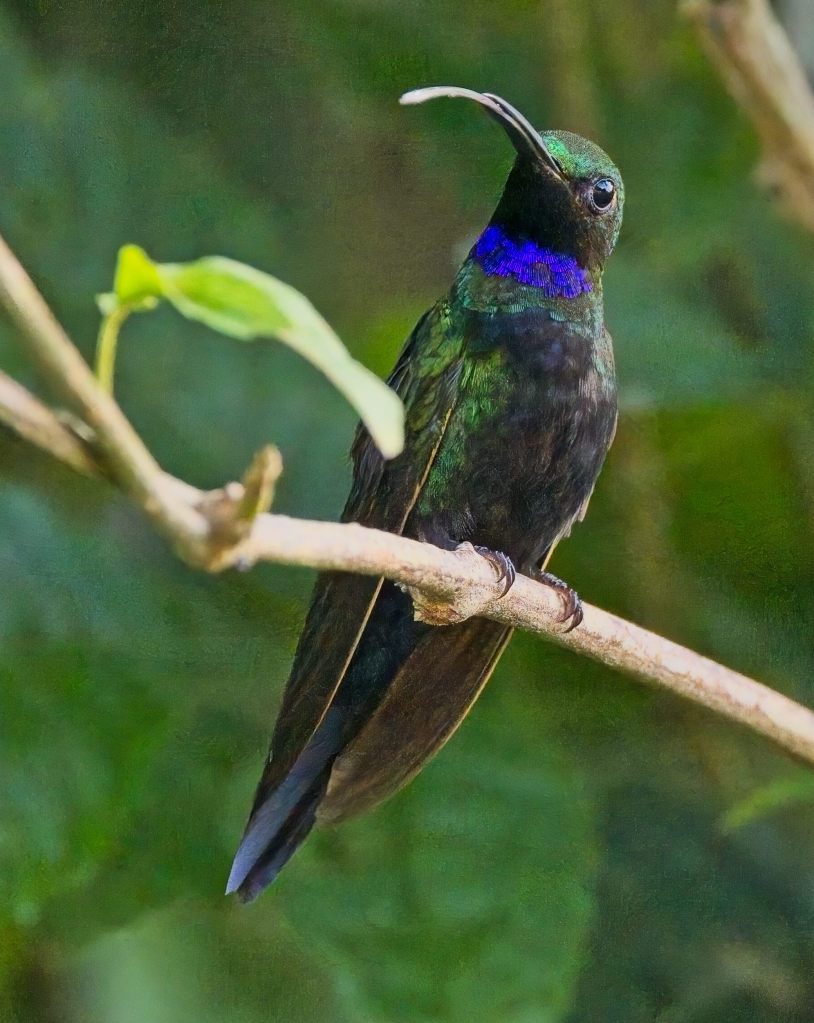

It had been a long and very productive day with 99 species including an awesome 23 species of hummingbirds, 12 tanagers and a great mix of other species including ducks, warblers, sparrows, woodpeckers, raptors and more. Sixty-four species were new for the trip; 22 were new for my Ecuador Life List and 11 were lifers. We would spend the next three nights at the Wild Sumaco Lodge with lots of birds ahead.
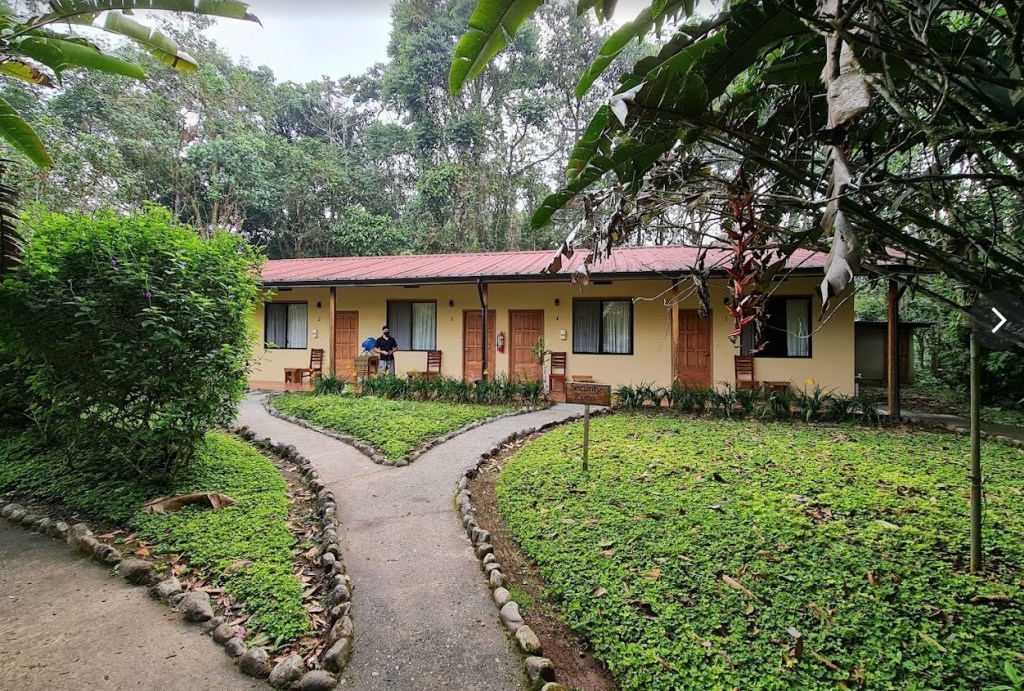
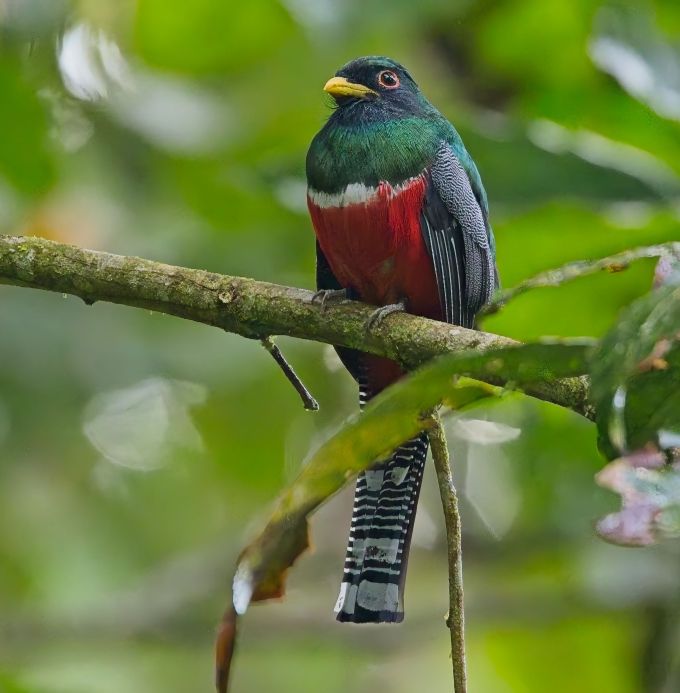
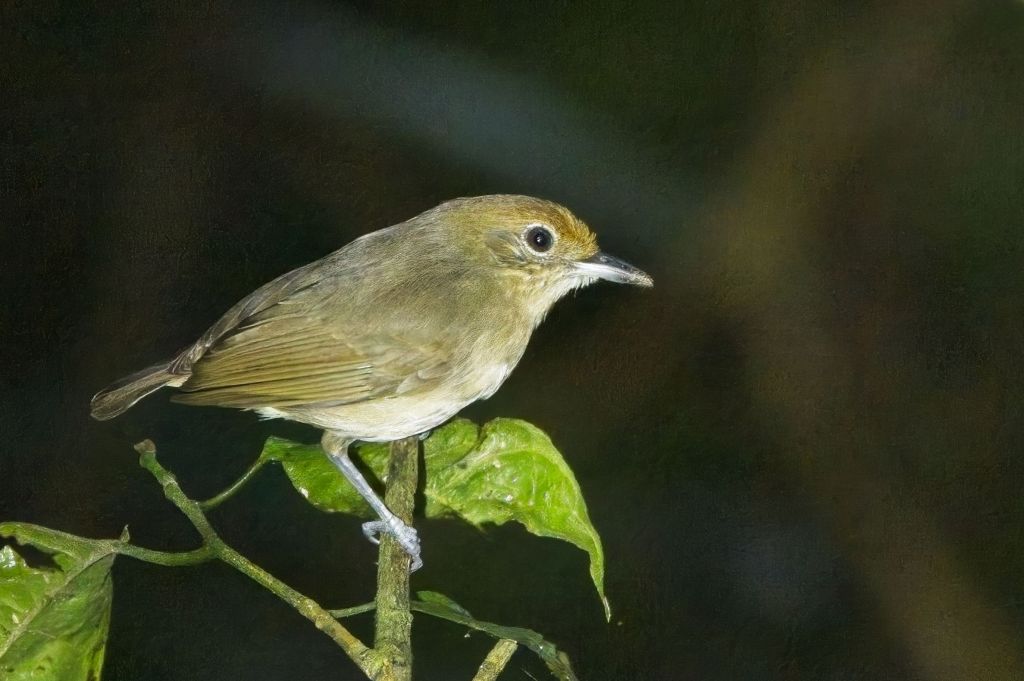
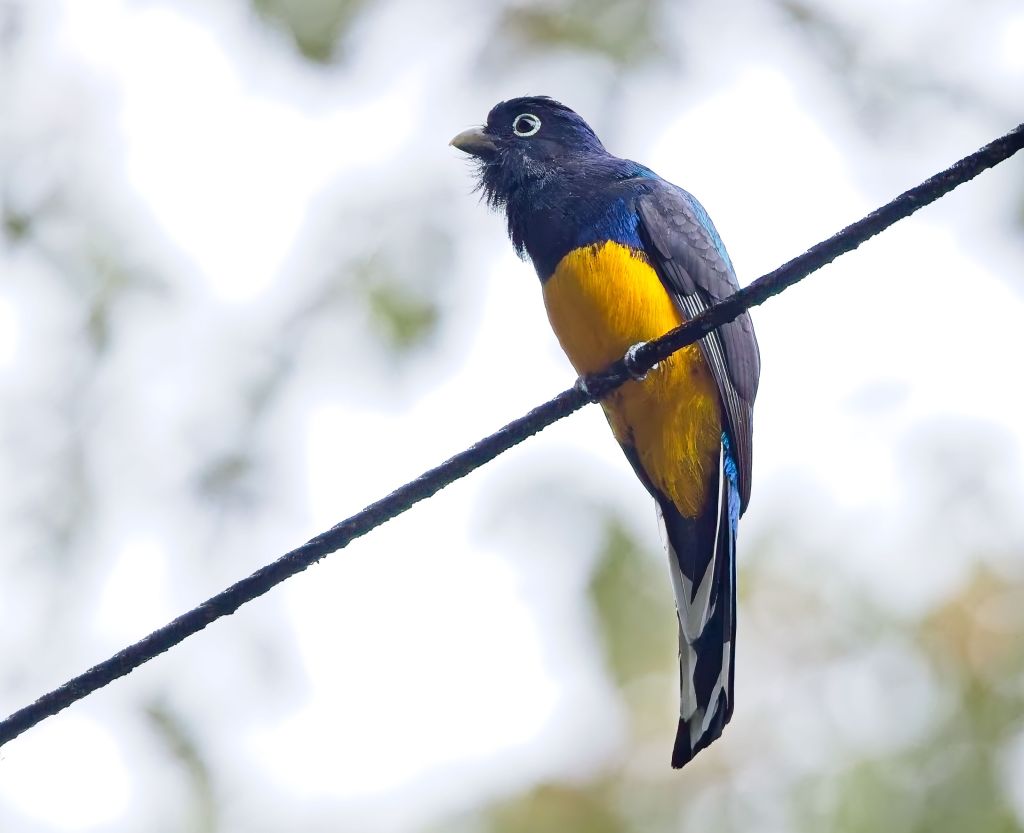
It was another early start as we would bird the grounds around Wild Sumaco and then visit the feeders as the light improved. We started with two new birds for the trip and for my Ecuador list, Plain Antvireo and Western Fire-eye which was also a world lifer. And it just kept getting better as we added a Spotted Tanager and then two iconic birds, Collared and Green-backed Trogons all providing great photo opportunities.


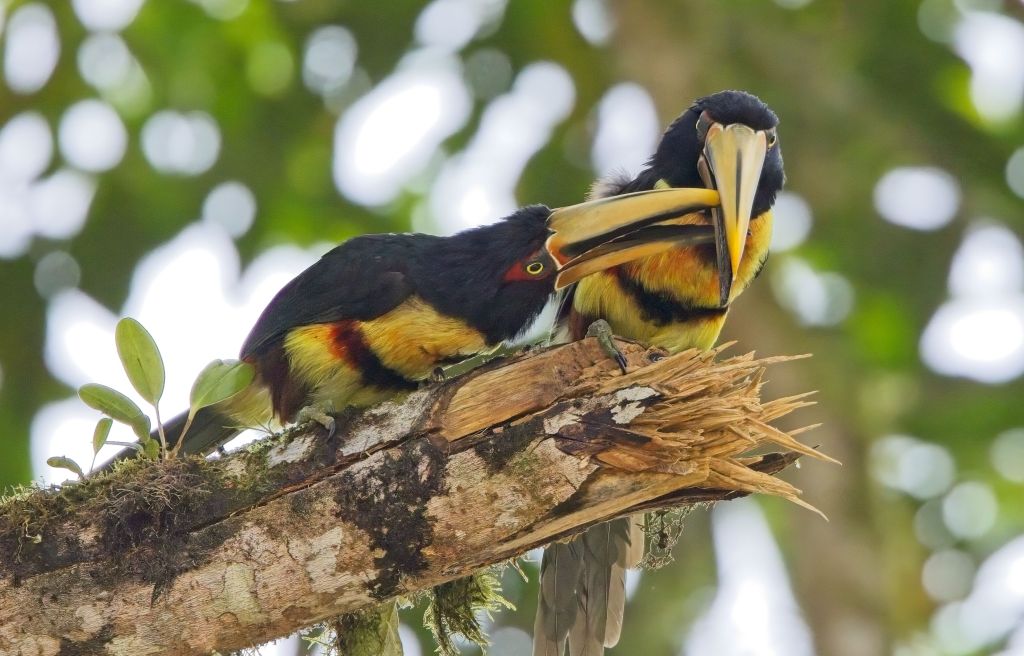
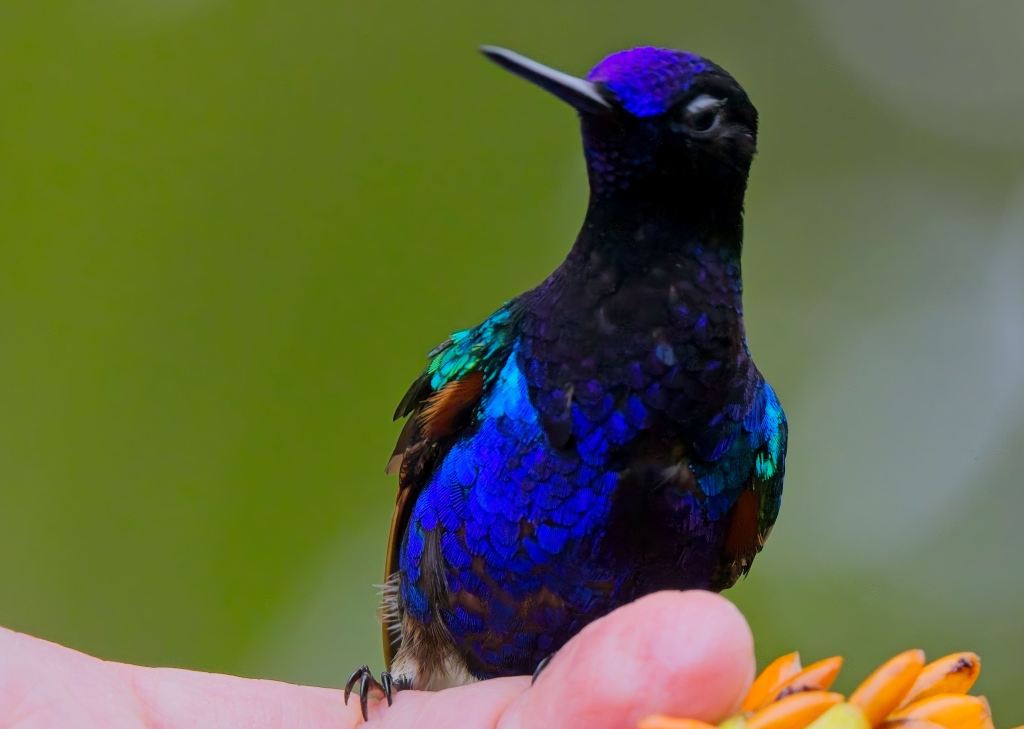
Then it was two lifers in succession, a Black-streaked Puffbird and Gould’s Jewelfront Hummingbird, both cooperating for photos. In my planning for the trip, I had noticed the Jewelfront and was hopeful that we would find one. It was a good morning for charismatic birds as we also had three parrot species – Military Macaw, Maroon-tailed Parakeet and Blue-headed Parrot, two Aracari species – Many-banded and Chestnut-eared, and three toucan species – Golden-collared Toucanet, and Yellow-throated and Channel-billed Toucans.
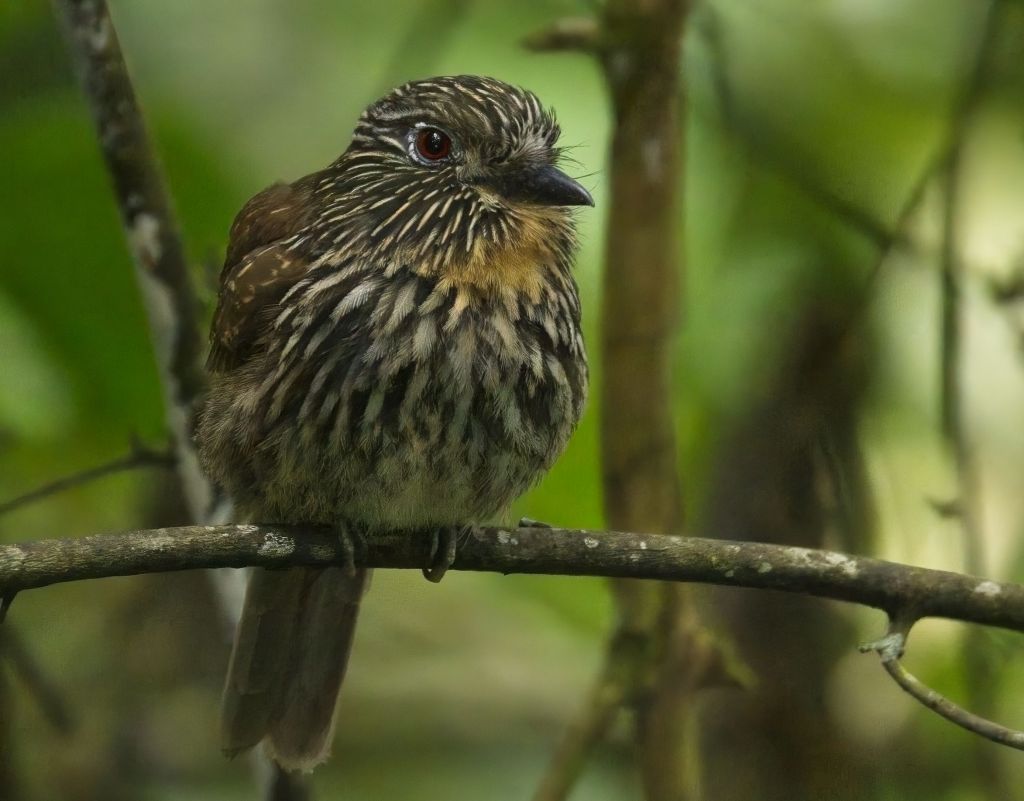
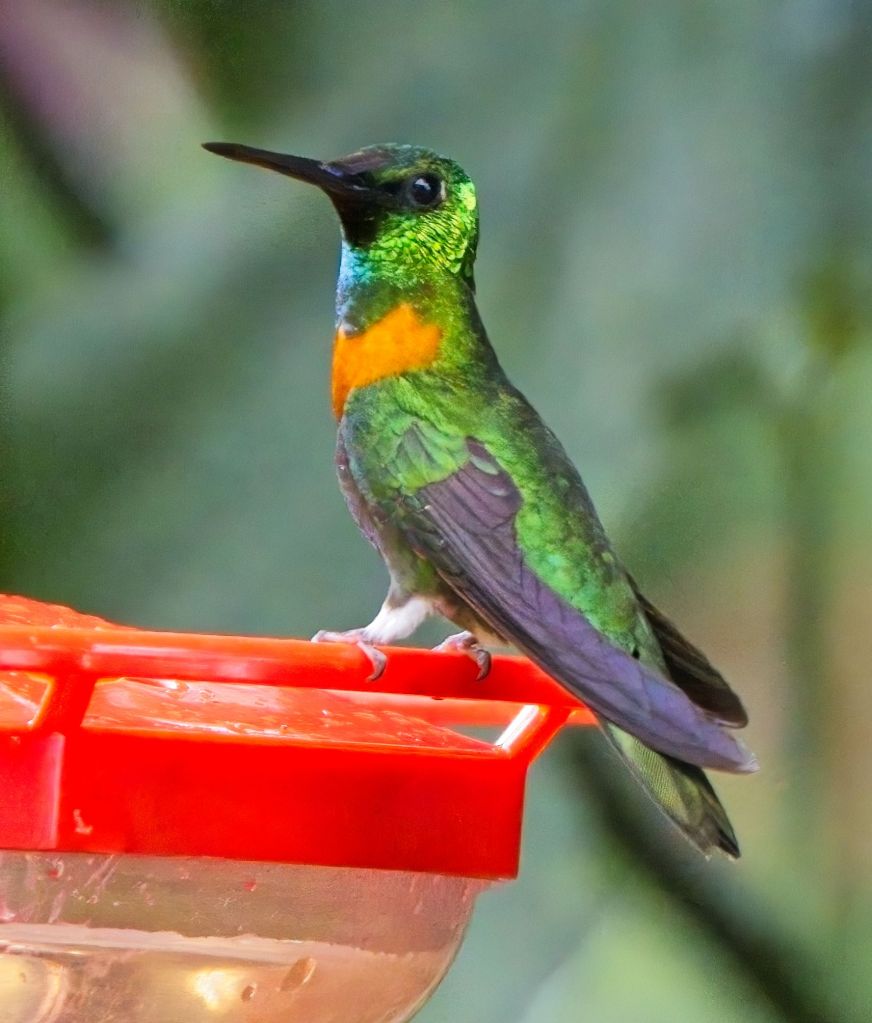
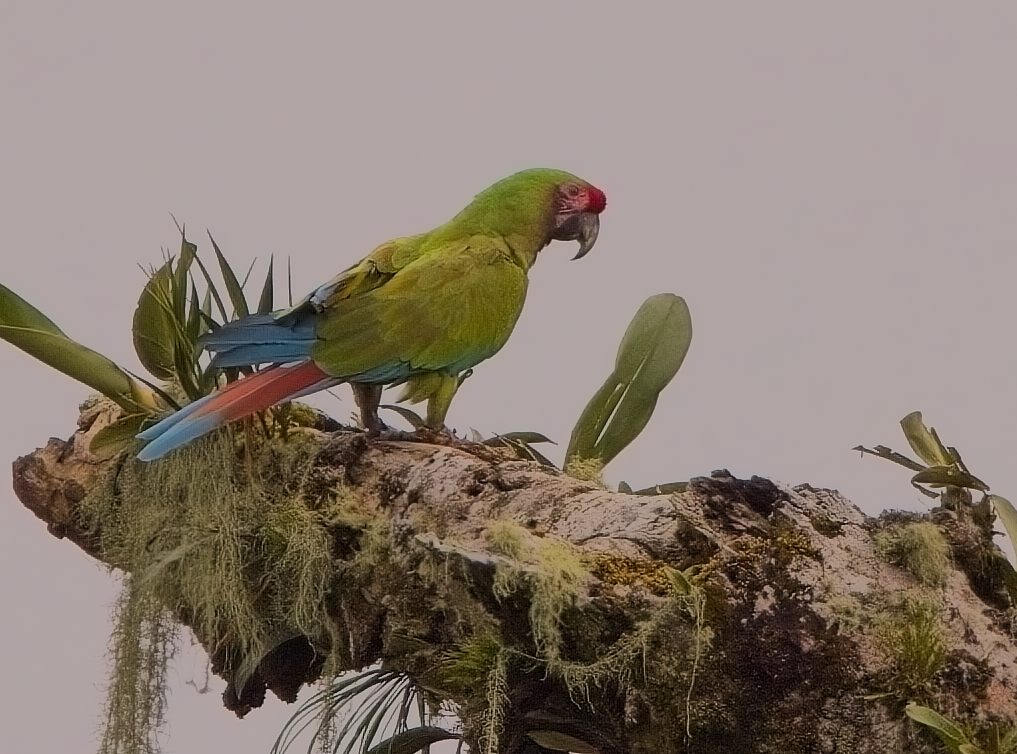


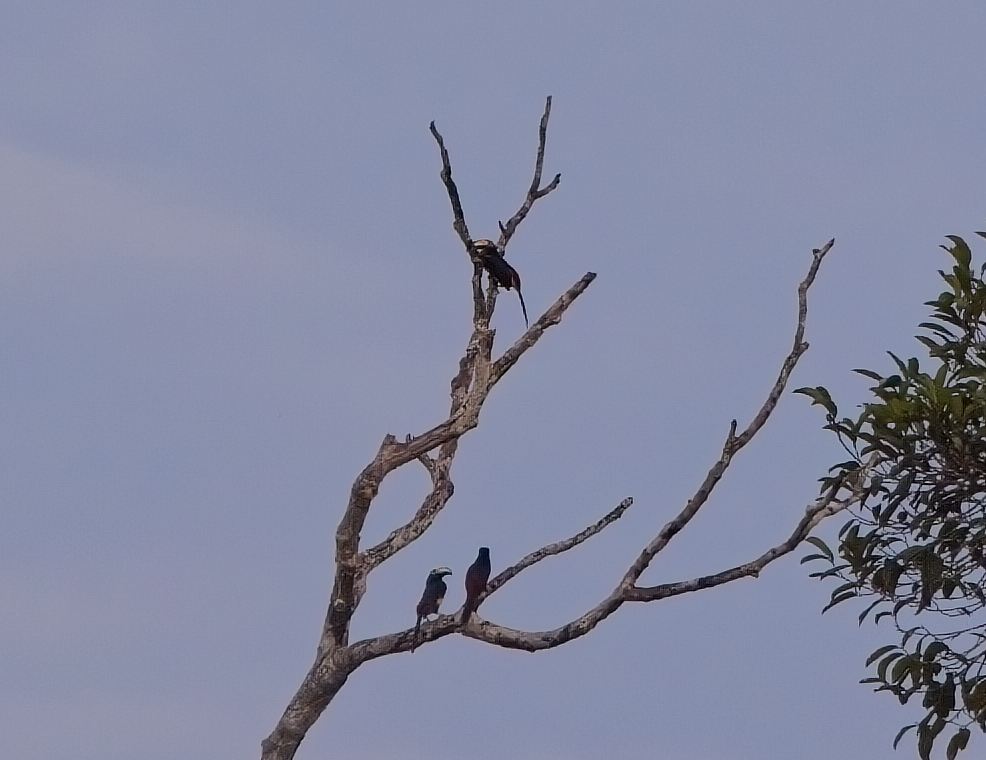


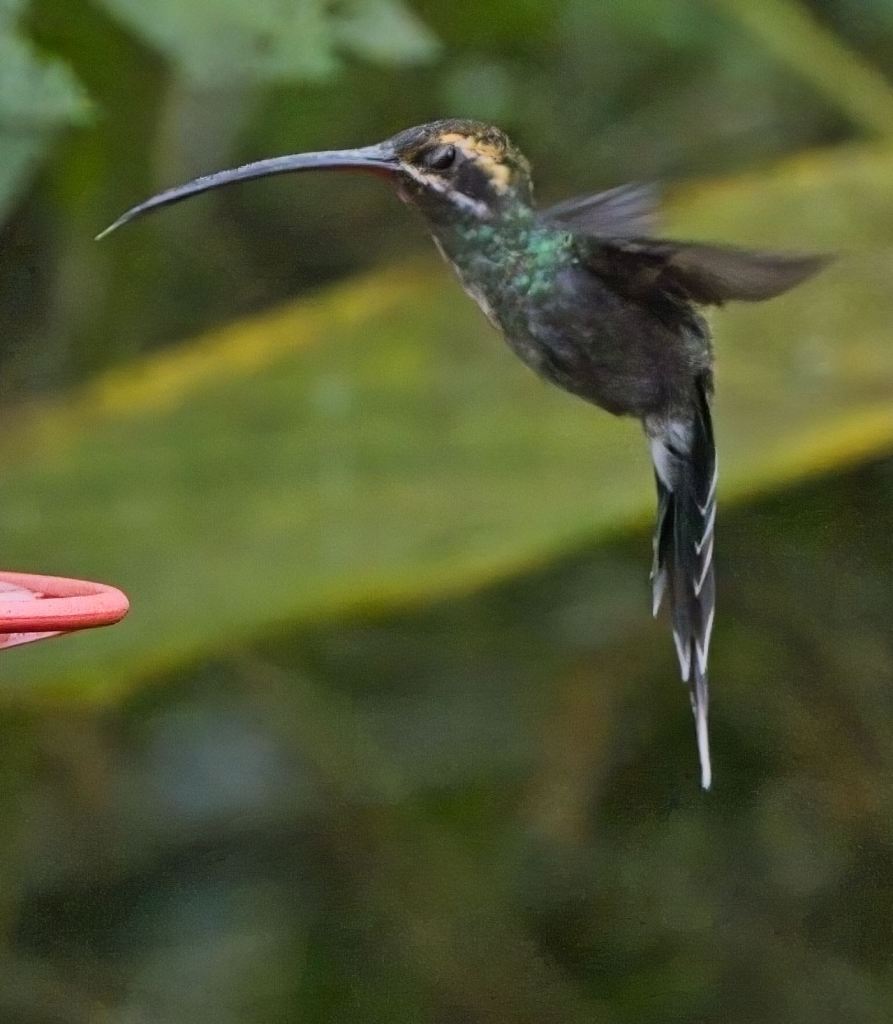
It was another hummingbird rich location with 13 species in the morning highlighted by the Gould’s Jewelfront and two other lifers: Napo Sabrewing and Rufous-vented Whitetip.

We birded at Wild Sumaco for more than 6 hours before our lunch break and had an amazing 102 species some of which have been included above. Unfortunately many of the birds were either heard only or seen poorly, but there were some exceptions like those above and the Black-faced Antbird, White-crowned Manakin and the White-winged Becard, all of which I had seen previously but not photographed.

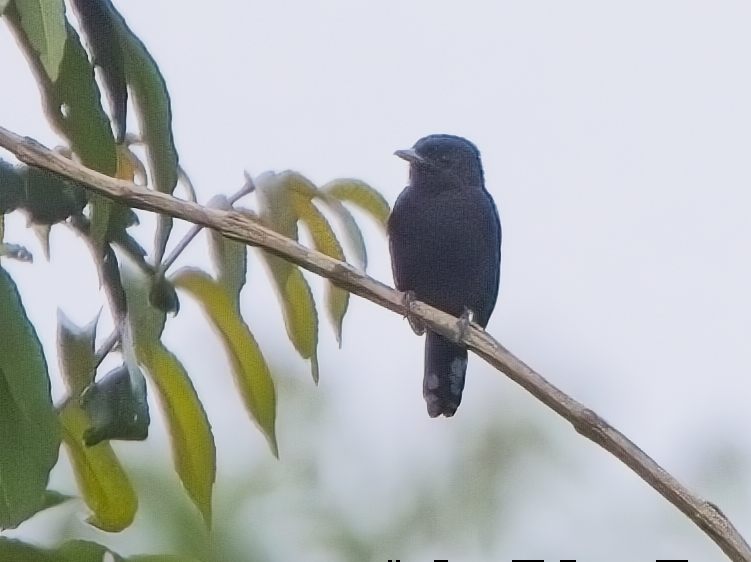
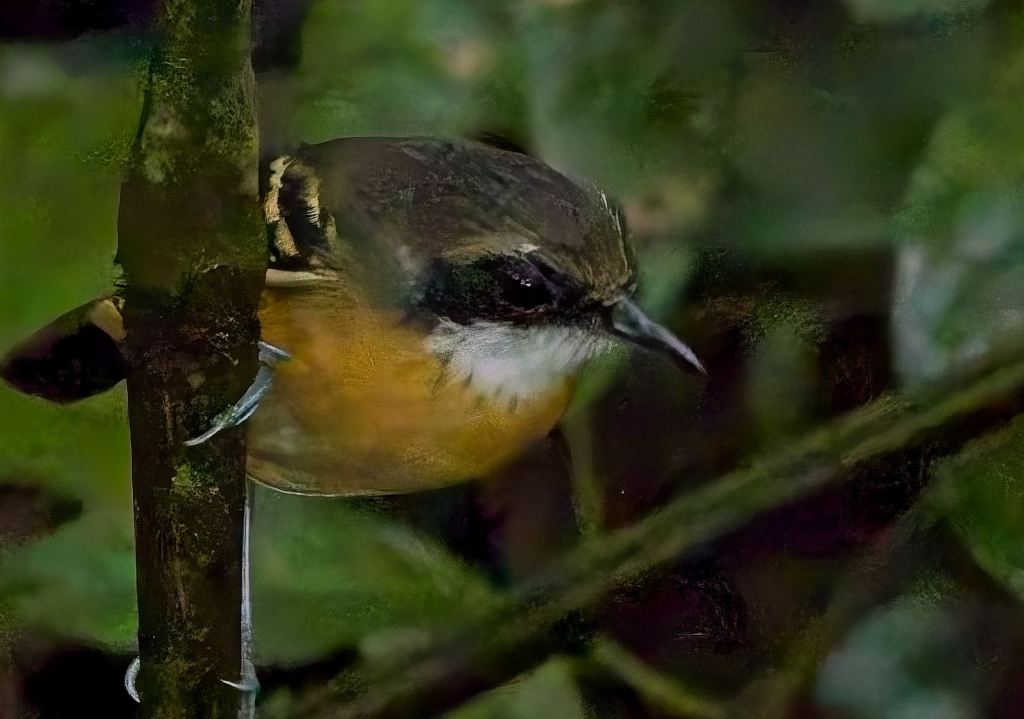
And then there was one more – a lifer Band-bellied Owl buried deep in foliage with just enough clearance that using manual focus I could at least get an ID photo.

Photos were even harder to come by in the afternoon as I got photos of only 7 of the 62 species seen one of which was of a Blue-rumped Manakin, a lifer seen but not photographed in the morning, and another was of a lifer Blackish Rail. Probably the best photos were of Plain-backed and Ochre-breasted Antpittas. I had seen and photographed the latter at Refugio Paz in 2022 and heard the latter as a lifer at Reserva Mashpi-Amagusa earlier on this trip.
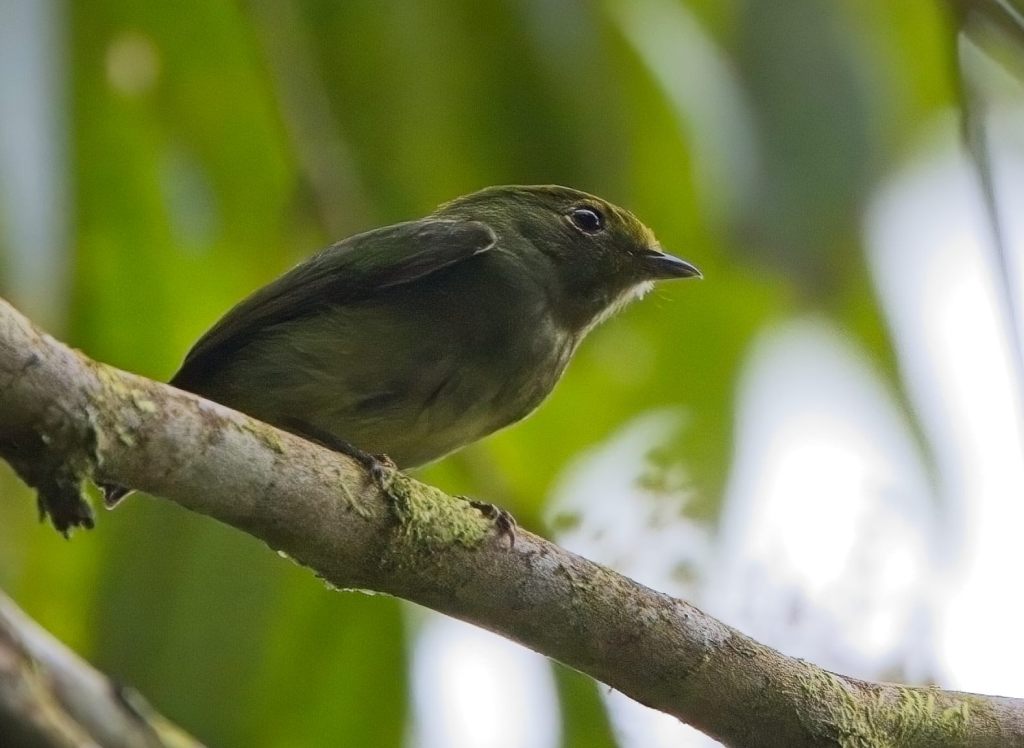
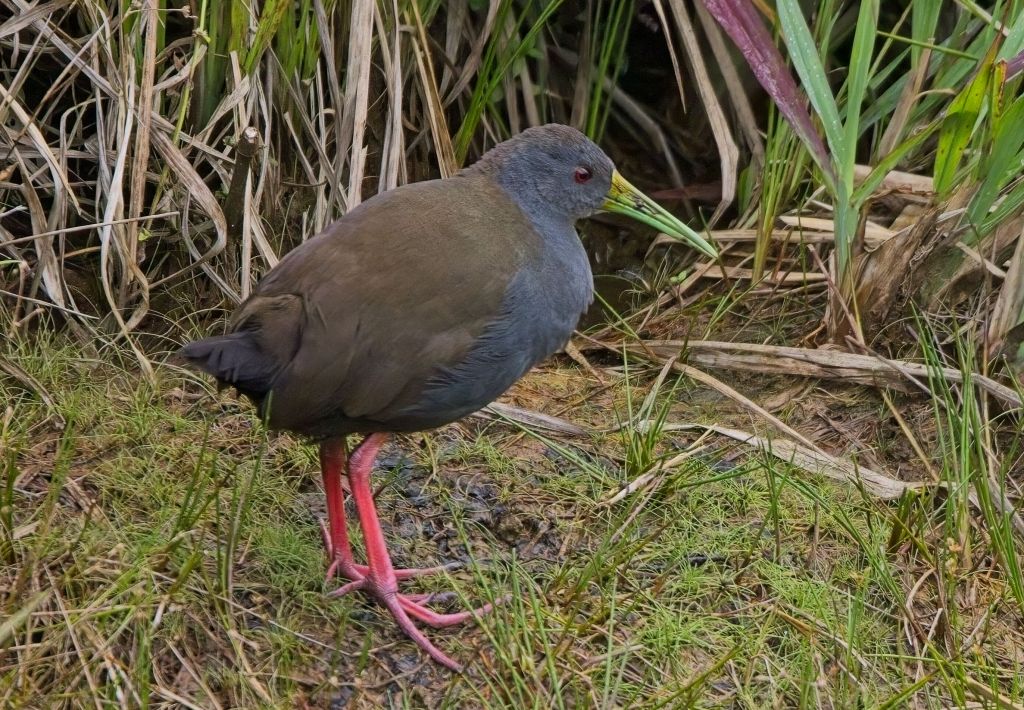


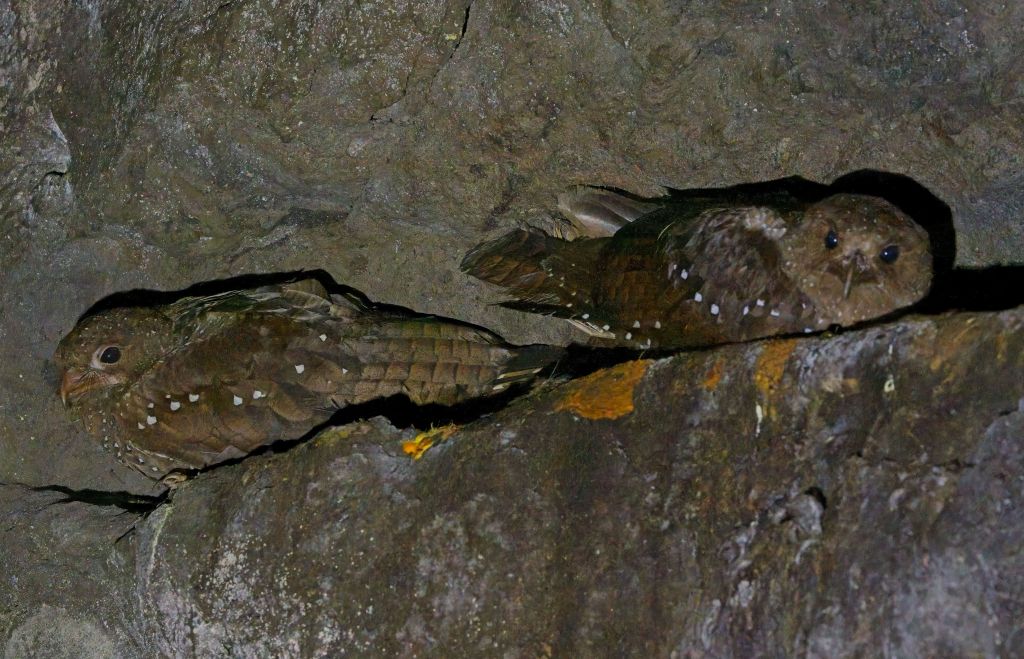
There would be one more species at Wild Sumaco that day – a Common Pauraque seen and photographed at night, new for Ecuador but seen in a number of other countries including the U.S. We also heard but were unable to get a visual of a lifer Rufescent Screech Owl.

Planning for the trip I had known that Wild Sumaco was species-rich with a lot of potential lifers. Including the previous afternoon we had seen 129 species: 66 were new for the trip; 46 were new for my Ecuador list; and 26 were lifers. The next day promised to be very birdy as well as we would be birding roads near the lodge.
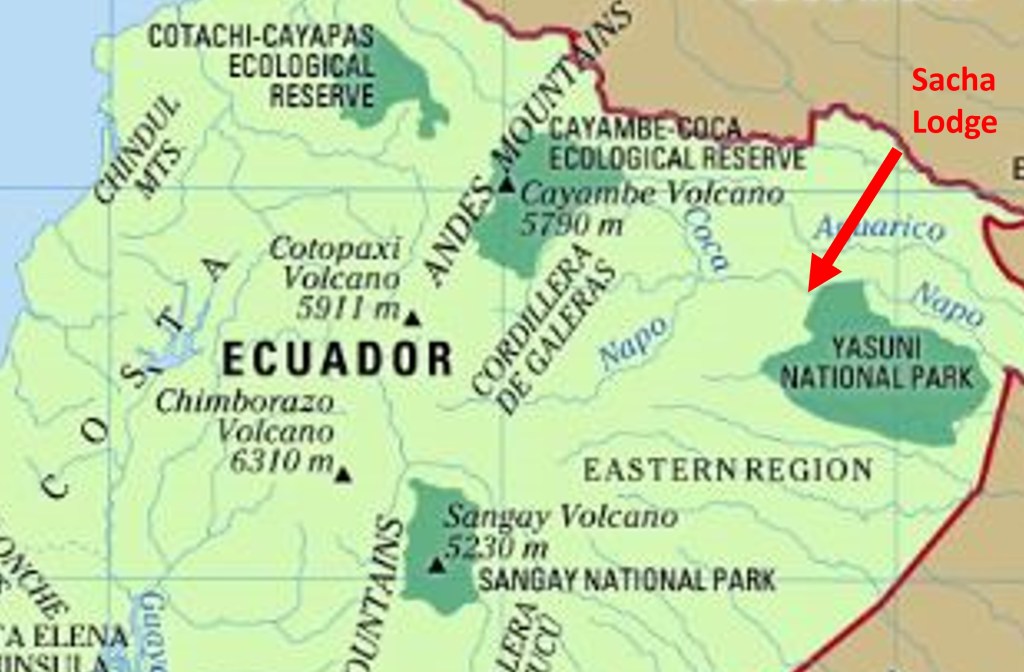
Welcome to October. We had really only been on the official tour for barely 5 days but we had covered a lot of territory. Today we would be birding near the Wild Sumaco Lodge and then would work our way into the beginning of the Amazon region at Gareno near the Napo River. Another day with lots of birds but again with many heard only or seen only briefly. No more feeders and many fewer photo ops. In three hours along Sumaco Road we had over 70 species. Only seventeen were new for the trip as many were species already observed at Wild Sumaco, but most of them were new Ecuador birds for me and nine were lifers – but without photos of any of them many of which were in the dark foliage of the early morning or heard only. A word about lifers. Everyone has their own standards for counting new birds. Mine are different for various lists. In my home Washington State, I will only count a new state bird if I get a photo. In the ABA area, I will only count it with a visual. So in neither case is “heard only” sufficient. Disagree with me if you wish, but for other areas I will count a heard only species if (1) I hear it clearly (2) my guide is certain of the ID; (3) I can recognize the call/song and match it to a recording and (4) I hear it again and match it to the first time I heard it and to that recording. That satisfies me and I am sticking to that.
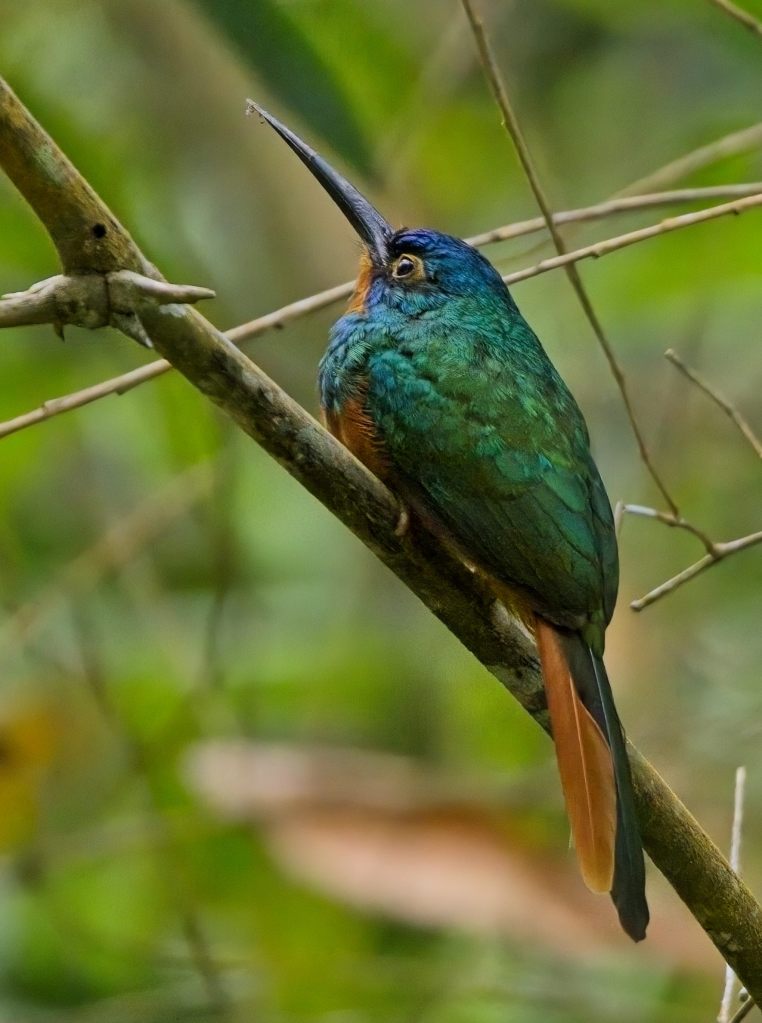
A highlight of the morning was a large kettle of more than 50 Swallow-tailed Kites soaring overhead. My photos were ID quality only but I was so spoiled by an up close and personal interaction with them in the Everglades in Florida seven years ago, that I don’t even care about photos again after that experience. A photo from then is included below. There were some other photos from the morning as well including lifer photos of Coppery-chested Jacamar and White-thighed Swallow. The Jacamar had been on the list from the previous day as a lifer but without a photo, so it was a particularly well appreciated photo that morning.



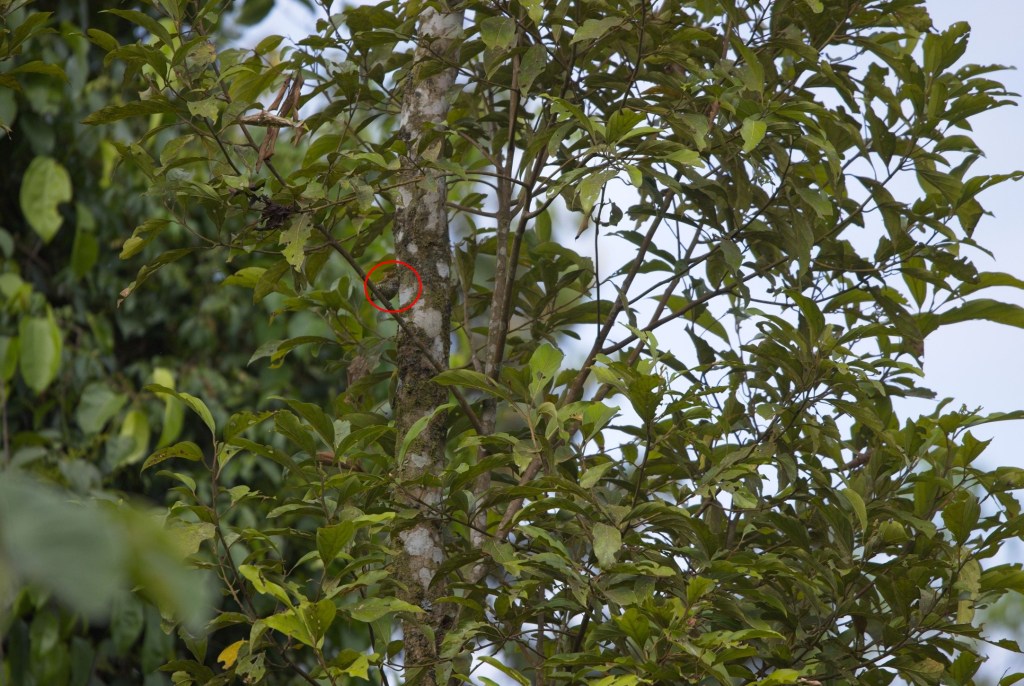
Piculets are essentially tiny stub-tailed woodpeckers found primarily in tropical South America with 20+ species and a few species in Africa and Asia. We had two this morning with a decent photo of a Lafresnaye’s Piculet. They are very small – only 4.5 inches on average and are very easily missed as they are mostly brown looking for insects on brown barked trees. I have often heard them described as “cute”. The second photo is the original uncropped or processed from the camera – already magnified 10 times by the 500 mm lens – a testament to the amazing sensors in modern digital cameras.

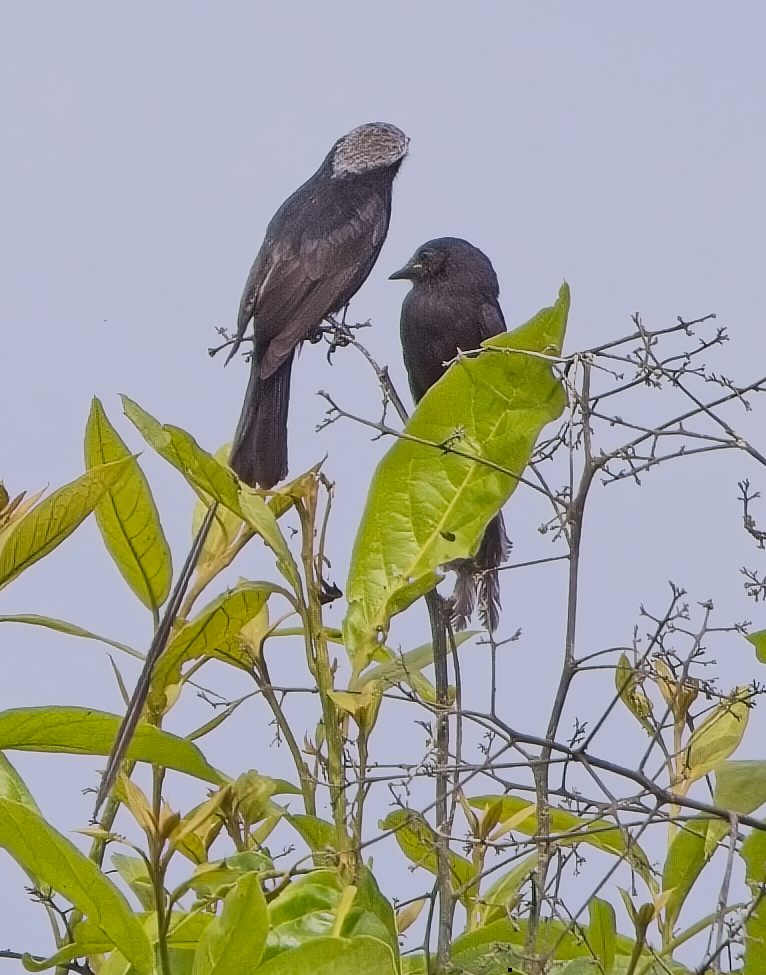
One of the new birds for the trip was a Long-tailed Tyrant. Tyrants are flycatchers with many species found in tropical Central and South America. This species indeed has a very conspicuous long tail. I tried to capture that tail in flight – not so great but definitely makes the point

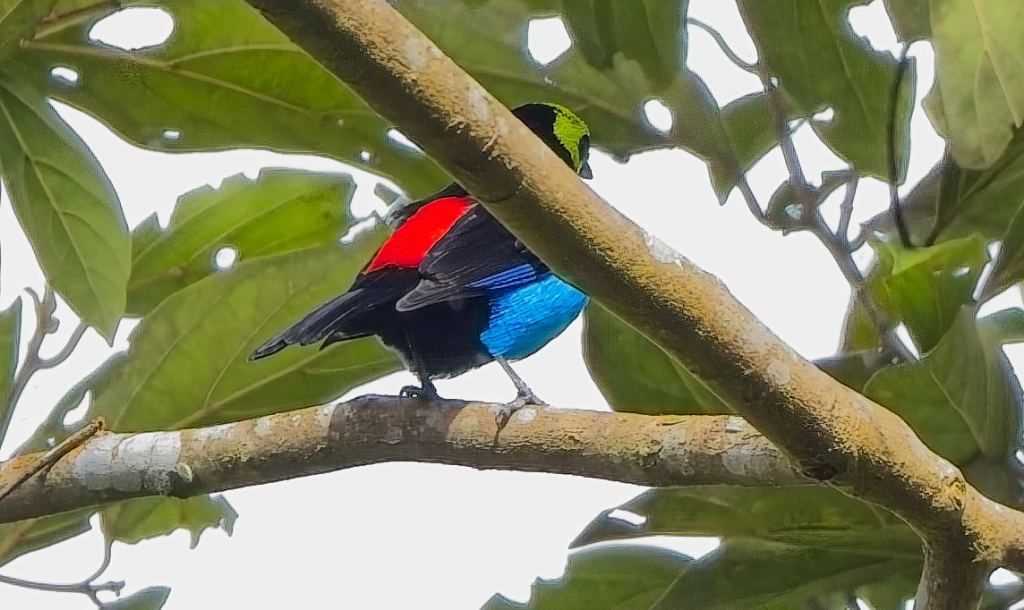
The last photo from the morning is of one of the most spectacular of the many spectacular tanagers that we observed, an aptly named Paradise Tanager. One subspecies has bright red on the back. I could get only a partial photo of that one.

I am a strong believer in using local guides. Yes, it is more expensive than birding on one’s own, but acknowledging that I am fortunate to be able to allocate funds for this, there are just so many benefits starting with the obvious of familiarity with species that are not known by me. But it goes way beyond just the identification of species. These guides know both general areas and specific places to find particular species, know local roads and people and restaurants and cultures. They both broaden and deepen the experience with their knowledge of all of the above. I might be able to learn from Ebird that a particular species might be found at a certain park, but I could spend hours at that park looking for the specific location while my guide would know exactly where to look. A great example was our stop on Loreto Road at “the Cliff Flycatcher Spot” a hotspot recognized on Ebird. Nelson knew exactly where to stop and as expected we had Cliff Flycatchers there – a species I had seen but not photographed in Peru in 2013. We are all eco-tourist birders and the money we bring into local economies for lodges, tourism companies, restaurants and guides helps support and sustain conservation in these localities and builds a culture of environmental awareness and care in the process.
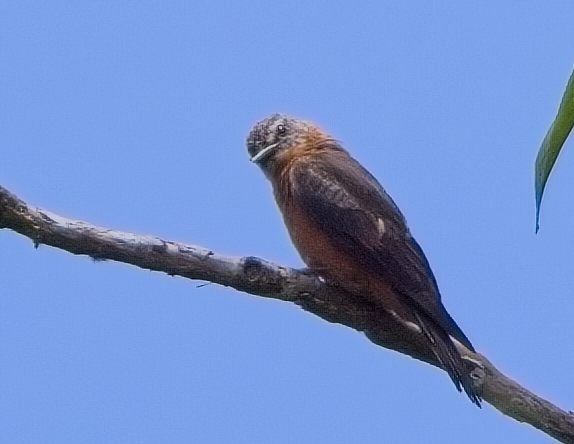
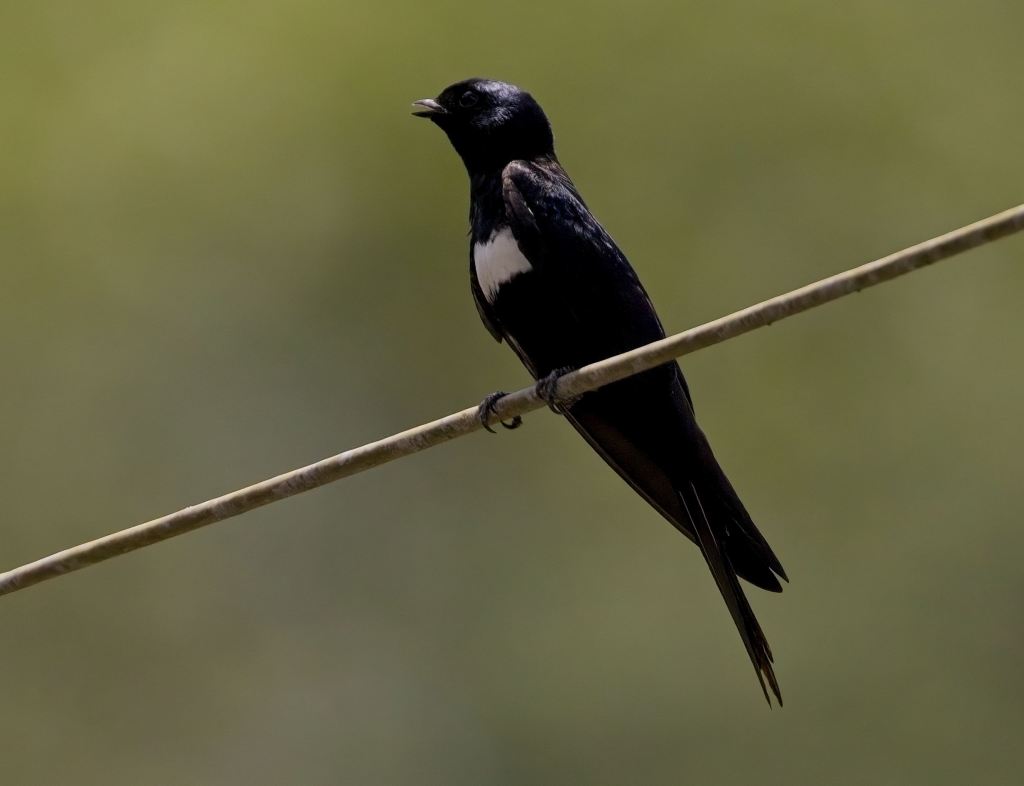
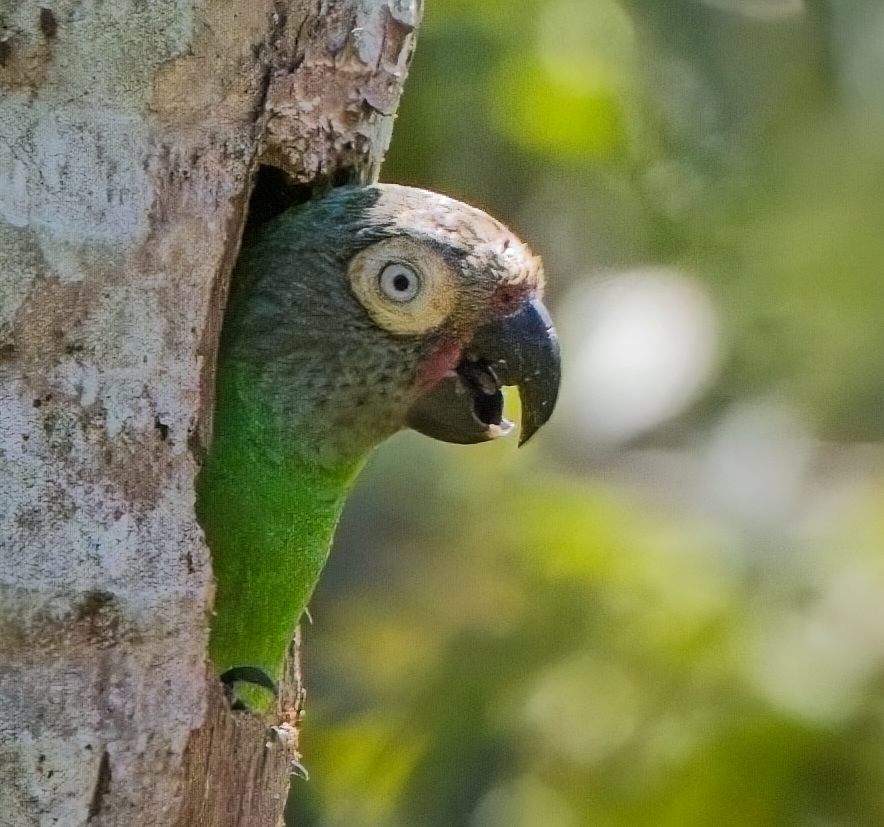
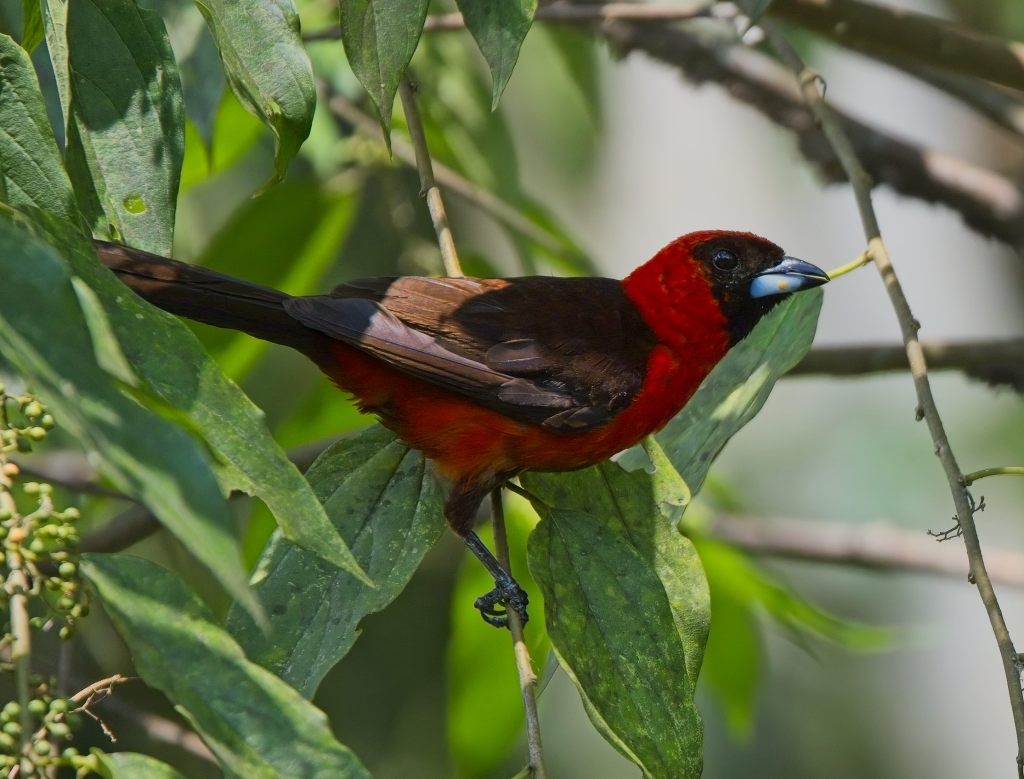
After lunch on the road, we stopped at the Ama Ecolodge and Reserve, near the Napo River in the Amazon region. Almost half of the 50 species we found there were new for our trip, 12 were new for my Ecuador List and 7 of those were lifers. The only photos of lifers were terrible photos of Yellow-bellied Dacnis and Orange-fronted Plushcrown. I did get life photos of White-banded Swallow, Scarlet-crowned Barbet, Dusky-headed Parrot, Masked Crimson Tanager and Violaceous Jay (the latter really poor). And there was another very welcomed photo – a Hoatzin, one of the truly bizarre birds, that I had seen often before but was new for and greatly appreciated by Tom.


There are almost always regrets on a day of birding in the forest – birds missed or photos missed – but of course the first regret also includes the latter as you cannot take a picture of a bird not seen. There was one species at Ama that I really regret not being able to photograph, a lifer White-eared Jacamar. Including one from Ebird here, because they are really cool birds.

We arrived at Hostal Yuralpa, scheduled to be our last lodging stop on the tour just before dusk. As one reviewer termed it – a mixed bag. Located by the Napo River in the Gareno area within Waorani Indigenous area it is a mix of a birding hostel and a dormitory for oil company workers. Food was just ok and served in a large cafeteria shared by all. Our rooms were also OK. The grounds were utilitarian/industrial rather than “in nature” but the birding in the vicinity was great. There was an immediate problem when we arrived as we were informed that there was no electricity – explained as “a problem in the system”. This was the warmest of our locations and the prospect of a night without AC or fan was pretty daunting as was the prospect of no hot water, no Wi-Fi and no ability to recharge equipment and then there would be the darkness. Especially since it was critical for me to be able to communicate with spouse Cindy who was about to fly down to meet me for our upcoming trip to the Galapagos, none of this was well received. I still don’t know if it was poor communication or a change in circumstances, but what started off looking like a disaster turned out to be just a big inconvenience. There was electricity but only during limited hours due to blackouts caused by water shortages due in turn to the many months long drought that had curtailed hydroelectric power production in much of the country. We ate more than once by candlelight and only had electricity in the rooms after 8 or so, but it was survivable.
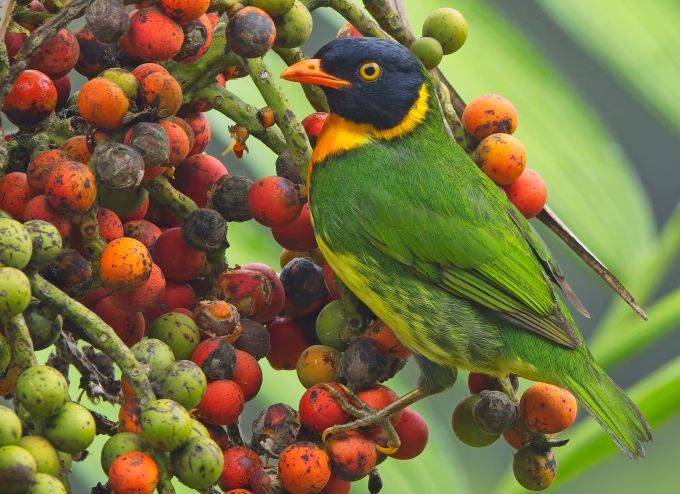
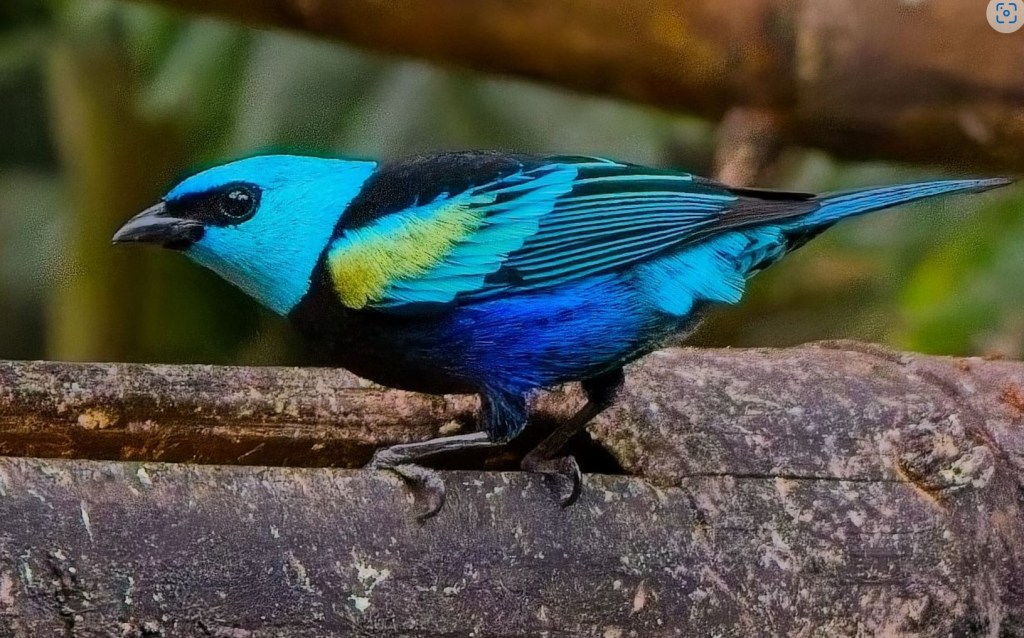
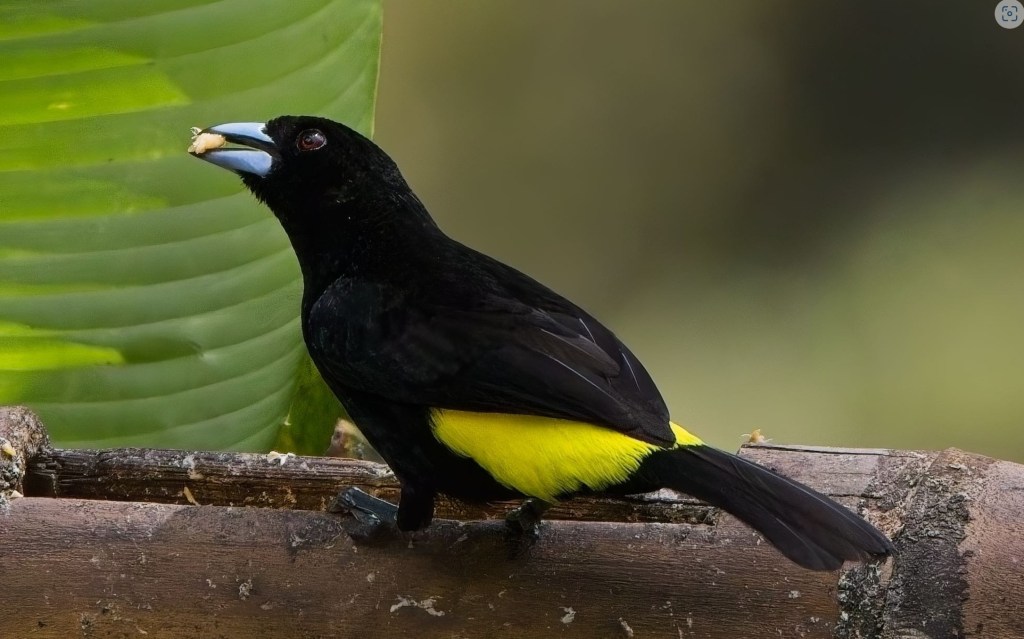
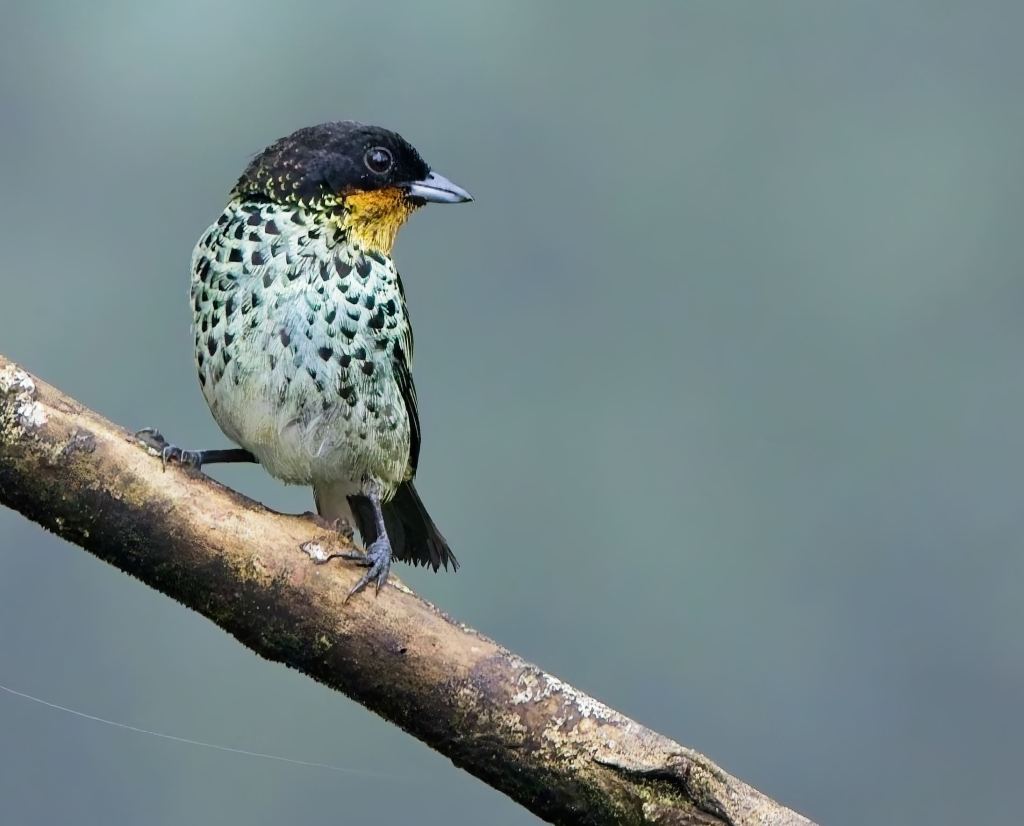
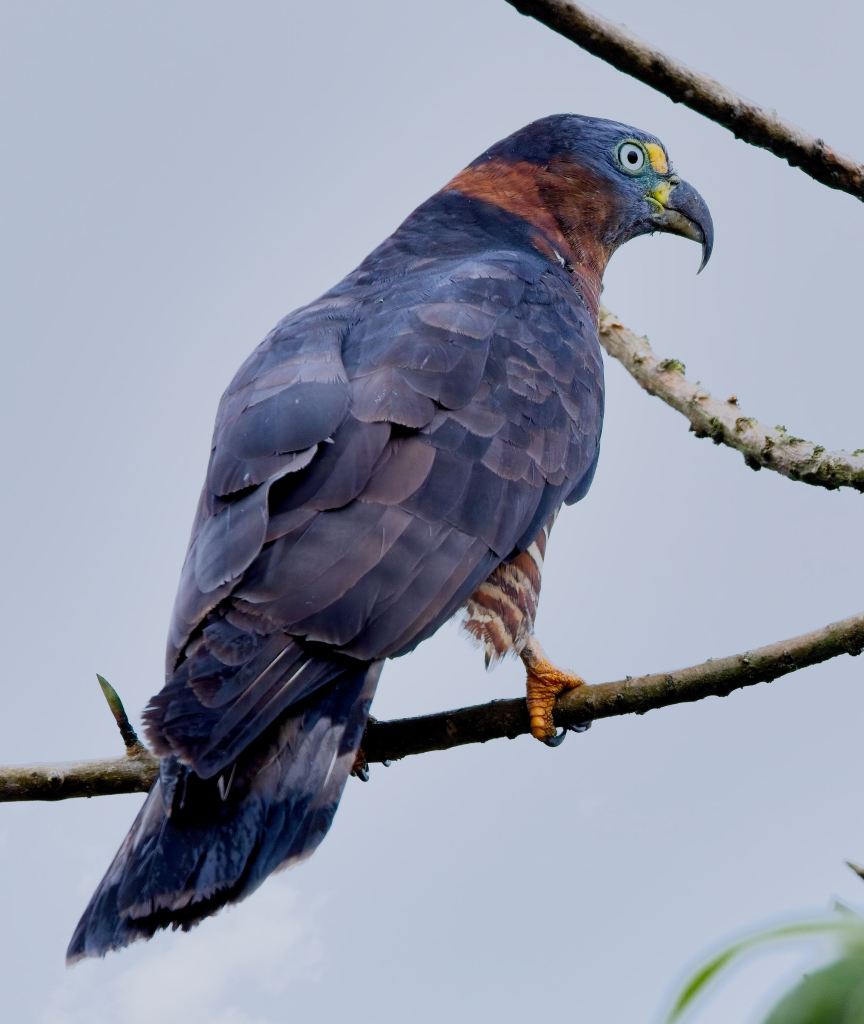
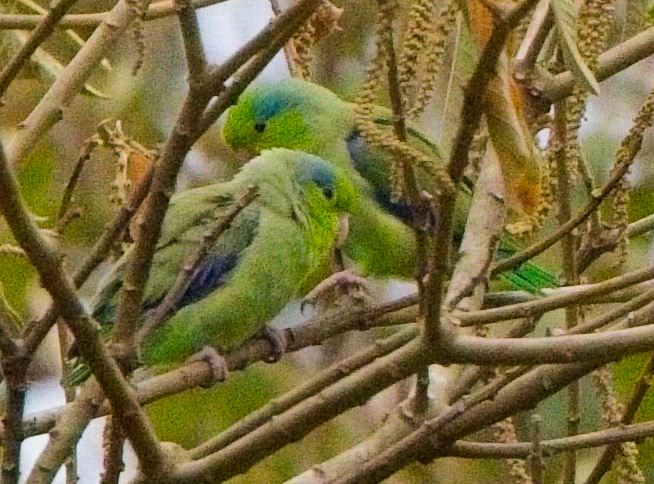
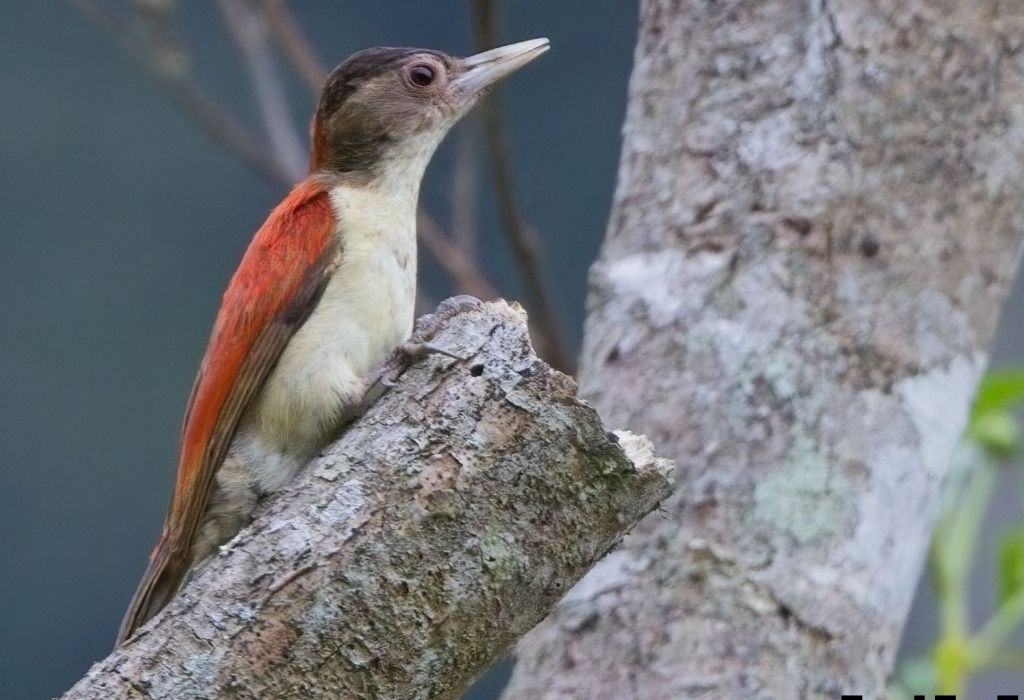
And there were lots of birds in this very different habitat. Now not all of them were seen clearly if at all, as the forest was very thick and many of the species were canopy dwellers – a big challenge without a tower. But the numbers were impressive. During our time in the Gareno Waorani area, we had 134 species adding 73 for the trip list, 47 for my Ecuador list and 31 for my Life List. Unfortunately most were not photographed. Not distinguishing by day, I am including some of the photos that I was able to get.
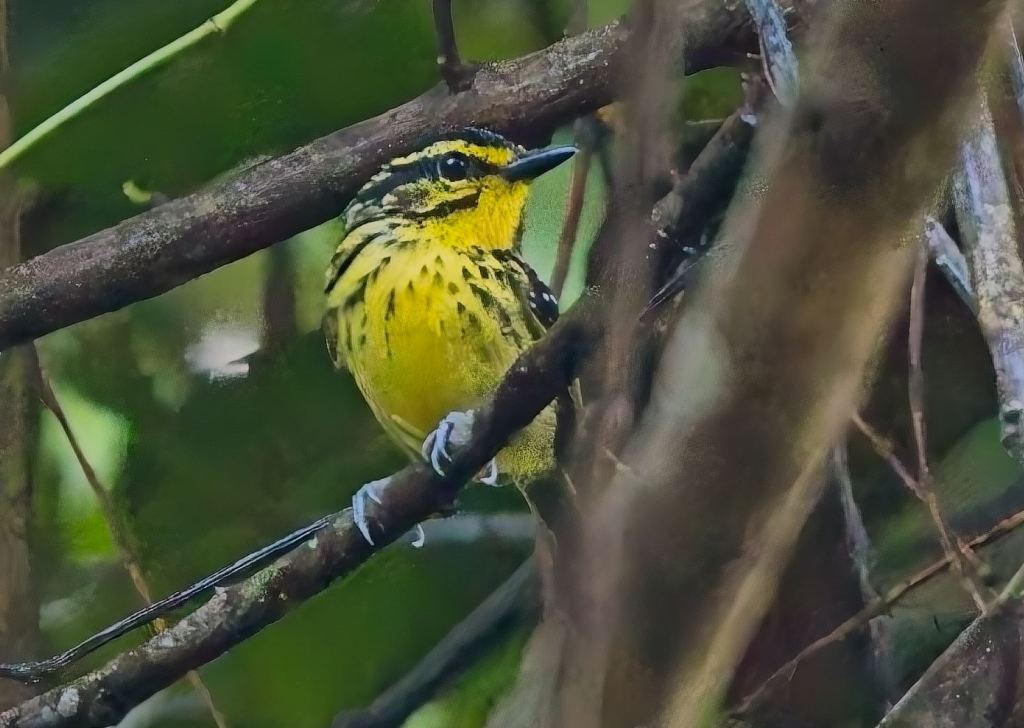


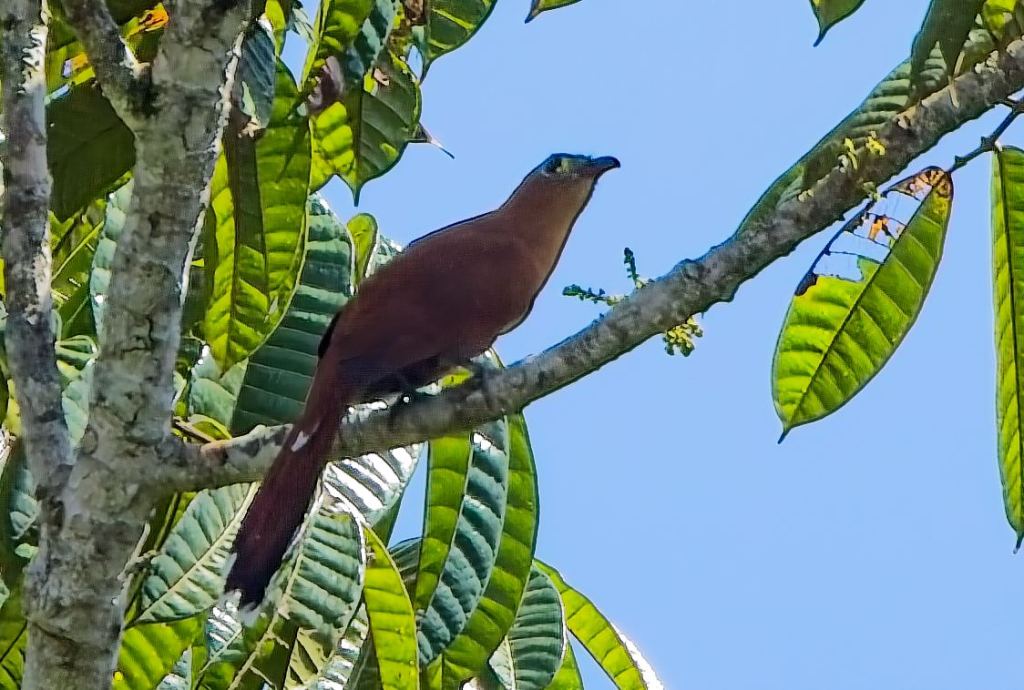


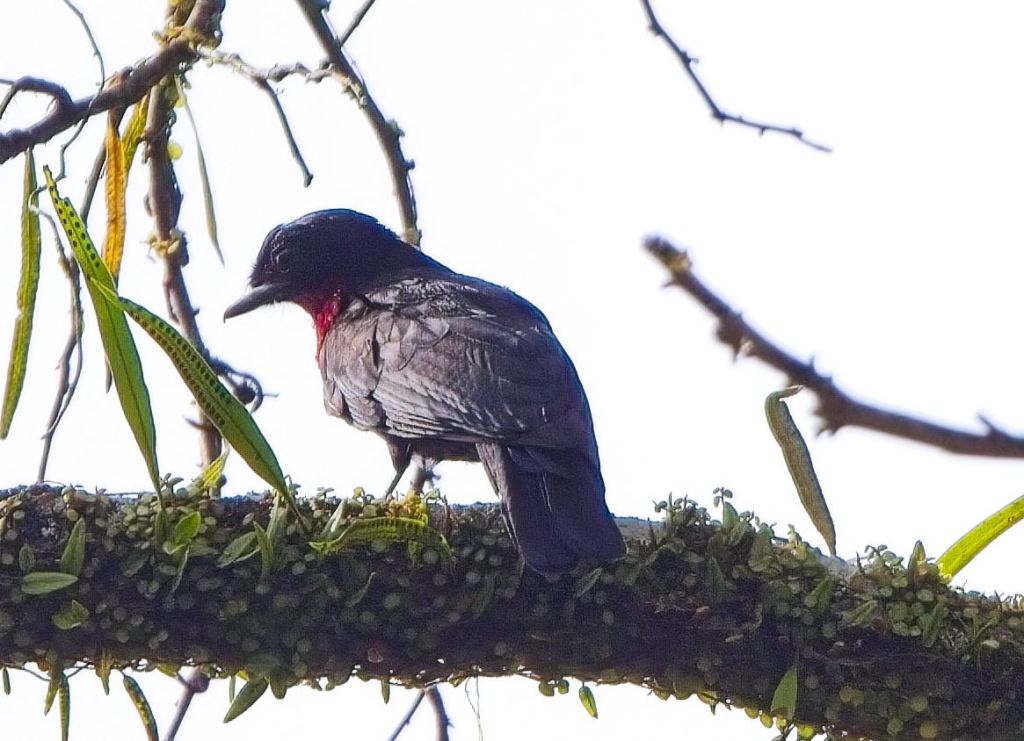
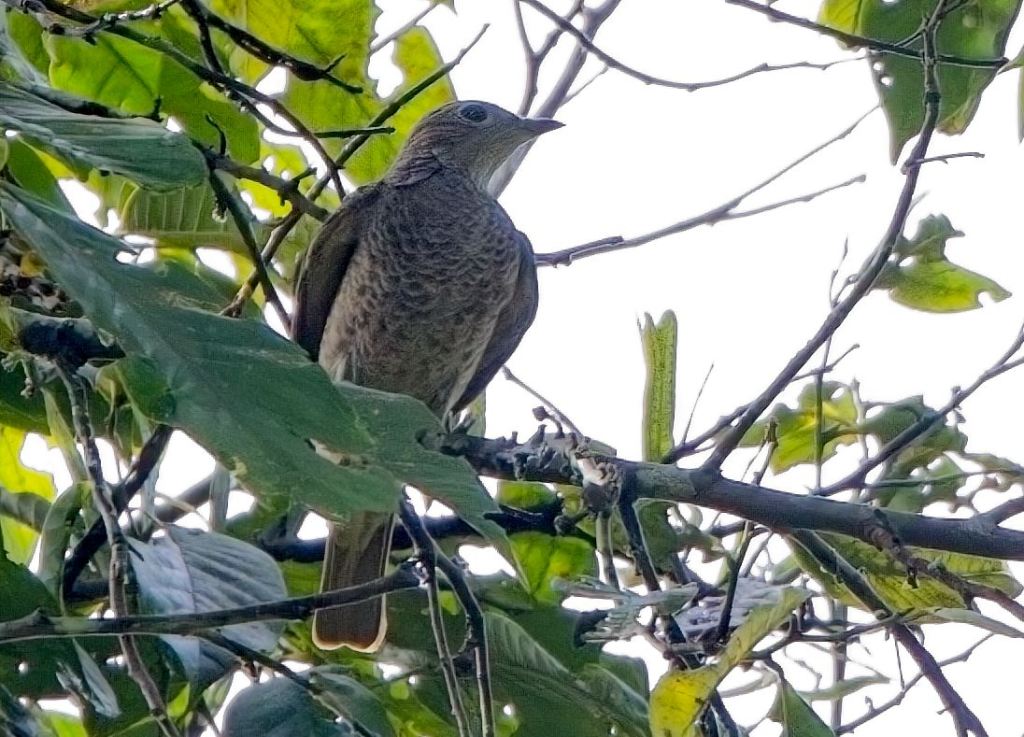

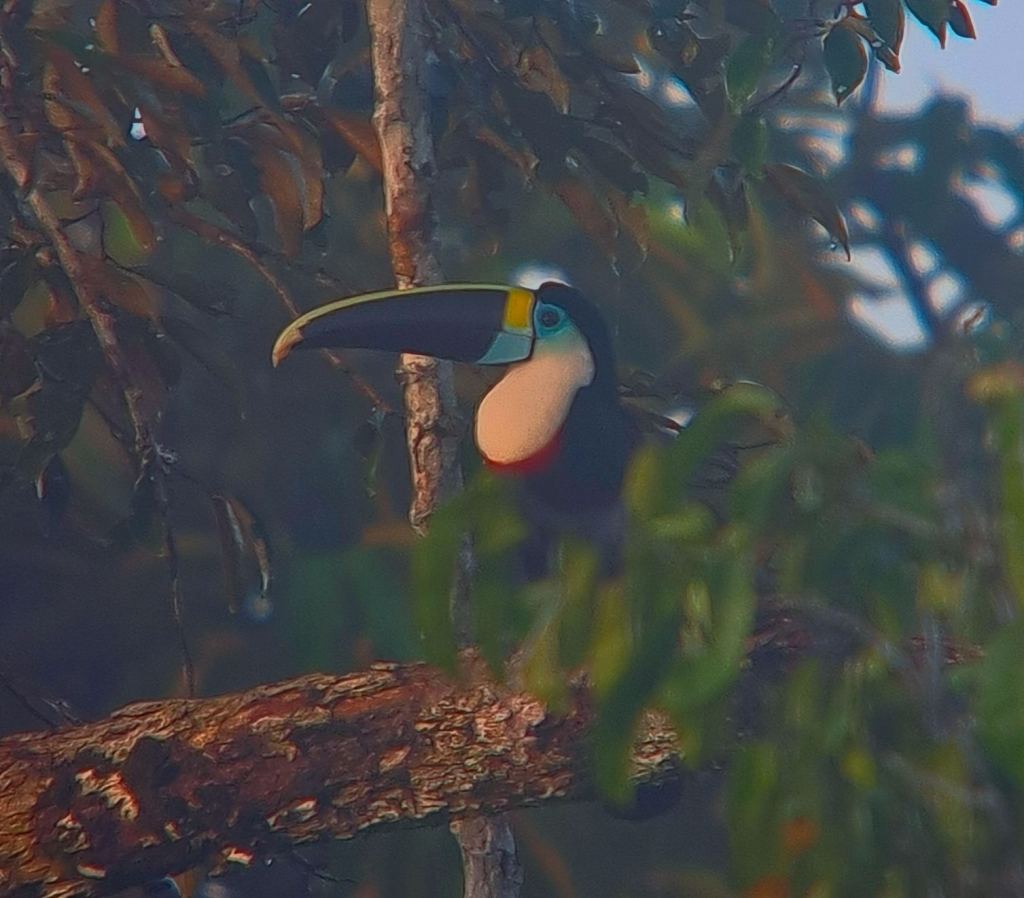
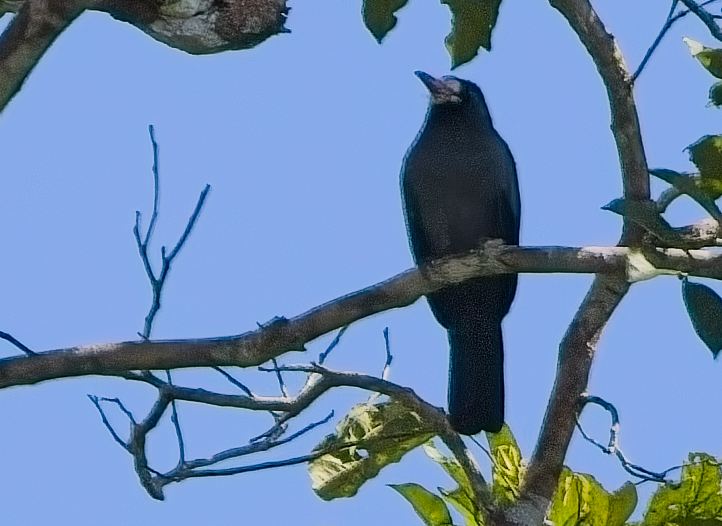
The original plan had been to spend three nights at Yuralpa but Nelson, perhaps recognizing some of the issues there and also wanting to shorten the return trip to Quito made arrangements to spend our last night instead at the Cabanas Tamiaju very close to the San Isidro Lodge. After our morning birding at Gareno, we moved on to the Cabanas and its very active hummingbird feeders with a dozen species of hummingbird with one, the Greenish Puffleg, a lifer for me . At night we went owling and found a lifer Rufous-banded Owl which called a number of times but would not come into the open.


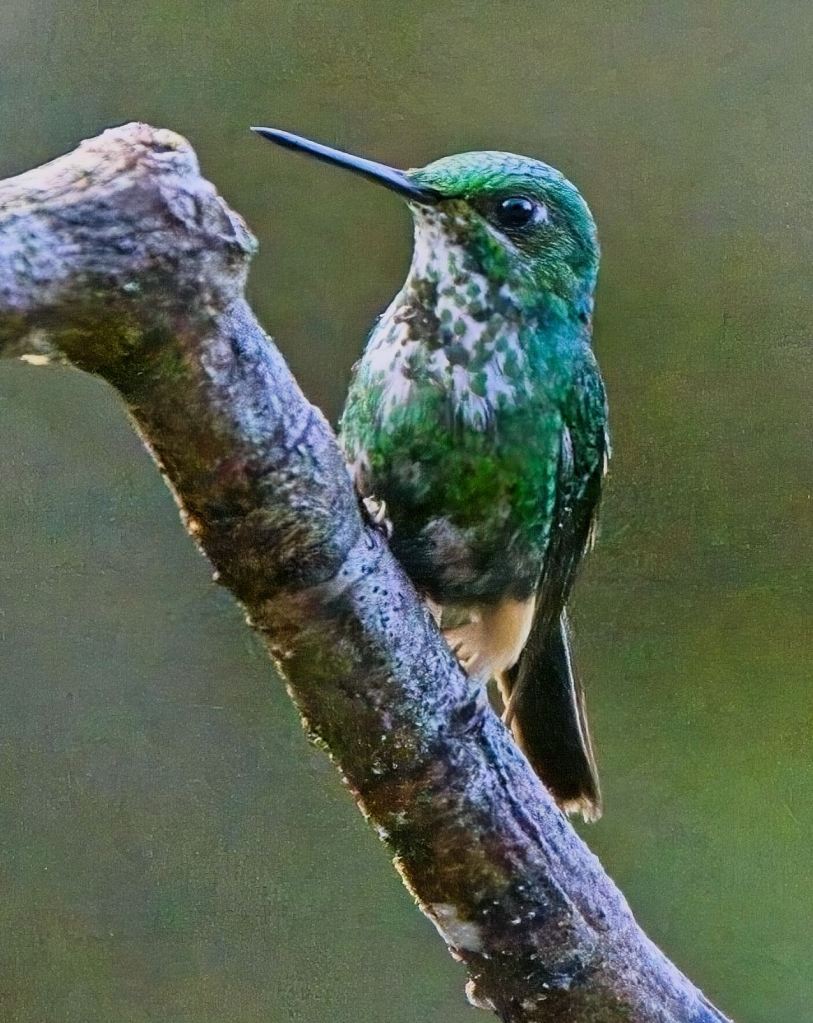
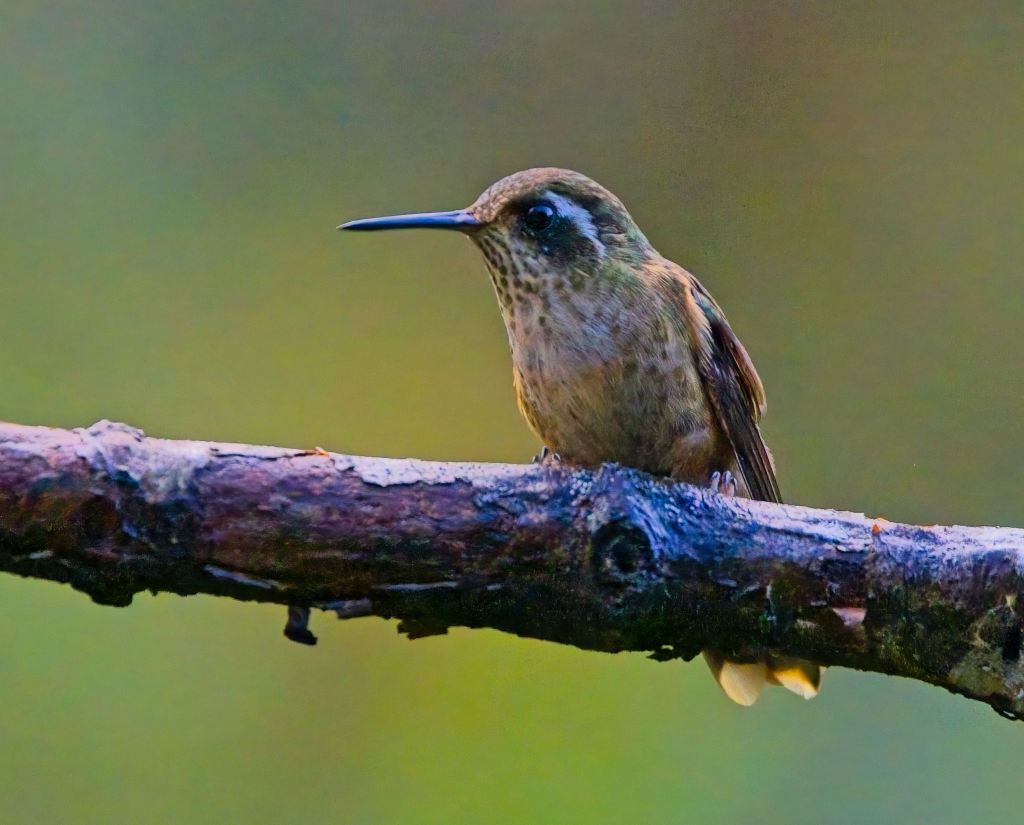
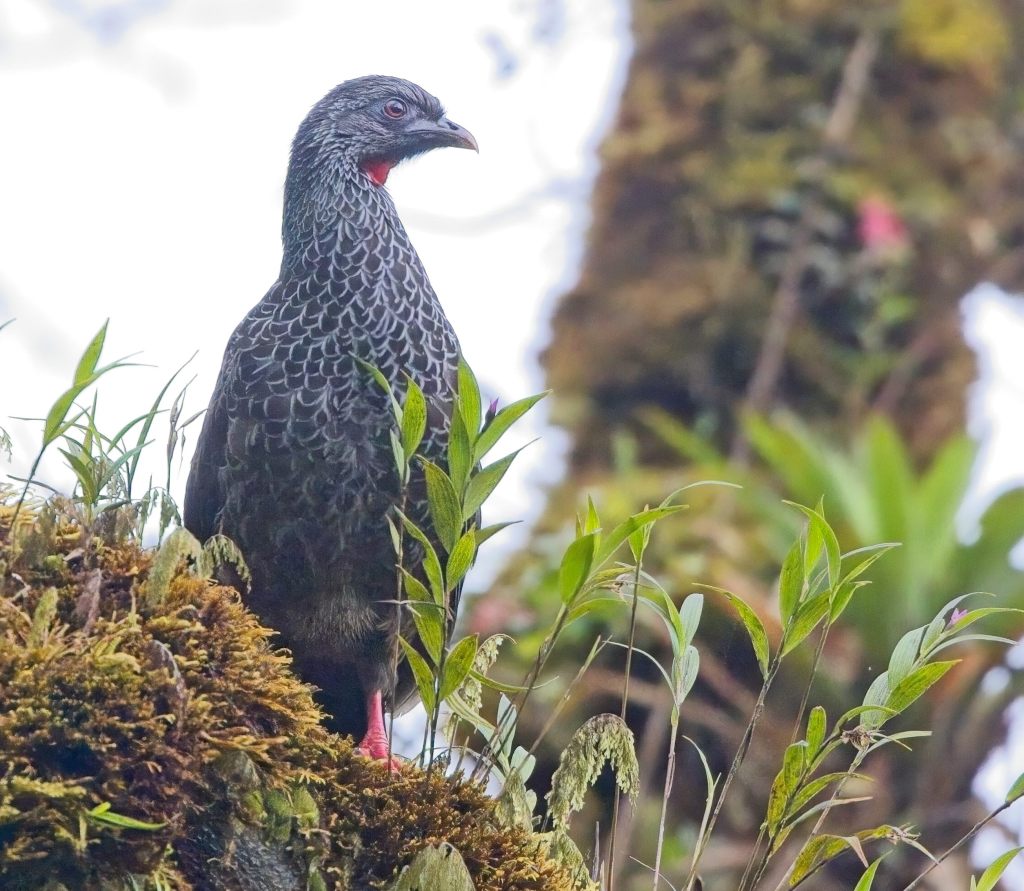
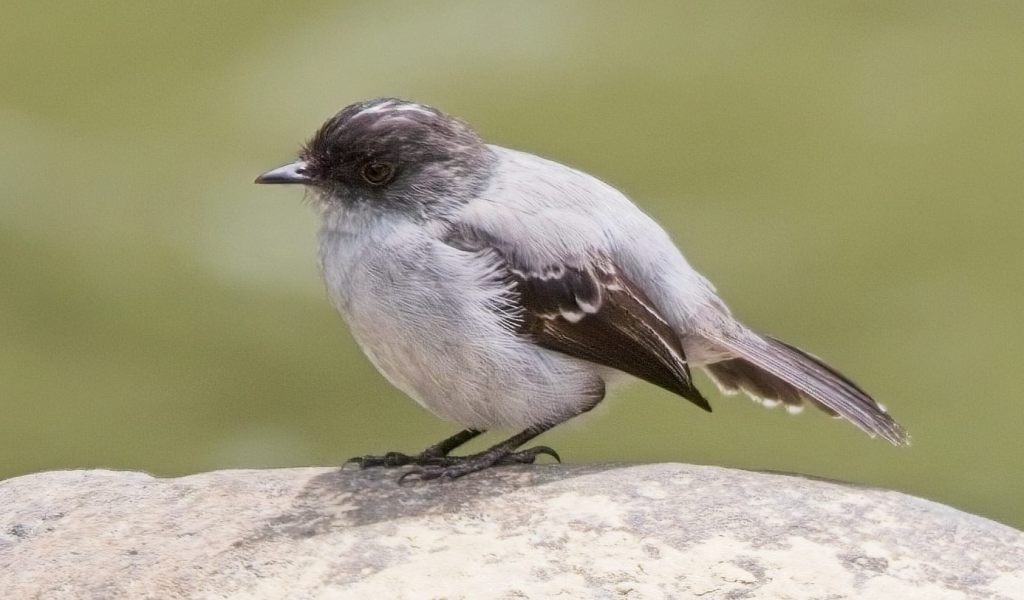
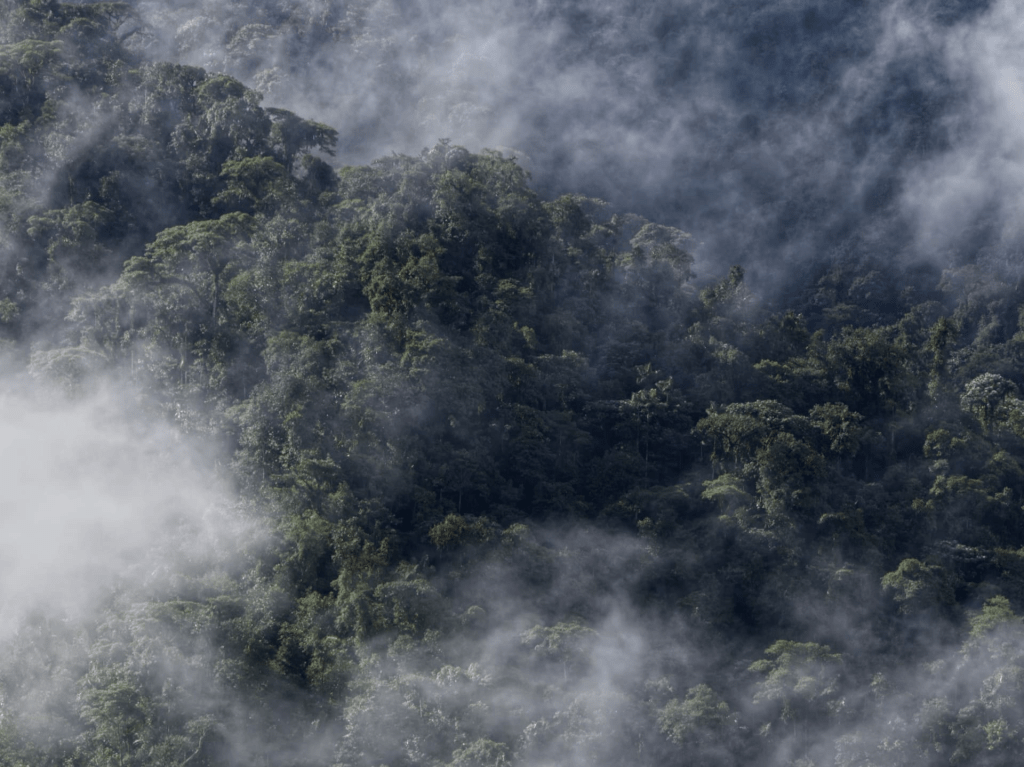
The next morning, our last with Nelson, we birded first at the Cordillera Guacamayos continuing to Borja Road. Of the 35 species at the first location, 8 were new for my Ecuador list and 4 of them were lifers, but conditions were challenging with a lot of early morning mist, so I only got a photo of one of them – Smoky Bush Tyrant. Other photos are below as well.



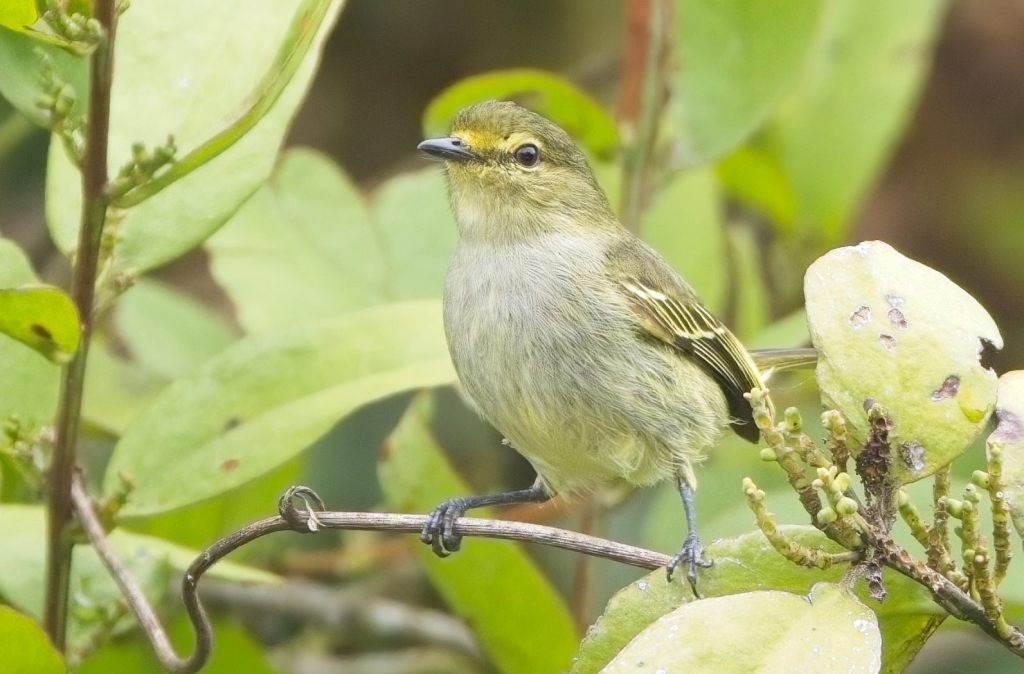
On Borja Road, we added new species for the trip including Torrent and Golden-faced Tyrannulets and my Ecuador lifer Spotted Sandpiper as well as a few new species for the trip – heard only.
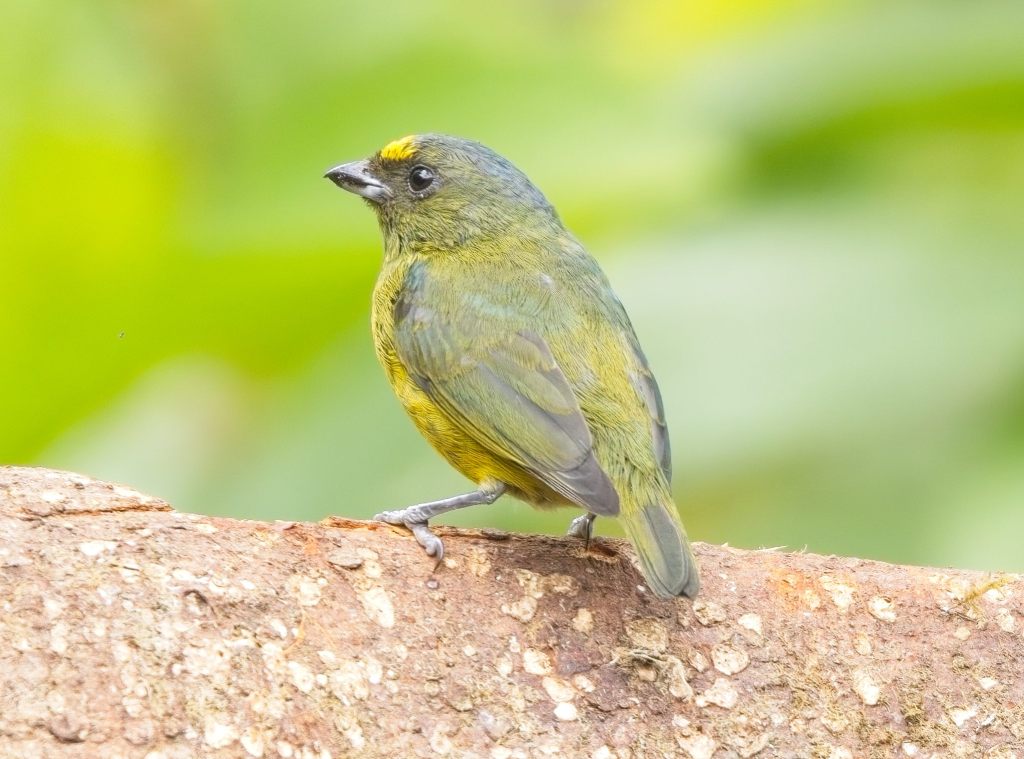
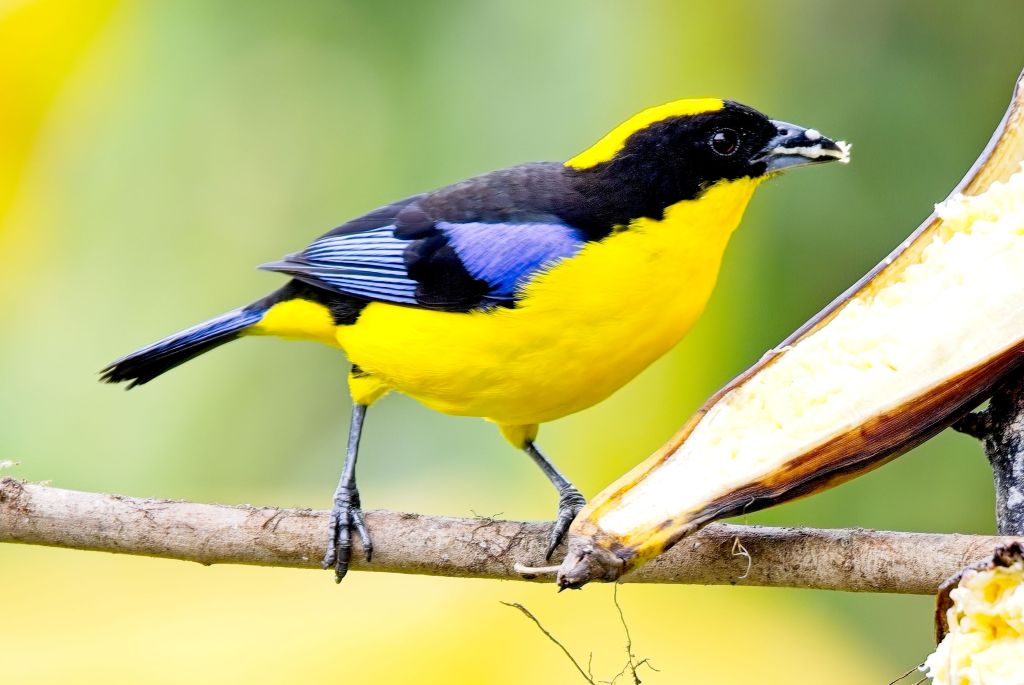
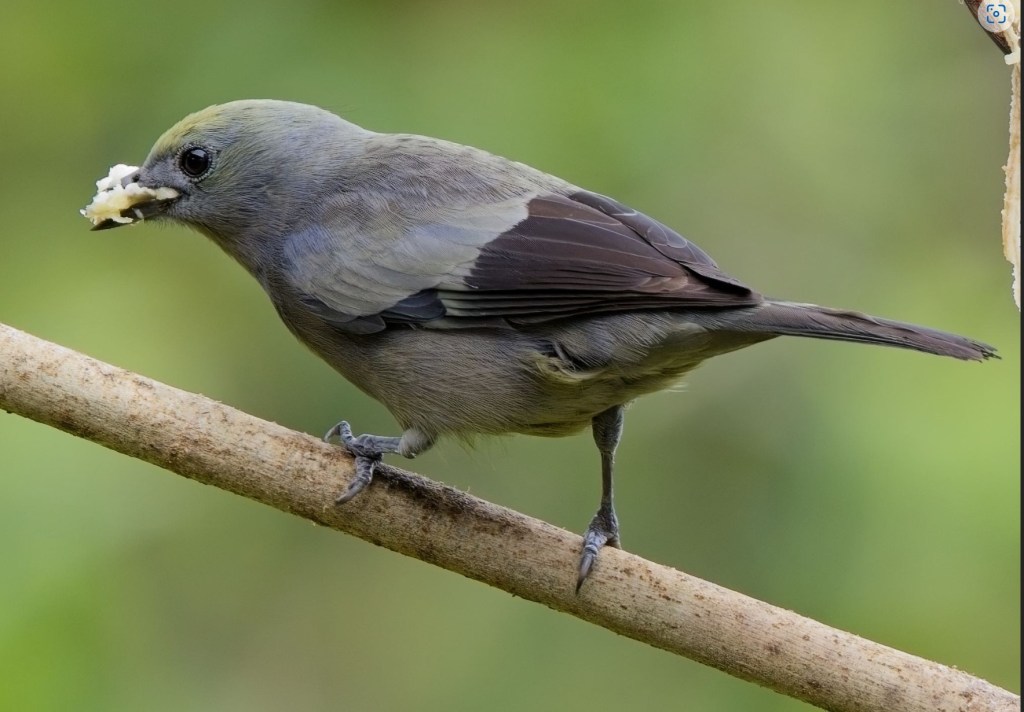
We then spent a couple of hours at the Rio Quijos Ecolodge where Cindy and I had stayed and birded in 2022. There were a number of new species for the trip but only one Ecuador lifer for me, a Yellow-olive Flatbill, a species I had seen in Belize and earlier in Trinidad 46 years ago. No photo of that but I did get photos of a Bronze Green Euphonia (life photo), Scarlet-rumped Cacique, several tanagers and another photo of a Torrent Duck.

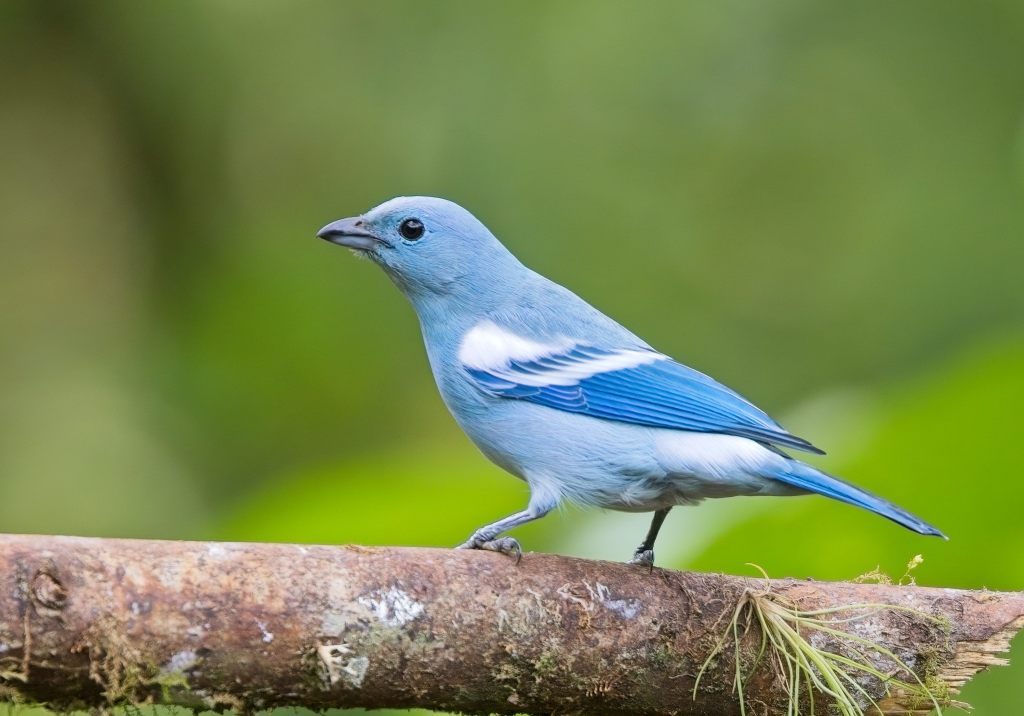
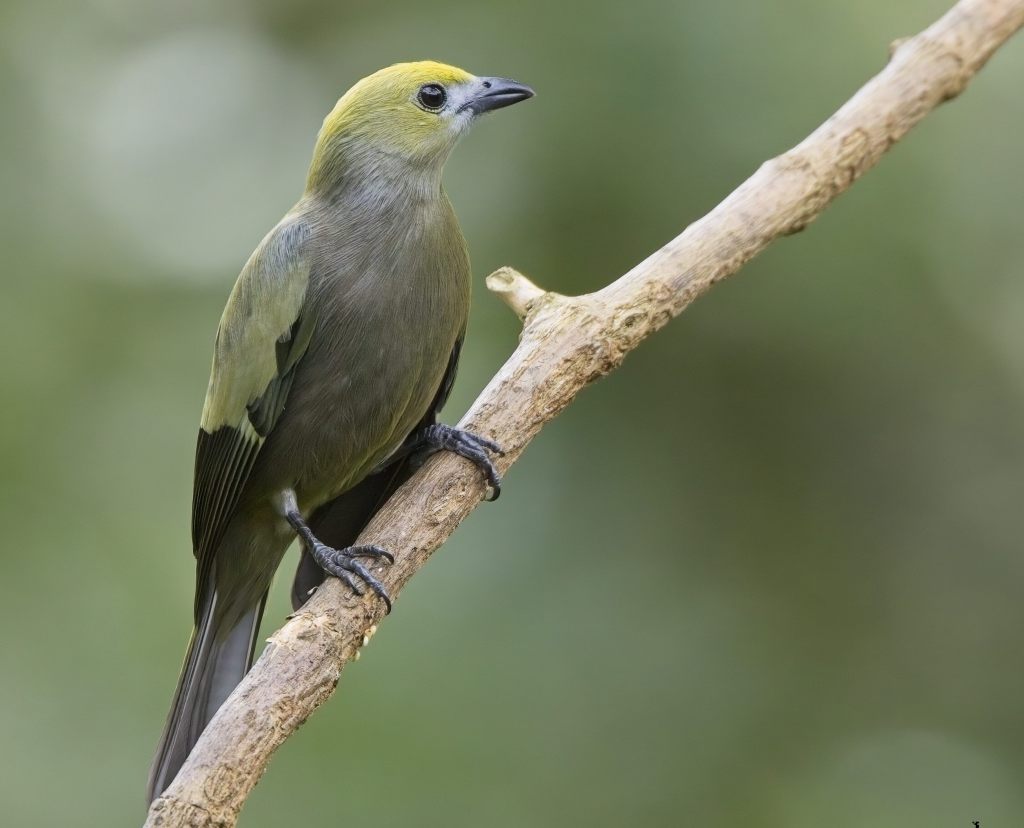

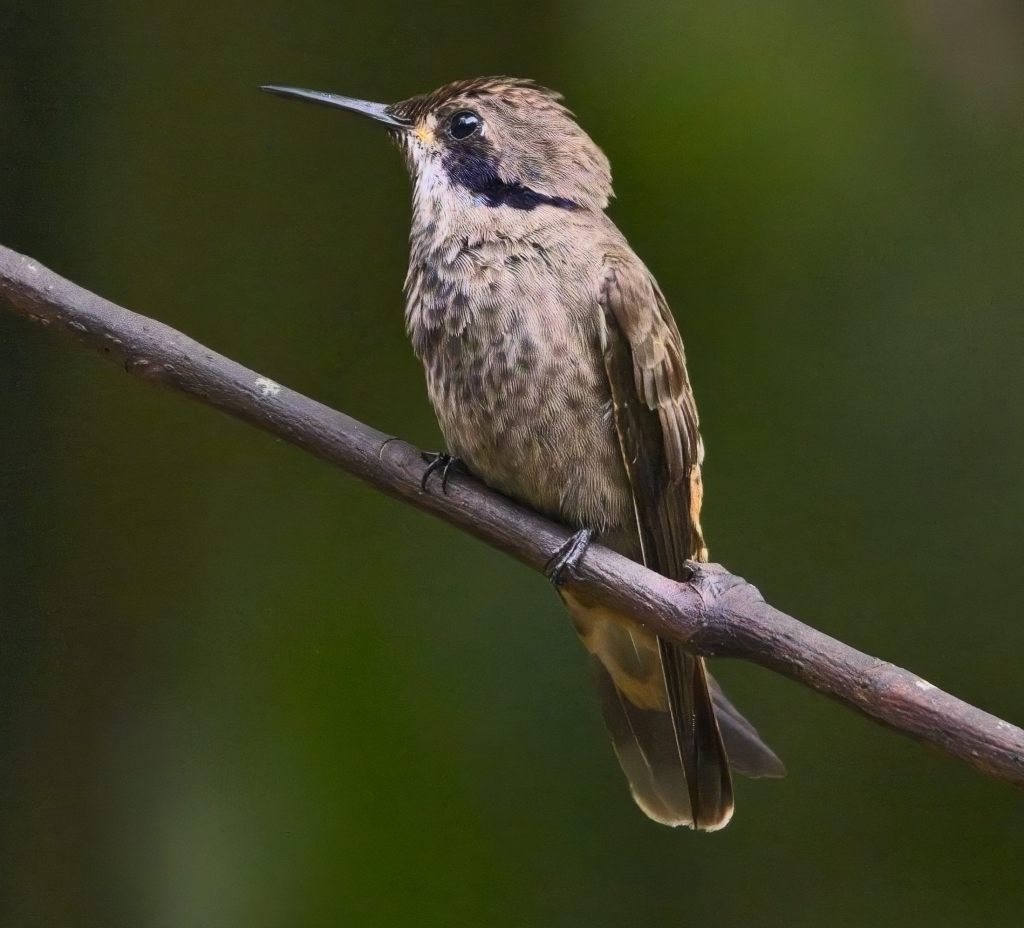
There would be one more stop – back at Papallacta Pass. Seventeen species seen including two new lifers for me – Purple-backed Thornbill and Giant Conebill. Nelson worked very hard on the first and we just got quick glimpses as it darted around against a thick vegetation background. He worked even harder to get the Conebill to finally get out into the open. Two other new birds for the trip were a Red-crested Cotinga and a Brown-backed Chat-tyrant.


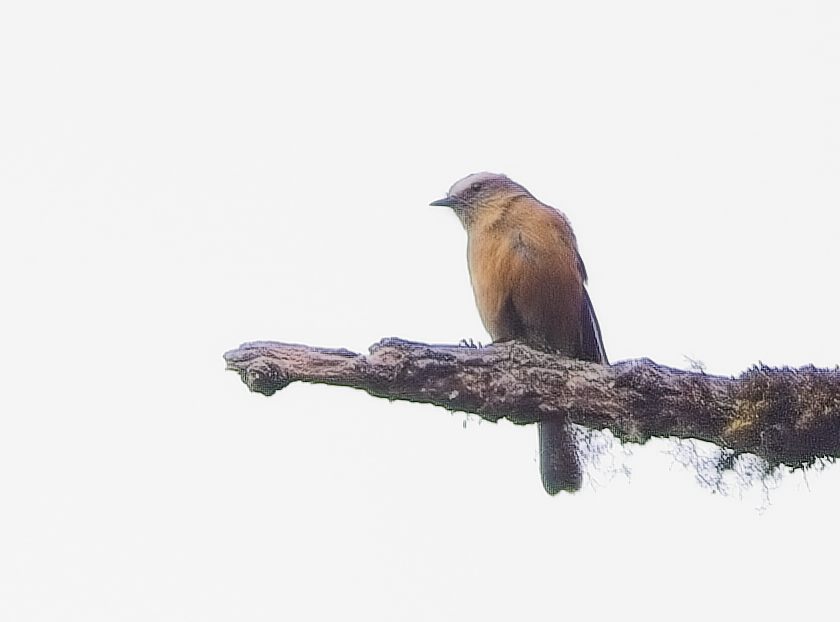
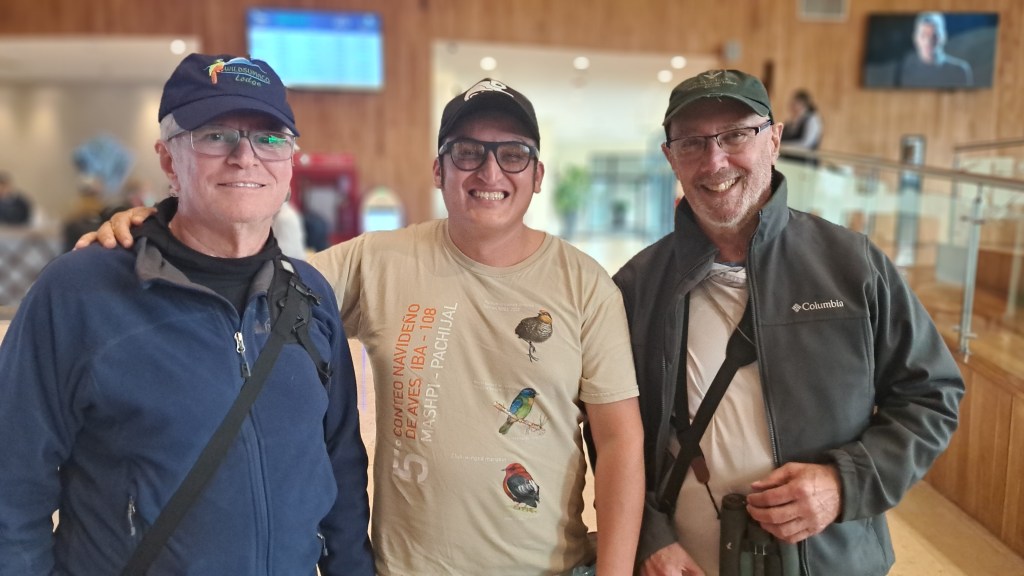
And we were done…back to Quito and the Wyndham Quito Airport Hotel where my family waited for me and Tom would be able to get a little sleep before his early morning departure to return to Seattle. Hopefully the stories and photos in these two blog posts have successfully conveyed the success of this trip. Lots of great birds and good times at lovely places with the excellent care and guidance from Nelson Apolo Jaramillo.
Yes, I wish there had been more birds and especially more photo opportunities, but that is often the case, and forest birding is really tough. My 482 species did not reach my hoped for goal of 500 species, although there were 10 species seen or heard only by Nelson that I did not count. At the beginning of the trip I felt that 125 new lifers would be the minimal acceptable number. It was only 126 but that at least crossed the threshold and brought my life list to 3654. And there were 216 new species for Ecuador bringing that Country list to 672. (Both would be larger after our visit to the Galapagos Island.) I don’t have an exact count on the new life photos on the trip, but I managed to get photos of 220 species. Sadly I only got photos of just over 26% of my new world lifers. The ratio of photos for the new life species speaks to the challenges of forest birding. I generally try to get photos of at least two thirds of the species seen and I was at just about that level before this trip on a worldwide basis. Fortunately I did much better in the Galapagos where I had photos of all but one of the 21 lifers.
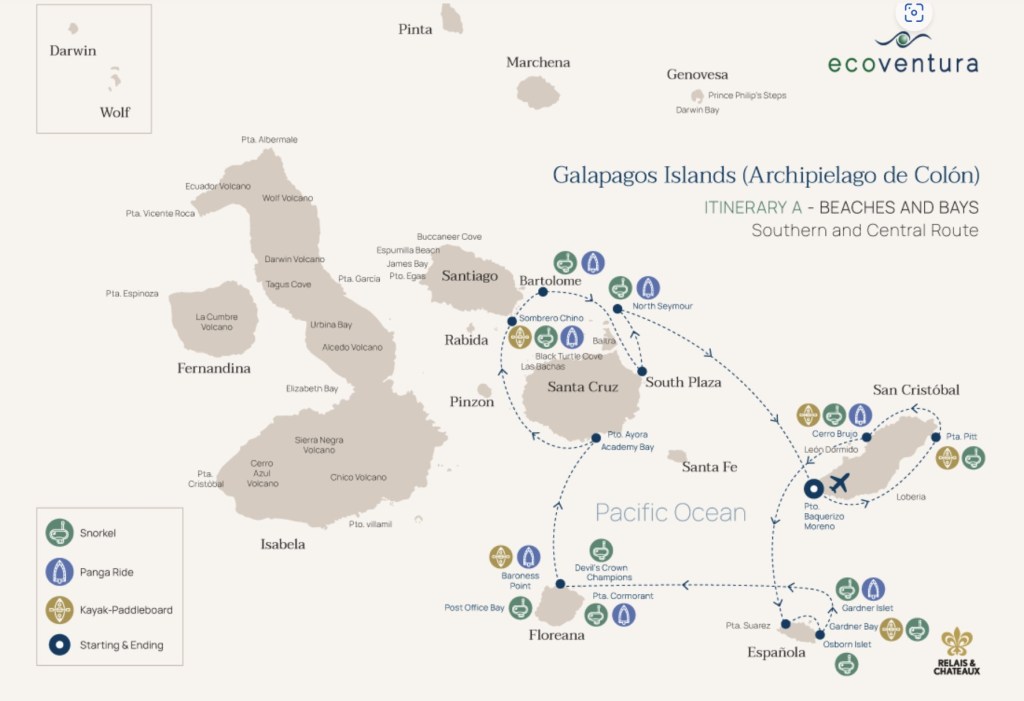
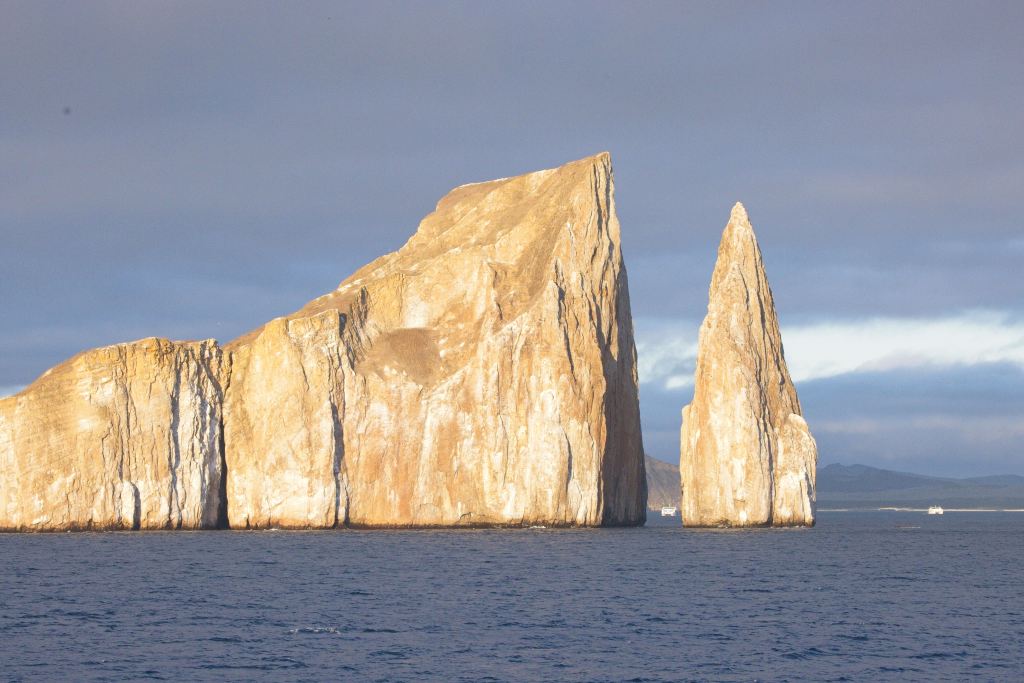
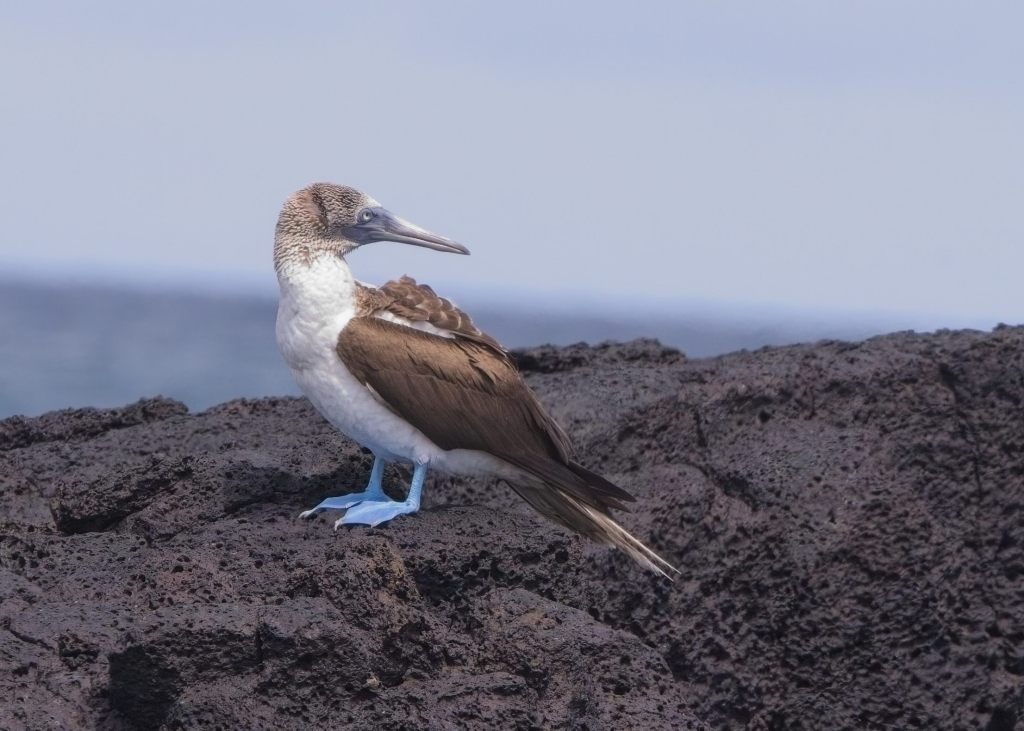
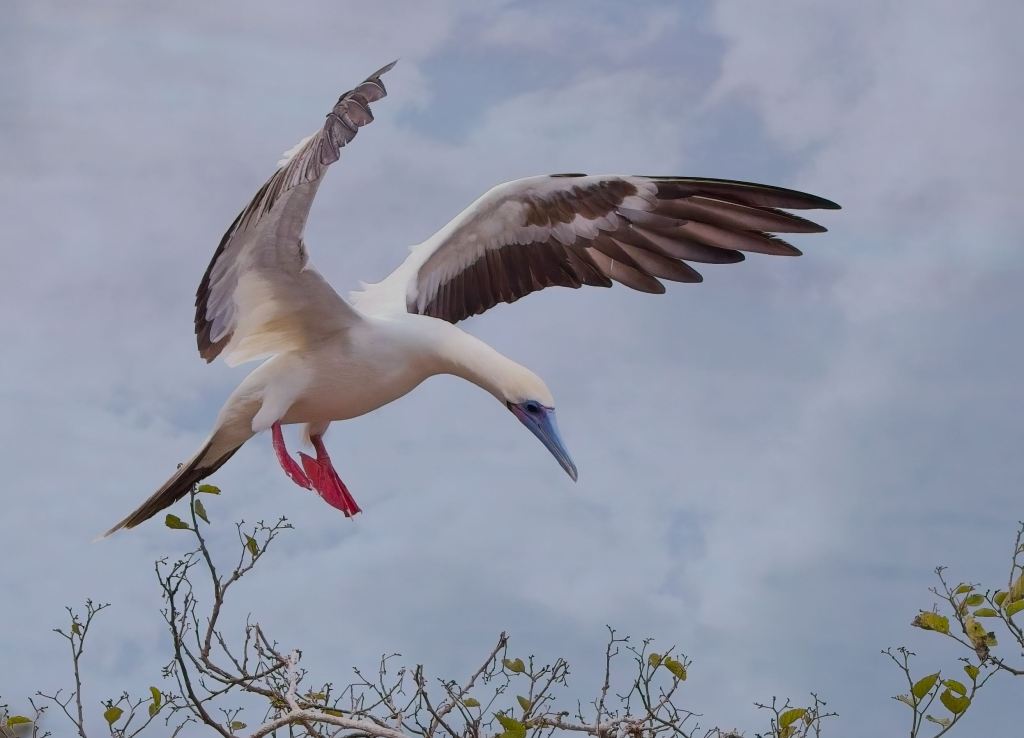
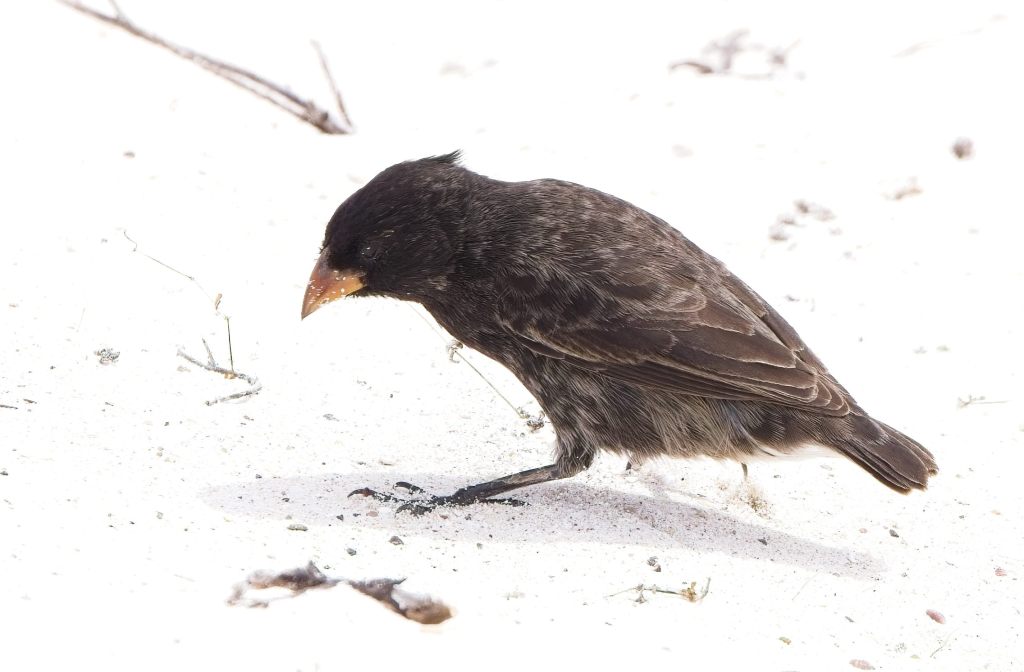
This had been my second trip to Ecuador and it continued with our family trip to the Galapagos Islands. Cumulatively after the Galapagos, I have now birded more in Ecuador than in any country other than the U.S. The total time spent in Ecuador is not quite a month, while the time spent birding in the U.S. spans more than 50 years. The numbers are striking as my U.S. list is 780 while the Ecuador list is now 714 species (much larger than my third largest country list – Kenya with 515 species – although I have seen a higher percentage of the birds in Kenya (44%) compared to Ecuador (42%) and of course far less in either case than for the U.S. (70%)).
I love Ecuador with its beautiful mountains and forests and wonderful lodges, birds and people. I doubt I will ever return as the years are running out and there are many places still on the wish list. It was great visiting in 2022 with Cindy and to share it with Tom St. John was special as well. My next birding trip is set for Japan in February – finally to see the bird that is atop my birding bucket list – a male Smew. Stay tuned.














































































 blairbirding