
It is embarrassing to admit that I know very little about the geography of Mexico. Before this trip I had been there just twice – once over 40 years ago on a week long vacation to Mazatlán – and how I wish I had been birding then – and then in 2021 to Oaxaca on a birding trip with Cindy – her first. Now I knew I was in Puerto Vallarta – a seaside tourist city – and that it was in Western Mexico in the state of Jalisco, but I really had little geographical sense of where that was. I knew it was between Mazatlán and Oaxaca but little more. I knew there were mountains nearby and that we would be visiting them. I also knew we would be birding in the San Blas area which was in the state of Nayarit but I honestly had a mental map that was totally wrong as to that location. Before leaving Edmonds, I had gone over some field guide information about the birds in the area, but my thoughts were focused mostly on getting to 1000 species for the year rather than on specific targets. I was confident I was in good hands and the details would take care of themselves.
I wrote up the 2021 trip to Oaxaca in two previous blog posts almost exactly two years ago. There were great parts of that trip, but the birding was disappointing as the leaders did not use playback at all and others in the group seemed to be satisfied with distant views. We had 170 species in 10 days but there were many really good species missed (seen by friends who birded the same area much more aggressively a couple of weeks later) and photos (except at the Lagoon) were too few and far between. I guess on that trip I was still in good hands as the logistics worked very well; but those were hands with different goals, responsibilities and expectations. How different this trip would be. We birded intensely from the start, and Greg Homel in addition to being a fabulous guide and birder is also a superb photographer. Much attention would be paid to getting pictures of our finds. Better yet Greg also was using the same camera set up as me – a Canon R5 body and the Canon RF 100-500 zoom lens. The only difference was that he was using a 2X extender while mine was 1.4X. Actually the biggest difference was that he really knew what he was doing and the intricacies of the camera very well. I have a long way to go to really get it down. By the end of the trip, however, I learned a lot from him and there would be many great photos.
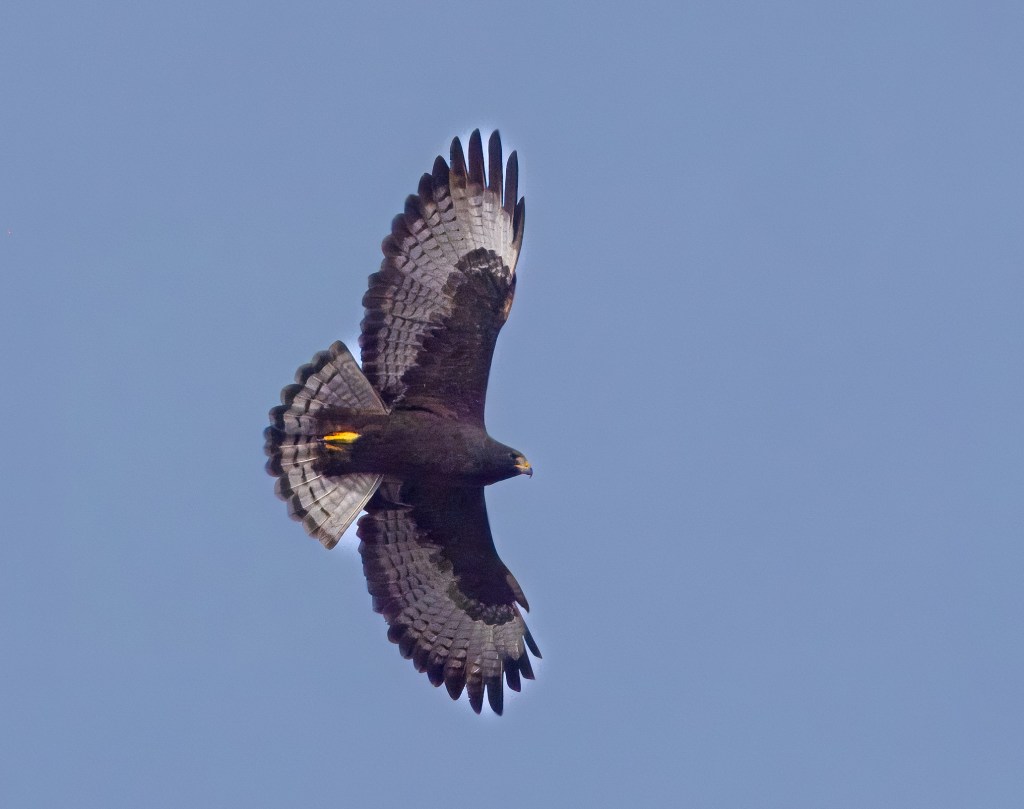
From the airport, we made a quick stop for me to check in and drop off luggage at the Holiday Inn Suites Hotel pretty close to the airport, and then we were off heading east and a little north of town birding along the way to Mirador de Mojoneras – the Mojoneras viewpoint. It was great birding. Habitats included agricultural land, some ponds, and varying kinds of forest. We essentially birded the entire afternoon and then into the night grabbing a late dinner at an authentic hole in the wall kind of restaurant – terrific enchiladas. Covering more than 30 miles over maybe 7 hours we had a total of 75 species of which more than 50 were new for 2023 and 11 were World Lifers. If I faithfully recounted all the details of this day (and the succeeding ones), I would fill many blog pages and consume way too many hours – so I will just cover the highlights – of which there were many. Not surprisingly we saw many vultures on the trip, more Black Vultures than Turkey Vultures but probably well over a hundred of each. Greg cautioned to always look for other raptors in the soaring groups we saw. In one early group there was a bird that I most likely would have missed entirely and definitely would have misidentified without Greg. It was a Short Tailed Hawk – dark phase. I had seen this species several times in Florida and also in Costa Rica, but never the beautiful dark phase. Getting a picture was important as I had missed doing so in Florida. I thought I had taken one but it was instead of a Northern Harrier (there is a long story, but not going to that length here), so this was a new year bird and a new life photo.
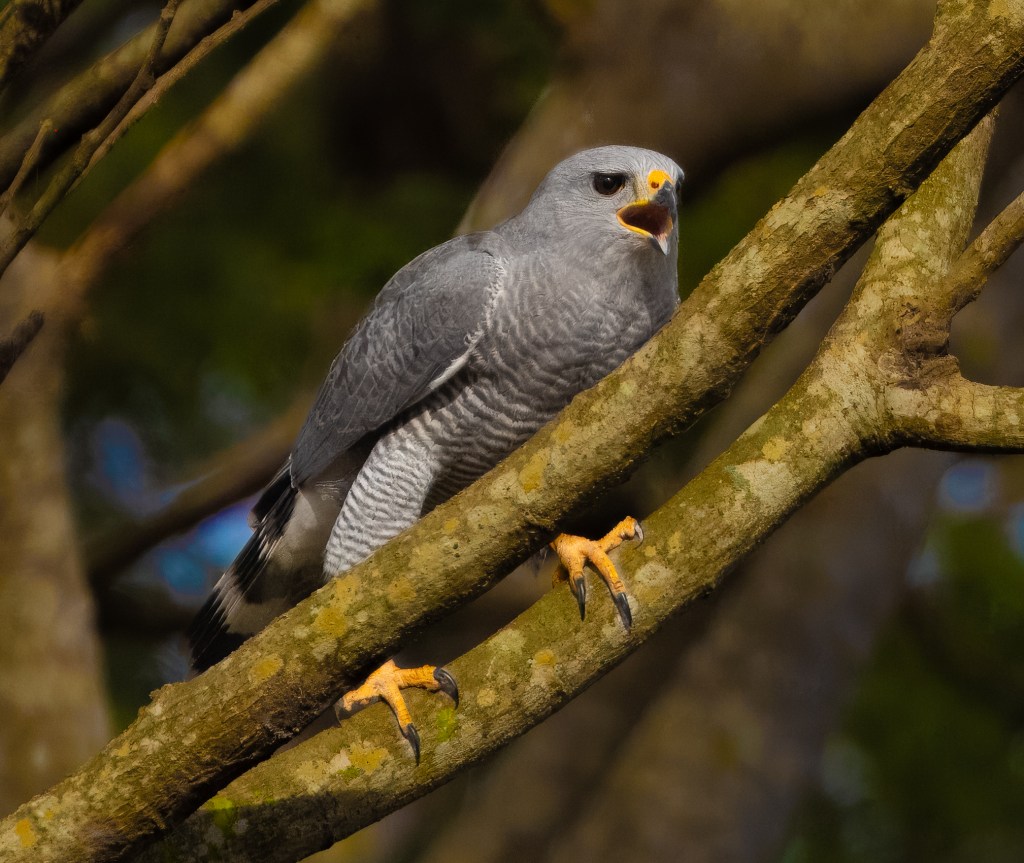
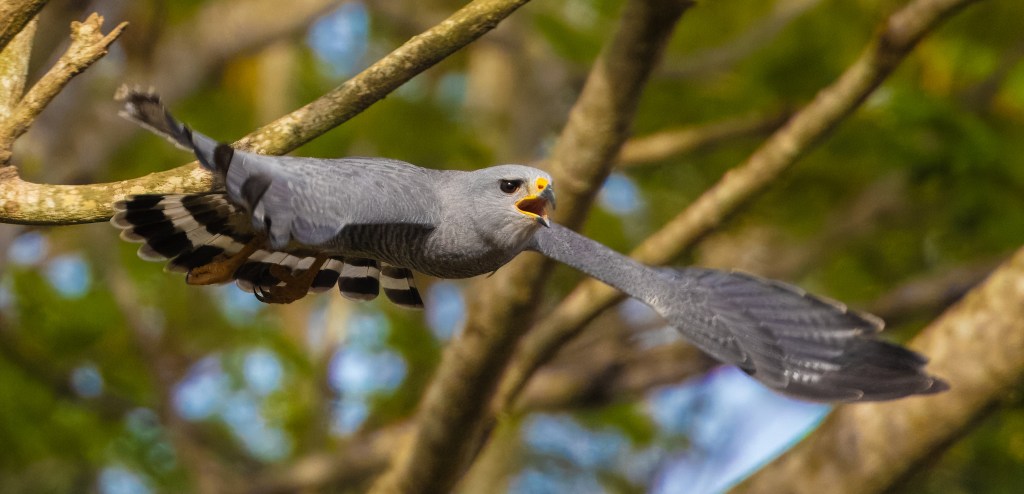
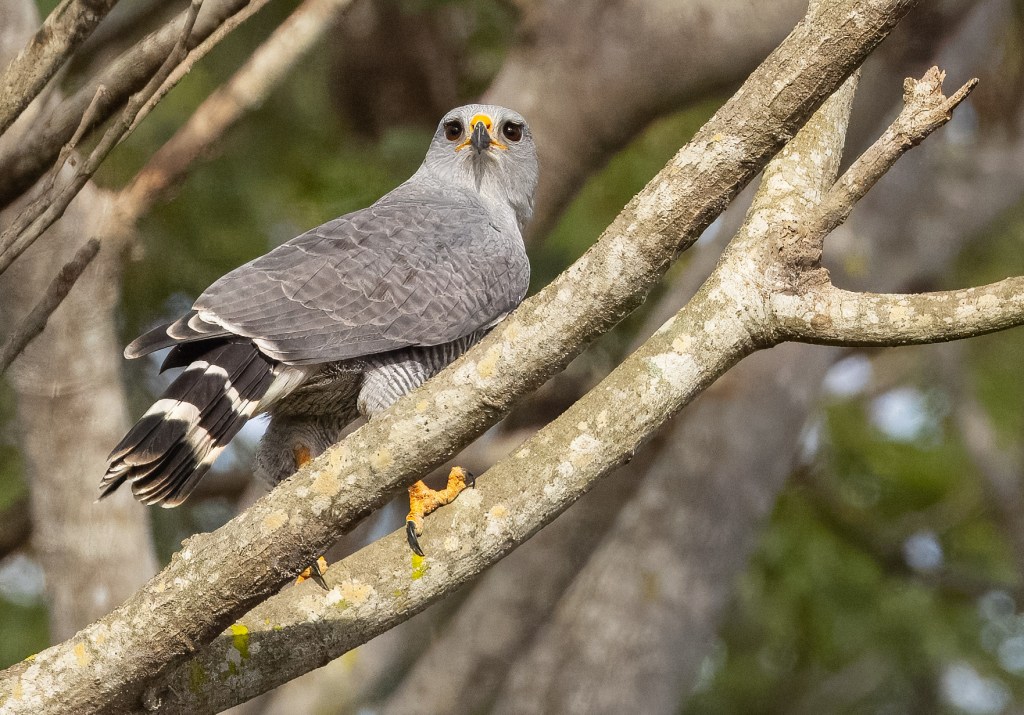
A more common hawk was the Gray Hawk – which I have seen and photographed in Texas and Arizona. These are my best pictures of the species though.
On this first day the numbers were high but many of the species were either seen just briefly or even heard only – and Greg was awesome at hearing and then identifying calls and songs of the various species – always making sure that I heard the distinctive sounds as well. There were many different flycatchers – a species group common in the Tropics. Especially common, and noticeable, were the many somewhat similar appearing Great Kiskadees, Social Flycatchers, and both Tropical and Thick Billed Kingbirds. Much less common but also seen were Nutting’s Flycatcher (a lifer that I would photograph well later), Brown Crested, Ash Throated, Dusky Capped and Boat Billed Flycatchers.
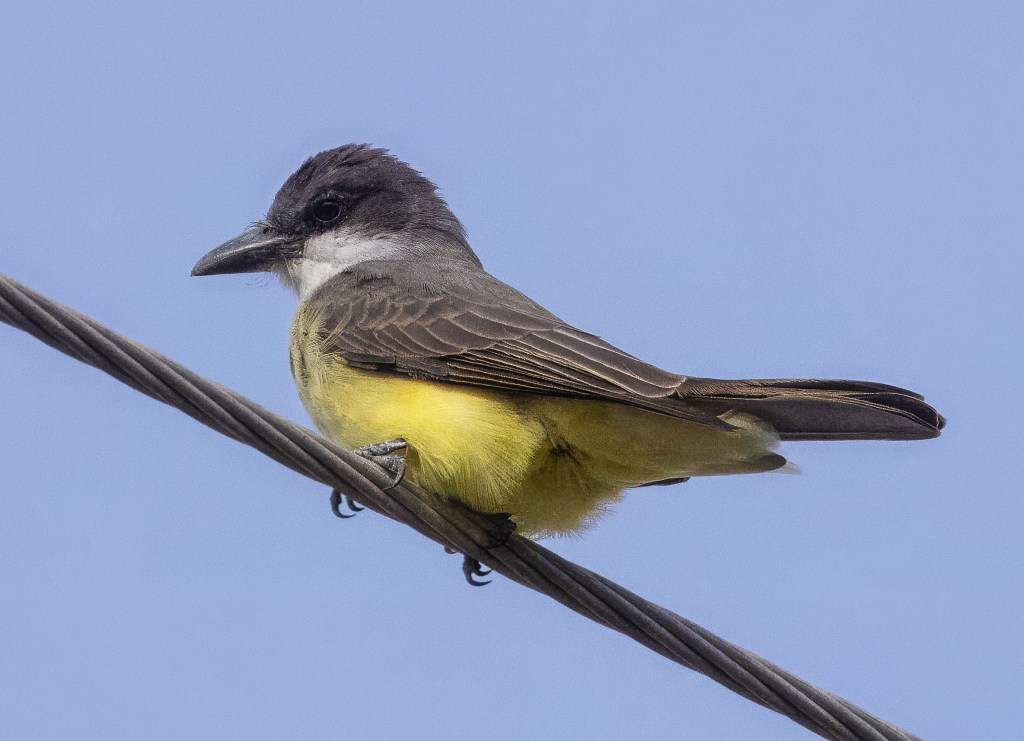

The birds just kept on coming. Lifers were the Nutting’s Flycatcher, Military Macaw, San Blas Jay, Stripe-Headed Sparrow, Lilac Crowned Parrot, West Mexican Euphonia, Bright Rumped Attila, Pale Billed Woodpecker, and Colima Pygmy Owl and two more that I have saved for later – and last. We had better looks or photos later, some of which will be in later blog posts. Here are a couple.
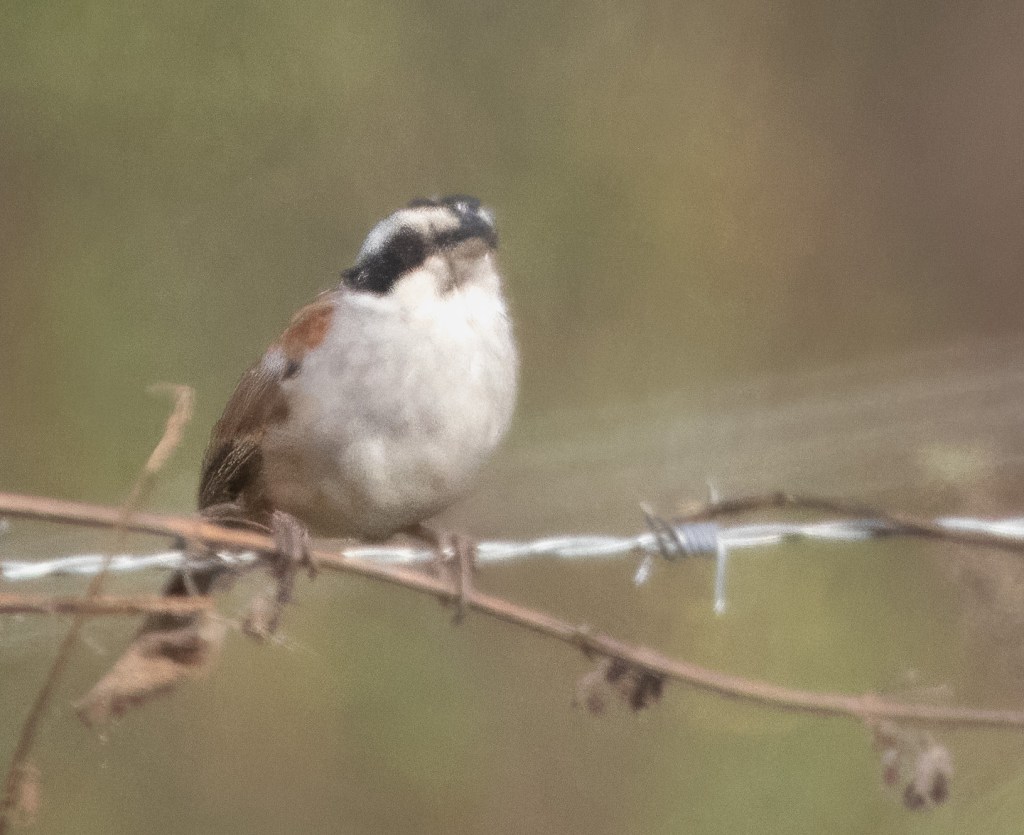
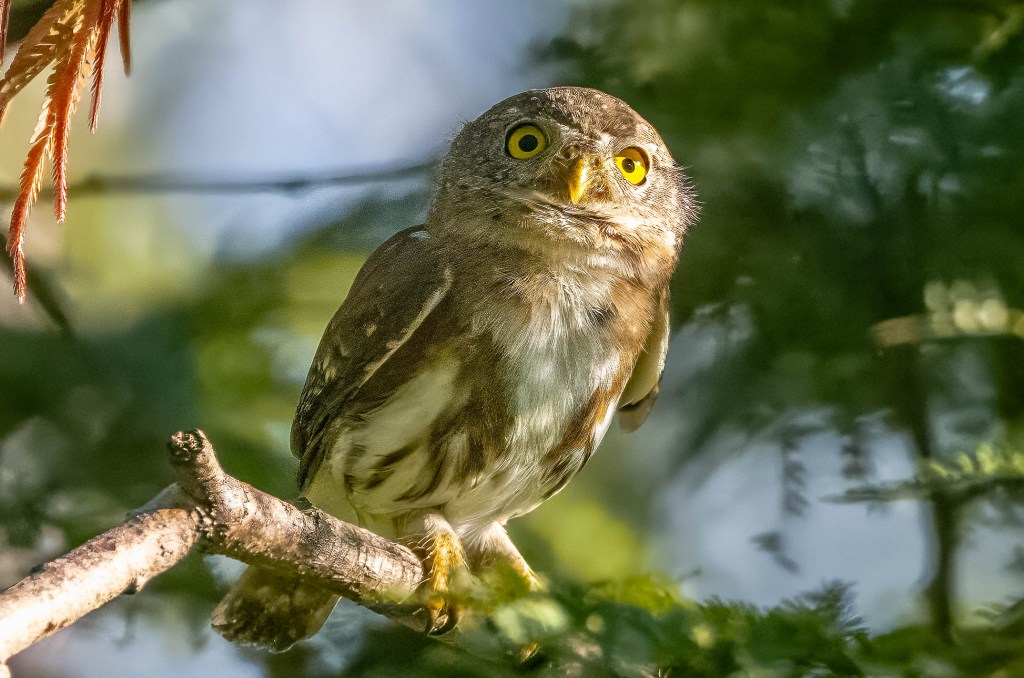
As darkness approached we went to a special spot where Greg was confident we would see both Common Pauraque and Buff Collared Nightjar, the former seen and photographed in the U.S. and the latter a rare visitor to the U.S. that I had never seen. Right on cue a Pauraque flushed up from the road ahead of us and we heard others. We never had the chance for a photo. Then Greg brought the car to a stop and said there was a nightjar up ahead. I could barely make it out – visible by the light shine of the reflected headlights. Greg saw that one had settled on the road, so we quietly got out maybe 100 feet away and slowly approached it. Greg put his spotlight on it and fortunately it stayed. I started taking photos and continued to approach closer, stopping every ten feet or so for a better shot. This continued until I was no more than 10 feet away – with dozens of ever improving photographs. I kneeled down on the dusty road to try for a low level shot. I got a couple and then the bird finally flew almost grazing my head as it went past. An incredible experience and a photo I never expected to get. We would see a total of 4 birds of this species that night.

Someday I hope to get a Buff Collared Nightjar in the U.S. and now with this photo, it will be okay even if it is just seen as a shadow in the darkening sky. I have 34 species related to the Buff Collared Nightjar on my World list – nighthawks, nightjars, frogmouths and potoos. I consider myself fortunate to have photos of almost half of these species and to have actually seen a couple of others in flight with the rest heard only. Not sure if it applies to all of these species, but they are known as Caprimulgiformes – Goatsuckers, the term coming from the ancient belief that they latched on to goats’ udders and sucked their milk…nah, don’t think so! Any way very cool birds.
And now that we are speaking of very cool birds, how about owls. There is just something special about them. We had already seen a lifer Colima Pygmy Owl, had heard it often and had used its calls with playback to attract other species. Now we would go for something bigger. It was time for Greg to stand and deliver – a Black and White Owl. He had discovered a territory a couple of weeks ago – the first in Jalisco and then had found a second territory. I really, really, really wanted to see this owl. We went to the location where Greg first found them and even before we began to call, we heard one. Adrenalin started to flow. Within a couple of minutes of playing back its own call, first one and then a second owl flew in and perched – IN THE OPEN – very near us. Greg located its perch and turned on the spotlight. WOW! There he was – just as spectacular as hoped for. Although it was seemingly very unconcerned about us, we moved only very slowly to get into position for photos, and then more photos and then more again. Prior to Greg’s message that he had located this owl, it was not even on my dreamed of list – just not going to happen. Definitely the highlight of the day and one of the top highlights of the trip. We later found and photographed a second Black and White Owl and at another nearby territory had another.


We were almost done for this first marvelous day. There would be one more stop – at the territory of some Mottled Owls. I had heard this species in Oaxaca but had not seen it and obviously thus did not have a photograph. The procedure and the results were the same as with the Black and White Owls. First heard, then called in, then located with spotlight and then photographed – over and over. Day one in Mexico was awesome with a great start and an even better finish – Buff Collared Nightjar, Black and White Owls, and Mottled Owls. We returned to Puerto Vallarta for at least some sleep. Early the next morning we would be off for a boat trip to Islas Marietas National Park. I couldn’t wait. Gracias Mexico and Gracias Greg Homel.


 blairbirding