The promotional material for the Victor Emanuel Nature Tours trip to Uganda indicated “Uganda is safe and delightfully friendly. As a country it has undergone astonishing changes in recent decades. Infrastructure improvements to the roads, lodges and development programs for the local guides have made wildlife touring in Uganda one of the best experiences possible in the natural history world.” It continued with the note that there would be opportunities in this country where the African savannah meets the African jungle, for lions and elephants, crocodiles and hippos, leopards and giraffes, chimpanzees and mountain gorillas, many other primates and other mammals and lots of birds including the iconic Shoebill, kingfishers, hornbills, turacos, trogons, sunbirds and weavers – maybe 450 species of birds in all.
For better or worse, Cindy and I had had a wonderful trip to Tanzania with up close encounters with the Big Five, cheetahs, thousands of mammals, wonderful places to stay, beautiful scenery and super people – both traveling companions and Tanzanians and wonderful and numerous birds. The Tanzania trip set high expectations, a high bar to meet. We had not appreciated it at the time we signed on for Uganda, but there would be two major differences in the nature of the trip itself. One was that there would be a lot more time spent in the jungle/forest in Uganda with birding more challenging and sometimes frustrating as a result and another was that there would also be a lot more travel through small villages and towns in Uganda compared to travel time spent mostly in and between savannah like National Parks in Tanzania. There were pluses and minuses comparing the two environments. The tourism industry is relatively new in Uganda whereas it is well established in Tanzania, and the associated infrastructure is far more (and better) developed in Tanzania. Roads and lodges in Uganda were a level or two below Tanzania. A real problem? No. Noted? Yes.
That said, our first days and nights at the Boma Hotel Guesthouse in Entebbe were great. Very comfortable room, good food, terrific people, beautiful gardens and a great location in a safe and in some cases, upper class neighborhood with an odd combination of dirt roads and large, elegant, gated homes. We had a full day and a half to acclimatize before the formal trip began, our choice since the travel time from Seattle to Uganda was over 20 hours and there was a ten hour time difference (Uganda being ten hours ahead). It was a good decision as we got some time for a short nap and time to walk around and bird in the neighborhood in addition to some leisure time and birding at the Boma as well.
June 14
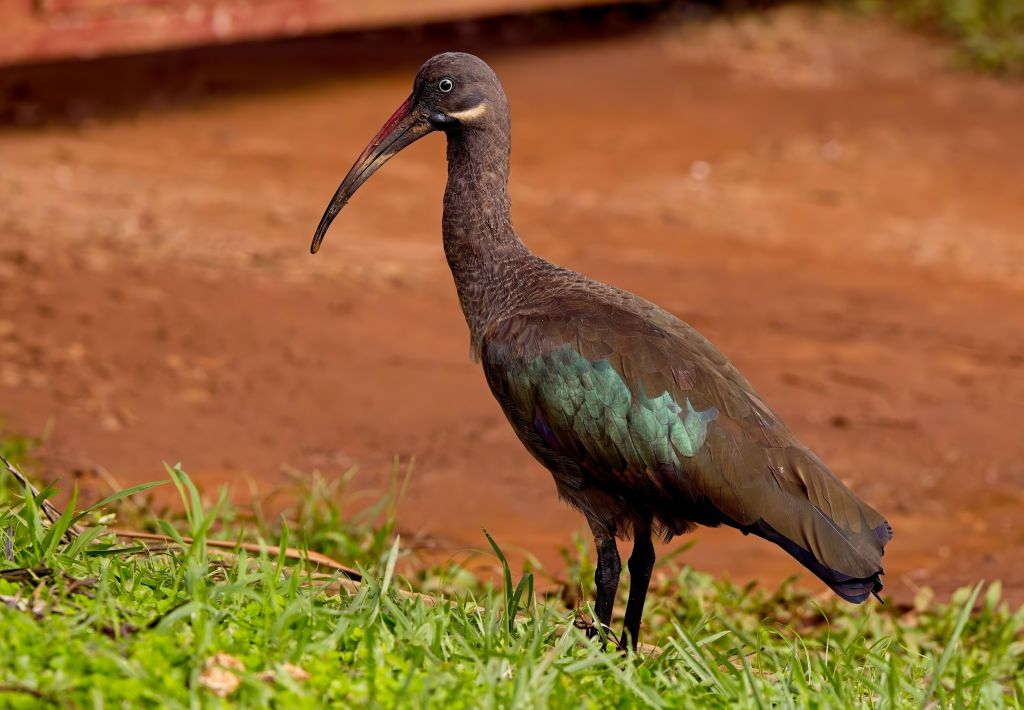
It was the morning of June 14th and the weather was a perfect 75 degrees without a cloud in sight or much humidity. Indeed weather on the trip was consistently great with there being rain on one morning or a couple of nights as we slept. The formal beginning of the trip was dinner on the 15th and it was two early for a nap, so we birded the gardens at the Boma Guesthouse which offered lots of birds and then had a leisurely walk around the neighborhood which added more. Our first finds included a Woodland Kingfisher, Hadada Ibis, two sunbirds (Red and Scarlet Chested), Gray Parrots and a White Browed Coucal.

We also met two very interesting people on the walk. The first was an “older bearded gentleman” who started by speaking French to us. I responded with my very limited French and made it clear that we were American so he switched to English – who knows how many languages he spoke. We learned that he had served as a bodyguard to the former Uganda strongman Idi Amin. Not sure of his politics now but he was proud to be a Ugandan. Later on a street with many large homes – all gated – we saw a very fit and handsome man in uniform carrying an automatic rifle. His serious look turned to a smile when I told him he was the most handsome man we had seen (he was). We had a long chat in English and learned that he was hired as private security for the neighborhood and had trained with Navy Seals in Washington State and he was familiar with our hometown of Edmonds – what a surprising coincidence. We returned to the Boma and finally had that catch up snooze.
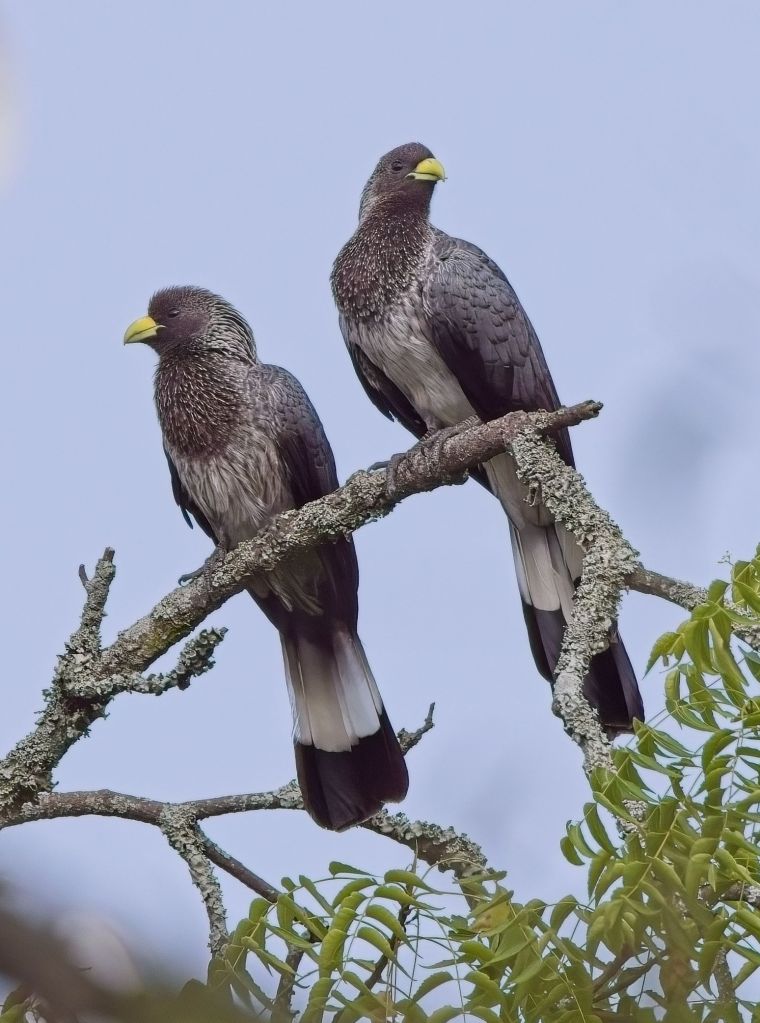
We were back out for another walk in the afternoon and I added the first lifer for the trip – a spectacular Ross’s Turaco – right on the Boma grounds. We also had Eastern Plantain-eaters and our first of many White-browed Robin-chats. All told we had 19 species for the day – a great intro to the Birds of Uganda.


June 15
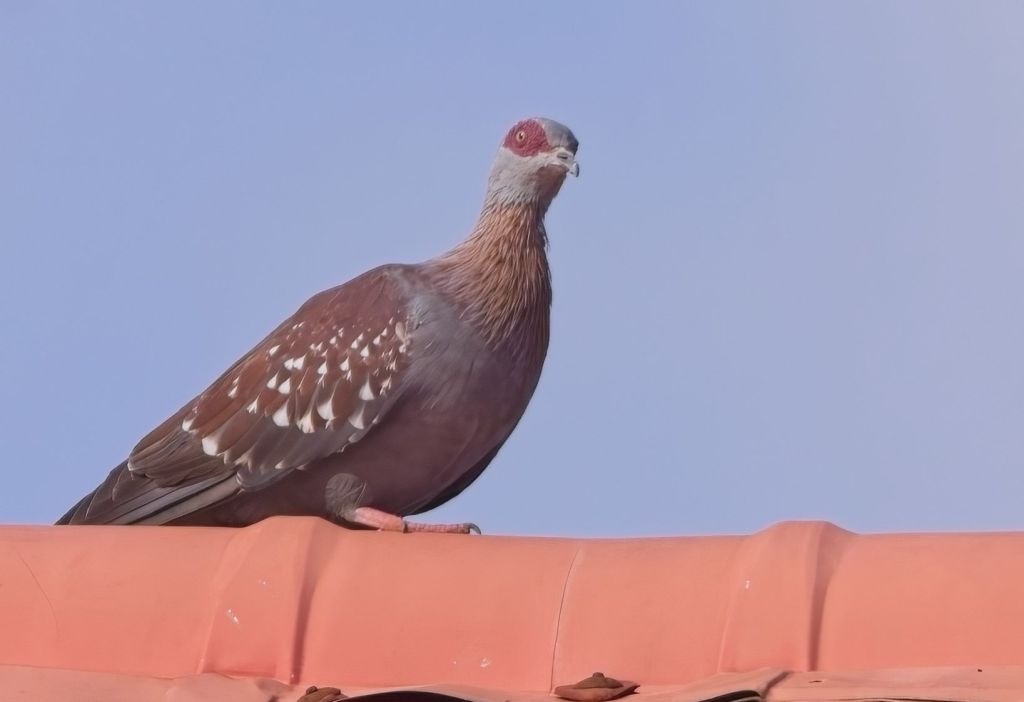
After dinner at the Boma Guesthouse, we had a surprisingly easy and good night’s sleep and were up and ready to go at a pretty normal time in the morning. We revisited the neighborhood around the Boma and had another 19 species on our hour long walk. One was a Rameron Pigeon that Ebird said was rare for the area – but I could document it with a photo. The most striking bird was a Black Headed Gonolek and the cutest was a Red-cheeked Cordonbleu. As would be the case for most birds on the trip, due to my previous birding in Kenya, Tanzania and South Africa, none of these birds were lifers, but I was also interested in adding photos to my life photo list. None of the aforementioned birds were new to that list, but I did add a photo of an African Thrush.
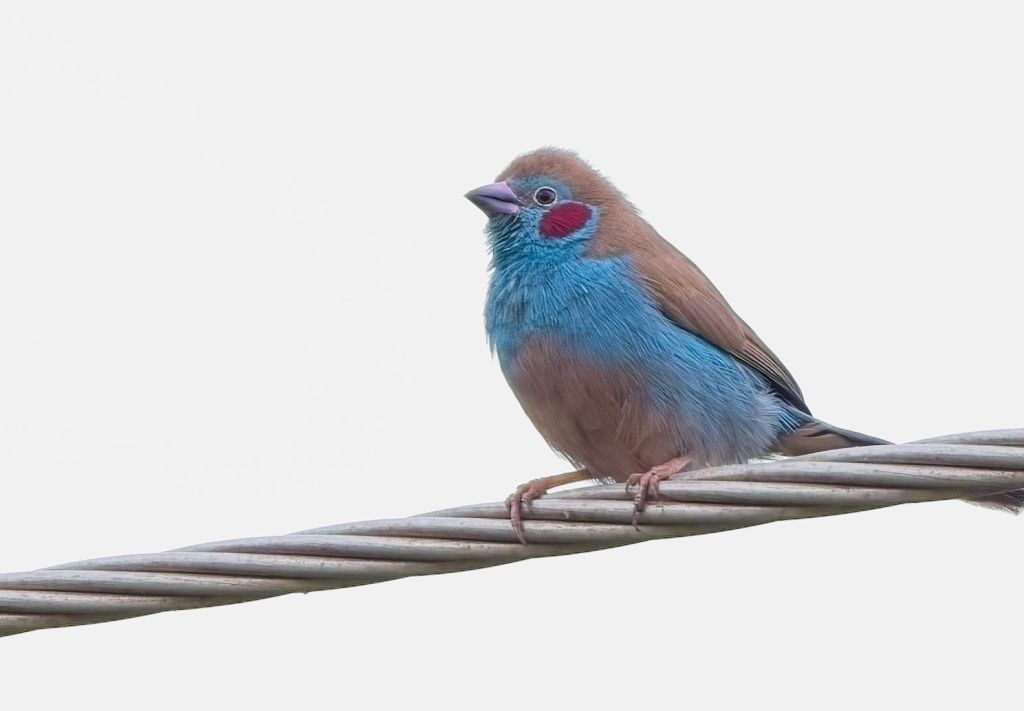

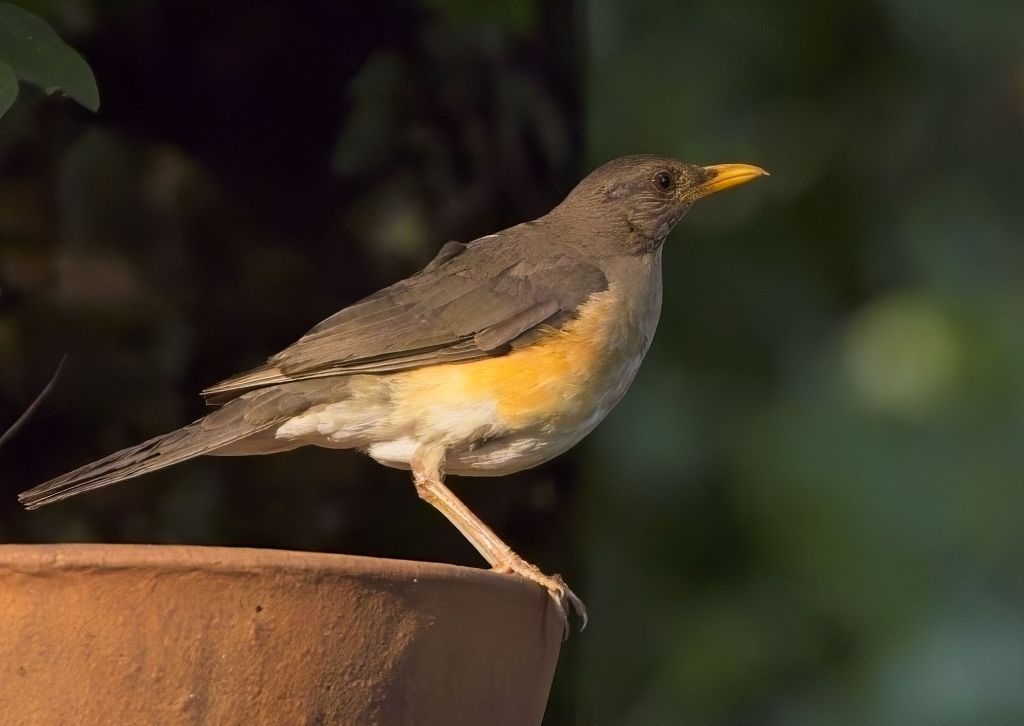
That afternoon, we met our tour guide, Dion Hobcroft, who had been my guide on a VENT tour in India in 2011, and the other two members of our group. We spent several hours birding on the grounds of the guesthouse seeing many species we had seen earlier and adding many more including lifers Green White-eye (no photo yet), African Hobby (quick flyover), Splendid Starling and Yellow-fronted Tinkerbird. I also had life photos of Double Toothed Barbet and Brown-throated Wattle-eye.

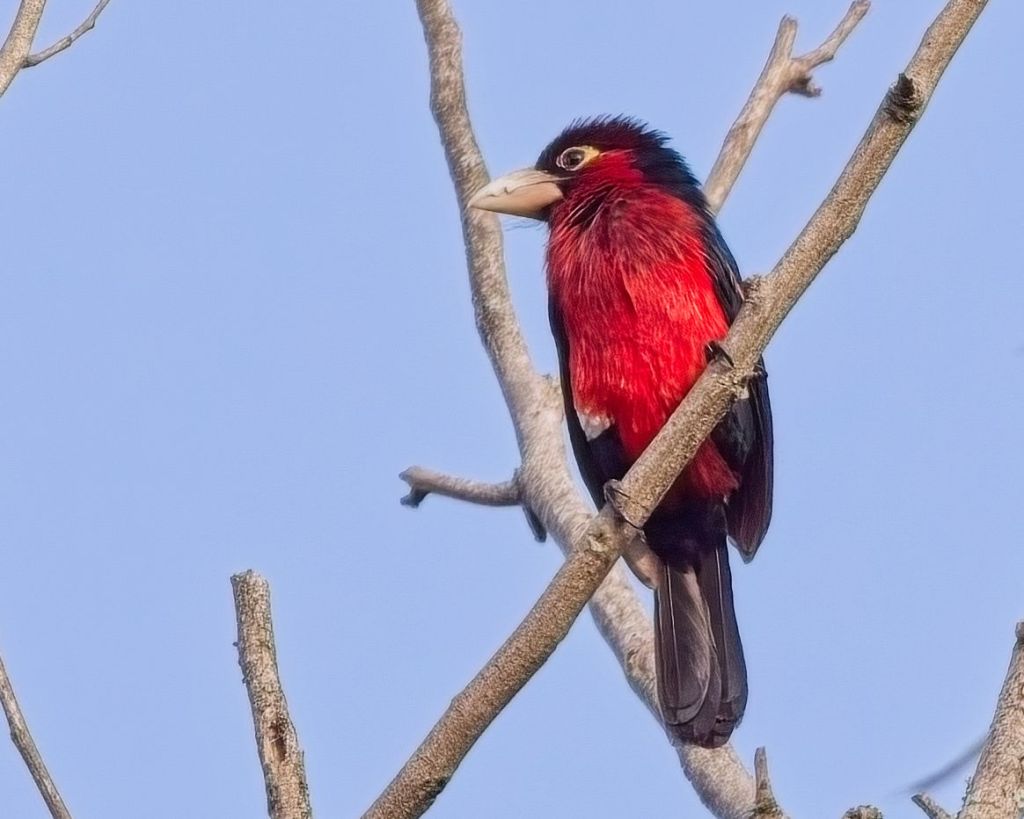

By the end of the day, my Uganda list was at 44 species. Cindy and I both felt good after the long flight and the time adjustment. We were together with the group and had had some good food. We did not know it at the time, but we should probably have made an effort to get to an ATM machine in Entebbe, a major city adjacent to the Ugandan capital of Kampala. There was a commercial area not far from the Boma which would have worked. Too late. The birding had been pretty easy and the birds were mostly in the open and some were even charismatic or even spectacular – the kind most appreciated by Cindy. As is the norm on birding trips, there would be an early start the next day and we would be off to the Mabamba Wetlands and our first boat trip on the tour with our major target being a Shoebill.
June 16
This was the official stat of our tour and there was a major addition as we were now joined by our Ugandan guide who also was the driver of our Land Cruiser for the trip. Veronica Nakafeero would be with us for the first half of the trip. She was proof of the success of the program to develop young bird guides, especially young woman bird guides in Uganda. She would deftly handle the challenging roads ahead and was an excellent spotter and identifier of birds along the way, and also good company – a great addition to the group.

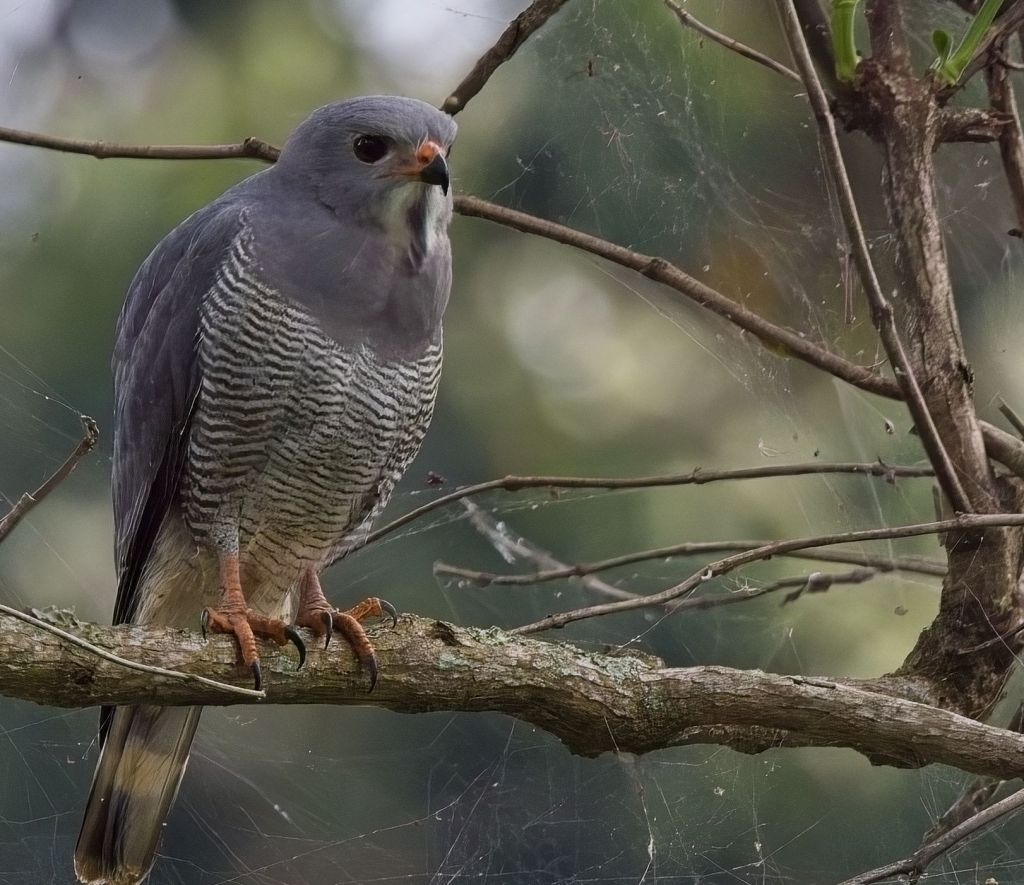
We were on the road around 6 a.m. and our first birds were two Great Blue Turacos – spectacular and out in the open. Shortly thereafter, we added another gorgeous bird and another lifer for me – Papyrus Gonolek, a species which was high on my “want list” and then two minutes later another lifer – a Lizard Buzzard. I had the feeling this was going to be a very good day.


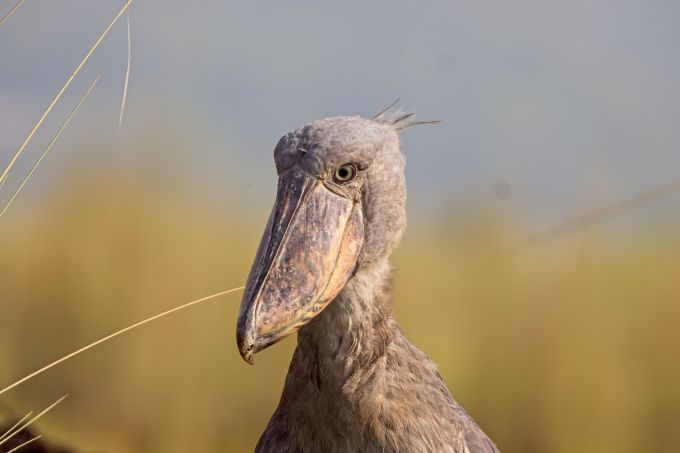
We got to the Mabamba Swamp and Wetlands around 8 a.m. and got on our small boat with our guide at the front and an oarsman at the back. It was the perfect craft to explore the wetlands and to get close to the many birds making it their home. We spent several hours there logging in 50 species and I was able to get photos of more than half of them. This is the best place in Africa, probably in the world, to find a Shoebill, a simply incredible bird. There were several treats along the way, but it did not take too long to find a Shoebill, as there were already several boats stopped along one of the many channels with passengers focused on this magnificent bird. Our guide pointed ahead and she expertly guided us to a good position for views and photos. You can see a photo of a Shoebill and easily acknowledge how unique they are, but seeing one in person is many times better, hard to believe they are real, looking like some prehistoric creature. I took more than 100 photos and could have chosen almost any to include here. Remember that they can be 5 feet tall, weigh 12 pounds (a lot for a bird with flight) and have a wingspan of 7.5 feet. They can remain motionless for long periods of time before grabbing a lungfish, its favorite prey. This lifer was definitely one of the highlights of the trip – and it was only formally day 1.
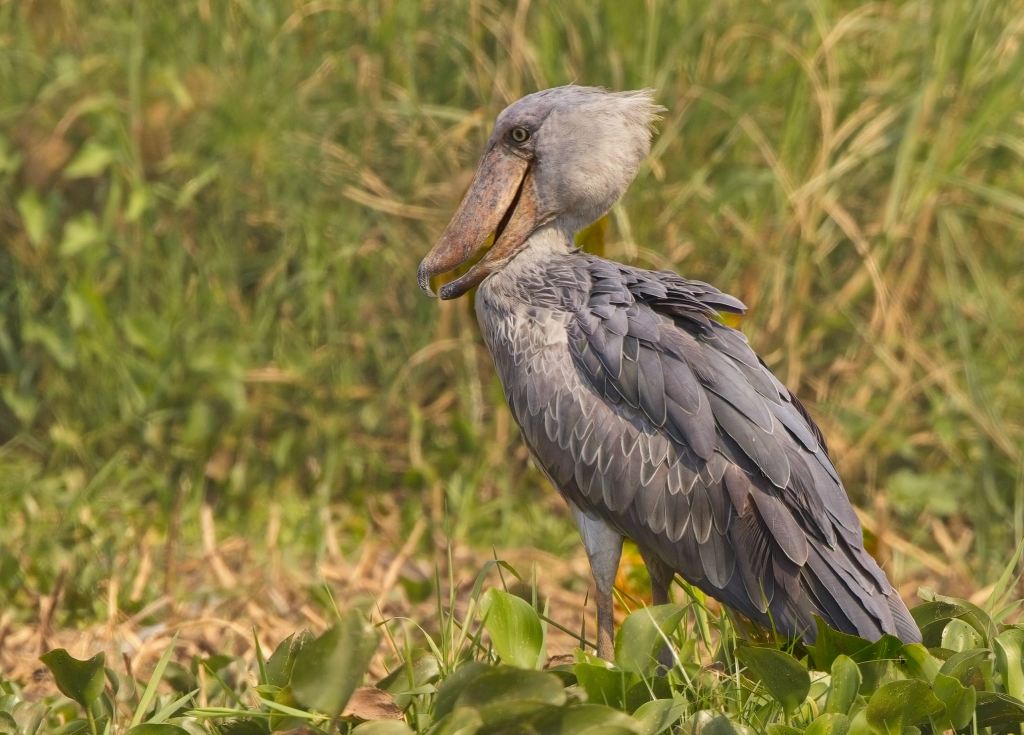
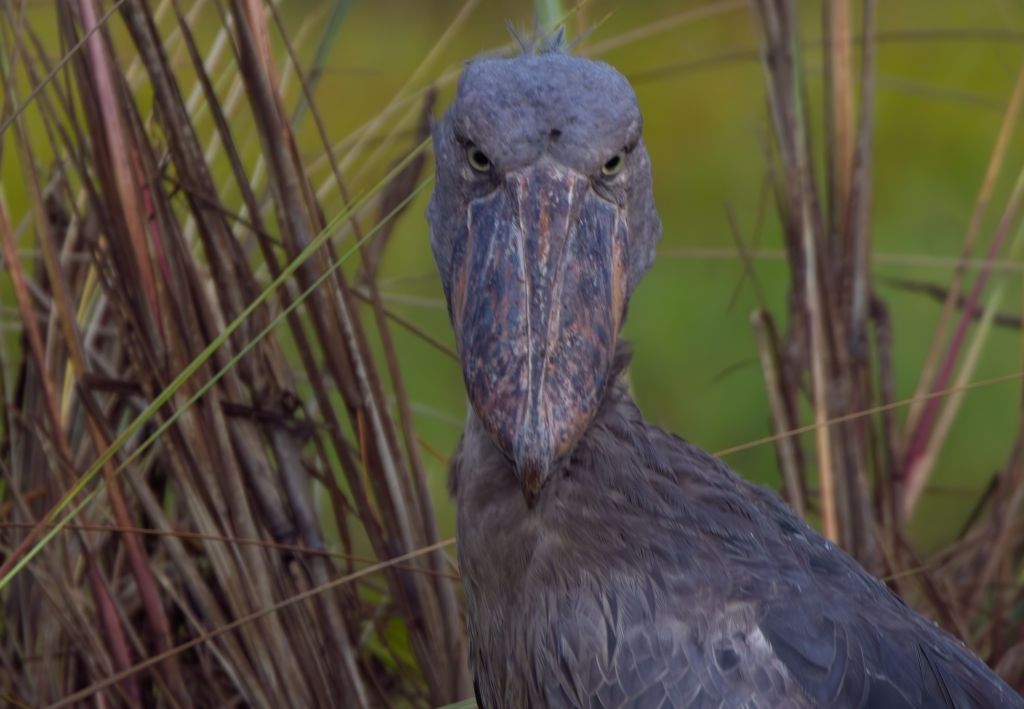

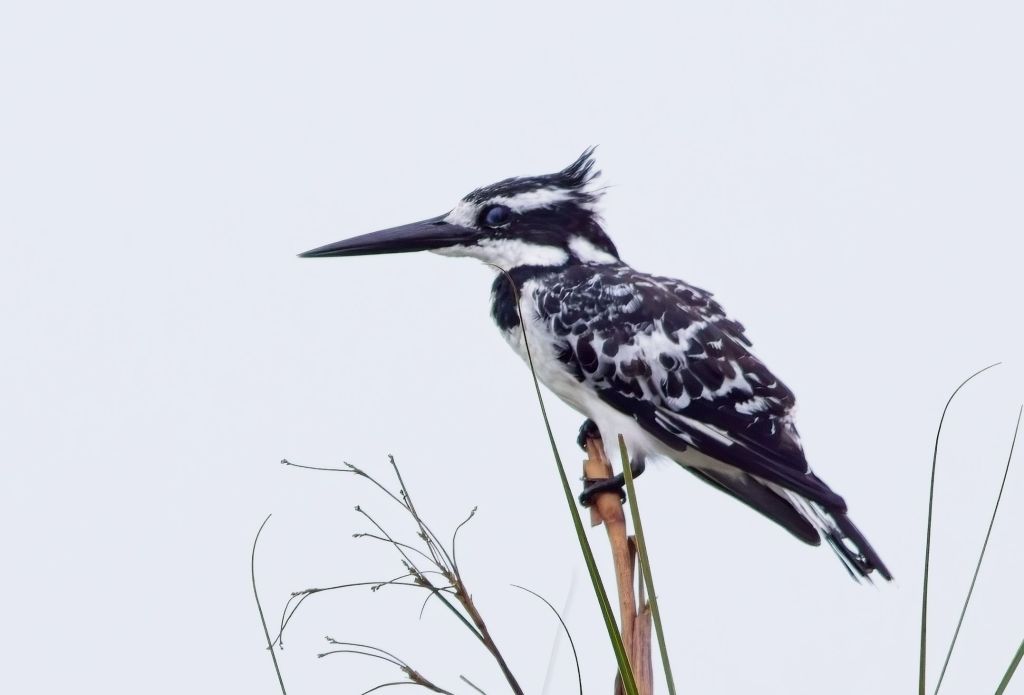
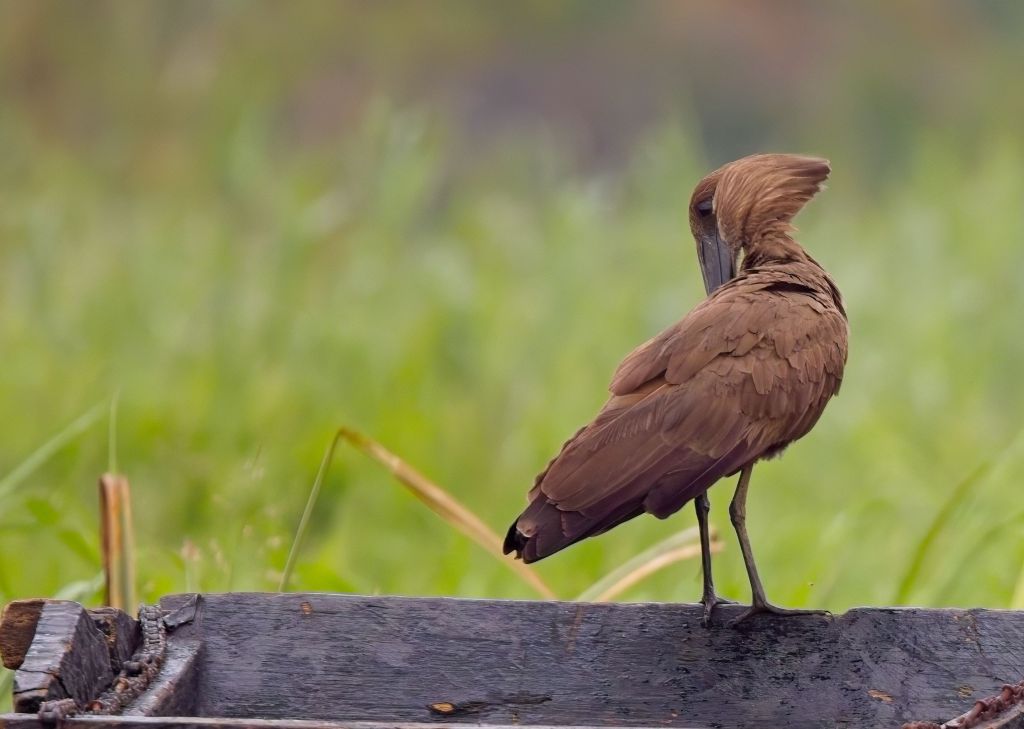
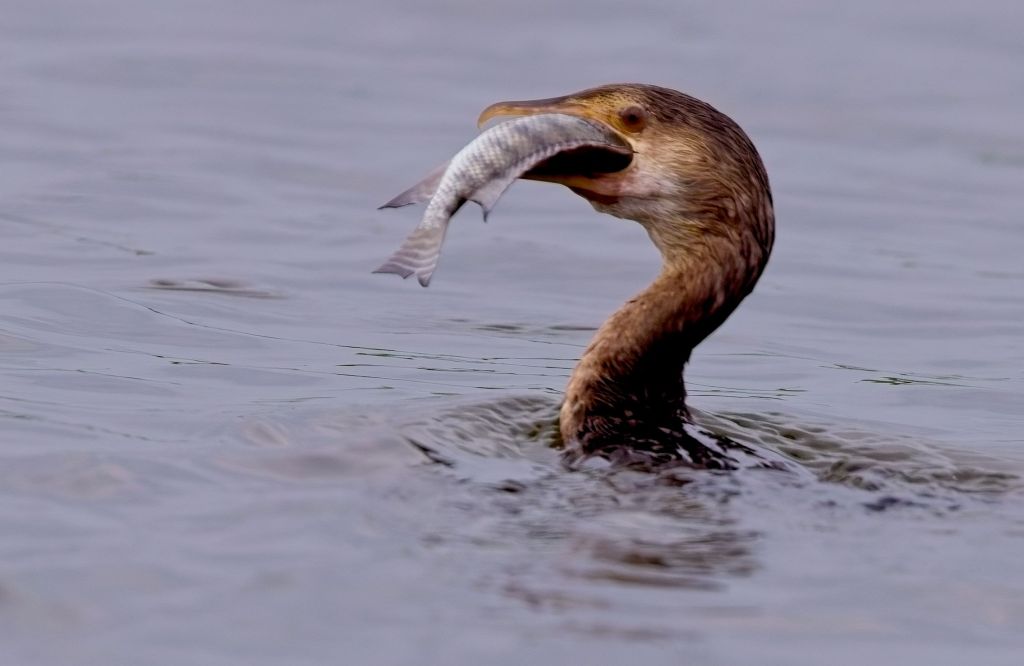
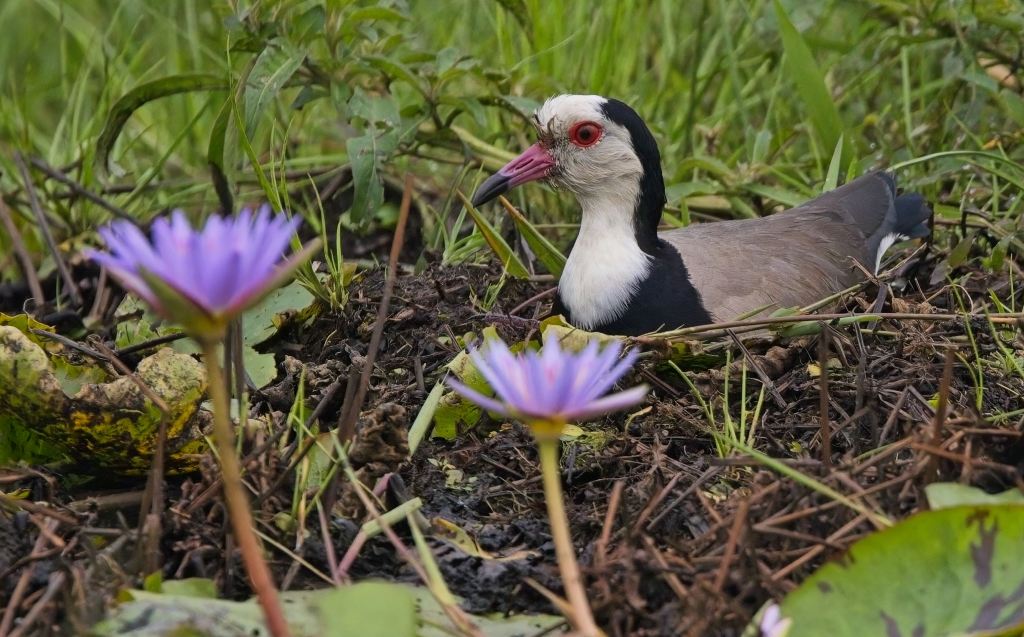
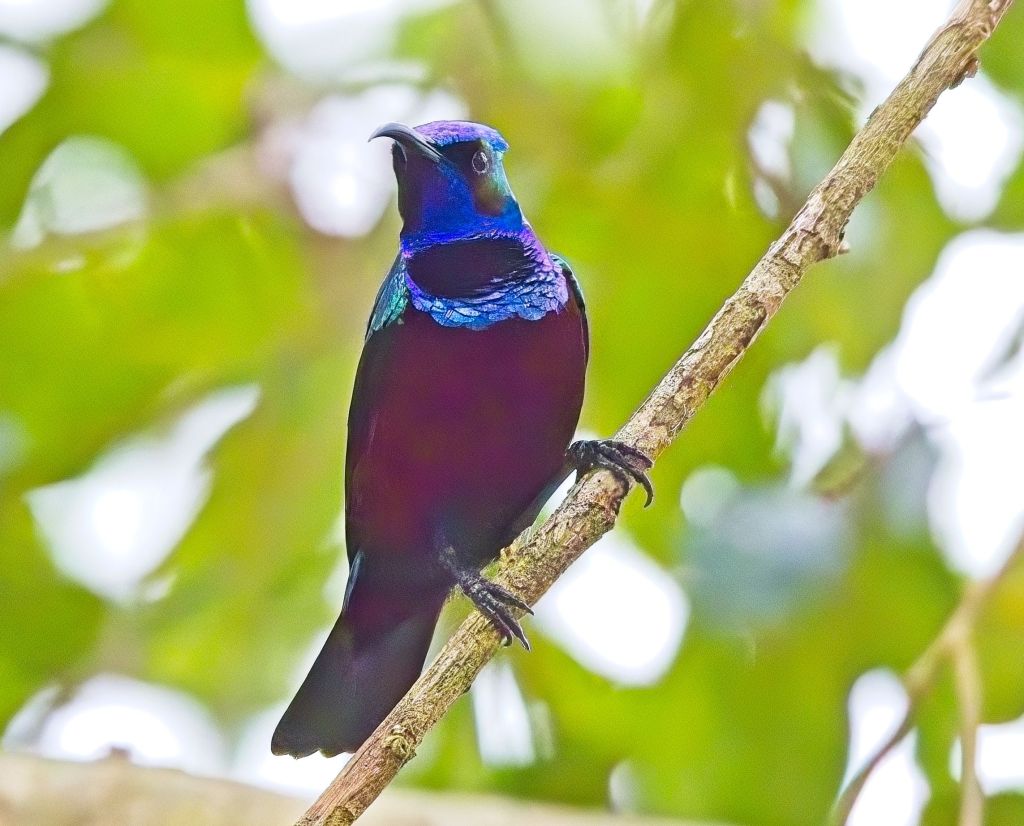
We watched the Shoebill for 30 minutes, and it was very hard to say goodbye, but other birds beckoned. It would take too long to chronicle them all. I have chosen some of the better photos but am leaving out some really nice birds.





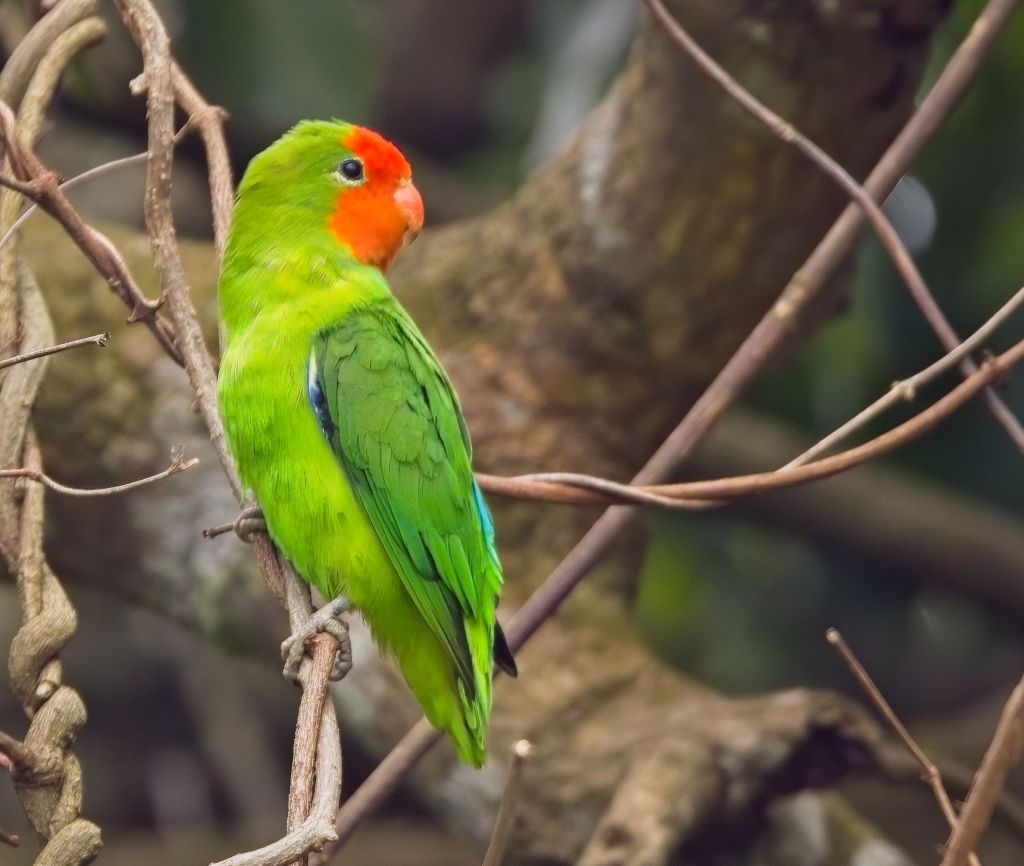
There are 9 species of Lovebirds in the world. I have seen 4 species including the Rosy-faced Lovebird as an introduced species in both Arizona and Hawaii. All 9 are native to Africa or Madagascar. Last year in Tanzania, I added Fischer’s and Yellow-collared Lovebirds to my life list in and this day I added the Red-headed Lovebird. They are small to medium sized parrots with large heads and are definitely “cute”. The only other parrots seen in Uganda were Meyer’s and Gray Parrots both of which I had seen previously.
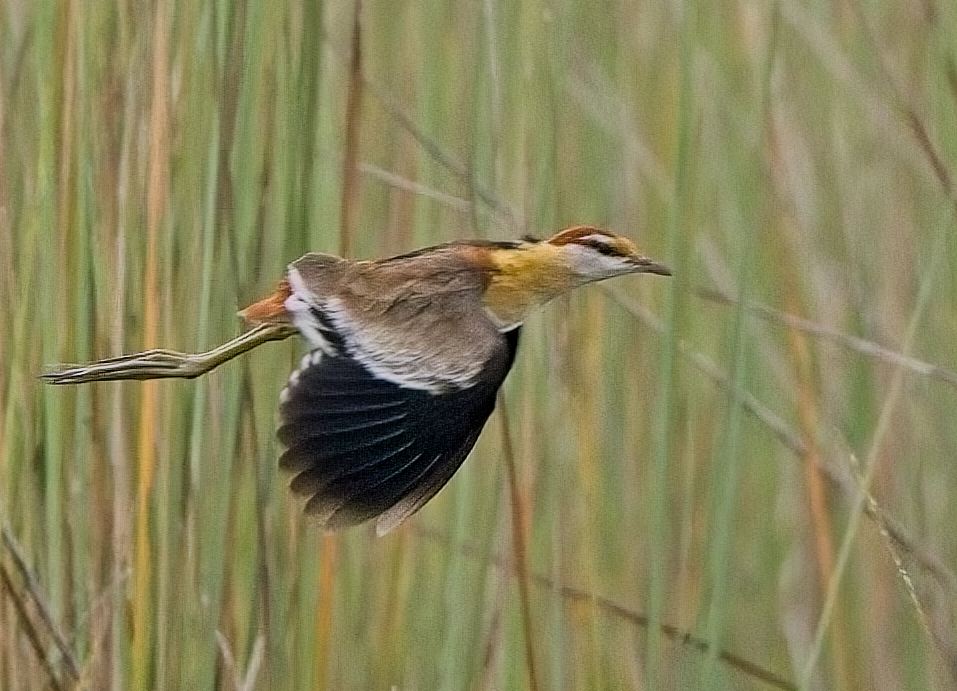
There were two other lifers seen at Mabamba Swamp – Blue-headed Coucal and Lesser Jacana. Missing a photo of the former was just stupid on my part. By the time I realized the coucal that I was watching was Blue-headed and not White-browed, it flew off. Opportunity lost. The Lesser Jacana was a success. It is a difficult bird to find and particularly difficult to photograph as it is very jumpy and does not let you get close. It flies off quickly and disappears in the grass. We found two – neither close and I was lucky to get at least ID quality flight shots – highly enlarged.
One last picture and story from the Mabamba Swamp. In Tanzania at Gibb’s Farm I had my lifer African Blue Flycatcher, a very lovely all blue bird. Don’t ask why, but it was just after lunch and I did not have my camera. We never saw another one, so I was sure to get a photo when I saw one at Mabamba Swamp. Unfortunately it took off just as I got onto it, not the greatest but a lifer photo nonetheless.

After our great boat ride we would return to the Boma Guesthouse with some stops along the way including at Nkima Forest Lodge where we had lunch and picked up a Crowned Hornbill and White Spotted Flufftail. Neither were lifers and I had photos of both but added the Hornbill to my Uganda photo list. Later we added Long-crested Eagle and White Hooded Vulture on the road and then at the end of the day, we birded the Entebbe Botanical Garden – often a great birding spot and we did have 37 species, but Dion said it was slower than usual. Our best species was a Bat Hawk. I thought I had a photo but cannot find one – a big disappointment. Other lifers for me were an Orange Weaver and an Olive-bellied Sunbird. The former was very distant and I had only a brief scope view. We also had our first Black-and-white-casqued Hornbill.
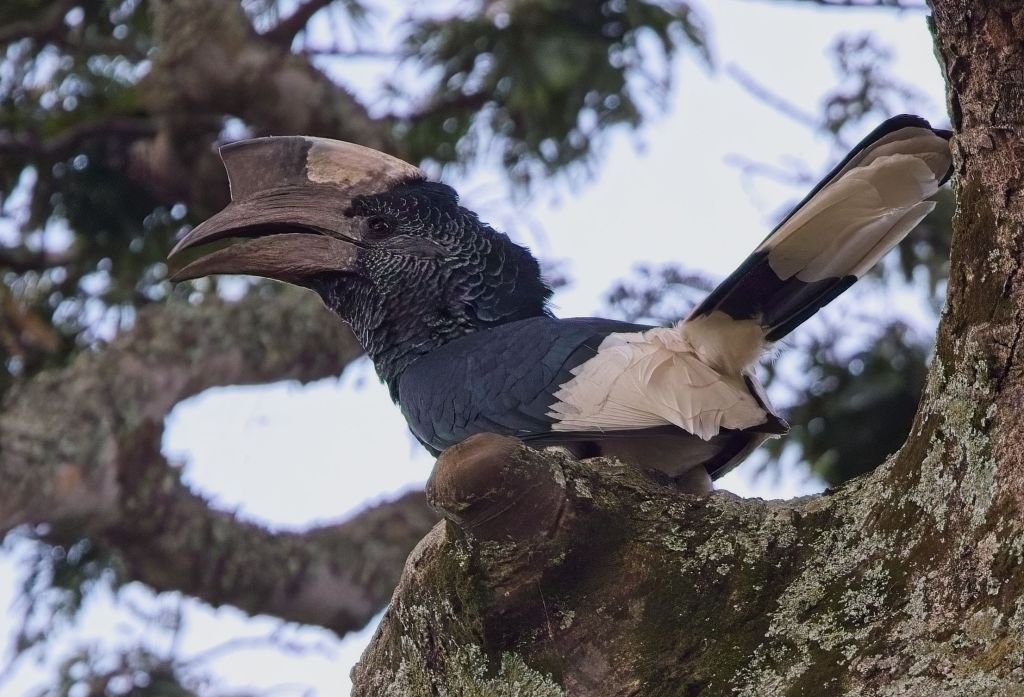
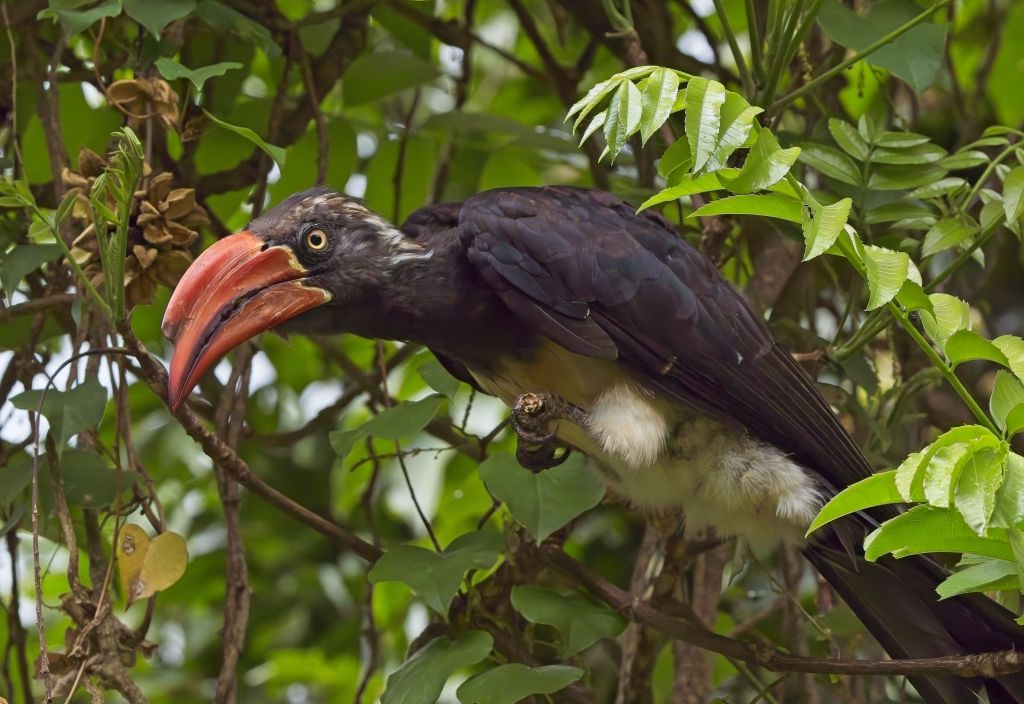

At the end of the day, my Uganda list stood at 96 species and I had added 16 species to my World Life list and about the same to my world photo list. The Shoebill was the highlight and the boat trip was a complete success – equally enjoyed by Cindy who continued to revel at the Shoebill sighting as well as the Kingfishers. We had grilled tilapia for dinner – tasting better than we remembered it from elsewhere. We were ready for more.
 blairbirding