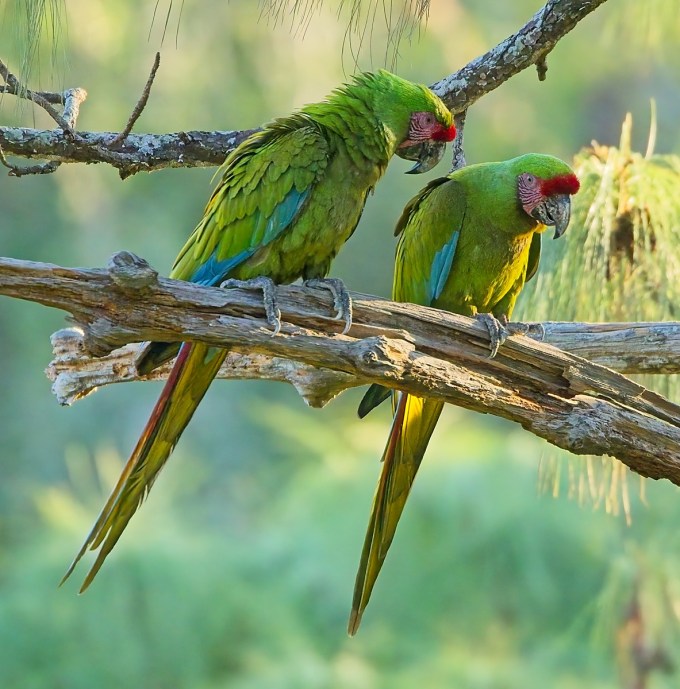
December 8th/Day 4 – Again less than decent sleep because of the noisy central AC in the hotel. Fortunately the adrenalin kicked in and I needed it this morning. We were heading south going to start Day 4 at a very special place, the Rancho El Santuario in Cabo Corrientes where there was a successful conservation project going to expand the population of Military Macaws (Mexican subspecies) which are endangered in part because of habitat loss but also due their young being captured for the pet trade. We arrived at the sanctuary around 7:30 a.m. and were welcomed by the manager/owner of the area – a good friend of Greg’s. (On that note, everyone seemed to be a good friend of his as he was welcomed with hugs, smiles and laughs at each place we stopped by some owner/manager/supervisor/server with whom he had built a strong relationship and friendship over the years).
We spent many hours at the reserve and the surrounding area. Again the weather was perfect, there were no bugs, and there were lots of birds. Macaws are large, colorful and raucous birds, so not surprisingly we heard them before we saw them. Fairly soon some of the large parrots flew by and then others flew closer overhead. Finally several came into trees very close to us and cameras were clicking – actually that was not the case as we were both on silent mode. The parrots really are spectacular with both bold and subtle colors. They form very strong bonds with pairs staying together for many years. It was another lifer for me with accompanying photos.


This photo shows one of the Macaws peeking out of a nest box. They are cavity nesters so generally would need large tracts of aged forest for nesting/breeding. Building nest boxes and placing them high up on big trees together with strong protection has been the key to the conservation efforts.

The Macaws were definitely the stars of the show, but there were other great birds as well. In and around the sanctuary we had 58 species including 23 that were new for the trip with all but one of them being new for the year as well, and that is a story. When I got Greg’s target list for the trip, one of the sure things was a Black and White Warbler. A very rare bird in Washington, I had only seen my first one there last year. Then in the last week of November a few days before I had originally planned to depart for Mexico, one showed up at Greenlake in Seattle. It quickly became a sensation and many Washington birders, including me raced to see it. It was very active but remained in the same general area so not too hard to find. That was the only species of the 23 that I had seen previously and then only because of that fortuity in Seattle. [As a side note the Black and White Warbler is still being seen in essentially the same area at Greenlake today making it a 5 week wonder!!]

Of the 22 that were new for the trip, only three were lifers (although the peek at Military Macaws earlier in the trip should now be overwritten as there was simply no comparison). The other lifers were Yellow Grosbeak, Golden-Crowned Emerald and Orange Billed Nightingale Thrush (heard only). I got photos of the first two but not the last.
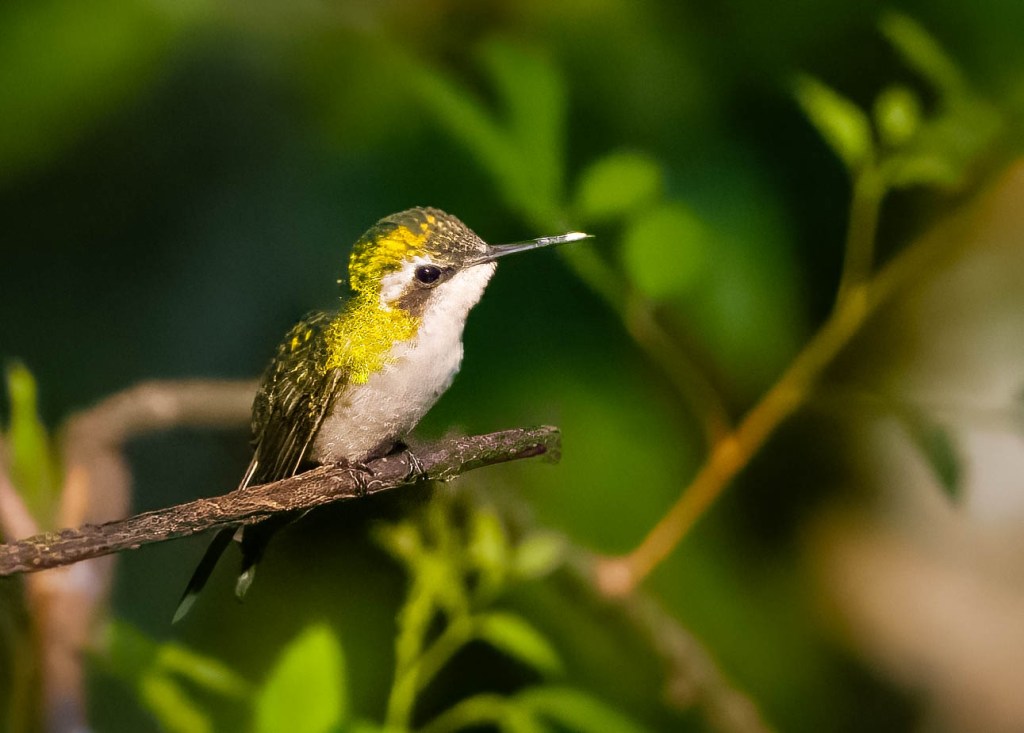

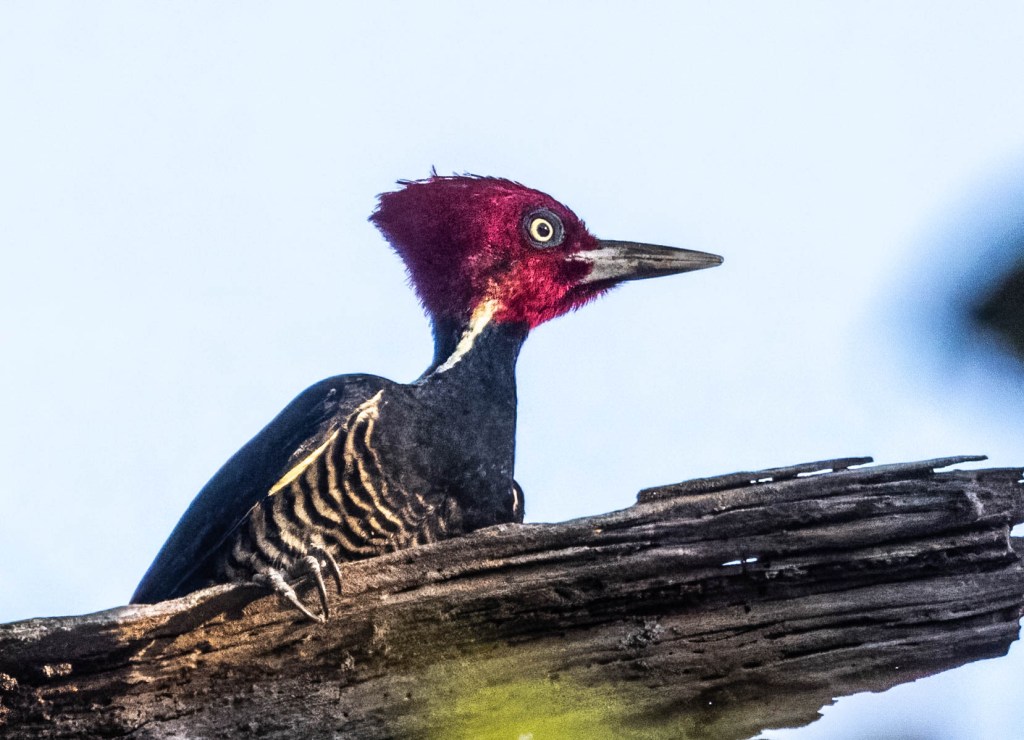
I also got photos of many but not all of the other 18 and would get photos of others of them later. Just below the Military Macaws on my rating system for the morning was finally getting a photo opportunity for Pale Billed Woodpecker. One had been seen/heard briefly earlier, but this was the real deal.

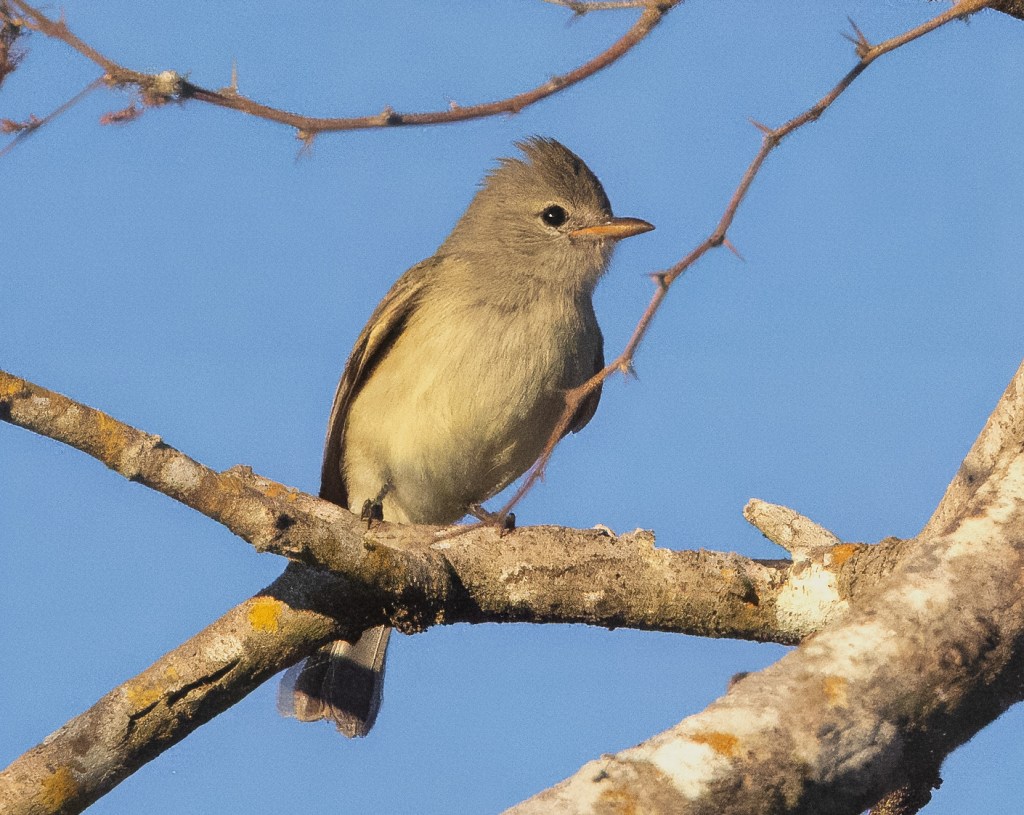


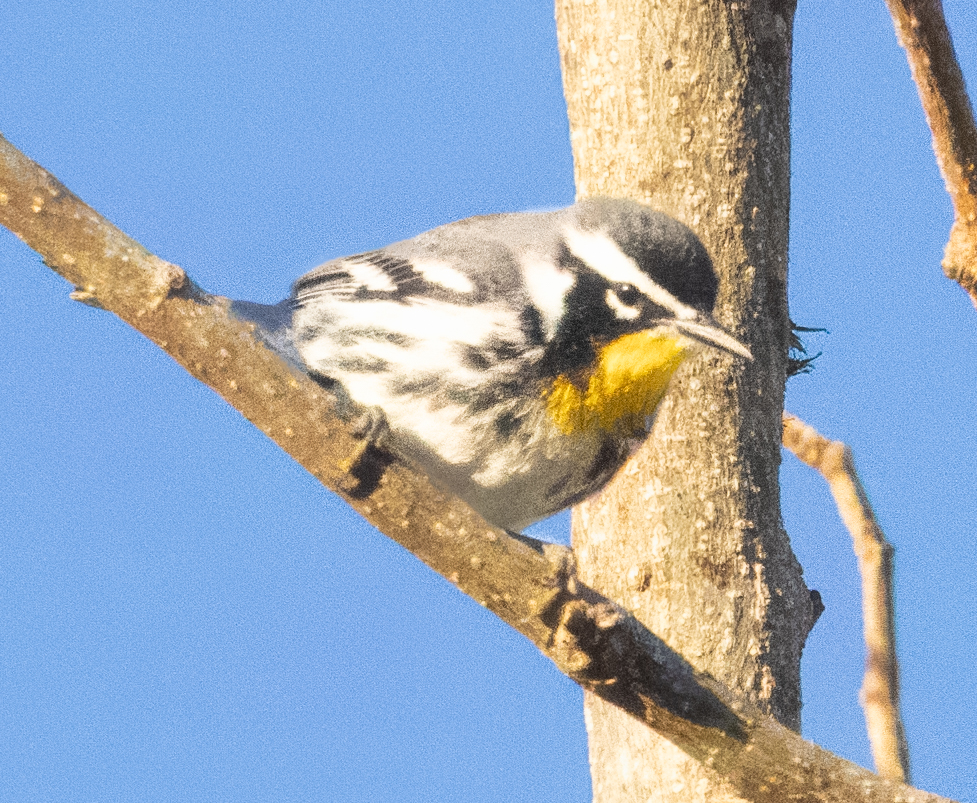

After our birding in and around the sanctuary, we visited the Jardin Botanico Vallarta – the Puerto Vallarta Botanical Gardens – a famous and wondrous place with a great restaurant, indoor and outdoor gardens, a gift shop and bird feeders. It was started in 2004 by Bob Price – and of course he greeted Greg warmly when we arrived. There is a fee for entry – well worth it for botany lovers as well as birders. It preserves the native plants as well as showcasing many others. Our bird watching was limited to the feeders watched during our lunch, but it has many walking trails and the Ebird hotspot lists more than 260 species!!


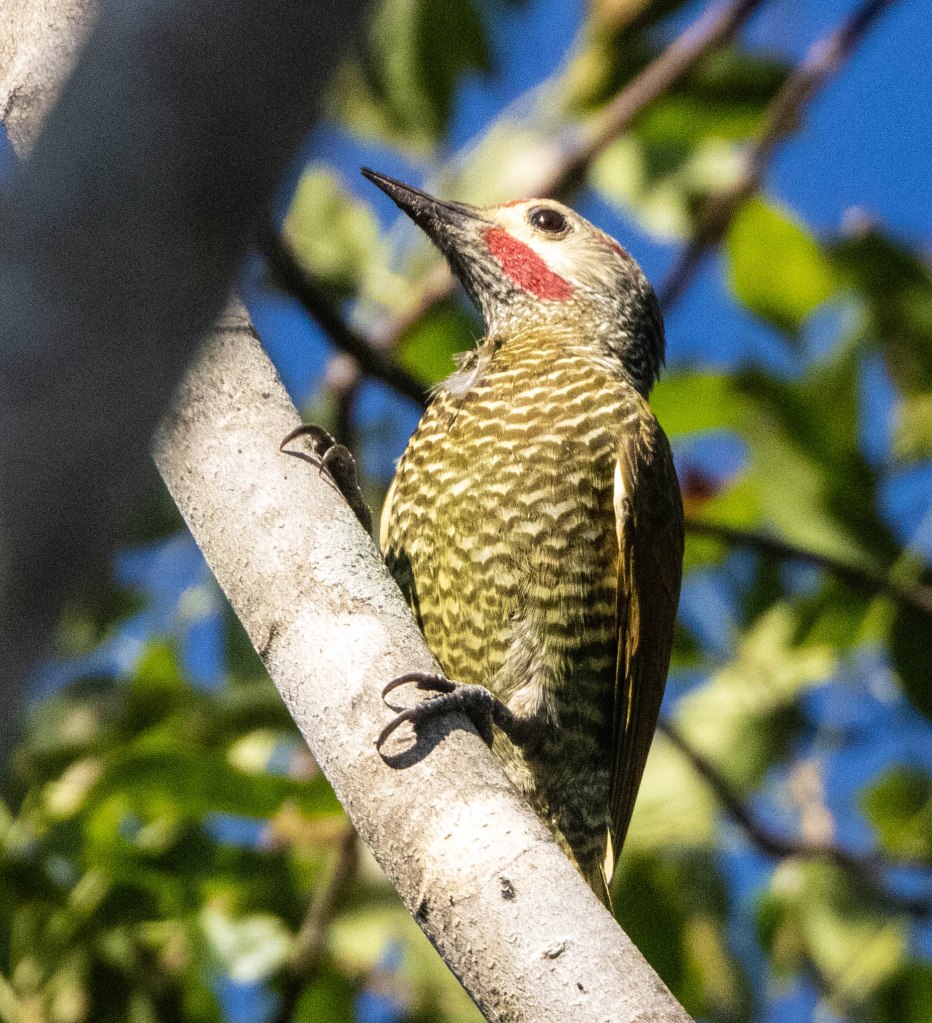
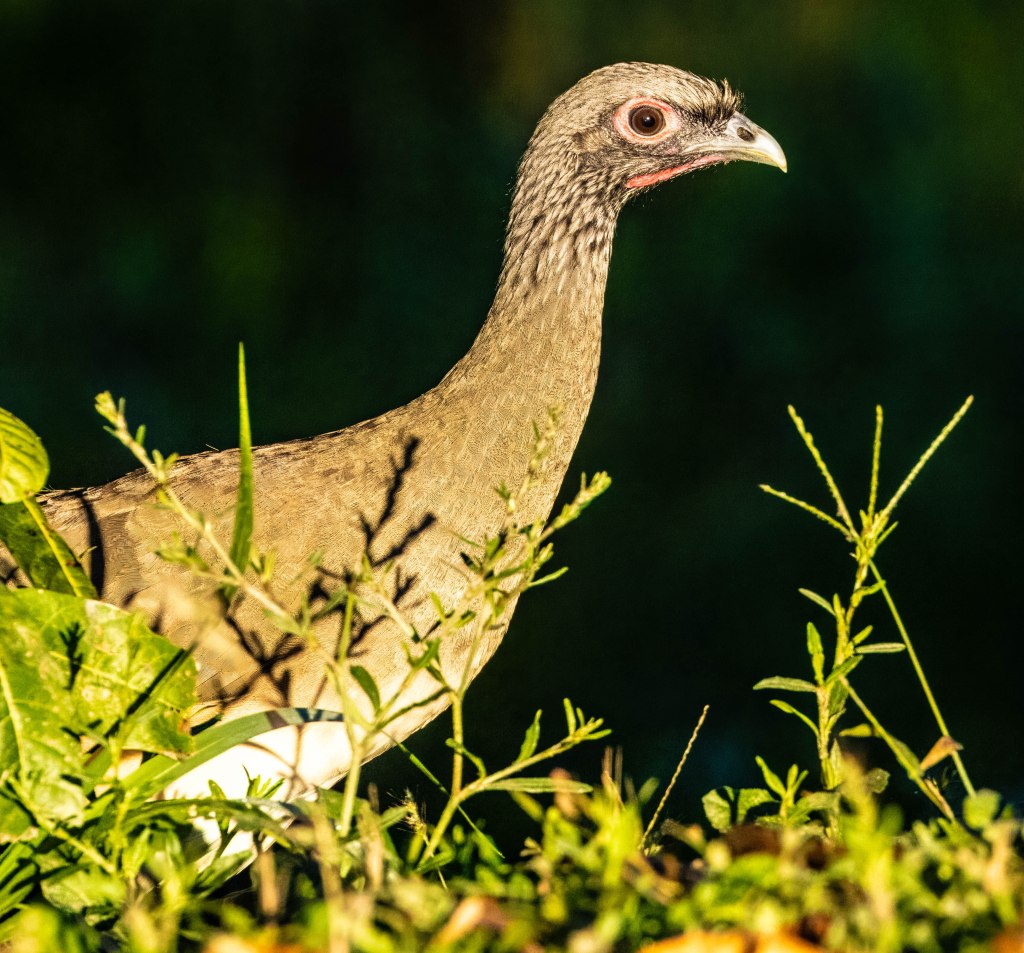
Officially our only new bird for the trip, and for my year, was West Mexican Chachalaca, but we had 13 species with Green and San Blas Jays, Yellow Winged Caciques and Golden Cheeked Woodpeckers coming to the tray feeders and Cinnamon Hummingbirds only feet away from us at the feeders next to the restaurant porch.
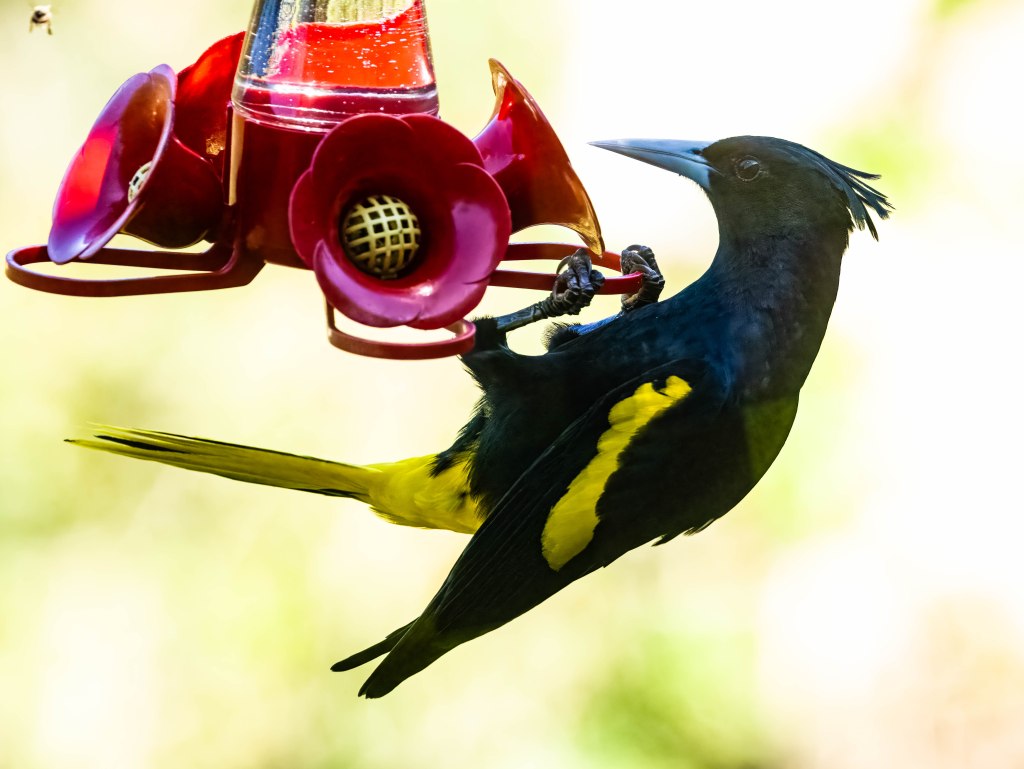
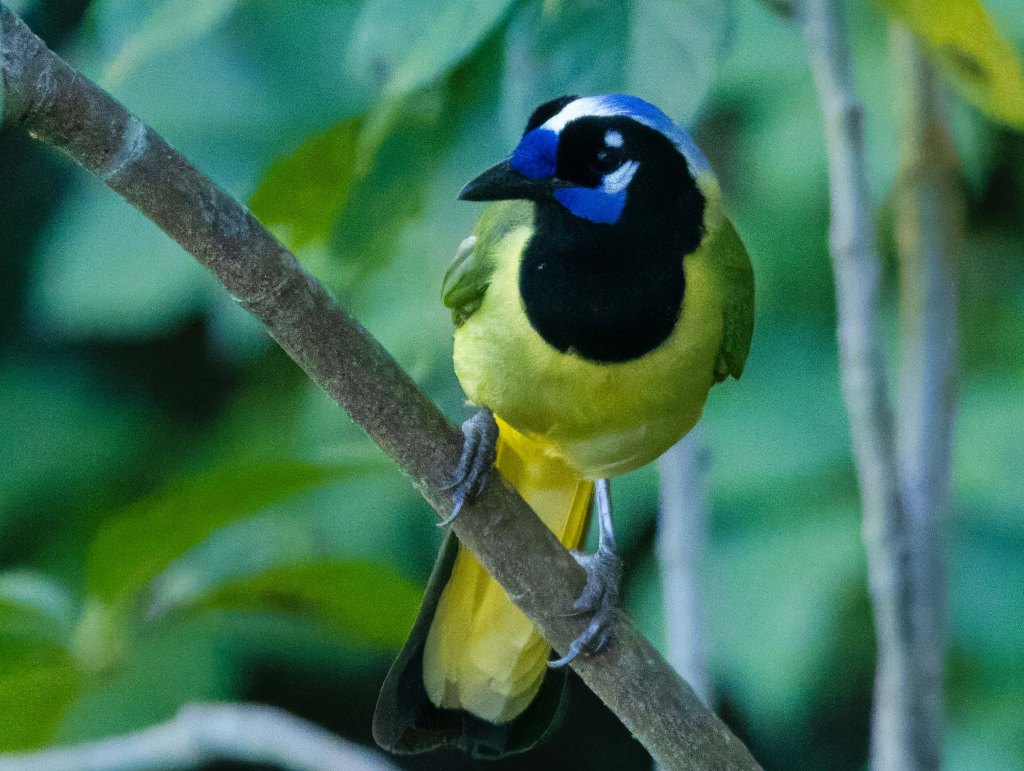

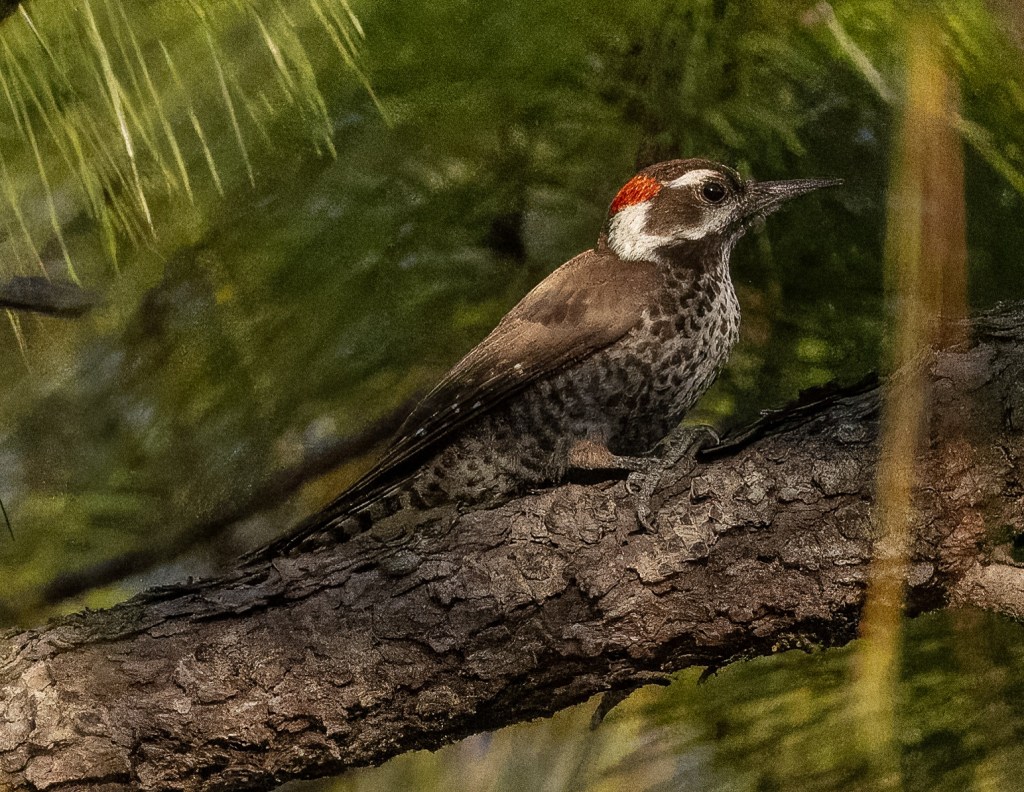
Staying in the Cabo Corrientes area, we next birded along Camino La Bascula which translates to something like Scale Street. I have no idea why. It was again a relatively early close to the day (around 7:00 p.m.) as we would be driving to the coast for a two night stay at a beautiful little resort with private cabins – used mostly by Mexican holiday seekers. So we spent almost three hours birding in the area. I had 42 species (and Greg heard a couple I did not). Six were new for the trip and they were also new for my year. None were lifers nor were there any life photos. The new year birds were Calliope and Violet Crowned Hummingbirds, Brown Backed Solitaire (heard only), Hepatic Tanager, Black Throated Green Warbler (truly a terrible photo) and Arizona Woodpecker. In the morning we had heard an Elegant Trogon and we heard another one later on this part of the trip – but I never got even a glimpse.

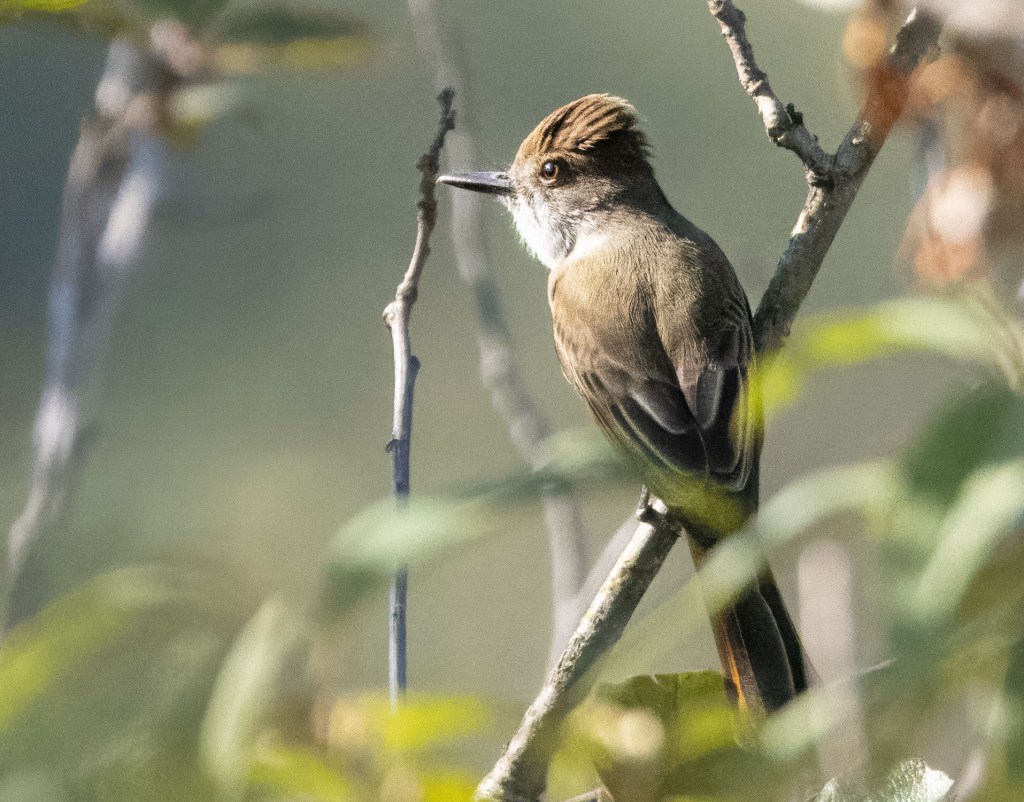

It was now off to El Cielito, something like little heaven or little sky, where we would be staying for two nights in cabins by the beach. At day’s end our trip list was 190 species; my year list was up 1065 species; my world list was 3266 and I have lost track of photos. More to follow.
 blairbirding