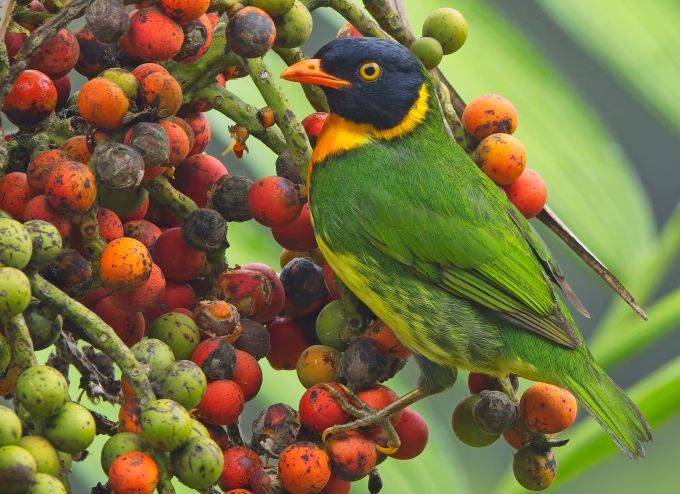
Ecuador ranks high on every birder’s must do list. At about 109,500 square miles, Ecuador is just a little larger than the state of Colorado. By North American standards, Colorado with 519 species is a bird rich state. With habitats including the Amazon basin, the Andes mountains and the Pacific Coast, Ecuador is the most bird species dense country in the world with more than 1,666 species in essentially the same area. In June 2022, Cindy and I spent two weeks there birding on a private tour arranged by Neblina Forest that included lodges in the Andes and 4 days in the Amazon. We had 455 species of which 208 were “lifers” – new for my world list – for me. The reason there were not more lifers was because of the overlap with places I had birded before – especially Peru and Brazil, and to a lesser extent Costa Rica, Belize and Trinidad. It was a great trip – but as comments from others we met along the way and after our return, it was missing two things – a visit to the Galapagos Islands and more birding at lodges and areas we did not visit on that first trip.
As covered in two blog posts on our trip to the Galapagos, Cindy and I took care of one of those omissions in October (https://blairbirding.com/2024/11/01/the-magical-galapagos-islands/ and https://blairbirding.com/2024/11/12/the-galapagos-islands-birdies-and-beasties/) and since we were going to be in Ecuador anyhow, it provided a chance for me to go earlier and visit some of those other locations. When Cindy and I knew we would be going to the Galapagos I contacted Nelson Apolo Jaramillo, an excellent guide in Ecuador and after sending him details of my earlier trip, he put together a very appealing itinerary that meshed well with the Galapagos schedule. Tom St. John is a friend that is new to birding but not to photography and is a wonderful photographer. He has taught me much about that and I have taught him about birds and birding. Earlier attempts to find a birding trip for the two of us had not worked out. His calendar was good so this would be a great opportunity. It was easy for Nelson to add Tom to the trip and the cost was attractive so he signed on.
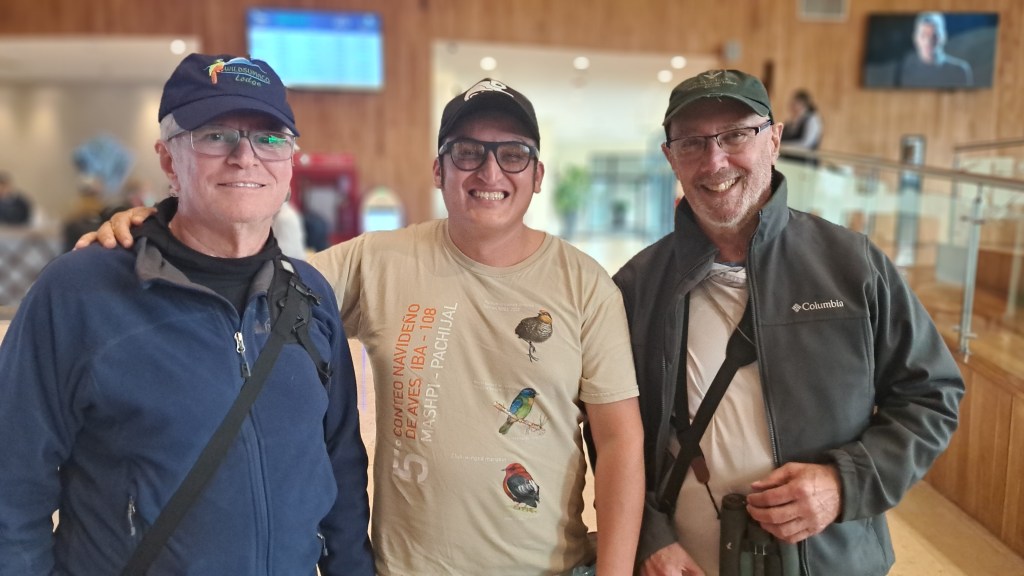
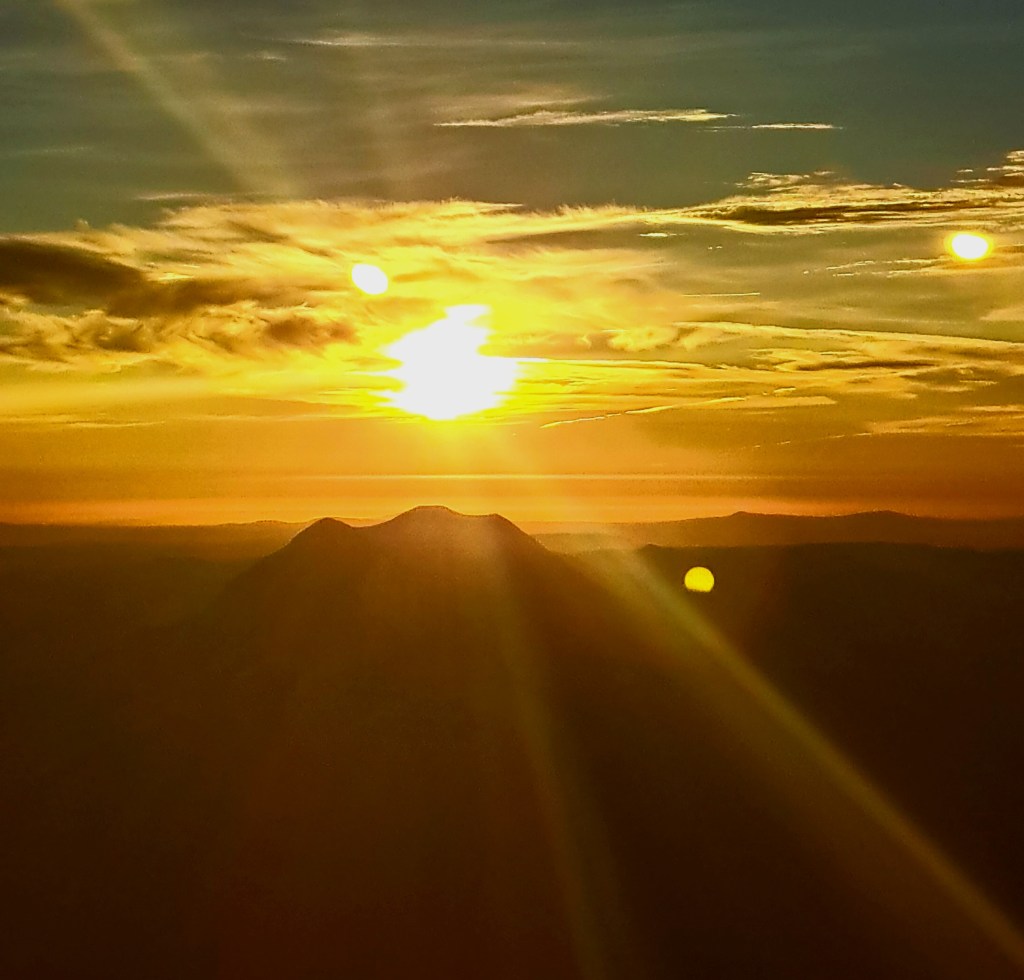
Our trip would leave Seattle early on September 24th on a United Airlines flight to Los Angeles then a switch to Copa Airlines for a flight to Panama City and a final leg to Quito, Ecuador arriving very early on September 25th. After the rest of the day to catch up, we would then meet Nelson late on the 26th at Sachatamia Lodge to begin the official tour. The early departure from Seattle gave us a chance to see a beautiful sunrise over Mt. Rainier. We would be spending many days in the Andes in Ecuador, but for me, nothing is better than our own mountain.
Air travel is never fun and every time there is a stop along the way, there is a chance for trouble. That was our fate in Los Angeles. After a very long walk from the arrival gate to the scheduled departure gate for our Copa Airlines flight, we learned there would be a delay due to an equipment problem. The plane was at the gate but there was no sign of leaving on time, and we started to worry about making our connection in Panama City. After maybe an hour we were finally allowed to board and although it would be tight, there was still a chance to make that connection. Then…nothing. After a very unhappy 30 minutes waiting we learned that there was some kind of electrical problem at the gate that would preclude our departure. So we off loaded and moved on to a new gate – more than a half mile away where another Copa Airlines plane would take us south. Of course by this time, any chance of making our connection was long gone and the new worry was whether we would ever see checked baggage in Quito.
We had sprung for business class for the 6+ hour flight to Panama City so it was comfortable but with some anxiety about what was ahead. One fun thing was that Copa had a very clever video for the safety routine that is usually onboard performed by flight attendants in a mechanical manner that 90% of the passengers ignored. I took some photos of pieces of the video with my phone. The one below was used to show where the emergency exits were located. We were told that we would get “hotel vouchers” in Panama City since we would have to spend the night and then leave on a flight to Quito in the morning. Well, not really. Instead we got passes to the Copa Lounge – a tacky bright and noisy room with some drinks and snacks and where the only possibility for any sleep was by pulling three chairs together for an uncomfortable horizontal “bed”. So maybe an hour of sleep and then a departure on an early morning flight to take us to Quito. There was good news: our luggage arrived on our same plane, we were met by someone from Nelson’s company (he was out with another client as we knew), and finally we would be arriving at our first stop, the Zaysant Ecolodge, mid morning (rather than at two in the morning which would have been the case on the original flight schedule) enabling us a little time for a nap and then some time to look for birds.

The Zaysant Ecolodge was convenient to the airport and was both very comfortable and also gave us a good introduction to birding in Ecuador and the first chance for Tom to see some hummingbirds coming to feeders, one of the highlights of any trip to Ecuador. We birded in the afternoon and then caught a little sleep before dinner. We would bird there again the next morning and then Nelson had arranged for a driver to take us on to Sachatamia Lodge with a great stop at the Alambi Reserve. This was a change from the original plan which Nelson added – a brilliant move. At Zaysant we only had 15 species, but that included 5 hummingbirds and a Vermilion Flycatcher – always a treat. None of the species were new for me but as would be the case for every new bird we would see, all were lifers for Tom – welcome to Ecuador.


Alambi Reserve proved to be an exceptional stop. Our 26 species included 13 hummingbirds and 7 tanagers with photos for all of them and oh yeah, the Red-headed Barbet, definitely one of the best looking birds anywhere. None of those were lifers for me, but two others were: Choco Brushfinch and Orange-crowned Euphonia. As a bit of background, on my 2022 visit to Ecuador, I had also visited Alambi Reserve and had 28 species including 12 hummingbirds and 10 tanagers. As evidence of the diversity of birdlife in Ecuador, only 6 of the tanagers were seen on both visits and 2 of the hummers seen in 2022 were not seen in 2024.

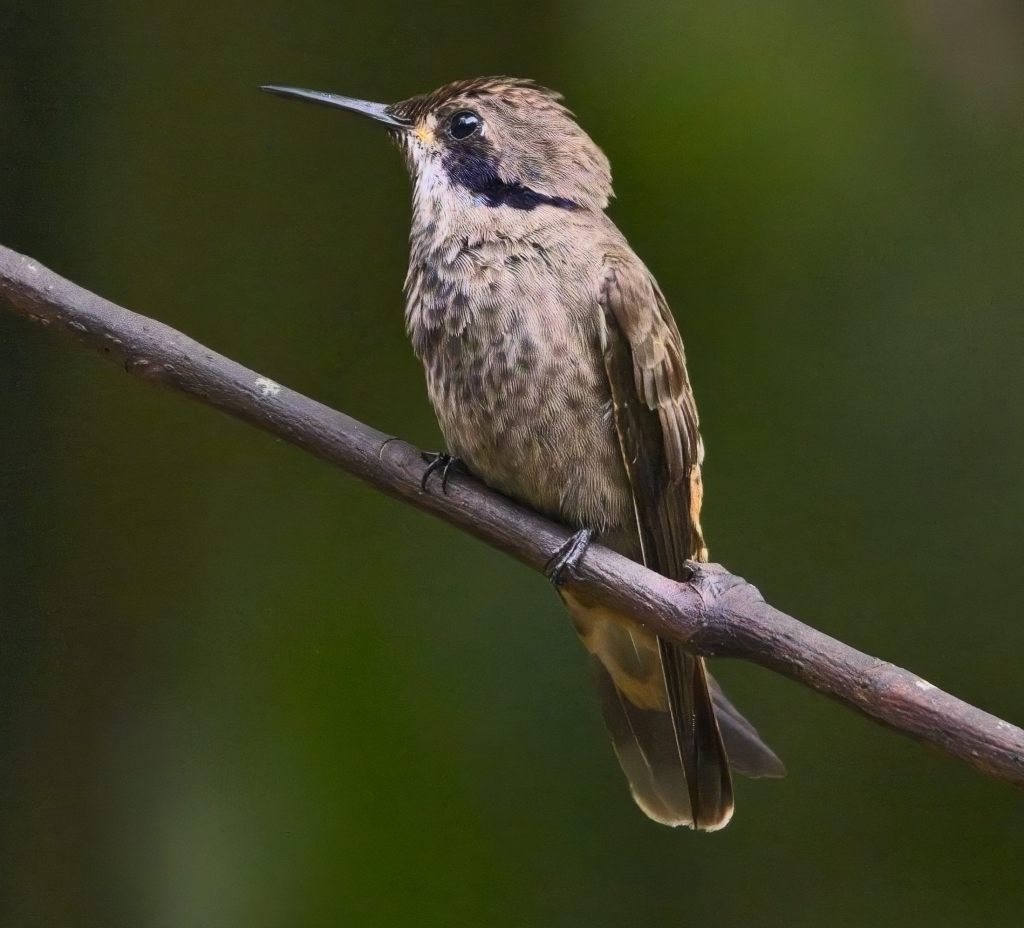

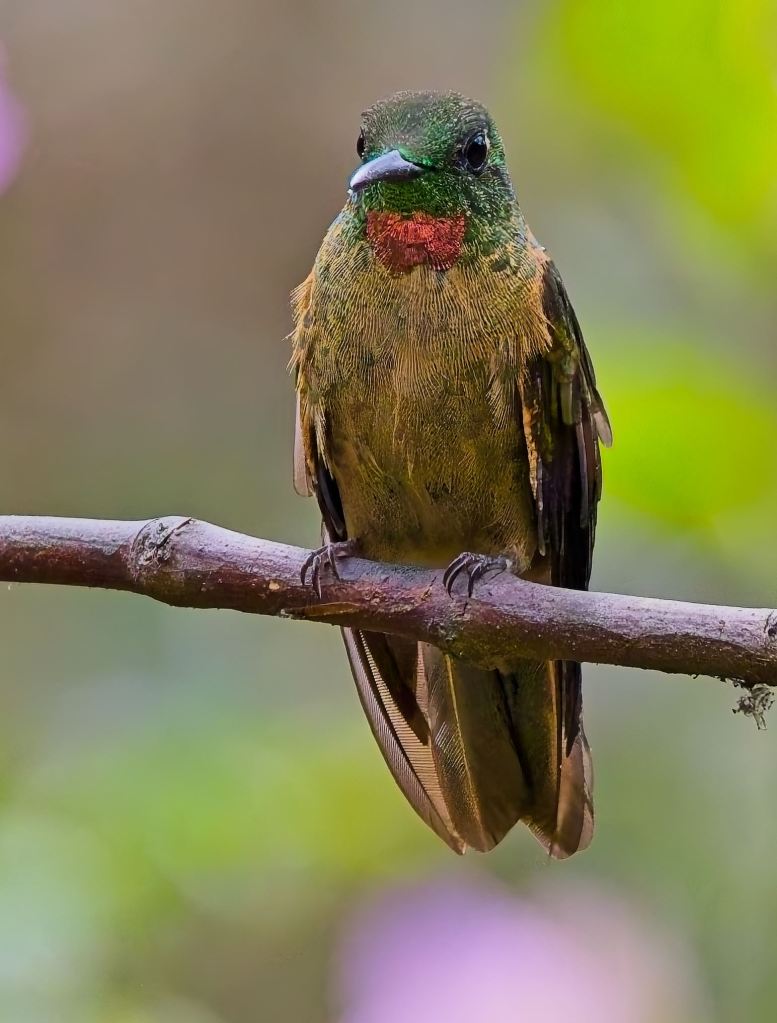

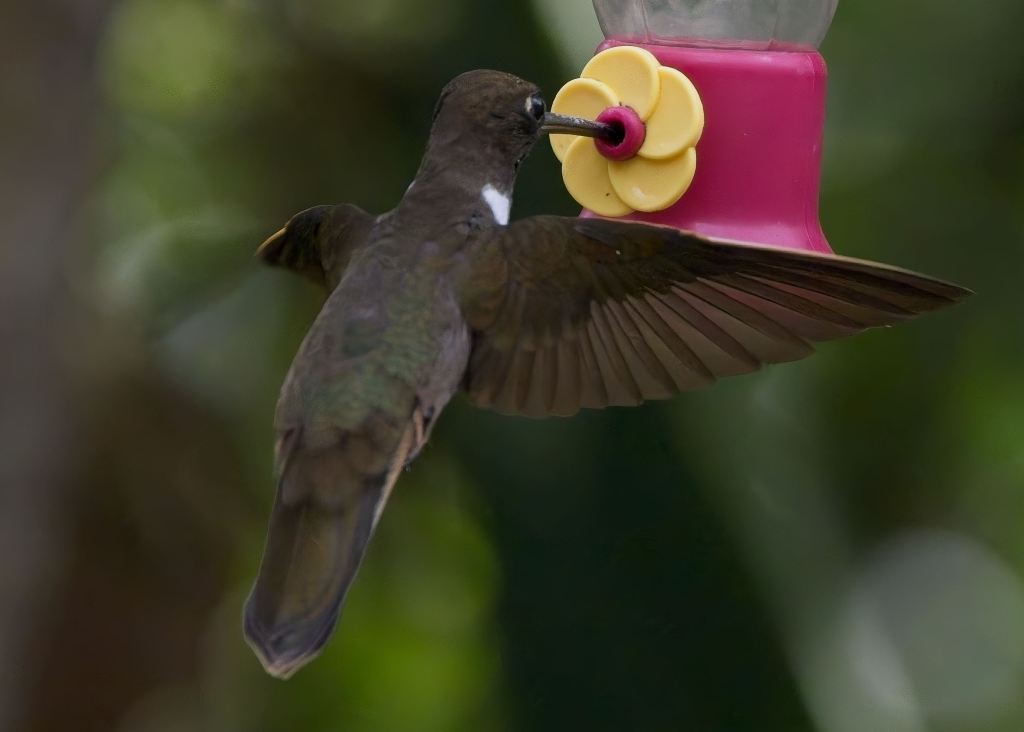
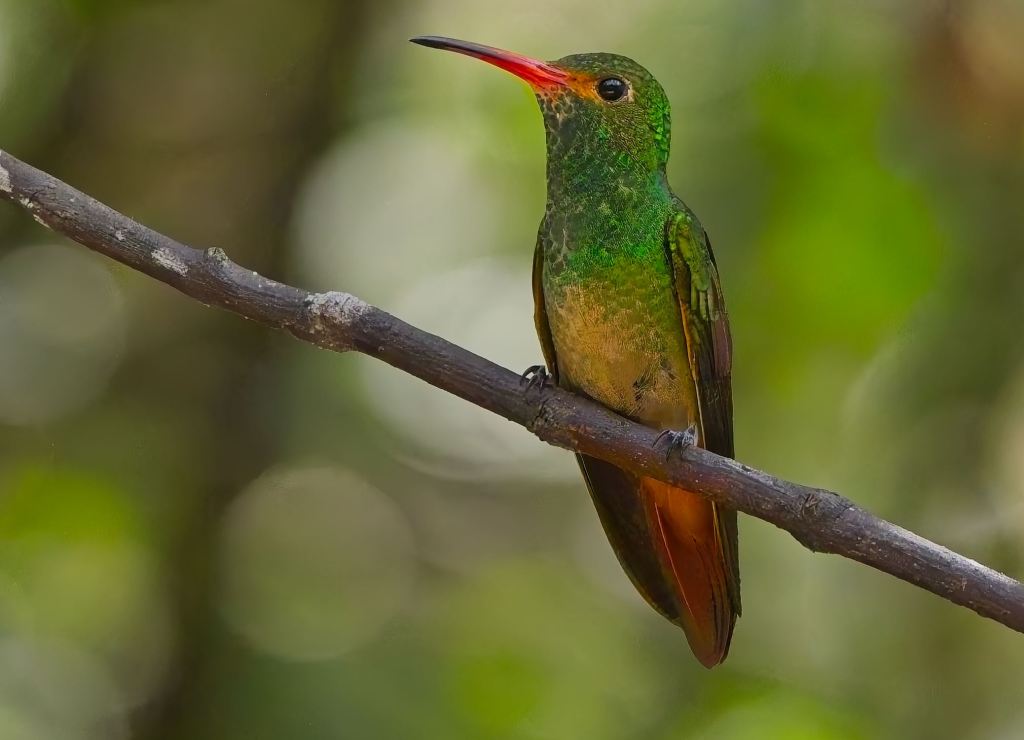


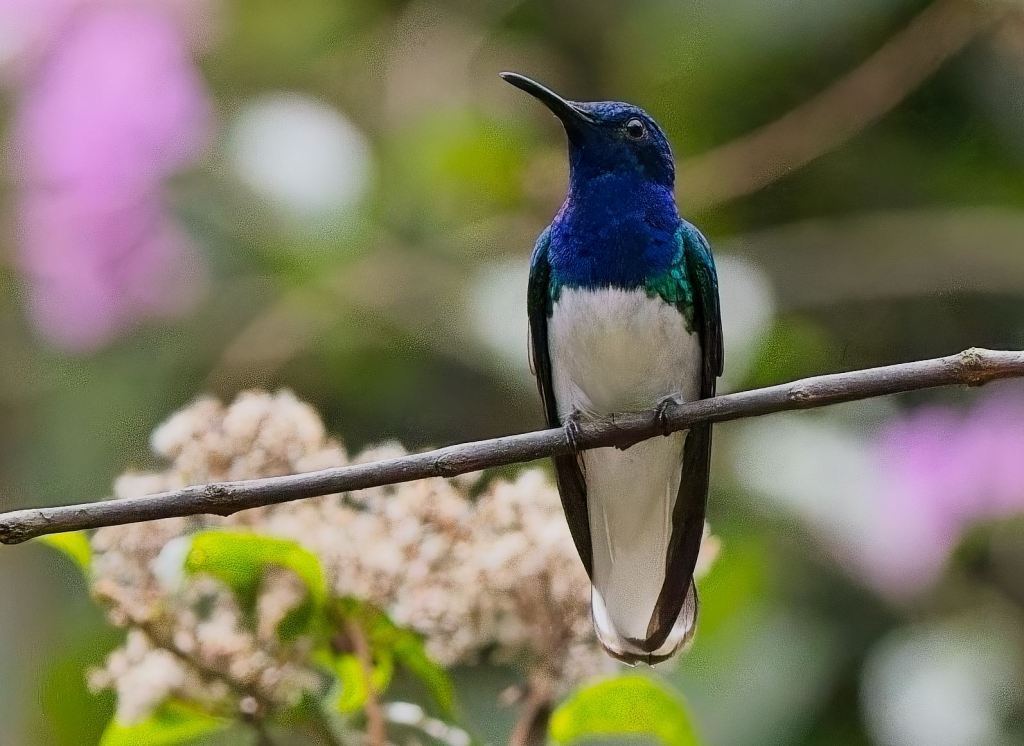
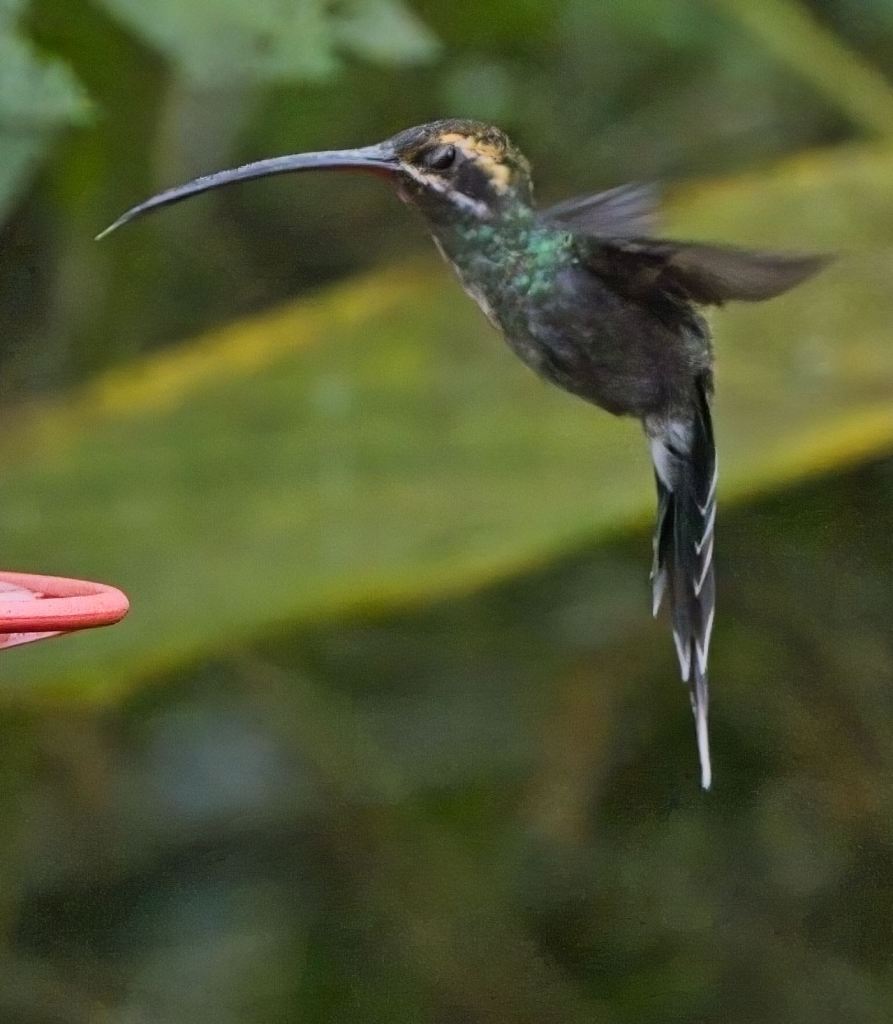


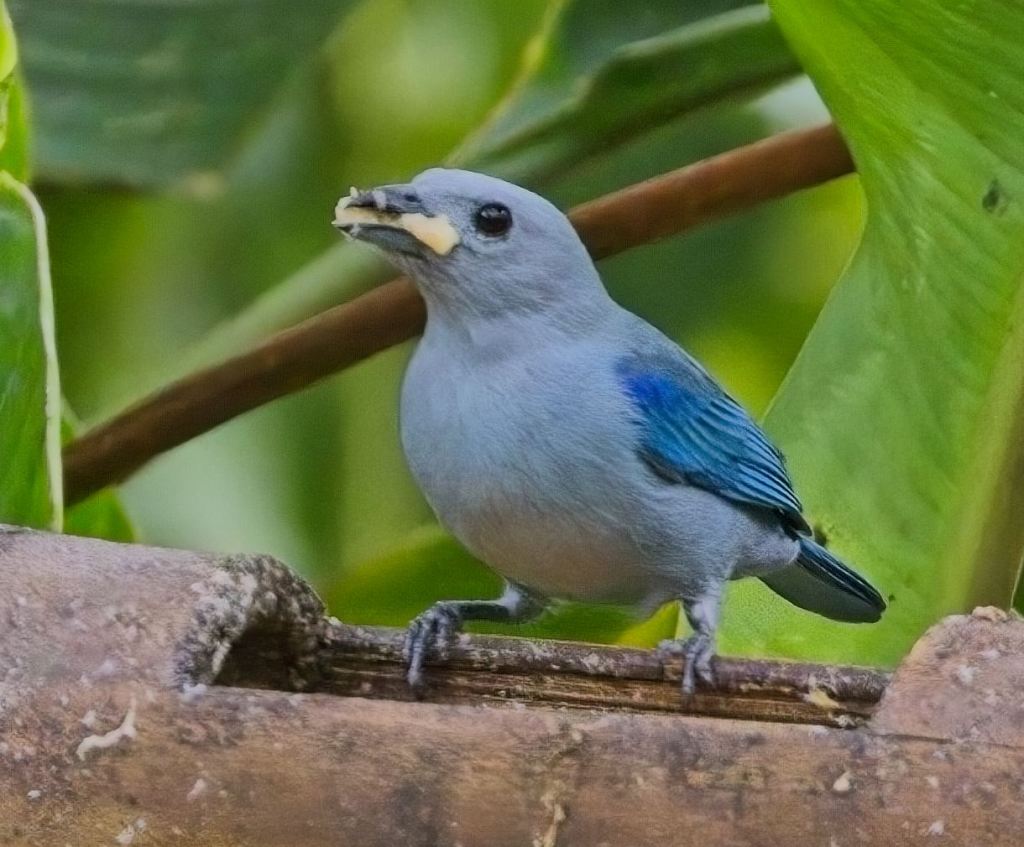
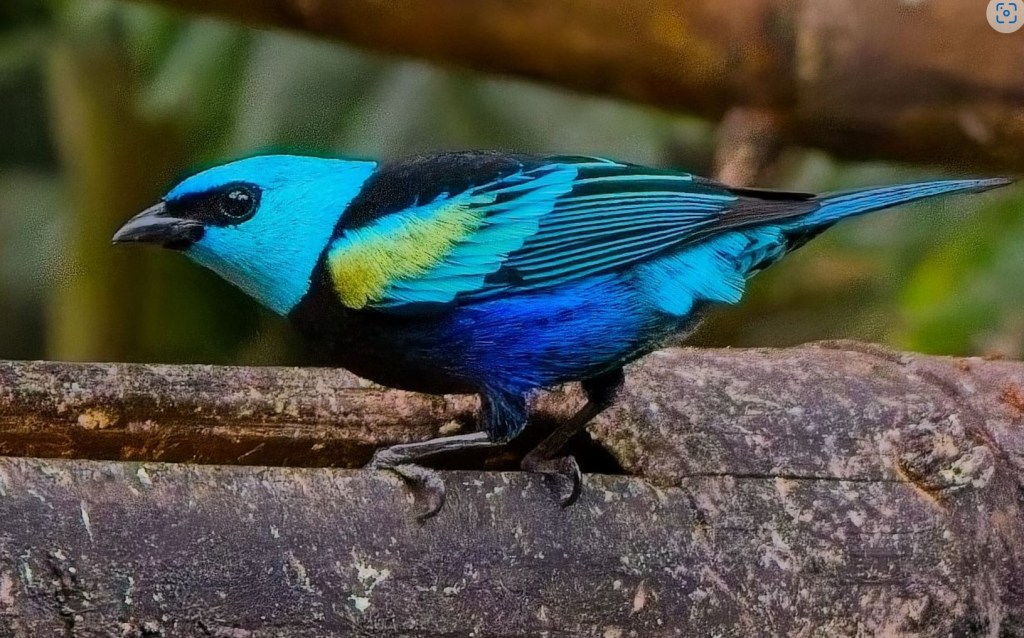
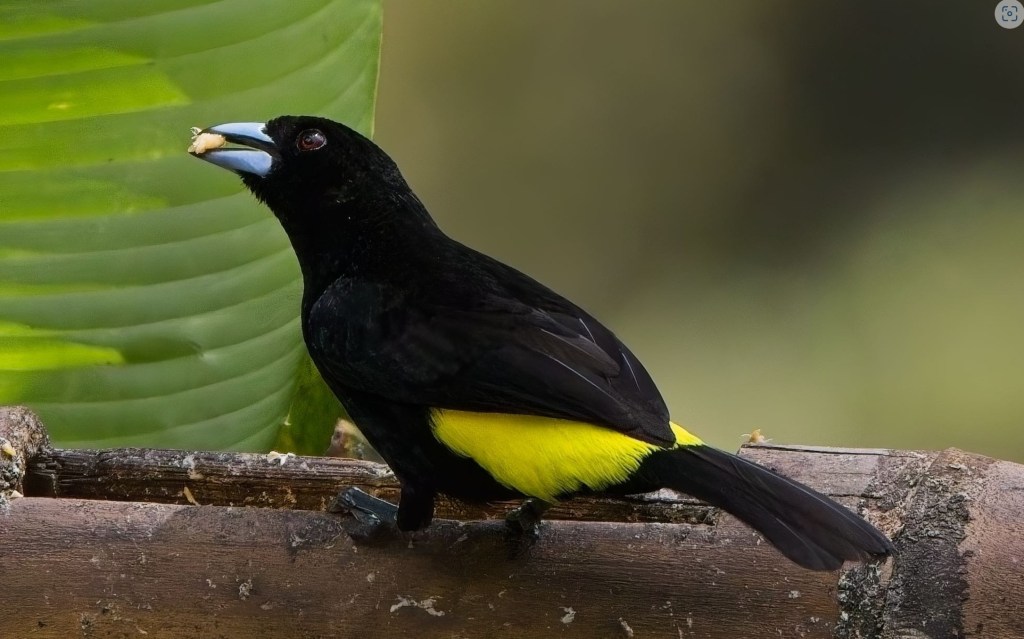

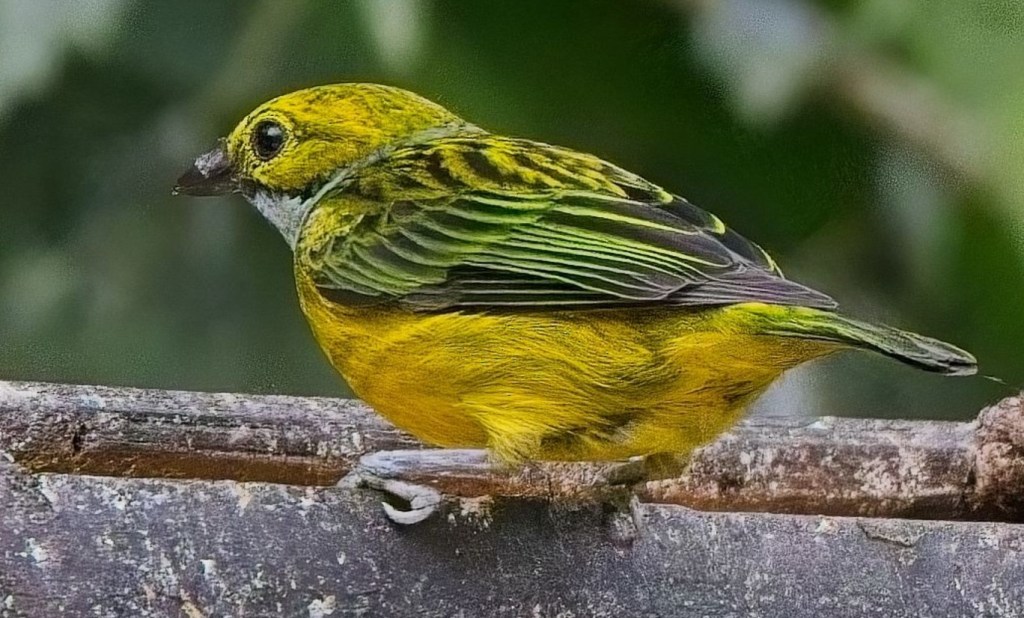

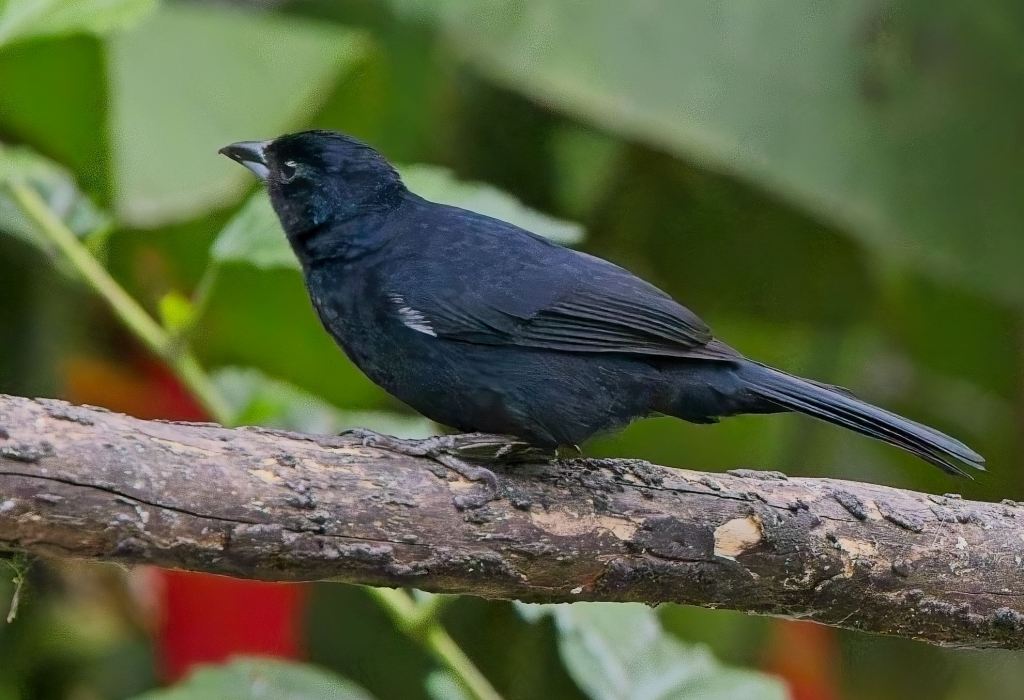

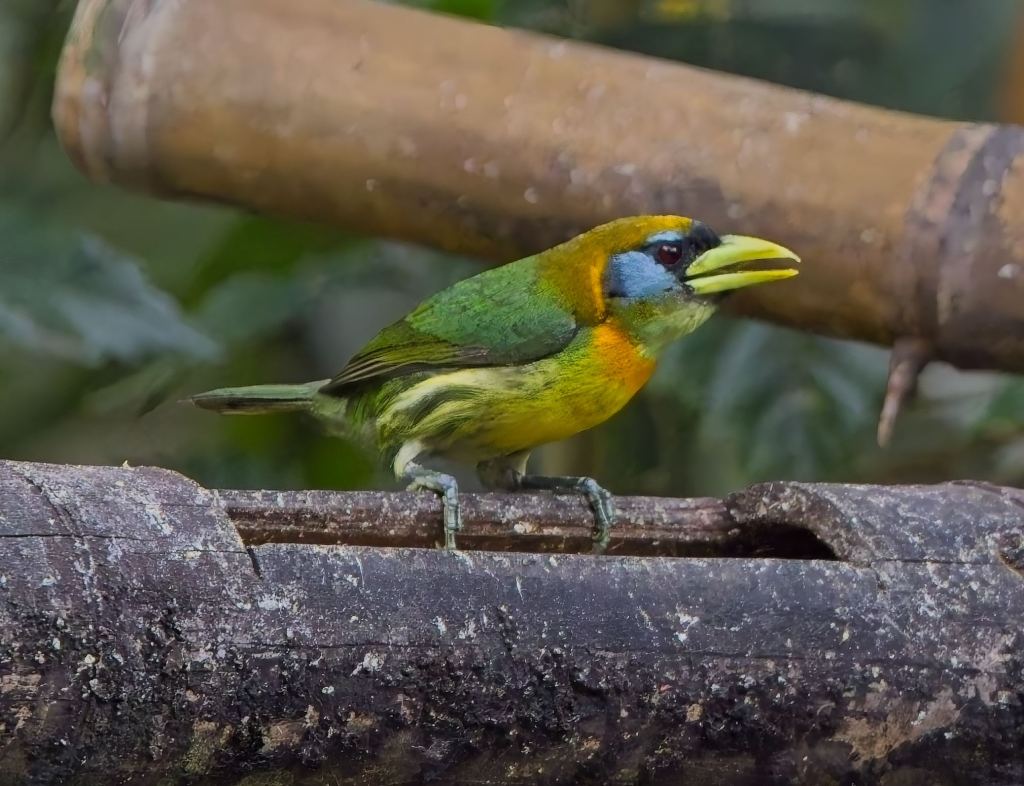
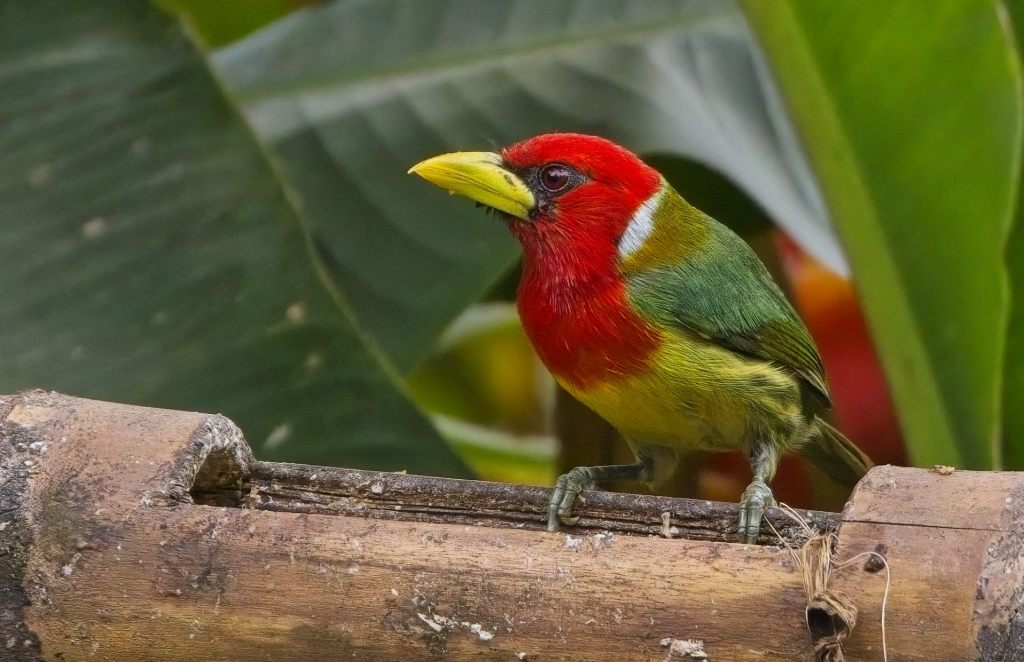
I cannot recall any other stop on any tour where I was able to get photos of such a large percentage of the species seen as at Alambi. Unfortunately none of Tom’s photos will be included in this blog post but from what I have seen, they are often better than the ones I took. It was great fun for both of us, and this continued when we arrived for lunch at Sachatamia Lodge. There would be no new lifers there but when we left Alambi, our species count for the trip was 40 species. That afternoon at Sachatamia, we added another 28 including 3 more hummingbirds and 3 more tanagers. We heard but never saw our first Quetzal and first Trogon, saw our first Toucan and also saw 4 very striking Aracaris among others. Nelson joined us for dinner. In addition to being an exceptional birder and guide, he is very personable, has excellent English, must have hot sauce on everything he eats and has a great sense of humor. It was going to be a great trip.
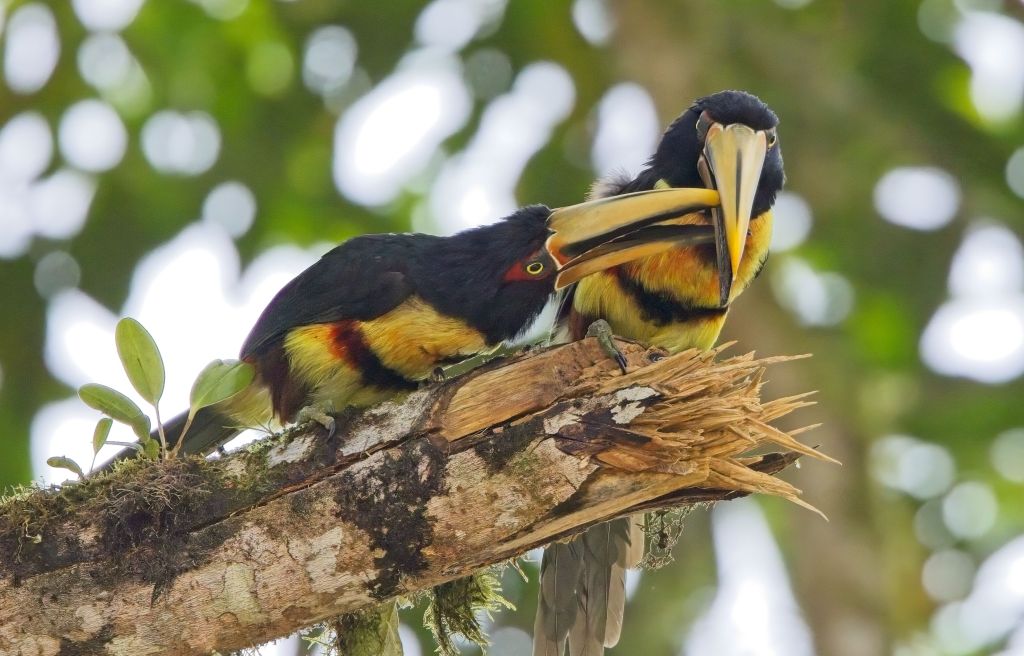
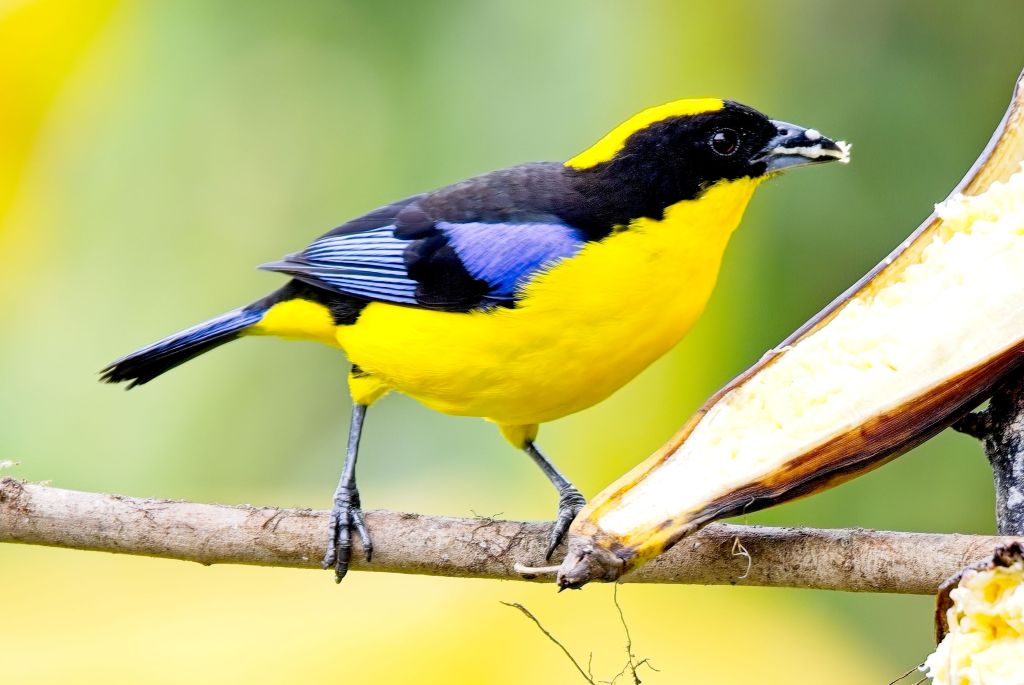
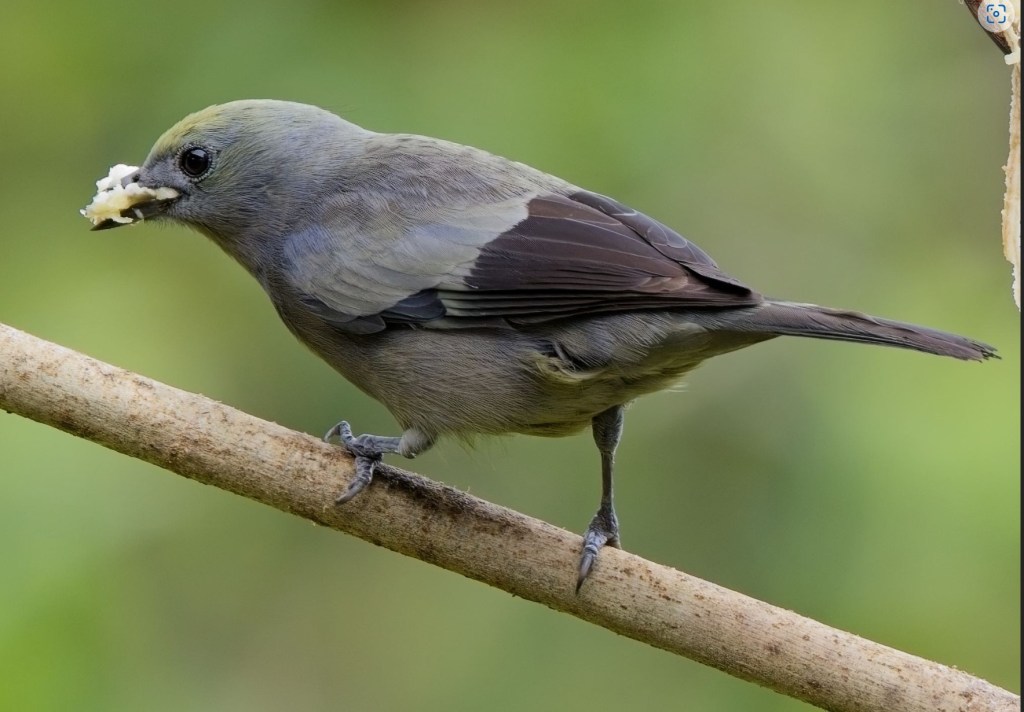

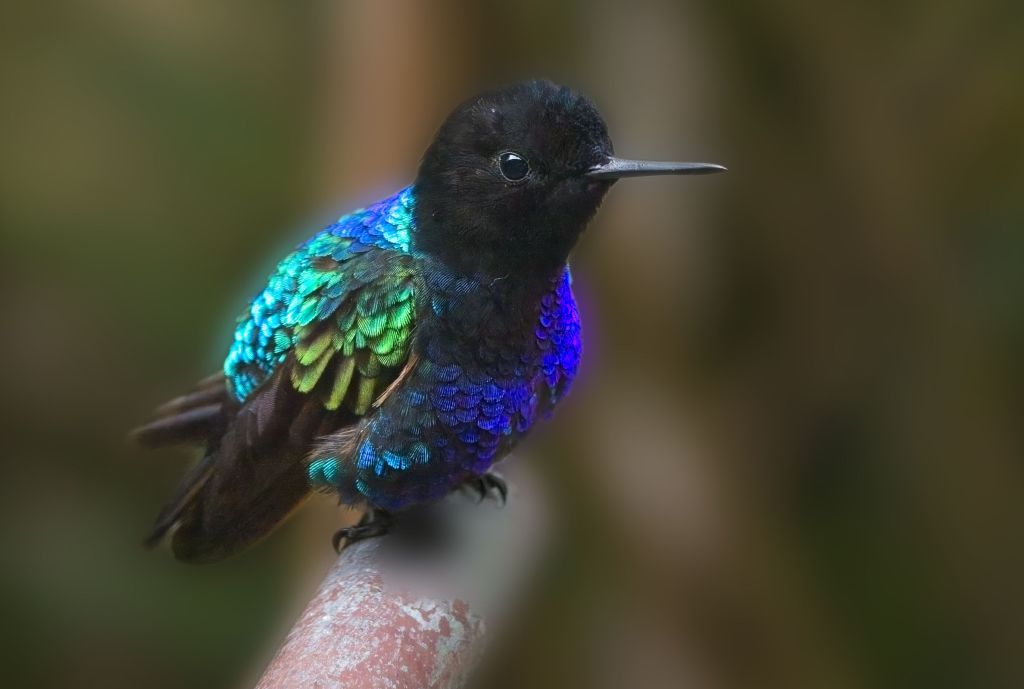

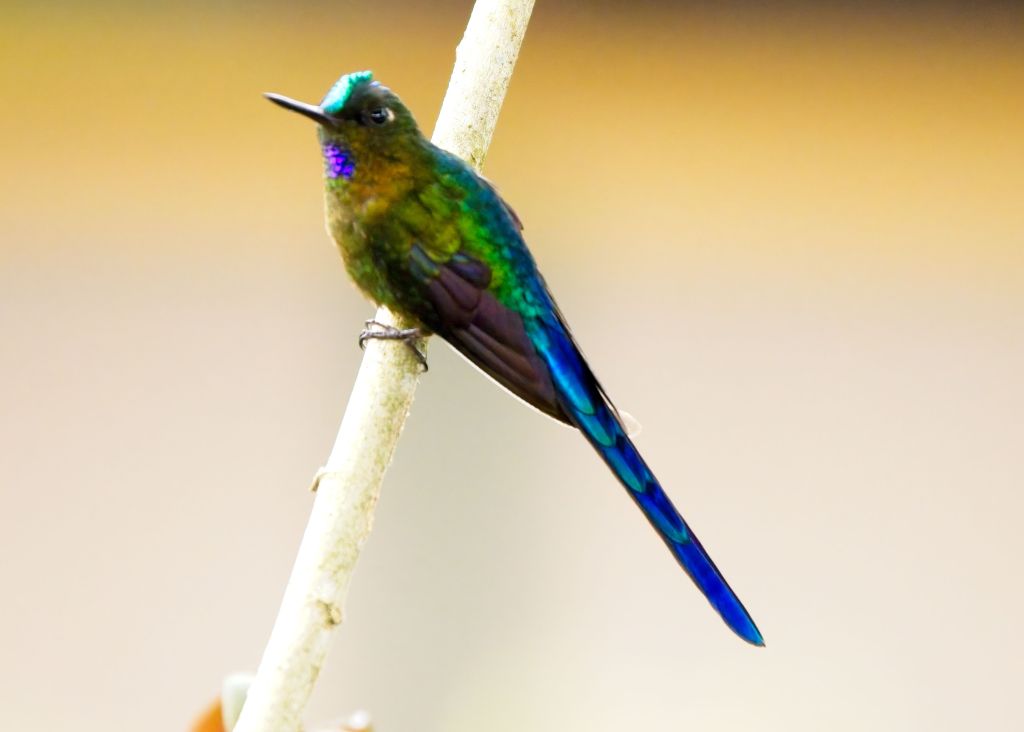


On September 27th, with Nelson behind the wheel of his comfortable SUV, we were off early headed for Rio Silanche Bird Sanctuary. With our knowledgeable guide and his keen hearing and eyesight, birding for the rest of our trip would be different in two distinct ways: first we would find many more birds than Tom and I had on our own and second a much larger percentage of them would not provide photo opportunities as often they were either heard only or seen at distance, perhaps mostly hidden in foliage. There would still be many feeders but not like at our first locations. In the 5+ hours we spent at Rio Silanche, we had 82 species, of which 65 were new for our trip including 15 lifers for me. The photos below are a mix of lifers and favorites from Rio Silanche.

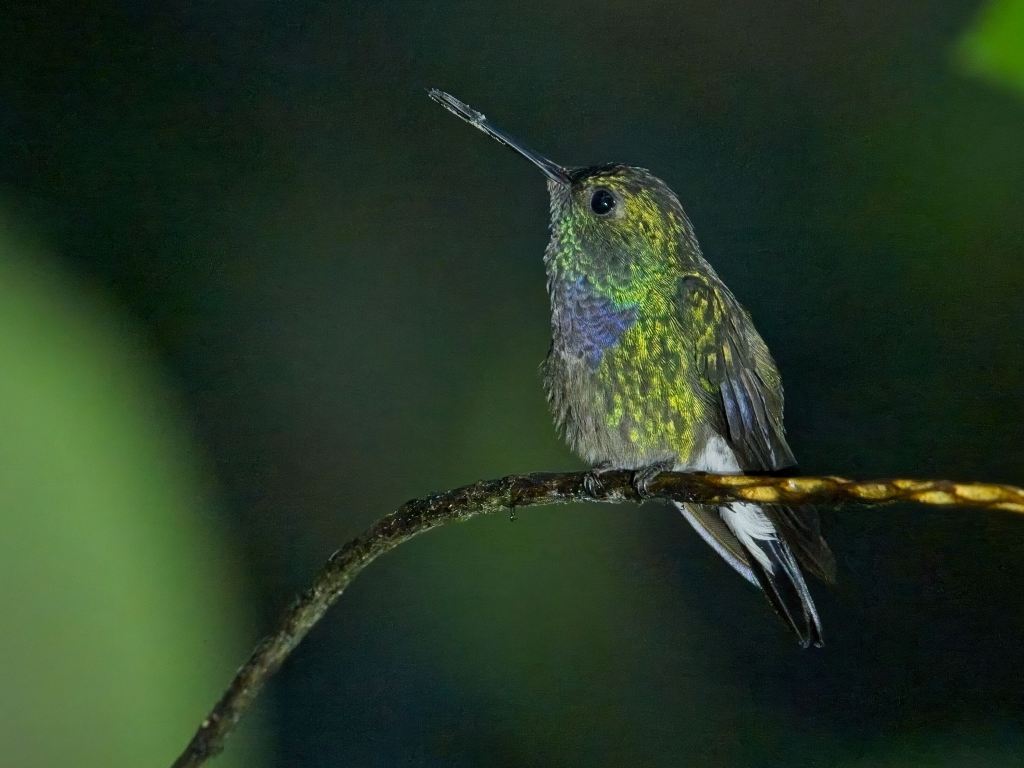


We continued birding in the area and mostly on forested roads where birds were mostly either heard or glimpsed briefly and distantly – a good way in this bird-rich area to pick up new species but not to get photos. All told we added 91 species to the trip list for the day, 19 of which were lifers for me. The last was an Ochre-breasted Tanager. It was the end of the first “official day” of the guided trip although it was actually day 4 including the travel days and the time before we met up with Nelson. Our trip list stood at 161 species. There would be a lot more.

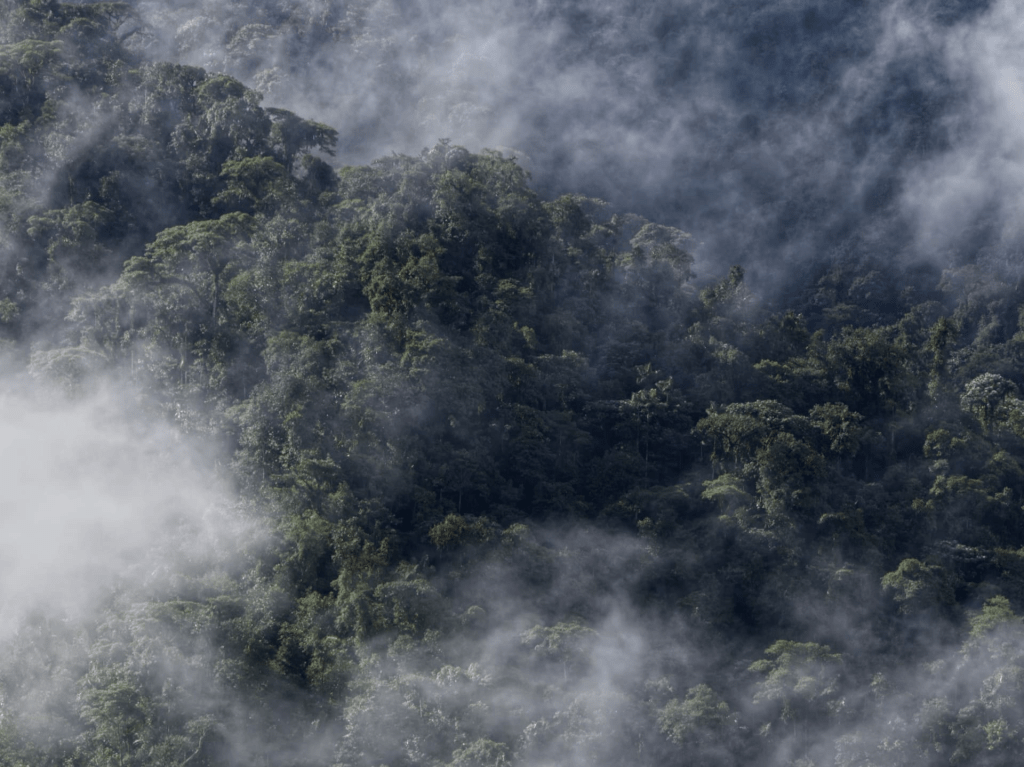
We spent the night of the 27th at Reserva Mashpi-Amagusa in the cloud forest in the Choco area which is very bird rich. An aerial photo of the area is shown below and another shows the veranda at the lodge – ideal for bird watchers. That night we heard a Common Potoo with no visual of this very odd looking nocturnal species. After an early breakfast we started birding on the grounds of the lodge and the surrounding area.

We had a great mix of species, some seen and photographed, some seen without photos and some heard only. All told including species seen later at the feeders, we had 95 species. I got photos (of varying quality) of almost half and I had 18 lifers. One of the lifers was a species that was near the top of my wish list for the trip – Glistening-green Tanager, and another was one that would have been near the top if I had realized how spectacular it is – Orange-breasted Fruiteater. As is often the case at lodges with feeders, there were lots of tanagers – 12 species in all. The photos below are some I like best. The last one is of a Black-Striped Sparrow, a life photo of a species I had seen only once before – in Costa Rica 27 years ago.
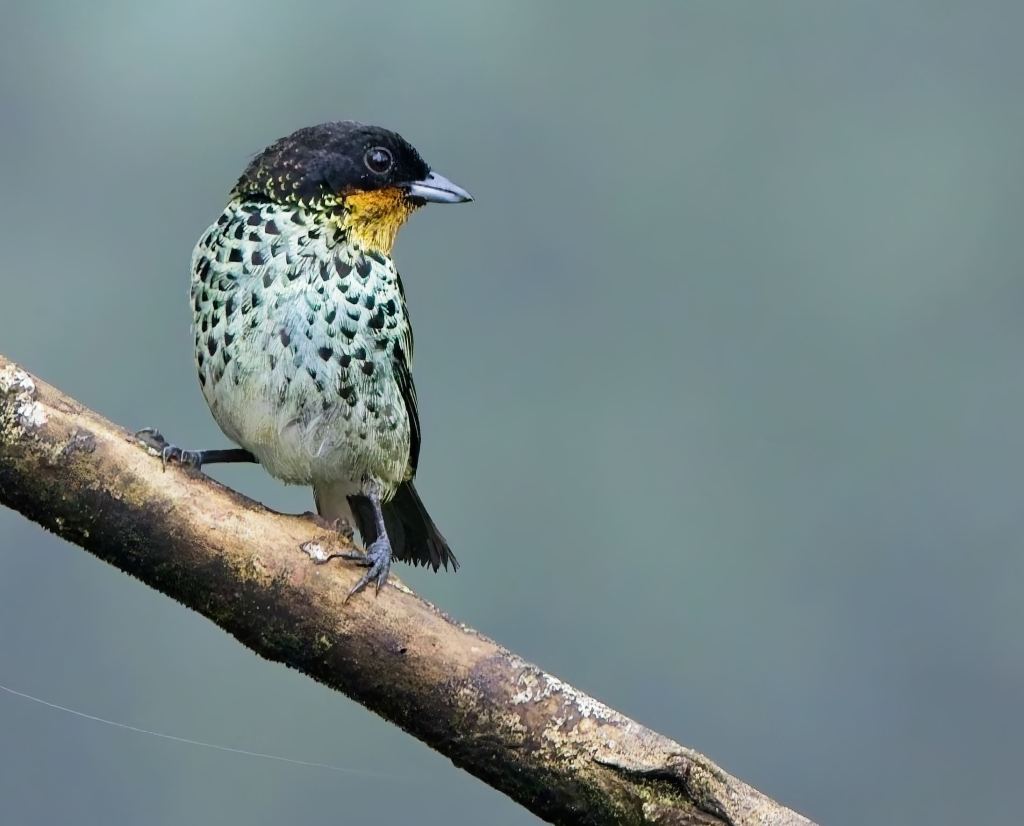
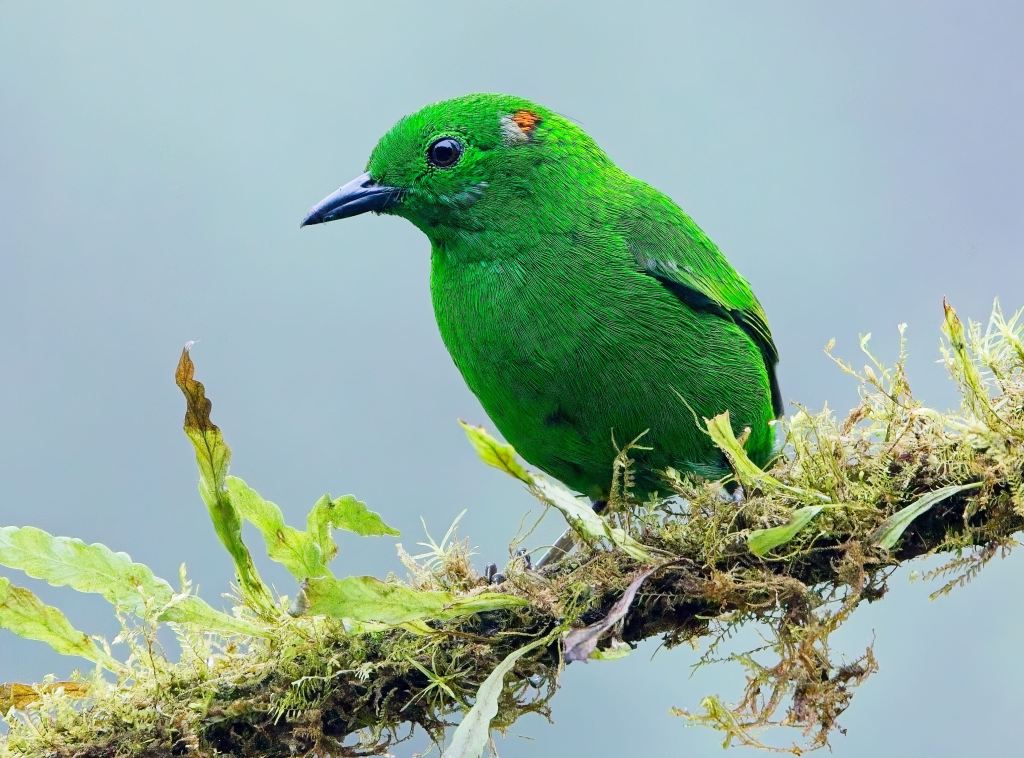


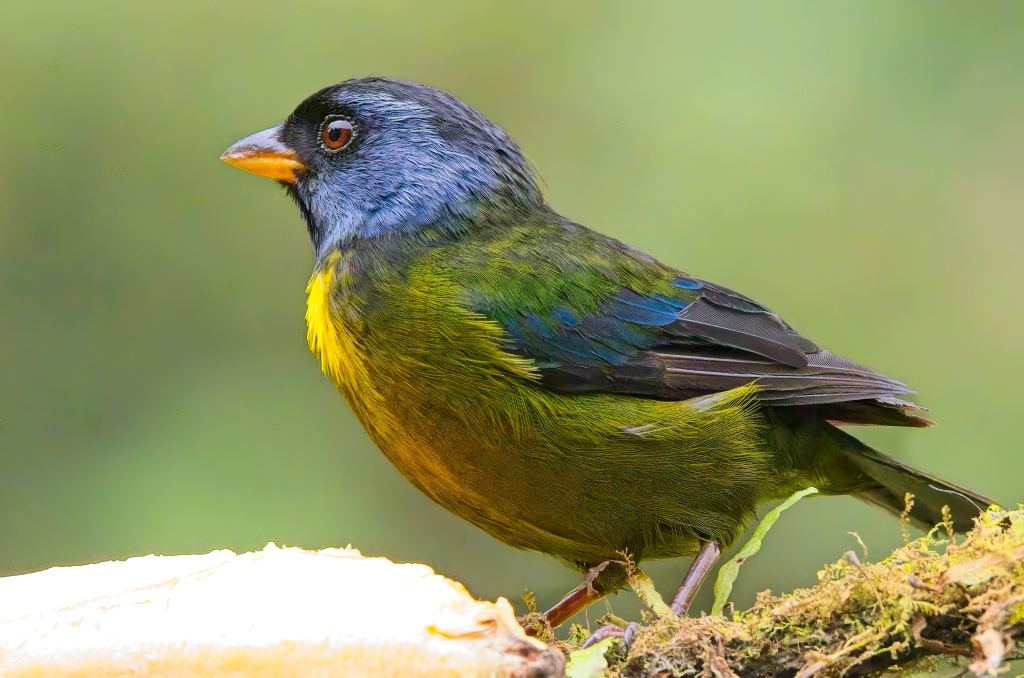
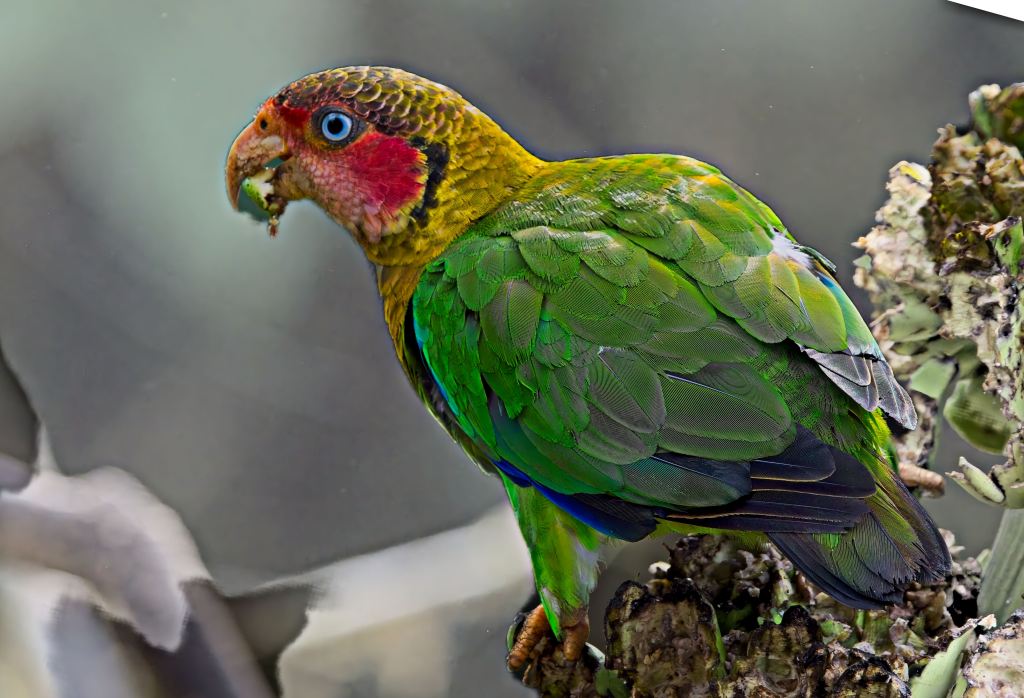


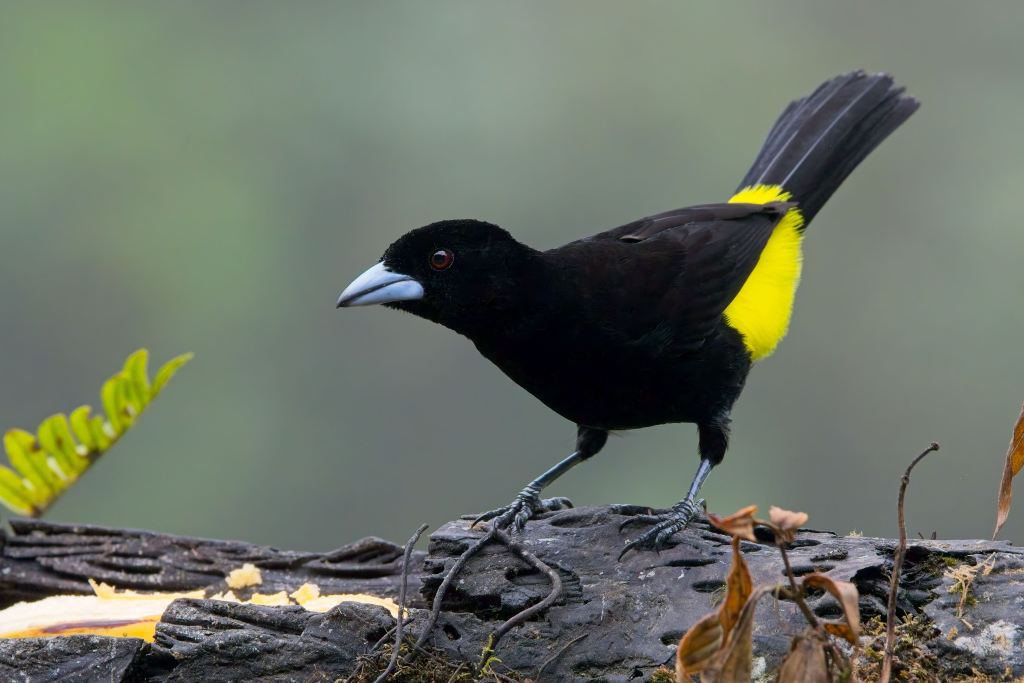

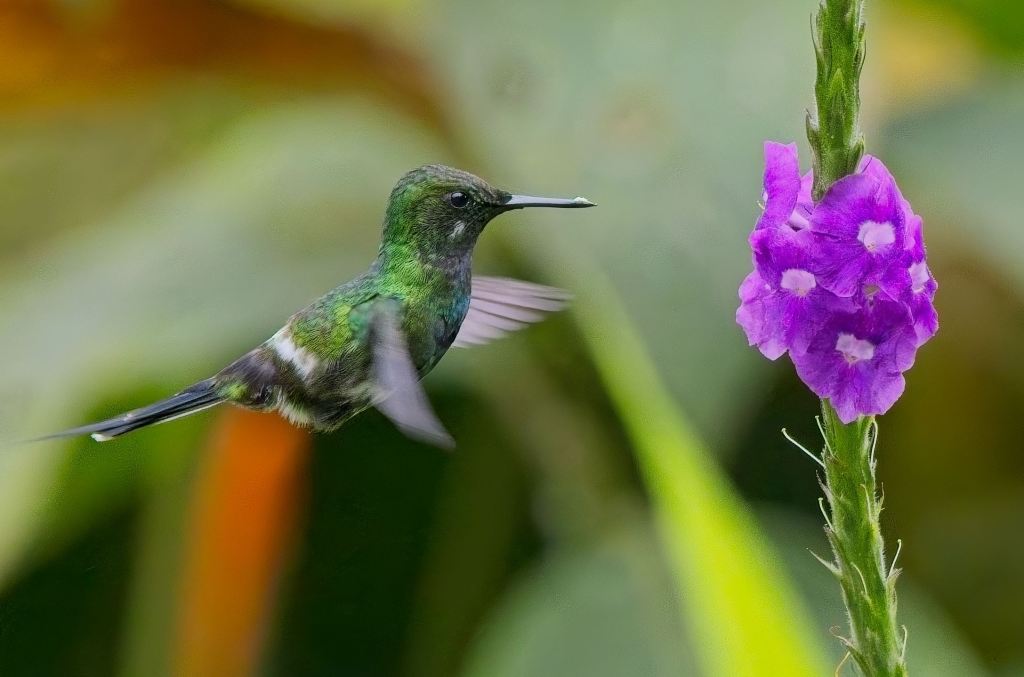
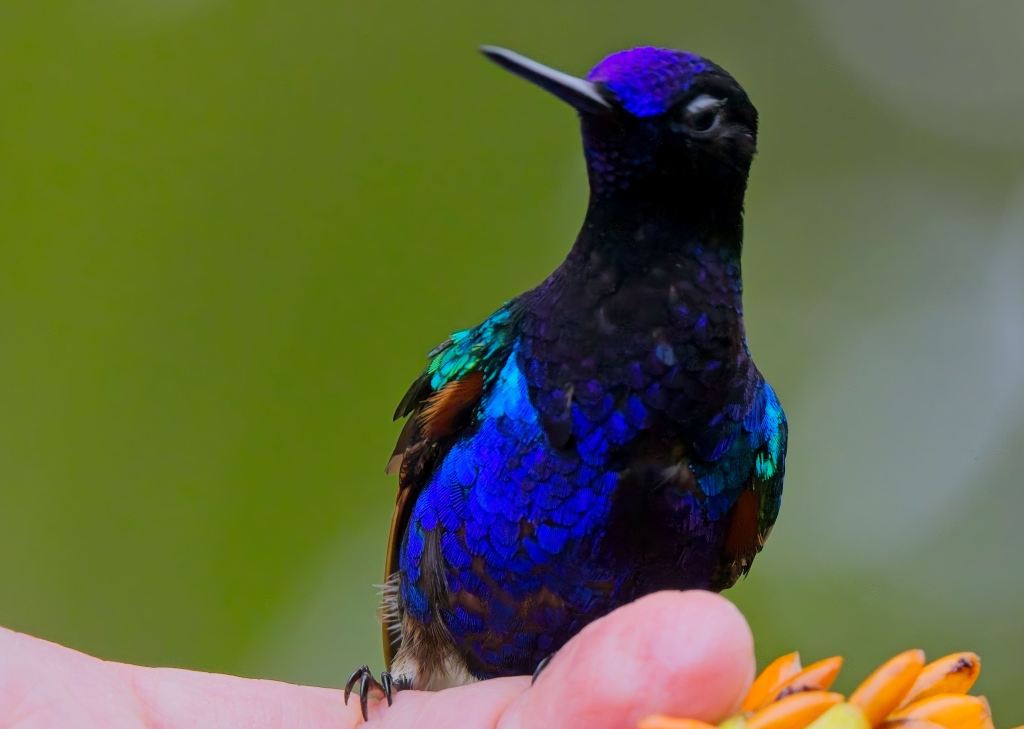
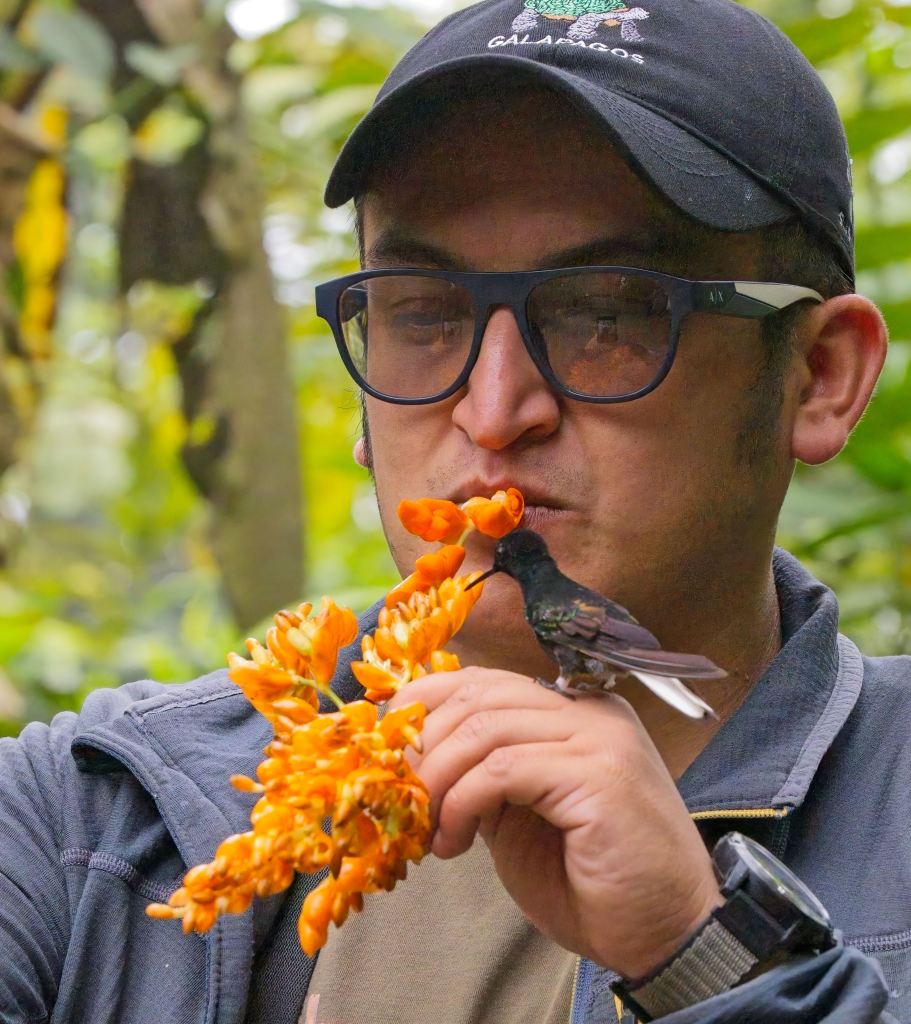
At most Ecuadorian lodges there are feeders for the hummingbirds and bamboo pole feeders with bananas and other fruit to attract other species. The hummingbirds are both wonderful and frustrating as they zip in and out sometimes feeding for only the briefest of moments and often with more than one species at multiple feeders – a challenge to find the one you want and get a photo. That is not a complaint as it is a great experience. At this lodge there is also an area where visitors can hold flowers in their hands and the hummers will land on the flowers, or the hands, providing unique photo opportunities. Altogether we had 8 hummingbirds species at the lodge feeders: White Whiskered Hermit, White Throated Daggerbill, Green Thorntail, Violet-tailed Sylph, Violet-purple Coronet, Purple-bibbed White-tip, and Green-crowned and Empress Brilliants. The Dagger-bill, Thorntail and White-tip were new for the trip and the Daggerbill was a lifer. Sadly I missed catching the Daggerbill for a photo the only two times it showed up.


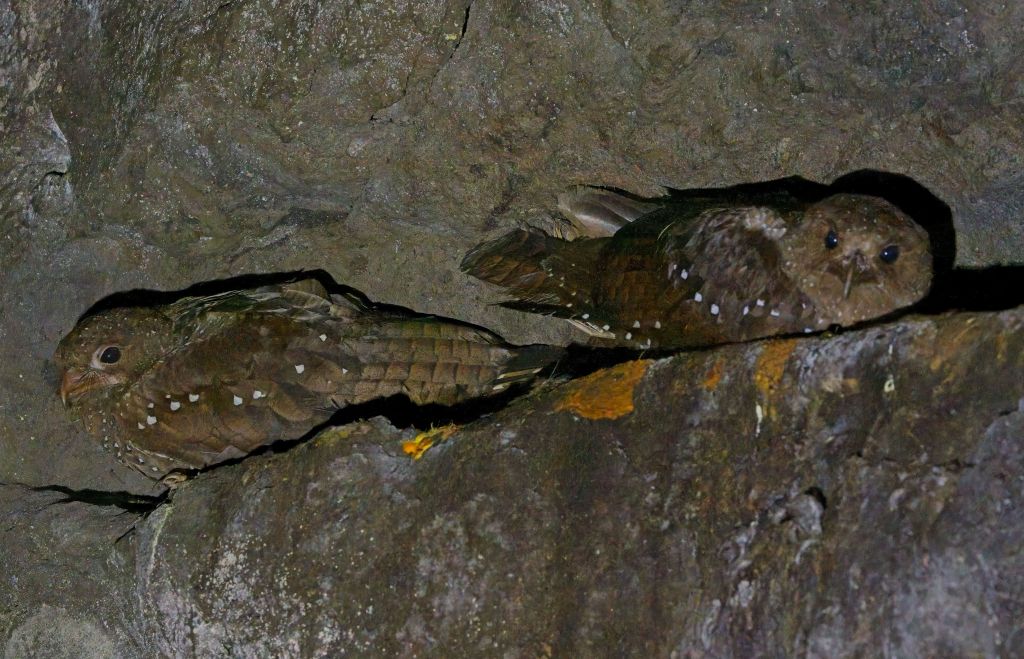
We would spend the next night back at Zaysant Lodge and we could either head directly there or go an hour out of our way and visit a special spot which had Oilbirds, a unique species found in only a very few locations anywhere. Of course we chose the latter – a great decision as we were able to get very close to these odd birds which got their name because the young birds are so fat that they were once rendered for oil for cooking and lighting by indigenous people. They are nocturnal and generally roost in caves, or in our case a cave-like crevasse blocking out all sunlight. I had seen them only once before – in Trinidad 46 years ago!
There were several other good birds along the way to the Oilbirds and then on to Zaysant. My favorite was a rare close up of a Hook-billed Kite that was perched adjacent to the road for no more that three seconds after we stopped – just enough time for a quick life photo. No lifers but other life photos were of Pacific Parrotlet, White-browed Gnatcatcher and Scarlet-backed Woodpecker.
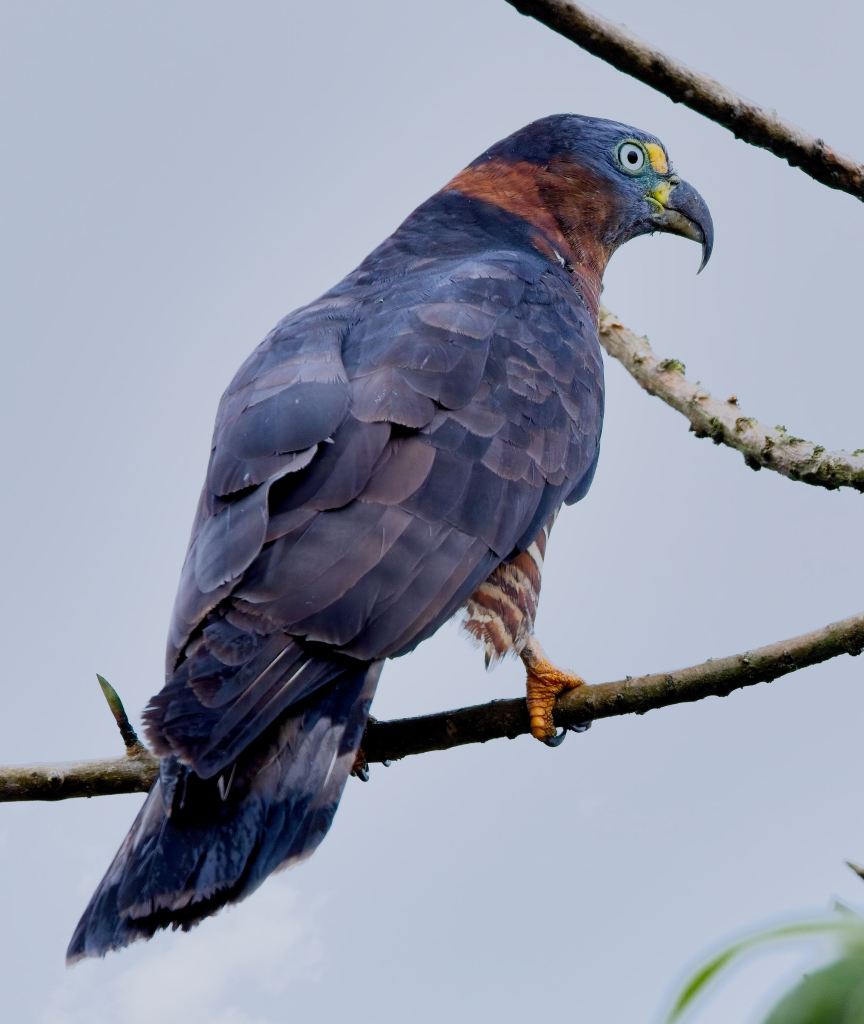
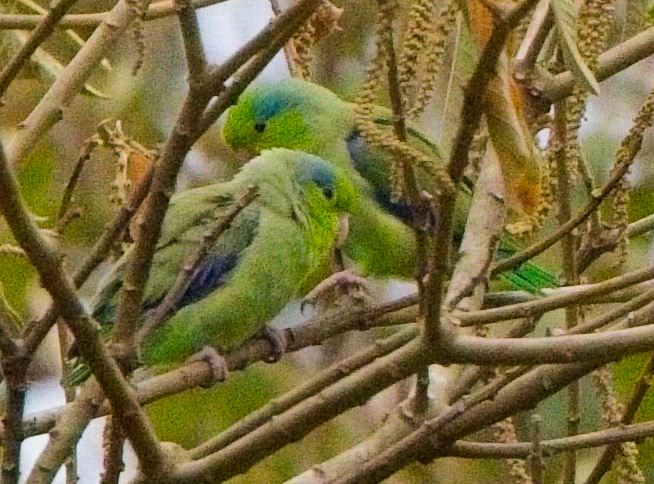

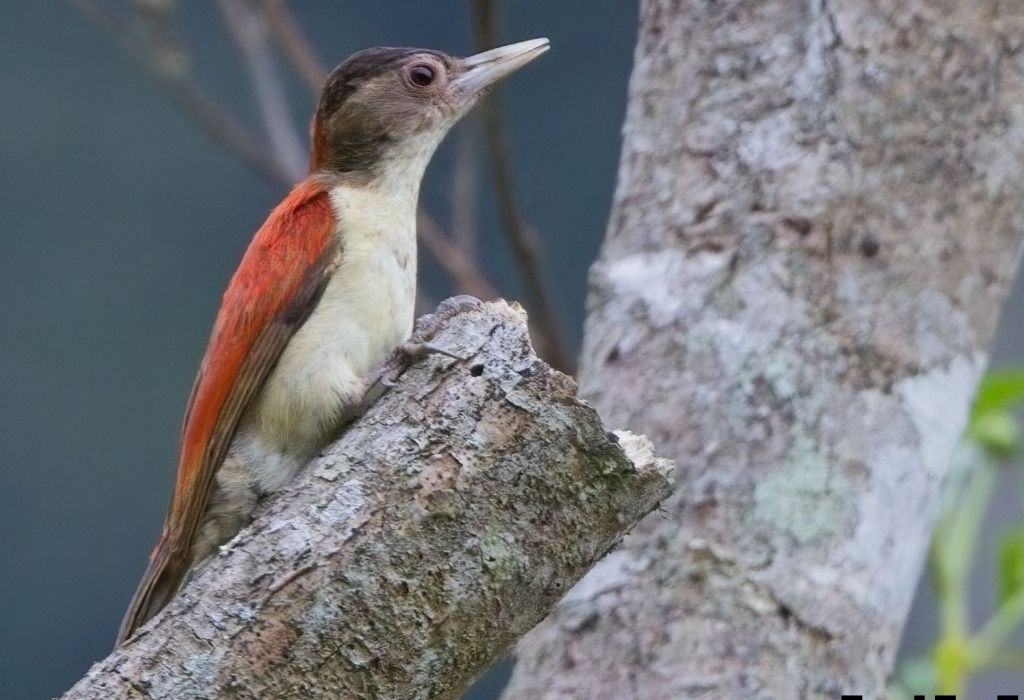
We were only a few days into our trip and we had seen 216 species including 28 hummingbirds and 19 tanagers and 40 lifers for me plus many life photos. Our next destination was Wild Sumaco Lodge – a species rich new location for me. On our way we would pass over Papallacta Pass at an elevation over 10,800 feet. And I will continue that story in my next blog post.
 blairbirding