June 17 – Day 2 (or 4)
It seems like all the tour companies now add days in transit to the advertised length of their tours. So even though this was really only the second full day of the tour, it is reflected as Day 4 since the travel day to get to Uganda and the day of the meeting dinner were included. Since it was our 4th day in country and we had birded on all the days, it did not matter to me. BUT another timing issue did matter. I forgot to reset the time on my camera so it was actually still recording photos on Pacific Daylight time. Thus a photo date stamped as 10 pm on June 15th was actually taken on the morning of June 16th. I did not catch this error until late in the tour and then reset the time but by then I had a lot of photos that were out of place. Theoretically easy to fix, but since I had processed and/or downloaded some photos as we progressed, it was more of a challenge than it should be. I promise I will never do that again…but that only matters if my memory recalls the promise.
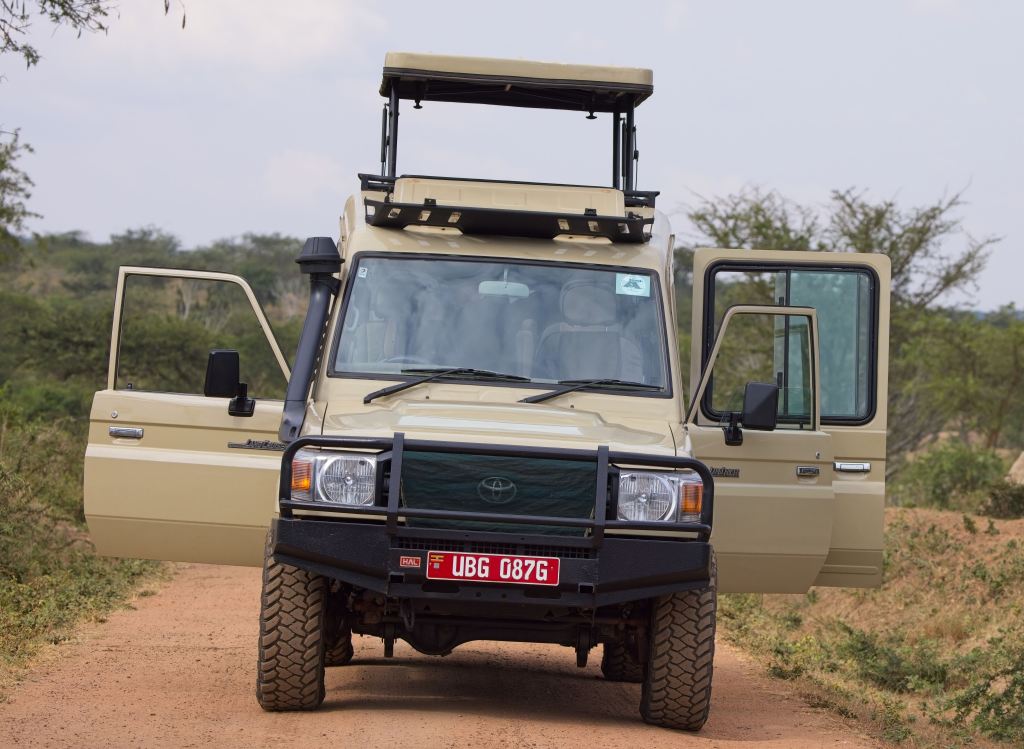
We had breakfast at the Boma and said goodbye, loading our goods onto the Land Cruiser. One nice thing about this tour was that we stayed at least two nights at every stop, so the packing and unpacking was not too bad. Of course, this also meant that there were some places where a single night might have been preferred had stays of two or more. From the Boma Guesthouse we set out for our first stop at the Mpanga Central Forestry Reserve traveling through Kampala, the Ugandan capital. Kampala is a large metropolitan area with a population approaching 4.0 million with the population of the whole country being around 48 million. The traffic is pretty staggering with the mix of buses, jitneys, motorbikes, trucks, and perhaps even thousands of pedestrians feeling pretty chaotic to my western eyes – not dissimilar though to other large cities in un- or under- developed countries. Veronica masterfully handled the traffic and although it looked like accidents should happen every moment, we saw none. We got out of the urban density and arrived at the Mpanga Forest Reserve. Unfortunately so did a lot of clouds.
With the threat of rain seeming certain, we began birding and cautiously added only a few species to our trip list. But apparently the birds knew that rain was coming and it very quiet and birds, if active at all, were seeking shelter. Photo ops were non-existent in the wind, under gray skies and with birds hiding in the brush. I got glimpses only of two species that would have been nice to photograph: Brown-throated and Green-throated Sunbirds, the former a lifer. Then the threat of rain became actual rain, starting slow and picking up to a pretty hard downpour. We tried to wait it out for 30 minutes, but no go – so we left. This would be our only rain of the tour so hardly a reason for complaint, but still a disappointment as in addition to the two sunbirds, it was supposed to be a good place for Green-backed Twinspot and Fire-crested Alethe – two would-be lifers.
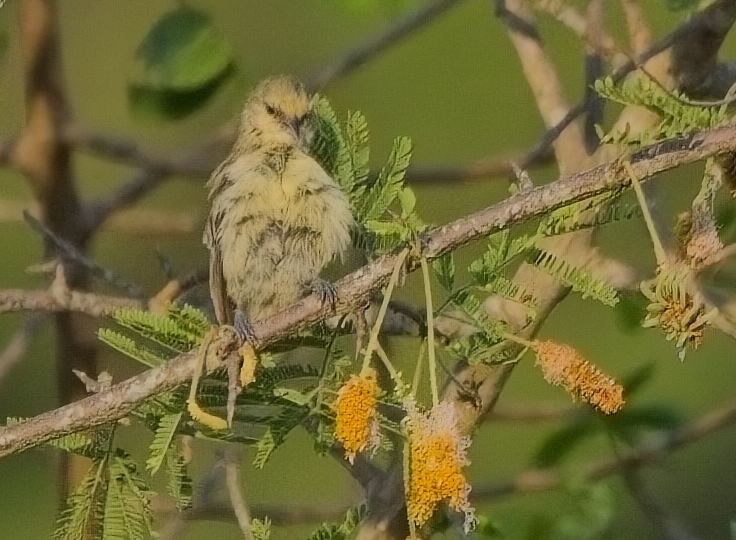
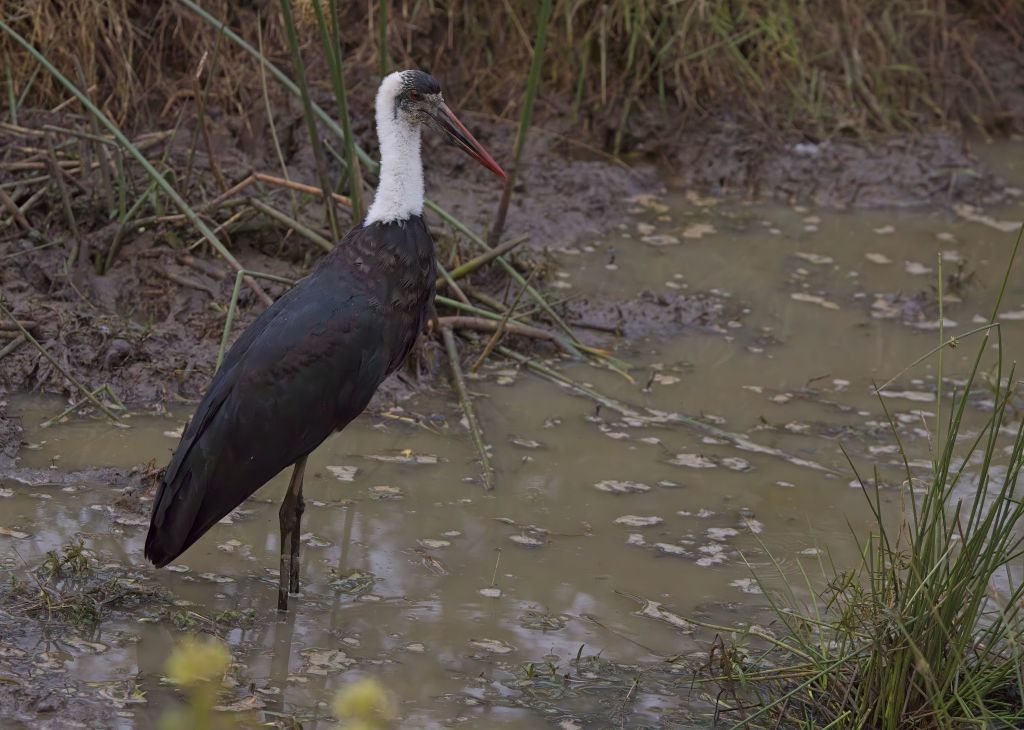
We continued on with a few brief birding stops or observations along Masaka Road with the best being a field with 100+ Gray Crowned Cranes – the National bird of Uganda. We also had what would turn out to be our only look at a Lilac-breasted Roller, one of the most beautiful birds anywhere and maybe the most frequently photographed bird in Africa. No photos this time, but I had many from previous African trips. We finally arrived at Lake Mburu National Park, birding first along the entrance road and then in the park itself – now under clear skies. We added lots of new Uganda birds at both places but no new lifers and in part because of the camera time error and maybe some other mishap on my part, I have not been able to find/retrieve many photos from this day – noting however, that I have photos from later for all of the species we saw then. One of the photos I did find was of an African Penduline-tit – a life photo but not a lifer. Two other photos are from a little pond outside the park where several birds were seen together. Good photo ops for African Woolly-necked Stork and one of my favorites, Saddle Billed Stork.


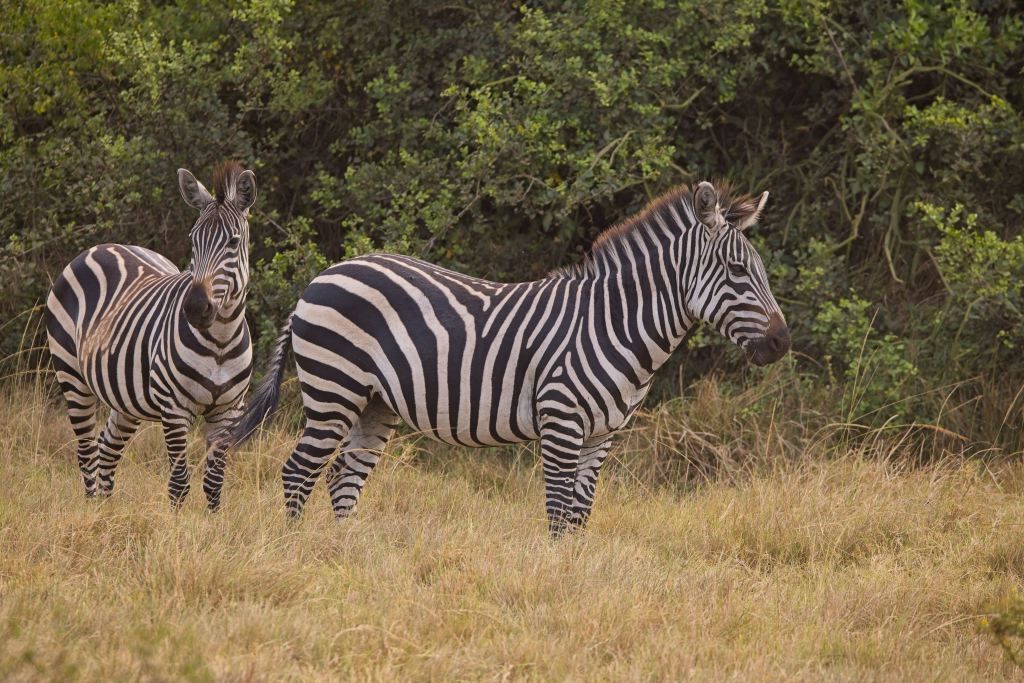
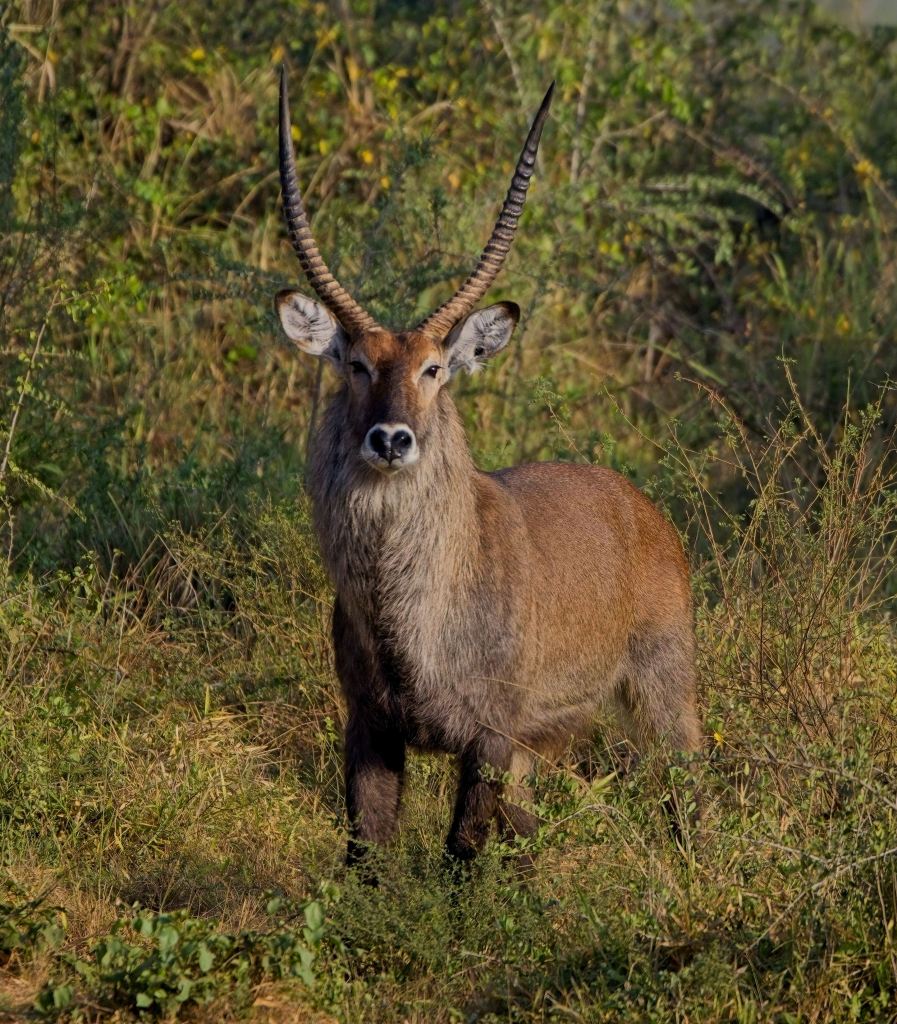
This was the first day when we would see some large mammals which are what most people associate with Africa – albeit just a small taste of what would come later. We saw our first Zebra, Warthogs, and a variety of species of antelope: Topi, Impala, Bushbuck and Defassa Waterbuck, the latter would be the antelope seen most often throughout the trip.
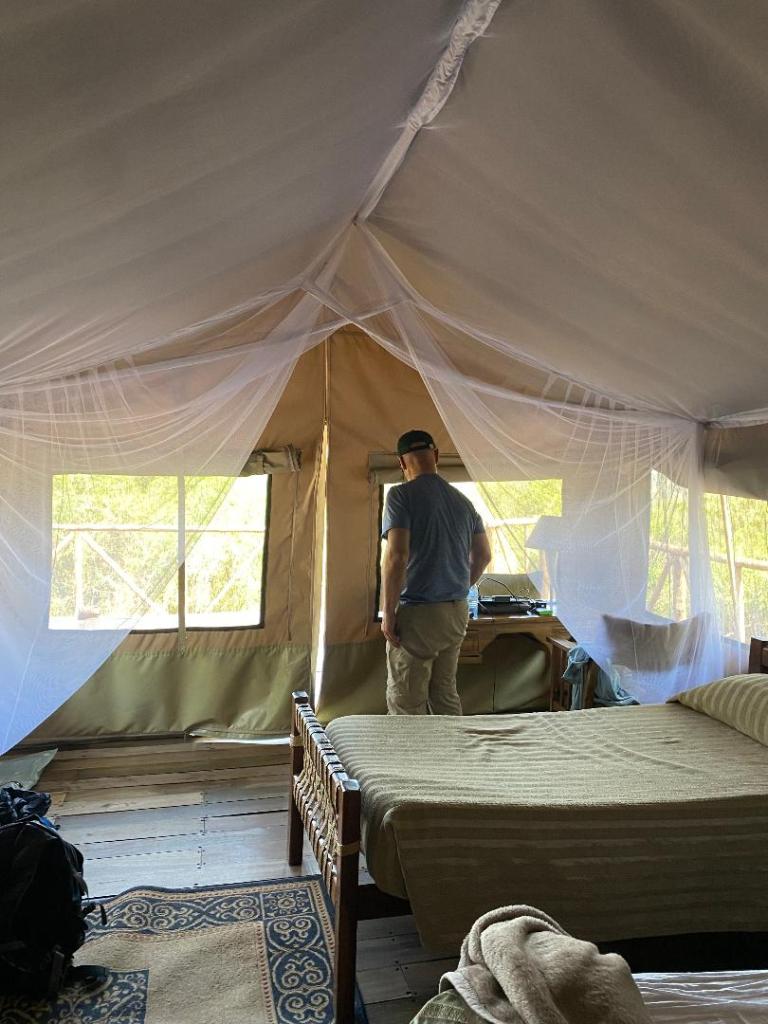
We moved to the Mantana Tented Camp for the night. Very much like the Kubu Kubu Tented Camp in Tanzania, this was not my idea of a tent. It was a significant if somewhat soft walled structure on a wood platform with nettings and zip up doors and a zip up wall dividing the sleeping area from the self contained bathroom with shower and flush toilet. As would turn out to be the case in some other accommodations, the only internet service (wi-fi) was at the main hall/reception/dining room and there was limited if any ability to charge electronic devices except there as well. These were NOT major issues but were another example of a difference between our lodgings in Tanzania and in Uganda. We were the only people at the camp and were treated very well by friendly, competent and gracious staff. Showers were by hot water that was delivered at whatever time was requested. It took a little tinkering to get the mix between hot and cold water right but the water pressure and availability was great. As with everywhere else in Uganda (and in Tanzania as well), bottled water was provided for drinking and tooth brushing etc.

June 18
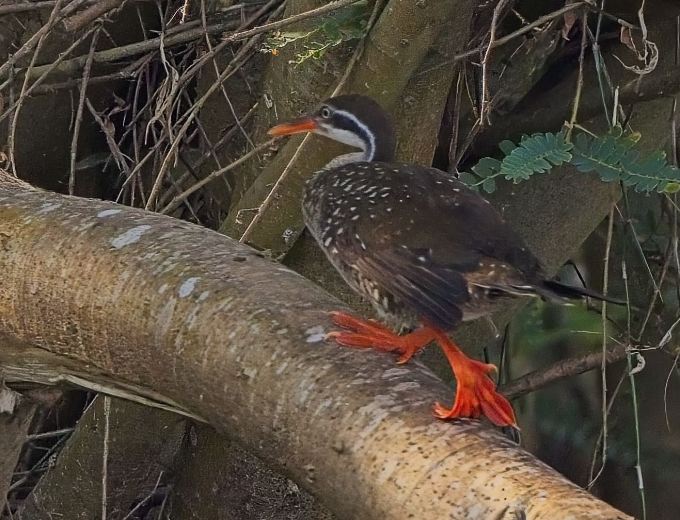
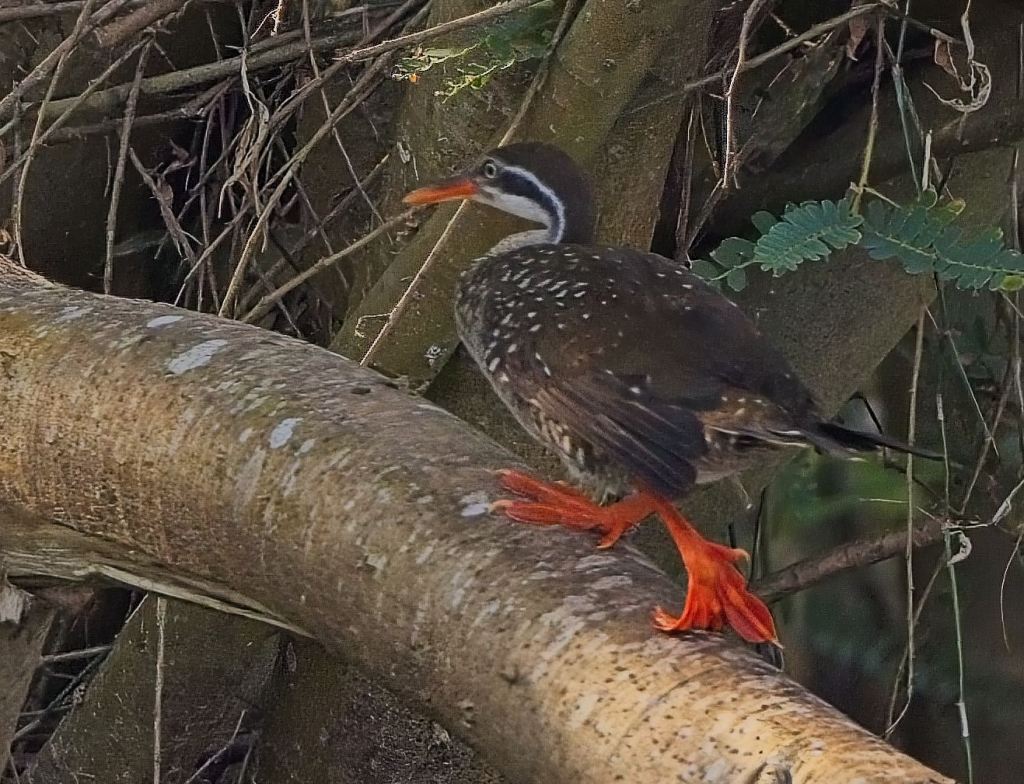
Today would feature another boat ride – this time motorized as we would explore part of Lake Mburo NP, starting at the Nyarutegura River mouth. There were many of what I would call water-oriented birds, but the majority of of the birds seen were on the land adjacent to the lake. Over 4+ hours we had 66 species with photos of almost half. Ten were lifers and 14 were life photos. Without question, the most special of the birds seen, and one on my ten most wanted list for the trip, was the African Finfoot. It took some doing and lots of luck, but I was able to get a decent photo of the Finfoot running on a log showing its huge finned feet.
Many of the views were distant and of small birds in foliage, so not as many great photos as I would like, but as has been the case with all of my birding boat rides, being able to see the birds from the water was great. Not going to include all the photos – just a sampling.


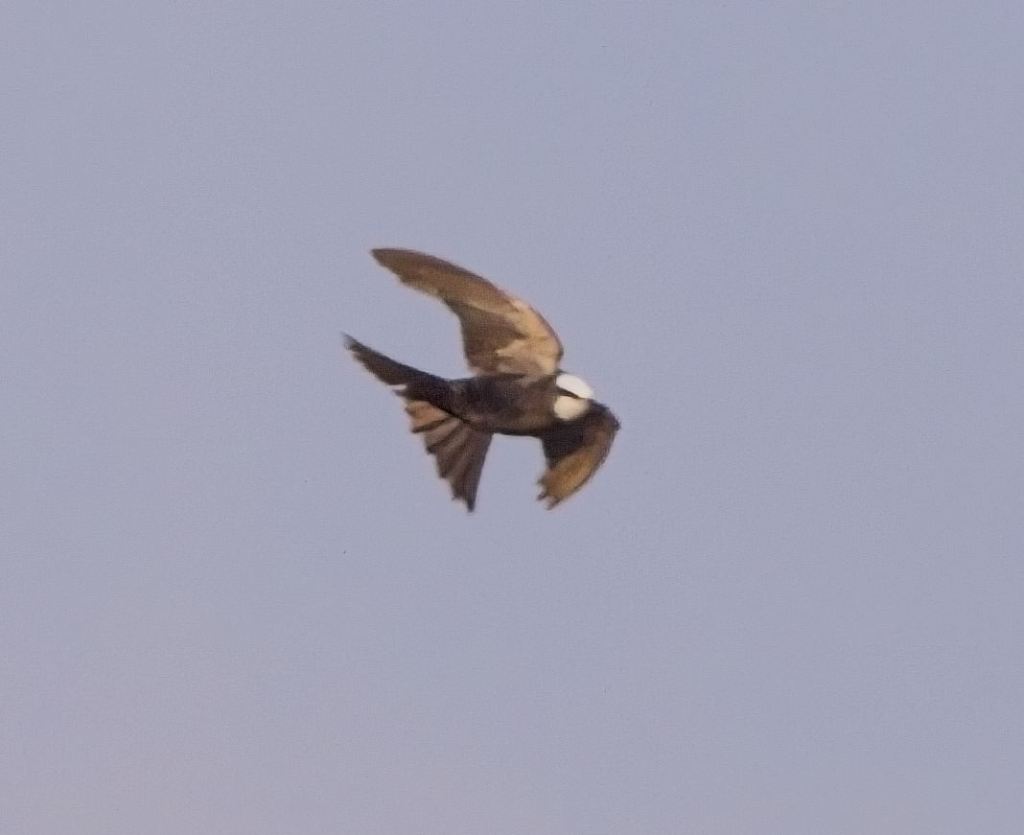
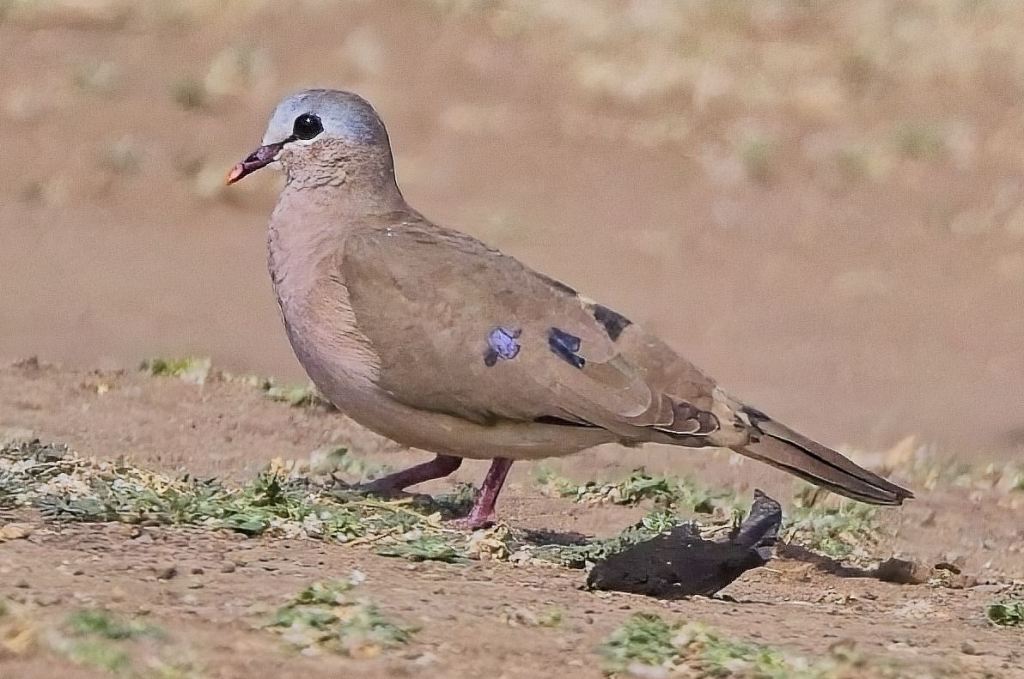
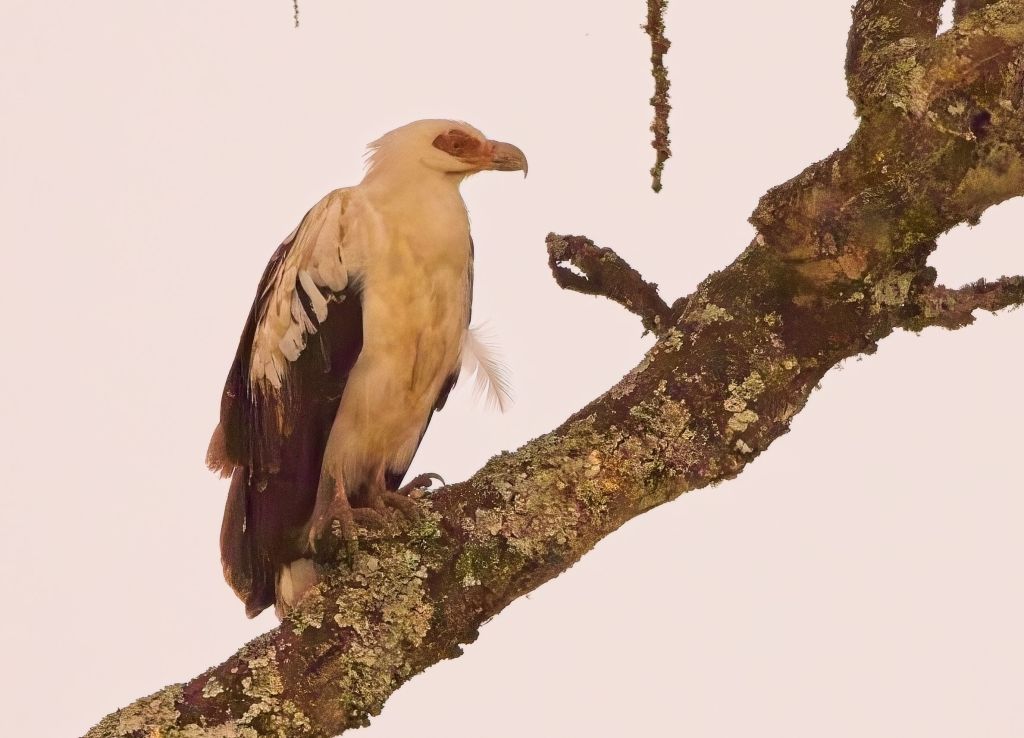
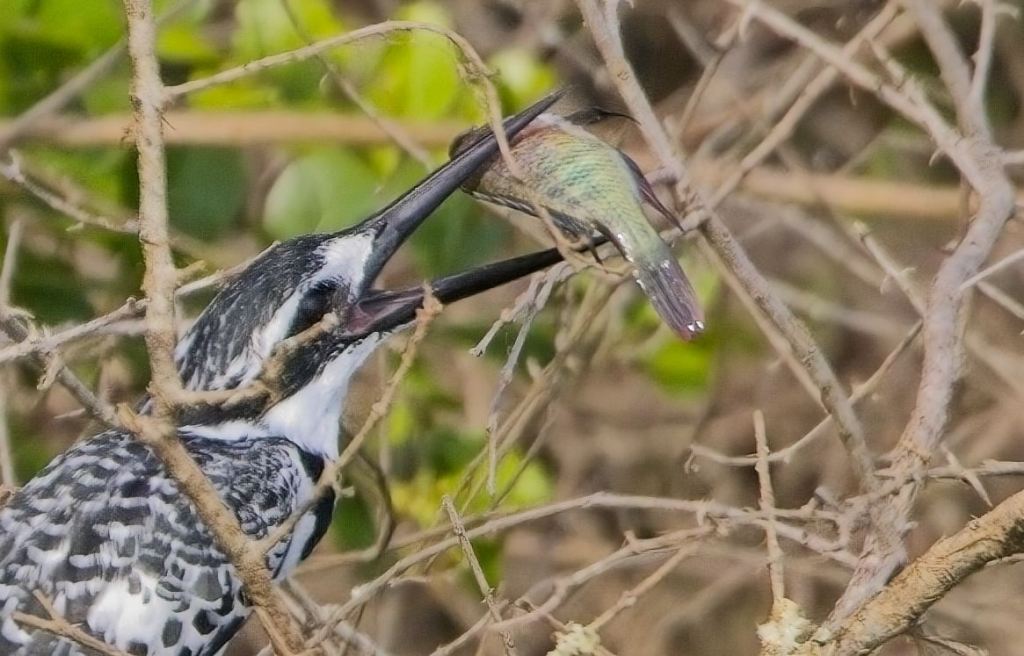
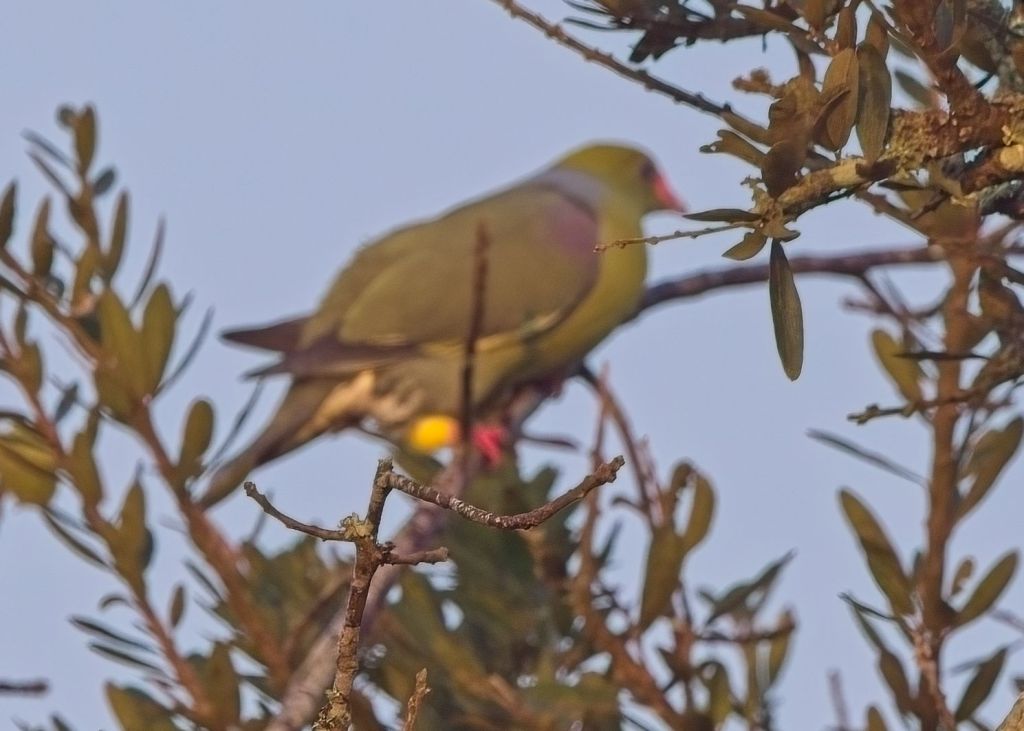
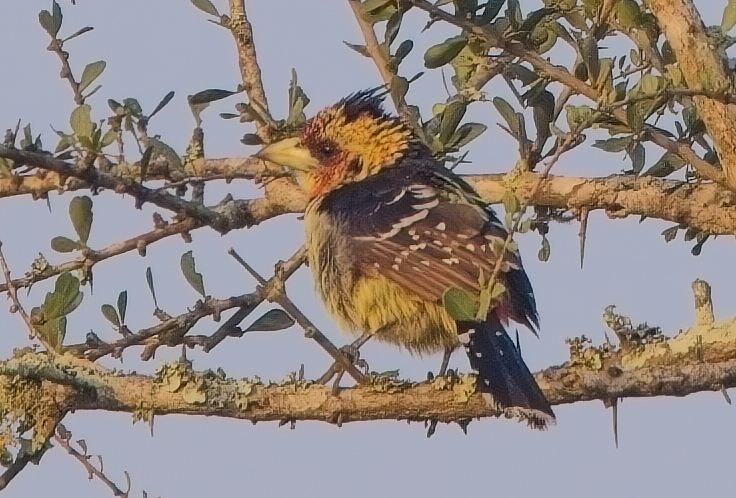
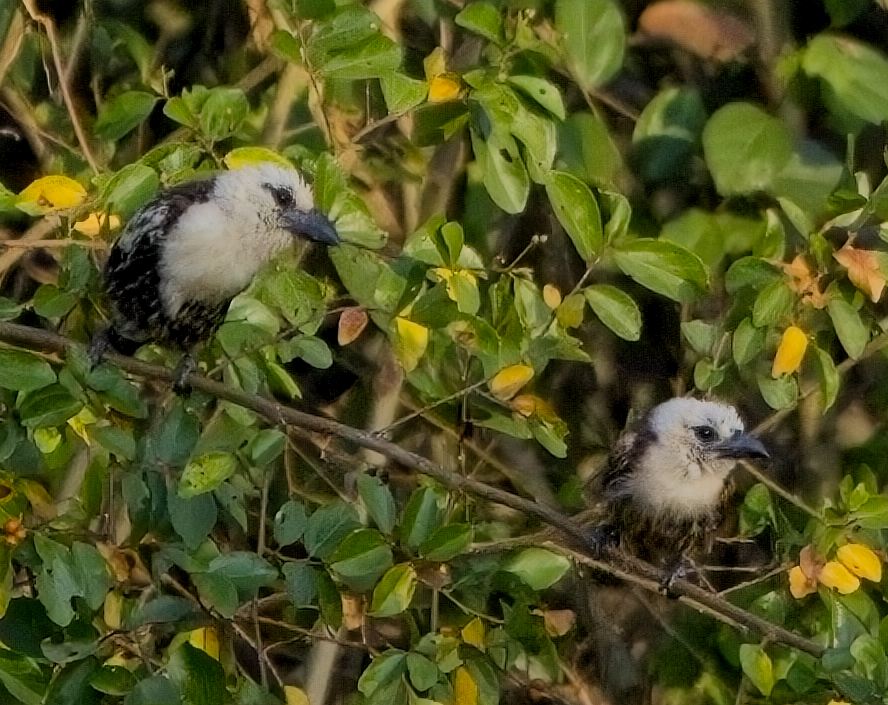
I am including these Barbet pictures not because they are great photos, but because Barbets are one of my favorite groups of birds – found in South America, Africa and Asia – all with something special.

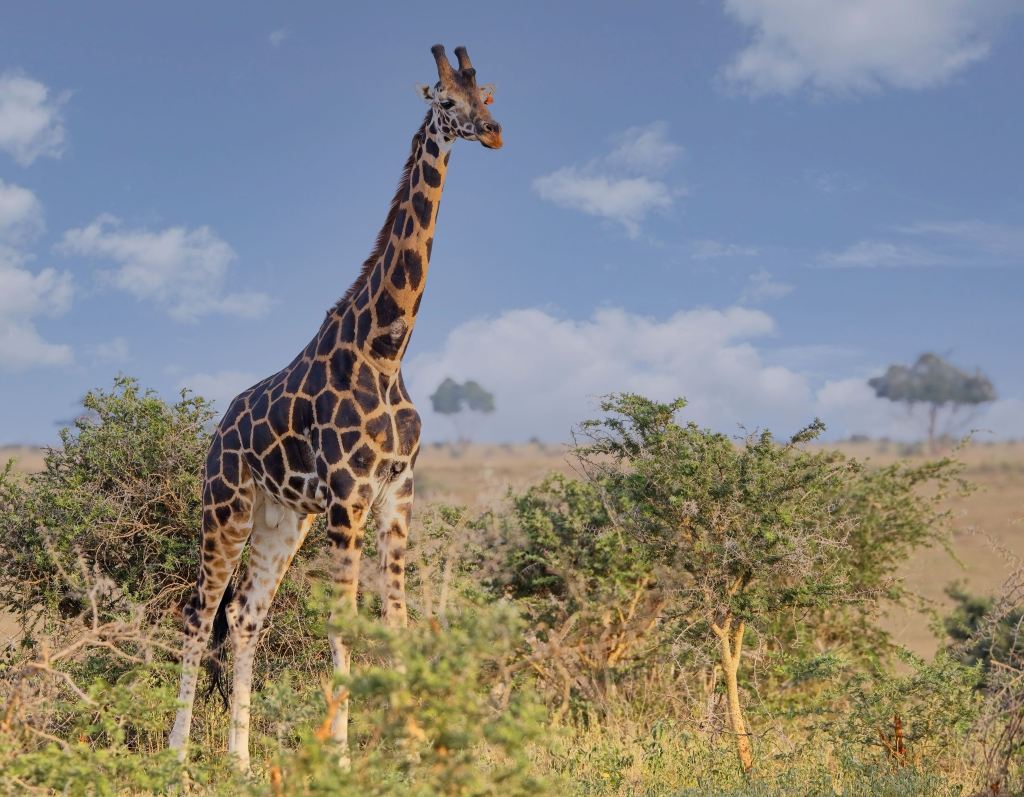
That afternoon birding continued in the National Park and Cindy was finally feeling a bit of jet lag so she sat this trip out. This would hopefully not turn out to be a big mistake as we saw more mammals and had really great close encounters with some giraffes – one of her favorite animals. At first we saw only a couple off in the distance and I was not worried about what she had missed. Later we had giraffes very close and I debated whether I should tell her. Fortunately it was a moot point as we would have excellent intersections with these amazing animals again.
We had good birds as well including lifer Sooty Chat and Tabora Cisticola. Altogether we had 50 species, of which only 8 were new for the trip including Bare-faced Go-Away Bird, African Scops Owl, Common Scimitarbill and Gray-headed Kingfisher, but together with the morning birding in the park our day list was 92 species. We spent another night in our “tents” and then the next morning we would head off to the Gorilla Mist Camp in Ruhija and the promise of Mountain Gorillas.


June 19
Our bags were packed and we ready to go with a relatively late (7:30 a.m.) start for more birding in Lake Mburo NP and then our trip to Ruhija and Gorilla-land. In 2 1/2 hours we had 42 species including 8 new species for our tour list, no lifers but one life photo – White-chinned Prinia. My photo of a Red-faced Crombec was not new but any photo of the tiny little tail-less crombecs is appreciated.


An Aside: As all birders know, there are rarely guarantees that a species will be seen at a given time or place. Weather, time of day, luck and other factors may produce very different bird lists for the same place comparing one year to another. In their descriptions of their tours, the tour companies generally provide a list in one form or another of birds that might be seen at various stops on the tour. We had seen a lot of birds, good birds at Lake Mburo NP including the prized African Finfoot. It was interesting, however, in retrospect to compare our Lake Mburo list with the birds named in the list of species “recorded in the park” included in VENT”S promotional materials. Not included were any of the three nightjars that we observed, but 17 of the species that were listed (more than 1/3) were not observed – 3 of which would have been lifers. The list of birds from the park had NO impact on my decision to take this trip and the same result would be found from any promotional material for any bird tour. By our nature, we want to see all the birds that are possible, but we know that is rarely if ever the case. If we had spent another day or two or three at the park, I bet we would have seen some if not many of the “missed” birds. The only reason I included this “aside” is because I am planning some future trips and I was thinking about my priorities and expectations. Bottom line here is that as long as we found that Finfoot, I was going to be happy – even a crappy view would have sufficed. We did much better than that with great views of more than one Finfoot and a total of 120 species in the Park – even without those from the “recorded in the park” list that were not found.
It was a long and somewhat torturous drive from Mburo to Ruhija – about 4 hours much of which was on two lane roads, mostly dirt and winding through a number of small villages/towns, some very rough and with many slow going trucks slowing things down. Thus as was as stated in an earlier post, this was a very different experience than Tanzania where we had much less intersection with the towns. Rather than go into details here, there will be a separate post about day to day life in Uganda, at least as seen by us in our transit through these towns. This was definitely not 1st world travel as the towns were very busy, crowded with small shops, markets, and people, lots of people – carrying goods, on motorbikes and bicycles, mostly on foot, basic housing, and then more of the same. Between the towns, there were still many people on foot and often children on the way to or from school or just together with their mothers or each other – almost always waving and smiling as they noted our presence. As I said much more on this later in a blog illustrated mostly with Cindy’s pictures. There were intermittent stops along the way as we saw a bird here or there, on wires, in the brush or trees, on the road, in the papyrus and then on the Bwindi Forest Road approaching our lodging for the nights ahead at the Gorilla Mist Camp. In Bwindi, I added 5 lifers, not especially well seen or heard only – too often the case over the next days as well, but there were some photo ops as well. There were 36 new species for the trip – evidence of how speciation is so related to habitat change.

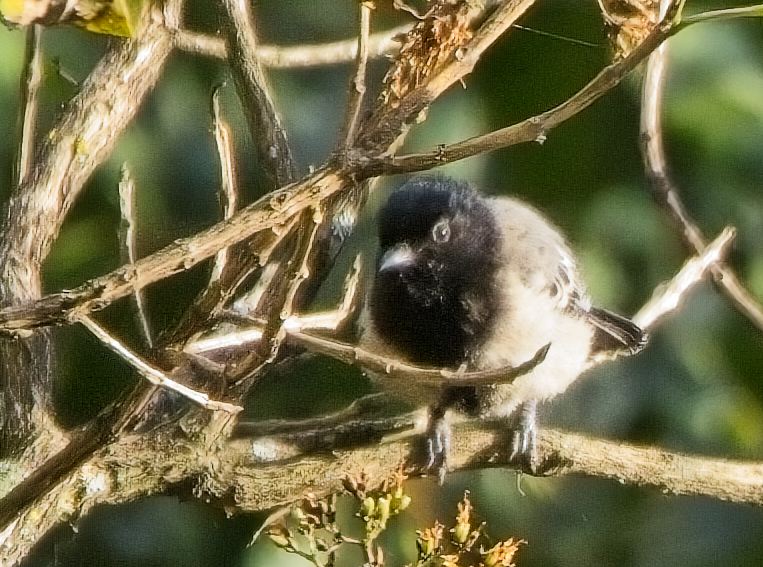


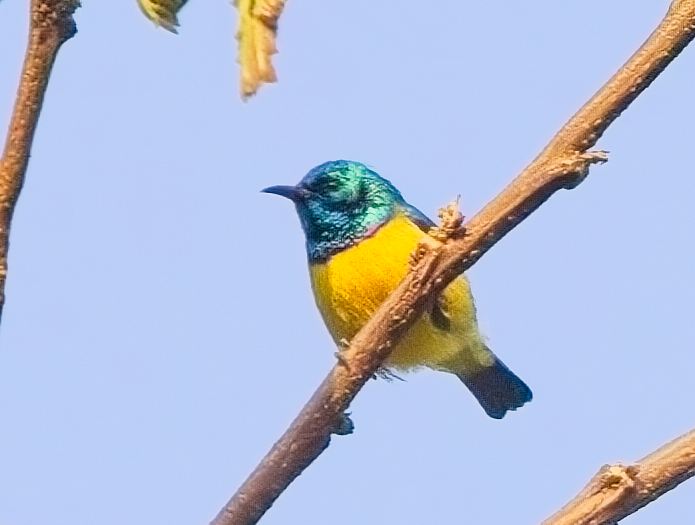

We were only a third of the way through the tour itinerary and we had 215 species. I had added 34 lifers and at least as many life photos. As I planned for the trip, my hopes were for at least 100 lifers and maybe as many as 150 as a long shot. I also hoped for at least that many life photos with most being of those life birds and then others species I had seen previously in Africa without a photo. At this point, it wasn’t clear if those goals would be met. The next day we would find out if another goal would be met. Would we see a Mountain Gorilla?
 blairbirding