Sharing pictures, stories, reflections of my birding adventures – past and present: great places, great people and great birds…
Author: blairbirding
Thankful for the opportunity to observe and photograph birds in Washington State and around the world. And thankful for the great people who make up birding communities everywhere.
I began a blog post about these extraordinary birds in 2020 as COVID raged around the world and shut down my bird travel and much of my local birding as well. Somehow with the depression that accompanied that lingering COVID period, I never got around to adding any details. We are now on the brink of a new year – 2024 – so almost 4 years have passed. When I started a new blog post about travels earlier this month to Mexico, I noticed the draft of this post and seeing these birds again brought good memories, so I am posting it now. Cindy and I have been extremely fortunate to so far have completely avoided COVID ourselves and while we never made up the trip to Cuba that was the first we lost due to COVID cancelations, we did make it to Tanzania and will be leaving for Chile and Argentina in February making up for those trips lost.
These 10 birds were seen in Washington State, Montana, and Massachusetts in 80 days. Doubt that I have ever had or ever will again have such a collection of ABA rarities in such a period again
On October 2nd this year, Cindy and I began our visit to Italy, my first time there. We planned a few days on our own in Florence before joining “Walk About Italy” for walking tours first in Cinque Terre and then in Tuscany, both with full time guides. Cinque Terre was just Cindy and me, and in Tuscany we were joined by friends Anne and Steve White. I could write a lengthy blog about the sights, sounds, people and experiences in this wonderful country. If I did, much of it would be about incredible wine and food of which we had had much. But this site is for my blogs about birds, and while this was to be a non-birding trip, there are birds in Italy. I looked for them when I could and since I had birded only on a single day in Europe way back in July 2002 while visiting Hungary, odds were good I could add some species to my World Life List and/or my World Photo List.
As indicated in the title of this post, there is a “project” to follow. In my posts over the years, I have talked about how one aspect of birding that I greatly enjoy is creating and executing projects – chasing birds, birding in new areas, adding to lists etc.. In the past the projects have typically been about Big Years in my home state of Washington, hitting a meaningful “round number” for the ABA region (like 700), or in my biggest project, seeing 50 species in each of the 50 states on single days (50 of them). Lately, and especially since meeting Cindy, the projects have been more about adding birds to my World lists – either total species or total photos. For now I am just going to leave it that the referenced project is about reaching a number and that while Italy was an important precursor, I had not conceived of the project until long after my return. Since it is about numbers, though, here are some benchmarks. When I arrived in Italy my World Species List was 3228; I had seen 889 species in 2023 and I had photos of fewer than 1940 species. Now for Italy.
On October 2nd, that first day in Florence, being the complete tourist marveling at the Duomo, sculptures by Michelangelo, the Ponte Vecchio, I did not even carry my binoculars, but it was impossible not to notice some birds including the numerous Rock Pigeons and European Starlings that seem to be in every city in the world. But there were some that were new as well – European Jackdaw, Hooded Crow and Yellow Legged Gull – the latter on the Arno River right at the Ponte Vecchio. No photos but happy for anything new. The next day we visited the Boboli Gardens – a beautiful large formal garden across the Arno from most of the central Florence attractions. This time I had camera and binoculars in hand – needed to add the European Blackbird, Common Wood Pigeon, and European Serin to my species and photo lists. Later I finally saw an Italian Sparrow – so similar to House Sparrow – and then on an early morning visit along the Arno which was dedicated to finding birds, I got acceptable photos of the YellowLegged Gull, Hooded Crow, and that Italian Sparrow and heard but never got good looks of Cetti’s Warbler and European Robin. That was it for Florence – 6 new species and 4 new photos. Not awesome, but for a non-birding trip in a very busy city full of museums, restaurants, pastries, cappuccinos, and churches, just fine. The only camera we took on the trip was my “back up” Canon SX70 – not great photo ops and not great photos – but they count for “my list”.
European BlackbirdEuropean SerinCommon Wood PigeonEurasian JackdawHooded CrowItalian SparrowYellow Legged Gull
After Florence it was off to Cinque Terre and then Tuscany. Again, I could go on and on about these places and the great times we had, but just including birding memories here. Bottom line is that I added 9 World Lifers and 6 new life photos. The lifers were Sardinian Warbler (heard only), Goldcrest (seen briefly), Song Thrush (single glimpse), Cirl Bunting (heard only), Firecrest (seen briefly), Eurasian Magpie, Eurasian Blue Tit, Great Tit, and Short Toed Treecreeper with new life photos of the last four and life photos of the previously heard only European Robin and of a Eurasian Nuthatch. The reason the Nuthatch was not new for my life list was that I had seen one 40 (yes FORTY) years ago in Wajima, Japan before I was taking photos at all.
Eurasian Blue TitEurasian MagpieEurasian NuthatchEuropean RobinGreat TitShort Toed Woodcreeper
Altogether I had 40 species in Italy – 16 new lifers and 24 that I had seen elsewhere before, there were the 13 new life photos and something I was not tracking at the time 29 new species for 2023. And actually as a footnote – there were three species seen in Italy that were on my life, photo and year lists that now were meaningful in a different way: European Starling, House Sparrow and Eurasian Collared Dove. I have seen all of these species in many places BUT as they are now treated by Ebird, they are seen as “introduced” species. The ones seen in Italy were in their native habitats – so officially part of my life lists going forward. On the way home, we had a layover at Schipol Airport in Amsterdam. As we taxied for what surely was miles to get to our Gate at this giant airport, we passed by several ponds. On one I saw a Great Crested Grebe – no photo and seen before, but new for 2023.
To update the numbers set forth in the second paragraph above and thus change the benchmarks for the “project” to follow: World Life List – 3244; World Year list – 918; and World Photo List – 1958.
Shortly after returning from Italy, I saw reports of a rarity in Washington – a King Eider at Tokeland, a species I had seen twice before in Washington and also in Nome, Alaska. Definitely worth a trip. On October 23rd, it was easily found and I also added a Surfbird for the year – a species I usually see at the jetty at Edmonds, my hometown, but missed this year. So there I was ending October at 920 species for the year, although I had not noticed that number at the time. But when I did… To Be Continued
On July 27th this year (2023) I left Seattle to join a Rockjumper birding trip to Sulawesi and Halmahera in Indonesia. Indonesia is a fascinating birding destination with more than 1800 bird species of which many hundred are endemic to its many islands (over 17,000 – mostly uninhabited) with many others “near endemic” meaning they can only be found in few other places. Different sources give different answers but between Sulawesi and Halmahera there are more than 400 species and over 110 endemics. It is prime territory for birders looking to add species to their World Life Lists. My appraisal of opportunities from the list provided by Rockjumper identified over 240 possible new lifers and many others that could be life photos. In addition to the numbers there was also great quality with numerous spectacular doves, pigeons, kingfishers, owls, parrots (and their kin), sunbirds, bee-eaters and others. Opportunity-wise, it was pretty exciting.
Sulawesi is the large island on the left with our major stops: Makassar and Malino (bottom) Lore Lindu NP and Palu (center) and Manado and Dumoga Bone NP upper right. Halmahera is the much smaller island in the upper right.
There were however some known challenges, hot and humid weather, many flights and long distances traveled, insects and leeches and some possibly less than perfect accommodations. Some hiccups arose as soon as I started to make airline reservations. Unfortunately, I used Expedia, which I will never do again, and the site just was not user friendly with many alternatives, multiple connections, different (and unknown) airlines and long layovers. There were also challenges related to time differences and the International Dateline. For many reasons including my own failure to check a final itinerary date after several entries back and forth on the site, I initially made a reservation for the wrong date. Later when I finally noticed it, there was a cancelation charge for which Expedia was of no help. Then later one of the airlines rescheduled a flight that I had booked (again through Expedia) which made my connection to get home impossible. Again despite 2.5 hours on the phone with Expedia, they were of no help and failed to find a substitute flight that would have worked for the connection. Finally, I gave up and said to just cancel the flight and refund my money which they said they would do. On my own I found a replacement flight within 10 minutes and rebooked. The refund has still not been credited. Also due to the flight schedules, I had to arrive two nights early in Makassar (the starting point on Sulawesi) and this led to some coordination problems. Mostly though, the travel challenges were just stressful.
Then a week before I was to depart, I suddenly could not hear anything with my right ear. This had happened before – accumulation of earwax blocking the canal. Unable to clear it myself, I fortunately was able to schedule an appointment with my doctor, but unfortunately the treatment did not work, and a second appointment was necessary two days before I was to depart. More stress. Thankfully that worked and I was good to go. My flights were an overnight flight from Seattle to Tokyo, a long layover and then another long flight to Jakarta with another long layover and then a short flight to Makassar where thankfully I was met by someone from the Rockjumper team and taken to the Dalton Hotel. I don’t sleep well on flights, so I was quite tired but relieved to be in place to begin the tour a day and a half later.
As an aside it is always interesting to see the products at shops in other countries – especially at airports and maybe especially in Japan. I could include many examples but am limiting it to a favorite – one of two large displays of Kit Kat products at the Haneda Airport outside Tokyo – I resisted.
Here is the overview birding summary of the trip: Total number of species “observed” – 248. There were 191 on Sulawesi, 68 on Halmahera, 9 on Java and 1 on Borneo (more on that later) – with some obvious overlap. Total number of new World Lifers – 189 (bringing my World list to 3228 species). Total number of photos – 121 species. New World Photos – 115 (bringing my World photo list to 1925). We had 110 endemics and another 9 near endemics. That covers the “quantity” of the observations, but unfortunately the “quality” of the observations left much to be desired – for me. Quite simply, way too many of the species observed were either seen poorly (even very poorly) or heard only and that is reflected in a photo percentage of less than 50%. And if I were to count only what I consider even “good” photos, it is less than half that percentage. Much of our birding was in thick forest/jungle where birds were distant, high up in trees and buried in foliage. We would often hear a bird and be able to identify it by call or song and even get it to respond to playback, but it would remain buried and not fly in closer to check out what was making its call as played back.
The emphasis on the tour was to “get” the endemic and specialty birds. I cannot fault that approach, but I learned that although I certainly was interested in numbers and rarities, poor views were just not satisfying, and I would gladly have traded good views of 10 species for poor views or heard only observations for 25. Just a mismatch of what I most enjoy and the possibilities at this place. I am not new to foreign travel for birds and my life list of 3200+ species is respectable at least in some circles (I am in the top 1000 on Ebird) but that number paled far behind those of the others on the tour who all had lists of over 5500 species accumulated over many years of travel to many places, often returning again and again to add to their lists. They were all excellent birders as well as good folks.
And the failure to get good looks was certainly not the fault of our guides. Forrest Rowland from Rockjumper was phenomenal. One of the best birders and guides I have encountered. He knew the birds, the songs, the calls, and the habitats and was really good at getting us on the birds – visible (or almost as invisible) as they were. Alin, our local guide, was also completely familiar with the birds and their calls and was an enormous help if somewhat soft-spoken and language challenged. Birding there is just tough – acknowledged by everyone I have spoken to who has been there.
Forres Rowland – Incredible Rockjumper Guide and Darwin Samang our Excellent Local Ground Agent
An overview on non-birding aspects of the trip: Weather was actually a bit better than expected. There were hot days and humid days but never a really hot and really humid day together. We were often at enough altitude to cool off a bit, and we were often, even usually, in forest where the sun was somewhat blocked. Temperatures in the shade were 5 or 10 degrees lower than in the sun. We had very little wind and almost no rain. Accommodations with a single exception ranged from good to excellent. The exception was our nights at a pretty basic place near Lore Lindu which had no sink or tub or shower and a toilet that was “flushed” by our dumping in water that we scooped out of a big container in the bathroom. The same water and scoop were the means for “bathing” – dumping it over ourselves. But the beds were fine, the temperature ok and the rooms were clean. We were up and out early most mornings (before 5) with breakfasts in the field. Food ranged from just ok to pretty good although I got quite tired of overdone chicken, way too much rice and too many plain dishes. There were some great soups and other dishes (I really love the goreng noodles), and the breakfasts at a couple of places were pretty impressive. With only maybe two exceptions, there were no napkins or knives and never a washcloth. Everywhere, however, there were individually wrapped toothbrushes with tubes of toothpaste. Surprisingly there were very few bugs, and we had no leeches.
Field BreakfastAn Airport Meal at KFCTypical Dinner – Family Style
We had internal flights from or to Makassar, Palu, Manado, and Ternate (Halmahera) with an unscheduled stop on Borneo when there was no opening for us to land at Makassar. We were on the ground there for 20 minutes (allowing us to get our single Borneo species – a Pacific Swallow) and then took off again and landed at Makassar after all. The flight of course was very late and we missed our connection to Manado. Well not really as it turned out our connecting flight was on the same plane that had brought us there, so we just reboarded as it adjusted its departure time. In general flights in Indonesia seem to be on a “maybe” schedule – frequently late or even canceled. Somehow it all worked out. Which is a good place to recognize the excellent work done by the local firm in Indonesia that handled all the logistics, vehicles, reservations, flights, boats, lodging and food. Everything worked out well even when surprises arose.
More overview observations: Indonesia is a mix of Christian (Catholic) and Muslim populations that seem to get along well. I am not keen on any religions and have to admit that hearing the call to prayer booming through loudspeakers from the Mosques at 4:30 in the morning did nothing to positively change my views. There also seemed to be noisy motorbikes travelling the roads adjoining our lodgings at all times of the night – although nothing compared to the incredible number of them with anywhere from one to five people onboard that whizzed around the cities during the day. It looked like total chaos to us with few stop signs or traffic lights, mergers from every direction and a mix of trucks, cars (all SUV designed) and motorcycles on pretty narrow mostly two lane (barely two lanes?) roads. But it all worked, and we never saw an accident and for the most part, traffic kept moving. At first we wondered about how all the motorbikes (motorcycles) got their gas as we did not see many gas stations. We kept noticing little stands with bottles that we thought were filled with maybe some kind of local brew. Turns out they were bottles of gas and cars or motos would pull up and get a bottle or two and pour it into the tanks with a funnel. There were also some small stations with a single pump and a few with as many as a dozen pumps.
Gas in BottlesFunnel Fill UpSingle Pump “Station”
As is the case in most third world countries, there are hundreds of little enterprises, seemingly redundant. We saw many fruit, vegetable and fish stands and may Indo-marets – convenience stores. There were also many Apoteks – Apothecaries/pharmacies where even some antibiotics were available over the counter. In the convenience stores in addition to many beverages (Coca-Cola products and many others we had never heard of) there were many cookies, crackers, candies and especially chips – dozens of variations with flavors familiar and not. The currency in Indonesia is the rupiah with a current exchange rate of 15,000 rupiah to the dollar. This made for some interesting pricing and calculations. A Coca-Cola was generally priced at either 7,000 or 9,000 rupiah. A package of Oreos might be 12,000 rupiah. At first blush these big numbers seemed pretty high and then you realized that that means a Coke for 45 cents and Oreos for 80 cents. Chips were in larger packages than has become the norm in the U.S. and were less than a third of the price here. Street food was also pretty inexpensive. You could get pretty good noodles for two dollars or less. Another example of comparative economics: My room at the Dalton Hotel – very nice – was $30/night or $34 with breakfast. That breakfast would easily be $20+ at a US hotel.
Being an island nation, there of course is a lot of water and a lot of beaches. We were not at any of the beach areas and in fact saw nobody swimming and except at a couple of spots few boats out fishing. Scenery in my opinion was nice but not spectacular – lots of attractive forests, some mountains, rice paddies and palm trees, a few impressive mosques but otherwise no notable architecture. The Jakarta airport was impressive and busy, but the others were pretty basic. The people were wonderfully friendly when given the chance and the mix of dress was amazing with Muslim women always with head scarves, and often in full cover and Muslim men often were in flowing robes and others were sometimes in sarongs and batik shirts as well as casual western wear, lots of sandals and baseball caps as well as the “peci” the cap somewhat like a fez that was popularized by Sukarno worn by Muslim men.
Rice Paddy View from Airplane
Indonesia is Crowded – Another Airplane View
One of the Many Volcanoes – still Active
Rice is a Flooded Field Crop
One of MANY Mosques – taken from the road.
Indonesia was “colonized” by the Portuguese and the Dutch (think Dutch East Indies) and some influence remains, but the country became independent on August 17, 1945. The country would be celebrating its Independence Day two days after our tour ended and throughout the country, we saw many banners and flags along the roads in red and white, the colors of the Indonesian flag. The numbers were amazing, and the organization required to get so many out in an orderly fashion was impressive.
Independence Day – August 17, 1945 – Airport Display
The Birds
Rather than a day-by-day tale of places and birds, I am only going to include some of the birds for which I have decent photos and a separate section illustrating my frustration with good photos of some of the beautiful doves and pigeons taken from Ebird (with attributions) and my comparatively pathetic photos of the same.
There are many ways in which birders organize their pursuits and related trips – life lists for continents, hemispheres, countries, states, counties, patches and of course the world at large. One I had never heard of but which makes great sense is to see birds in each of the taxonomic families of which there are 249 including some that are monotypic (having only one species) as well as others that have hundreds of species. One of the participants in the group was closing in on seeing all of the families with a pre-tour trip to get the monotypic Pityriasidae family’s Bornean Bristlehead. For him among the most important birds on the trip was the Maleo – of another monotypic family “Macrocephalon”. This was one of the most frustrating observations on the trip for me. We had two Maleos perched somewhat in the open in a tree. I was able to get a decent digiscoped photo of part of the bird through the guides spotting scope. A few minutes later, I heard “the Maleo is in the open” and rushed to the viewing spot. Just as I got the camera focused on a great view of the full bird, one of the participants made a sudden movement and off it flew – no photo. It was great to get any view and any photo, but as I have said, I was hoping for some really good photos, and this was a major missed opportunity. I think after the trip, this birder had either 2 or 3 more families to go to complete his quest.
Maleo
A group of birds that are special targets anywhere and definitely in Indonesia in general and Sulawesi and Halmahera for sure are the Kingfishers. On the tour, we had 11 species. I missed one entirely as it was found on a long hike on a tough trail (the norm) that I skipped. I did relatively better on photos with this group as they often perch in the open, but even so missed photos for three species. I include some favorites – all lifers.
Sombre KingfisherBlue and White KingfisherGreen Backed KingfisherSulawesi Lilac KingfisherGreat Billed KingfisherCollared Kingfisher
Two of the most sought-after species on the trip were “thrushes” – the Geomalia and the Rusty-Backed Thrush. The Geomalia is a one-of-a-kind species that is endemic to Sulawesi and had been missed on some previous Rockjumper trips. It may be the only species in its genus. The aptly named Rusty-Backed Thrush was one of my favorites, again often missed and it took us a long time to find it foraging on the ground and being very cooperative.
Geomalia
Rusty-Backed Thrush
Another group of birds that are generally among the favorites on any trip are parrots and related species. Although they are large and colorful, they can be difficult to see clearly and even more difficult to photograph as they are often high up in the trees and buried in foliage and they fly quickly overhead and disappear. We saw 15 species in this group, often quite distant or buried as indicated above. My photos are of mixed quality at best and for the ones not shown, either the photos are truly bad or there were no photos at all.
As was the case in Tanzania (and before that on other African trips) some of the most spectacular birds were the hornbills. We saw three species – Knobbed and Sulawesi Hornbills on Sulawesi and Blyth’s Hornbill on Halmahera. Somehow, I failed to get any photos of the latter – operator error as much as anything else although the views were of birds in flight only.
Sulawesi Hornbill
Knobbed Hornbill
Birds that are always sought after in every trip are the owls. We did well finding 9 species and getting photos of many. (I missed one.) I am always amazed when birders can pinpoint the location of an owl in the dark. Unlike most of the species we sought, the owls were not only responsive to playback returning calls, but also in coming in close. A productive technique is to draw the owls in with playback and then look for eyeshine as you scour the trees with spotlights. Our guides were great at this.
Nightjars are another group of nighttime hunters. We had 4 nightjars. two of which were seen and photographed on day roosts. One, the Diabolical Nightjar (formerly the Satanic Nightjar) clearly had the best name of any of the birds we saw.
As with every other place I have birded, there were opportunities to see birds in or near the water – shorebirds, waders, waterfowl etc. Except that there were very few waterfowl, this was true in Indonesia as well and most of the non-lifer birds seen fell into this category. Thirty-seven of the species seen were in this group but only 14 were new lifers as I had seen many of the shorebirds and waders elsewhere as well as some of the terns and both frigatebirds. There were, however, some new species that I had hoped to see as I planned the trip. Two in particular were charadrius plovers bringing my total species for this group to 20. The closely related Malaysian and Javan Plovers were almost missed but I was the first to see them running on the sand and although we never got real close, I was happily able to get some decent photos.
Javan PloverMalaysian Plover
Except with the rails, it is often easier to get photos of “water” birds as they are not up high in trees and buried in foliage. Here are photos of some of the other lifers (or life photos) from the trip.
Buff Banded Rail – LiferDusky Moorhen – LiferLesser Frigatebird – Life PhotoCinnamon Bittern – Life PhotoSpotted Redshank – Life PhotoJavan Pond Heron – LiferLittle Tern – LiferNankeen Night Heron – LiferPied Stilt – Life PhotoWandering Whistling Duck – LiferWhite Browed Crake – Lifer
As with birding everywhere, in addition to the larger and/or more charismatic species, there were many smaller birds that were seen, often in groups or small flocks and often frequently. Although they were at times in the open, or at least relatively so, photos were hard to come by as they were in constant movement and often backlit. Without identifying them as to place, the following are the better (not always saying a lot) photos of some of these species. All but the Pied Bushchat are lifers. It is a life photo of a species previously seen in Australia.
We saw two species of Woodswallows, Ivory Backed which was a lifer and White Breasted which I had seen but not photographed in Australia 20 years ago. The photo of the latter may be my favorite photo of the trip. Just wish others were as sharp.
Just a last batch of photos of various other species seen – all new lifers – except the Brahminy Kite, a life photo of another species seen in Australia 20 years ago. No order as to time or place or even type and definitely most leave a lot to be desired as to quality.
I acknowledge that by some measures, there are a lot of photos of different bird species in this blog – more than 80. But what is the measure? For me the measure would have to include the percentage of species seen and the percentage of good photos. There were so many species with photos left out either because they simply don’t exist or they exist but are truly dreadful. And that is the segue to a subject promised earlier – the incredible doves and pigeons that I expected to be colorful highlights to this trip – and just weren’t.
Doves and Pigeons – Great Photos (by others) of Magnificent Birds
On our tour I saw 27 dove or pigeon species of which 23 were lifers. Unfortunately I only was able to get photos of 50% of those lifers, a first statistic that shows why this trip was so disappointing. Worse, even of the photos I was able to get, many were marginal and only a couple did the beautiful birds any justice. These were the birds I was most looking forward to seeing in advance of the trip as many are spectacular multicolored gems. Although that is not apparent from most of my photos, I want to share this beauty with readers of this blog, so I am including 18 photos from Ebird – with attribution – to show how splendid they are and why I was so hopeful of seeing them and getting pictures.
Asian Emerald Dove – Ian DaviesScarlet Breasted Fruit Dove – Sam WoodsGreat Cuckoo Dove – Markus LiljeBlue Capped Fruit Dove – Holger TeichmannGray Cheeked Green Pigeon – Khaleb JordanWhite Faced Cuckoo Dove – Simon MitchellGray Headed Fruit Dove – John MittermeierPied Imperial Pigeon – Corey FingerPink Necked Green Pigeon – JJ HarrisonSilver Tipped Imperial Pigeon – Frederic PELSYStephan’s Dove – LorenzSultan’s Cuckoo Dove – James EastonGreen Imperial Pigeon – abijith a.p.c.Black Naped Fruit Dove – Natthapthat ChotjuckdikulSuperb Fruit Dove – Benjamin Van DorenWhite Bellied Imperial Pigeon – Mark SmilesCinnamon Bellied Imperial Pigeon – Bill BaconRed Eared Fruit Dove – Holger Teichmann
The sad comparison is that these are the only decent photos of any of these species that I was able to get – and I am happy with maybe 4 of them. This NOT a complaint about the tour in anyway. In part it is a recognition of my own limitations as a bird spotter and certainly as a photographer. Moreso it is a recognition of what I enjoy and don’t enjoy about birding and what do to about it. Part of the first matter – spotting birds is hopefully at least partially related to an eye problem that I discovered on this trip as I tried to understand why I can’t spot birds better even with the great directions given by our guide. Turns out that the lens in my right eye received in cataract surgery a number of years ago is “clouded”. I can see but everything is blurred, and it is not a matter of correction as changing the diopter setting on the binoculars do not change it. And worse is that when looking through the binoculars, the right eye dominates and unless I close it, the whole view is blurred. Trying to use just one eye has its own issues including depth of field and width of the field of vision. I have an appointment with an ophthalmologist, and I hope it is remediable and that will make a difference. Improving photography skills is an ongoing challenge and I will keep trying.
Cinnamon Bellied Imperial PigeonGray Cheeked Green PigeonRed Eared Fruit DoveGray Headed Cuckoo DoveSultan’s Cuckoo DoveGreen Imperial Pigeon
BUT the real lesson from this trip is that I want birding trips in the future with different conditions more conducive to better views and photo ops even though that will mean foregoing “numbers” and some great birds. There are lots of great birds and birding places out there and with each passing year, the chances for me to travel to see them diminish. So choices have to be made. There will be lots of options for whatever trip opportunities remain ahead. Guess Borneo and the Lesser Sundas are out. The accommodations do not have to be fancy (although those African Lodges were certainly splendid), but feeders or blinds here and there would be nice. Maybe a washcloth or napkin as well.
Closing out this blog post, we did see some cool mammals, insects and reptiles on the trip. Most notable to me were the Celebes Crested Monkeys at Malino, Gliding lizards seen several places and especially the Tarsiers, tiny primates with large eyes and large fingers.
Celebes Crested Macaque JuvenileCelebes Crested Macaque with PapayaTarsierTarsiers
Gliding Lizard
I had fretted most about the flights home at the end of the trip. The journey was from Manado at the north end of Sulawesi to Makassar at the south end of the island and then a flight to Jakarta with an overnight layover before an early flight to Narita Airport near Tokyo and then another long layover and then the long flight back to Seattle. My one bag was checked on through to Seattle – not my preference. After 48 hours without sleep the flight arrived in Seattle “before” it left Tokyo (due to crossing the International Dateline coming East). Fortunately, my bag arrived with me, and Cindy picked me up and it was then home to Edmonds. I was very glad to see her and very glad to be home. No explanation why, but somehow, I suffered no jet lag and fell into a fairly normal pattern of sleep. Two birding friends have been in the same area I visited and are returning soon. I look forward to their stories.
After 4 unsuccessful chases to see a Chestnut Sided Warbler in Washington, I finally got to see one on June 9th this month when Tom St. John and I went to a stakeout spot near Gig Harbor in Pierce County where birding friend and Master Birder classmate Cara Borre had located one the day before. Unlike the others I have chased which promptly disappeared the day after first reported, this one (and later a second one) has been very cooperative, singing constantly, perching in the open, remaining in essentially the same area and is still present as I write this more than 2 weeks later. Shortly after finding this nemesis species in my home state, I developed a nasty non-Covid cough and touched neither camera nor binoculars, confining myself inside until yesterday. Feeling better if not all the way better, and desperately needing to finally get out of the condo, yesterday I visited the Big Four Ice Caves in Snohomish County. The beautiful area had been closed last year with a bridge out and trail damage. Choosing this spot was of course aided by the presence of a bird, an American Redstart. This beautiful wood warbler is regular in Washington but limited to very few areas. One had been at the Ice Caves last year and it was there again, being seen by many. Yesterday it was seen by me as well.
Scenery at the Big 4 Ice Caves Area
The combination of finally seeing the Chestnut Sided Warbler and then the American Redstart got me thinking about warblers, and particularly the rarer ones I have seen or tried to see in Washington. After so many blog posts about Tanzania, I also thought it time to write about something closer to home. So here it is – Warblers in Washington, with warblers elsewhere covered for some context, contrast and comparison. Let’s start with some numbers. I have seen 23 species of warblers in my home state. Ebird reports a total of 35 warbler species for Washington. I have seen about 80% of all of the species on the Washington State species list (leaving out the non-countable species like escapees etc.). Others have seen more, but my list puts me in the top 15, so there has been a lot of chasing rarities over many years. That 80% of the total list is well over the 66% of the warblers success rate, so this is a big gap for me, one of the reasons that finally seeing the Chestnut Sided Warbler this year and finally adding a Black and White Warbler last year were so satisfying. What makes warblers so tough in Washington – for me and others? Again, let’s look at some numbers.
Chestnut Sided Warbler – Finally
Of those 35 warbler species in Washington, only 12 are regular breeders (possibly the only ones that breed here even irregularly) and with less than a handful of exceptions, all of those breeding species migrate out of state after the breeding season. It is pretty easy to find those 12 breeders in the state with the most difficult being that American Redstart and the Northern Waterthrush. The latter has a very small breeding range in Pend Oreille County and the Redstart is limited to a few specific areas (interestingly including Pend Oreille County as well, in addition to locations west of the Cascades). Of the non-breeders only the Palm Warbler would be considered regular although it, too, is uncommon – most often found along the Pacific coast in the fall and winter. All of the others are either rare or very rare, the kinds of birds that get birders into their cars and off on chases or perhaps anticipatory chases to “migrant/vagrant” traps known for turning up rarities – places like Neah Bay, Washtuchna, Lyons Ferry which have produced more than their share of rarities over the years.
Many of the nonbreeding rarities or irregulars have been seen extremely rarely in the state. All but 9 of these 23 species have been seen at most a handful of times, often a female or an immature bird. These less than full male adult breeding plumages and no songs make finding them and then their identification even more difficult. Some examples are shown in the chart below. The 14 species in red are the ones seen at most a handful of times. I have seen three of those very rare 14 and 7 of the 9 rare but less rare ones. At most it makes me feel a “little bit better” that if the very rare warblers are excluded, then I have seen 19 of 21 warbler species in Washington, certainly much better than 66% and even better than 80%, but that 80% of all species is also decreased by the rarities missed. I have not done the full analysis but am pretty sure that if the very rare species are removed from the overall Washington list, my state list would be over 90% as well. Ok, I am proud about that, but the number is given to provide further context. As all serious birders/listers know, you just cannot see them all. Many of the rarities are present for a single day only, maybe two. If you don’t go for them immediately, the chances of finding them diminish quickly. And although I have been birding in Washington off and on for almost 50 years now, there were many years when it was entirely “off”, and I did not even know of the rarities seen let alone have a chance to chase them. The same is true for all of us. But that is why each new find feels so good, It simply gets harder and harder to find those new species.
The nine photos below are of those non breeders that I have been able to photograph. They include photos of Magnolia Warbler and Painted Redstart from Washington, which are pretty bad. Better pictures of those species from elsewhere are included in another gallery further below.
Black and White WarblerPainted RedstartMagnolia WarblerBlack Throated Blue WarblerPalm WarblerHooded WarblerNorthern Parula WarblerTennessee WarblerYellow Throated Warbler
Now about those other Washington Warblers, the breeders. I have to include pictures of them as well, starting with the American Redstart seen yesterday that provided impetus for this post in the first place. The only warbler I have seen in Washington but for which I do not have a photo is Lucy’s Warbler, one of the really rare ones that I was fortunate to have seen in a driving rain in Neah Bay. (I include a photo from elsewhere in another gallery below.)
Washington really is not much of a warbler state even with its rarities – again 35 species at all – ever. In the US there are records of 54 warbler species – several of which are pretty rare – like those rarities in Washington, seen maybe just a handful of times – typically vagrants from South of the Border that have lost their way. No state has records of all 54 species, but Texas comes closest with 50 species recorded. Some other states for comparison are Colorado with 47, California with 46, Massachusetts with 43, Florida with 42, Ohio with 40, and Oregon and Rhode Island Each with 39. I haven’t looked at every state but I believe that Washington is tied with Montana for the fewest warbler species with 35. We are a pretty good birding state, especially for our size, but “Warblerville”, we are not. In many respects a more meaningful comparison is not the number of species reported but the number of individuals present. In that comparison Washington does even worse, probably much worse. It is the hardwood forests of the Eastern and Central U.S. that are home to most warblers. Indeed birding east of the Rockies is most different from that West of the Rockies because of the presence of so many warblers and other passerines. Especially in migration, there are many thousands of these little birds, mostly passing through but many also staying to breed. Eastern forests are generally far fuller with bird song than our forests in the West. Really good birders everywhere can identify species by specific songs. In the East, such knowledge is imperative. In the West it sure helps but I have found that as a rule birders who began their birding in the East are much more attuned to the tunes. There is definitely a lot of “warble” in the Eastern warblers.
I have had the good fortune to have birded in all 50 states. Although I grew up in the East, I did not bird until I moved West. That is at least my excuse for not being so good at identifying bird songs. My ears still hear pretty well, but that processor between those ears just cannot keep all those songs in place. A good example of in one ear and out the other. How I wish I was better at that skill. Despite that shortcoming and aided by many hours in the field, often in the company of others who know all of the songs, and aided by some extraordinary warbler “fall outs” during migration, I have been able to see 50 warbler species, including all but one of the “regularly occurring ones” – the exception being the Colima Warbler found almost exclusively in the mountains at Big Bend National Park in Texas. Included in my list are a couple of rarities that are generally from below the border: Golden Crowned Warbler in Texas and Rufous Capped Warbler in Arizona (now regular). Of those 50 warblers seen, I have been able to get photos (definitely of varying quality) of all except Mourning Warbler, Golden Winged Warbler and Cerulean Warbler. Filling in those gaps is a someday project.
I am not going to include all those photos – just some favorites – the two rarest ones, some seen in Washington but not photographed there (or not photographed well), and a couple of these and a couple of those.
That’s it for my warblers. I have omitted some of the photos. It was fun to revisit the ones that are included mostly from my 50/50/50 Adventure in 2018/2019 – many from the extraordinary Magee Marsh in Ohio. I am going to include one more photo, the only one in this post that is not by me – the aforementioned Colima Warbler. Bruce LaBar and I had a trip planned to Big Bend in 2020 primarily to find this warbler, needed/wanted by both of us for our ABA Life Lists. Covid raised its ugly head, and our trip was abandoned. It can be an arduous hike to get to the bird’s habitat area. My focus today is more on adding birds to my World List and filling in missed photos. I am also getting older, so I am not sure I will ever get there and make that chase. Here is the bird. Maybe including it will provide further incentive to chase. It truly is a nice-looking little guy!!
Colima Warbler – Big Bend National Park 2016 – Photo by Daniel Garza Tobon
In earlier blog posts it has been great fun to somewhat recreate and share the highlights of our Safari to Tanzania. But those stories and images are of a Tanzania that is mostly experienced by foreign visitors who come from a very privileged existence which is a far cry from the daily lives of the large majority of native Tanzanians. Safaris and foreign visits are an important part of the Tanzanian economy and the areas preserved for the wild animals that attract the tourists play an important part in preservation of a natural world that is constantly threatened by modern man. Throughout most of the trip, we were in wild areas, national parks and reserves. Although these areas are relatively quite close to towns and cities, we had no personal interaction with them and never met Tanzanians except as staff at our lodges. These intersections provided a distorted view of life for the large majority of Tanzanians. Our only views of daily life outside of tourism were as we drove from one place to another on the few occasions where we were not in those restricted preserves. All of us who go on safaris in Tanzania, and elsewhere in Africa, are highly privileged members of the First World. In this blog post, unlike all those that preceded it, we will not be in that privileged world but will rather share images and facts about the rest of Tanzania, mostly through photos of the countryside and street scenes that Cindy took during the course of the tour.
Here is some background context for the country as a whole and for daily life in Tanzania outside of “Safariland”.
Tanzania was formed as a sovereign state in 1964 through the union of former states of Zanzibar and Tanganyika. Bordering on Kenya to the north, the Indian Ocean to the east, Mozambique, Malawi and Zambia to the South and the Democratic Republic of the Congo, Burundi, Rwanda and Uganda to the west, Tanzania is the largest country in East Africa at 365,743 square miles (compare to Texas which is 268,957 square miles).
Tanganyika was a colonial part of German East Africa from 1880 through 1919 when under a League of Nations, it became a British mandate, gaining its independence in 1961. Its current population is about 63 million people and is growing rapidly with one of the highest fertility rates in the world. (Women average 5 children each.) With life expectancy increasing this high fertility rate and concentration of the population in child-bearing ages groups, the population is projected to reach 100 million in the next 15 years. The largest city is the capital city of Dar es Salaam with a metropolitan area population of nearly 5.5 million. The country is very rural with 80% living in rural areas.
The Tanzanian economy in terms of GDP is approximately 30% each in agriculture, industry and services. Almost a third of Tanzanians run small businesses employing fewer than nine employees – small shops, farms, salons, restaurants, repair stations, consulting services etc. The main food crops are maize, sorghum, millet, rice, wheat, beans, cassava, potatoes and bananas. There is also a significant tea and coffee industry. A large majority of Tanzanians work in the agricultural sector. Gold and oil are major mining and industrial products and exports.
Thirty percent of the land in Tanzania is within National Parks and Conservation areas. Despite being surrounded by, bordering or containing some of the largest lakes in Africa and the world, there is a severe problem of access to clean water in much of the rural area.
With an annual GDP of less than $800 US per capita, Tanzania is one of the poorest nations in the world with two-thirds of the population living below the poverty line. More than a third of the population lack basic amenities of electricity, sanitation and education. Only 15 percent of the population completes secondary school.
All countries will be challenged by climate change and Tanzania is no exception with a climate that ranges from tropical to temperate and with its farms and livestock heavily dependent on seasonal rains. Those rains have fallen significantly in recent years with drought conditions threatening an already impoverished country.
Cindy Bailey took the following photos from our moving vehicle with her I-Pad. They capture some of the street scenes as we moved from one park to another and show a very different Tanzania from the one we saw daily in the reserves and at our lodges. They do not intentionally include or omit types of scenes – just representative of all that we experienced. Many speak for themselves but I have added a few comments for context or further information.
On the main roads there was generally a lot of traffic – all moving along pretty well. These little jitneys were seen everywhere – together with cars, trucks, colorful buses, motorbikes and bicycles. The jitneys and motorbikes were the most numerous. Few Tanzanians own their own cars, many more had motorbikes. Both the jitneys and the motorbikes were used like taxis for those without carsand not using the buses.
As you can see, cell phone use is commonplace. We understood that most of these young men – and it was always men – were waiting for calls from their riders. While these collections of motorbikes were everywhere, often they were adjacent to bars and restaurants. Lots of idle time.
This was one of the better looking establishments – a restaurant/bar on the outskirts of a town. The “Branded name” was “Coffee Time” in English with Swahili as well.
This was a common scene in many towns – lots of people, both men and women – at small shops together in a bazaar – generally not with permanent structures. Goods were also sold laid out essentially on the dirt next to the shops – fabrics, clothes, shoes, small items., fruit, vegetables etc. The density gives a sense of the population pressure. There were likely scores or people on the dirt “sidewalks” coming to or leaving these shopping areas as well.
We often saw uniformed children walking to or from schools. Most often, for the older children, boys would be with boys and girls with girls. Younger children would more often be both girls and boys. All school kids were in uniforms – almost always with white shirts. Tanzania has followers of both Christian and Muslim faiths in addition to tribal groups.
We don’t know if this group of boys were coming from school or some other organized activity.
Everywhere we saw women carrying loads on their heads. Most people walked from place to place and often women would carry firewood, goods or water. This was “women’s work”.
More heavy loads.
Outside the cities, closer to the parks and reserves, tribal peoples were commonly seen near their basic but well-kept homes. This photo exemplifies the fertility rates and population growth where the typical family had five children,
This was our plane from Kilimanjaro to Mwanza – typical of in country service. In an earlier blog I described the long lines to get into the small terminals with limited scanner service – but everyone got in and made their flights.
We passed many of these art/souvenir shops on our way back into Arusha at the end of our tour. A collection of baskets, carvings and paintings and probably beadwork. As I wrote in the preceding blog, we stopped only at a centralized “modern” center for our shopping. No complaints about that but it would have been interesting (and probably cheaper) to shop locally.
This was a common occurrence – a small shop set back from the road, generally on dirt and with signage in English. There were always people or small jitneys or motorbikes or bicycles in front of the shops. This was a laundry but why it was called a “Bull Washing Bar” was beyond us. No bulls were seen.
This was not the worst of the homes we saw, probably a little below middle. They were generally small, made of mud bricks with either a thatched or corrugated roof and few windows. As was often the case, a motorbike was parked out front.
This is an interesting juxtaposition, commonly seen, of signage in English and Swahili and of very different small enterprises – here a pub probably having nothing to do with Hawaii, a Hardware, and a tailor shop.
Out in rural areas, we often saw children including very young ones like this one, herding or tending to goats, sheep or cattle. This was on school days, too. There were very few instances where someone, always a child, would approach our vehicle as we were stopped at a light or in traffic, looking for a handout – food, money, whatever. This was a hard reminder of our privilege.
Shops came in many forms and sizes. Most were simple and did not look very prosperous. We wondered how they could sustain themselves. At the lodges, we did not see baskets for sale in the souvenir shops, but we saw them often on the roads.
We did not visit Dar es Salaam (“Dar”) the capital, economic center and by far the largest city in Tanzania. If we had we would have seen some modern buildings, expensive homes, hovels and everything in between, the same as in most big cities in Third World countries. Pictures of Dar should be a part of any examination of Tanzania – but again not seen by us. When I first met Cindy, I told her she had to get to “Wild Africa” before it disappeared. Perhaps that is a bit hyperbolic, but we were very happy to get there after a two-year delay due to Covid. I have used the word “privileged” often. Seeing these pictures again, that is the word that resonates strongest, perhaps in addition to “fortunate”. Privileged and fortunate not just to have been able to visit but also in our own circumstances – honestly, largely the luck of the draw. What if we had instead been born in Tanzania. What if we were there now, not as visitors but as native folks. What lies ahead for Tanzanians and “privileged and fortunate” visitors.
In 2014, the following assessment of Tanzania’s economic hopes was made by the World Bank:
“Despite Tanzania’s good macroeconomic performance over the past decade, the economy has not been able to generate enough productive jobs for a fast growing labor force, which is expected to double in the next 15 years. Tanzania will need to create more than one million jobs in order to absorb the large number of youth joining the labor market each year.
One way to do this is to harness the country’s exploding urban expansion and focus on fostering industry growth. If well managed, urbanization can offer an opportunity for accelerating the transformation of the Tanzanian economy towards more manufacturing and services, thus creating new types of jobs. Thus far, the increase in urban populations has led to the growth of non-farm businesses in urban centers which have been increasing by almost 15% per year.
Despite this, running a business in urban Tanzania remains challenging. While key constraints vary according to the nature of the business, its sector, and its geographical location, the most important include the lack of the required skills of the labor force; lack of access to external finance; the cost of connectivity; burdensome and insecure administrative environment; and the weak rule of law.“
In the decade following that report, the urban population has increased significantly, and the economy has definitely expanded despite the negative impact of the worldwide Covid Pandemic, but the enormous challenges of expanding jobs, education, infrastructure and technology remain, and the future is uncertain. Poverty is widespread and the explosive population growth is both Tanzania’s greatest asset and its greatest challenge. The demand for greater access to land and resources will continue to threaten Tanzania’s wildlife and the related tourism economy as well. Coupled with threats from poaching and climate change, the future of “Wild Africa” is also uncertain. Without question, it has declined greatly over the past 50 years. We have been privileged to experience it before a further decline which I expect is inevitable.
There will only be one more blog post after this one and it will be nothing like any of its precursors as it will not have anything to do with animals or birds or fancy lodges or wilderness preserves. It will focus entirely on the non-safari world in Tanzania, the day-to-day images of Tanzania as reflected in information from online sources and photos taken by Cindy Bailey from our vehicle as we traveled through towns and cities on our way to our far different privileged lodges and reserves. This post closes out that privileged visit to a magical place – as we returned to Ngare Sero Mountain Lodge, where our visit first began now two and a half weeks ago – preparing for our flights home to the “Western World”, far removed from Tanzania.
After breakfast on March 3rd, we loaded onto the two safari vehicles for the last time and we headed back to Ngare Sero Mountain Lodge, where it had all began seemingly ages ago. Day rooms had been reserved for everyone to spend their time before being taken to the Kilimanjaro Airport for early evening flights to Amsterdam and then “home”. Everyone that is except Cindy, me and Kevin Zimmer, our leader from VENT. Our flights would not leave until the next day with us going back through Doha, Qatar and on to Seattle. Kevin would be returning to his home in California for a well-deserved rest.
On the way back to Ngare Sero we stopped at the Arusha Cultural Center, a privately owned collection of shops and galleries that showcases arts from renowned artists around the African continent. It is one of the largest in east Africa and is located along the Arusha – Babati highway on the outskirts of the city of Arusha – Tanzania. This was a last chance to acquire souvenirs or remembrances from this amazing country. There had been shops at several of the lodges, but the things we liked the most were from Ngare Sero. Cindy and I try to bring some local art from each trip and we looked forward to the Cultural Center collection. We found what we thought was a perfect carving only to find out that it was from Gabon. There is an art style in Tanzania known as “tinga tinga” – a tourist art first created by Edward Tingatinga who started copying local animal paintings of animals seen on safaris and then depicting them in a whimsical and colorful style. Perhaps not a “high” art form, but very fun and the elephant painting we purchased would be welcomed back home.
Our Tinga Tinga Painting
We also made a few birding stops on the way from the Sopa Lodge to the Park exit gate – 68 species in just under two hours. Then it was along the highway through Arusha. None of the species were new for the trip so the final total was 432 species. Since none were new, the ones I have included here are of some species seen earlier but not included in earlier blog posts but which should have a place in this compilation of my memories.
That afternoon we said our goodbyes and 10 of our group were off to the airport. I continued to look – without success – for the Peter’s Twinspot. Cindy and I joined Kevin for a last dinner and retired to our room – a huge suite atop the main lodge building. The next morning, I made a last sweep of the grounds at Ngare Sero and once again failed to find the Peter’s Twinspot, but as is often the case there was a consolation prize. When Cindy and I arrived at Ngare Sero way back on February 15th, the others had already gone on a morning bird walk and one of the birds found was an African Emerald Cuckoo. Another was not seen the next two days. This morning I was pretty sure I heard the Cuckoo’s distinctive call – described by some as “Hello, Geor-gie”. But where was it? It was across the creek high up in the canopy, barely visible through dense foliage, but unmistakable. I did not have a recording to try to lure it closer and after a few moments it flew off – silently. It was species #432 for my Tanzania list – oddly one more species than I have seen in 50 years of birding in my home state of Washington, where that number ranks high. But there are twice as many species in Tanzania as in Washington, so at best, just a good start. The Cuckoo is a gorgeous bird, even more so than the Klaas’s and Dideric Cuckoos which we saw often and photographed. It would have been nice to add that photo to my collection, but it was not to be. Judge for yourself which is the more striking.
Dideric CuckooAfrican Emerald Cuckoo – Not My PhotoKlaas’s Cuckoo
Our trip back to Seattle was very long – again with a many hour stopover in Doha, Qatar and a complication on seat assignments as the airline changed my seat without notice and then I found someone else sitting in the new one anyhow. Fortunately, we persuaded one passenger to swap seats so at least Cindy and I sat together – in the center section as opposed to an aisle and window seat as we had selected originally. It took many hours after our return to go through the thousands of photos, trying to identify species, running them through processing programs and matching them to Ebird lists, complicated as mentioned in an earlier blog by Ebird reports coming in late and not always matching day lists. Those were very minor issues for a trip that essentially went off flawlessly – an excellent job by VENT, our drivers Moses and God Bless, local guide Anthony and especially our leader, Kevin Zimmer. I can recommend him to everyone and maybe someday will be able to join him in Brazil – his real area of birding expertise.
We had seen and photographed the “Big 5” and many more incredible mammals. We had seen even more bird species than expected and although some were missed, some were seen that were not really thought likely. I had seen 432 bird species in Tanzania, had photos of 340 of them, added 77 species to my world life list and more than 200 to my world photo list. We had seen some extraordinary places and met some extraordinary people. Weather had been great and with the exception of some intestinal discomfort early on, we had not health problems. Most importantly we had a great time and Cindy enjoyed it so much, she was ready to go back to Africa anytime. She was a trooper throughout the trip and was not at all hampered by the torn rotator cuff and corrective surgery that had us on pins and needles for the three months before we departed. We have been back almost 10 weeks now and she can hardly remember that injury but sure remembers Tanzania.
At the end of each trip, VENT asks the participants to name their top 5 birds and top animals seen. With so many extraordinary bird species, it really is impossible to choose. And how do you compare an elephant to a lion or rhinoceros or leopard or giraffe? For Cindy the animal choice was easy – she loved them all but really loved the giraffes the best. For me, it had to be the cheetahs, maybe in part because I had only poor interactions on earlier trips. As to the birds, well nothing will ever compare to a Secretarybird or a Lilac Breasted Roller, but I had seen and raved about them before, so for this trip I decided it would be something less striking, more obscure – a Double Banded Courser or a Straw Tailed Whydah – both lifers and both high on my want to see list. No better way to end this long line of blogs than with photos of those favorites.
Cindy’s Giraffe
Blair’s Cheetahs
Double Banded Courser
Straw-Tailed Whydah
Well maybe one better way – a last photo – Cindy and Blair at Lake Manyara – yes, very touristy – but that’s what we were – two extraordinarily fortunate guests in beautiful, life changing Tanzania!!
After breakfast at the Sopa Lodge we drove a loop through part of Tarangire National Park to Silale Marsh and back. Birding was once again very good and we continued to see many mammals including the Tarangire “Red” Elephants. A morning highlight was finding our third sandgrouse of the tour, Black Faced Sandgrouse. I had seen this species previously but did not have a picture. Our bird was very cooperative remaining on the road in good enough light to get a photo through the pop top roof.
Black Faced SandgrouseBlack Faced Sandgrouse
When birding in Washington there are four possible doves/pigeons to be seen: Rock Pigeon (generally feral). Band Tailed Pigeon, Eurasian Collared Dove and Mourning Dove. A very rare occasional visitor is the White Winged Dove. There are also some records of African Collared Doves, most likely escapees. In Africa, doves and pigeons are commonplace, many species, many individuals and generally heard throughout each day. We had 12 species on the tour (nothing new for Africa) and there are 59 species on my world list, so they are obviously found in many other locations in Asia, South and Central America, and Australia. The one dove that was seen most often on the trip – and seemingly heard constantly – was the Ring Necked Dove. I am not sure why some doves are noted as having rings while others have collars as the general appearance of the ring or collar is very much the same. I am sure there were days with more and probably more this day as well, but our Ebird lists for the day show 170 Ring Necked Doves. The photos below might seemingly provide an answer with the ring being narrower than the collar, but the collar on the Eurasian Collared Dove is as least as narrow as the ring of the Ring Necked Dove – I give up.
Ring Necked DoveMourning Collared Dove
Eurasian Collared Dove – or is that a ring?
The driver radio network kicked into life with the report of a group of lions. As we passed a marshy area on our rush to see them, I noted a small heron on the water which I thought had a good chance of being my main target for the day, a lifer Rufous Bellied Heron. Had I been driving or been in charge, I would have stopped immediately. This was one of only a few times when being with a group was a disadvantage as the chance to see more lions overrode the chance for the heron. My request for a stop was put off with, “we will try for it later”. I acknowledge the higher value of “group” compared to individual, but in this case, I think a stop was in order. First, there were other birders in the group for whom the heron would have been a lifer species. Second, we had already seen MANY lions and the reality was that there was a high probability that whatever lions were there were probably resting and would not move from he spot, thus would still be there after a 5-minute stop for the heron. I did not press any of these points, but admit, that I was saving them for a rejoinder if the heron was not relocated later. Fortunately there was a happy ending for everyone.
We quickly located the lions (now over 90 for the trip) and of course they were immobile, lazing in the heat of the day. Now, I acknowledge that after all they were LIONS – awesome animals and a prize on any safari. And yes, I did not let my vision of fleeing herons stop me from taking photos of the lions including a young male and a lioness with a tracking collar. But, please, please let’s not stay too long as birds have wings. know how to use them and I really wanted one more lifer.
Collared LionessYoung Male
After a v-e-r-y l-o-ng observation of the lions, we retraced our steps and looked for the heron. There were several connected ponds and none were really close to the road. As we approached, I saw a dark wader in flight going from one pond to – well hopefully the next one where it would land. I grabbed a flight shot and then fortunately it did land and we could confirm that it was the Rufous Bellied Heron. I never got a great photo of the back-lit bird or of a second one we found, but all was forgiven and my world list, Tanzania list and photo list had grown by one.
These are a little out of sequence time-wise but other new birds/photos for this penultimate day included Buff Crested Bustard, the Black Capped form of D’Arnauds Barbet, Greater Honeyguide, and Northern Pied Babbler.
Buff Crested Bustard
Greater Honeyguide
Northern Pied Babbler
D’Arnaud’s Barbet – Black Headed FormD’Arnaud’s Barbet – Usambiru Form
I also got lifer photos of Mosque Swallow, Cut-throatand White-Headed Buffalo Weaver and Telling a story on myself – I am most definitely quite fallible, when I was originally going over and trying to identify photos, I identified the photo of the White-headed Barbet included in a previous blog as a White-Headed Buffalo Weaver. They do look a bit alike, and the names are similar at least to start, but that is the kind of thing that occurs when good notes are not taken in the field,
Mosque Swallow
Terrible Photo of Backlit Cut-throats
White-headed Buffalo WeaverWhite-headed Barbet
It was another great day with more than 80 species including the five new ones for the tour and one lifer. It also included a favorite photo of a giraffe reaching for a favorite food. They really are awesome creatures – and that tongue!!
Welcome to March in Tanzania – Day 15 of the tour. We departed Manyara Serena Lodge and headed to Tarangire National Park. This was another one of those days when the official Ebird lists compiled by the VENT guide was submitted long after the end of the trip and I had put together a list of my own as a placeholder. The trouble though was that the total species lists did not completely jibe as my list came from the pre-dinner end of day consolidated list and there were a few species that did not show up in the VENT lists that were on mine and vice versa. The bottom line is that all new species for the day I entered in Ebird (from the day list) included all new species for the tour, just some are not reflected in the right order sequentially. That is a long introduction to the fact that this blog post is not going to describe what was seen in what specific area – rather is a compendium of everything seen that day which includes travel from the Manyara Serena Lodge to the Tarangire Sopa Lodge.
All told we had 0ver 100 species for the day including 22 new for the tour – a pretty astonishing amount given that we had birded pretty hard for the previous 14 days and the habitat covered this day was only slightly different than on other days. It is a testament to the abundance and diversity of birdlife in Tanzania. Perhaps even more remarkable to me was that I added seven species to my world list and I was able to get photos of five of those species (along with other “lifer photos”) but missed a photo of a Freckled Nightjar which was spotlighted in flight at night at Sopa Lodge and also of a Pallid Honeyguide that was seen briefly and buried in foliage.
Mottled Spinetail – Lifer
Yellow Collared Lovebird – Lifer
Long Tailed Fiscal – Lifer
Ashy Starling
Pangani Longclaw
All new species and new photos are always welcomed but it was particularly nice to get to see and photograph the Longclaw, Ashy Starling and Fiscal as they are found only in a limited range including parts of Kenya and Tanzania. In the afternoon we added two spurfowls to our trip list, the aptly named Red Necked and Yellow Necked Spurfowl. These were in addition to Crested Francolins and Helmeted Guineafowl, the latter becoming a running joke as “prairie flounders” because of their distinctive flattened body shapes.
Red Necked SpurfowlYellow Necked Spurfowl
Helmeted Guineafowl – “Prairie Flounder”
On almost all days during the trip, there were water birds – either at a lake or at watering holes where the water birds shared space with mammals, crocodiles, monitor lizards and especially hippos. On this day we had our first⁸ looks at the also aptly named Knob Billed Duck with, yes, a knob on the bill of the male, akin to that on pelicans in breeding season. It is very much like the Comb Duck of South America. The Knob Billed appears with geese before other ducks in the species classification scheme. Is it a goose or a duck? The Knob Billed Duck was either only our 8th species of duck on the tour or our 3rd species of goose. How unlike birding in my native Washington where in February it is very possible to have more than a dozen species of duck and another 5 species of geese on a single day of birding.
Knob Billed Duck – AfricaComb Duck – South America
White Faced Whistling Ducks – Lifer Photo
I know that there has been far more about birds than mammals in many of the most recent posts, but every day there were mammals to be seen. They were not always the Big Five and maybe not as important at the time as another new bird, but they were an important part of each day and the special awareness of being in such a special place. Each one was not necessarily seen each day, but on one day or another there would be a Dik Dik or a Hyrax or a Mongoose or a Warthog or a Chameleon to go along with the elephants and zebras and giraffes and antelopes and others. Here are photos of some of those animals.
African Hare
Banded Mongoose
Nile Monitor
Hyrax
Warthog
Chameleon
Dwarf Mongoose
Before arriving at Tarangire National Park, we were told that it was famous for “Red Elephants”. The reference was to the many elephants in the Park that in fact appeared red as they were covered by the red soils they wallow in to provided protection from insects. We could understand this because of all the places we visited in Tanzania, this was the one with the most flies and also the most heat with temperatures in the 90’s but fortunately not terrible humidity. The insects were almost exclusively small flies with a few mosquitos. A small number of the flies were the infamous Tsetse flies – infamous because they are known as carriers of parasites that cause African sleeping sickness, African trypanosomiasis. The disease is extremely uncommon, but when I was bitten by one, a bite that feels like a quick sting, visions of a horrible future ran through my brain. Fortunately the disease is extremely rare and we were told that programs are in place that combat the carrying of the troublesome parasites.
Tsetse Fly – Ouch!!
Back to the elephants. They really did look red and there were lots of them. There was one elephant that the group paid more attention to and commented upon more than any other. It was not nearly as red as many others but it had one very large feature that was definitely noticeable – a gigantic erect penis. Seeing it was one thing, but learning more about this extraordinary organ was fascinating and not in a lurid way. When fully erect it can weigh over 65 pounds and exceed 4 feet in length. Most amazingly it is prehensile, which not only helps in what could be a challenging copulation but also in swatting flies, propping itself up and even scratching its stomach.
Tarangire “Red” Elephant
Elephant Erection – An Amazing Organ
I cannot end on that unusual but admittedly fascinating note. Have to end with some more birds – new for the trip and/or new for my blogs including our 5th owl for the trip
African Scops Owl
Red Bellied Parrot
Northern Red Billed Hornbill
White Headed Barbet
European Roller
Emerald Spotted Wood Dove – with Emerald Spots (on wing)
The next day would be the last official day of birding before heading back to Arusha for departure on the morning of March 3rd – for everyone that is except for Cindy Bailey and me and leader Kevin Zimmer. We would be spending another night at Ngare Sero Mountain Lodge before our flights home on March 4th. Our trip list was now at 426 species. There would not be many more but maybe there would be another lifer or two and of course many more photos.
I was confused. In my head I thought I had visited Lake Manyara on my Kenya trip in 2007 and did not understand how it could be on a Tanzania trip. Maybe it was very large and both countries bordered on it. Nope. Its entire 125 sq. mis. are within Tanzania. Checking Kenya lists, I found Lake Nakuru, Lake Naivasha and Lake Baringo and going over those lists, found some overlap with species but our visit to the Lake and Manyara National Park although short was productive and a number of new species were added to our Tanzania list, to my photo list and to my World List. And this was despite the fact that the lake was very high and had flooded some of the roads that the tour had used in the past to access some excellent birding areas. We continued to see great animal wildlife including more lions and noted the large numbers of baboons, and the warnings to keep track of our food at any stops or we might be raided.
We would be moving from Tloma Lodge to Manyara Serena Lodge so we had a box lunch in the Park and birded there all day. Another word. With the exception of the Gibbs Farm lunch, food on the trip was not fancy, but it was always good, well served and in quantities that ranged from too much to even more than too much. And since there was not that much walking, I should not have been surprised to have gained weight on the tour – maybe the gin and tonic routine helped. In the park we had 70 species including 10 new ones for the tour, taking us over 400, and 5 of them were new lifers for me. We also had one of my favorite observations of the trip, a large group of Black Herons using their wings to form a canopy to aid their fishing. Our guides said they had seen this behavior on only a few occasions and only with a handful of birds. We were able to see more than 50 of these birds giving us quite the display – and it was a life bird for me as a topper!
The other world lifers at Lake Manyara were Yellow-spotted Bush Sparrow, Yellow-bellied Greenbul, Collared Palm Thrush and Common Nightingale. The latter is known for its rich and powerful song and for being very plain. I never heard the song, got only a quick glimpse in the foliage and did not get a photo. It is “common” in Europe and I have two trips to Europe in the future and hope to hear and photograph it there.
Yellow Spotted Bush Sparrow – the Yellow Spot on the Throat Not Visible in this Photo
Yellow Bellied Greenbul with a VERY Visible Yellow Belly
Collared Palm Thrush
There were three other birds (and photos) of note for me at Lake Manyara. The first is the Verreaux’s Eagle Owl which we found at a known day roost. It is the largest of the African owls but somewhat smaller than our Great Horned Owl. We had excellent looks at its oddest and most notable feature, its pink eyelids!! The second was our first Red and Yellow Barbet – noted because I love barbets and like most of them is a very striking fellow.
Verreaux’s Eagle OwlVerreaux’s Eagle Owl
Red and Yellow Barbet
In some respects the third bird and photo of note was the most important for me, since it was of a bird that I first saw without a photo in Kenya in 2007 and then almost exactly 7 years later as a mega-rarity in my home state of Washington in Neah Bay again without a photo. This time I got a photo – not the same as having one from that Neah Bay visitor, but very satisfying to plug that hole for Eurasian Hobby in my seen but not photographed list.
Eurasian Hobby
There was another raptor commonly found in Europe that cooperated for a photo. The previous day there had been several Common Buzzards in a kettle with other raptors. No photo. On this day one posed nicely and the photo was easy. On a good day for raptor photos we also had a cooperative Pearl Spotted Owlet. Similar to our Northern Pygmy Owl, it is perhaps the most common owl in Africa, seen earlier on the trip but this photo was much better.
Common Buzzard
Pearl Spotted Owlet
As we had been warned/advised, there were indeed many olive baboons in the park. None were able to sneak off with any of our lunches, but they were close by as we ate. For the most part I have not included photos of monkeys in earlier posts. Although we saw many and in several different places, they just did not compare in either numbers or perceived (misperceived?) importance to many other mammals. We saw 4 species in Tanzania: Olive Baboon, Sykes Monkey, Black and White Colobus (Mantled Guereza) and Vervet Monkey.
Olive Baboon Mother and Baby
Sykes Monkey
Vervet Monkey
Black and White Colobus Monkey with Young
The next day we would be leaving Manyara and birding in Tarangire National Park – counting down to the end of the trip but with more birds and mammals ahead.
February 27th marked our departure from Ngorongoro Serena Safari Lodge and it gave me one last present, a photo of a Tree Pipit. I had seen one in Kenya and another in India, but had no photo. One of the other birders on the trip thought he had seen one near the lodge. I was able to relocate it and get a quick photo before it disappeared. From Ngorongoro Serena Safari Lodge, we birded our way to our next destination, Tloma Lodge which would be a one-night stay near Lake Manyara. There would be several stops along the way including a wonderful visit at the beautiful Gibbs Farm for our best food of the trip, beautiful plants and some new birds.
Tree Pipit
Including on the grounds o Ngorongoro Serena Safari Lodge, on the way to Gibbs Fam, we had 41 species, of which 7 were new for the trip including Bearded and Brown Backed Woodpeckers and my only lifer for the morning a Brown Headed Apalis to go with our first Bar-throated Apalis. I got several good photos of the latter but was not able to get a picture of the lifer but uncooperative Brown-Backed Apalis. Both woodpeckers were more accomodating.
Bearded Woodpecker
Brown-Backed Woodpecker
Bar Throated Apalis
All would agree that the best bird of the morning was the Schalow’s Turaco. We had heard it the previous morning but could not coax it into the open. It appeared briefly in tough light in foliage, but everyone got a good look and my picture is at least OK. I had counted it on my world list earlier and noted “heard only”. So much better with a visual and photo.
Schalow’s Turaco
On these tours, birder’s rely heavily on our guides for spotting birds, and especially for identifying birds, often hearing them first, knowing the calls/songs and then searching until they were located. The challenge then was to try to get everyone else to see them. Probably 80-90% of the birds were first found by our guides, but there were some good birders with keen eyes among our group, and it was always good to have many sets of eyes looking for birds. Finding birds in vegetation is not my strength but one bird I was the first to locate was a Gray-headed Nigrita, which looks almost like some of the antbirds of South America. New for the trip, I had seen it previously in Kenya, but this was my first photo.
Gray-headed Nigrita
As an example of keen eyes by other birders on the trip, one spied a nest in a tree where we were searching for a bird that had been heard. While we watched the nest, it’s creator, a White-eyed Slaty Flycatcher flew in. We had seen it before but any bird on a nest is a welcomed discovery.
Altogether on the trip we would see 14 species of Sunbirds. I had missed a photo of Bronze Sunbird earlier but was able to get one that morning. Later at Gibbs Farm, we added Green Headed Sunbird to the tour list. I had seen both in Kenya.
Bronze Sunbird
Green-Headed Sunbird
Yes, as pictured, the head of the Green Headed Sunbird looks very blue. All but one of the photos on Ebird for this species have the same very blue head. In only one does the head appear green. That is probably because colors are not always true in iridescence but it also could be because bird names are not always as logical as we might hope. Another way in which a name can be misleading is when the feature included in the name is only present in the male and not in the female. Such is definitely the case for the European Blackcap, a warbler that migrates from Africa to Europe. We saw the female – my photo below – but not the male with a photo I “borrowed” from the Internet.
European Blackcap Female – My PhotoEuropean Blackcap Male – Not My Photo
The problem with going to Gibbs Farm is that we wanted to stay there. Originally founded as a coffee plantation in the 1920’s, this self described “idyllic retreat” is definitely that – idyllic. It is a luxury lodge and working farm of over 30 acres serving organic meals to those who stay and to those who like us make special arrangements. It is not cheap but is really quite unique, serene and beautiful. Many good birds too including the White-tailed Blue Flycatcher, a lifer, which I saw but could not photograph. At least I saw it but together with the Peter’s Twinspot missed entirely at Ngare Sero, it ranks near the top of the list of birds I wanted to photograph. I did get a photo of a Holub’s Golden Weaver, seen previously in Kenya but not photographed there. The food at Gibbs Farm was beautifully presented and tasted as good as it looked.
Gibbs Farm
Gibbs Farm
White-Tailed Blue Flycatcher – Ebird Photo
Holub’s Golden Weaver
It was a short drive from Gibbs Farm to Tloma Lodge and we arrived in time to check in, have a brief rest and then do some birding on the grounds. We added two new birds for the trip, Arrow Marked Babbler and Scaly Throated Honeyguide, the latter an unphotographed lifer. I also got a nice photo of a species seen earlier, African Paradise Flycatcher, an awesome bird with a tail that seems impossibly long.
Arrow Marked Babbler
African Paradise Flycatcher – Male
At the end of the day, our tour trip list was approaching 400 species, my World Life List was over 3025 and I have no idea what my life photo list was – something that would not be known until well after getting home, going over thousands of photos and trying to remember which was which and then reaching out to friends, Facebook, Merlin, iNaturalist for help.

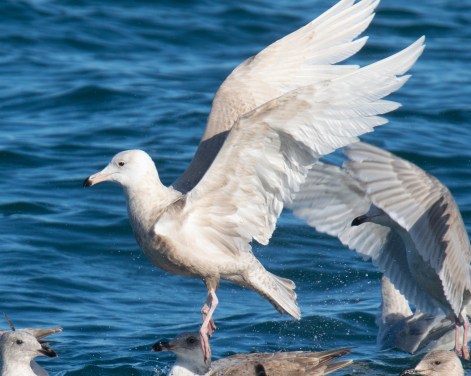
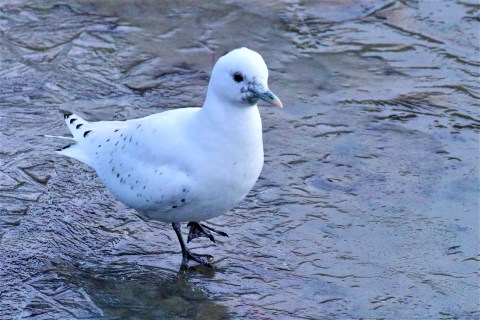
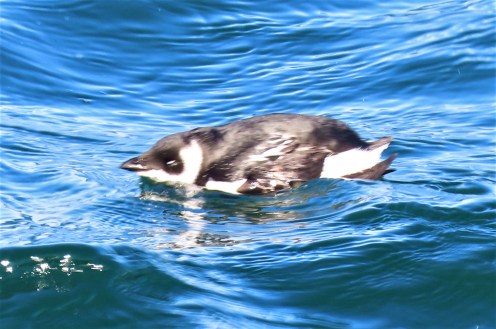
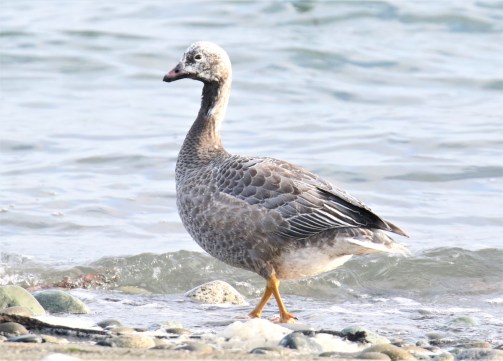
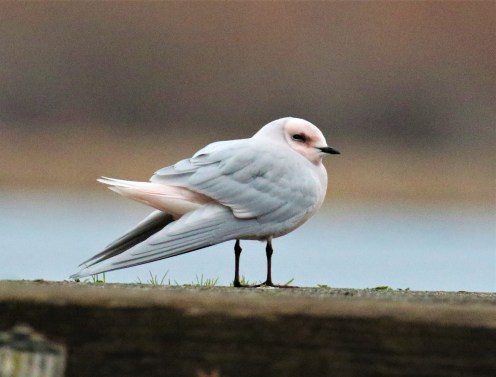
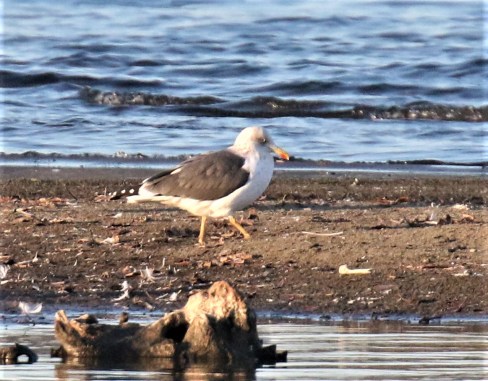
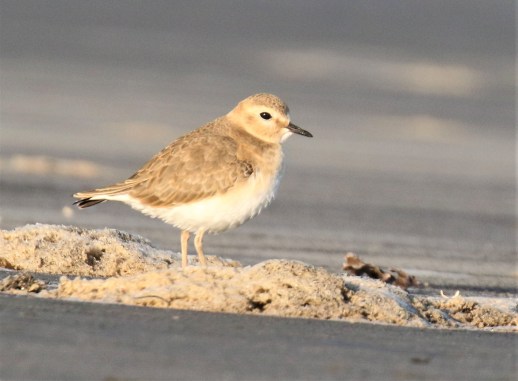
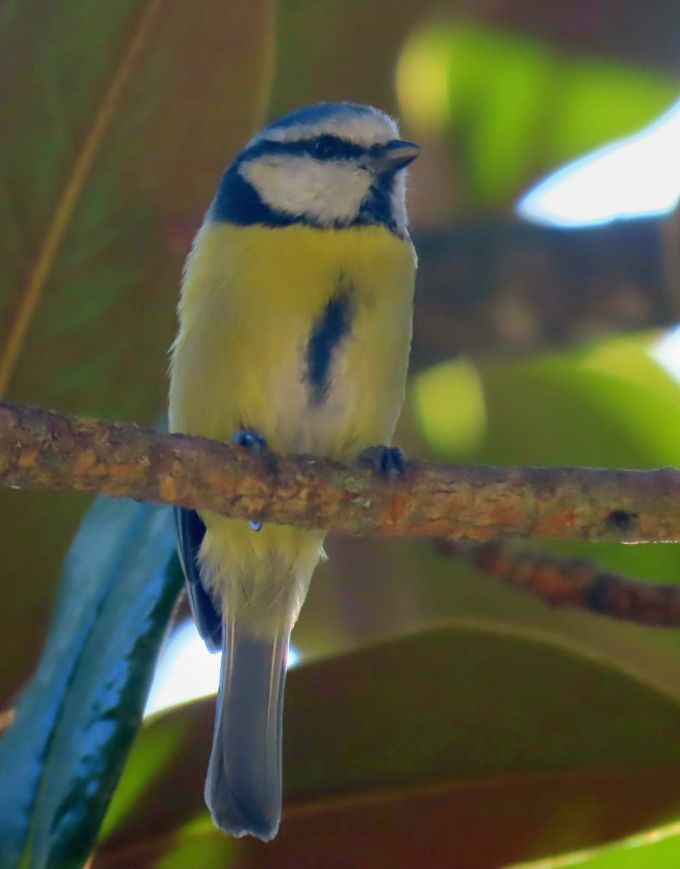


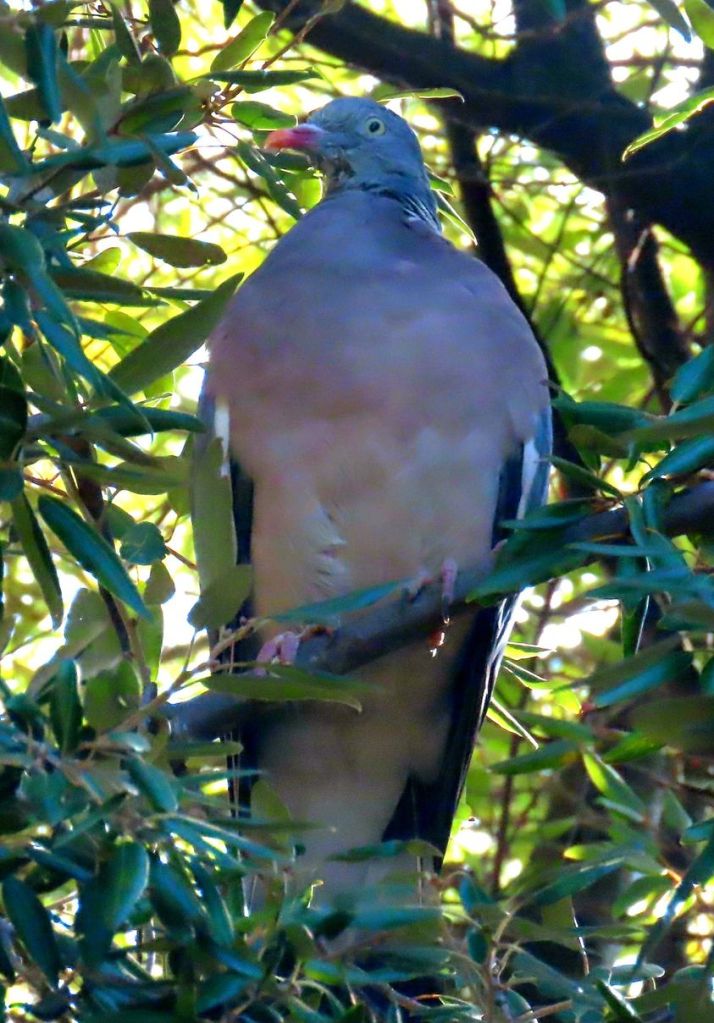

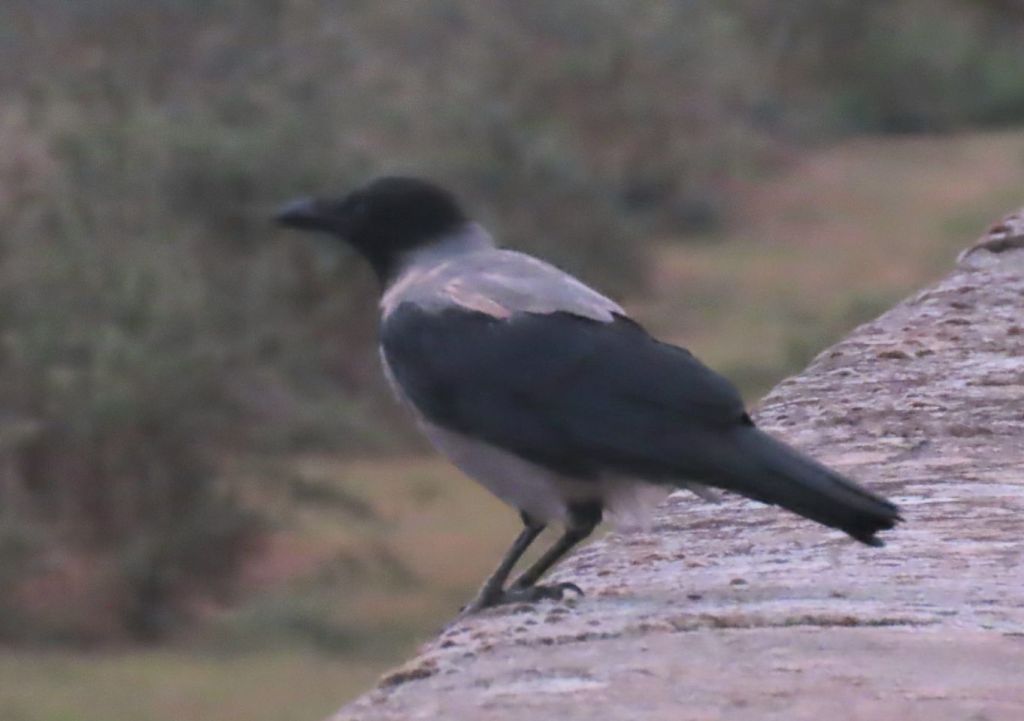


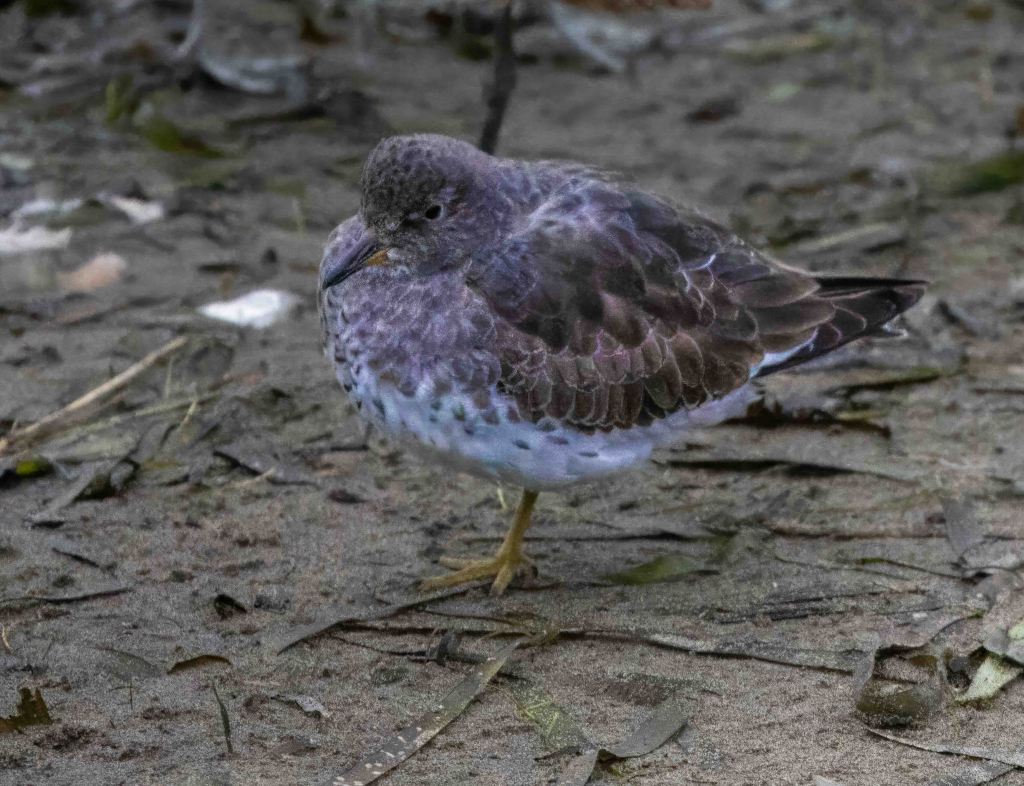
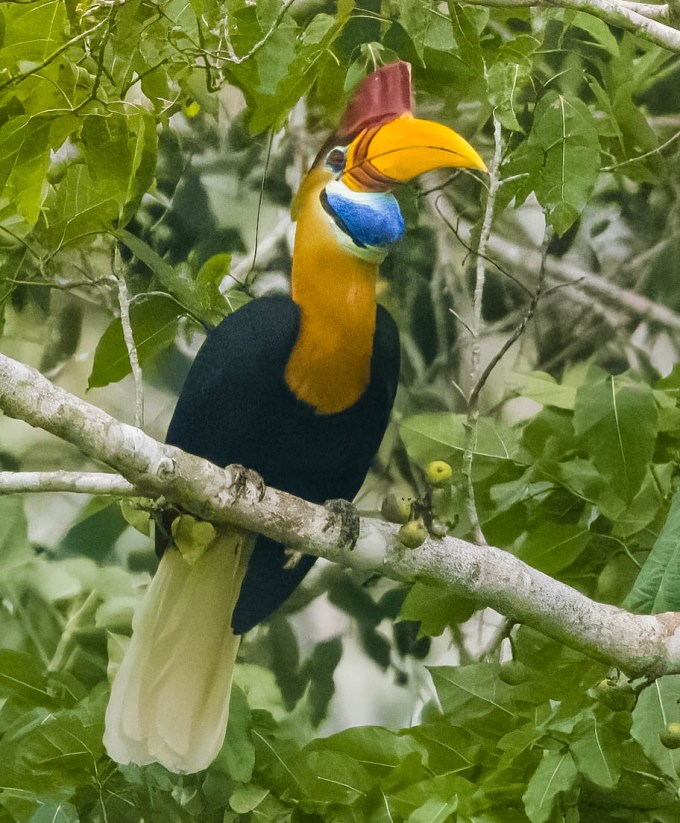


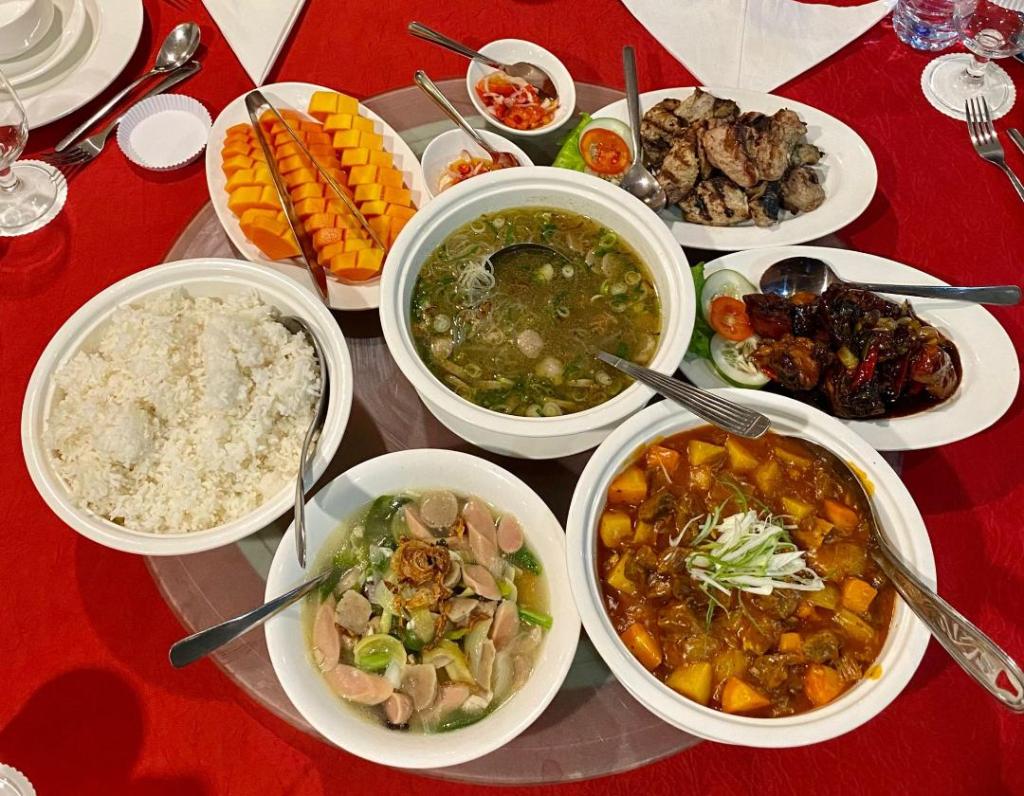



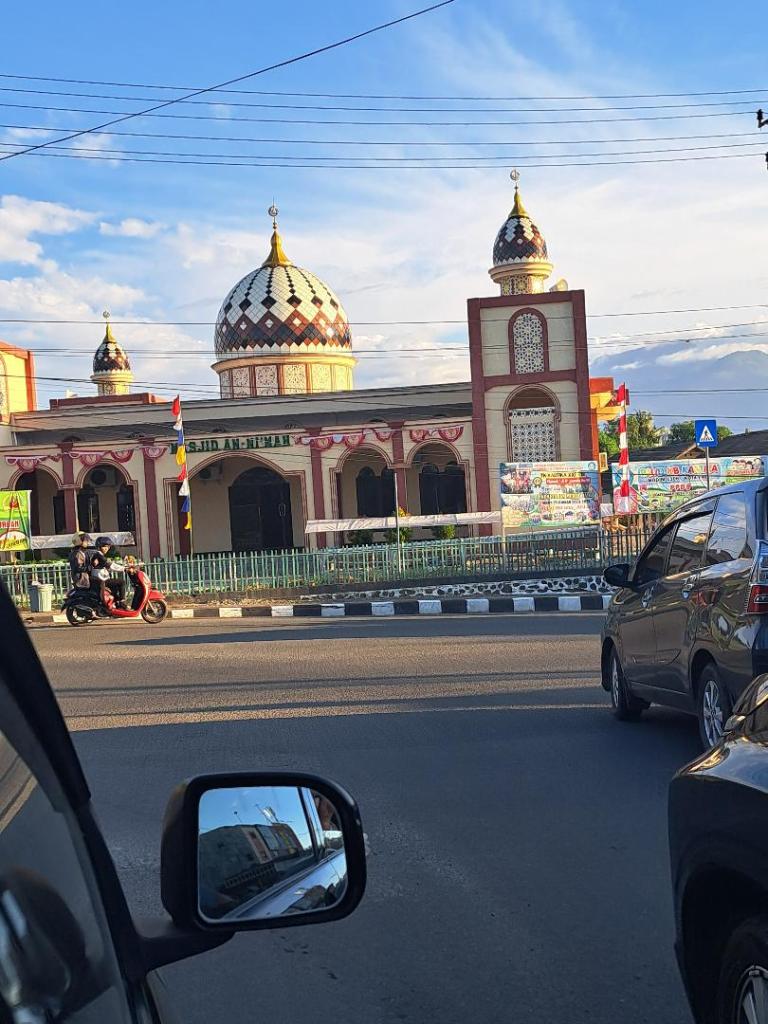

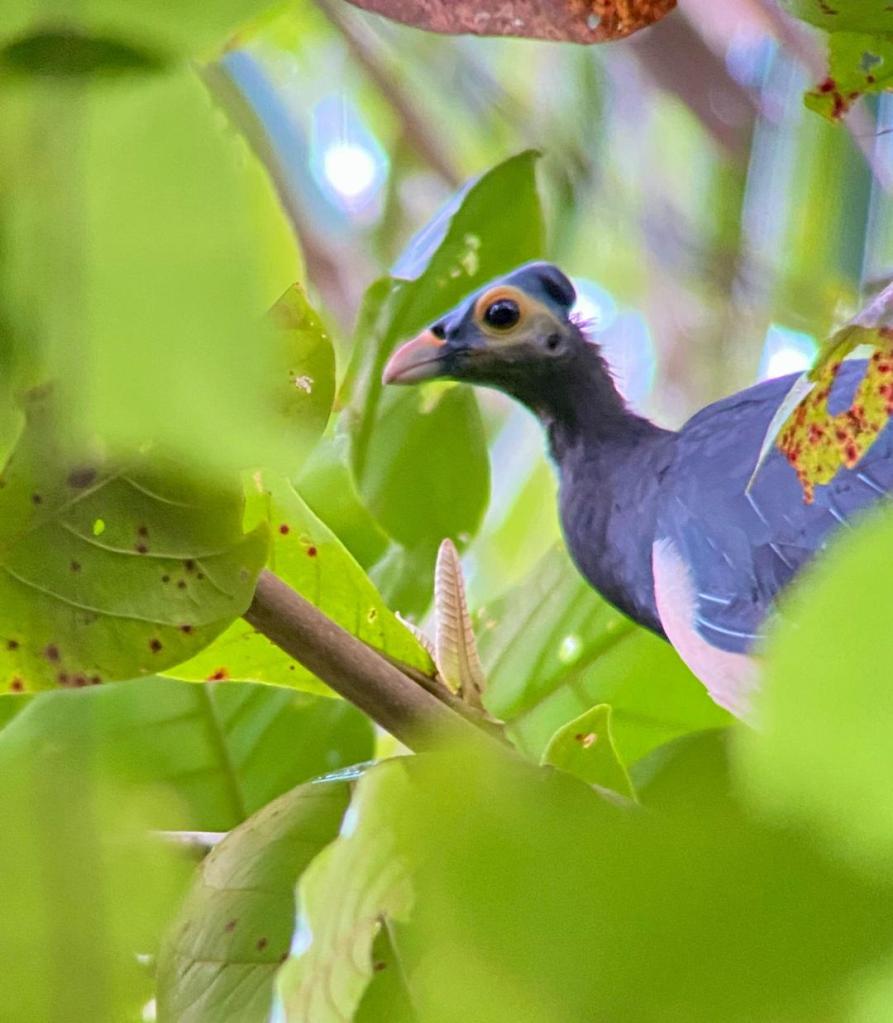


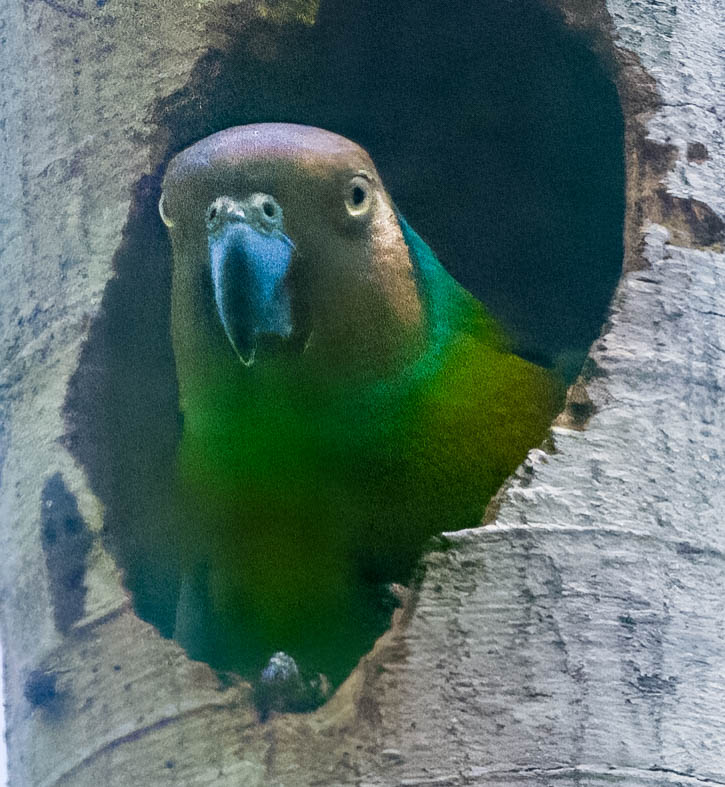

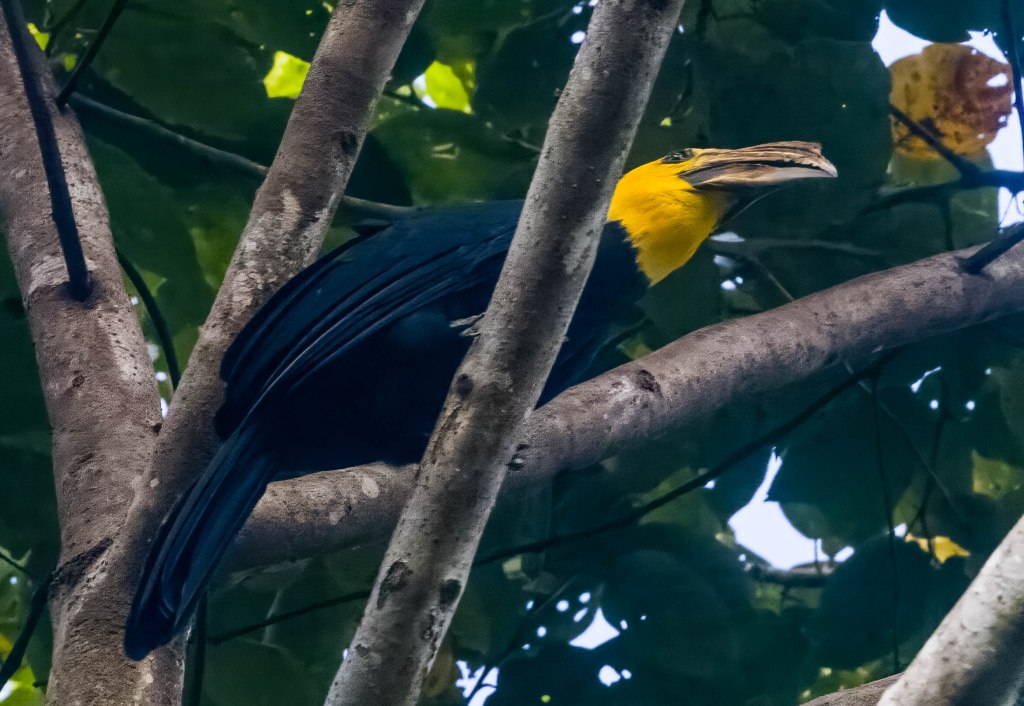

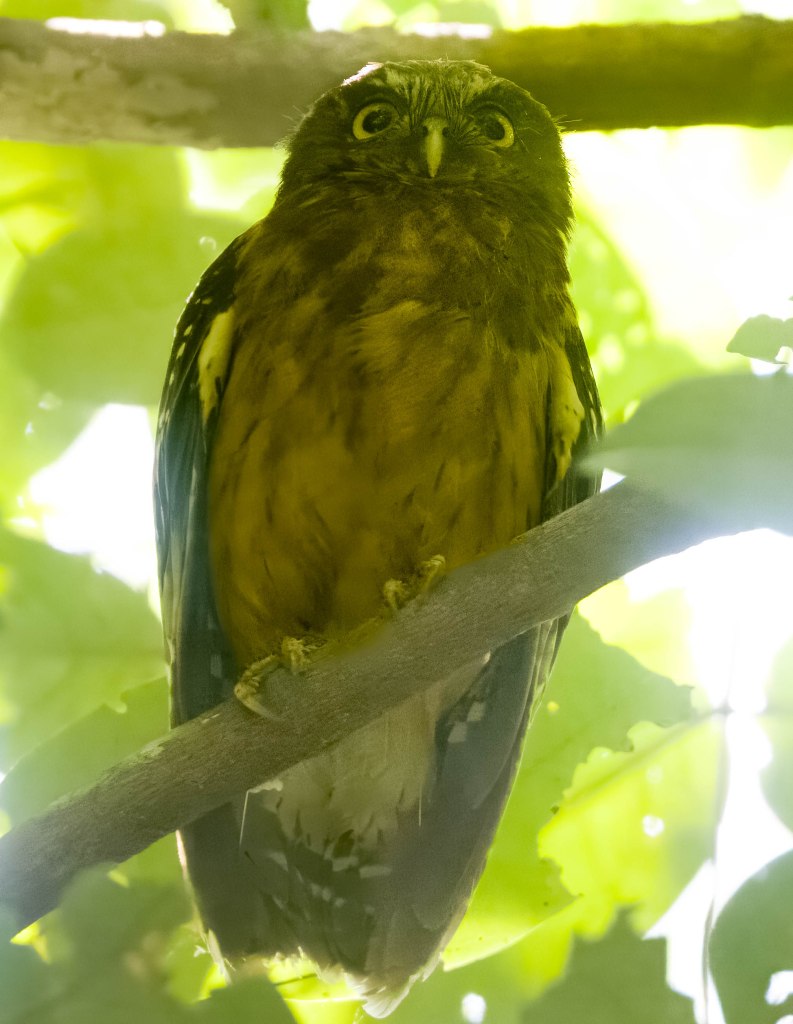


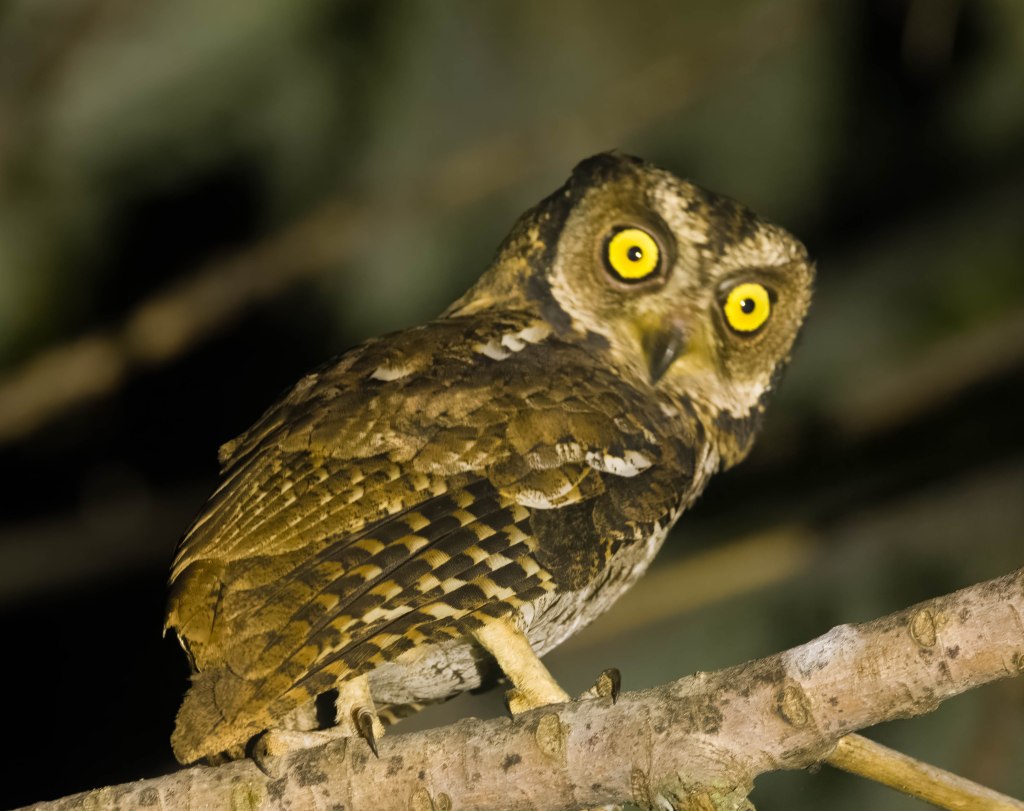

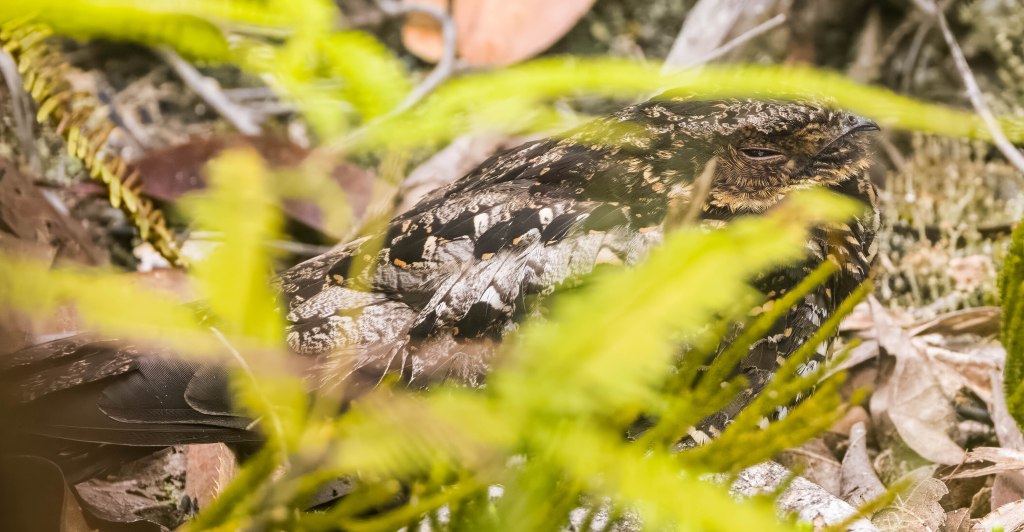
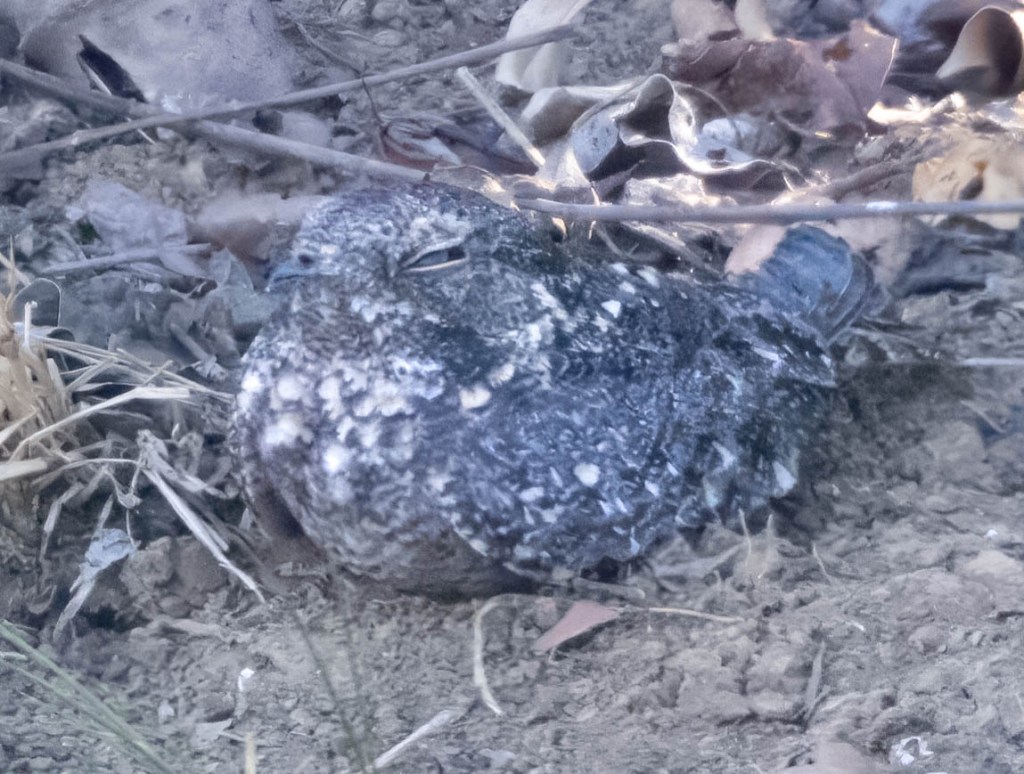
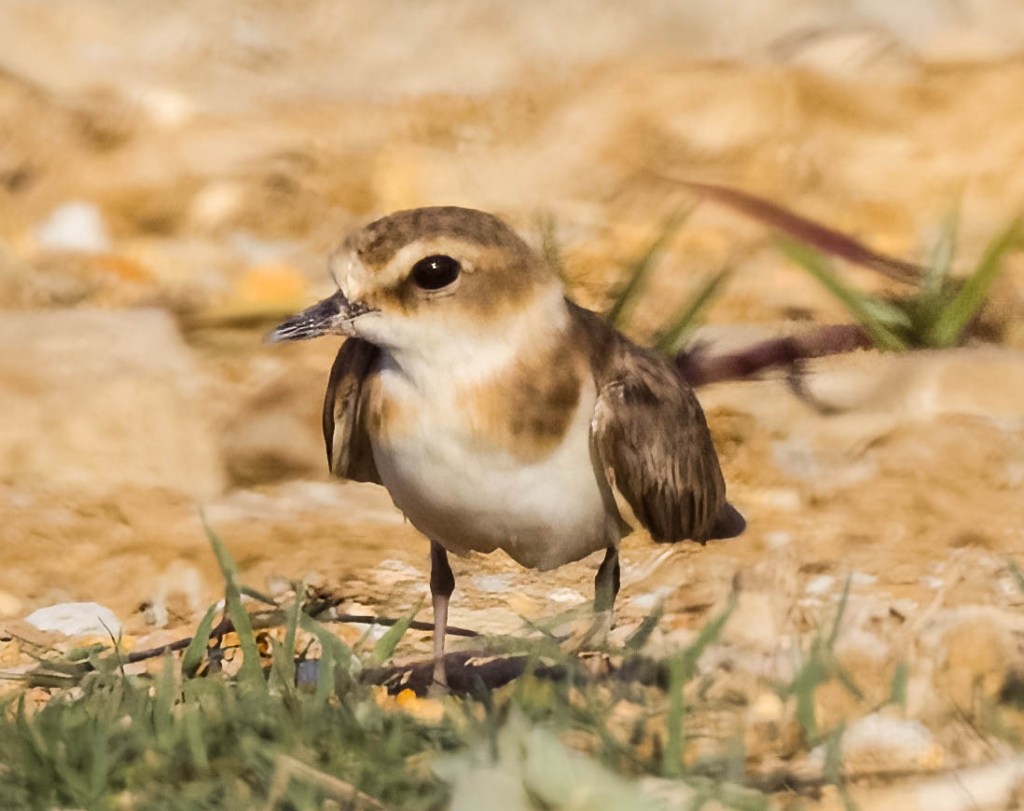


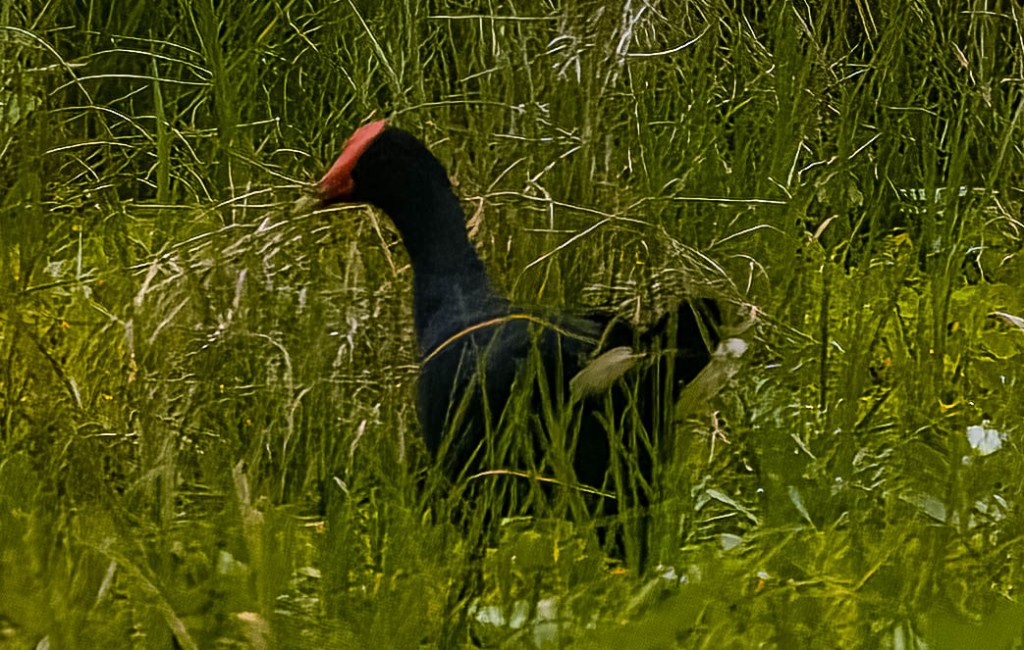

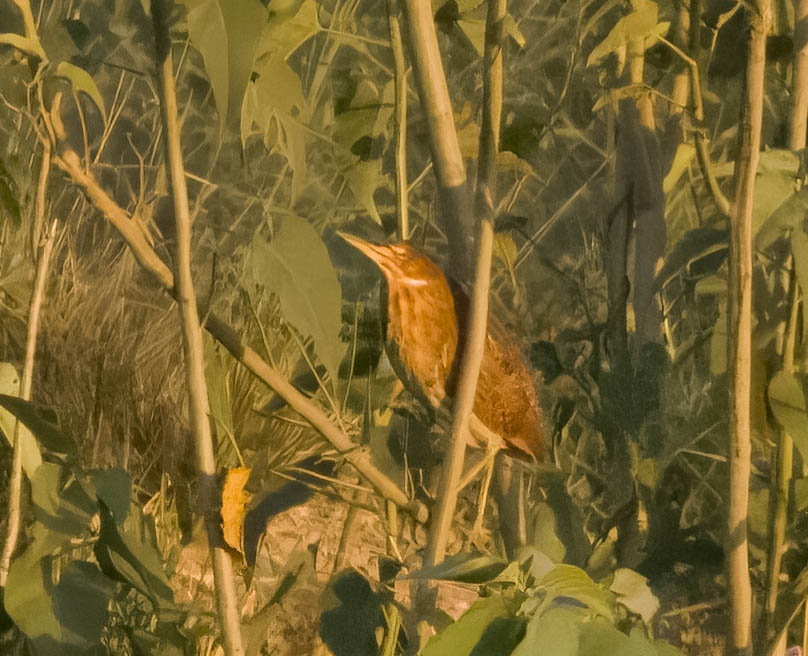


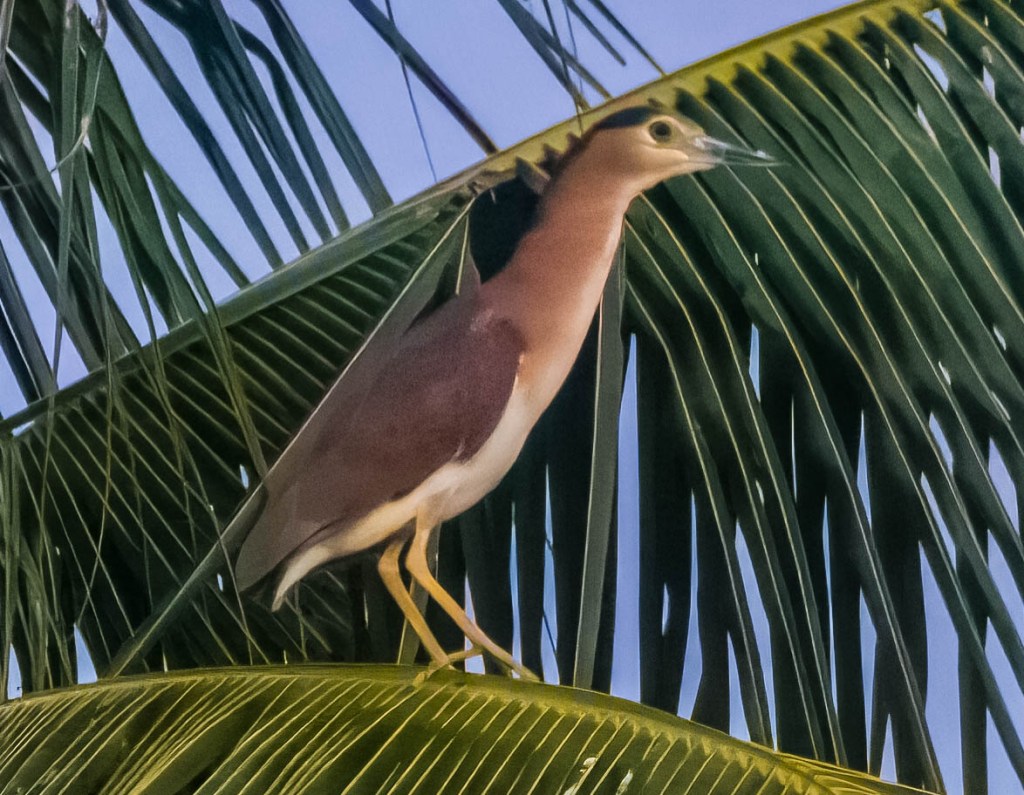


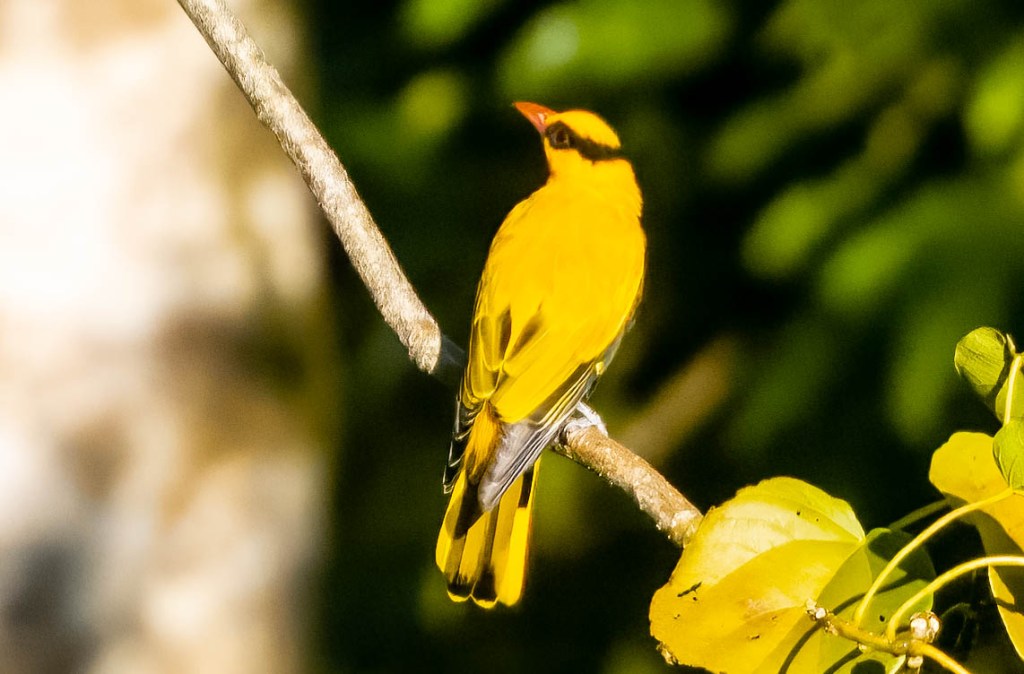
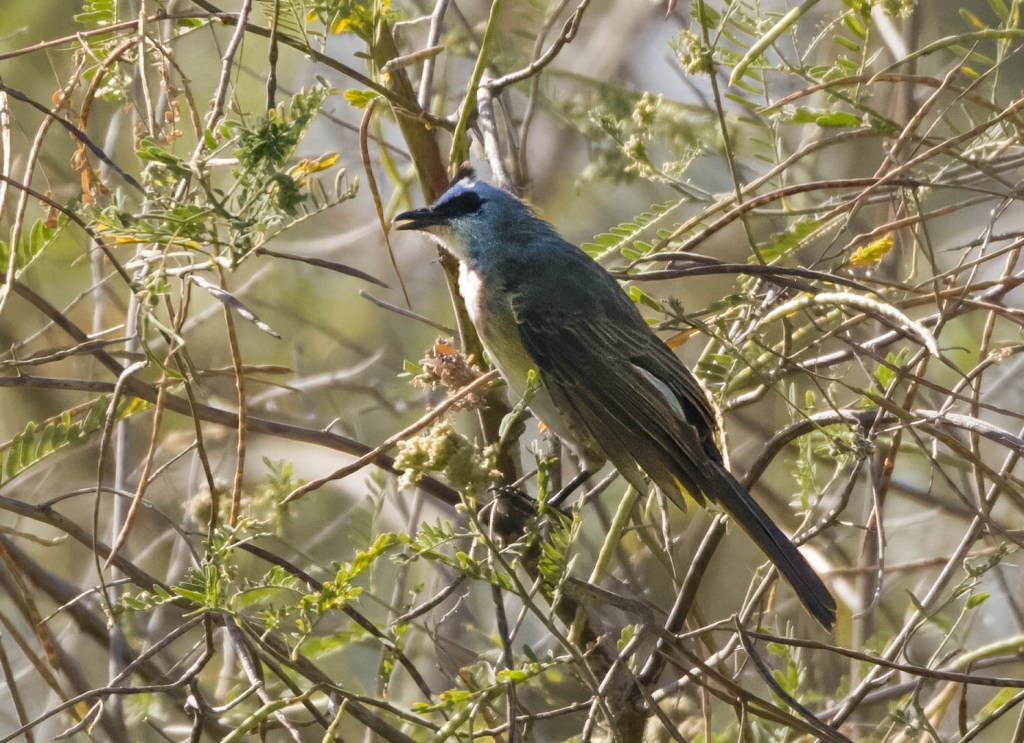
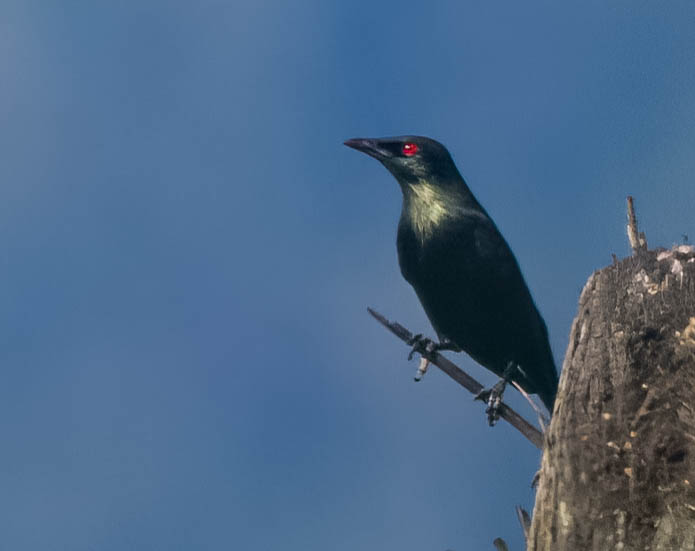




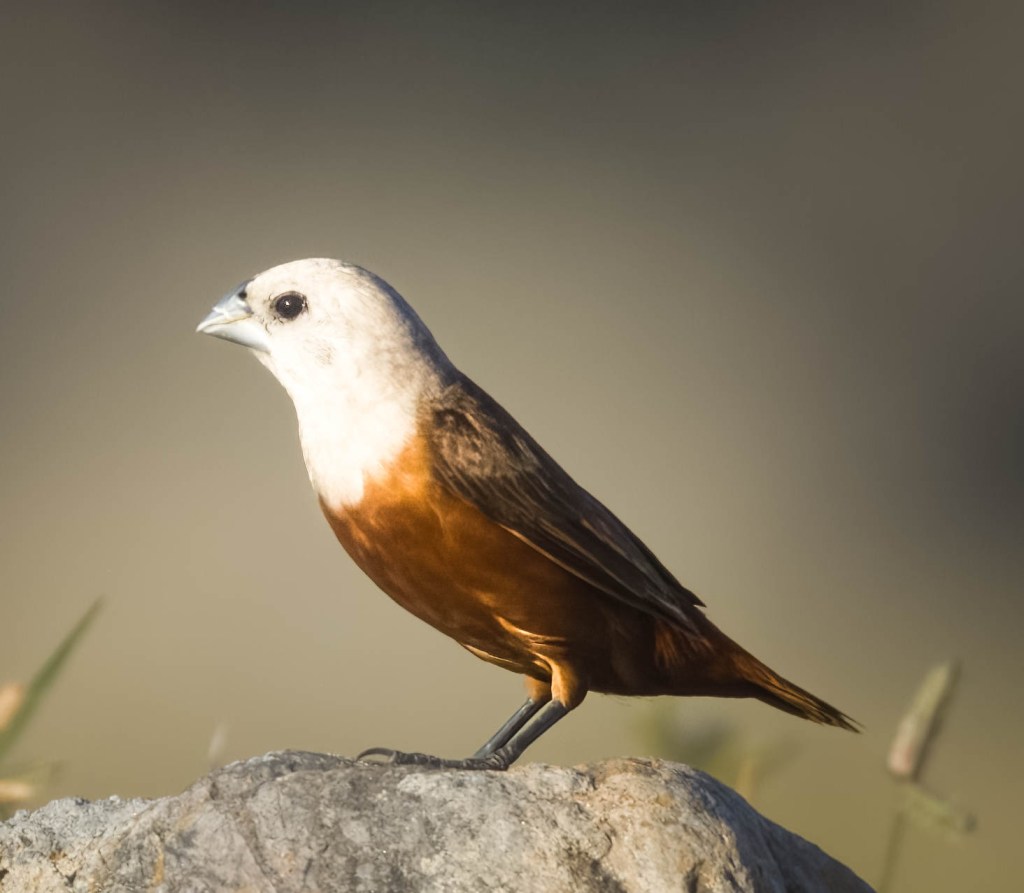


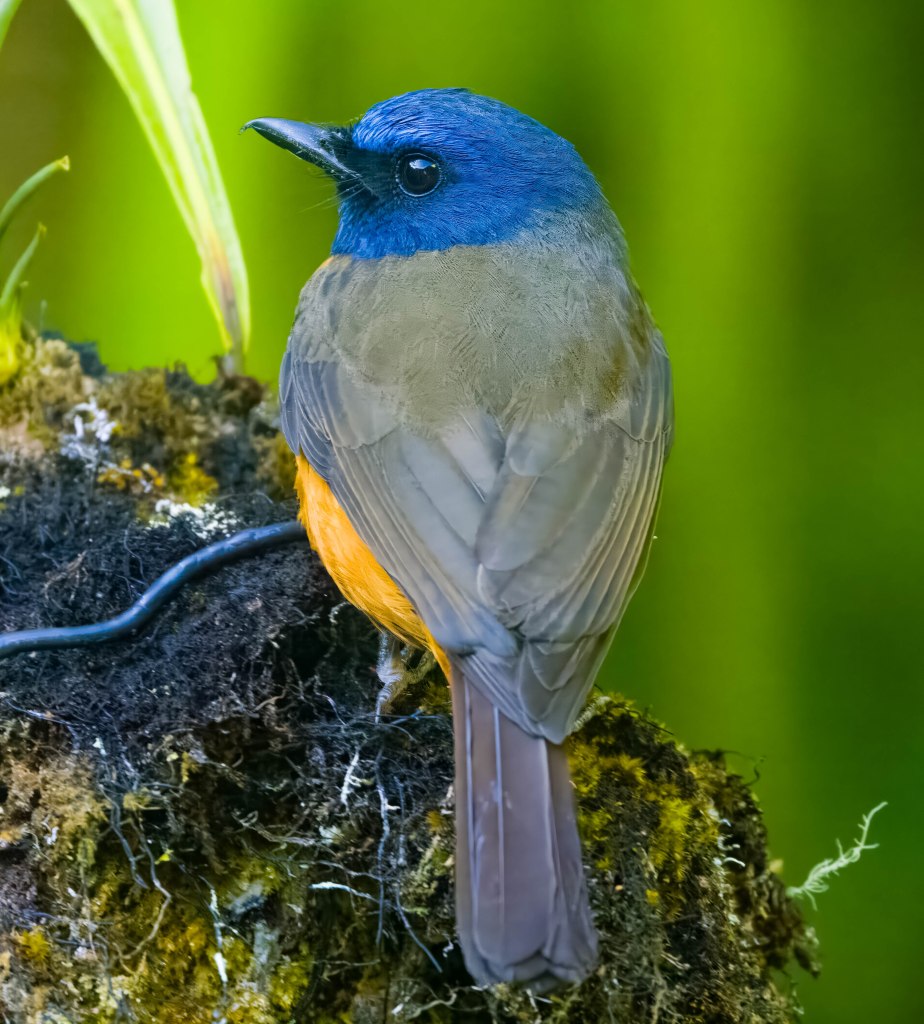


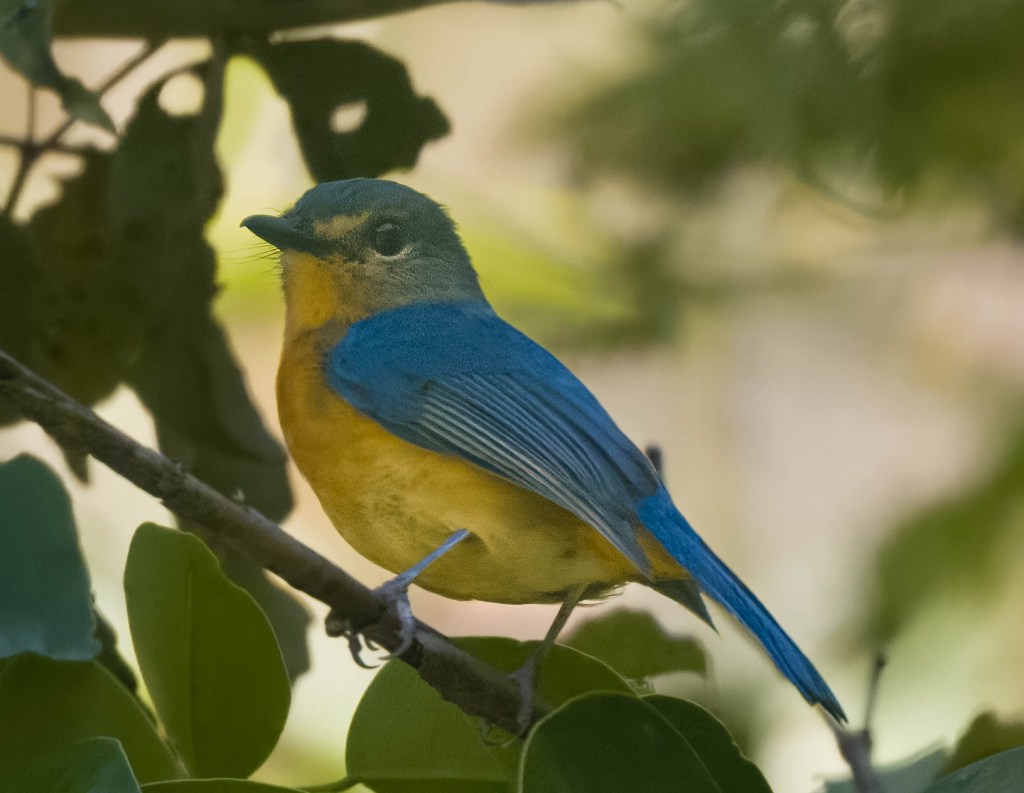


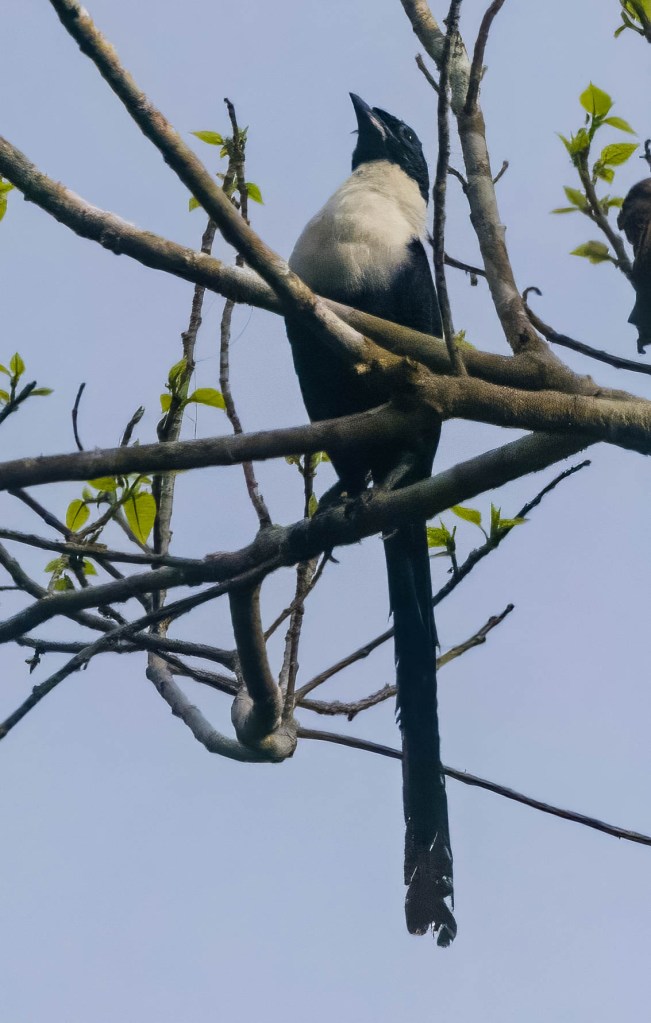


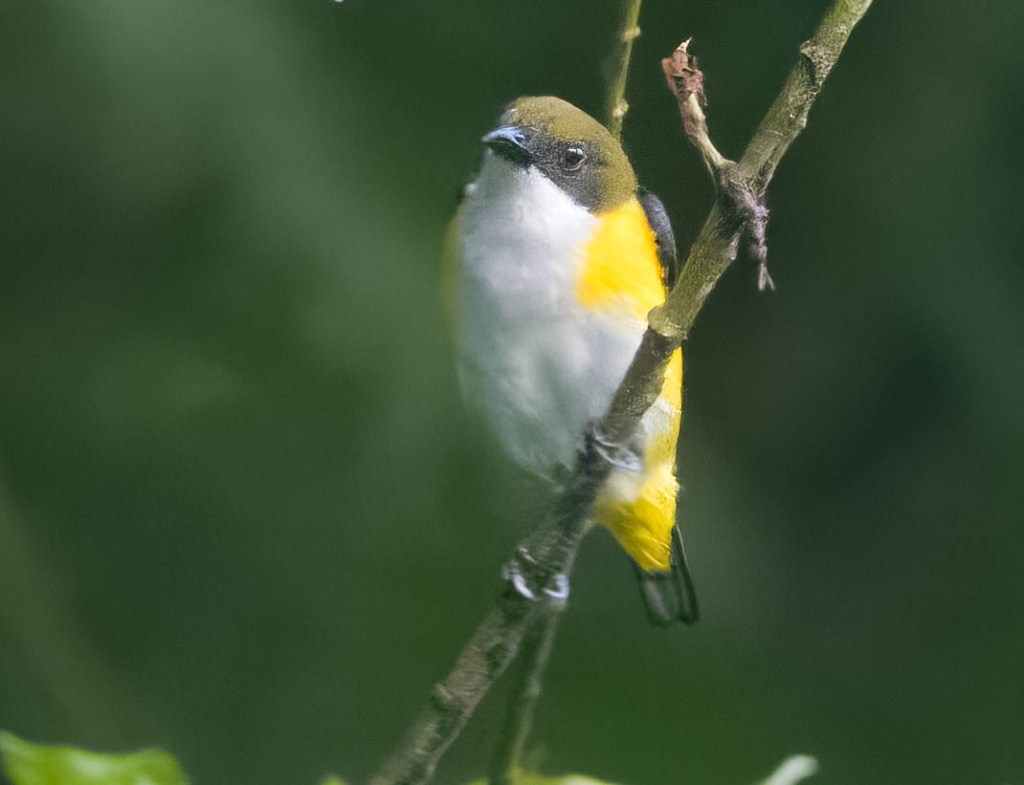

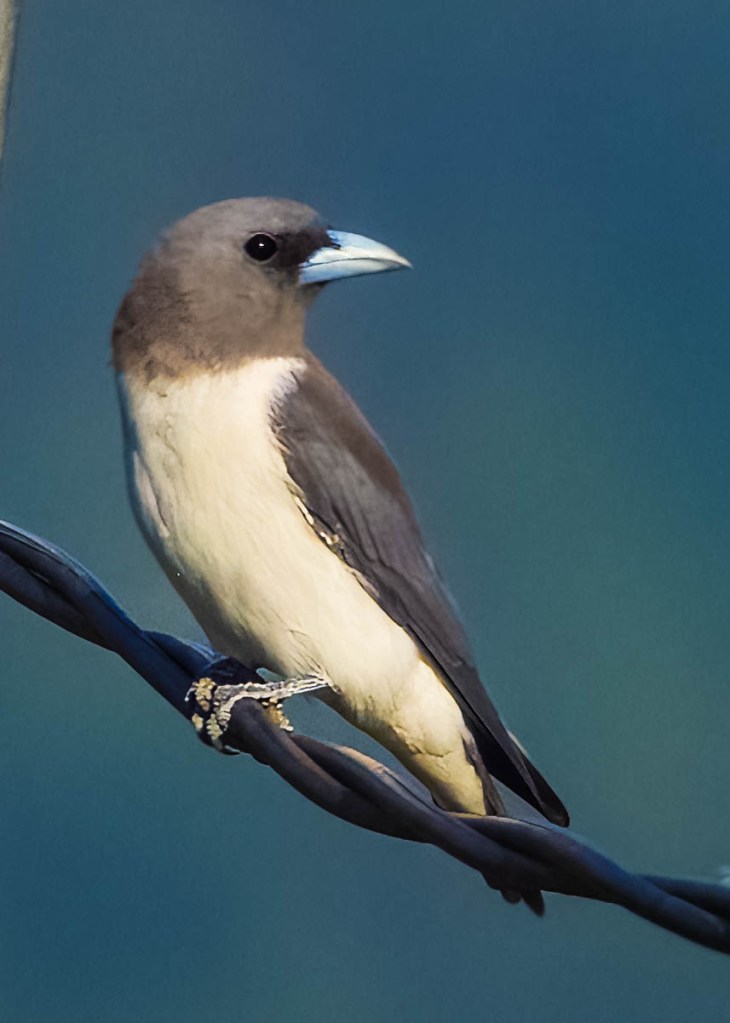


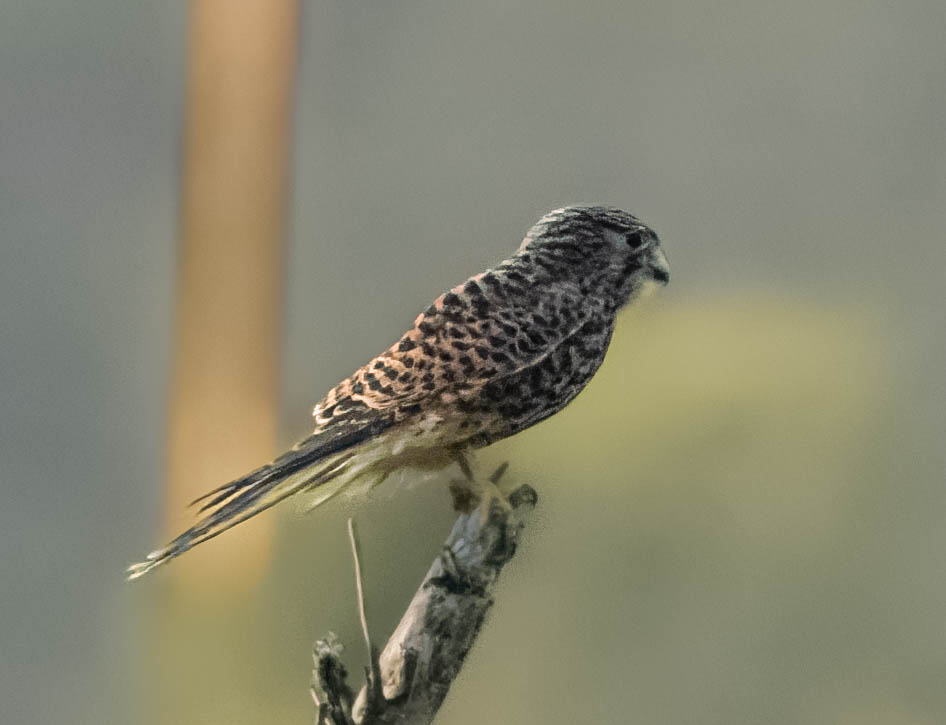


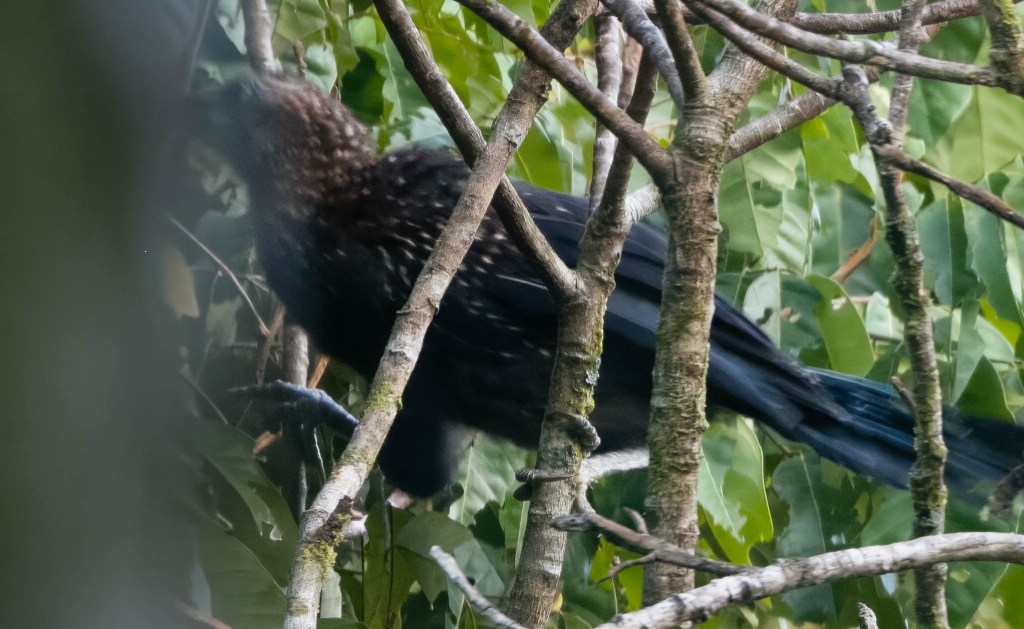

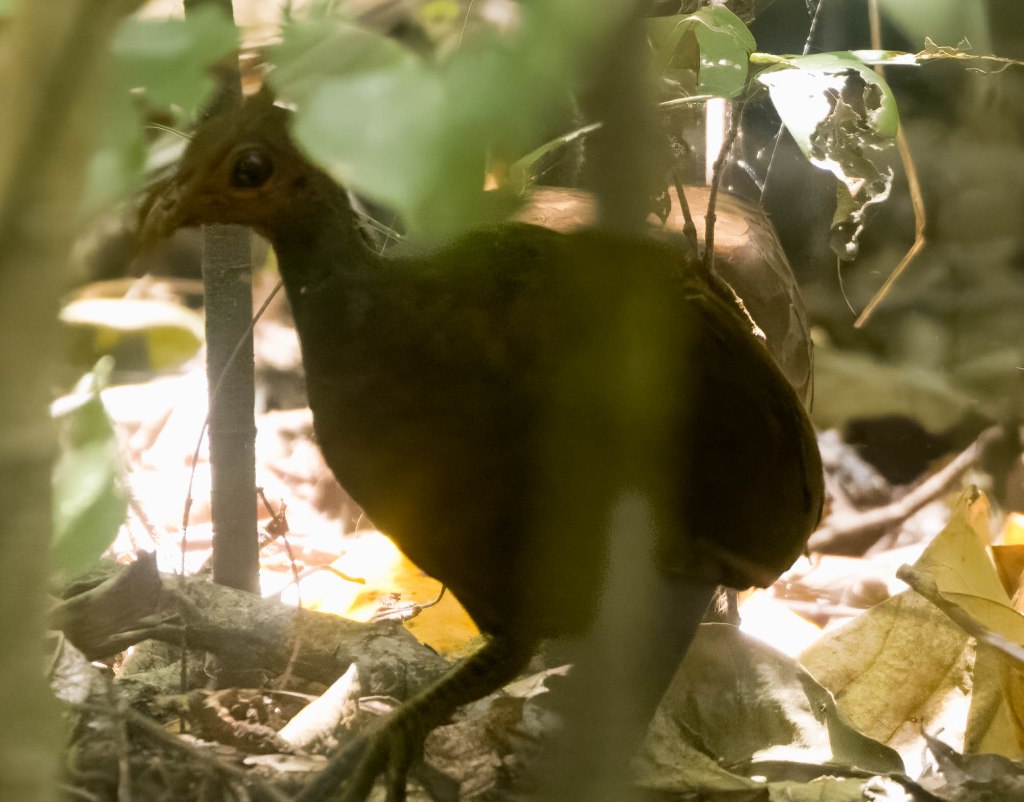

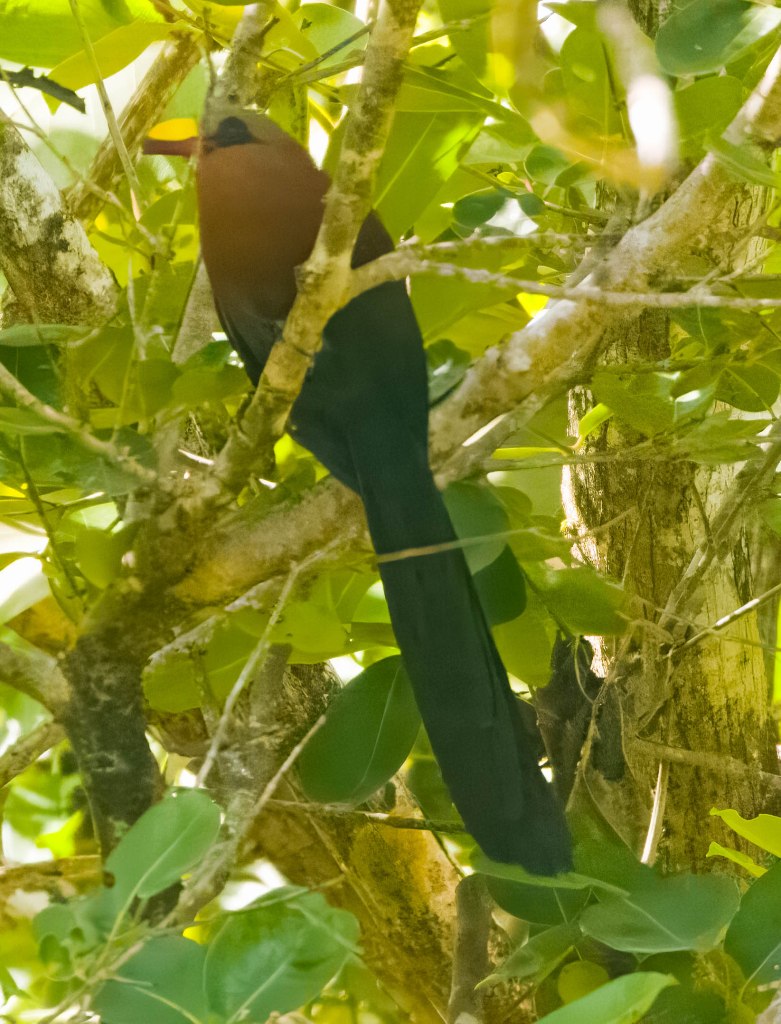
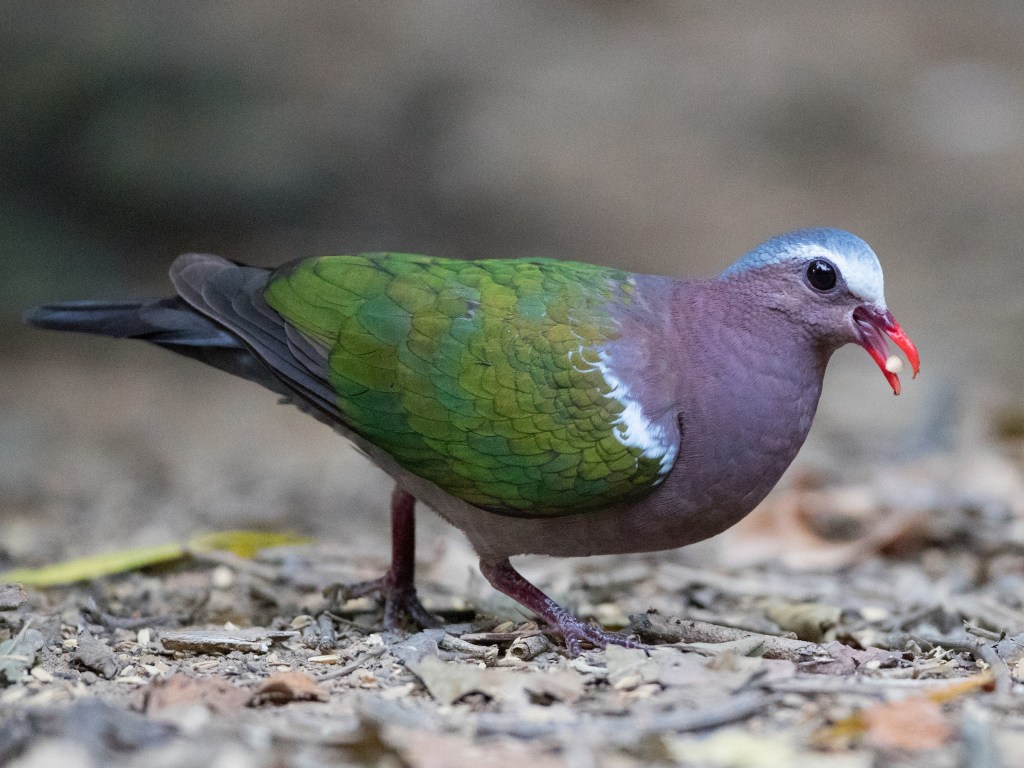


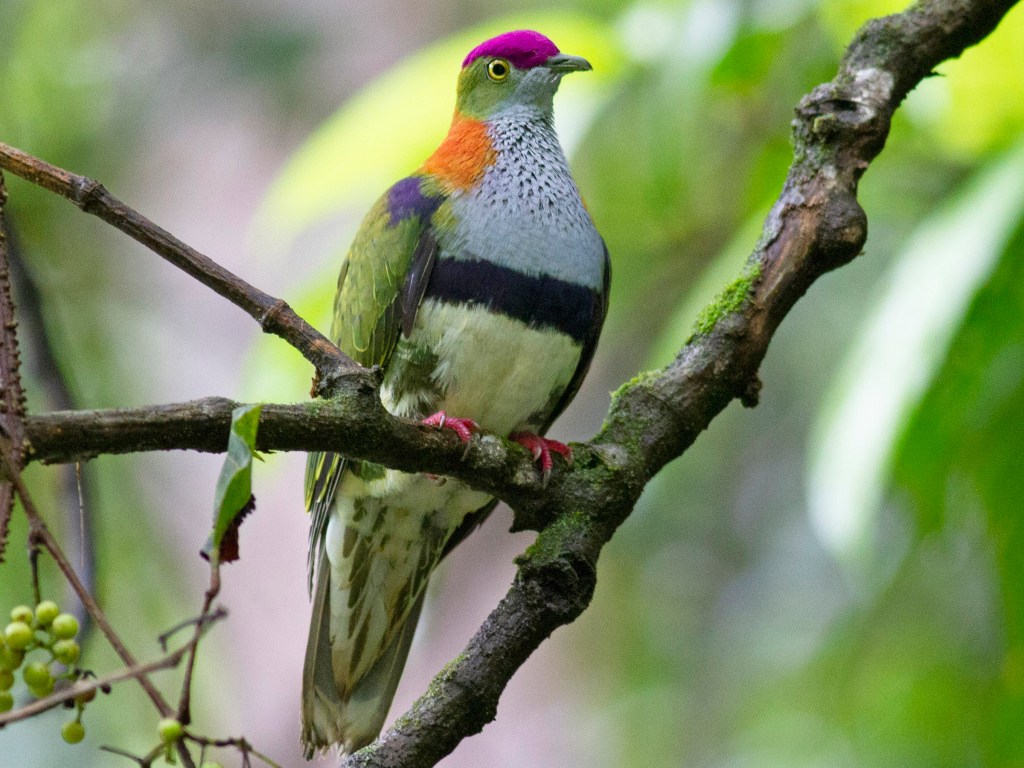


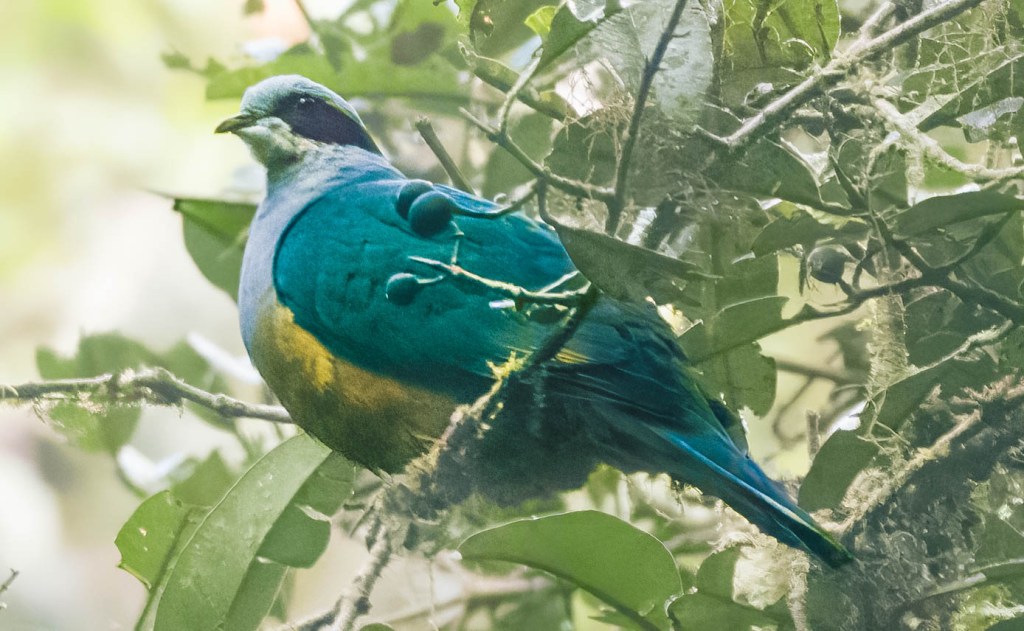
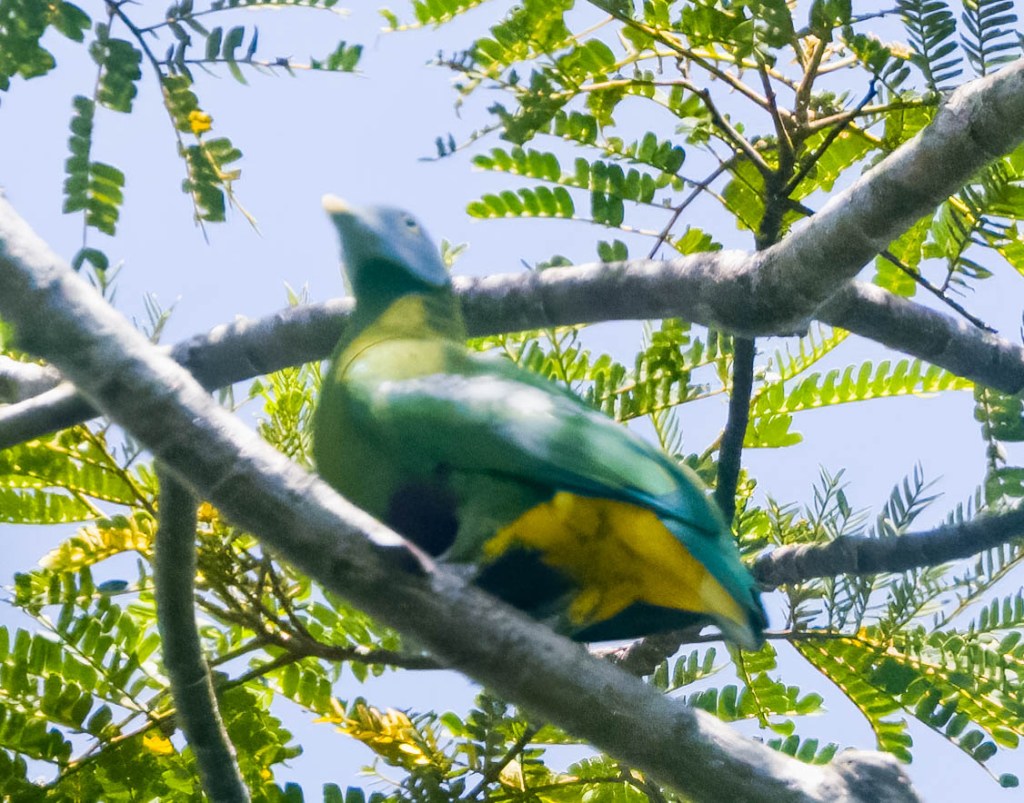

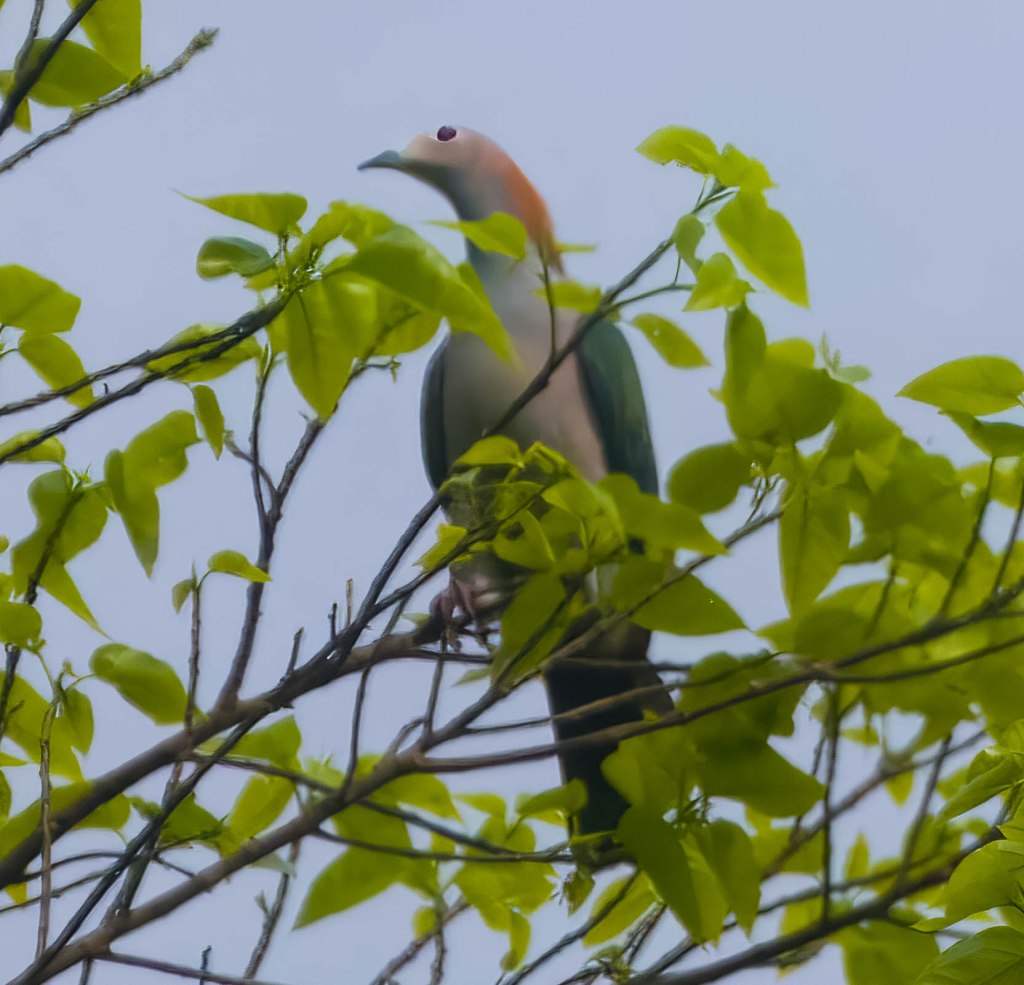


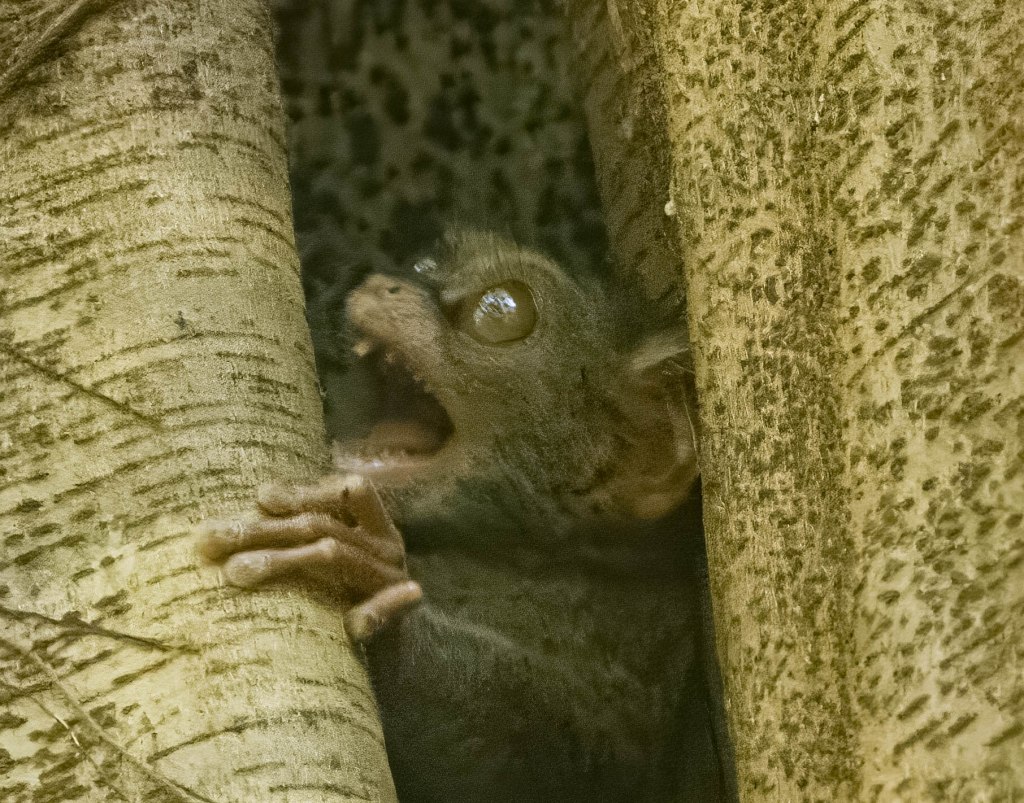

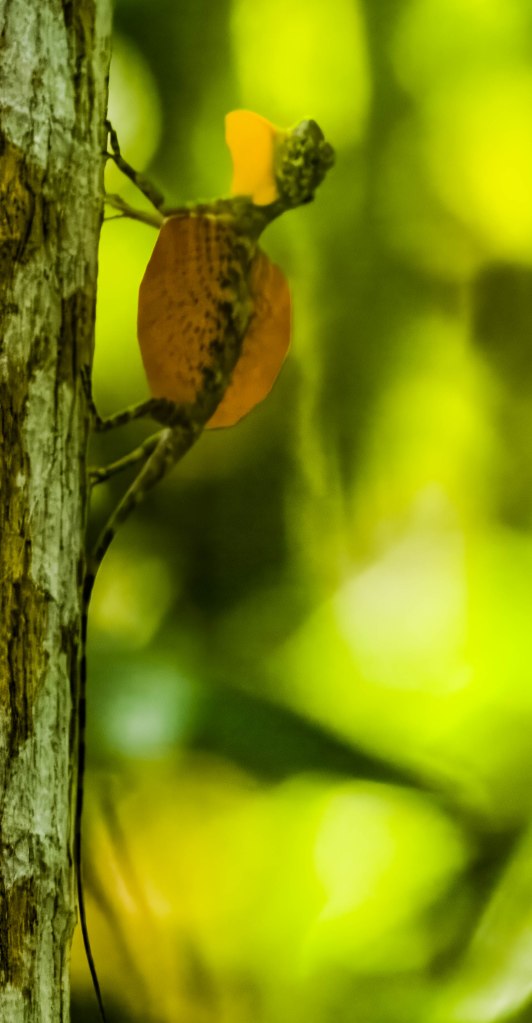

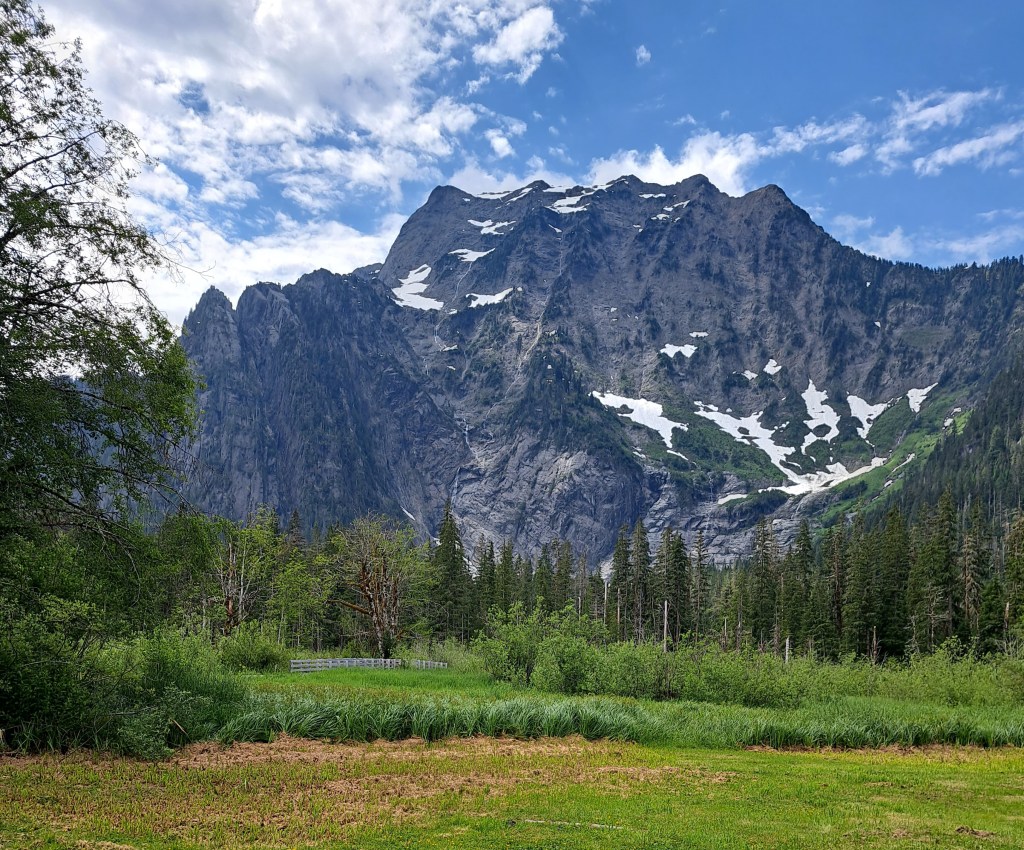


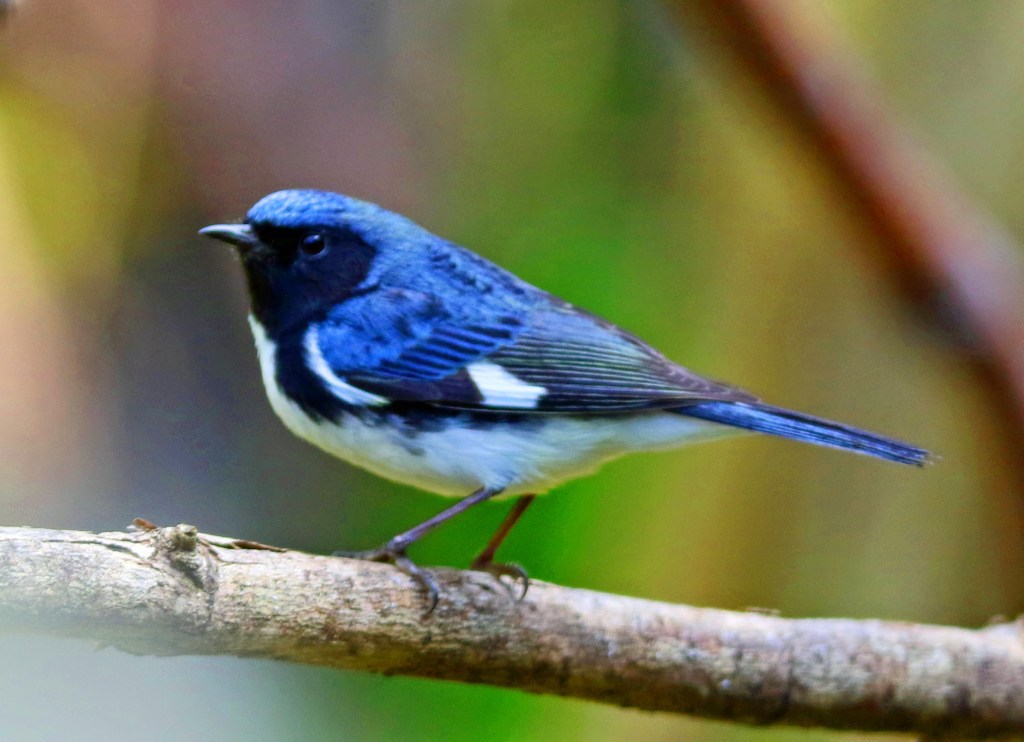


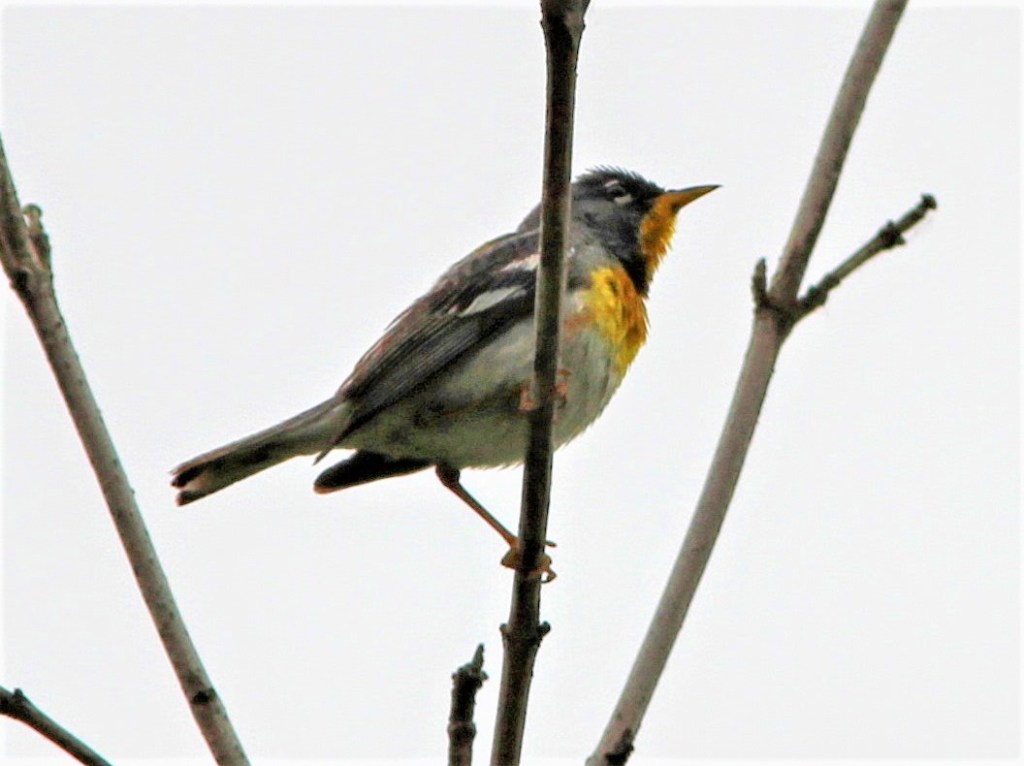

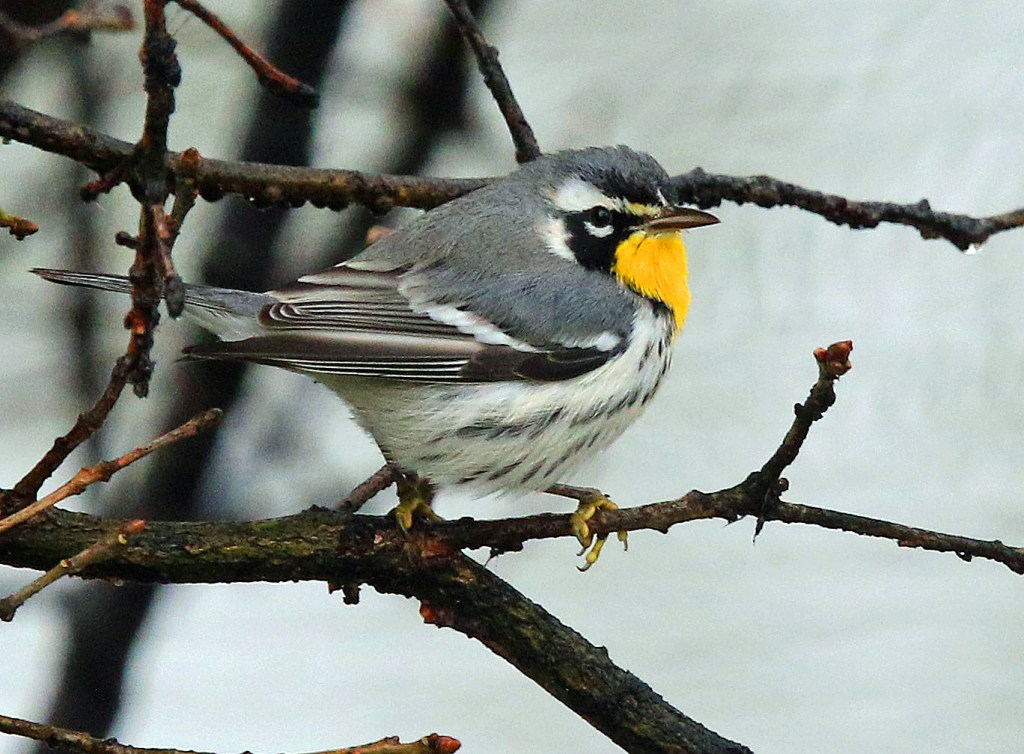
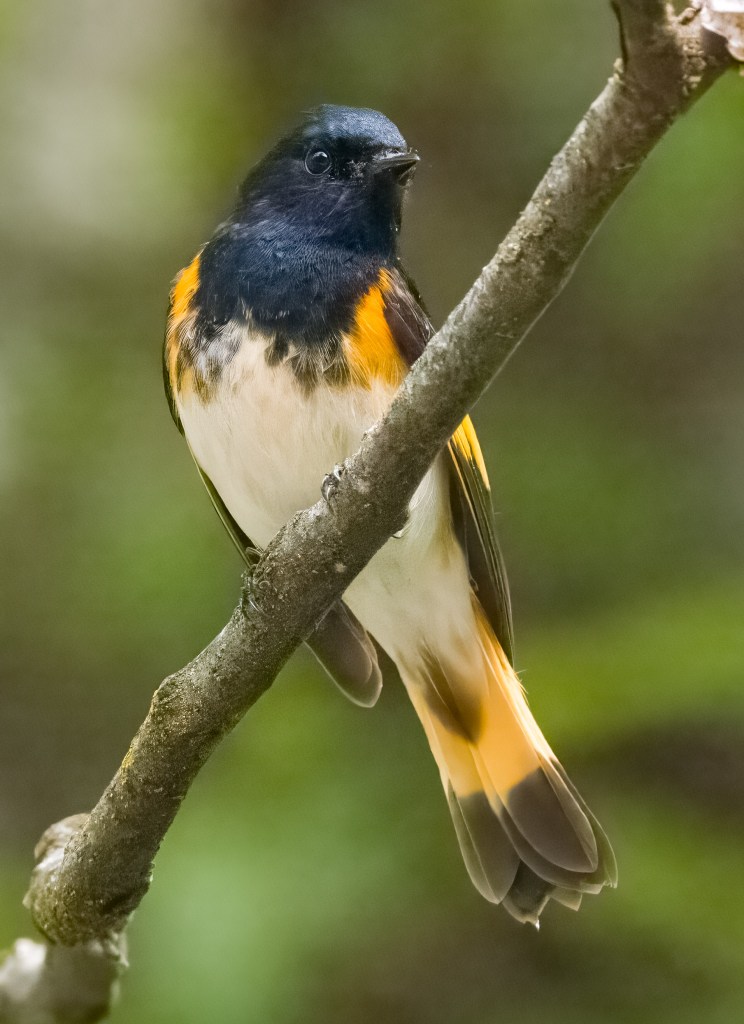
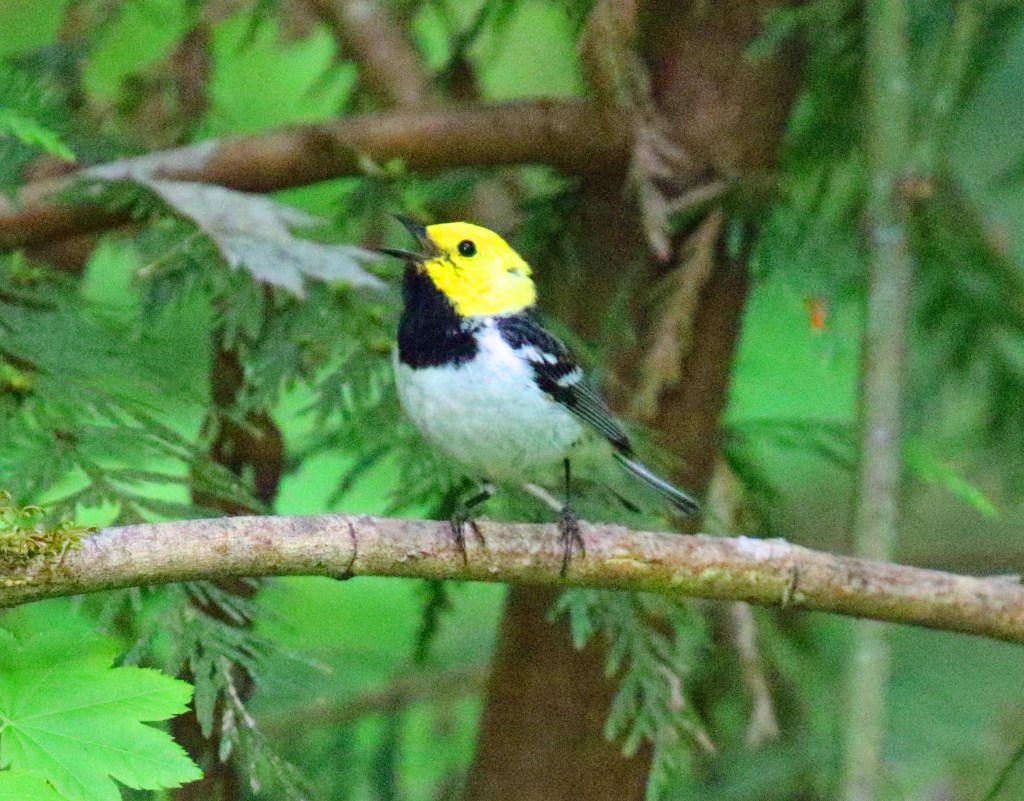
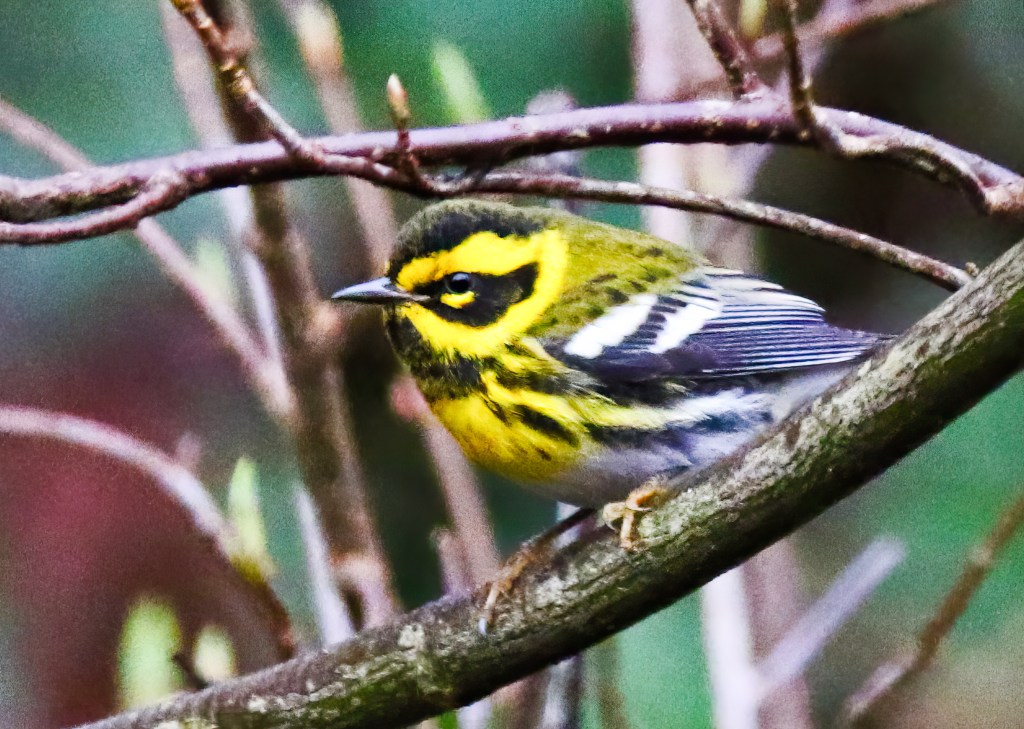


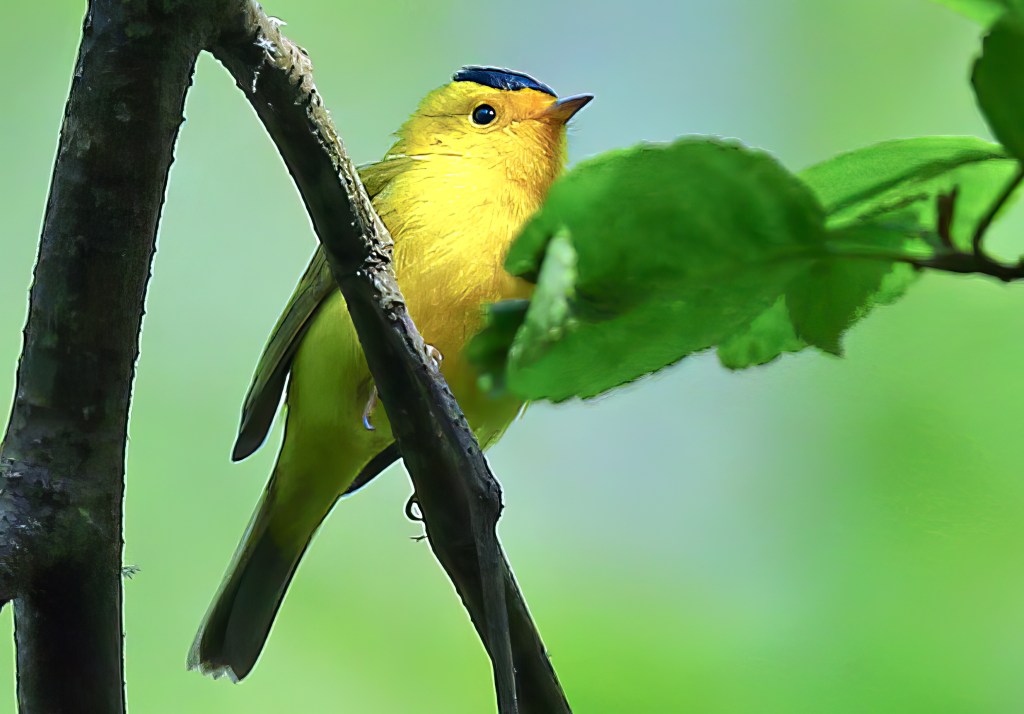

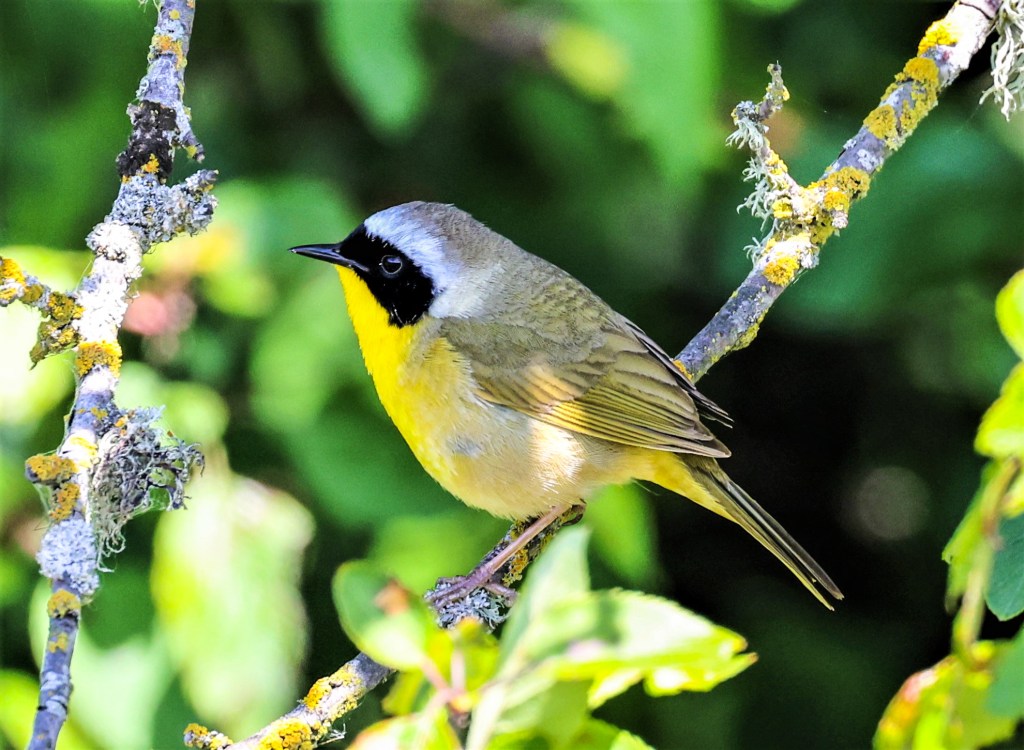
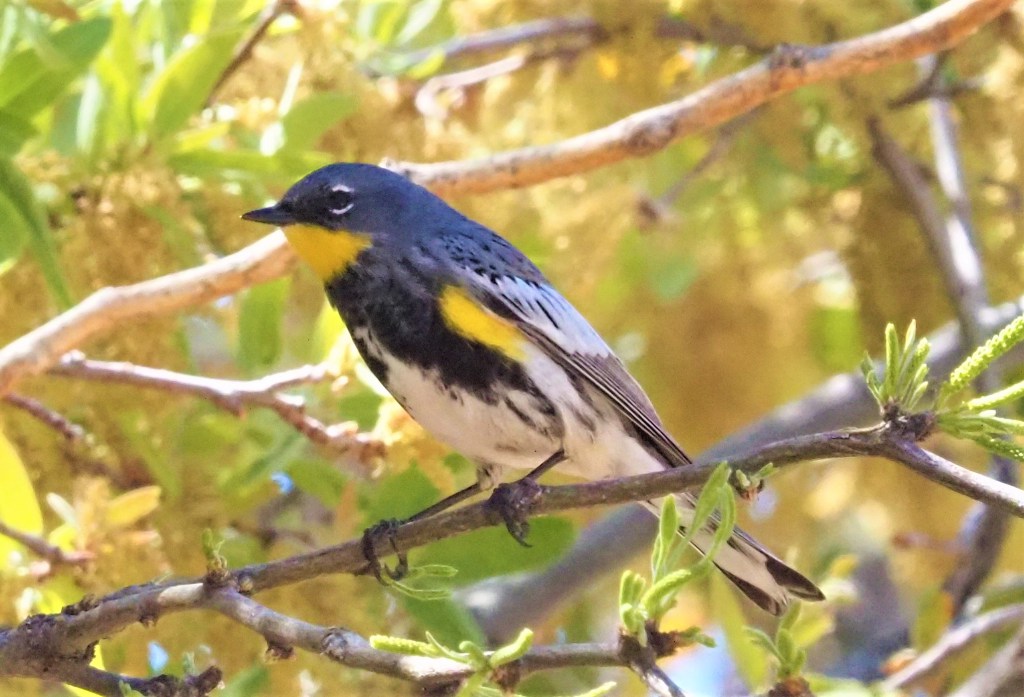
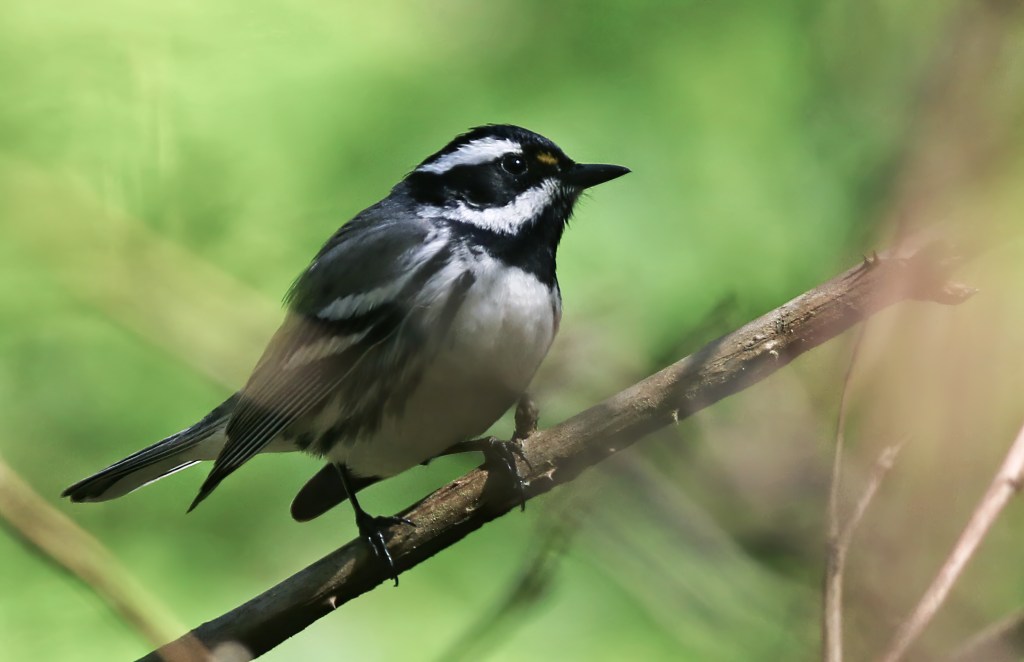
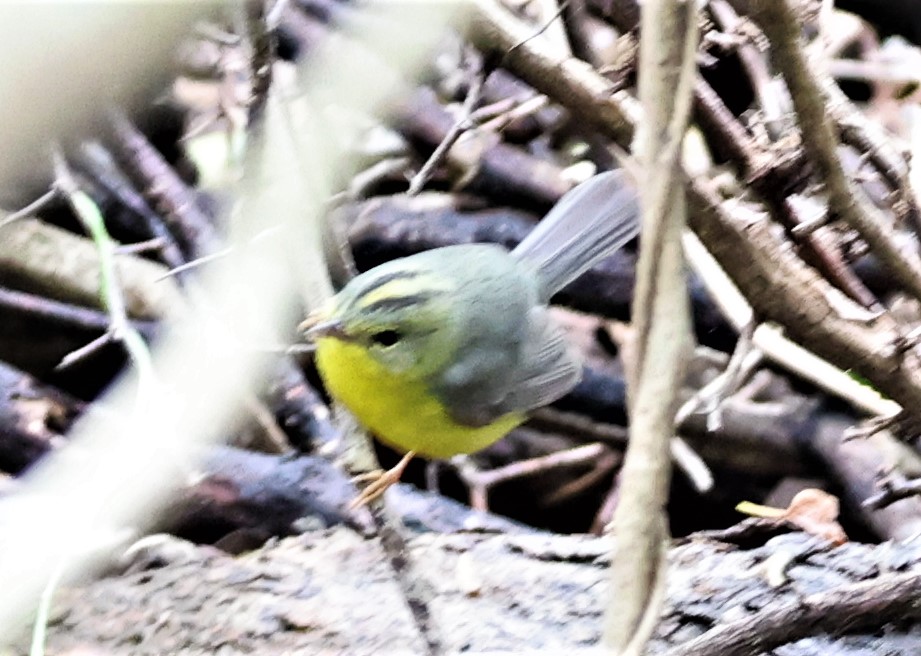


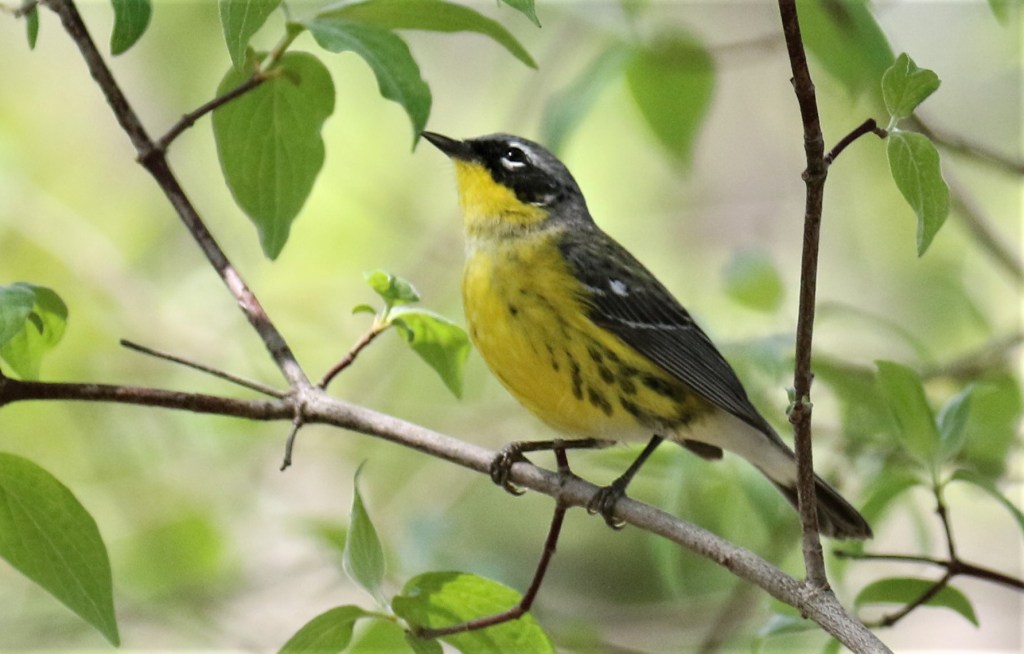

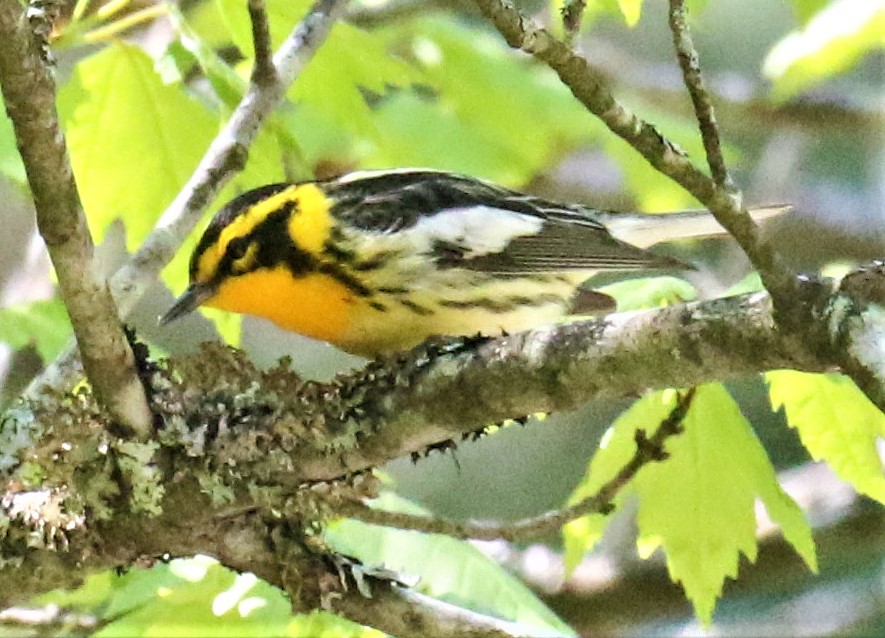


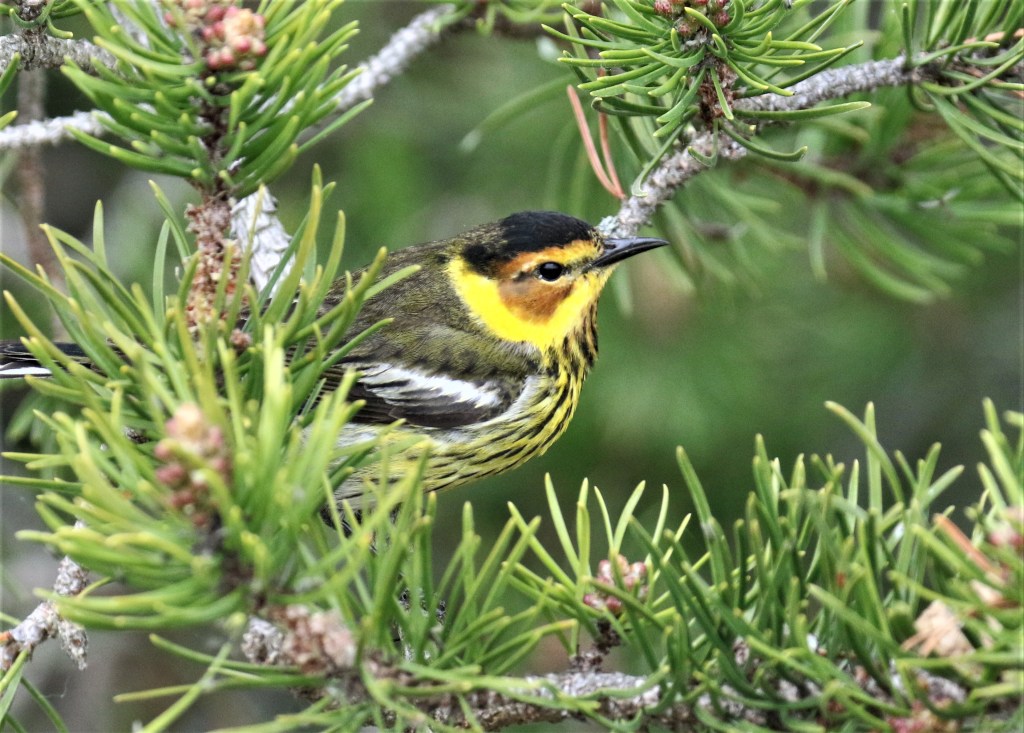
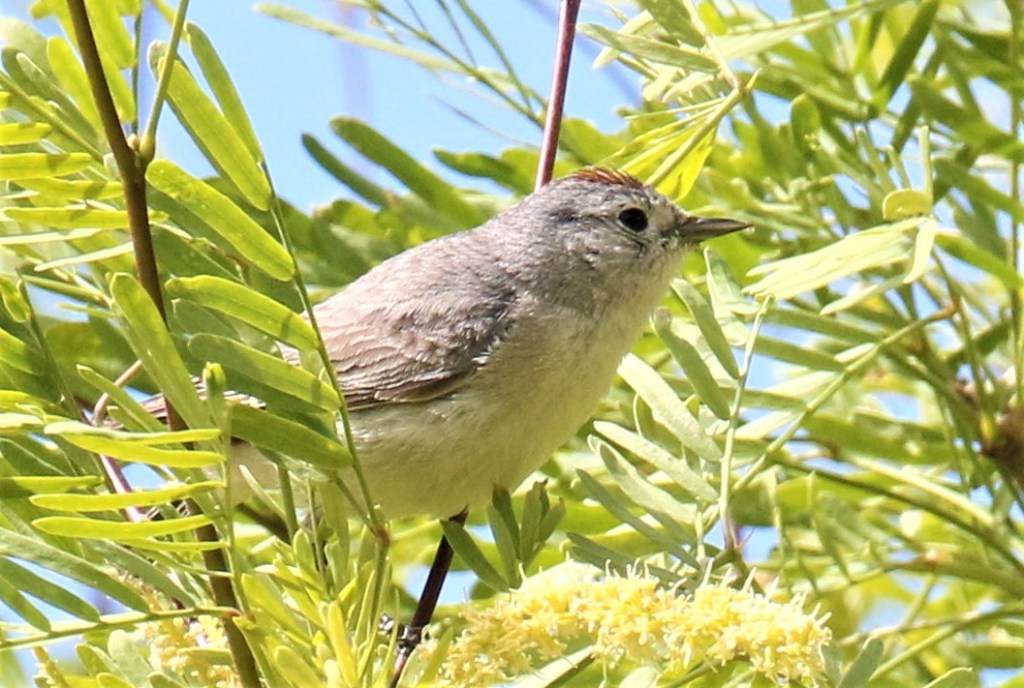
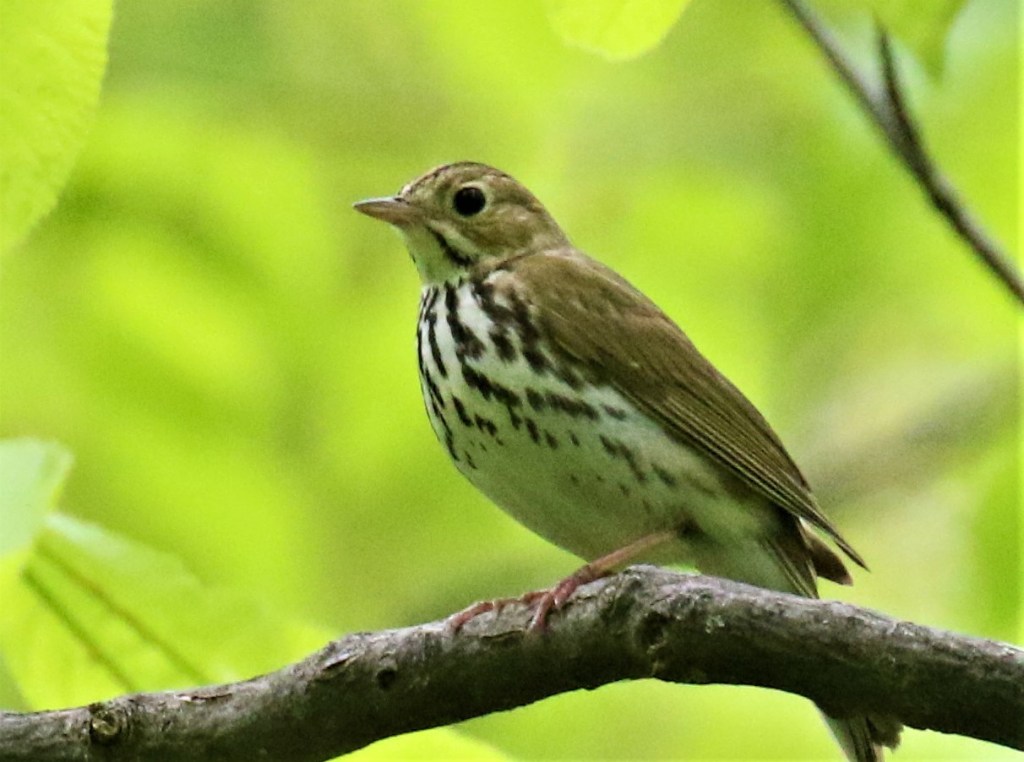
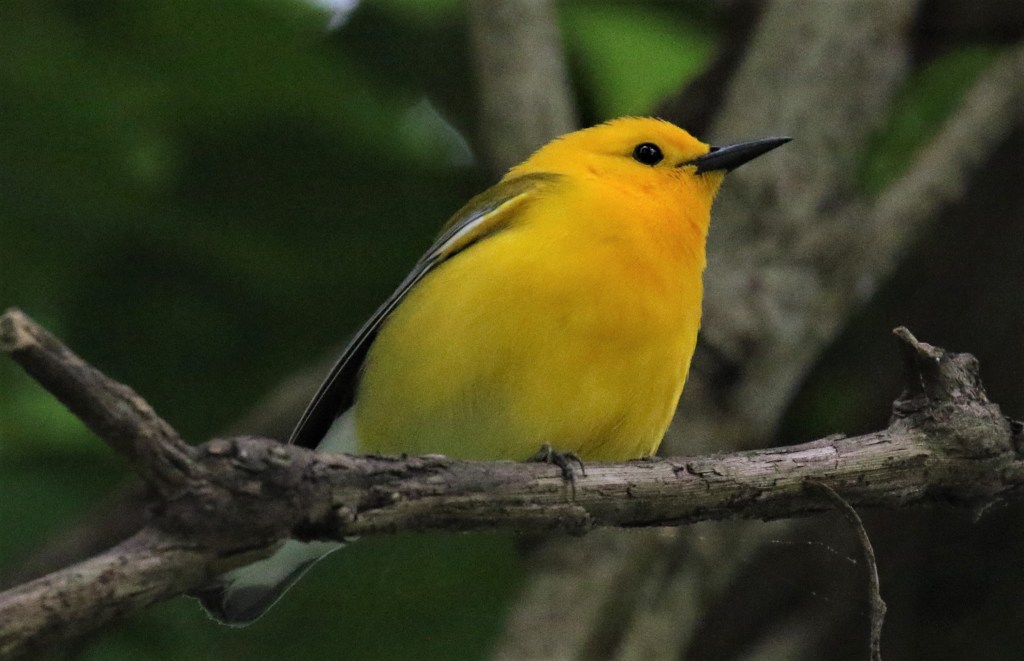


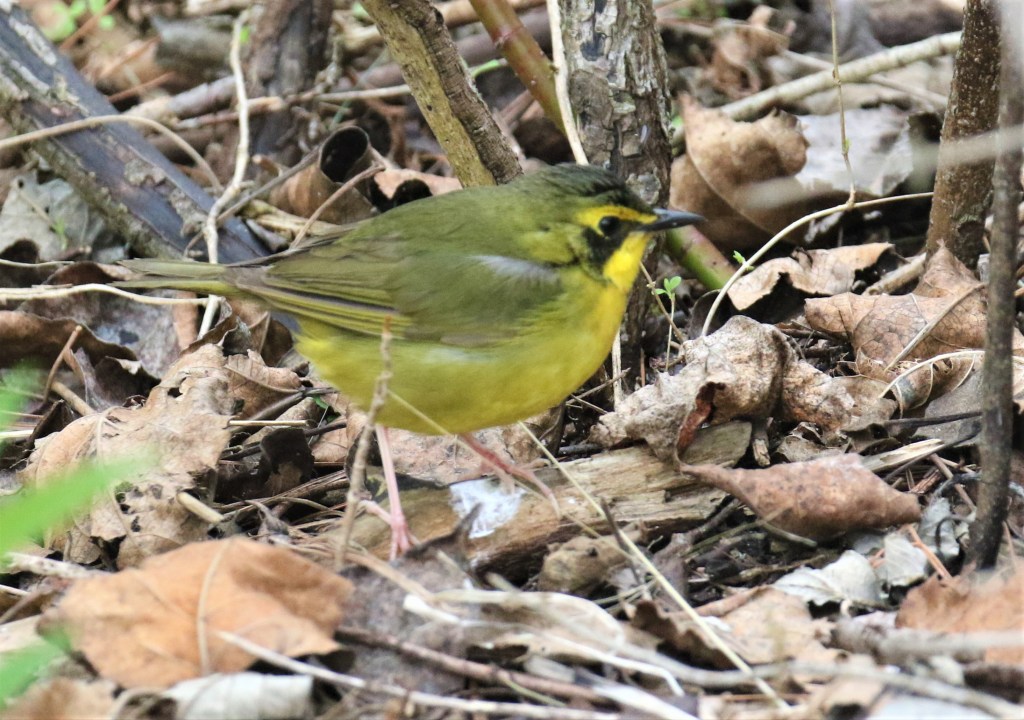


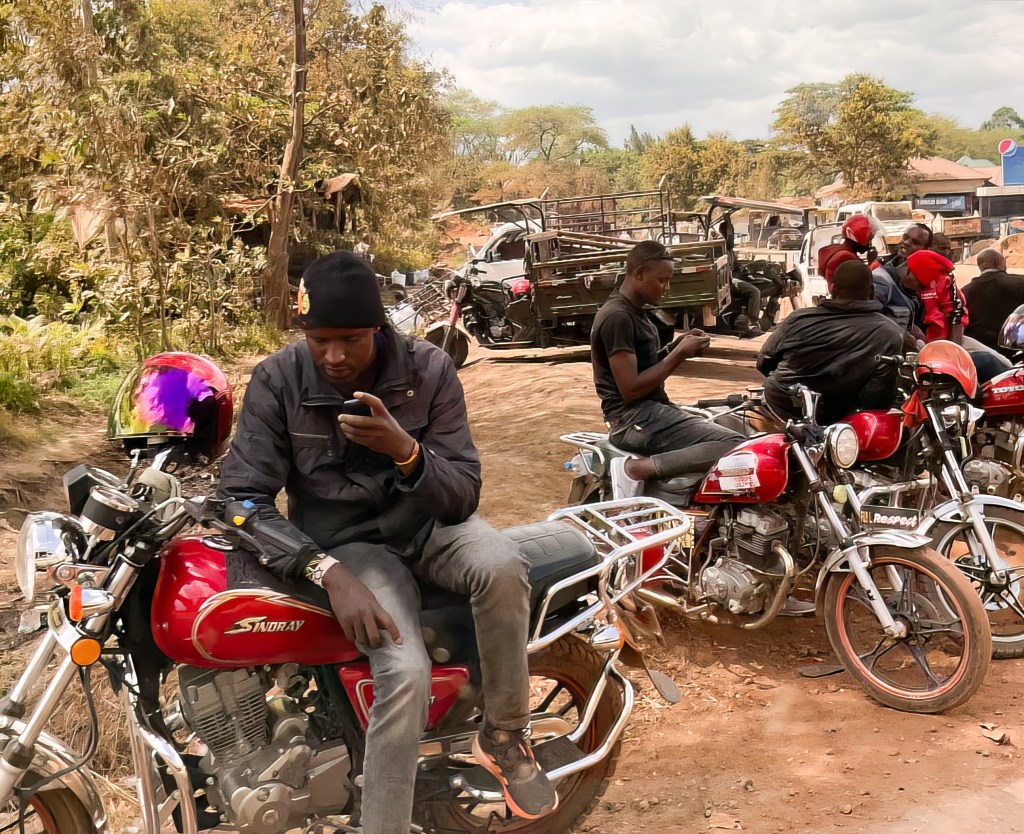
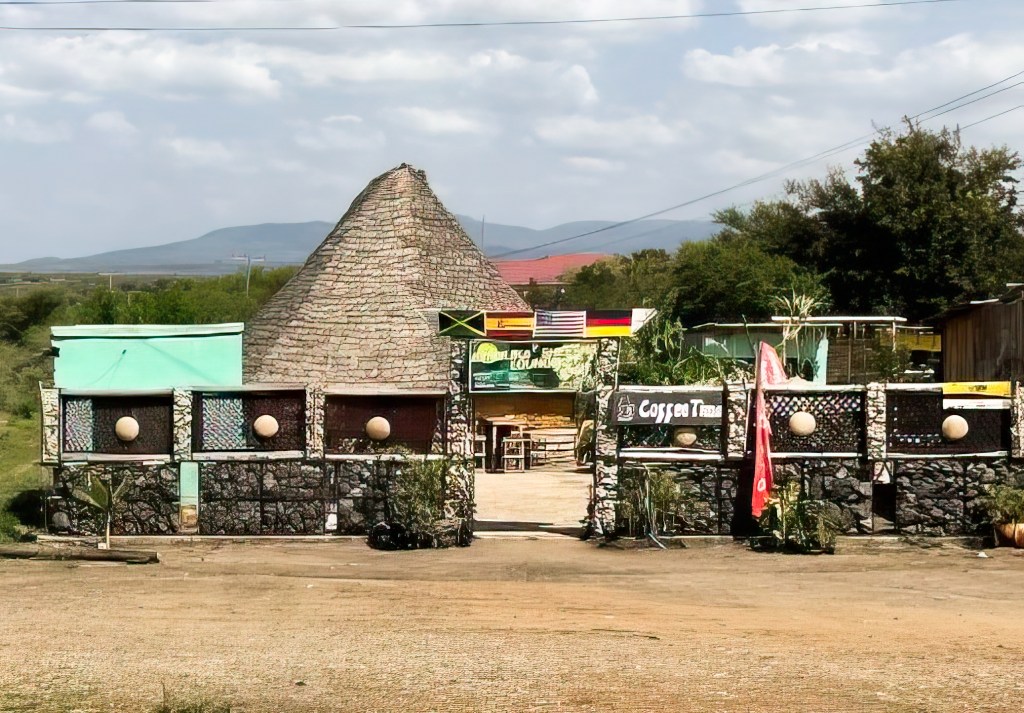


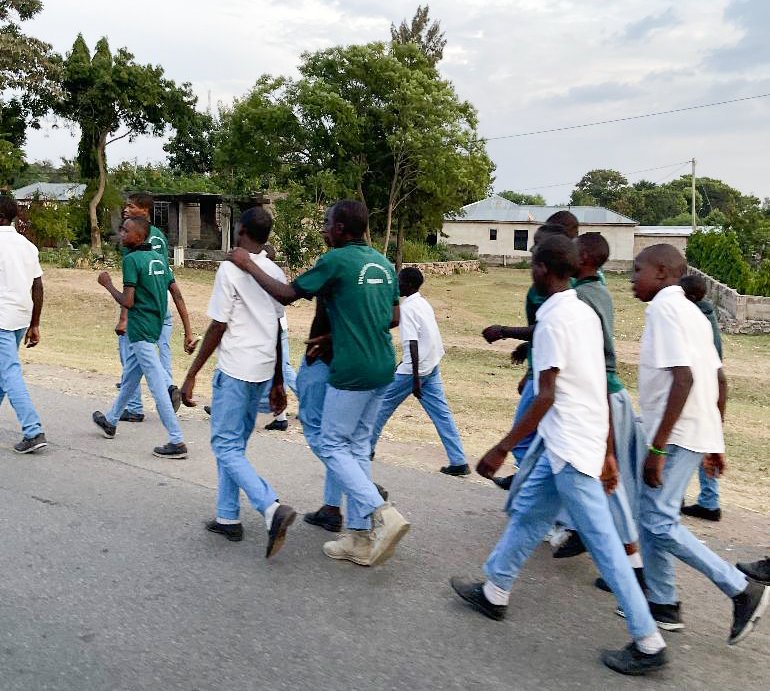
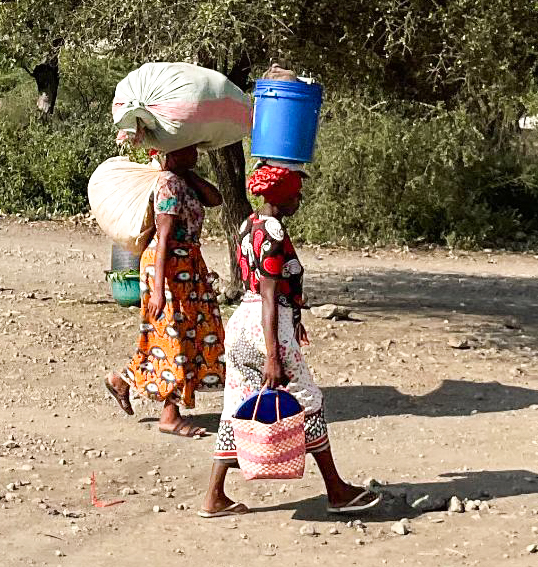
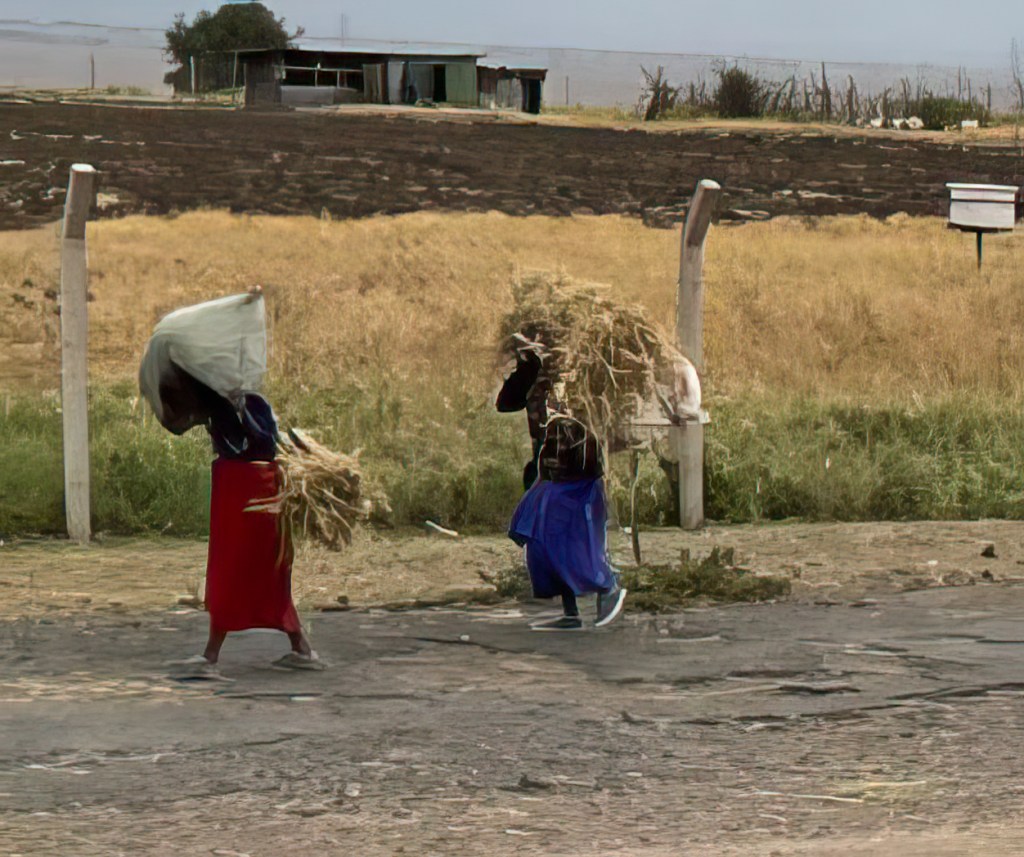

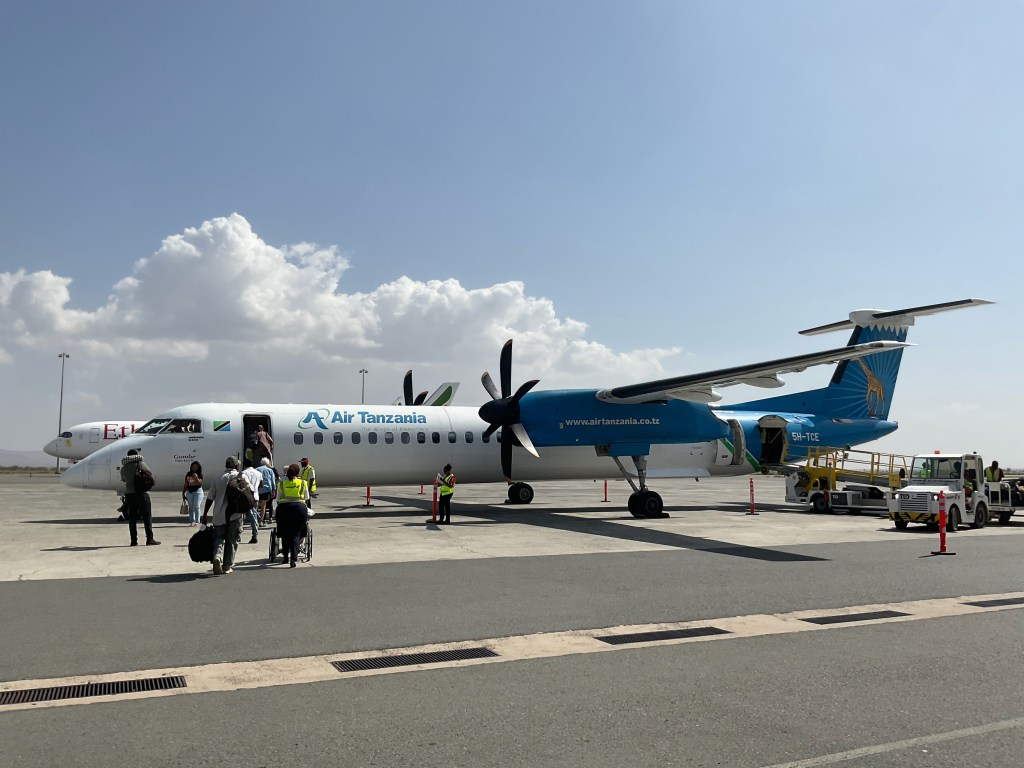
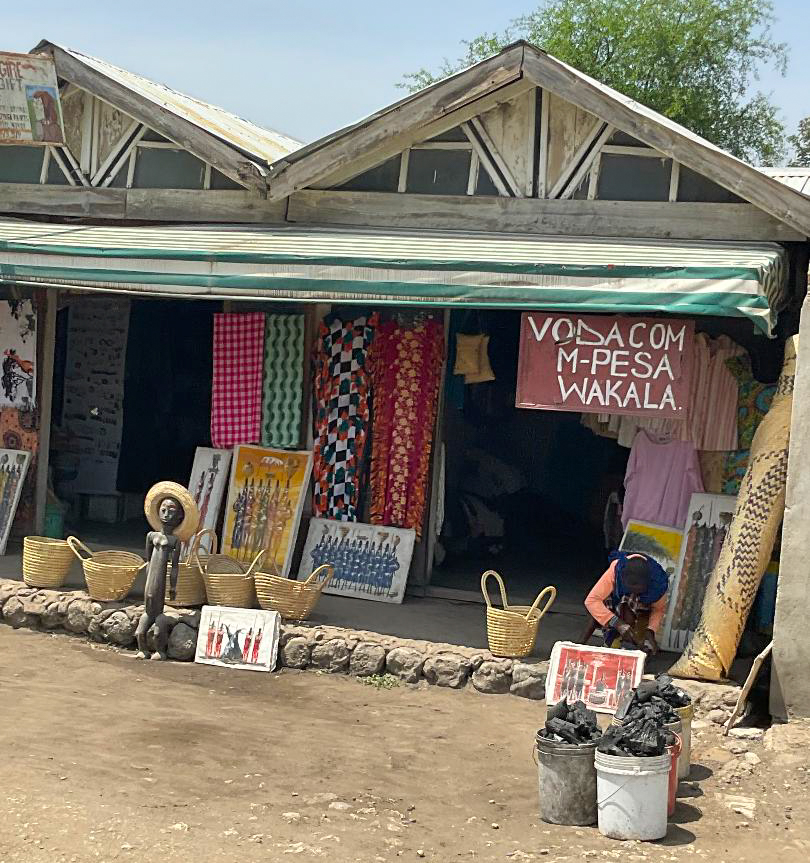

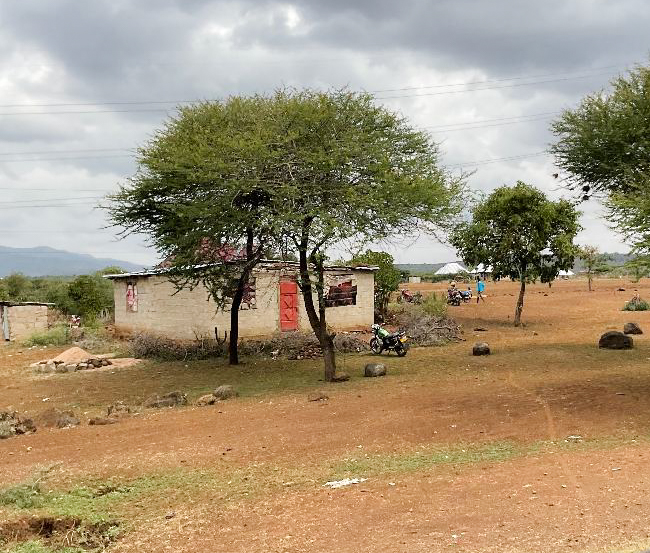


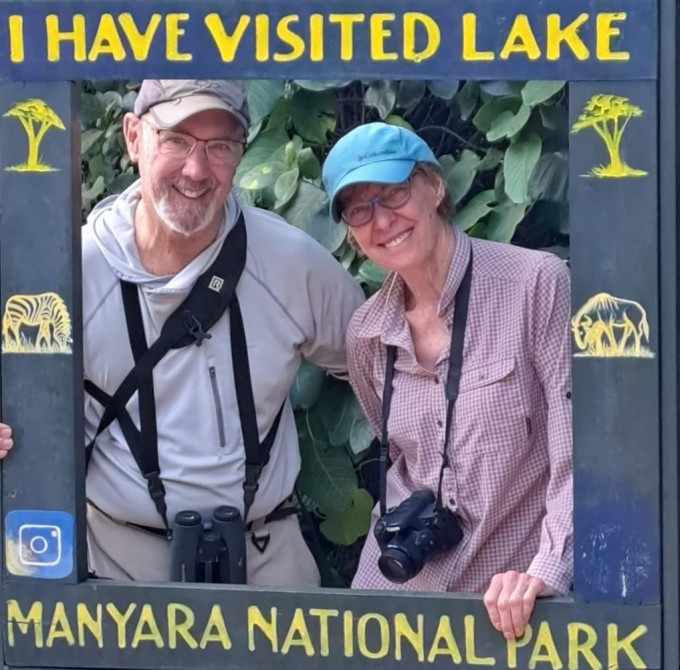
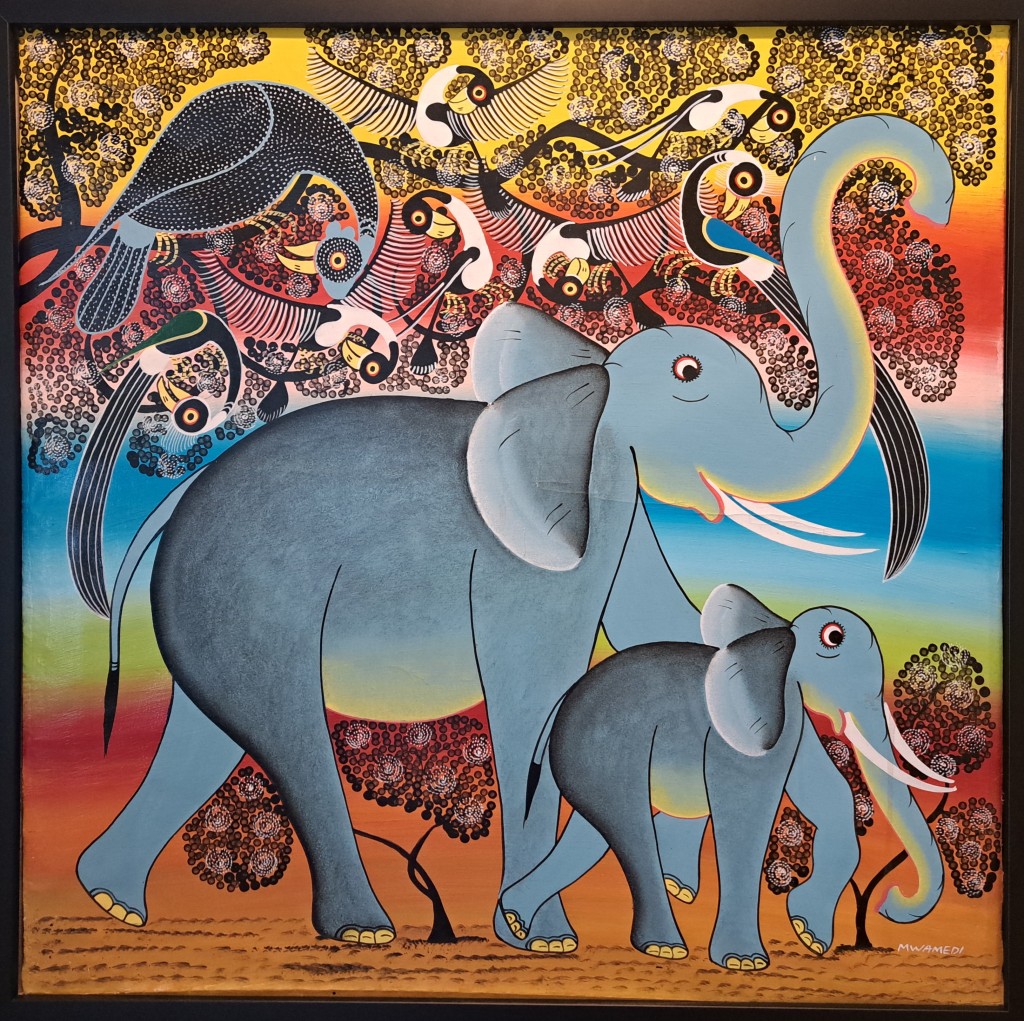
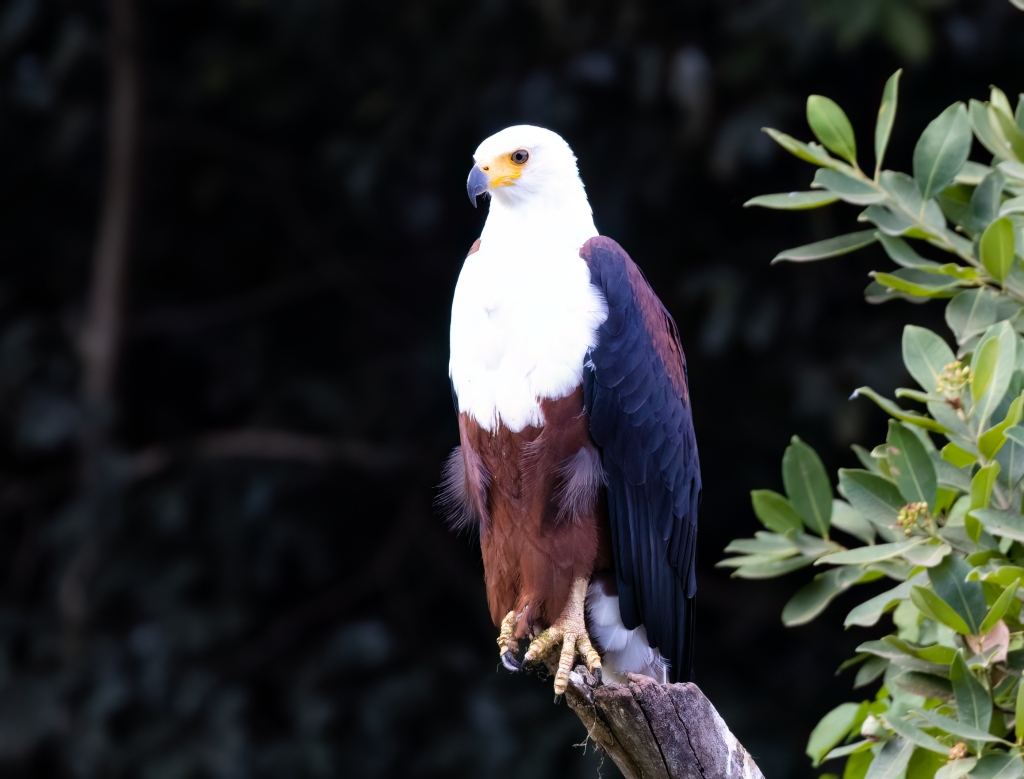
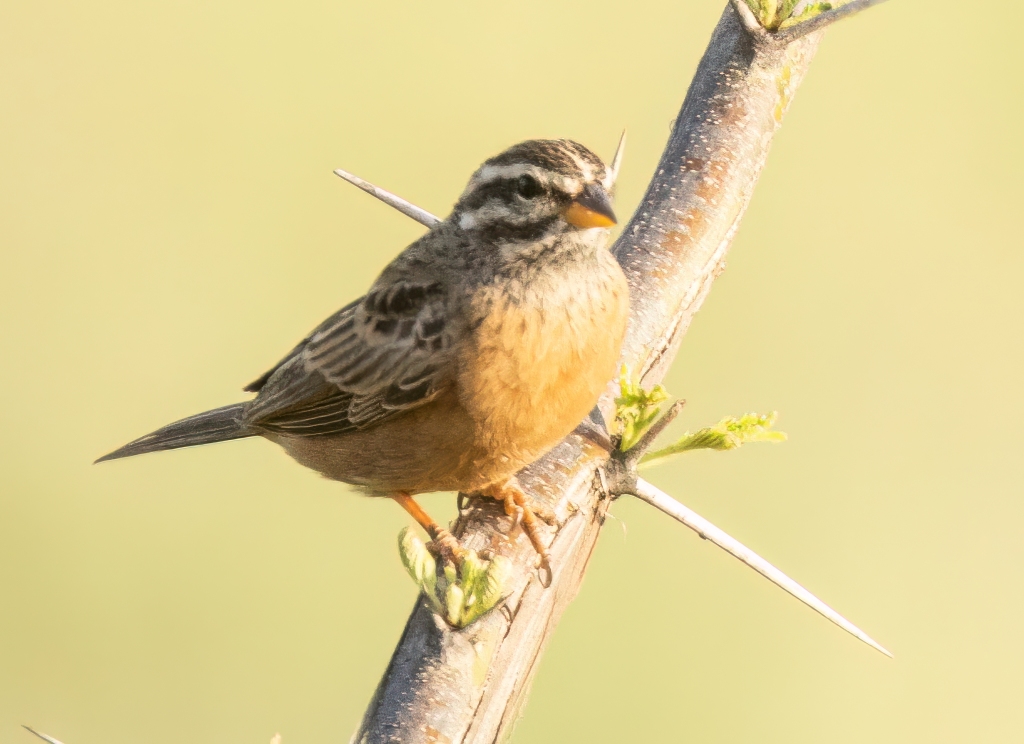
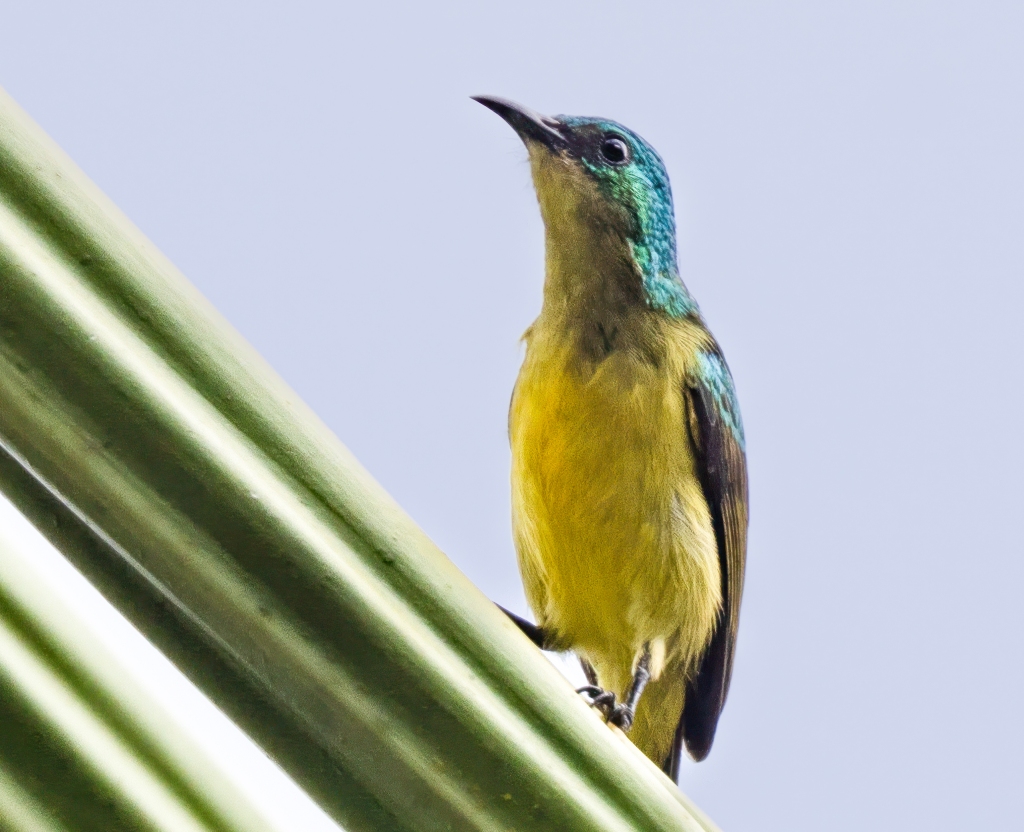
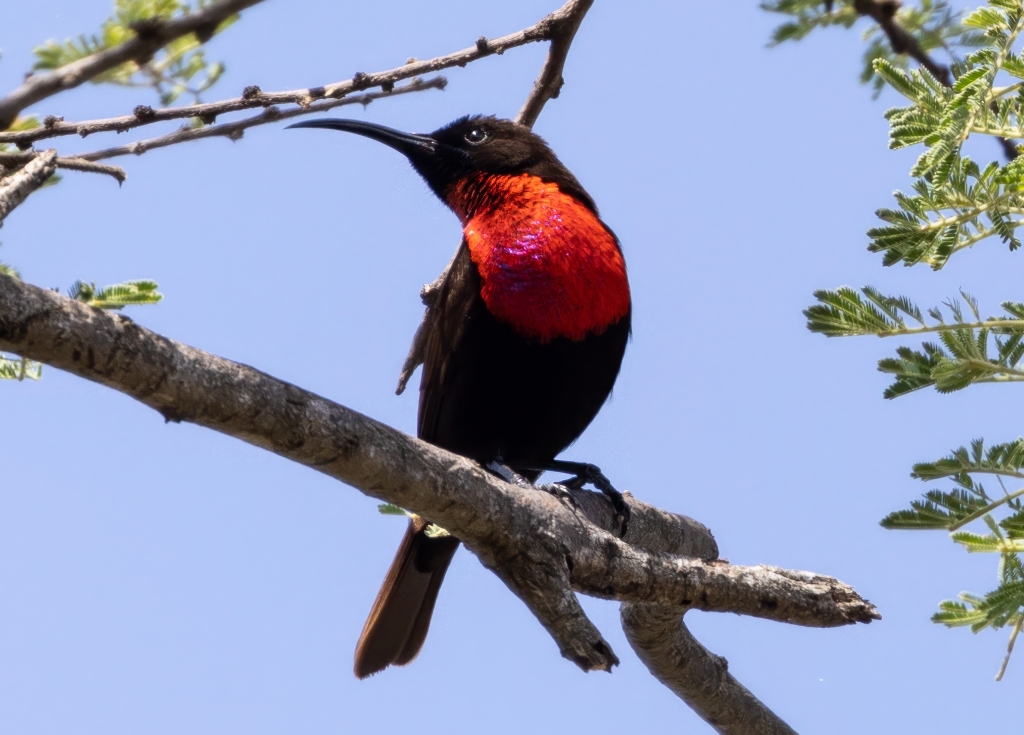
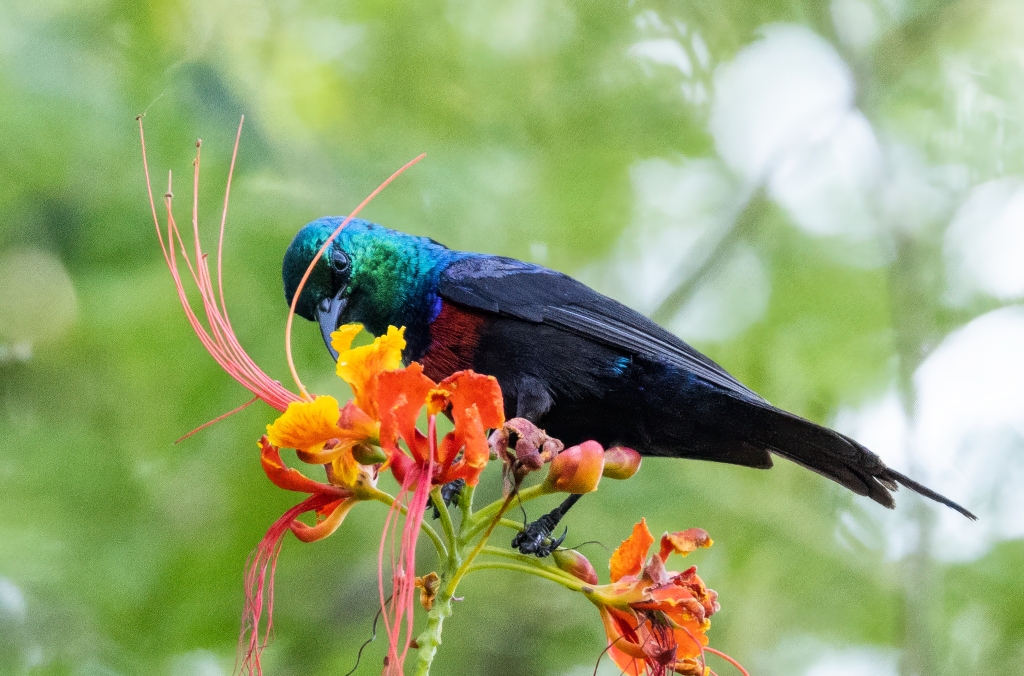
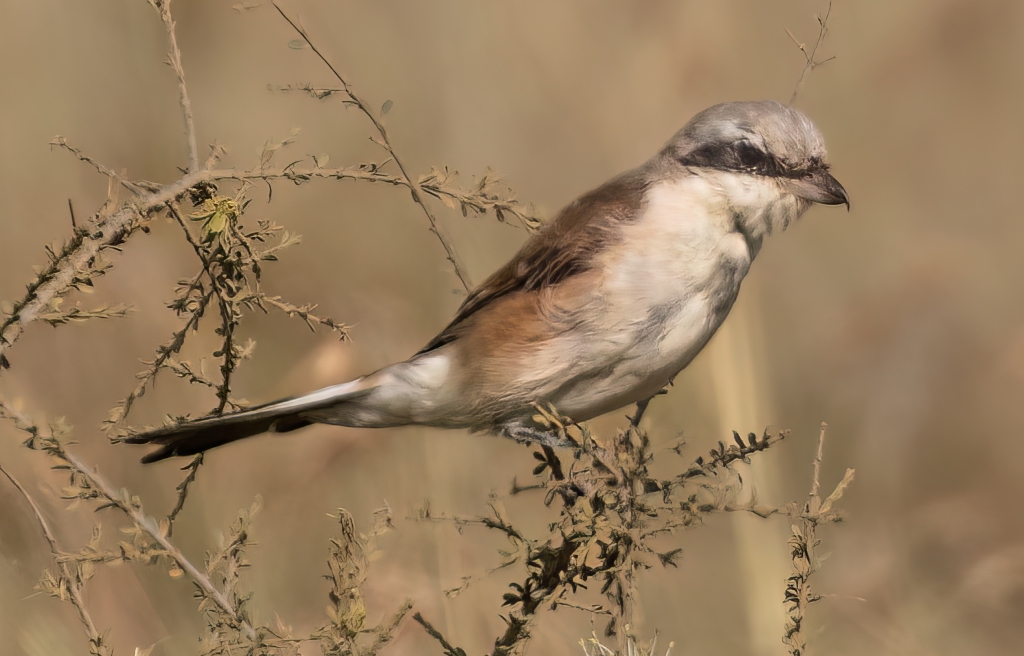
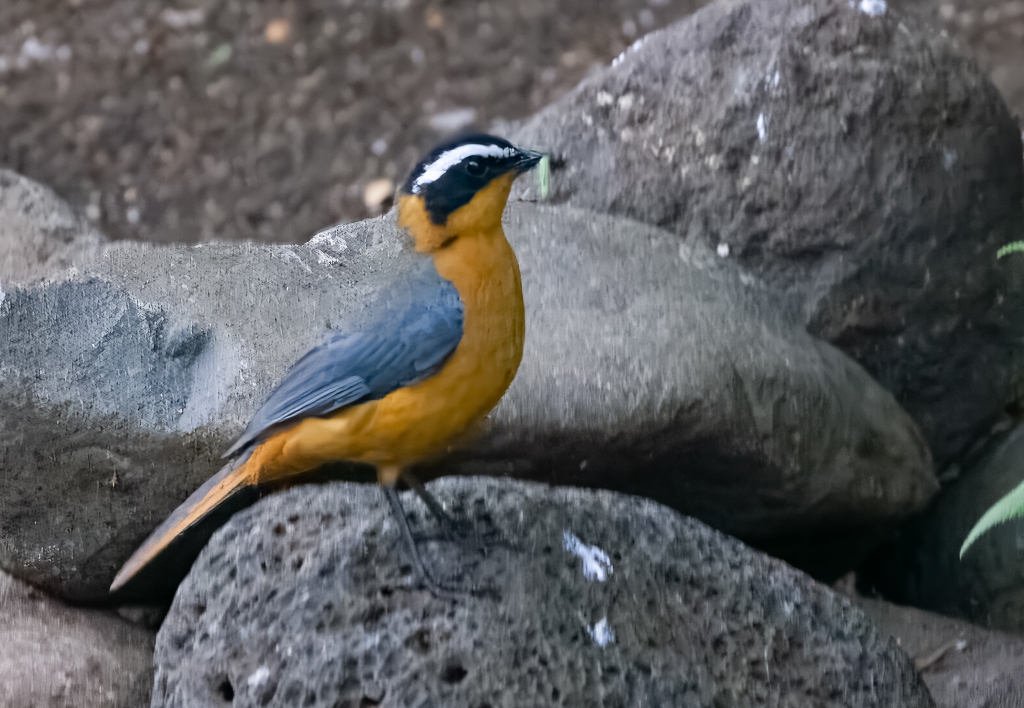
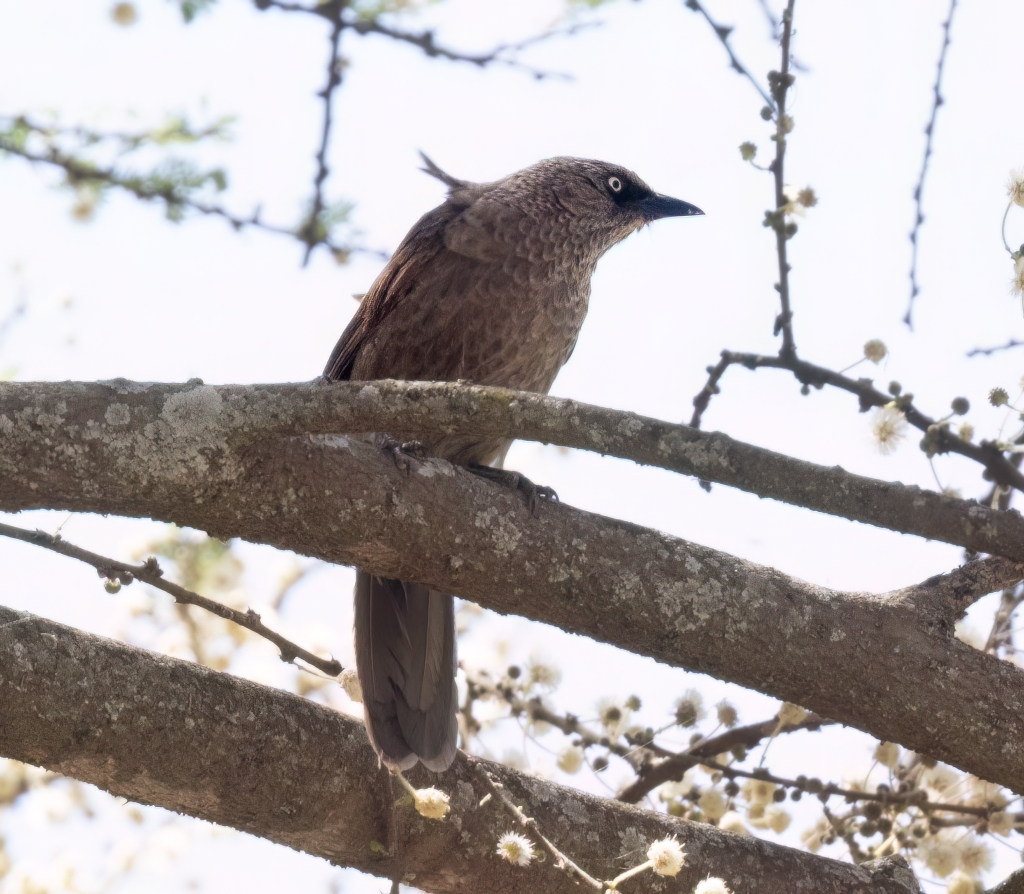
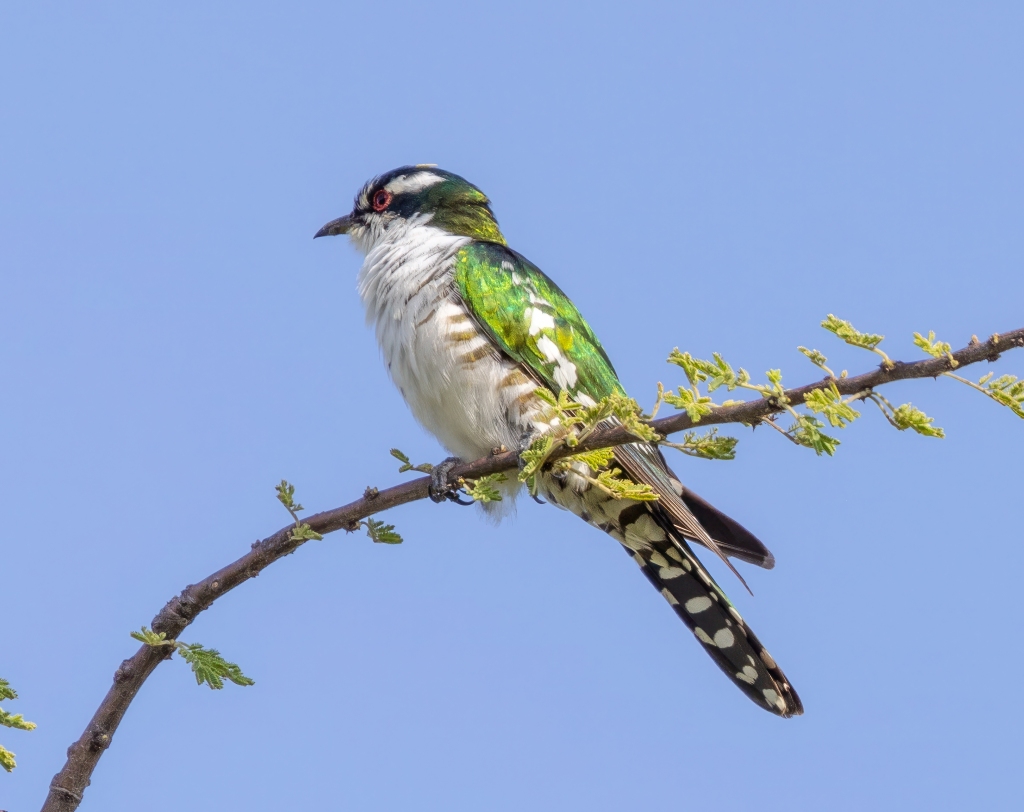
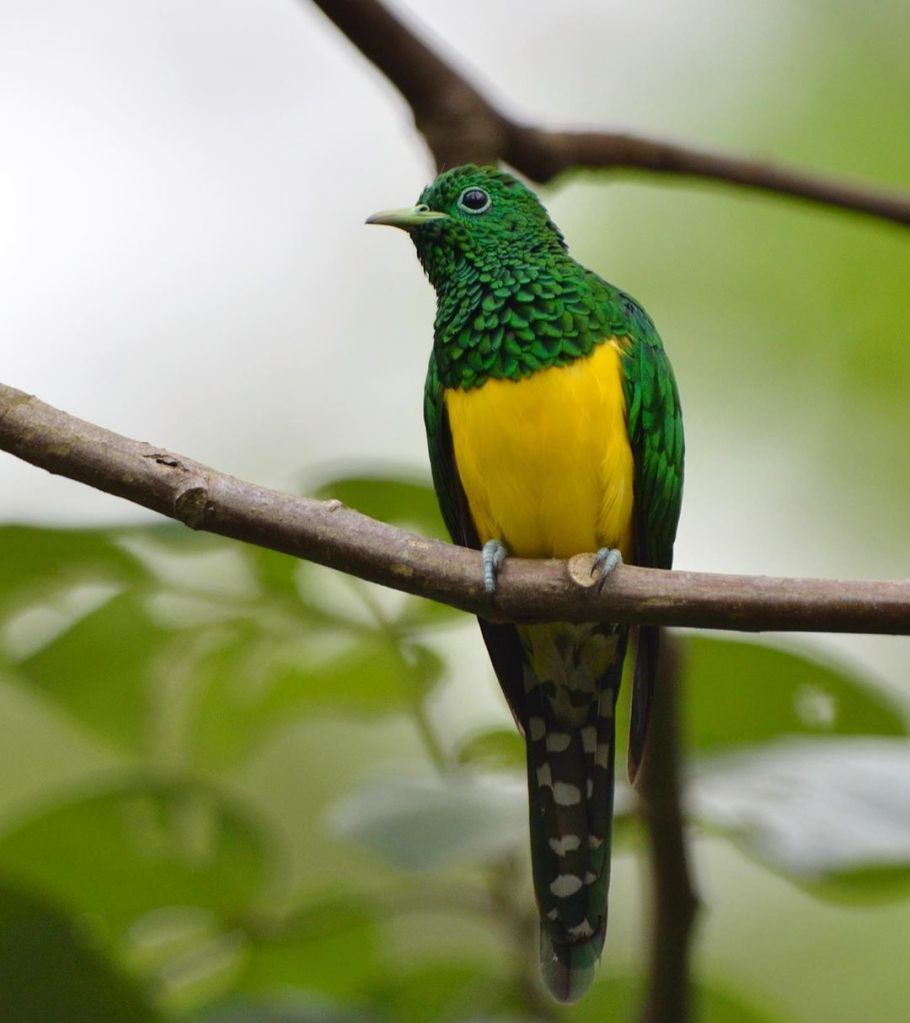
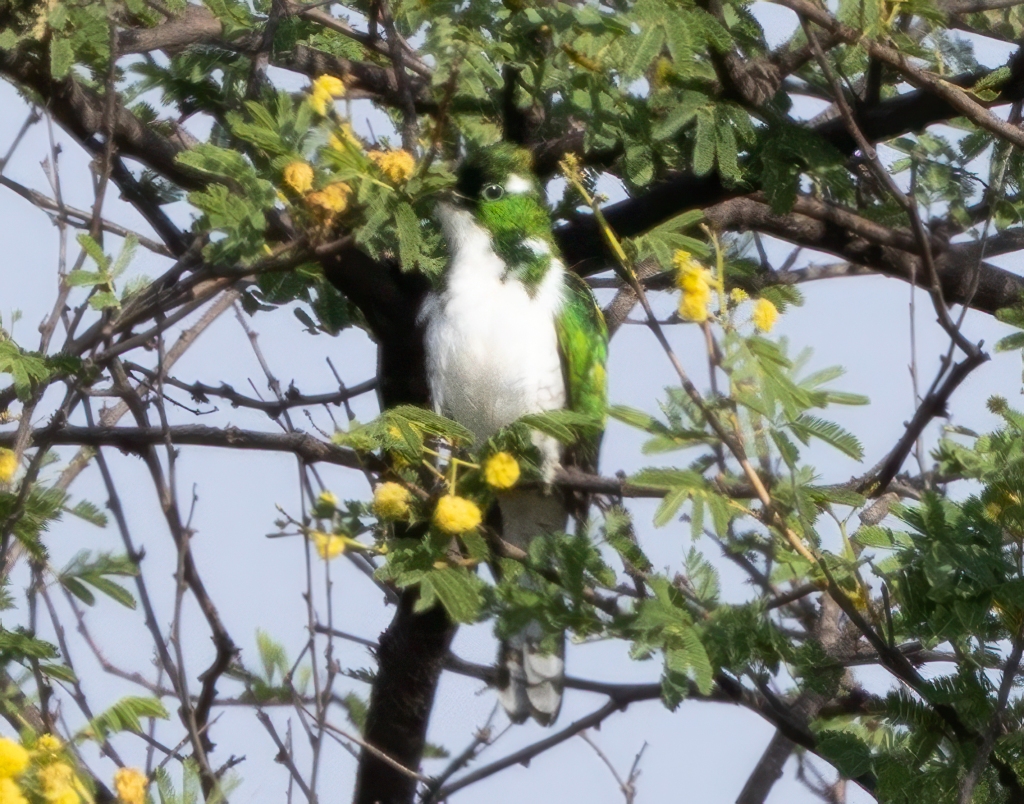
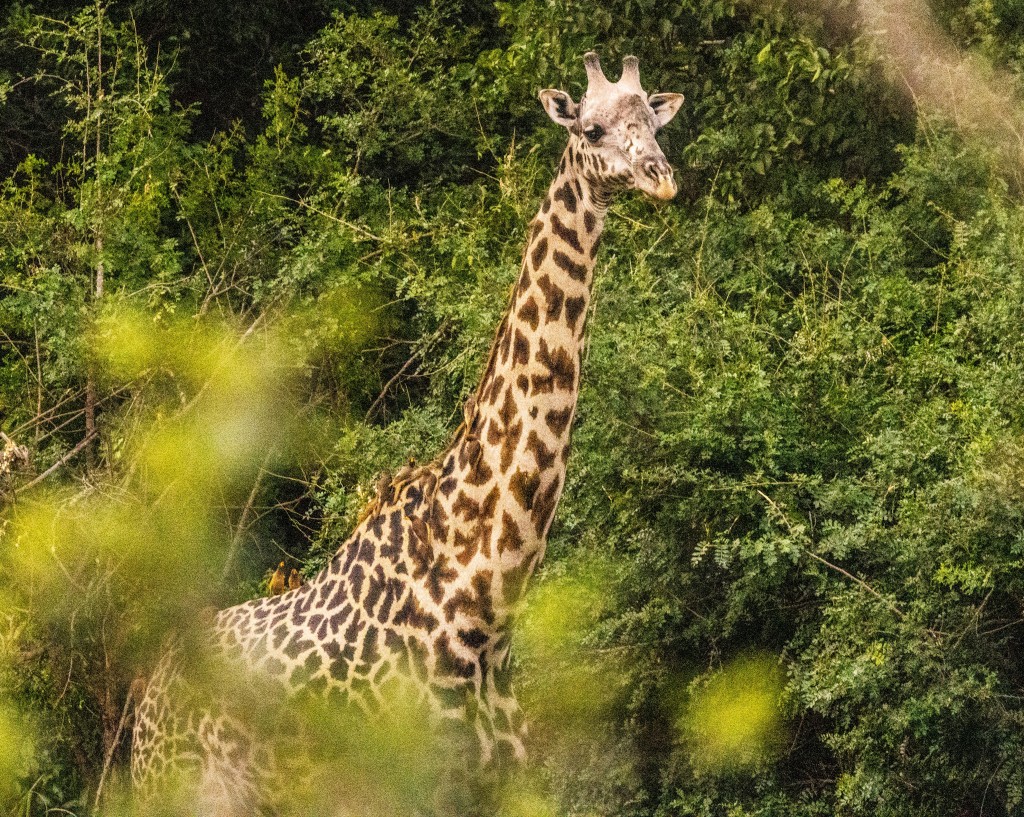
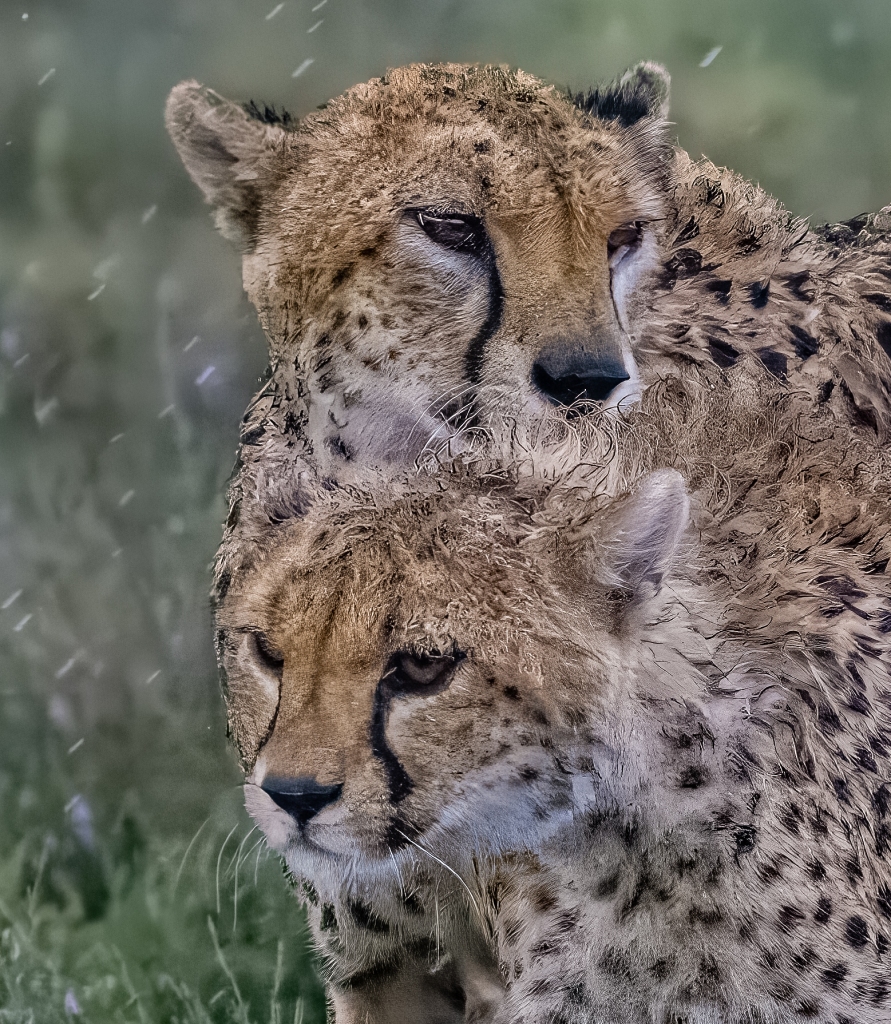
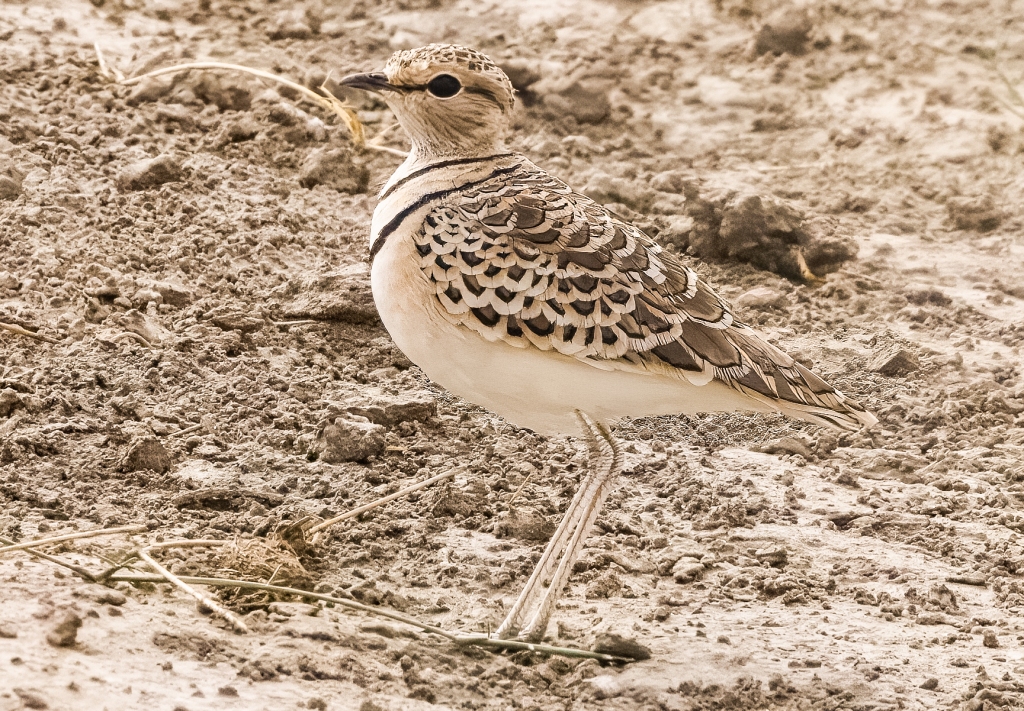
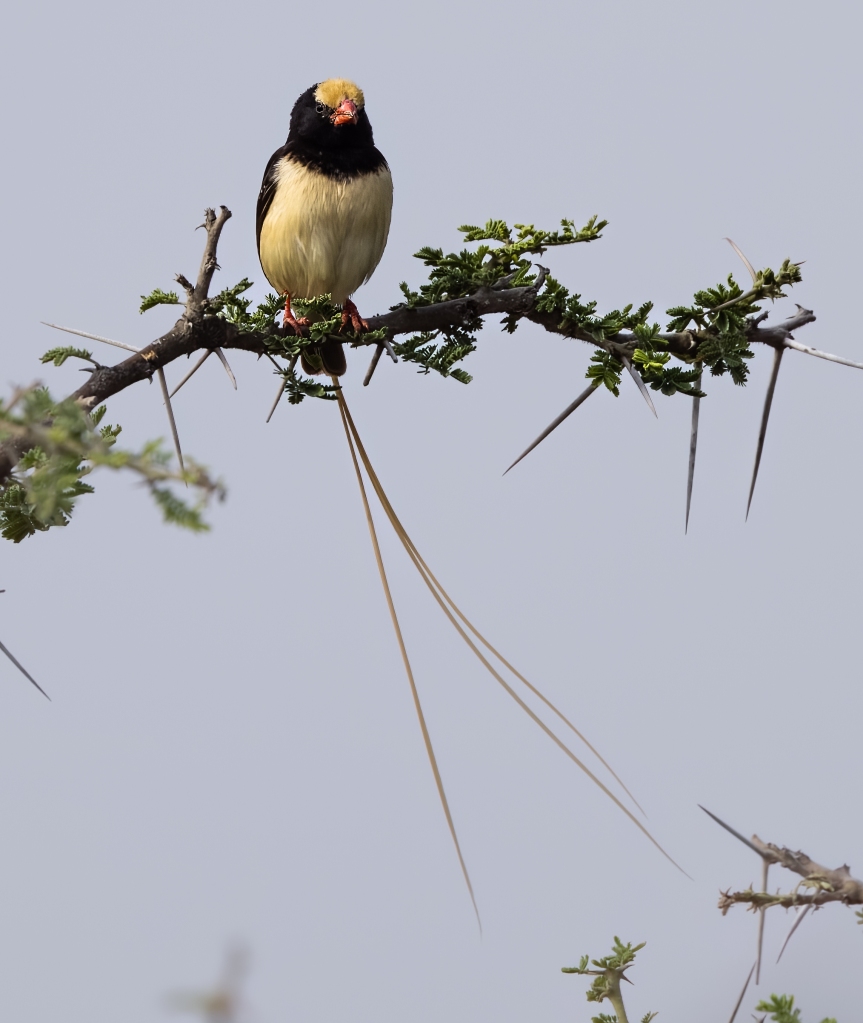
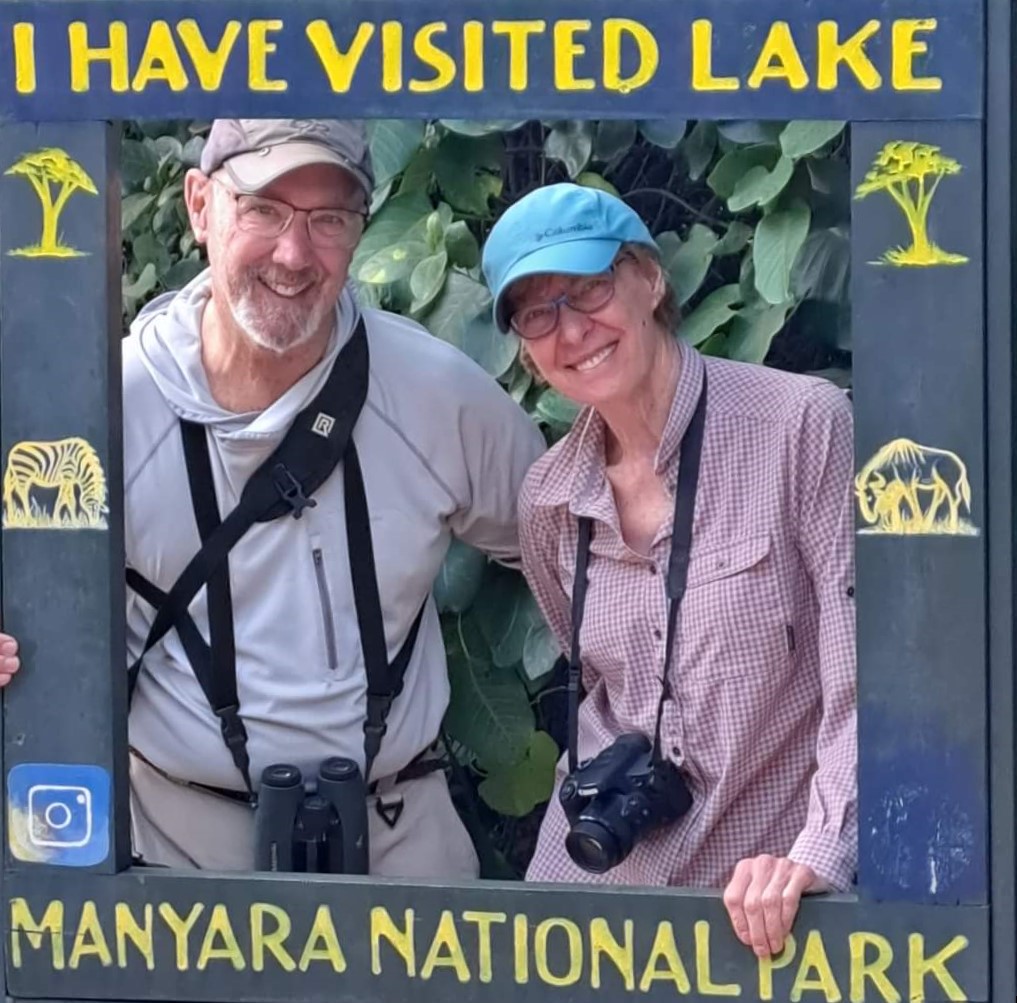
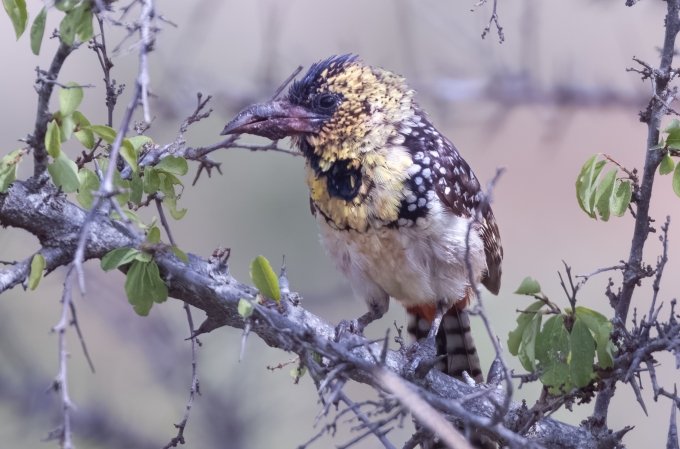
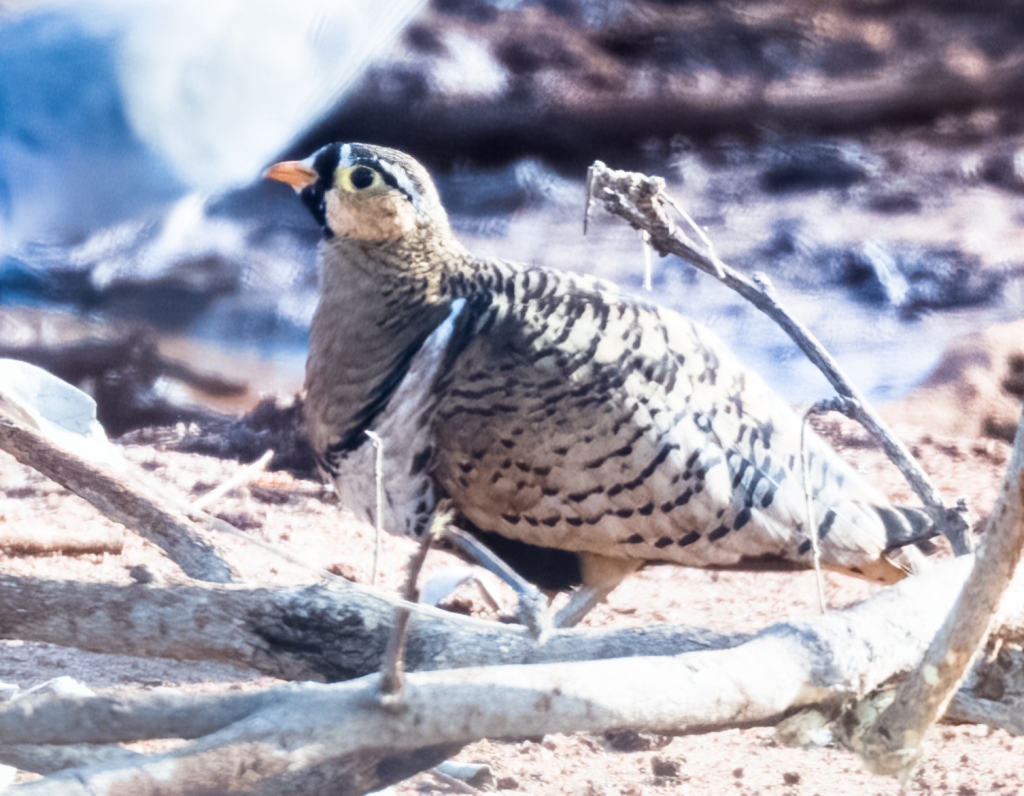
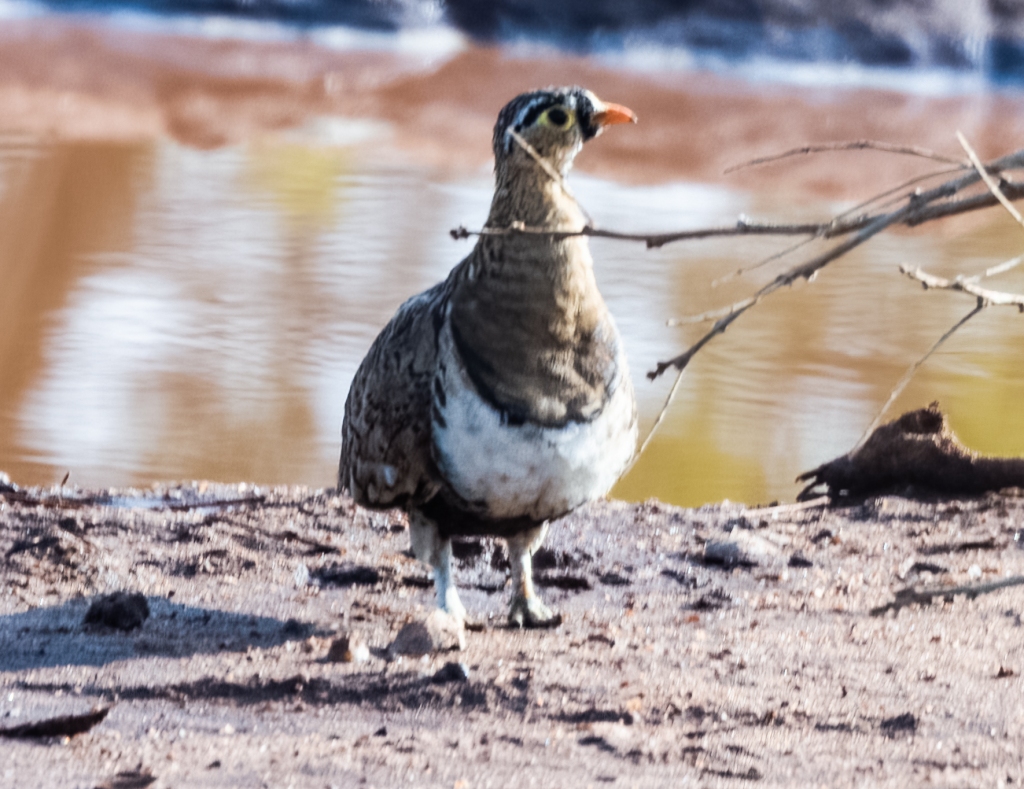
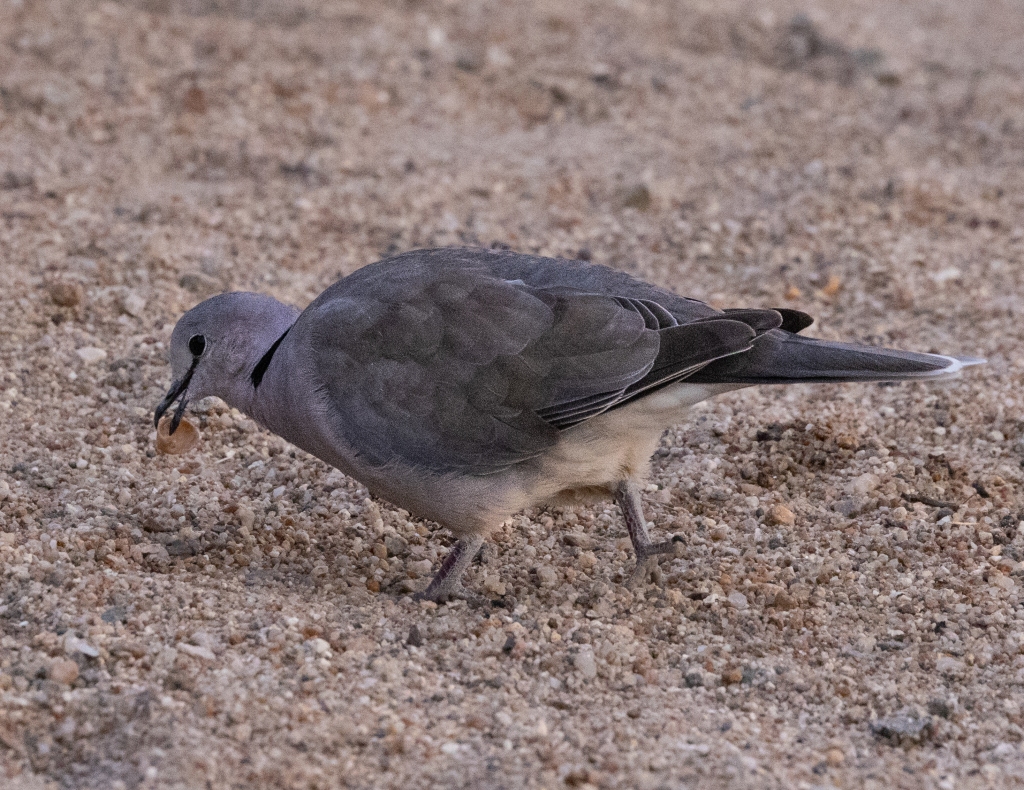
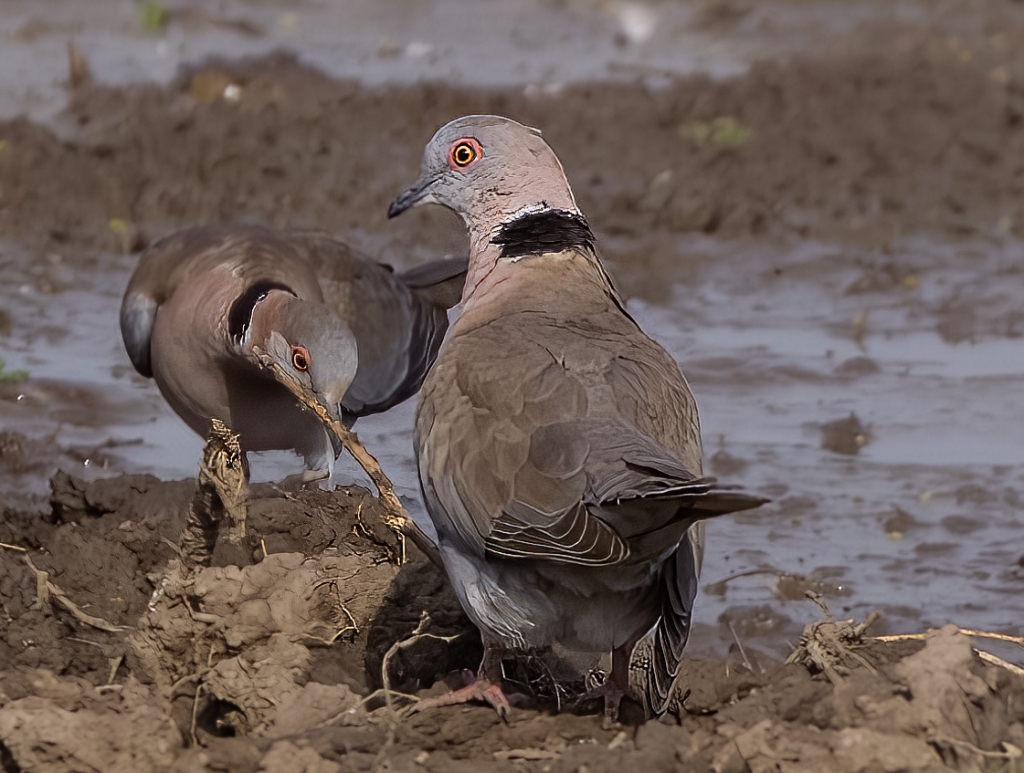
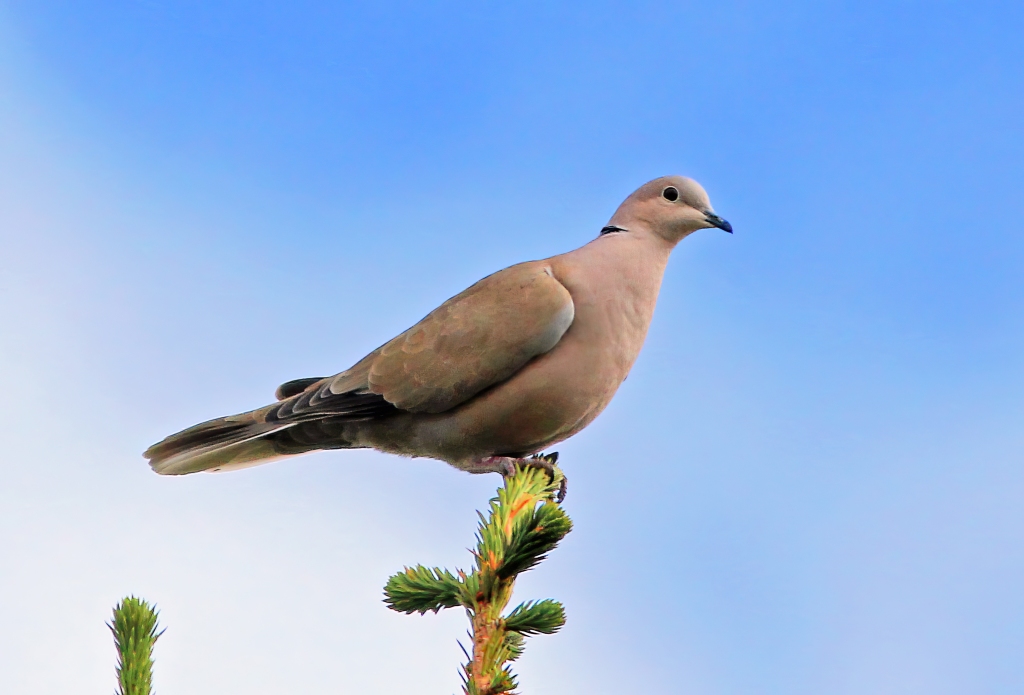
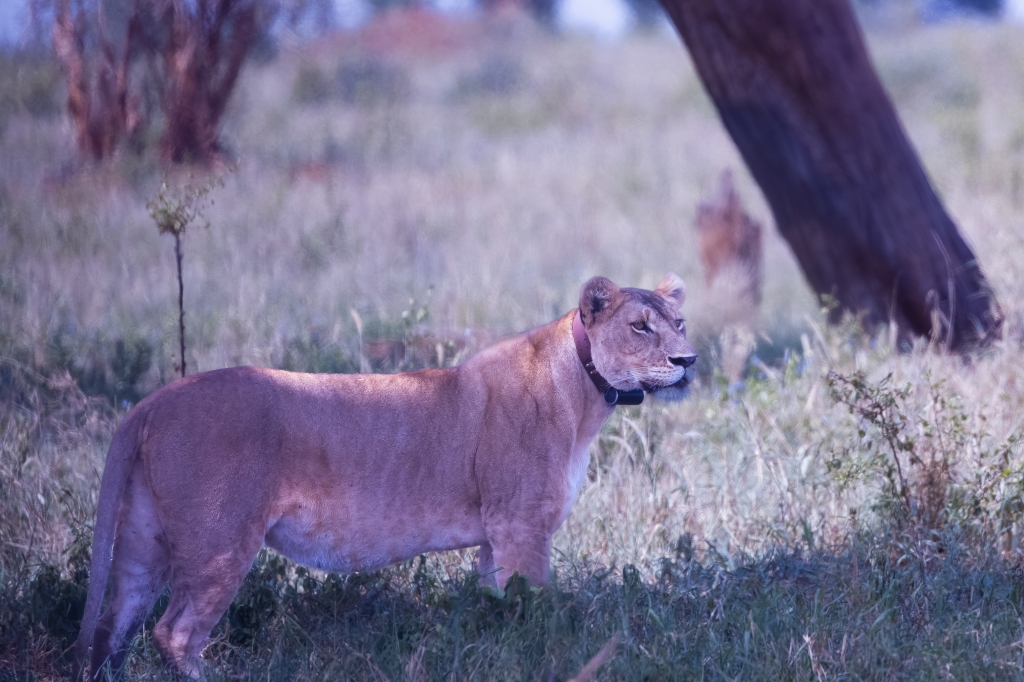
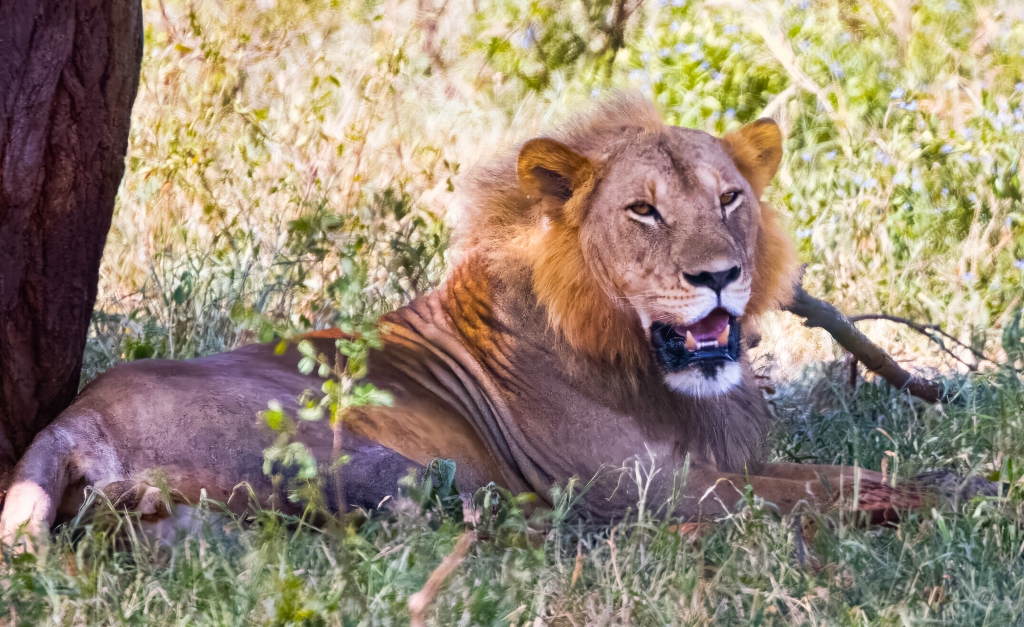
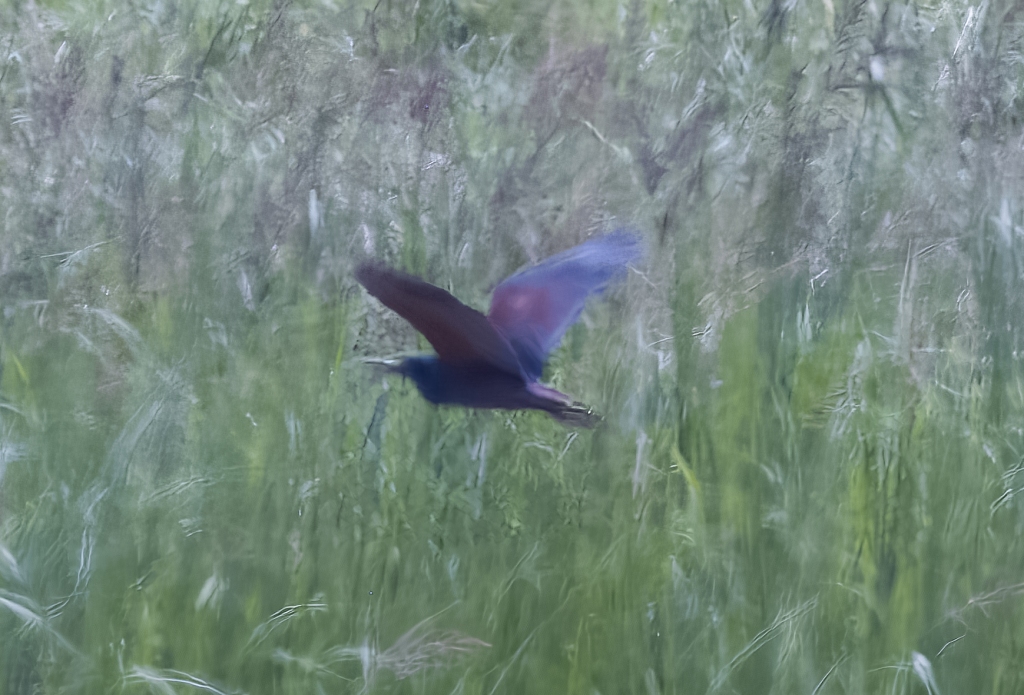
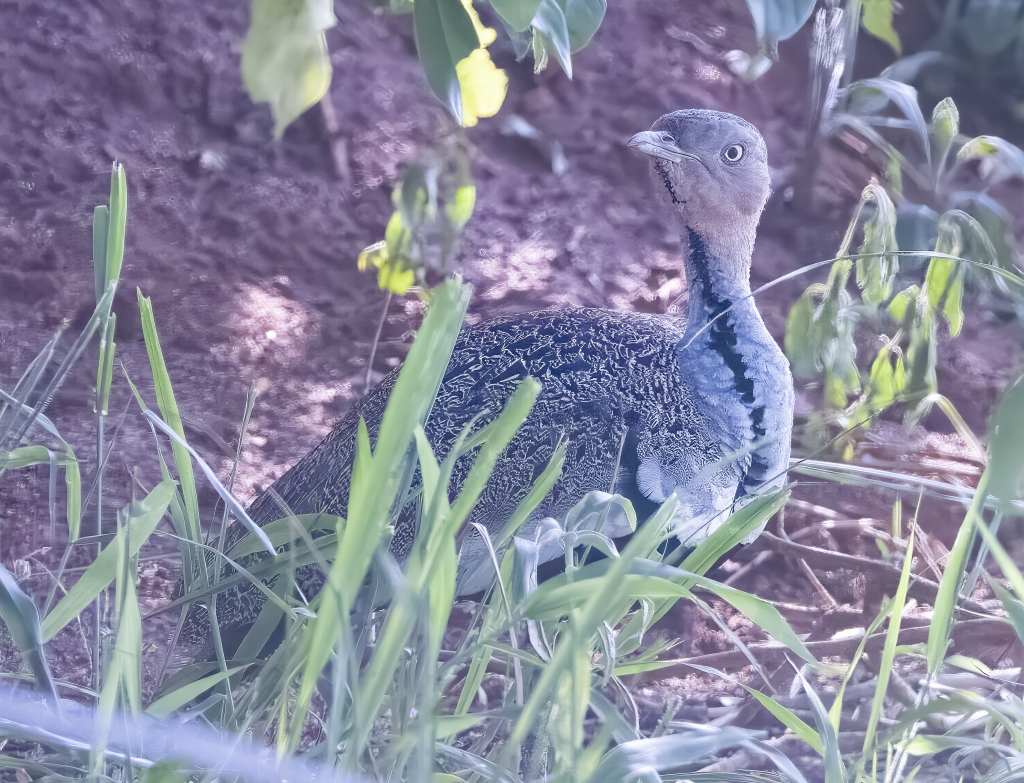
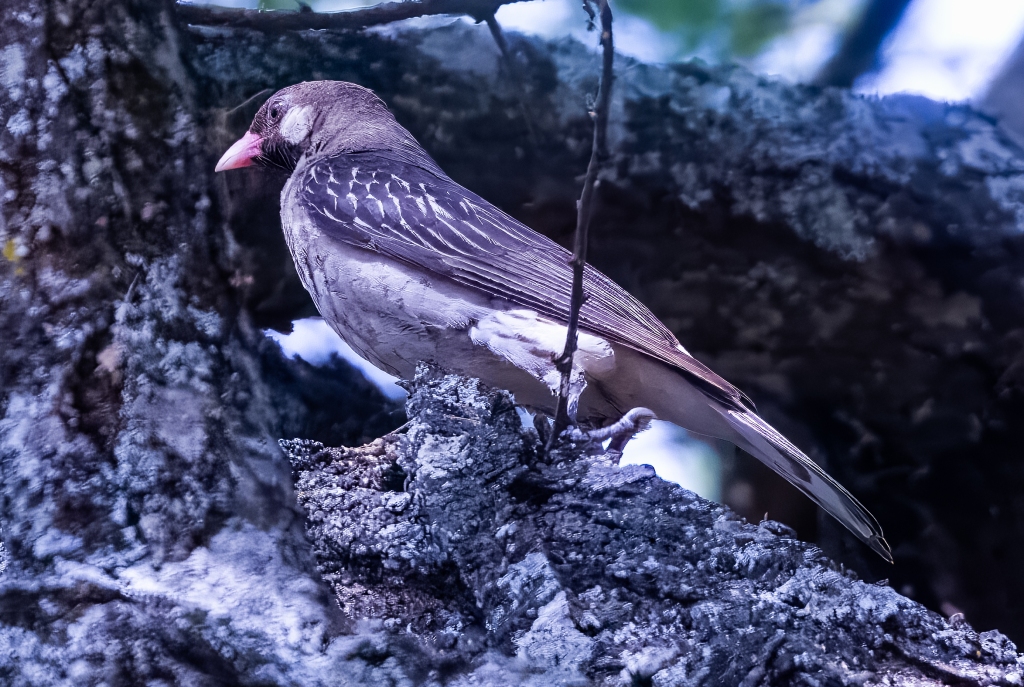
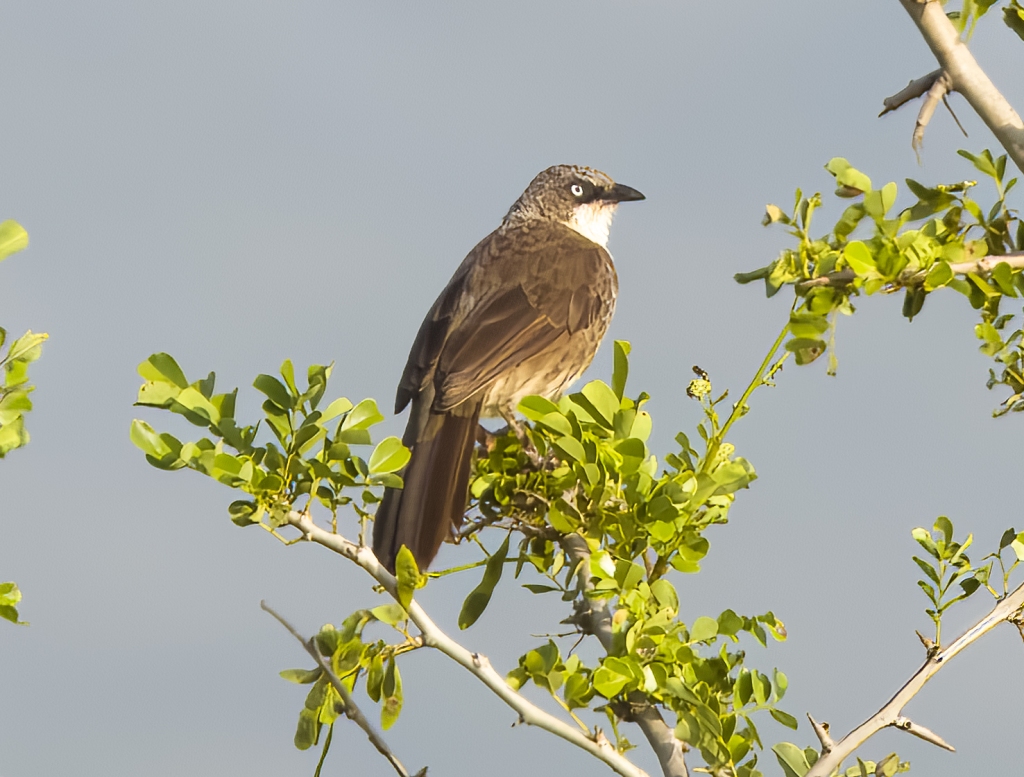
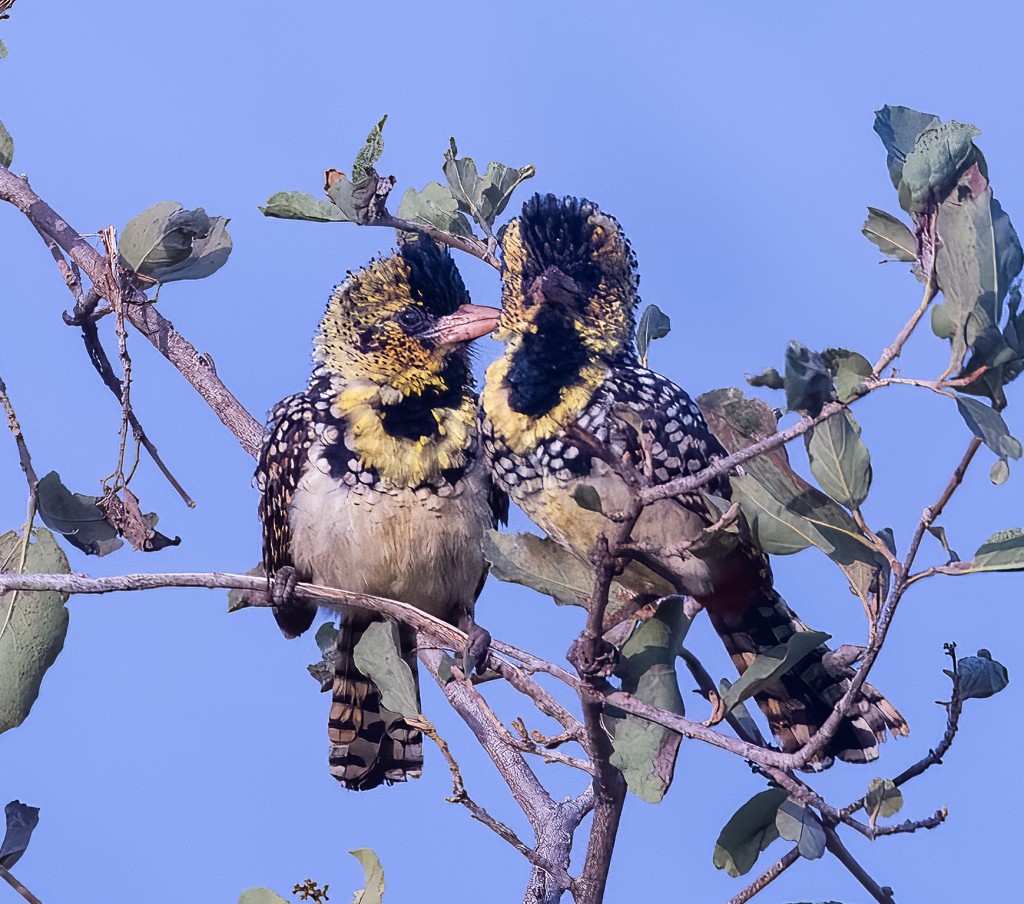
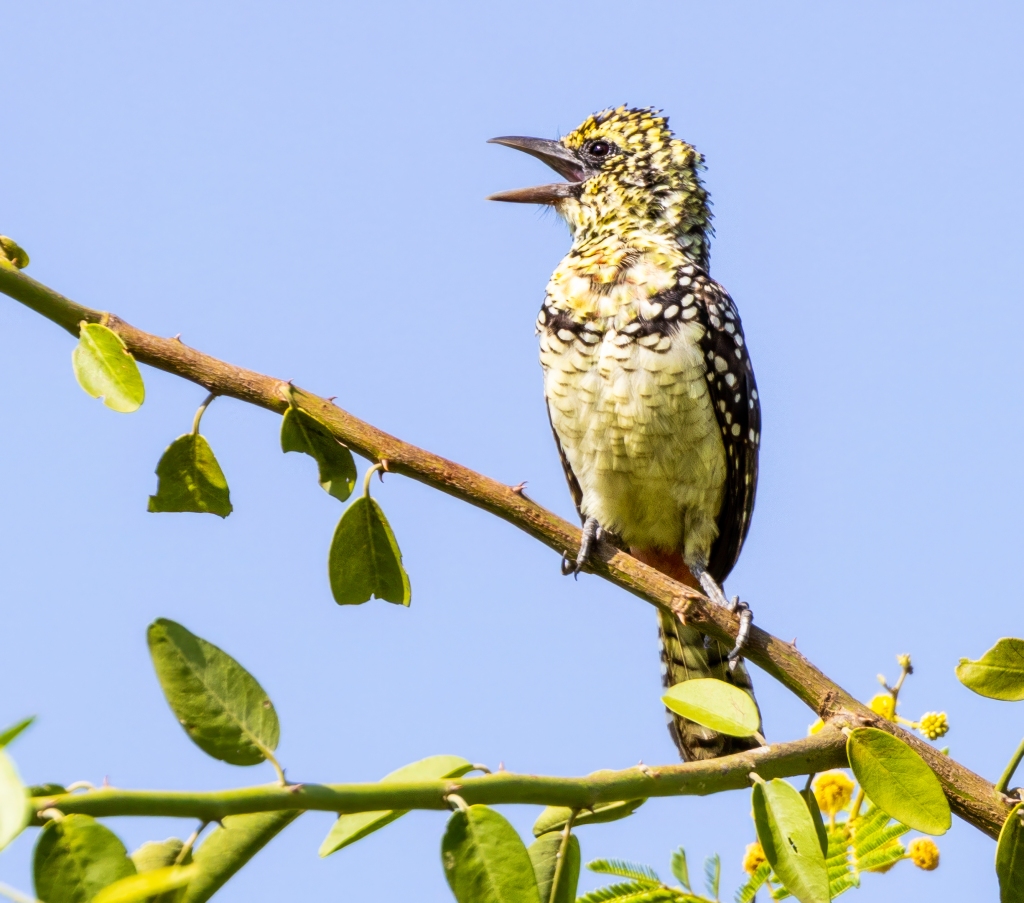
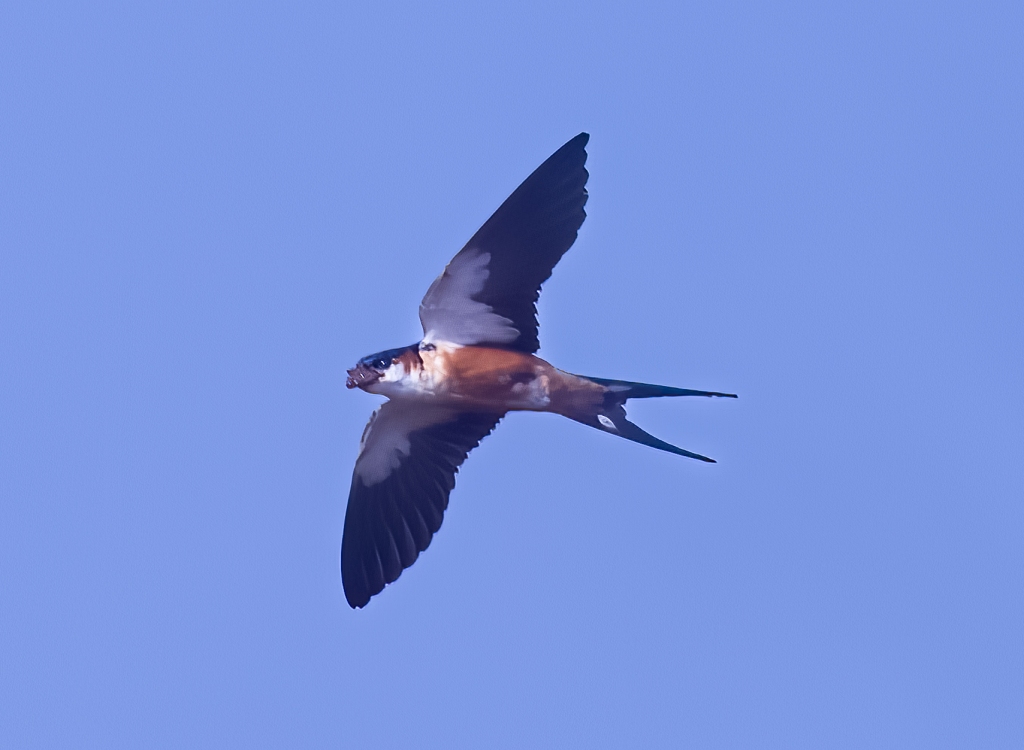
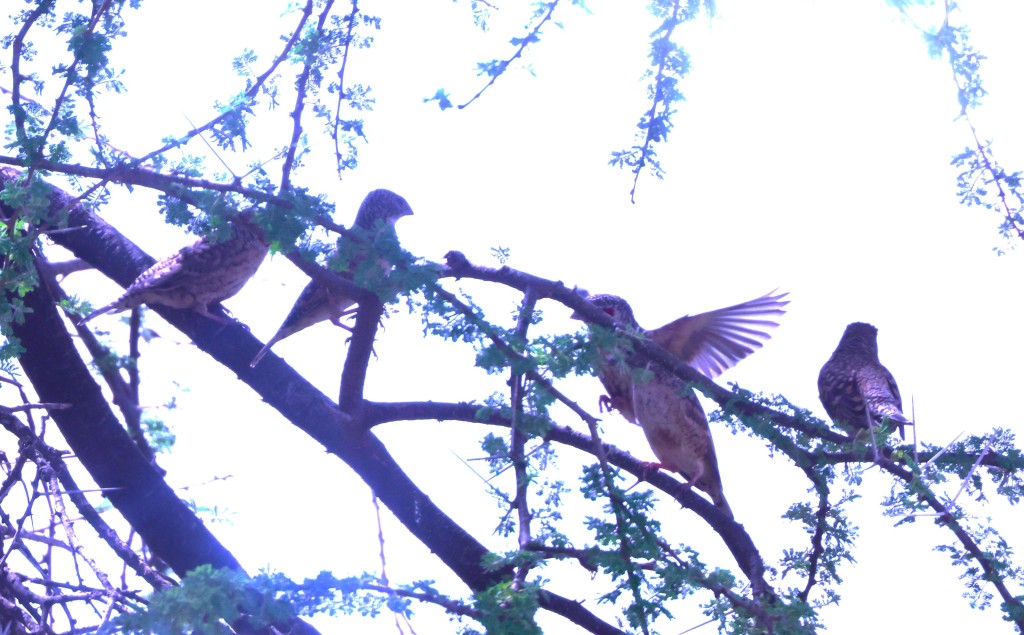
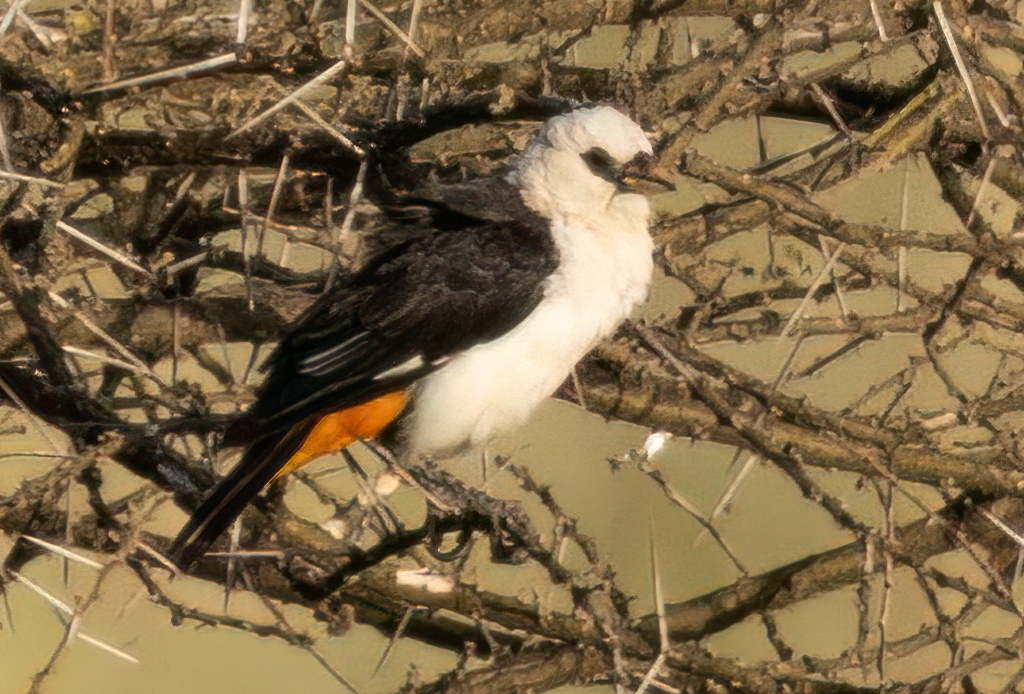
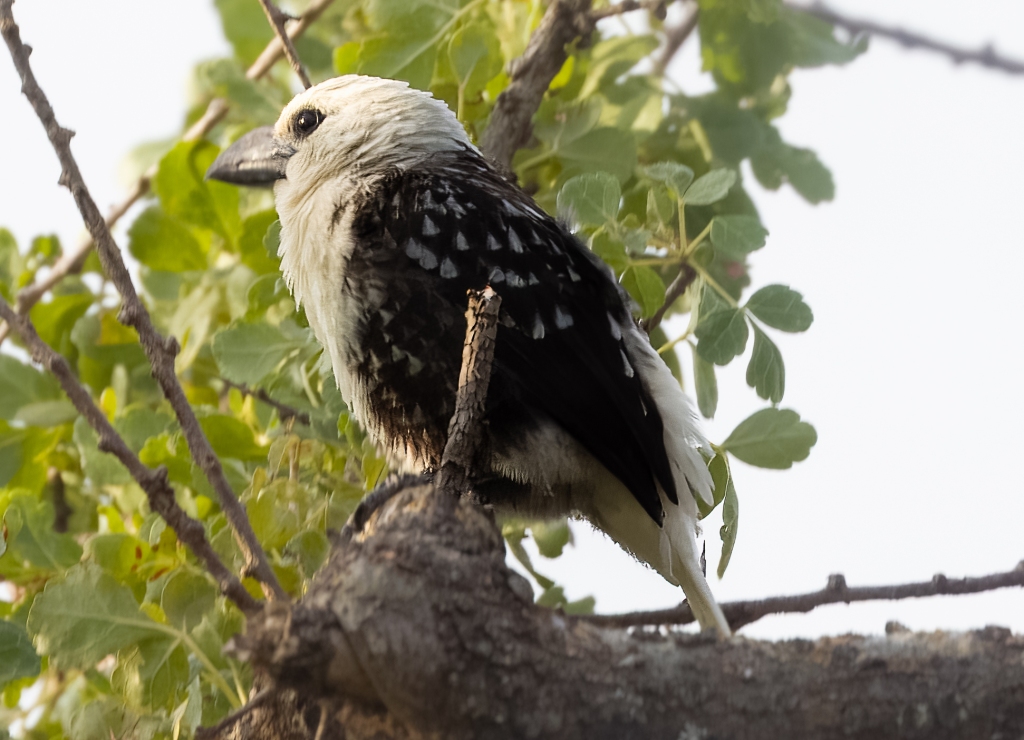
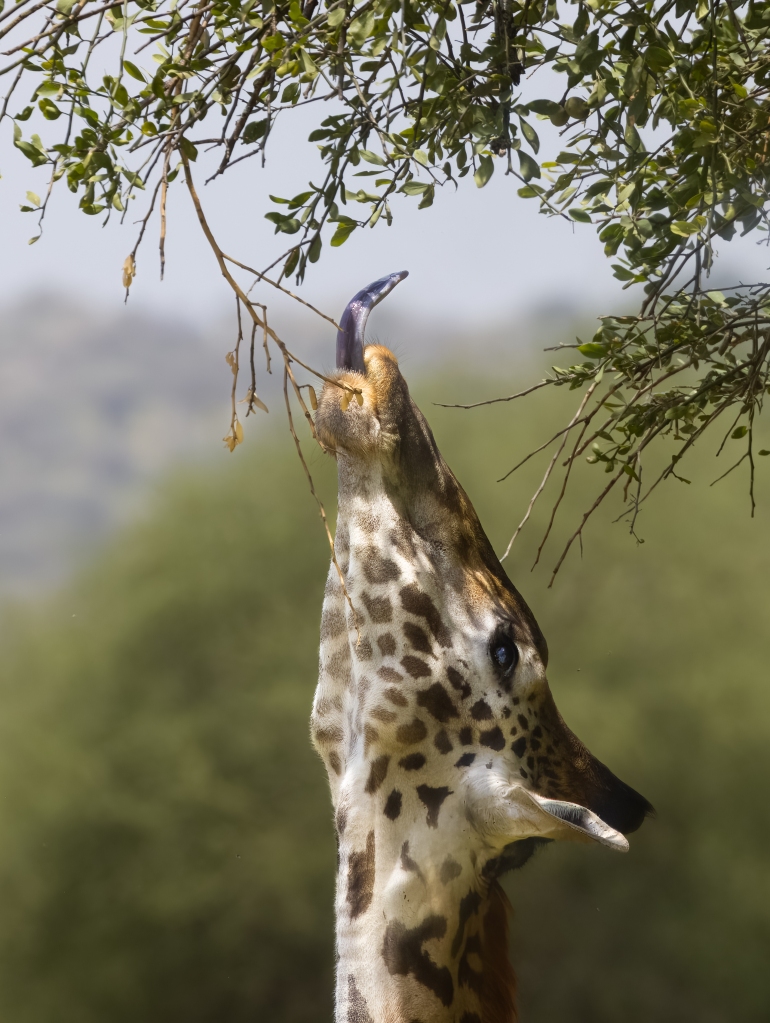
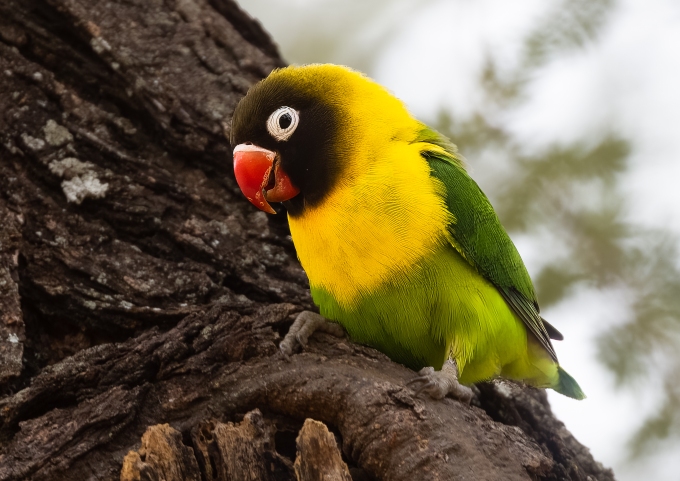
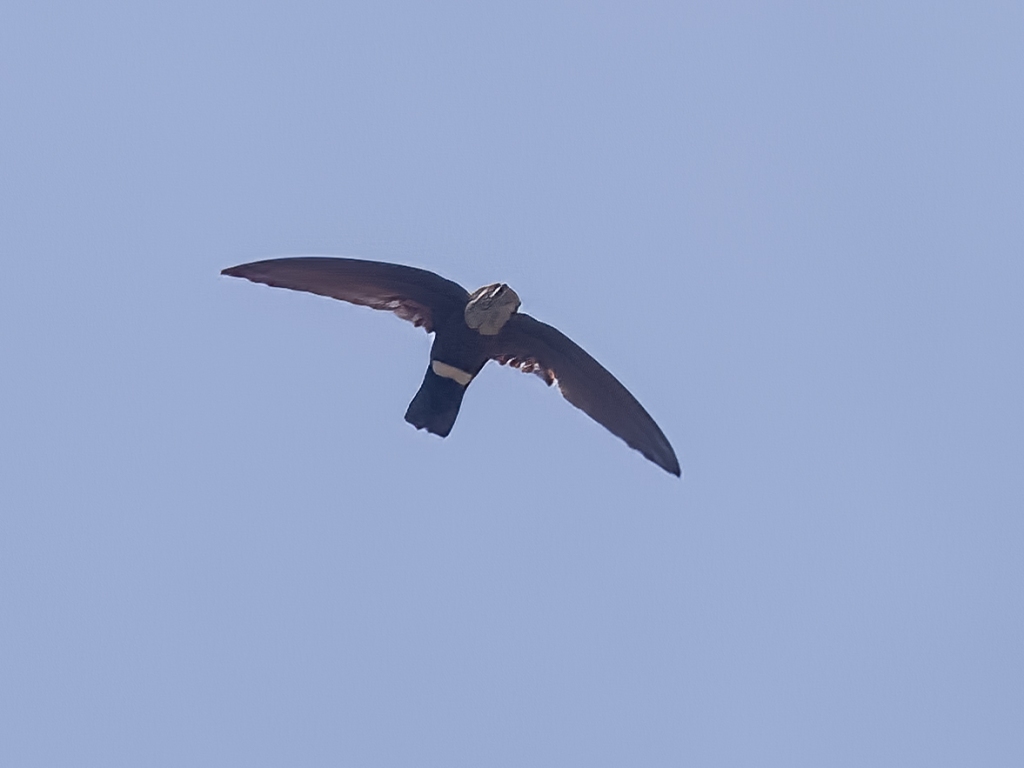
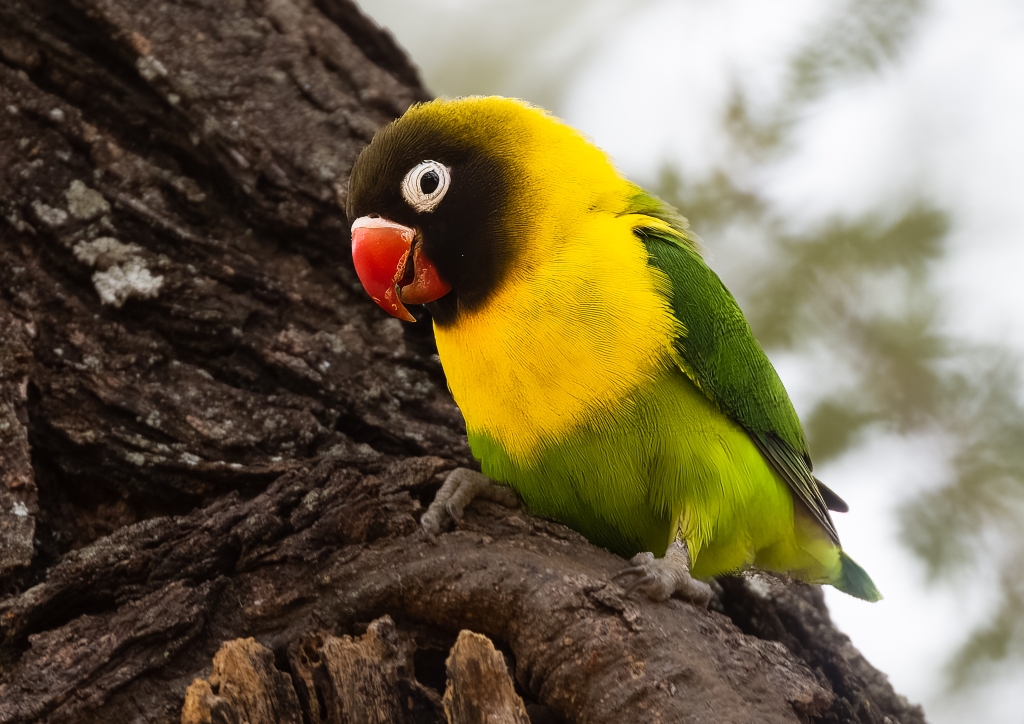
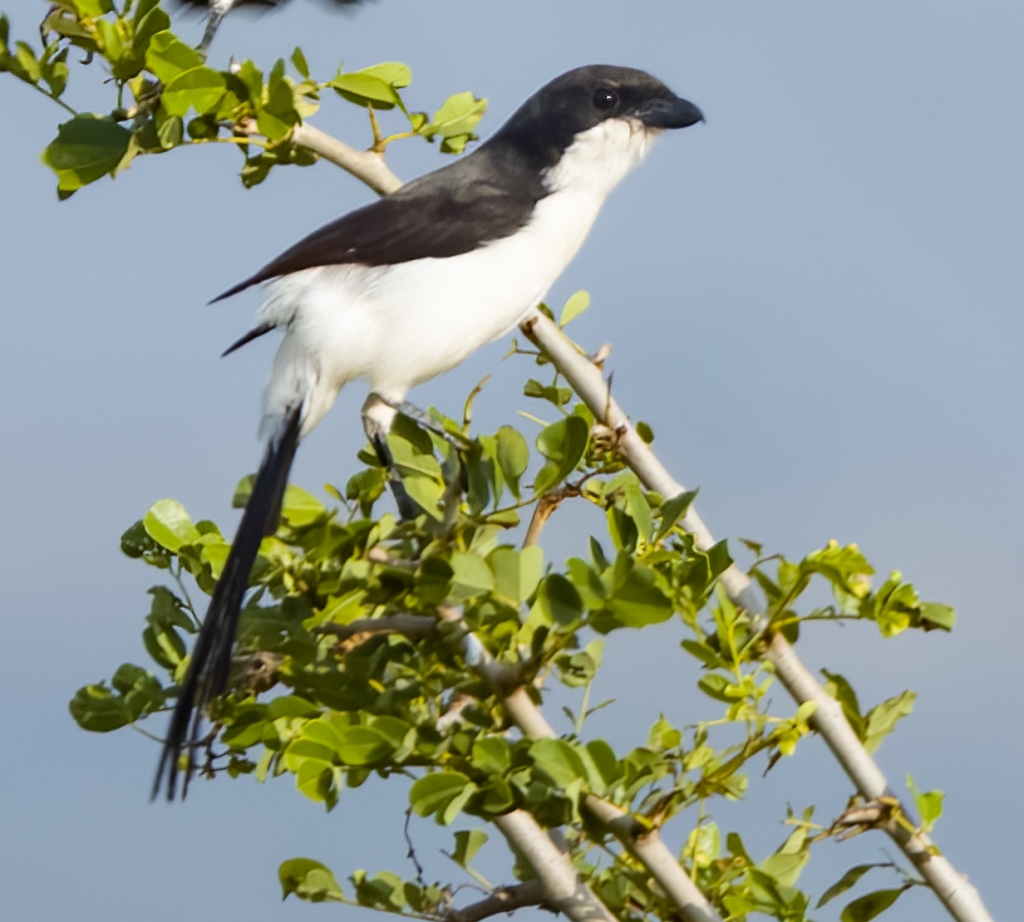
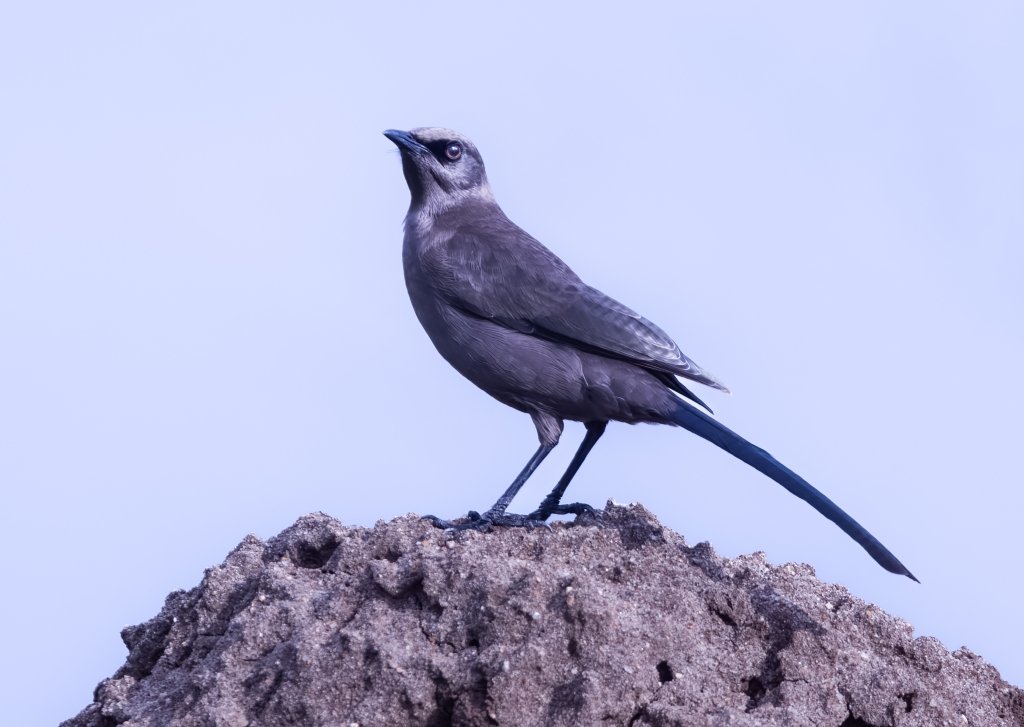
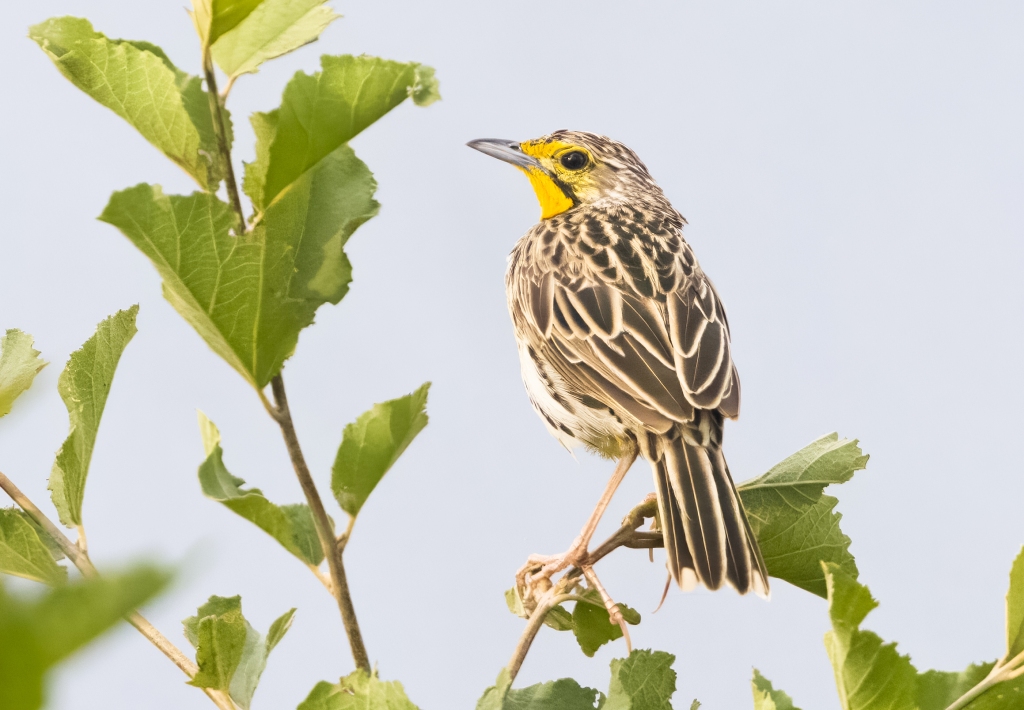
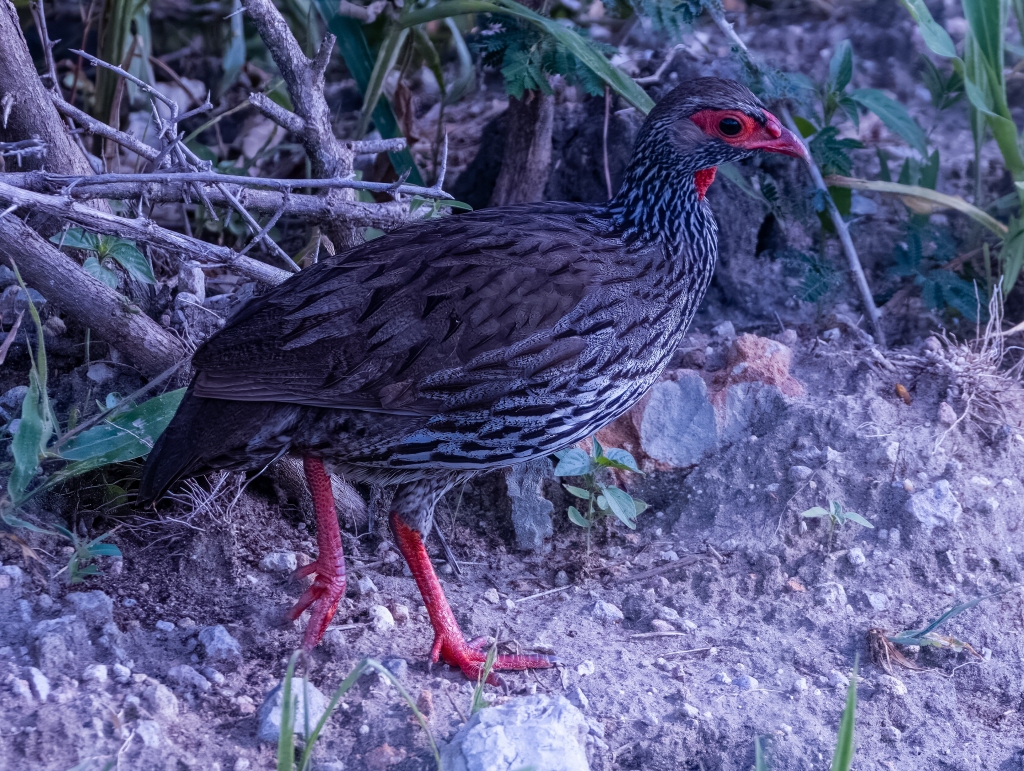
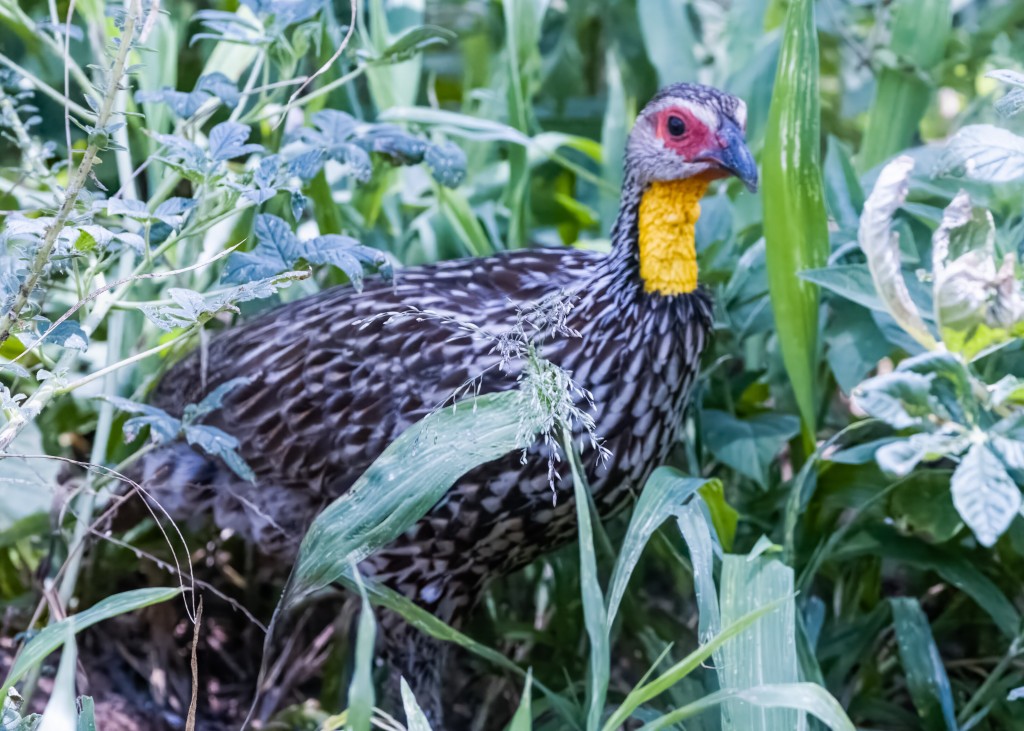
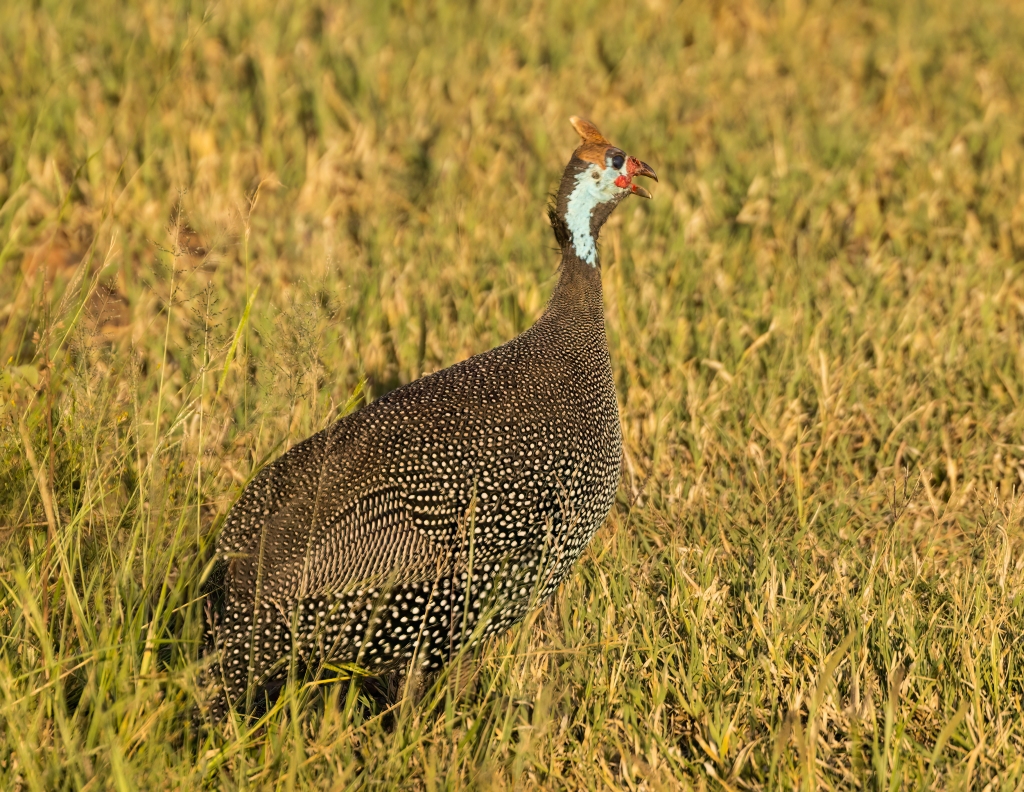
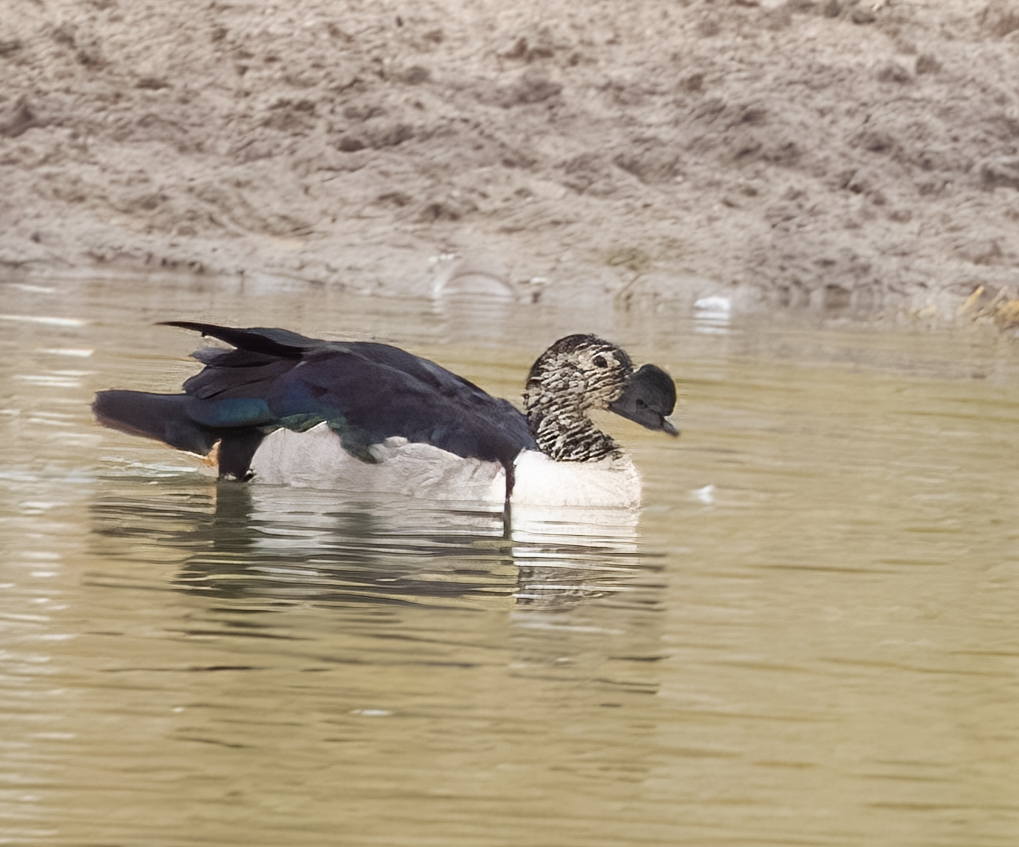
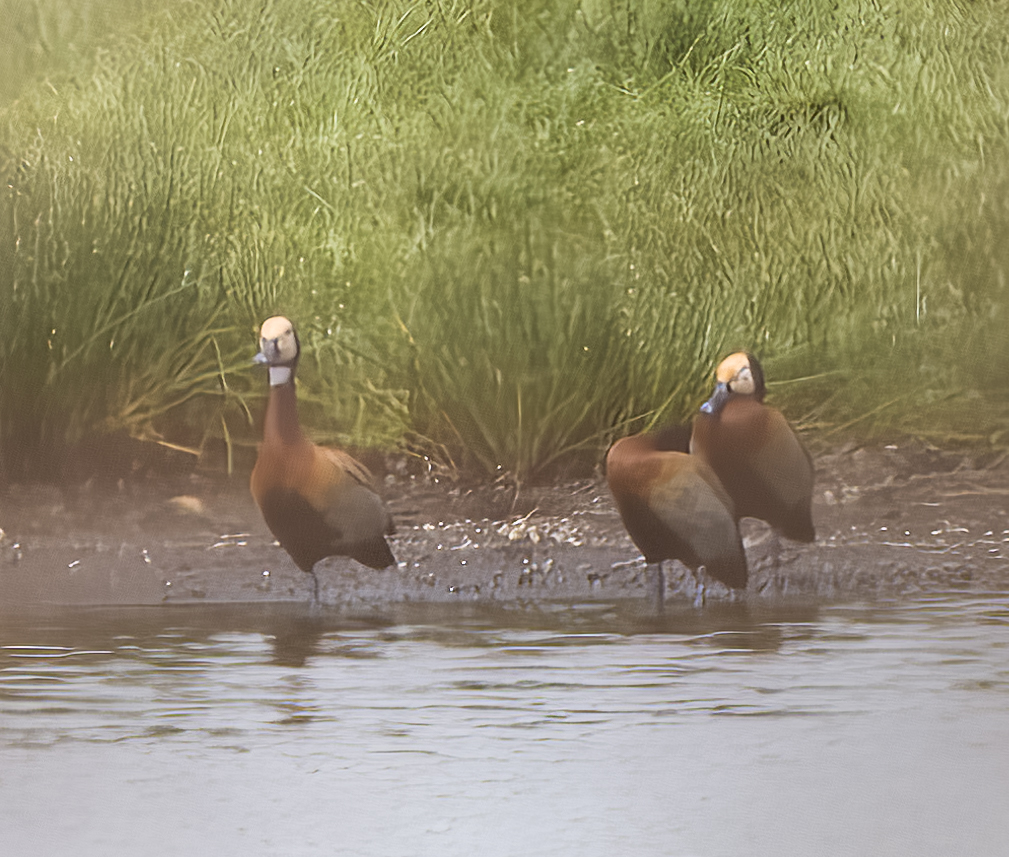
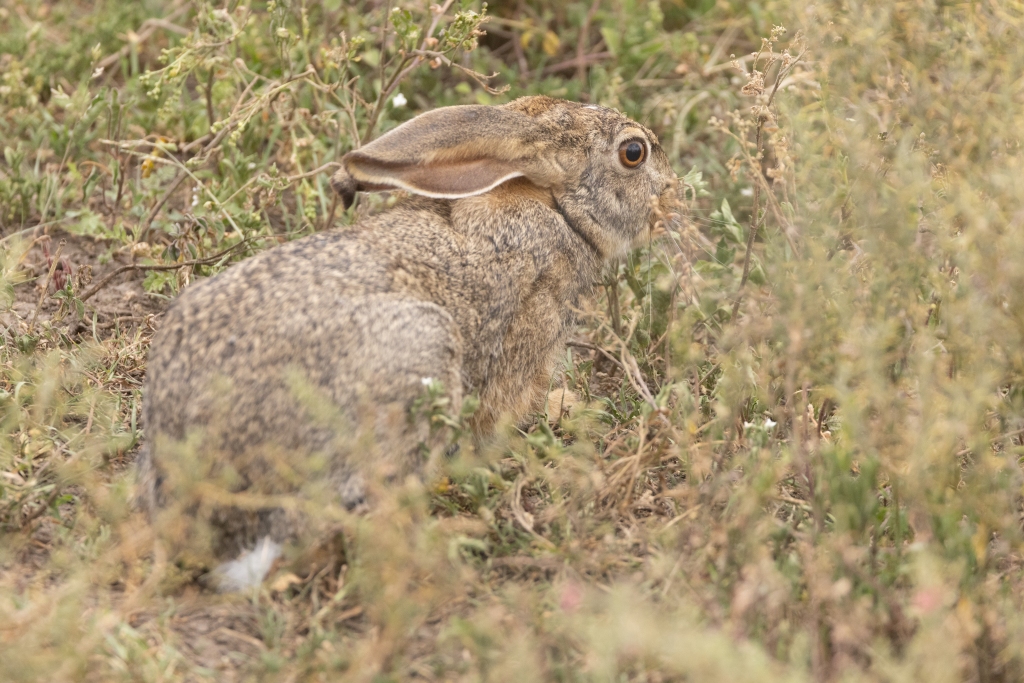
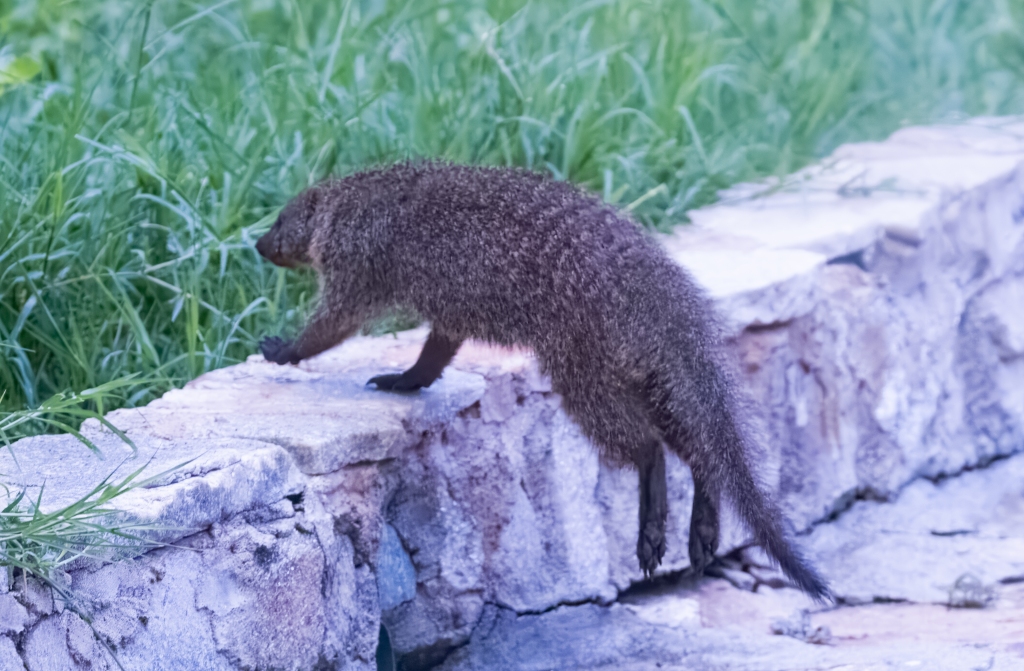
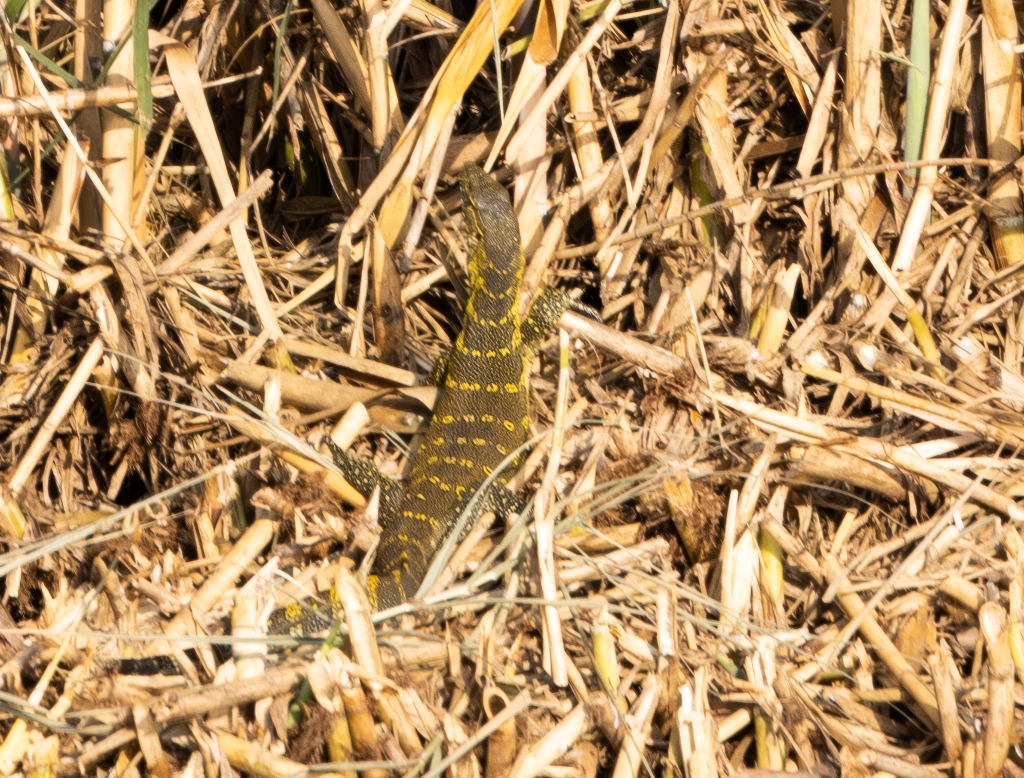
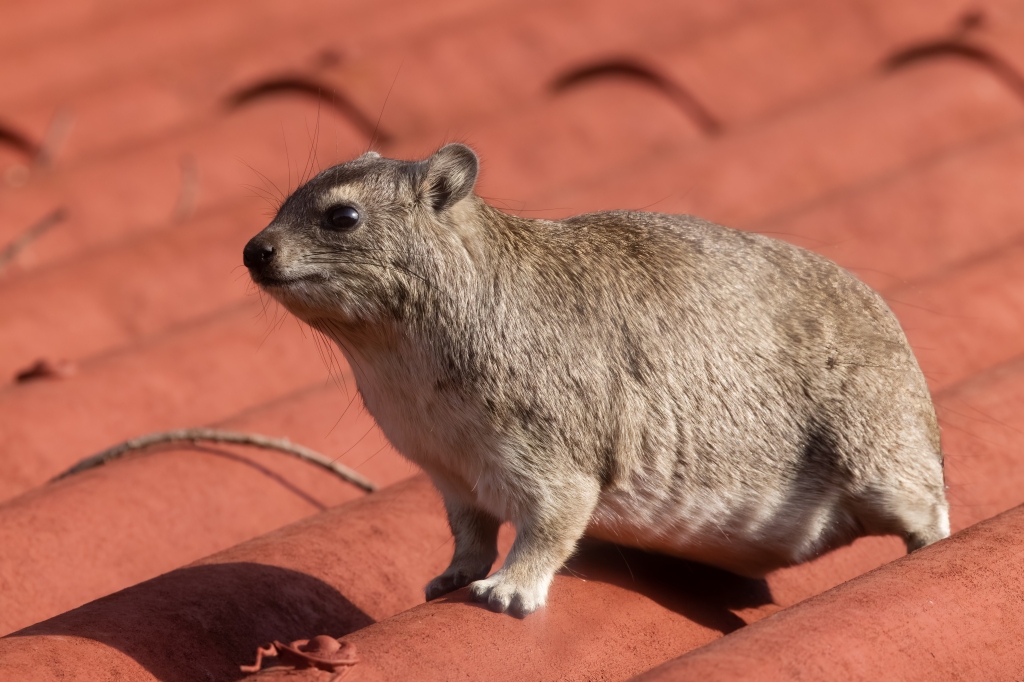
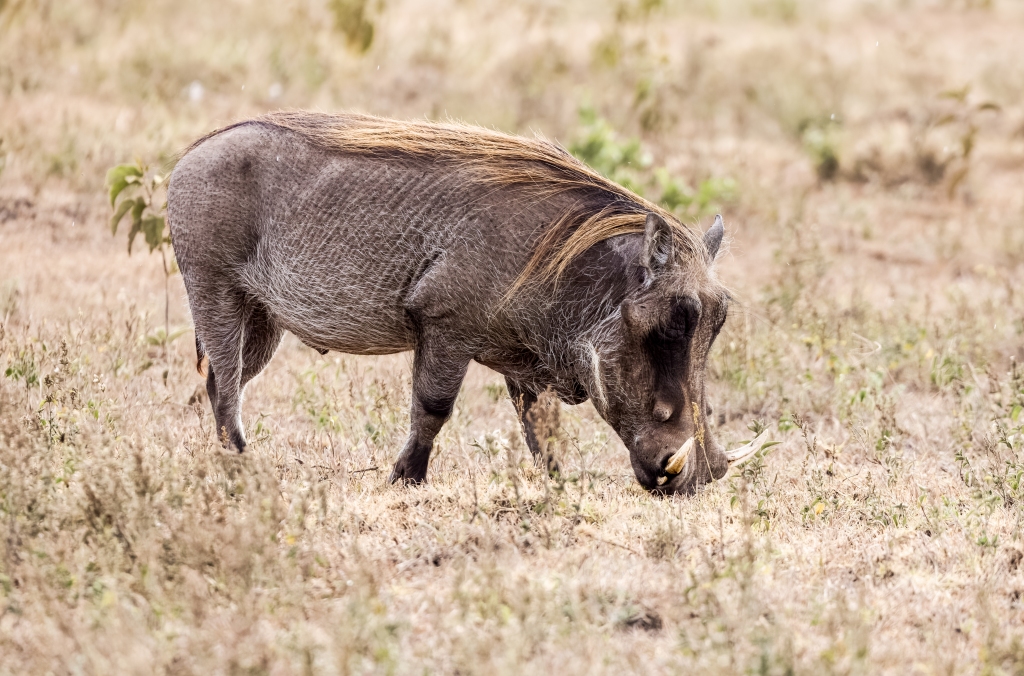
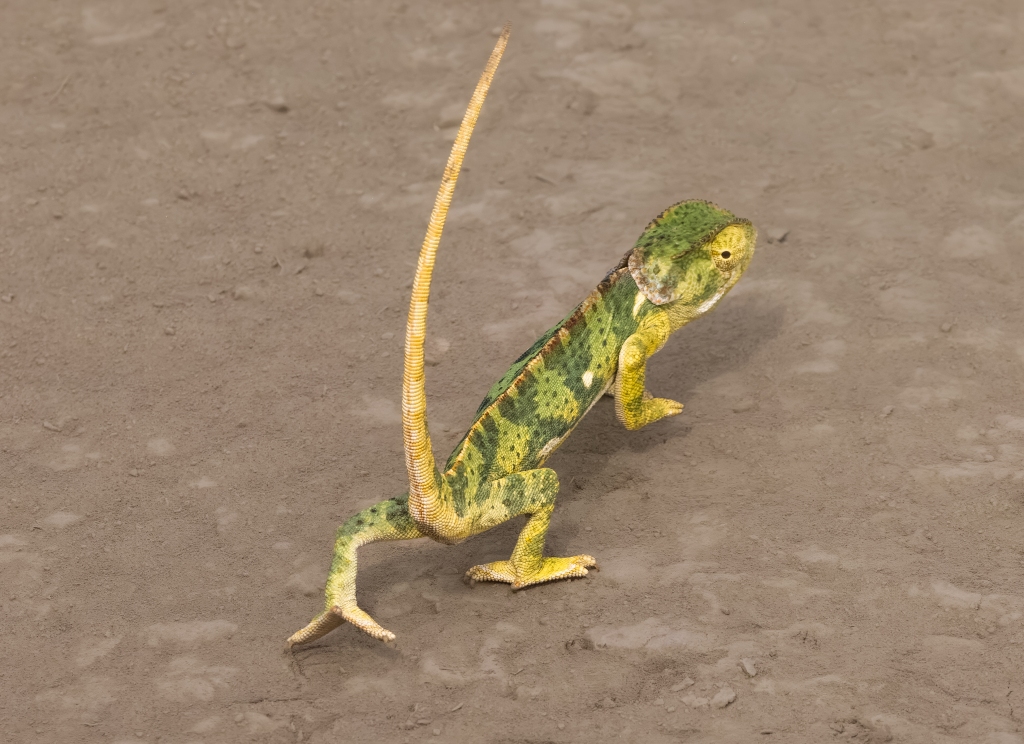
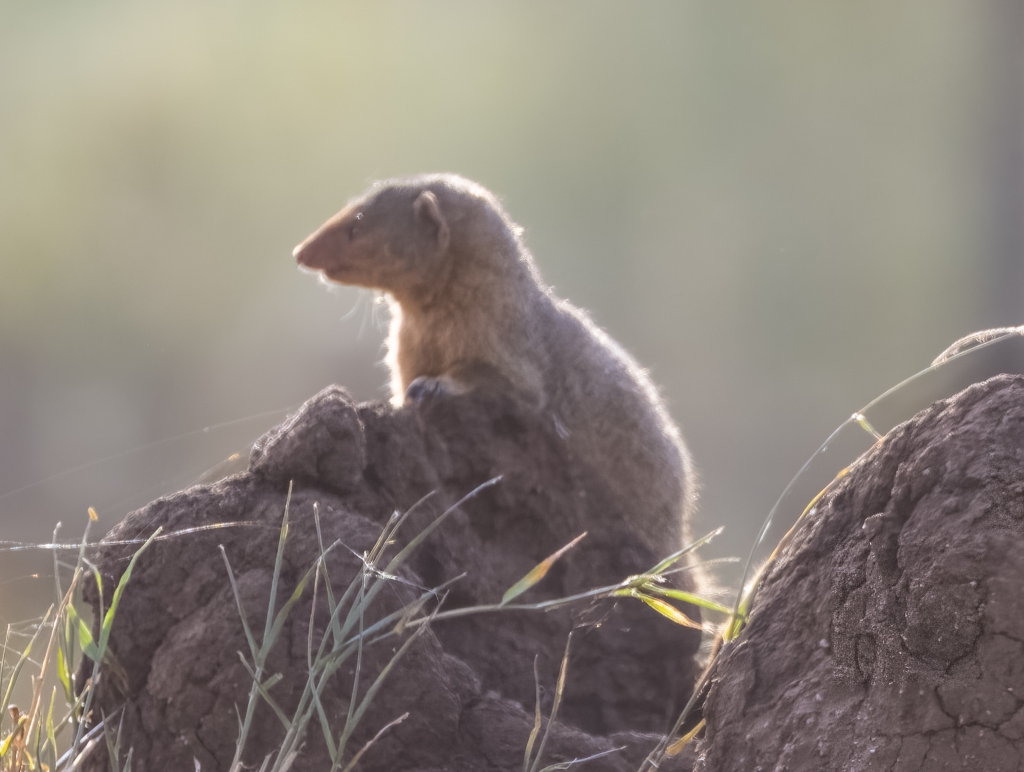
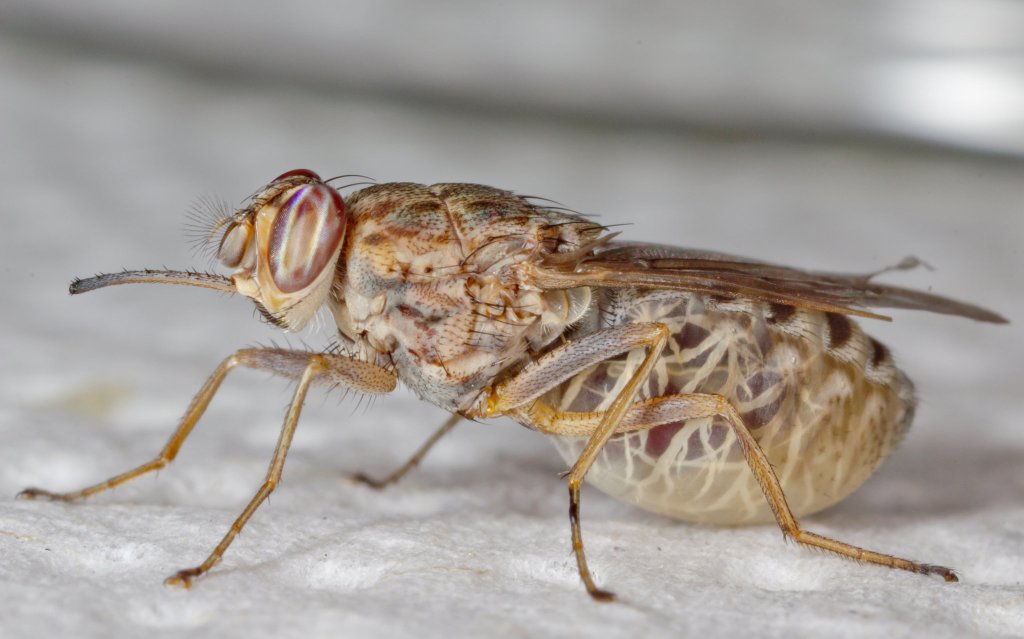
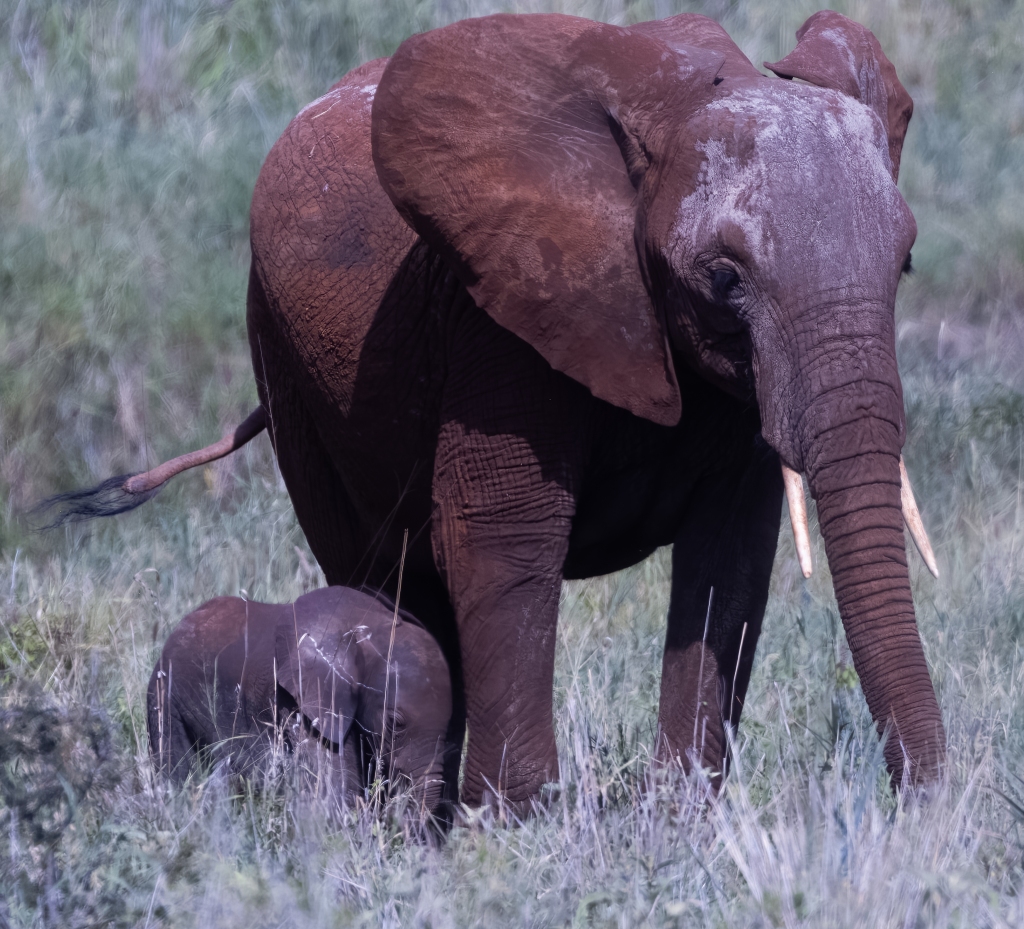
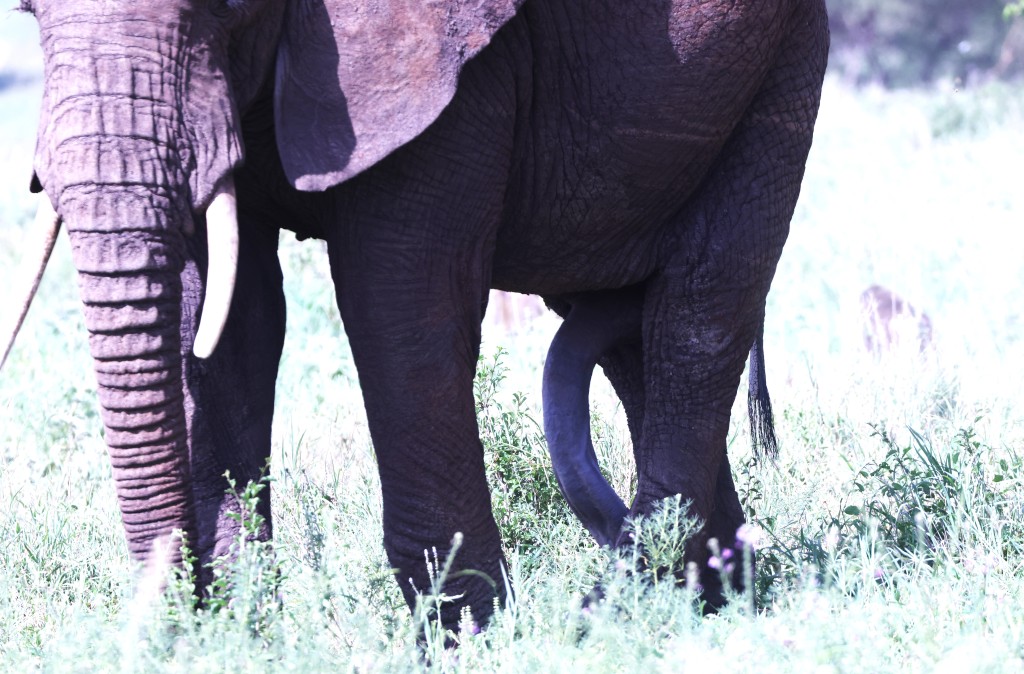
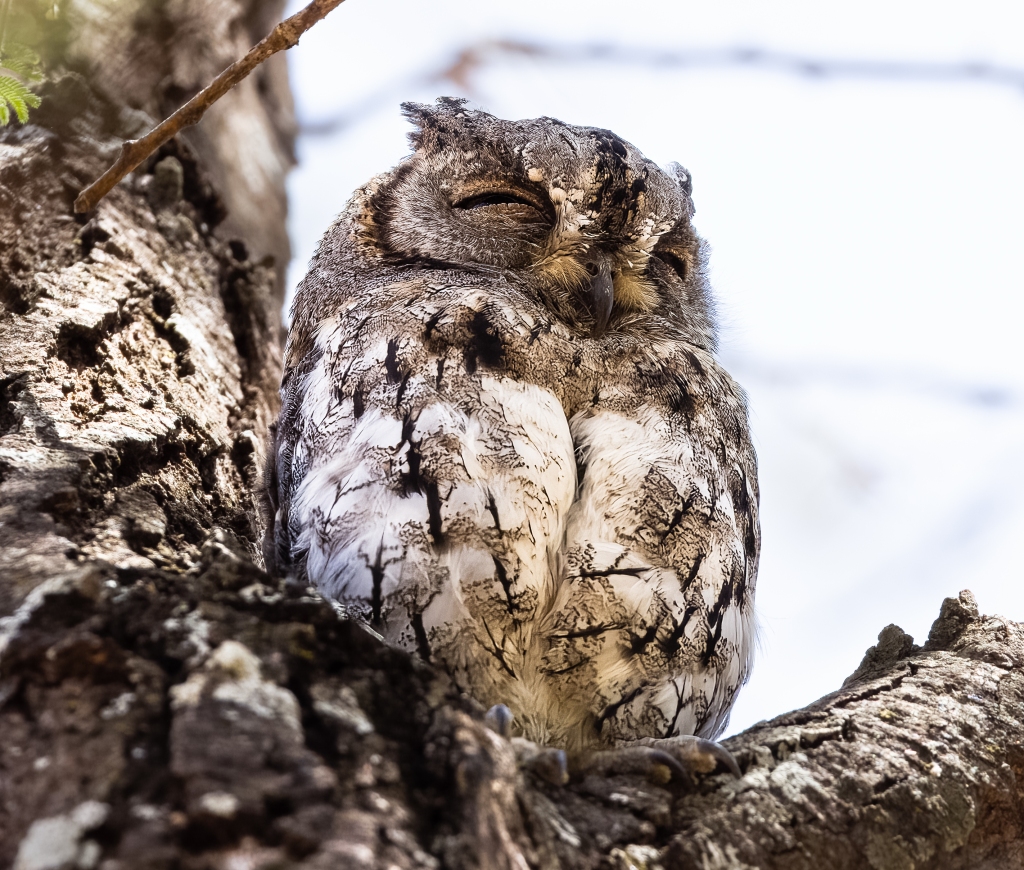
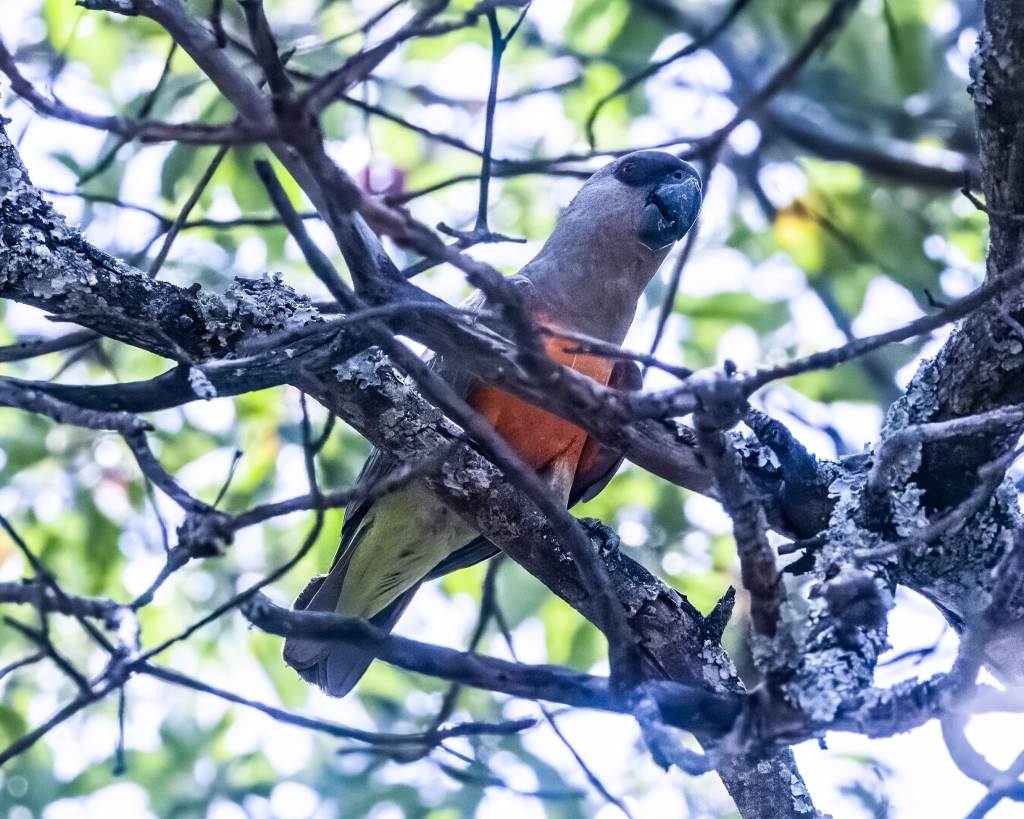
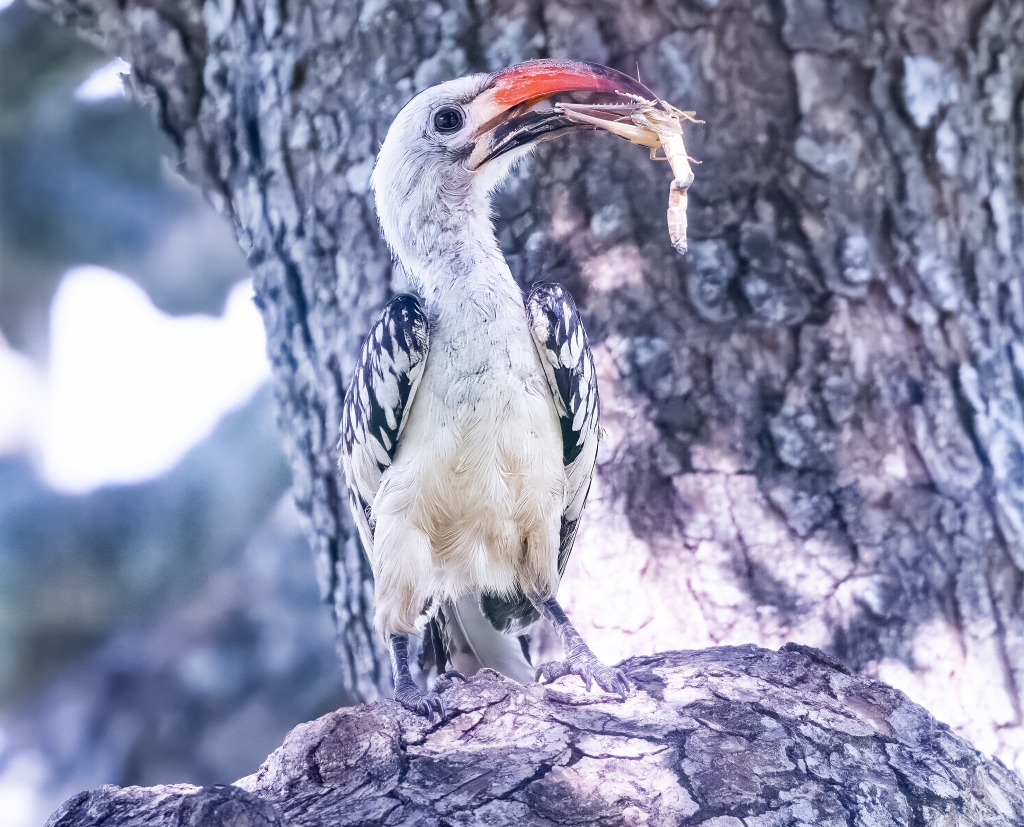
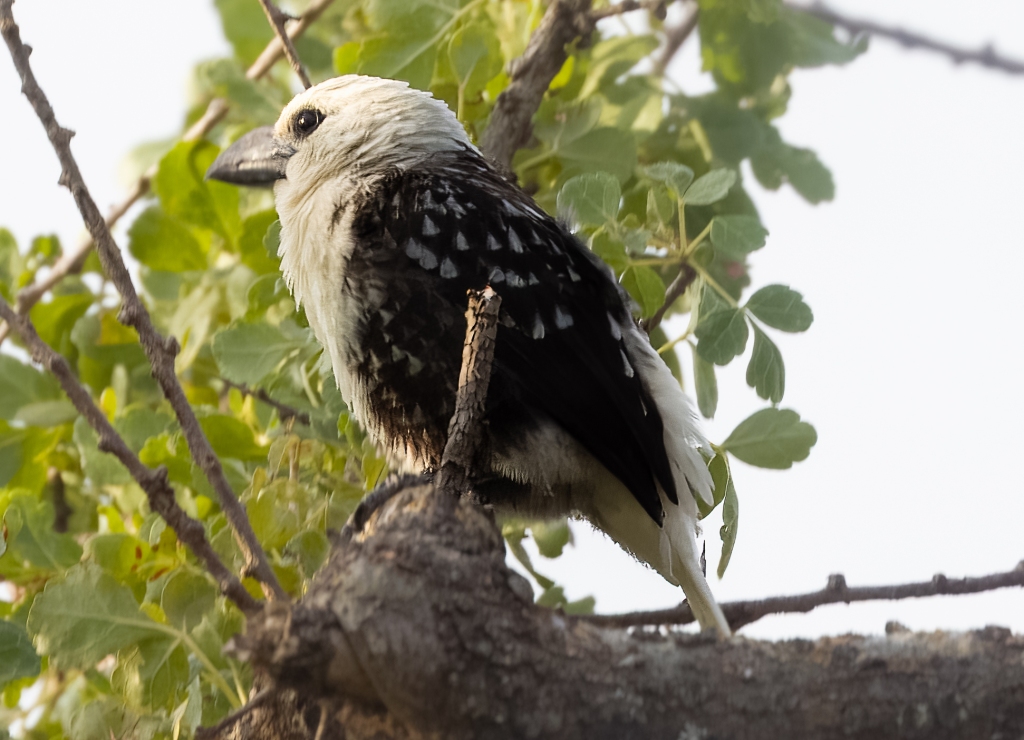
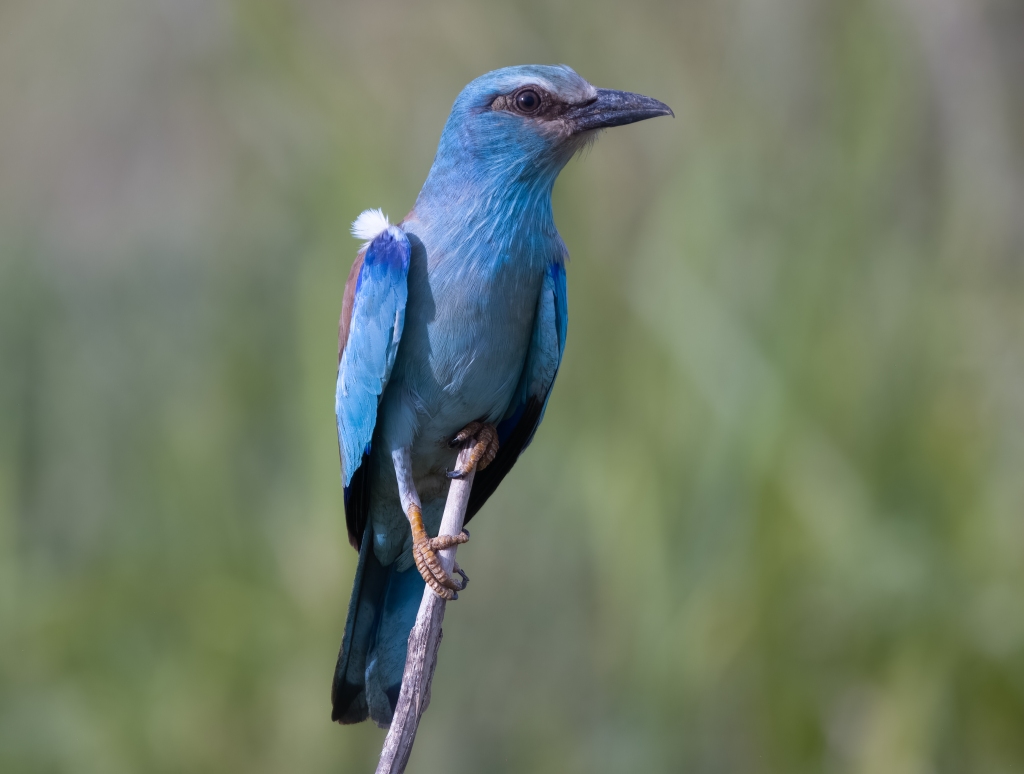
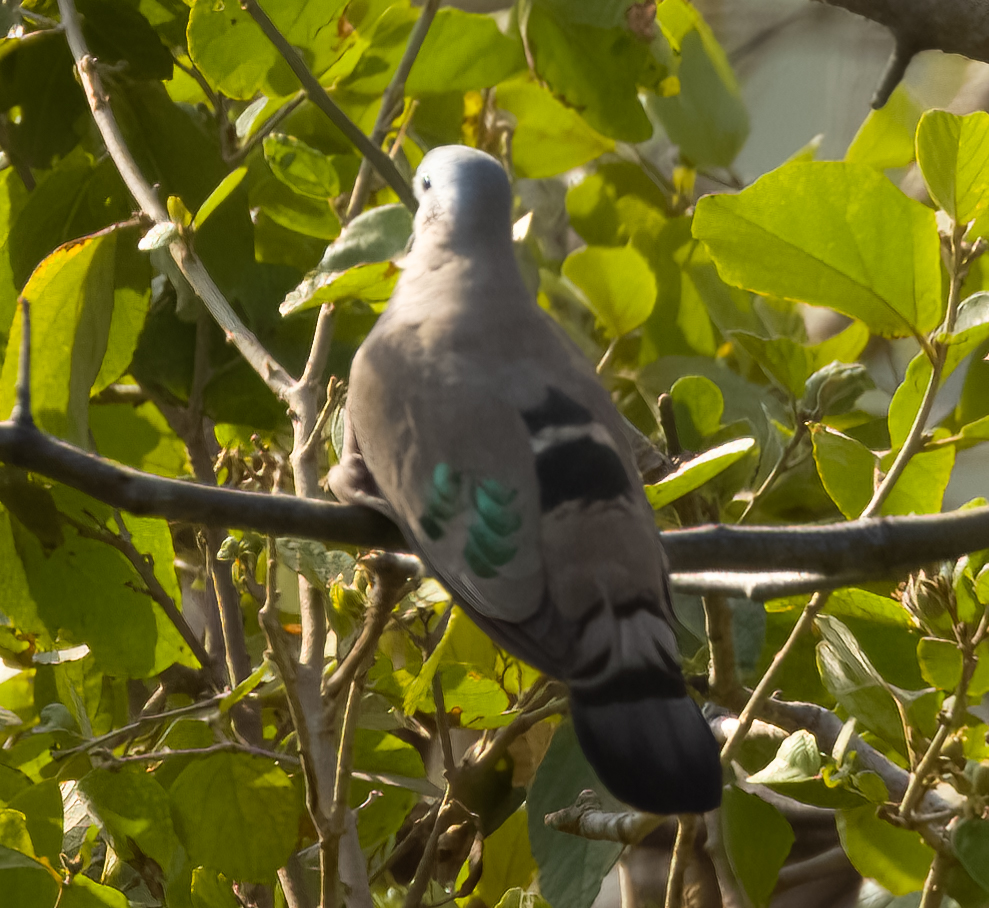
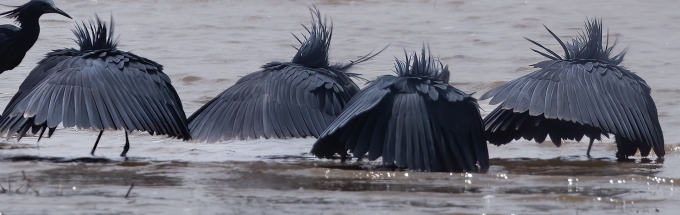
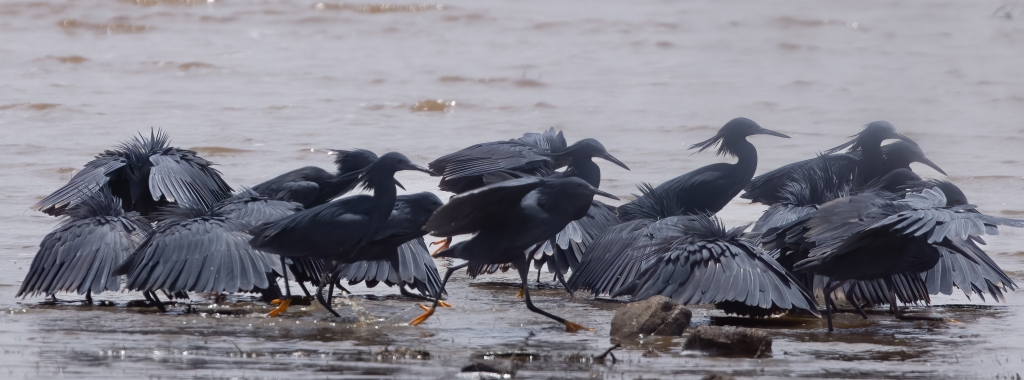
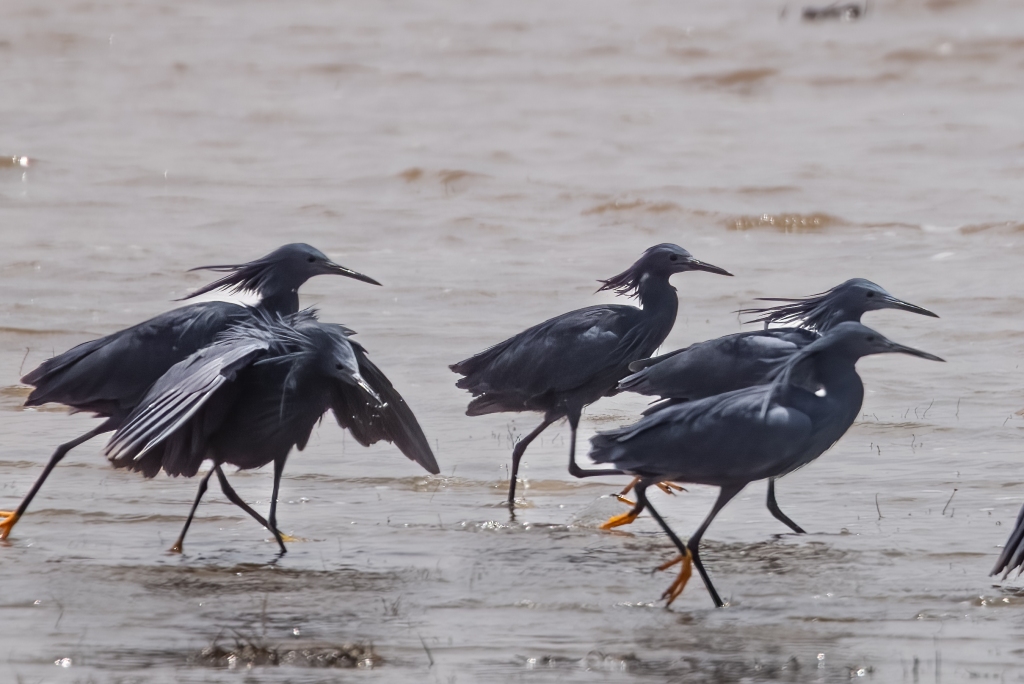
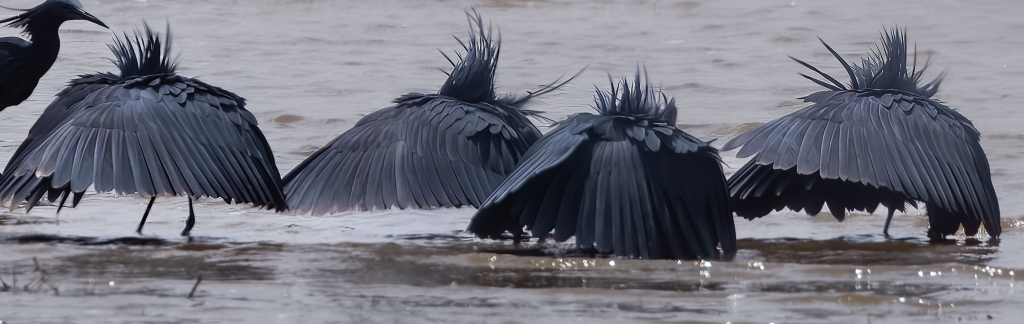
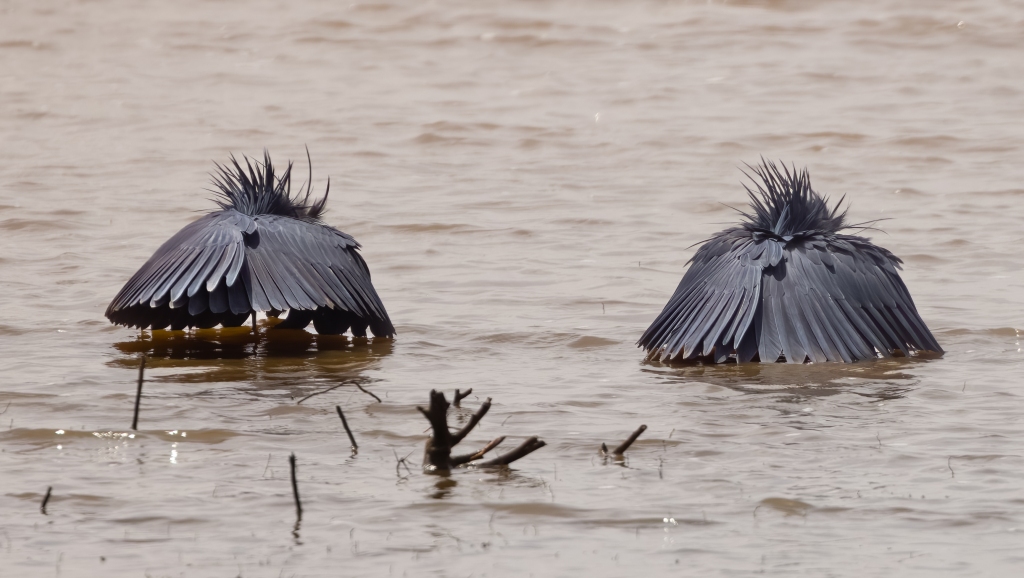
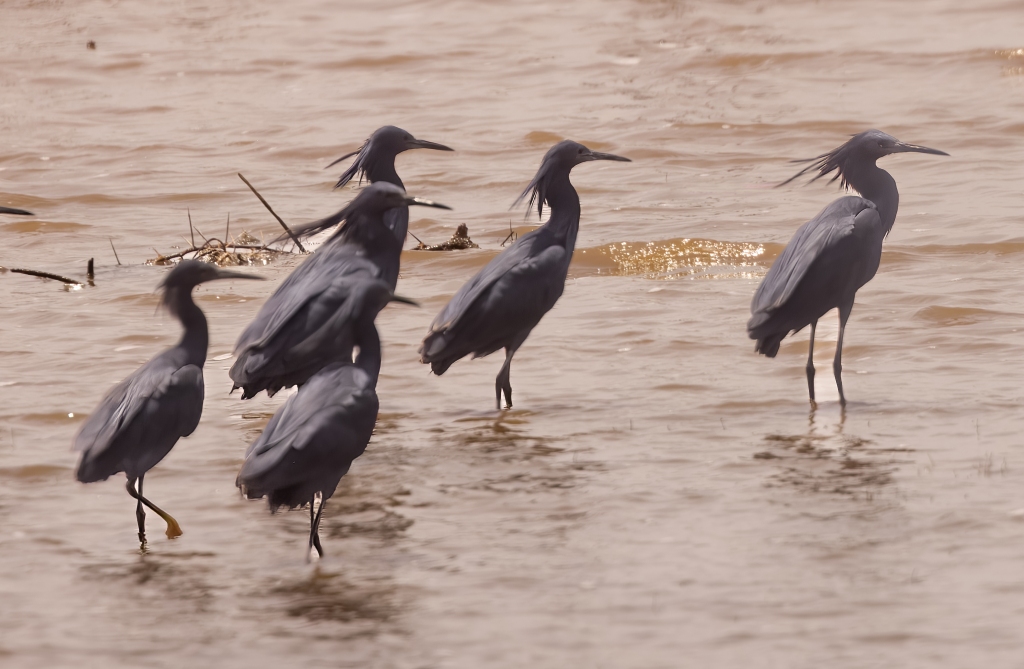
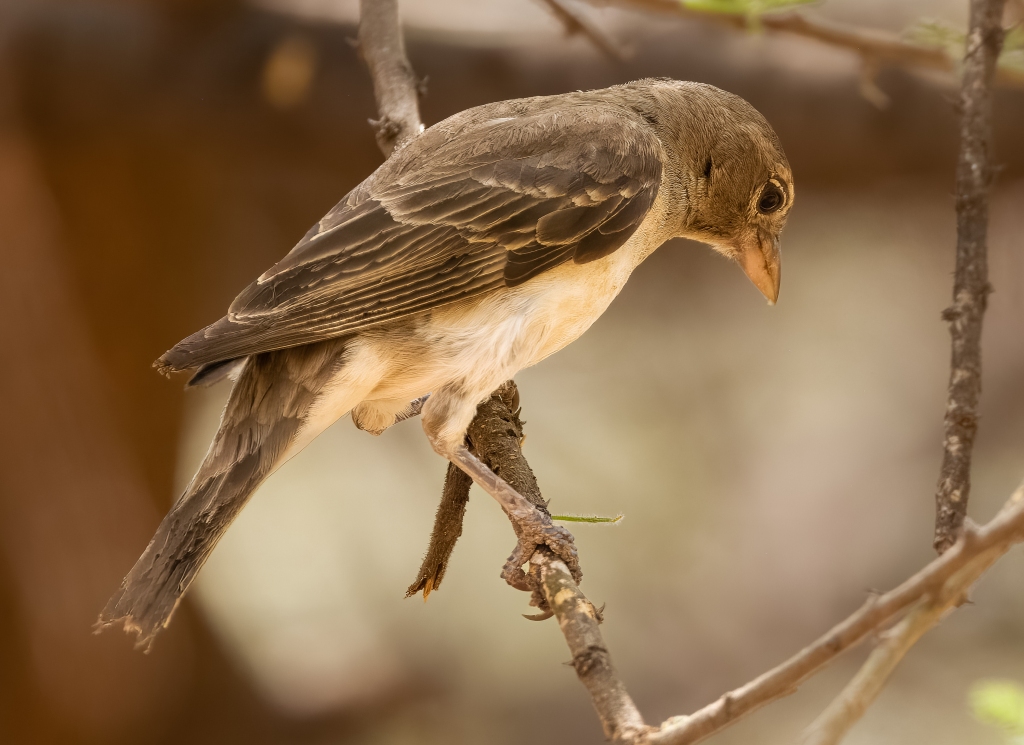
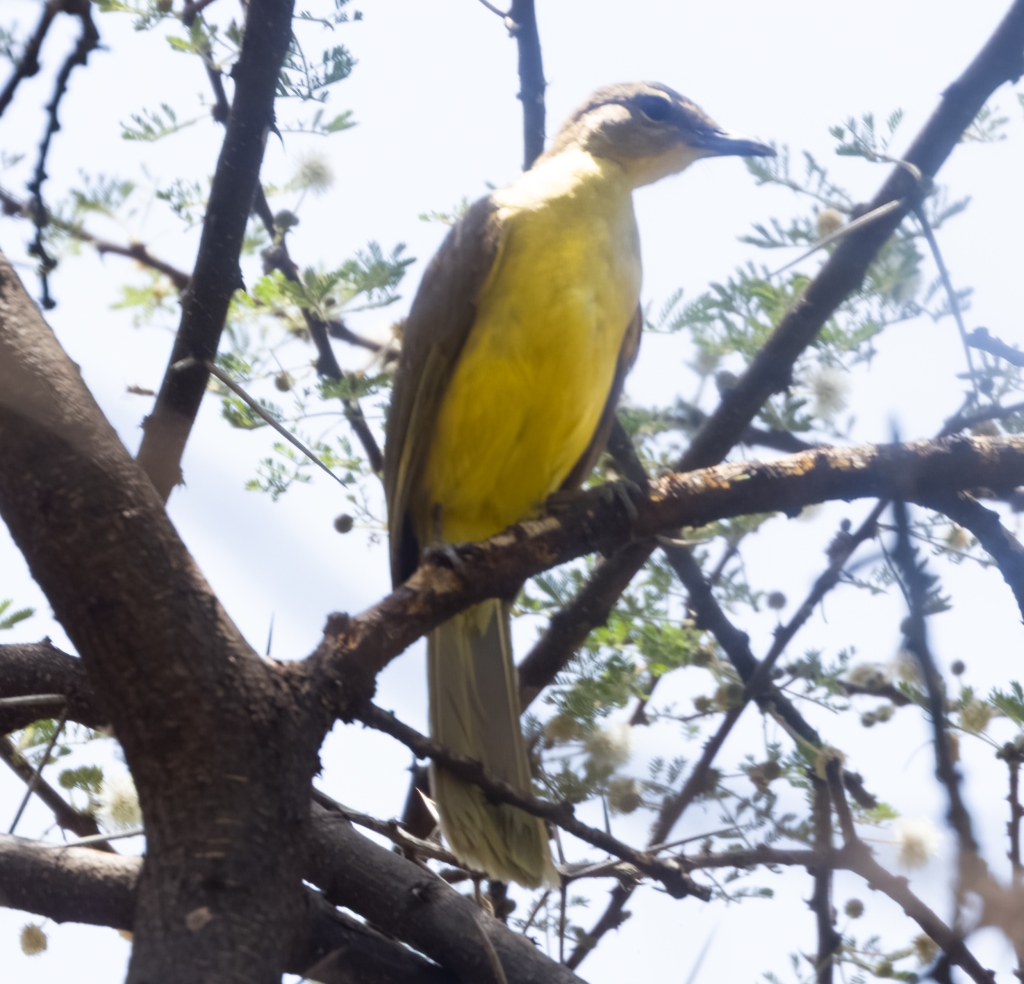
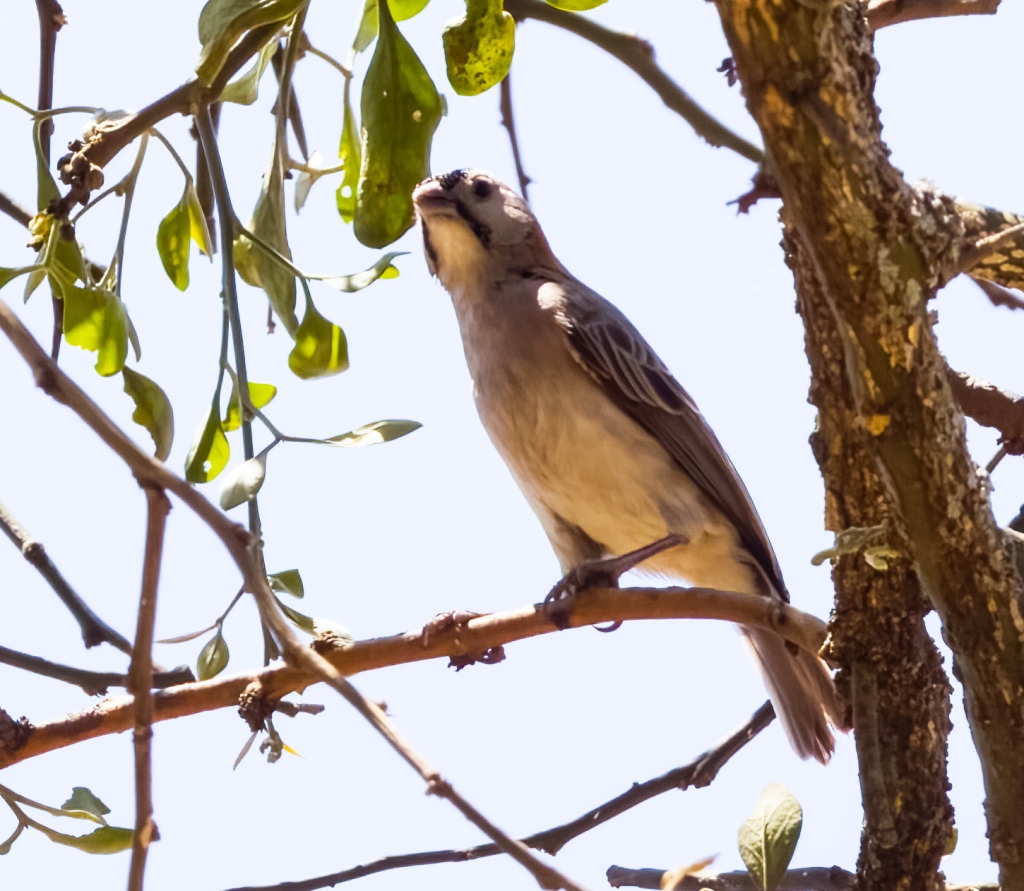
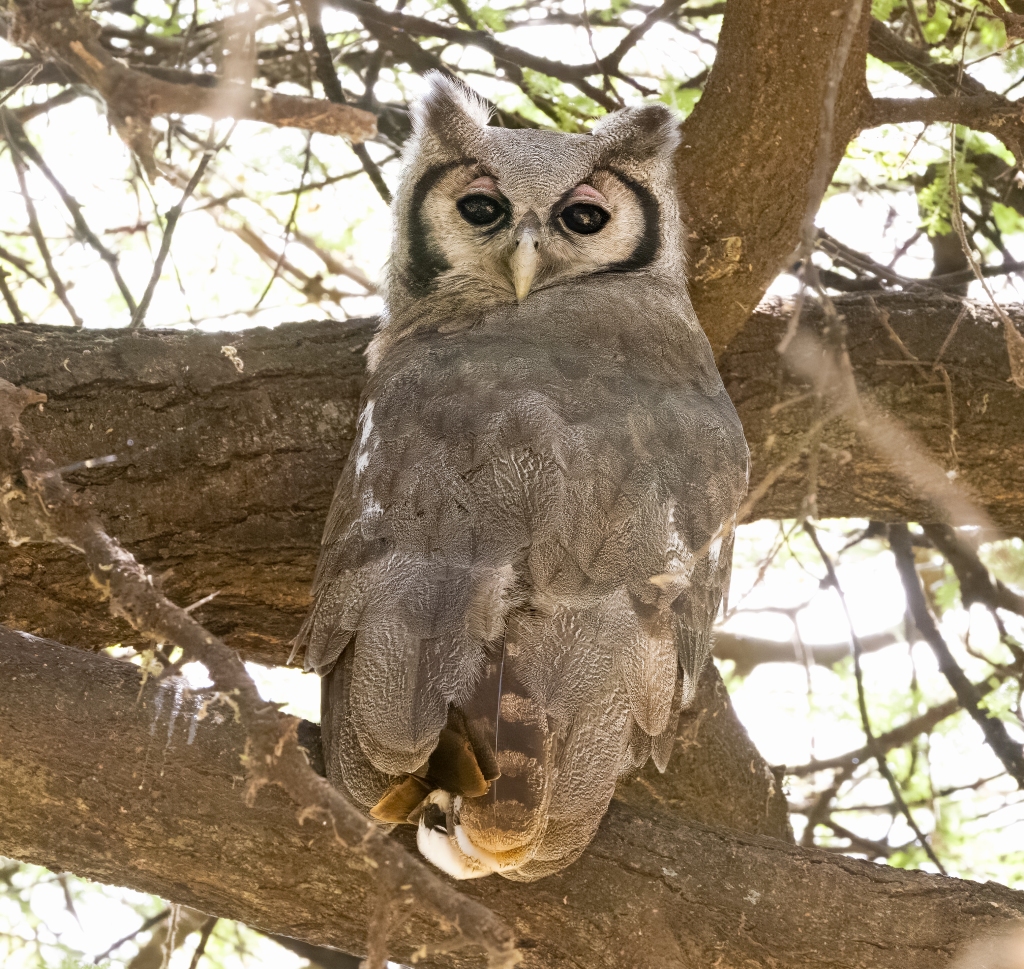
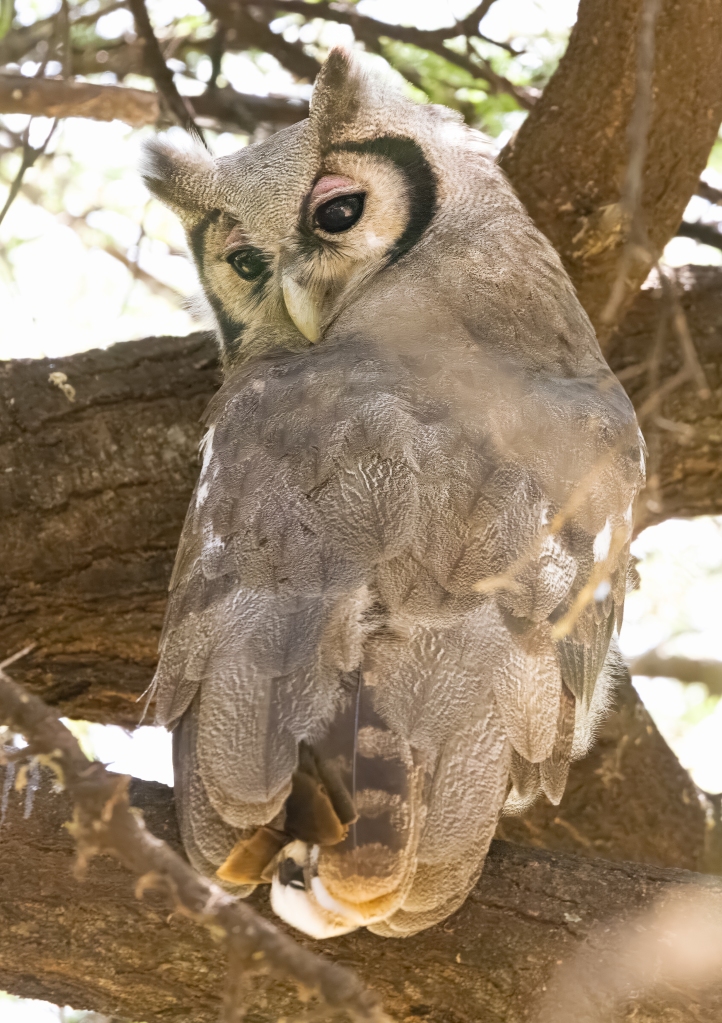
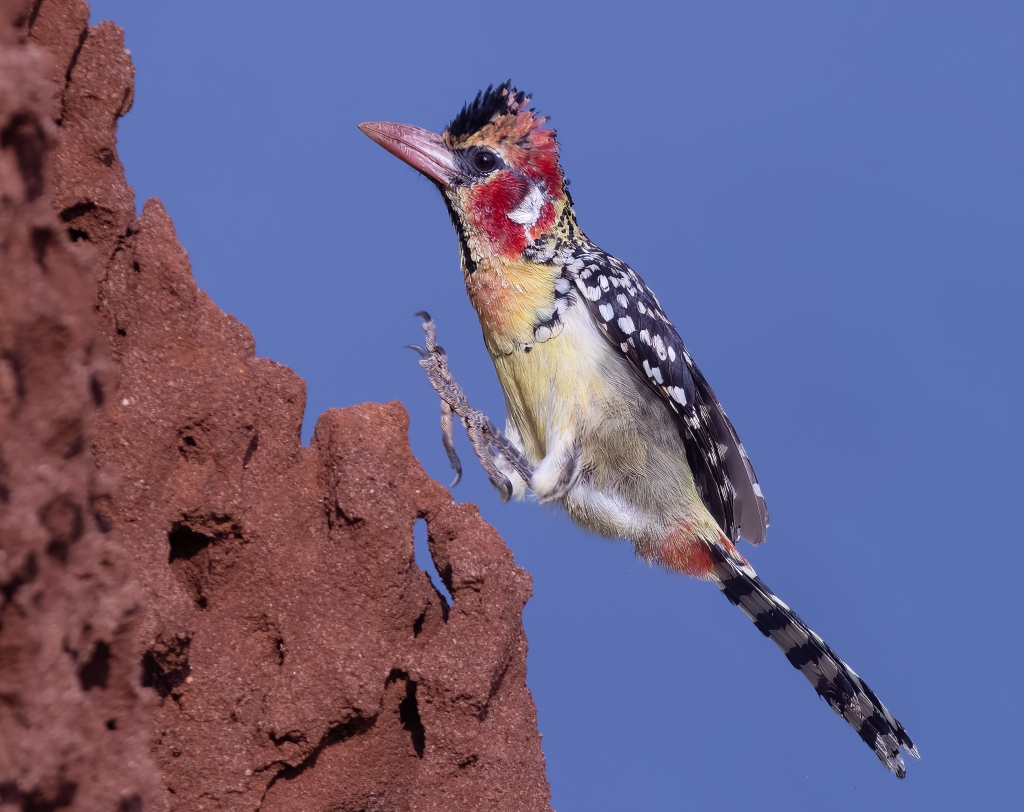
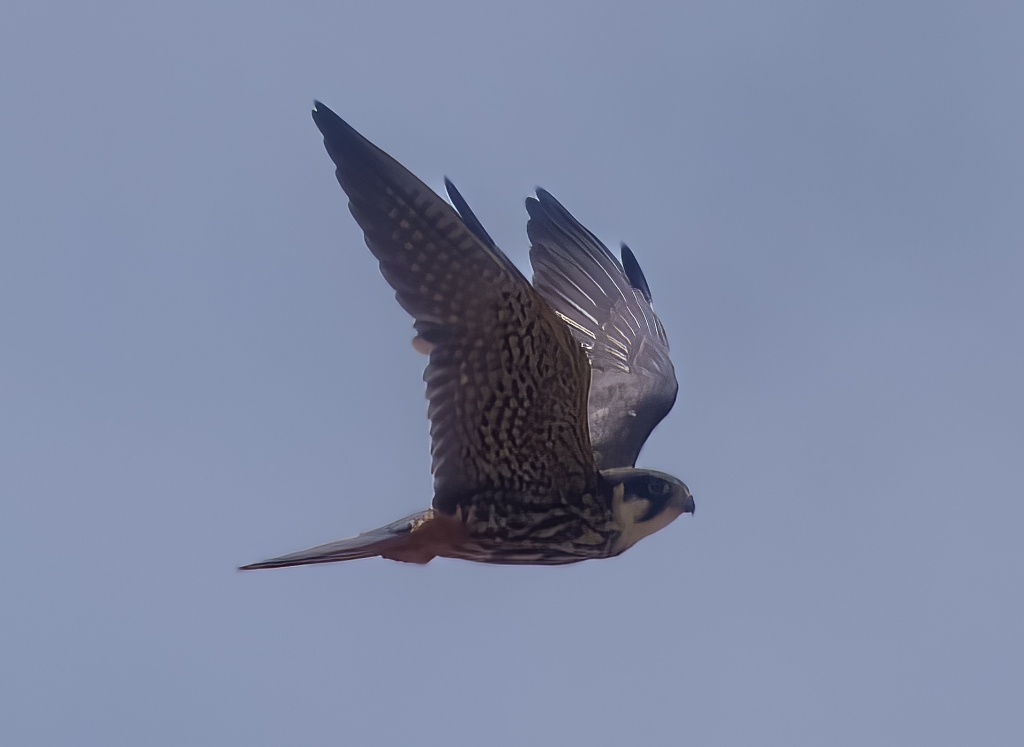
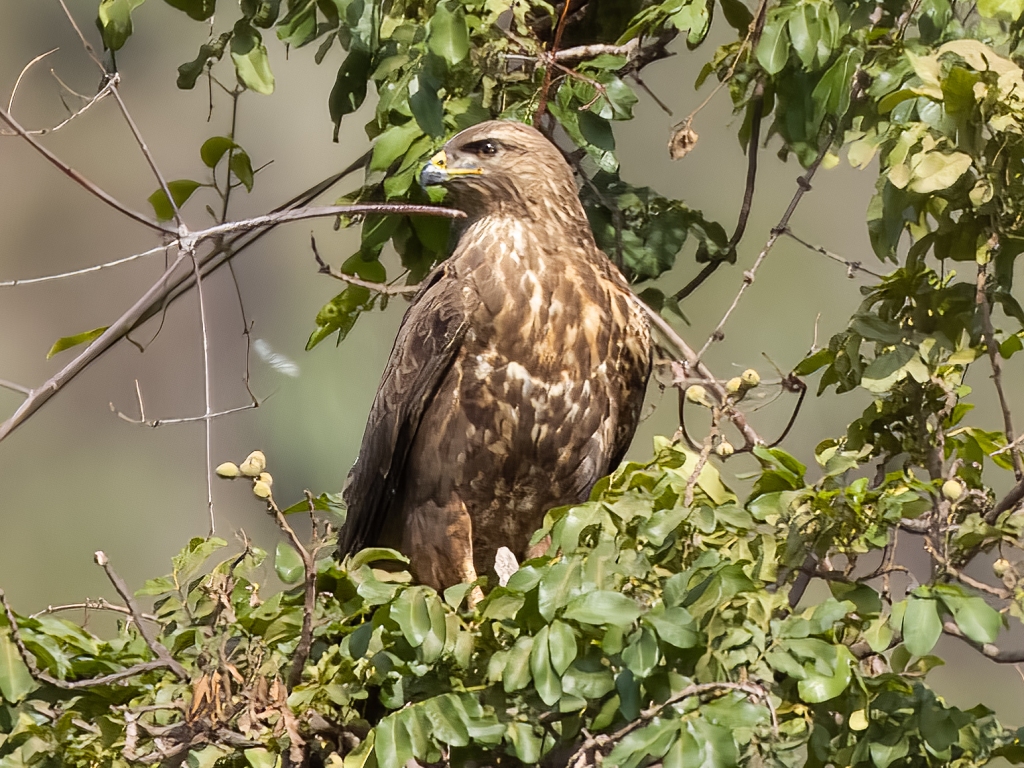
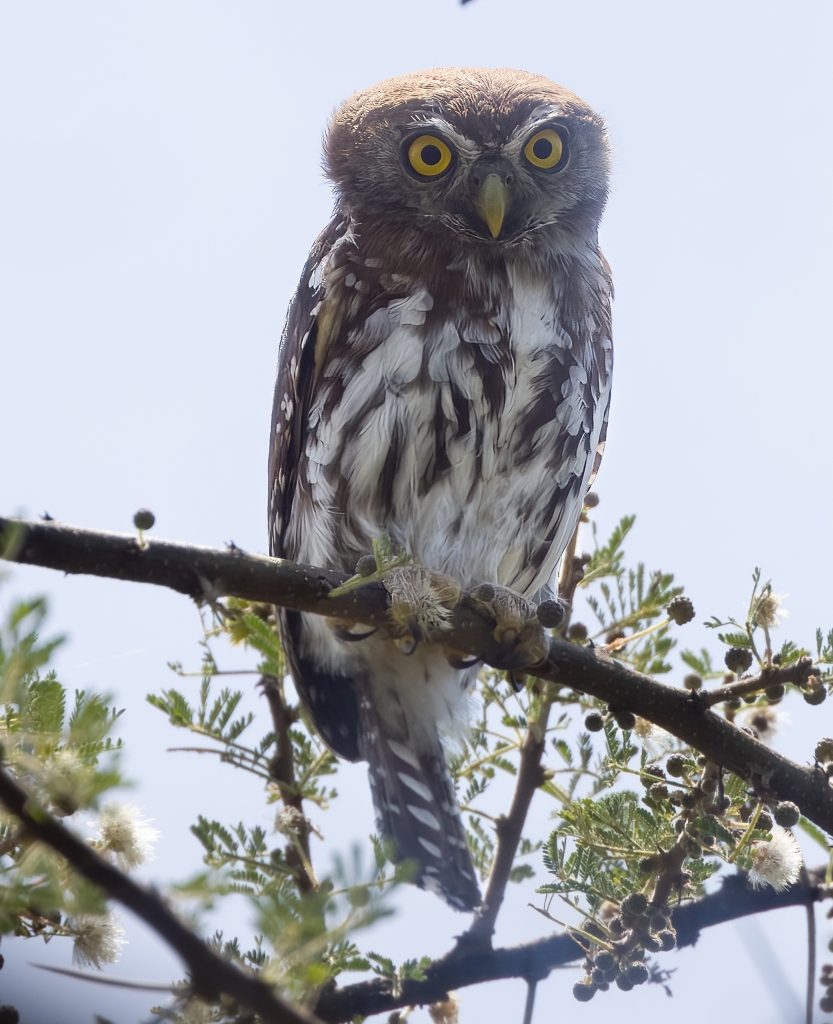
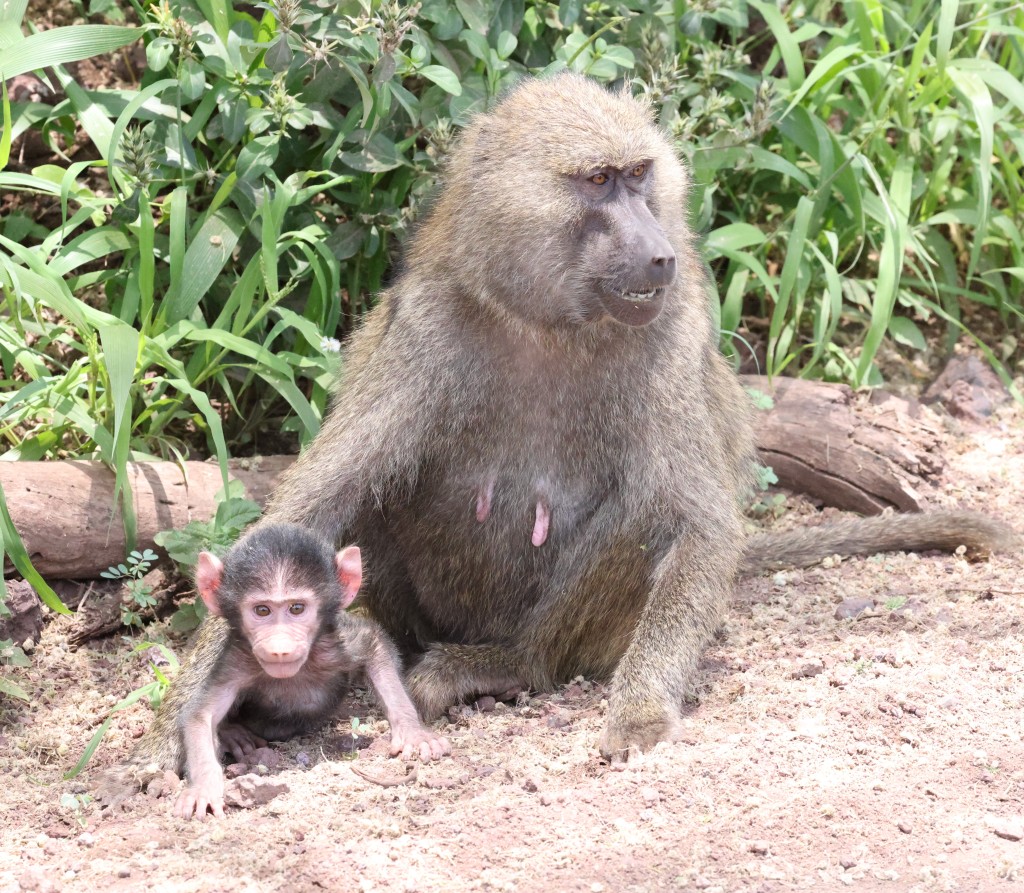
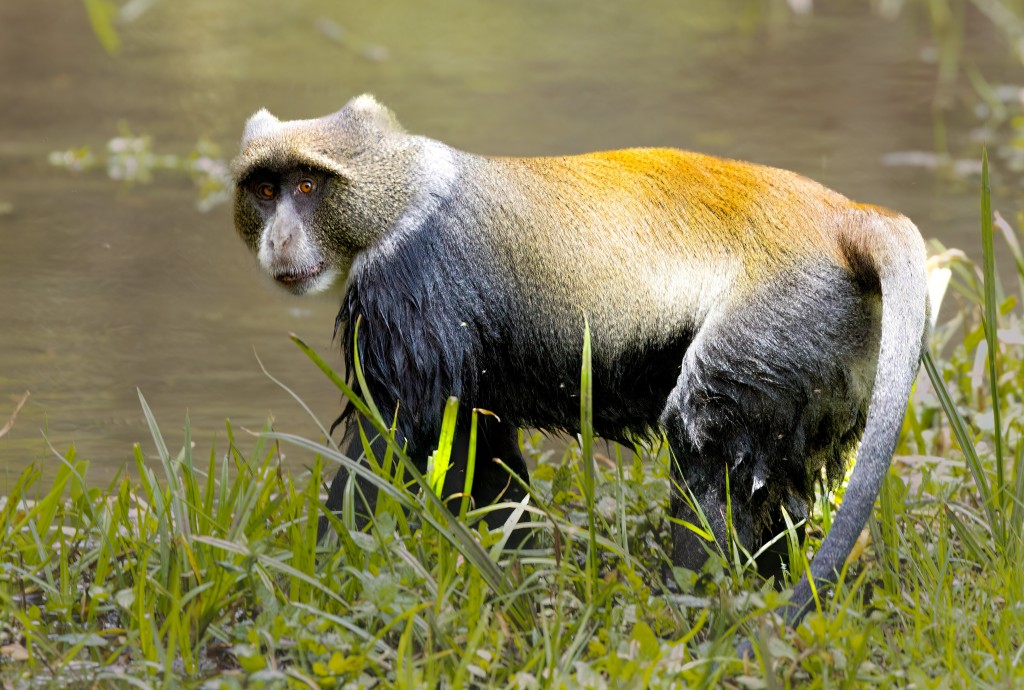
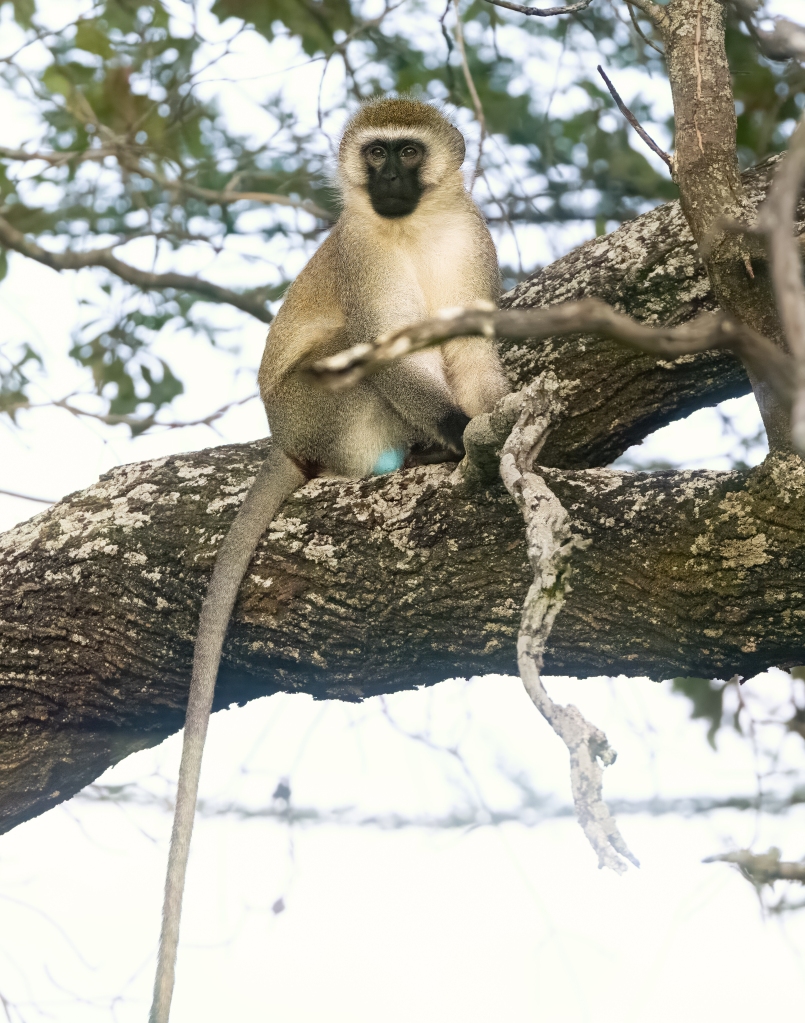
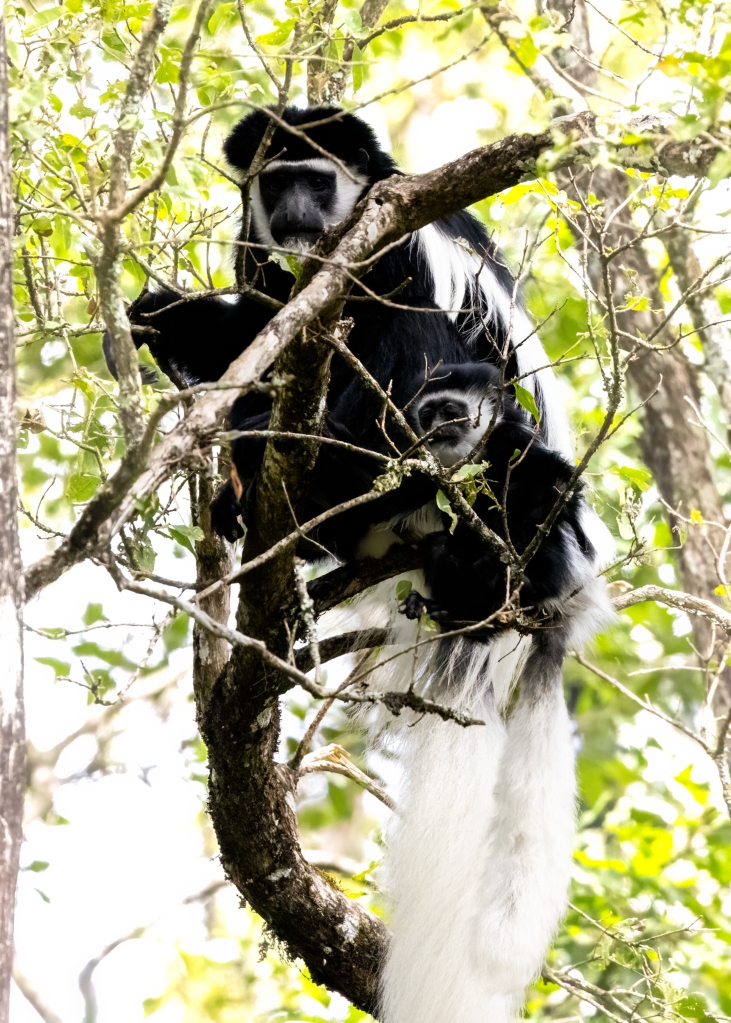
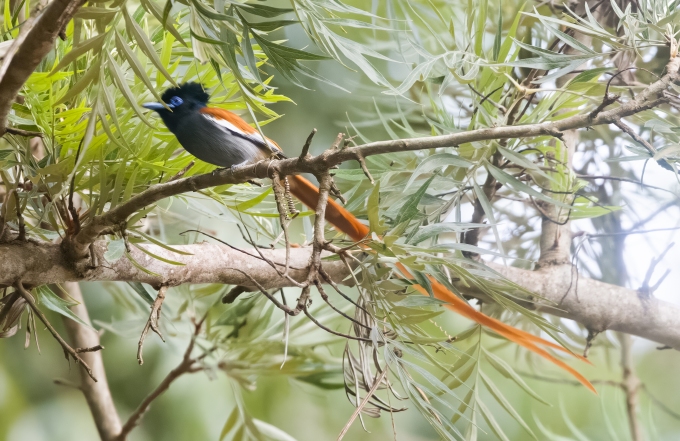
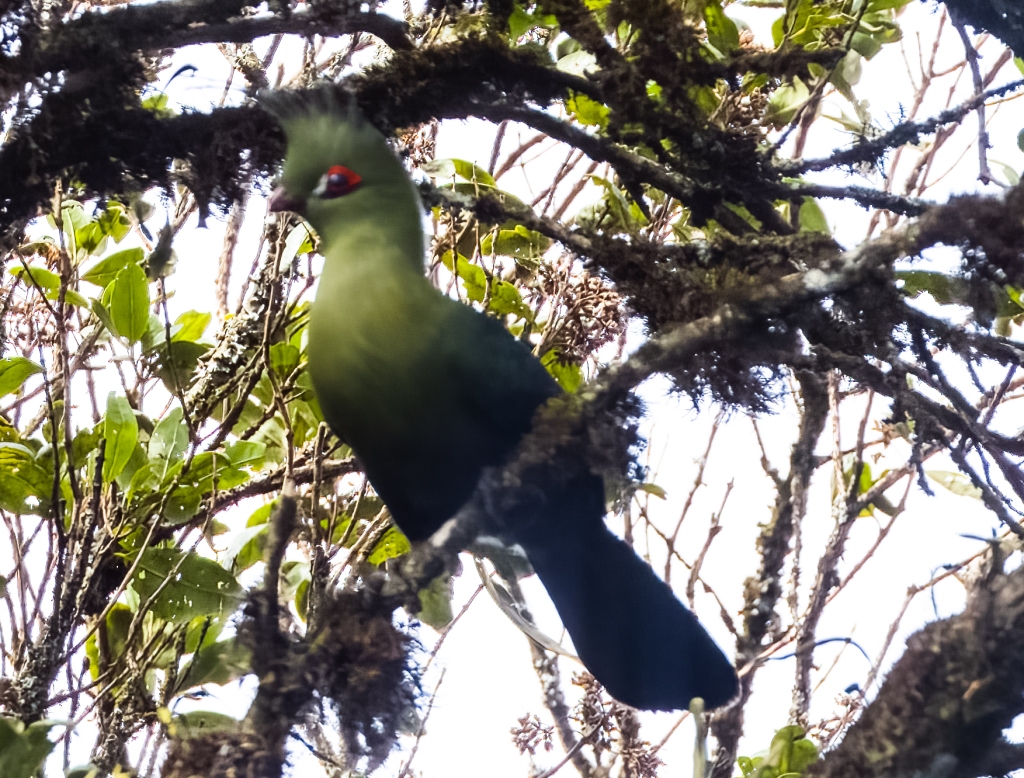
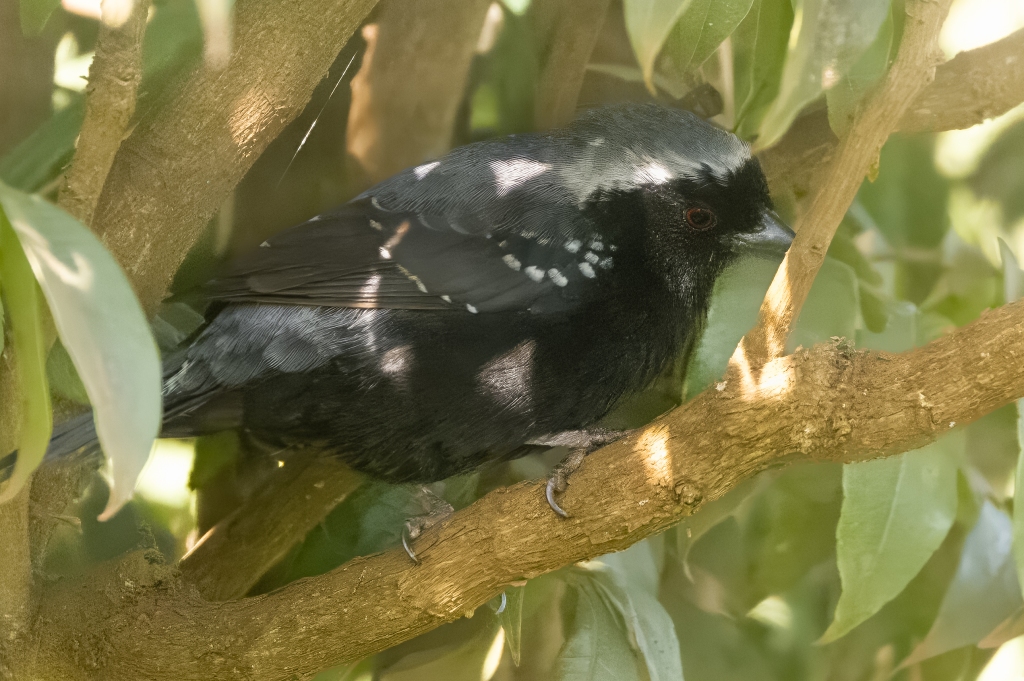
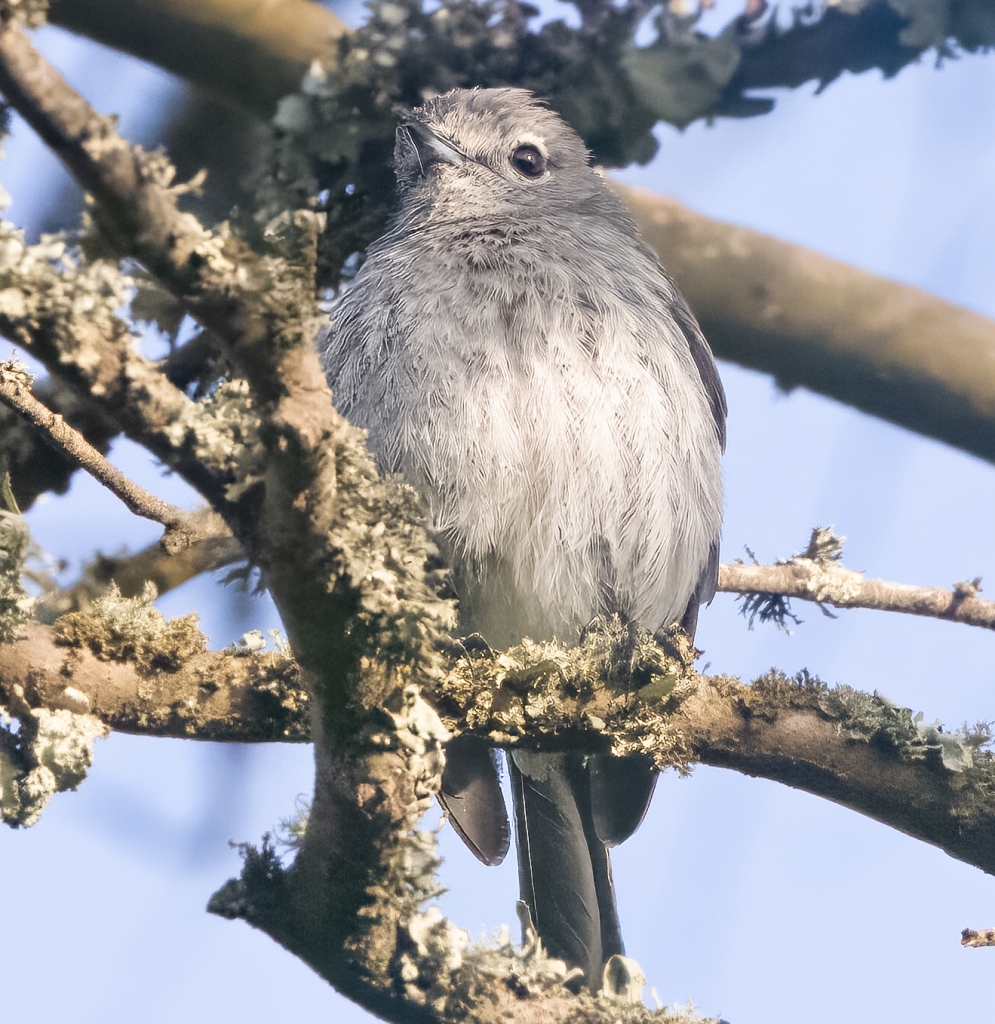
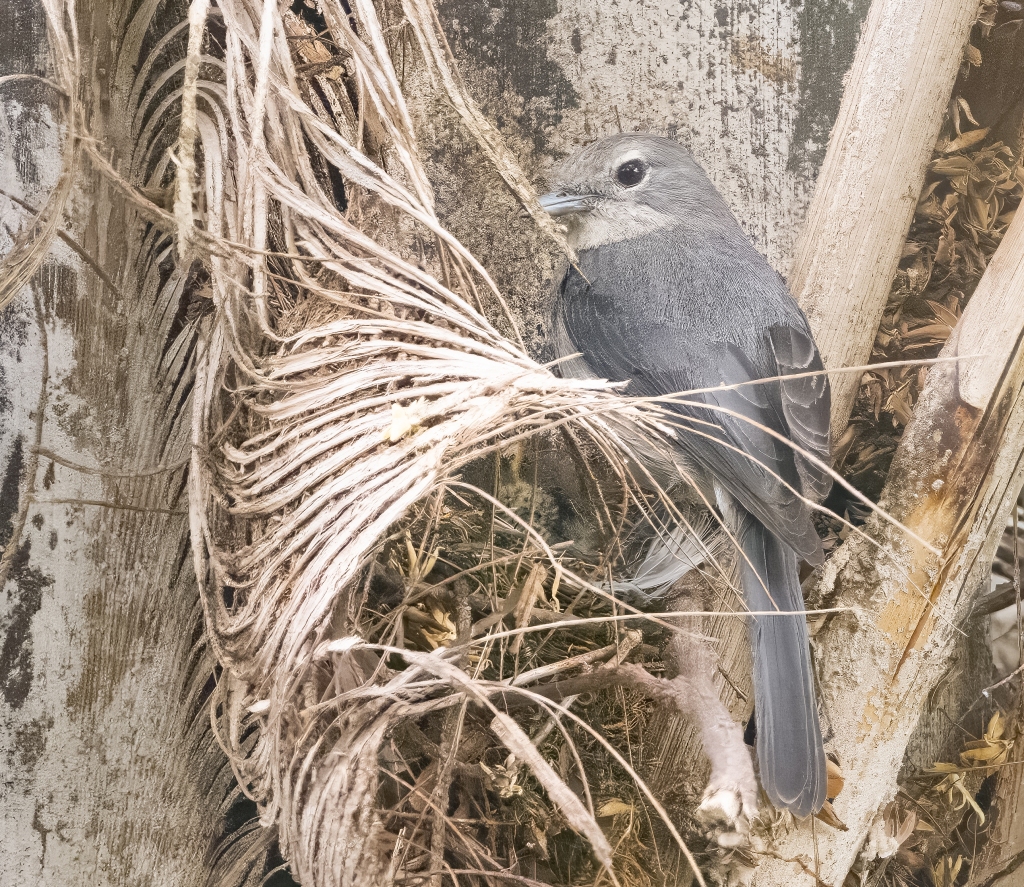
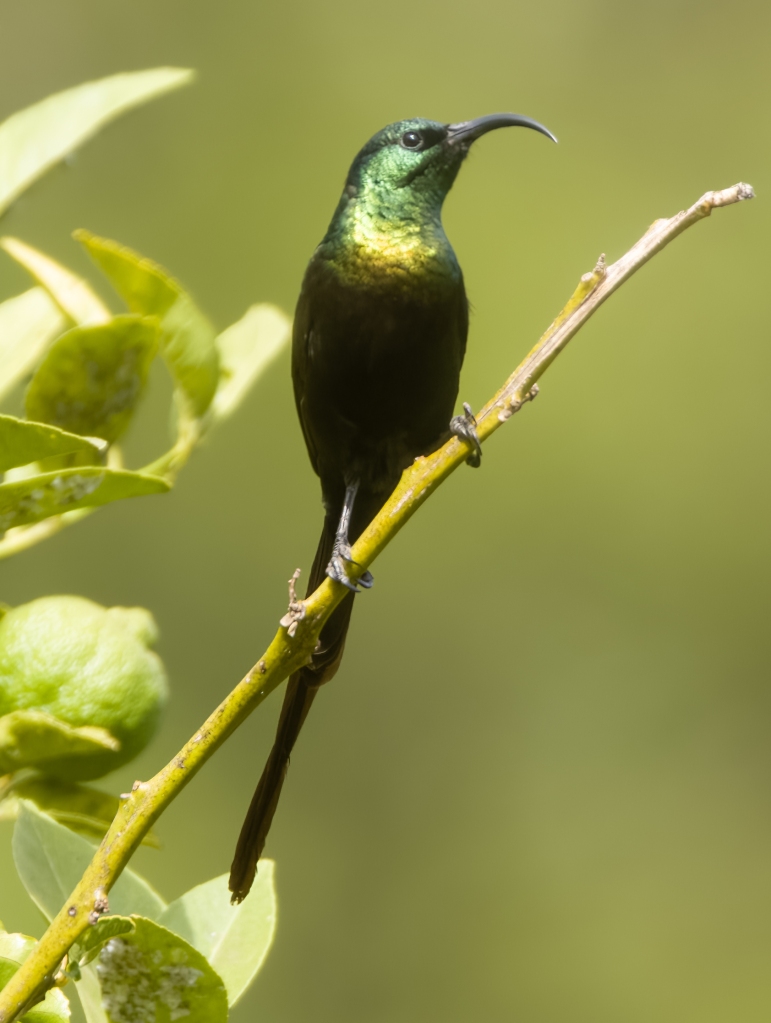
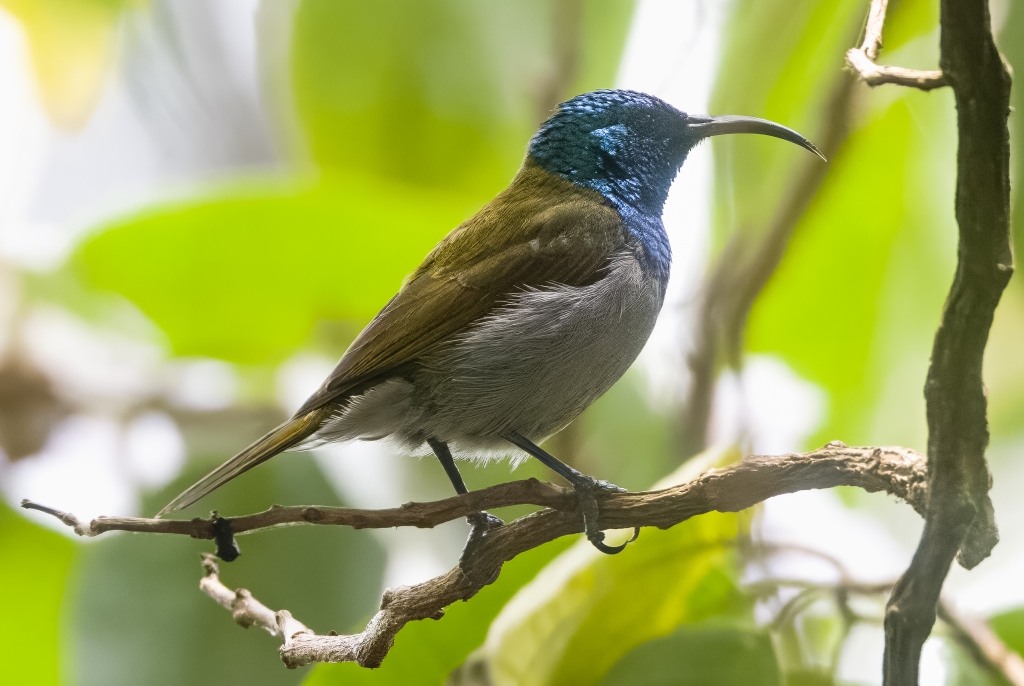
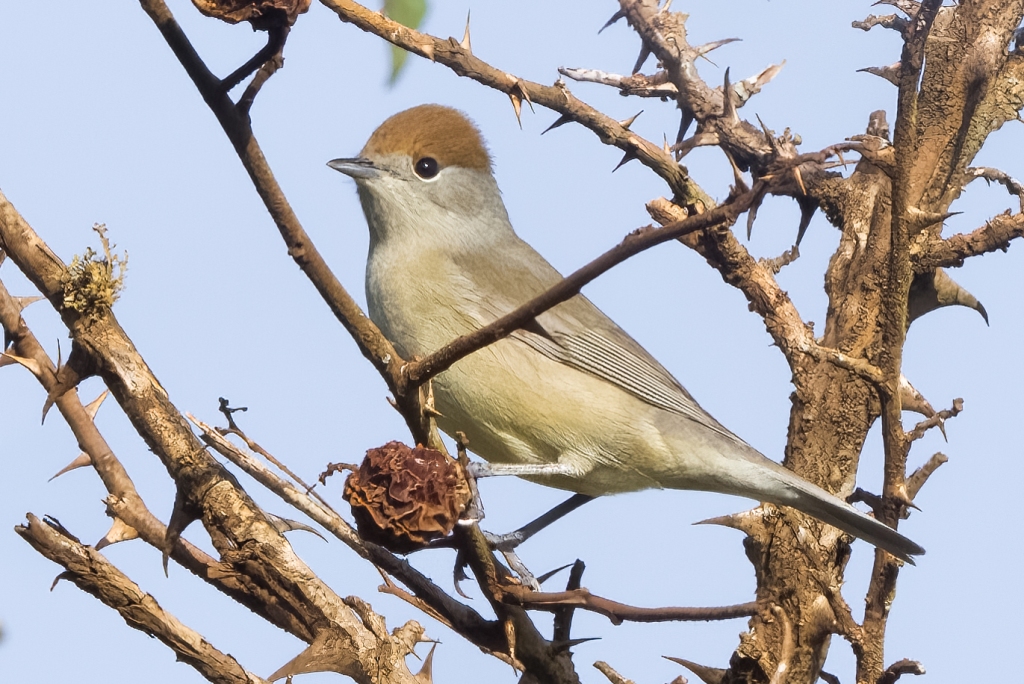
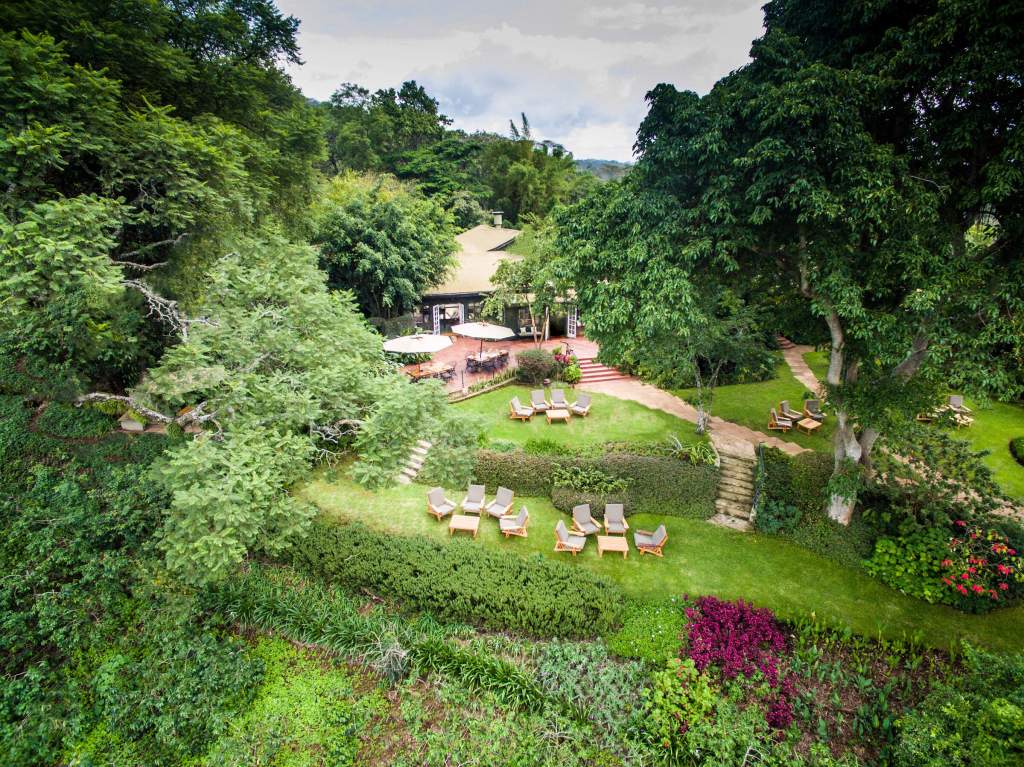
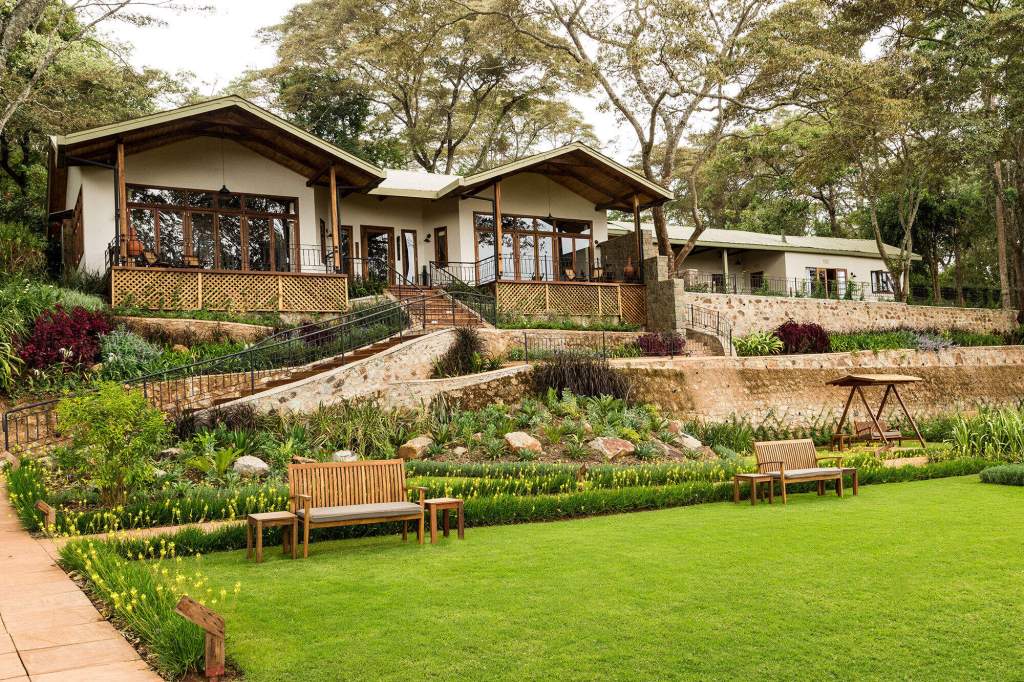
 blairbirding