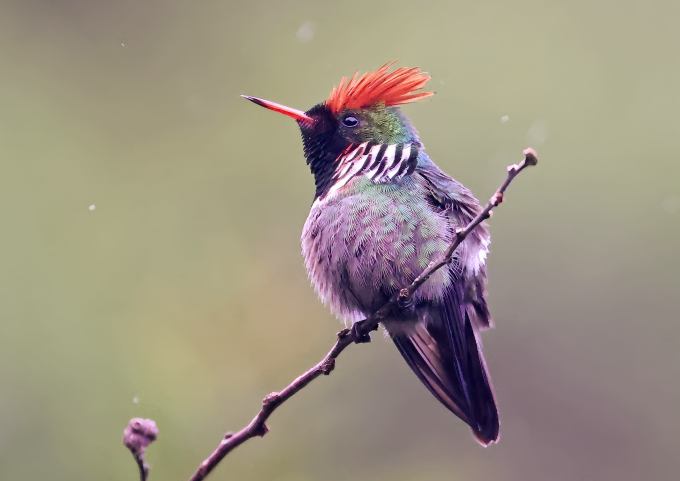
Background – Early Trips and Life List and Photo List Targets
In October 2025 I traveled to Brazil to join a tour called Spectacular Southeast Brazil Part I: North of the Tropic offered by Field Guides Birding Tours and led by Bret Whitney. It would be my second visit to Brazil. The first was a three week trip on my own without a guide combining birding and general tourism in September 2005. Birding on that first trip was briefly in Rio de Janeiro and at Iguassu Falls and then longer stays in the Pantanal and in the Amazon. I saw 282 species on that trip and it being the first time I had taken any photos, that included photos of 62 species. I had started birding in 1970 while still in law school taking many years off while raising a family. I had squeezed in some mostly non-guided international birding on my own during family or business trips, mostly a day or even just part of a day with my first multi-day trip being to Eastern Australia, again on my own and mixing general tourism with birding and with a guide for only a few days in 2003 – 267 species with photos of 7 using a simple low end point and shoot camera. Before the 2005 trip to Brazil my world life list was 1242 species with just those 7 photos. Afterwards, it was 1442 and 69 photos.
After that first Brazil trip I had my first group tour with Victor Emanuel Nature Tours to Kenya in 2007, a fantastic trip with many birds (516 species) and many mammals, but otherwise those were years when business was very hectic then which left no time for birding. There was a brief fishing/birding visit to Belize and then contemplating my first surgery (a complete shoulder replacement) in 2011, for the first time I acknowledged that there was no guarantee that there would be time to do things that I had put off and wanted to do. Seeing a tiger in the wild in India was at the top of my bucket list, so I signed on to another Victor Emanuel Tour – for Tigers, Birds and the Taj Mahal. It was another great trip with several tigers, the incredible Taj Mahal and 278 bird species. Unfortunately the surgery did not go well and it had to be repeated in 2012, a big year in my life as in addition to the surgery, I divorced, moved from Seattle to Edmonds, Washington and began to finalize work projects and move towards retirement. I started getting back into birding in Washington in 2011 and more so in 2012, the local focus probably a result of not wanting to travel as I recovered from the two surgeries. However, by 2013, I was fully recovered, almost fully retired, settled into a new home, and birding became my escape from the stress of the last few years and I did a Big Year in Washington and also managed a trip to Peru, my introduction to Field Guides Birding Tours.
That is all background to this return to Brazil. Starting with that trip to Peru with 414 species and the search for more and more species during my Washington Big Year, I became more and more interested in adding to my Washington, ABA and World Life Lists and in adding photographs when I could, building a world photo list as well. After that Peru trip my World List had grown to almost 2500 species but I had photos of fewer than 450, mostly from those trips to Brazil, Kenya and India. Fast forward to September 2025, just before this second trip to Brazil. In the years following the Peru trip I had birded in all 50 U.S. States, Canada, Mexico, South Africa, Italy, the Netherlands, Tanzania, Uganda, Ecuador (twice), Colombia, Japan, Chile, Argentina and Indonesia. My World Life list had grown to 3855 species and I had photos of 2586 species. I had added to both lists significantly in 2024 with those trips to Ecuador, Chile, Argentina and Uganda and trips already in 2025 with trips to Japan, the Netherlands, and Colombia. That had been a lot of travel and as I looked ahead, recognizing both that I was getting older and that there would be more non-birding trips with spouse Cindy, I set my sights on reaching two goals: 4000 species for my World Life List with photos of 3000 of them. The trip to Southeastern Brazil would provide chances for many new life species (getting harder and harder to get especially in the Western Hemisphere) almost assuring me of reaching 4000 and a chance to get much closer to 3000 photos. Looking back I knew that if I had taken photos of earlier trips before 2005, I would most likely be well over 3000 photos. I felt one more trip to a new place after Brazil would get me there or maybe revisiting Costa Rica and/or Australia could as well. So Brazil was important first to get to my magical 4000 lifers and to put me on the cusp of 3000 species.
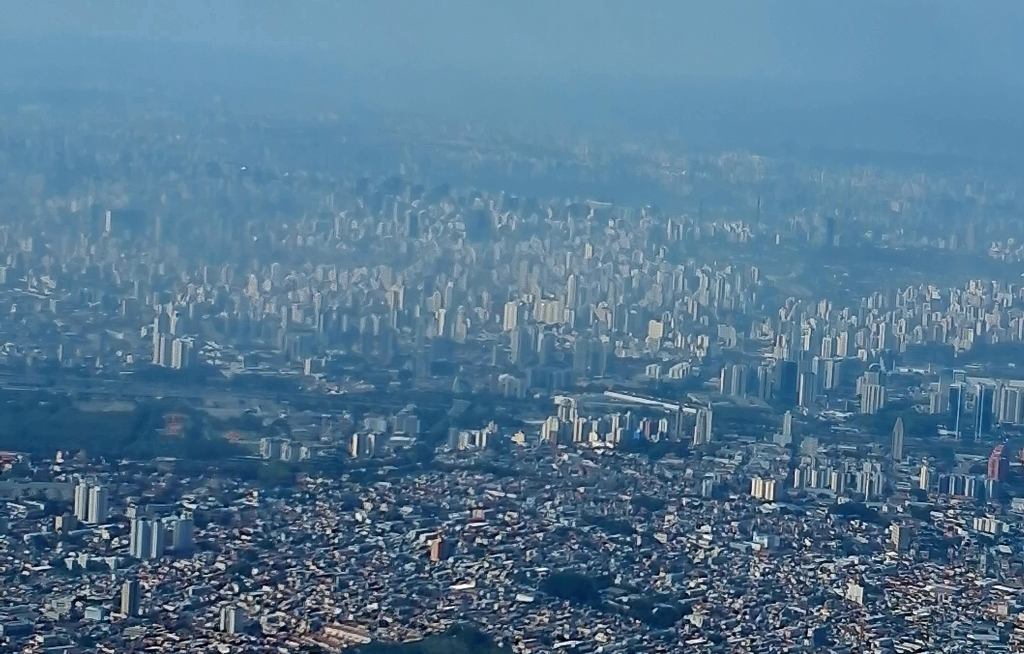
I left Seattle around noon on October 16th and arrived in Atlanta at 7:45 PM. The next flight left Atlanta at 10:20 PM and arrived in Sao Paulo at 9:00 AM on October 17th. Not the greatest red-eye but I managed a couple hours of sleep. After more than 3 hours at the surprisingly nice Sao Paulo Airport, I left there at 12:20 PM and arrived at our starting point Vitoria, Brazil at 1:45 PM along with Mike Barkwell, a birder from Calgary, Canada, one of the three others who were on the trip. There was a short moment of worry until we saw someone with a sign reading “Field Guides” who then took us to our hotel not far from the airport. A brief comment about Sao Paulo. I had flown into Sao Paulo on my earlier trip and was stunned by the size of the city and especially the number of tall buildings – primarily residential across the sprawling area. I think the population of the metropolitan area then was about 12 Million, but today Sao Paulo is one of the largest in the world with a population of around 23 million, making it the 6th most populous in the world. One source says there are more than 10,000 buildings in Sao Paulo over 150 feet tall – yikes. I would be returning to Sao Paulo for my return flight in November.
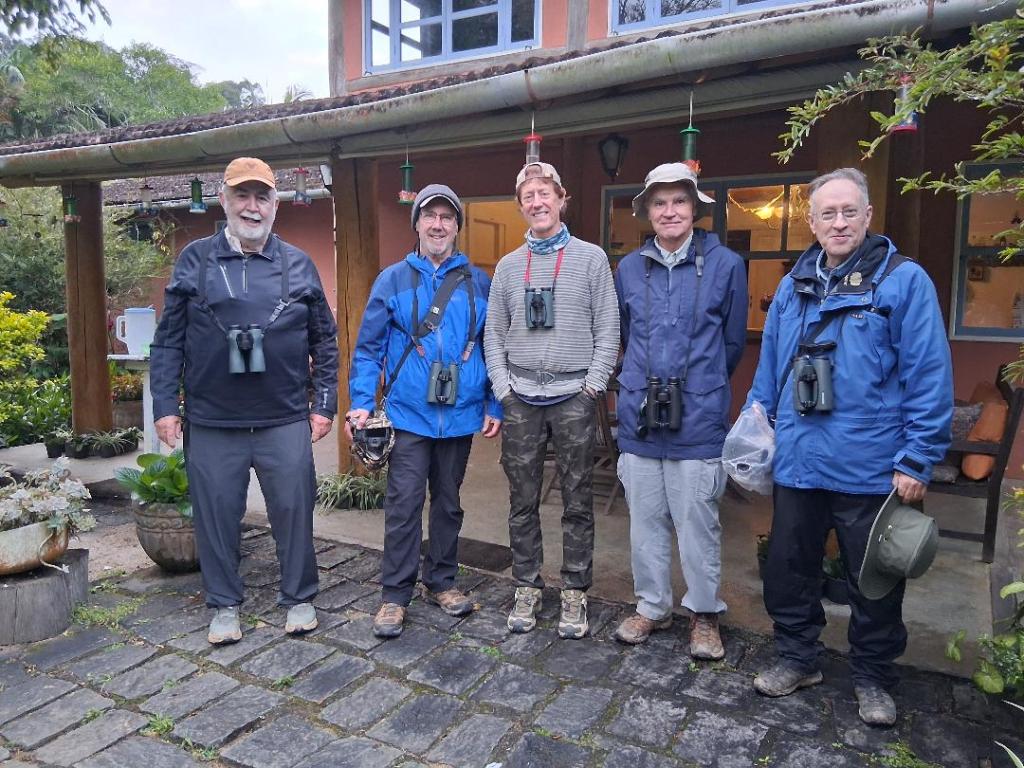
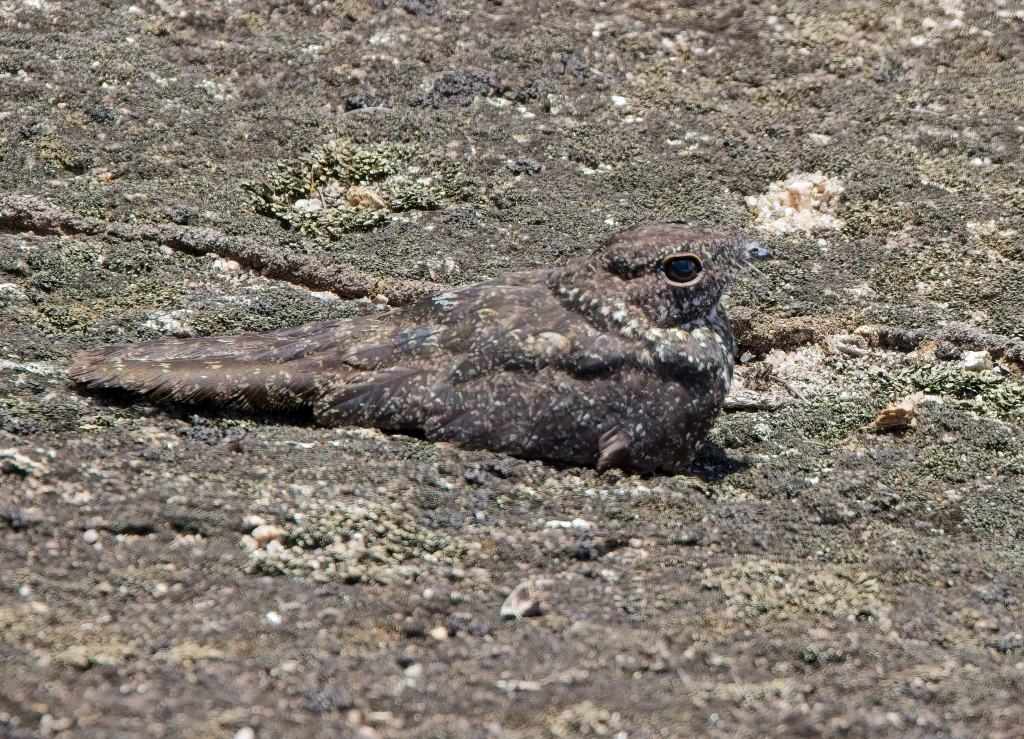
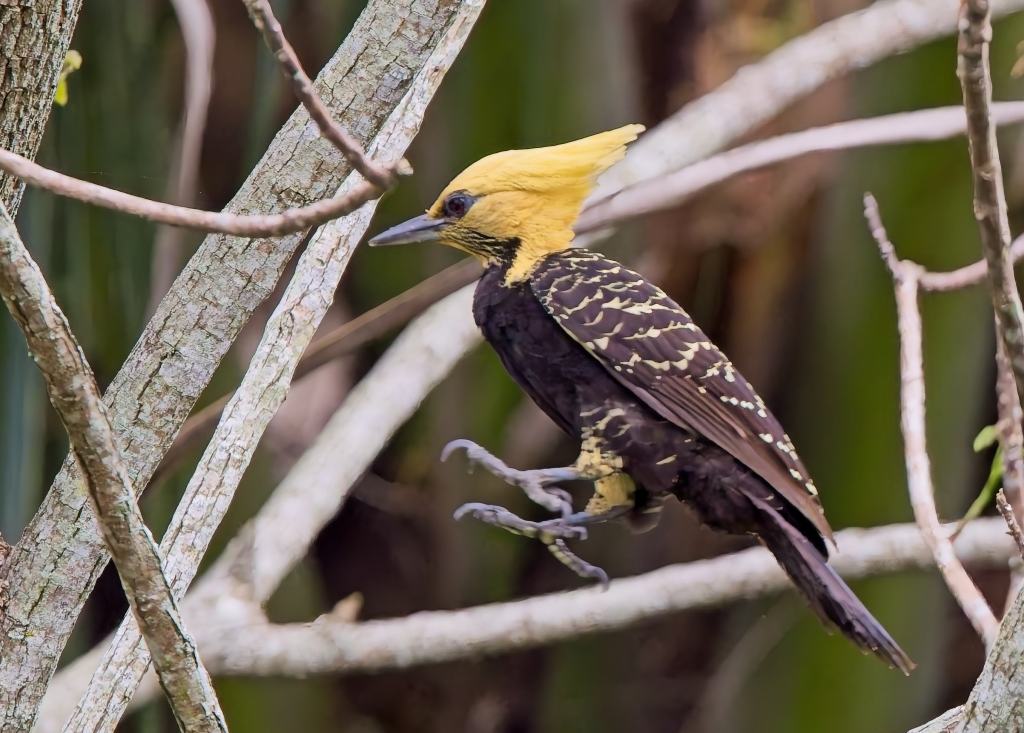
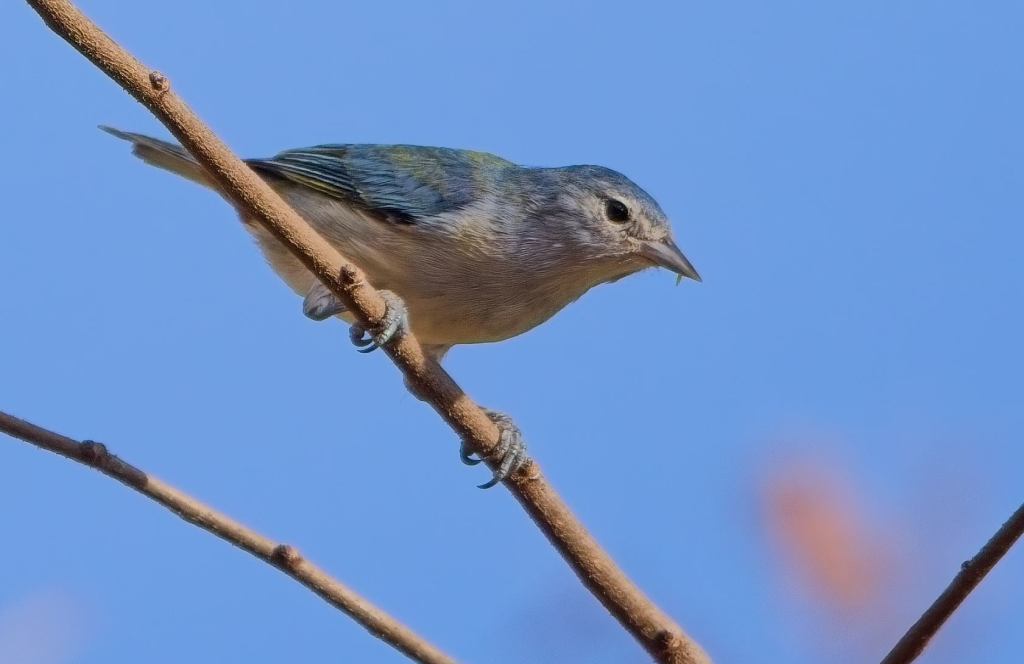
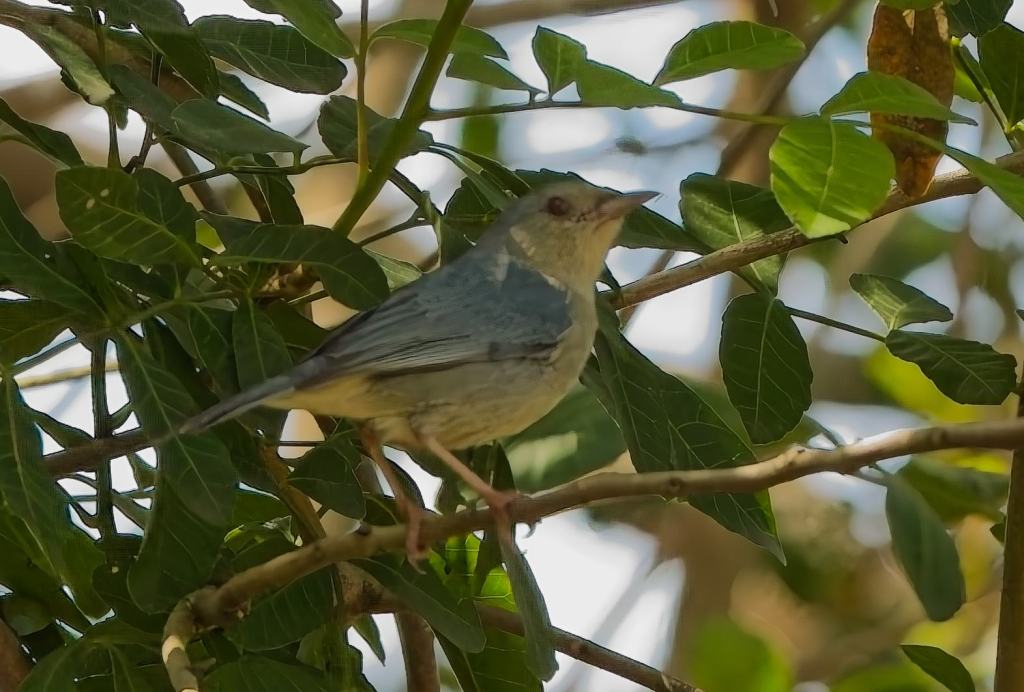
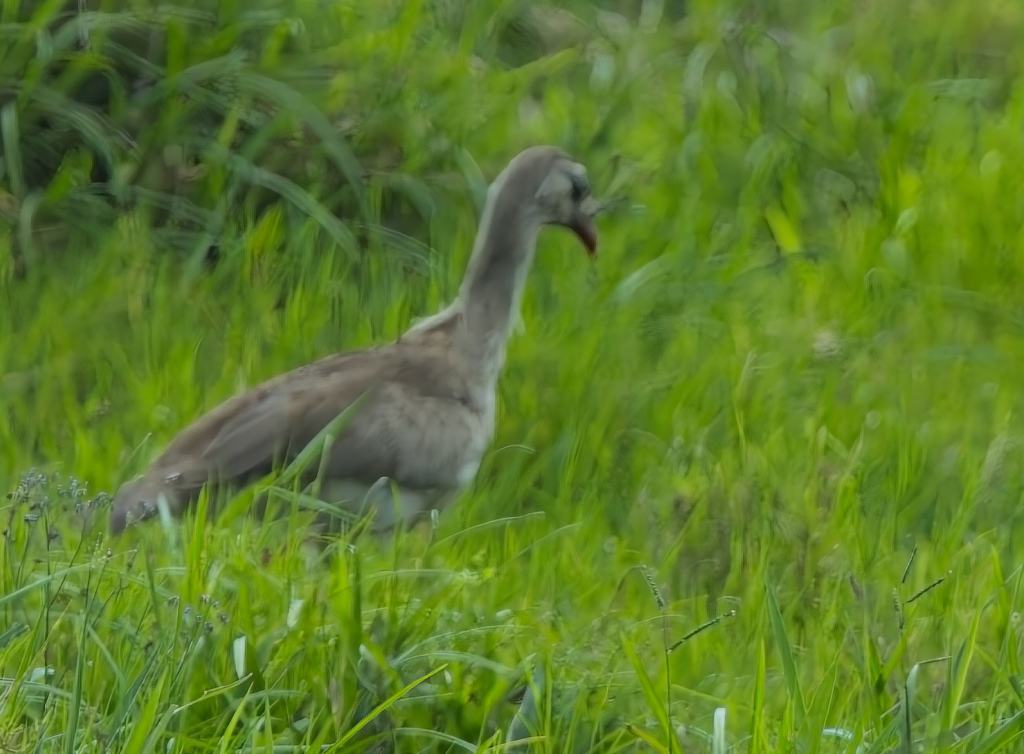
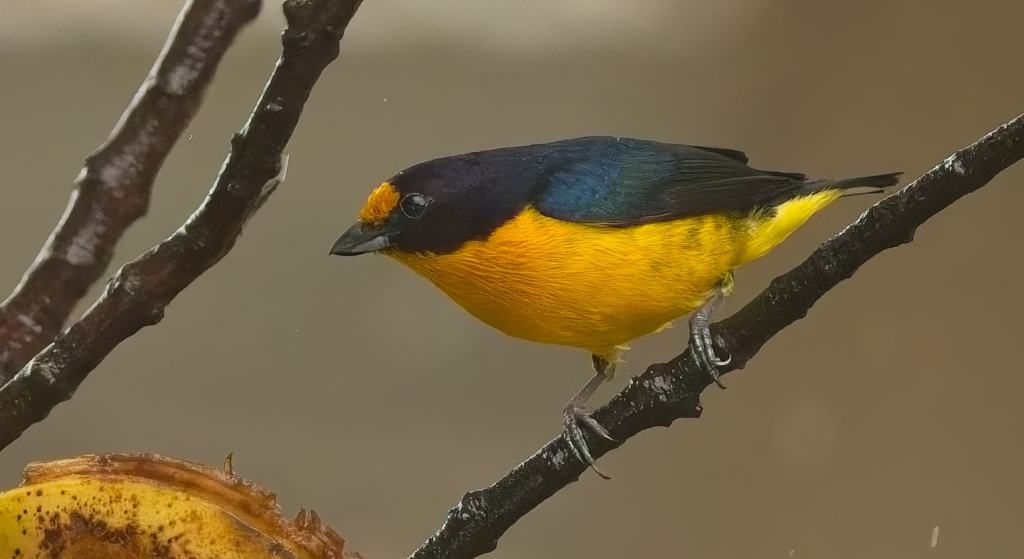
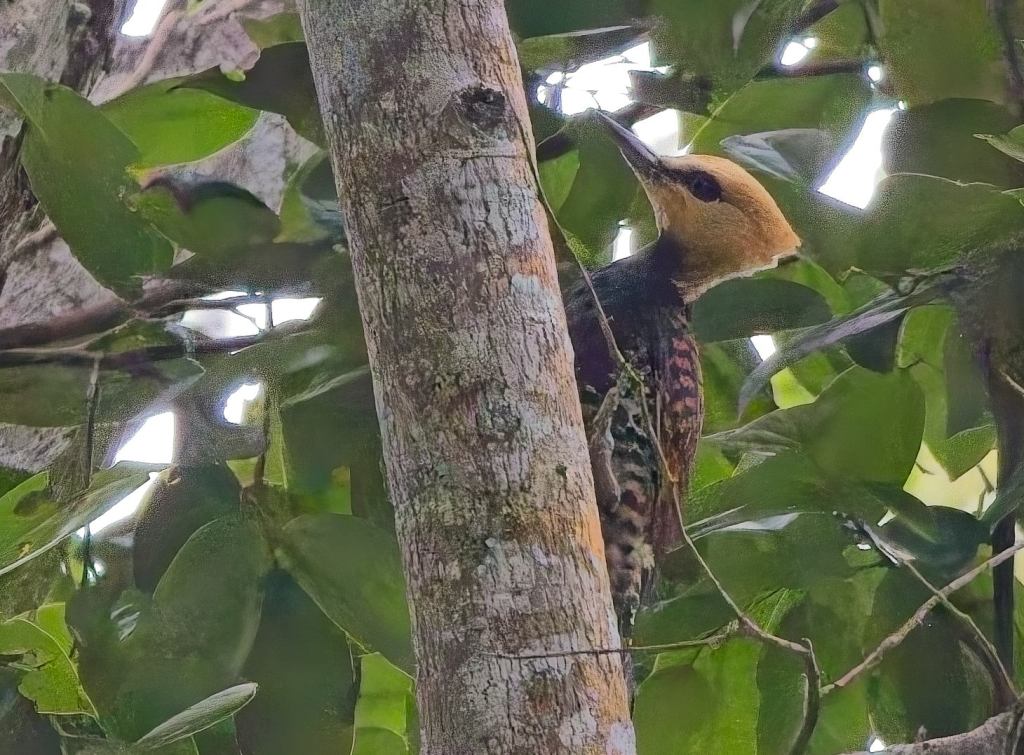
Day 1, October 18: Surprisingly there would only be four of us on the trip together with guide Bret Stephens: myself, the aforementioned Mike Barkwell from Calgary, Doug MacNeil from New Jersey, and Francois Grenon, also from Canada. The group was compatible, all good birders and our small size made logistics easy. Our first official day included some birding north of Vitoria to a variety of habitats ending with a drive along some of the Vitoria coastline. We saw 63 species that day which included 5 lifers for me, the coolest of which was a Pygmy Nightjar. Another was a Chestnut-vented Conebill, one of two Conebills seen that day. The second was a Bicolored Conebill which was a life photo. Other life photos were Blond Crested Woodpecker, Red-legged Seriema, and Violaceous Euphonia. These were all important to me because a goal for me has been to get photos of birds seen on past trips but not photographed, either because I wasn’t taking photos then or I had just missed them.
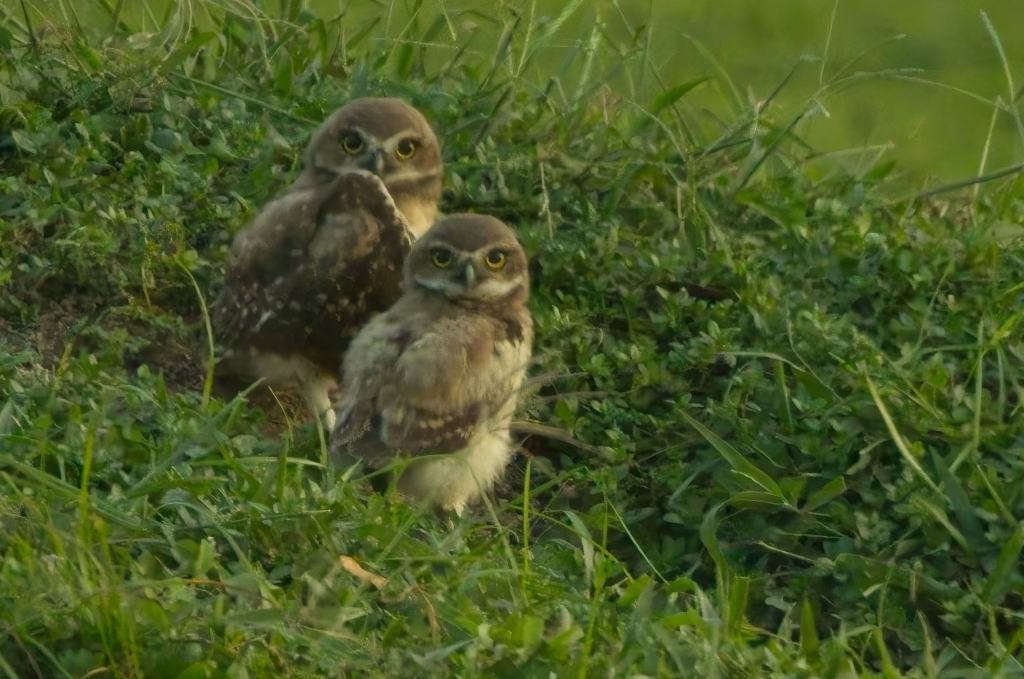
They weren’t lifers or life photos, or even new for Brazil, but on our return to the hotel, we found a group of Burrowing Owls with a nice chance for a photo of two young owlets. Their range is quite impressive from Canada to Argentina. I have seen them in six states and four countries – and they are a treat everywhere.
Day 2, October 19: Even though it was cold and windy with some rain squalls this would be a good birding day with 69 species and 35 photos including lots of lifers (26) and life photos (20) and with 5 species of hummingbirds (all lifers) and 12 species of Tanagers – half of which were lifers. Our birding was all in Espirito Santo and that night we would be at the Natureza Eco Lodge – a bird rich location.
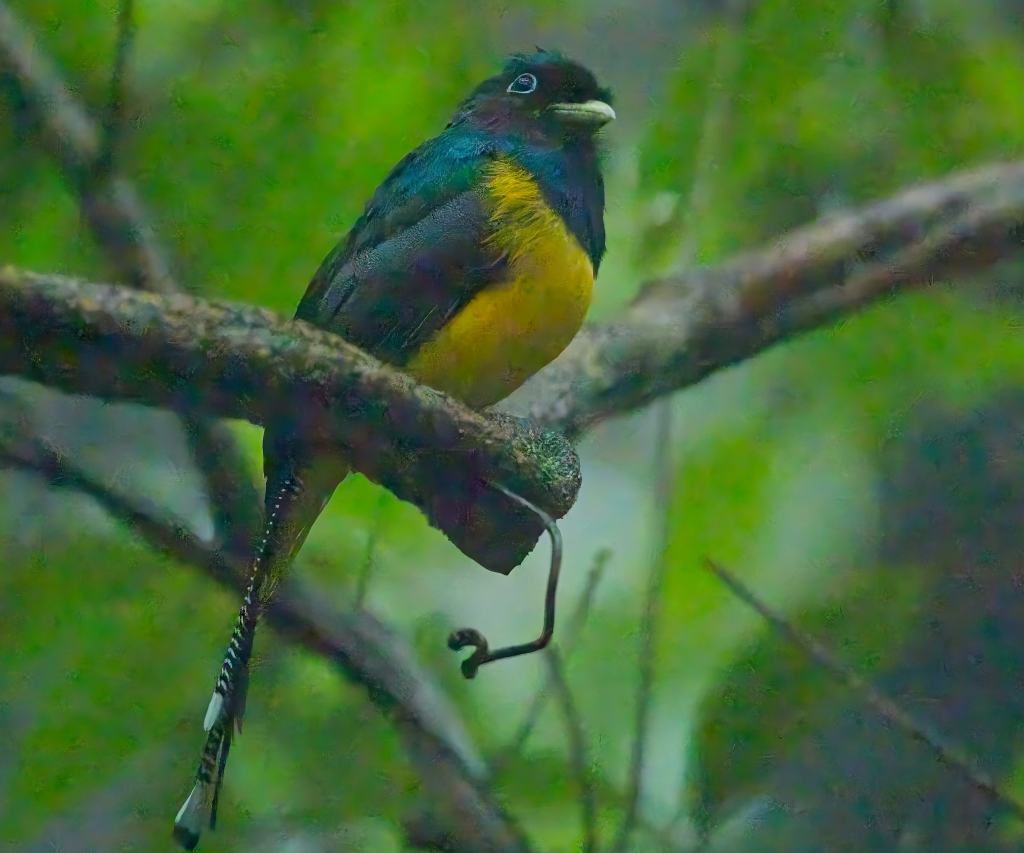
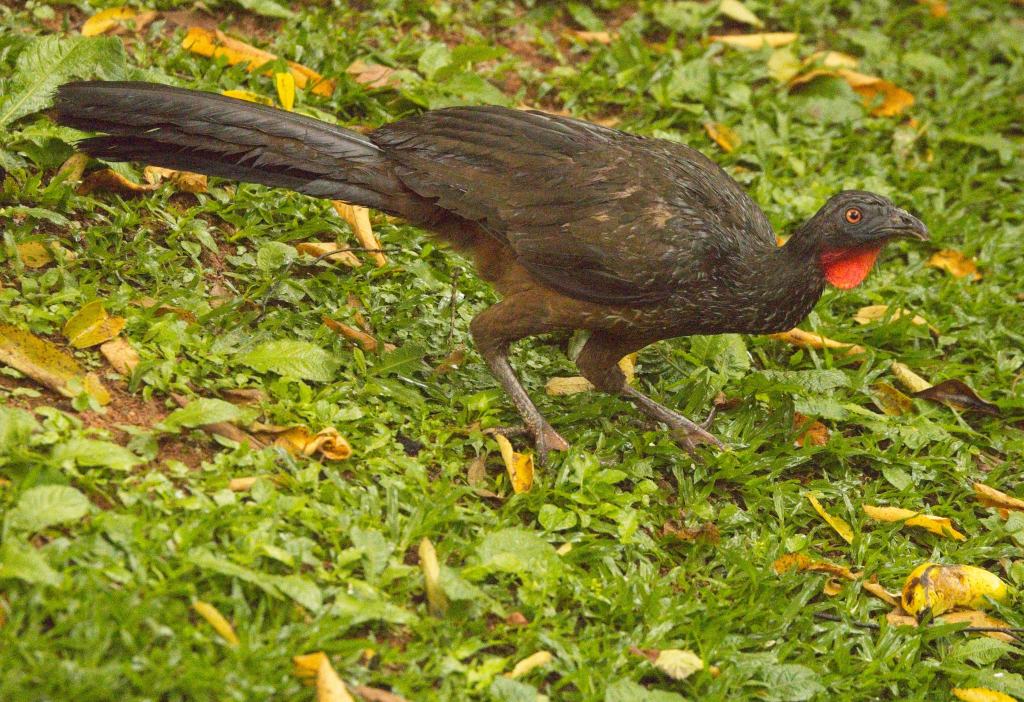
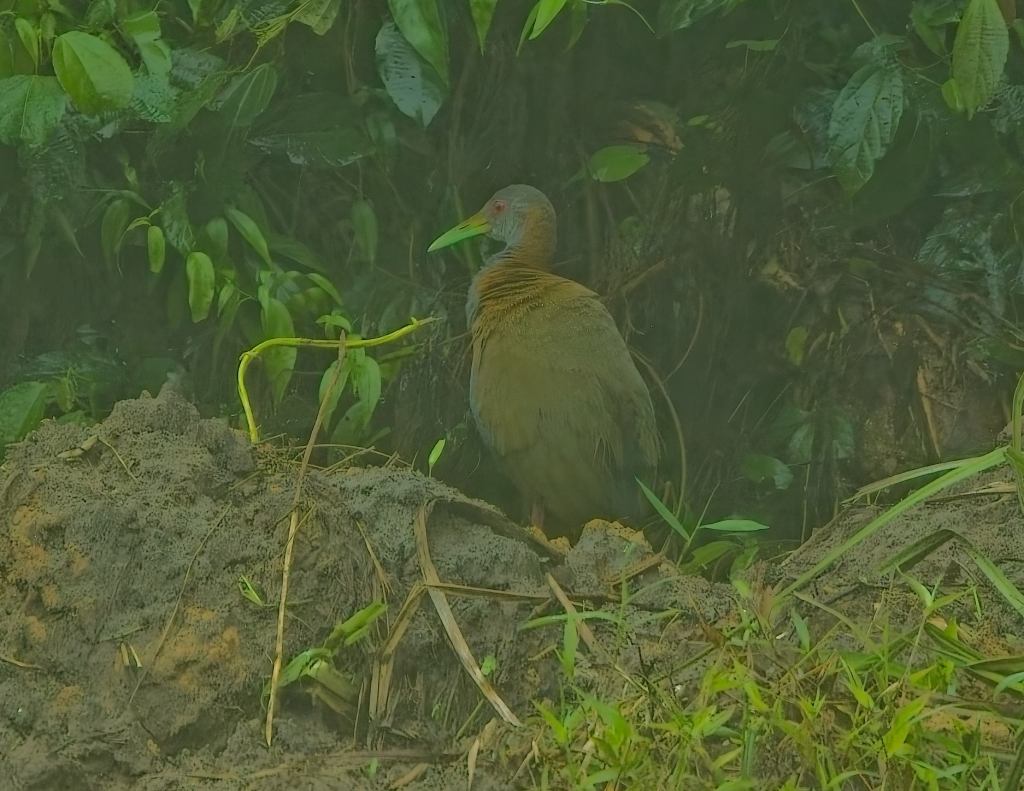
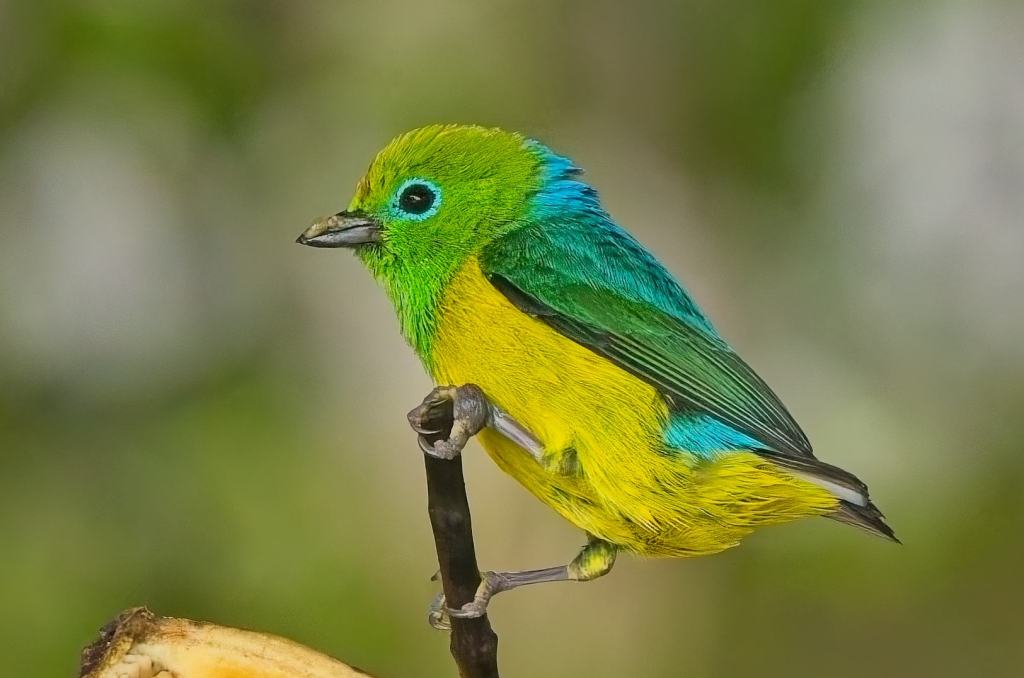
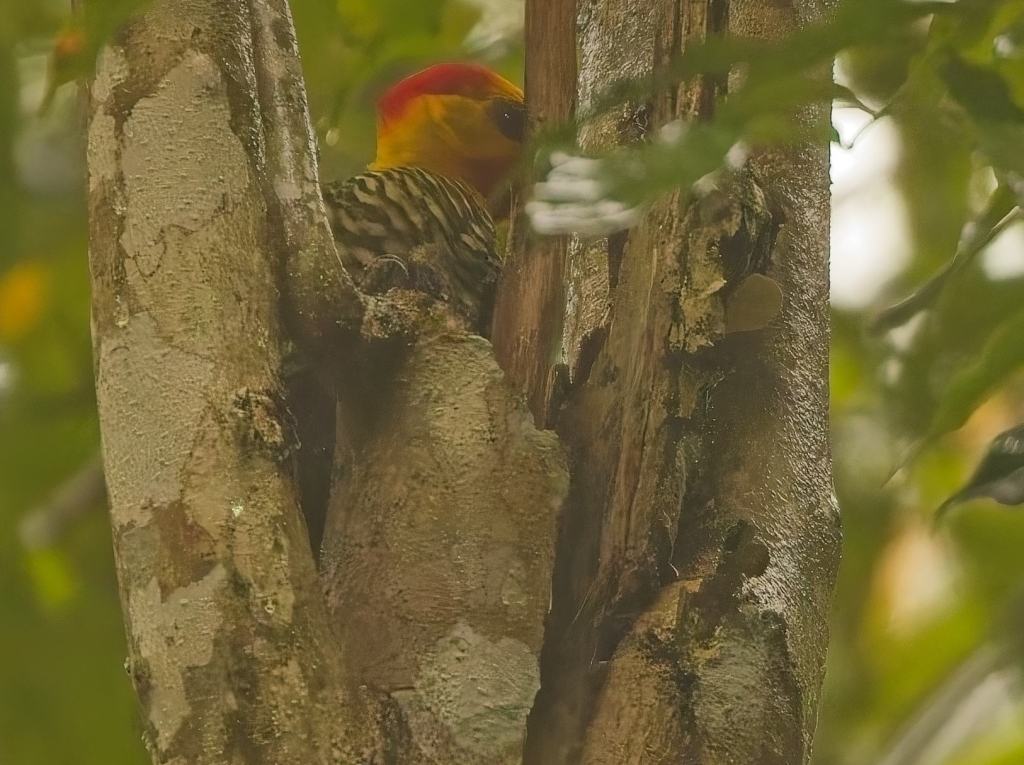
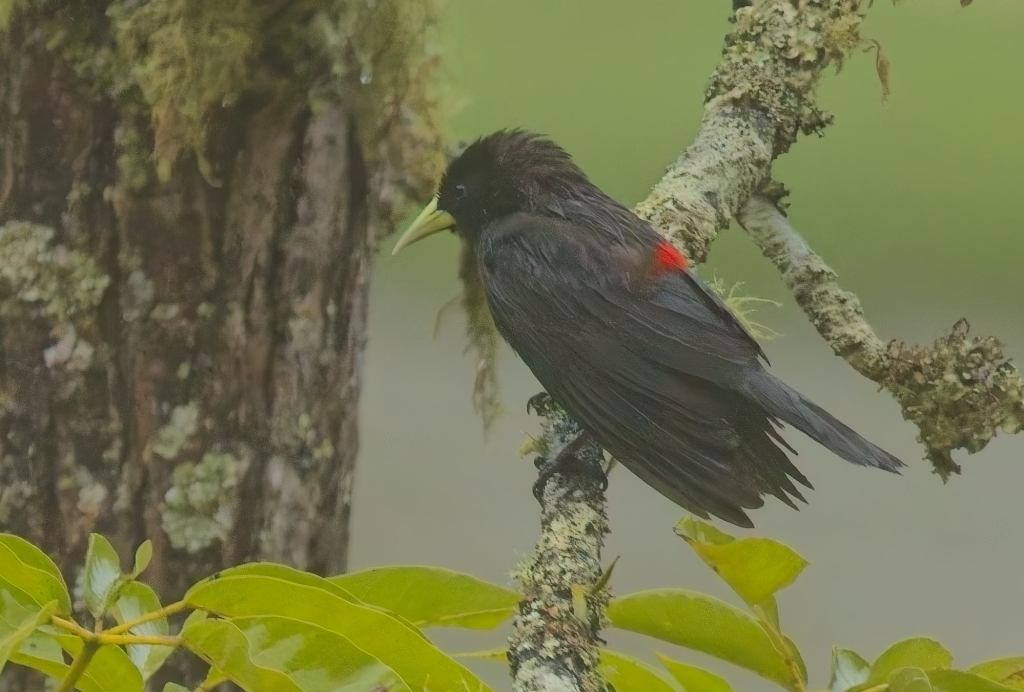
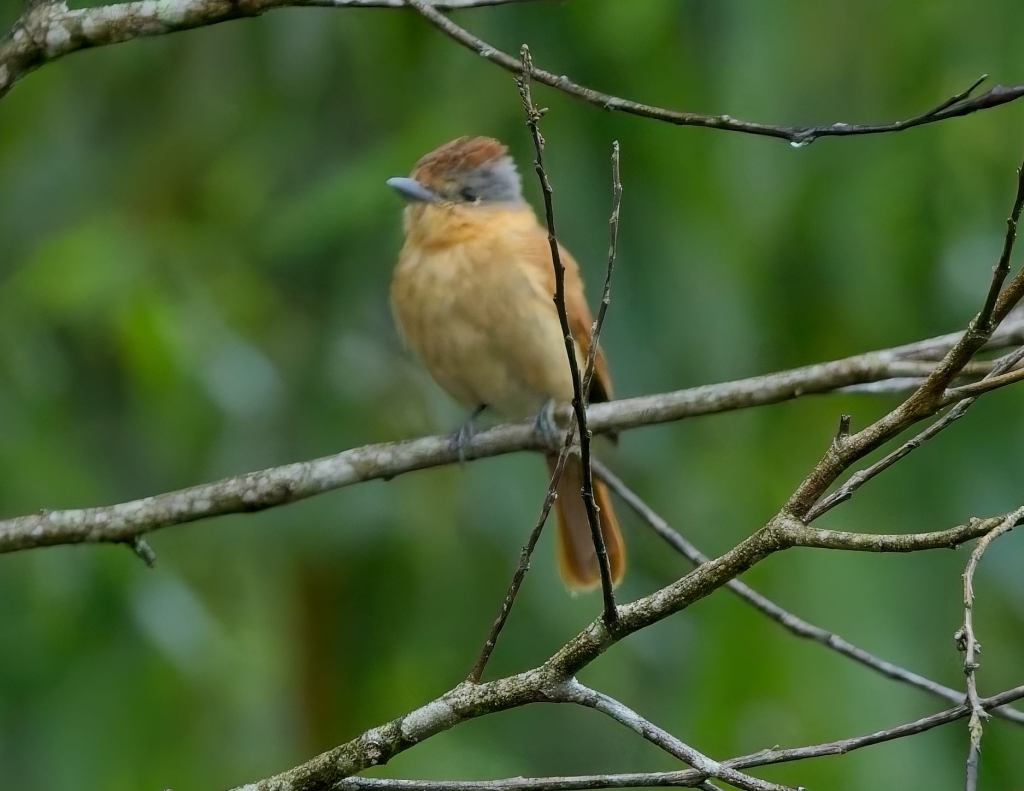
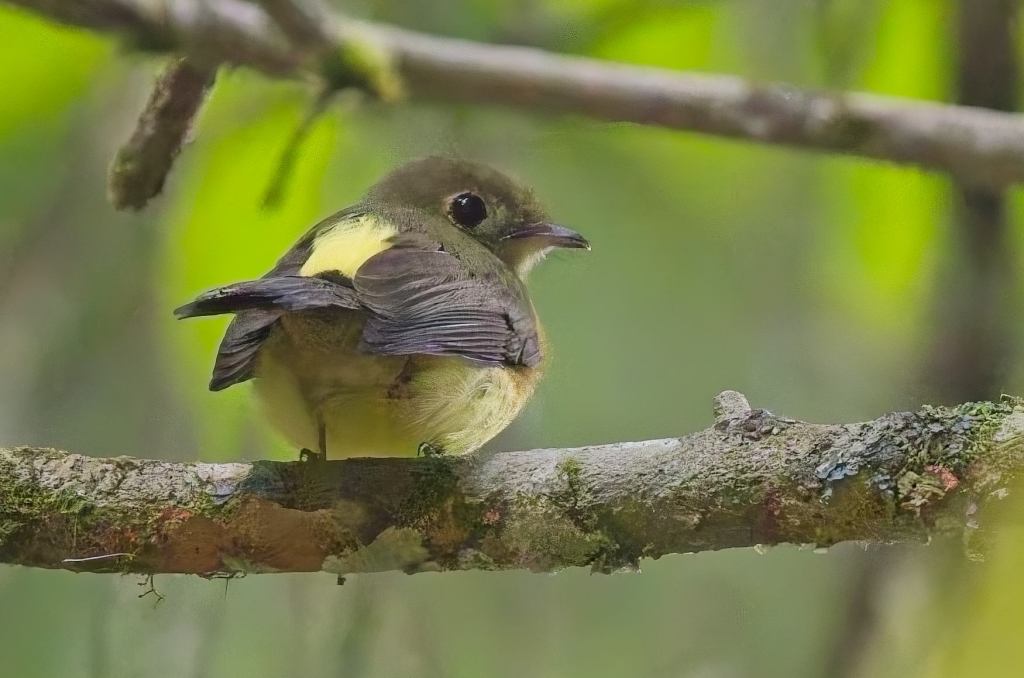
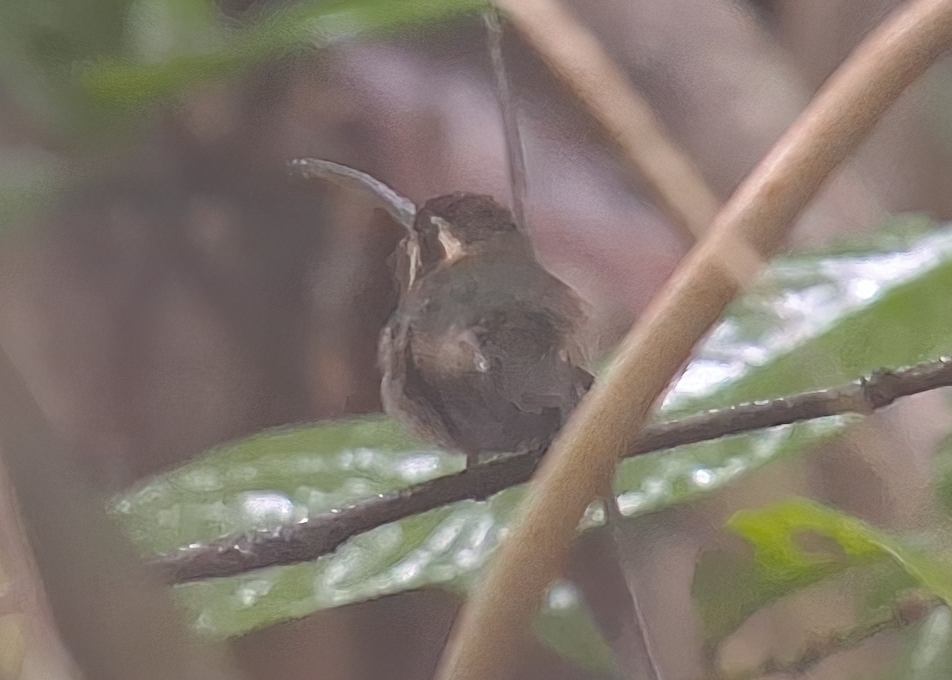
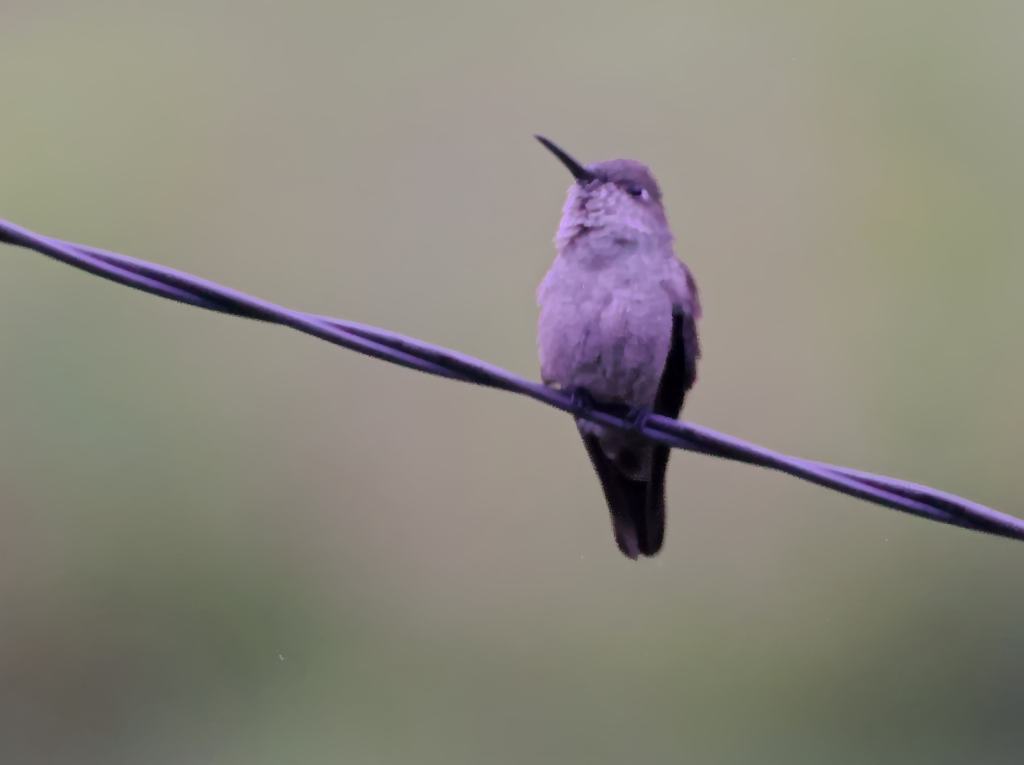
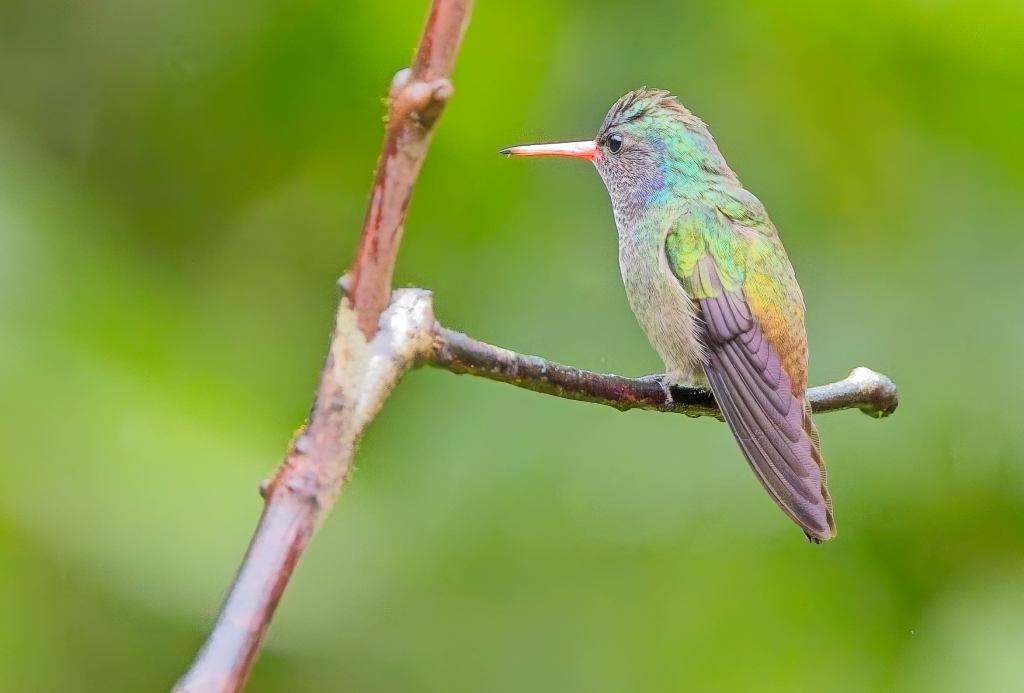
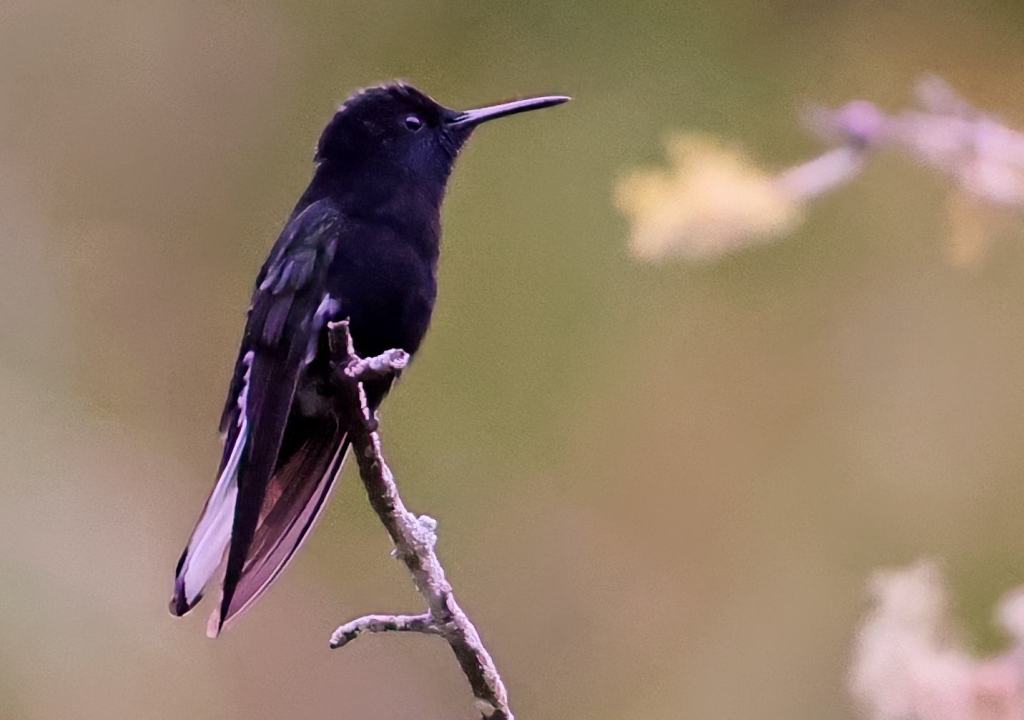
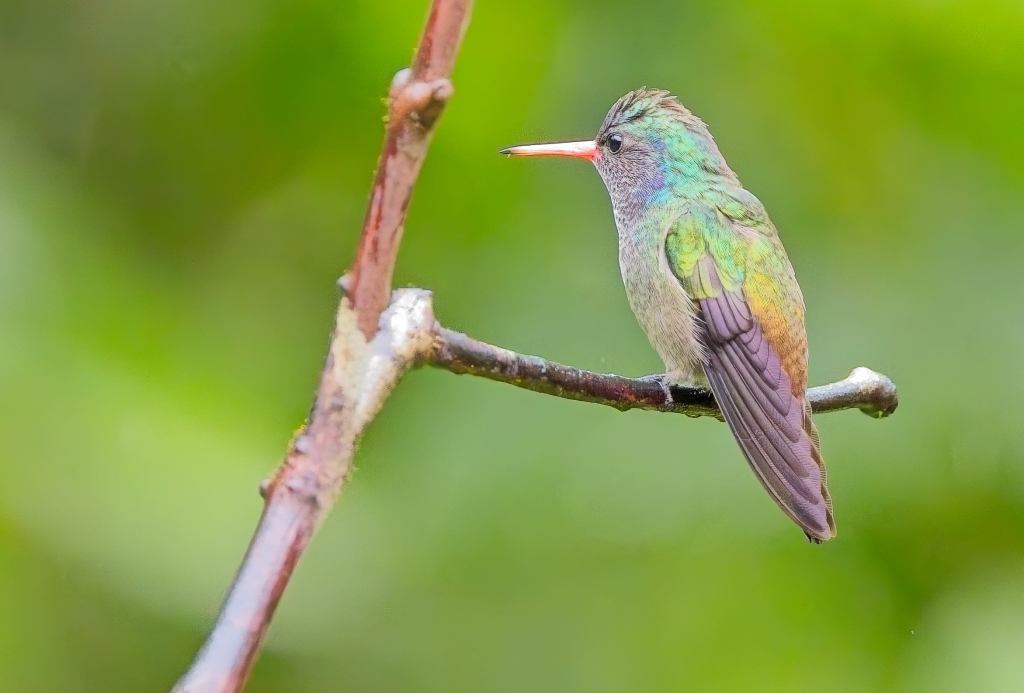
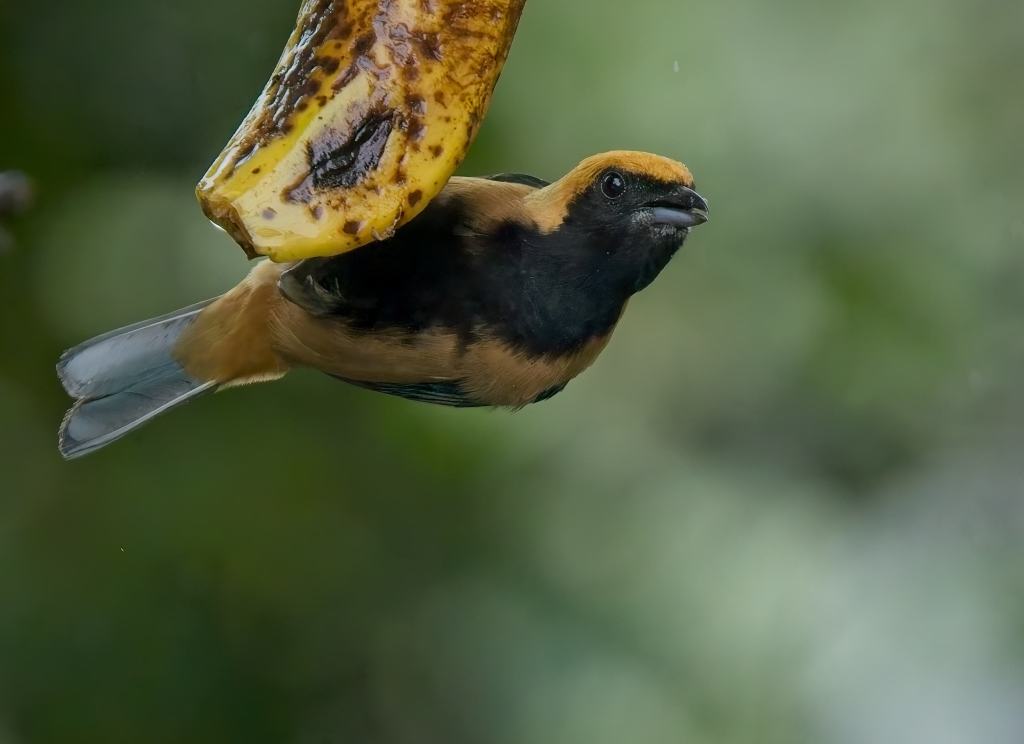
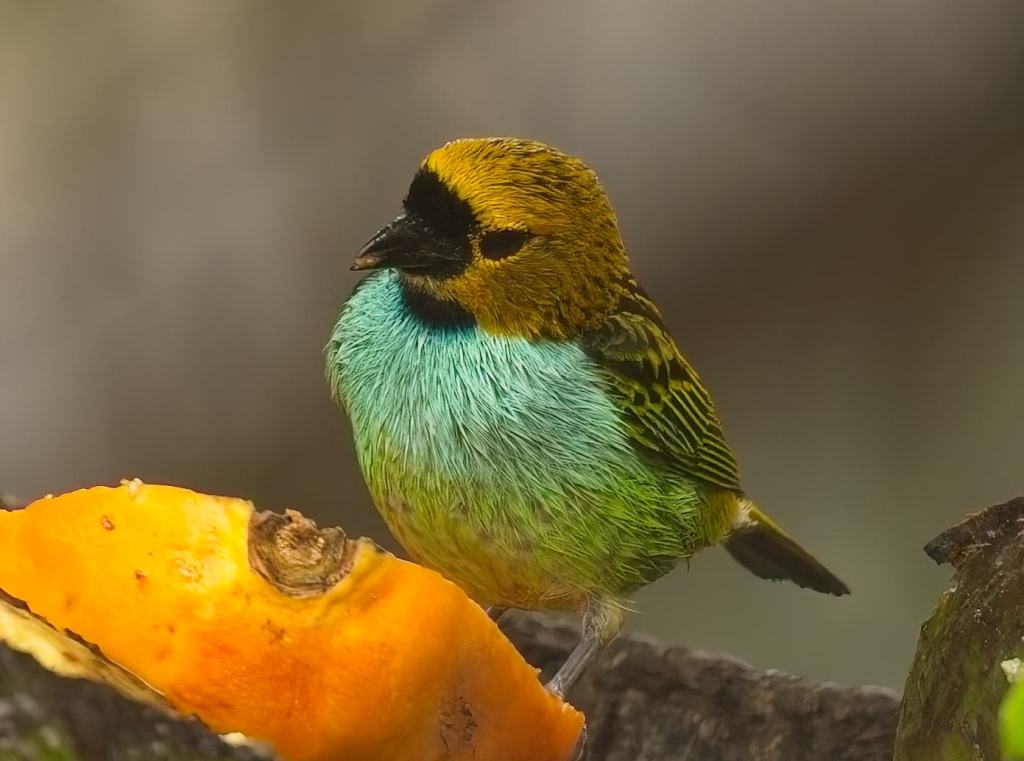
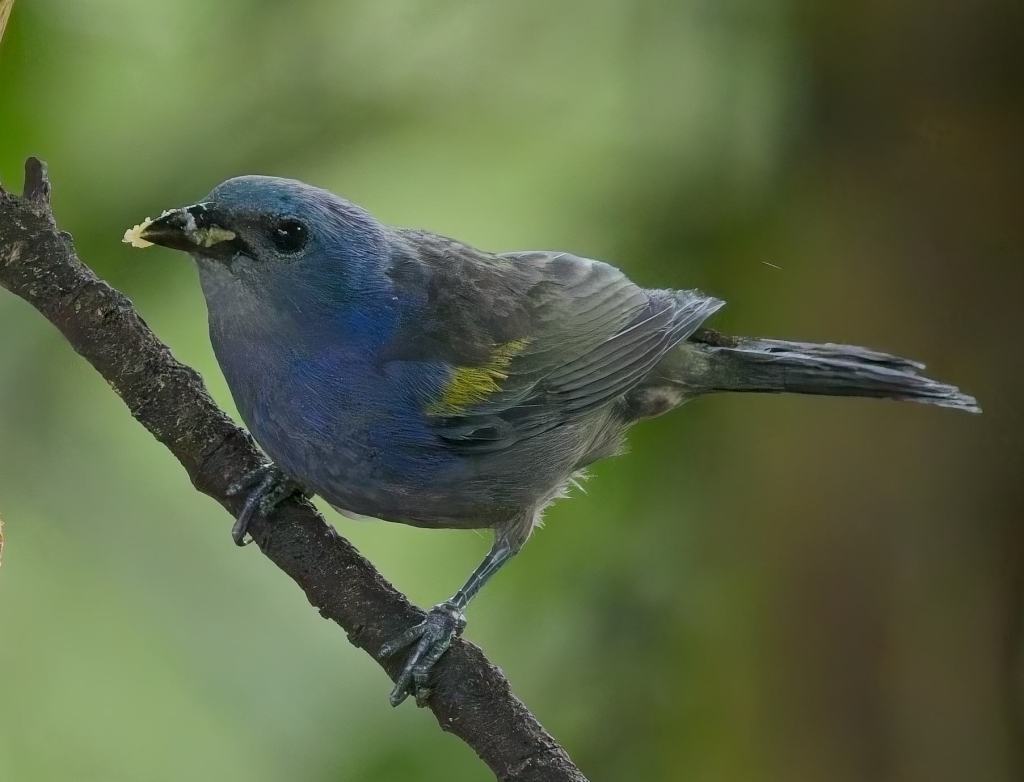
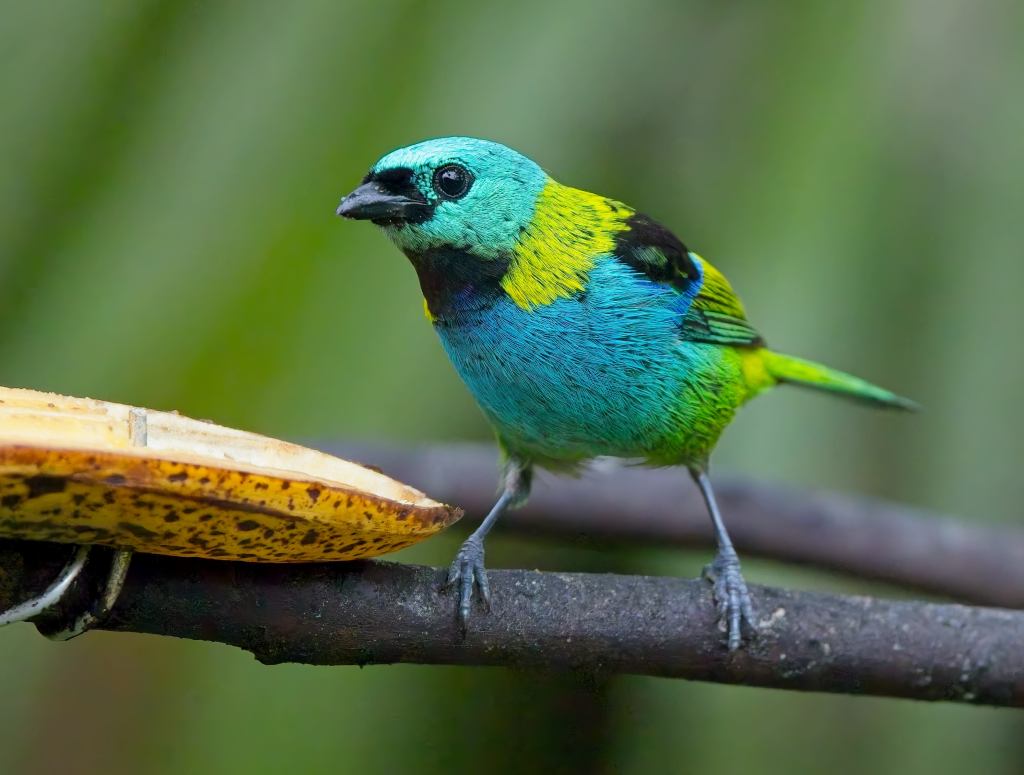
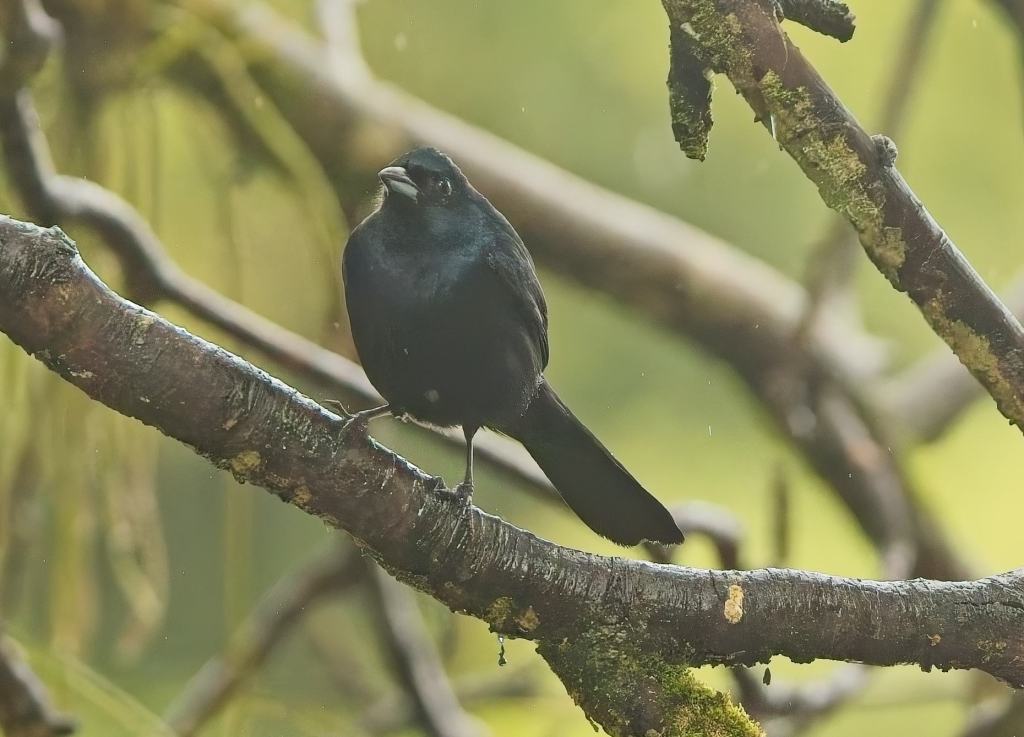
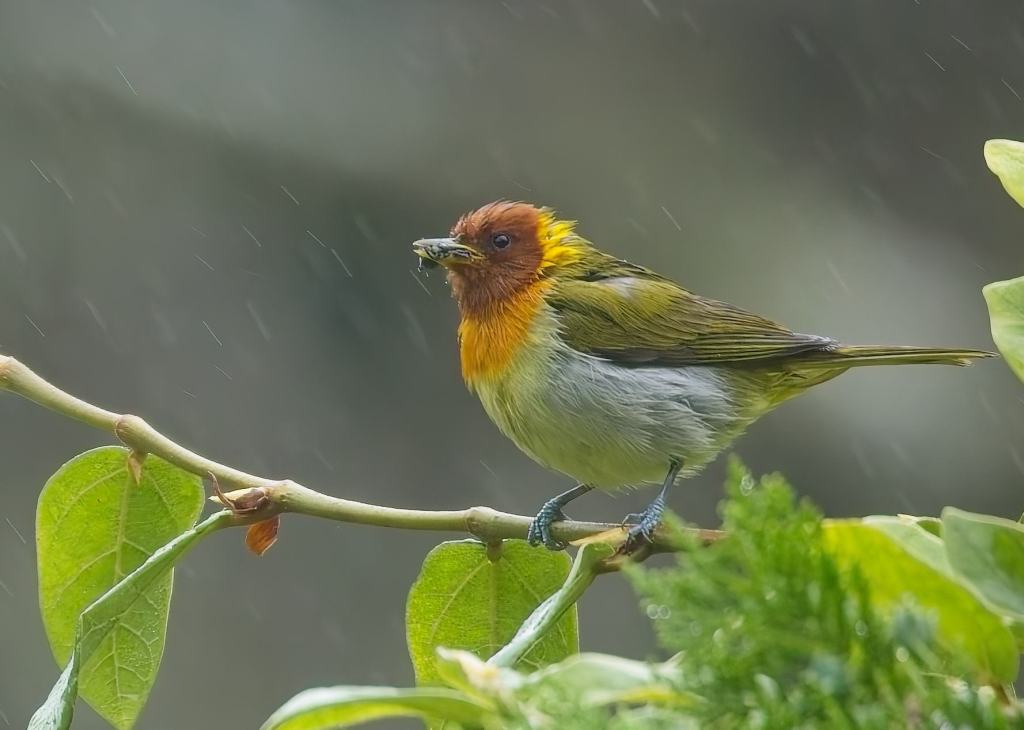
Day 3 – October 20: For the day 67 species and 11 photos with 29 lifers but only 8 life photos. After some early morning birding around the hotel which included a lifer Scale Throated Hermit without a photo, we visited the Reserva Kaetes where we would spend most of the rest of the day in less than perfect weather. Of the 51 species seen there, almost half – 25 – were lifers for me. Due to the combination of challenging forest birding and the weather I only got photos of 7 of these lifers but later in our trip got photos of another 14 more of them. Perhaps the most sought after bird on the entire trip was the main target at the Kaetes Reserve, but unfortunately despite an intensive search we never found a Cherry Throated Tanager. Researchers at the reserve said that one and possibly two had been reported four days before our visit but there was concern that they would disappear completely.
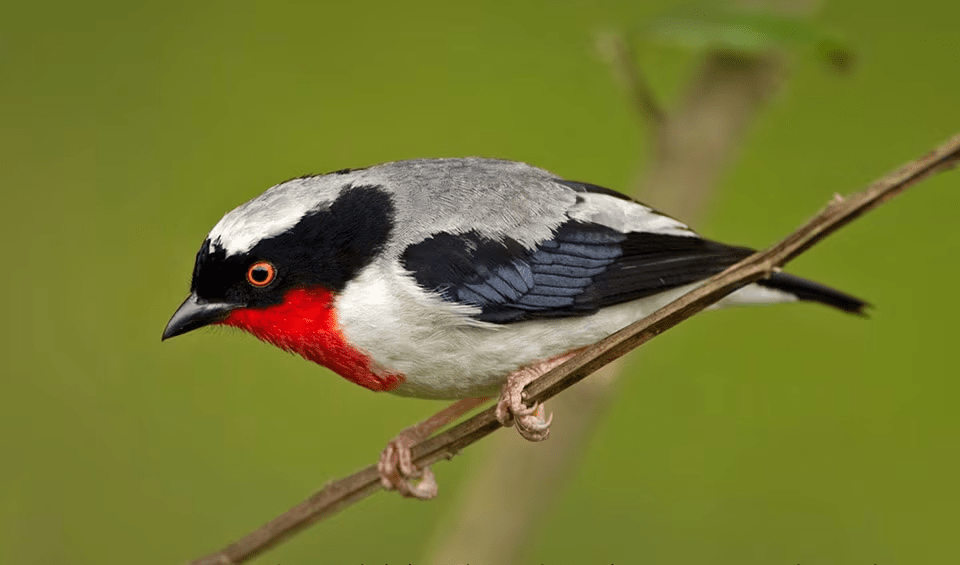
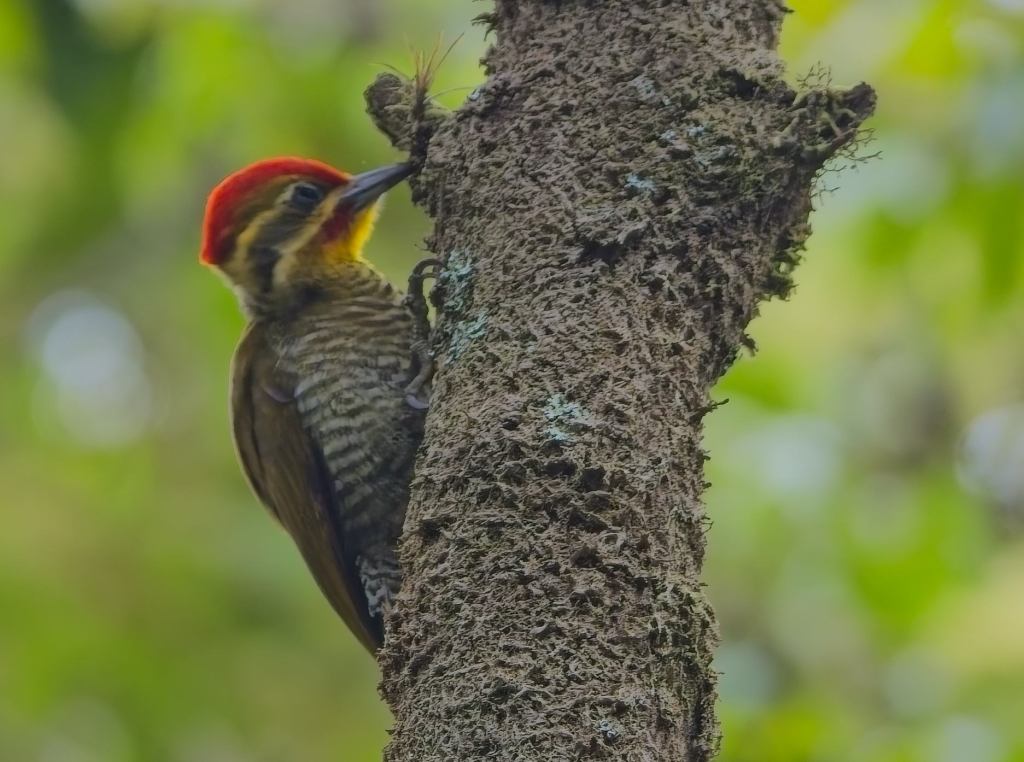
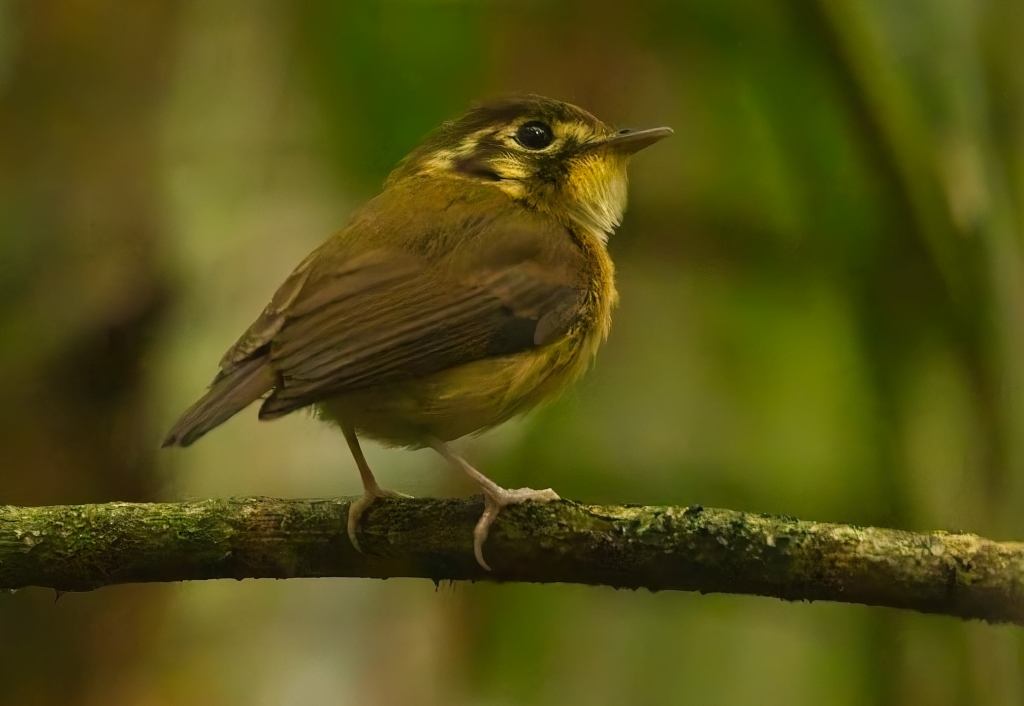
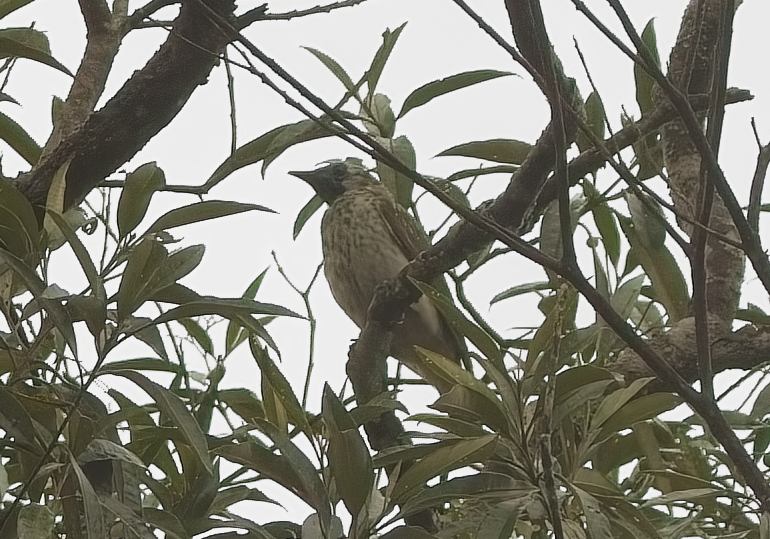
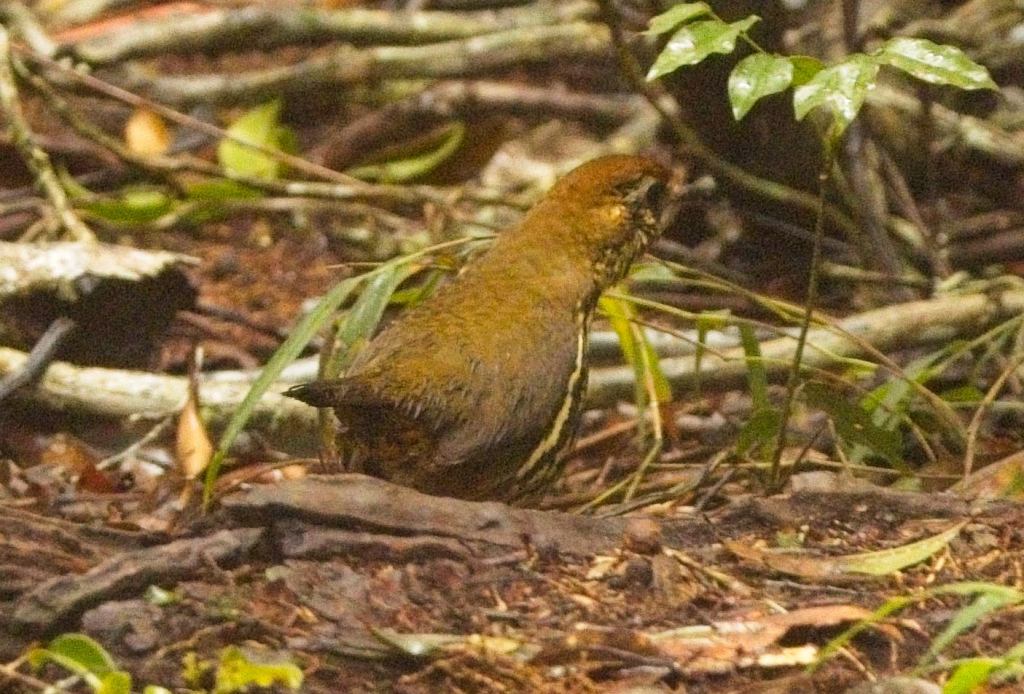
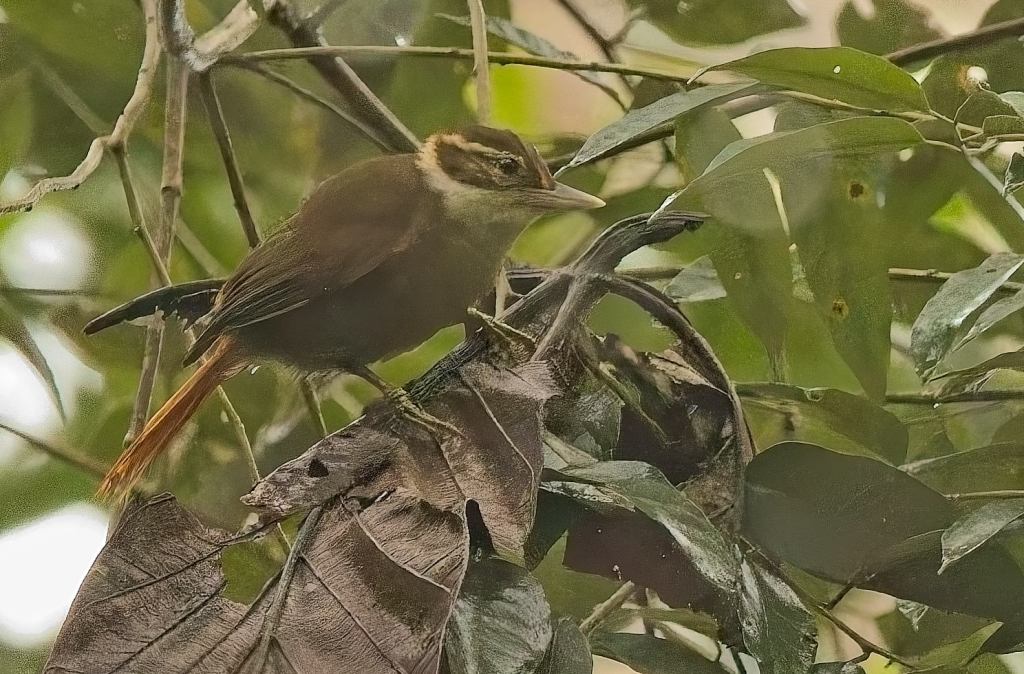
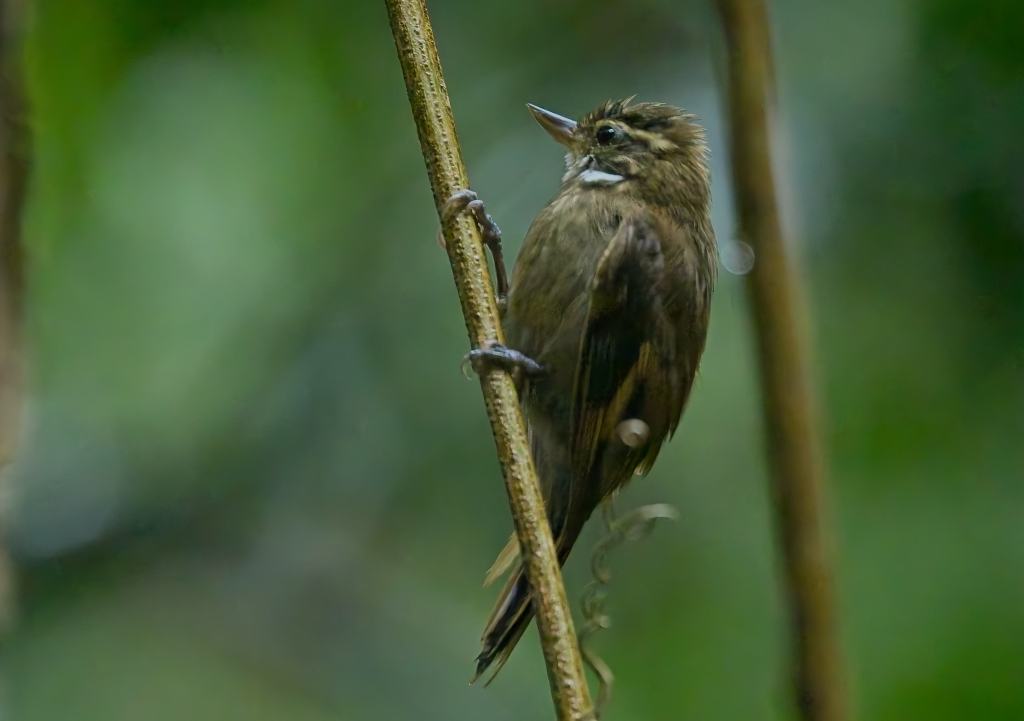
Back at the hotel. I added a Swallow-tailed Cotinga and a Wing-banded Hornero to my life list and got a decent photo of the latter. The Cotinga was on a nest but somehow I missed the photo – which would be remedied the next day. The original plan was to go to a nearby marsh to look for a Giant Snipe but the weather continued to be problematic and we called it off.
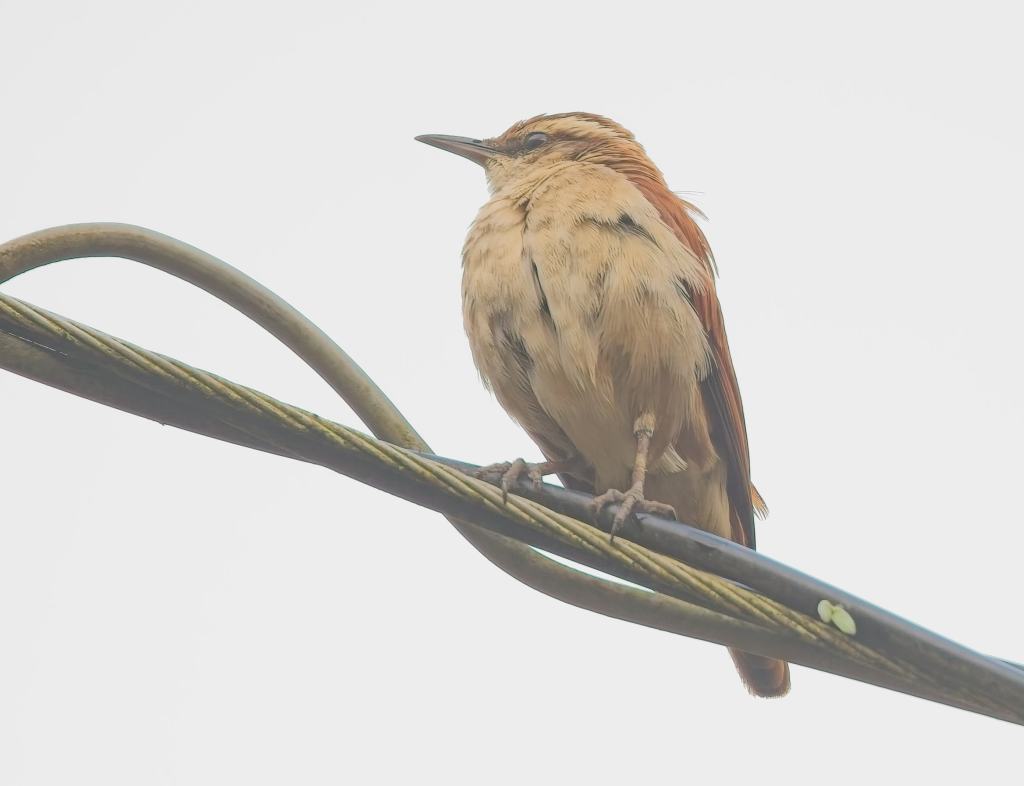
Day 4, October 21: Numbers for the previous day were impressive. Numbers on this day would be even better despite poor weather again and photos were tough in the dark forest in which we were birding. The summary is that we had 106 species with photos of 31. This included 29 lifers with life photos of 21 species. I only had photos of 11 of the new life species but would get photos of 12 additional ones later. One more positive, I got life photos of 7 species I had seen previously but not photographed. This is a good place to expand on the photography issues. First I have to acknowledge that my skill at finding birds in foliage leaves a lot to be desired. There were too many times when despite great direction by our guide, I just could not find the bird looking through my camera. Additionally there were times when although I could see “the bird”, it just was not possible to get a shot of it as it was flitting around in distant trees or high in the canopy or almost entirely obscured by foliage. And lastly there were some times when nobody actually saw the bird relying on very precise hearing of songs or call notes. Adding that the weather didn’t help when the birders were hindered by wind or rain or both. But yes fortunately there were times when everything worked perfectly and a photo was possible.
Photo opportunities are especially good, and very welcomed, when there are feeders as is often the case at lodges and many restaurants. The feeders attract hummingbirds and tanagers in addition to many other species. Photography is especially good when there are plants, bushes, trees, twigs etc. behind the feeders providing natural settings compared to the usually bright red hummingbird feeders, often mobbed by several hummers. In the afternoon we had a great time at the feeders at Sítio Vita Verde.
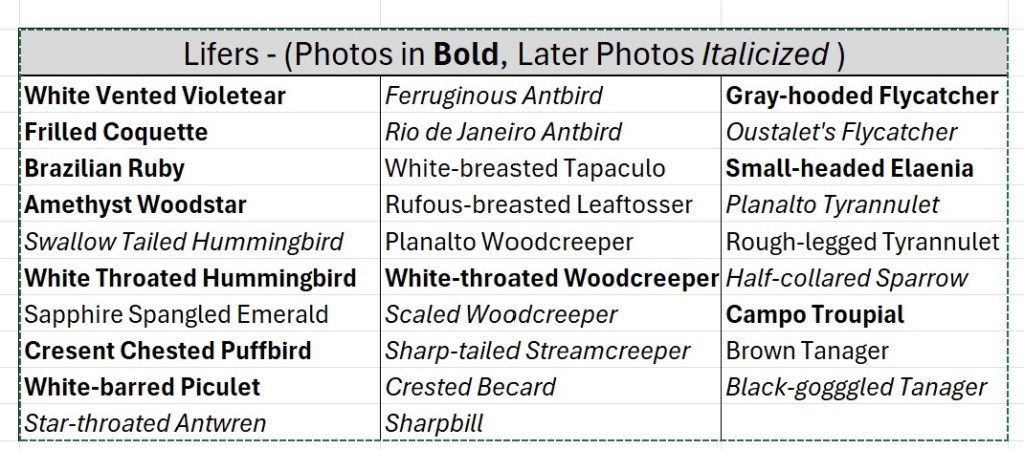
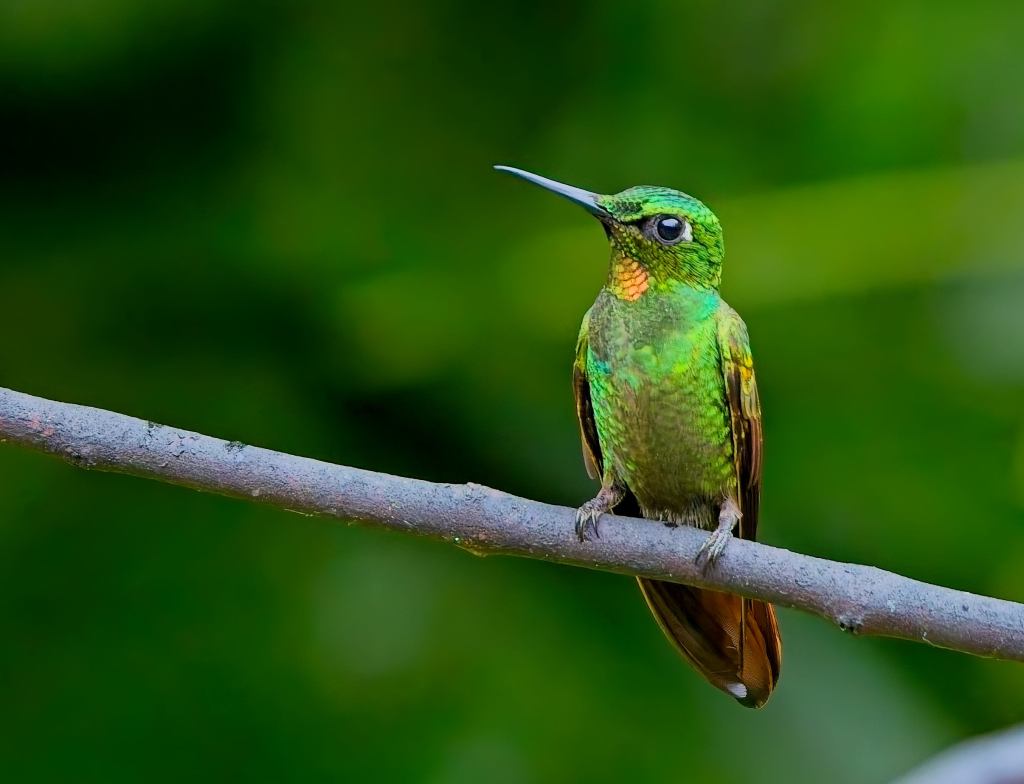
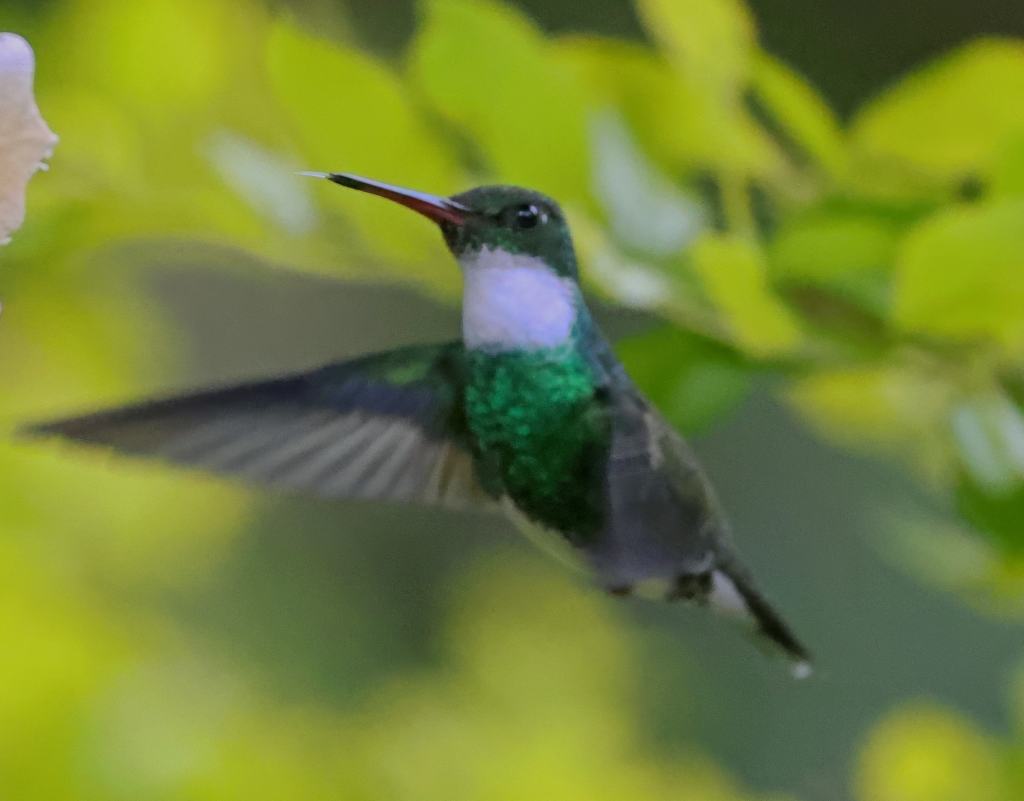
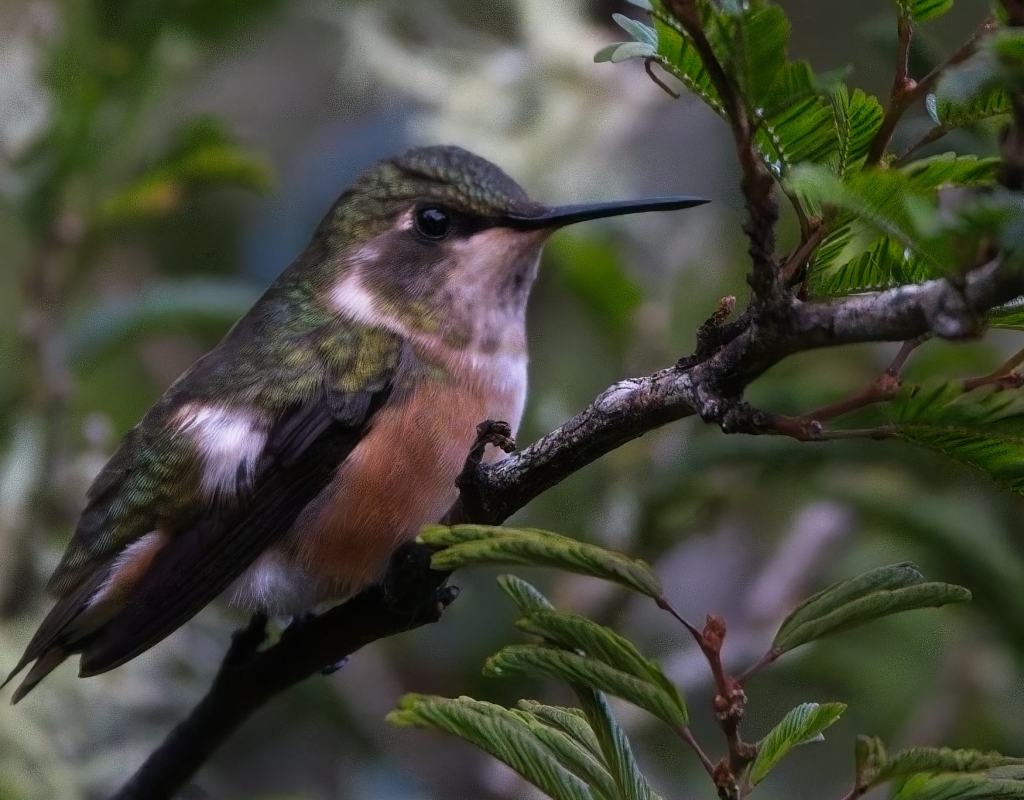
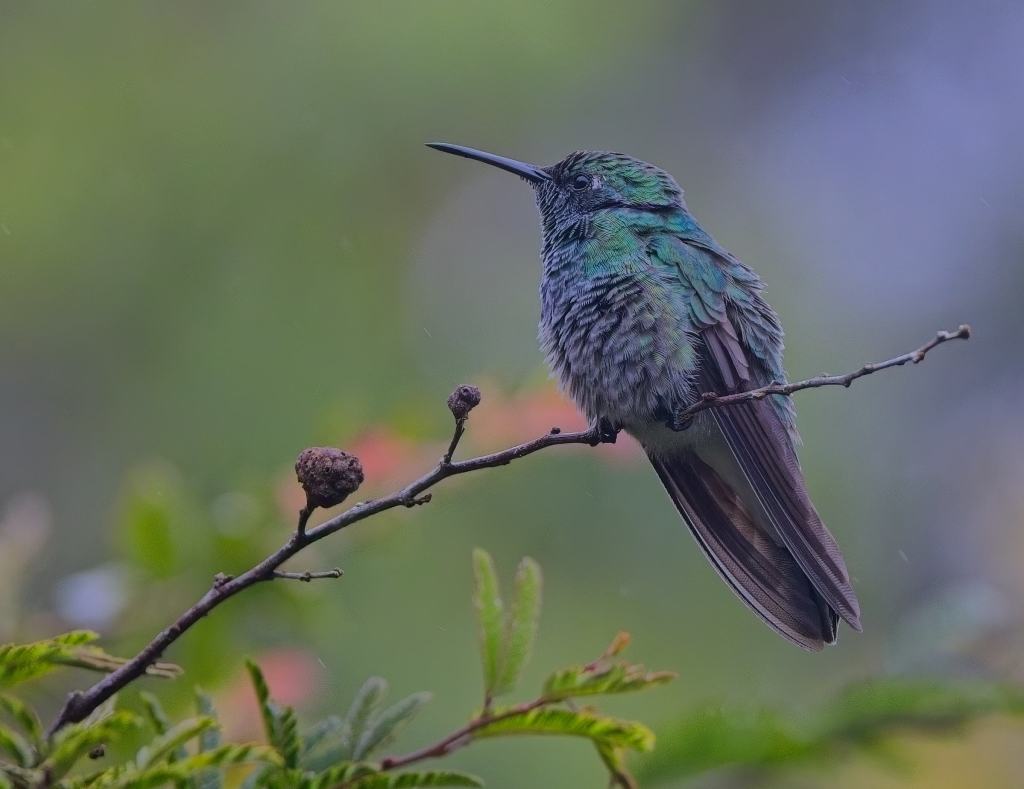
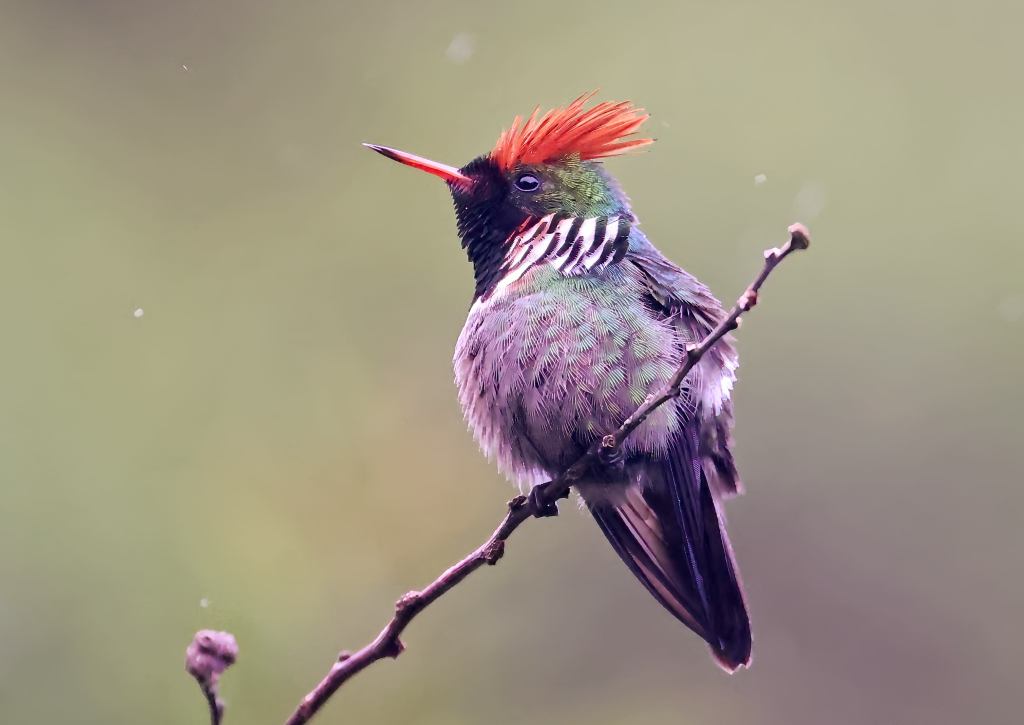
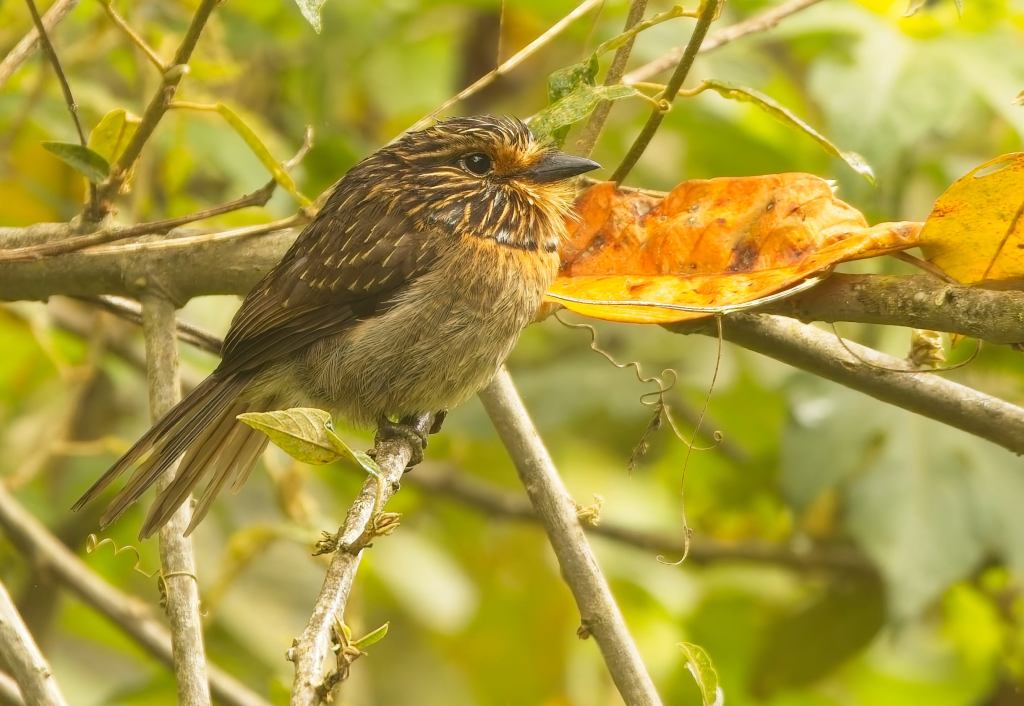
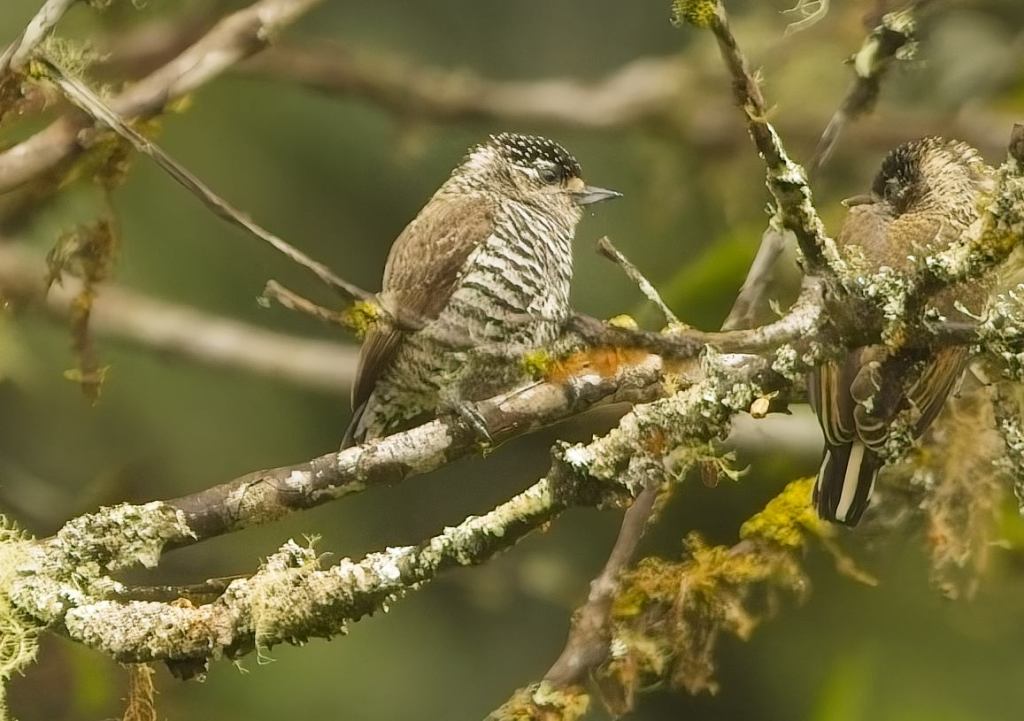
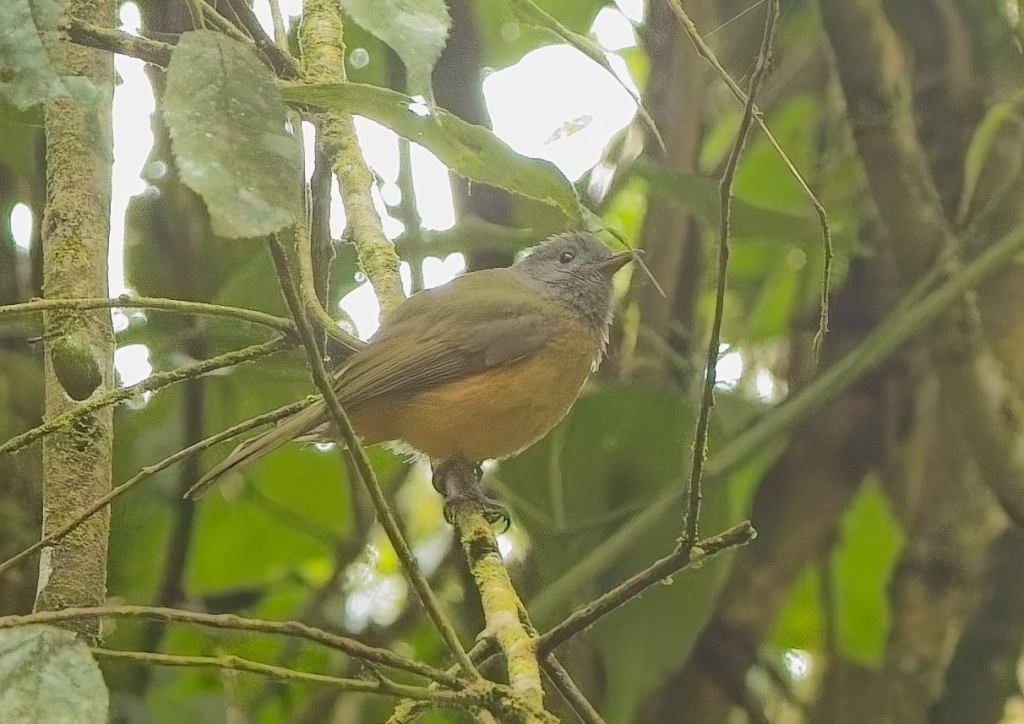
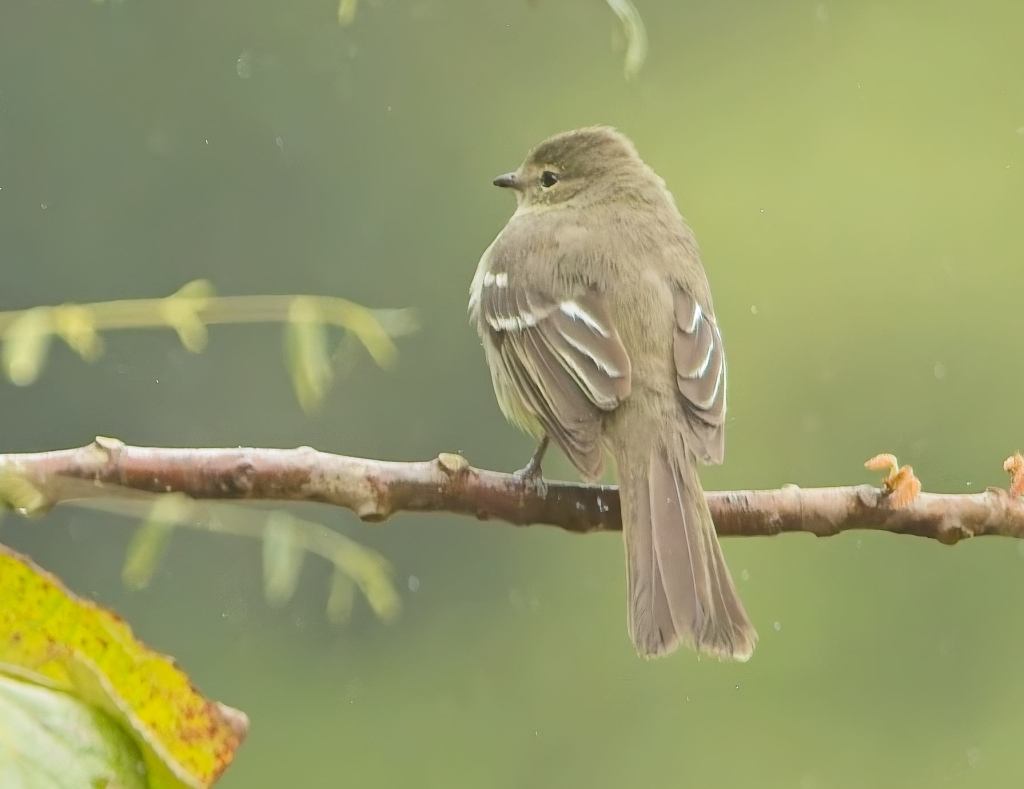
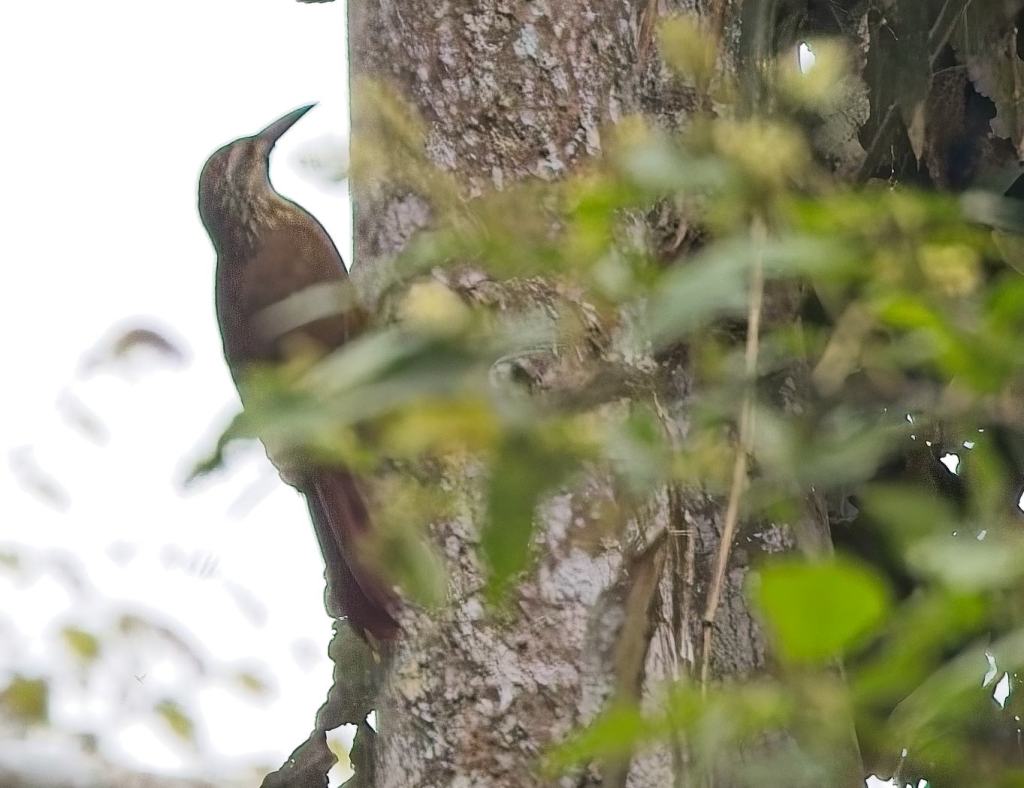
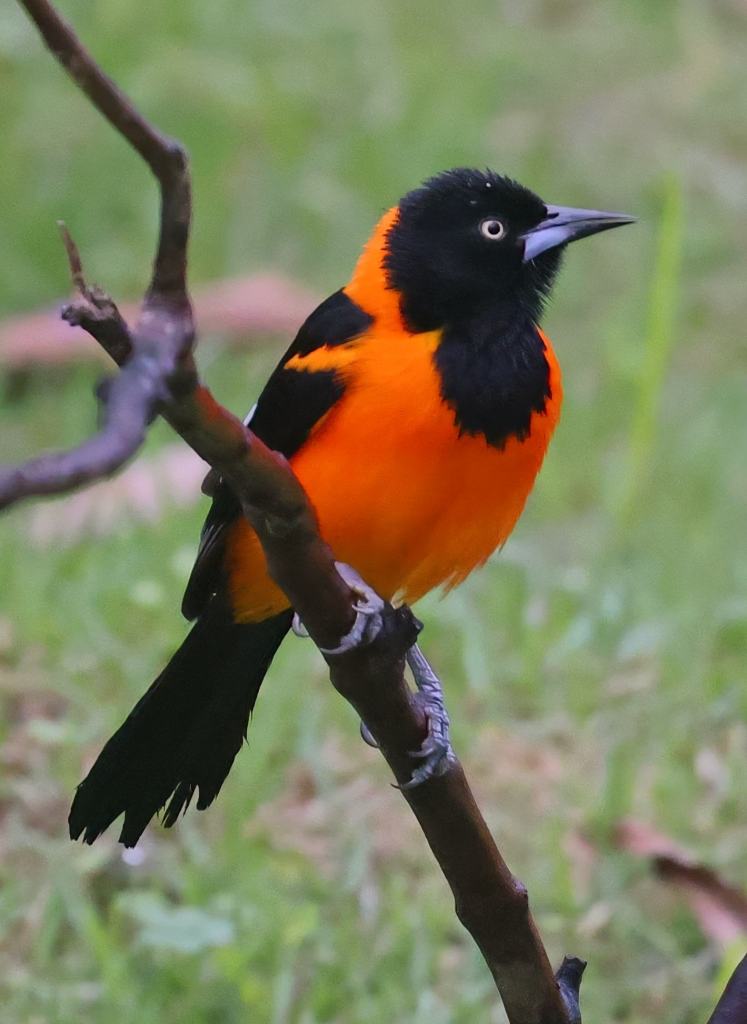
Life photos of species seen the previous day included Scale-throated Hermit, Versicolored Emerald, Pin-tailed Manakin, and Cinnamon-vented Piha. Returning to the hotel in the afternoon, this time I managed a photo of the Swallow-tailed Cotinga on its nest. I was also happy to get life photos of two species I had seen previously: Euler’s Flycatcher in Colombia and Creamy-bellied Thrush in Argentina.
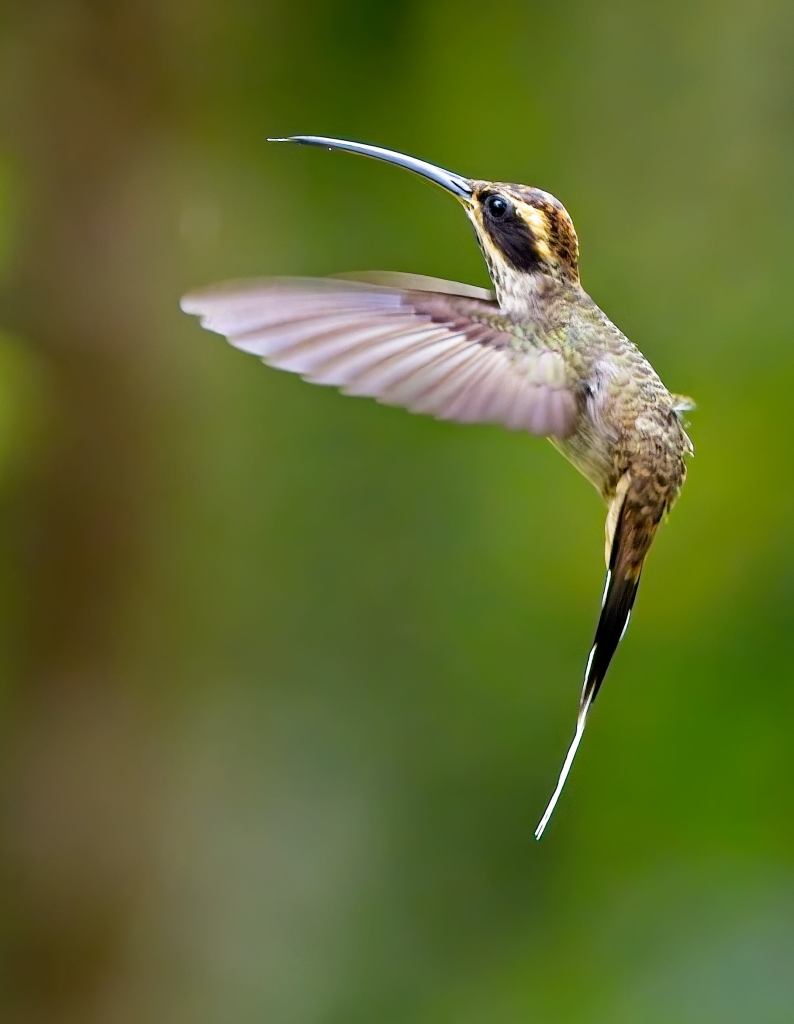
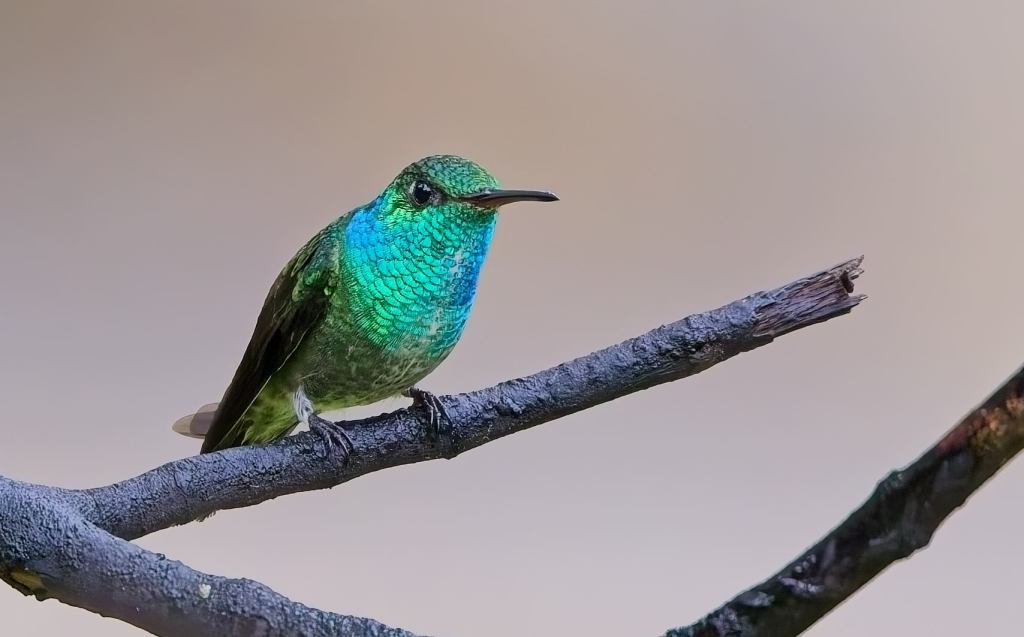
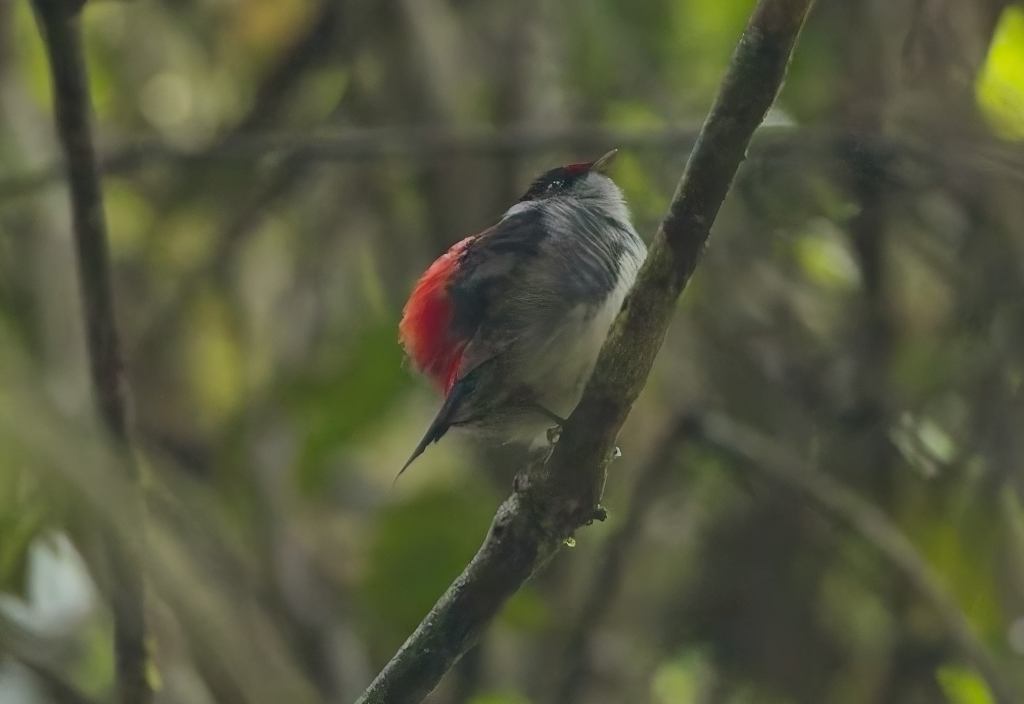
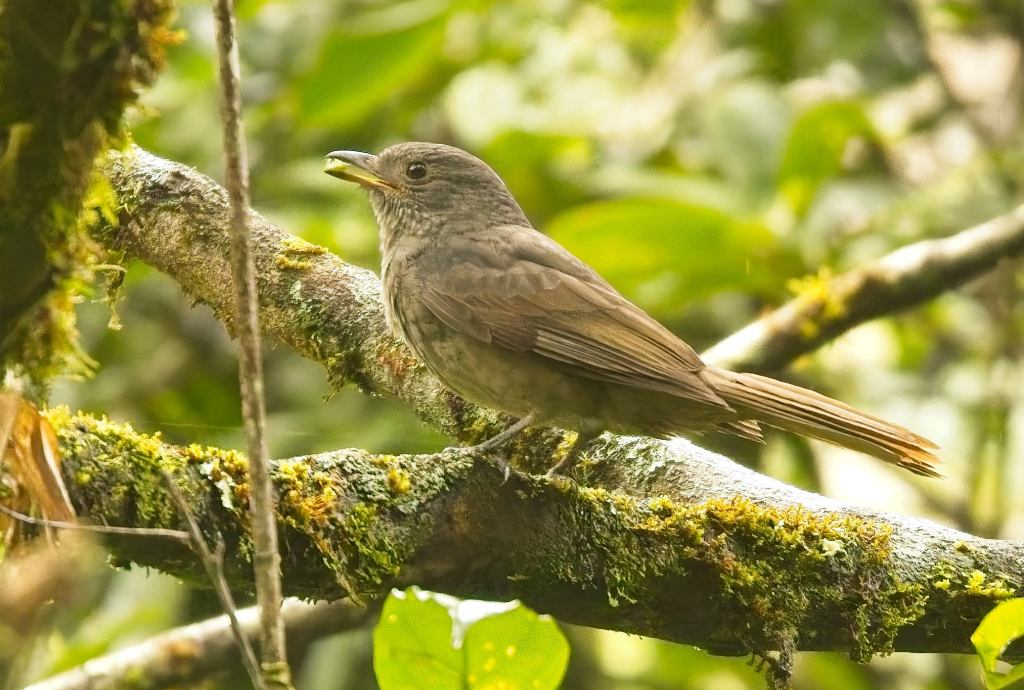
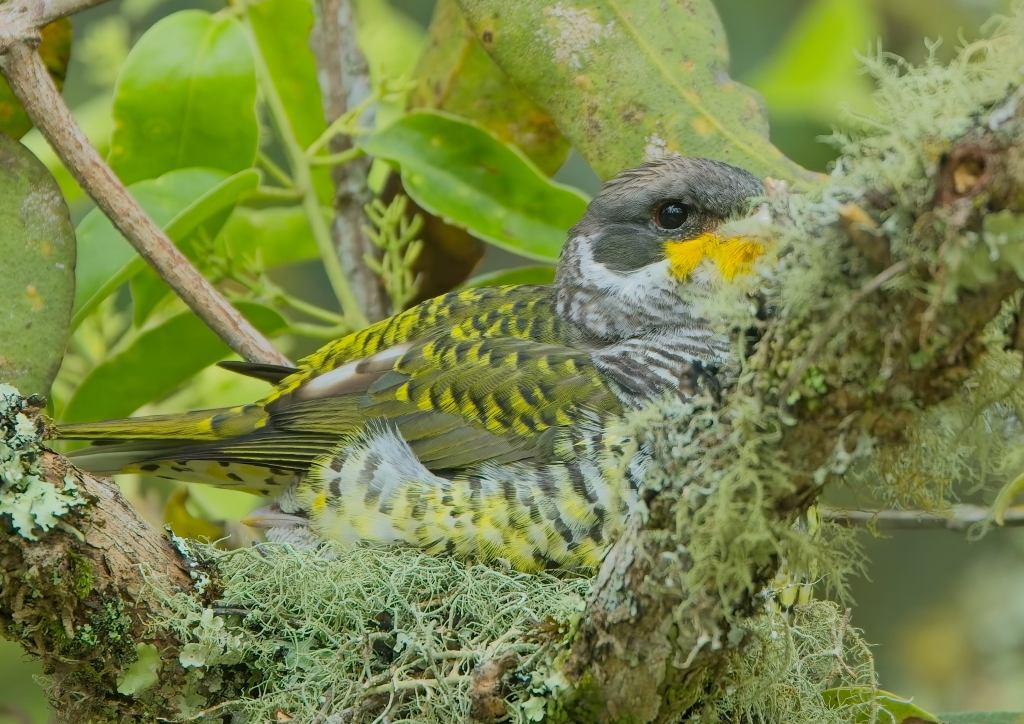
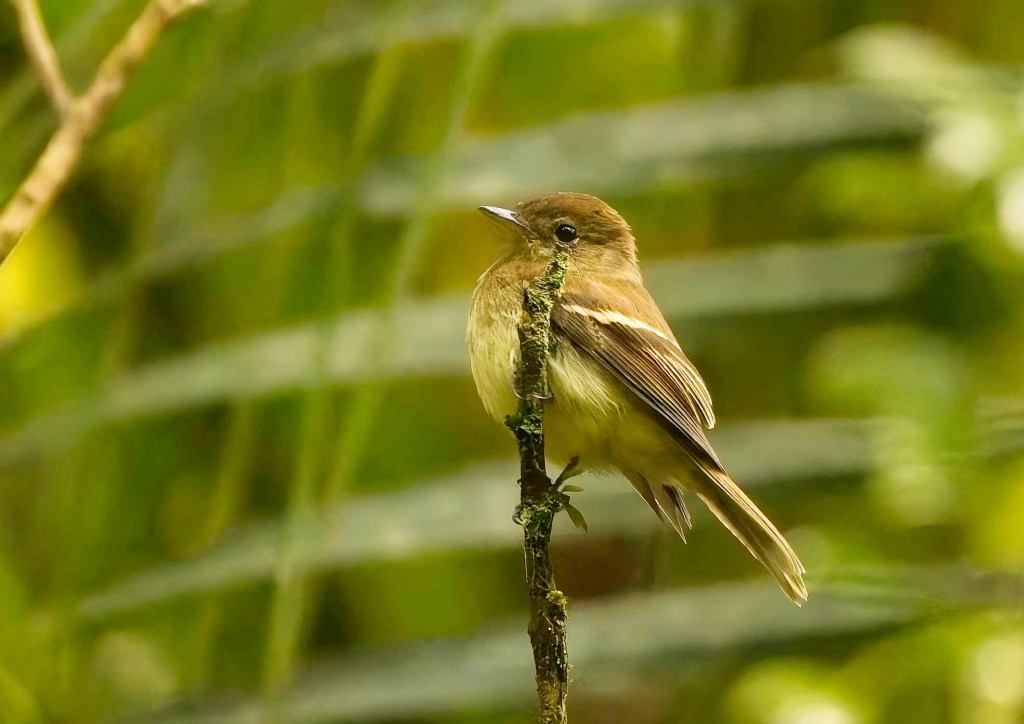
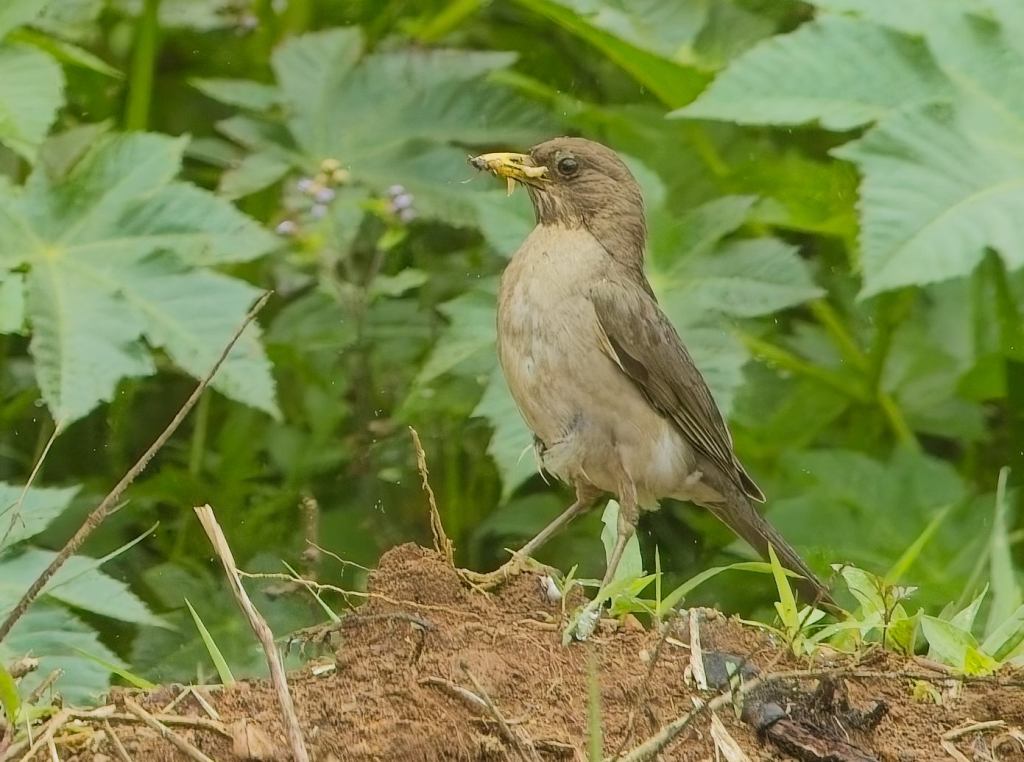
Day 5, October 22: As should be obvious from the preceding descriptions, we were in a very bird rich area in a very bird rich country. Reports vary but with around 1900 species, Brazil is generally considered to be the country with the second most species just behind Colombia. This day would be another day with more than 100 species (108) of which 22 were lifers for me and with photos of 41 of the total species, of which 23 were life photos – 9 of the lifers added that day and the remaining 14 were life photos of species seen previously. Additionally another 5 of the lifers would be photographed later. Most of the birding (first in the morning and last at the end of the day) was at the Reserva Biológica Augusto Ruschi.
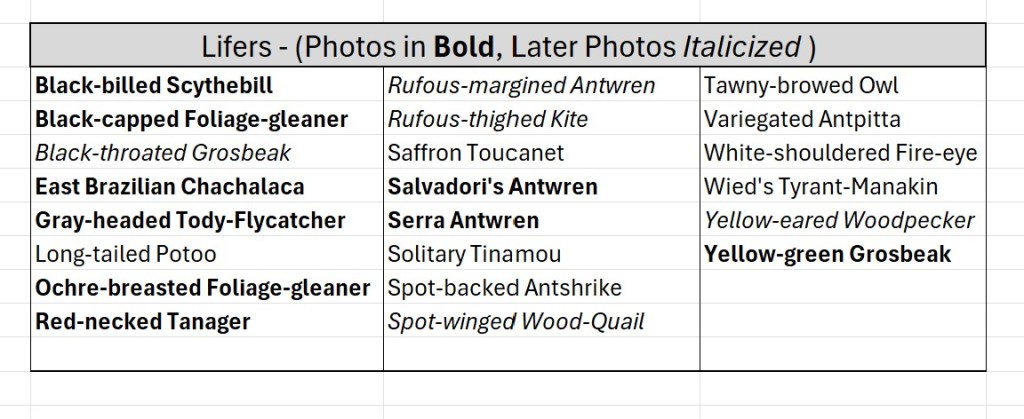
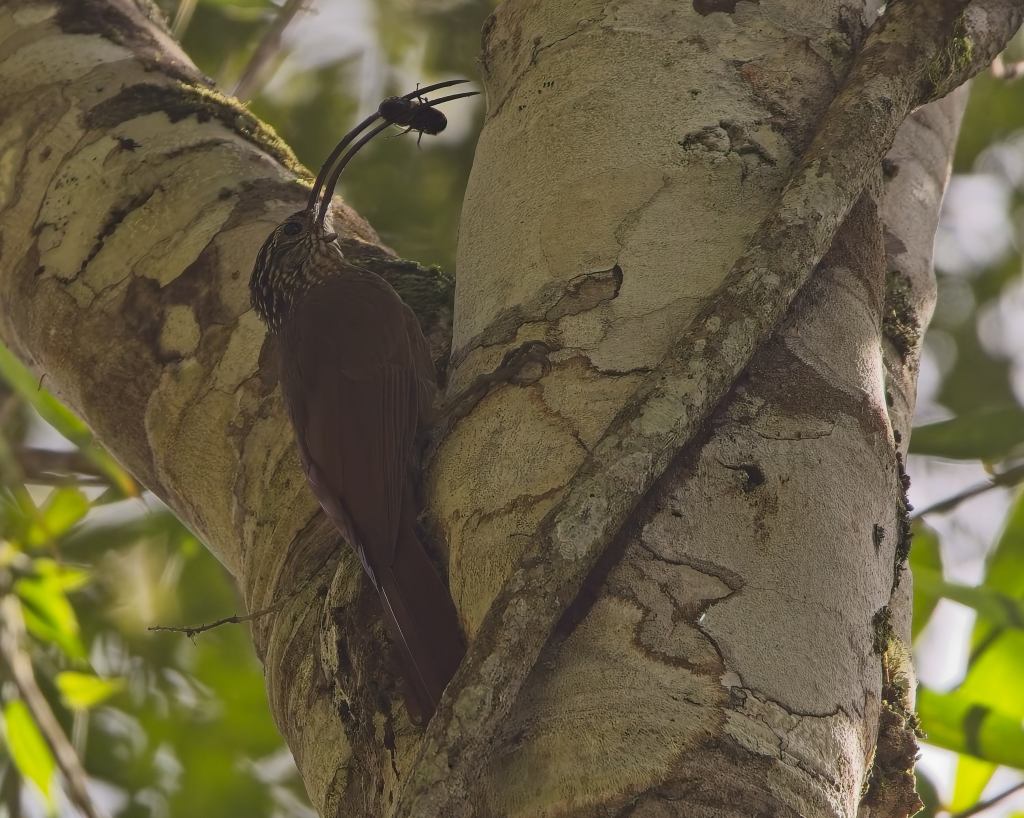
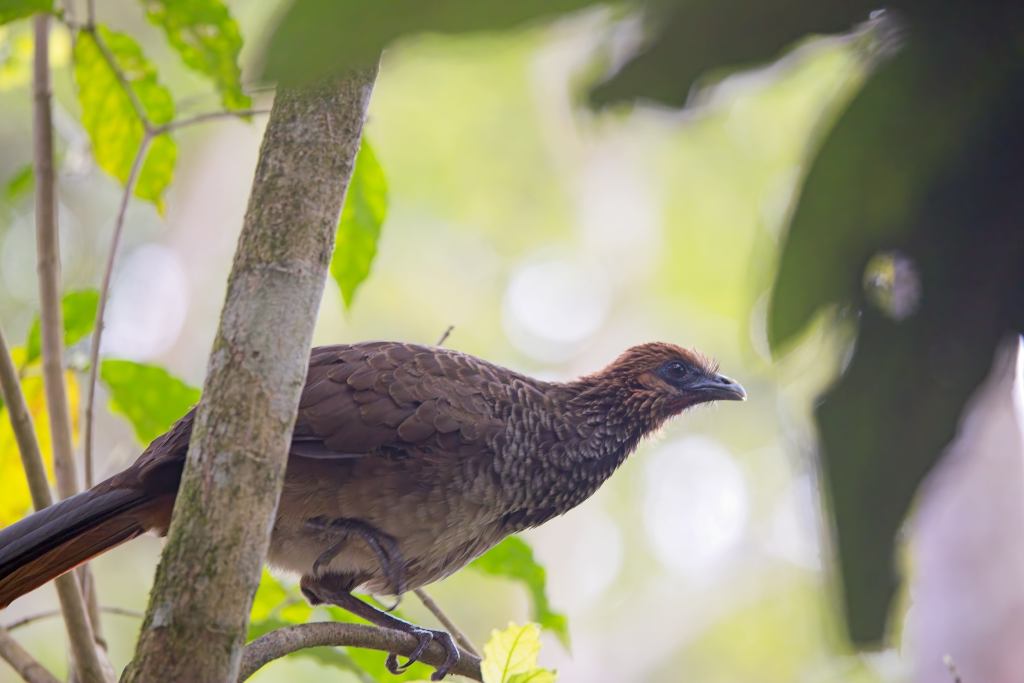
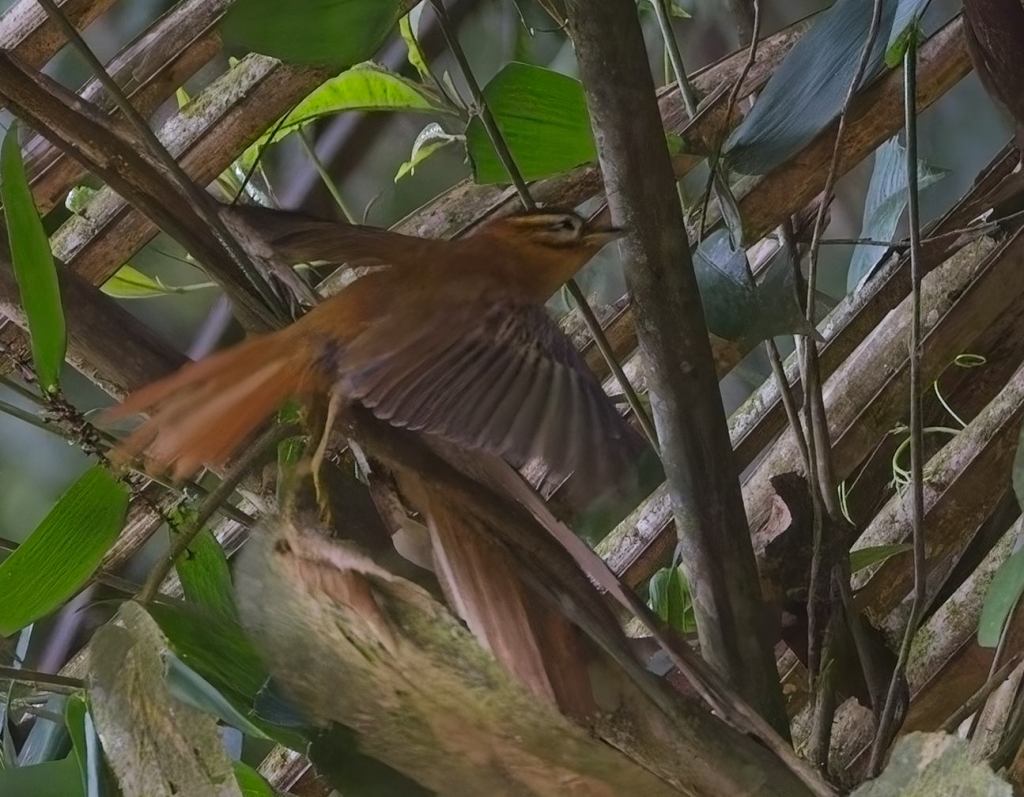
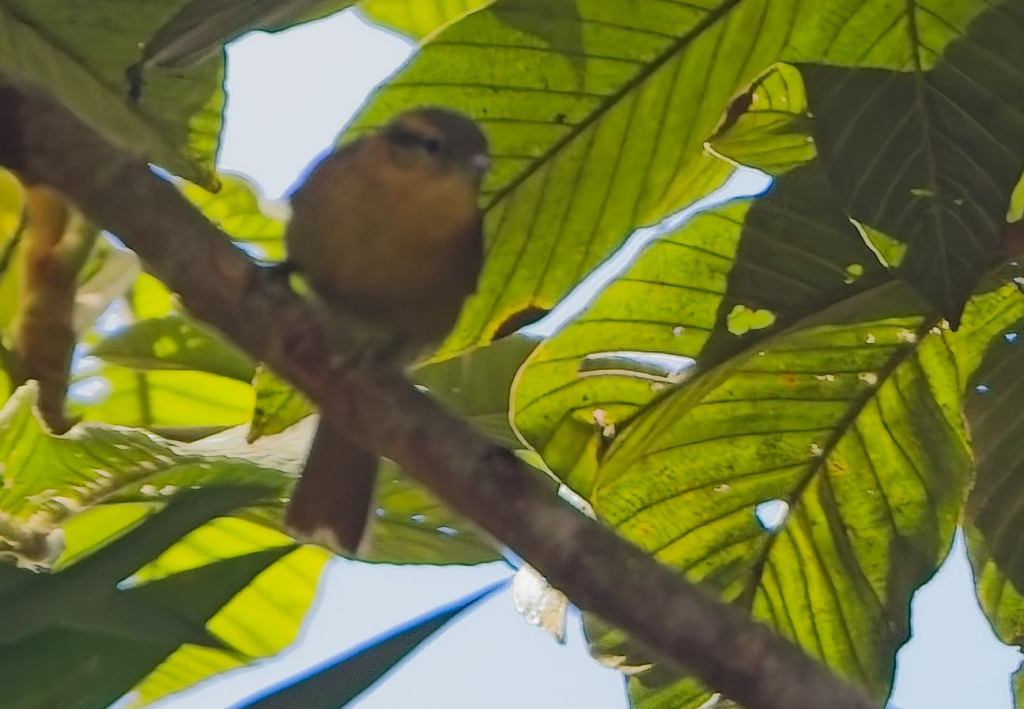
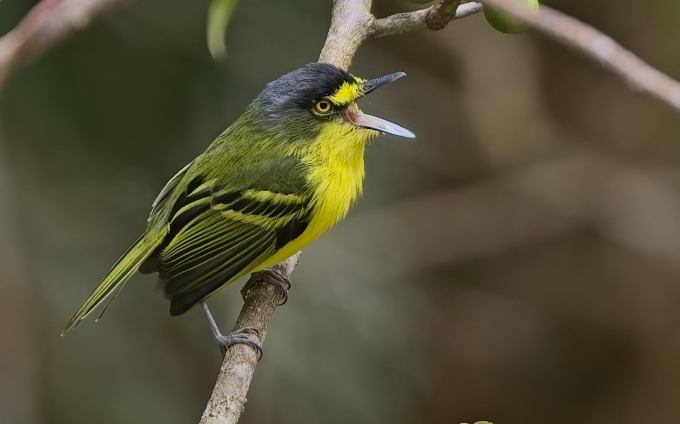
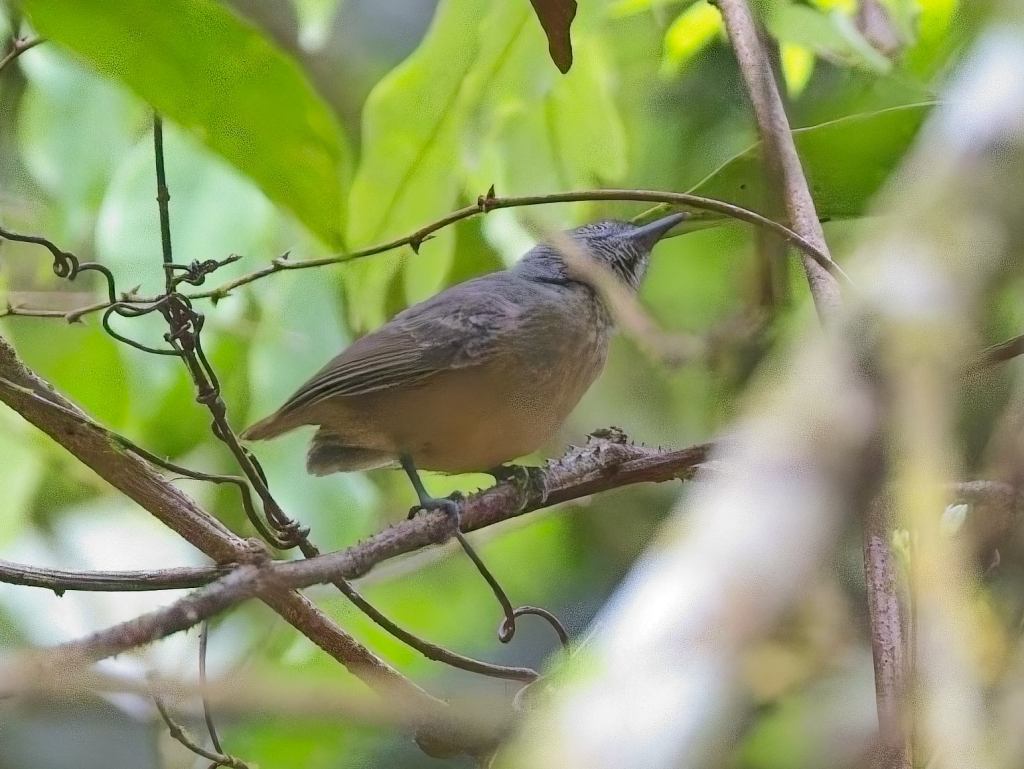
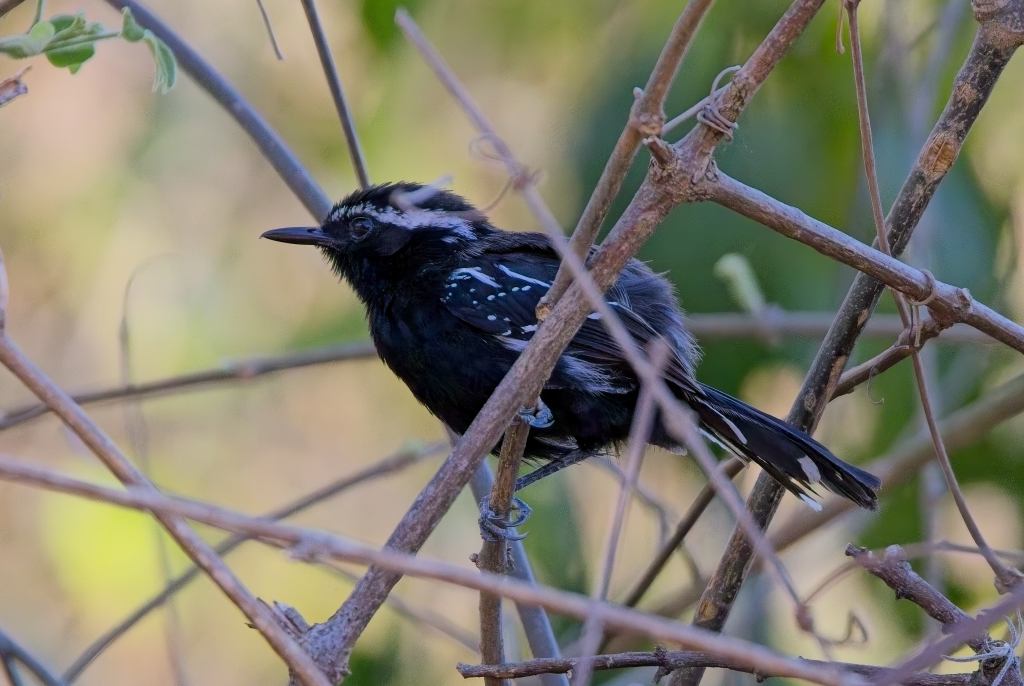
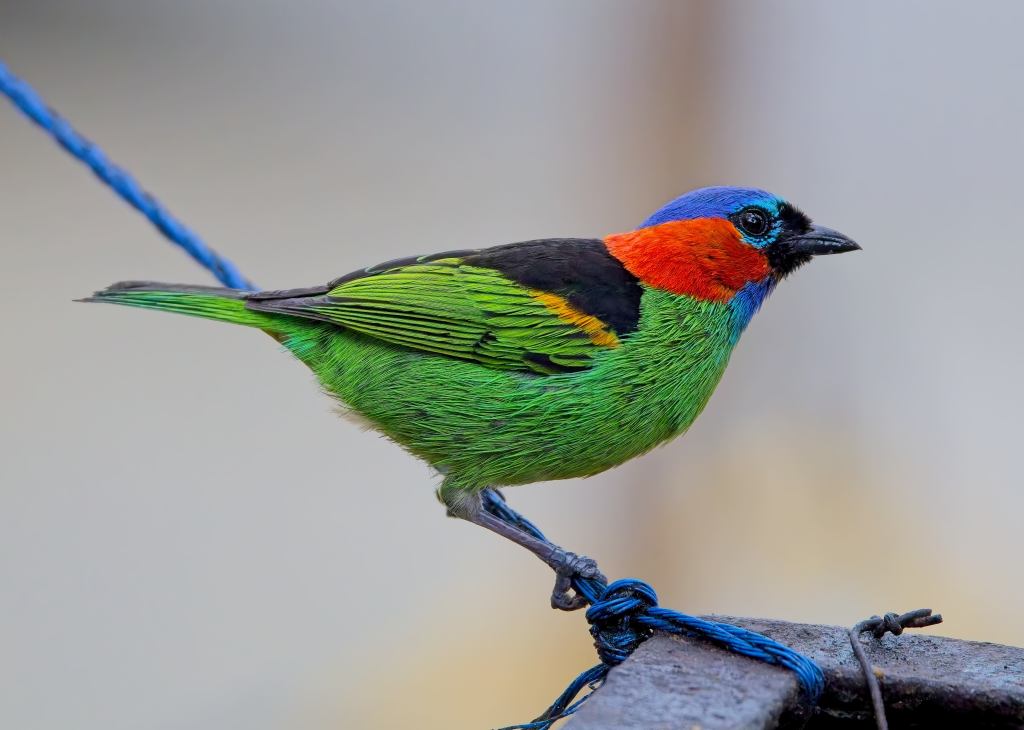
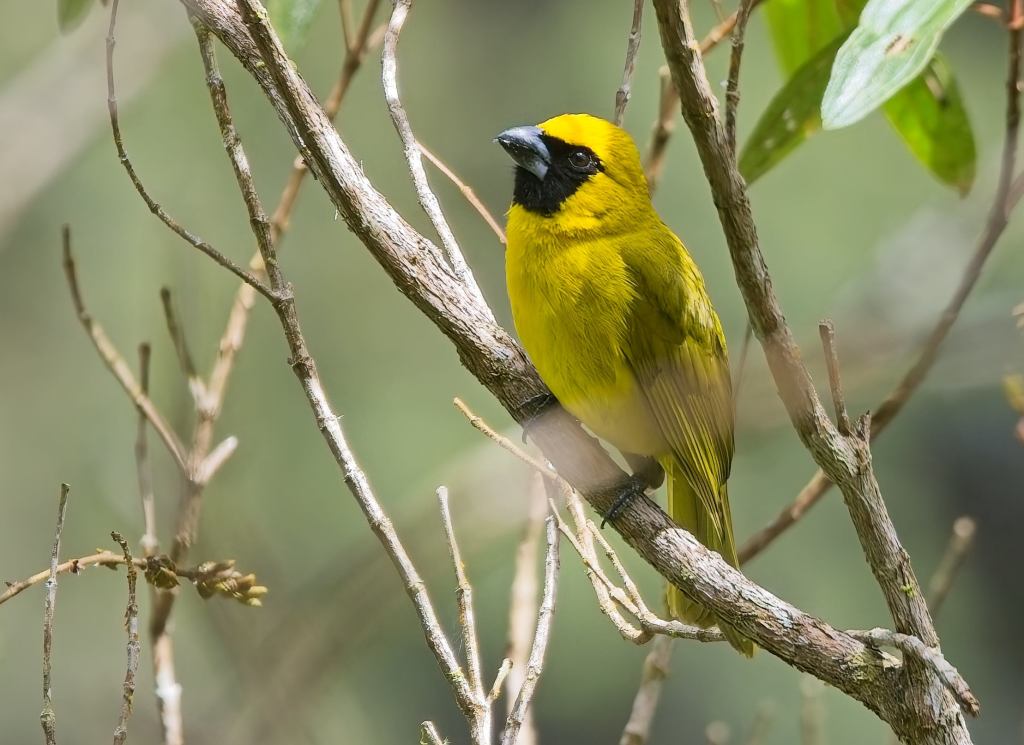
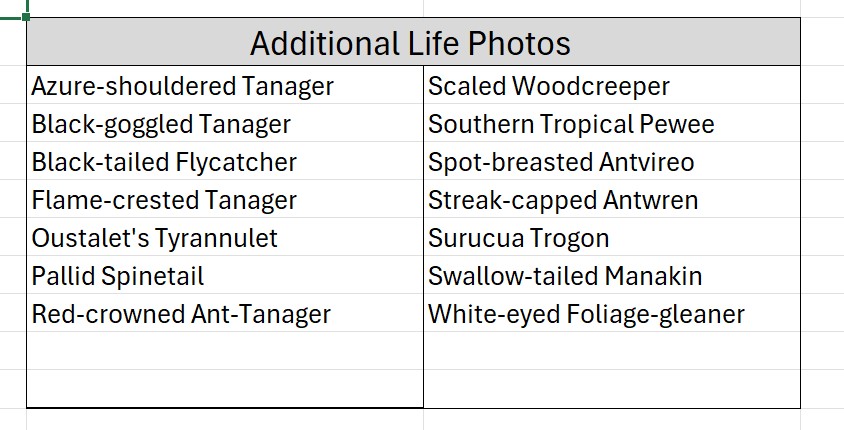
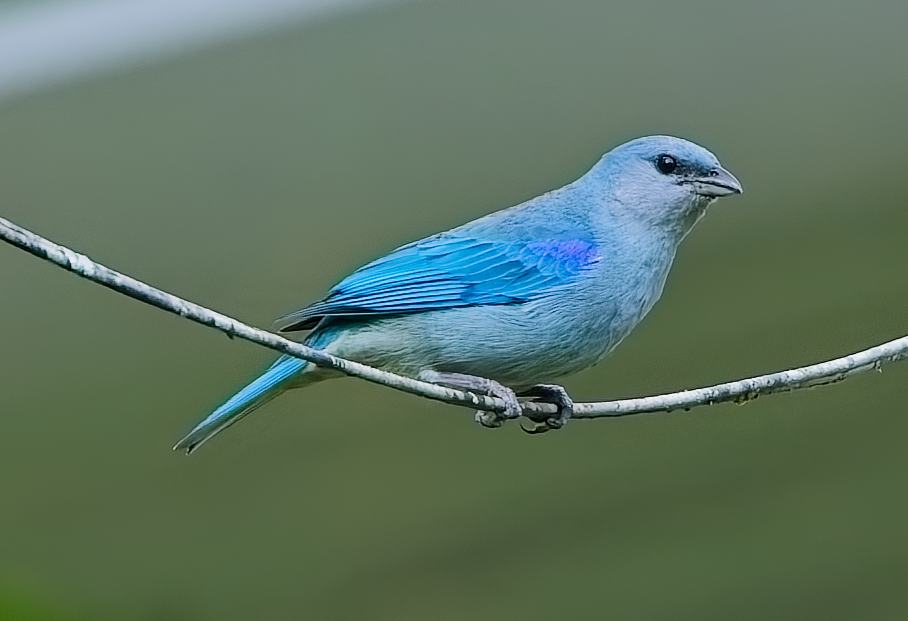
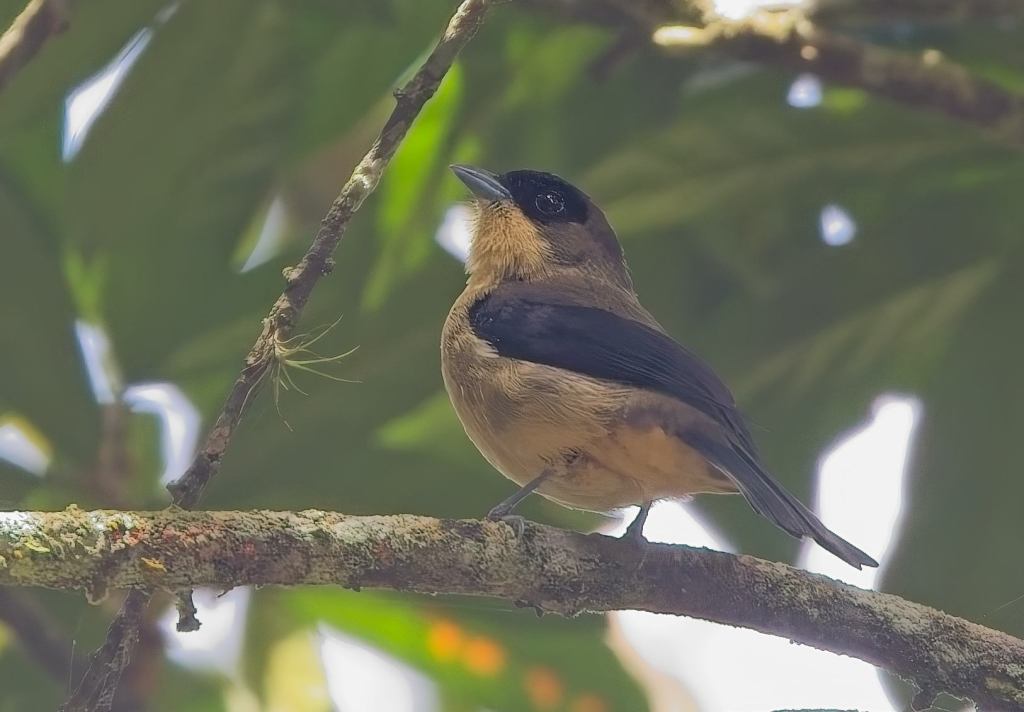
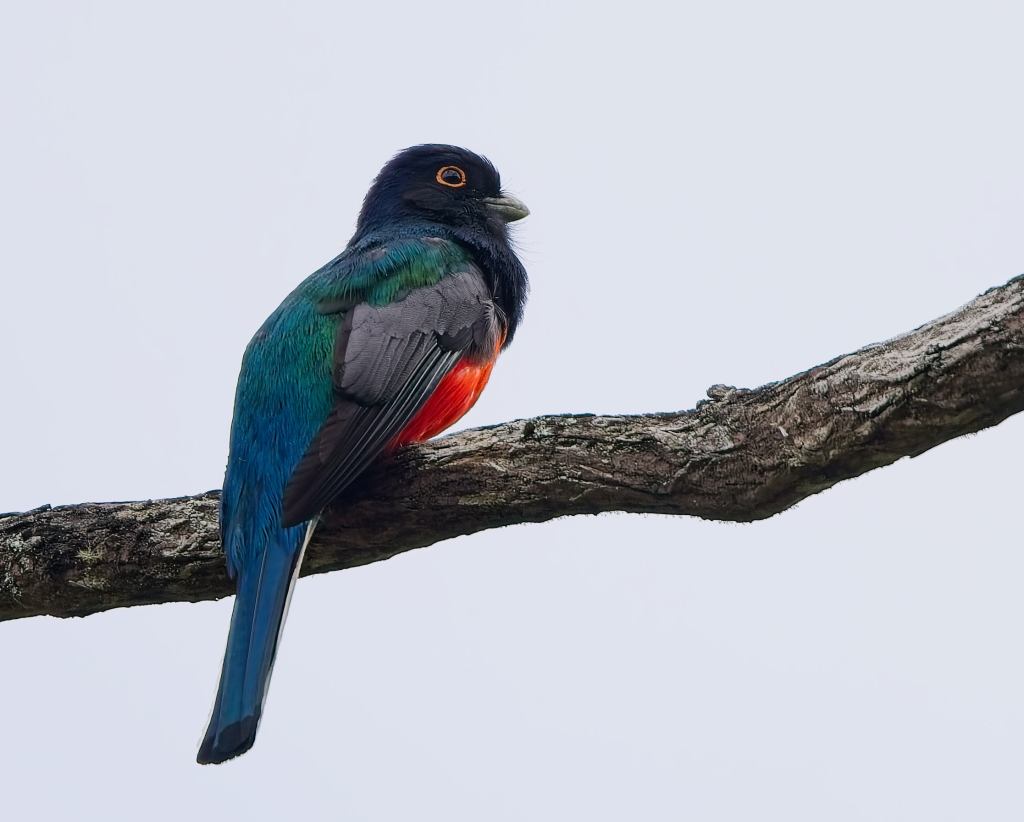
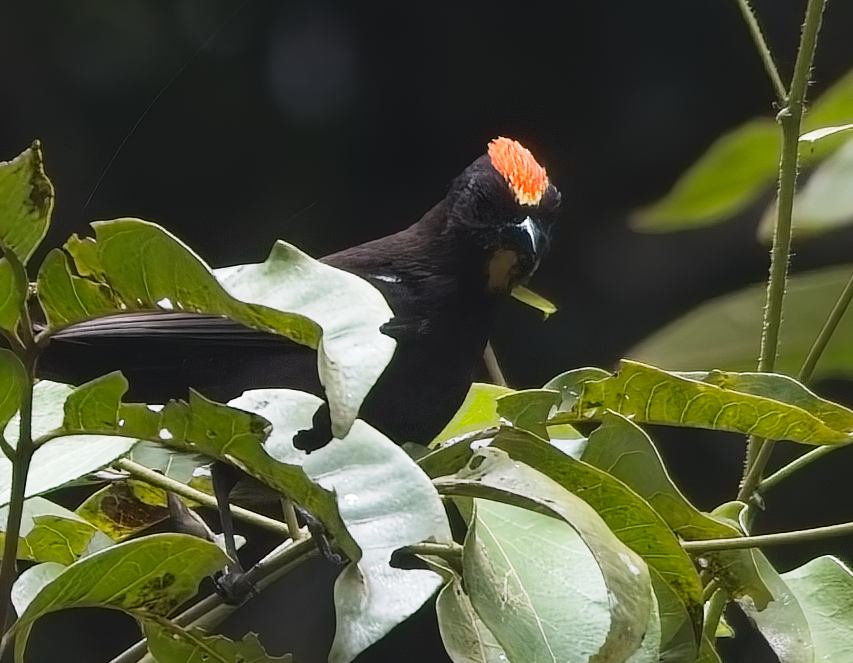
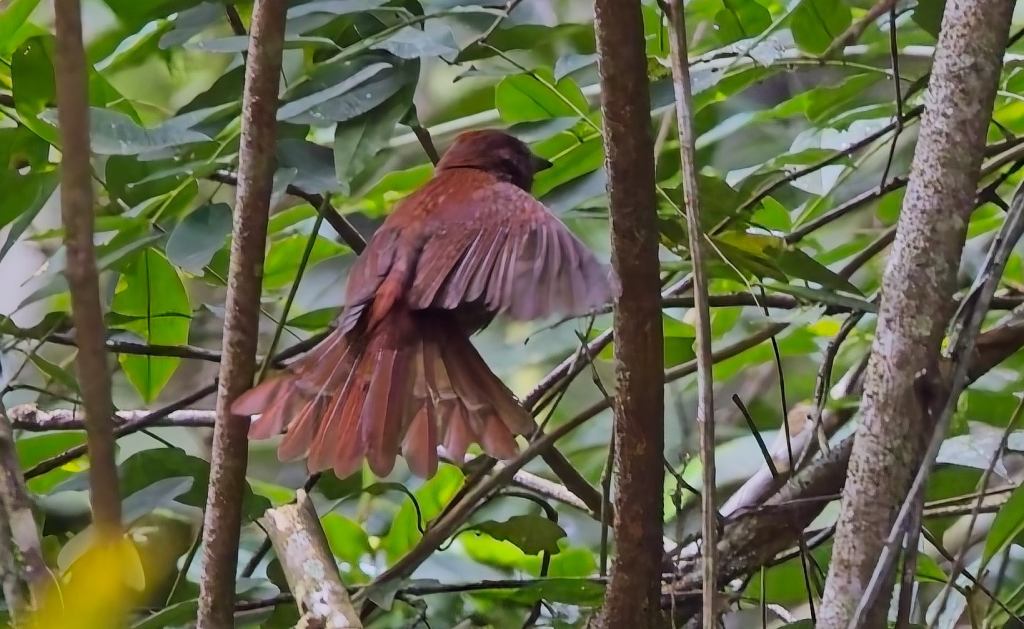
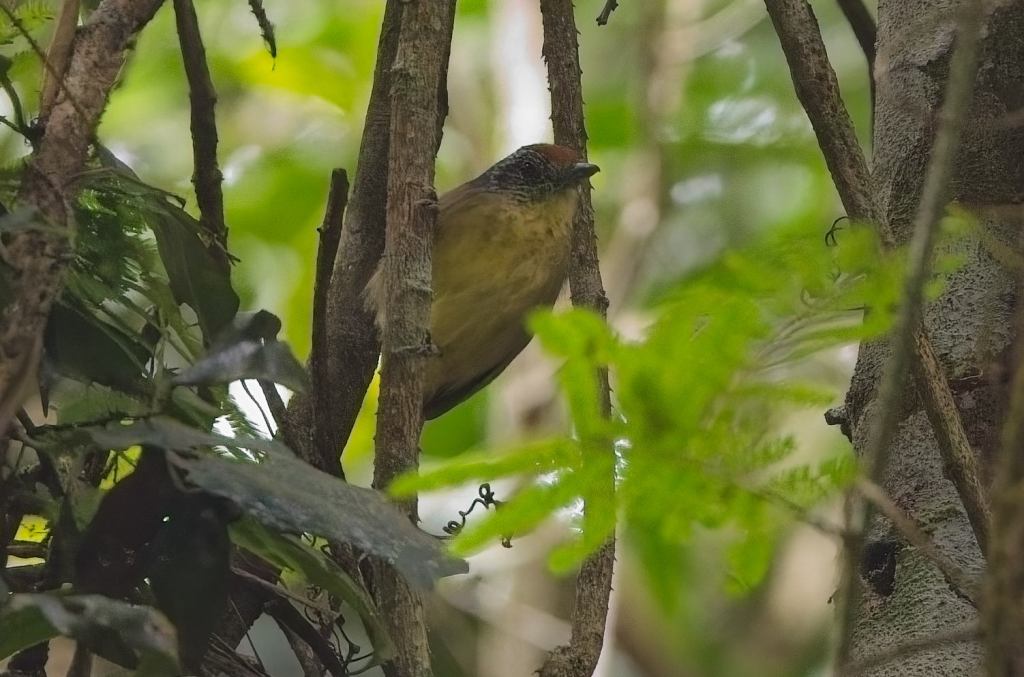
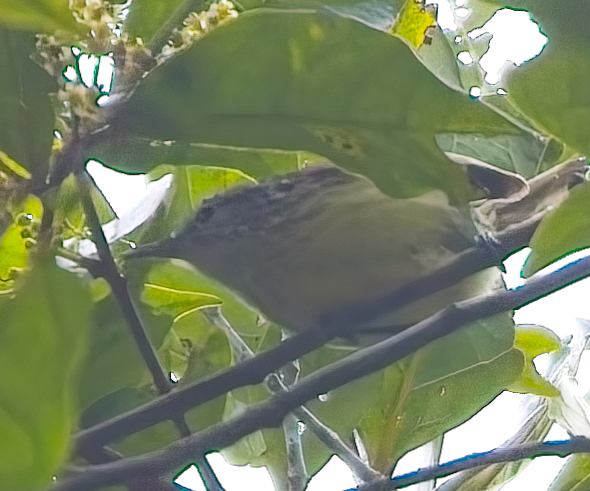
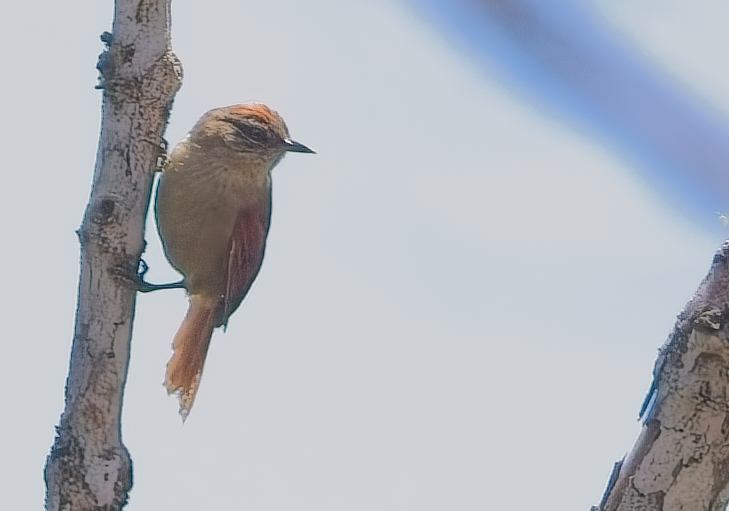
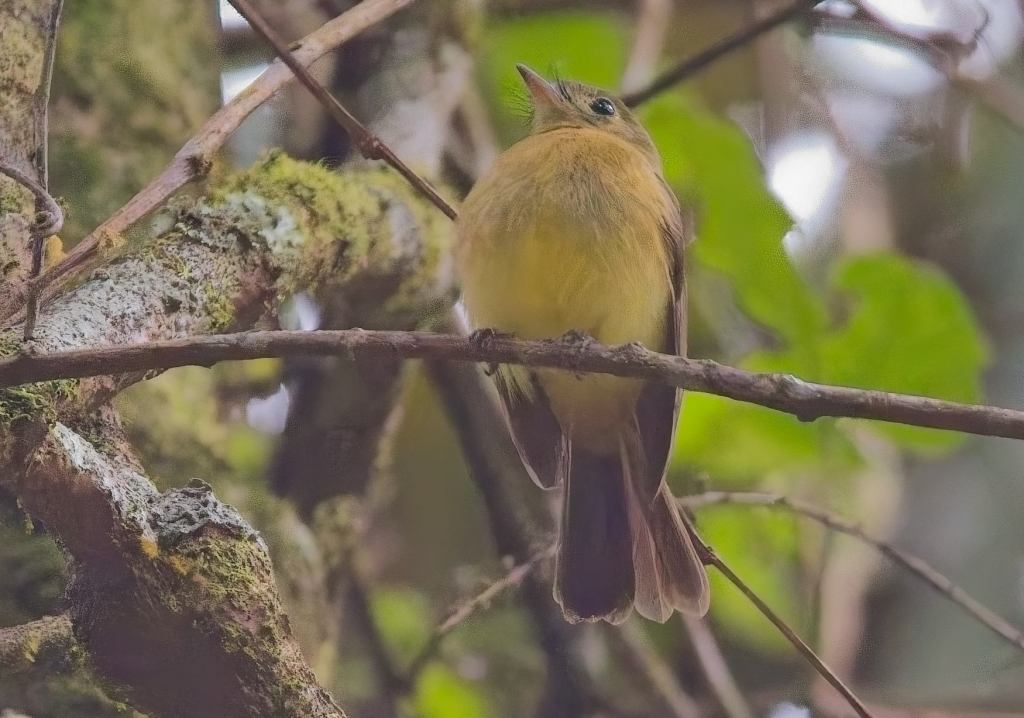
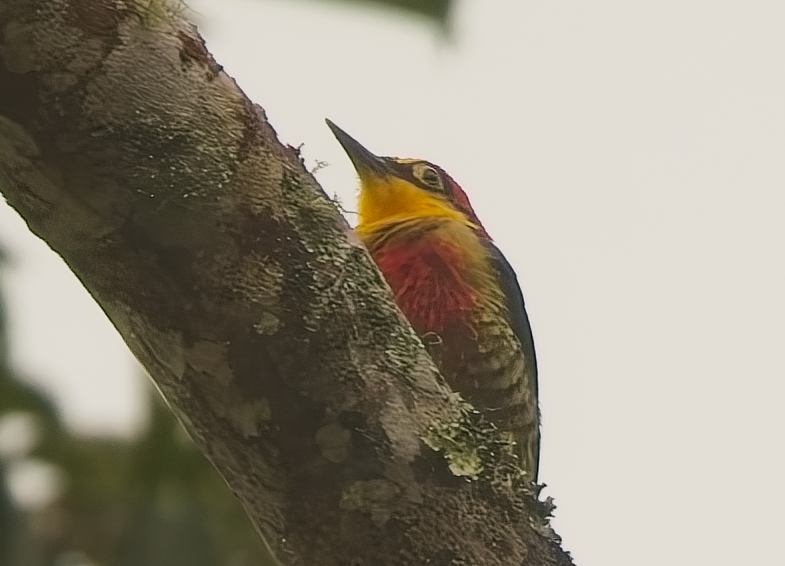
Day 6, October 23: In the morning we returned to Reserva Biológica Augusto Ruschi and birded there for over an hour with 35 species of which only 2 were lifers – Gray-hooded Attila and Pileated Parrot. I got photos of neither but did get life photos of previously seen Sharpbill and Yellow-eared Woodpecker. I would get a photo of the Gray-hooded Attila later in the trip but the Pileated Parrot remains as seen only.
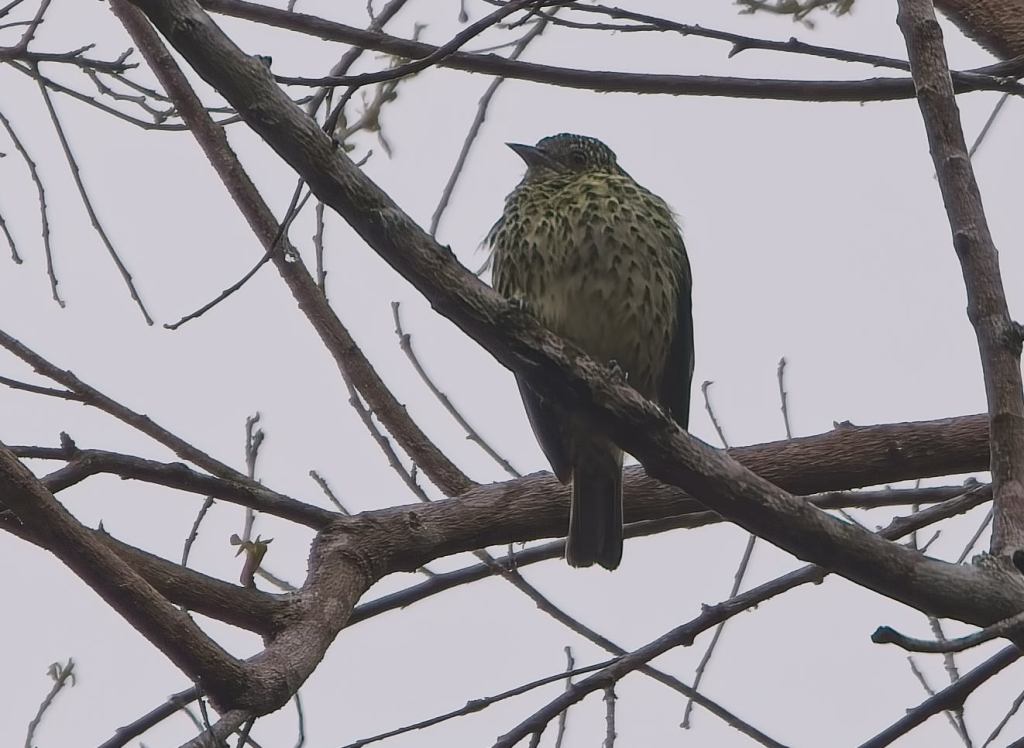
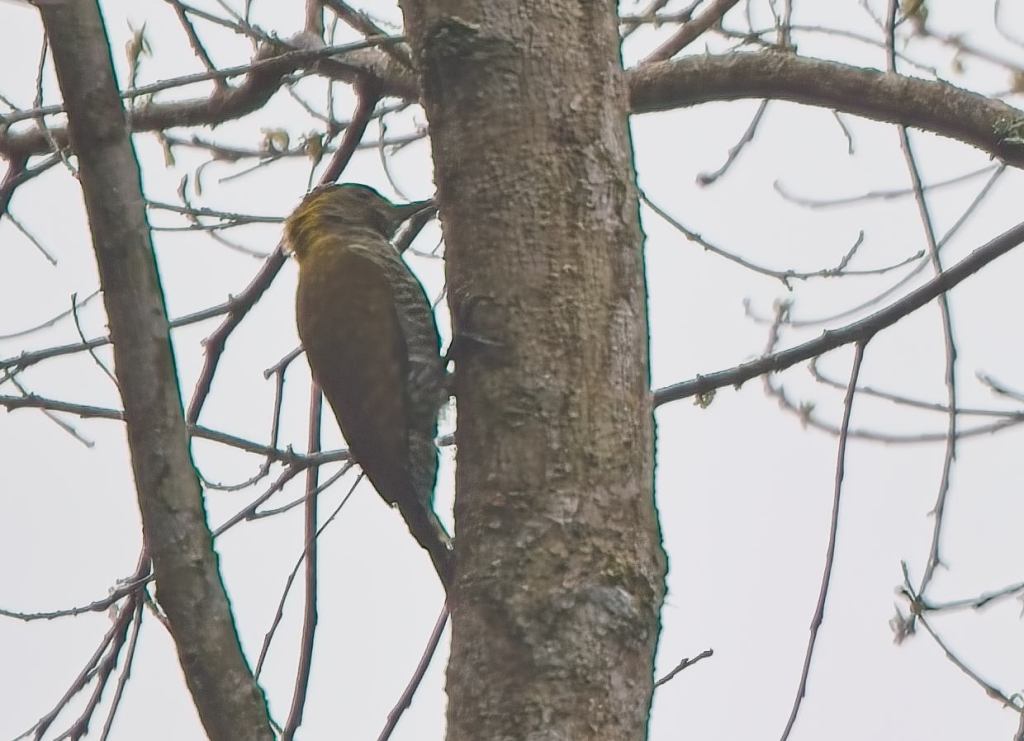
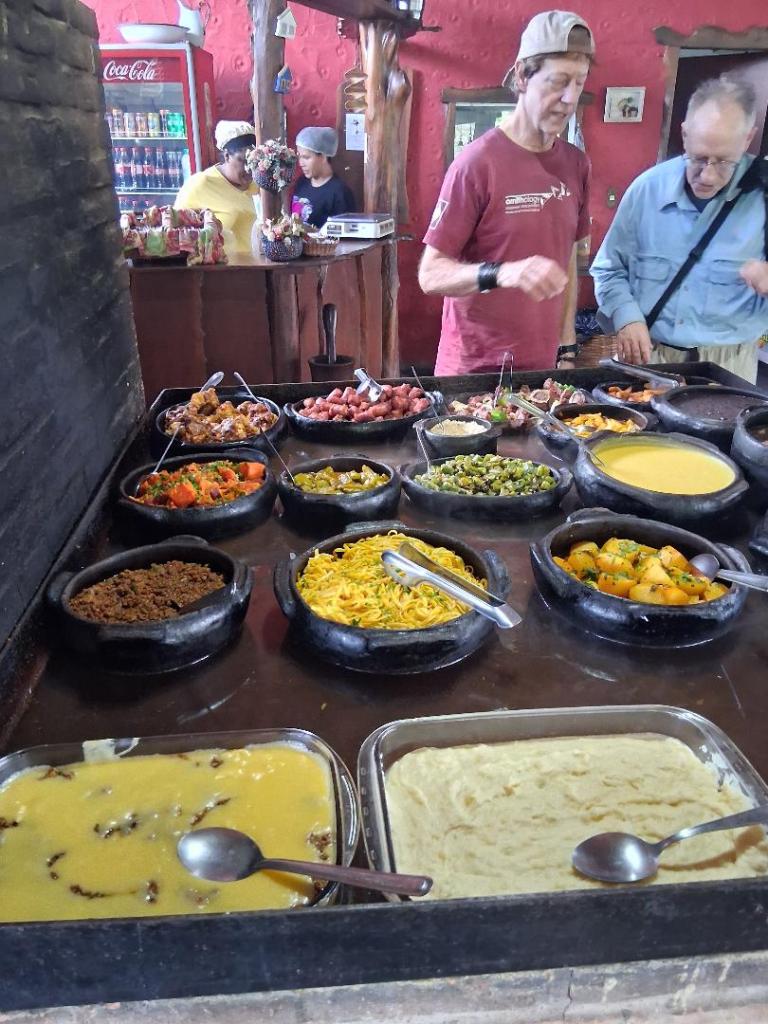
After a several hour drive and lunch at one of the buffet style Quilho restaurants favored by our guide because of the variety of food and speed of service, we arrived at our next birding destination, Linhares–Reserva Natural Vale, still in Espírito Santo. We probably had lunches at the Quilho (as in “kilo for kilogram”) restaurants at least 60 or 75 percent of the time. They were all similar, conveniently located on main routes with a similar variety of food which you served yourself onto a plate that was later weighed and your bill was determined by the number or percentage of kilos by weight. There was always a mix of various meats – beef, pork, chicken, often fish, soups, vegetables, beans and starches. Desserts were available separately. Passable if not great food and very hard to count calories – a problem on most trips.
At Linhares–Reserva Natural Vale, we had 40 species including 9 lifers and 5 life photos including of two of those lifers: Red Stained Woodpecker and Least Pygmy Owl. Unfortunately my lifer Black-capped Screech Owl, Ocellated Poorwill and Great Potoo were heard only. Two lifer parrot species were very frustrating. More often than not parrots and related species (parakeets and parrotlets) were first heard and then seen very briefly as they speedily flew overhead and disappeared – no time for a phot. Such was the case with Red-browed Amazons and Maroon-faced Parakeets, both lifers at Linhares. Just no photo ops. These misses would be repeated the following day. I thought I had gotten photos of the Maroon-faced Parakeets but never found them. Another miss both days was another lifer, Black-necked Aracari. heard only. The only additional life photo was a very poor one of a White-flanked Antwren.
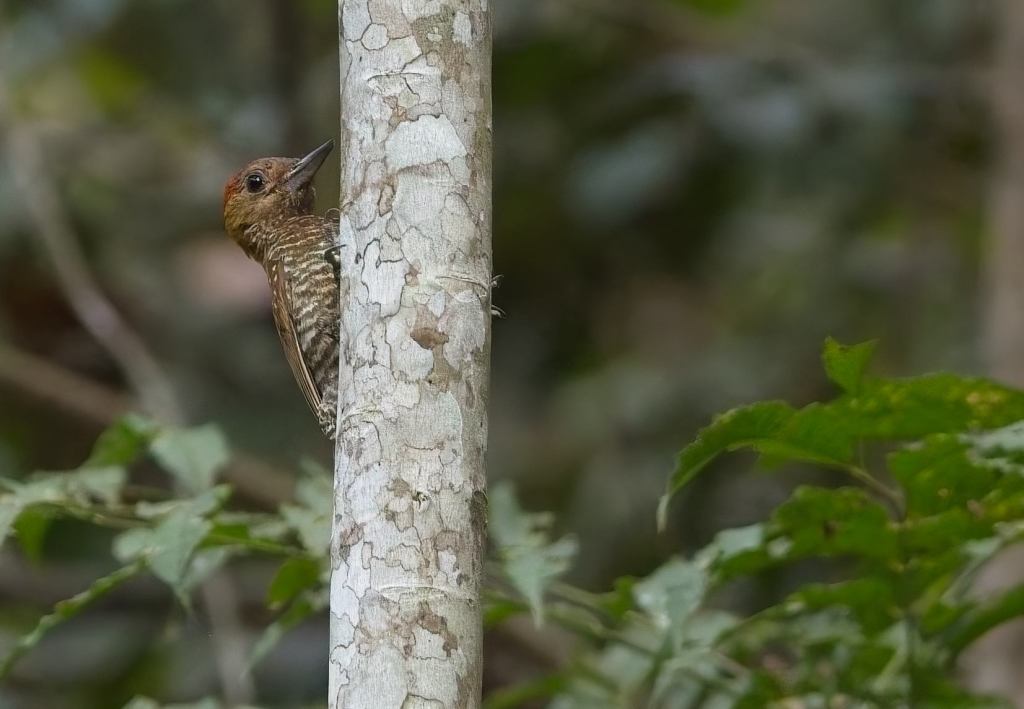
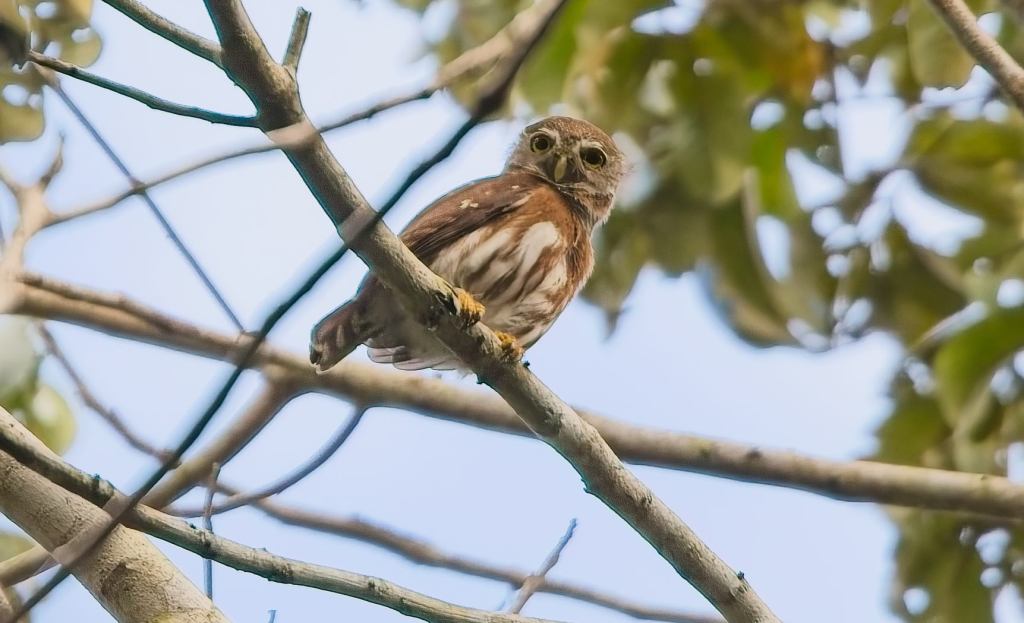
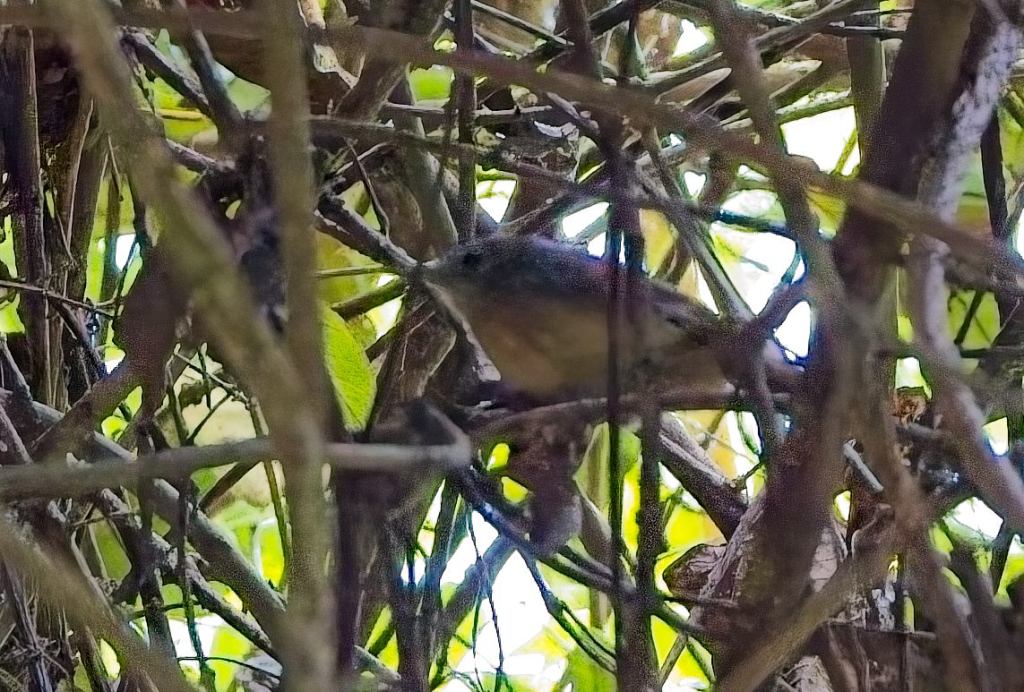
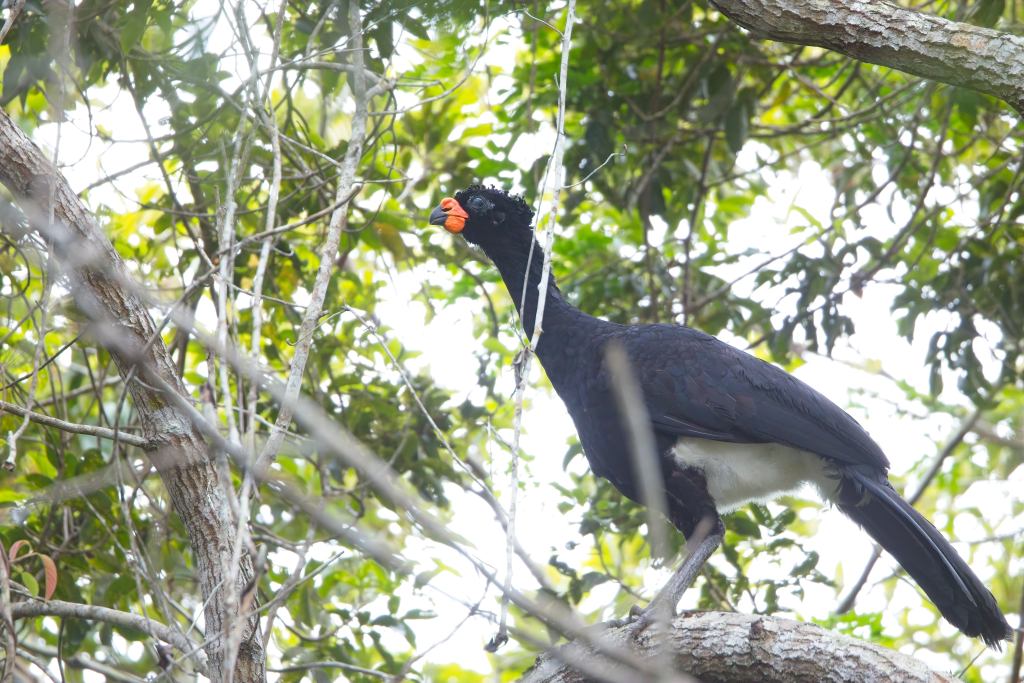
Day 7 – October 24: we had an early start (5:40 a.m.) still at the Reserva Natural Vale where we had birded the previous afternoon and we birded there all day with two separate checklists. Altogether we had 78 species with only 12 lifers and only 6 life photos one of which was of the striking Red-billed Curassow, one of the main targets for the reserve. Almost equally striking (“fancy”?) was the lifer Rusty-margined Guan. Guans, curassows and chachalacas are members of the family Cracidae. With the species added on this Brazil trip I felt pretty good as I had seen 20 species from this family (and photographed 14). Then I researched it a bit further and found that there are 57 species in the group – so I guess I have a long way to go.
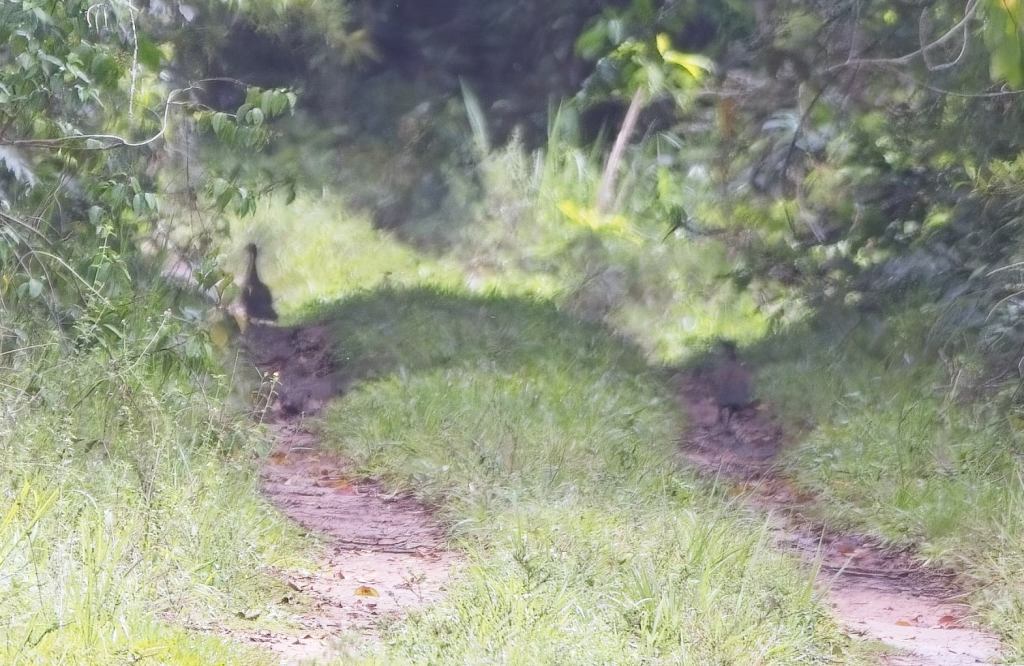
I was able to get photos of both lifer hummingbirds and missed lifer photos of two lifer parrot-like species, but would get photos of them later in the trip. Two of the other lifers remain a mystery to me. I was sure I had photos of both the Black-headed Berryeater and Cinereous Mourner but still have not found them. I was unhappy to miss a photo of a very cool bird, Rufous-vented Ground-Cuckoo – unfortunately heard only. Not a great photo – but a photo of any tanager is great, so I was happy to get any photo of a briefly seen White-bellied Tanager. I also got photos of two lovely woodpecker species I had photographed previously Cream-colored Woodpecker (Ecuador) and Ringed Woodpecker (first trip to Brazil in 2005).
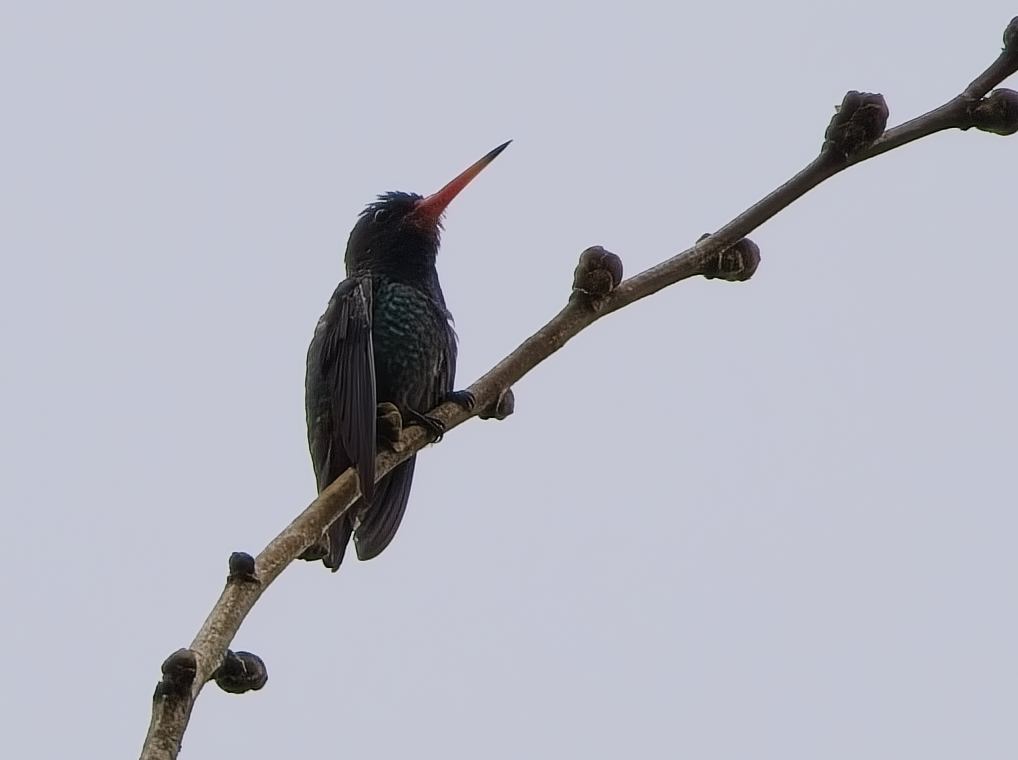
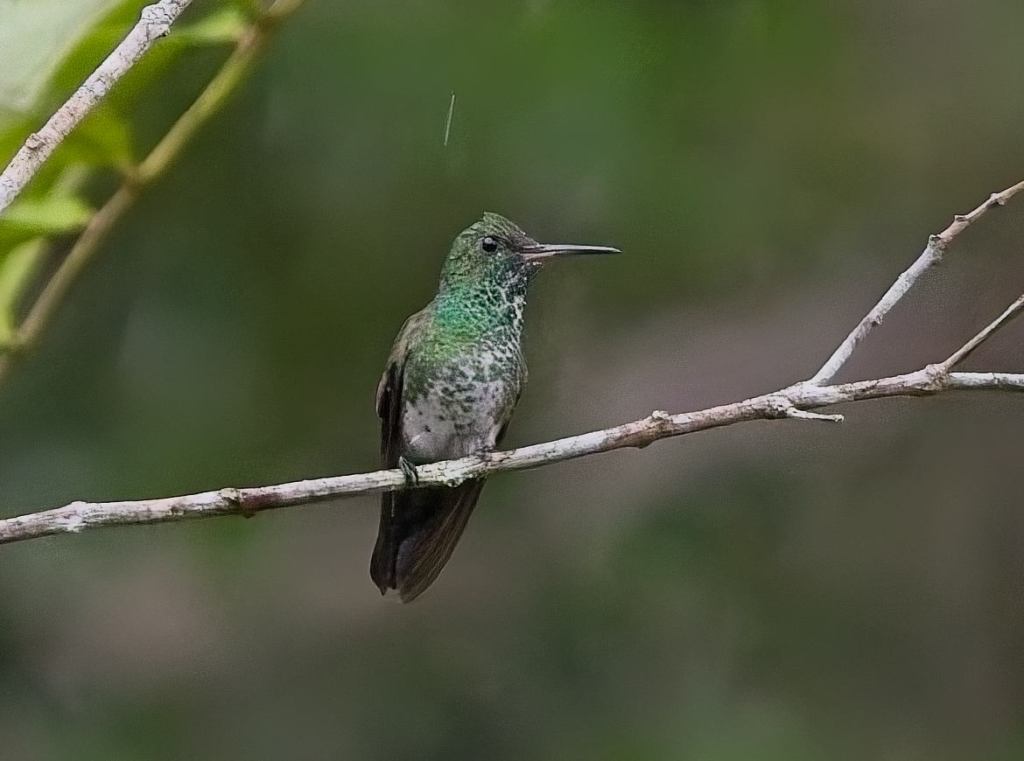
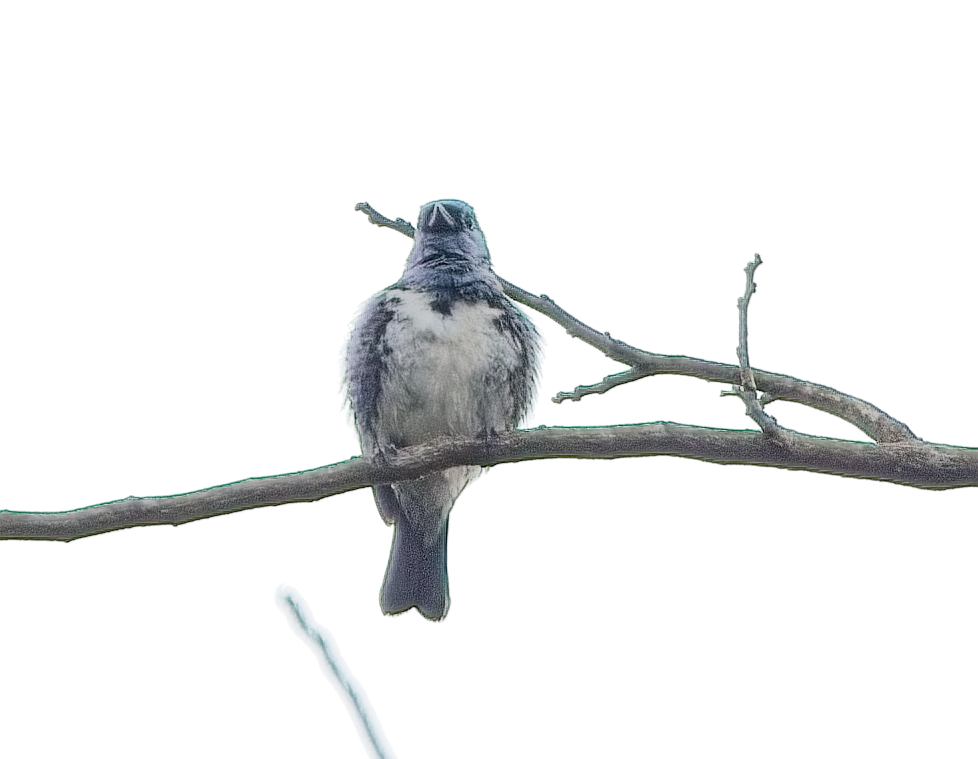
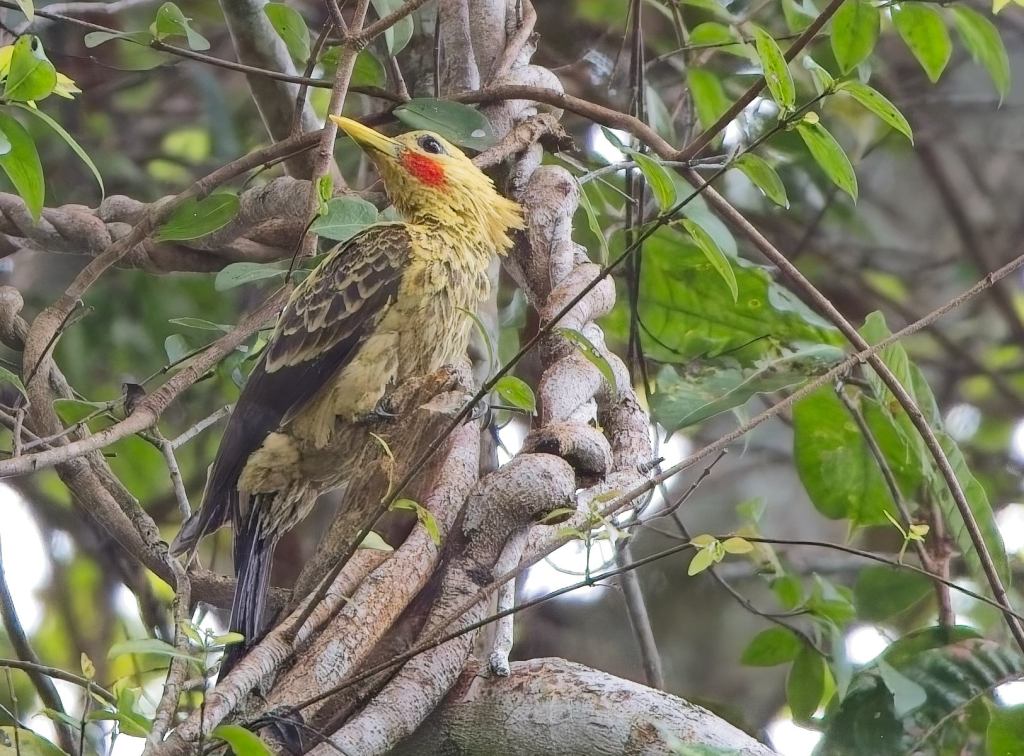
This concludes the first blog post for this trip and the first week, including the arrival day which was not officially part of the tour. Altogether I had 284 species of which 134 were lifers which got me very close to my goal of 4000 species as the total had reached 3989. I had photos of 143 of the species reported – 91 of them life photos. I got photos of another 31 of the lifers later. My goal is to get photos of 80% of the lifers for any trip, so being over 90% was quite good. Especially since many of the lifers were small forest birds, mostly “ant” birds and flycatchers, it was a success at least on the numbers side. I acknowledge regrettably that there was lots of room to improve on the quality.
I hope to get to a second blog post soon to cover the last 9 days of the trip.
 blairbirding
Wow! So many birds.. it must be such a wonderful adventure.. ❤️
LikeLike