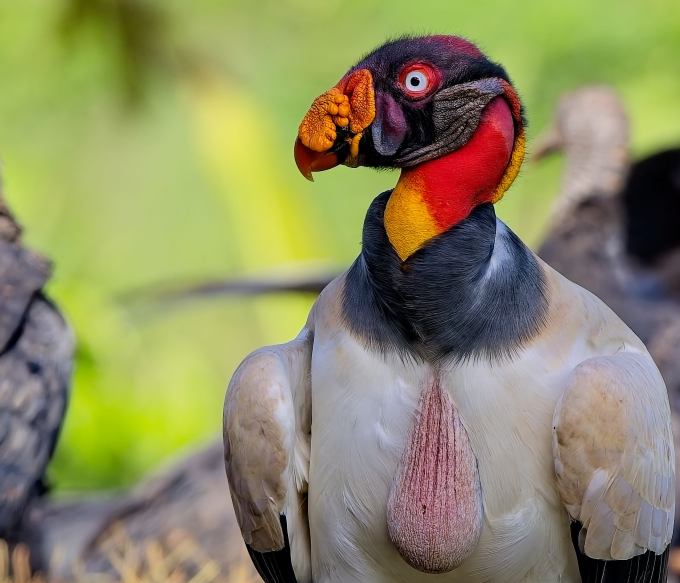
It was December 10th – half way though the tour and we were at Laguna Del Lagarto Lodge maybe our favorite lodge on the tour with Greg Homel and Natural Encounters Birding Tours. This was going to be an extraordinary day. A prime attraction at Laguna Del Lagarto is a blind where on a good day visitors can view the spectacular King Vultures up close as they are drawn in my cow or pig heads placed in front of a photo blind. They are almost guaranteed if the weather cooperated. There is a great viewing deck at the lodge and that is where we started our morning waiting for the vultures to arrive at the blind a short drive away. If there had been no King Vultures, our early morning at the deck would have made for a great day. Since we returned to the deck after several hours watching the King Vultures and I did not separate the lists, I am combining them here. Altogether we had 41 species with photos of 27. I am including many of them here.
Perhaps the best of the species seen early from the deck were the Great Curassows – both sexes being spectacular and with the “tiger” form of the female especially so. These are large charismatic birds with strong sexual dimorphism. I had just recently added Red Billed Curassow to my life list in Brazil. That was a cool bird but these Great Curassows were better yet.
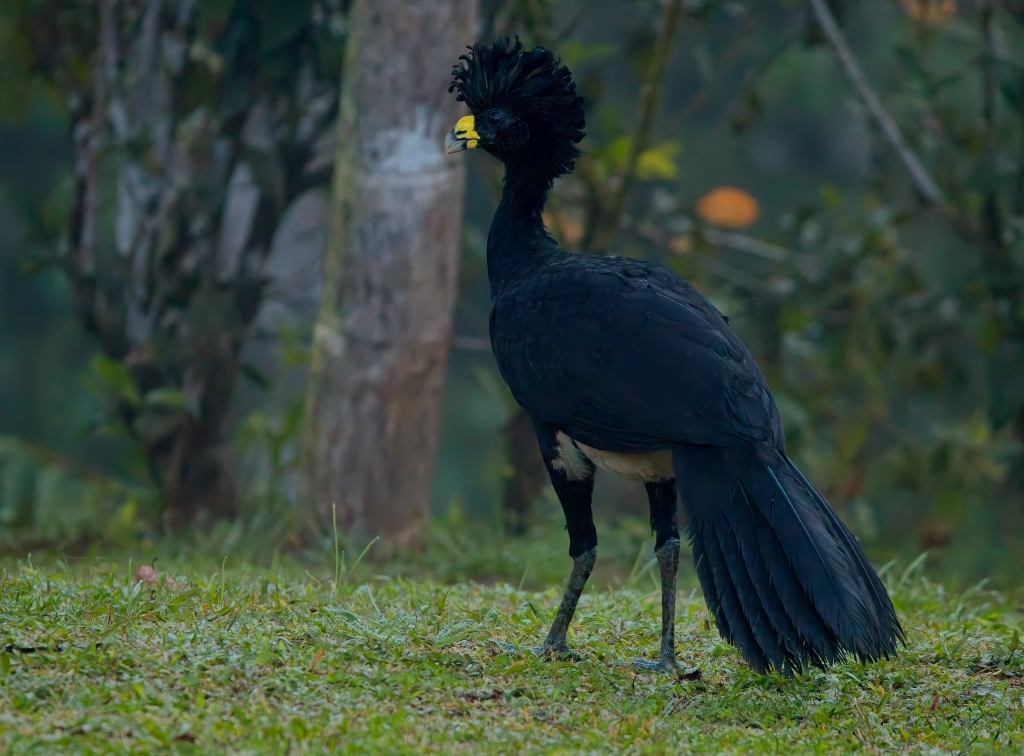

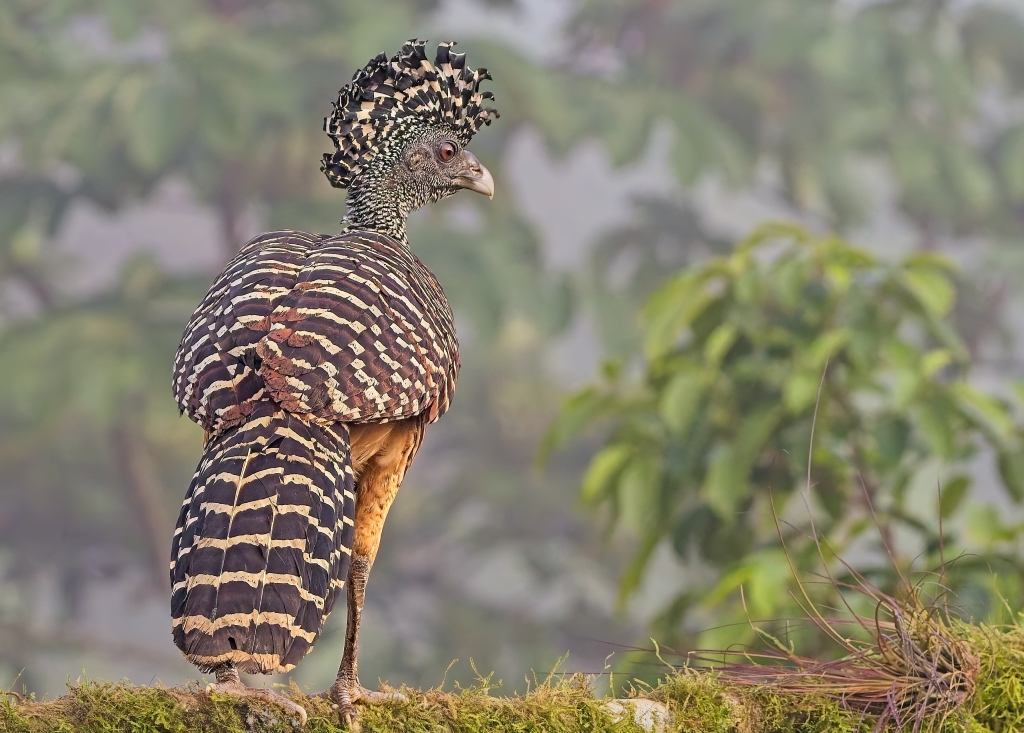
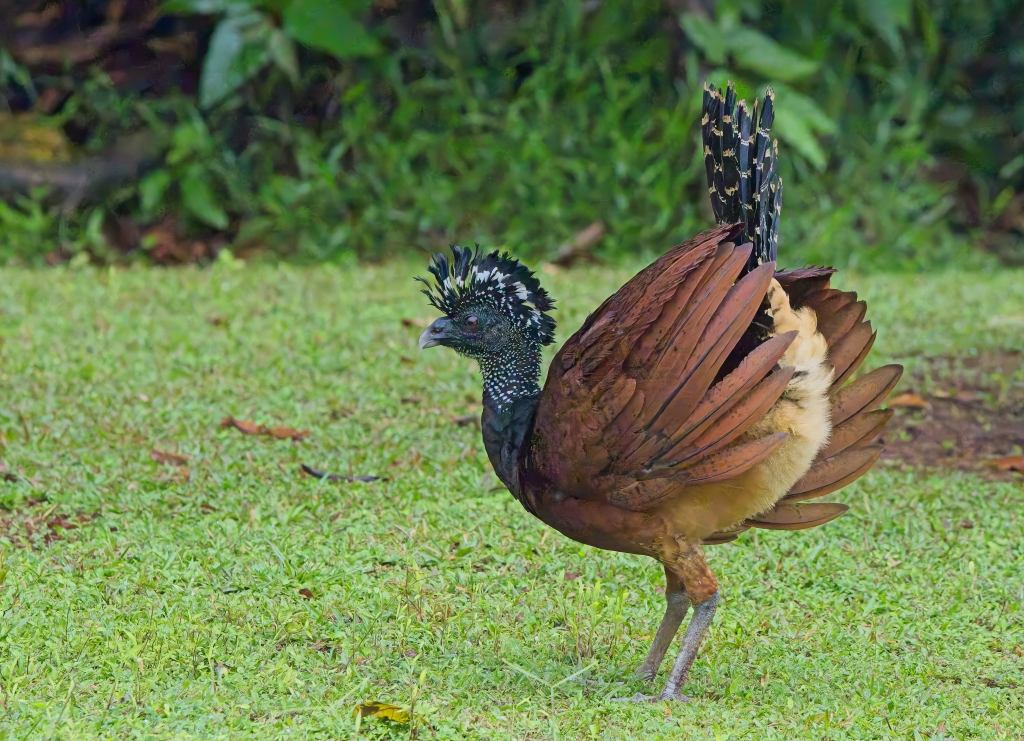
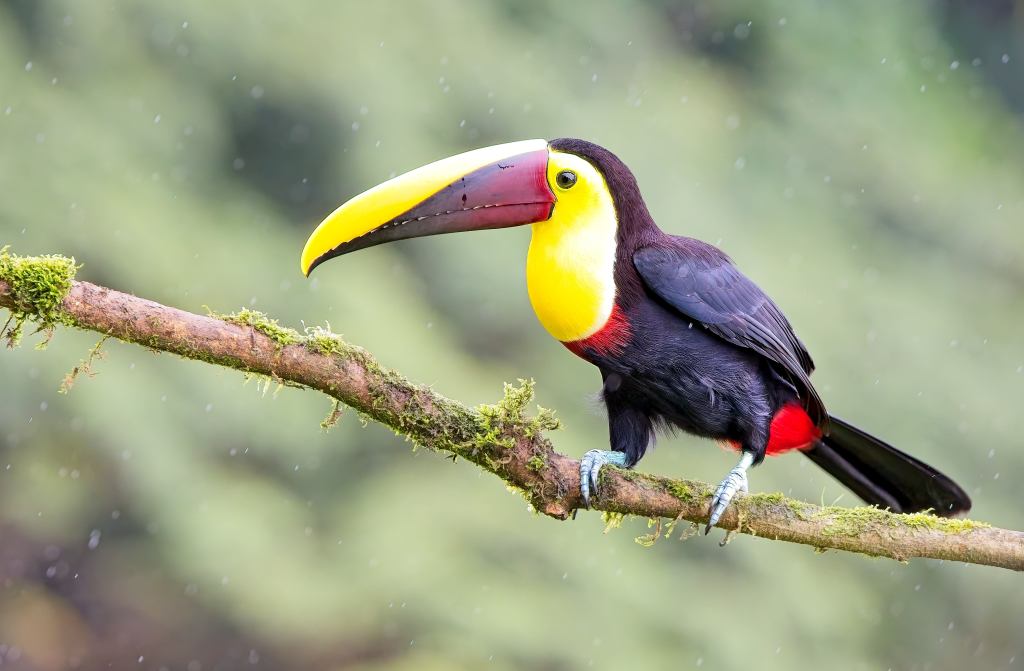
If I had to choose a kind of bird that best says “tropics”, it would most likely be the toucan maybe adding in the toucanets and aracaris. If so then this was a great morning in the tropics as two species of toucan and an aracari showed off their stuff. None were lifers or life photos, but the trip would have been less without them.



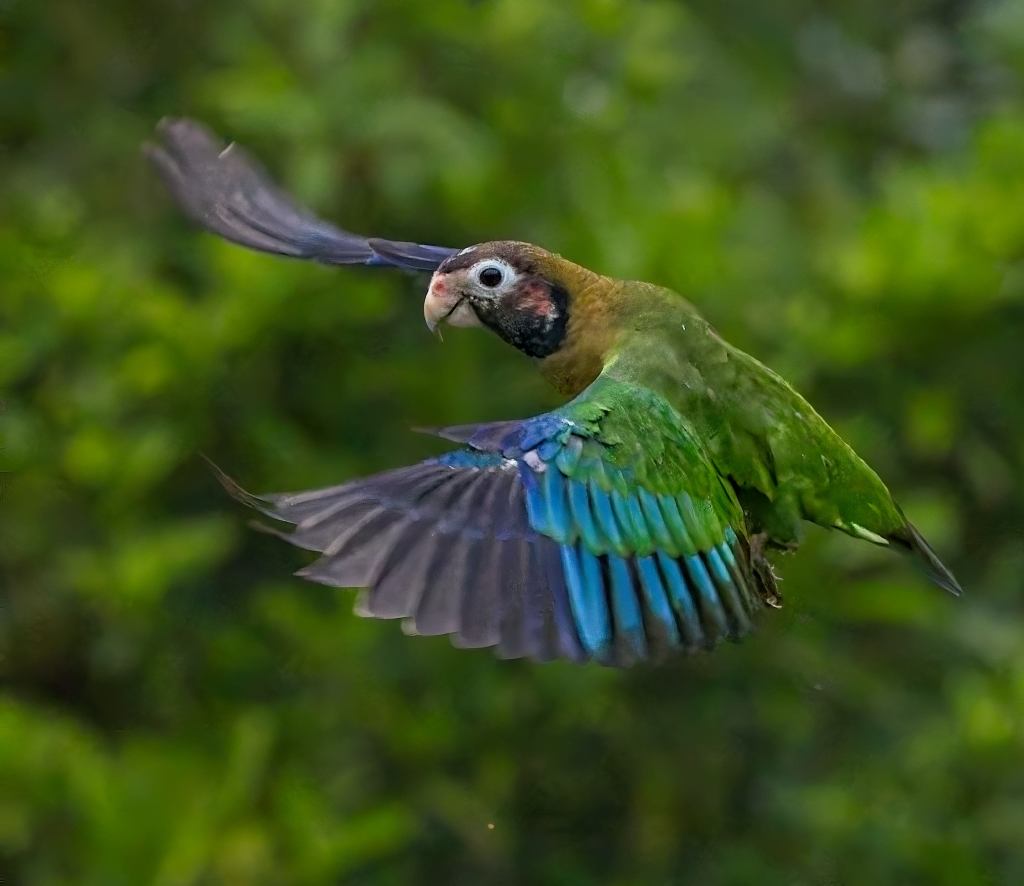
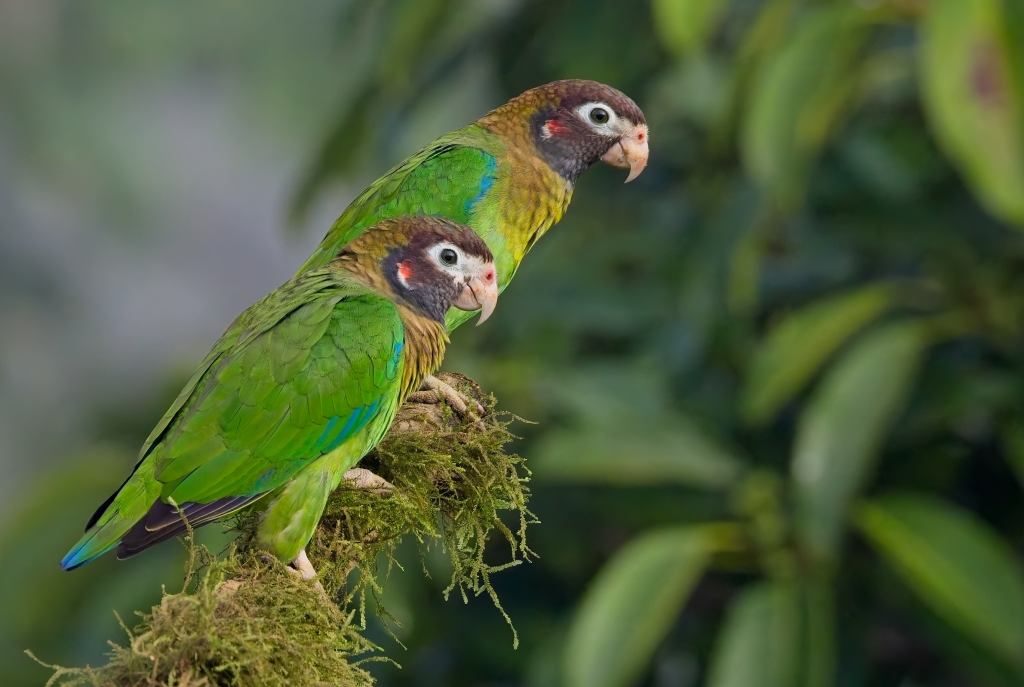
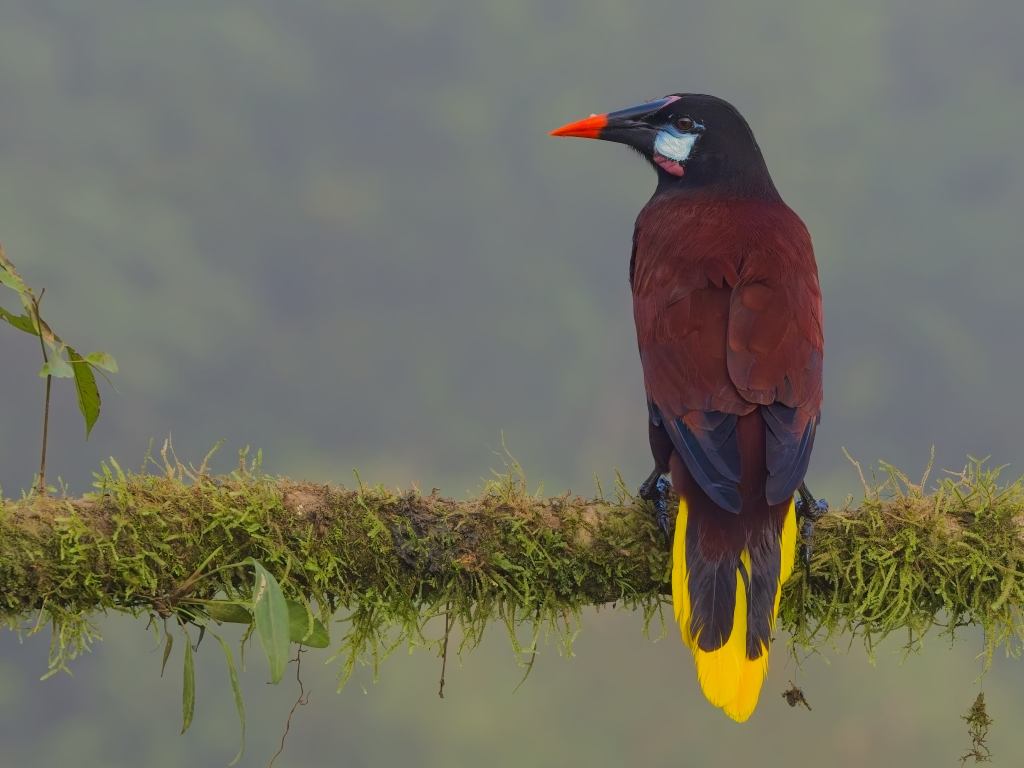
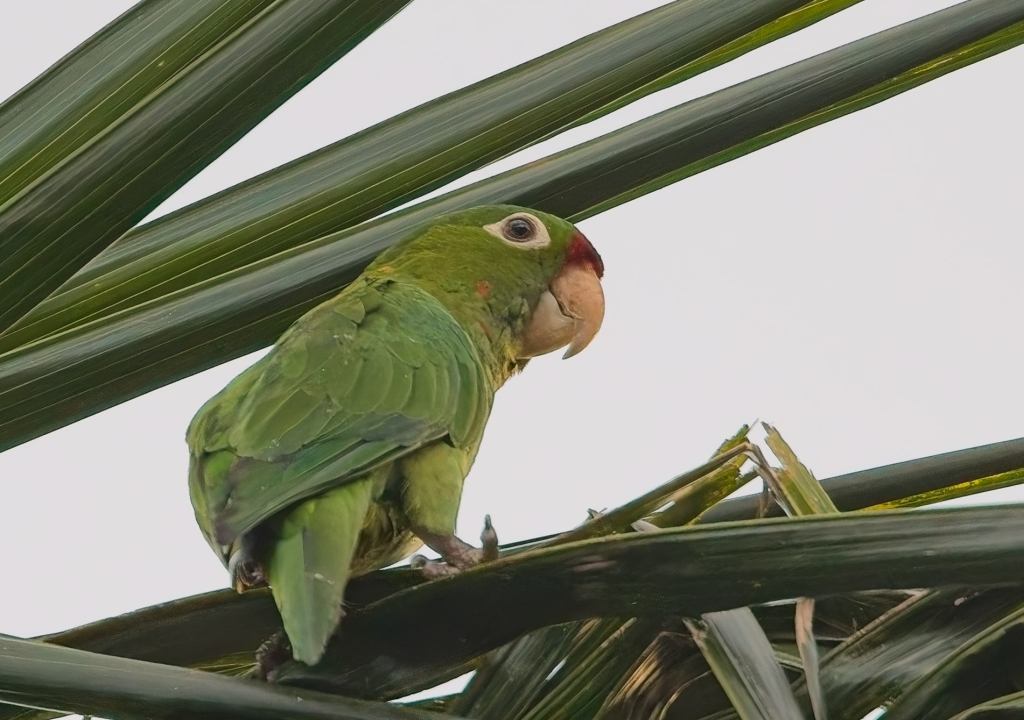
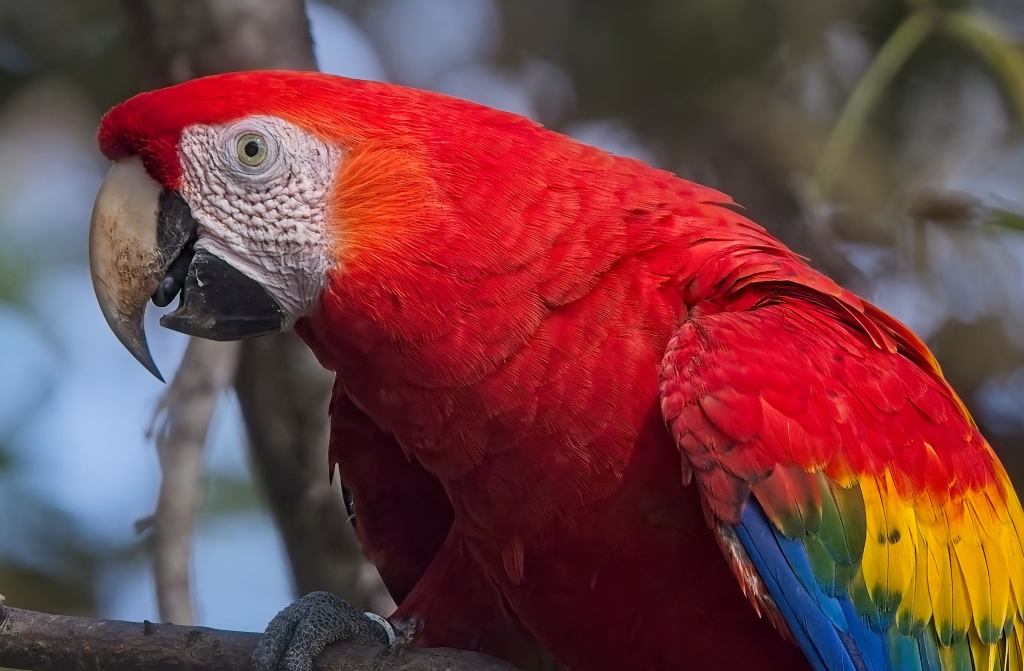
If toucans aren’t the iconic species of the tropics, maybe parrots including Macaws and parakeets might be and they, too, were well represented at Laguna Del Lagarto that morning with a flyby Green Macaw, several Brown Hooded Parrots, and Red Lored and Mealy Amazons. And maybe not the icon but definitely a “wow” bird is the Montezuma Oropendola – which is a must see for the name if nothing else.



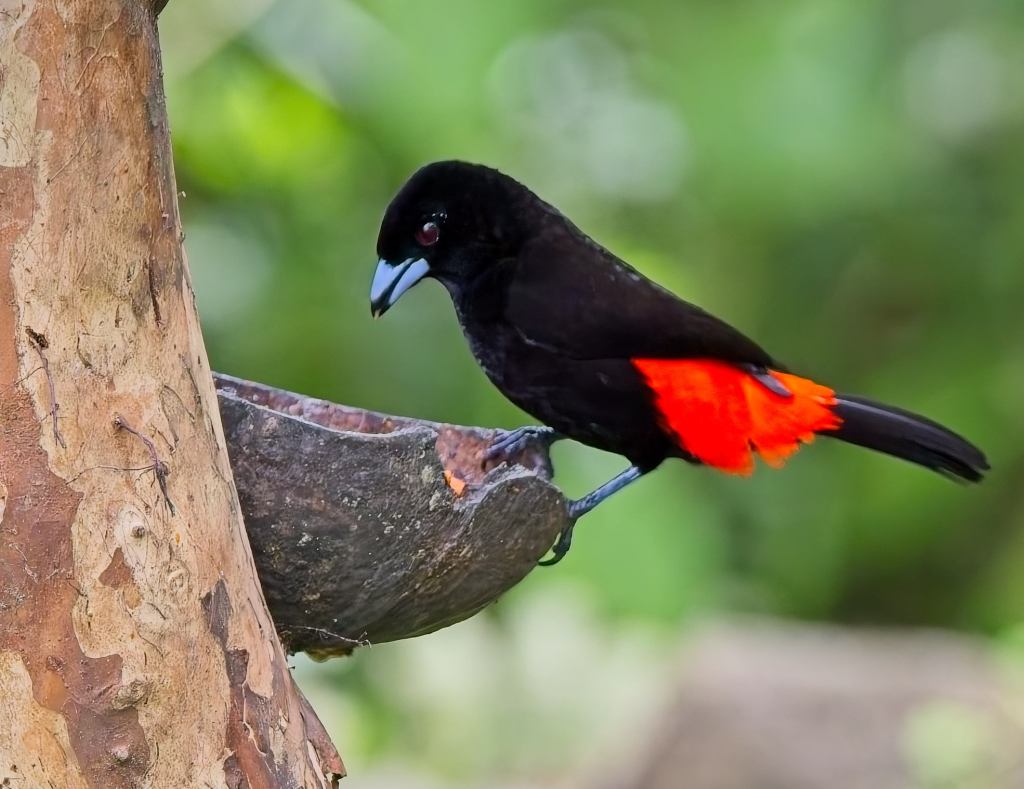
Oh yeah, and then there are the tanagers, another group of iconic tropical birds. Including the honeycreepers, there were 9 species that morning including a lifer Plain Colored Tanager.

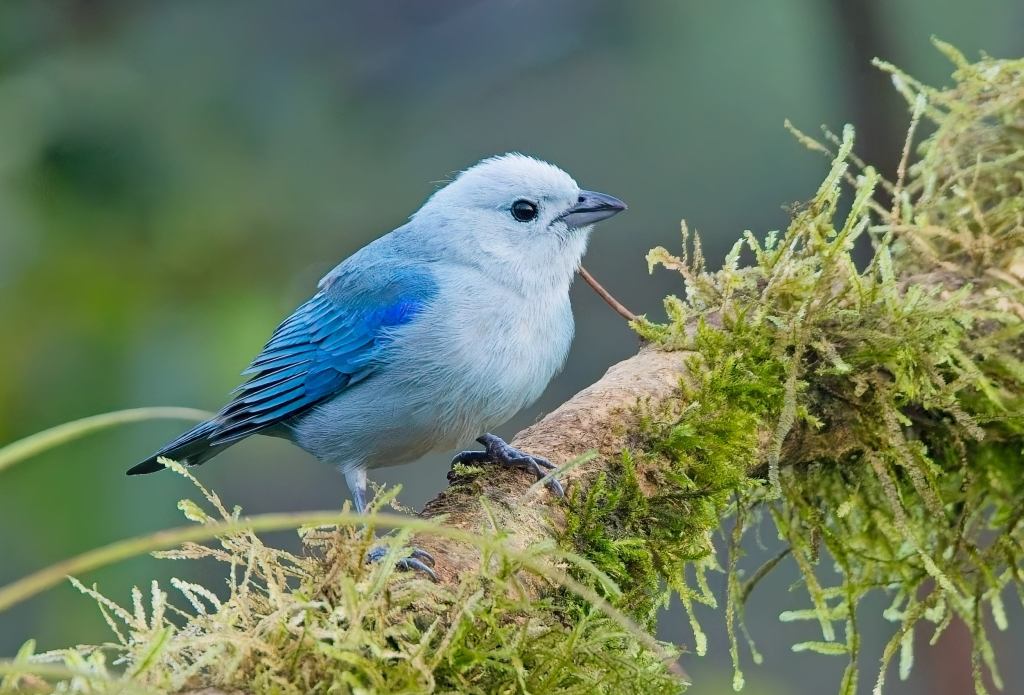
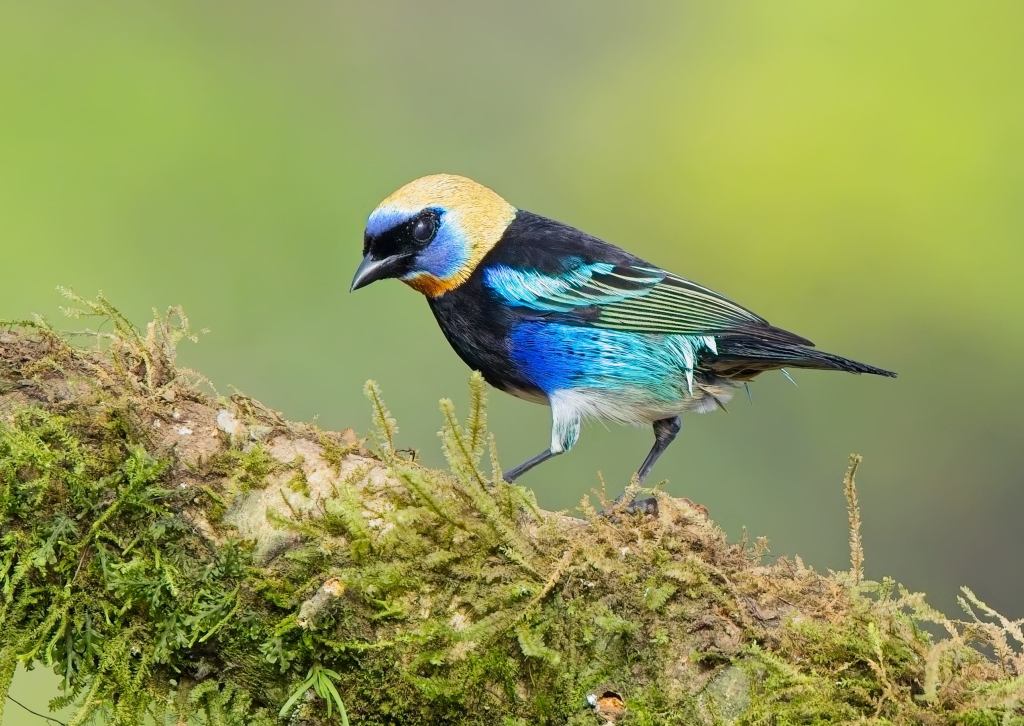

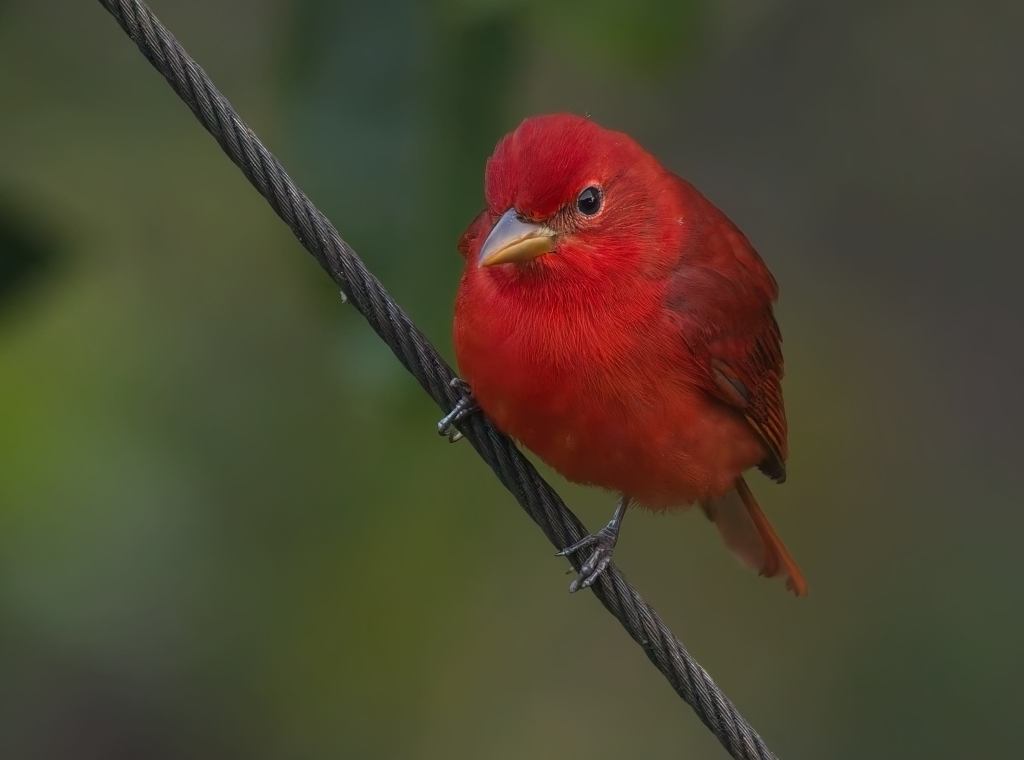
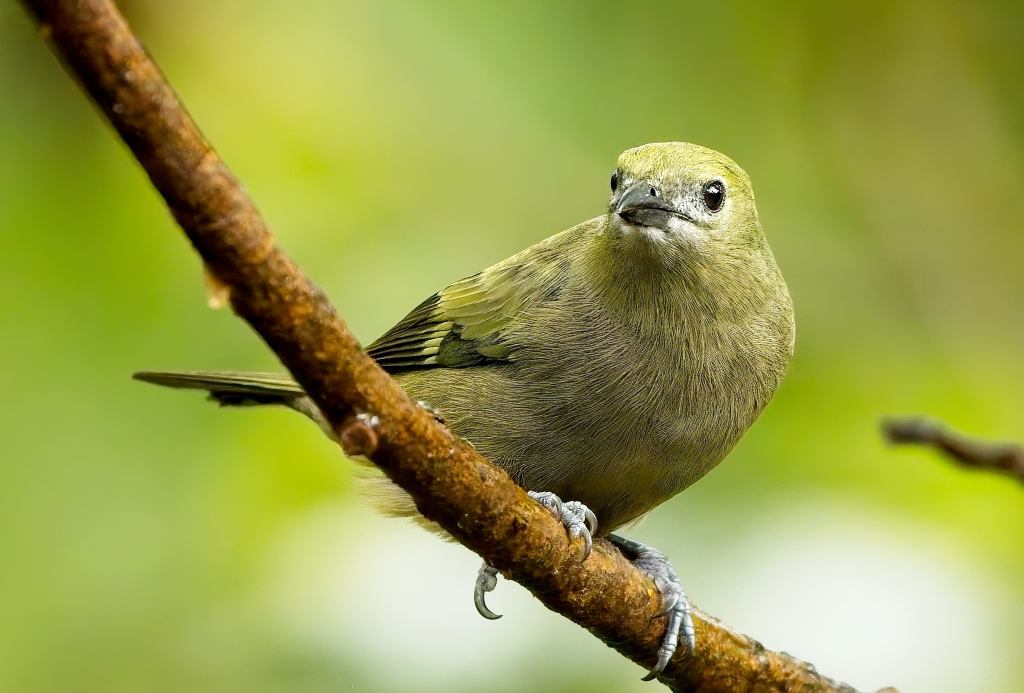
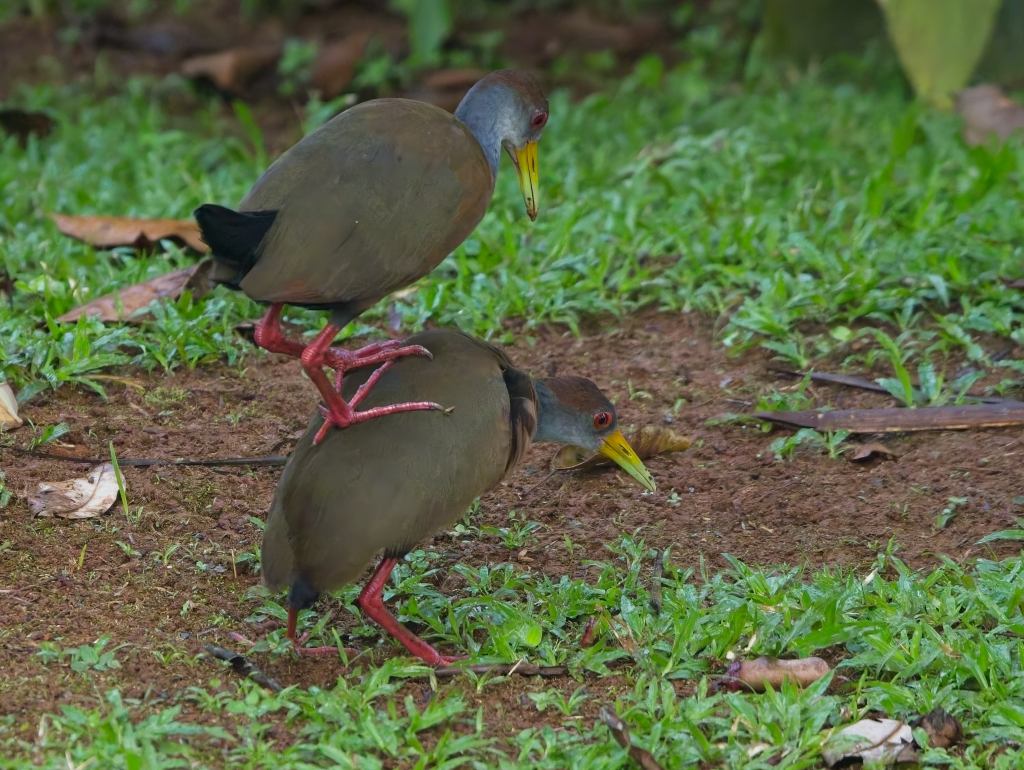
I have seen Buff Throated Saltators more than 20 times, in 6 different countries, with many photos, but this is the first time I got a photo actually showing that buff breast. And a last photo before moving on to those King Vultures, the reason we were at this lodge, after all. That last photo is of a failure -not mine but of a pair of Russet Naped Wood Rails that tried to pair up and apparently did not have enough experience, because it just didn’t work.

I first saw a King Vulture in Belize in 2010. Distant – no photograph. I saw another in Peru in 2013 – distant – no photograph. I saw one in Ecuador in 2022 and again in 2024 – distant – no photograph. Earlier this year in Colombia I saw one and finally got a photo – distant but yes a photo. When Greg sent promotional material about this trip to Costa Rica, a fabulous photo of a King Vulture was one of the featured images – and there was essentially a guarantee that we would get close up views and great photo opportunities. December 10th was to be the day. We drove a short distance from the Lodge and walked 100 feet or so to a blind together with many other birders with expensive cameras and even more expensive lenses. In front of us were vultures – lots of vultures – mostly Black Vultures but as promised, as guaranteed, there were King Vultures as well. They were there because pig or cow heads had been strategically placed in small pits – drawing in the vultures from afar – endless photo ops for those of us fortunate enough to have paid the entrance fee to take in this natural/unnatural spectacle.
At about 2.5 feet tall and weighing up to 8 lbs. with a wingspan up to 6 feet, the King Vulture is a medium sized vulture, larger than the far more common Black and Turkey Vultures but significantly smaller than the American and Andean Condors and smaller than many of the African vultures. It is however the most colorful of the vultures and is very impressive in appearance. King Vultures dominate their smaller Western Hemisphere cousins but at this gathering place, they seemed to get along well. Photo ops of even the Black Vultures were great but without question, the King Vultures were the royalty at the show.
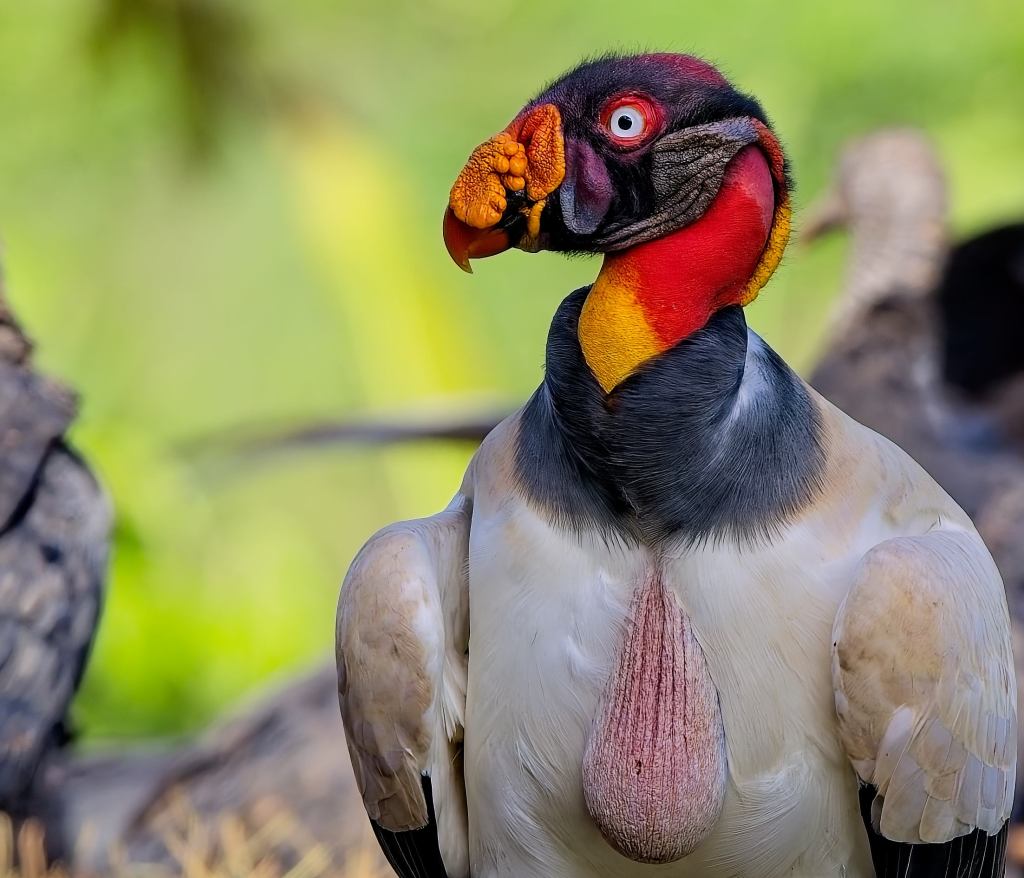
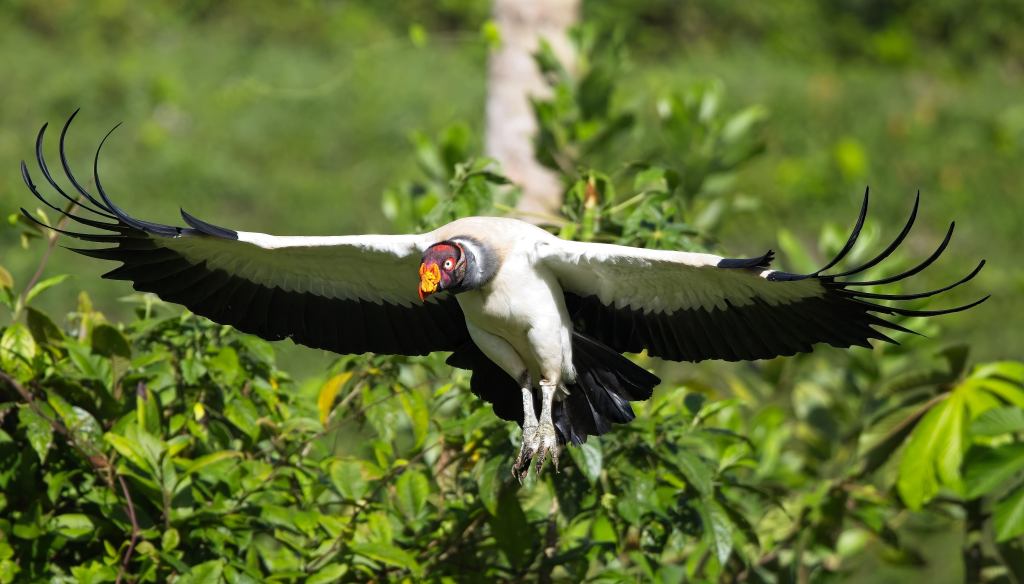
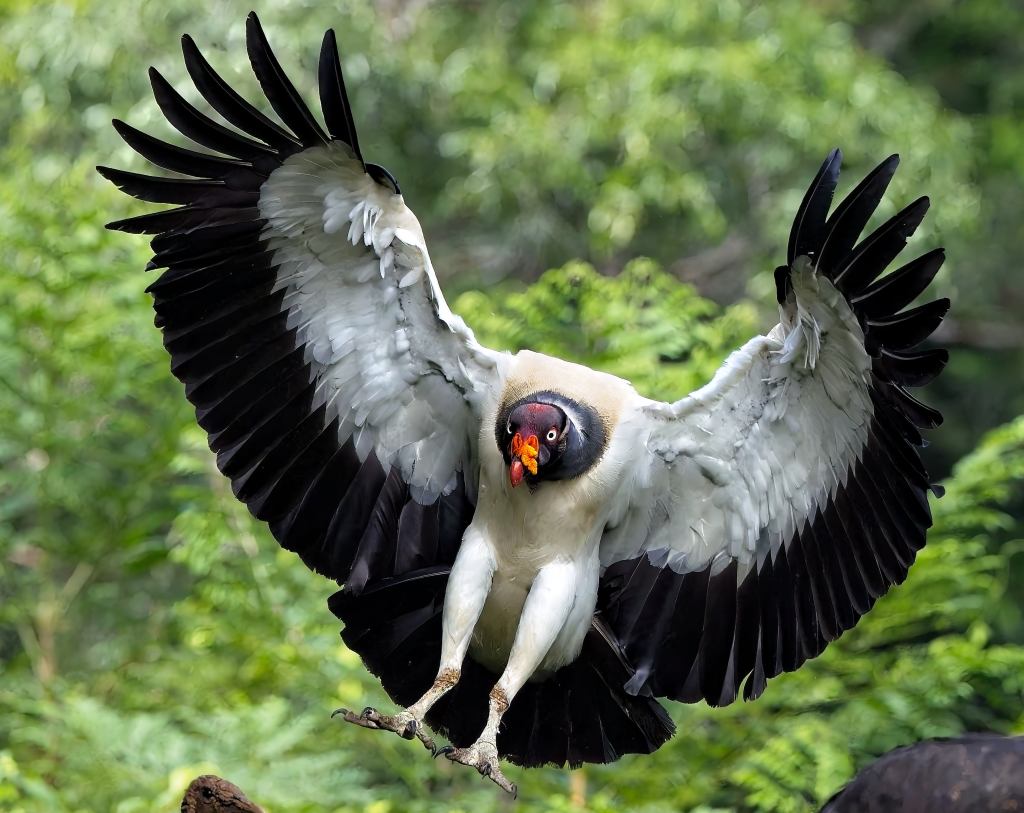
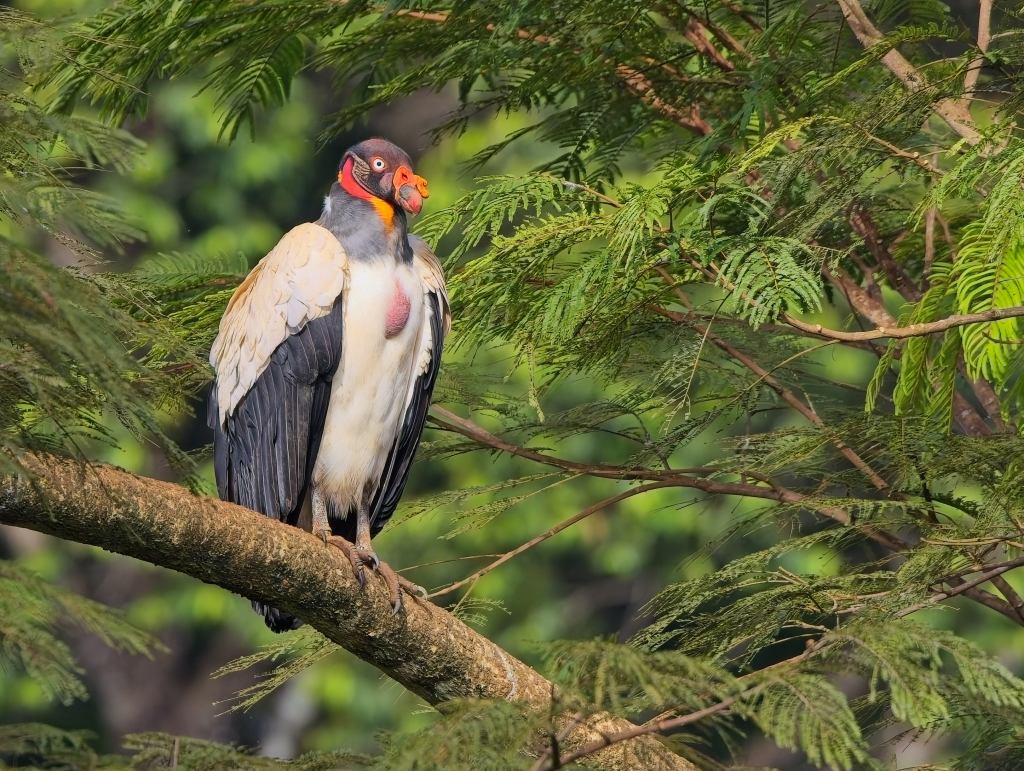
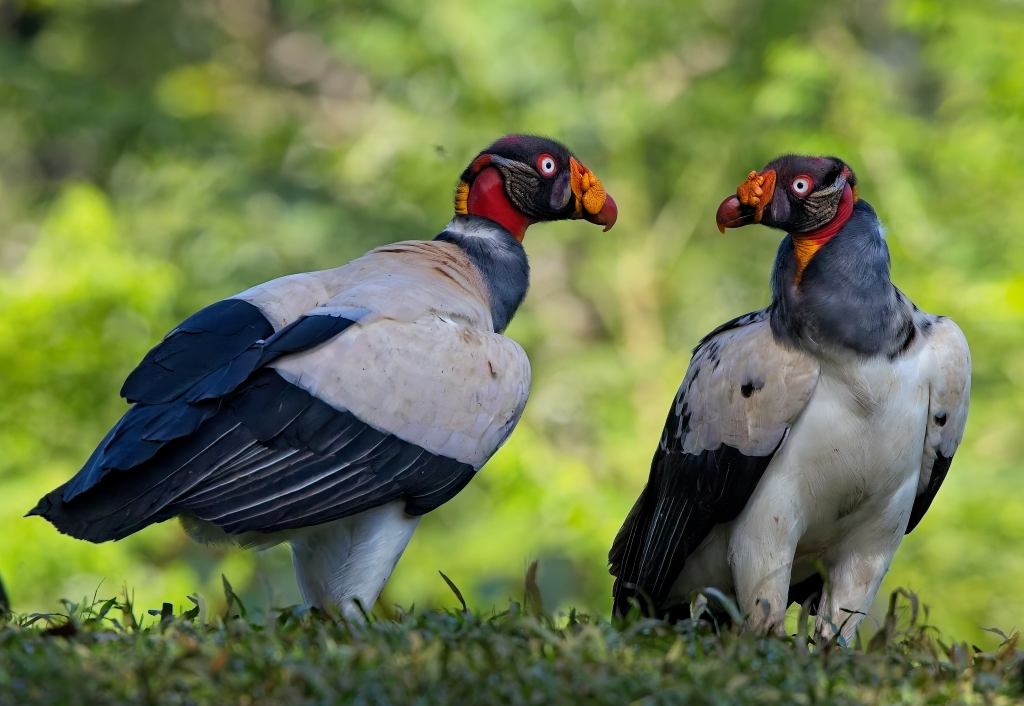

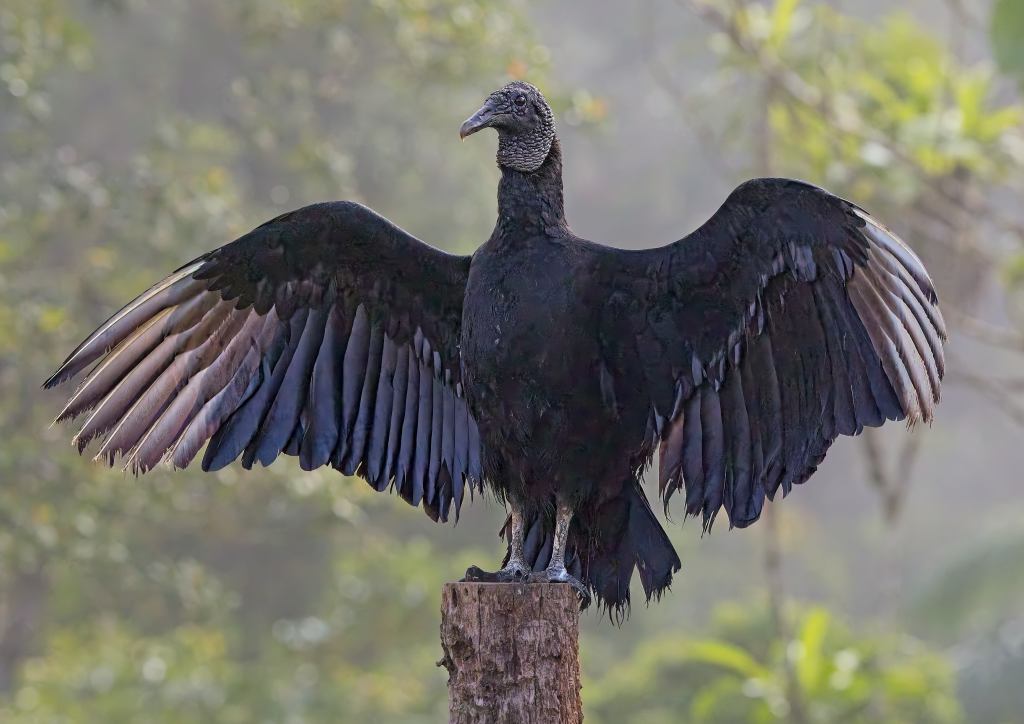
Given that it is very unlikely that I will ever have opportunities to see King Vultures this close and as well again, my comment that I would have been just as happy leaving a little earlier may be misunderstood, but the dozen or so King Vultures we saw were almost an overload and the photo ops were so numerous and constant that at the time, I thought more time looking for additional species would have been welcome.
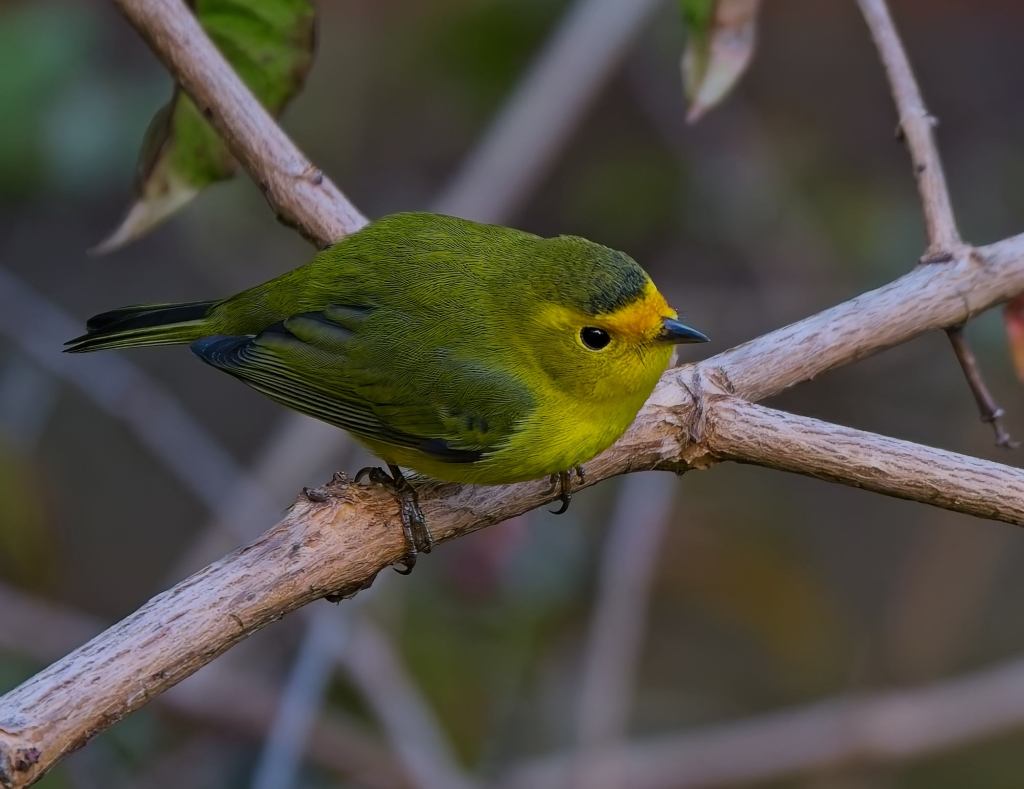
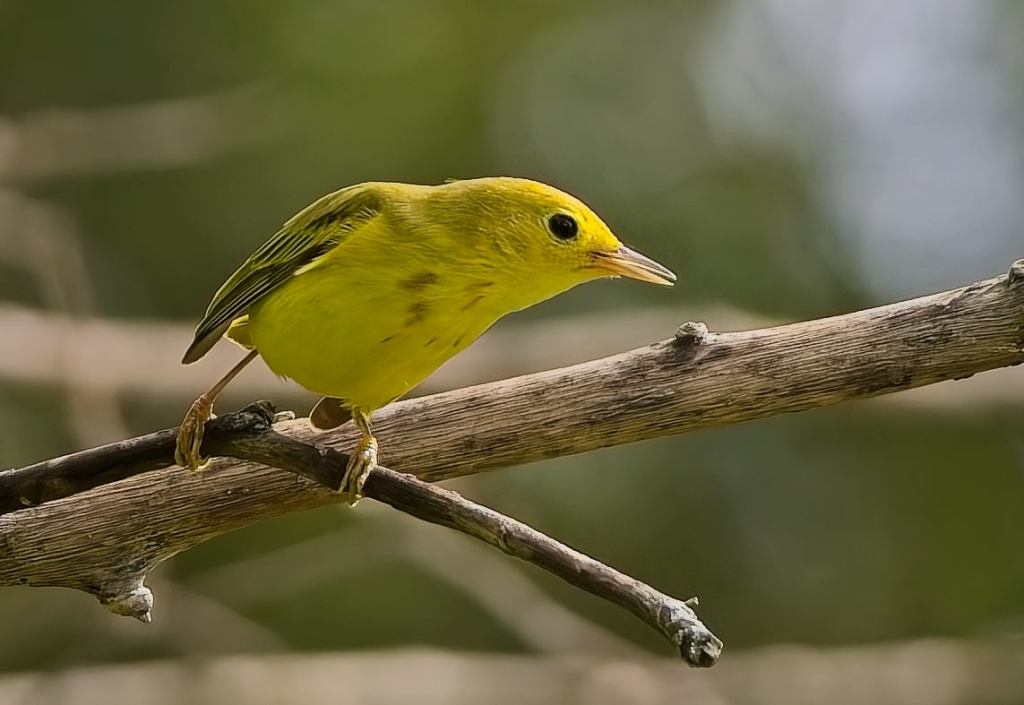
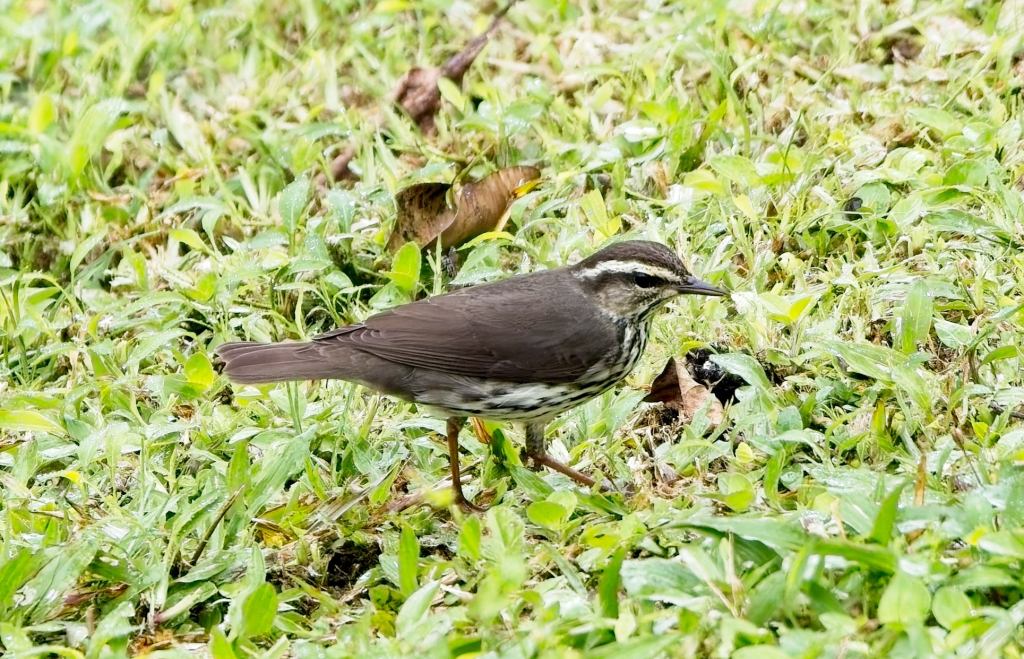
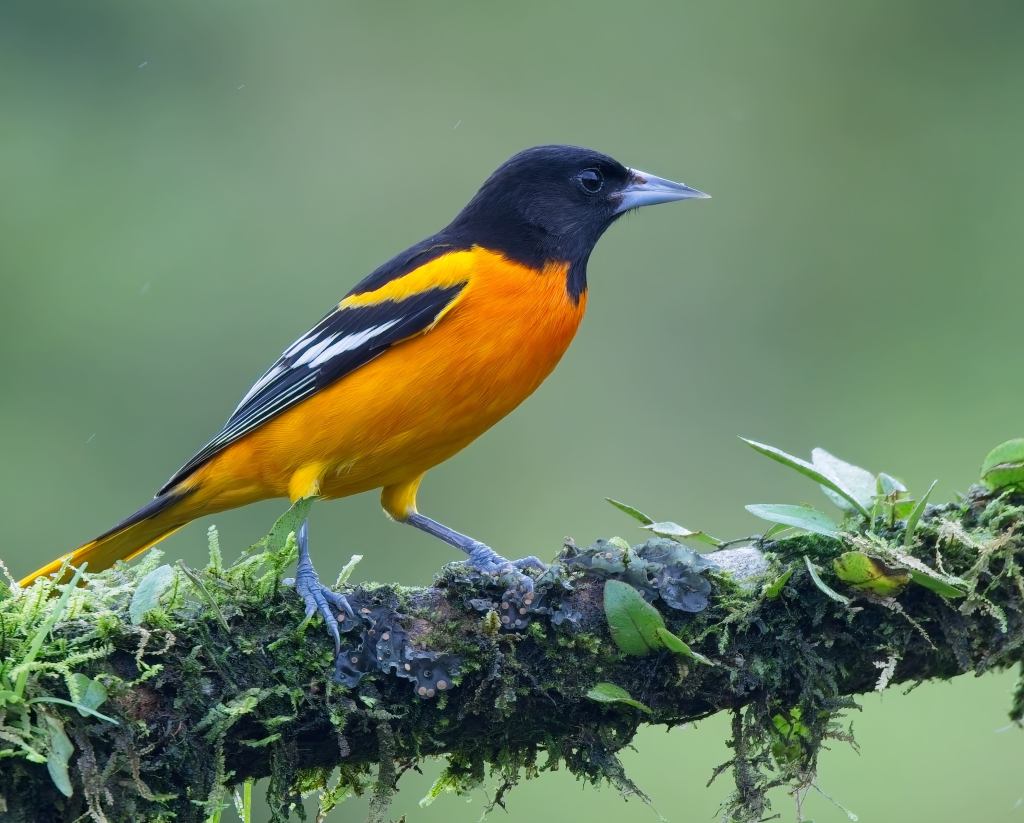
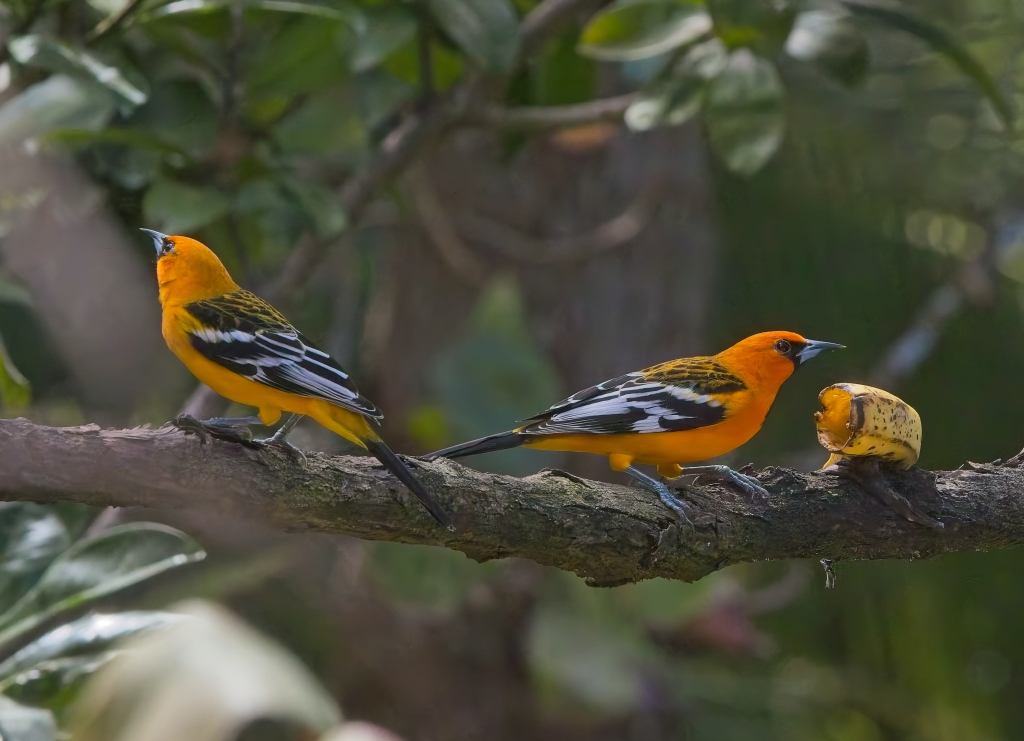
That afternoon we birded on the grounds of the lodge and were stymied by a lot of heavy rain that made much more birding impossible. A few more species were added and these included reminders that many of the species that migrate to North America to breed in our spring and summer spend their winters in Central and South America. During our tour we would see several North American warblers. Most plentiful were Chestnut Sided, Tennessee, Prothonotary and Wilson’s Warblers and Northern Waterthrushes – heard often but seen only at Laguna Del Lagarto. Baltimore Orioles were also commonplace.
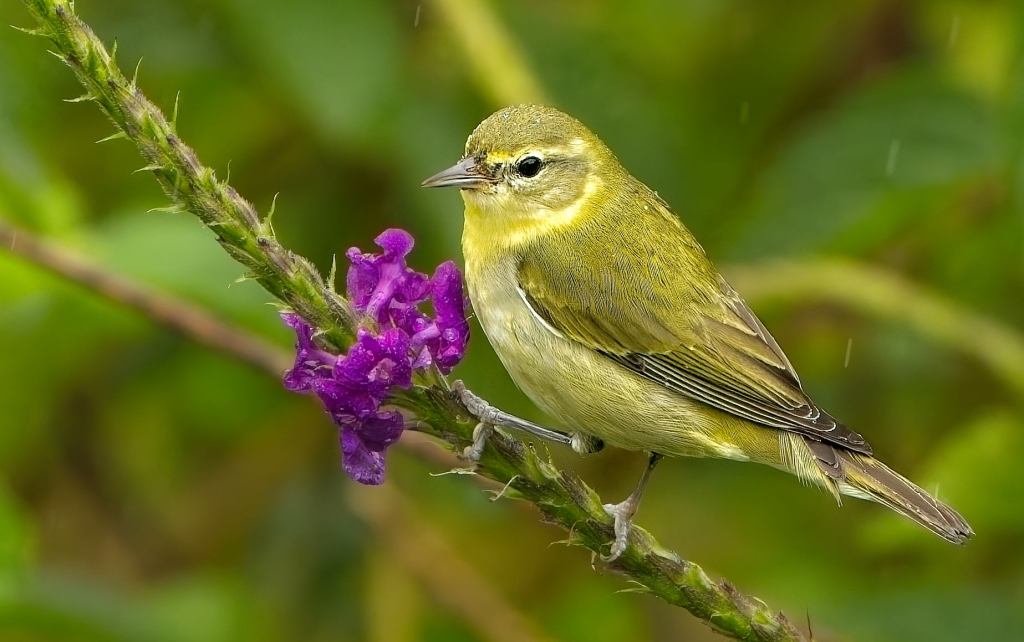

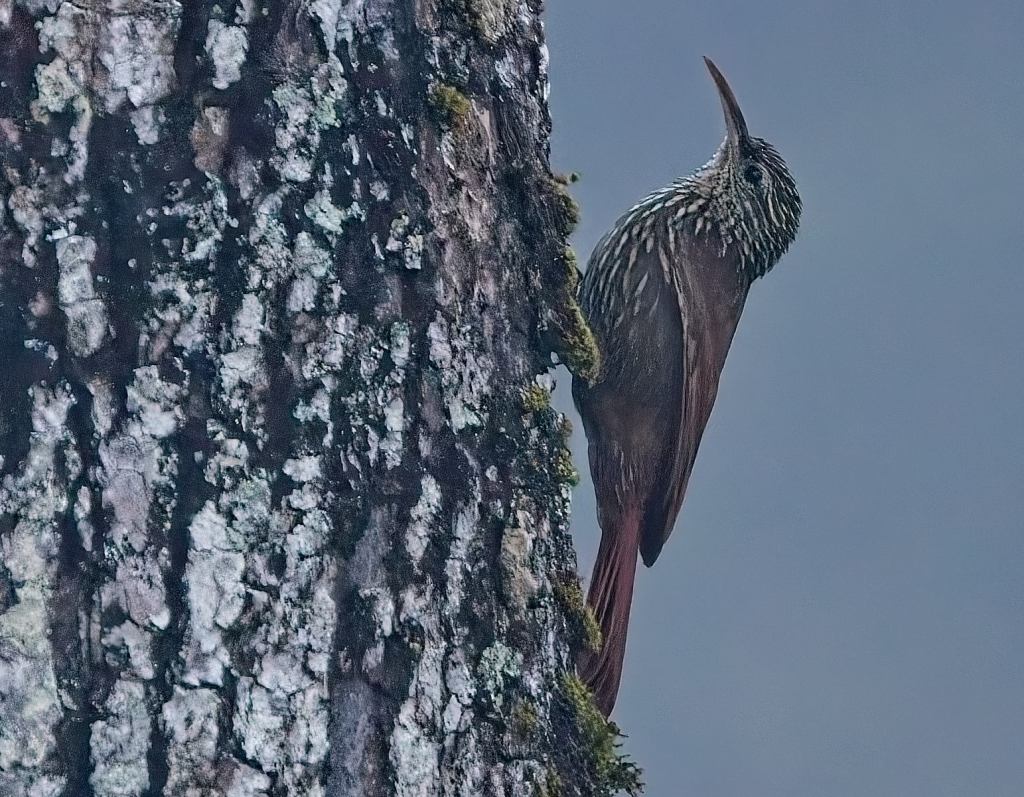
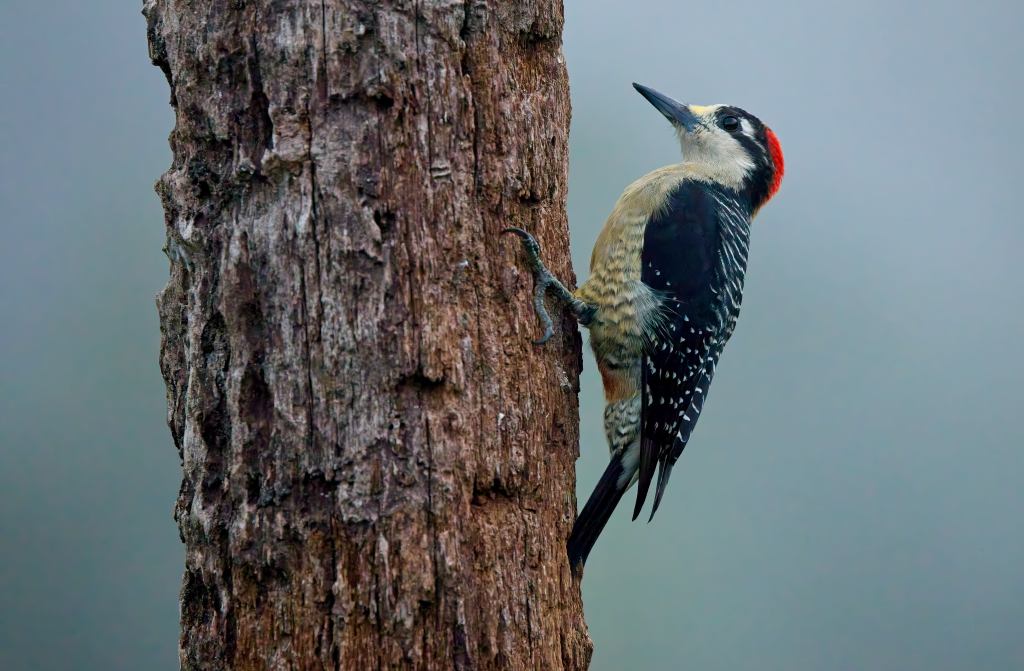
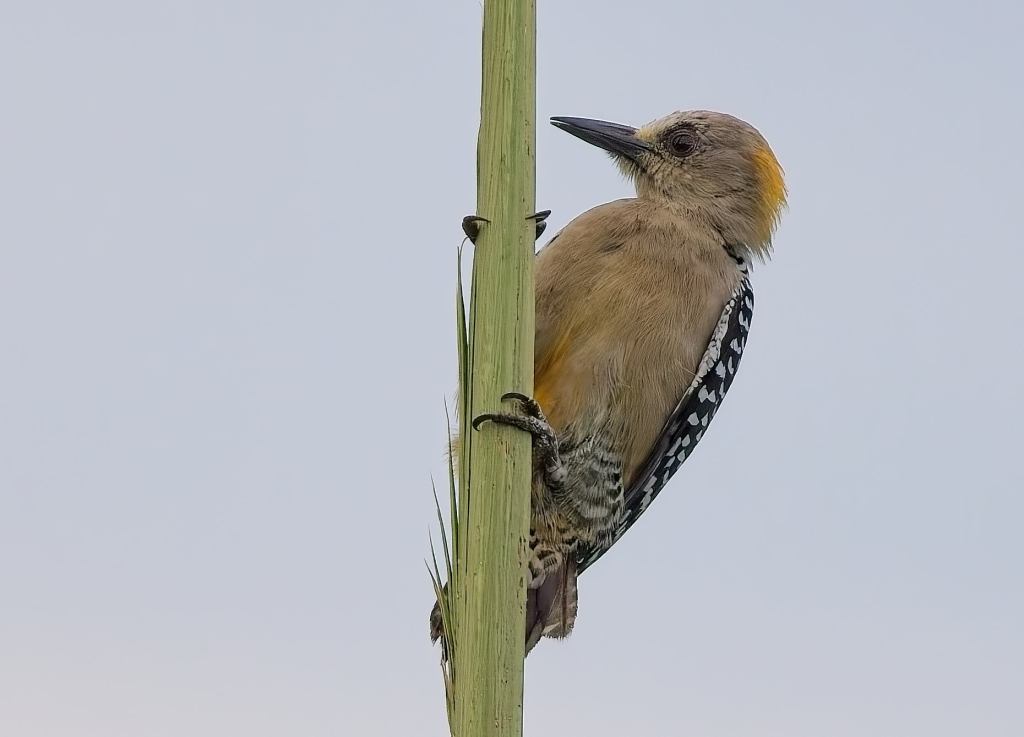
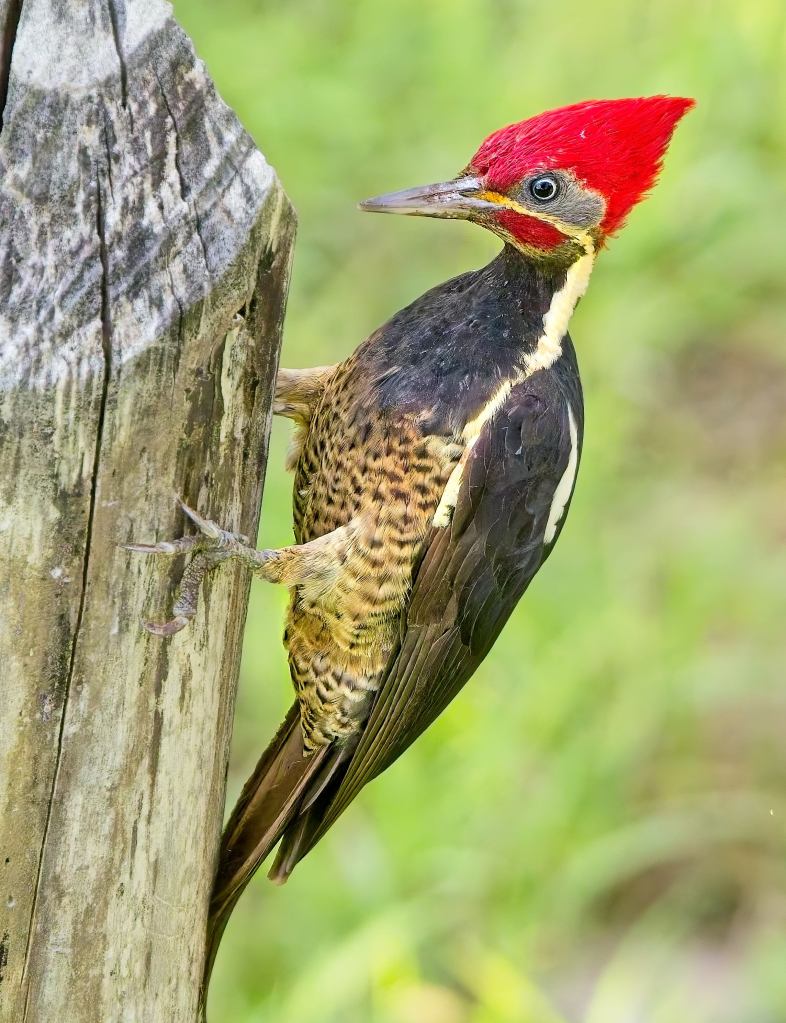
My last two photos to include from Laguna Del Lagarto are of “wood” species – a woodcreeper and a woodpecker. There are dozens of woodcreeper species in Central and South America, but we had only two species – Streak Headed and Cocoa. We did a little better with woodpeckers – with six species – all except Hoffman’s being photographed before.
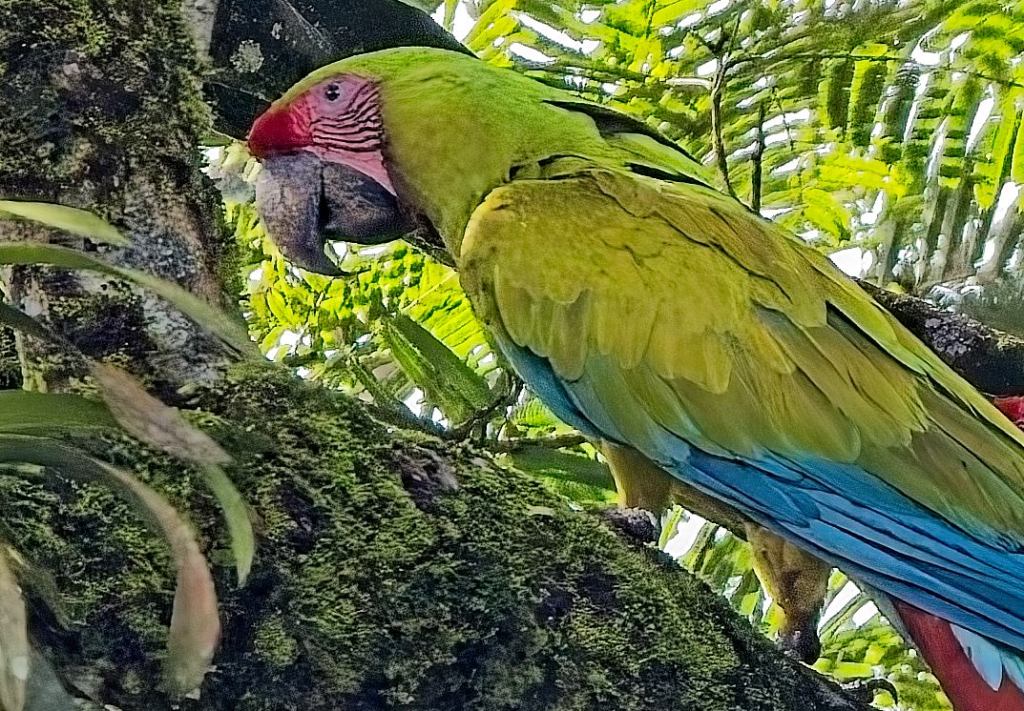
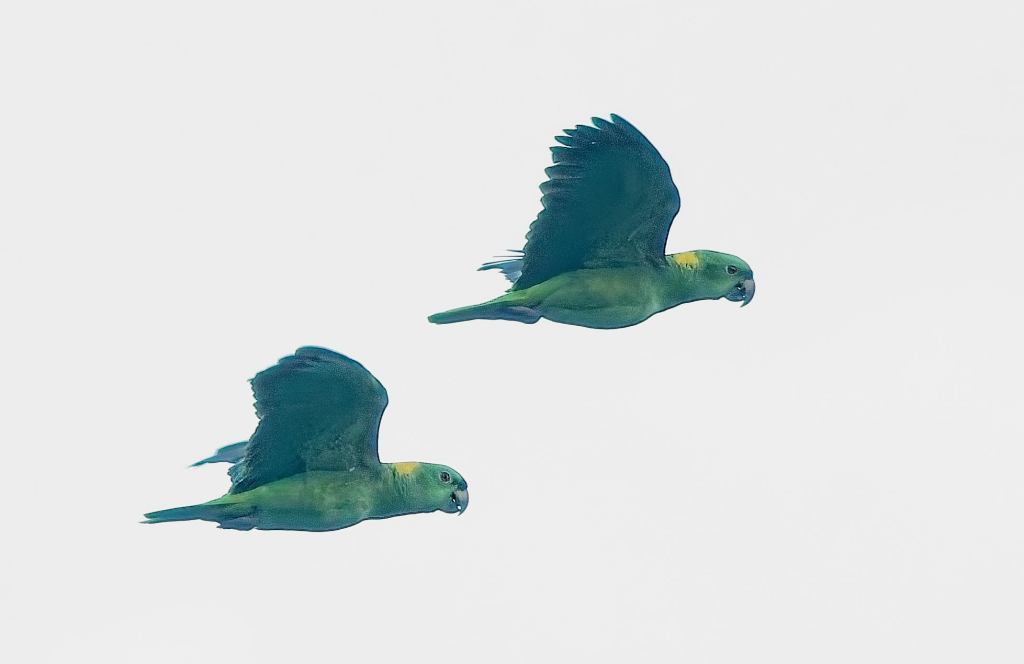
Two more lodges remained on our itinerary – Tortuguero and Arenal. It was another long drive from Laguna Del Lagarto to Tortuguero National Park – normally 3.5 hours but longer for us due to a bridge closure, a wrong turn and again lots of traffic. Along the way, however, we had a lucky view of a pair of Great Green Macaws providing an opportunity for a life photo. The pair were distant and high in a tree and I was pleased and surprised to get the photos that I did. Once at the park, there was still a long way to go as we parked our car, transferred everything to a boat that would take us to our lodge 45 minutes away. With a late arrival, we birded a bit on the grounds of the lodge and walked out to the beach. Greg said we would return the next morning to find birds in the trees bordering the beach. There were none that afternoon and unfortunately none the next morning either.
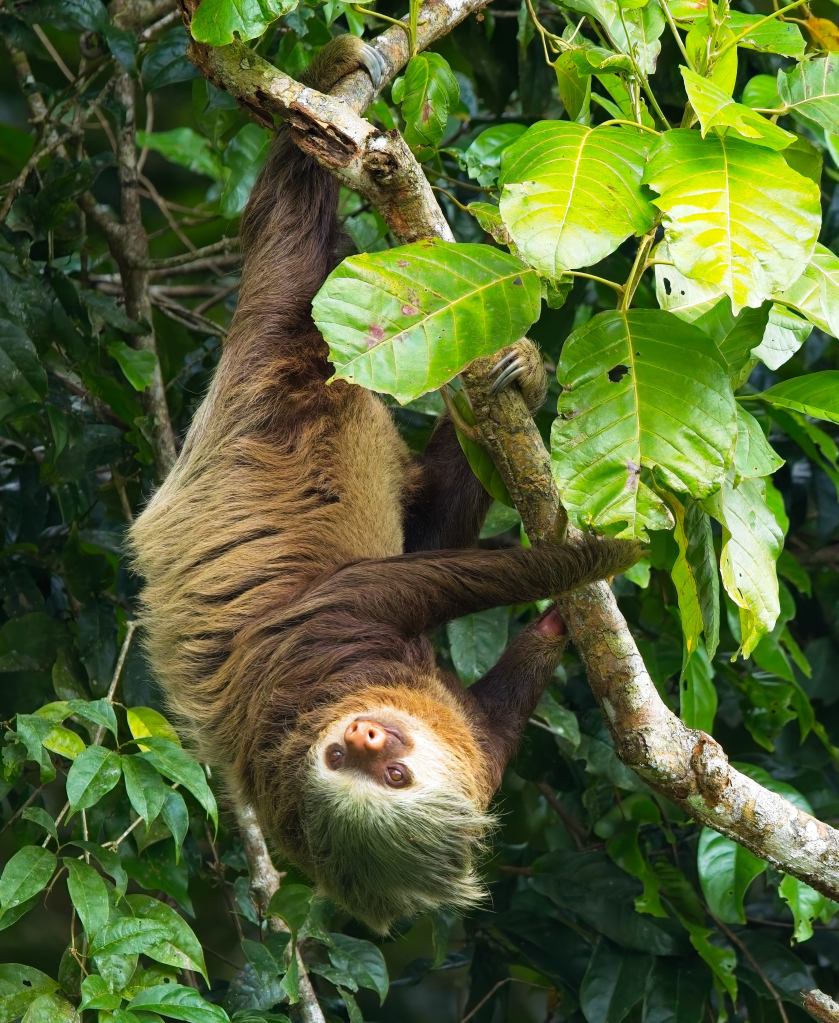
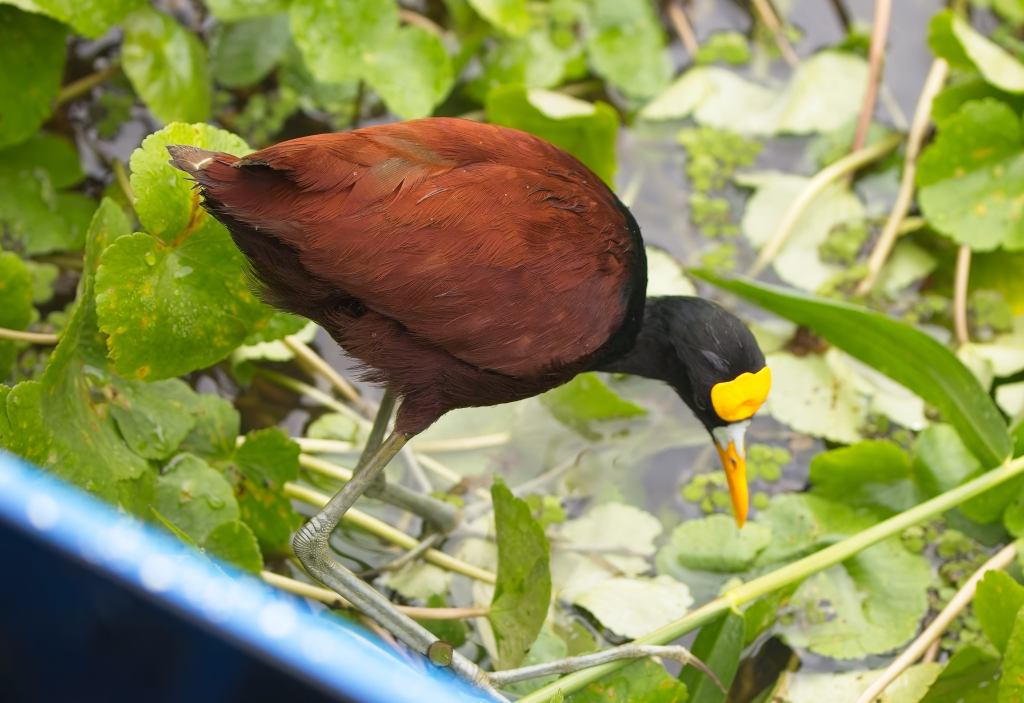
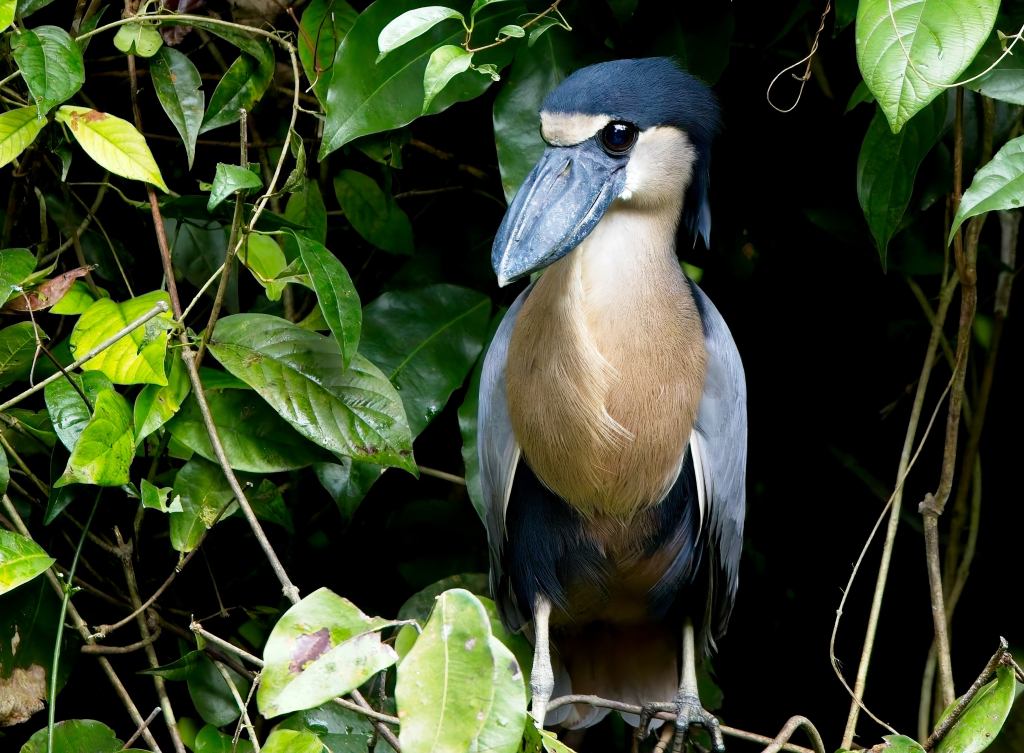
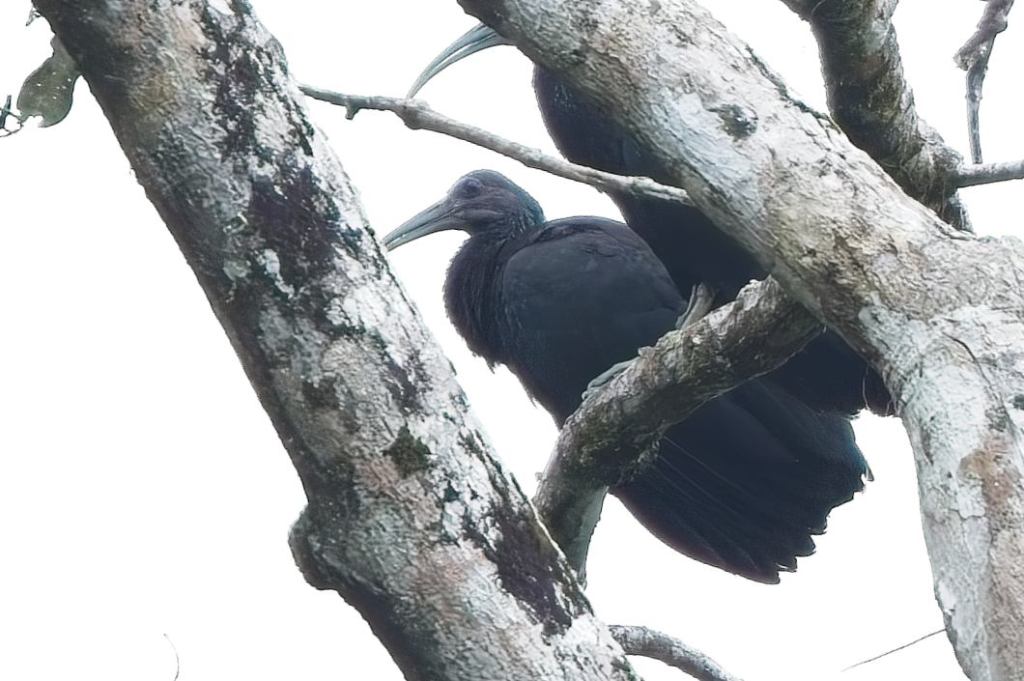
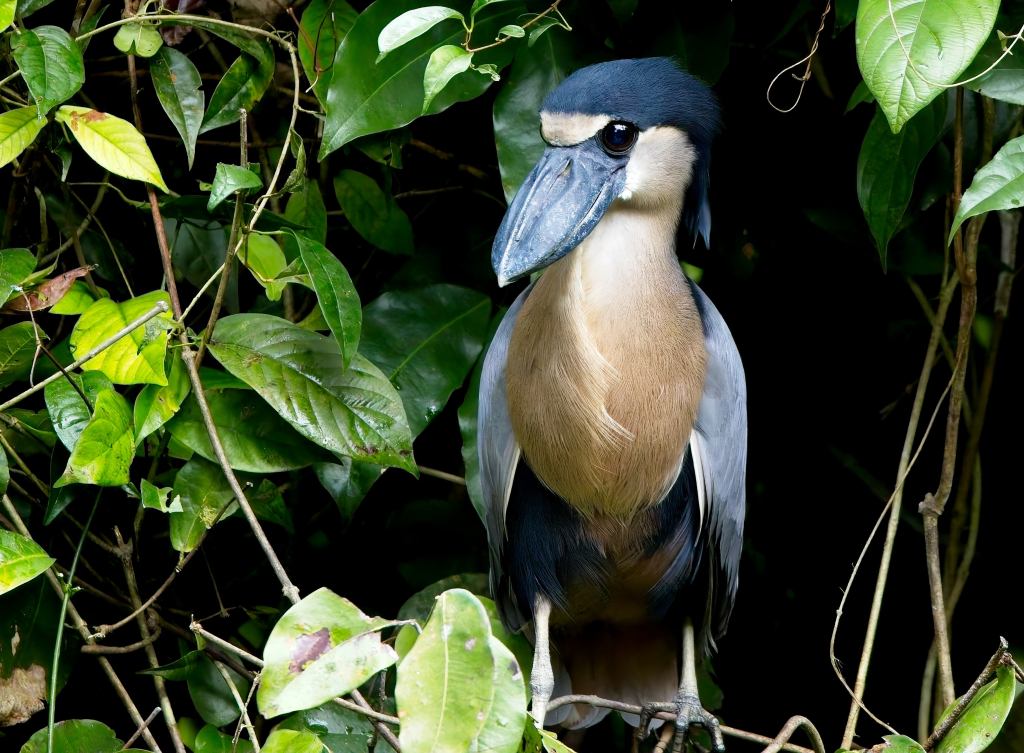
On the morning of December 12th Cindy, Greg and I boarded a small motorized boat with local boatman, Jose for a long trip on the canals running through Tortuguero National Park. Unlike our boat rides on the Tarcoles River that started our trip, there were lots of other boats on the river/canals. They never interfered with our birding, but the feeling was quite different – an awareness that Costa Rica is a very popular eco-tourism area. The highlight of the trip on the water was probably our first sloth on the tour – a Two Toed Sloth. A highlight only because they are such unique animals, but definitely boring as we watched for many minutes as it basically hung upside down, mostly obscured by the leaves it was eating. We had 41 species with the only lifer being an Olive Crowned Yellowthroat that was a source of great frustration as it essentially remained hidden in tall grass with intermittent quick flights from one invisible spot to another. I got a picture, but it is so poor that I am too embarrassed to include it. A number of the species were heard only in the distance in the forest impossible to see from the water which was disappointing because several could have been life photos. The only worthwhile photos in addition to the Two Toed Sloth were of a Boat Billed Heron, a Northern Jacana that was so close to the boat that it was impossible to focus on it until it moved a bit away, and two distant Green Ibises in the canopy, the only ones I saw on the trip.
The boat trip was – pleasant – but from a wildlife and birding perspective quite disappointing. Back at the lodge, there was a lot of rain and no more birding. We would leave early the next morning on the same boat we had used the previous day – with all flaps up to protect us from the continuing rain. No birding or sightseeing along the way. We loaded back onto the car, a very nice and comfortable 4WD diesel that Greg had rented for the trip and then we were on our way to Arenal Observatory Lodge, our final lodge for the tour and one that I had been looking forward to both because I had visited it in 1997 and also because it had a very extensive bird list.
Maybe under better weather conditions it could have been otherwise, but to be honest, I felt that our visit to Tortuguero was a waste of time – precious time. It took far too many hours to get there on tough roads and the boat trip – taking a lot of time both ways – was merely a means of transportation – nothing more. And the birds were far too few, far too distant, far too “already seen” and far too “heard only”. The visit essentially consumed two days which I wish had been spent either at a different location or maybe allocated to more time at Arenal. The numbers tell the story. We essentially spent about 18% of our time there or getting to or from there. Our bird list for that time included only 16 new species, half of which were heard only and there was only the one lifer Olive Crowned Yellowthroat with the barely identifiable photo. The lodge accommodations were fine and my time there was at least somewhat productive as I was able to work on photos for several hours – where the rain did not matter. All trips have stops that are better or worse than others, but this one really ranked low on my “life list”.
We arrived at the Arenal Observatory Lodge midafternoon on December 13th and immediately had a problem. The Lodge is highly regarded, very popular, very birdy, with a good restaurant and beautiful grounds. It is not inexpensive. Our room was at the end of the hall on the second floor of the building that included the reception area. Our view was of the restaurant building with an ugly metal roof, some utility poles, a garbage area and a mess of “whatever”. It was the worst view of any at the lodge and frankly the worst view from any room I had been in any respectable lodge. And, another thing, one of the towels (there were only two) looked like it had been there since the lodge’s first days (well over 30 years ago) – frayed and worn. It took some doing and some added payment but Greg got us transferred to a lovely room in a well situated building located maybe a quarter mile from the main building. It had a beautiful view of the hummingbird garden and of the Arenal volcano (assuming the clouds parted to make it visible). After our relocation, we came back to the main building with the restaurant and a great viewing deck and birded for awhile adding some nice species and photos.
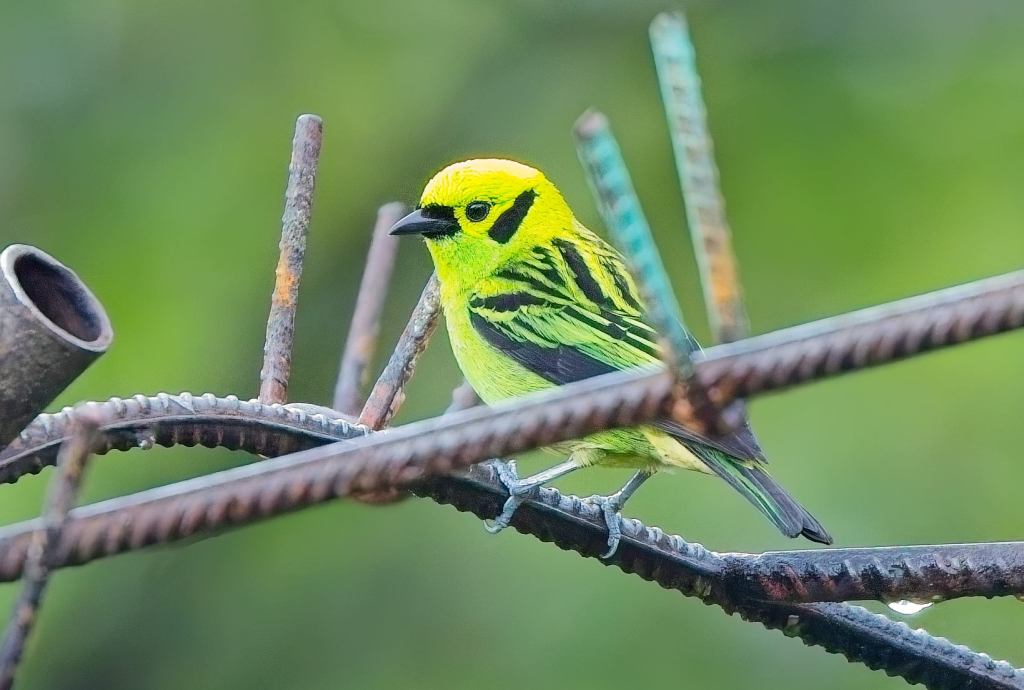
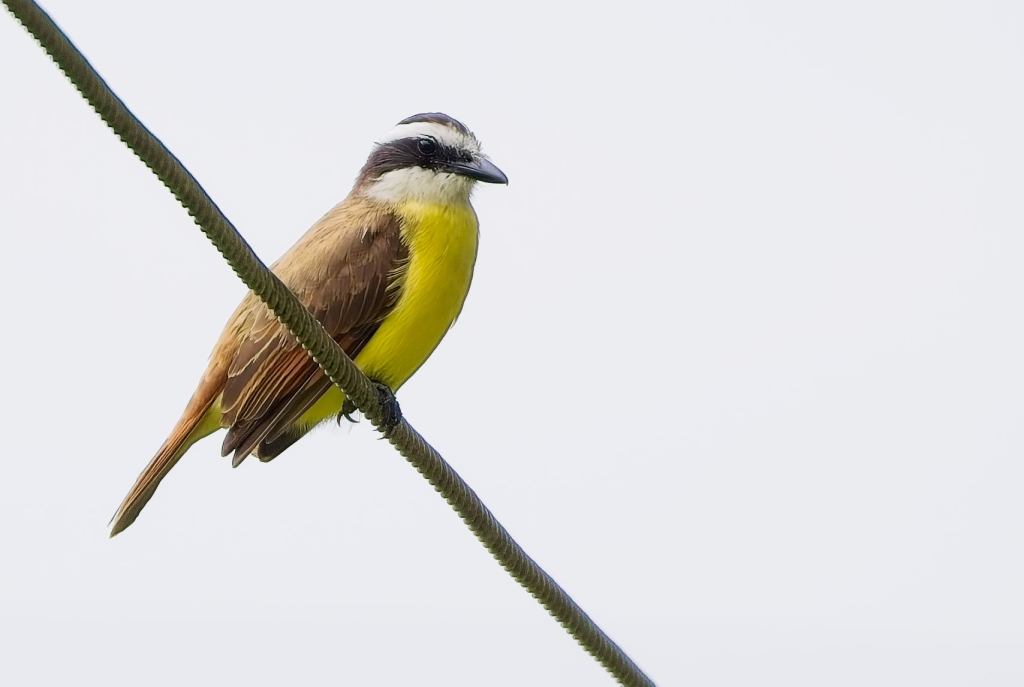
These included two lifers – Chestnut Headed Oropendola and Emerald Tanager and two life photos of species on the heard only list from the previous day, but now added as life photos – Gray Headed Chachalaca and White Collared Manakin. Not new by any means but one of the best photos and experiences of the whole tour was watching and photographing a Great Kiskadee catching and then consuming a gecko that I would have thought far too big for it to eat.



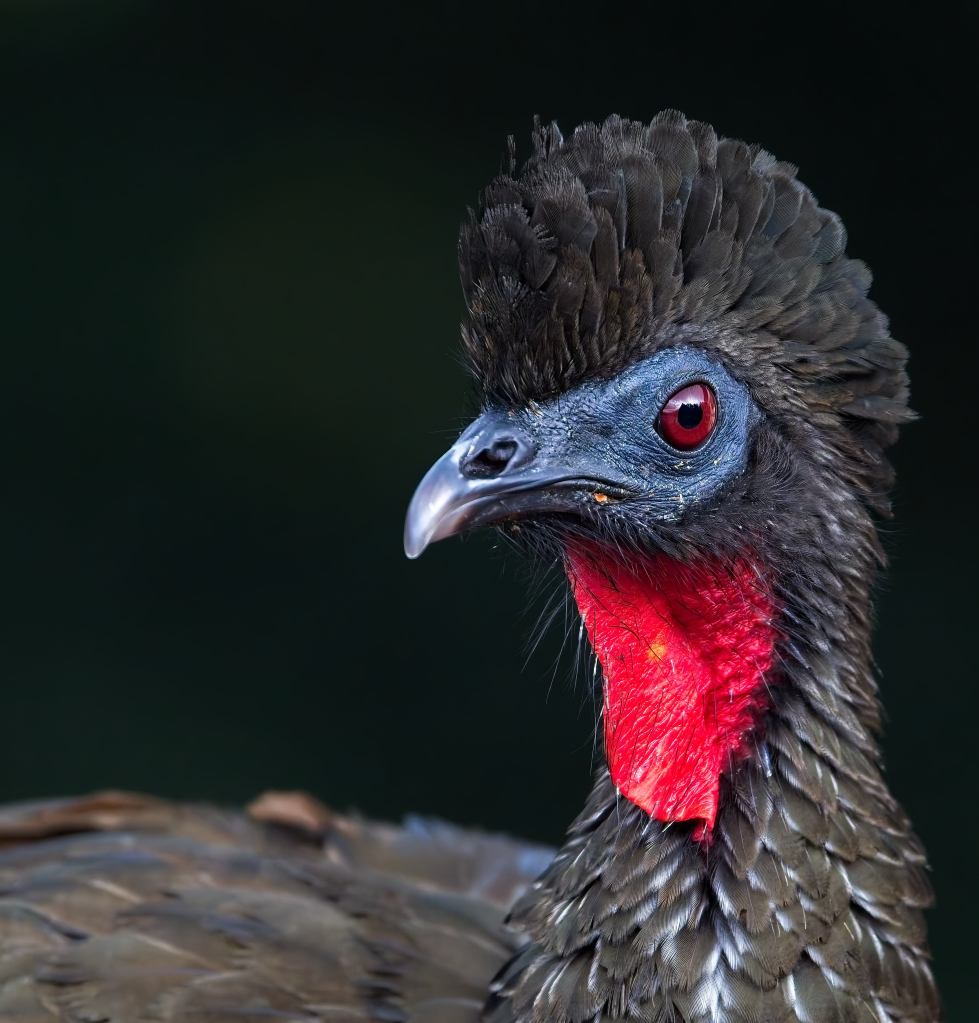
There was one other species of note that afternoon – a Brown Jay. I first saw a Brown Jay at Falcon Dam State Park in Texas in 1975. It was the only place in the United States where that was possible. No camera so no photo of course. I think the small population there remained for a few years and then there were no more until seen again in 2005, then 2010 and then again in a few places over the past few years. I would next see one with a life photo in Belize in 2010. This would be only my third observation and second photo. Certainly not new for the trip but a great photo op was of a Crested Guan very close.

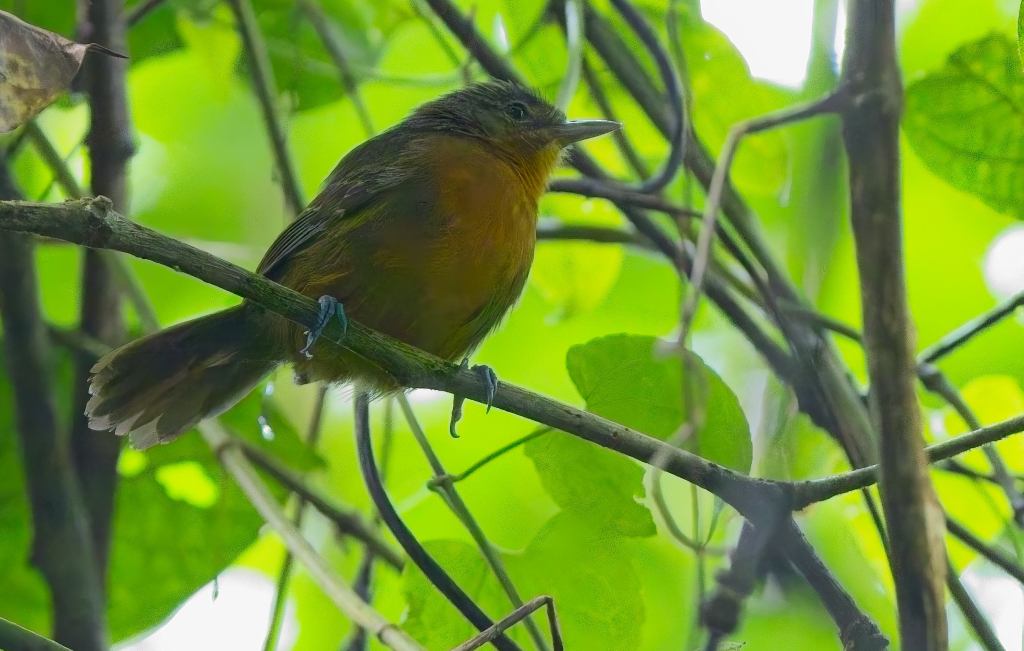
Unfortunately the rain that had become a problem at Tortuguero haunted us at Arenal as well limiting our birding opportunities. On the morning of the 14th Cindy took a break and Greg and I searched for birds on the grounds at Arenal moving a little deeper into the forest drawn in by calls from a Thicket Antpitta, a lifer that we never could coax out of the “thicket”. We had better luck with a lifer Black Throated Wren that played hide and seek and never came completely into the open but at least gave us a peek and an OK photo. But other wrens were being little bastards as we also heard Band Backed Wren, Nightingale Wren and Stripe Breasted Wren, the latter two lifers and the first a potential life photo. We had better luck with a Black Cowled Oriole, one of those species that I had seen previously without a photo. At that point I was happy to get anything and even a so so photo of a lifer Dusky Antbird added to that feeling.


The final insult was a Black and Yellow Tanager another lifer that I got a quick glimpse of and thought I had gotten a photo – but I never found it. This happens in birding all the time but there is usually or at least often a consolation prize when good effort is put in. So there were some other photos repeats of ones taken earlier but at least one or two were better ones than those earlier ones – worth doing.
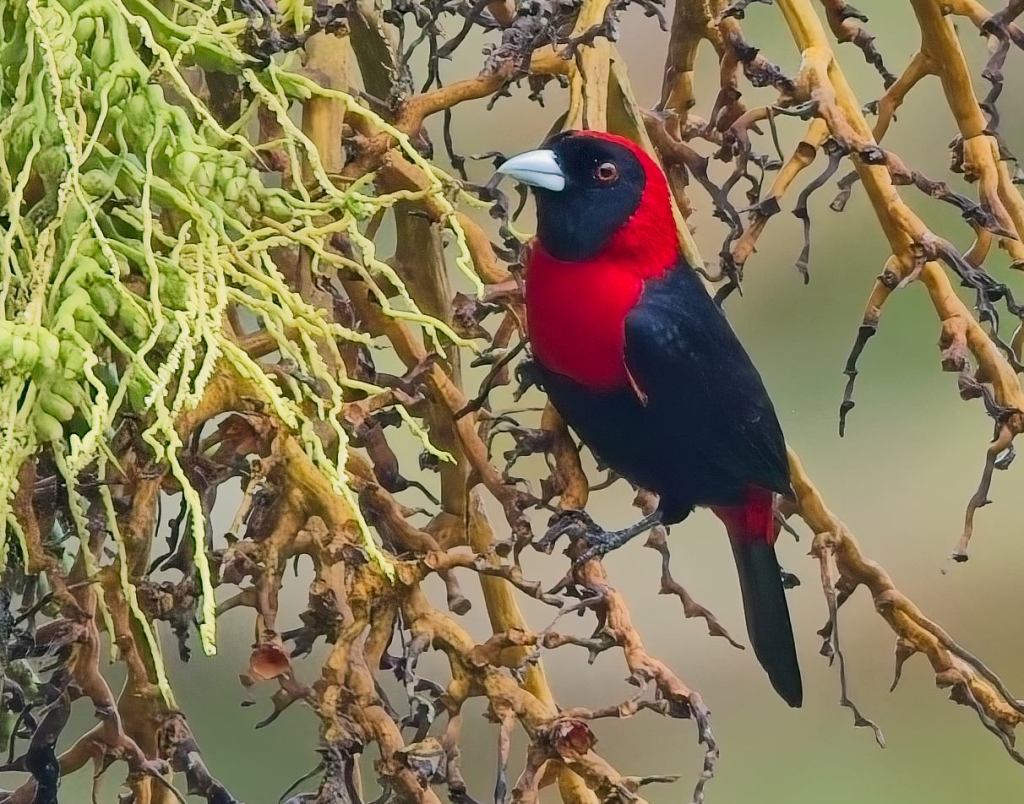
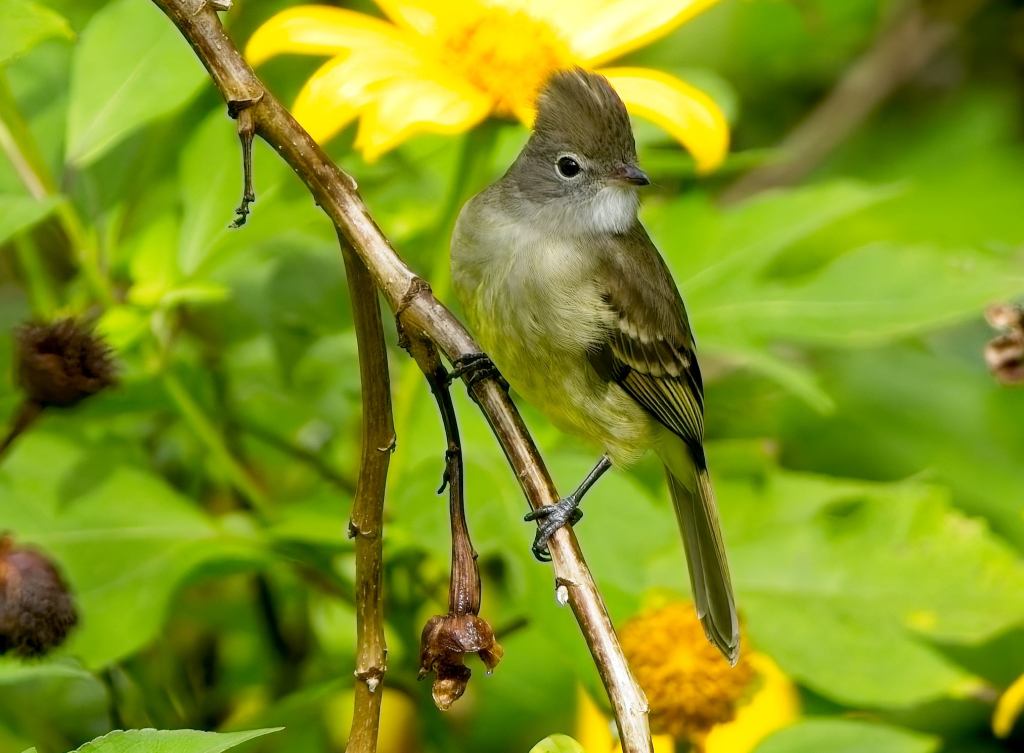

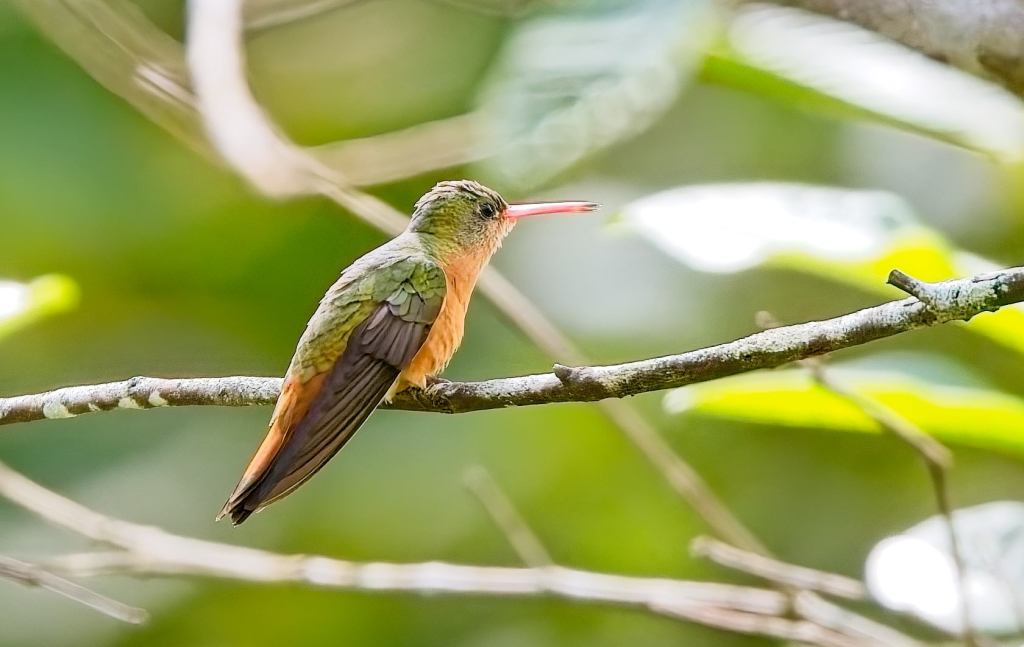
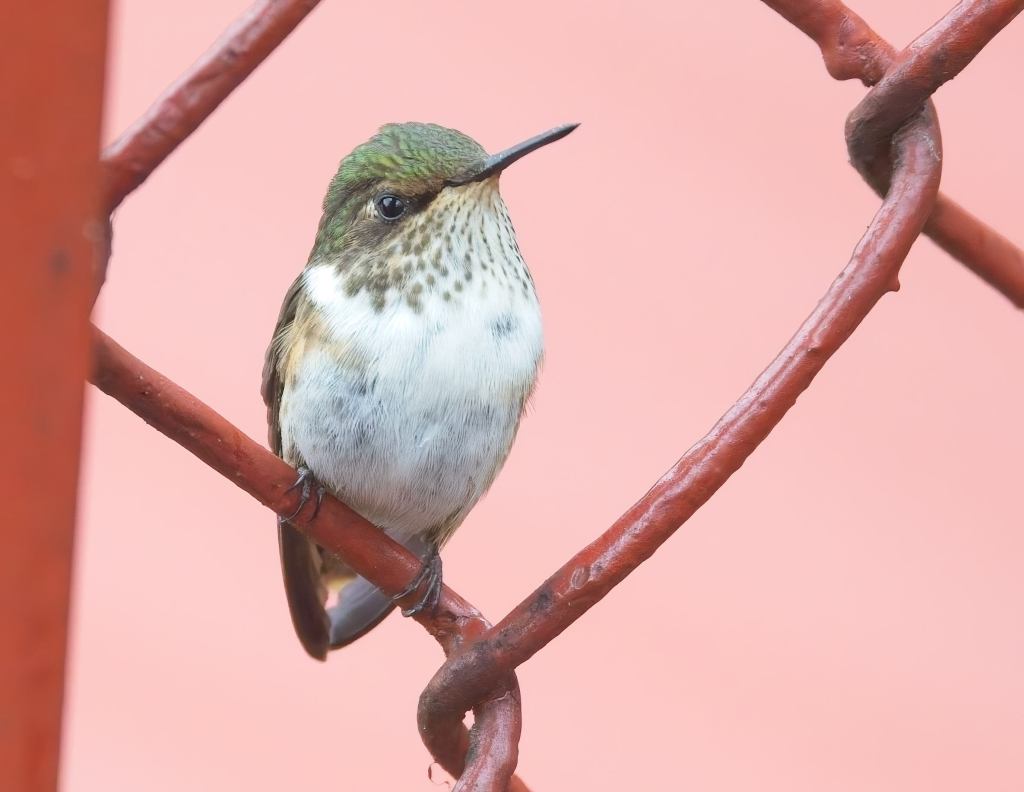
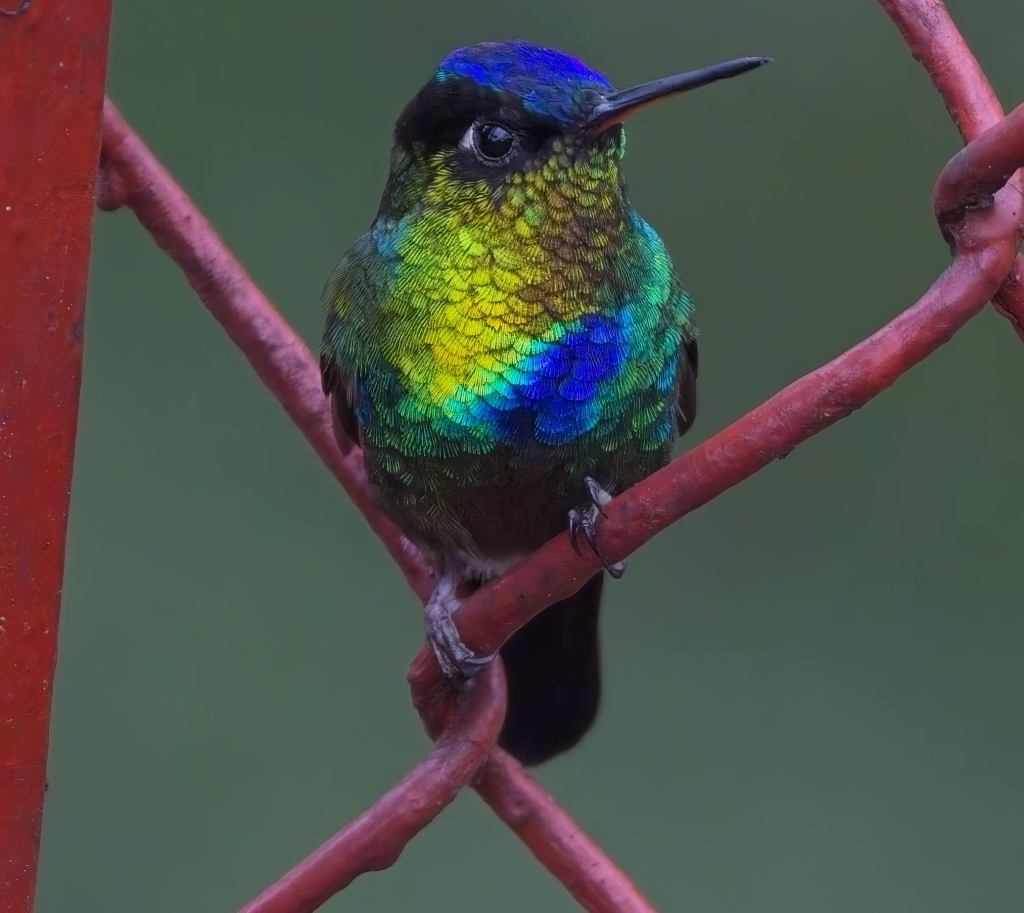
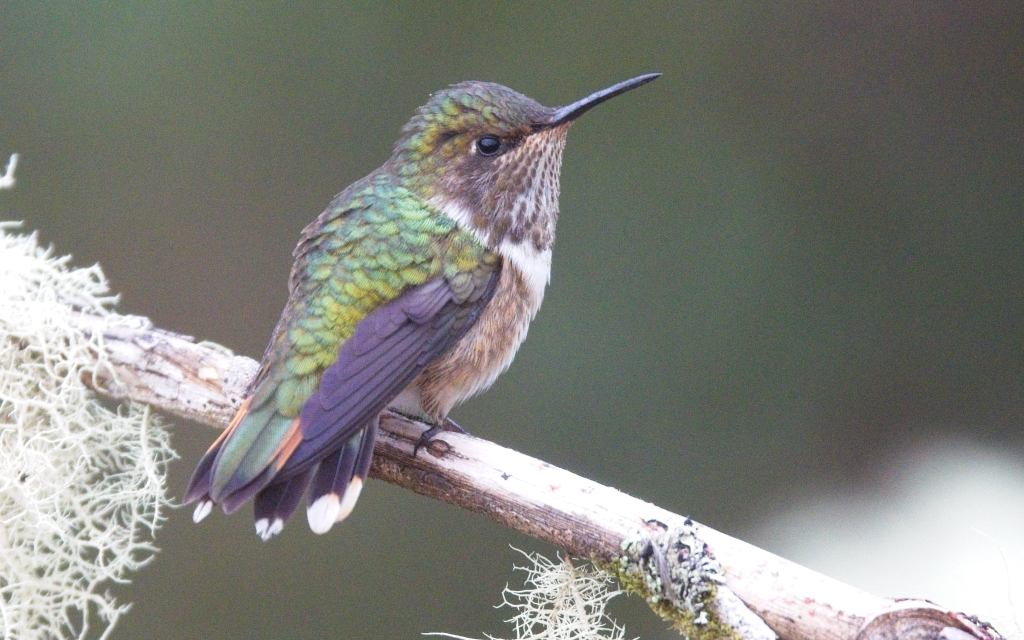
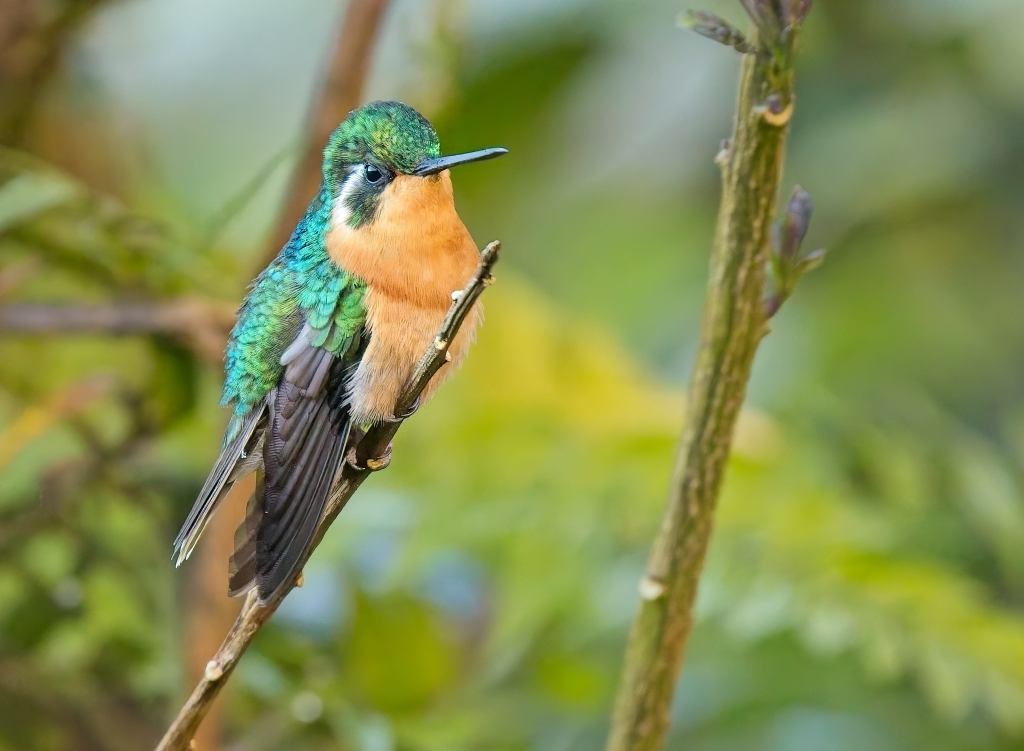
Rain continued to haunt us and Arenal delivered far fewer lifers and life photos than expected. With such disappointing weather maybe it would not have made any difference, but looking back the days “wasted” at Tortuguero may have produced more at Arenal. Maybe someday I will be back once more and find out. On the 15th we left Arenal and began our journey back to San Jose where we would depart on the 16th to return home. A couple more photos from Arenal – two of the hummingbirds we did see – but how I wish we could have found the Black Crested Coquette that was a possibility at Arenal

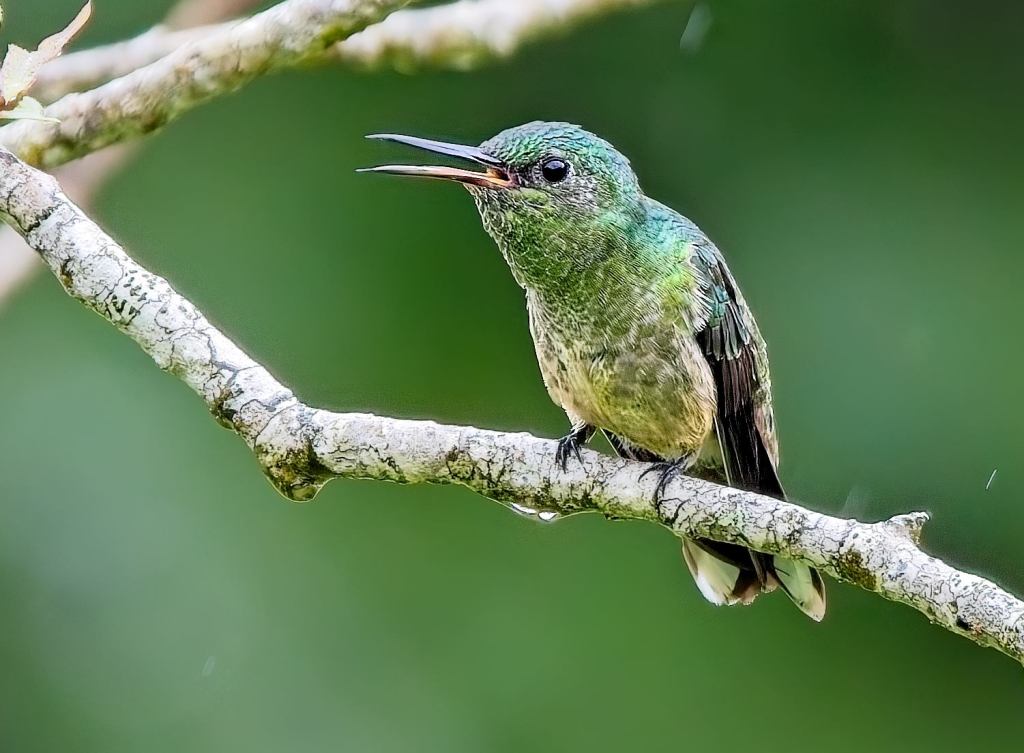
and was really hoped for.
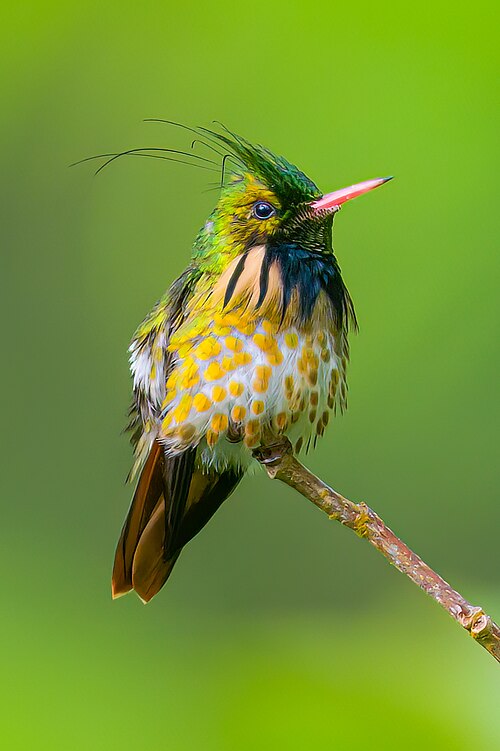
I left Arenal Observatory Lodge with mixed feelings, at least partially a result of the poor weather which limited our birding opportunities. The bottom line was that despite having 60 species on the Ebird lists for the location, my expectations, perhaps too high had been for at least a different list – probably more species for sure – but especially for better observations since many of mine had been either heard only or barely seen. Fortunately Greg’s effort in improving our room situation was a major positive both because it was such a nice room itself and also because it got us out of the frankly awful initial room. I will be writing the Lodge expressing disappointment in that experience. The room should be turned into a storage room for the Lodge and NEVER used for any visitor – far below the standards that should be expected.
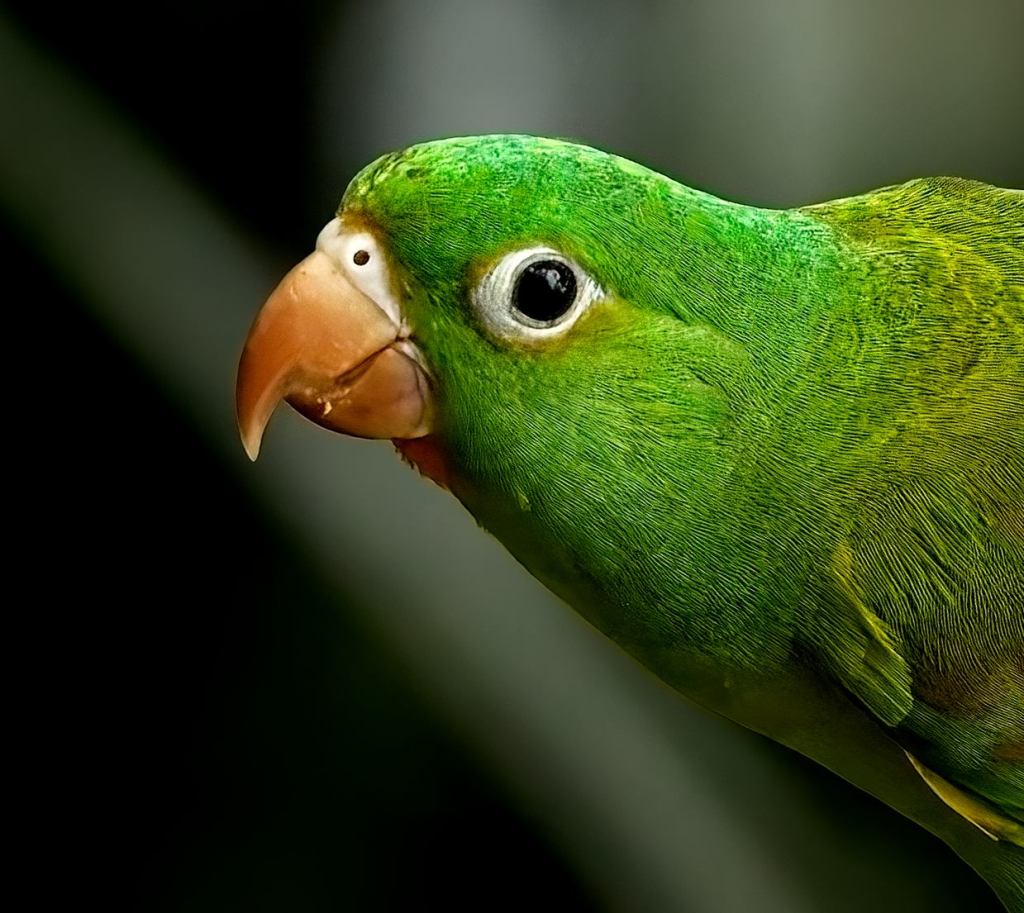
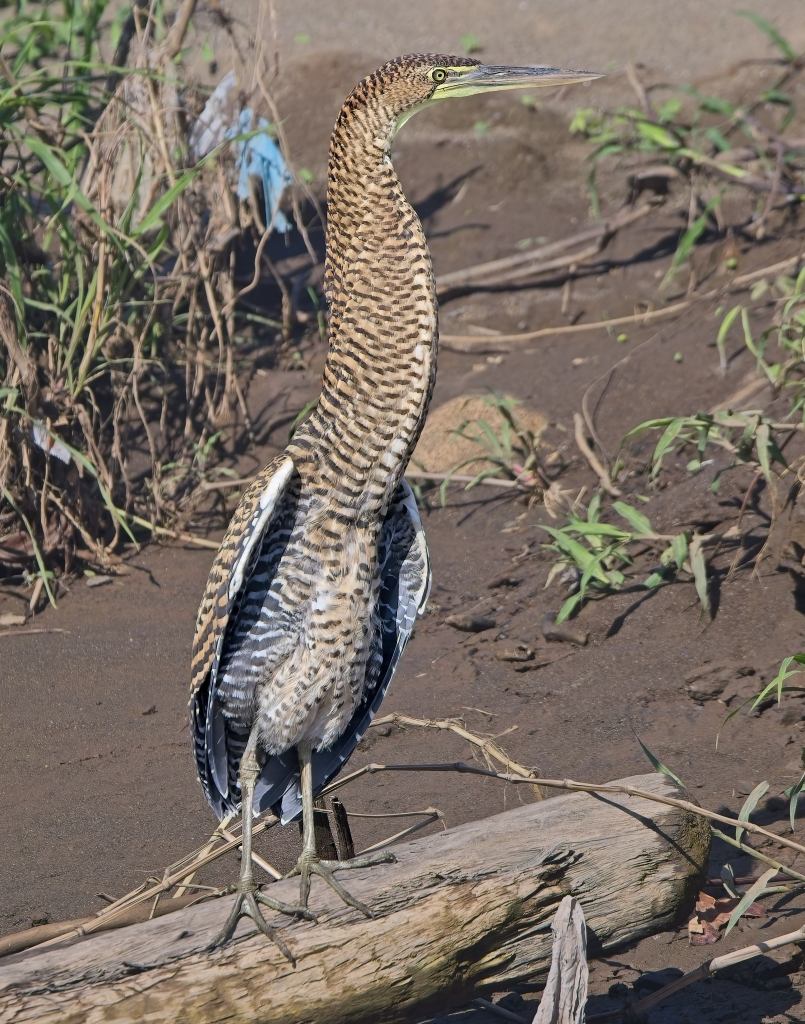
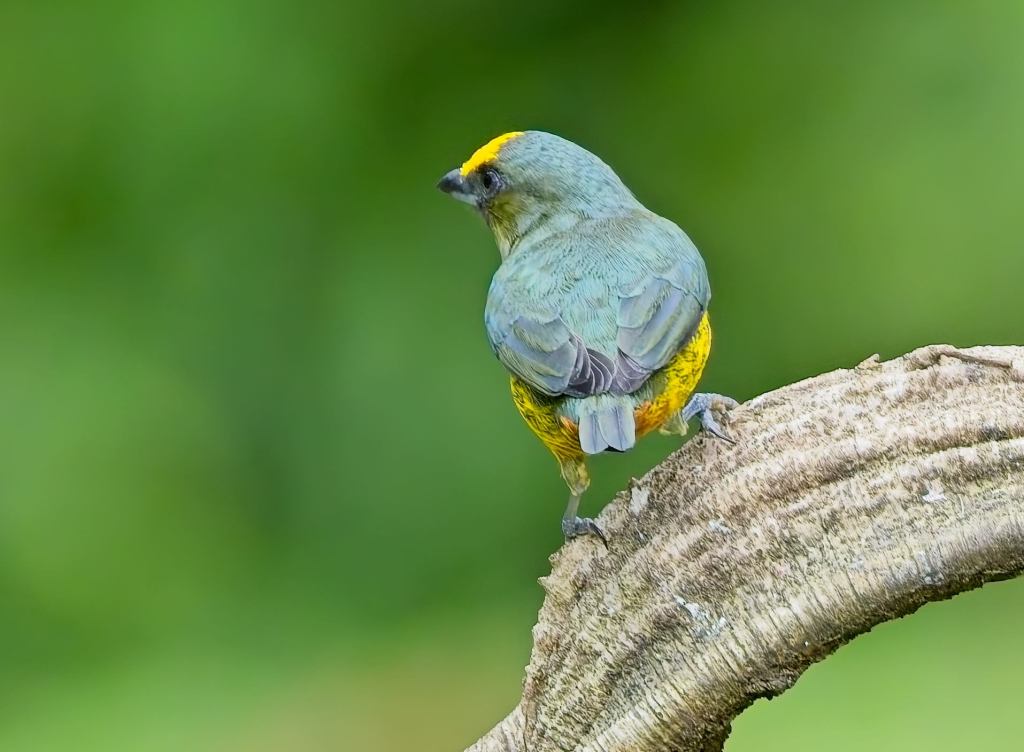
Our return to San Jose was pleasant with our first stop at the Sendero Bogarin – the Bogarin trail. We paid for entry and hung out at a small pond with some feeders near the entrance. I think the hope was that a crake would appear but that did not happen. There was also the possibility of the aforementioned Black Crested Coquette – again it did not happen. But there were a variety of birds. None were new but we had great looks at Red Legged and Green Honeycreepers, Bananaquits, Yellow Throated Euphonias and Orange Chinned Parakeets. We also had close views of several Russet Naped Wood Rails and a very interesting Bare Throated Tiger Heron which provided an exciting and suspenseful drama.
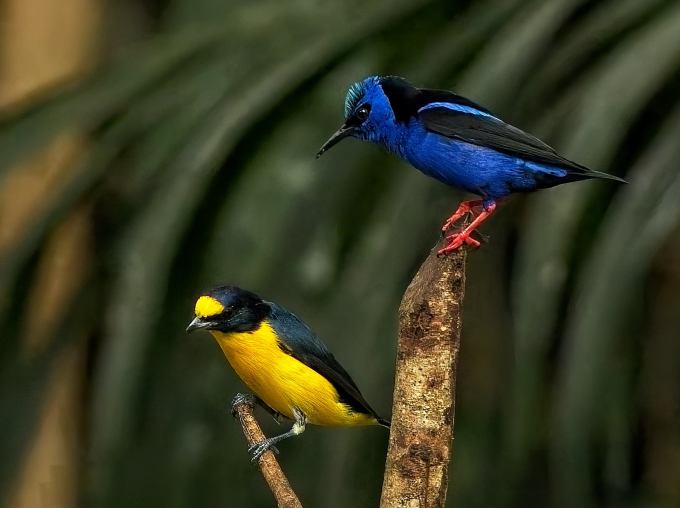
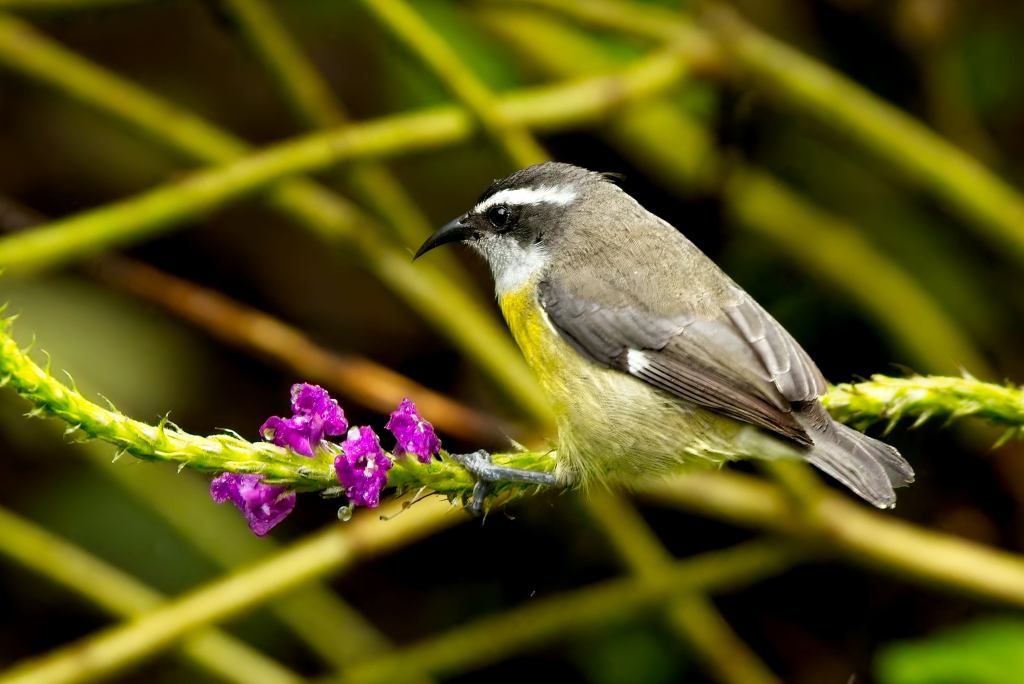
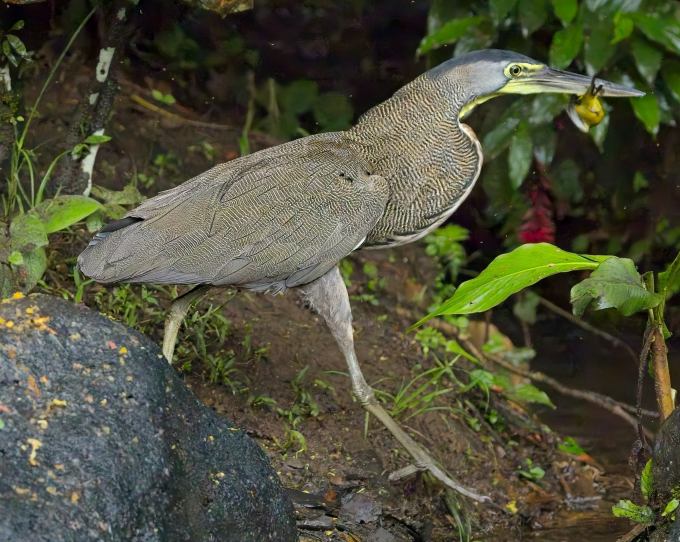
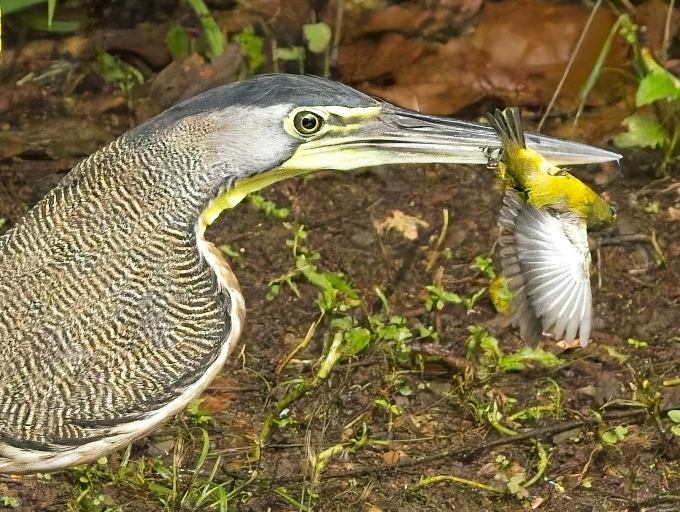
It soon became clear to us that the Bare Throated Tiger Heron was hunting. It positioned itself near the feeders that attracted as many as a dozen small birds (primarily Bananaquits, Honeycreepers and Euphonias). It would stand perfectly still with neck coiled ready to strike only to have the small birds fly off. It might then move around the pond but would return when the birds returned to the feeder. On perhaps the third time we watched it eyeing the small prey, it felt like this might be the time for action. Sure enough after a tiny visible repositioning movement it was like a lightning bolt extending its neck and grabbing a Euphonia. It then marched away with the Euphonia dangling in its bill, soon to be consumed. These photos capture some of the sequence as well as the Tiger Heron with its prize.

We continued our drive to San Jose with a very notable final stop at a very birdy “soda”. In Costa Rica these are convenient mom and pop roadside cafes serving simple homemade meals sometimes combined with souvenirs, convenience store items and most importantly bird feeders. A mirador is a lookout. Our stop was a combination of both – hence the Soda y Mirador Cinchona. It is a famous birding location in Costa Rica with well kept feeders and overlooking excellent natural forest and a view of a pretty cool waterfall.
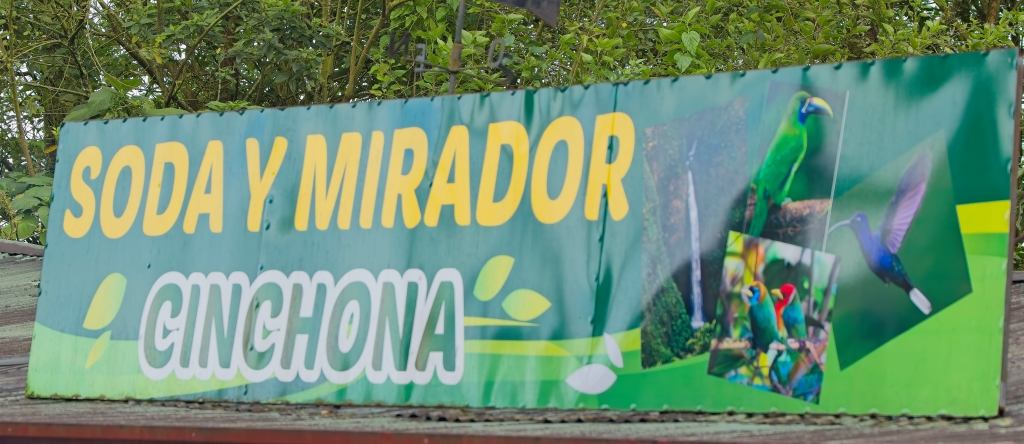
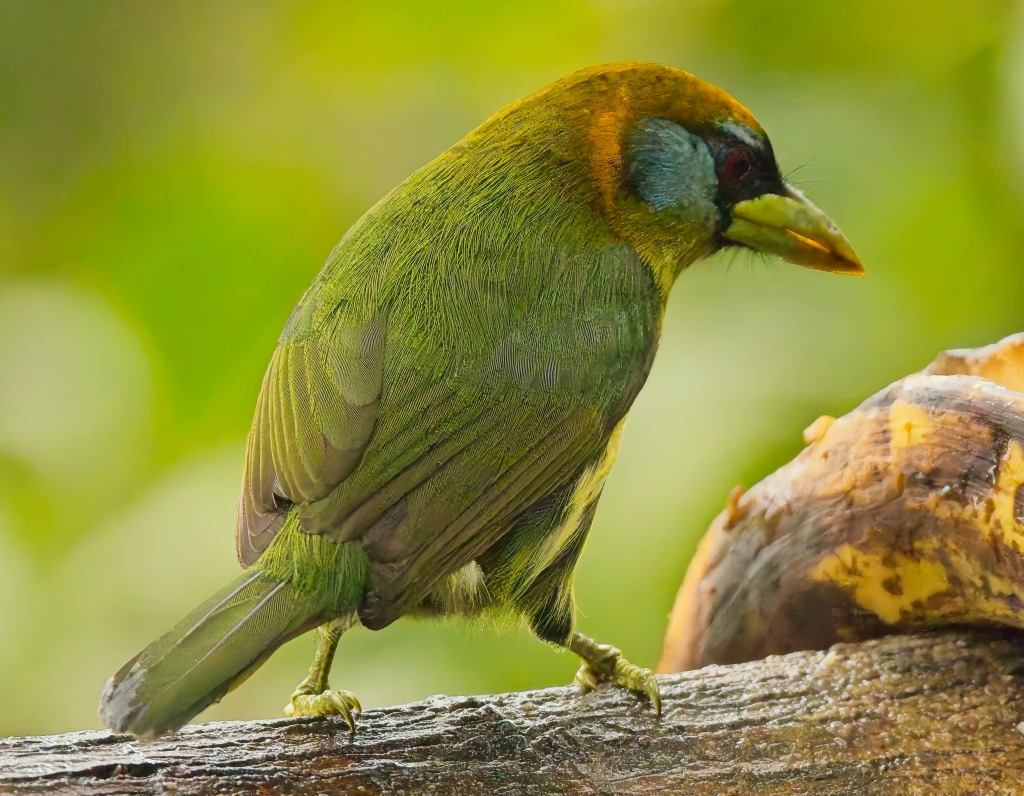
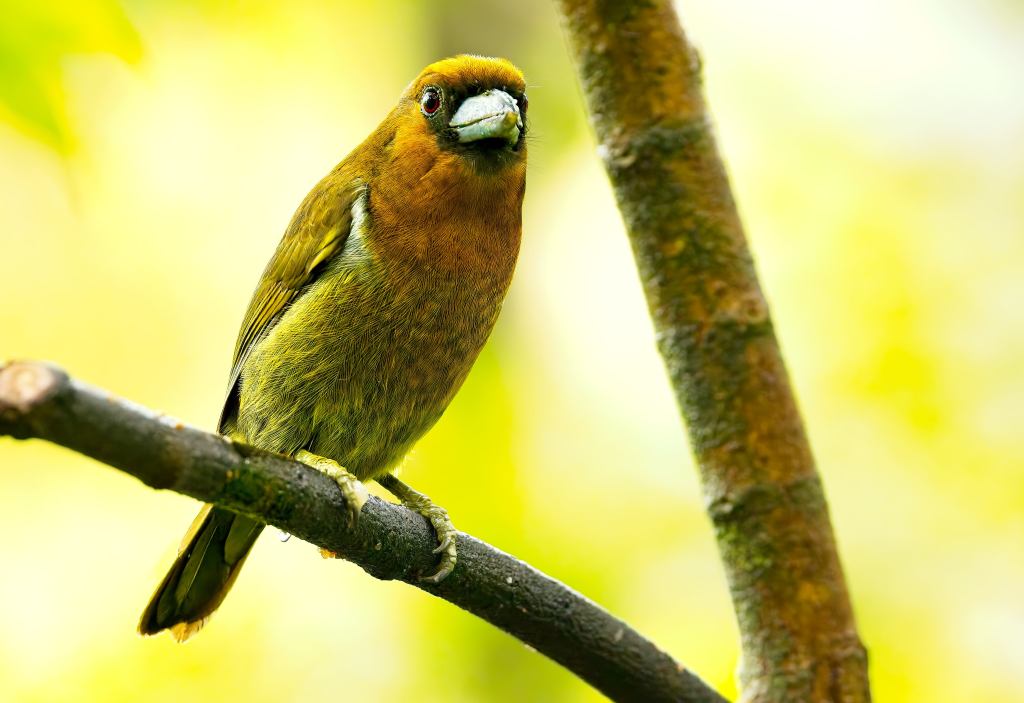
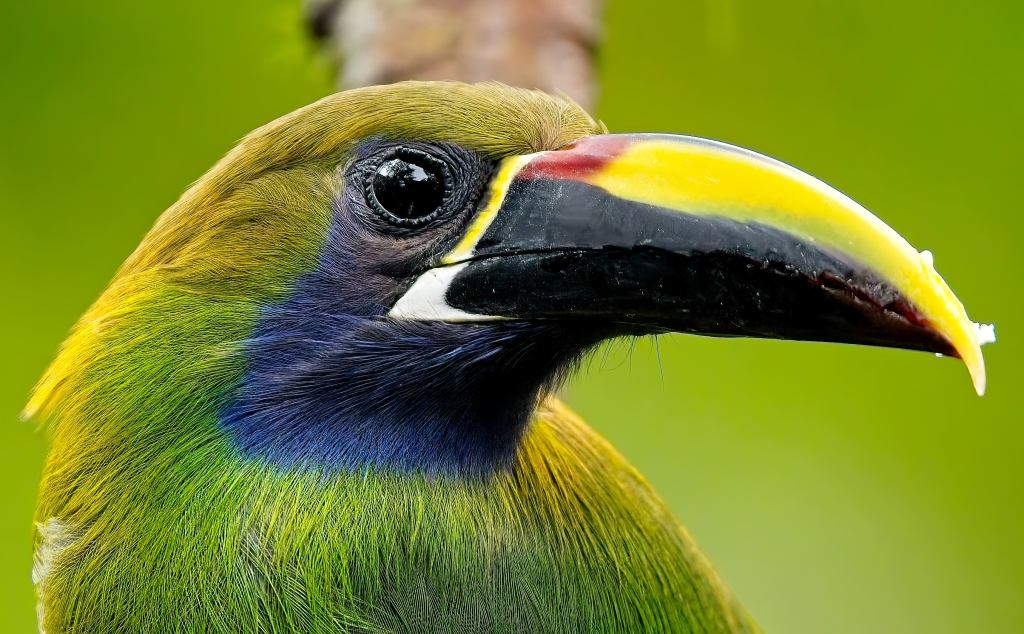
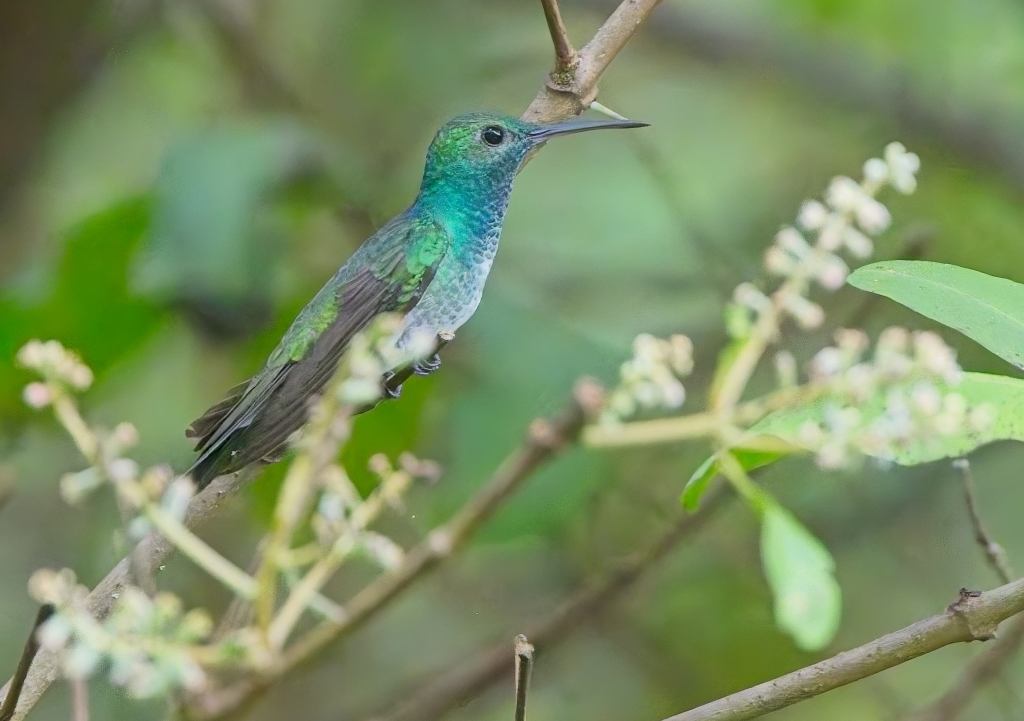
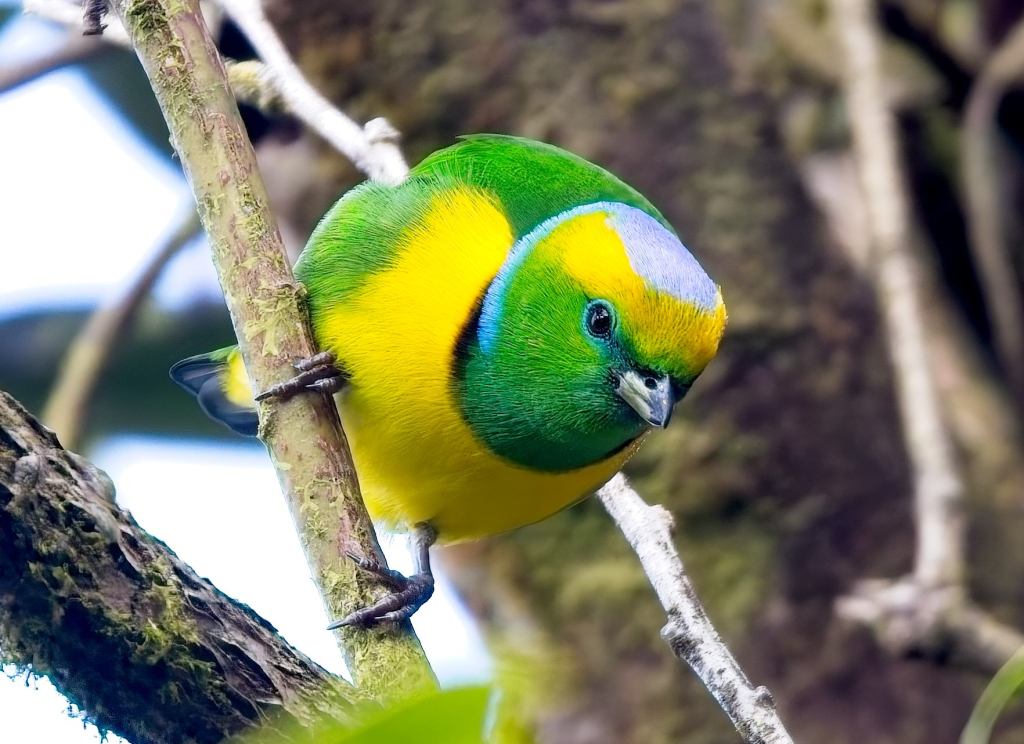
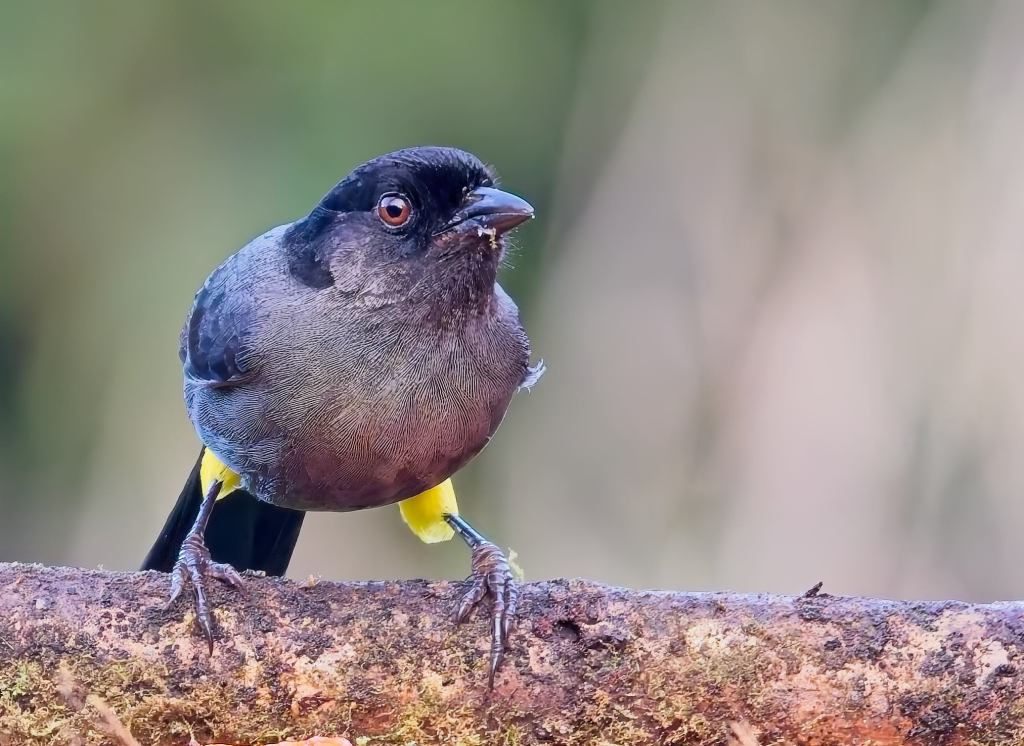
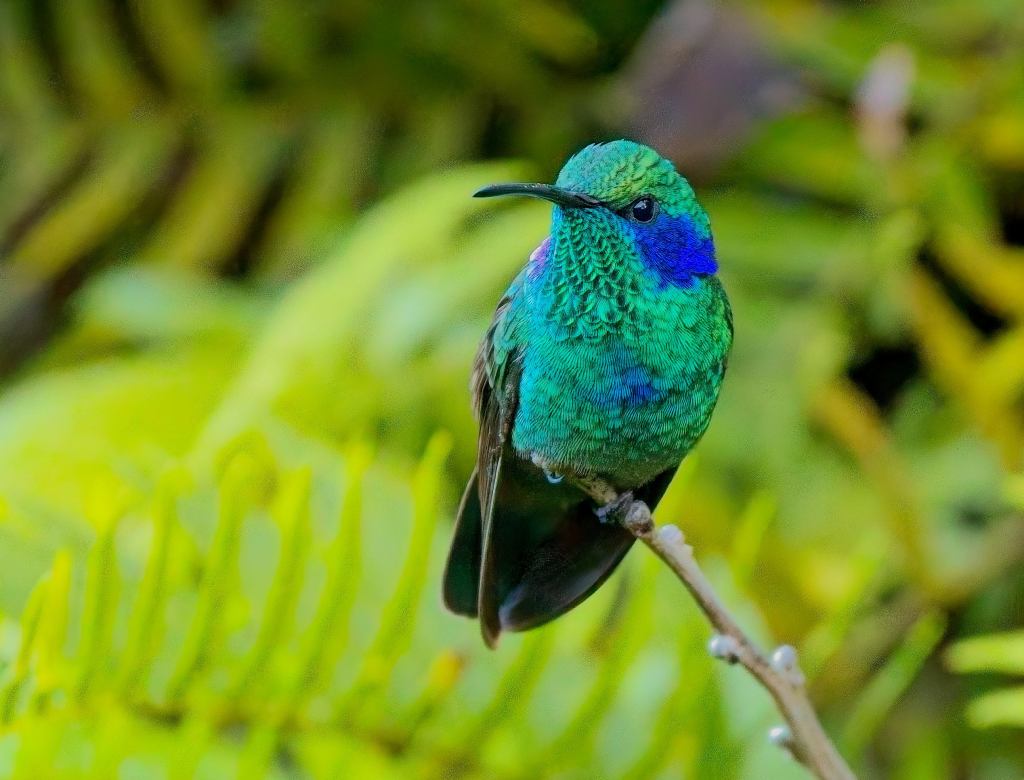
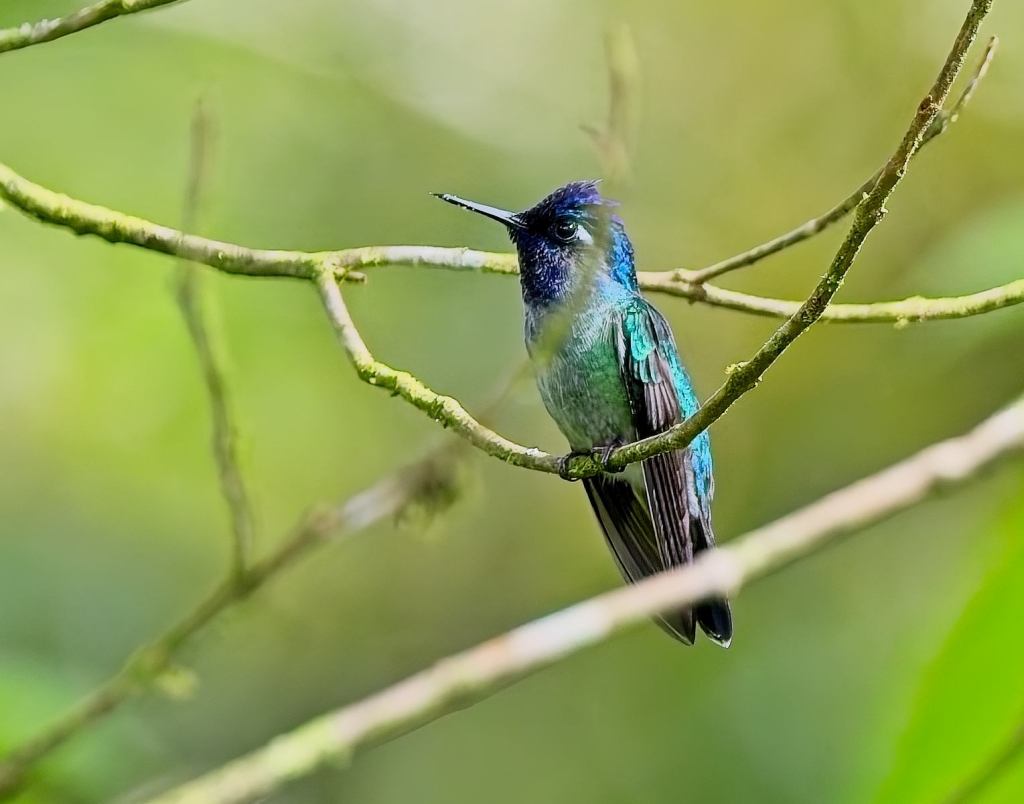
We spent almost two hours at the Soda with a nice lunch and 20 birds coming in to show off. Included were a number of hummingbirds, most importantly for me a Black Bellied Hummingbird, my last lifer for the trip, a Coppery Headed Emerald which became a life photo, beautiful views of a Violet Sabrewing and a much improved photo of a Green Hermit. Finally there were three truly gorgeous birds – Red Headed Barbet, one of my true favorites – Prong Billed Barbet, a life photo – and Northern Emerald Toucanet – always gorgeous.
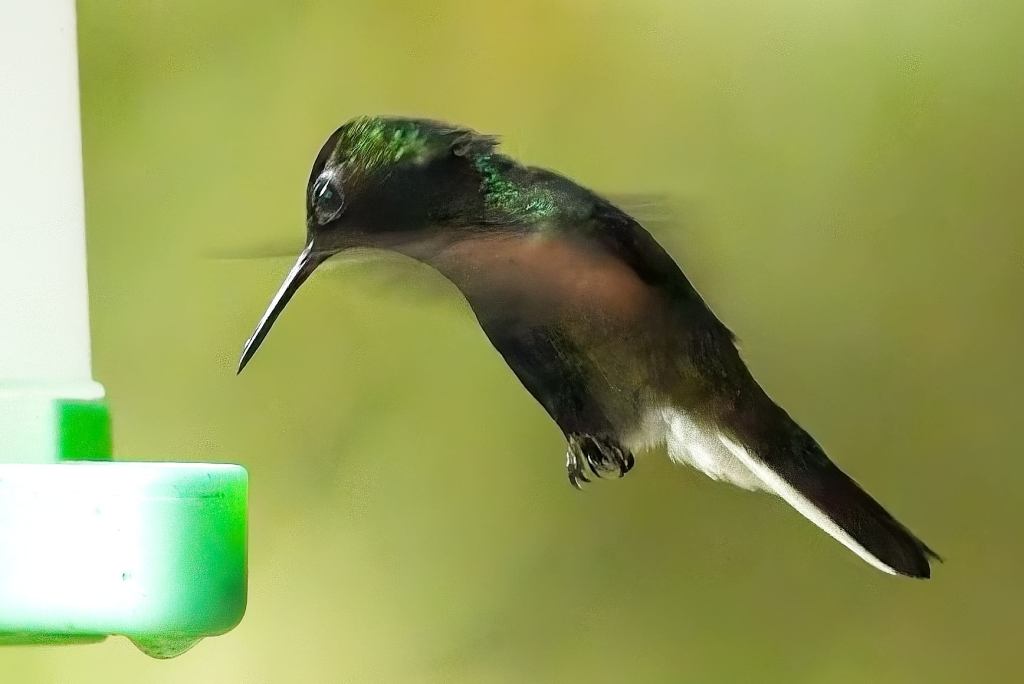
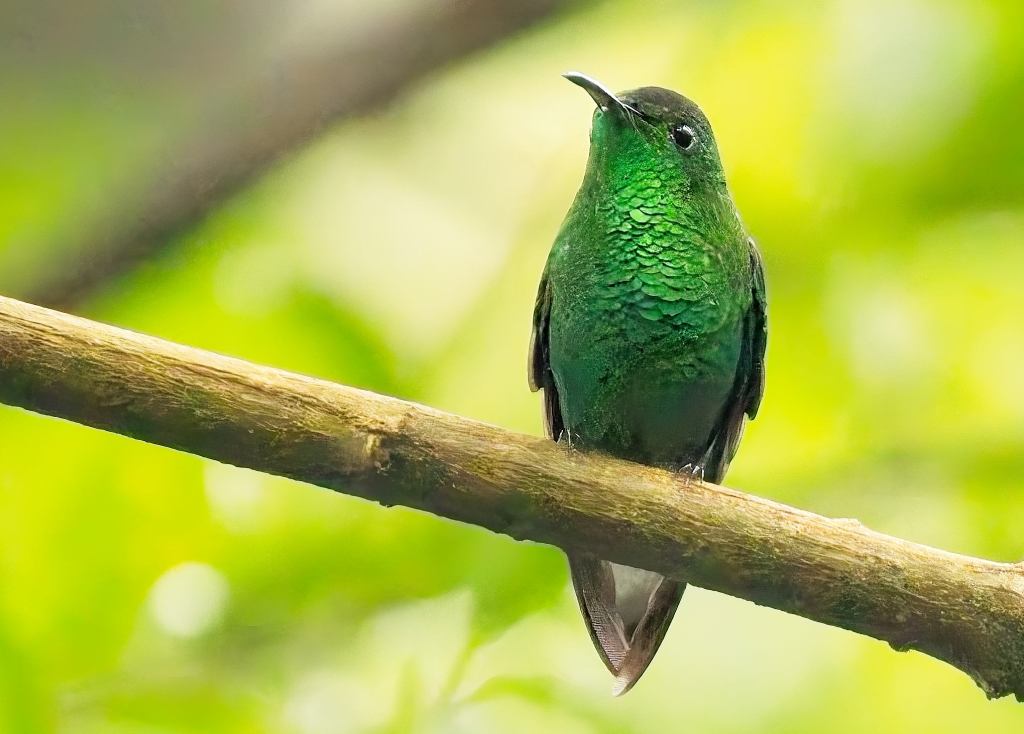

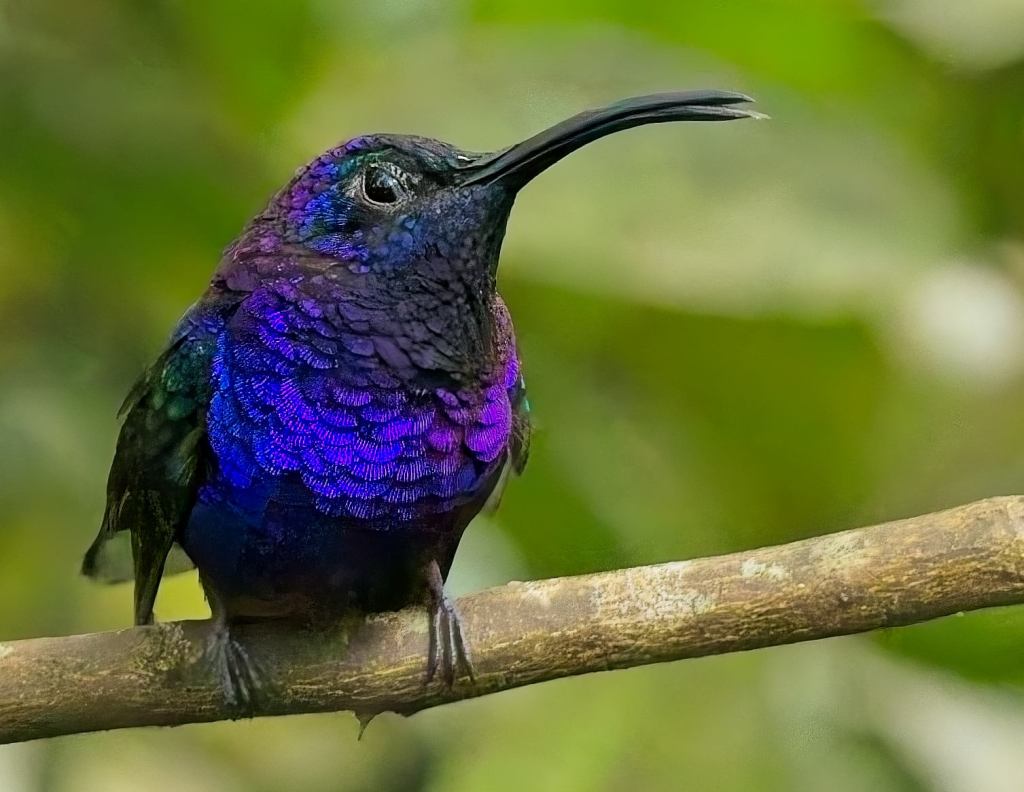
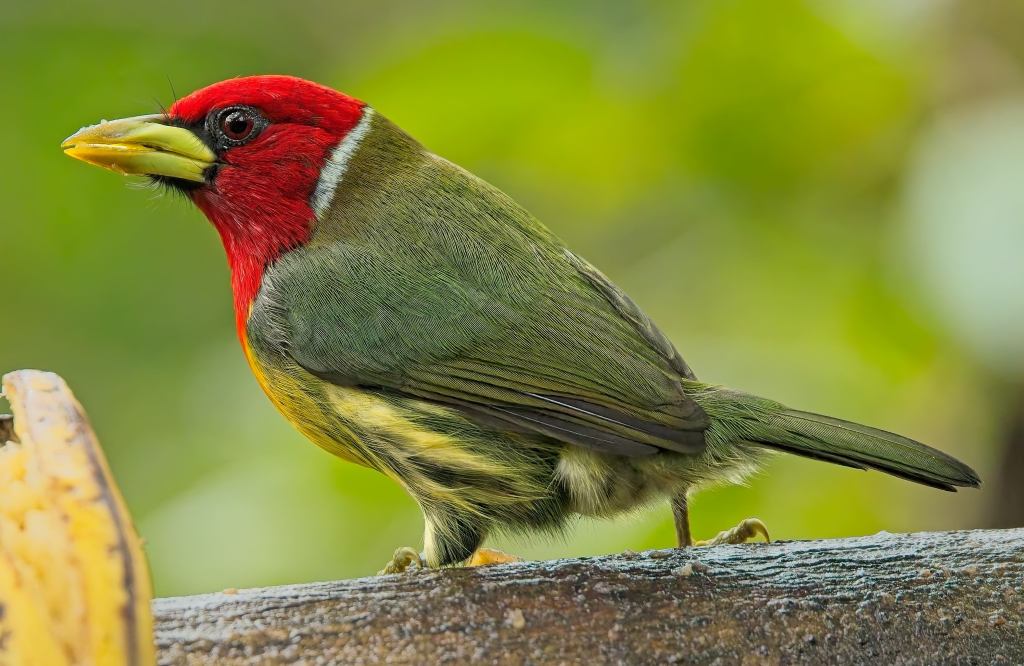
With the lifer species, the lifer photos and the gorgeous birds and the familiar down home comfort, the Soda and Mirador Cinchona was a perfect way to end our trip. We easily made it back to the Hampton Inn in San Jose and had a “Last Supper” at Denny’s. The next morning despite his staying in Costa Rica for yet more birding as he chased some special photo ops, Greg got up early to say goodbye as we caught the shuttle to the airport. This was Greg, through and through, ALWAYS accommodating, ALWAYS attentive and ALWAYS putting his clients first. I don’t know if our paths will cross again but hope there will be a chance to do so.
POSTSCRIPT: Time for a summary and reflection – some numbers, some reviews, some matters left out of these blog posts as they were written.
Numbers:
The numbers are the easiest – just pull them off of Ebird. We logged 238 species. I posted photos of 169 of them and expect I could have added maybe another 9 or so of species that either I took but ignored or did not bother taking. Those numbers are not important to me. There are three that are: New Lifers – 41; New Life Photos – 62; and 1211 – the number of species I had seen worldwide in 2025. It wasn’t important per se, but the species added on this trip brought my Costa Rica Life list to 300 – a pleasing round number.
As I expressed in the first blog post, I had hoped for both more new life photos and more lifers. My year end totals for each now stand at 4113 Lifers and 2833 Life Photos. I had already surpassed my “goal” of 4000 species on my life list after my Brazil trip in October. I knew I would not reach my goal of 3000 life photos in Costa Rica but had hoped to perhaps get to at least 2850 knowing that my planned trip to Thailand would probably produce 150 new photos. Unfortunately due to a lingering respiratory problem that came home with me from Costa Rica and still won’t admit full defeat, I have had to cancel that trip so the path to 3000 is uncertain.
It was through my quest to see more than 1000 species in a year in 2023, my first time to reach that goal, that I met Greg Homel as he led a short private tour for me in Mexico. I ended that year with 1095 species. In 2024 I beat that number seeing 1427 species and now I had passed the 1000 mark again with those 1211 species. Of course there is a lot of overlap with species seen in each of those years. I was curious how many species were seen combining the three years. That number is 2706 which is just under two-thirds of my total life list!!
Food, Lodging and Infrastructure
Cindy and I have been fortunate to have travelled to many countries in the past few years with very different approaches to food, tourism, lodging and travel in general. Without question from a culinary perspective, our “Wine and Birds Tour of Chile and Argentina” was the best and will most likely not be surpassed unless we do a similar tour to say South Africa or Portugal, both possibilities. The lodging on that trip was pretty great as well, but probably our favorite places to stay have been the lodges and camps in Africa, both Uganda and Tanzania. The room problem at Arenal aside which was vey well remedied, the lodging on this trip was just fine but a bit below the more lavish places we have stayed in Africa but also better than many of the places I have stayed on trips without Cindy elsewhere. Food ranged from pretty straightforward and good to better than that but we cannot say there was anything especially “Costa Rican” that was compelling. We had several good steaks and hamburgers and nice fish but again nothing memorable. I should stress however, that people were great everywhere, with excellent service, genuine smiles and an eagerness to interact with us foreigners. English is spoken almost everywhere within the tourism sector. We also always felt safe and as mentioned before although the roads and traffic were often abominable, we never had intersections with the Policia or road stops, which have been stressful in some other countries. The airport at San Jose was easy to use with very efficient processing at customs and immigration. We wish there had been a bigger presence of quality crafts/art either on the road or at the airport, but we saw no sense of that – lots of “pura vida” souvenirs and of course duty free shops, but we saw nothing of interest to bring home to remember the trip. I also need to say that there are many parts of the Costa Rica Eco-tourism world that were not of interest to us on this trip – no hiking, climbs, rafting, ziplining, ballooning, kayaking, swimming, beach or poolside activities. Costa Rica offers much that was just not what we were interested in but are very popular and heavily used by others.
Quality not Quantity:
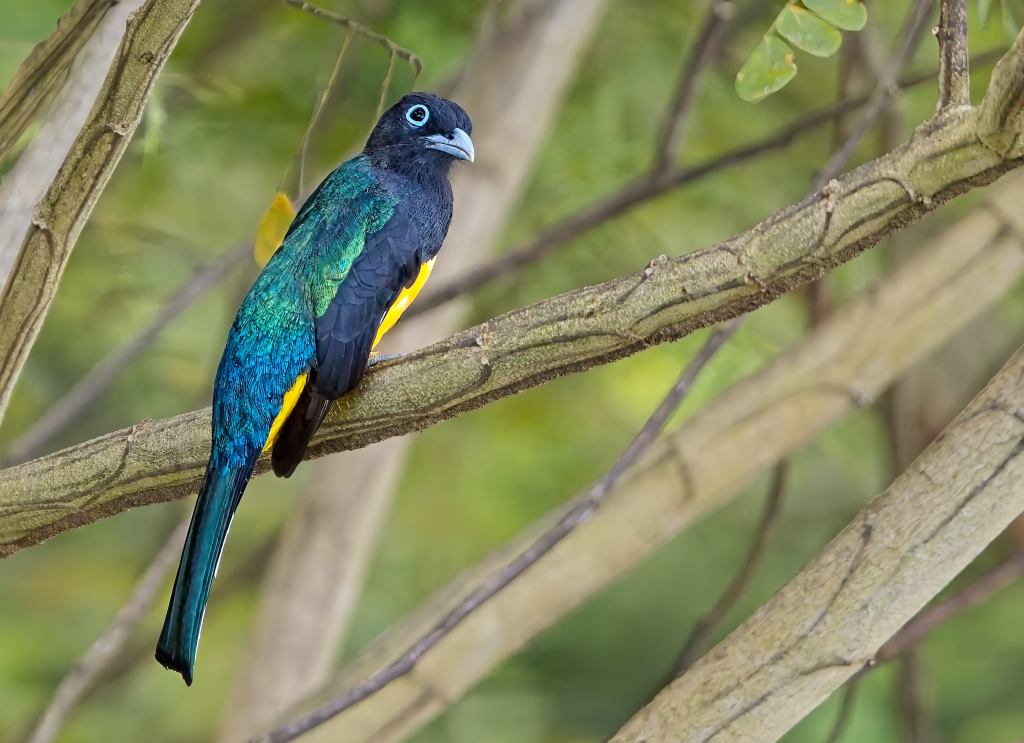
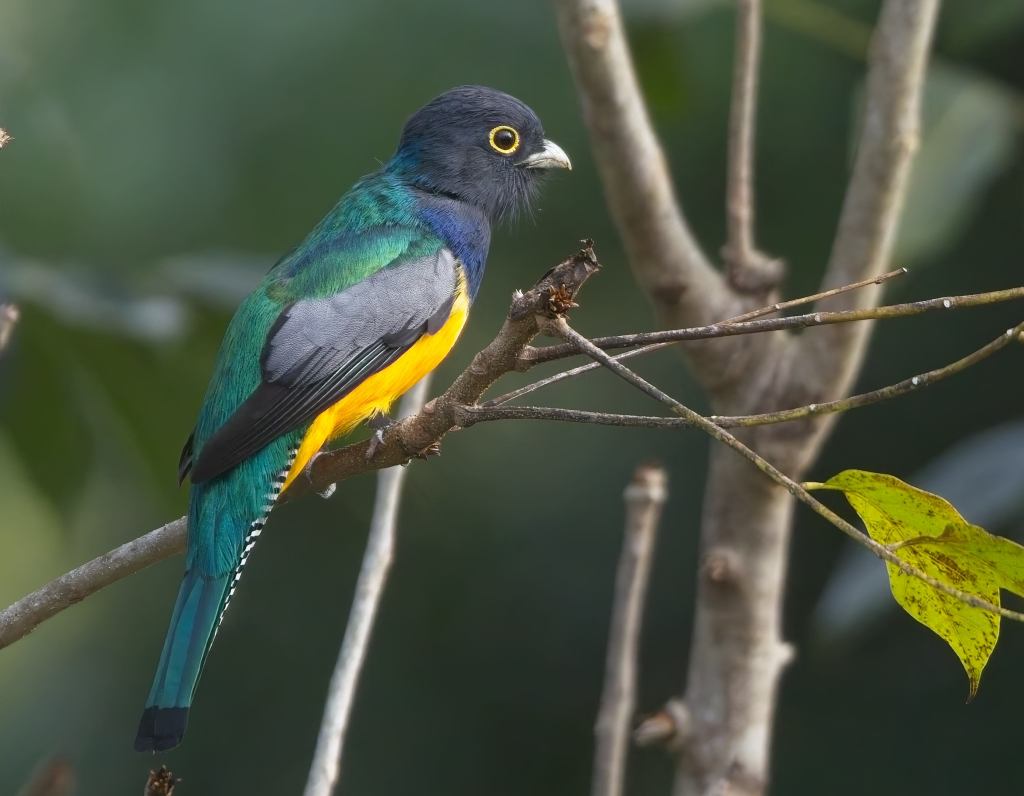
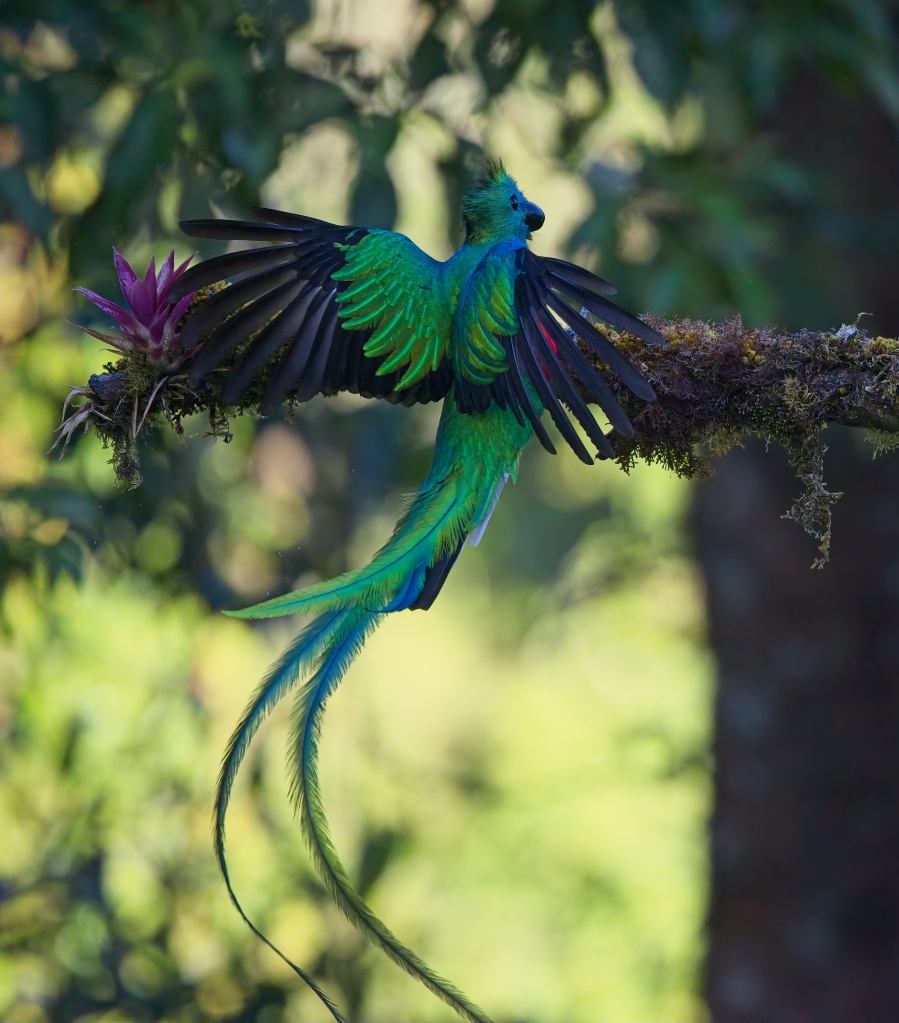
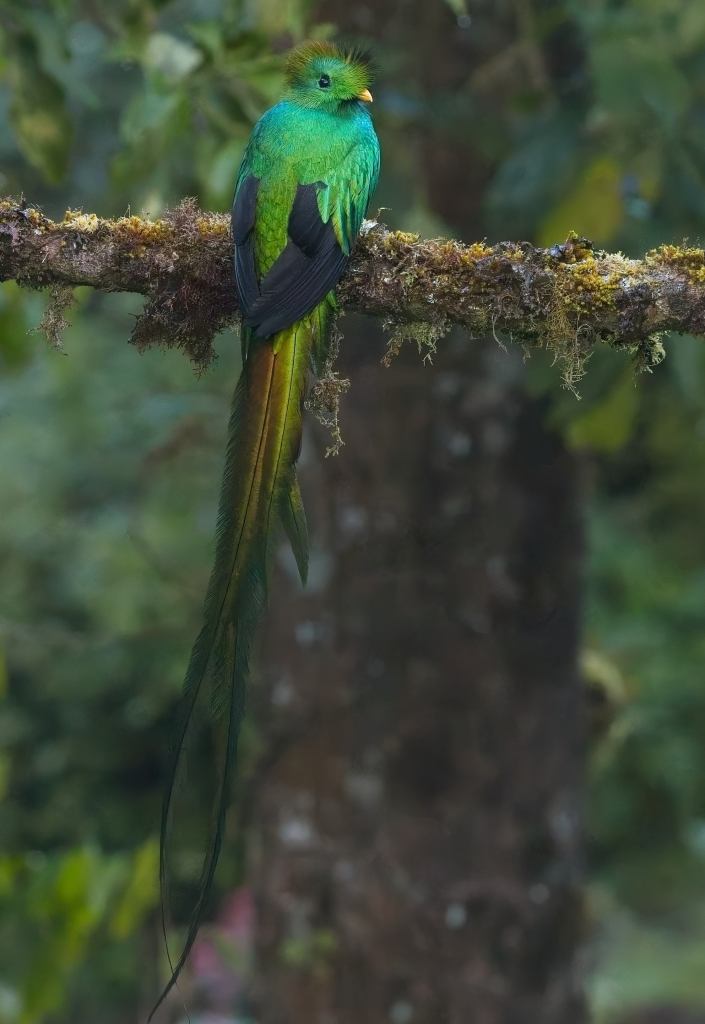
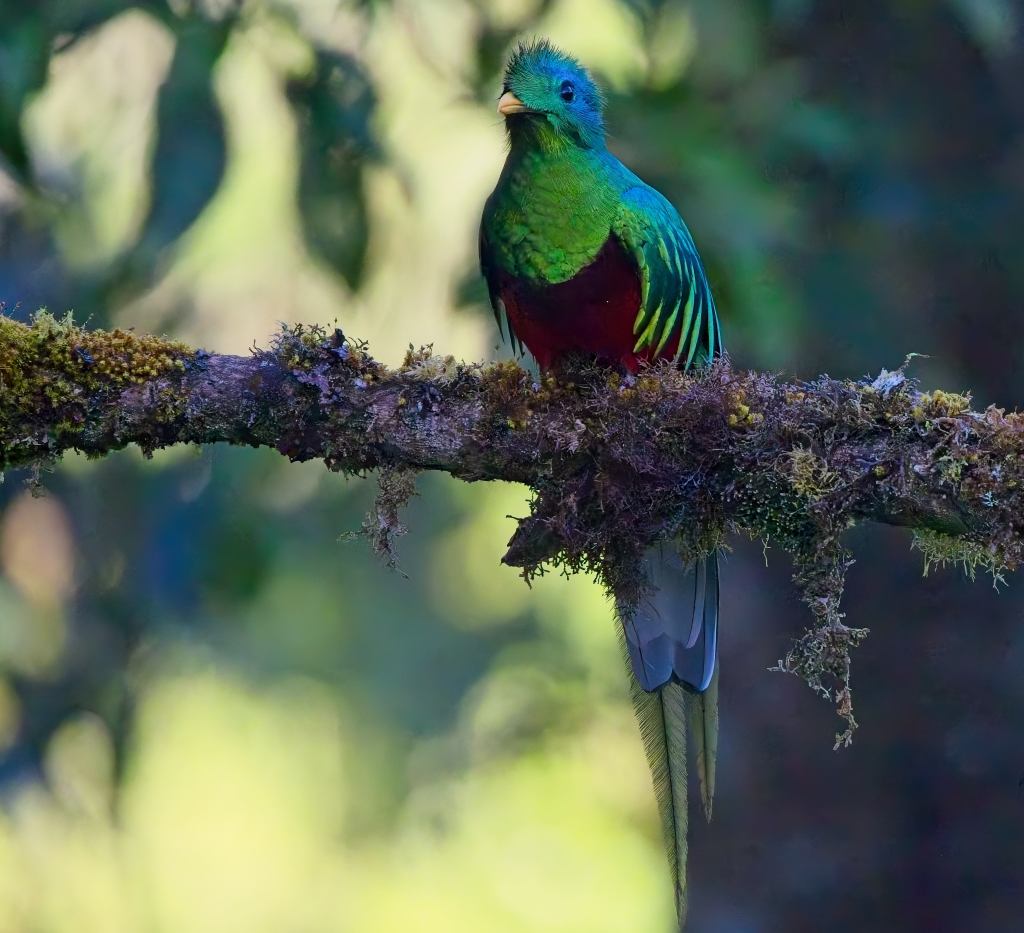
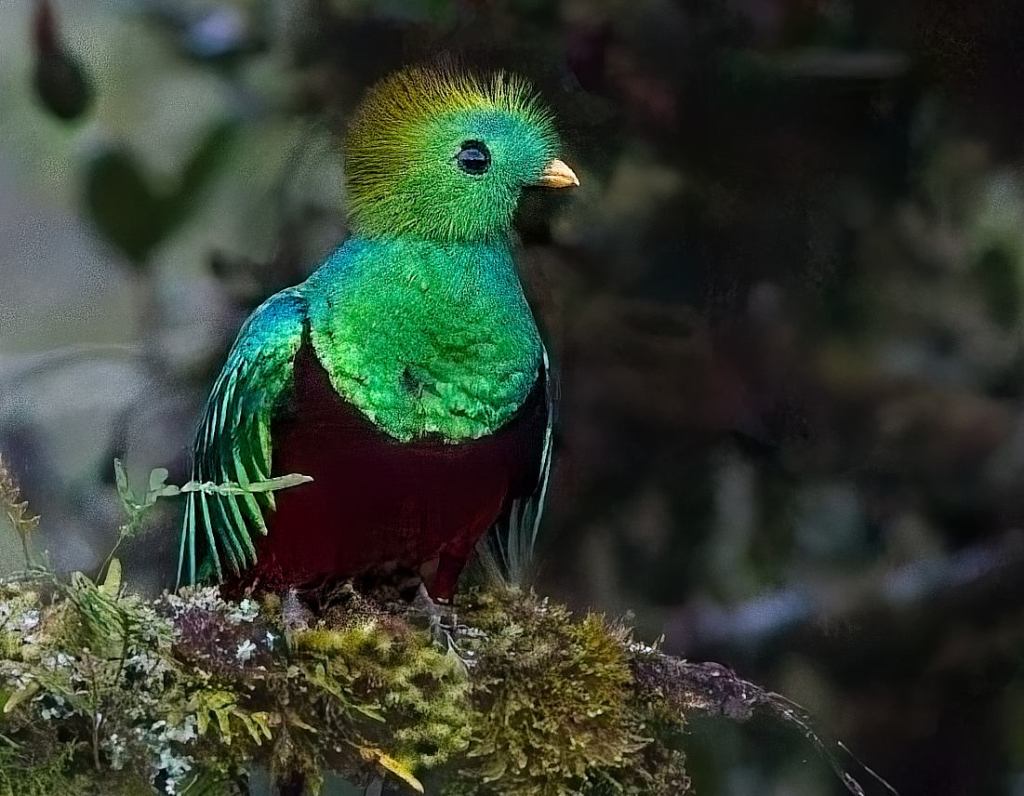
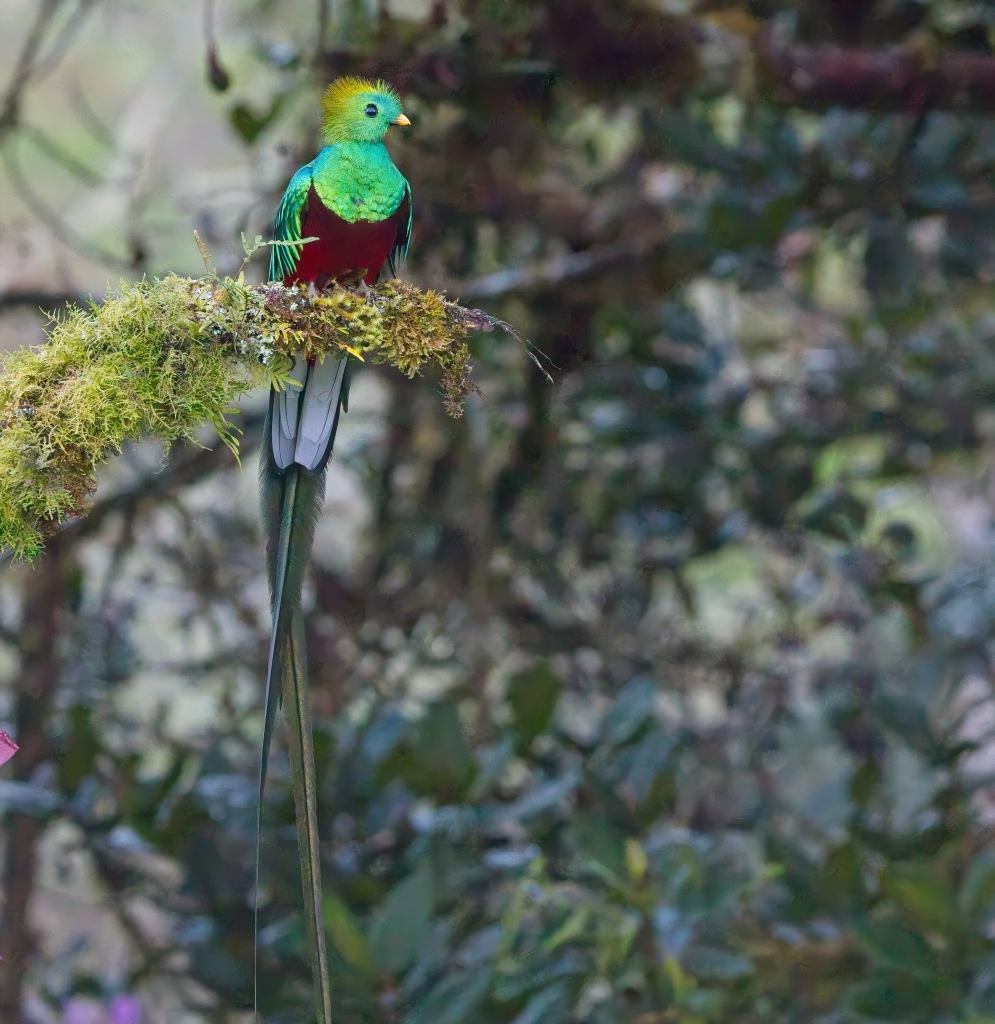
With the exception of missing some very cool hummingbirds and as said earlier, maybe hoping for more species seen, the quality of birding and especially bird photography on the trip was sensational. This is Greg Homel’s forte and was part of the planning in setting the itinerary from the start. I continue to learn a lot from Greg on camera settings and details that go into higher quality bird photography. He was great with beginner Cindy as well. His choice of locations, boat trips, hiring local guides and accessing private blinds were all critical parts of the tour with wonderful results. Of course Costa Rica cooperated by showing us some truly spectacular birds: hummingbirds, tanagers, parrots and their relatives, quetzals and trogons, waders and numerous other tropical specialties. The photos from the trip have been the heart and soul of these blog posts, so readers can come to their own conclusions about quality. More related to subject matter and opportunities than to my skill in taking advantage of those opportunities, we were fortunate to get many of the photos we did.
Non-Birding Photos:
I may later go back and insert photos of people and places – mostly from Cindy’s phone – and probably should include some mammal and reptile photos taken but not used so far. But this was not a trip with many of those opportunities. We saw a couple of species of monkeys, some iguanas, crocodiles and caimans, some squirrels, a few agoutis and lots of coatimundis but no snakes, no frogs and very few butterflies or insects of note – somewhat surprisingly. There were mosquitos and some flies and I got a number of bites on my hands but no chiggers or ticks or anything serious. Tropical forests were beautiful but there was little that grabbed us from a scenery perspective – honestly not unlike much of the tropics. It was the birds that drew our attention and also delivered.
Bottom line a great trip with a great guide and great birds. It was nice to be back!












 blairbirding