
After a good early breakfast at Mountain House, we were again on the rocky road leading down the Santa Martas with a productive stop at Bellavista – Vereda which is an Ebird hotspot but confusingly translates to good view – sidewalk. My recollection, probably inaccurate, is that we birded along various trails. In any event in a bit less than 90 minutes we had 25 species, dismal photo ops but 5 lifers: Band-tailed Guan, Lesser Swallow-tailed Swift, Sooty-capped Hermit, Rufous-breasted Wren and Black-hooded Thrush with photos of none. I managed photos of only two species, Golden-faced Tyrannulet seen and photographed previously in Ecuador and Golden-crowned Warbler, seen previously in Belize and Brazil and later as a mega rarity in South Texas where I got a photo. It was a tough morning although we did add 11 species to our trip list.
Continuing our way out of the Santa Martas, our next stop was in Minca, where during a brief stop we had 12 species, 5 new for the trip of which 3 were lifers, and continuing the bad photo morning, with only 2 more photos – a lifer Bran-colored Flycatcher, missing photos of a Black-fronted Wood-Quail and a Gray-throated Leaftosser. I would get a photo of the Wood-Quail later, but none of the Leaftosser.
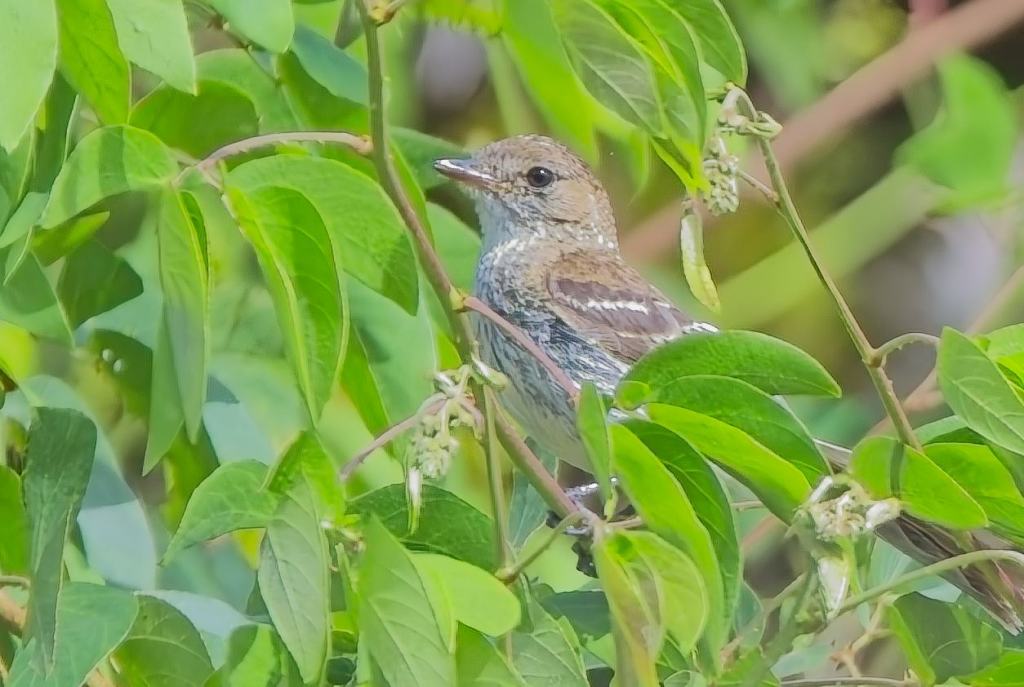
Two more stops in the Santa Martas (I think still there) that morning produced 13 more species: 6 new for Colombia, 1 lifer and 2 life photos. Unfortunately I somehow missed a photo of the lifer Rosy Thrush-tanager.


It was good to be back on a paved road again and now we would be on the coast and continuing mostly east. This is where I wish I had taken notes along the way. As usual, I was focused on birds and being in good hands with Breiner and unfamiliar with the country, often, I was just “along for the ride” waiting for the next birding stop. I cannot recall exactly where it was, but in one of the small towns along the coast we added another member to the group, Jhonys Alarza Berrios, a local birder who would accompany us for several days including to the Perija area. This was one of those two or three steps forward and one step back kinds of things. The step back was as I think I mentioned in my first blog post, Johnis had some English but spent most of his time speaking Spanish with Breiner and Jeferson and this contributed to my feeling of isolation at times. On the other hand, he was a very cool guy, an excellent birder with great eyes and often found some of our birds and also often was helpful getting me on them, so all in all a major plus.
Although we had seen a lot of birds in the morning and I had added the 9 lifers, I was a bit down from not getting photos of many of the birds. Not the first time this has happened in forest habitats, but the percentage of photos was low even for me. The Rosy Thrush-Tanager turned out to be lifer 3800 for me and it would have been nice to at least get that photo. So again, a little down. But birding for the rest of the day would end that feeling as we had an excellent afternoon with another 69 species including only 5 lifers and 5 life photos, but lots of other photos and what would be my favorite bird of the whole trip. We started with 40 species in a little over an hour at Villa Maria Tayrona, added a few more on Costeno Beach Road and then had a wonderful boat ride (unmotorized) at the Sanctuary of Fauna and Flora Los Flamencos in Riohacha with 30 species.
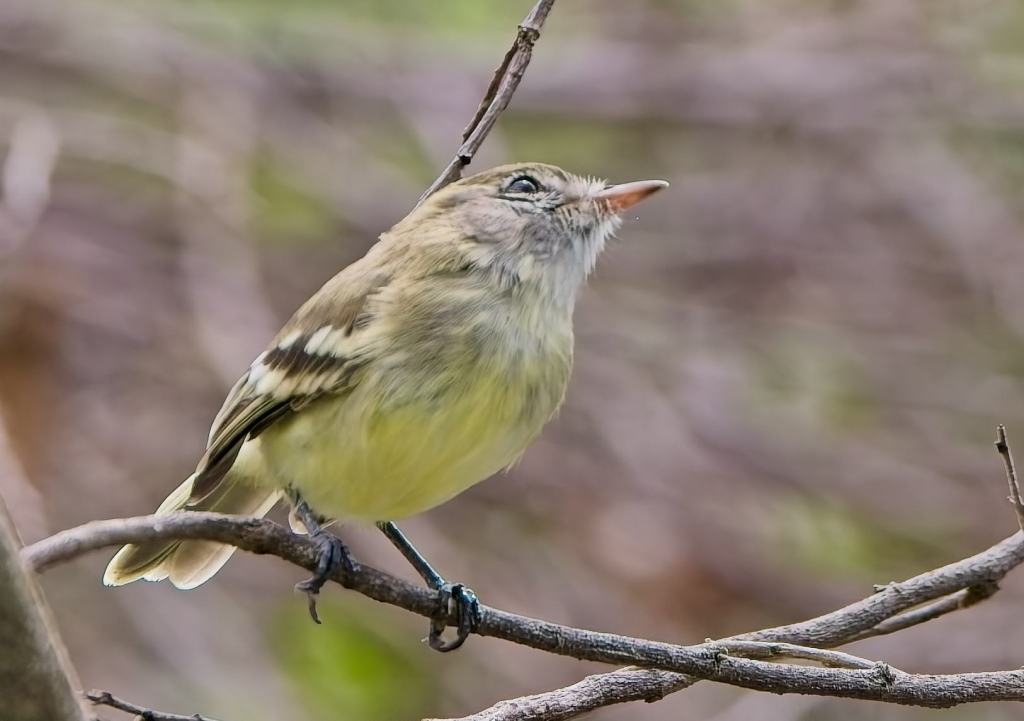


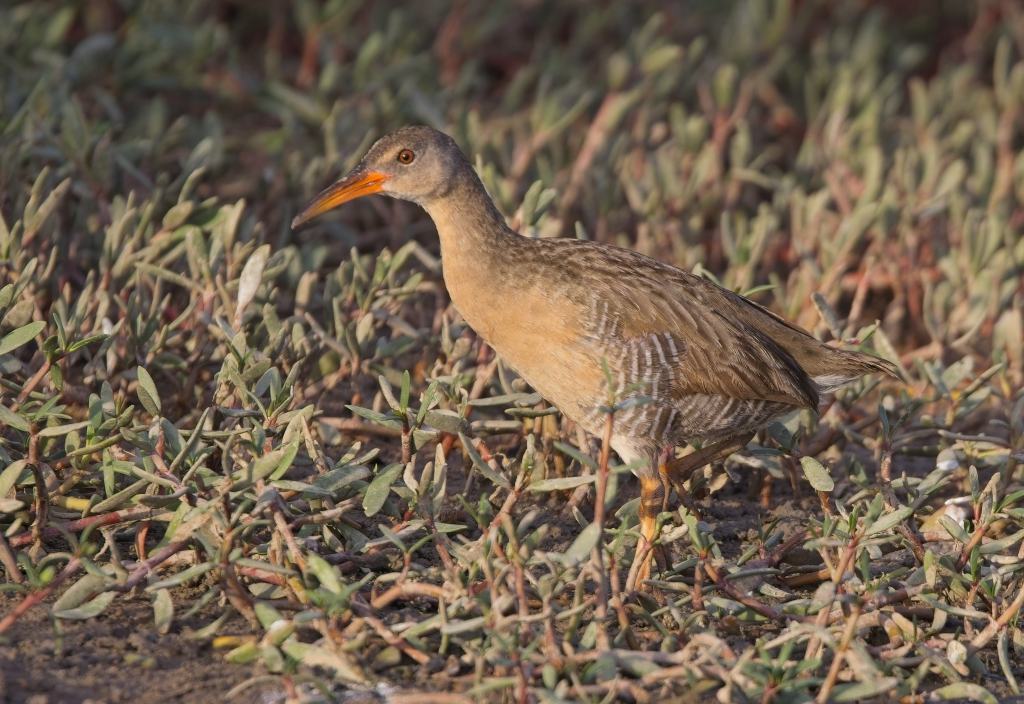
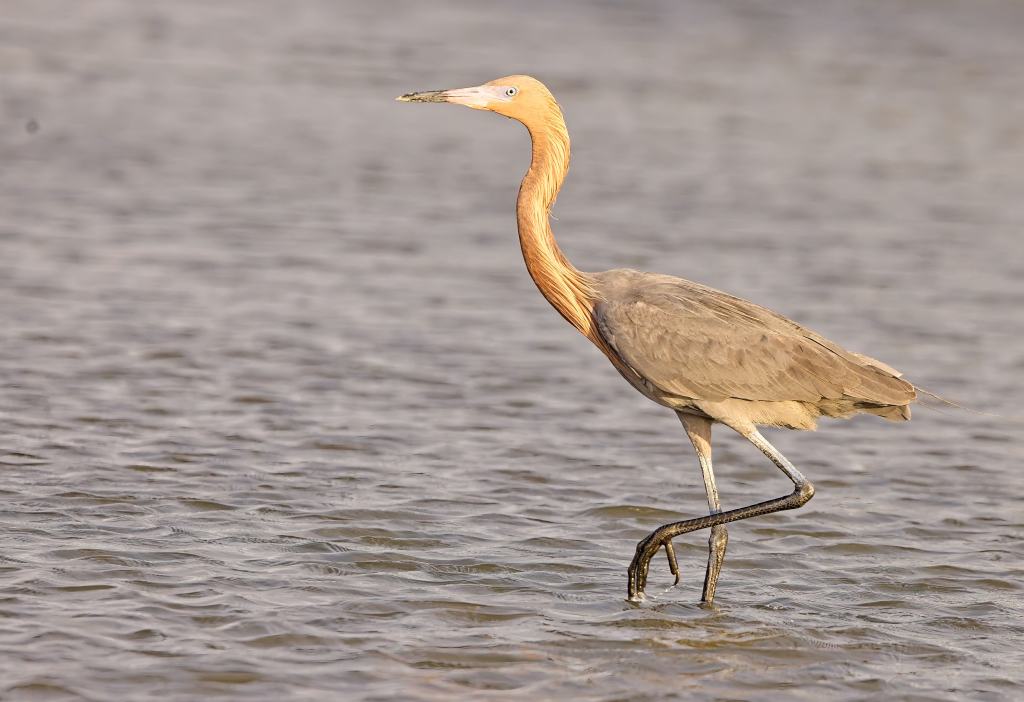
Birding by boat is an exceptional way to get close to species that are usually seen at distance and thus is a great way to get photographs. Especially with a boat without a motor the birds are less likely to flush and remain in their feeding or roosting spots, relatively still – another benefit for photography. At the Sanctuary we had 30 species. I have photos of 12 and simply passed on photos of at least 8 more since I already had many photos of them – for example the omnipresent Black Vultures and Tropical Kingbirds. One of the first photos was of a lifer Mangrove Rail, hunting in the open, giving us great views. Although also seen many times earlier, it was impossible not to grab photos of Black Necked Stilt, Snowy Egret, Reddish Egret and especially Black Skimmers as they skimmed the water surface very close. I never got the perfect shot but it was fun trying. The photo of Great and Snowy Egrets together is a favorite showing the significant size difference and black vs. yellow bills.


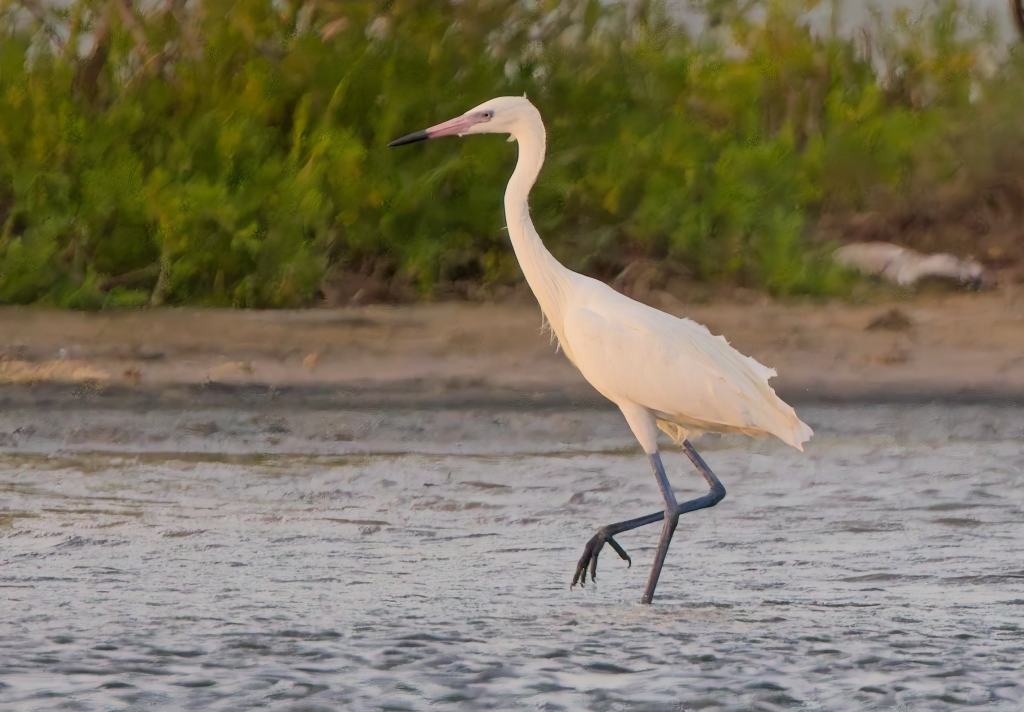

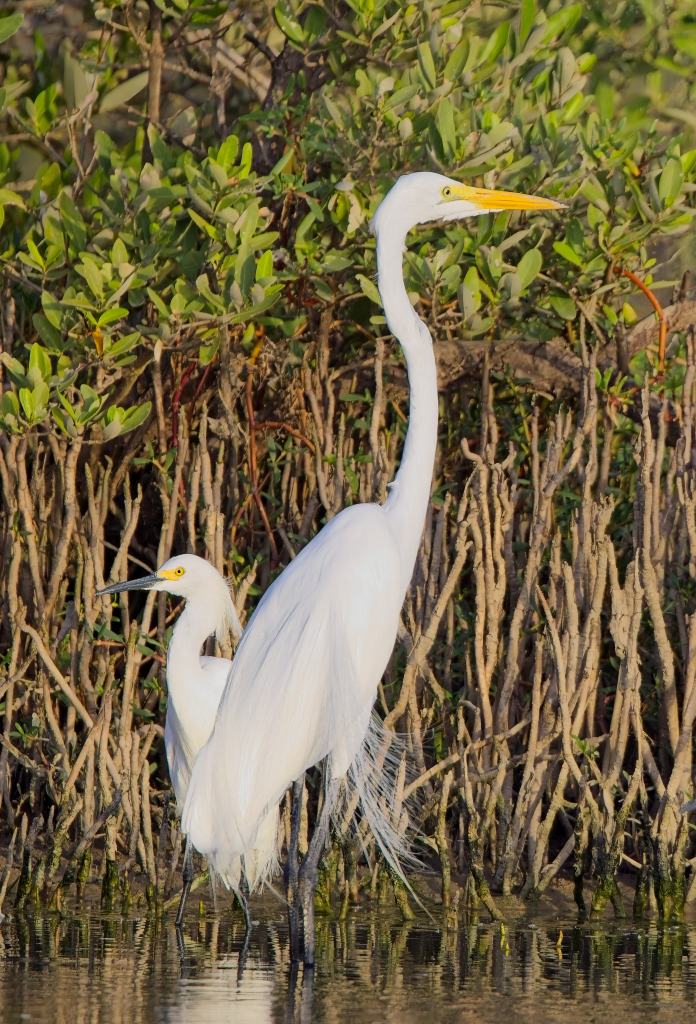
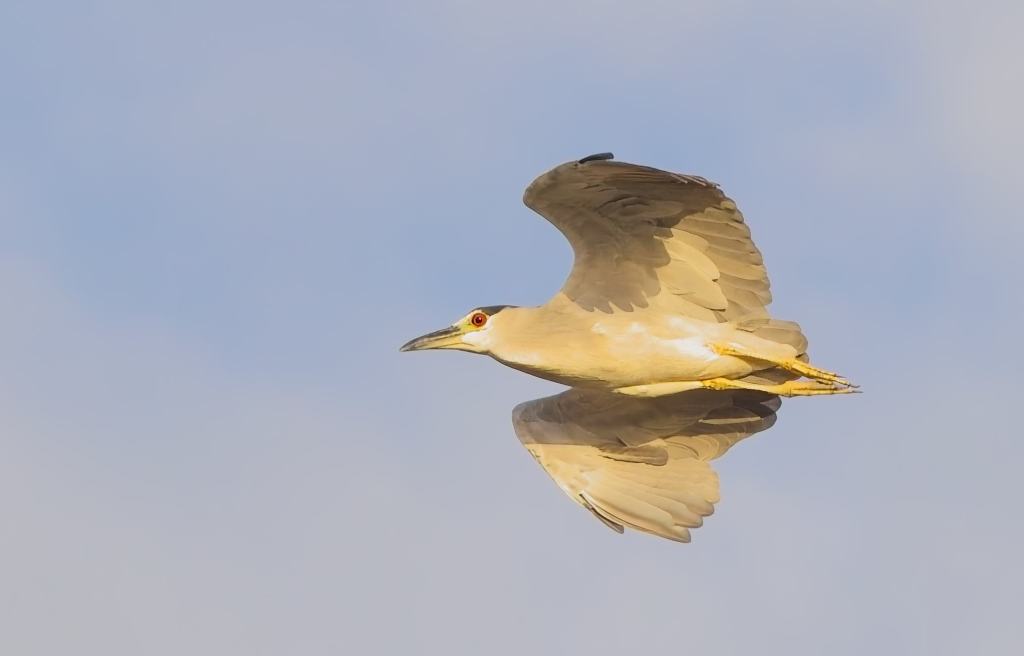
With the preceding photos, I had mostly forgotten about the photo failures of the morning, but the best was yet to come. I had not been aware of it as we started our trip, but this was the place where there was a chance to see a Scarlet Ibis. Our group had somehow failed to find this species on our trip to Trinidad in May 1978. It is the national bird of Trinidad and I believe they are resident at Caroni Swamp. I did not take photos back then and my record keeping left much to be desired. I know we stayed at the Asa Wright Nature Center which is an hour away from Caroni Swamp, but my bird list is only for a single day so maybe we just did not have time or perhaps a way to get there. It is a very striking bird and was at or near the top of my list for birds wanted on this tour. Maybe an hour into our boat trip, Breiner said we were nearing the area where Scarlet Ibis was possible. A good sign was seeing several White Ibis feeding in the shallow water.

As we rounded a bend and another shoreline came into view, we saw a wall of pink – getting closer to scarlet, but just a teaser – it was a flock of Roseate Spoonbills. A particularly attractive photo was of a White Cheeked Pintail next to a Roseate Spoonbill that seemed to be wearing headphones.
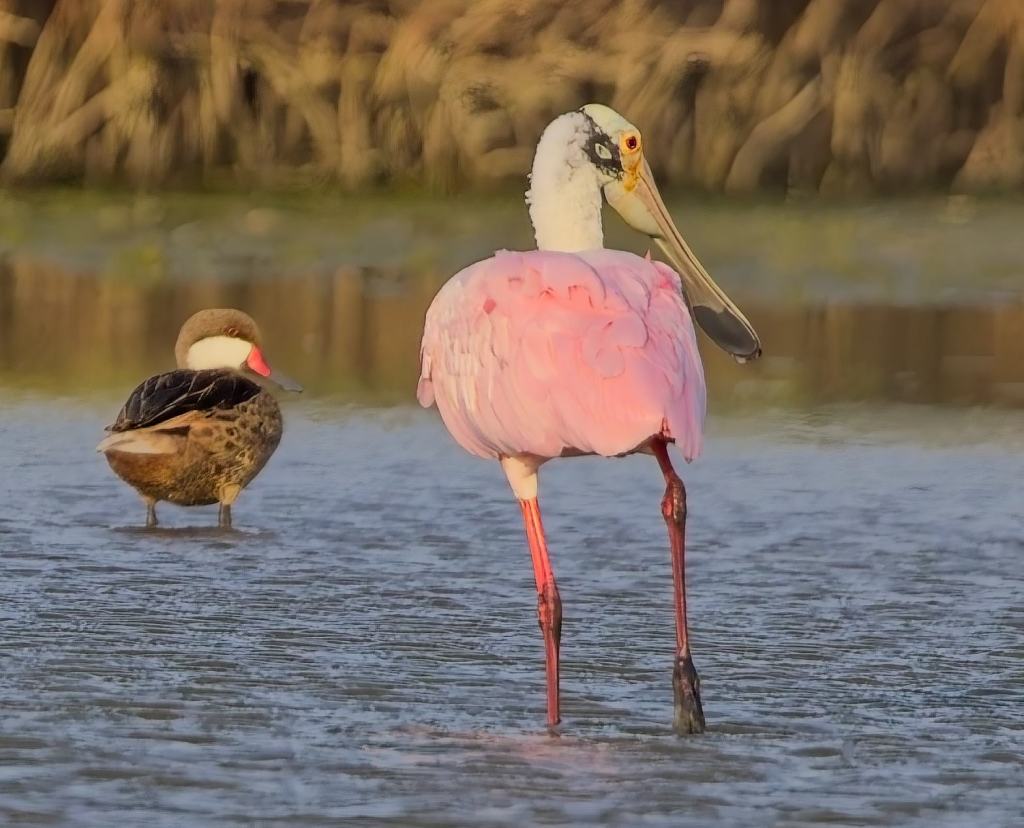
We rounded another corner and saw a large group of White Ibis and our heartbeats jumped when we saw a pinkish ibis in their midst. Was this it – maybe a juvenile since the coloring was nothing like expected. No – just another teaser as it was a very unusual hybrid, a cross between a White Ibis and a Scarlet Ibis – maybe a little smaller than the first and a little larger than the second. Was this all we would get? Then we saw a truly scarlet colored ibis fly out from the trees behind this group and circle to the back. We raced on – well as fast as our boatman could push us with his pole – hoping we would find it in the water.


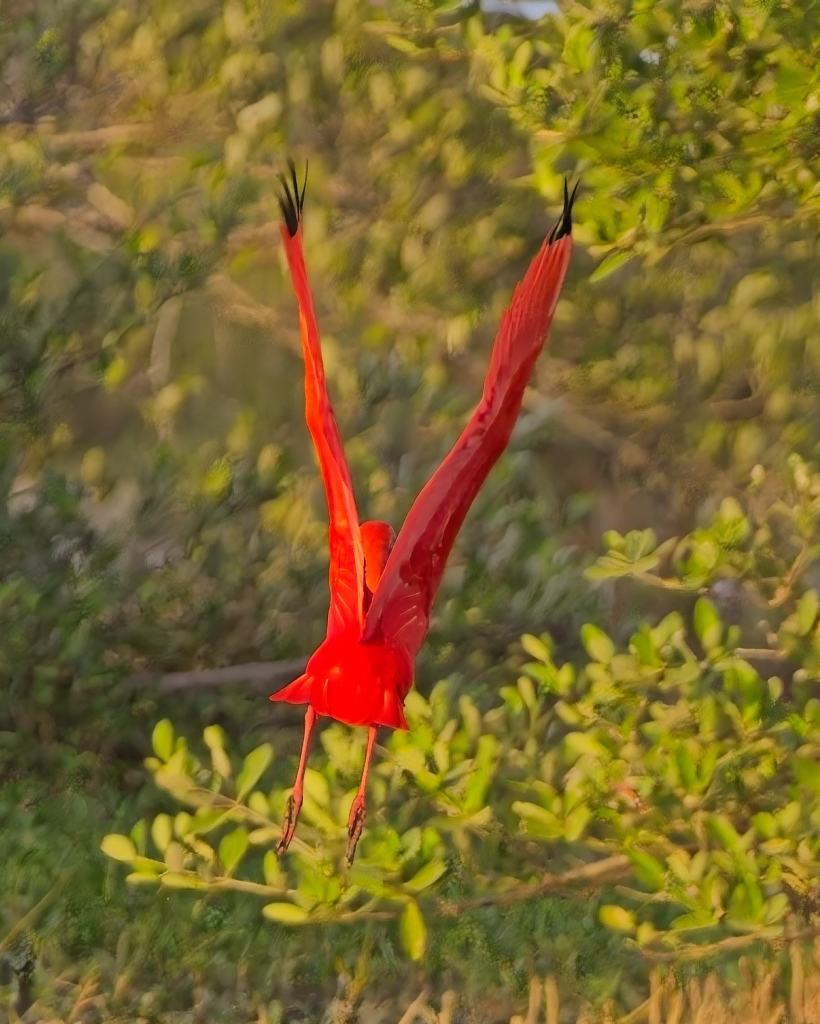
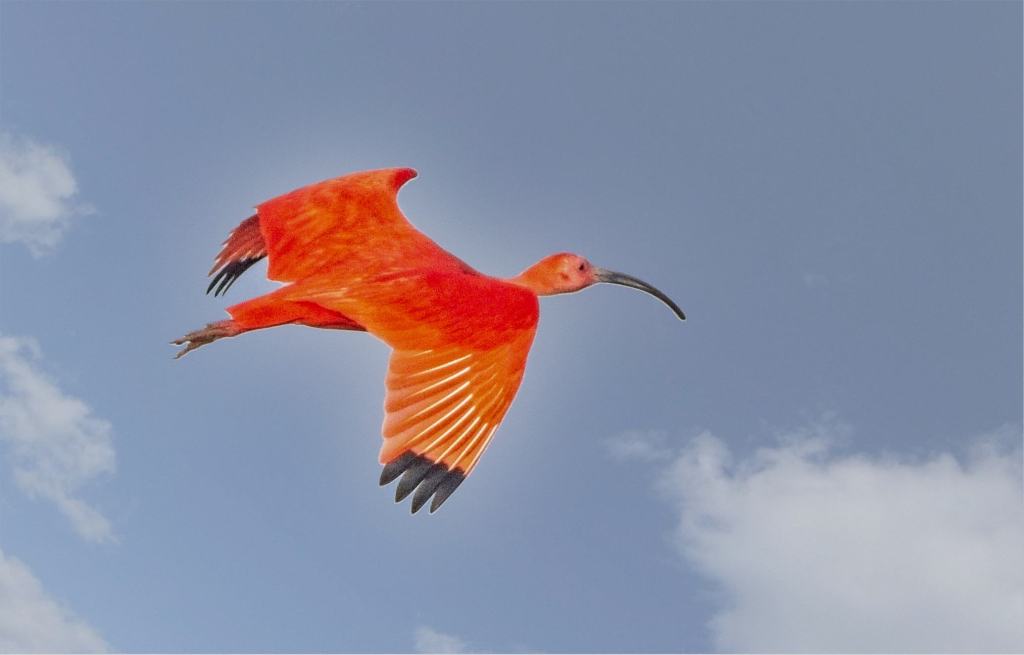
We got around to the back of the area and there it was on a mostly obscured perch – but with its back to us, pretty far away – and it stayed for just a second before taking off again. It turned out to be a very cooperative bird. It could have just flown away from us, but instead, and only for just enough time to get a single photo, it flew parallel before again turning away and then disappearing. But I got what is probably my favorite photo of the trip, certainly in the top 3 or 4.
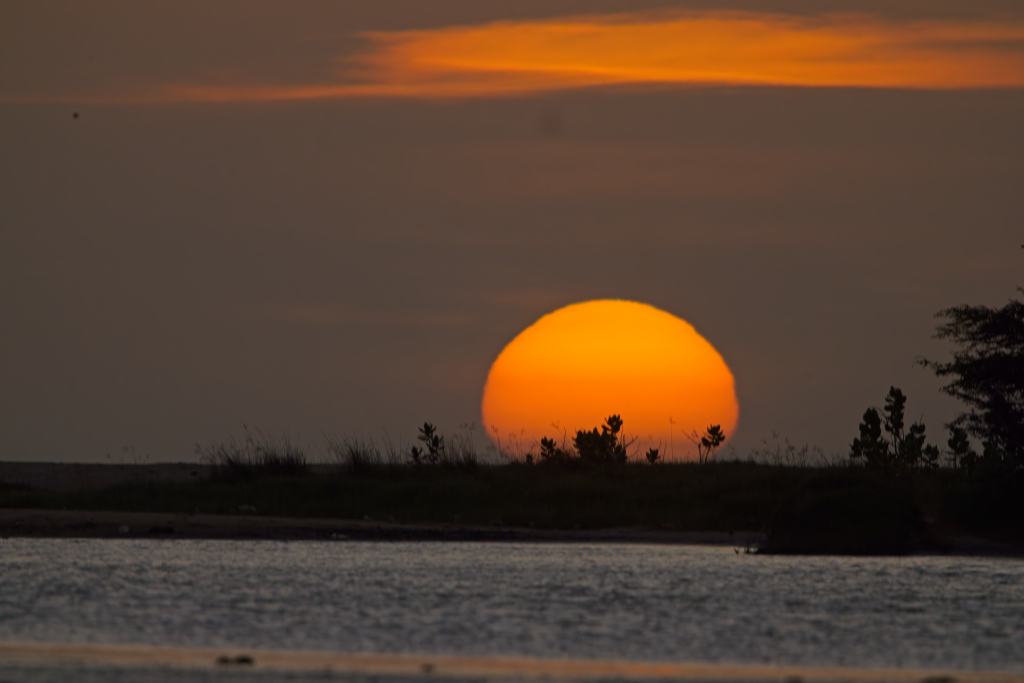
Our return used a crude sail and had a beautiful sunset. We would spend the night at our hotel in Riohacha and then meet Jhonys the next day for some early morning birding, breakfast at his mother’s home – a real treat – and then a visit to a unique feeder looking for a very unique bird. Day 6 totals: 108 species seen; 14 lifers and 8 life photos. My Colombia list was now at 269 species, and 47 years after it could have/should have happened, I had finally seen a Scarlet Ibis.

Day 7 – June 26
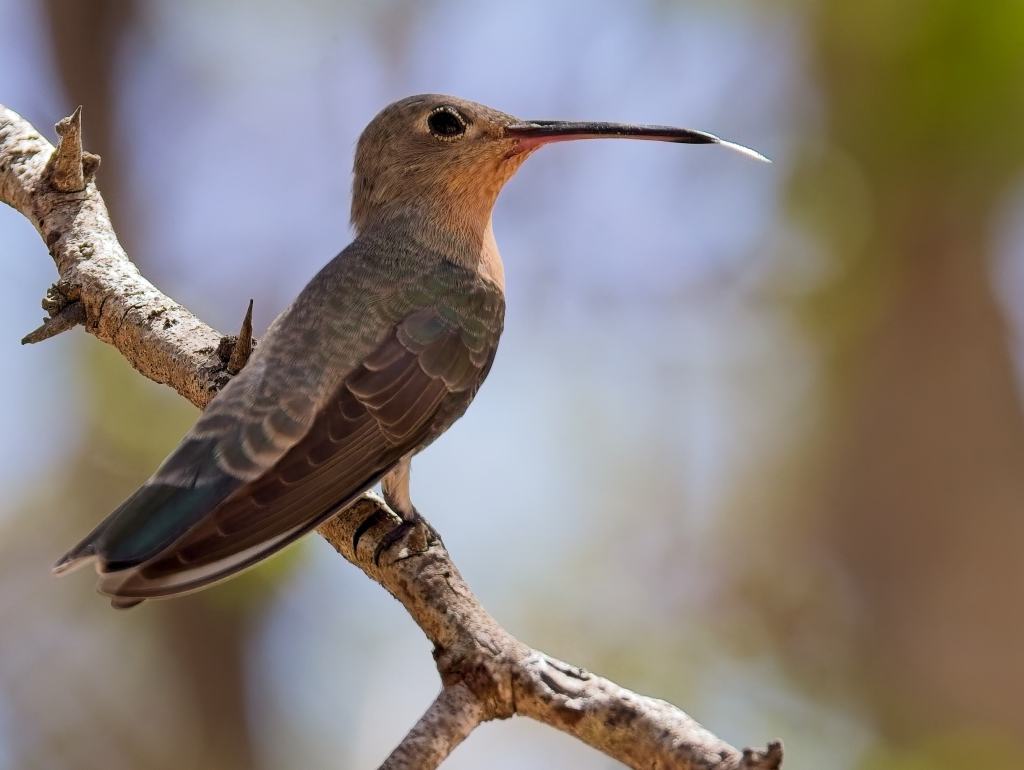
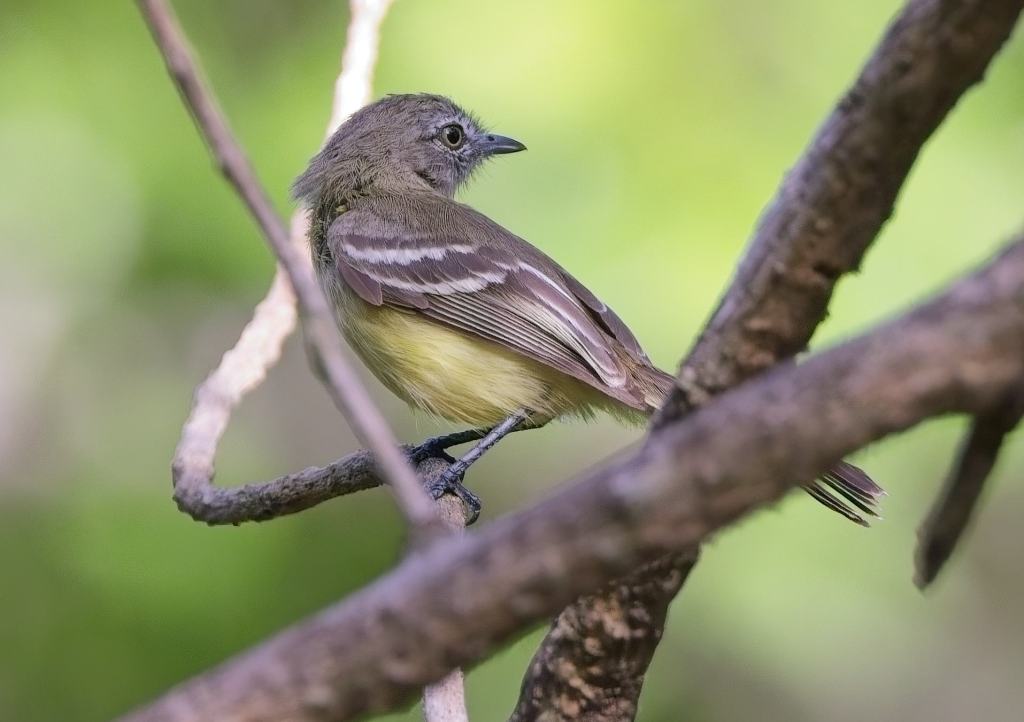
We picked up Jhonys at his home in Camarones and began birding at what is listed on our Ebird report as Via La Plazoleta which just means “Via the Square”. Without notes, I can only add that we made several stops in over two hours starting at 6:00 a.m. and we had mixed lowland forest habitat with a few ponds and lots of new birds including 10 lifers starting with a Crested Bobwhite that stayed on the road in front of us just long enough for one photo. Johnys also had a camera- a nice Sony that he had won in a community auction. He was very helpful in lining me up on birds. The Bobwhite was the largest of the lifers, as the others were mostly small forest birds, primarily flycatchers, not always great photo ops.
Here are the lifers. The ones in italics were also photo lifers: Crested Bobwhite, White-whiskered Spinetail, Buffy Hummingbird, Pale-tipped Tyrannulet, Pearly-Vented Tody-Tyrant (love that name), Fulvous-Crowned Scrub-Tyrant, Scrub Greenlet, Tocoyu Sparrow, Lesson’s Seedeater and Pileated Finch. I also got life photos of Chestnut Piculet and Tropical Gnatcatcher.

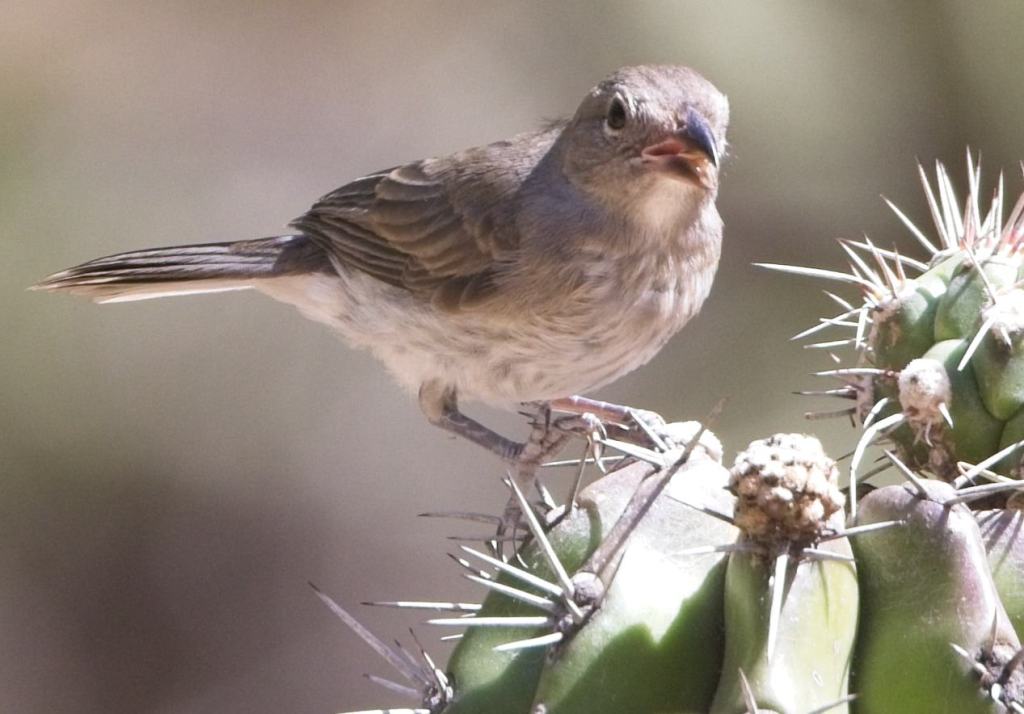

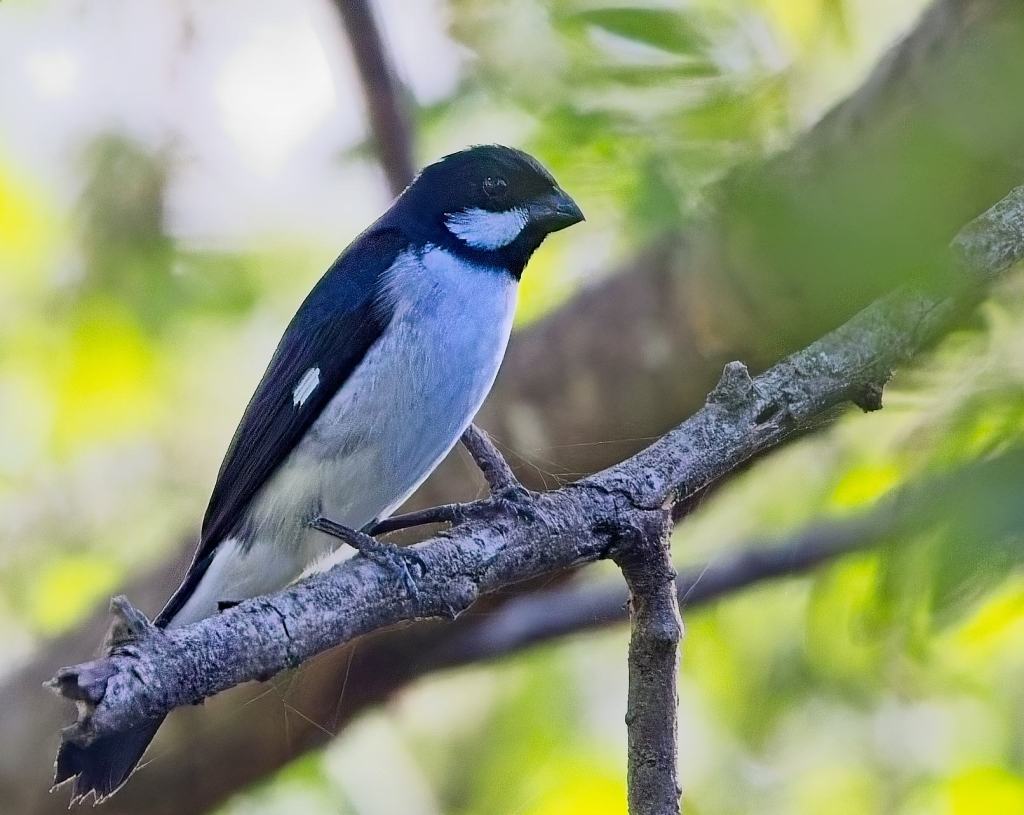

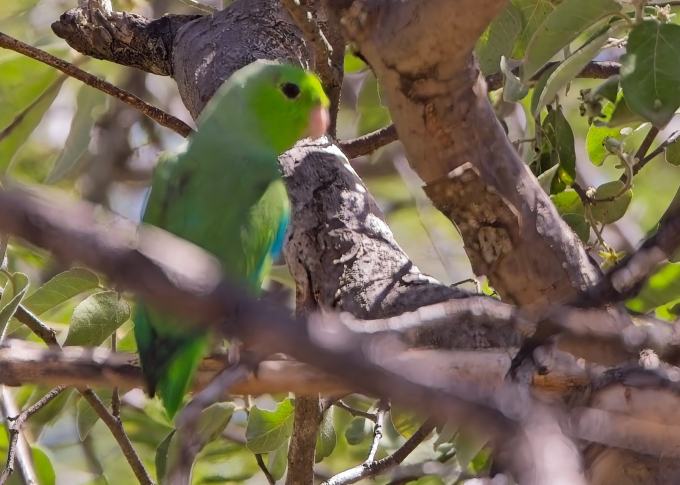
After the great morning there was a surprise as breakfast was at the home of Jhonys’ mother in the town of Camarones. A simple but excellent breakfast with eggs scrambled just the way I like them, excellent coffee as was the case everywhere in Colombia, and a couple of other things that I cannot name. This real life peek into local lives was greatly appreciated as from the street, I would not have known of the courtyard in the back where the family spends much of the time, well cared for and well used. There was also a bonus as a lifer Brown-throated Parakeet landed on a shrub on the adjoining yard with its head poking up above the wall allowing for a picture.

After breakfast we headed to the Pushaina Cardinal feeders. As nondescript a spot as one could imagine – a mostly open area with some shrubs and most importantly the strangest feeders I had ever seen – a few cacti with cut tops creating wells into which seed was placed and the seeds attracted the star of the show and perhaps the species second on my must see list – the Vermilion Cardinal. Only one came to the “feeder” but what a prize – beautiful male with its long crest and its brilliant vermilion body in bright sunshine. It stayed several minutes, long enough for good photos and then was followed by another lifer on the cactus feeder, an Orinocan Saltator and then a Black-faced Grassquit giving me the chance for a life photo of a species I had seen once before – in Jamaica in 1980 in the days of no camera.


Not on the feeder was a Green-rumped Parrotlet, another species seen many years ago, in Trinidad in 1978, again before I had a camera, so a very welcomed life photo. [As written in the blog post that provided background and an introduction to this trip, I did not start taking photos until 2005, and even then neither well nor religiously, so I missed photos of lots of species (potentially 300 – 400) – especially in Australia, China, Costa Rica, Hungary and both Trinidad and Jamaica. So getting photos of these two species missed in Jamaica and Trinidad was a real treat.]
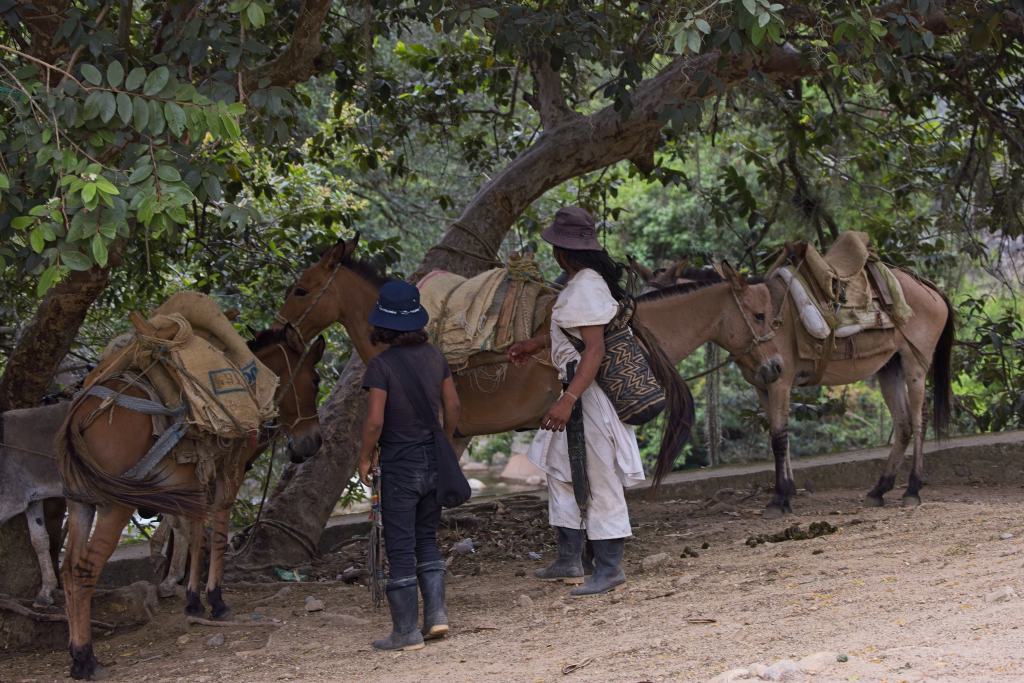
We then had a long drive on our way to the Perija mountains. We would be spending the night in Valledupar at the Sonesta Hotel (nice), but first there would be some birding at a small village in the foothills, Chemesquena. These were interesting stops for two reasons. One of course was the birds and the other was that while Breiner and Jhonys chased after an unlikely but possible new bird for them, I was pretty tired and opted to sit it out along a stream in the town. The town was unique among the ones we had seen in that there were many indigenous people (I believe of the Wayuu group) there and I watched a lifestyle that dated back many years, distinctly different in many ways from that observed elsewhere as some of the men wore unique clothes, all carried locally made bags, with burros, horses and mules playing a large part in their life transporting agricultural goods, firewood etc.
Three birds were of note: a lifer Rufous-vented Chachalaca (heard only), a Chivi Vireo – notable because it was our first for the trip and I identified it myself while Breiner was off by call, which is very similar to our Red-Eyed Vireo in the U.S., as I waited by myself for Breiner and Jhonys to return, and especially a Red-legged Honeycreeper, again found on my own and which allowed me to get a life photo of a species I had seen (and not photographed) in Trinidad, Costa, Rica, Mexico and Belize.


In addition to Breiner and Jhonys failing to find their target (so my decision not to go was supported by that result), there was one other negative from the stop. Earlier in the trip I had some bad insect bites, probably chiggers, that had bothered me for days. While I was sitting on the bridge observing the town life, I got bit by something else on my hand. It swelled up immediately – not horrendously, but definitely noticeably and the swelling continued for several days, maybe getting a little worse that night. I monitored it closely and was sure that I had no other effects, but it was a concern as I envisioned an emergency visit to a local medical something or other with my life at risk. Fortunately no such problems and the swelling was 99% gone by the time I was home.
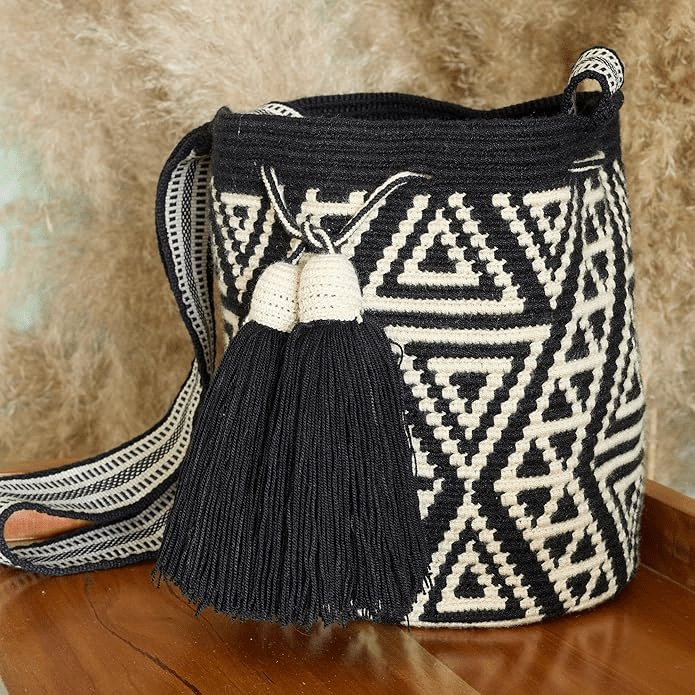
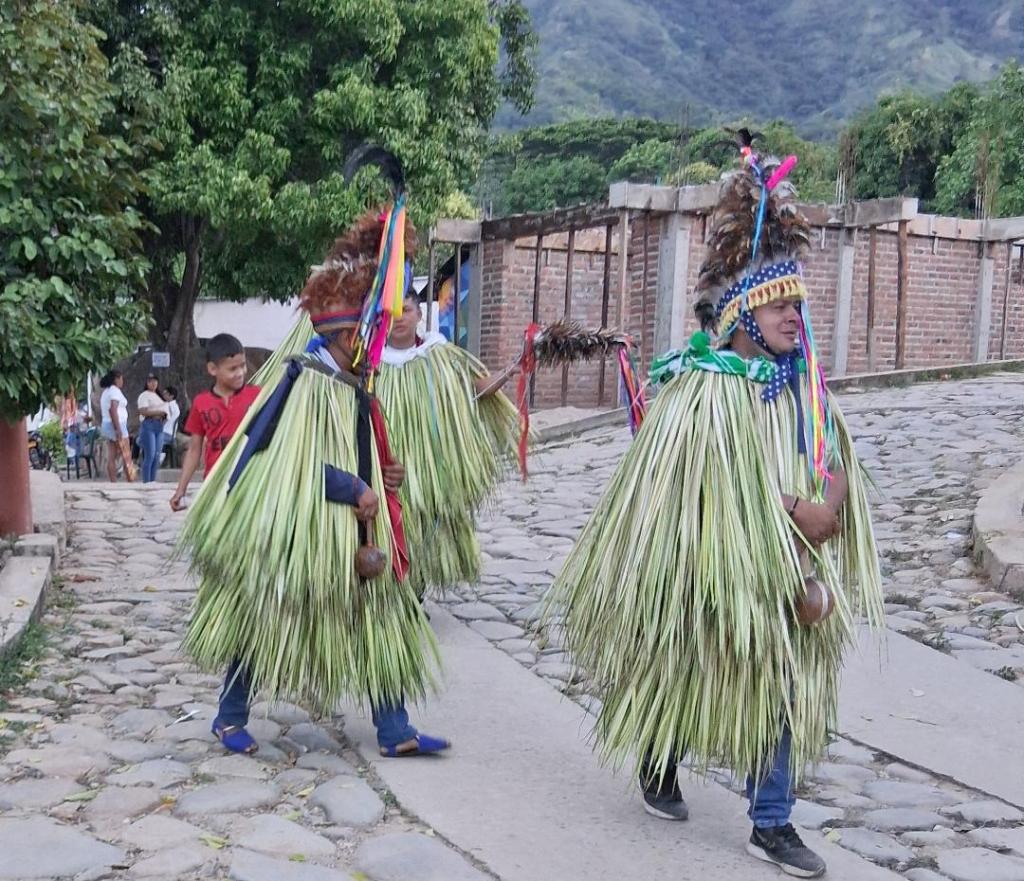
I am attaching a couple of photos from my observations in the town. Note the bags draped over each of their shoulders. I was immediately attracted to them as works of handcrafted art in addition to their obvious functional use. I wished that I could have acquired one as a memory of the trip and as a gift for Cindy. It did not feel right to ask if it was possible to purchase one, but research back home found a You-Tube Video of someone doing so in one village. I saw some similar bags for sale at the Barranquilla Airport when I was departing, but they looked too gaudy/touristy. When I got home I showed these photos to Cindy and she also liked the bags. Continued research found that authentic ones were available as Wayuu/Mochila cross shoulder bags – on both Etsy and of course also on Amazon and that they are very fashion forward items here. I was able to get one for her and it has drawn many positive comments. On the way out of the town we saw some kind of festival and two men in obvious festival attire.

It had been another excellent day and as mentioned the Sonesta Hotel in Valledupar was excellent. Day 7 totals were 55 species seen with 14 lifers and 15 life photos. My Colombia list was 289 species. Tomorrow we would be visiting the Perija mountains, adjoining Venezuela.
Day 8 – June 27th
After an early breakfast at the hotel, actually my favorite breakfast with just granola, good croissants, fruit and coffee, we were checked out and on the road by 6:20 a.m. As we were driving towards Perija, Breiner spotted two Buff-Necked Ibis in a field. Jeferson expertly backed up along the side of the road and I was able to get a life photo of this bird, a species I had seen but not photographed in Brazil 20 years earlier. There are 16 ibis species on my World List of which I have seen 9 in South America and now have photos of all except the Puna Ibis seen in Peru in 2013. I am also missing photos of Southern Bald Ibis (South Africa) and Straw-necked Ibis from Australia. With luck future travels could produce all those photos.

There would be more lifers as we started in the Perija mountains and got one of the Perija endemics, a Perija Brushfinch. This was fairly quickly followed by lifers Gray-throated Warbler and then a Golden-breasted Fruiteater and life photos of Beryl-spangled Tanager, Black-and-Chestnut Eagle (endangered) and Yellow-breasted Brushfinch. Breiner always compiled the Ebird lists and was always thorough in indicating if the individual we saw was of a particular race or subspecies especially if there might be the chance for a species split later. In endemic rich areas like Santa Marta previously or now Perija, this might prove to be important later. For example he was sure to identify our Gray-breasted Wood-Wren as “Perija” perhaps distinguishing it from the “Choco” or “Andean” ones I had seen in Ecuador or the “bangsi” that we had seen earlier on the trip. Olive Striped Flycatcher was on my world list from 3 observations in Peru and two more in Ecuador. We had it again and like all of those other occasions – no photo.
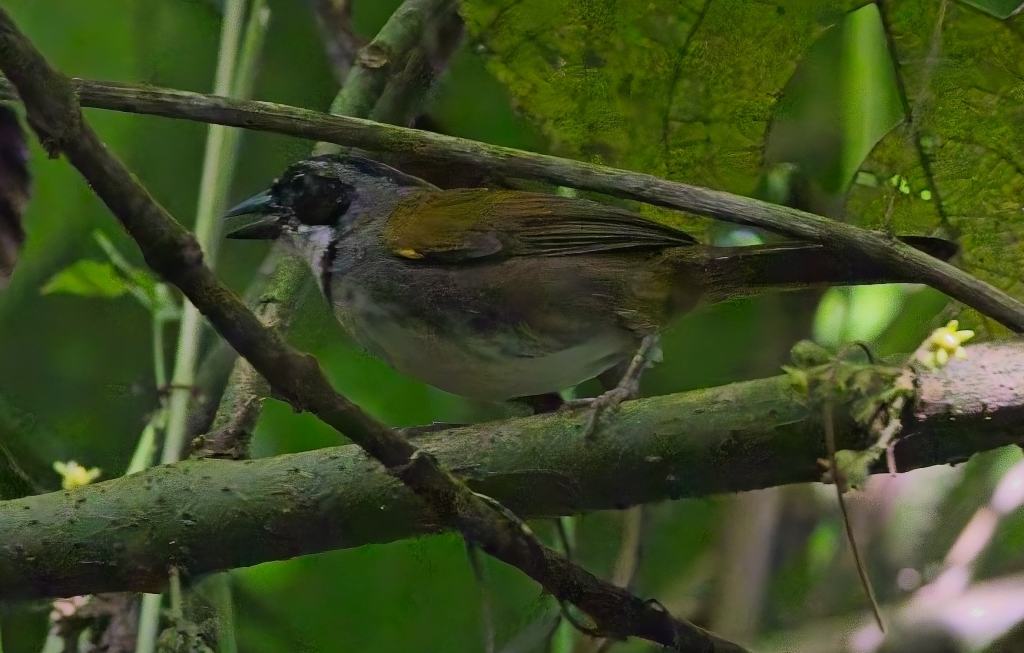
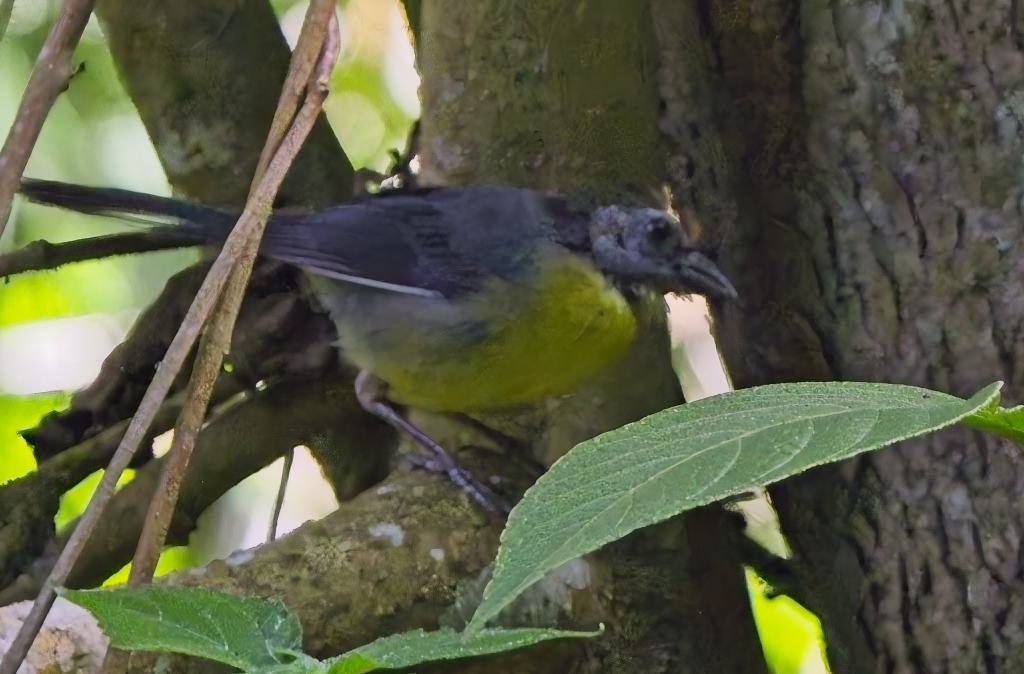


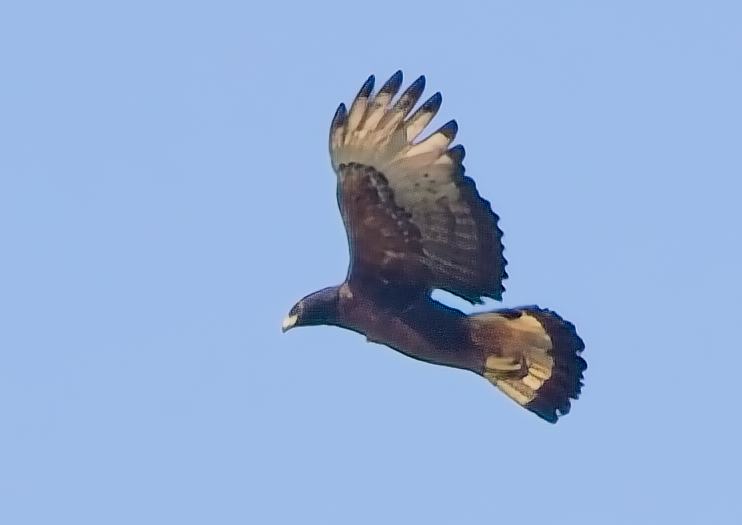

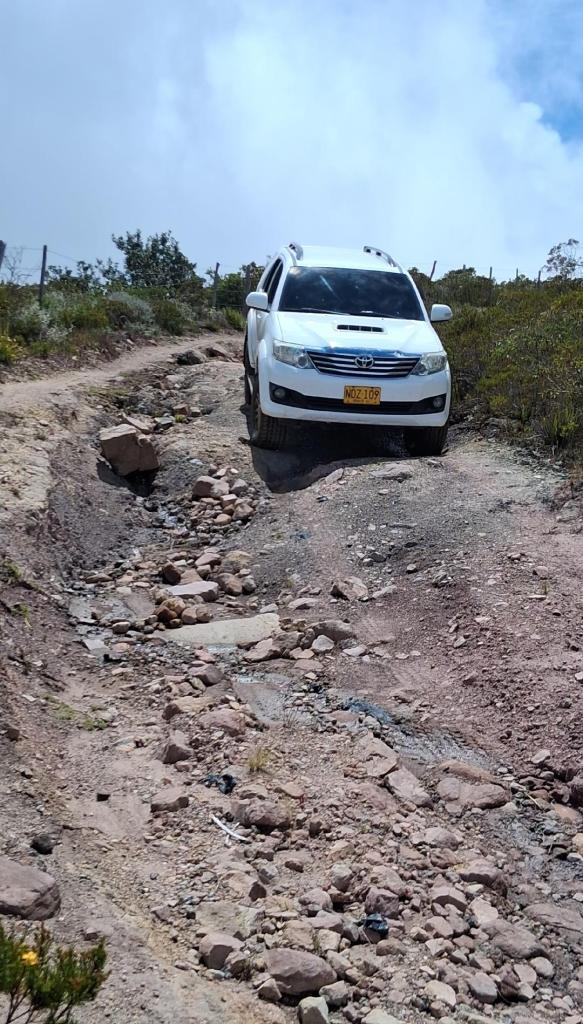
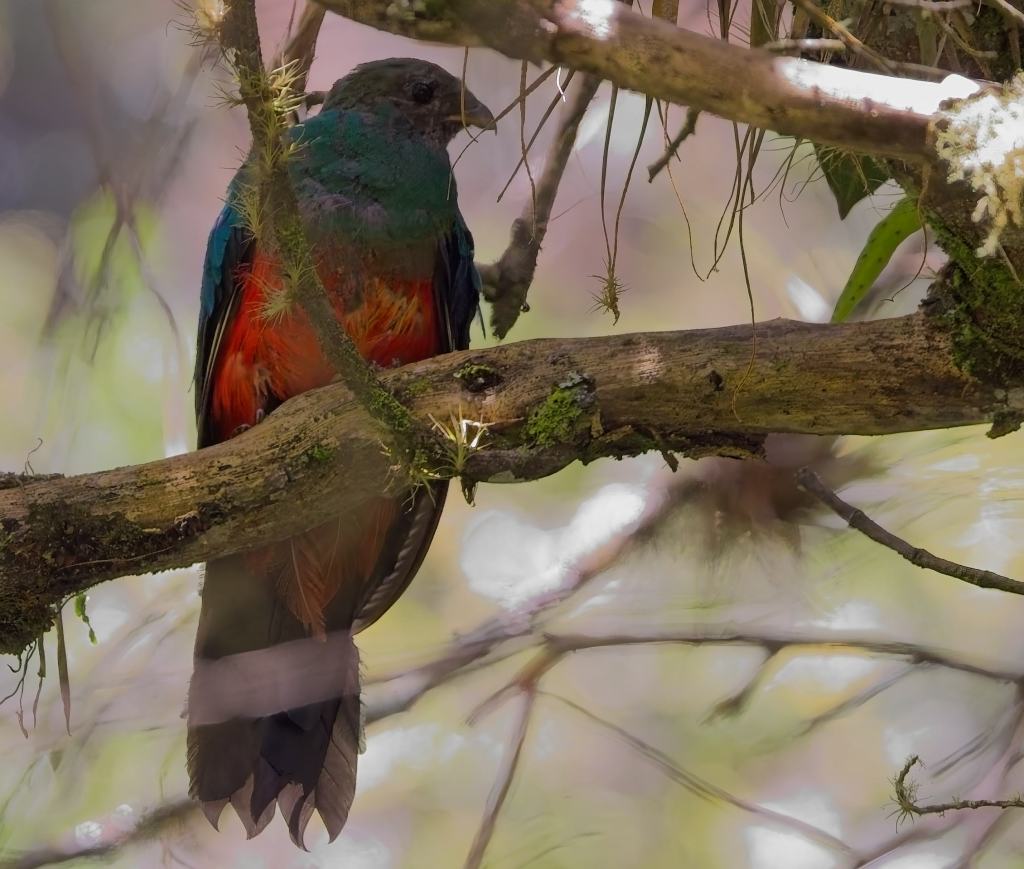
We were now in the heart of the Perija Mountains on a road that may have surpassed the road in the Santa Martas as challenging and rough but again handled excellently by Jeferson. Not a lifer or life photo, but I have to include the photo of a Golden Headed Quetzal, first seen and photographed in Ecuador in 2022. We made it to our quarters at the fairly primitive Perija Bird Reserve research station at lunchtime and quickly added a world lifer Longuemare’s Sunangel (photographed) and 3 more life photos: Bluish Flowerpiercer, Blue-capped Tanager, and Mountain Velvetbreast.
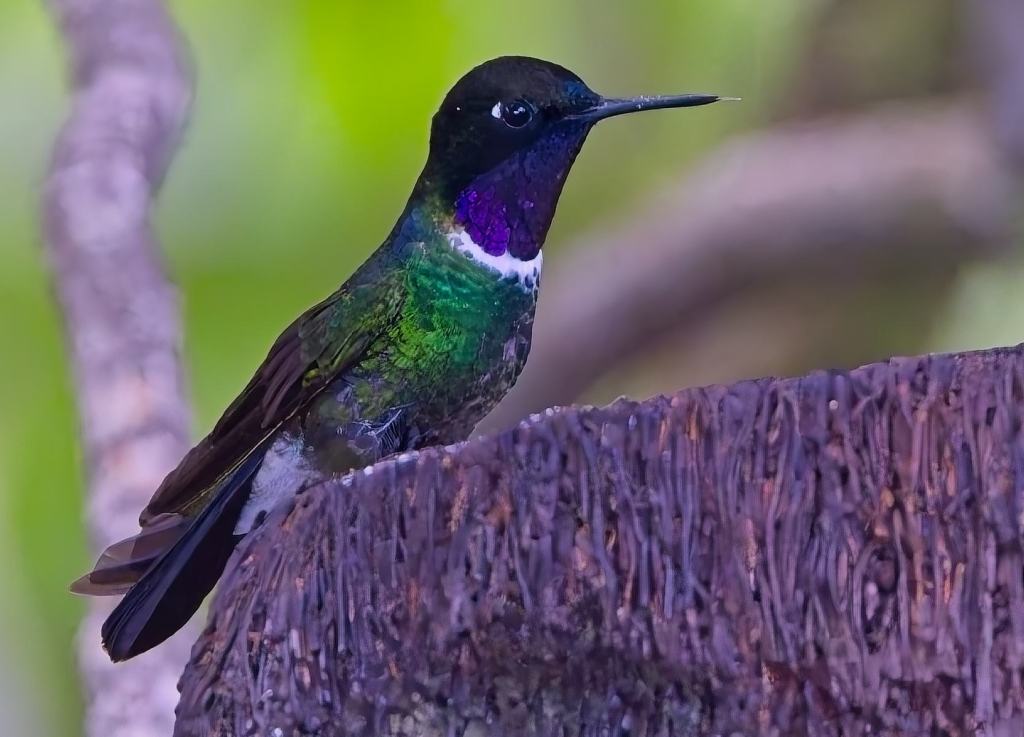

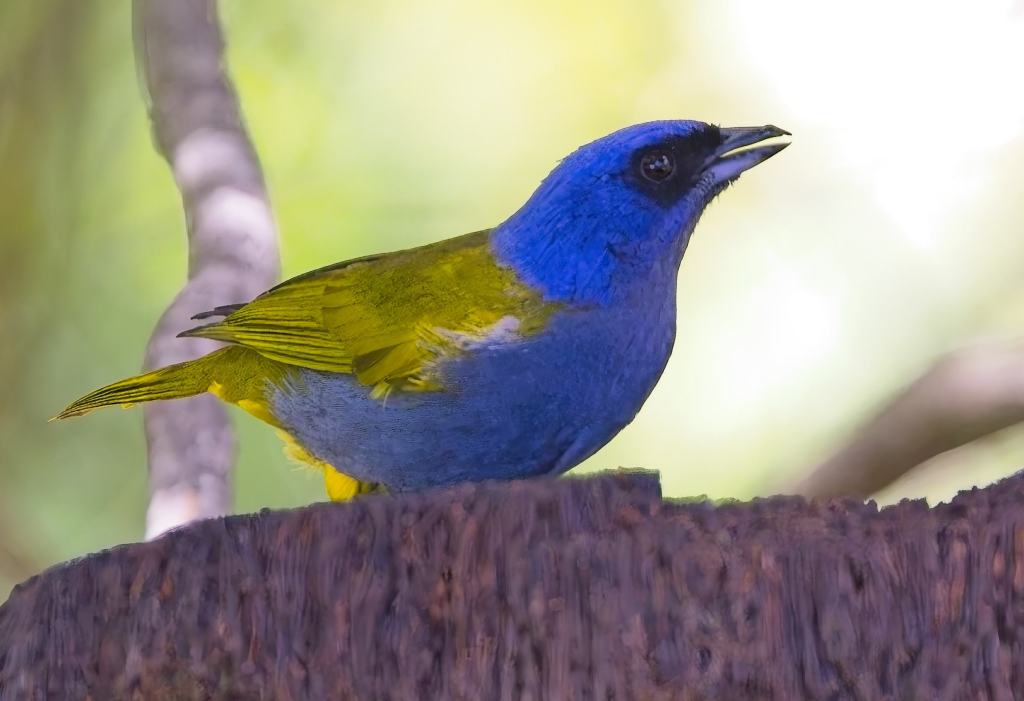
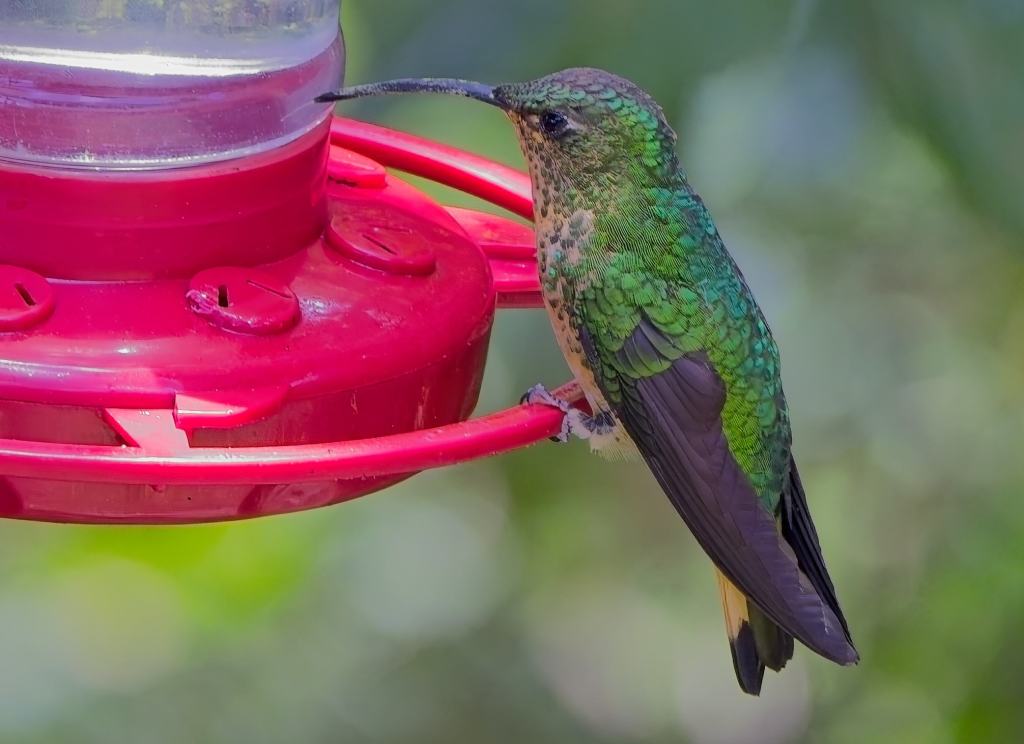
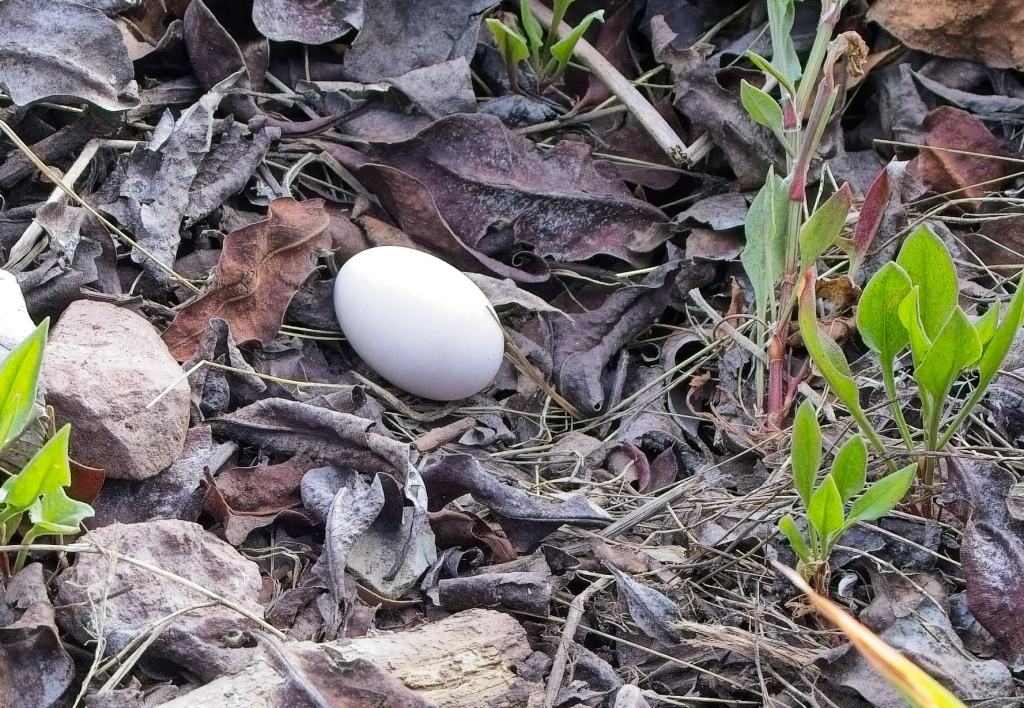
After lunch we had a couple of hours for a little siesta before returning to birding on trails leading from our lodging into the Chamicero Pro Aves Perija Reserve. We had a flyover by two more Black-and-Chestnut Eagles and 2 Andean Condors, our first of the trip, but stay tuned, not our last. Barely starting on our walk, Breiner signaled to “STOP!” just as a bird flushed from the trail not more than 20 feet ahead of us and then fortunately landed again another 50 feet further ahead. It was a Band-Winged Nightjar, a species we had heard only 3 days earlier and now I could get a photo and then another and another as I crept closer and closer in 10 foot stretches eventually getting within no more than 30 feet of the bird. On our return later, we found the nightjar in the same area, again flushing it only to have it return. The reason turned out to be a nest on the ground immediately adjacent to the trail with a single small egg – not the safest location, but undisturbed again by us.

Further along the trail, we added a lifer endemic Perija Antpitta, a poor life photo of a flyby Scarlet-fronted Parakeet and a much nicer photo of a handsome Green-and-black Fruiteater. We also had a Glossy-black Thrush, a species I had seen twice earlier in Ecuador without a photo. I thought I had a photo of this observation – or at least of the birds very evident orange bill, but despite repeated searches, I cannot find it. Maybe someday.


We returned to the research center and then went down the road for some more birding which provided one of the more amazing experiences on the trip. We added 5 new species for the trip including a lifer endemic Perija Tapaculo. Like most tapaculos, it was heard only – although maybe I should say heard and heard and heard and heard again only as it was very active and responsive but would just not come into the open even for a moment. We would have this experience with this species many more times. Another species that was heard only was a Rufous-bellied Nighthawk which I had heard only previously in Ecuador. Then there was the Andean Solitaire, seen previously in Peru and twice in Ecuador. This time I got a glimpse of a bird high in the forest but no shot at a photo. SO that leaves two species with photos – a Strong-billed Woodcreeper, seen and photographed previously in Peru, Belize and Ecuador and an Oilbird, seen many years ago in Trinidad and then seen at a roosting site in Ecuador with many photos. Those two sightings were expected at known sites. This one was totally unexpected and we believe the first ever sighting in the Cesar Department in Colombia. It flushed and flew around us for a couple of minutes allowing only a poor in-flight shot, but it was pretty unmistakable.
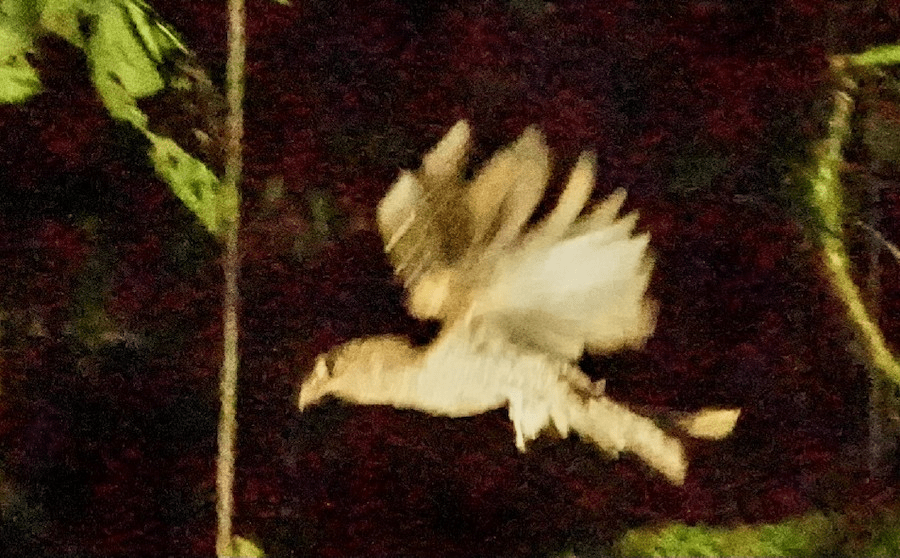
Day 8 totals were 76 species seen with 6 lifers and 11 life photos. My Colombia list was 321 species.
Day 9 – June 28
Today we would be going high up into the Paramo alpine tundra ecosystem hoping for some of the endemics that could found in this unique habitat. With an early start we added our first specialty, a Paramo Seedeater. Cindy and I had seen the species high in the Andes in Ecuador in 2022 but without a photo. This time I got one. We spent the next 2.5 hours in the area and added 3 lifers with photos of 2 that were endemics plus 5 more life photos. Obviously it was a great morning but the best experience was with a species I had seen on 11 previous occasions in Colombia as well as Argentina, Peru, Ecuador and Chile – the spectacular Andean Condor. Those other observations had been at distance – either perched on a rocky bluff or high in the distant sky. This time we had two that flew quite close and circled above us for several minutes providing my best photographs of this magnificent bird, with the largest wingspan of any raptor.


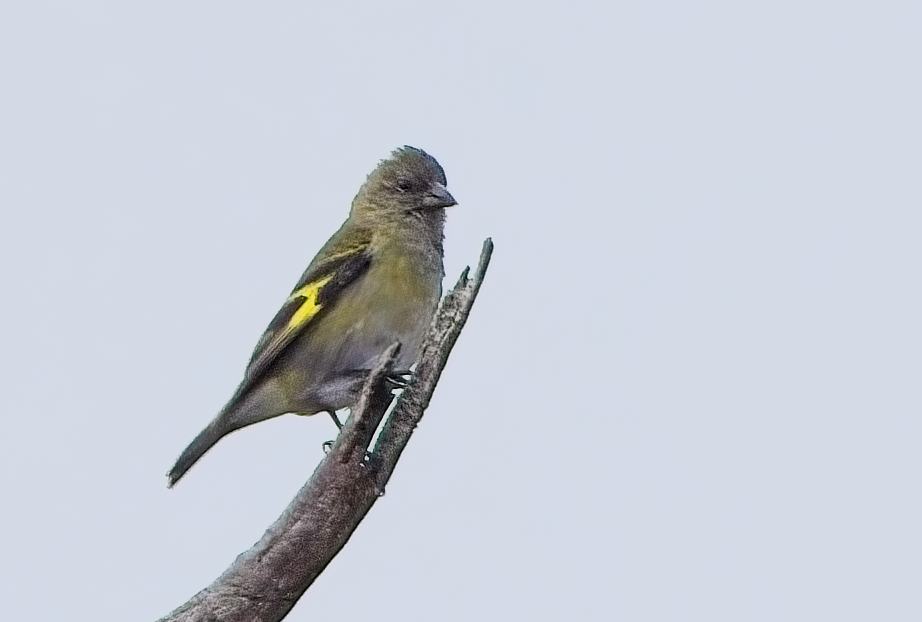
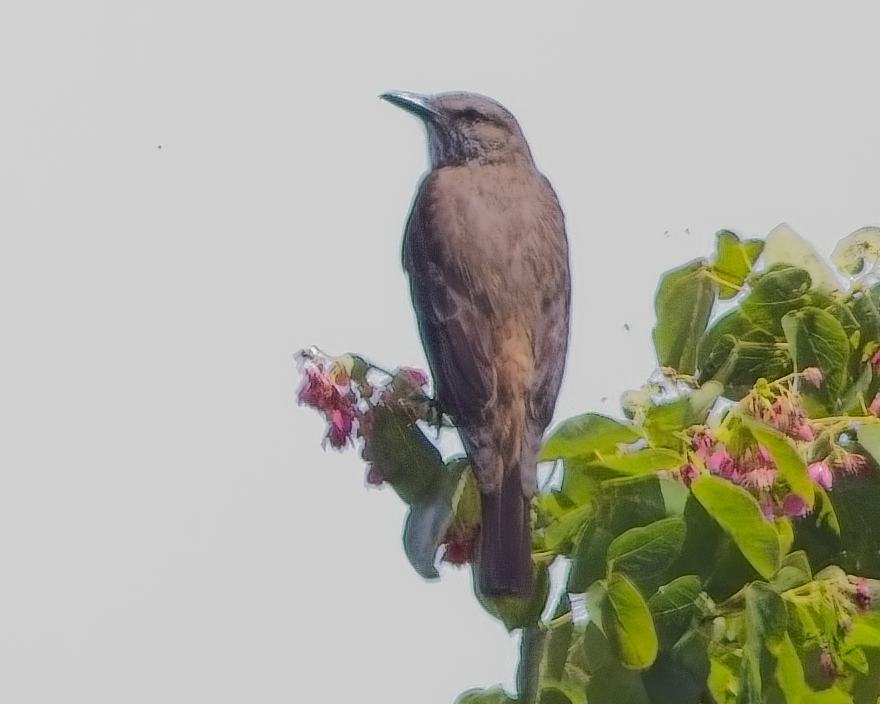


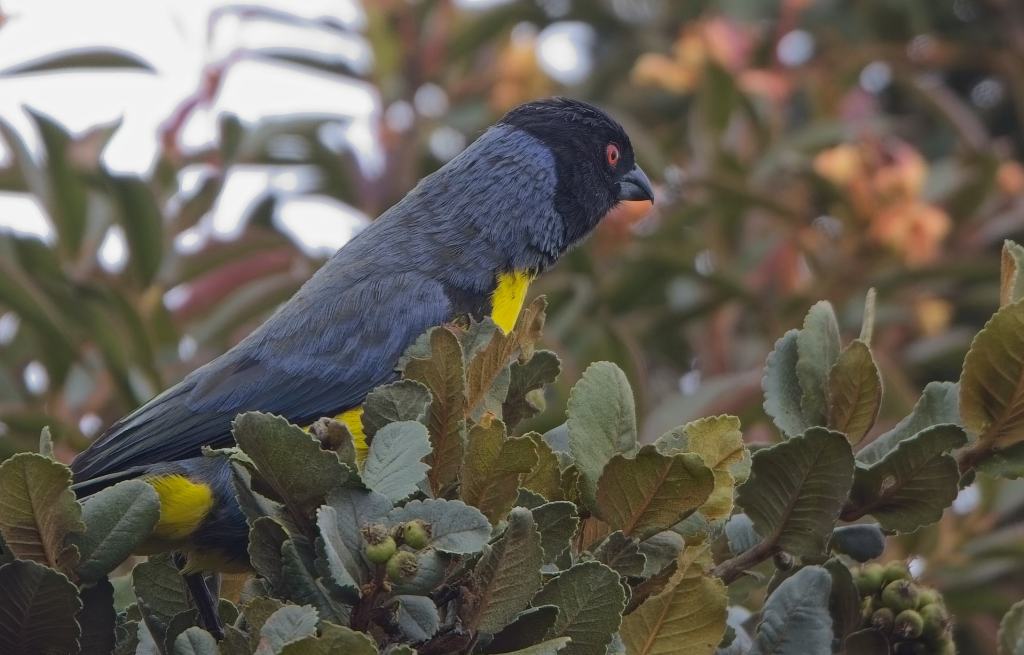
It was a good morning for photos as I also got maybe my favorite photo of the very common Rufous-collared Sparrow, which in addition to many sightings in Colombia, I have seen in Argentina, Costa Rica, Brazil, Peru, Ecuador and Chile as well as photos of Hooded Mountain Tanager, Red-crested Cotinga, Black-chested Buzzard-Eagle and Great Thrush, although sadly yet again missed a photo of a White-throated Tyrannulet.

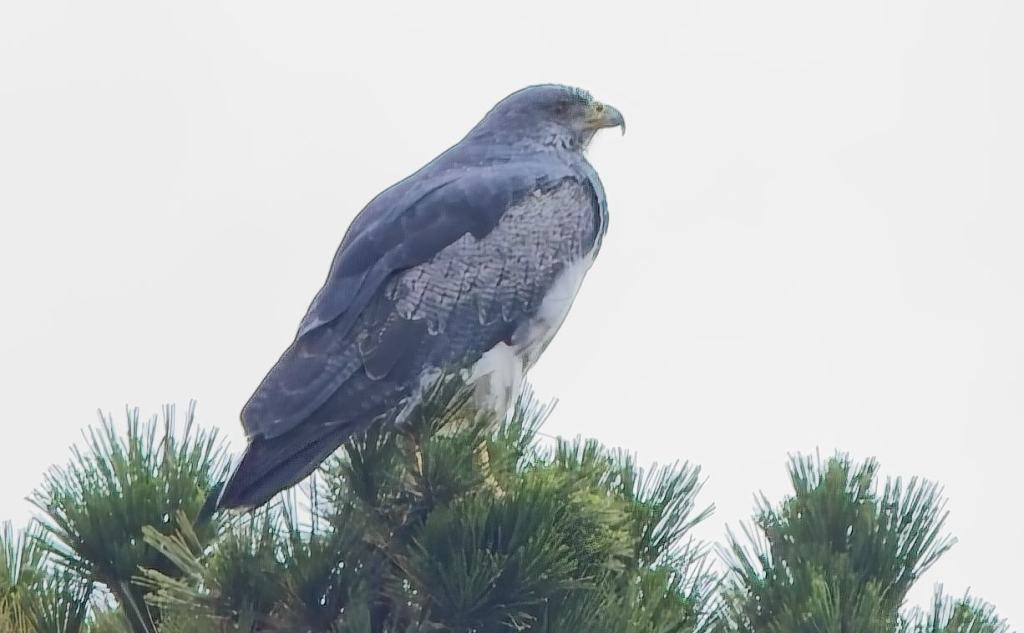

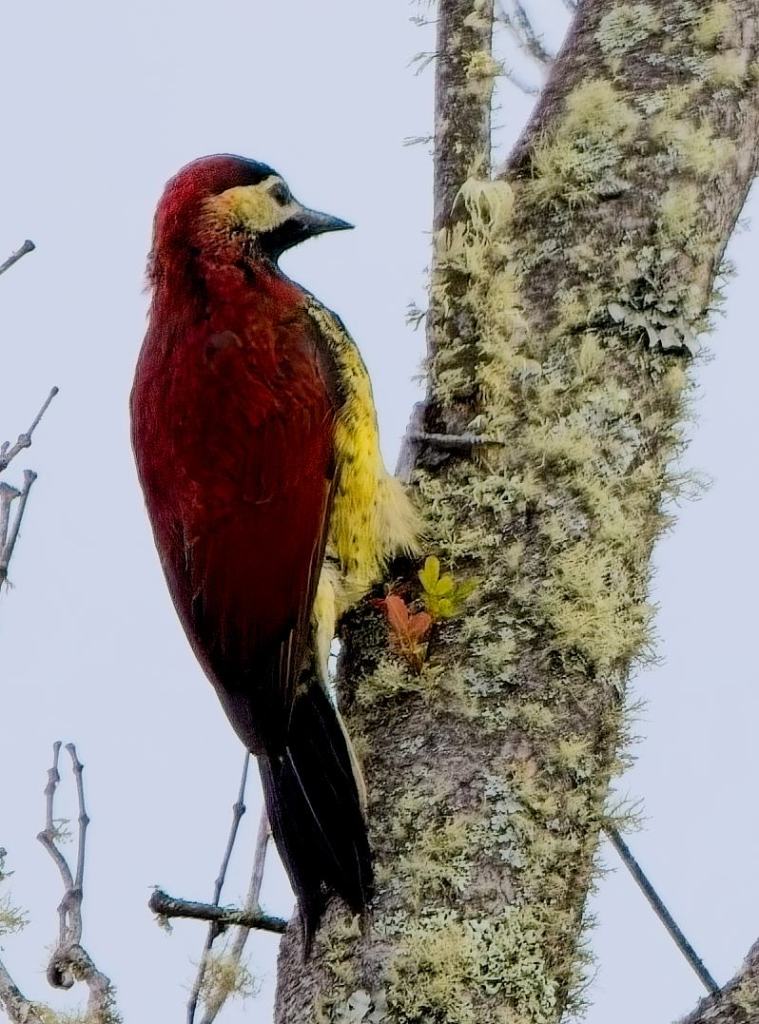
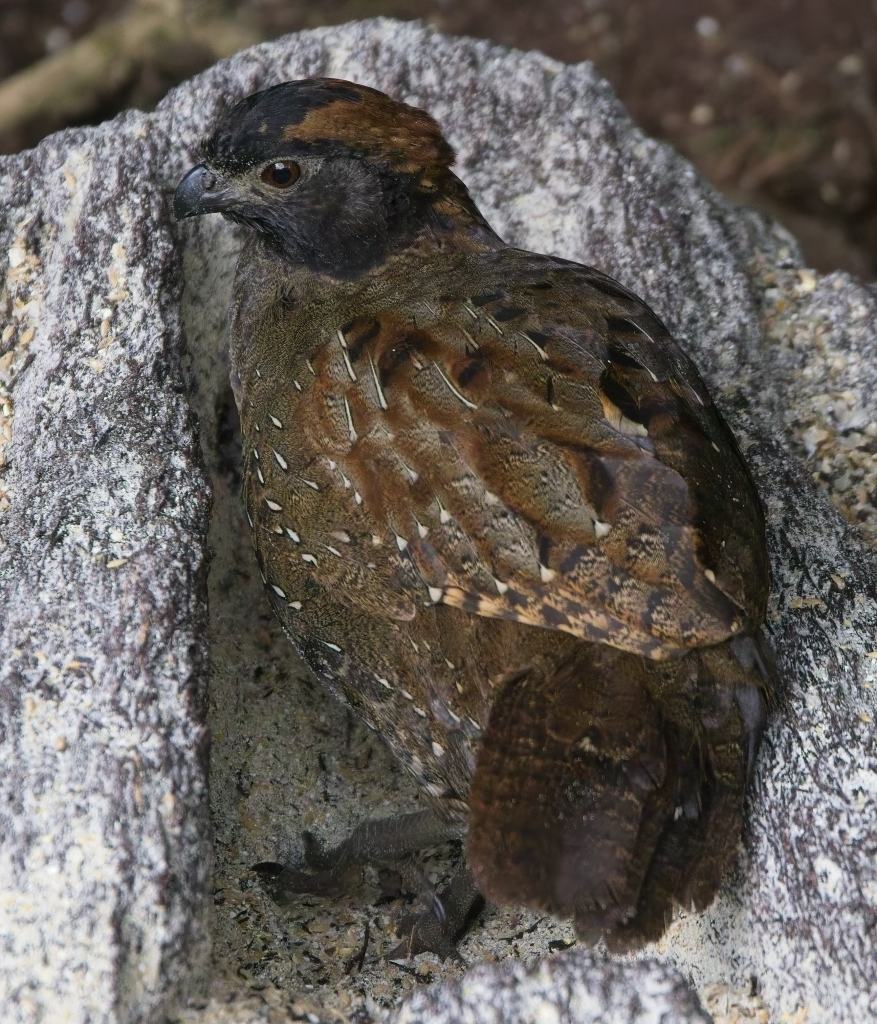
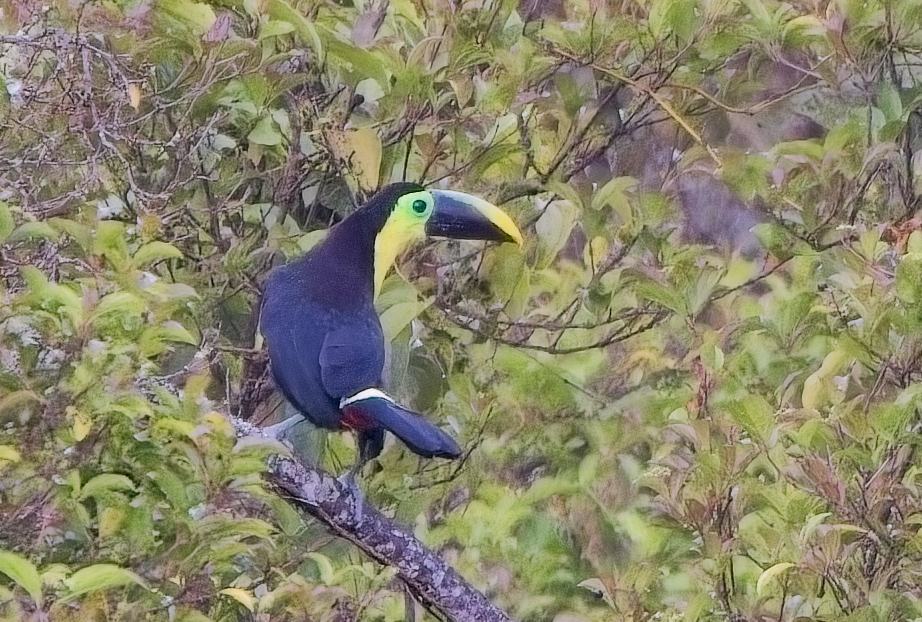
The next species added and photographed was a Crimson-mantled Woodpecker, a species I had seen and photographed in Ecuador – but still striking and a nice add for the day. And then there was one more great addition, a Black-fronted Wood-Quail, added as a heard only lifer a few days earlier but now seen and photographed at the research station feasting on some seed that had been left for it – I thought that was a great ending for the day but we still had some birding to do. Again on the road down from the Pro Aves Reserve, we added a Yellow-throated Toucan (Black-mandibled) and a Lacrimose Mountain-Tanager – but forms found in the Perija area and might be split and I also got a nice photo of a Lesser Violetear. We had missed one of the most sought after Perija endemics, the endangered Perija Starfrontlet but otherwise had done very well with 36 species for the day, 3 lifers and 9 life photos and my Colombia list stood at 339 species.
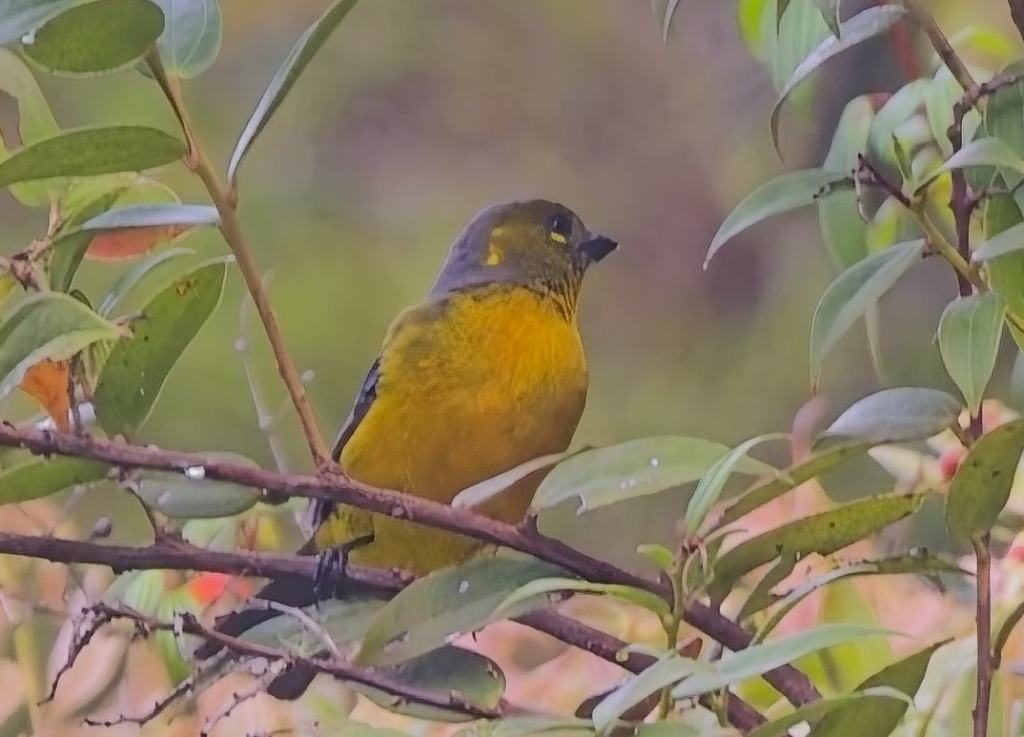

At the beginning of the trip, Breiner thought we might get to 400 species. We would have another full day of birding and some birding along the way as we got back to Barranquilla, but 400 seemed very unlikely. I had added 116 lifers to my world list and 126 species to my world photo list. I did not care about 400 but hoped both life lists would improve. We spent the night again at the Perija Research station.
Day 10 – June 29th
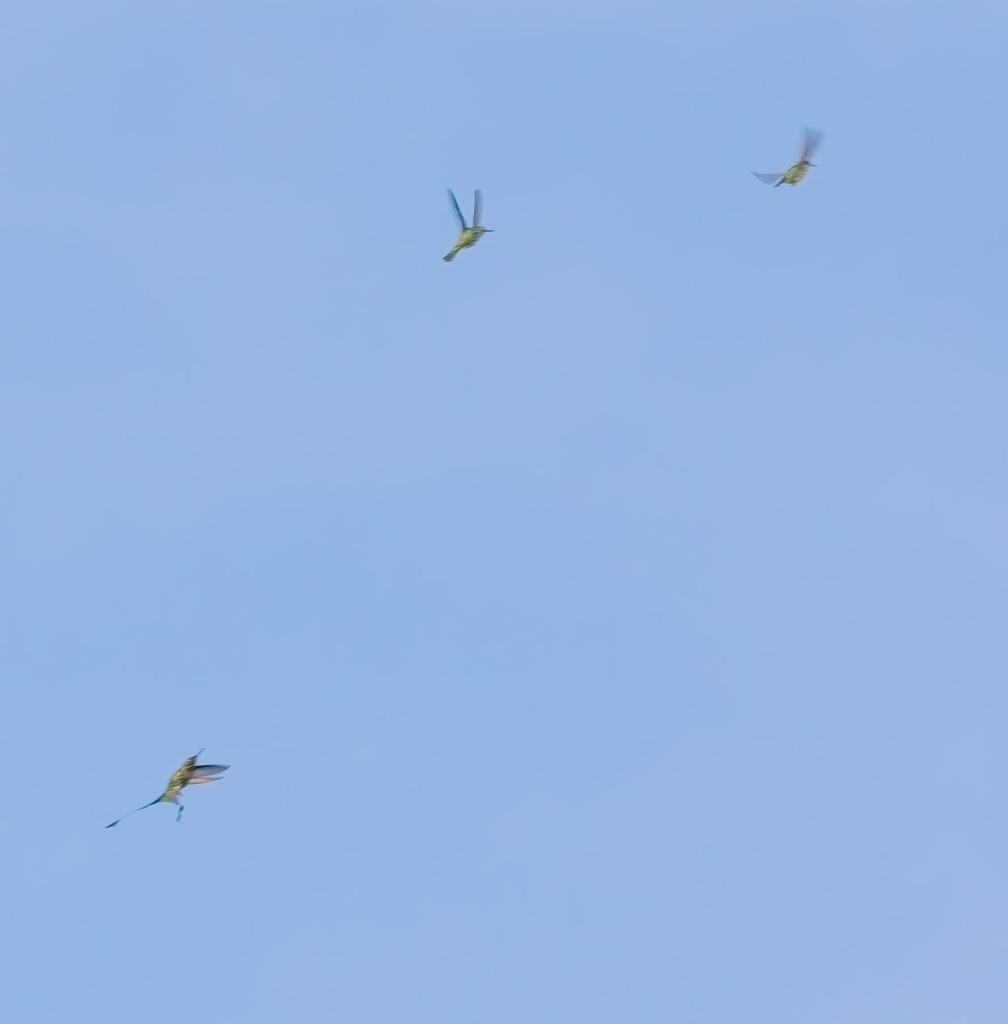
A bit after 6:00 a.m. we were back on the road down from Perija on our way again to Valledupar. We added Three-striped Warbler and Chestnut-capped Brushfinch to the trip list and once again failed to get photos of Perija Tapaculo, Slaty-backed Nightingale Thrush and Rufous Spinetail. We birded with stops on the road as we made our way towards Valledupar. At one spot we had a fly over display by 4 White-booted Racket-tails very cool hummingbirds that I had seen close up and photographed in Ecuador. I was happy to get any photo of this group which were somewhat distant. We also had another Tyrian Metal-tail (I am adding a photo here that I forgot to include from the Santa Martas). It wasn’t a lifer or a life photo but a good photo that was almost a great one was of a Rufous-crowned Tody-flycatcher. We had found a somewhat concealed nest that the bird left and returned to repeatedly. If I had tried multiple frames a second I might have captured it entering the tiny nest, but not doing so I settled for a fun picture of it perched with nesting material – a bit of spider web.
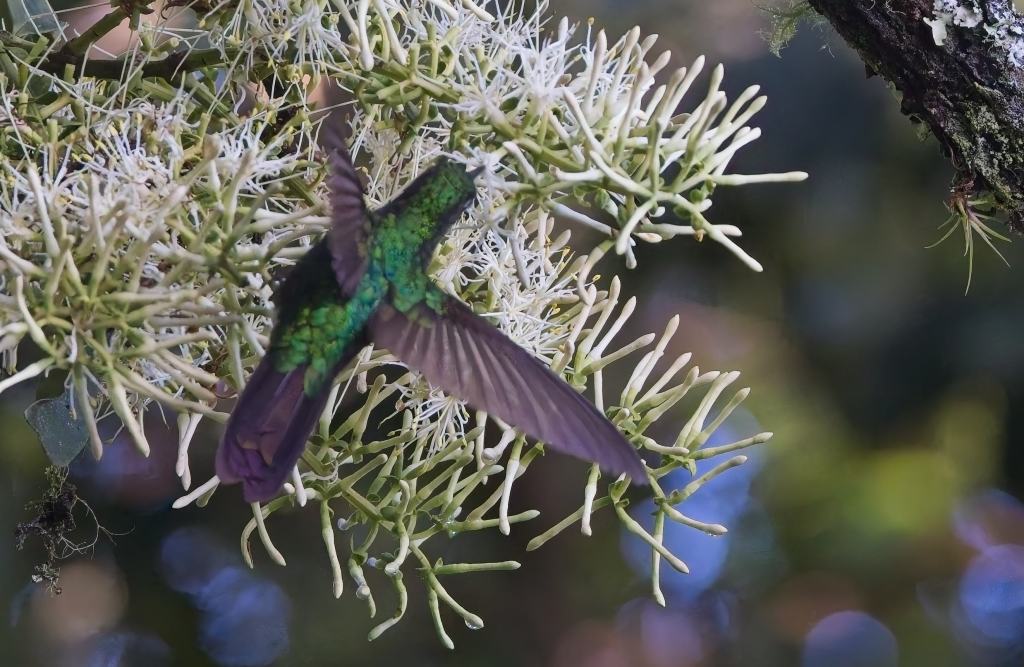

We came upon a brushy grassy area that proved to be terrific for several new birds including a lifer Sooty Grassquit, a Dull Colored Grassquit (life photo) and a Buff-breasted Mountain-Tanager (poor life photo). Further along I finally got life photos of Black-hooded Thrush and Whiskered Wren.


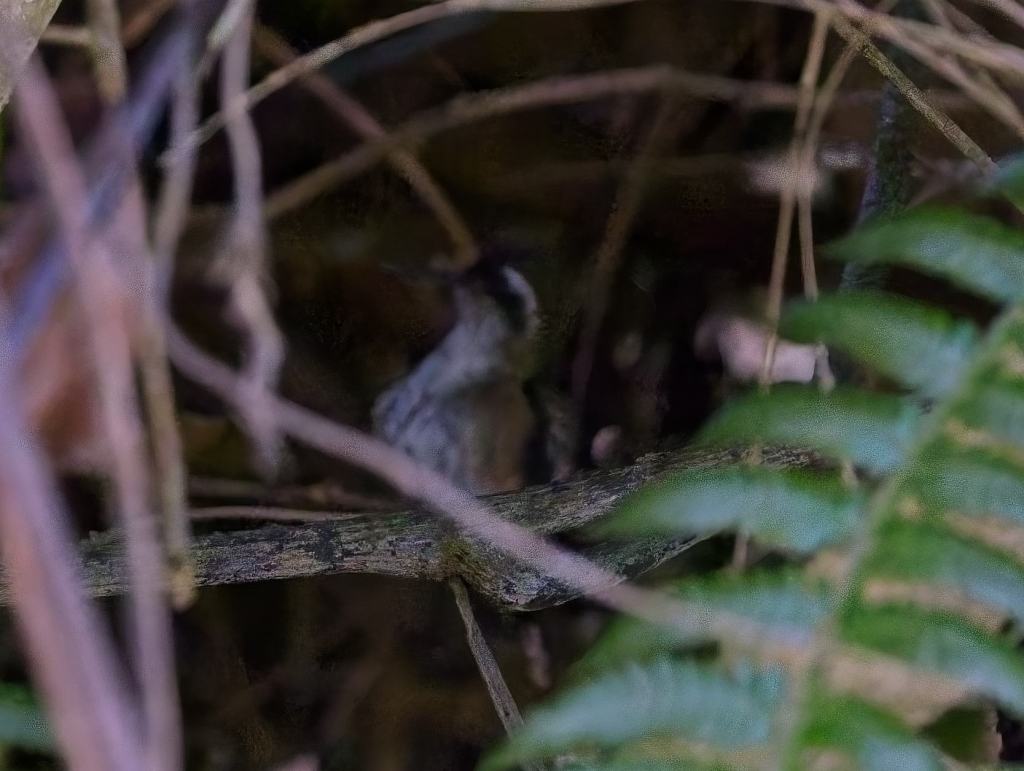
Another stop produced three more important adds to our list – a lifer Black-faced Tanager, a lifer Mouse-colored Tyrannulet and a life photo of a distant King Vulture that flew by quickly. The tyrannulet was another disappointing surprise as I was sure I had a photo, but again have not been able to find it.
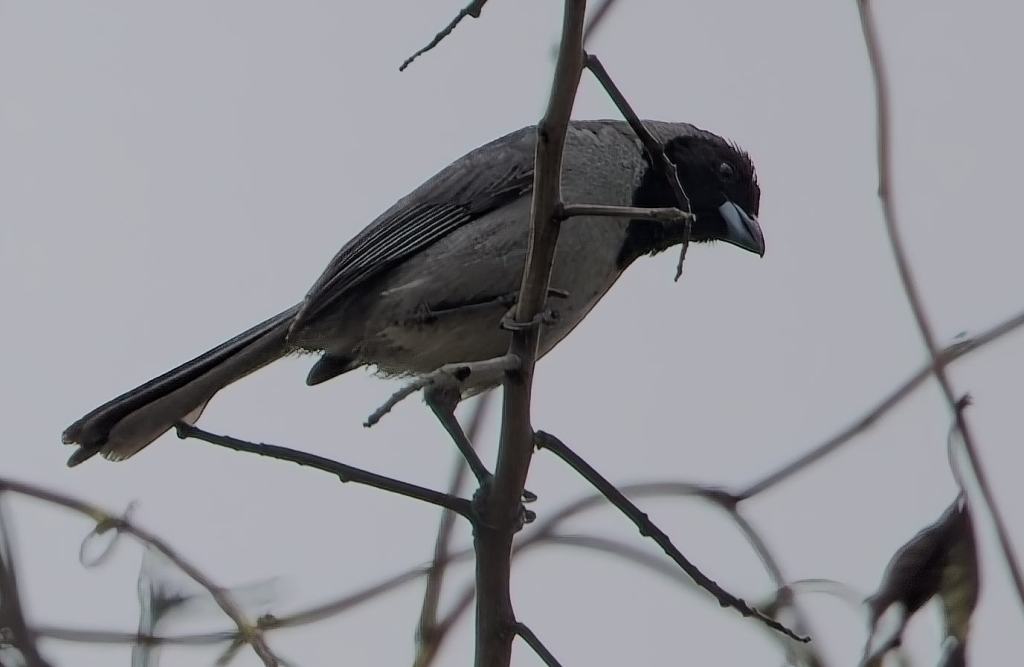
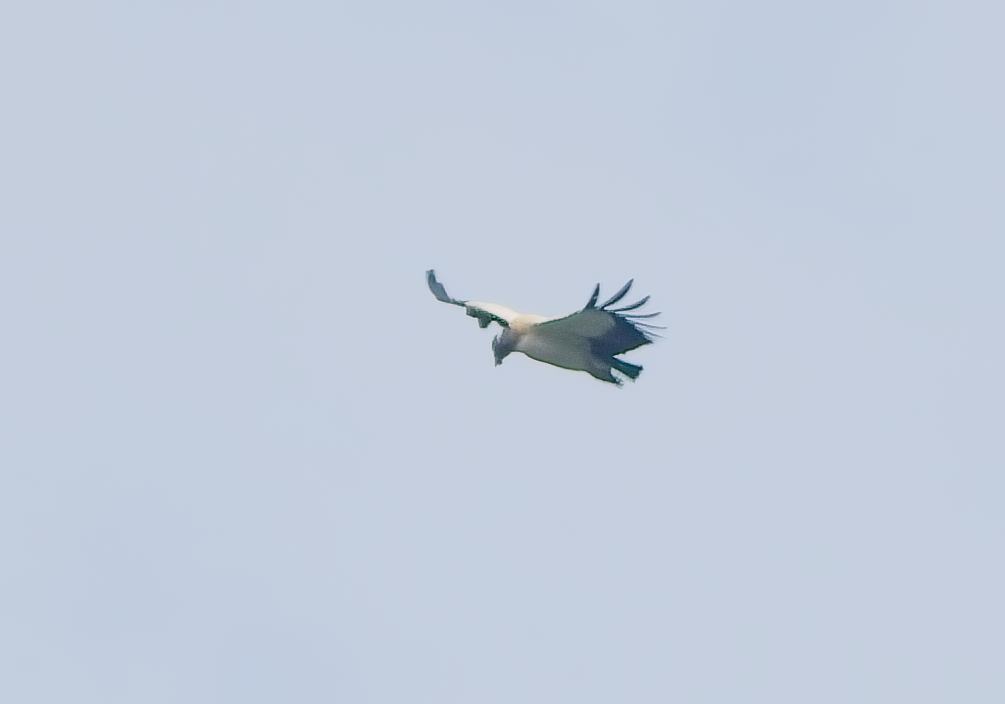
After lunch a Gray Seedeater was a lifer with a photo and a Black and White Seedeater was a life photo as was a Streak-headed Woodcreeper. The last bird for the day was an American Kestrel. The night would be at the Valledupar Hotel Sonesta, a welcome stay after two nights at the much more basic Perija Bird Reserve. We had 66 species for the day with 4 lifers and 11 life photos. Now the Colombia list was at 358 species. We would be heading back to Barranquilla the next day with some birding stops along the way. Breiner was sure we could add some new lifers and new photos.
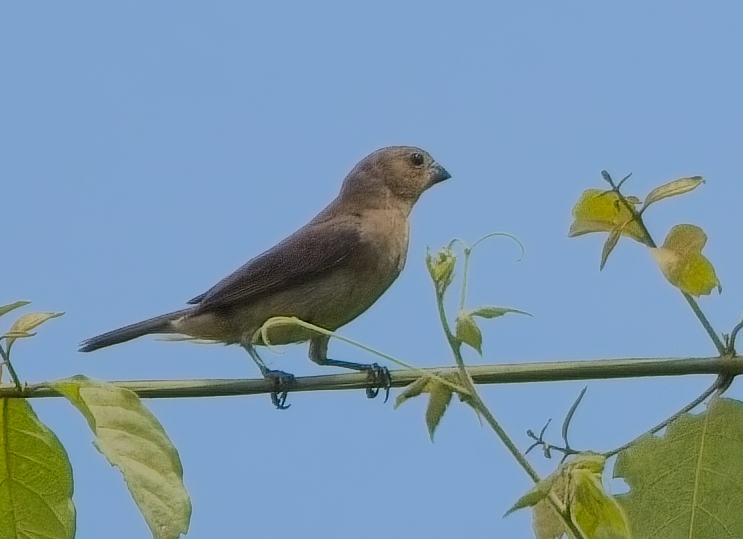
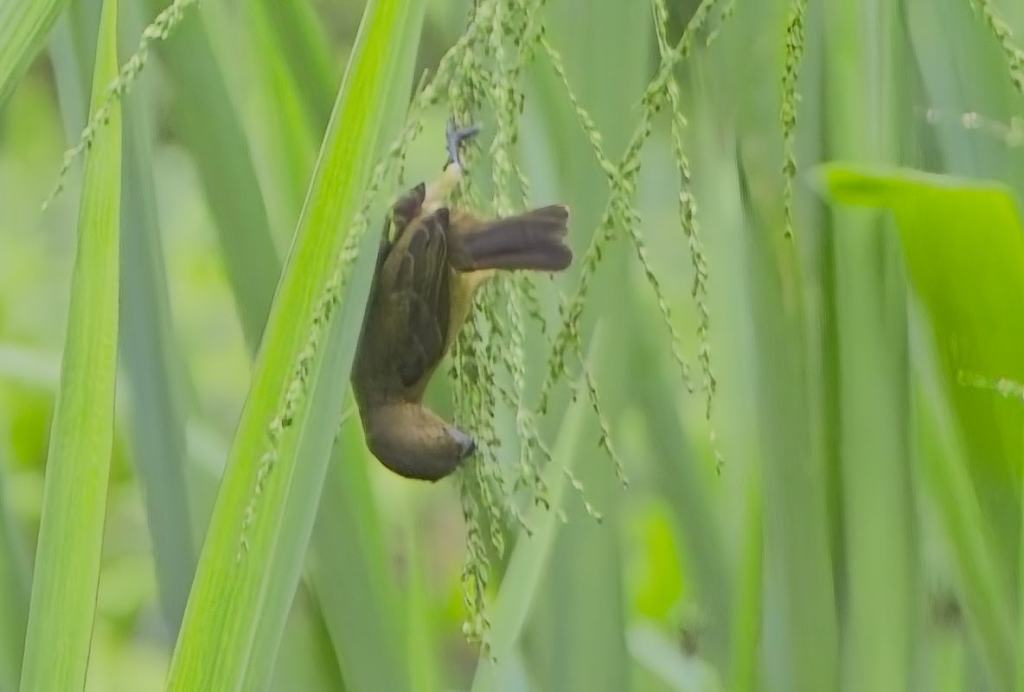

Day 11 – June 30th
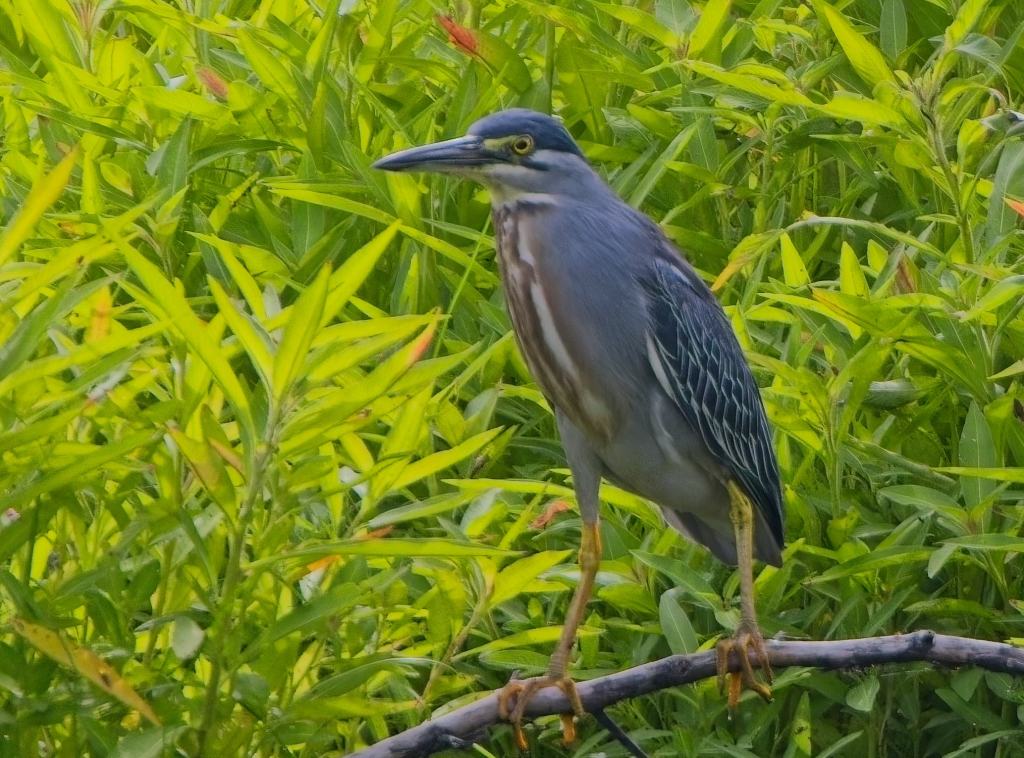
After another good breakfast at the Sonesta Hotel, we were back on the road picking up a few birds here and there that we had seen before. At Laguna del Tigre, a nice lagoon/wetland, we added several new species for the trip but no new lifers or life photos. New species for Colombia included an unexpected Least Grebe, Anhinga, Purple Gallinule, Glossy Ibis, White-headed Marsh-tyrant and Rufescent Tiger Heron. Also I got a nice Striated Heron photo, a species seen previously in Colombia but not photographed.. Unfortunately the Marsh-tyrant was seen far off and just briefly as it could have been a life photo.
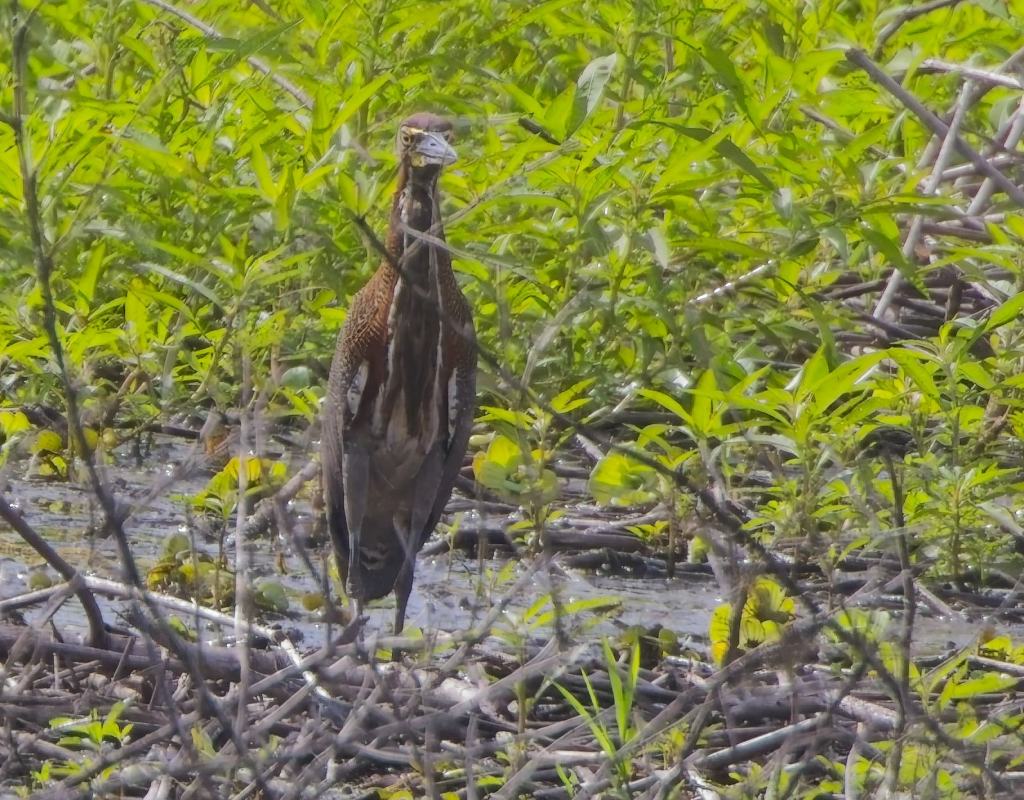
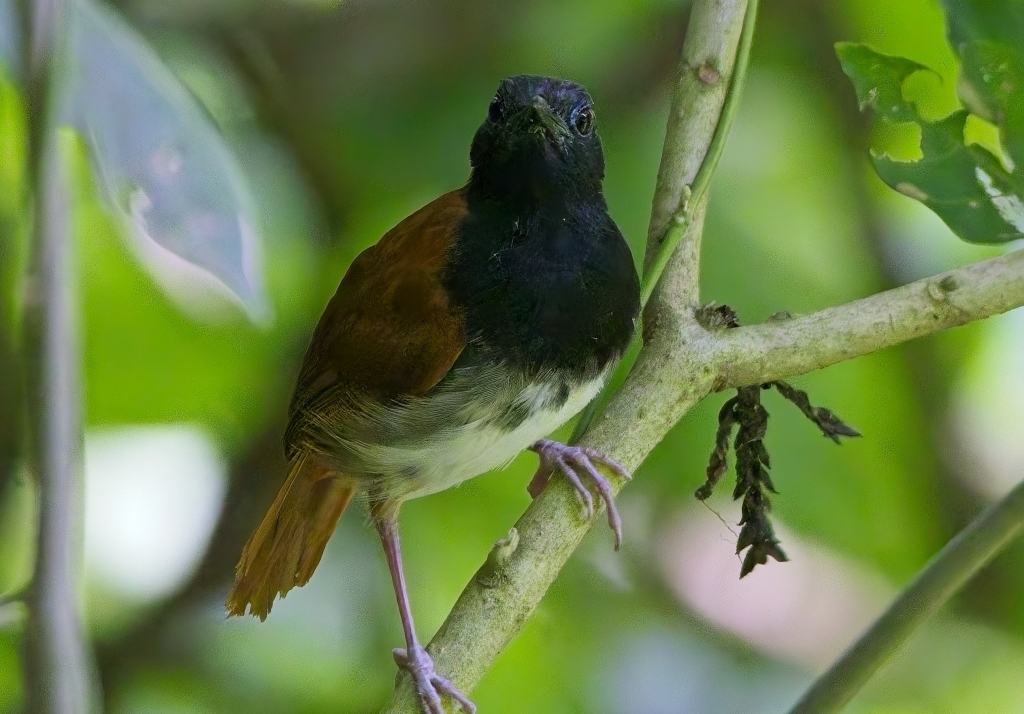
There would be only one more stop before getting back to Barranquilla and a great stop it was at another lowlands forest in the foothills. Only 11 species in about an hour, but four were lifers with photos of three and a life photo of another species. Lifers were Black-crowned and Black-backed Antshrikes, and Jet and White-bellied Antbirds. No photo of the Jet Antbird, but there was a photo (definitely poor) of a Scrub Greenlet.


And then it was back to Barranquilla, a last night at the Barranquilla Hotel, a last good meal, a good nights sleep, a driver to get me to the airport, a flight leaving on time and that was it. But like most trips, the memories endure and especially with posts on Facebook, processing pictures, doing blogs like this and stories for Cindy and friends, the trip lives on and although it was nice to be home and to wind down, not more than a week after my return, I was missing it. On trips like these there is just so much stimulation, so many experiences – hopefully good – birds found and birds missed – some really spectacular birds and some pretty boring ones – but especially for a lister, which I easily acknowledge is me, there is a constant feeling of possibility – what’s next? And I guess this carried over to being home and that question – what’s next? Fortunately there would be two answers that have kept me focused and engaged and happy. The first was a very successful 75th birthday party for my very special spouse – filled with friends and family and neighbors – another reminder of how fortunate I am – certainly to have her, but also, mostly because of her, to have wonderful people in my life. And the second answer was that I had to begin planning for some great trips ahead – scheduling flights and guides and target lists for upcoming trips to Amsterdam and Boston, Southeastern Brazil, Costa Rica and Thailand. The last three will be birding trips and with luck I will be able to include at least one day of birding in Amsterdam. No plans beyond those trips (all in the next six months) but again how fortunate I am to be able to travel like that.
I should probably spend more time sharing non-birding details from this Colombia trip and maybe I will revisit these blogs and add some more. Before summing up the birding results, I want to add two experiences that were unique in all my travels, and not in a good way although there were no adverse consequences. We spent many hours traveling between birding spots on the trip and during that road travel, we were stopped 4 times by local police. No particular reason, no legal transgressions, just “standard stops”. But we had to show licenses, identifications and sometimes we had to get out of the car, while the police searched the interior and on two occasions patted us down. These were occasions when being with a local guide, especially an easy going, savvy one with a great personality was important. Had I been on my own, with no Spanish and no familiarity with local customs, I wonder what might have happened – probably at the least some Colombian pesos would have changed hands to “avoid problems”. A second, somewhat similar situation arose at the airport as I was leaving. When my bags went through the security scanner, they were pulled off to the side and I was asked to open them for further inspection. The man in charge went through everything closely including asking me to open my cameras. Again no harm done but it is the first time that this has ever happened. Very polite but a bit stressful. Let me stress that at no time was I ever concerned for my safety when out birding, at hotels, at restaurants, meeting people – all of whom were great. Colombia has had some bad press, partially well-deserved as there have definitely been drug issues with some violence and unrest. Guide Breiner said that things are very good now, that he has had no problems and knows of none for visiting birders, and he gave props to recent political changes where there has been a more concerted effort to rid the country of these problems – and maybe that is one reason behind both the road stops and the examination at the airport.
The last paragraph may be seen as negative reflection on the country. Interpret it as you will, just something to note. But for me it was easily offset by the wonderful people I met, starting with guide Breiner Tarazona, driver Jeferson, and Jhonys and other birders we met and especially people we met in some remote locations where we were welcomed, offered coffee and smiles. And I want to end with compliments to Giovani Ortiz and Icaro Birding. They were exceptional handling details, arrangements and communications. There was not a single miss in any way.
OK – here are the bottom lines. On day 11, we had 39 species with 4 lifers and 4 life photos. For the trip I had 367 species seen with 124 lifers bringing me to 3836 species. With luck adding a few species in Amsterdam and hopefully many in Southeastern Brazil, I will get to 4000 – certainly close and for sure if those scheduled trips to Costa Rica and Thailand happen, I should be past that milestone for sure. I got photos of 272 species on the trip and easily would have had at least a dozen more if I took photos of common birds I had seen and photographed many times before. More than half of the photos, 142 were life photos, bringing my total to 2,572 life photos. There is at least a chance that the trips to Amsterdam, Brazil, Costa Rica and Thailand can get me over 3000 life photos. Not going to stop when those goals are met, but there is nothing specific planned and there is no chance I will move the goal posts to 5000 lifers and 4000 photos. The years are adding up and I just hope good health continues and the joy of travel can continue. My goal should be just to continue having fun and hopefully improve photography skills along the way.
At the end of organized birding tours at a final dinner, the group often picks it favorite 5 species or experiences. My top three are easy – seeing and photographing: Scarlet Ibis, Vermilion Cardinal, Andean Condor. After that it gets a lot harder but under pressure I guess I would go with the close encounter with the nesting Band-winged Nightjar and getting a photo of the Yellow-breasted Crake – especially seeing how happy it made Breiner. Will I get back to Colombia? There are over 1800 species in Colombia – it’s is a target rich environment!!
 blairbirding