Colombia 2025 – The Tour Begins – Days 1 through 5 – Barranquilla through Santa Marta

Before this trip I had never heard of the city of Barranquilla. It is the 4th largest city in Colombia, behind Bogota, Medellin and Cali with a metro population of 2,370,000. Like many South American cities there is a striking contrast between the wealthier and poorer sections. Barranquilla, situated on the Caribbean Coast is the the capital of Colombia’s Atlántico Department, a bustling seaport flanked by the Magdalena River. The city is known for its enormous Carnival and a major attraction along the Riverwalk is a very large statue of perhaps its most famous citizen, Shakira. My first night would be at the Hotel Barranquilla, a very nice hotel in a lovely area, about 25 minutes from the international hotel. Guide Breiner Tarazona was waiting for me as I came out of the easily managed entry process at the airport – and then I could relax. I have never had a problem with a guide or driver meeting me upon arrival, but it is always a tense moment – “What if there is nobody there?” With that hurdle passed, it was almost 1 p.m. and it was time for some birding.

Day 1 – June 20th

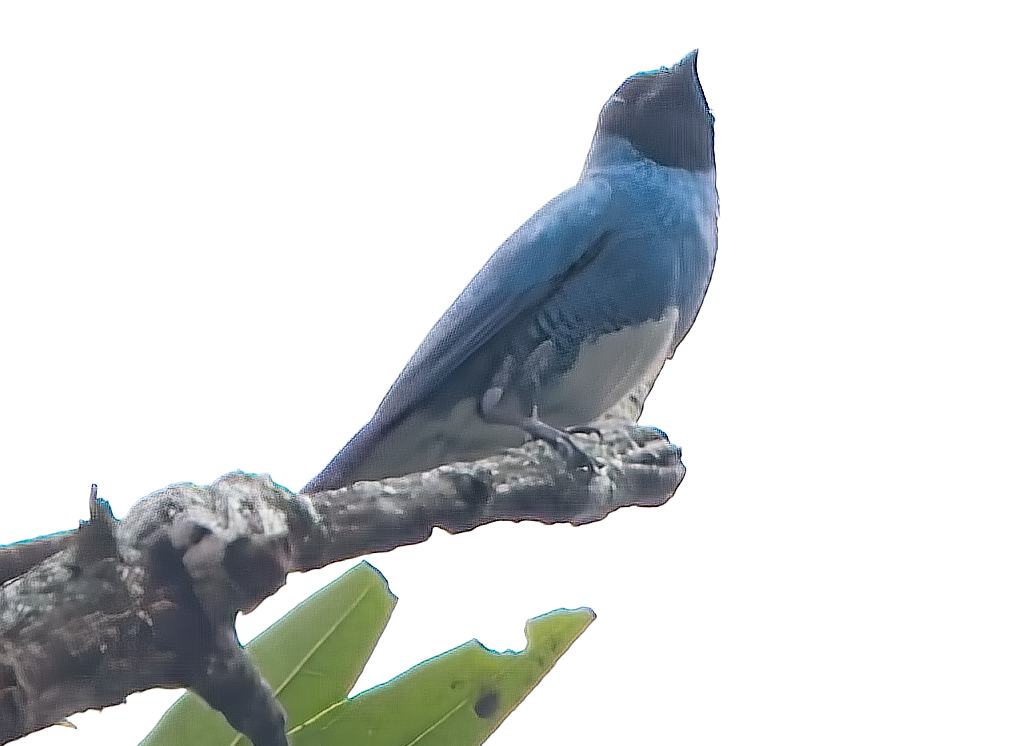
Our first targeted destination was to be the Ciénaga del Totumo–Volcán del Totumo, a large wetland located behind the Totumo volcano. There were birds along the way including some that would later be seen better at our first real stop and become life photos: Carib Grackle, Lesser Yellow-Headed Vulture, and Gray-Headed Martin. I also got my first lifer, a Glaucous Tanager, which brought my Colombia life list to 11 before reaching the Ciénaga. This was a fabulous first Colombia birding experience as we headed off to explore in a small motorized boat which brought us to many more birds and many photo opportunities.

Glaucous Tanager – First Lifer in Colombia

The Ciénaga was a great location with 47 species split almost 50/50 between water-related species and others. The same even split applied to the 6 world lifers and despite the water orientation, there were actually more life photos of the non-water birds. This visit also included one of the rarest birds and photos of the entire trip as Breiner expertly found and then called out a very rare Yellow-breasted Crake an early demonstration of Breiner’s expertise and skill. Previously there had been fewer than 10 photos of this species in all of Colombia. It is hard not to include all of the 25 species photographed on this visit, but I will limit them here to just the lifers (life list or photo) — and well a few others.
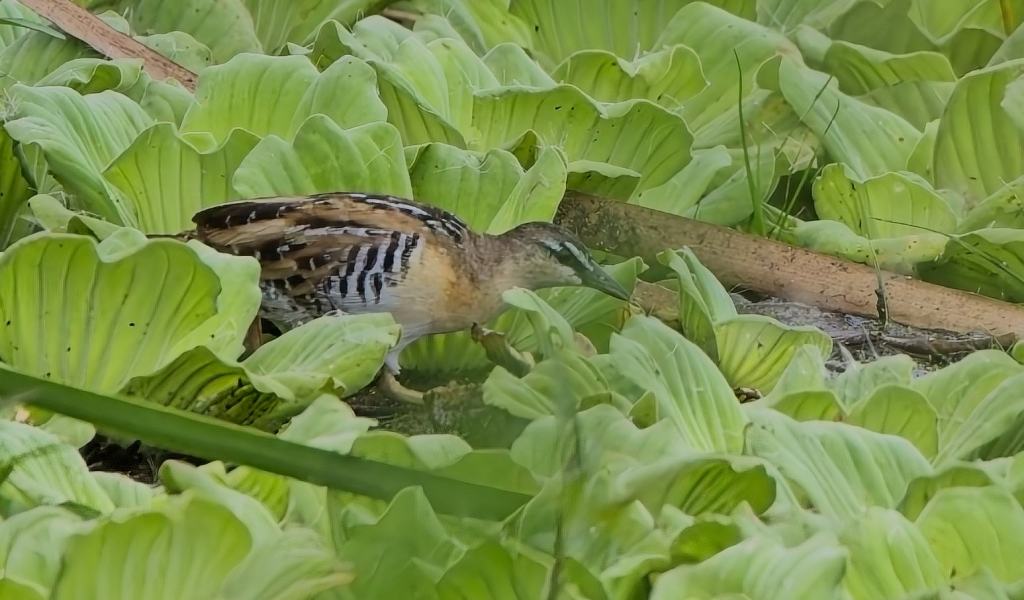
Rarely photographed Yellow-breasted Crake
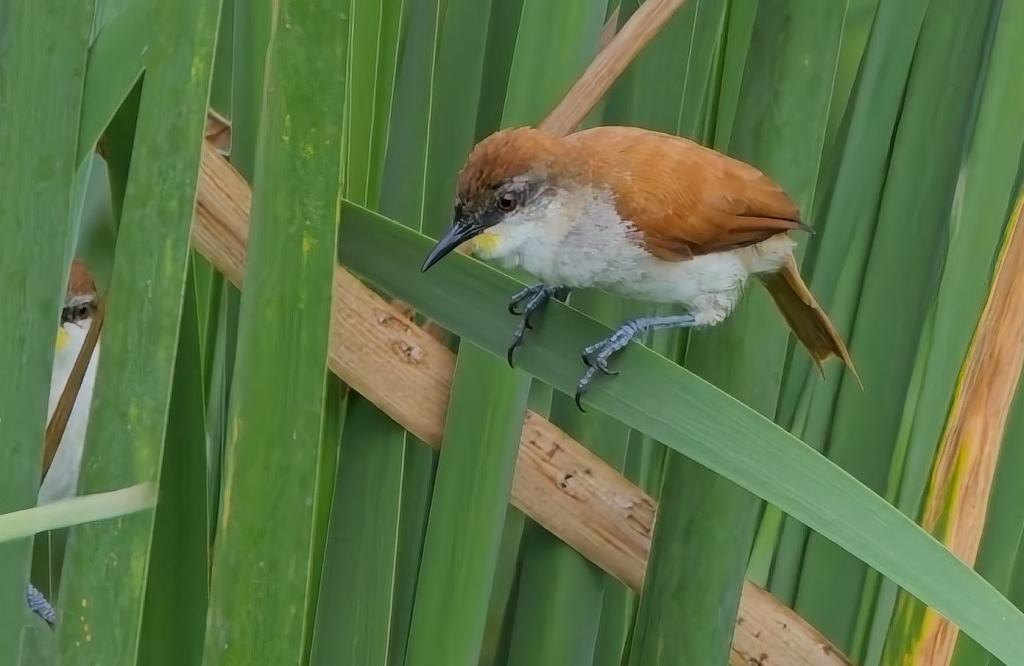
Yellow-chinned Spinetail – Lifer
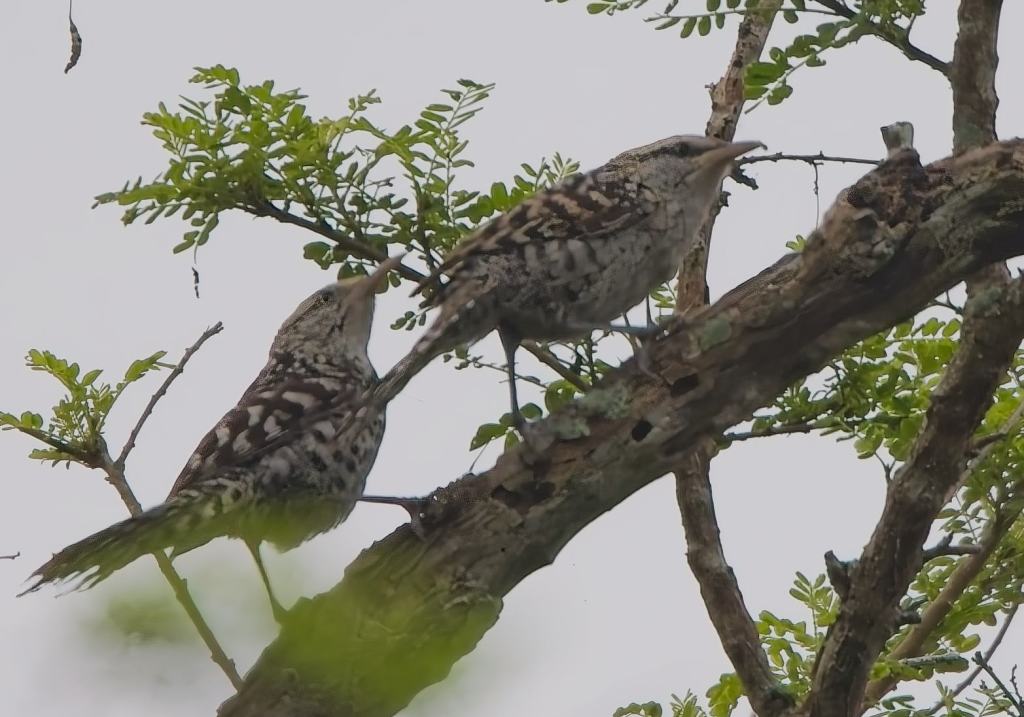
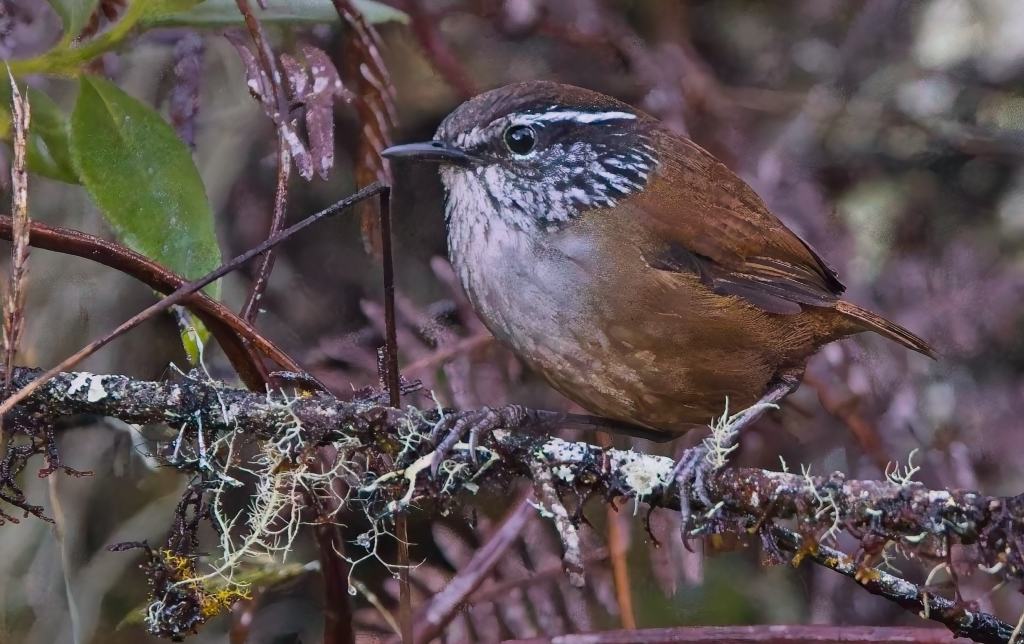
Bicolored Wren – Lifer
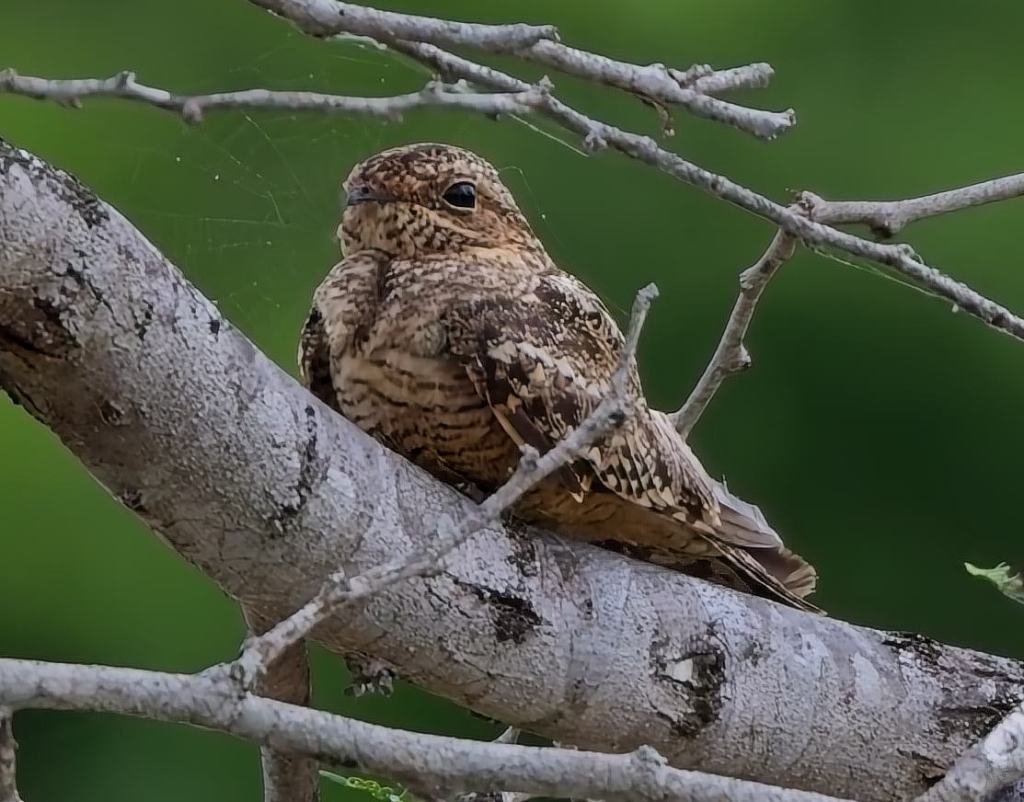
White-tailed Nightjar – Lifer
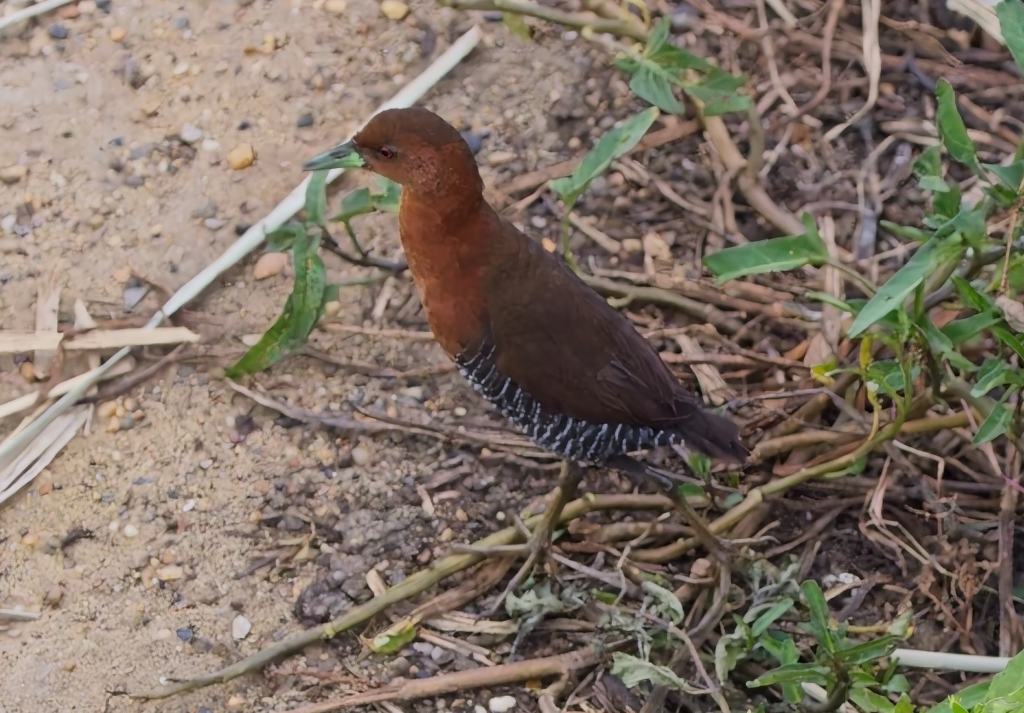
White-throated Crake – Lifer
Black-crested Antshrike – Life Photo
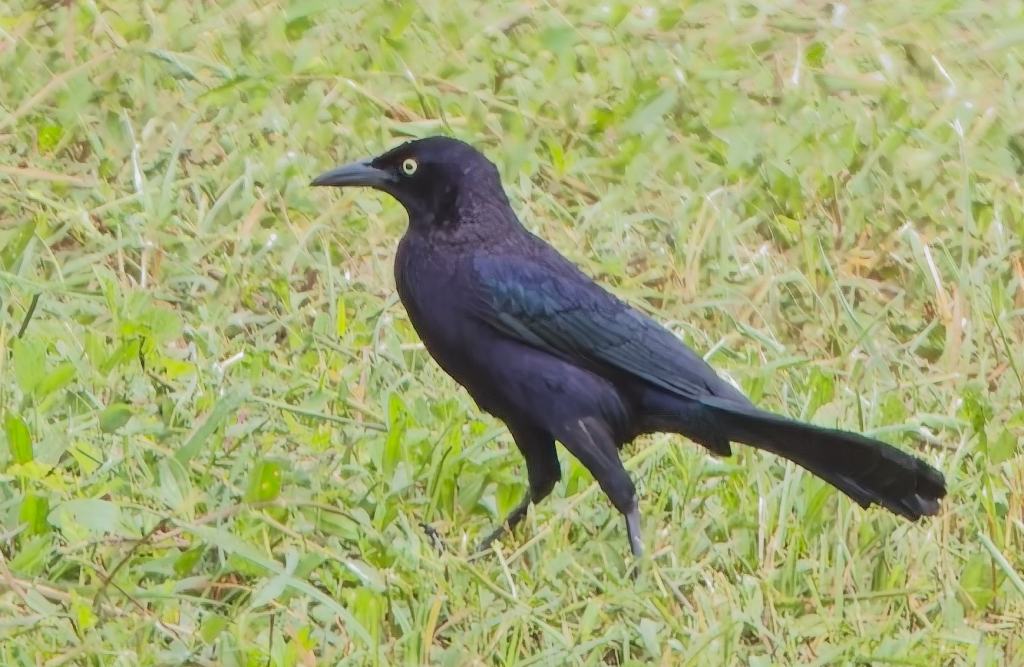
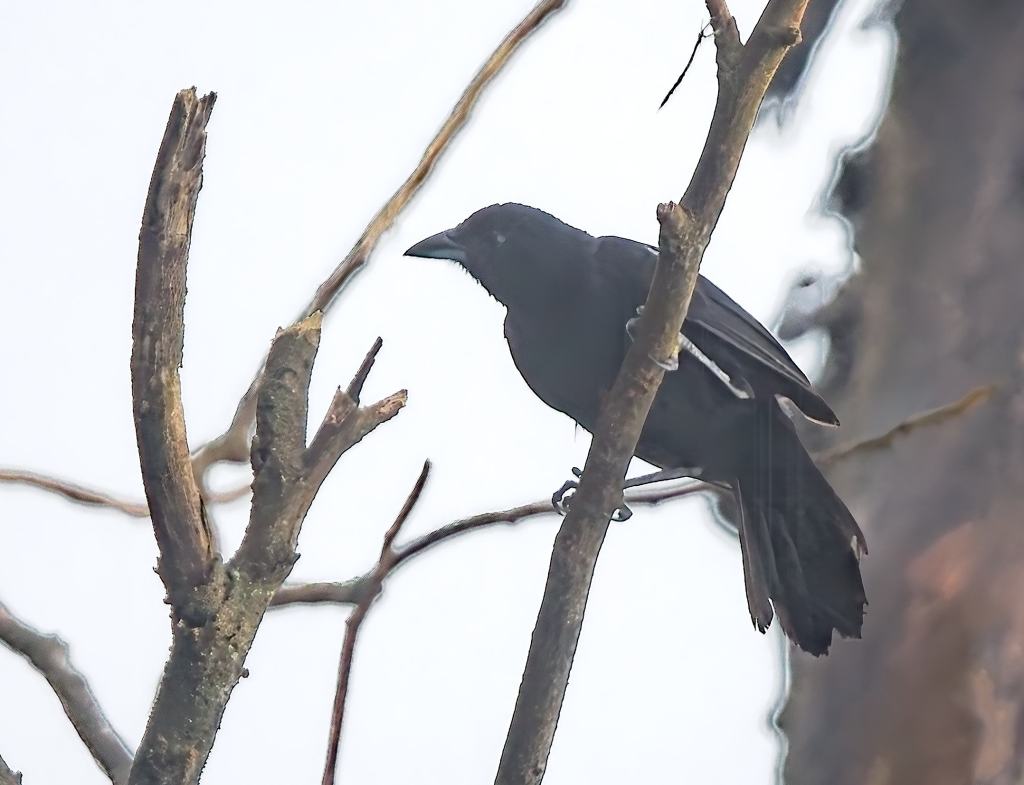
Carib Grackle – Life Photo
Bare-faced Ibis – Life Photo
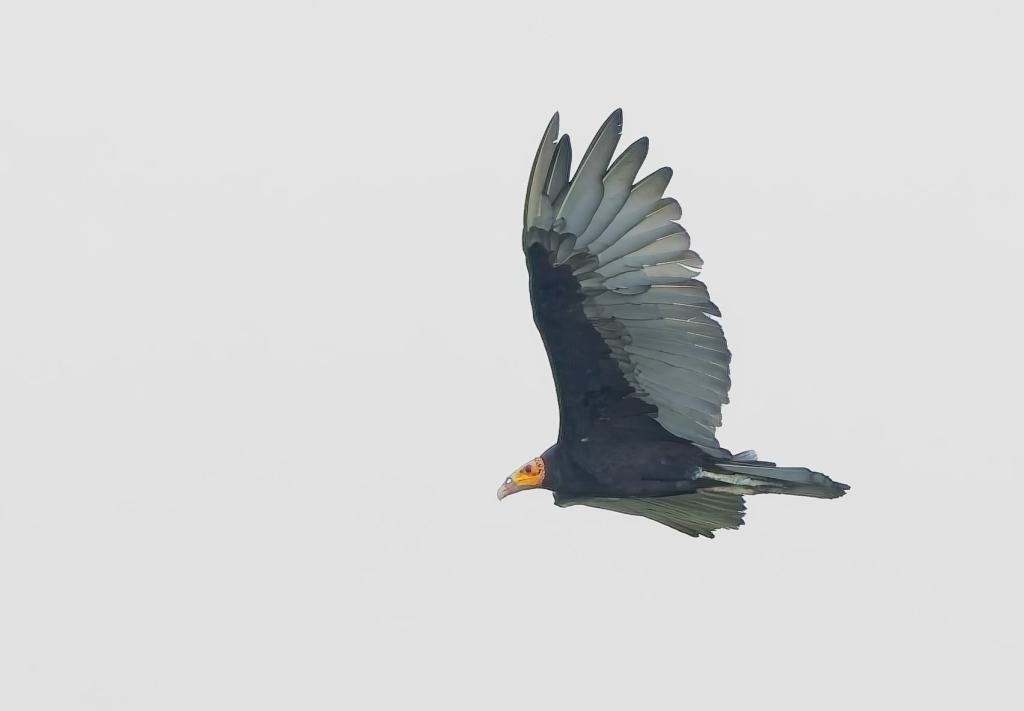
Lesser Yellow-headed Vulture – Life Photo
Gray-breasted Martin – Life Photo
Yellow-hooded Blackbird – Life Photo
Cocoi Heron – Life Photo

Other photos that were not lifers or life photos.

We added a few more species at a last stop for the day and headed to our hotel. Totals for the day: 57 species; 7 lifers and 11 life photos – excellent for barely a half day of birding.

Day 2 – June 21st

As is often the case with birding trips it was an early morning start to be able to get to our target area for the morning – the Matute Birding Nature Reserve, in a tropical dry forest south and west of Barranquilla, fairly close to Cartagena. We birded there from just past 6 a.m. until noon. Seventeen of the 46 species seen there were lifers for me. The 32 species photographed included 10 of those lifers (getting photos of two of the others later in the trip) and life photos of 8 other species. I have grouped the lifers with photos in the first gallery and life photos but not lifers in the second.
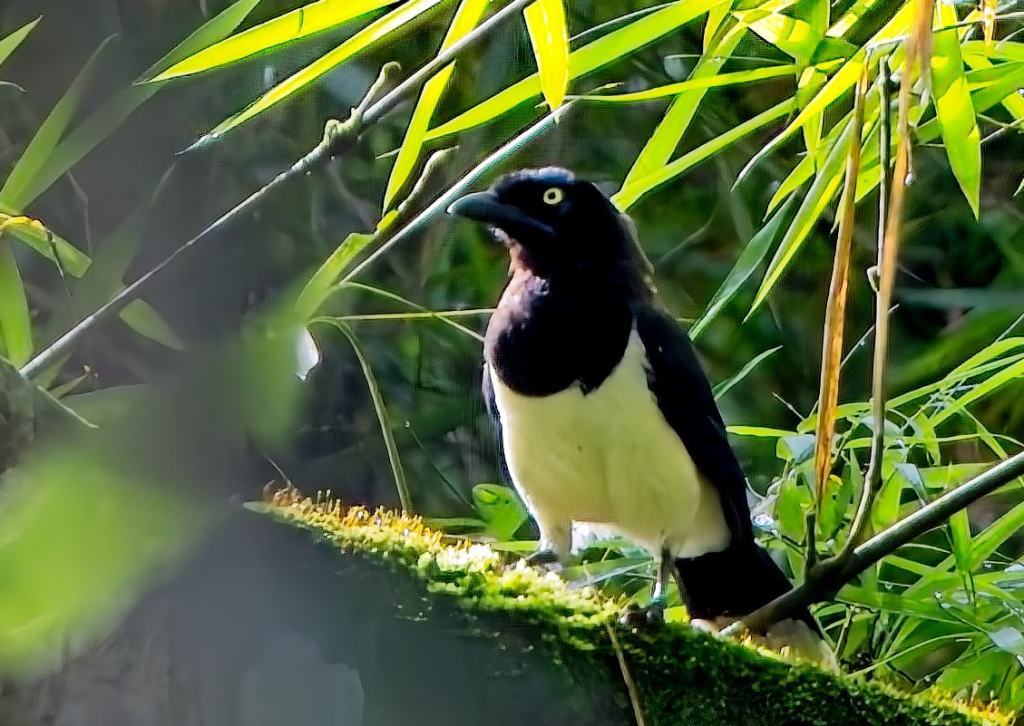
Life Photos of Non-lifers

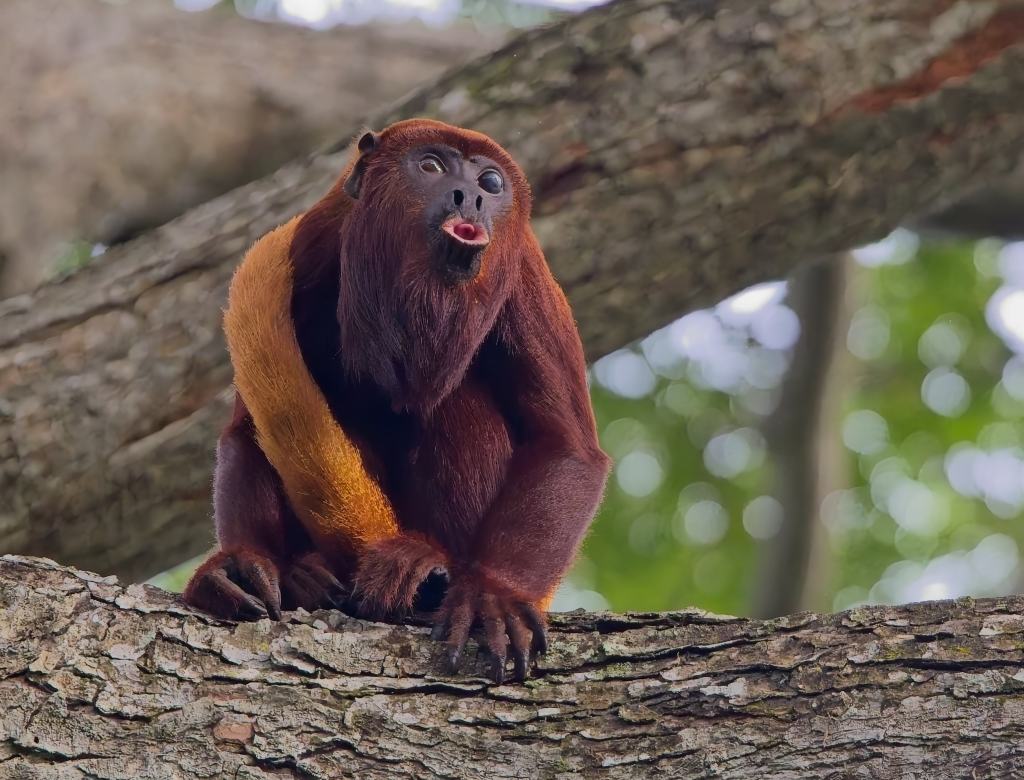
A highlight of our visit to the Matute Reserve was several interactions with resident Red Howler Monkeys with some excellent views and photo opportunities. We also had our only Capybara of the trip – a brief distant view before it scurried off the road in front of us providing a single quick chance for a photo.
Capybara

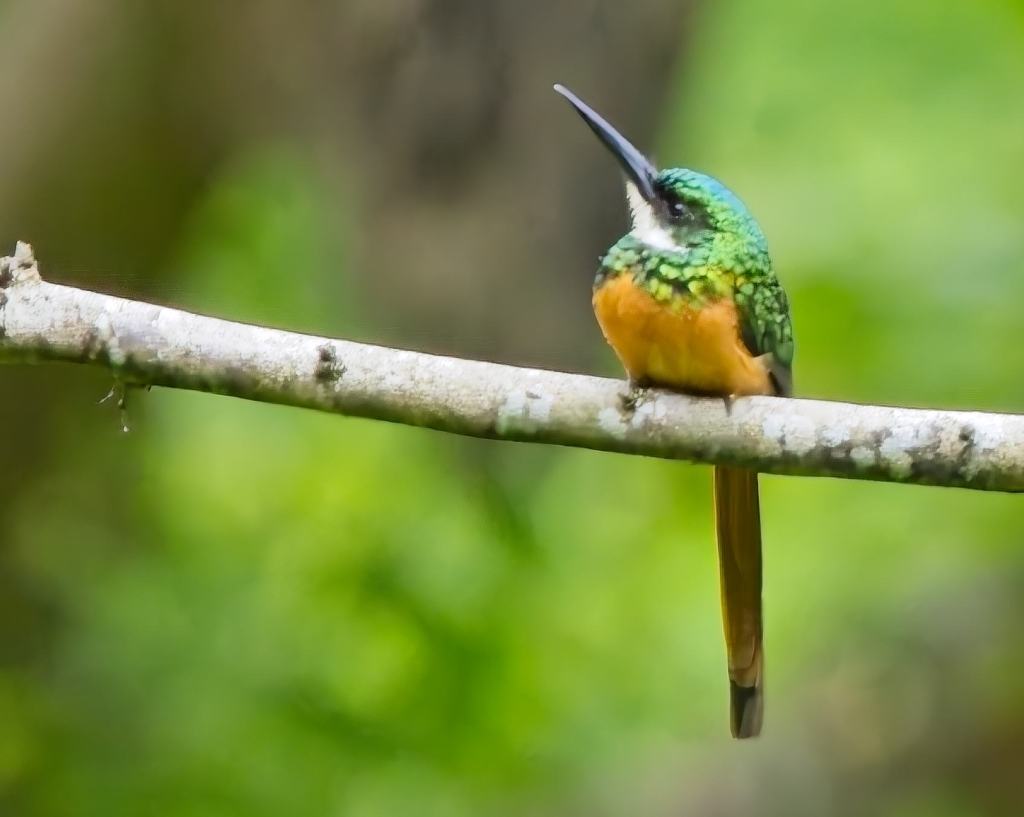
Although neither lifers nor life photos, I have to include photos of some iconic tropical species: Rufous-tailed Jacamar, Whooping Motmot (it actually does “whoop”) and Keel-billed Toucan.
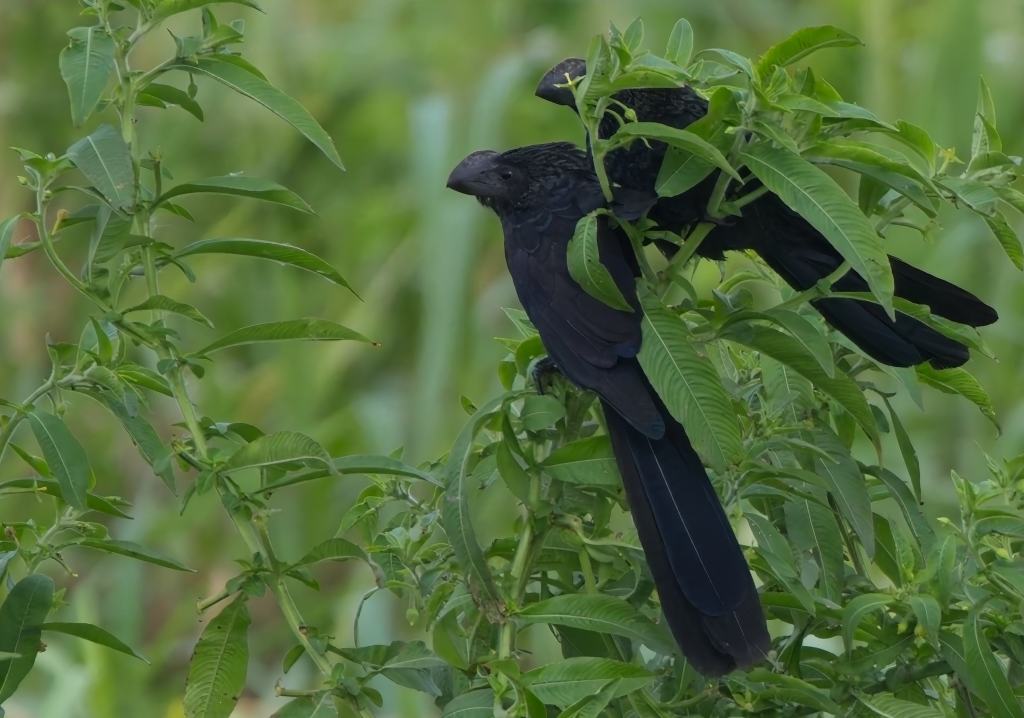
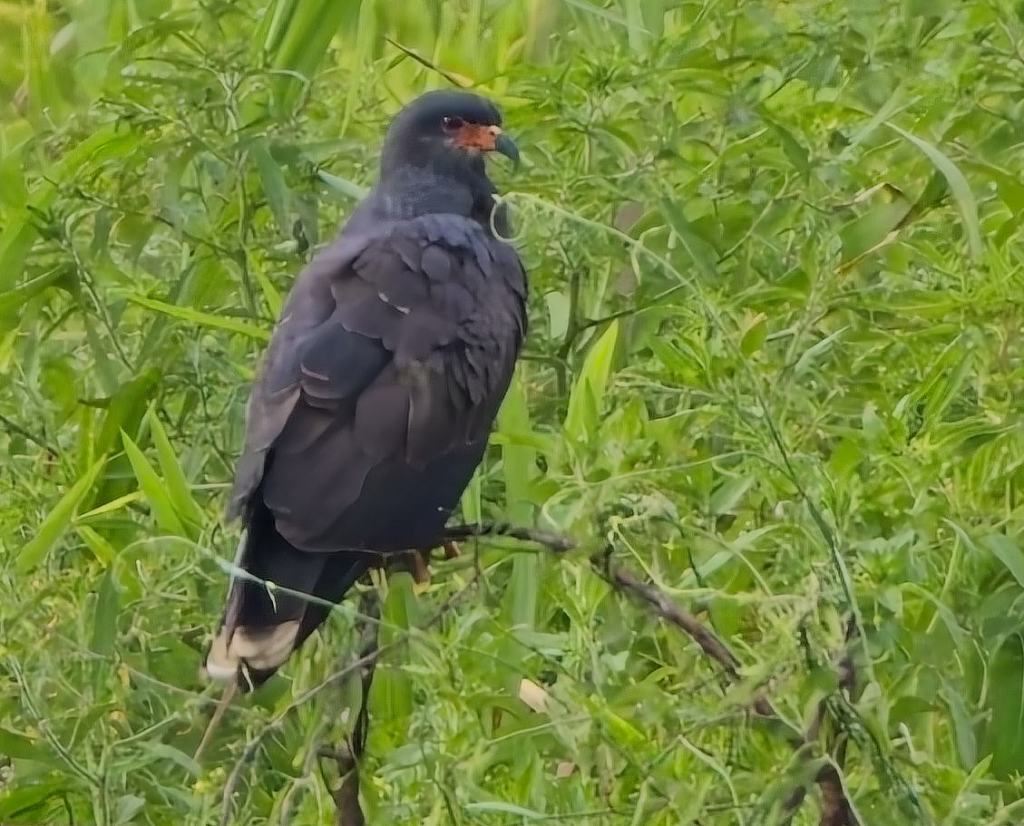
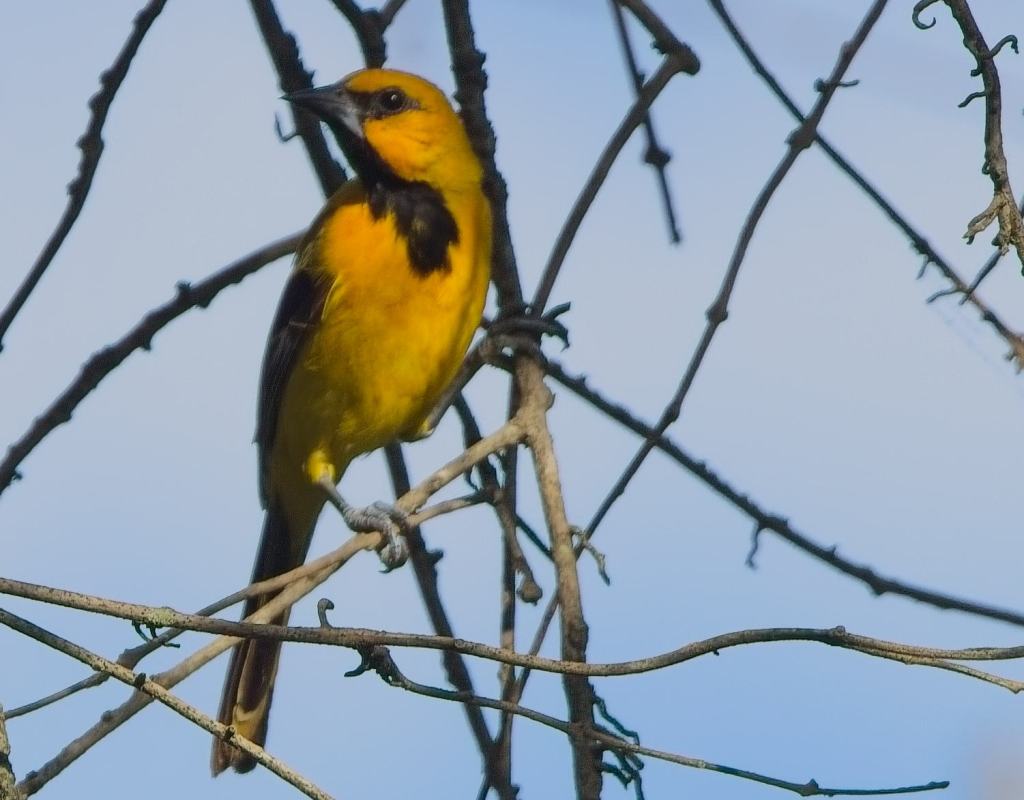
After a long and large lunch on the road, we headed back to Barranquilla with a productive stop at a marshy/wetland area along a branch of the Magdalena River. The only lifer was of an unphotographed Yellow Billed Tern but I did get life photos of a Yellow Oriole, Northern Screamer, and Olive-gray Saltator as well as nice photos of Snail Kite, Ruddy Ground-Dove, Smooth Billed Anis, and Southern Lapwing.
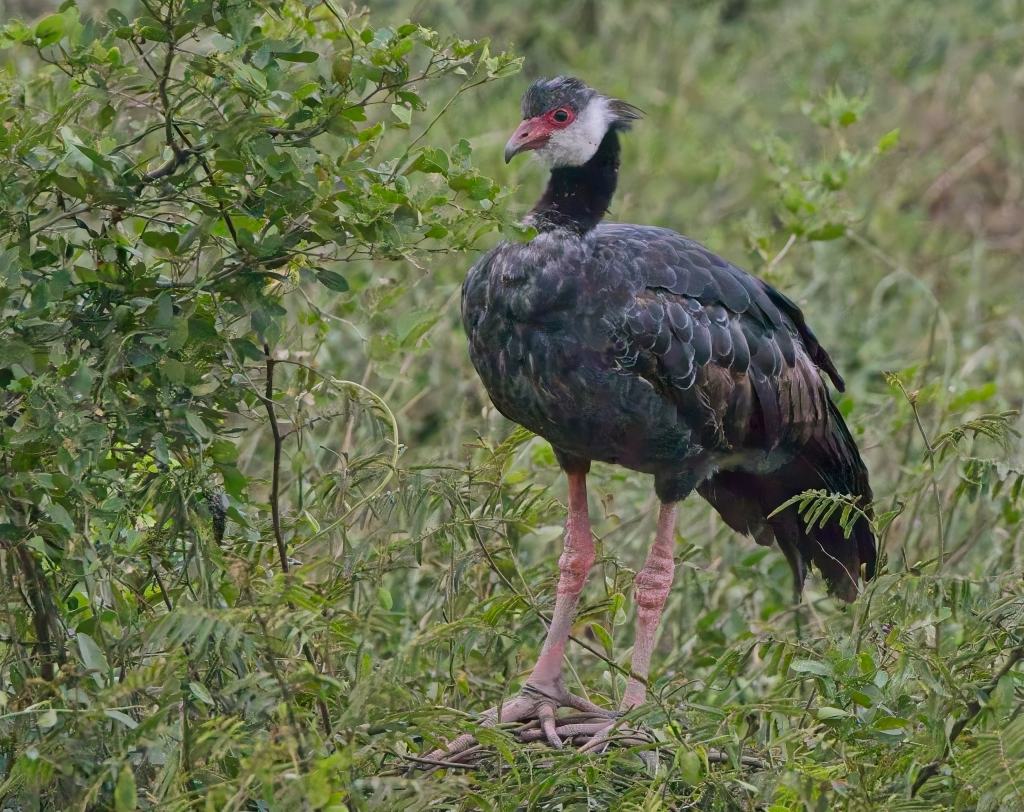
Northern Screamer – Life Photo
Yellow Oriole – Life Photo
Olive-gray Saltator – Life Photo

Totals for the day: 70 species; 18 lifers and 21 life photos. My Colombia list was at 102 species.

Day 3 – June 22

W were off on an early start evidenced by a first Ebird list beginning at 5:36 a.m. We would be working our way East towards Santa Marta but after picking up some miscellaneous species, we stopped at a somewhat odd mixed habitat place noted as the first of many stops along Troncal del Caribe in our Ebird reports which is much better sounding than the translation which is “Caribbean Trunk Road” – essentially a mix of places known to Breiner. Altogether there were 5 lists from the area and we had 69 species (not including the pet Muscovy Ducks or Peacocks). Twenty-five were new for Colombia, 7 were lifers and I added 9 life photos (a couple not worth sharing!). Unfortunately I was not quick enough to get what would have been a life photo of a flyby Amazon Kingfisher. It could have landed on any of a number of photo friendly perches, but just kept on going – little bastard!

Shining Green Hummingbird – Lifer
Sapphire-bellied Hummingbird – Lifer
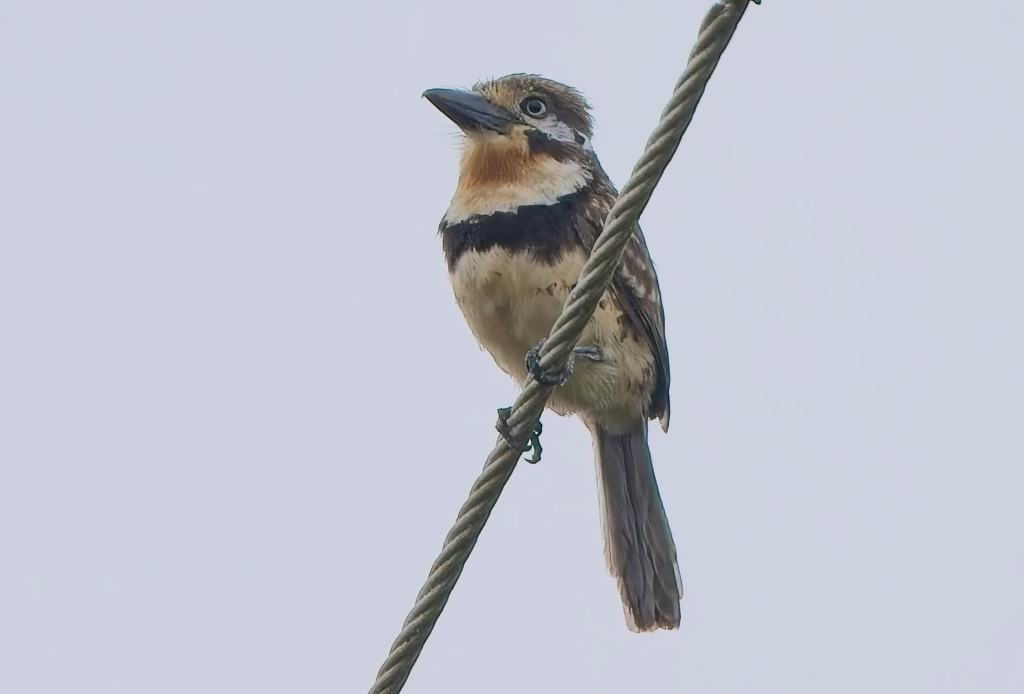
Russet-throated Puffbird – Lifer
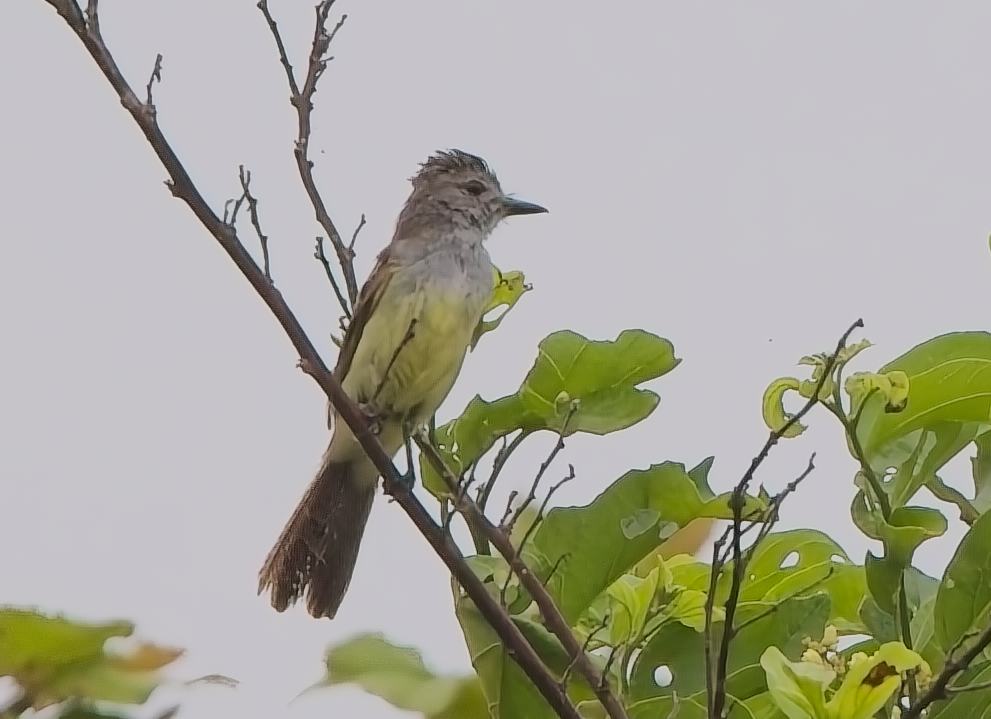
Panama Flycatcher – Lifer
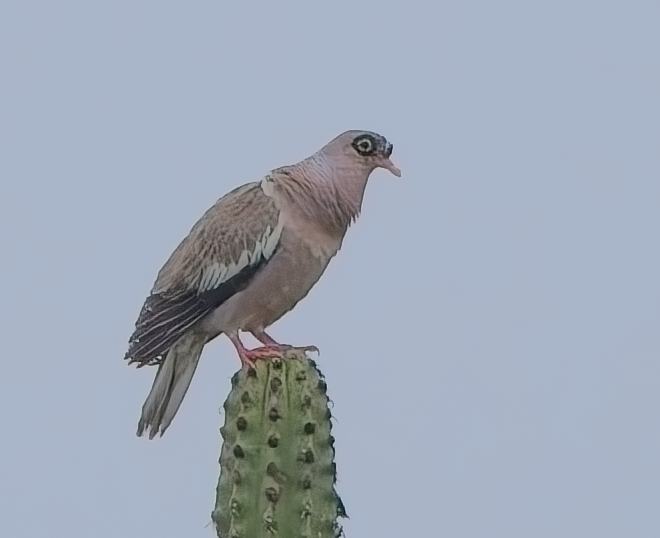
Bare-eyed Pigeon – Lifer
Caribbean Hornero – Lifer
Yellow-bellied Elaenia – Life Photo

I also had my best photos for the trip for Fork-Tailed Flycatcher, Yellow-headed Caracara and Pale-vented Pigeon among other photos.

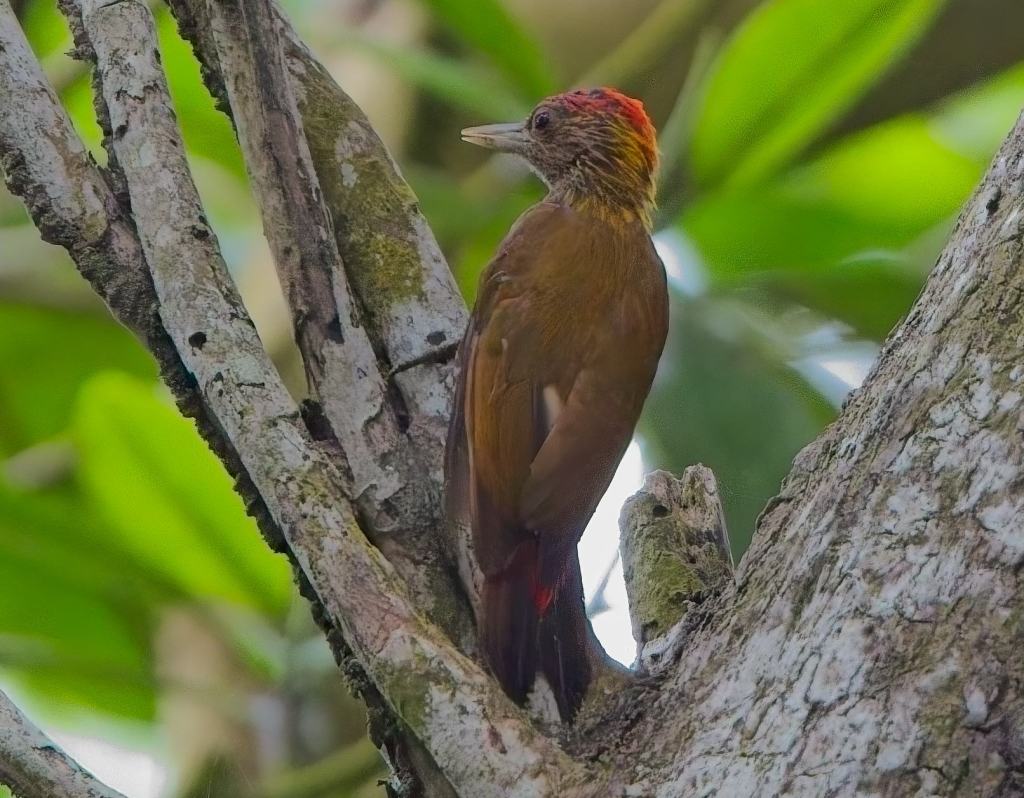
Continuing East towards Santa Marta and before lunch, we birded at Parque Isla de Salamanca, with 22 species, half of which were new for our trip including 3 more lifers: Sapphire-throated Hummingbird, Pied Puffbird and Northern Scrub-flycatcher (all with photos) and additional life photos of Red-rumped Woodpecker and Scaled Dove.

Sapphire Throated Hummingbird – Lifer
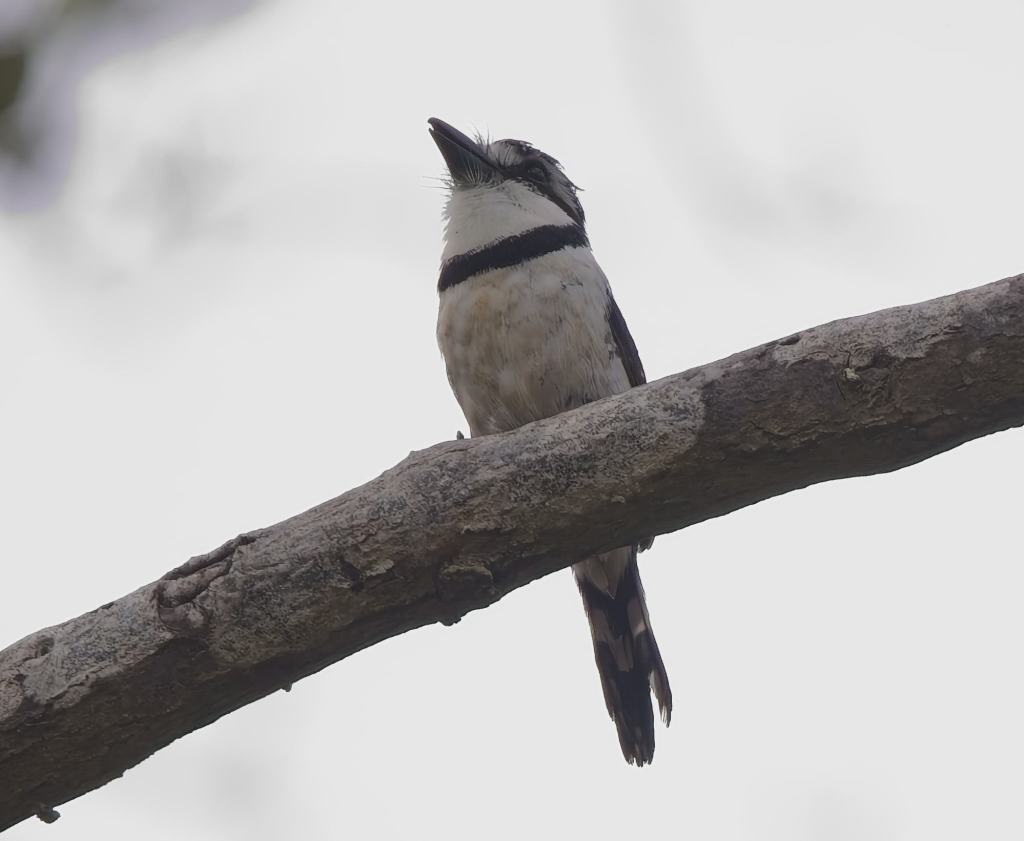
Pied Puffbird – Lifer
Northern Scrub Flycatcher
Red-rumped Woodpecker – Life Photo
Scaled Dove – Life Photo

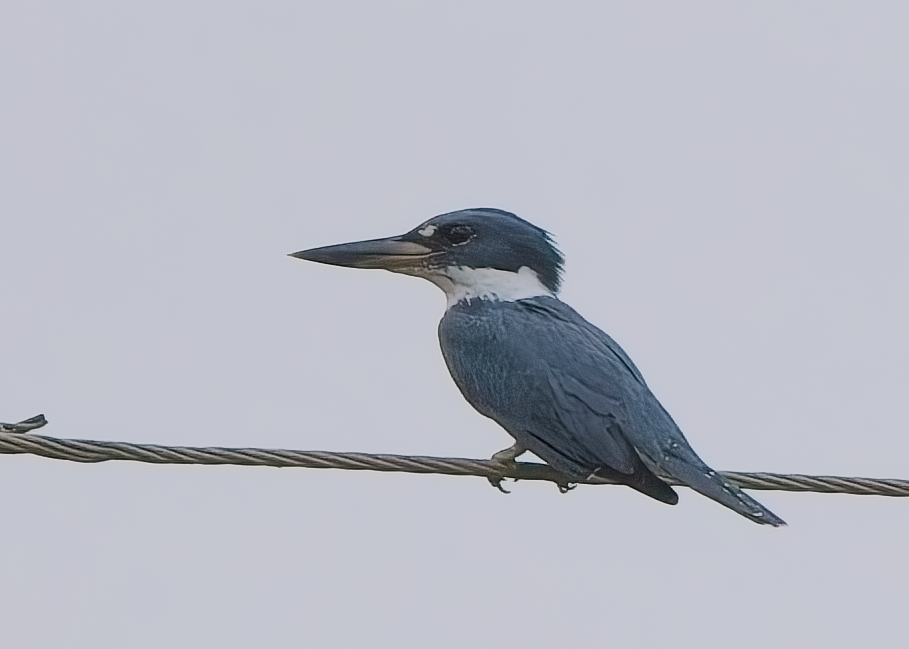
We also had both Green and American Pygmy Kingfishers, joining Ringed Kingfisher and Amazon Kingfisher to total 4 kingfishers that day, missing only the Belted Kingfisher and Green and Rufous Kingfishers to cover all the kingfishers seen in Colombia. (I have now seen all 6 of these kingfishers with photos of all but the Amazon Kingfisher that eluded me in the morning.) It is surprising to me that there are only these six kingfishers in all of South America with its great bird diversity and suitable habitat as there are as many as 118 kingfisher species worldwide with 16 in Africa, 50 in Australia and Oceania and 45 in Asia but only 1 in Europe and 3 in North America. I have seen 35 species altogether.

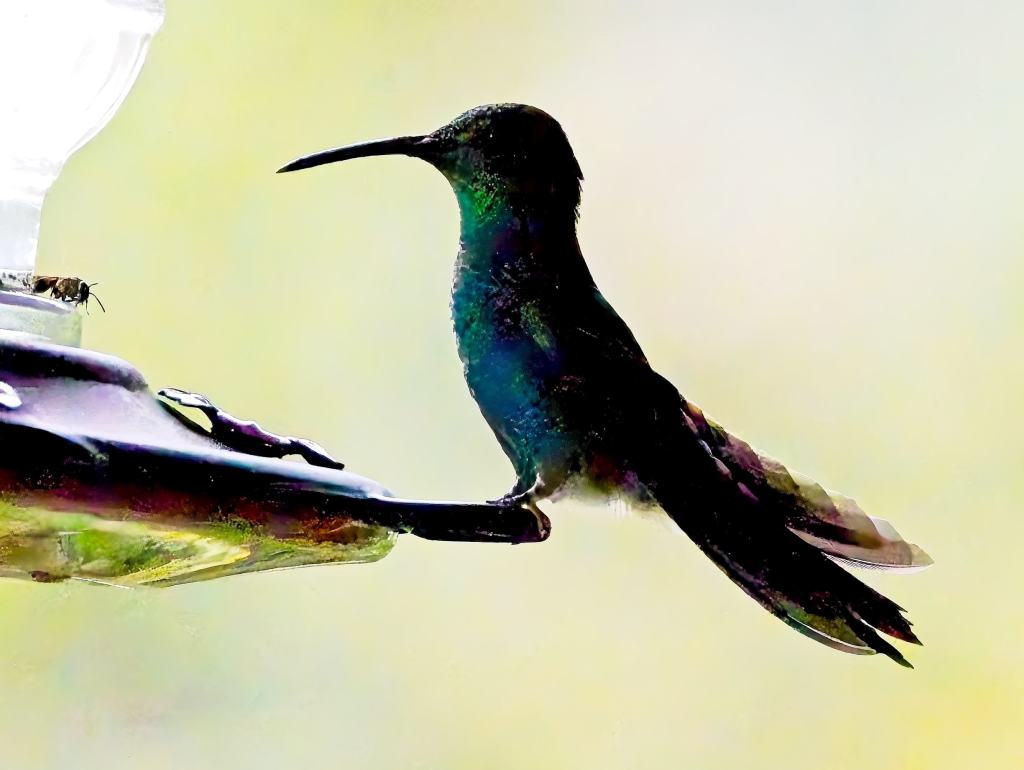
We continued on to the Hotel Colonial in Minca with Breiner’s sharp eyes picking out a Double Striped Thick-knee on the way. A lifer with a photograph it is the 6th thick-knee I have seen, the 2nd in South America, joining Peruvian Thick-knee. And at the feeders at the hotel, I added 3 more lifers: Lesser Elaenia, Crimson-backed Tanager and White-Vented Plumeleteer.
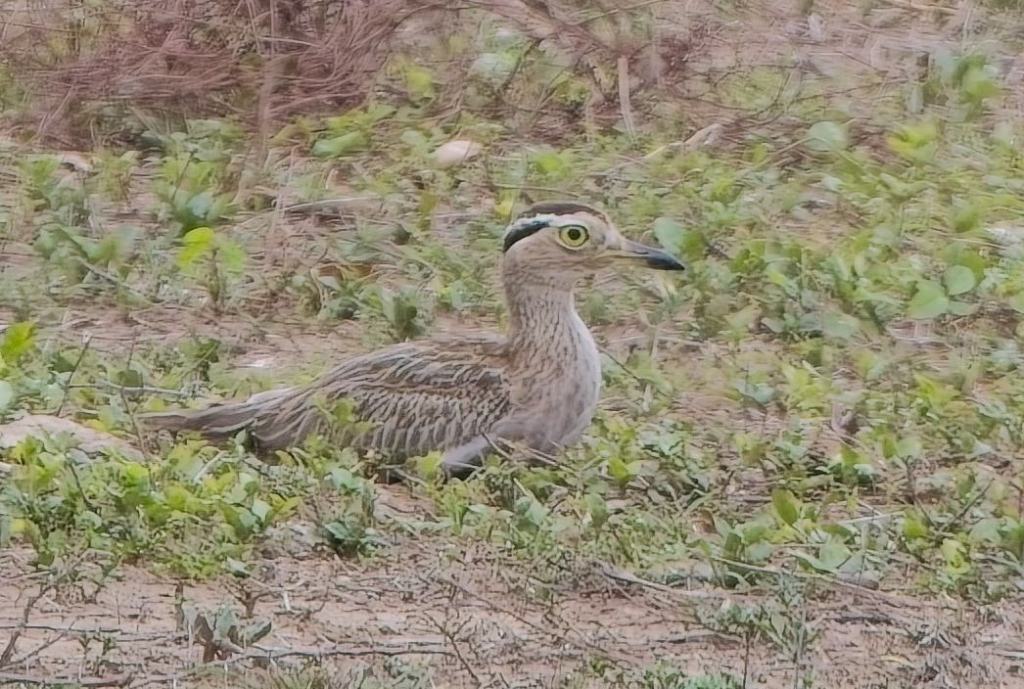
Double-striped Thick-knee – Lifer
Lesser Elaenia – Lifer
White-vented Plumeleteer – Lifer
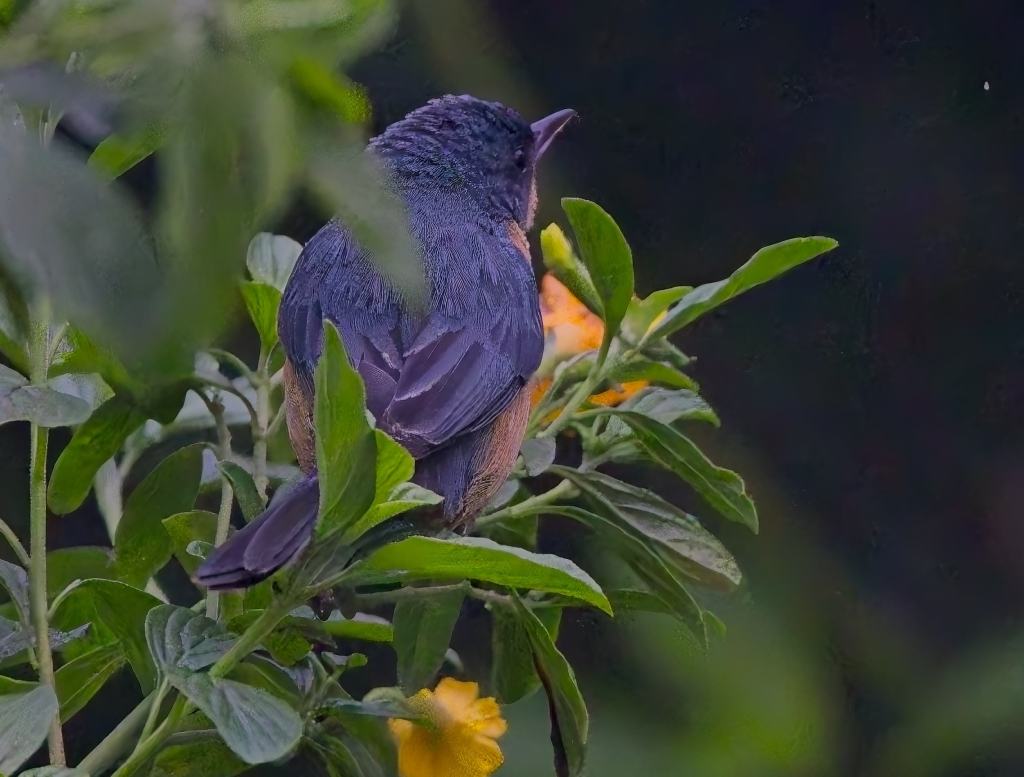
Crimson-backed Tanager – Poor Photo of a Beautiful Lifer

Totals for the day: 88 species; 14 lifers and 18 life photos. My Colombia list was at 145 species. Night at the Minca Veranda Hotel.

Day 4 – June 23rd

It was another early start picking up our first Plumbeous Kite for the trip at 5:40 a.m. at the hotel. Then we continued on towards Santa Marta with a first stop at the Gairama Reserve in the foothills of the Sierra Nevada mountains. An hour at the reserve produced 16 species, half of which were new for the trip, including only a single lifer, Band Rumped Swift (no photo). I did get life photos of a White-bearded Manakin and an Ochre-lored Flatbill but missed what would have been a life photo of a Long-billed Gnatwren.

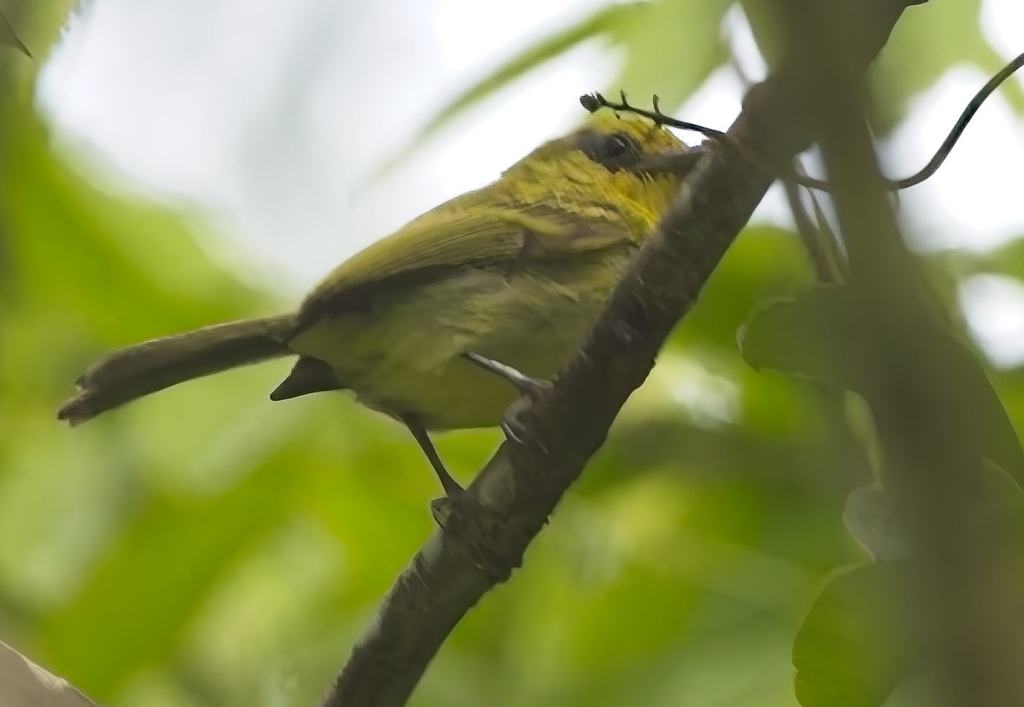
White-bearded Manakin – Life Photo
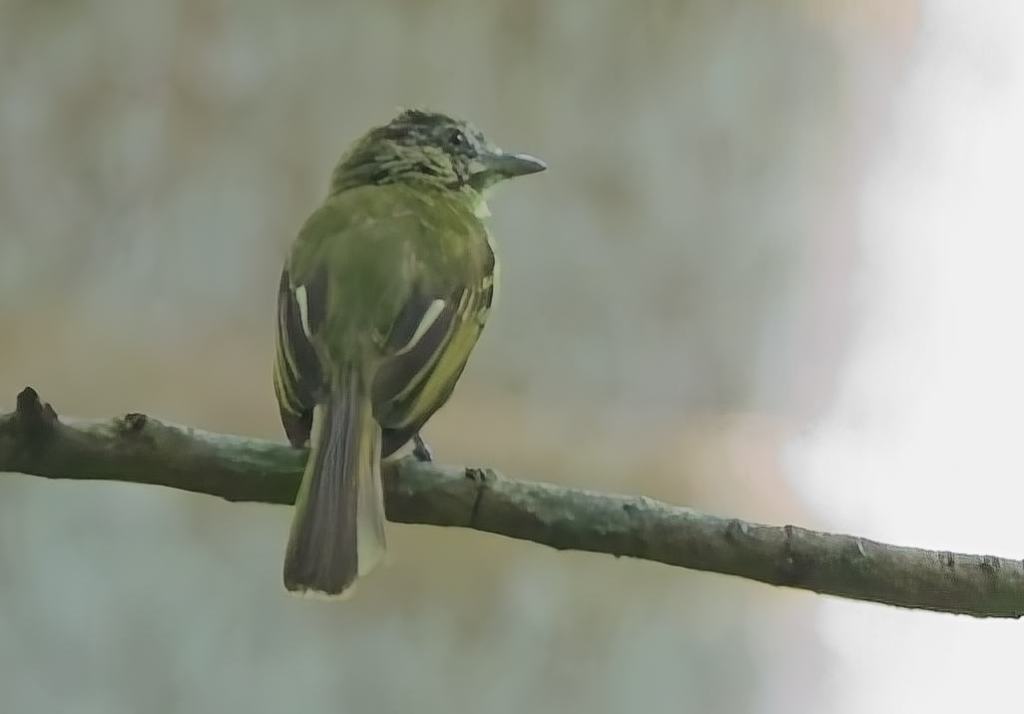
Ochre-lored Flatbill – Life Photo

A stop on the road produced another lifer, a Scaled Piculet. Piculets are essentially miniature woodpeckers, generally less than 4 inches long. This piculet is found only in Colombia and Venezuela. Since I will likely never visit Venezuela, this was essentially an endemic for me. At the same stop I got a life photo of a Red-billed Parrot and missed a life photo opportunity for a Pale-eyed Pygmy-Tyrant. A comment about parrots and their kin. The literature says that the length of the tail is a specific feature that clearly distinguishes parrots and parakeets and that parrotlets are “smaller”. All are in the parrot family. My trouble is that my usual view of these birds is a brief one as they fly quickly by and I do not have sufficient experience to always distinguish a “longer” from a “shorter” tail. Identifying the specific species is even more challenging as field marks like “red or orange or blue chins or cheeks” are generally unseen by me as they fly overhead and quickly disappear. At least when they perch, there is a fighting chance – even if the tail is invisible so there goes that distinguishing field mark. In this case, the bird was perched and the tail appeared “short” but where is that red bill? Not clear to me, but the red vent is clear and that confirms the ID.
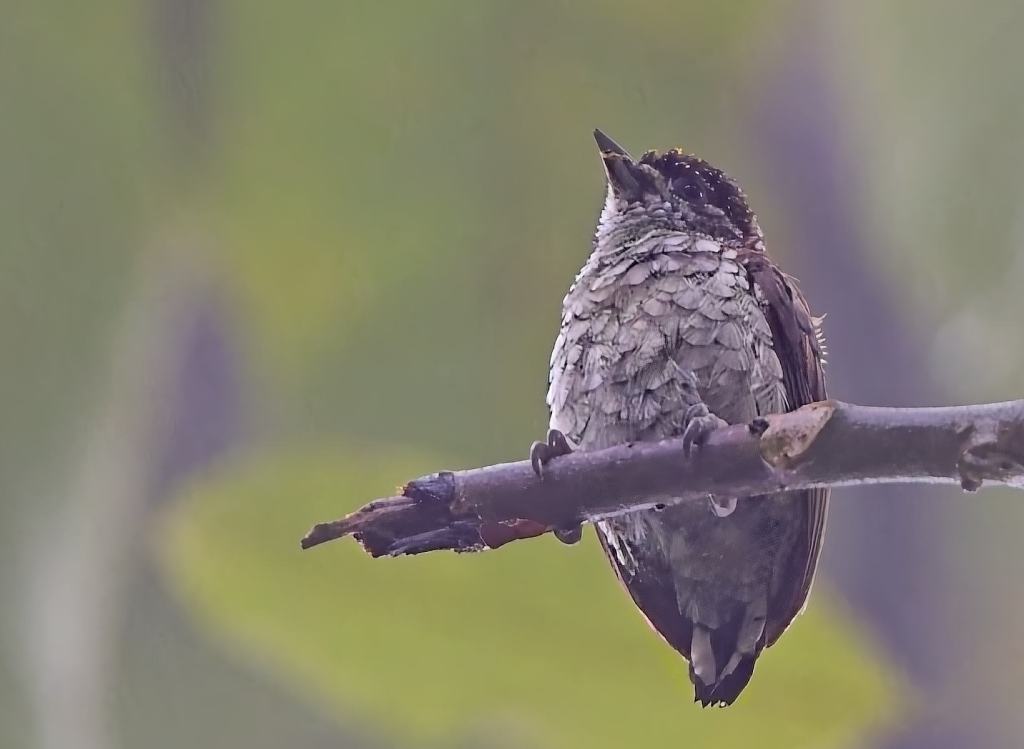
Scaled Piculet
Red-billed Parrot

We were now on the road going up to the Santa Marta Mountain-House Bird Lodge where we would spend the next two nights. The Santa Marta area is bird rich with many endemics and is a favored birding location in Colombia and the focal point of the design of my trip. I used the phrase “road going up” and although accurate, it falls far short of an accurate description as this was the most difficult, rough and challenging road I had ever travelled – good four wheel drive an absolute must. The road was uneven, unpaved, full of rocks and gouges, narrow, steep, full of sharp turns, and demanding the driver’s full attention just in case another vehicle was coming from the other direction. That did not happen often and was generally signaled by a beeping horn, but on two occasions we met another vehicle and expert maneuvering was required – generally meaning one vehicle backing down or backing up the treacherous road to a somewhat wider spot. Once we cleared each other with literally one inch separating the two side mirrors (pulled in). As mentioned in my introductory blog post, driver Jeferson was terrific, negotiating each twist and turn and bump and gouge often at less than a walking pace, but without any hesitation or danger.

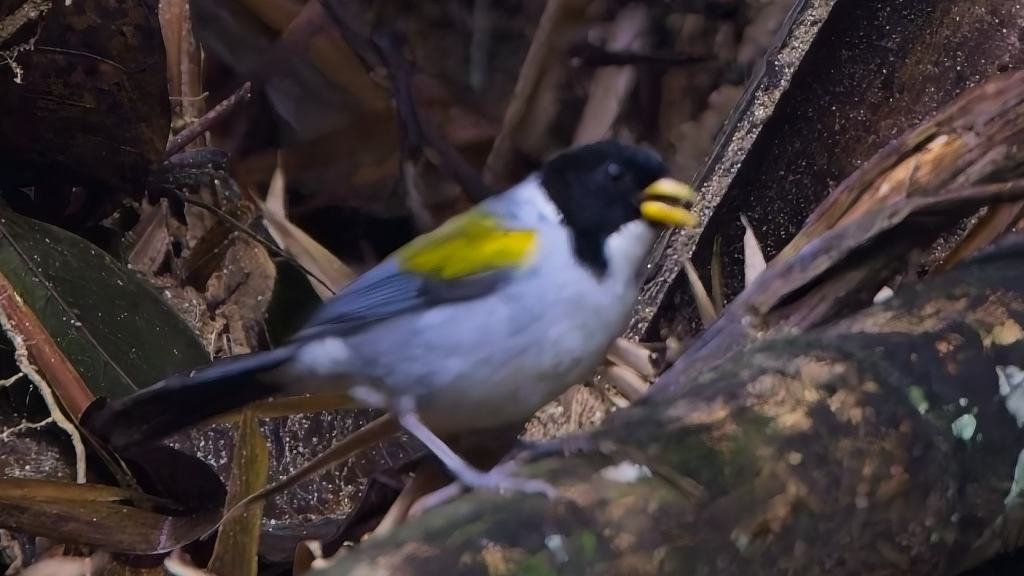
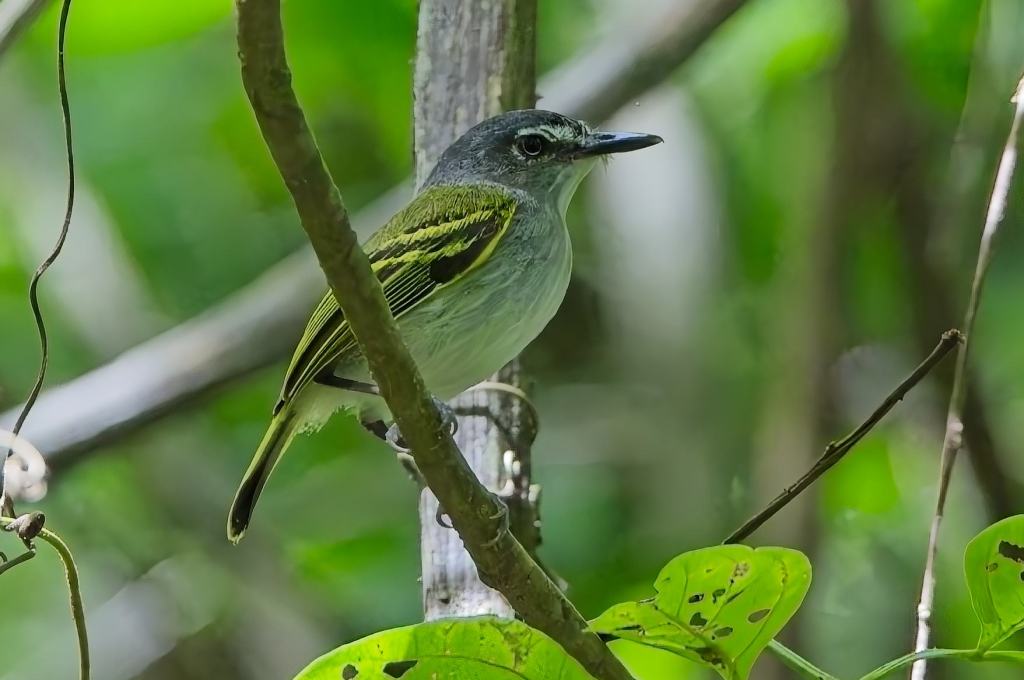
It was not always easy or even possible to pull over to bird along the road. Typically Breiner would find a good spot to bird and he and I would get out of the car and walk the road while Jeferson went ahead to find a somewhat wider place to pull over and wait for us. Honestly even walking some stretches of the road was challenging, but the birds were worth it. We spent over three hours birding and driving along the road covering the less than 4 miles to get to our lodge. At the three stops along the way we had 23 species of which 14 were new for the trip, 9 were lifers and I got 6 life photos, missing the Santa Marta Woodstar which I would photograph later and the Santa Marta Foliage Gleaner and Santa Marta Antbird. Some barely ID quality photos of several as birds were hard to locate let alone see in the open (or even nearly so) and often in poorly lit dense forest. But as he always did, Breiner excelled in locating the birds, drawing them closer and getting me into position to see them and have a chance at a photo.
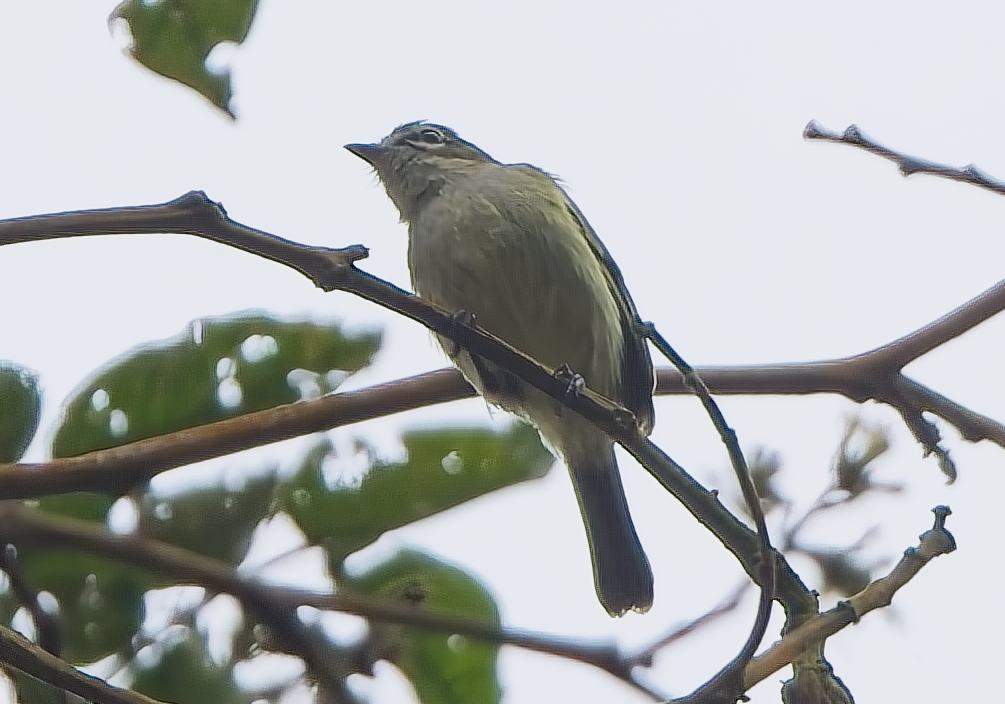
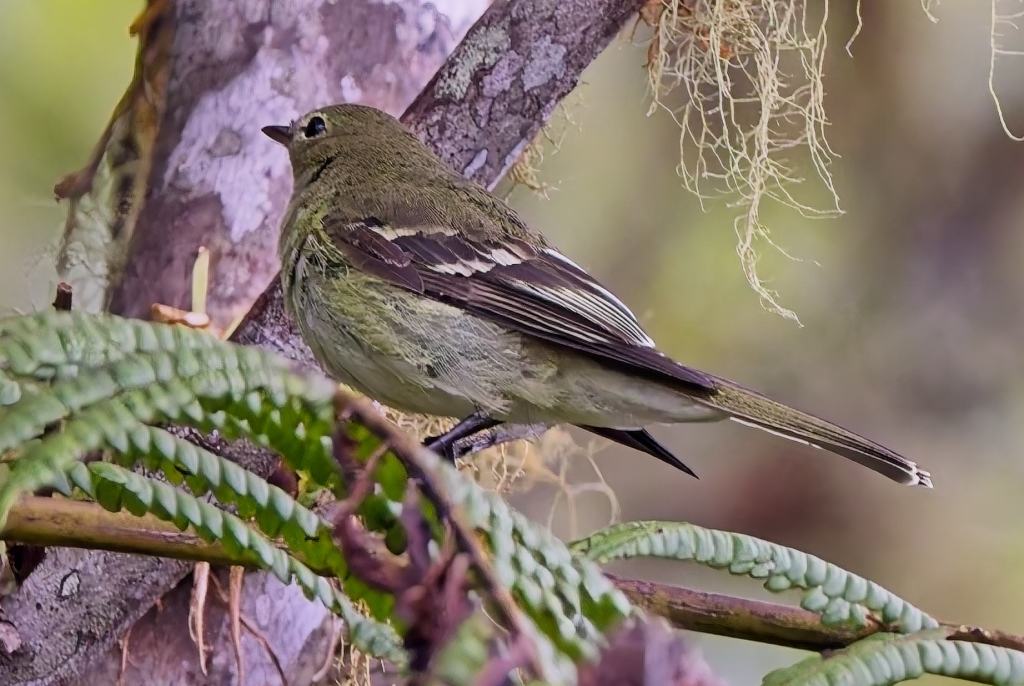
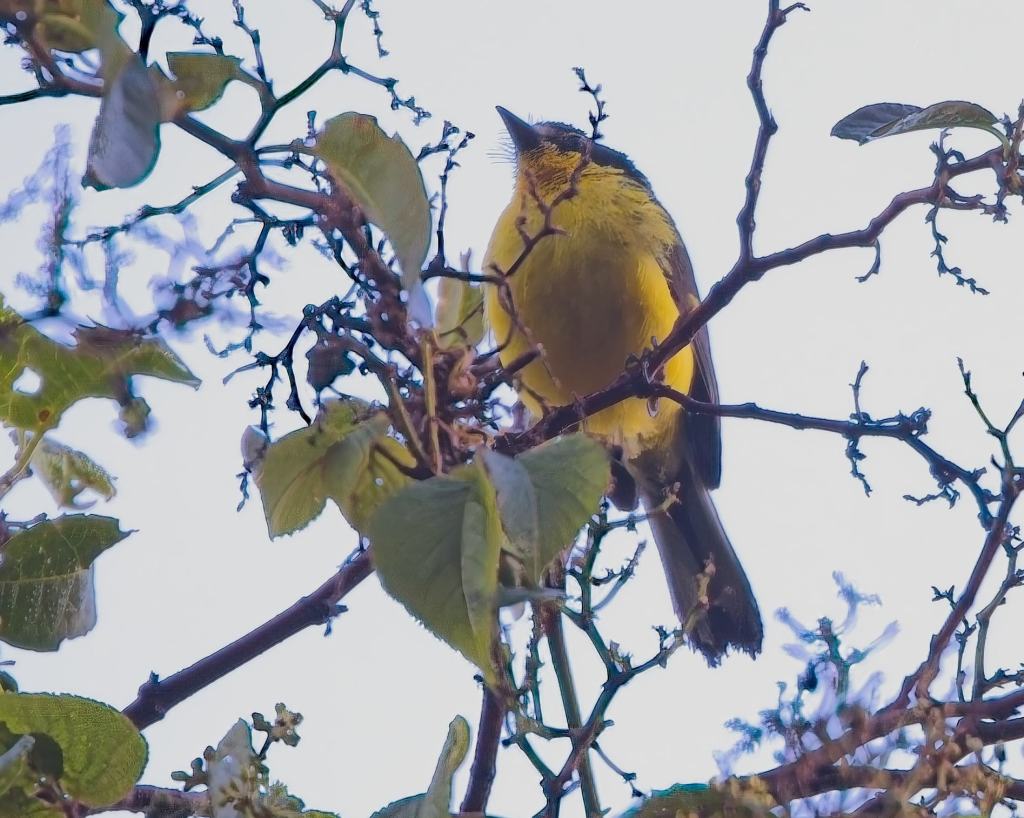
Spectacled Tyrannulet – Lifer
Sierra Nevada Brushfinch – Endemic Lifer
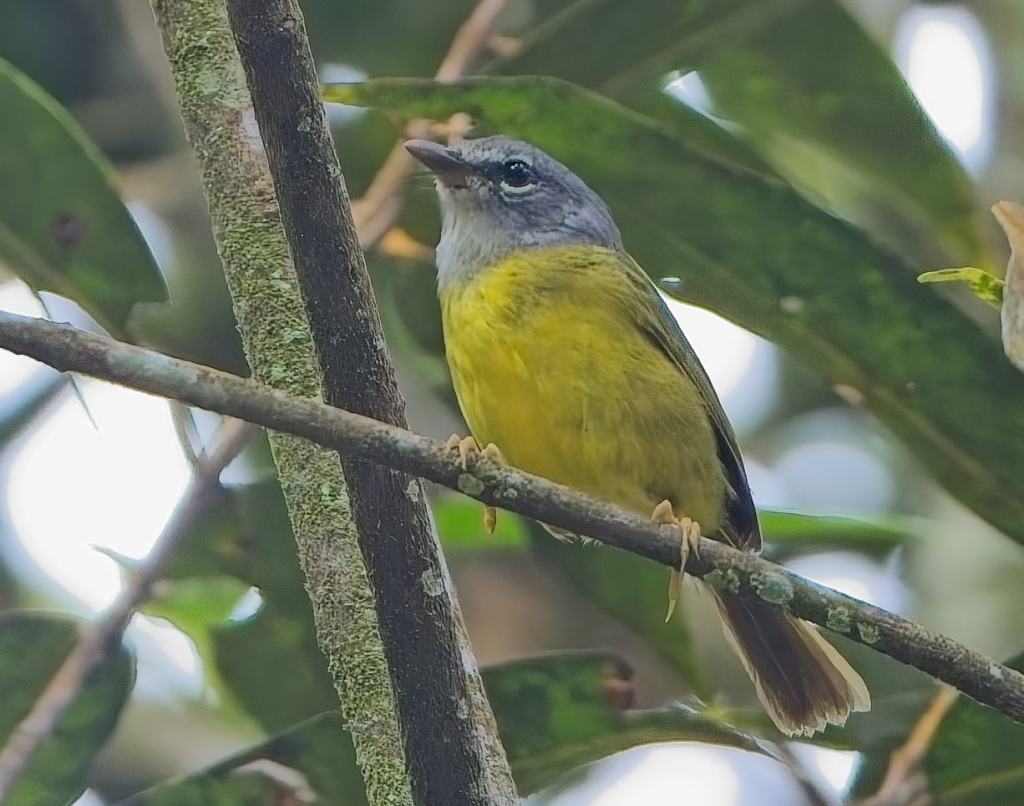
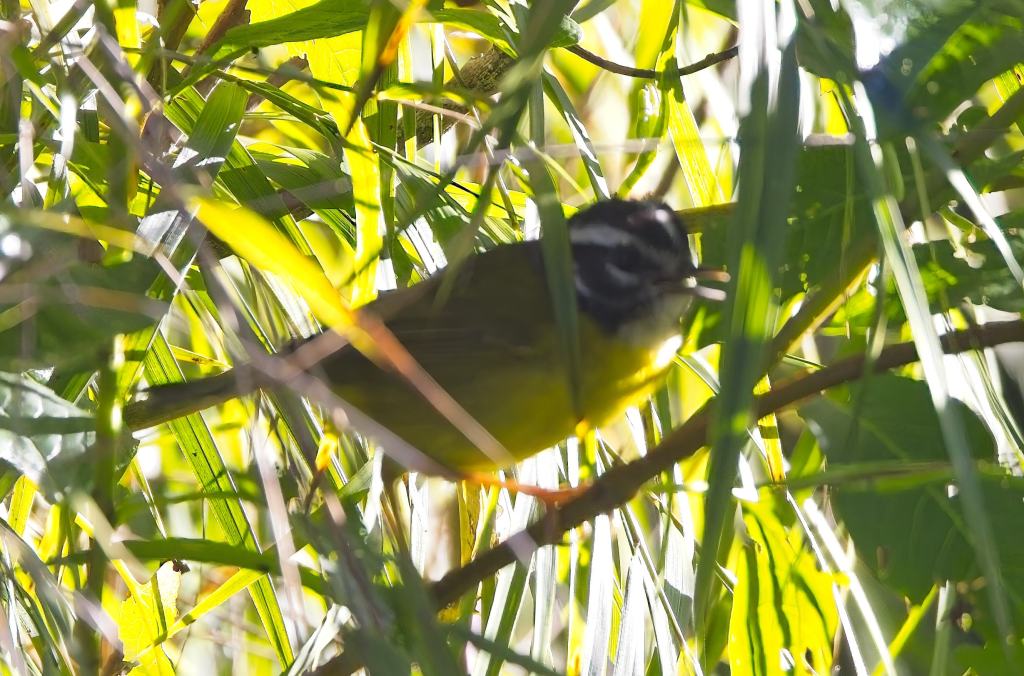
White-lored Warbler – Lifer
Santa Marta Tapaculo – Endemic Lifer (happy for any Tapaculo photo)
Yellow-Legged Thrush(Not happy with this one)
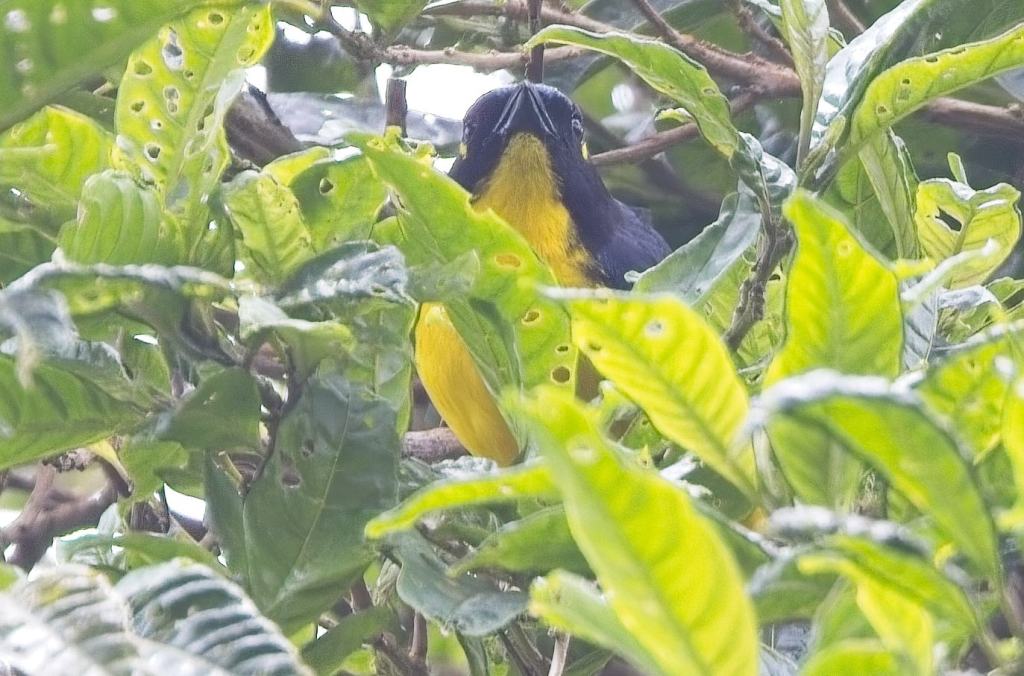
Black-headed Tanager – Lifer
Swallow Tanager – Poor Life Photo

We arrived at Mountain House a little before noon and after unloading immediately began watching the hummingbird feeders which were very active and a couple of banana filled bamboo feeders attracting other species. In less than 10 minutes we had 12 species with photos of them all including 4 lifers: Santa Marta Blossomcrown, Santa Marta Brushfinch, Blue Naped Chlorophonia and Lazuline Sabrewing. I also got a much improved photo of the Black Headed Tanager and a life photo of a Rusty Flowerpiercer. Other hummers were Brown and Sparkling Violetears, and Crowned Woodnymph.

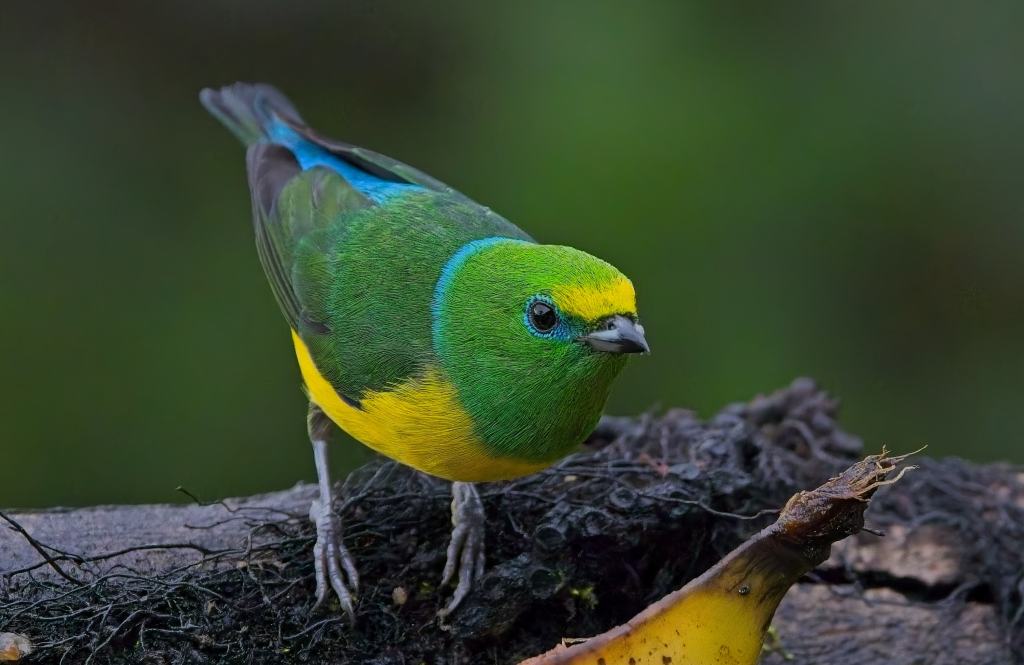
Santa Marta Brushfinch – Endemic Lifer
Blue-naped Chlorophonia – Lifer and one of the prettiest birds of the trip
Lazuline Sabrewing – Endemic Lifer
Santa Marta Blossomcrown – Endemic Lifer (and a major disappointment as I got this photo just as it flew off – expecting better chances later – but never got another opportunity)
Rusty Flowerpiercer – Life Photo
Black Headed Tanager on Feeder – Much Better Photo
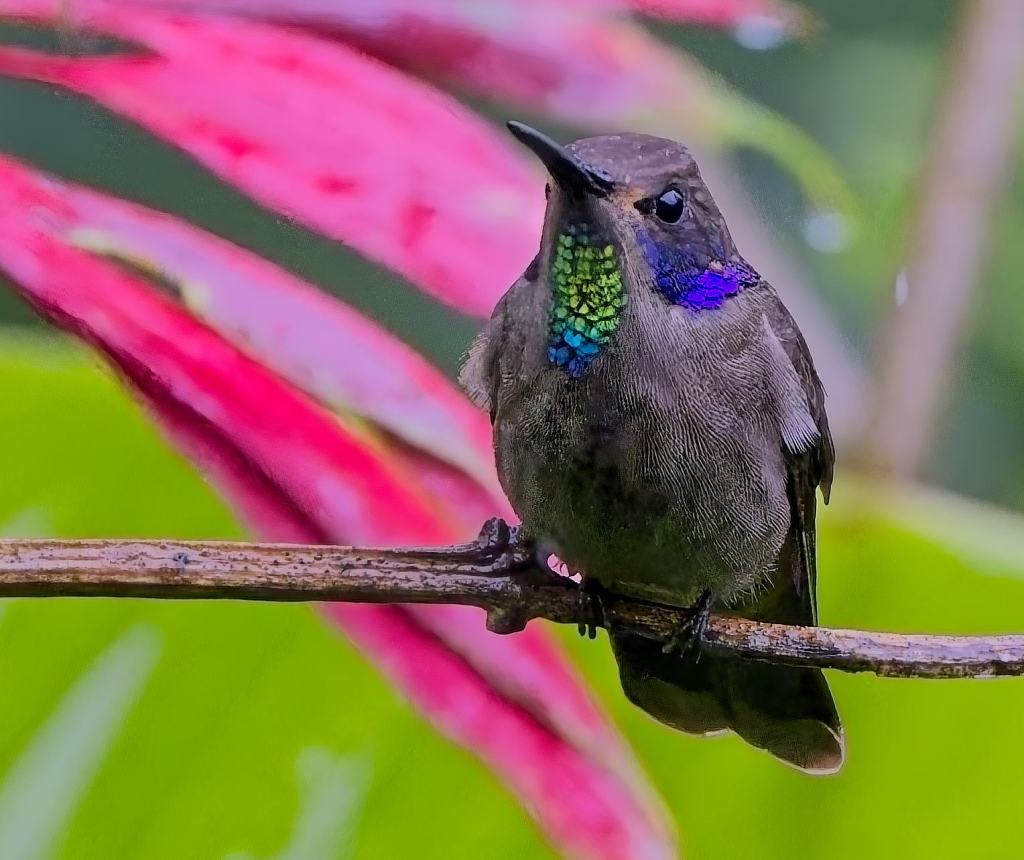
Brown Violetear
Sparkling Violetear
Crowned Woodnymph

Our timing was excellent as it began to rain shortly after we arrived – it is a tropical cloud forest after all – so we had lunch and took a break for a siesta planning to begin birding again at 3:00 pm hopefully without rain. It worked perfectly as the clouds and rain moved on and we were back birding in the area around the lodge adding 10 trip species in the afternoon including lifers Coppery Emerald, Streak-capped and Pale-breasted Spinetails, Yellow-backed Oriole and Steely-vented Hummingbird. Other photos included a Streaked Saltator (Life photo), White-lined Tanager, Golden-olive Woodpecker and Scaled Pigeon.

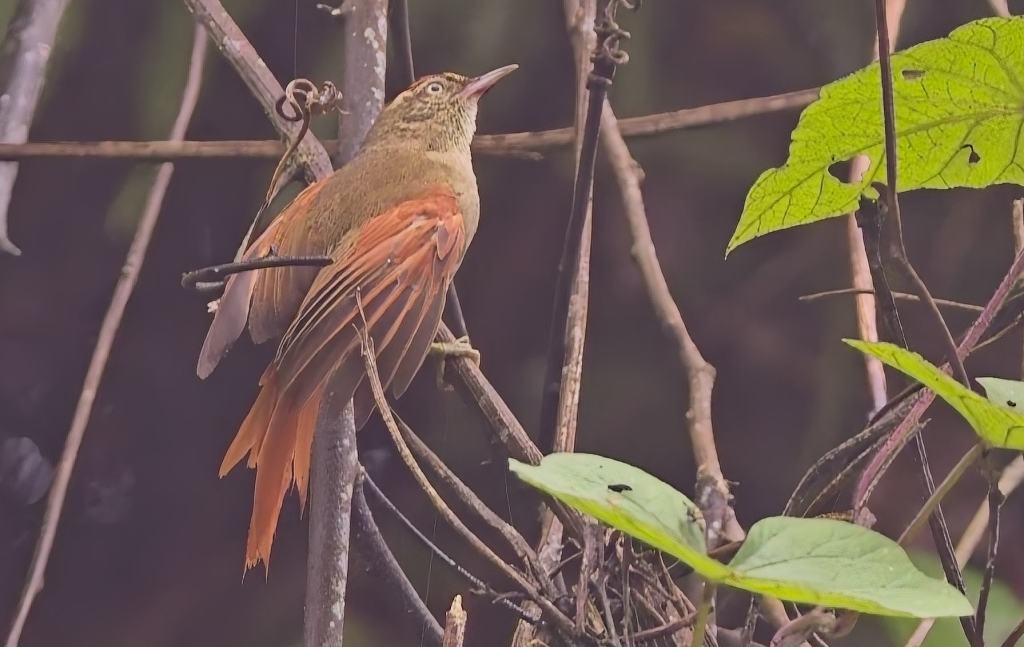
Coppery Emerald – Lifer
Streak-capped Spinetail – Lifer
Pale-breasted Spinetail – Lifer
Yellow-backed Oriole – Lifer
Steely-vented Hummingbird – Lifer
Streaked Saltator – Life Photo
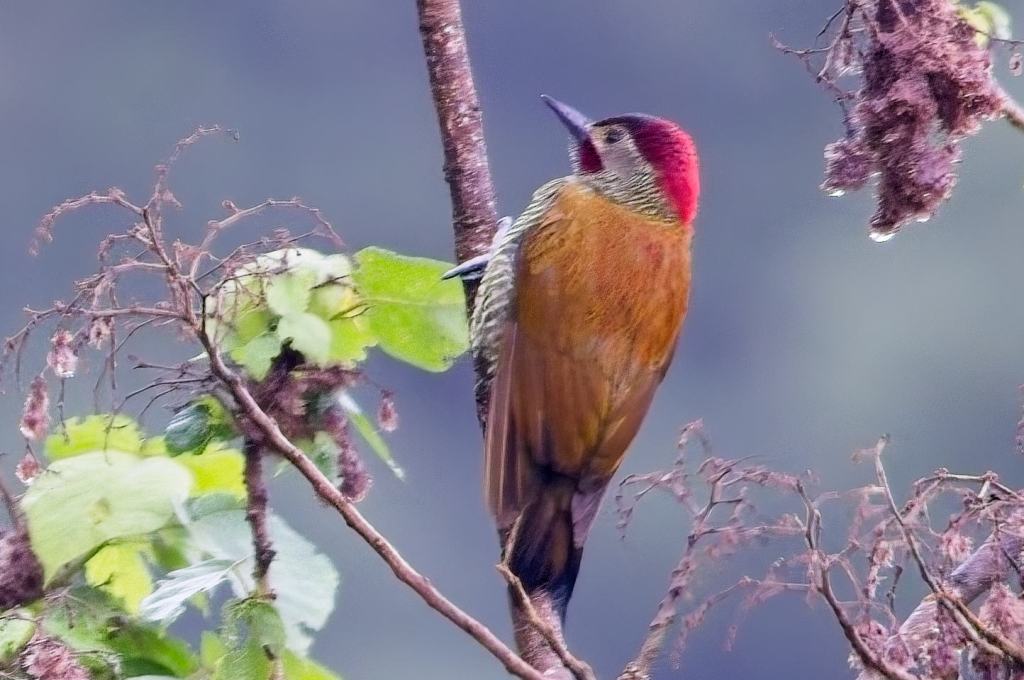
Golden-olive Woodpecker
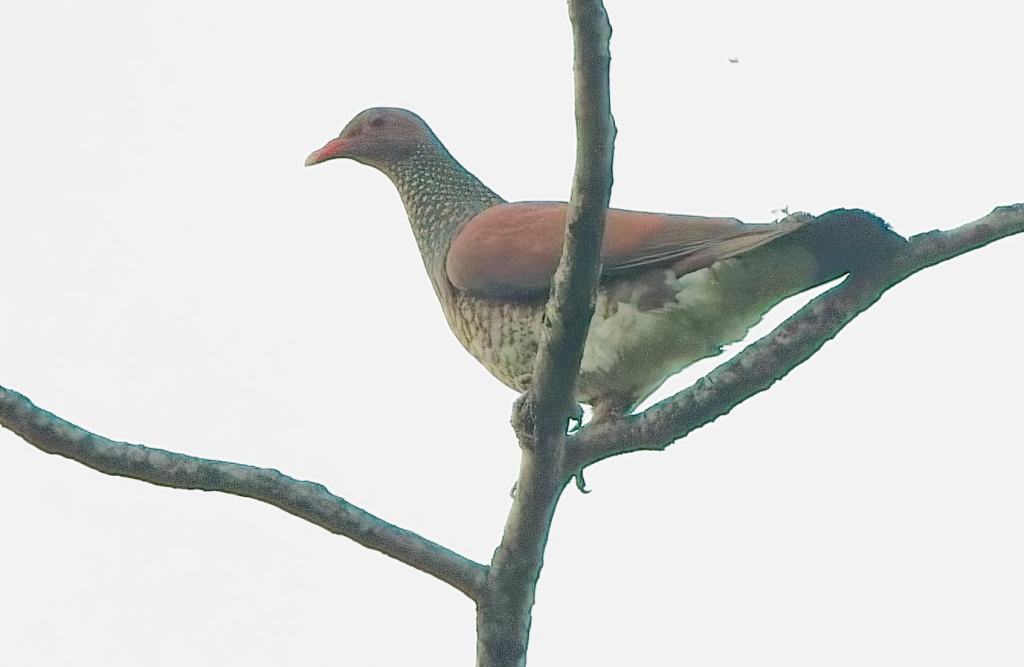
Scaled Pigeon
White-lined Tanager

We wee back at the Lodge around 5:00 p.m. in time to add a life photo that I wanted very much, a Bay-headed Tanager. I had seen this striking species many times, 13 in all, including in Trinidad, Costa Rica, Peru and Ecuador but had always failed to get a photo. Now I had one. I also improved earlier photos of Red-billed Parrot and Rusty Flowerpiercer and got a life photo of the endemic tiny Santa Marta Woodstar seen earlier in the day without a photo.

Bay-headed Tanager – Life Photo, Finally
Santa Marta Woodstar – Endemic, Life Photo
Red-billed Parrots – Improved Photo Showing the Red Bills
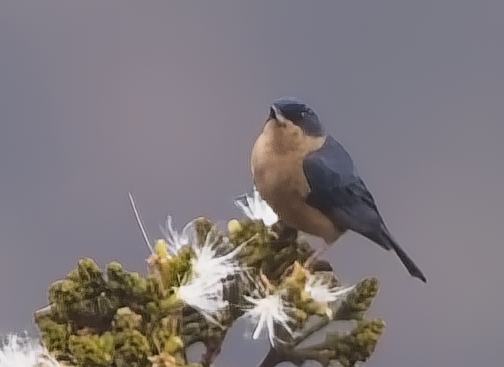
Rusty Flowerpiercer

Totals for the day: 71 species; 20 lifers and 22 life photos. My Colombia list was at 194 species. Night at Mountain House Lodge

Day 5 – June 24th

We were up very early again, leaving Mountain House Lodge and birding our way down the rocky road in the Santa Marta range. It was a good day starting with 5 heard only species not far from the lodge: Lifer Band-winged Nightjar, Stygian Owl, and Slaty-backed Nightingale Thrush and two others – Collared Forest Falcon – seen previously in Mexico, and White-throated Tyrannulet seen previously in Ecuador. I would later get a photo of the nightjar, but the others remain only on my “wanted photos” list.

We may have missed the wonderfully named Stygian Owl, but not much later, making great use of his heat detecting spotting scope, Breiner was able to locate and get me on an endemic Santa Marta Screech Owl high up in dense foliage almost directly overhead. One of the best birds of the trip, it is not the greatest photo, but one I never thought I would get, even after he located it. At the same location we also heard but never saw a Lined Quail-Dove, our fifth lifer for the day and it was not yet 5:50 a.m. We later had several more Lined Quail-Doves including one seen very briefly that I was able to photograph – just barely, and distantly. We also heard a Southern Emerald Toucanet, a species I had seen (or maybe heard only) in Peru 12 years ago, this one is the Santa Marta version and may someday be recognized as a separate species.

Santa Marta Screech-Owl – Endemic, Lifer
Lined Quail Dove – Very Distant Lifer

We spent almost 3 hours continuing our birding coming down the Santa Martas picking up 29 species, 21 new for the trip, including 12 lifers and 8 life photos (including the Lined Quail-Dove above). Not surprisingly lifers not photographed were the always difficult to see Brown-Rumped Tapaculo, Santa Marta and Sierra Nevada Antpittas and Rusty-headed Spinetail. If only that pace could continue for the rest of the trip!! A species also seen the previous day and heard and seen many times later in the trip was a surprise. It is the Band-rumped Pigeon, a species that is often seen near my home in Edmonds, Washington where they can be found all year. Their range is shown from Canada all the way down the West Coast through Mexico and all the way to southern South America. I had seen one in hometown Edmonds in May this year. On our checklists, the species we saw was designated as “White-necked”. I don’t know if that is a different race or subspecies (or someday different species) compared to ours in the Northwest.

We had two more short stops before returning to the Lodge picking up a lifer at each – a White Tipped Quetzal and a Rusty-breasted Antpitta, the latter heard clearly but only – which would be repeated the next day. Quetzal’s and trogons are always prized additions to any trip as are antpittas. The former tend to be out in the open and the latter, like tapaculos, are skulkers that are often seen only briefly if at all. We had a number of interactions with the latter two types of birds that were frustratingly close to providing photos, but stayed out of sight. Of the 8 species of antpittas and tapaculos seen during the entire tour, I was able to get photos of only one and a poor one at that, but all but one were lifers. On the other hand, we only had 3 quetzals or trogons and I have photos of all of them with only the White-tipped Quetzal being a lifer and a good photo to end this blog post, essentially covering the first half of my trip.
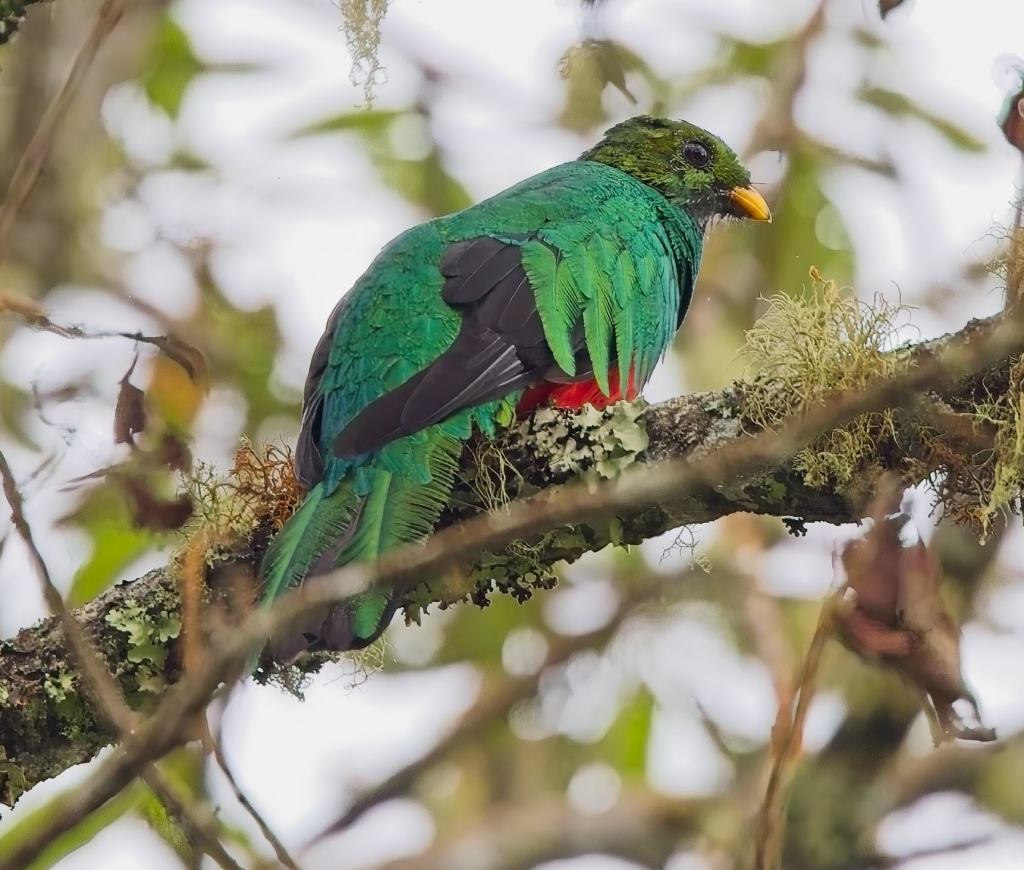
White-tipped Quetzal – Lifer

Totals for the day: 38 species; 19 lifers (78 cumulatively) and 10 life photos (82 cumulatively). My Colombia list was at 226 species. Night again at Mountain House Lodge.
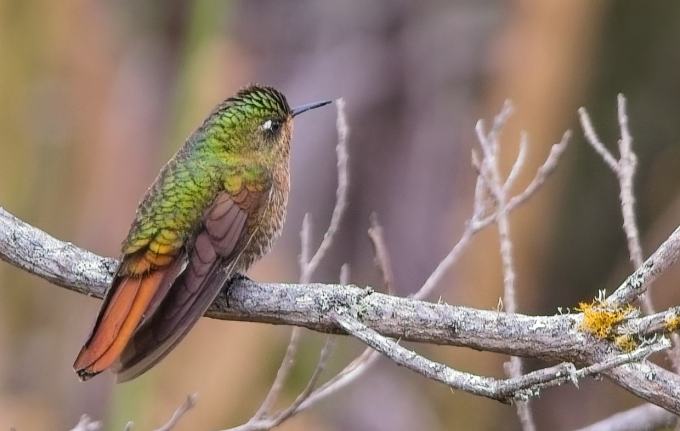
Colombia September 2025 – Introduction and Overview

Some International Background

My first trip to South America was to Argentina in March 1989 mostly in the area of Junin de Los Andes with 4 buddies fly fishing and enjoying great food and spectacular scenery in addition to the wonderful trout. At that time I was more interested in flyfishing than birding but had done a fair amount of birding as well so I kept track of species seen, a total of 41 species and somehow a photo of just one – a Black Necked Swan. My first international birding had been in Trinidad in May 1978, finding 97 species on a trip with friends courtesy of an amazing airfare deal through the now long gone Eastern Airlines that had included birding stops at ABA Biding meccas in South Texas and South Florida. Altogether on that trip we had 178 species of which 143 were new for my then pretty short World Life List (no camera). My next international trip was to the Mai Po Nature Preserve outside of Hong Kong on Christmas Day 1979. The 79 species there was followed three months later in March 1980 with 13 species seen casually on a definitely non-birding vacation visit to Jamaica. No camera on either trip.

It would be another 3.5 years until my next international birding adding 31 species from a single afternoon of birding squeezed into another non-birding vacation, this time to Japan in July 1983. That was it until that flyfishing trip to Argentina which was followed by another flyfishing trip, a very exotic one to the very remote Christmas Island (Kiribati) where only 7 species were seen incidentally as we concentrated on bonefish and other saltwater species in May 1989. By that time, a daughter and a son had been added to our family and birding and fishing both took back seats to child rearing, work and family activities. By April 1997 both kids were old enough to enjoy their first exotic vacation – a week in Costa Rica that included visiting some great lodges with birds, monkeys, butterflies, frogs etc. but no camera – the standard fare for an introduction to the natural history of the tropics and giving me the chance to see 155 species of which 99 were added to my World Life list which then reached 938. Concentration remained on kids and my career including starting my own consulting company in 2000. There was little birding and little fishing until 2002 when as a half time chaperone on my daughter’s trip with the Seattle Youth Symphony to Hungary and the Czech Republic I was able to get away for a half day guided trip in Hungary which produced 54 species – all World lifers.

Snapshot – After the foregoing it was July 2002. My daughter had graduated from high school and would be starting college. My son would be entering high school. My business was underway but with lots of pressure and uncertainty. In 2003 my only “vacation” was a solo mostly birding trip to Australia. With some guiding help only around Brisbane and on my own otherwise, I managed to see 267 species and actually got photos of 7 species. The one guide I was with, Bill Jolly, took photos of many of the species we saw. I have those photos but since I did not take them, I did not use them. So at the end of that trip, my world photo list was 8!! But I was over 1000 species for the world – 1243.

Galah – One of Seven Species Photographed in Australia – 2003

I don’t know if Ebird had yet been invented but I would not start using it for another 7 years until 2010. I am sure I did a little birding in those intervening years but I did not keep lists or records except for new life birds and apparently there were none of those – at least in Washington or elsewhere in the U.S. as I have no records of any except for a single Barred Owl record in Lincoln Park in West Seattle in 2007. For the 8 years following that Hungary excursion, my recorded birding trips (paper records and then later entered into Ebird after the fact) were all international with trips on my own to Australia (2003) as above, Brazil (2005), Kenya (2007) and then Belize (2010). I began taking pictures (I would not yet call them “photographs”) in 2005.

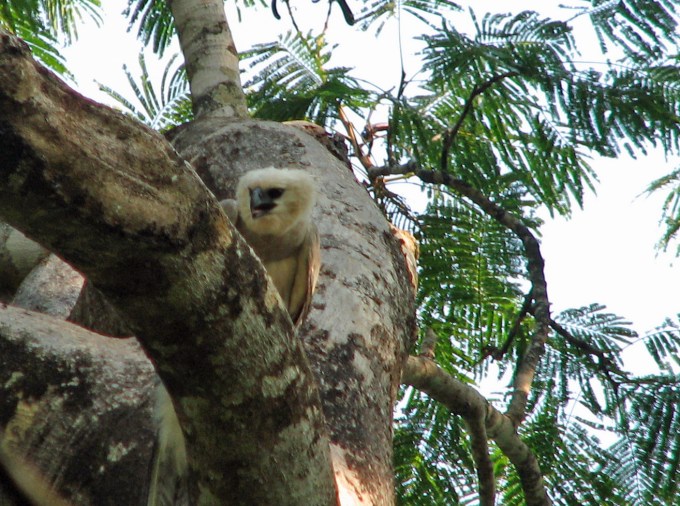
Harpy Eagle Chick – Brazil 2005

In large measure these trips enabled me to deal with pressures from business and domestic issues as I found that birding allowed me to take my mind away from those matters, re-energize and continue on. In 2010 I discovered Ebird and have 10 real time lists from that year, adding 35 species to my then very meager state list but evidencing that birding was becoming an important part of my being. At the end of 2010, Ebird showed that my Washington State Life List was at 235 species; my World Life List was 1959 and I had entered a total of 198 checklists – a number much lower than would have been the case if I had done lists as they occurred instead of retrospectively and only when new lifers were found. And per the above, I had finally started to take photos with only a handful in Australia but with another 59 in Brazil, 142 in Kenya and 19 in Belize. Those percentages would later be seen as unacceptable, but it was a start on a path that would become very important later and is very much so now.

Lilac Breasted Roller – A Favorite from Kenya in 2007

Major Transition – 2011 would begin a number of major changes in my life. My son would be graduating from college. My daughter would be in her first year of residency after Med School. Some major deals in my business would either be closing or falling apart, I would be looking at a separation in my marriage (to be followed by a divorce) and I would be undergoing my first surgery since my tonsils had been removed 60 years earlier. As I confronted all of those matters and especially the surgery for a full replacement of my right shoulder, I was at least unsure of my future and probably a little scared as well. What if that future was one of limited possibilities instead of the creation of new ones? At the top of my bucket list was a desire to see a tiger, in the wild, in India. In January, the month before the scheduled surgery I joined a Victor Emanuel Nature Tour to India that promised birds, the Taj Mahal and a good possibility of seeing my tiger. It was a wonderful trip with several tigers, the magnificent Taj Mahal and 278 bird species with photos of 150 of them.

2011 Tiger in India

Back in the U.S. after India, I had the surgery which at first seemed to have gone well, closed at least one of the pending important business deals, went forward with the separation and continued to use birding in my home state as a diversion – an increasingly active one. My shoulder was not doing well and a re-examination determined that the replacement had not worked and would have to be done again. During that surgery in 2012, it became obvious that the reason it had not at first succeeded was because there was an undetectable infection. The recovery was not fun and I have never regained the full use expected, but now 13 years later, it still works, so I cannot complain. It was a momentous year in other ways as well. We proceeded to a divorce; after another business deal closed and an option was entered that could result in a significant fee later, I contemplated retirement; and I left Seattle and relocated to Edmonds, Washington where I still reside.

When I sat down to write this blog post, I originally intended to just give a background of my birding trips to South America in anticipation of this trip to Colombia, the country which has more species than any other in the world and unlike as in my case is often the first in South America visited by birders since there are so many species to see and get on our lists. Maybe I just needed to revisit those early years and some of my own ghosts and demons and how birding has been so important in dealing with them. But enough of that – back to South America.

South America – That first South America trip to Argentina had great fishing and just the barest taste of bird life. On my own in Brazil in 2005, it had been a perfect escape for 3 weeks combining a visit to Rio, unguided birding at a large ranch in the Pantanal, time in the Amazon with help by a guide for two days and then time on my own at the incredible Iguassu Falls. At the time I was very pleased to have found 280 species but was not really looking to expand a World list. Later in 2013 I went on a guided trip to Peru with 413 species and 127 photos. Now after that trip to Peru and later visits to Ecuador (twice), with trip lists of 450 and 540 species each that Brazil list seems small, and I know that if I did it again with guides, the number would have been twice what I had in 2005.

In 2022 after canceling a number of trips in the Covid Doldrums, spouse Cindy Bailey and I went on a private birding trip to Ecuador and in 2024, even though there were too many “little brown jobs” for her taste, Cindy joined me on a wonderful Wine and Birds tour to Chile and Argentina. We had more birds (153 in Argentina and 104 in Chile) than wine (56 varieties tasted) and a great time. Cindy has learned a lot more about birds than she acknowledges and kindly tolerates my obsession but when a friend and I committed to another trip to Ecuador in 2024, she passed but together we planned a visit to the Galapagos which was wonderful and except for all the Darwin finches, the birds, especially like the boobies and albatrosses were fun for Cindy. When I looked into this Colombia trip, Cindy passed and continued that stance when I committed to a trip back to Brazil – a very different area in that very large country where I might expect 300+ species many of which would be new lifers and/or new life photos.

Enough background except for these numbers: It is June 19th as I start to write this and wait to board my plane for Miami and then on to Barranquilla. My World Life List is 3712 species. I have photos of 2,430 species. We will be birding for 10 and I half days in Northeastern Colombia, an area that includes Santa Marta and Perija with many endemics. For this trip, my organizer, ICARO BIRDING sent a potential list of more than 575 species. After comparing those possibilities with species on my World Life List, I calculated that there is a longshot chance to add 170+ new lifers and 175+ life photos. More realistically maybe 150 of each. My goals are to eventually have 4000 to 4500 species on my World Life List and to have photos of 3000 species. I sure wish I had been taking pictures on those early trips before 2005. Here is the itinerary. I will return to writing this after I have returned, gone over pictures and lists and reflected on the visit.

Colombia Itinerary

  • Day 1 – June 20 Arrival in Barranquilla at 12:50 PM – drive to Cartagena – PM Birding Cienaga de la Virgen  Hotel Cartagena
  • Day 2 – June 21 Matute Birding Reserve: Scaly-breasted Hummingbird, Red-throated Ant Tanager, Black-bellied Wren and others. eBird checklist – 3 hours late afternoon drive back to Barranquilla BH Barranquilla
  • Day 3 – June 22 Km 4 via Palomino and Salamanca – Minca Veranda Hotel
  • Day 4 – June 23 Birding Minca towards Mountain House Lodge Mountain House
  • Day 5 – June 24 San Lorenzo Ridge and around the lodge Mountain House
  • Day 6 – June 25 Minca – Gaviotas – Camarones – Riohacha Hotel Taroa
  • Day 7 – June 26 Los Flamencos Flora & Fauna Sanctuary: Camarones – Valledupar Hotel Sonesta
  • Day 8 – June 27 Tananeos Reserve and Perija Perija Bird Reserve
  • Day 9 – June 28 Birding the Perija Mountain range Perija Bird Reserve
  • Day 10 – June 29 Perija and Valledupar Hotel Sonesta
  • Day 11 – June 30 Valledupar – Barranquilla (birding all the way) BH Hotel
  • Day 12 – July 1 BH – Airport flight at 1:50 PM

Back Home – Reporting/Reflecting on my trip – Overview

I am going to start with the most important comments. Overall the trip went very well – no dangers, no illness, everything went according to schedule, weather was good, guide Breiner Tarazona was great, lots of birds and lots of photos. Flights all worked although some delays and gate relocations caused more stress than I would choose. This was a solo tour with guide Breiner and driver Jeferson in a very comfortable and very capable 4 wheel drive Toyota Fortune. With maybe one exception the lodging was very good to excellent. Food was mostly unremarkable but in quantities significantly greater than needed. Everyone I met, including police officers on FOUR road stops were all friendly or more. Lots of dogs enabling me to send photos back to dog lover Cindy. More city travel than expected or compared to other international trips, but traffic was not bad, roads in general were very good with the exception of the two incredibly challenging “dirt” roads leading up to key areas in the Santa Marta and Perija mountains which were as rough as any roads I had ever traveled. Jeferson was an exceptional driver and often with speeds less than 5 kilometers an hour, got us easily through the tough roads.

Breiner was a great guide and a great human being. Very easy to travel with, good English, friends with everyone we met, and definitely on top of bird identification by sight and sound. He was very patient and particularly good at helping me get on birds buried in the foliage, a major problem for me, aided by his own keen eyes and ears, top notch binoculars, excellent recordings, a good scope, a good laser pointer and a new tool in the arsenal, a very effective heat sensor scope that helped find numerous species.

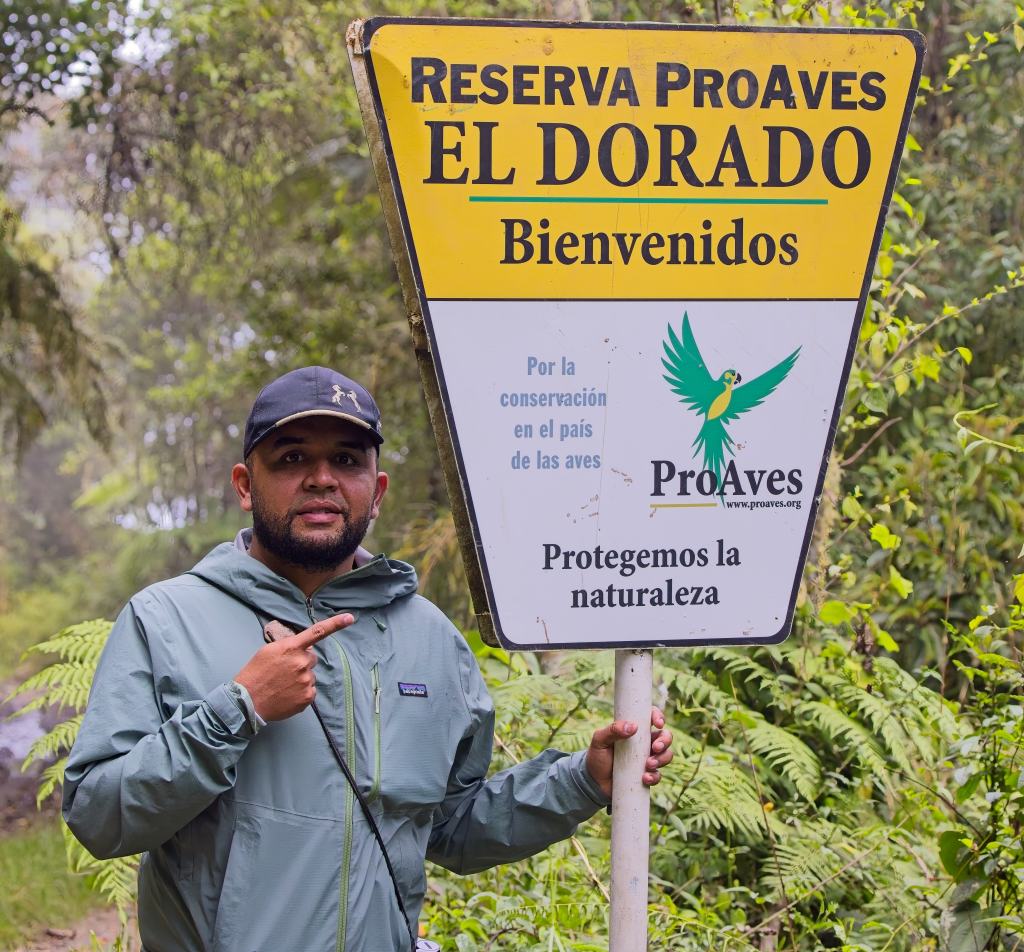
Breiner Tarazona

Let me get the only two somewhat negatives out of the way: (1) the “potential list” of 500+ species was somewhat misleading as it was not a trip list from a specific similar tour in the past – rather a compendium of all species that were possible to find in the geographic area. This kind of list is often used in tour descriptions and is certainly honest, just not as useful as a list of actual experiences in the past – like an Ebird Trip List from an earlier tour. So the reality was that the likely number of species to be actually seen was maybe 400 at most. I should/could have realized this and in no way would the smaller number have changed my mind about taking the trip. The second minor matter was that with Jeferson and Breiner in the front seats and me in the back, when they conversed in Spanish, as they did often, I felt somewhat left out/isolated. This emphasizes that I wish I had taken Spanish instead of French. Breiner never failed to communicate to me or respond to me in excellent English, just would have been nice to have been more engaged – especially since I understand that Jeferson, who had very little English, is quite the story teller. And in addition to his driving skill, Jeferson was helpful in numerous ways including in spotting some of the birds. Very minor negatives completely overweighed by many positive.

The geography of the trip was essentially in Northeastern Colombia along the Caribbean coast, almost to Venezuela and especially focused on the endemics of Santa Marta and Perija (endemics shared with Venezuela). This is a tiny part of the country and other trips would have produced very different bird lists. Bottom line on this trip was that we had 367 species, with only a few heard only. As expected there was significant overlap with species seen elsewhere so total lifers were 124 and total life photos were 142 (out of a total of 272 species for which I got a photo). Not quite the quantity I had hoped for on either account, but definitely acceptable and worthwhile and the quality was great including some unexpected and unusual finds and photos and excellent coverage of the Santa Marta and Perija endemics (altogether we had 21 endemics). So those life lists that probably get more attention than they should are now at 3836 World Lifers and 2572 photos. With trips that are scheduled for later this year (Amsterdam, hopefully with a day of birding and a birding trip to Southeastern Brazil), I think there is a reasonable chance to get to 4000 species and maybe 2750 to 2800 life photos. And if all goes well trips to Costa Rica and Thailand in 2026 should get me to that 3000 photo goal as well. But those reports are for later. My next post will get into the details of Colombia!!

Hermit Wood-Wren – Santa Marta Endemic